filter_list Showing 28 results for "Nas" close Clear
search
dashboard All 1272 museum exhibitions 629article news 157trending_up market 135article local 108article culture 92person people 45article policy 30rate_review review 28gavel restitution 24candle obituary 19article event 4article events 1
date_range Range Today This Week This Month All
Subscribe

lutz bacher retrospective oslo brussels

The article reviews the first posthumous retrospective of the elusive artist Lutz Bacher, titled "Burning the Days," at the Astrup Fearnley Museum in Oslo. Bacher, who died in 2019 and whose real name was never revealed, is known for her use of found photographs and a pseudonym that led many to mistake her for a German man. The exhibition opens with her work "The Lee Harvey Oswald Interview" (1976–78), in which she discusses photography and perception by using Oswald as a stand-in, and includes other pieces such as "Jackie & Me" (1989) and "Men at War" (1975), all exploring how images and narratives produce meaning.
independent picks

The article reviews the Independent art fair, highlighting its curated approach that results in a visually cohesive and easeful experience compared to other fairs. It notes the prevalence of neo-bucolic landscapes and animal paintings by artists like Sameen Agha, Tim Braden, and Lisa Sanditz, as well as delicate abstractions and small ceramic works. Standout pieces include Pope.L's provocative paint-scribbled underwear at Mitchell-Innes and Nash, Rosa Barba's kinetic painting at Vistamare, Ibrahim El-Salahi's silkscreen painting at Vigo Gallery, and works by emerging artists such as Constanza Camila Kramer Garfias and Ada Friedman at Kendra Jayne Patrick Gallery.

kevin mcgarry reviews jason faragos even

Kevin McGarry reviews the debut issue of *Even*, a new print art journal launched by *Guardian* contributor Jason Farago during Frieze New York. Named after a phrase from Marcel Duchamp's *The Bride Stripped Bare By Her Bachelors, Even*, the magazine is a small, paperback-sized publication that prioritizes text over images, positioning itself as an antidote to market-driven art discourse. The first issue features a lengthy essay on artist Joan Jonas by Elisabeth Lebovici, timed to Jonas's U.S. pavilion at the 56th Venice Biennale, and a piece by Zachary Woolfe on the Björk exhibition at MoMA. McGarry critiques the journal's ambition to revitalize art criticism, noting that while its goals are lofty, the content sometimes falls back on familiar artspeak.

What You Should Definitely Avoid in Venice

Was man in Venedig unbedingt vermeiden sollte

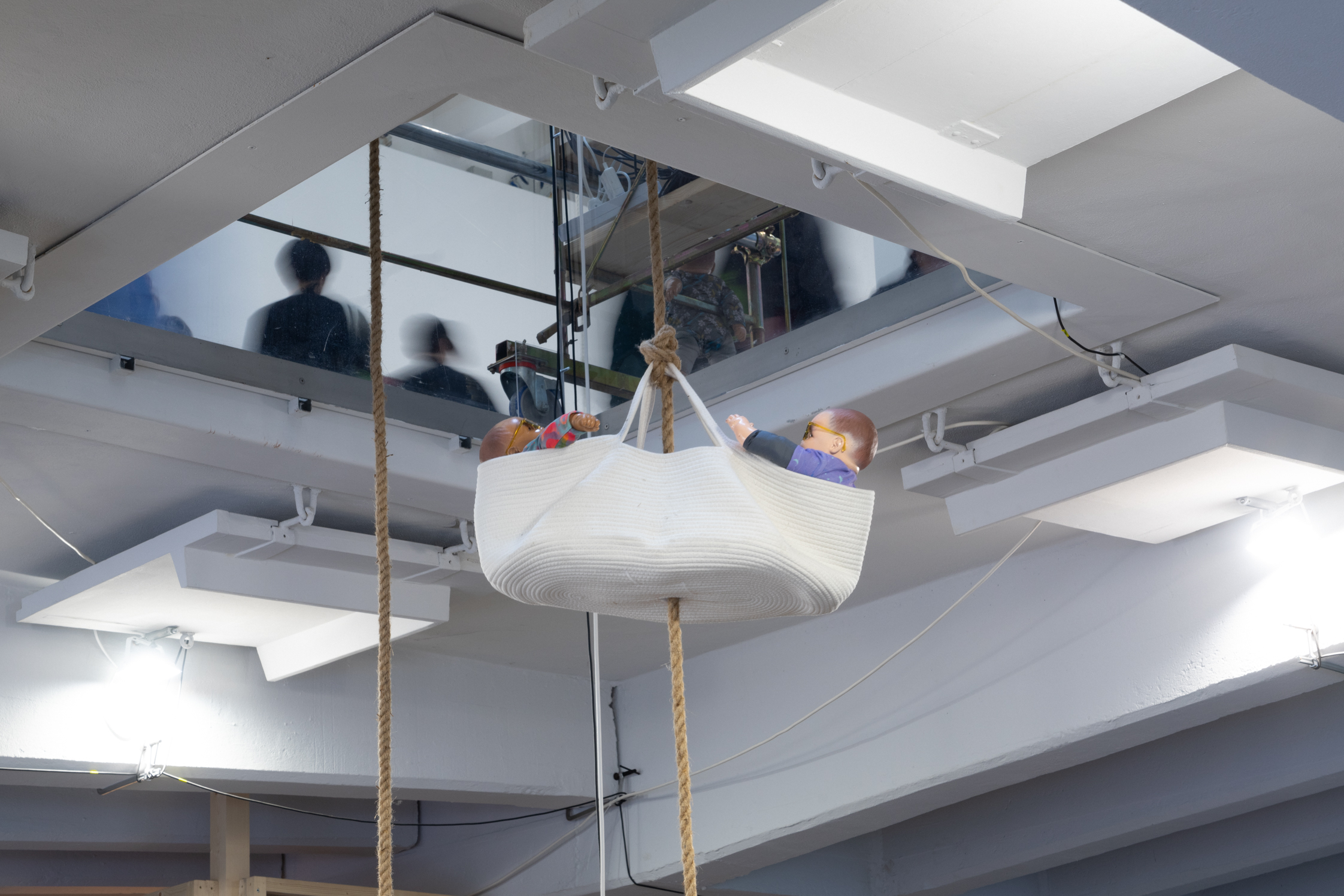
The article humorously critiques the Venice Biennale, highlighting several disappointments. It describes a Japanese pavilion installation by Ei Arakawa-Nash featuring baby dolls for diaper-changing, which a critic dismisses as a male artist over-romanticizing parenthood. Other flops include long queues for the German and Austrian pavilions, underwhelming main exhibition "In Minor Keys," and annoying self-promotional performers outside venues. The piece also laments the presence of loud American collectors and donors who dominate the event.

Big Crisis, Small Gestures

Große Krise, kleine Gesten

The article reviews the second edition of the Klima Biennale Wien, which opened in early April in Vienna. It notes that while the biennale aims to address the urgent triple crisis of climate change, biodiversity loss, and pollution, its execution falls short. The exhibition features symbolic works such as a beached whale, a broken boat, and a compostable SUV sculpture, but these motifs feel repetitive and lack the necessary impact. The author contrasts these with historical precedents like Menashe Kadishman's 1978 Venice Biennale installation and Joseph Beuys' "7000 Eichen" (1982), arguing that the themes of nature and sustainability are not new, only the urgency has intensified.

Desperate, Scared, But Social at UC Irvine Langson Orange County Museum of Art

The group exhibition "Desperate, Scared, But Social" at the UC Irvine Langson Orange County Museum of Art (Langson IMCA) explores the complexities of contemporary social dynamics and collective anxiety. The show brings together diverse artistic perspectives to examine how individuals navigate a landscape defined by political instability, environmental concerns, and the pervasive influence of digital connectivity.

Devin Troy Strother at ArtCenter

The article is a table of contents for Issue 42 of Contemporary Art Review LA, which includes a review of an exhibition by artist Devin Troy Strother at ArtCenter. The review, written by Janelle Zara, is listed among other reviews, interviews, and features in the publication's November 2025 issue.

what are the 10 best works of art in new york museums let the debate begin

Artnet News critic Christian Viveros-Fauné has published a personal list of the ten best works of art in New York museums, sparking debate among readers. The selection includes iconic pieces such as Giovanni Bellini's *St. Francis in the Desert* at the Frick Collection, Gerhard Richter's *October 18, 1977* at MoMA, Paul Cézanne's *The Card Players* at the Metropolitan Museum of Art, James Rosenquist's *F-111* at MoMA, Diego Velázquez's *Juan de Pareja* at the Met, and Pablo Picasso's *Les Demoiselles d'Avignon* at MoMA, among others.

Hydrojustice: A Review

A Non-Aspirational Justice: Review of Hydrojustice

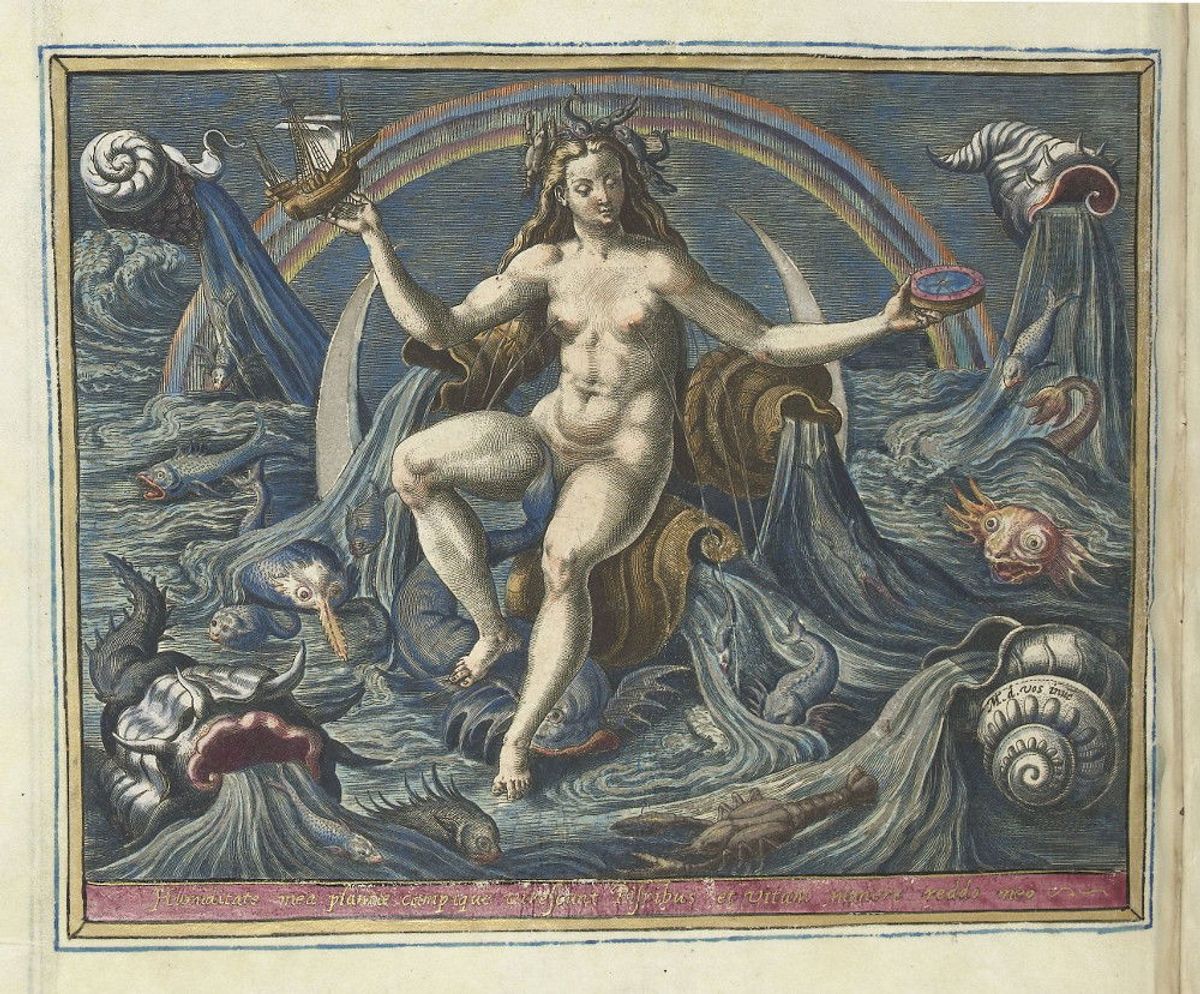
The article is a critical review of Andreas Philippopoulos-Mihalopoulos's book 'Hydrojustice,' which uses the concept of water as a lens to critique traditional, top-down legal justice and propose a more fluid, collective, and embodied alternative. The review frames this analysis through the recent erasure of a Banksy graffiti piece on the London Courts of Justice, which depicted a judge violently silencing a protester.

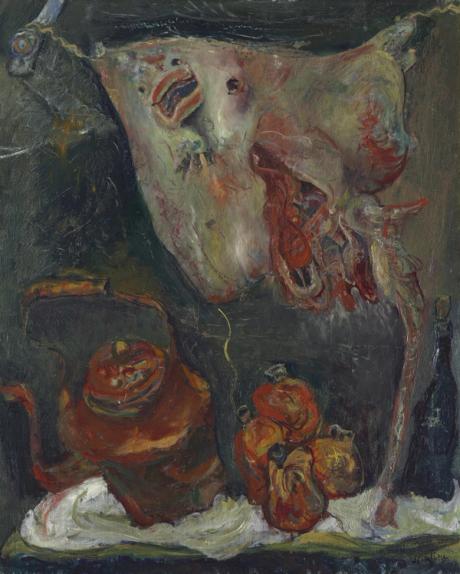
New biography of Chaïm Soutine pieces together illusive artist's life and works

A new biography of Chaïm Soutine, the early 20th-century painter, has been published. The book, written by Celeste Marcus, attempts to piece together the life of the notoriously private and illusive artist, examining his journey from a Belarusian shtetl to the studios of Montparnasse, his complex relationships, and the myths that have grown around his work and persona.

hot girl feminism chloe wise ambera wellmann sasha gordon

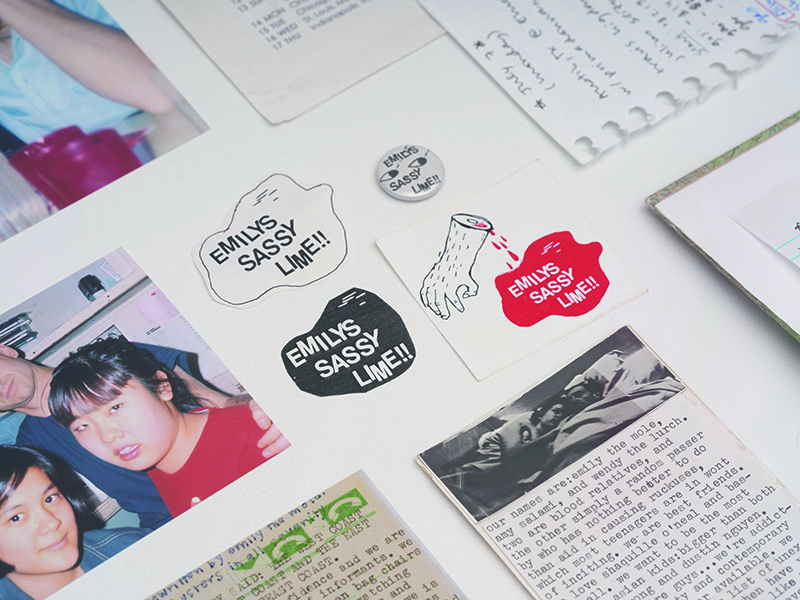
A wave of paintings by women depicting women dominated New York galleries this fall, sparking a critical examination of contemporary feminist figuration. Artists like Emily Coan and Anna Weyant create images of idealized, often sexualized femininity, framing their work as a reclamation of beauty and personal expression.

stephen shore early work mack

The article reviews Stephen Shore's book *Early Work*, which collects photographs he took between the ages of 13 and 18, from 1960 to 1965. Despite his youth, the images display remarkable sophistication, a feat Shore attributes to an atypical childhood that included early access to cameras and a copy of Walker Evans's *American Photographs*. The book includes a "pre-history" essay in which Shore reflects on his formative influences, including time spent at Andy Warhol's Factory and a friendship with headmaster William Dexter, who deepened his interest in photography. The earliest image in the book is a portrait of Dexter taking a photograph, which Shore describes as a metanarrative of a photographer photographing a photographer.

art ai digital guide brian droitcour

Brian Droitcour curates a guide to navigating the current media landscape through the work of tech-savvy artists and writers, focusing on exhibitions in Brooklyn and Queens. The guide highlights Porpentine's show "Xrafstar World" at Haul Gallery in Gowanus, which features poster-prints of drawings depicting characters from their stories and games, made with different digital brushes. Droitcour contrasts this DIY, performance-driven work with major institutions' engagement with AI, such as Sasha Stiles' "A Living Poem" at MoMA, which he criticizes for echoing technology's promises of polish rather than probing its complications.

j hobermans book everything is now 1960s nyc downtown yoko ono andy warhol

J. Hoberman's new book, *Everything Is Now: The 1960s New York Avant-Garde—Primal Happenings, Underground Movies, Radical Pop*, offers a sweeping cultural history of the downtown New York scene in the 1960s. The book centers on figures like Jonas Mekas, Andy Warhol, Yoko Ono, and Jack Smith, weaving together experimental films, happenings, music, and the chaotic energy of the era. Hoberman, a longtime critic and curator, draws on his personal connections to the scene, including his mentorship under Mekas, and will present a selection of shorts from the book at Anthology Film Archives in June.

art 2026 whitney biennial review artists

The 2026 Whitney Biennial, curated by Marcela Guerrero and Drew Sawyer, features 56 artists and collectives without a unifying theme or title. The review describes the exhibition as intentionally incoherent, reflecting America's current state of irrationality and violence. Notable works include Oswaldo Maciá's scent-based 'Requiem for the Insects', Zach Blas's apocalyptic AI installation, Emilie Louise Gossiaux's sculptures honoring her guide dog, Ash Arder's multimedia works exploring ecology and infrastructure, and Enzo Camacho and Ami Lien's politically charged diorama 'For a Just War Against America'. The show's atmosphere is dominated by clanging percussion, ominous drones, and discordant sounds, with a general tenor of unease.

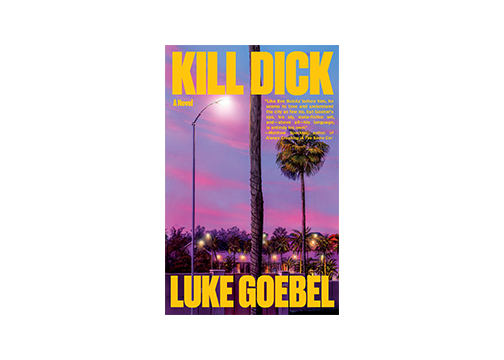
Bicoastal Art World Satire ‘Kill Dick’ Imagines Sackler Revenge

Luke Goebel's new novel 'Kill Dick' is a satirical, chaotic takedown of the contemporary art world and its entanglement with the Sackler family, fictionalized here as the Sicklers. The book follows protagonist Susie, the daughter of the Sickler family lawyer, as she navigates addiction, familial disgust, and a numbed existence against the backdrop of 2016 America. Its prose is deliberately abrasive and shocking, mirroring the emotional state of its narrator.

Thailand Biennale 2025 Review: Beyond the Tropical Paradise

The fourth Thailand Biennale, titled 'Eternal [Kalpa]', has launched across 19 venues in Phuket, aiming to challenge the island's reputation as a mere tropical leisure destination. Curated by a team including Hera Chan, the exhibition utilizes diverse locations—from municipal gymnasiums to mangrove forests—to explore themes of subjective time and local history. Despite logistical delays that saw some artists still installing works during the press preview, the biennial presents a series of site-specific commissions that engage with Phuket’s ecological and social complexities.

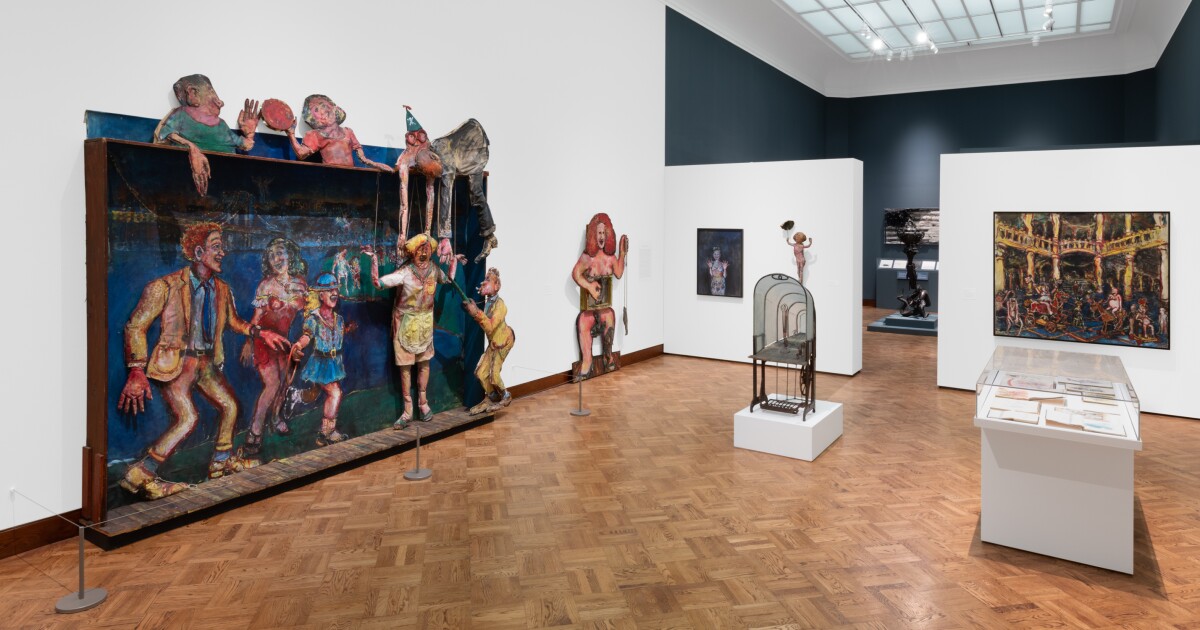
Review: June Leaf retrospective at Oberlin College is a revelation

The Allen Memorial Art Museum at Oberlin College is hosting a major retrospective of the late American artist June Leaf, featuring over 100 works spanning 75 years. The exhibition, which originated at the Addison Gallery of American Art, showcases Leaf’s unique figurative style and her roots in Chicago’s "Monster Roster" group. The show aims to provide art historical justice to an artist who often worked in the shadow of her husband, the legendary photographer Robert Frank.

The Many Forms of Marcel Duchamp

The New Yorker's Hilton Als reviews "Marcel Duchamp," a major retrospective at the Museum of Modern Art (MoMA) in New York, running through August 22, 2026. Curated by Matthew Affron, Michelle Kuo, and Ann Temkin, it is the first North American retrospective of Duchamp's work since 1973, organized in collaboration with the Philadelphia Museum of Art. The exhibition spans MoMA's entire sixth floor, showcasing Duchamp's shape-shifting practice—from iconic works like "Nude Descending a Staircase (No. 2)" (1912) and "Bicycle Wheel" (1951) to his readymades and conceptual pieces—emphasizing his rejection of commodification and embrace of intellectual freedom, play, and queer sensibilities.

Review: “Canvas to Clay” at the San Antonio Museum of Art

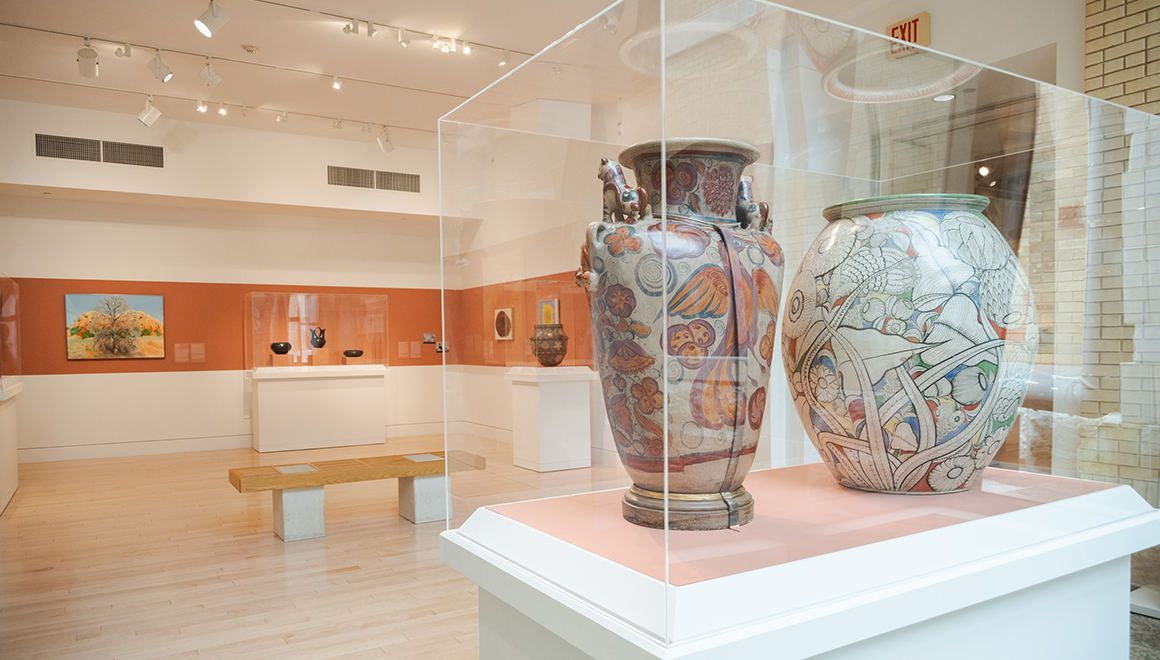
The San Antonio Museum of Art (SAMA) has launched "Canvas to Clay," an exhibition that pairs the modernist paintings of Georgia O’Keeffe with the black-on-black pottery of Maria Martinez. While these two icons of the American Southwest are frequently exhibited together, this show distinguishes itself by expanding the conversation southward. It integrates Mexican earthenware from Mata Ortiz and Tonalá, highlighting the work of Juan Quezada and Hector Gallegos to showcase a broader regional tradition of abstraction and indigenous revival.

The Big Review | Fra Angelico at Palazzo Strozzi and Museo di San Marco, Florence ★★★★★

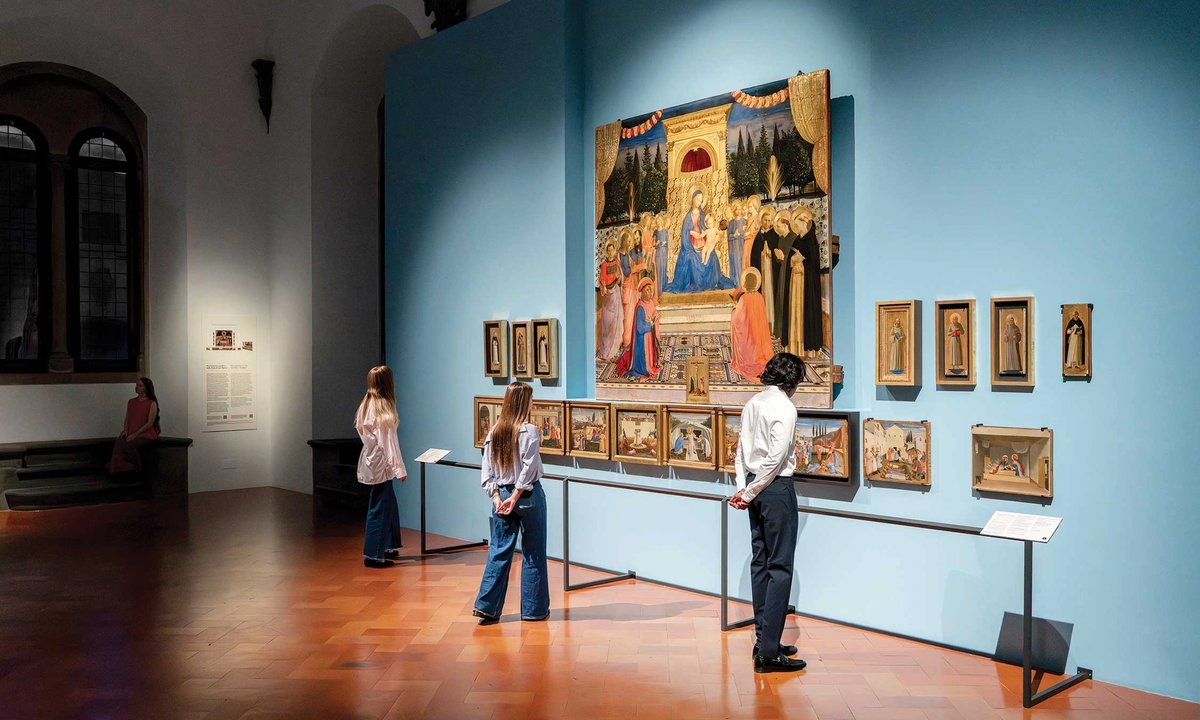
A major two-venue exhibition dedicated to early Renaissance master Fra Angelico (c. 1395-1455) has opened at Palazzo Strozzi and Museo di San Marco in Florence. The show, four years in the making, features unprecedented loans from over 70 museums and 28 newly conserved works, including the Fiesole Altarpiece (c. 1420-23) and the San Marco Altarpiece (1438-43). It reunites dispersed predella panels and decorative components looted during the Napoleonic era, presenting the most complete picture of Fra Angelico to date while challenging the notion that his work was archaic.

Did Zurbarán Believe What He Painted?

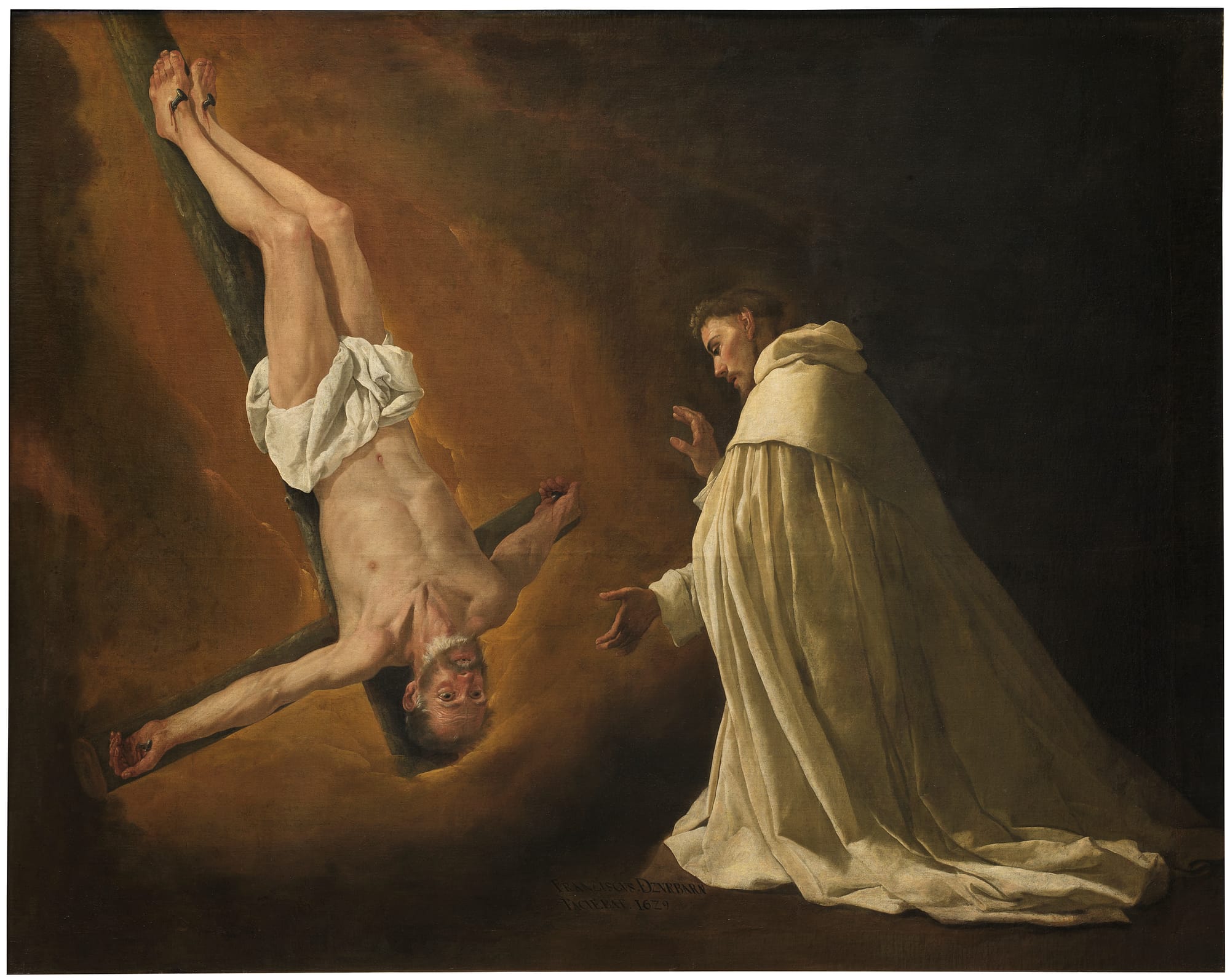
An exhibition of Francisco de Zurbarán's 17th-century religious paintings at London's National Gallery prompts a critic to question whether the artist's personal faith influenced his artistic skill. The show features monumental works from Spanish churches and monasteries, displayed dramatically against black walls, including crucifixion scenes, monks, and saints. The critic notes that no personal records of Zurbarán survive—only contracts—leaving his beliefs unknown, and compares him to Agnolo Bronzino, who painted pious scenes but wrote obscene verses. A small painting of a crucified Christ with a painter, possibly a self-portrait of Bronzino, is presented as ambiguous evidence of faith.

Black.2; Family Values; Studio Exhibition

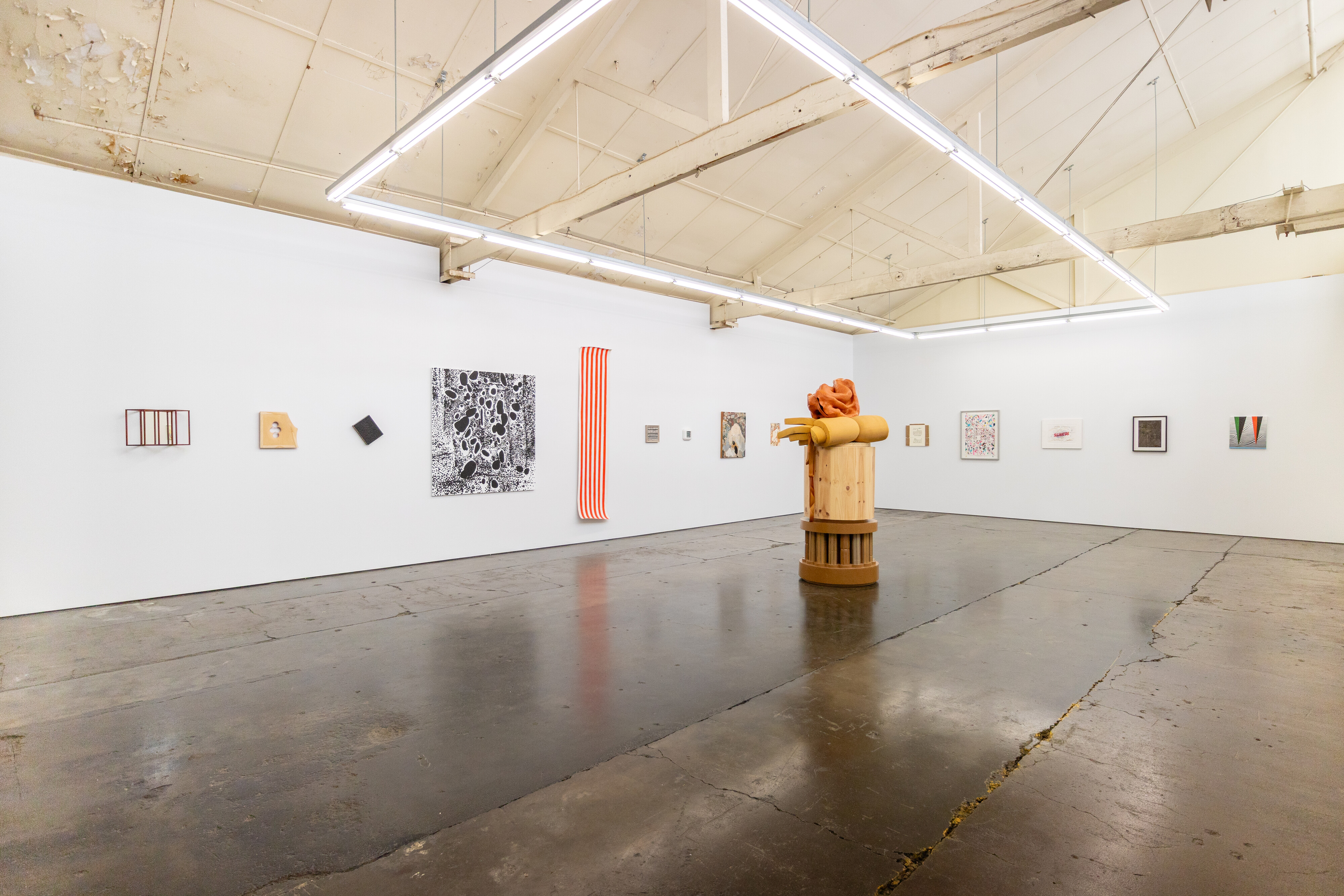
Amelia Winata reviews three concurrent group exhibitions in Melbourne galleries: 'Black.2' at Void_Melbourne (15 Nov–20 Dec 2025), 'Family Values' at Futures (6 Dec–20 Dec 2025), and 'Studio Exhibition' at Haydens (6 Dec 2025). The article opens with a metaphor comparing the gallery-goer's experience to the rescue ship Carpathia navigating icebergs, reflecting the glut of end-of-year group shows in Melbourne's commercial spaces. Winata visits each space, describing the deco-chic building housing Void_, the formalist black-themed works by artists like Nick Devlin, Elvis Richardson, Sarah Goffman, and Suzie Idiens, and the broader context of Melbourne's gallery scene.

Body as Device. Guide and Reflection on the Performances of the Venice Biennale

Corpo come dispositivo. Guida e riflessione sulle performance della Biennale di Venezia

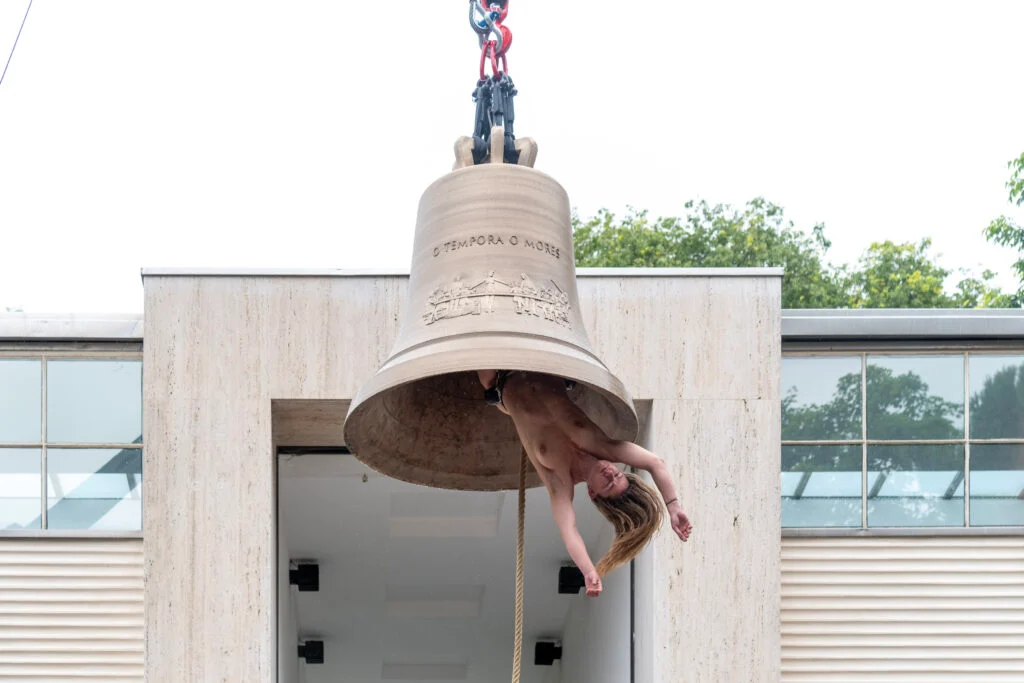
The article analyzes the role of performance art at the 2026 Venice Biennale, arguing that performance is no longer a rediscovered genre but a structurally institutionalized primary form of experience production. It examines how the body reemerges not as an alternative to image-based works but as an internal interruption of the artwork system, preventing closure and reintroducing instability. Key pavilions are discussed: Austria's Florentina Holzinger with "Sancta" draws on 1970s radical performance and feminist body art, creating an immersive environment of continuous movement; Belgium's Miet Warlop with "IT NEVER SSST" engages post-dramatic theater and postmodern dance repetition; Japan's Ei Arakawa-Nash with "Grass Babies, Moon Babies" activates Gutai avant-garde legacies through viewer interaction with soft dolls.

What is the international exhibition of the Venice Biennale like? Review of "In minor keys" by Koyo Kouoh

Com’è la mostra internazionale della Biennale di Venezia? Recensione di “In minor keys” di Koyo Kouoh

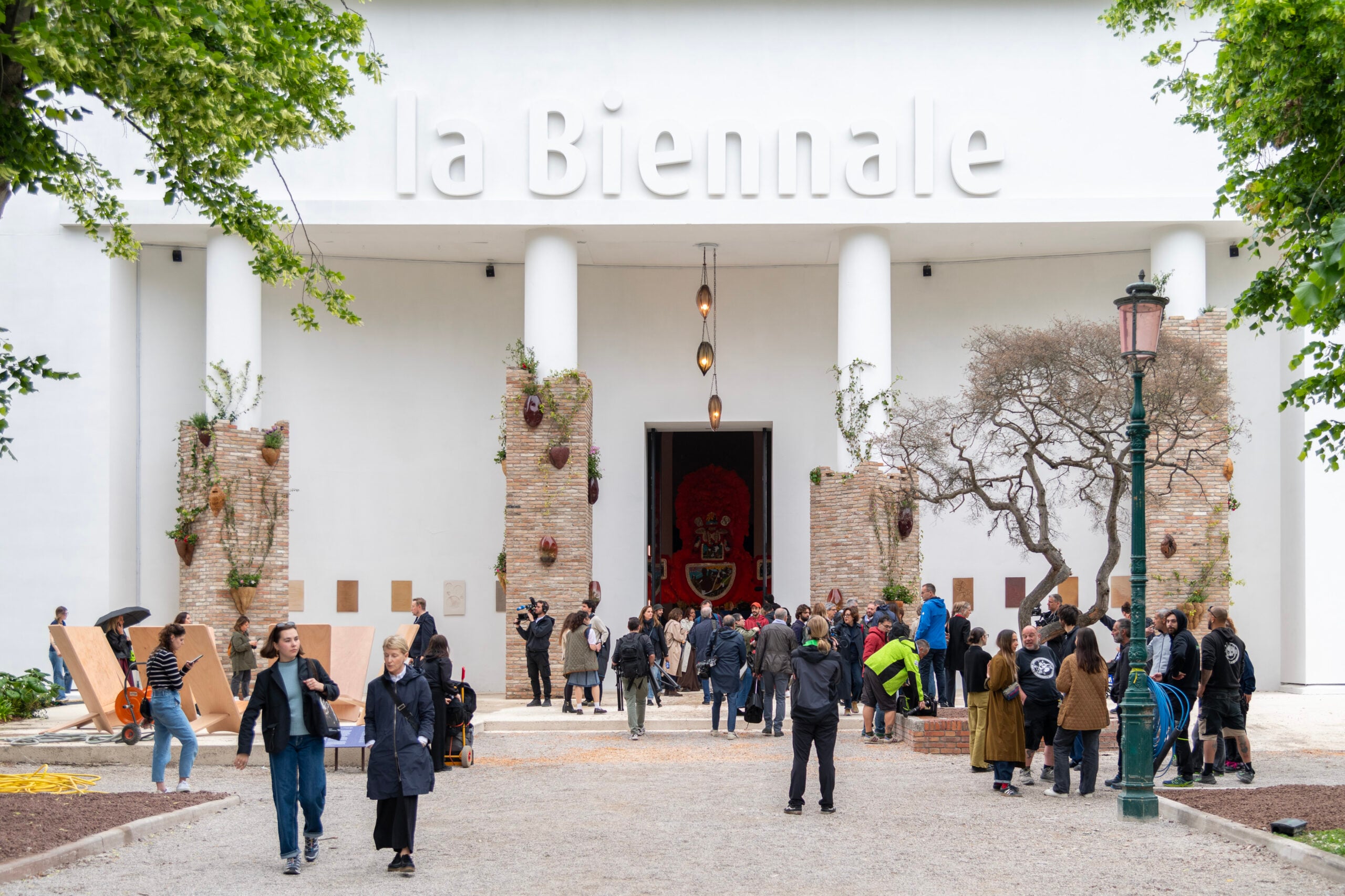
The 2026 Venice Biennale, titled "In minor keys" and curated by the late Koyo Kouoh, opens to the public on May 9 amid controversies including the absence of the president's name in the colophon at the Arsenale entrance. The exhibition, organized by Kouoh's team (Rory Tsapayi, Siddharta Mitter, Marie Helene Pereira, Gabe Beckhurst Feijoo, and Rasha Salty), unfolds across the Giardini and the Arsenale's Corderie, featuring works that balance strength and beauty with a harmonious mix of voices and themes. The Giardini section is particularly compelling, with a non-linear, polycentric layout that feels like a living organism, while the Arsenale offers further depth.

A Baroque Too Baroque: Reflections on the Colossal Exhibition in Forlì

Un Barocco troppo barocco. Riflessioni sulla colossale mostra di Forlì

A massive exhibition titled "Barocco: il gran teatro delle idee" (Baroque: The Grand Theater of Ideas) is on view at the Museo Civico San Domenico in Forlì, Italy. The show, curated by a committee of six, ambitiously attempts to define the Baroque across the 17th and 18th centuries, extending its scope to include France and Spain, and even suggesting its echoes in the 20th century. It features approximately 300 works, including paintings, sculptures, and decorative arts.

A review within a play. Play by Josiane M.H. Pozi and Emily Pozi  by Nasra Abdullahi

Josiane M.H. Pozi's exhibition "PORTRAIT O.A.Y.G." at Carlos/Ishikawa in London is reviewed through an unconventional, fragmented narrative that blends a play script with critical observation. The review describes Pozi's video works, including "Rhythmic Stimming" (2025) and "Restaurants" (2023), which capture mundane domestic scenes and personal artifacts. The text shifts between a first-person account of meeting the artist and a scripted dialogue between characters J and E, reflecting the exhibition's themes of identity, selfhood, and the poetic potential of everyday objects.

Spectral Nomenclature. Anastasia Pavlou  by Arnisa Zeqo

Artist Anastasia Pavlou’s practice is explored through her engagement with literature, memory, and the materialization of language. Her large-scale paintings, which draw formal comparisons to Art Informel and Abstract Expressionism, function as conceptual lexicons where titles—often direct citations from writers like Dionne Brand and Virginia Woolf—carry as much weight as the paint itself. Works such as "The Reader Interrogates Narrative, but Poetry Interrogates the Reader" demonstrate her interest in the "spectral" side of nomenclature, where naming serves to summon ghosts of the past while acknowledging the failures of language to capture emotion.