filter_list Showing 42 results for "PHAS" close Clear
search
dashboard All 1765 museum exhibitions 988article local 249article news 116article culture 112person people 101trending_up market 97rate_review review 42article policy 36gavel restitution 10candle obituary 8article event 5article school 1
date_range Range Today This Week This Month All
Subscribe

ruth asawa retrospective sfmoma review

Ruth Asawa's first retrospective at the San Francisco Museum of Modern Art in 1973 featured a communal "dough-in" where children made art from baker's clay, a practice that drew skepticism from some onlookers. Now in 2025, SFMOMA presents a larger retrospective of Asawa's work, showcasing her wire sculptures, drawings, and playful, community-oriented art. The exhibition, organized by SFMOMA's Janet Bishop and MoMA's Cara Manes, will travel to the Museum of Modern Art in New York, the Guggenheim Bilbao, and the Fondation Beyeler.
independent picks

The article reviews the Independent art fair, highlighting its curated approach that results in a visually cohesive and easeful experience compared to other fairs. It notes the prevalence of neo-bucolic landscapes and animal paintings by artists like Sameen Agha, Tim Braden, and Lisa Sanditz, as well as delicate abstractions and small ceramic works. Standout pieces include Pope.L's provocative paint-scribbled underwear at Mitchell-Innes and Nash, Rosa Barba's kinetic painting at Vistamare, Ibrahim El-Salahi's silkscreen painting at Vigo Gallery, and works by emerging artists such as Constanza Camila Kramer Garfias and Ada Friedman at Kendra Jayne Patrick Gallery.

10 Art Books for Your Spring Reading List

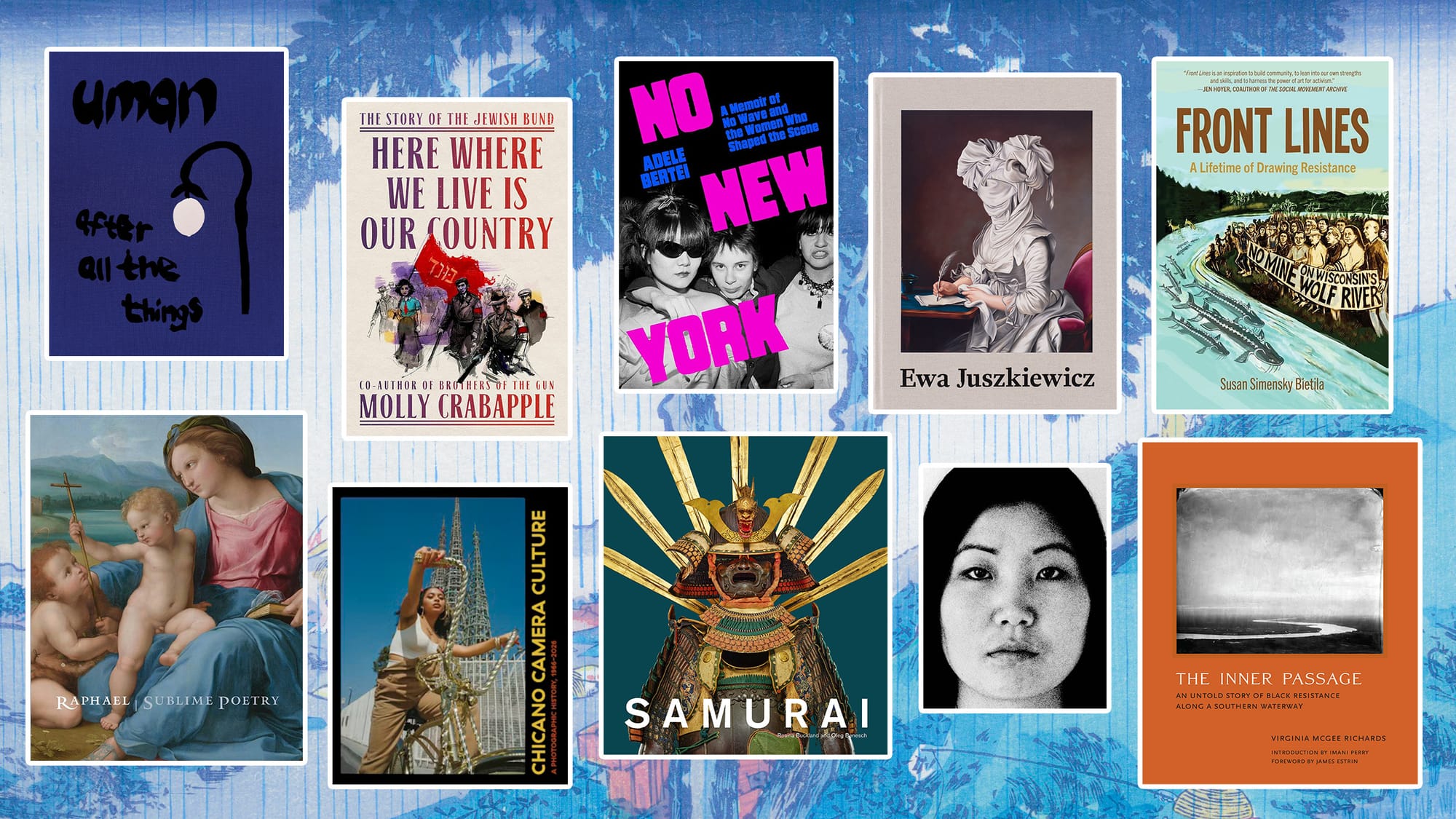
Hyperallergic has published a curated list of ten art books recommended for spring reading. The selection emphasizes historical retellings through an artistic lens, featuring works such as a memoir by activist-artist Susan Simensky Bietila, a chronicle of the Jewish Bund by Molly Crabapple, and the first major catalog on artist Theresa Hak Kyung Cha in 25 years. The list also includes exhibition catalogs like "Chicano Camera Culture" and a monograph on painter Ewa Juszkiewicz.

The Big Review | Venice Biennale 2026: In Minor Keys ★★★½

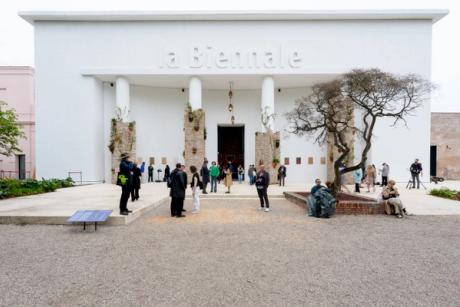
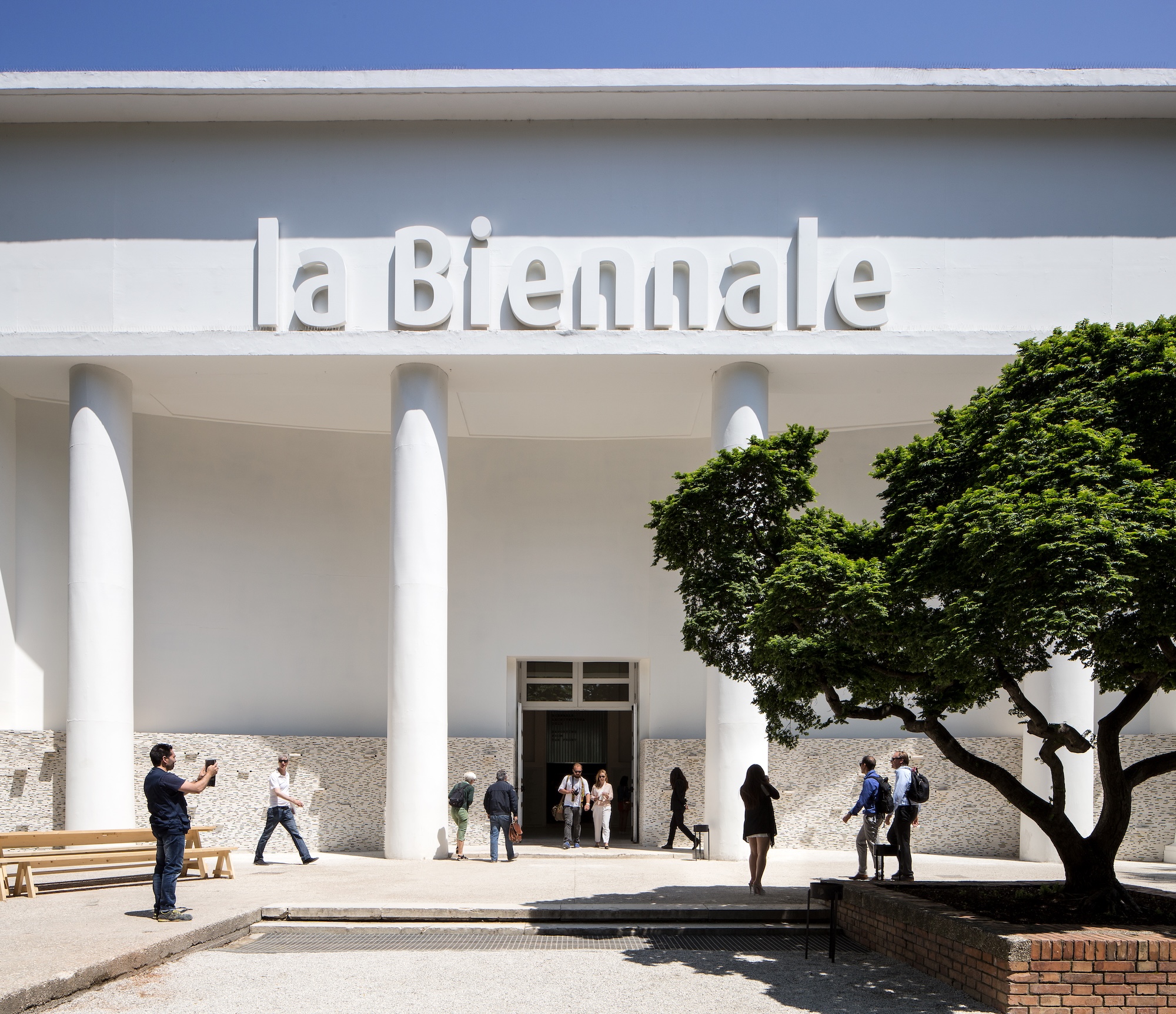
The Venice Biennale 2026, titled "In Minor Keys," was curated posthumously following the death of artistic director Koyo Kouoh in May 2025. A team of five curators and advisors—Gabe Beckhurst Feijoo, Marie Hélène Pereira, Rasha Salti, Siddhartha Mitter, and Rory Tsapayi—executed her vision across the Giardini and Arsenale venues. The exhibition features 110 artists, with a strong emphasis on new commissions, and is structured around themes of procession, resistance, and joy. Key works include Big Chief Demond Melancon's "Amistad Takeover" (2026), Nick Cave's "Amalgam (Origin)" (2025), and Otobong Nkanga's rewilded columns at the Central Pavilion.

Zurbarán review – ecstatic visions, primitive surrealism … and the finest loincloths ever painted

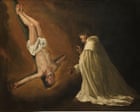
The Guardian reviews a major exhibition of 17th-century Spanish painter Francisco de Zurbarán, highlighting his visionary and surrealist qualities. The show features works such as "The Apparition of Saint Peter to Saint Peter Nolasco" (1629), newly attributed paintings including a giant mask, and iconic pieces like "The Crucified Christ" and "Saint Serapion," all drawn from collections including the Prado and the National Gallery, London. The review emphasizes Zurbarán's ability to paint supernatural subjects with naturalistic conviction, his exquisite rendering of fabrics—especially loincloths—and his influence on modern artists like Salvador Dalí.

sam gilliam sculpture textile fiber dublin ireland imma

The article reviews an exhibition of Sam Gilliam's work at the Irish Museum of Modern Art (IMMA) in Dublin, focusing on 23 works from the 1990s that highlight his use of sewing and stitching. Gilliam, a relentless experimenter who died in 2022, is known for moving from hard-edged stripe paintings to draped, unstretched canvases that blurred painting and sculpture. This show reveals a lesser-known aspect of his practice: patchwork-like assemblages of painted and printed canvas pieces held together by visible machine stitching, often incorporating photographic imagery of botanical forms. The works originated from a 1993 residency in Ballinglen, County Mayo, where Gilliam shipped pre-painted canvases from Washington, D.C., and had a seamstress sew them together.

minnie evans legacy high museum whitney

The article reflects on the responsibility of critical art writing in the Southeast, sparked by the announcement that Art Papers, an international art magazine based in Atlanta, will sunset in 2026 after 50 years. The author recounts a debate among local art workers about reviewing the forthcoming Minnie Evans retrospective organized by the High Museum of Art and traveling to the Whitney Museum, which he initially declined due to a conflict of interest with curator Katherine Jentleson. He ultimately agrees to write, emphasizing the need for Black scholars to engage with self-taught Black artists. The piece examines how Evans's narrative has been mediated through the lens of white photographer and art historian Nina Howell Starr, questioning the power dynamics and what remains unknown about Evans's own agency.

Review: The Good, The Bad and The Venice Biennale

The article reviews the 2024 Venice Biennale, focusing on controversies over Russia's and Israel's participation. Protests erupted during opening week, leading the EU to cut funding and the International Jury to resign. As a result, awards like the Golden Lion and Silver Lion will be decided by public vote, with many pavilions and artists withdrawing in protest. The main exhibition, curated under the theme 'Minor Keys,' features standout works by Alfredo Jaar and Carrie Schneider, alongside national pavilions like Austria's provocative entry by Florentina Holzinger.

Édouard Glissant’s Museum-as-Archipelago

The article reviews the exhibition "The Earth, the Fire, the Water, and the Winds: For a Museum of Errantry with Édouard Glissant" at the Center for Art, Research and Alliances (CARA) in New York, the first U.S. showing of works from the personal collection of Martinician philosopher and writer Édouard Glissant. Curated from his archive, the exhibition features artists such as Roberto Matta, Wifredo Lam, Etel Adnan, Irving Petlin, Antonio Seguí, Öyvind Fahlström, Jack Whitten, and Mel Edwards, reflecting Glissant's friendships and intellectual exchanges across Europe, Africa, and the Americas. Highlights include Antonio Seguí's large pastel works from his Titanic series.

« L’Angélus » de Millet : une notification à l’humanité hors sol ?

Beaux Arts Magazine publishes a detailed visual analysis of Jean-François Millet's painting "L'Angélus" (1857–1859), housed at the Musée d'Orsay in Paris. The article describes the scene of two peasants pausing their potato harvest to pray at dusk, examining the composition, color, and spiritual resonance of the work. It also traces Millet's biography—from his peasant origins in the Cotentin region to his training under Langlois and Paul Delaroche, and his early career painting portraits and nudes before turning to rural subjects.

These Ghosts. Clémentine Bruno  by Michela Ceruti

Clémentine Bruno’s artistic practice explores the tension between presence and absence, treating the canvas as a site of temporal layers rather than a flat surface for representation. Her work emphasizes the preparatory stages of painting—the laying of gesso and the construction of supports—allowing images to emerge reluctantly through processes of sanding, veiling, and partial erasure. Recent exhibitions, such as "Educational Complex" at Tonus and "Vision of Fading" at Mendes Wood DM, highlight her interest in how institutional structures and memory maps dictate what is retained and what is forgotten.

David Novros’s Portable Murals

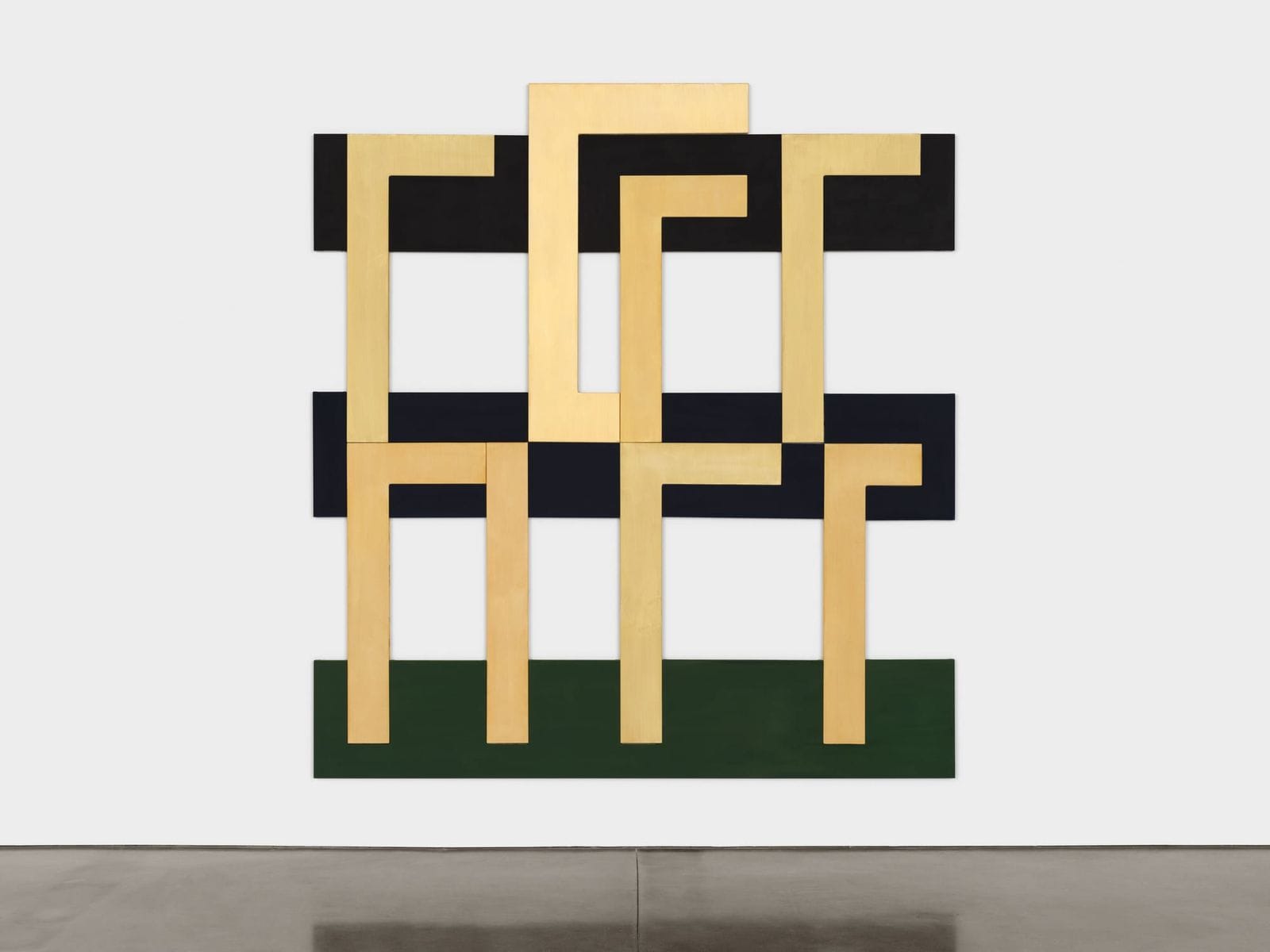
David Novros’s latest exhibition at Paula Cooper Gallery showcases his "portable murals," intricate multi-paneled paintings that challenge the traditional concept of art as a mere object on a wall. Utilizing oil and murano on canvas, Novros assembles monochromatic, L-shaped, and horizontal panels with precise intervals that incorporate the gallery wall into the composition. These works are designed to be experienced kinesthetically, responding to shifting natural light and the viewer's physical movement through the space.

An Analog Tether

A new wave of gallery exhibitions is championing analog physicality and personal intimacy as a direct counter-response to the rise of AI-generated imagery. Artists like Ben Wolf Noam and Joseph Geagan are utilizing traditional mediums such as charcoal, lithography, and oil paint to capture spontaneous, sentimental moments of human connection, from family dinners to portraits of friends. These works emphasize the "hospitable mess" of real life, prioritizing the recognizable faces and tangible textures that AI often flattens.

art criticism nayland blake david rimanelli review

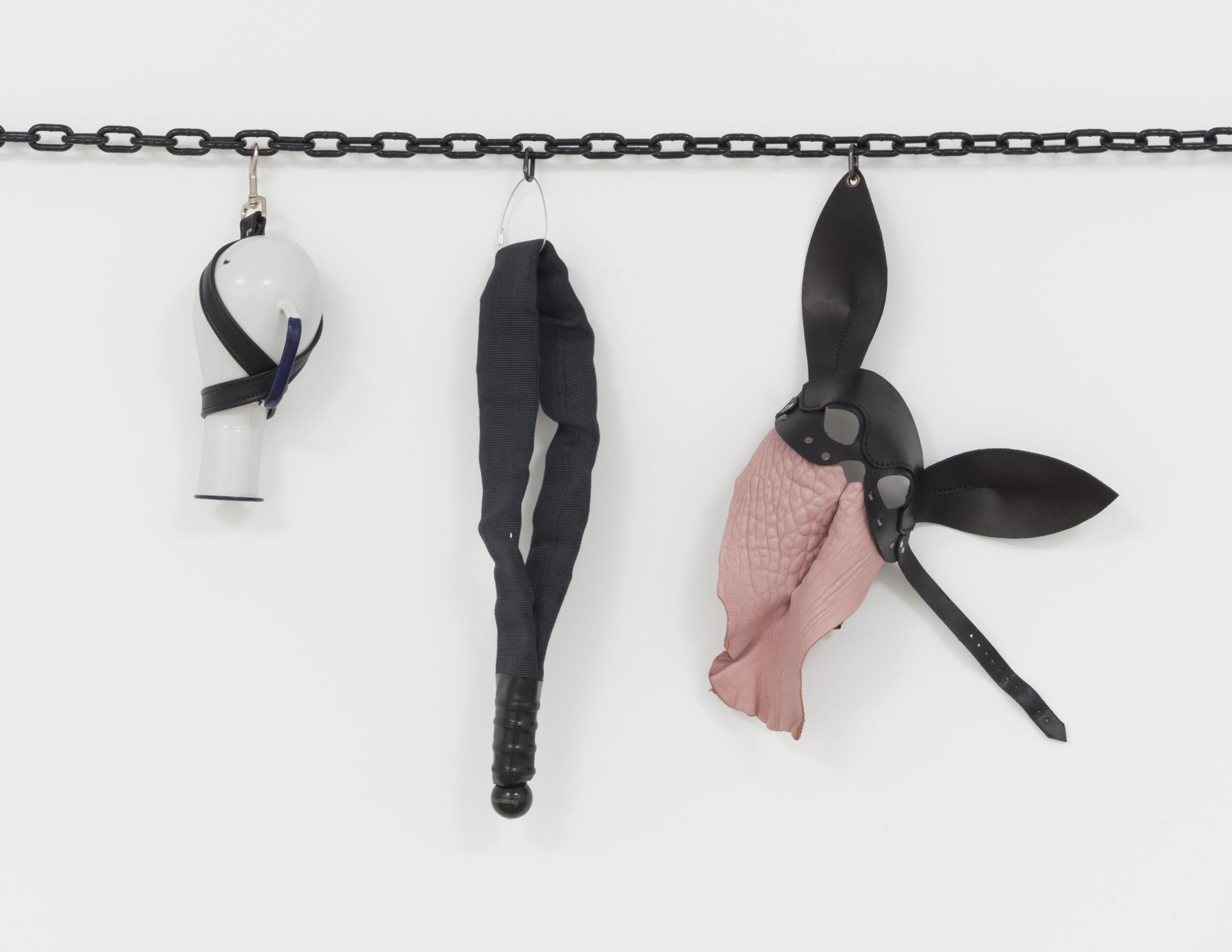
Nayland Blake presents a three-part exhibition at Matthew Marks Gallery in New York, featuring the retrospective "Sex in the 90s" curated by Beau Rutland and a new installation titled "Session." The show spans two gallery spaces on West 22nd Street, displaying a diverse array of works including plexiglass boxes of mass-market paperbacks, graphite drawings, a yellow stuffed bunny with Kaposi sarcoma lesions, and sculptures referencing kink and fetish culture. The new work "Session" uses artisanal implements of pleasure and pain clipped to black chains, evoking personal narrative and autobiography.

Review: The new LACMA is divisive. It’s also ambitious, disorienting — and radically alive

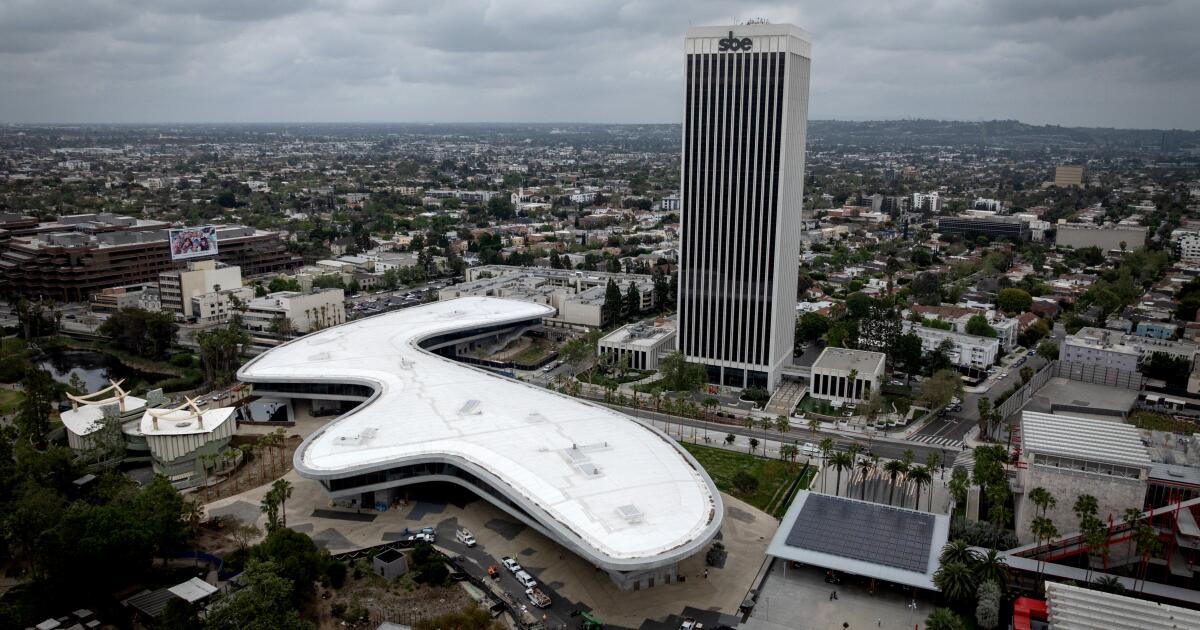
The Los Angeles County Museum of Art (LACMA) has unveiled its $724-million David Geffen Galleries, a massive concrete structure designed by Swiss architect Peter Zumthor that spans Wilshire Boulevard. Replacing several older pavilions, the new building rejects traditional museum conventions like white-cube galleries and encyclopedic organization in favor of a sinuous, organic form that emphasizes light, atmosphere, and a visceral connection to the surrounding landscape.

MoMA PS1’s “Greater New York” Is Gritty, Stunning, and Gutting

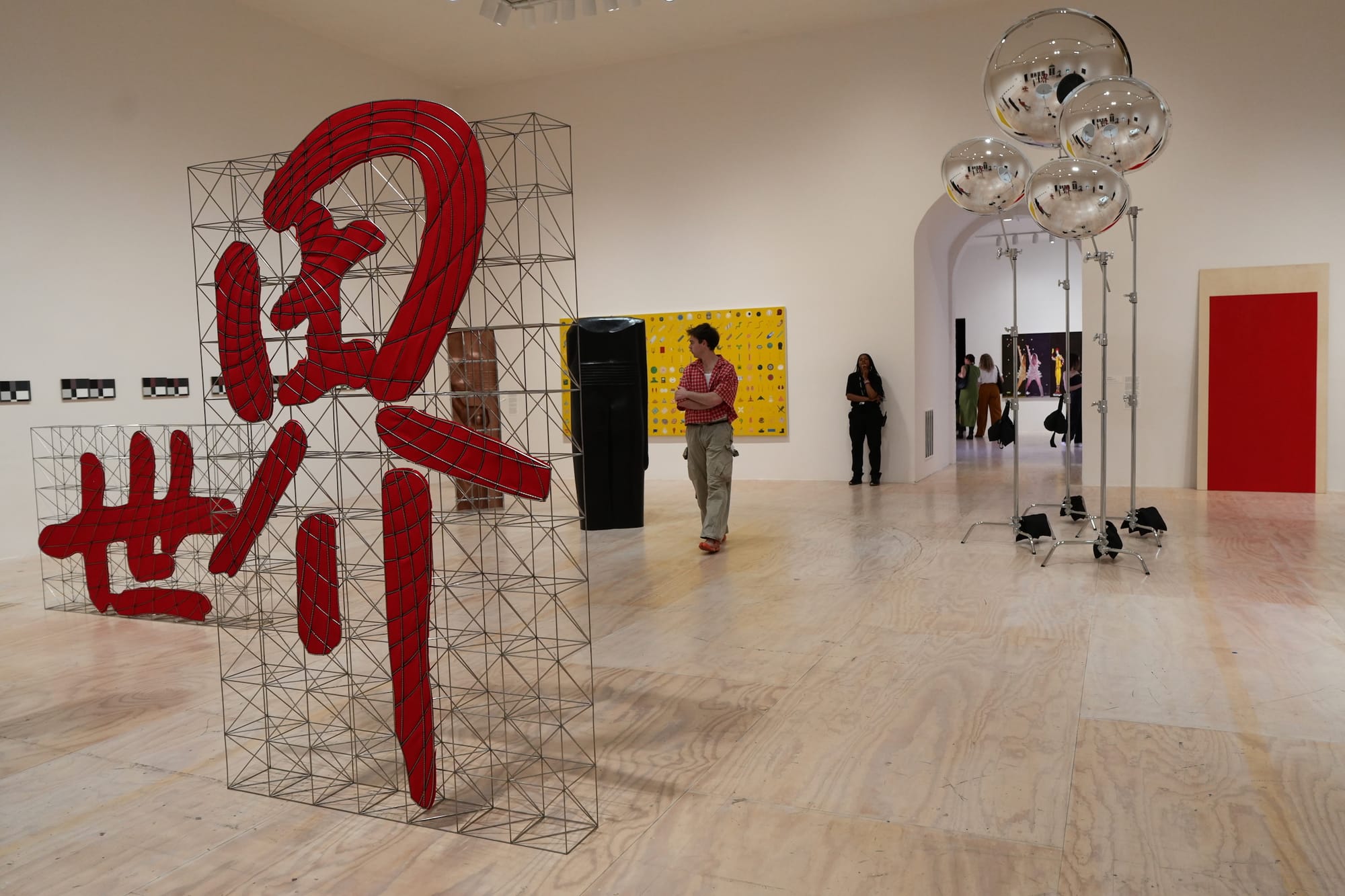
MoMA PS1 has launched the sixth edition of "Greater New York," a quinquennial survey featuring over 50 artists living and working in the city. Coinciding with the museum’s 50th anniversary, the 2026 iteration focuses on artists in the formative stages of their careers, emphasizing a gritty, raw aesthetic over the polished, market-driven surfaces often found in major biennials. The exhibition highlights photography and installation work that reflects the city's complex immigrant narratives and evolving urban identity.

Theresa Hak Kyung Cha Made Human Again

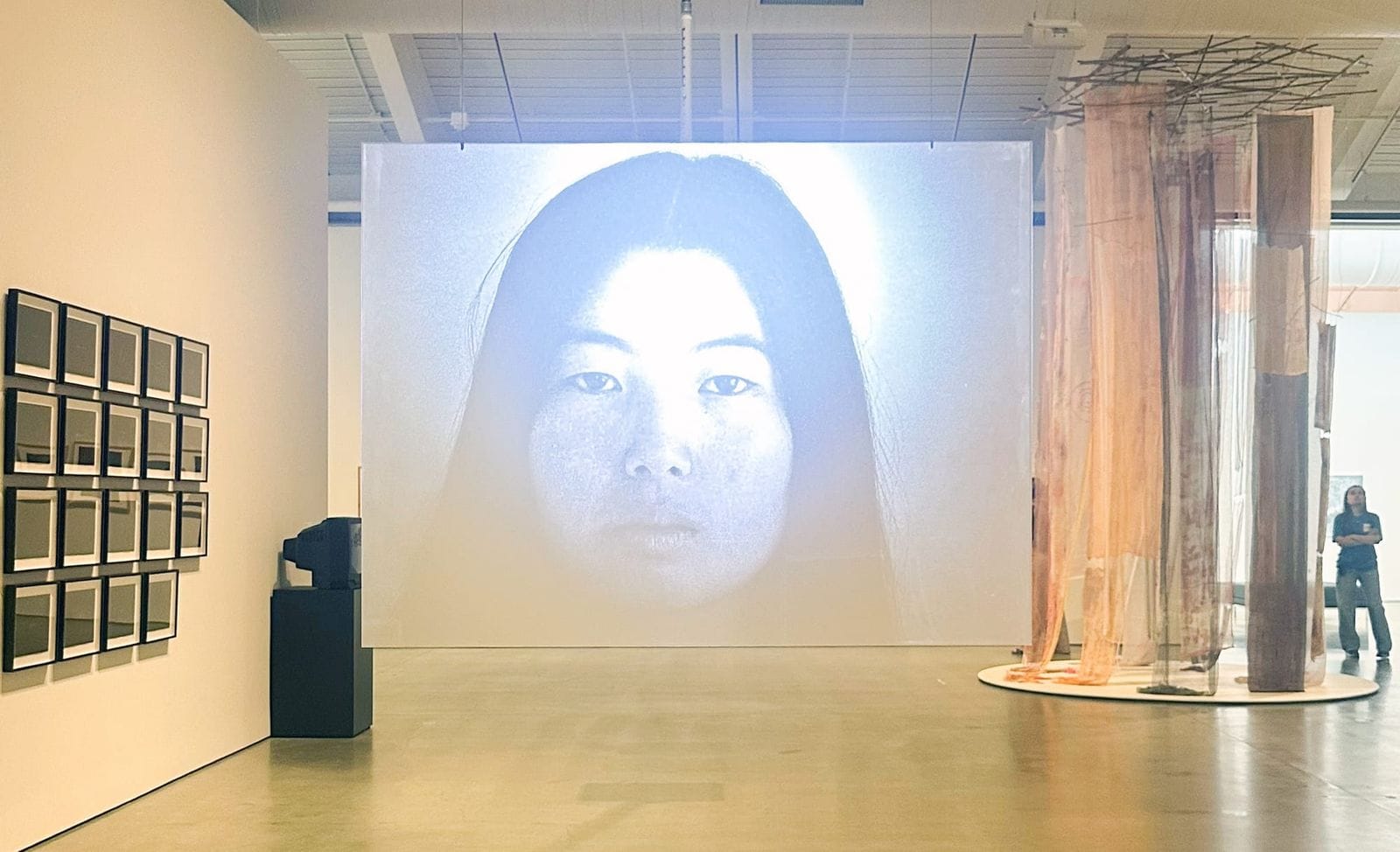
The Berkeley Art Museum and Pacific Film Archive (BAMPFA) is hosting "Theresa Hak Kyung Cha: Multiple Offerings," a comprehensive exhibition that draws from the artist’s complete archives. The show highlights Cha’s multidisciplinary practice, spanning film experiments, performance documentation, and her signature linguistic explorations. By pairing finished artworks with archival materials and personal ephemera, the exhibition reveals a playful, puckish side of the artist that is often obscured by the tragic circumstances of her death and the heavy themes of exile and dislocation in her work.

david rimanelli willem de kooning cosey fanni tutti

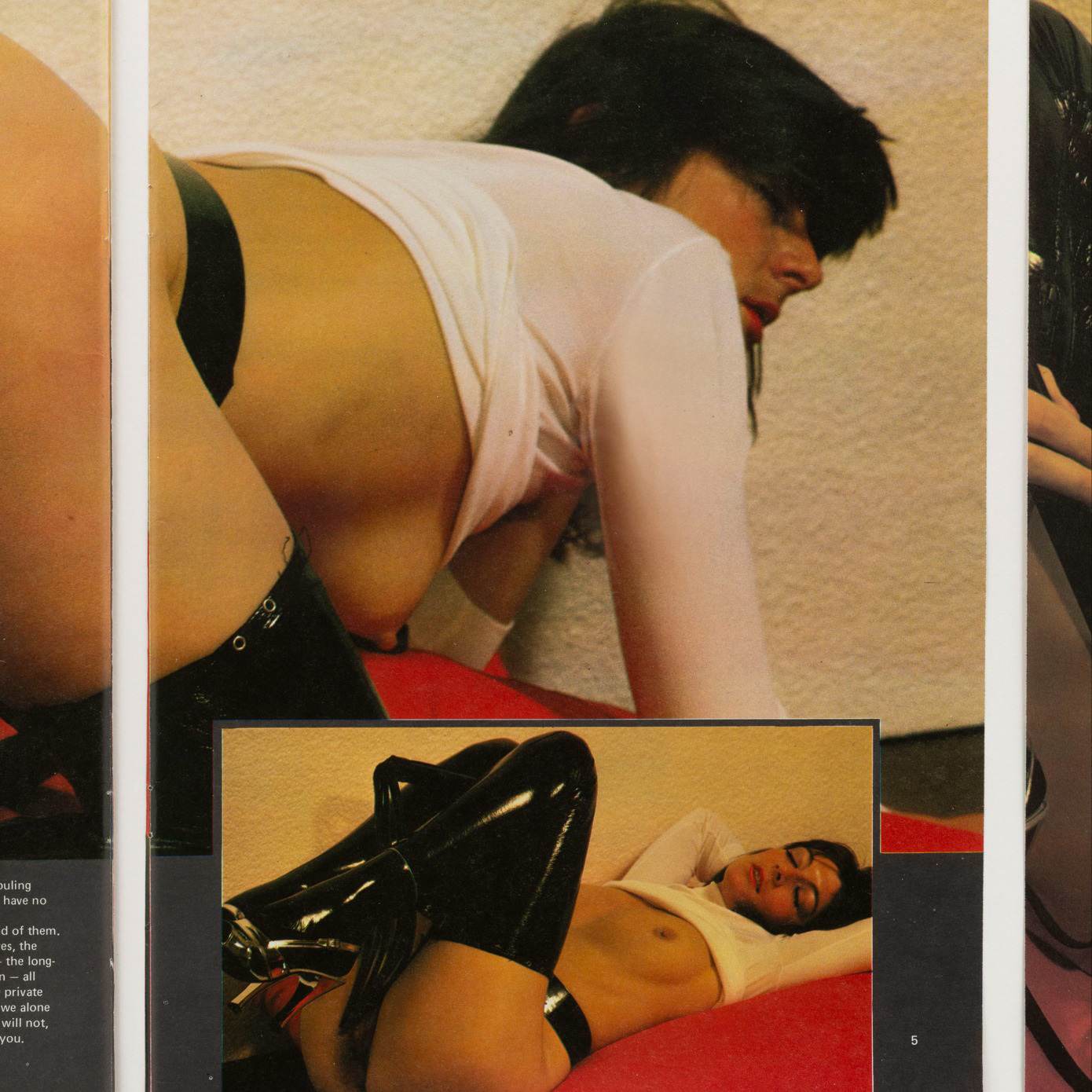
Art critic David Rimanelli reviews Willem de Kooning's exhibition "Endless Painting" at Gagosian's 555 West 24th Street location, curated by Cecilia Alemani, running through June 24, 2025. The show spans de Kooning's career from 1944 to his final phase, though notably omits his black-and-white oil-and-enamel paintings from the late 1940s. Rimanelli expresses ambivalence, finding the show dreary and pointless despite the high caliber of individual works, and critiques the press release's focus on fragmented body parts. Separately, Johanna Fateman reviews Cosey Fanni Tutti's exhibition at Maxwell Graham, highlighting her controversial 1970s series "Magazine Actions" (1972–80), on view through June 28, 2025.

chaim soutine biography celeste marcus

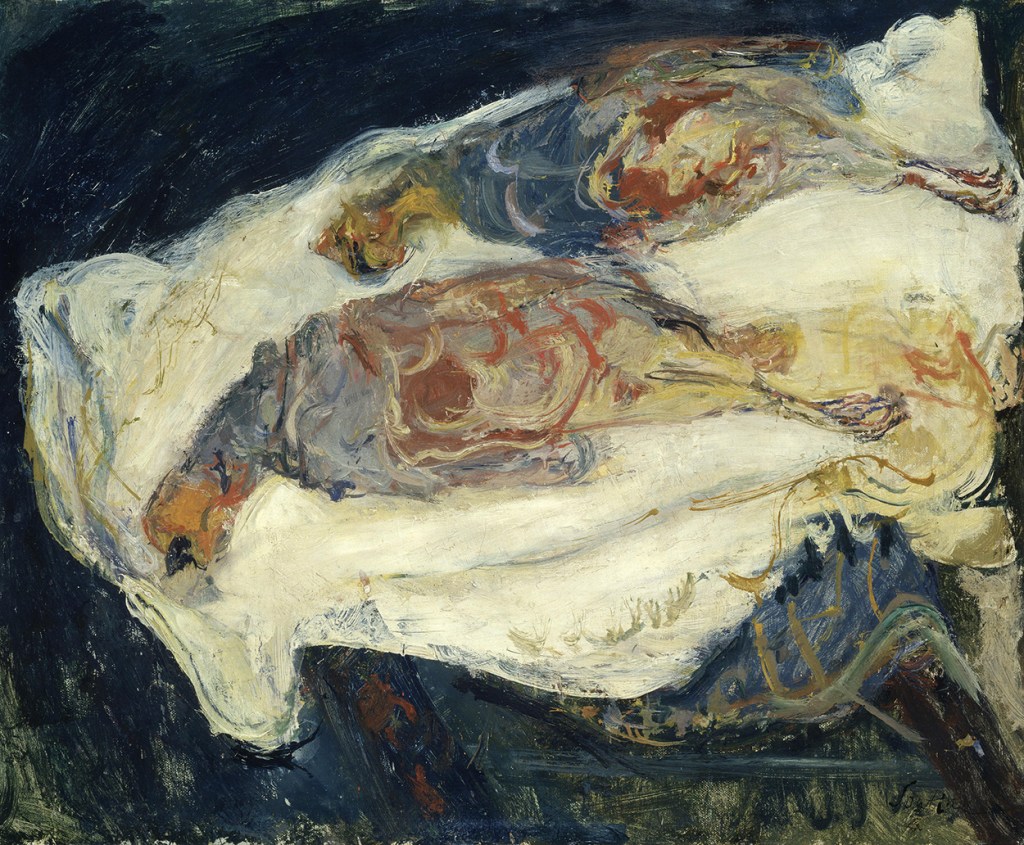
A new biography titled *Chaïm Soutine: Genius, Obsession, and a Dramatic Life in Art*, written by Celeste Marcus, explores the life and work of the early 20th-century painter Chaïm Soutine. Marcus argues that Soutine’s intensely visceral paintings—featuring dizzying landscapes, bloody carcasses, and penetrating portraits—are the key to understanding the artist, who left behind few personal records. The book challenges the tendency to read historical tragedy, particularly Soutine’s identity as an Eastern European Jew before WWII, into his turbulent brushwork, instead emphasizing the life force and internal logic of his compositions.

The Many Forms of Marcel Duchamp

The New Yorker's Hilton Als reviews "Marcel Duchamp," a major retrospective at the Museum of Modern Art (MoMA) in New York, running through August 22, 2026. Curated by Matthew Affron, Michelle Kuo, and Ann Temkin, it is the first North American retrospective of Duchamp's work since 1973, organized in collaboration with the Philadelphia Museum of Art. The exhibition spans MoMA's entire sixth floor, showcasing Duchamp's shape-shifting practice—from iconic works like "Nude Descending a Staircase (No. 2)" (1912) and "Bicycle Wheel" (1951) to his readymades and conceptual pieces—emphasizing his rejection of commodification and embrace of intellectual freedom, play, and queer sensibilities.

Review: “Canvas to Clay” at the San Antonio Museum of Art

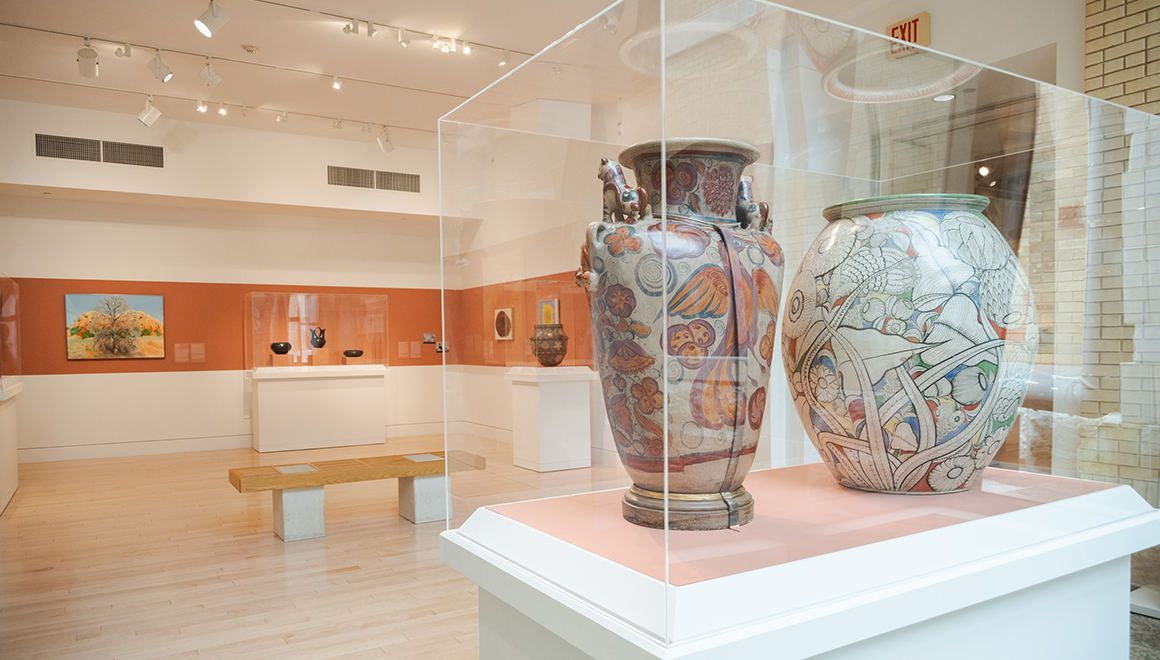
The San Antonio Museum of Art (SAMA) has launched "Canvas to Clay," an exhibition that pairs the modernist paintings of Georgia O’Keeffe with the black-on-black pottery of Maria Martinez. While these two icons of the American Southwest are frequently exhibited together, this show distinguishes itself by expanding the conversation southward. It integrates Mexican earthenware from Mata Ortiz and Tonalá, highlighting the work of Juan Quezada and Hector Gallegos to showcase a broader regional tradition of abstraction and indigenous revival.

The Big Review | The Woman Question 1550-2025 ★★★★½

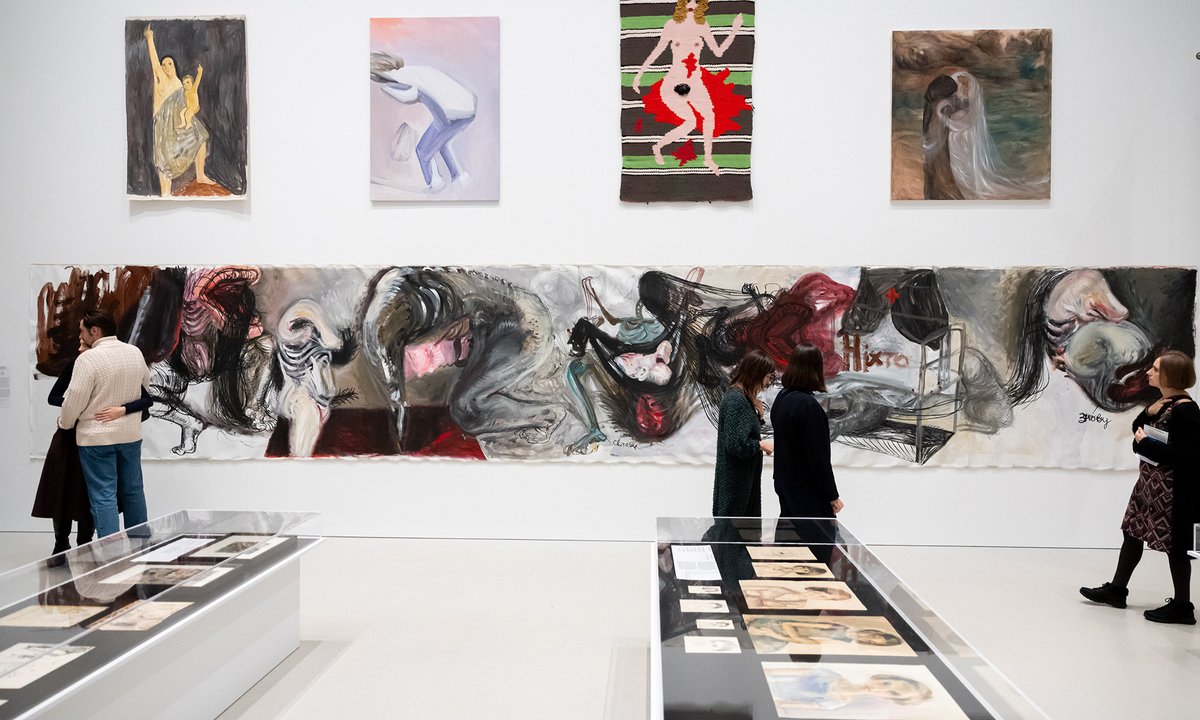
The Museum of Modern Art in Warsaw has launched "The Woman Question 1550-2025," a massive survey featuring nearly 200 works by 140 women artists spanning five centuries. Curated by Alison M. Gingeras, the exhibition uses the medieval concept of "la querelle des femmes" to explore how women have asserted their status as "citizen artists" against patriarchal structures. The show juxtaposes historical masterpieces by figures like Artemisia Gentileschi and Sofonisba Anguissola with contemporary provocations by Miriam Cahn and Lubaina Himid, focusing heavily on figurative painting and sculpture.

Review: “Toshiko Takaezu: Worlds Within” at the Museum of Fine Arts, Houston

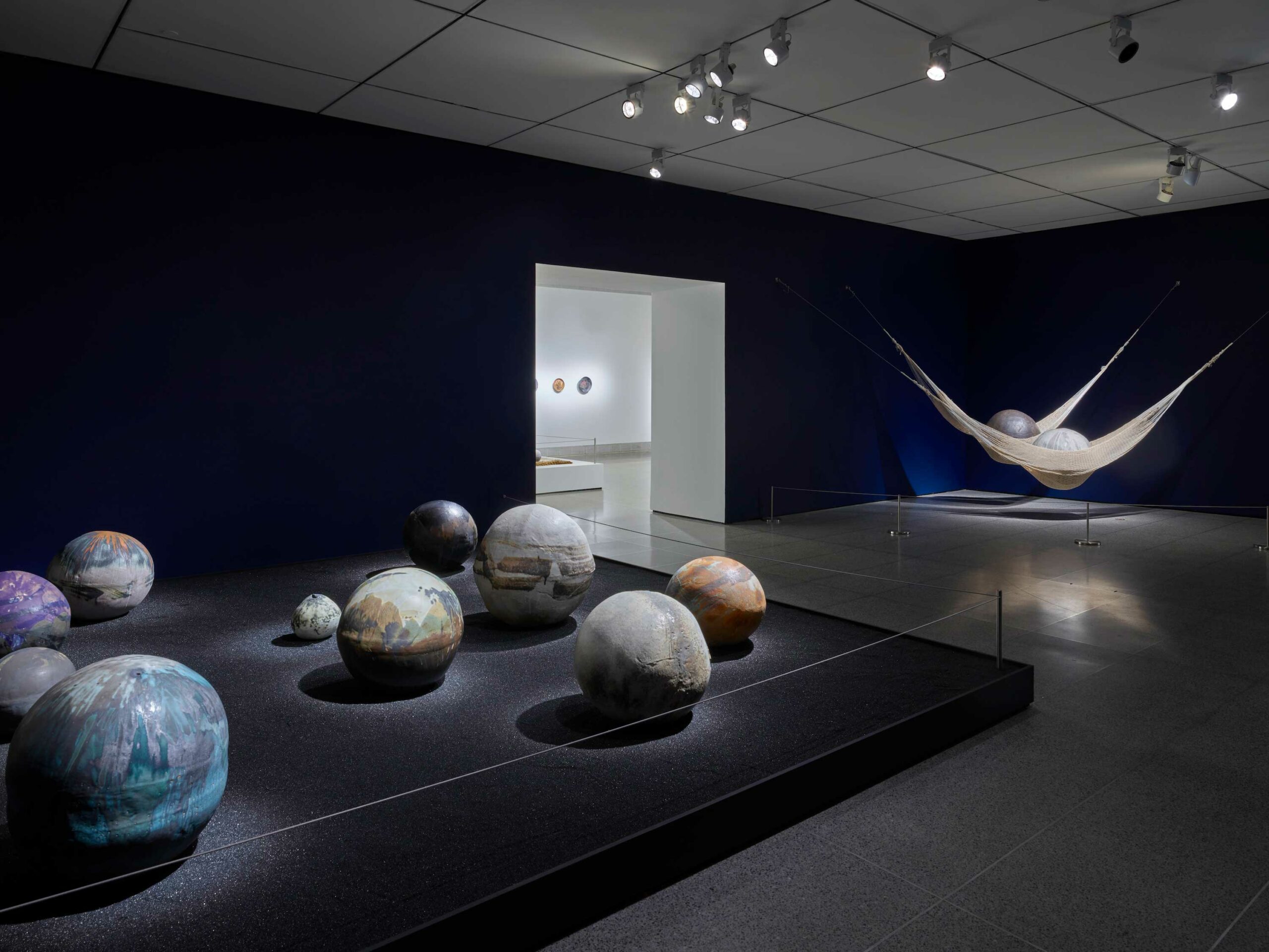
The article reviews "Toshiko Takaezu: Worlds Within" at the Museum of Fine Arts, Houston, the artist's first nationally touring retrospective in 20 years. Organized by the Isamu Noguchi Foundation and Garden Museum, the exhibition features some 100 artworks from the 1950s until her death in 2011, including large-scale ceramics, weavings, and paintings. It traces Takaezu's journey from her childhood on a Maui watercress plantation to her transformative studies at Cranbrook Academy of Art and a pivotal trip to Japan, where she studied Zen Buddhism and worked under various ceramicists.

Surprised by Jack: A Review of “Jack Whitten: The Messenger” at MoMA in New York

The Museum of Modern Art in New York is hosting "Jack Whitten: The Messenger," the largest survey ever mounted of the late abstract artist Jack Whitten, who died in 2018. The exhibition features 175 works spanning his sixty-year career, from early quasi-representational pieces to his innovative "slab" paintings made with a custom squeegee device and his later "tesserae" works that mimic glass tiles using acrylic paint. The show includes archival audio of Whitten discussing his creative process, which blended philosophy, craft, and science, and is curated by MoMA's Michelle Kuo, who knew Whitten personally.

An expansive monograph of Celia Paul paints a portrait of a single-minded, singular artist

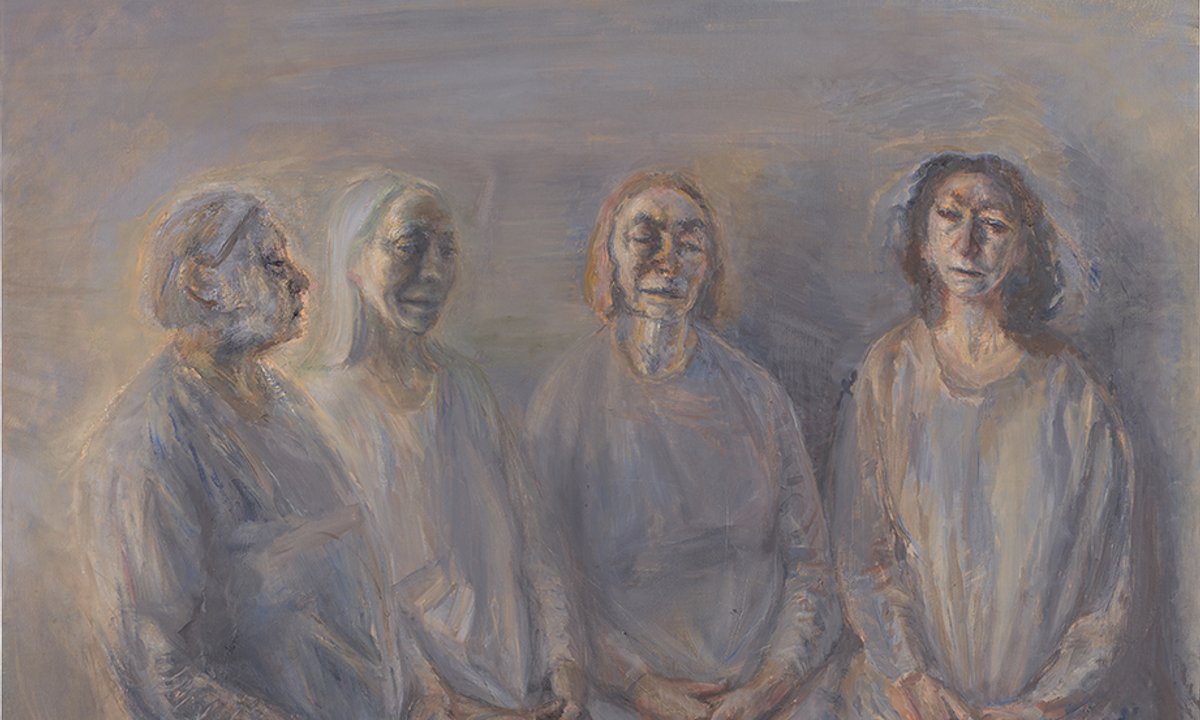
A new monograph on Indian-born British painter Celia Paul (b. 1959) presents an expansive survey of her career, featuring over 500 color reproductions and essays by Hilton Als, Clare Carlisle, Karl Ove Knausgaard, Edmund de Waal, and Rowan Williams, alongside contributions from the artist herself. The book traces Paul's trajectory from her training at the Slade School of Fine Art and her decade-long relationship with Lucian Freud to her recent solo exhibition *Colony of Ghosts* at Victoria Miro in London, positioning her as a singular figure distinct from the shadow of Freud and the School of London painters.

CUANDO LOS OBJETOS HABLAN. MUSEO HECHIZO, DE JUAN JOSÉ SANTOS

Juan José Santos's book "Museo hechizo" (Metales Pesados, 2025) challenges the perceived neutrality of the Western museum, presenting it as an institution shaped by colonial logics of classification, extraction, and representation. The essay centers on the concept of "lo hechizo"—understood as both artisanal precariousness and disruptive enchantment—and explores small, community-based Latin American museum experiences that operate from precarity, reciprocity, and care. Santos argues that the museum is a space of conflict where voices, narratives, and ways of constructing history are contested, and he proposes thinking of the museum through its minor, situated, and alternative forms in Latin America.

olivia laings silver book pasolini fellini

Olivia Laing's novel "The Silver Book" is set in 1974 Italy during the Years of Lead, following Nicholas Wade, a young Slade graduate who becomes the lover and apprentice of costume and set designer Danilo Donati. Donati is working on Federico Fellini's "Casanova" and Pier Paolo Pasolini's "Salò," and the story explores their creative and erotic relationship against a backdrop of political turmoil. Laing's prose is vignetted and elliptical, focusing on daily acts of filmmaking and the sensual world of the characters.

‘My Father’s Shadow’: Now You See Me

Clive Chijioke Nwonka reviews Akinola Davies Jr.'s film *My Father's Shadow* (2025), a semi-autobiographical story of two adolescent brothers traveling through Lagos with their estranged father during the 1993 Nigerian presidential elections. The film, selected for the Cannes Official Selection, employs a metaphysical narrative style rooted in the Nigerian oral tradition, blending literal and spiritual worlds to explore diasporic identity, memory, and cultural preservation.

Biennale Jogja 18 Review: Occasional Moments of Brilliance

The 18th edition of Biennale Jogja, titled 'KAWRUH: Land of Rooted Practices,' explores Javanese concepts of lived knowledge and alternative epistemologies to challenge Western, human-centric frameworks. The exhibition is split into two phases: a process-driven residency in Boro Hamlet and a larger presentation featuring 60 artists across 11 venues in Yogyakarta. While the show features standout works like Faisal Kamadobat’s mythological illustrations and Yuta Niwa’s cross-cultural mandalas, the physical experience is marred by unfinished venues and logistical hurdles.

Patchwork Lost – A Critique of the Princeton University Art Museum’s American Art Wing

The article critiques the newly opened American art wing at the Princeton University Art Museum, arguing that its curatorial approach prioritizes contemporary social justice narratives over historical accuracy and national pride. The author contends that the exhibition presents a fragmented, politicized view of American history, highlighting slavery and racial injustice while omitting or minimizing the contributions of Princeton alumni to the nation's founding, such as James Madison and John Witherspoon. Specific examples include the inclusion of a 2022 revisionist painting of the Signing of the Constitution and selective signage that emphasizes marginalized figures while ignoring male patriots.