filter_list Showing 22 results for "Position" close Clear
search
dashboard All 748 museum exhibitions 519trending_up market 41article culture 38person people 36article local 36article news 35rate_review review 22article policy 10candle obituary 8article events 1article event 1gavel restitution 1
date_range Range Today This Week This Month All
Subscribe

Big Crisis, Small Gestures

Große Krise, kleine Gesten

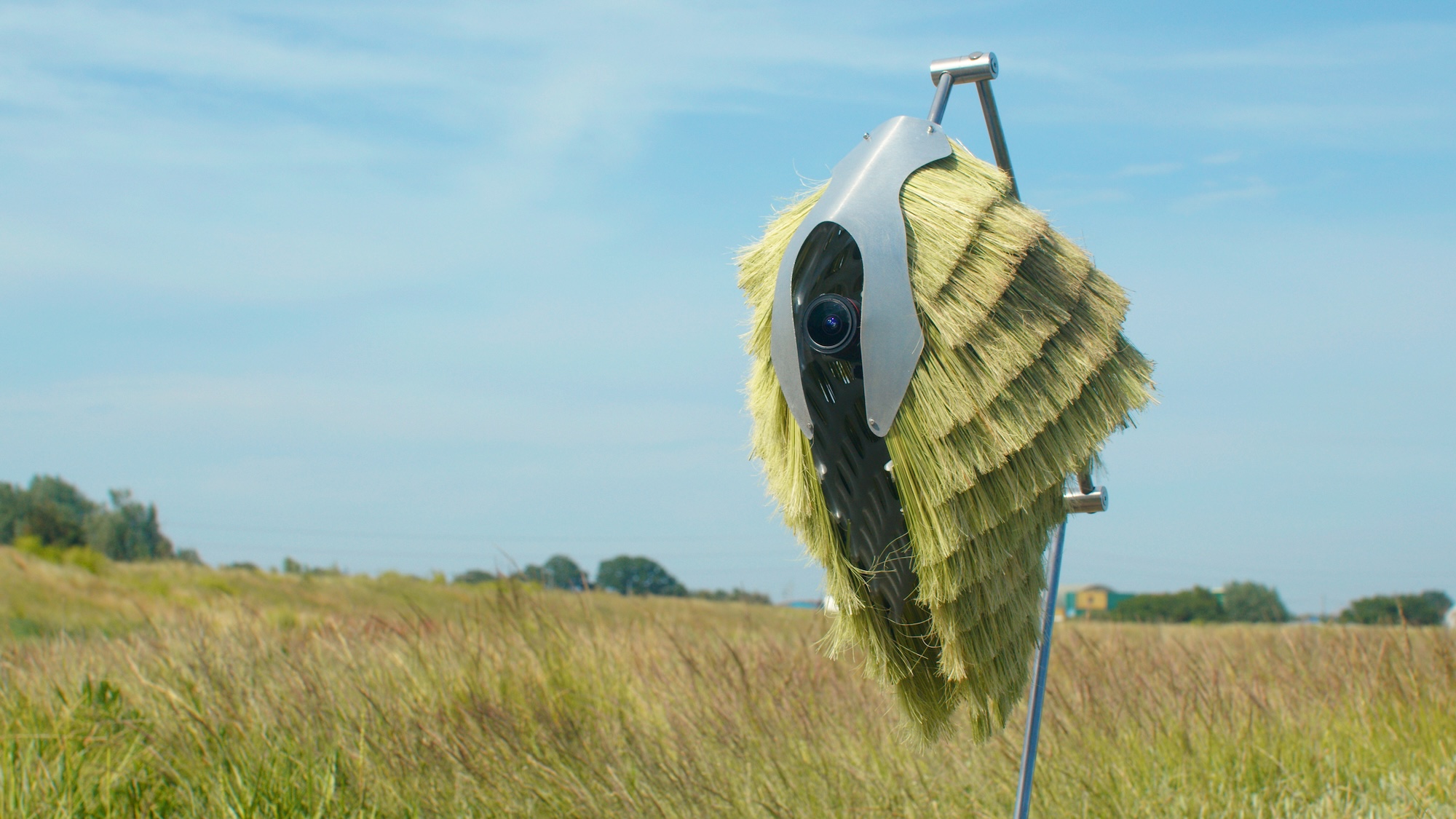
The article reviews the second edition of the Klima Biennale Wien, which opened in early April in Vienna. It notes that while the biennale aims to address the urgent triple crisis of climate change, biodiversity loss, and pollution, its execution falls short. The exhibition features symbolic works such as a beached whale, a broken boat, and a compostable SUV sculpture, but these motifs feel repetitive and lack the necessary impact. The author contrasts these with historical precedents like Menashe Kadishman's 1978 Venice Biennale installation and Joseph Beuys' "7000 Eichen" (1982), arguing that the themes of nature and sustainability are not new, only the urgency has intensified.
The Big Review | Lacma's David Geffen Galleries ★★★★

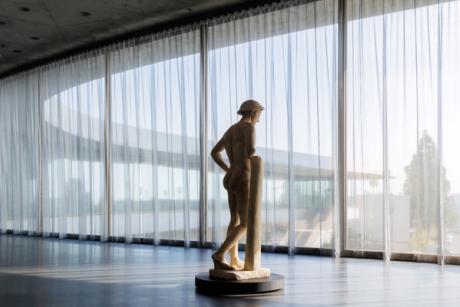
The Swiss architect Peter Zumthor's new $724 million building for the Los Angeles County Museum of Art (Lacma), now called the David Geffen Galleries, has opened after nearly two decades of anticipation. The swooping concrete-and-glass structure is praised for its harnessing of natural light and horizontality, creating a stunning showcase for antiquities and inviting the city inside with floor-to-ceiling windows offering views of the La Brea Tar Pits and Wilshire Boulevard. The building performs best with sculpture and decorative objects, with standout works including Liz Glynn's "The Futility of Conquest" (2023) and Manjunath Kamath's "Vikatonarva" (2024).

The Met’s Costume Institute Needs an Art History Lesson

The Metropolitan Museum of Art's Costume Institute spring exhibition, "Costume Art," pairs fashion with artworks from the Met's collection, including ancient Greek statues and Andy Warhol screenprints, alongside garments by designers from Charles James to CFGNY. Curator Andrew Bolton aims to suggest that fashion can expand understanding of art, but the show's juxtapositions often feel vague and sloppy, with only occasional resonant pairings like a Jean Paul Gaultier shirt and Joe Brainard drawing linked by queer artist lineage.

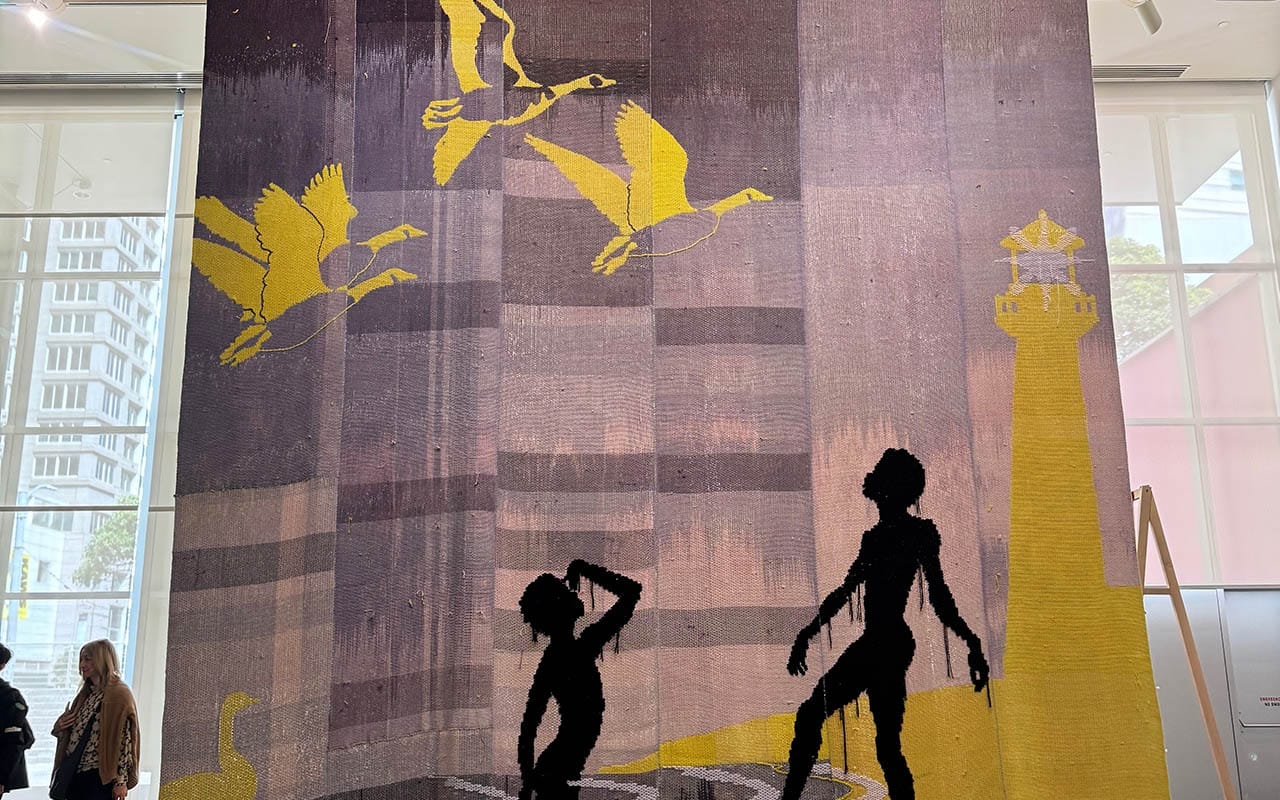
Diedrick Brackens’s Tapestries Beckon the Light of Freedom

Diedrick Brackens presents his first solo exhibition in the Bay Area, "gather tender night," at Yerba Buena Center for the Arts in San Francisco. Guest-curated by Eungie Joo, the show features 15 tapestries from 2020 onward and three new works from 2026, including the immersive installation "clearing (2026)." Brackens, a Black queer artist and CCA professor, uses hand-dyed cotton and acrylic yarn to weave narratives of personal memory, myth, and the natural world, drawing from West African weaving, California fiber art, European tapestry, and Gee's Bend quilting. His approach, influenced by the "sloppy craft" ethos of his mentor Josh Faught, embraces unfinished edges and visible process as acts of refusal against polished traditions.

Zurbarán review – ecstatic visions, primitive surrealism … and the finest loincloths ever painted

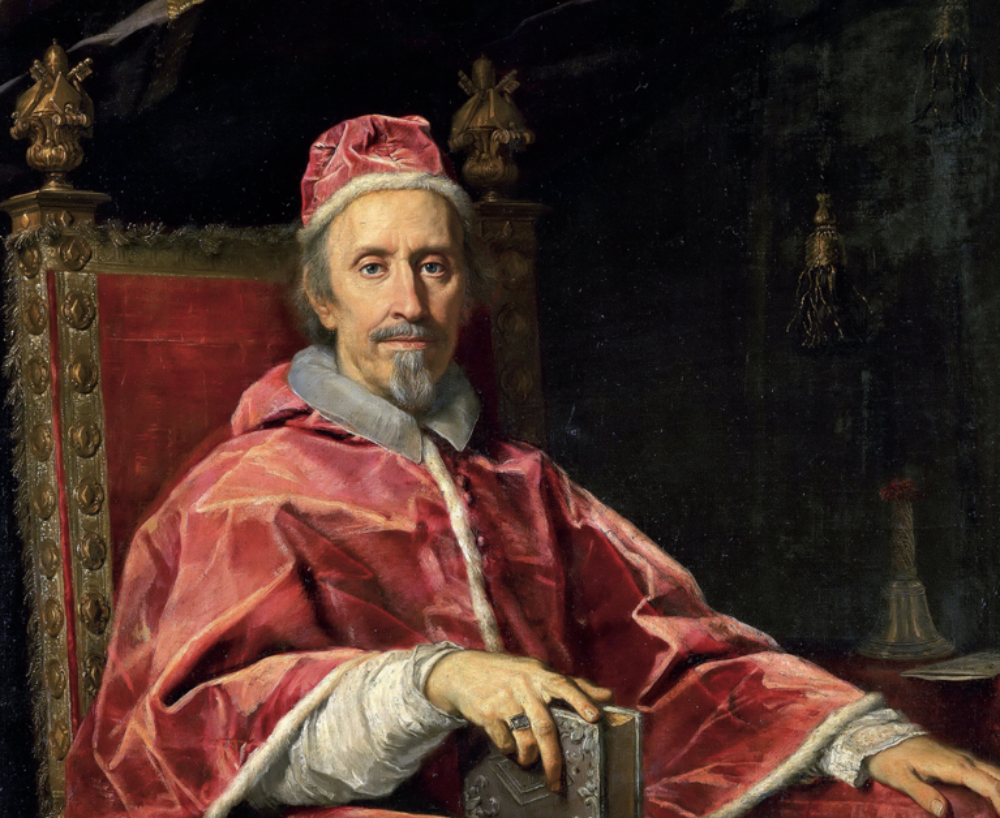
The Guardian reviews a major exhibition of 17th-century Spanish painter Francisco de Zurbarán, highlighting his visionary and surrealist qualities. The show features works such as "The Apparition of Saint Peter to Saint Peter Nolasco" (1629), newly attributed paintings including a giant mask, and iconic pieces like "The Crucified Christ" and "Saint Serapion," all drawn from collections including the Prado and the National Gallery, London. The review emphasizes Zurbarán's ability to paint supernatural subjects with naturalistic conviction, his exquisite rendering of fabrics—especially loincloths—and his influence on modern artists like Salvador Dalí.

Handpicked review – delightful dancing dahlias and petals so pillowy you can feel them

The Guardian reviews "Handpicked," an exhibition at Kettle's Yard in Cambridge that brings together over 40 artists from the 20th century to the present, all sharing a floral passion. The show features works by Rory McEwen, Vanessa Bell, Cedric Morris, Christopher Wood, Tirzah Garwood, Celia Paul, Gluck, and Caroline Walker, among others, displayed on white and leaf-green walls inspired by the fresh flowers and floral paintings in the neighboring house. The review highlights specific pieces, such as McEwen's exquisite tulip watercolor and Garwood's poignant painting from the last year of her life, noting the technical variety and emotional depth across the exhibition.

Sophia Rivera’s Mythology of Everyday New York

The article reviews "Sophie Rivera: Double Exposures" at El Museo del Barrio, the first survey of the late Nuyorican photographer Sophie Rivera, who died in 2021. The exhibition spans her career, including her feminist conceptual series "Rouge et Noir" and "Bowl Study" (c. 1976–78), which depict intimate bodily waste like used tampons and feces, and her socially engaged "Latino Portraits" series from the late 1970s, which countered negative media stereotypes of Puerto Ricans with affectionate, mythologizing portraits. The review highlights a moment where the critic misidentifies abstract toilet photographs as pinhole or double exposures before learning their true subject.

A Blockbuster Take on Ovid’s “Metamorphosis”

The Rijksmuseum in Amsterdam has opened a major exhibition titled 'Metamorphoses,' inspired by Ovid's poem. The show brings together Renaissance masterpieces, antiquities, and contemporary works, grouping them by the myths they depict to explore themes of transformation, desire, and gender through striking visual juxtapositions.

« L’Angélus » de Millet : une notification à l’humanité hors sol ?

Beaux Arts Magazine publishes a detailed visual analysis of Jean-François Millet's painting "L'Angélus" (1857–1859), housed at the Musée d'Orsay in Paris. The article describes the scene of two peasants pausing their potato harvest to pray at dusk, examining the composition, color, and spiritual resonance of the work. It also traces Millet's biography—from his peasant origins in the Cotentin region to his training under Langlois and Paul Delaroche, and his early career painting portraits and nudes before turning to rural subjects.

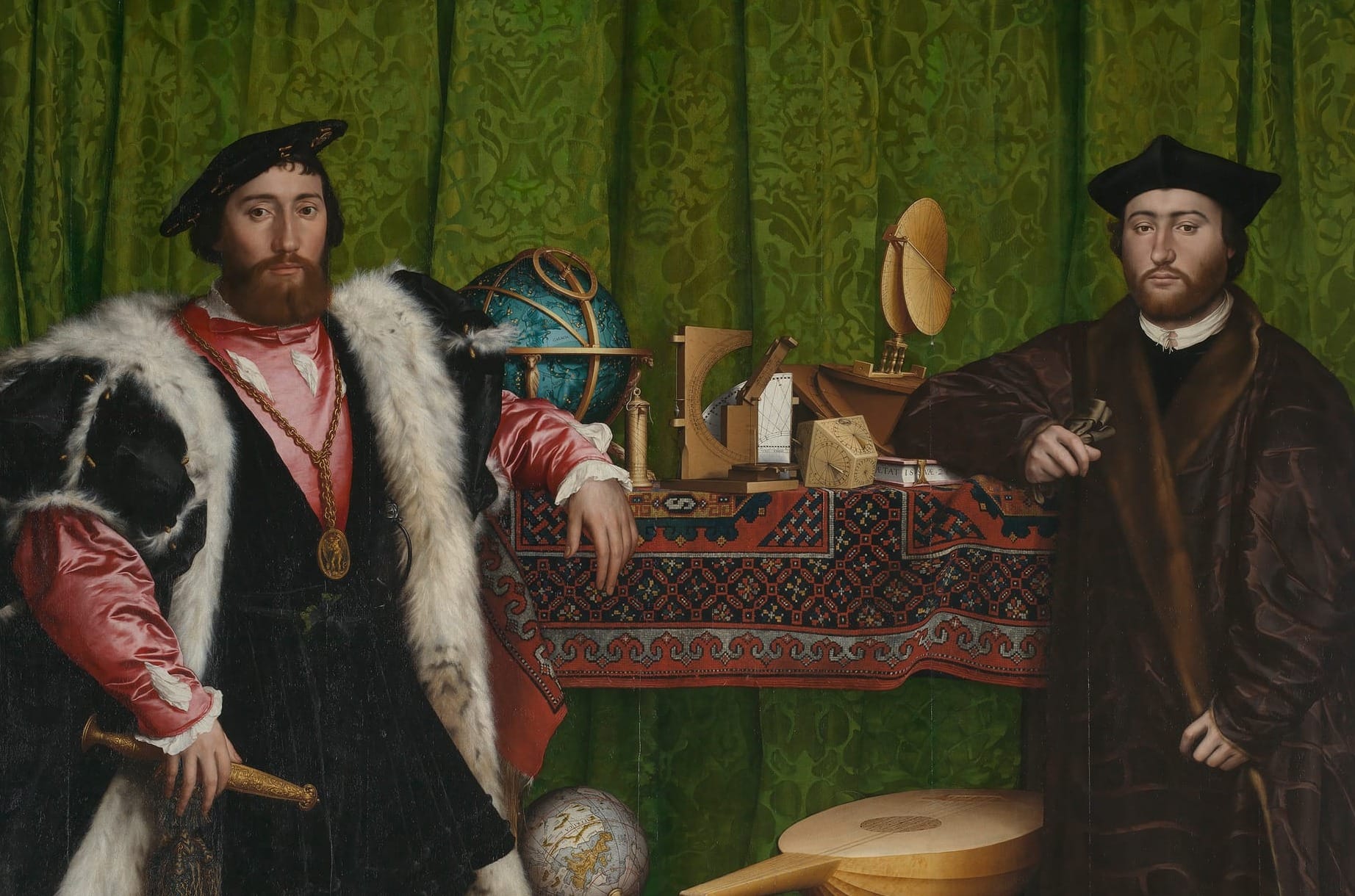
Hans Holbein Painted the Human

A new book, 'Holbein: Renaissance Master' by Elizabeth Goldring, published by Yale University Press and the Paul Mellon Centre, offers a comprehensive scholarly examination of the 16th-century German painter Hans Holbein the Younger. The review focuses on Holbein's masterful portraiture, particularly his depictions of opposing Tudor-era figures like Sir Thomas More and Thomas Cromwell, which are highlighted as embodying the era's complex political and religious tensions through their visual presentation at the Frick Collection in New York.

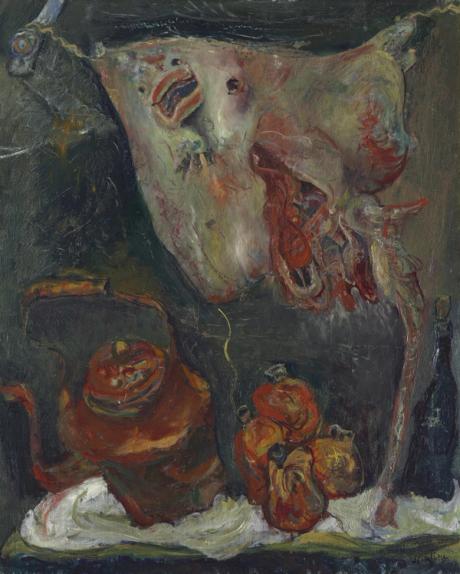
New biography of Chaïm Soutine pieces together illusive artist's life and works

A new biography of Chaïm Soutine, the early 20th-century painter, has been published. The book, written by Celeste Marcus, attempts to piece together the life of the notoriously private and illusive artist, examining his journey from a Belarusian shtetl to the studios of Montparnasse, his complex relationships, and the myths that have grown around his work and persona.

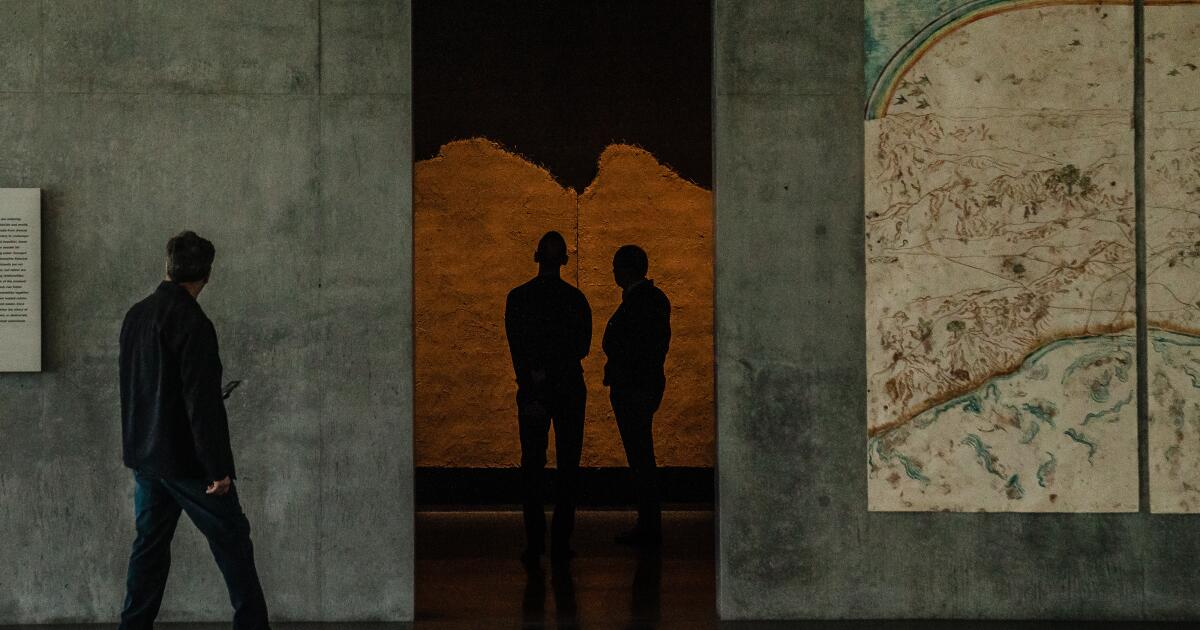
Review: Getting lost in the art is the best part of LACMA’s new revisionist fever dream of a museum

The Los Angeles County Museum of Art (LACMA) has opened its new David Geffen Galleries, a radical reinvention of the museum experience. The installation, conceived by director Michael Govan and architect Peter Zumthor, abandons traditional chronological and departmental silos, instead creating a continuous, curving flow of art from across time, place, and medium. Visitors are encouraged to wander and get lost, forging their own connections between works.

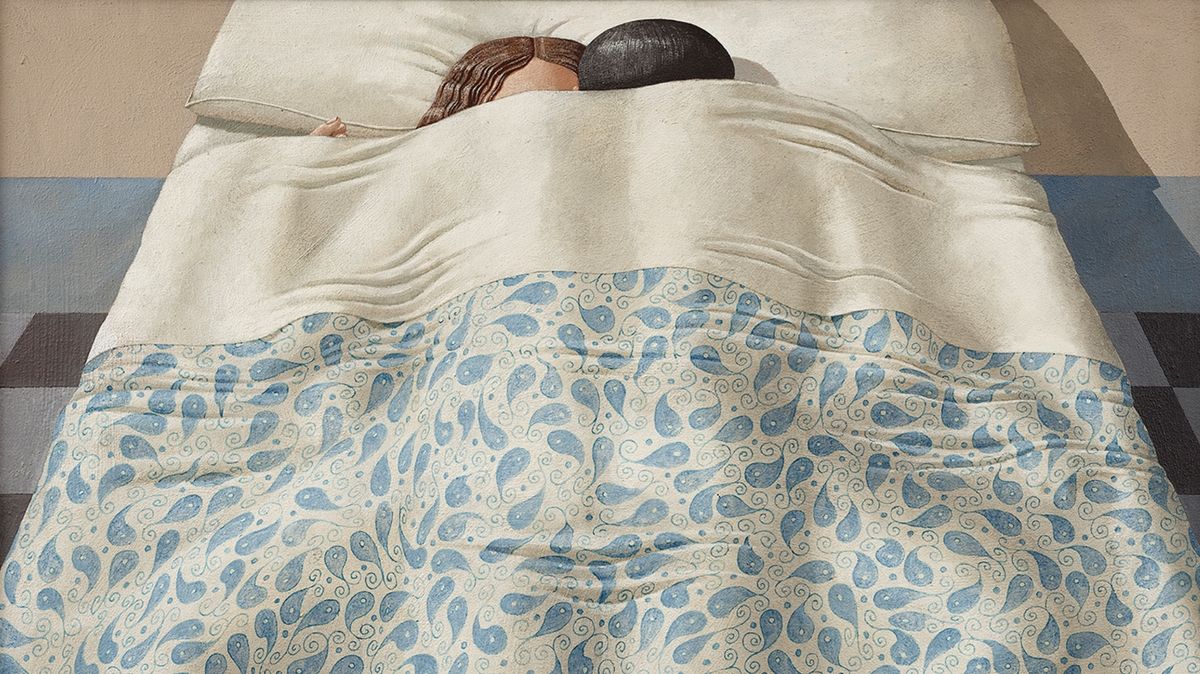
The Anti-Pop Art of Domenico Gnoli

The article reviews "The Adventure of Domenico Gnoli," a retrospective at Lévy Gorvy Dayan in New York, focusing on the Italian artist's 1967 painting *L'inverno (Couple au lit)* and other works featuring intimate, fabric-rich domestic scenes. Gnoli (1933–1970), born into an art-world family, is often associated with Pop Art, but the author argues his work depicts a private, almost childlike world of memory and longing, contrasting with Pop's mass-produced commodities.

The Mysterious Life of Fluxus Dame Alison Knowles

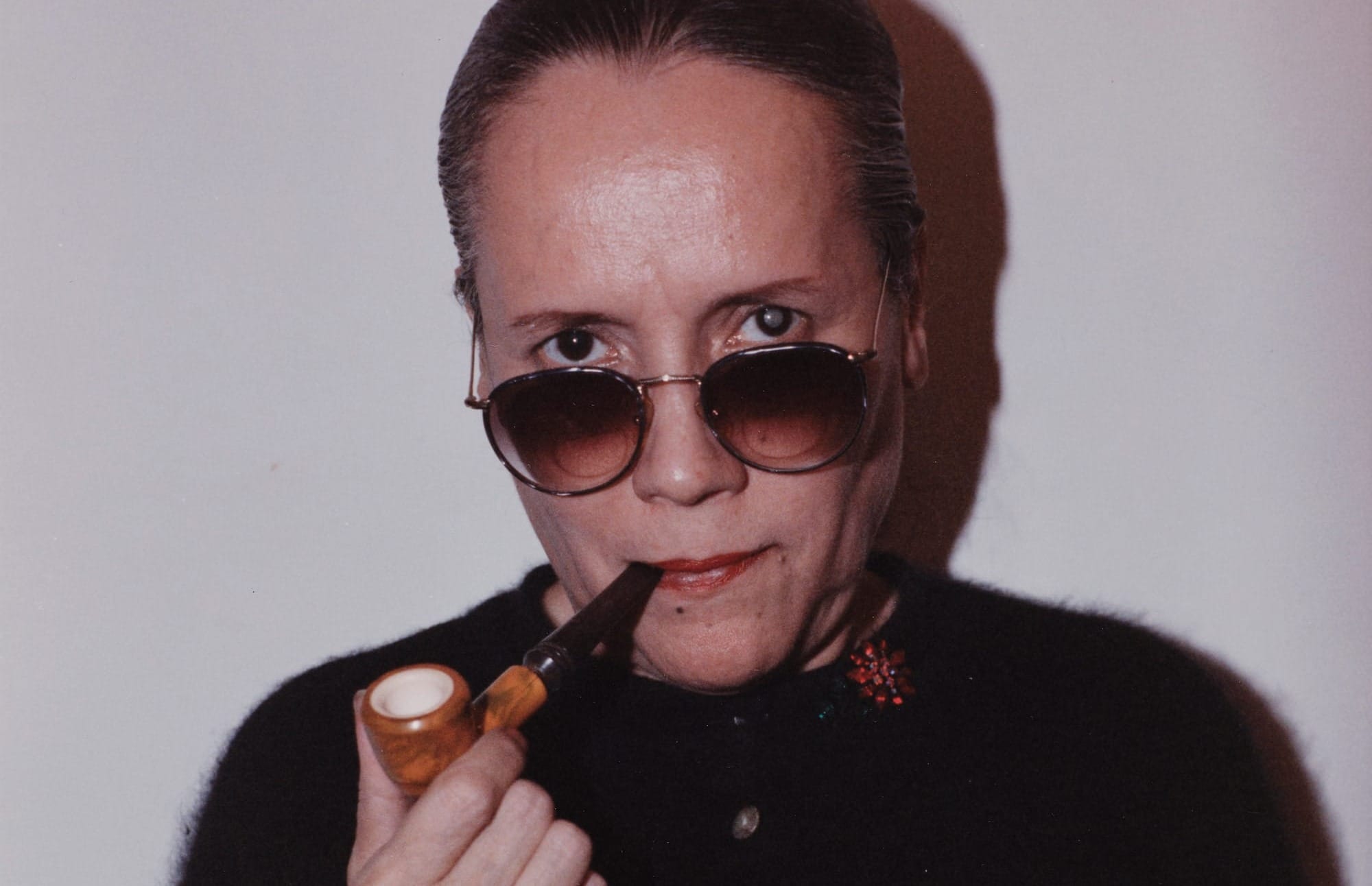
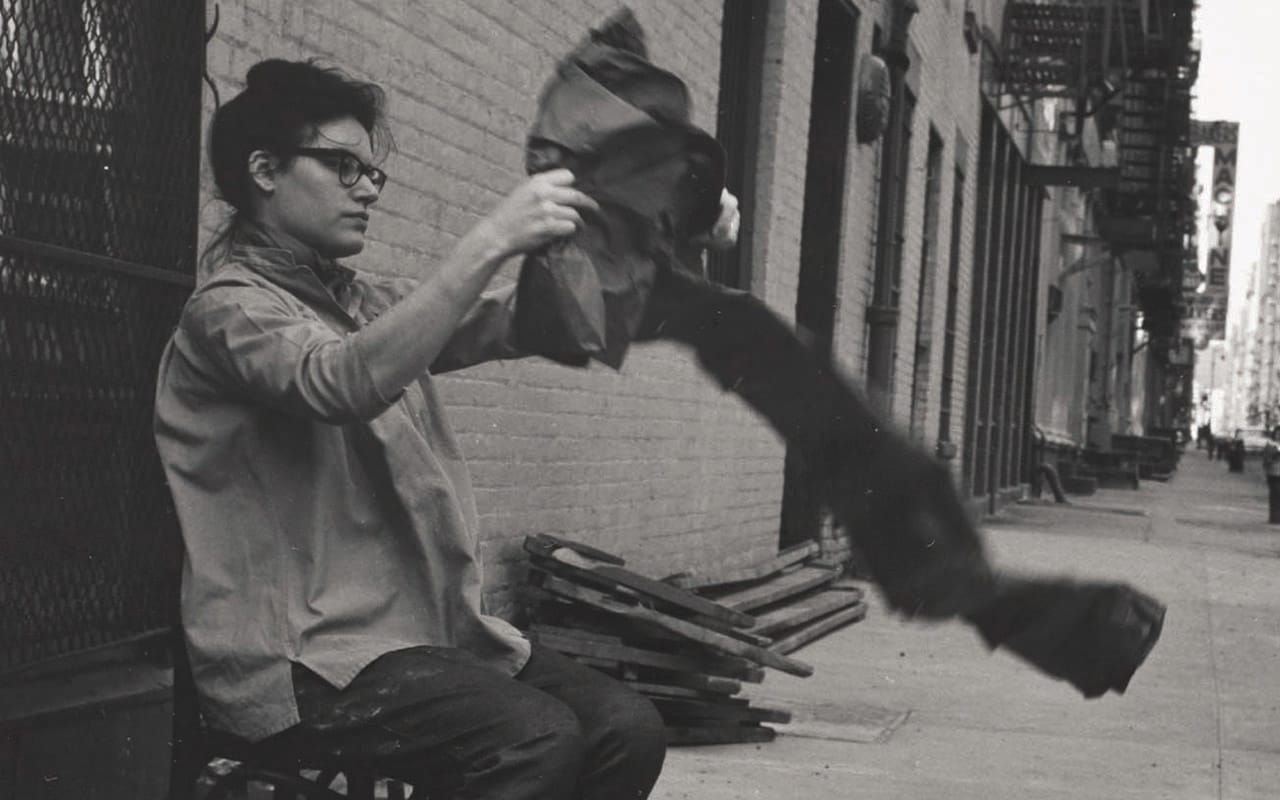
A new book, "Performing Chance: The Art of Alison Knowles In/Out of Fluxus" by art historian Nicole L. Woods, is the first major study of the late Fluxus artist Alison Knowles, who died last fall at age 92. The book focuses on the first two decades of her career (1958–1975), analyzing key works such as her 1962 performance "Proposition #2: Make a Salad" at London's Institute of Contemporary Arts, and her shift from painting to experimental, ephemeral art after being exiled to a basement by Josef Albers at Syracuse University.

Jule Korneffel Finds Meaning at the End of Light

Artist Jule Korneffel's solo exhibition 'In Search of Lost Light' is on view at Spencer Brownstone Gallery through May 2. The show features seven paintings from 2023 to the present, including a site-specific wall work, that explore themes of fading light, memory, and melancholia through a nuanced palette of grays and blues.

‘My Father’s Shadow’: Now You See Me

Clive Chijioke Nwonka reviews Akinola Davies Jr.'s film *My Father's Shadow* (2025), a semi-autobiographical story of two adolescent brothers traveling through Lagos with their estranged father during the 1993 Nigerian presidential elections. The film, selected for the Cannes Official Selection, employs a metaphysical narrative style rooted in the Nigerian oral tradition, blending literal and spiritual worlds to explore diasporic identity, memory, and cultural preservation.

‘My Year in Paris with Gertrude Stein’ by Deborah Levy, Reviewed

Deborah Levy’s latest novel, *My Year in Paris with Gertrude Stein*, follows a first-person narrator who travels to Paris to research the American writer and collector Gertrude Stein. The narrative slips between the early twentieth century and the autumn of Donald Trump’s 2024 reelection, using stream-of-consciousness prose and liquid metaphors to blur past and present. The narrator’s research into Stein’s role in shaping modernity becomes a vehicle for exploring her own sense of helplessness and lack of agency in a hyperconnected, war-weary present.

Gabrielle Goliath Sounds a Call to Action in Venice

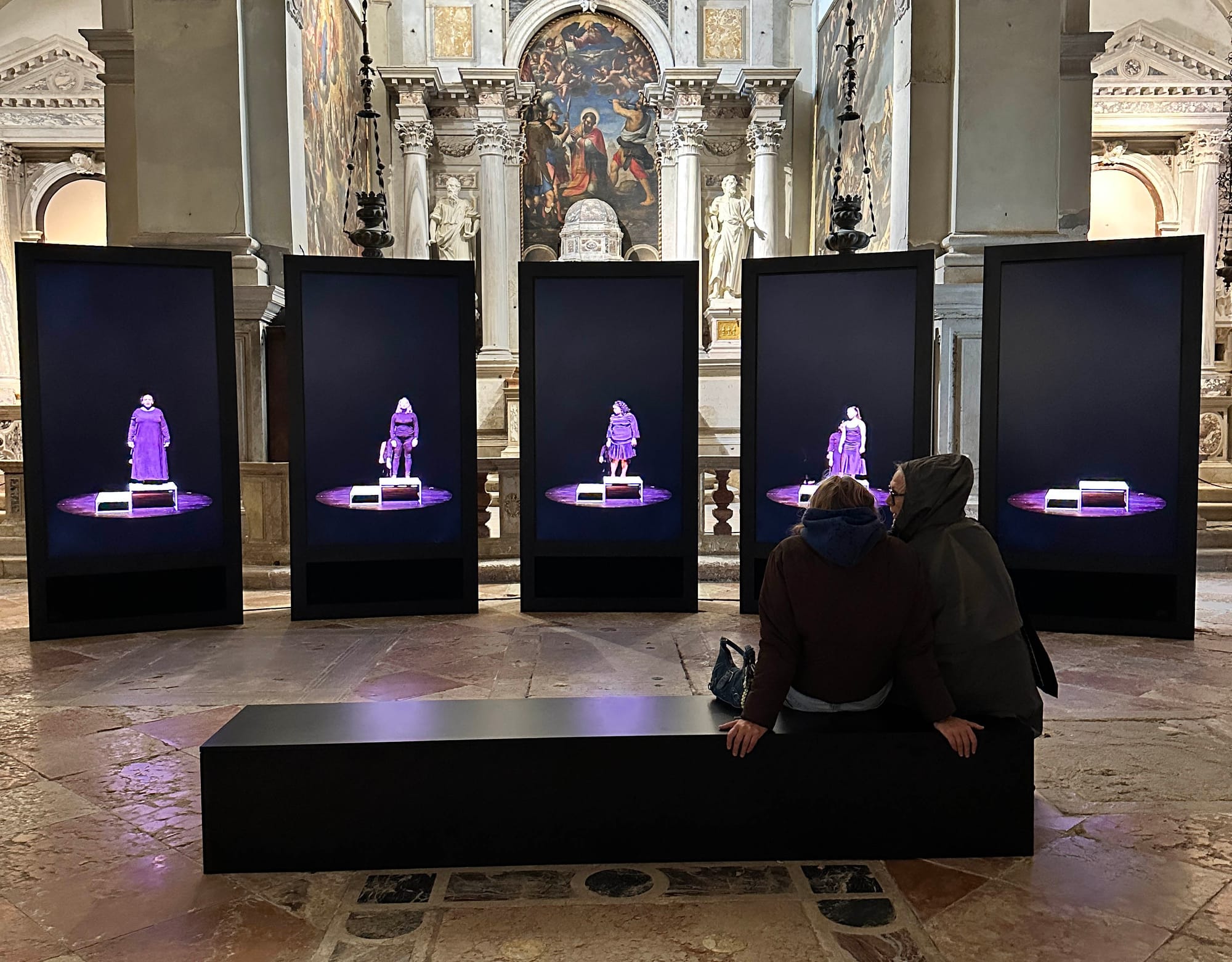
Gabrielle Goliath’s exhibition "Elegy" is presented as South Africa’s unofficial pavilion at the 61st Venice Biennale, after the country’s Culture Minister Gayton McKenzie overrode an independent committee’s selection of Goliath, citing her proposed inclusion of a memorial for Palestinians killed in Gaza. The installation features three video works in which singers sound a single note in tribute to victims of violence: a South African femicide victim, two women killed in Germany’s colonial genocide in Namibia, and Palestinian poet Heba Abunada. The show occupies the Chiesa di Sant'Antonin in Venice, curated with Ingrid Masondo, after a legal challenge against McKenzie was dismissed.

Carole Harris’ Origin Story in “This Side of the River” at MOCAD

The article reviews Carole Harris's solo exhibition "This Side of the River" at the Museum of Contemporary Art Detroit (MOCAD), curated by Abel Gonzalez Fernandez. The show features twenty fiber pieces and archival materials spanning from 1966 to the present, tracing Harris's creative evolution and her responses to Detroit's social and urban changes. It highlights early works like "Potpourri" (1976) and "Black Jack" (1976) from her 1977 debut at Gallery 7, a Black Power-era space founded by Charles McGee, and later pieces such as "Down the Road a Piece" (2003) that mark her shift toward improvisational, abstract compositions.

Jule Korneffel Captures the Weight of the Pre-Dawn Sky at Spencer Brownstone Gallery, NYC

Jule Korneffel's third solo exhibition at Spencer Brownstone Gallery in New York, titled 'In Search of Lost Light,' presents a series of paintings that capture the quiet, liminal moments just before dawn. Using artist-mixed natural pigments, Korneffel shifts from her previous twilight-focused work to explore the anticipation of daylight, with pieces like the titular painting (2025) standing out for its playful, musical composition. The show also includes a mural in the gallery's back patio that blends colors into a grey neutral tone reminiscent of early-morning skies.

A Baroque Too Baroque: Reflections on the Colossal Exhibition in Forlì

Un Barocco troppo barocco. Riflessioni sulla colossale mostra di Forlì

A massive exhibition titled "Barocco: il gran teatro delle idee" (Baroque: The Grand Theater of Ideas) is on view at the Museo Civico San Domenico in Forlì, Italy. The show, curated by a committee of six, ambitiously attempts to define the Baroque across the 17th and 18th centuries, extending its scope to include France and Spain, and even suggesting its echoes in the 20th century. It features approximately 300 works, including paintings, sculptures, and decorative arts.

In an exhibition in Naples it is possible to get lost without urgency in an unstable balance. The review

In una mostra a Napoli è possibile perdersi senza urgenza in un equilibrio instabile. La recensione

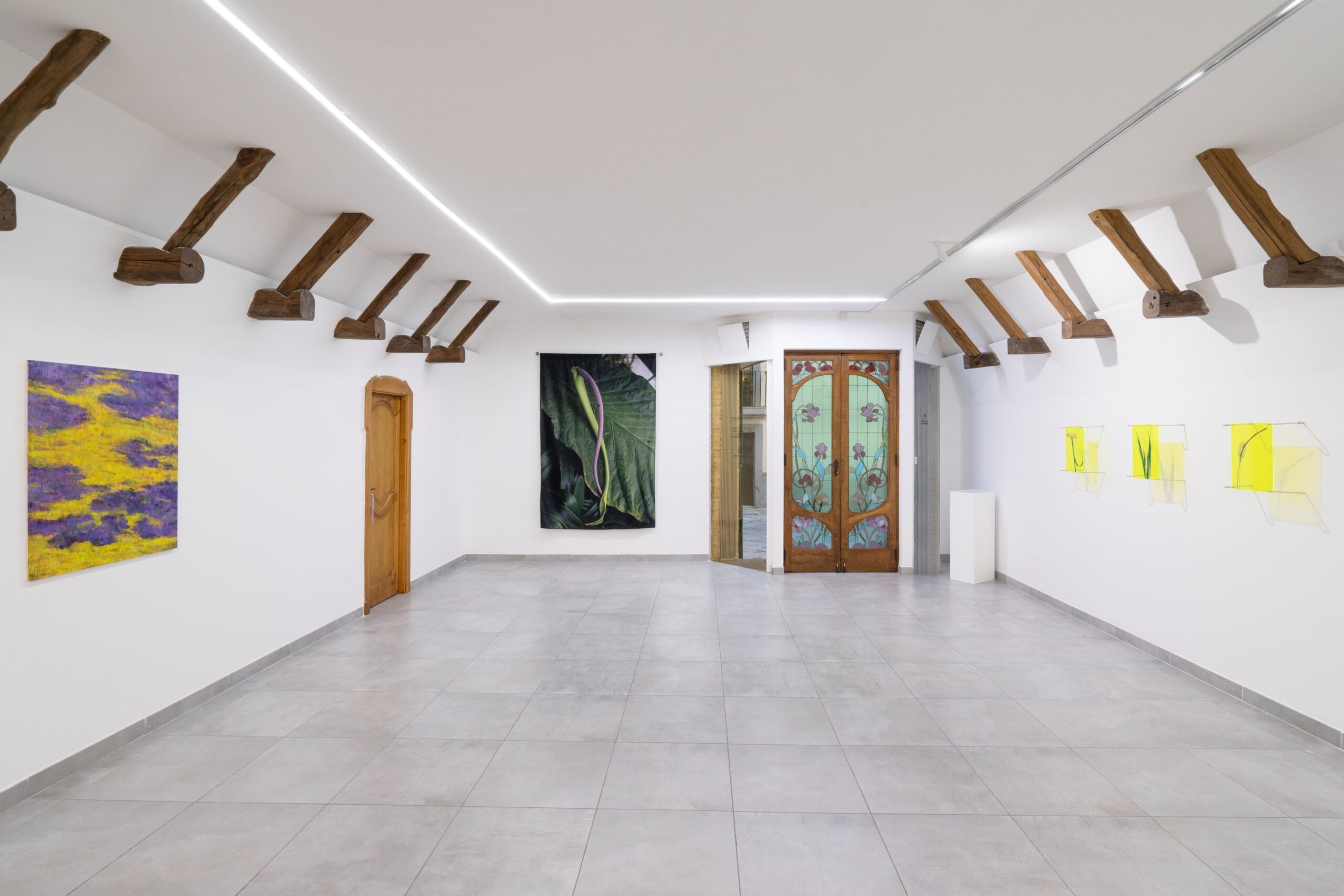
The exhibition "A Gentle Collapse," curated by Marta Ferrara at Andrea Nuovo Home Gallery in Naples, explores the contemporary psychic state through a spatial and perceptual construction. Featuring works in photography, painting, engraving, and installation, the show creates a sense of instability, with meaning emerging gradually through shifts between familiar and altered forms. Artists include Dorottya Vékony, Matteo Silverii, Flora Villaumié, and Zoë Pelikan, whose works engage with themes of genetic engineering, serial accumulation, and subtle disorientation across two gallery levels.