filter_list Showing 14 results for "Produce" close Clear
search
dashboard All 514 museum exhibitions 223article culture 79article news 62article local 50trending_up market 34person people 18candle obituary 16rate_review review 14article policy 11gavel restitution 6article event 1
date_range Range Today This Week This Month All
Subscribe

lutz bacher retrospective oslo brussels

The article reviews the first posthumous retrospective of the elusive artist Lutz Bacher, titled "Burning the Days," at the Astrup Fearnley Museum in Oslo. Bacher, who died in 2019 and whose real name was never revealed, is known for her use of found photographs and a pseudonym that led many to mistake her for a German man. The exhibition opens with her work "The Lee Harvey Oswald Interview" (1976–78), in which she discusses photography and perception by using Oswald as a stand-in, and includes other pieces such as "Jackie & Me" (1989) and "Men at War" (1975), all exploring how images and narratives produce meaning.


worst artworks we saw around the world in 2022

Artnet News editors compiled a list of the worst artworks they encountered in 2022, including a chaotic performance by Poncili Creación at NADA Miami, an overproduced Danish Pavilion installation by Uffe Isolotto at the Venice Biennale, and a Paul Cézanne painting at the Barnes Foundation that disappointed a critic. The article offers subjective, critical takes on these works, describing the NADA performance as bizarre and jolting, the Danish pavilion as graphic and lacking a powerful message, and the Cézanne as a disappointment within an otherwise memorable museum visit.

Konrad Mägi review – these bland, blobby paintings are expressionism without expression

A new exhibition of early 20th-century Estonian painter Konrad Mägi at Dulwich Picture Gallery has received a scathing critical review. The reviewer finds Mägi's colorful, modernist-influenced landscapes and portraits to be bland, derivative, and devoid of the emotional depth or urgency found in the great modernists or the gallery's own Old Master collection.

art best and worst art of 2025 list

Cultured's art critic reflects on the best and worst of 2025, highlighting standout moments including Salman Toor's 2007 portrait of Zohran Mamdani (now mayor-elect of New York), the posthumous Jack Whitten survey "The Messenger" at MoMA, and Anne Imhof's epic production "DOOM: House of Hope" at the Park Avenue Armory. The article also notes Mamdani's arts-friendly transition committee and the broader resilience of artists amid political turmoil.

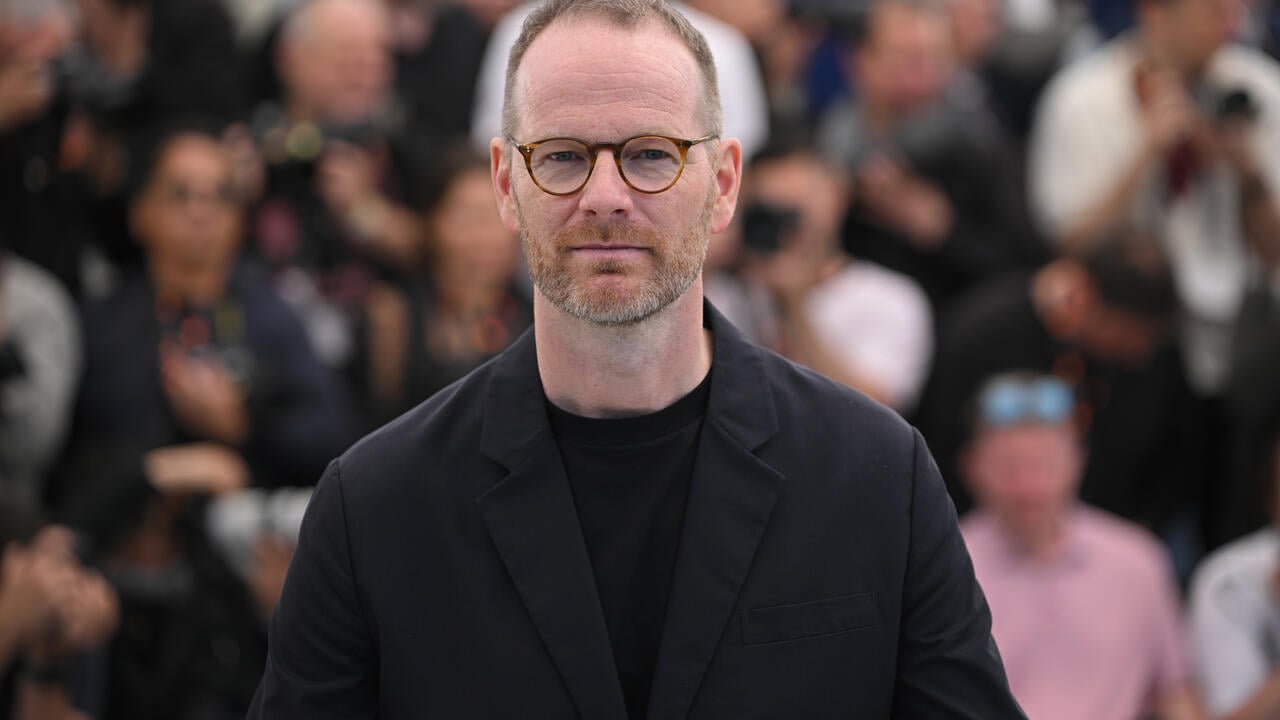
Joachim Trier on the Art of Calculated Chaos

A major retrospective of Tracey Emin's work has opened at Tate Modern in London. The exhibition presents a comprehensive overview of the artist's career, featuring her confessional and often provocative works that have defined her public persona.

Exhibition Review: “Alan Davie: Paintings, 1959 - 1971” at A Hug from the Art World, Chelsea (long-term viewing, by appointment)

A Hug from the Art World in Chelsea is presenting a long-term exhibition of Scottish Abstract Expressionist Alan Davie (1920–2014), focusing on his work from 1959 to 1971. Gallery founder Adam Cohen, who discovered a Davie painting in his father Frank Cohen's collection, curated the show to highlight what he considers Davie's most influential period, when his style evolved into a psychedelic, complex visual language amid the rise of Pop Art and Minimalism.

How Former Fashion Designer Emma Safir Turns Fabric into Beguiling Paintings

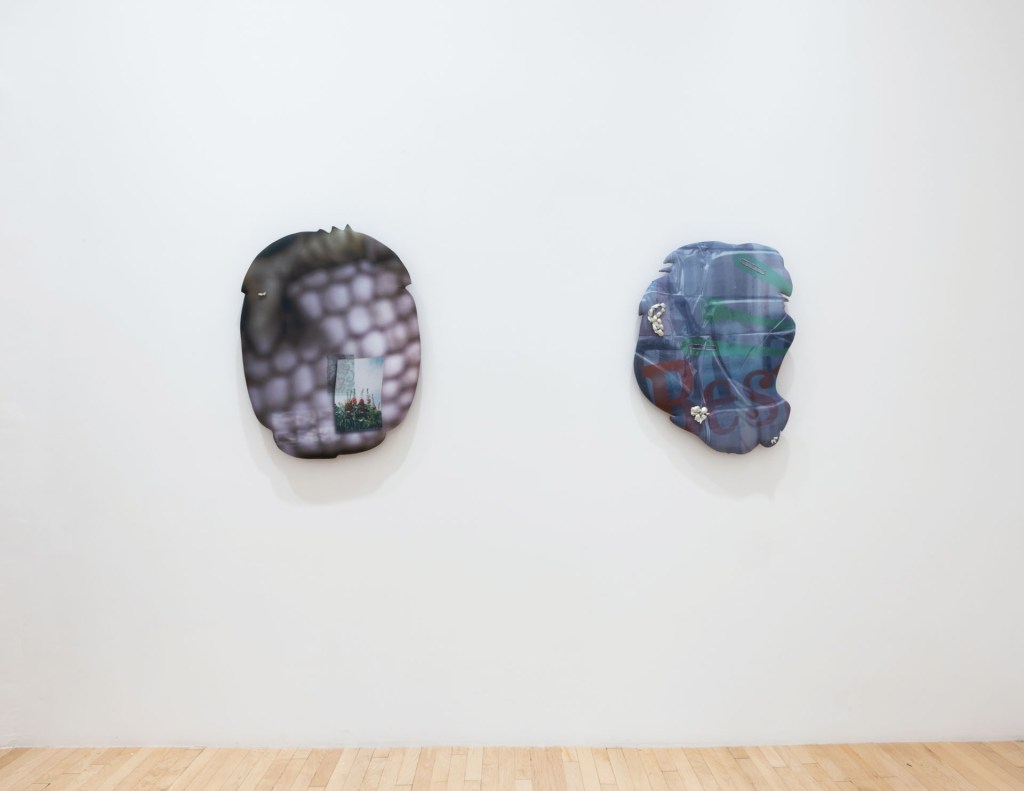
Emma Safir, a former fashion designer and printmaker, creates beguiling paintings and tapestries that blend textiles, digital printing, and traditional embroidery techniques. Her works, such as "APRICOT SILK" (2025) and "BABY DARLING" (2025), use smocking, glass beads, and shells to produce organic, jewel-toned surfaces that resist easy reflection or entry, challenging viewers to engage with layered material hierarchies.

art david rimanelli alex katz matthew barney

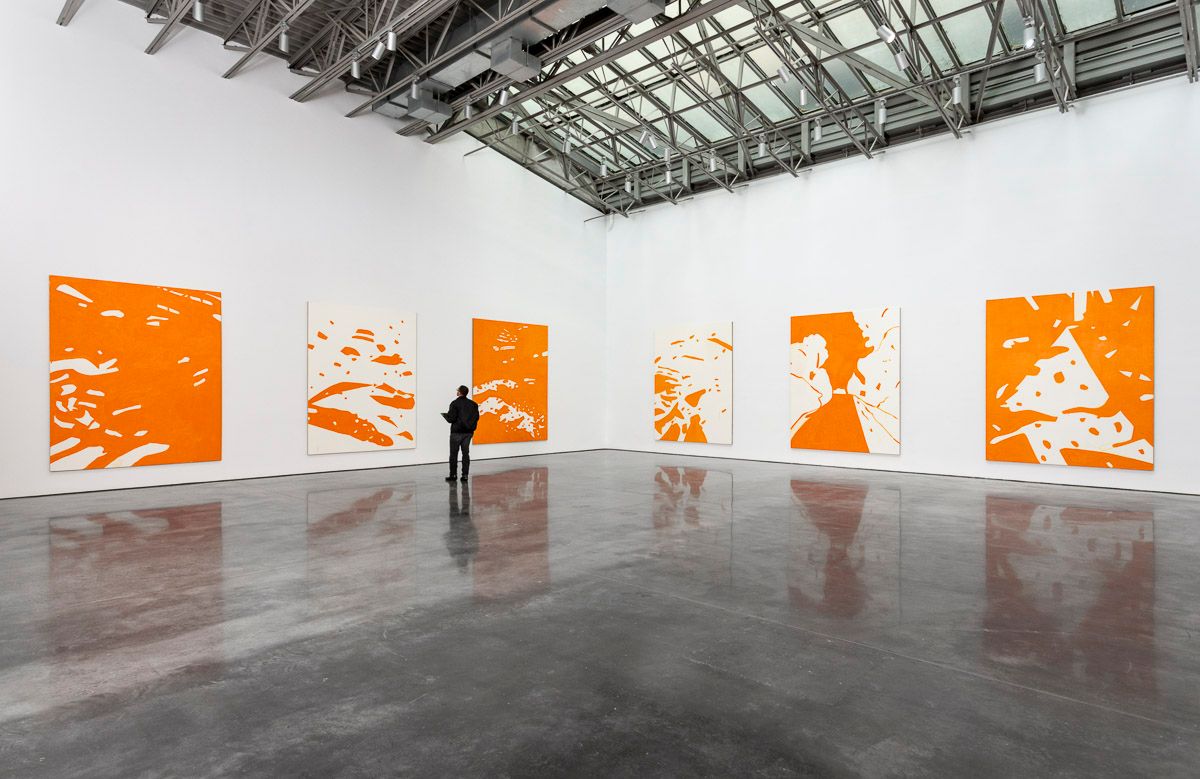
The article reviews Alex Katz's latest exhibition at Gladstone Gallery in New York, featuring 11 large orange-and-white canvases depicting the road to his Maine home, alongside Matthew Barney's three-channel video work "DRAWING RESTRAINT 28" showing Katz at work on a ladder. The show, on view through December 20, 2025, pairs Katz's new paintings with Barney's video, continuing a collaboration first seen at O'Flaherty's gallery. Katz, now 98, reflects on his artistic evolution, citing Matisse's "The Red Studio" as inspiration while asserting his move away from literal representation.

summer group shows julien nguyen kyoko idetsu reviews

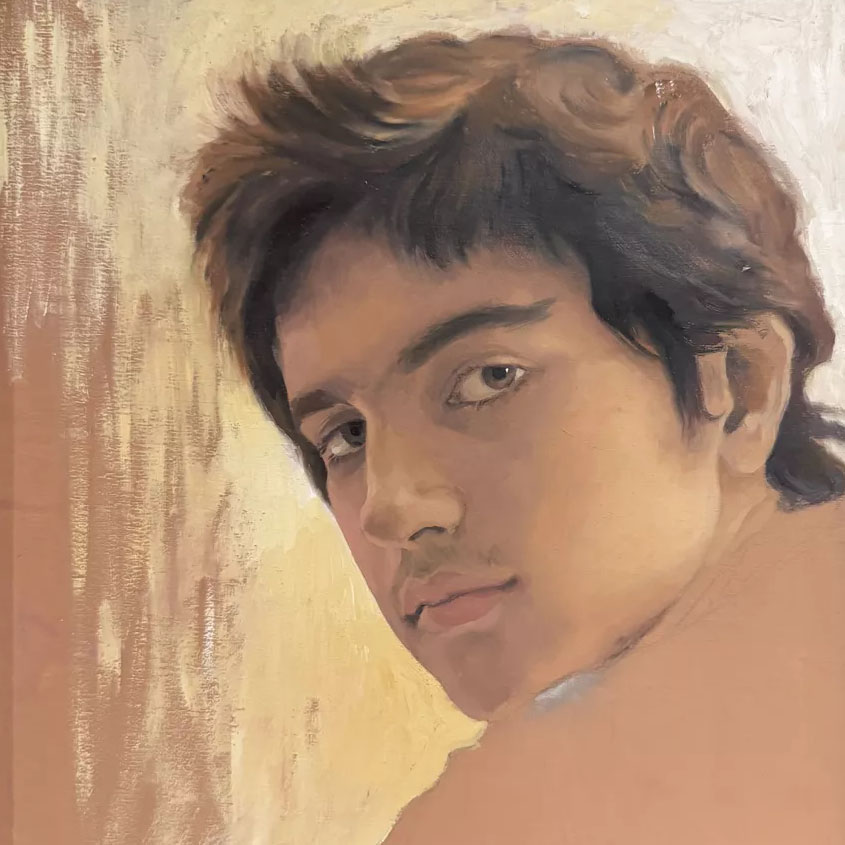
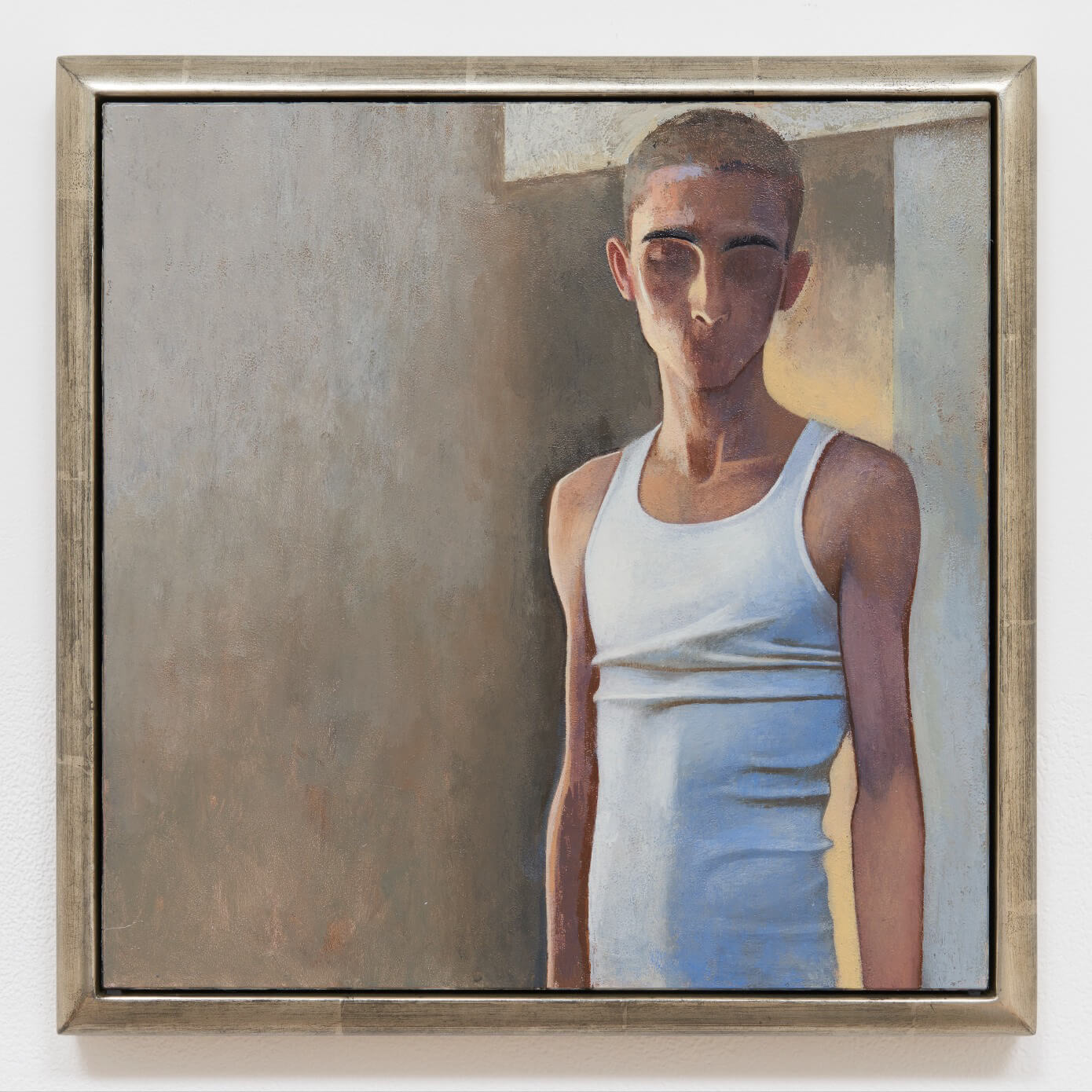
The article reviews two summer group shows in New York. At 56 Henry, "Small Format Painting," curated by painter Josh Smith and actor/former gallerist Leo Fitzpatrick, features 34 artists working on identical 10x8 inch canvases, including blue-chip names like Nate Lowman and emerging talents. At Matthew Marks Gallery, Julien Nguyen presents a solo show of compact oil-on-copper paintings, inspired by Rembrandt's techniques and featuring his muse Nikos.

The Anti-Pop Art of Domenico Gnoli

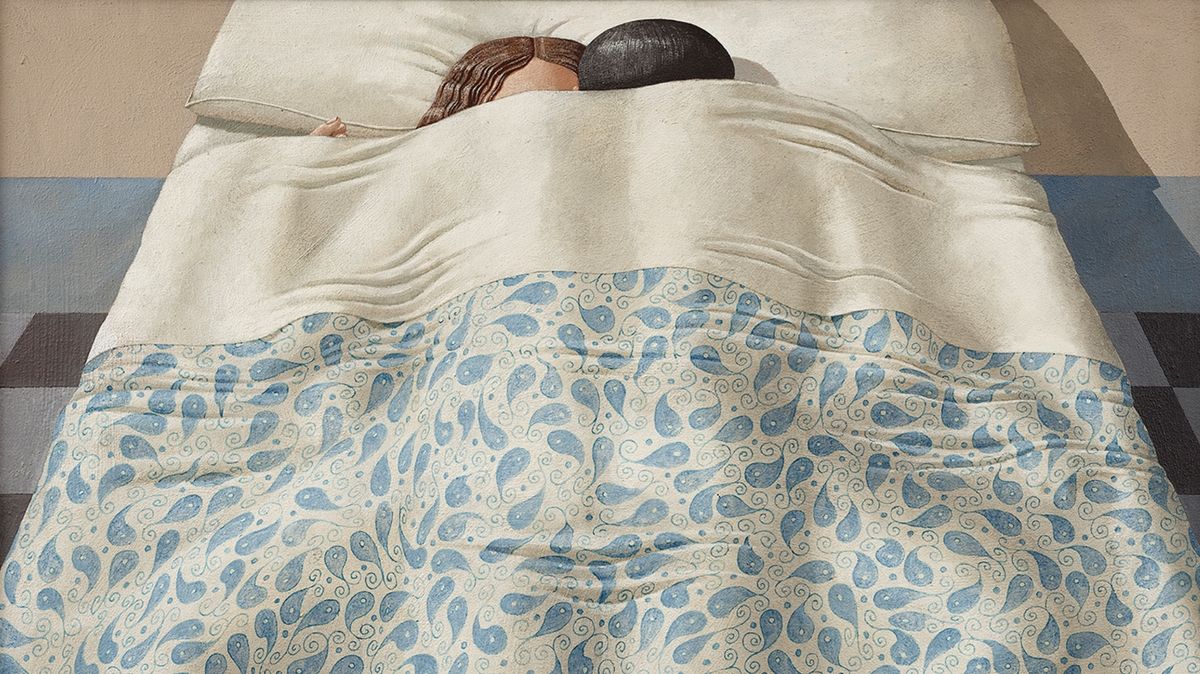
The article reviews "The Adventure of Domenico Gnoli," a retrospective at Lévy Gorvy Dayan in New York, focusing on the Italian artist's 1967 painting *L'inverno (Couple au lit)* and other works featuring intimate, fabric-rich domestic scenes. Gnoli (1933–1970), born into an art-world family, is often associated with Pop Art, but the author argues his work depicts a private, almost childlike world of memory and longing, contrasting with Pop's mass-produced commodities.

The Unnameable Artists of the Canton Trade System

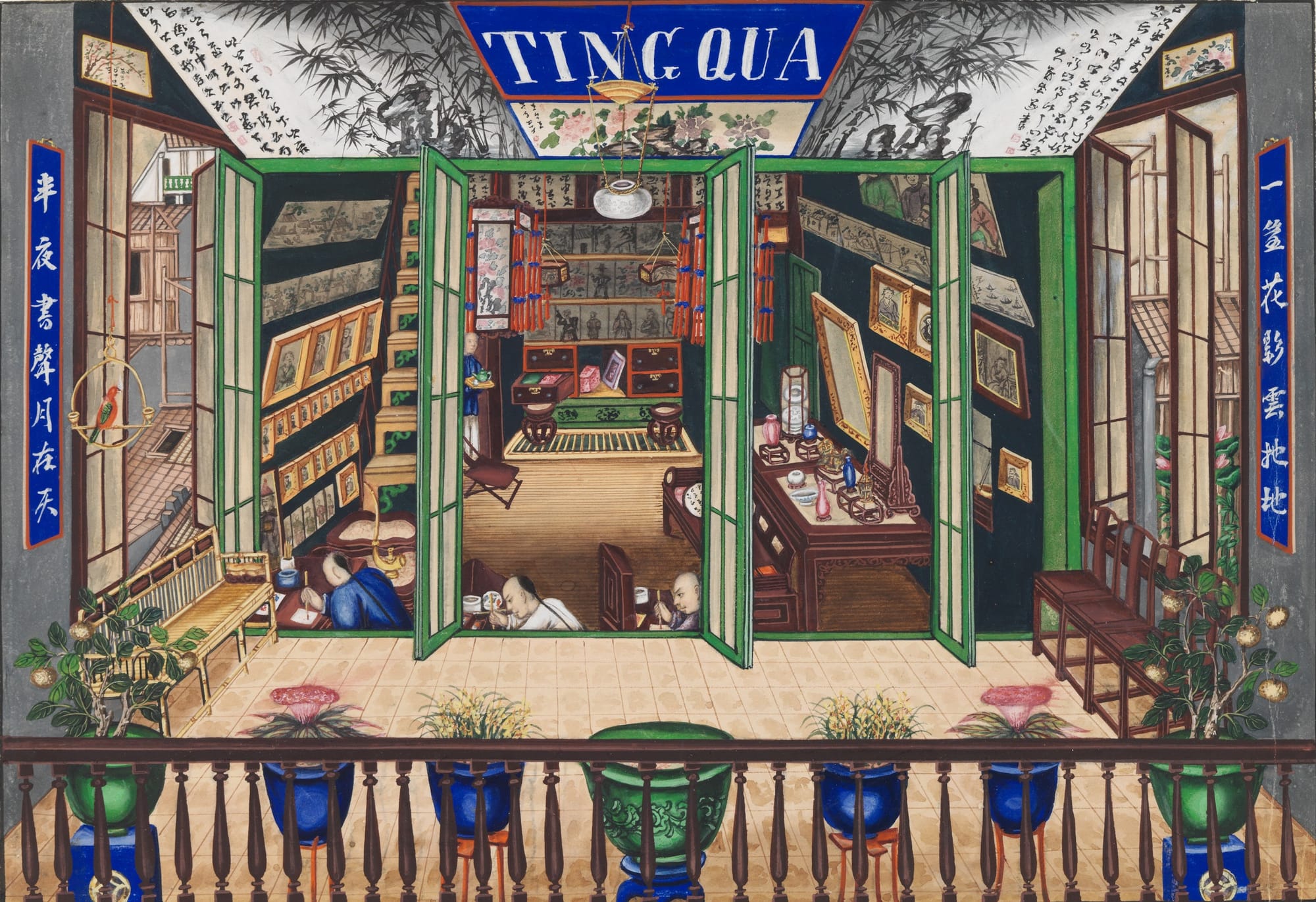
Art historian Winnie Wong’s new book, *The Many Names of Anonymity: Portraitists of the Canton Trade*, investigates the lives and legacies of 18th and 19th-century Chinese artists who produced works for Western traders under the Canton system. These artists, often dismissed by history as mere copyists or left anonymous in museum "tombstone" labels, created complex works that blended European techniques with Chinese traditions. Wong challenges the reductive category of "Asian export art," proposing instead the term "Canton trade painting" to better reflect the unique atmosphere of cultural exchange in Guangzhou.

Body as Device. Guide and Reflection on the Performances of the Venice Biennale

Corpo come dispositivo. Guida e riflessione sulle performance della Biennale di Venezia

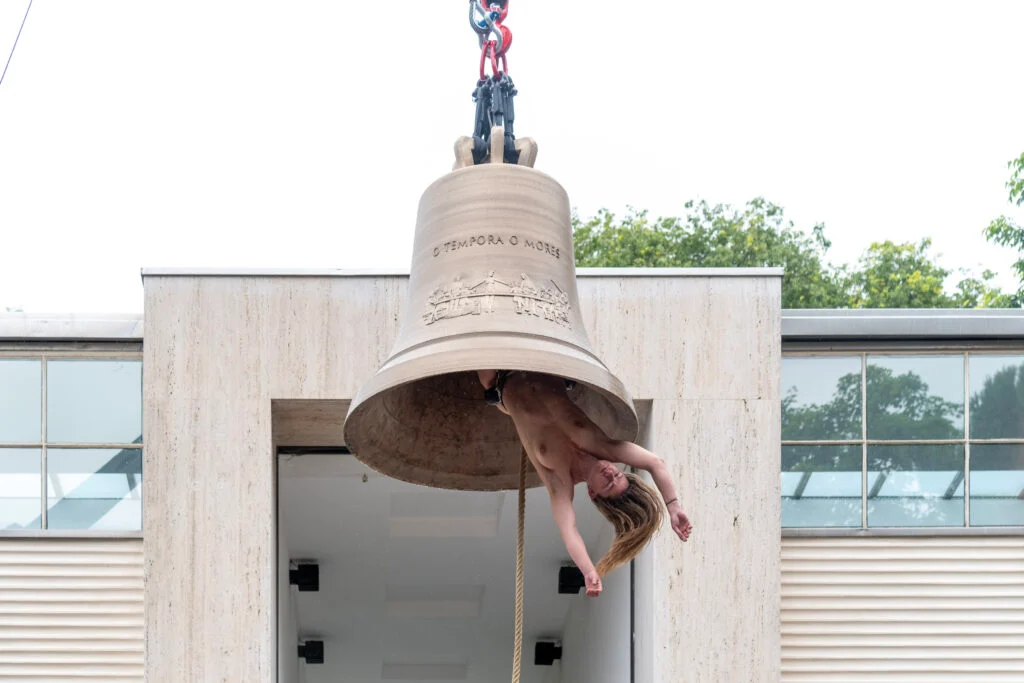
The article analyzes the role of performance art at the 2026 Venice Biennale, arguing that performance is no longer a rediscovered genre but a structurally institutionalized primary form of experience production. It examines how the body reemerges not as an alternative to image-based works but as an internal interruption of the artwork system, preventing closure and reintroducing instability. Key pavilions are discussed: Austria's Florentina Holzinger with "Sancta" draws on 1970s radical performance and feminist body art, creating an immersive environment of continuous movement; Belgium's Miet Warlop with "IT NEVER SSST" engages post-dramatic theater and postmodern dance repetition; Japan's Ei Arakawa-Nash with "Grass Babies, Moon Babies" activates Gutai avant-garde legacies through viewer interaction with soft dolls.

Jan Vorisek’s Flaccid Columns

Artist Jan Vorisek's exhibition at Arcadia Missa features sculptures titled IGBTTLTVOE (Elbow), created from mass-produced plastic moulds used for casting decorative Doric columns. The artist modifies these cheap, prefabricated objects with 3D-printed curved sections, bending them into flaccid, wormlike structures that undermine their intended classical dignity and function.

Book offers fresh perspectives on why Cubism came into being

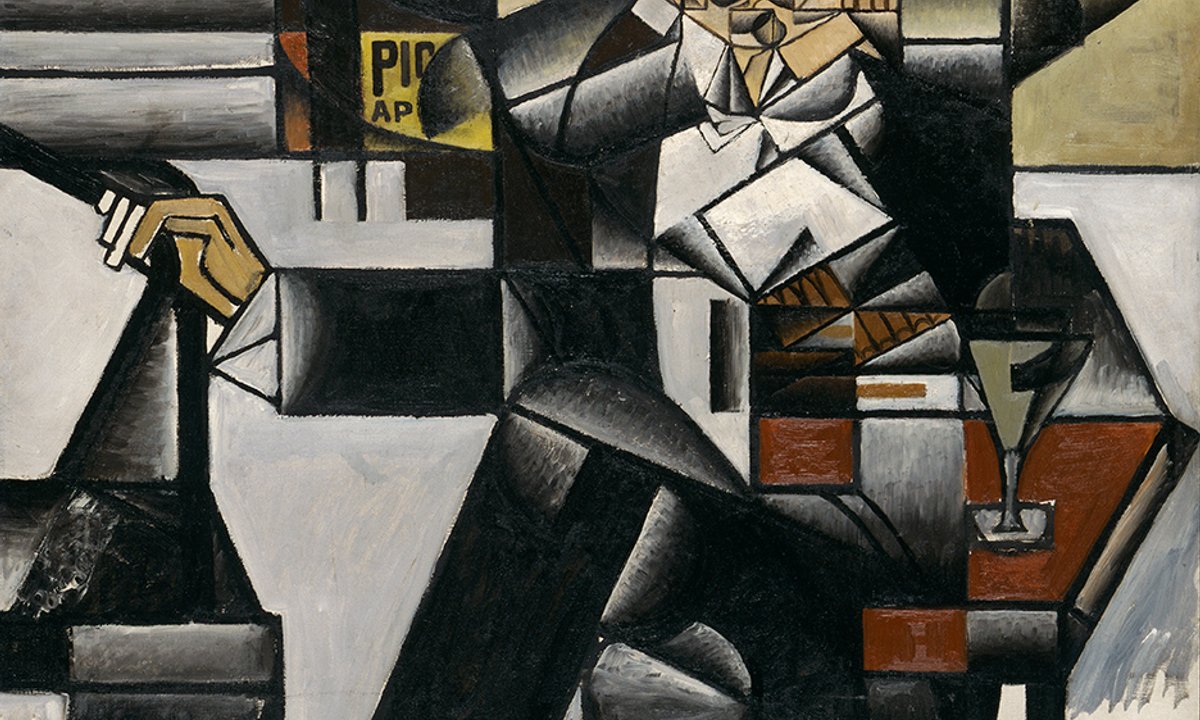
Christopher Green, a leading scholar of Cubism, has published a new book titled *Cubism and Reality*, which reexamines the origins and intentions of early Cubism through the works of Georges Braque, Pablo Picasso, and Juan Gris. The book focuses on the years immediately before World War I, arguing that Cubism was not a step toward abstraction but a deliberate reinvention of reality based on lived visual experience. Green draws on decades of research, including his own earlier works and the foundational 1959 study by John Golding, and contrasts the movement with mass-produced imagery in chapters on Roy Lichtenstein and Francis Picabia.