filter_list Showing 10 results for "RCH" close Clear
search
dashboard All 371 museum exhibitions 208article culture 33article local 29article news 27trending_up market 24article policy 16candle obituary 13rate_review review 10person people 6gavel restitution 5
date_range Range Today This Week This Month All
Subscribe

Hulda Guzmán review – lizards and ghosts gather for an art freakout in the rainforest

Hulda Guzmán's first institutional exhibition in Europe, "Please Awake – Asked Nature Kindly," is on view at Turner Contemporary in Margate, UK. The show features the Dominican artist's ultra-colorful, psychedelic jungle paintings that blend art historical references—from Japanese ukiyo-e prints to pointillism and symbolism—with personal mythology, demons, spirits, and lush tropical landscapes. The works are drawn from her life in the Dominican rainforest, where she lives and works in a studio built by her architect father.
Todd Gray Reframes Black Diasporic History

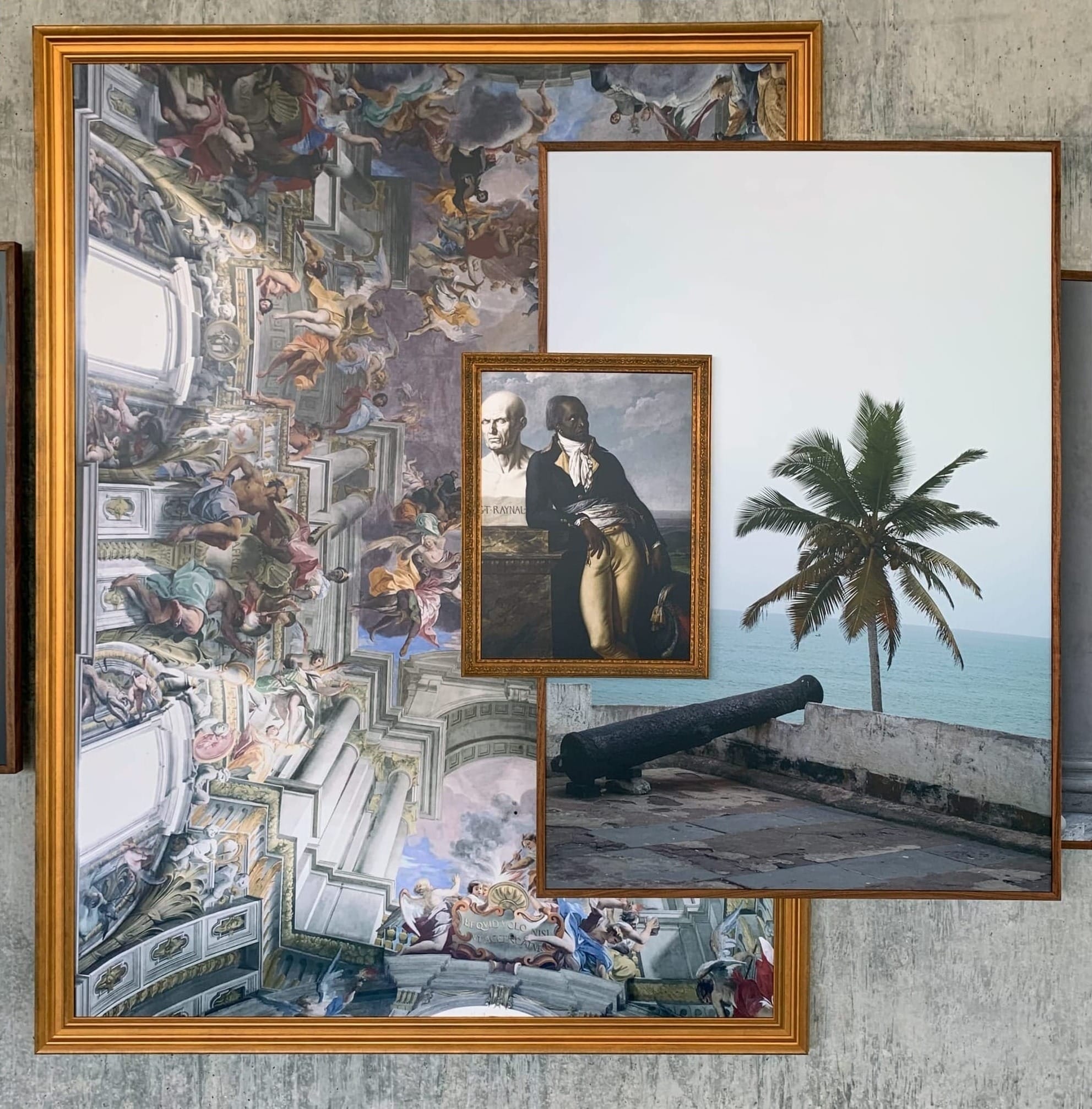
Todd Gray's exhibition "Portals" at Perrotin in Los Angeles features multi-paneled photo assemblages that juxtapose images of slavery with European art, architecture, and formal gardens, exploring the evolution of Black history and identity. The show coincides with the opening of his commissioned installation "Octavia's Gaze" (2025) at the new David Geffen Galleries of the Los Angeles County Museum of Art. Gray's works incorporate his own photographs alongside sources like Hubble Space Telescope imagery, creating layered visual puzzles that invite viewers to find connections and ask questions about African diasporic identity.

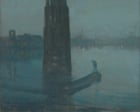
Fantastic visions and cosmic rhythms: how Whistler is making me see – and hear – differently

The article explores how the James McNeill Whistler exhibition at Tate in London prompts a reconsideration of the relationship between music and visual art. Whistler titled his works using musical terms like "Arrangement," "Symphony," and "Nocturne," arguing that painting should be abstract and independent of narrative, much like instrumental music. The exhibition, reviewed by Jonathan Jones, highlights Whistler's radical art-for-art's-sake philosophy, which influenced composer Claude Debussy, whose orchestral Nocturnes were directly inspired by Whistler's paintings of light and atmosphere.

Winston Churchill: The Painter review – We will daub them on the beaches

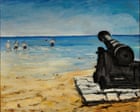
The Guardian reviews "Winston Churchill: The Painter," an exhibition of nearly 60 paintings by the former British prime minister, curated by Xavier Bray and Lucy Davis. The show assembles works from across the UK and private collections, depicting scenes from Churchill's travels, stately homes, and leisure moments, painted as an amateur Sunday painter for stress relief rather than artistic acclaim. The review notes Churchill's use of techniques borrowed from Walter Sickert, including projectors and monochrome underlayers, and describes his style as charmingly amateurish with a vivacity in seascapes but weakness in figures and architectural luminosity.

« Caïn » de Fernand Cormon : aux origines de la conscience humaine ?

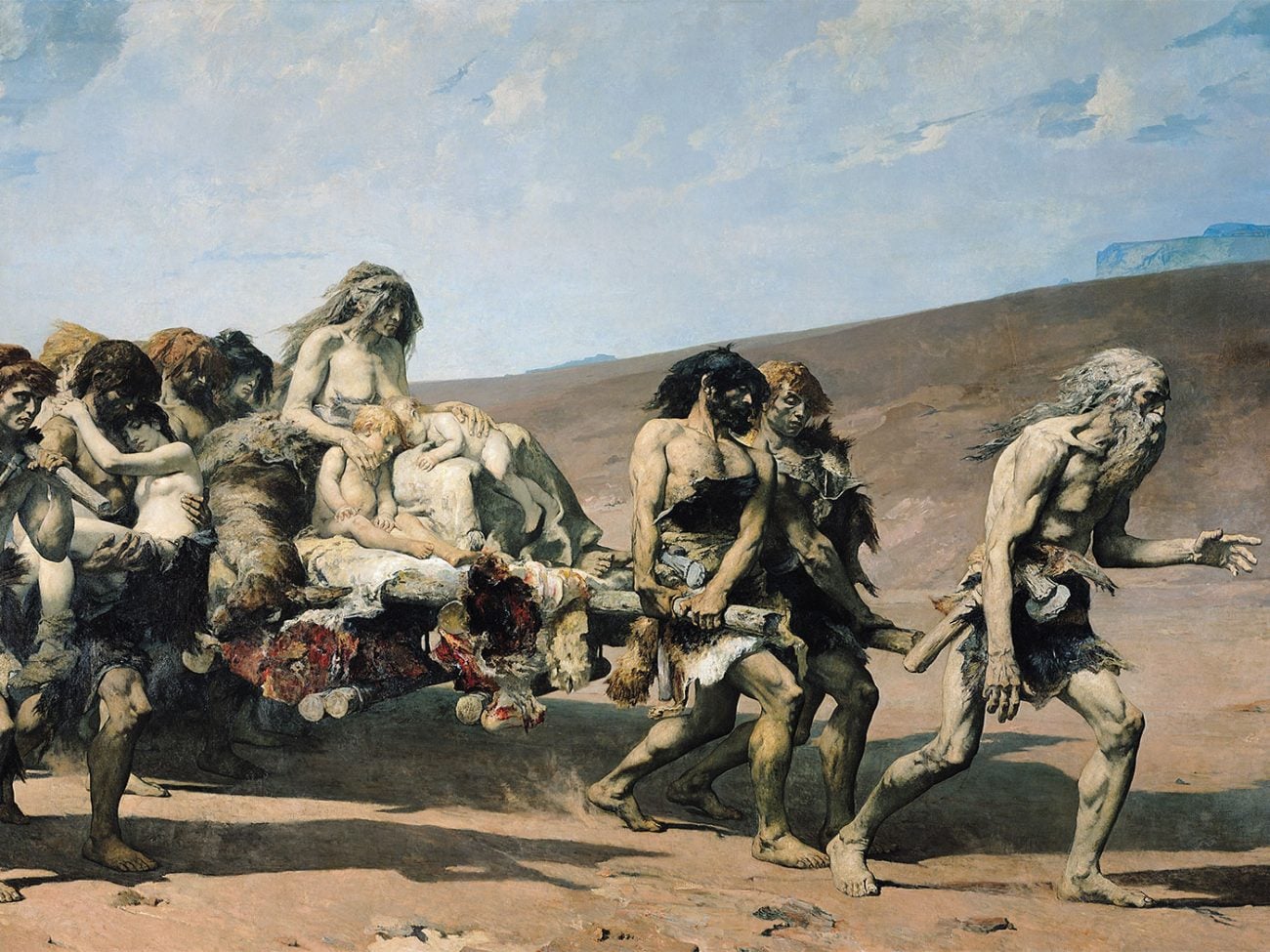
Beaux Arts Magazine analyzes Fernand Cormon's monumental 1880 painting "Caïn," currently held at the Musée d'Orsay. The article describes the scene: a prehistoric, weary clan trudges through a desert, led by a haggard patriarch, with a tired mother on a litter and hunters carrying game. Cormon's work is presented as the antithesis of classical triumph, evoking a melancholic, post-traumatic atmosphere. The painting is linked to the biblical story of Cain, who killed his brother Abel and was condemned to exile, and is accompanied by verses from Victor Hugo's poem "Conscience."

How Former Fashion Designer Emma Safir Turns Fabric into Beguiling Paintings

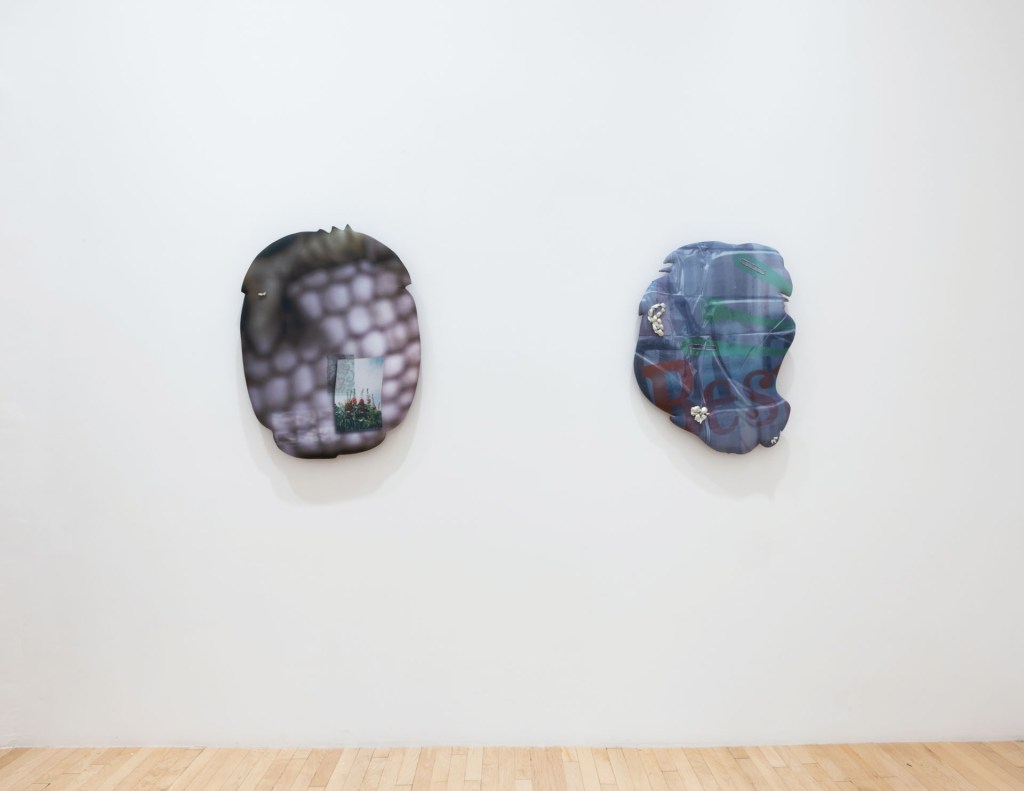
Emma Safir, a former fashion designer and printmaker, creates beguiling paintings and tapestries that blend textiles, digital printing, and traditional embroidery techniques. Her works, such as "APRICOT SILK" (2025) and "BABY DARLING" (2025), use smocking, glass beads, and shells to produce organic, jewel-toned surfaces that resist easy reflection or entry, challenging viewers to engage with layered material hierarchies.

The Black American Artists Who Dazzled Post-War Paris

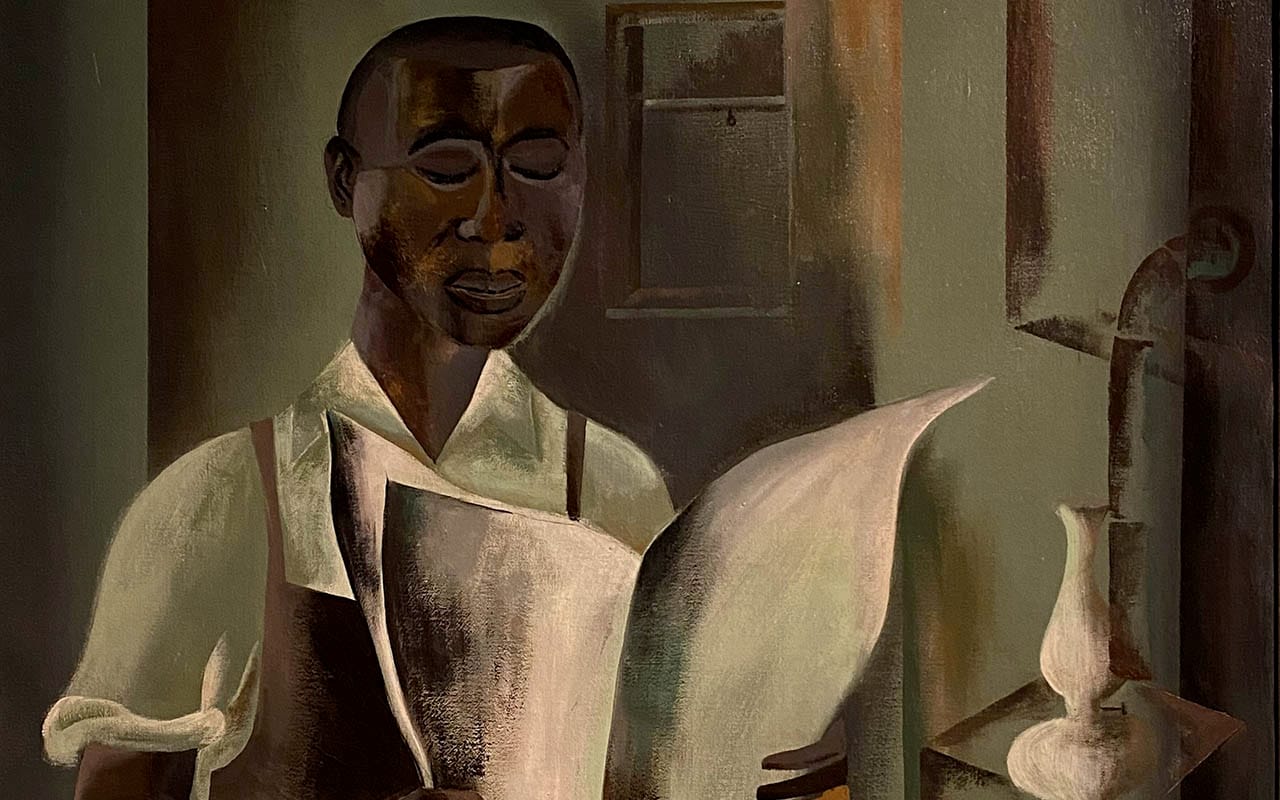
An exhibition titled "Paris in Black: Internationalism and the Black Renaissance" at the DuSable Black History Museum and Education Center in Chicago celebrates the Black American artists, writers, and performers who moved to Paris after World War II to escape American racism. Curated by Danny Dunson, the show features over 100 artworks from the museum's permanent collection, including paintings by Archibald J. Motley Jr., sculptures by Richmond Barthé, Augusta Savage, and William Artis, and ephemera related to Josephine Baker. It traces the global influence of the Harlem Renaissance and the cross-pollination between Paris and U.S. cities like Chicago.

Martin Wong’s Brick Monument to Popeye

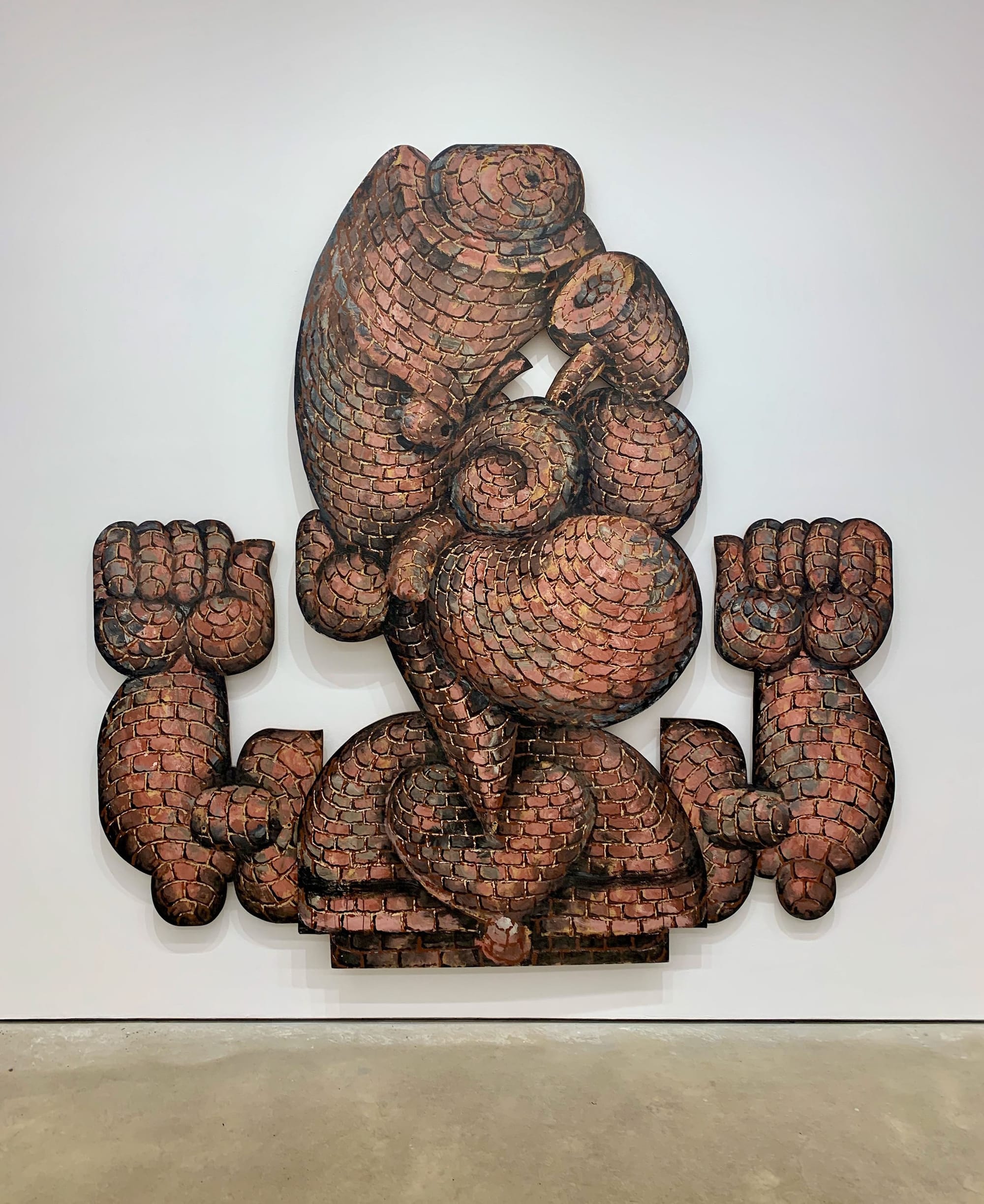
Hyperallergic reviews Martin Wong's posthumous exhibition "Popeye" at PPOW gallery, featuring six motorized plywood panels that reimagine the cartoon character Popeye as curving brickwork. The show includes smaller works like "Sacred Shroud of Pepe Turcel" (1989–90) and paintings of vintage cartoon characters Mutt and Jeff, Little Lulu and Tubby, all rendered in Wong's signature brick style. The review highlights Wong's queer, magpie sensibility and his ability to cross boundaries between high and low culture.

Why is contemporary art afraid of the present?

Warum fürchtet sich die Gegenwartskunst vor der Gegenwart?

The article critiques the 2024 Whitney Biennial, which emphasizes themes of compassion, vulnerability, and community. It argues that the exhibition feels like a capitulation to reality, failing to confront the rise of contemporary fascism and the political urgency of the present moment.

Ghosts in a Postcard Idyll

Geister im Postkartenidyll

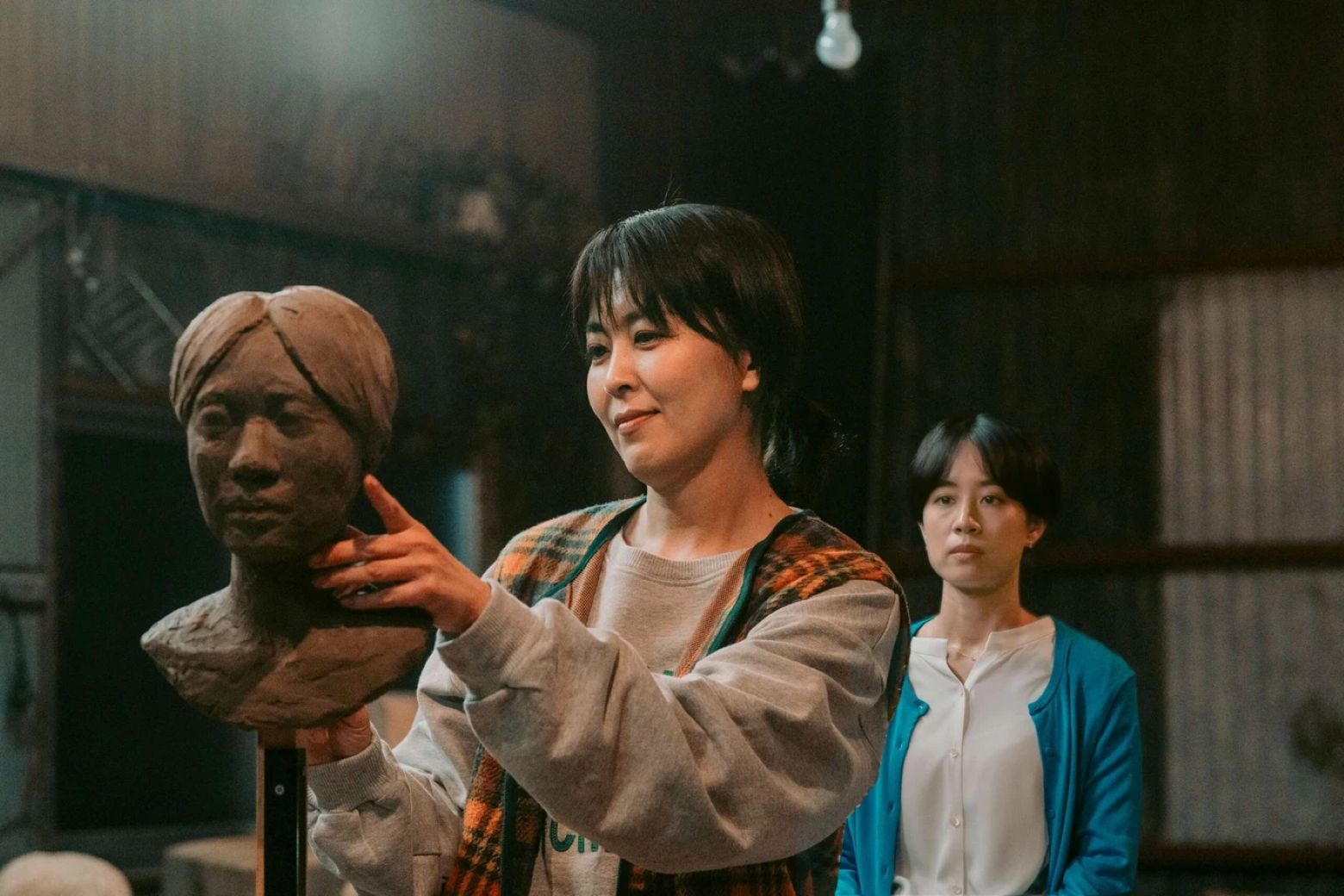
Kôji Fukada's film "Nagi Notes" premieres in competition at the Cannes Film Festival, following Yoriko (Takako Matsu), a sculptor and farmer living a quiet, self-sufficient life in the rural Japanese town of Nagi. Her routine is disrupted when her old friend Yuri (Shizuka Ishibashi), an architect, arrives to model for a sculpture, stirring buried emotions and past conflicts. The film explores the slow, delicate process of creating art and the psychological tensions between the two women, set against the backdrop of Nagi's idyllic but symbolically flat landscape.