filter_list Showing 32 results for "Rose" close Clear
search
dashboard All 1358 museum exhibitions 592trending_up market 180article news 156article local 126article culture 122person people 63candle obituary 39rate_review review 32article policy 24gavel restitution 22article event 2
date_range Range Today This Week This Month All
Subscribe

the worst art we saw in 2025

Artnet News editors and writers compiled a list of the worst art of 2025, calling out works they found lazy, cynical, overhyped, or ethically dubious. Highlights include Flora Yukhnovich's site-specific painting installation at the Frick Collection, which critics deemed middling and out of place among the museum's historic masterpieces; Jeff Koons's eight-foot-tall Hulk (Tubas) sculpture, sold for $3 million at Frieze New York and described as an obnoxious trophy piece; and actor Adrien Brody's interactive gum wall installation, which invited visitors to stick chewed gum onto a canvas.
independent picks

The article reviews the Independent art fair, highlighting its curated approach that results in a visually cohesive and easeful experience compared to other fairs. It notes the prevalence of neo-bucolic landscapes and animal paintings by artists like Sameen Agha, Tim Braden, and Lisa Sanditz, as well as delicate abstractions and small ceramic works. Standout pieces include Pope.L's provocative paint-scribbled underwear at Mitchell-Innes and Nash, Rosa Barba's kinetic painting at Vistamare, Ibrahim El-Salahi's silkscreen painting at Vigo Gallery, and works by emerging artists such as Constanza Camila Kramer Garfias and Ada Friedman at Kendra Jayne Patrick Gallery.

The Robots Were Never the Problem

The New Museum has reopened with 'New Humans: Memories of the Future,' a massive survey featuring over 150 contributors including Hito Steyerl, Precious Okoyomon, and H.R. Giger. Spanning 13 sections across the museum's new 5,500 square-meter extension, the exhibition traces the intersection of art, technology, and the human body from the early 20th century to the present. It juxtaposes interwar European works, such as Hannah Höch’s photomontages and Bauhaus ballets, with contemporary installations like Simon Denny’s sculpture of an Amazon worker's cage.

What ‘Costume Art’ Gets Wrong About the Body

The Metropolitan Museum of Art's Costume Institute spring exhibition, featuring nearly 400 objects, pairs garments and ensembles with Western figurative artworks from the museum's permanent collection in dyadic, associative displays. The show eschews traditional art-historical timelines and context in favor of visual and thematic parallels—comparing, for example, Rudi Gernreich's Pubikini with an Egyptian statuette, or Ying Gao's sound-responsive dress with a David Hockney drawing. The exhibition is sponsored by Jeff and Lauren Sánchez Bezos.

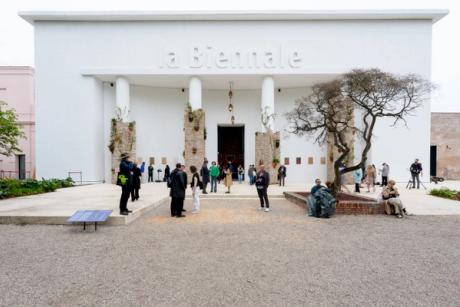
The Big Review | Venice Biennale 2026: In Minor Keys ★★★½

The Venice Biennale 2026, titled "In Minor Keys," was curated posthumously following the death of artistic director Koyo Kouoh in May 2025. A team of five curators and advisors—Gabe Beckhurst Feijoo, Marie Hélène Pereira, Rasha Salti, Siddhartha Mitter, and Rory Tsapayi—executed her vision across the Giardini and Arsenale venues. The exhibition features 110 artists, with a strong emphasis on new commissions, and is structured around themes of procession, resistance, and joy. Key works include Big Chief Demond Melancon's "Amistad Takeover" (2026), Nick Cave's "Amalgam (Origin)" (2025), and Otobong Nkanga's rewilded columns at the Central Pavilion.

The 2026 Venice Biennale Is Quintessential Biennial Art

The 61st Venice Biennale, titled "In Minor Keys" and curated by the late Swiss-Cameroonian curator Koyo Kouoh, opened in 2026. The main exhibition at the Arsenale and Giardini features works by artists such as Éric Baudelaire, Maria Magdalena Campos Pons, Mohammed Z. Rahman, Sohrab Hura, and Rose Salane, among others. The exhibition centers on themes of mourning, colonial history, slavery, and healing, with works like Baudelaire's video installation linking the flower trade to the transatlantic slave trade, and a tribute section honoring artists Beverly Buchanan and Issa Samb.

what are the 10 best works of art in new york museums let the debate begin

Artnet News critic Christian Viveros-Fauné has published a personal list of the ten best works of art in New York museums, sparking debate among readers. The selection includes iconic pieces such as Giovanni Bellini's *St. Francis in the Desert* at the Frick Collection, Gerhard Richter's *October 18, 1977* at MoMA, Paul Cézanne's *The Card Players* at the Metropolitan Museum of Art, James Rosenquist's *F-111* at MoMA, Diego Velázquez's *Juan de Pareja* at the Met, and Pablo Picasso's *Les Demoiselles d'Avignon* at MoMA, among others.

Hydrojustice: A Review

A Non-Aspirational Justice: Review of Hydrojustice

The article is a critical review of Andreas Philippopoulos-Mihalopoulos's book 'Hydrojustice,' which uses the concept of water as a lens to critique traditional, top-down legal justice and propose a more fluid, collective, and embodied alternative. The review frames this analysis through the recent erasure of a Banksy graffiti piece on the London Courts of Justice, which depicted a judge violently silencing a protester.

Can a Play Capture an Artist as Enigmatic as Henry Darger?

Can a Play Capture an Artist as Enigmatic as Henry Darger?

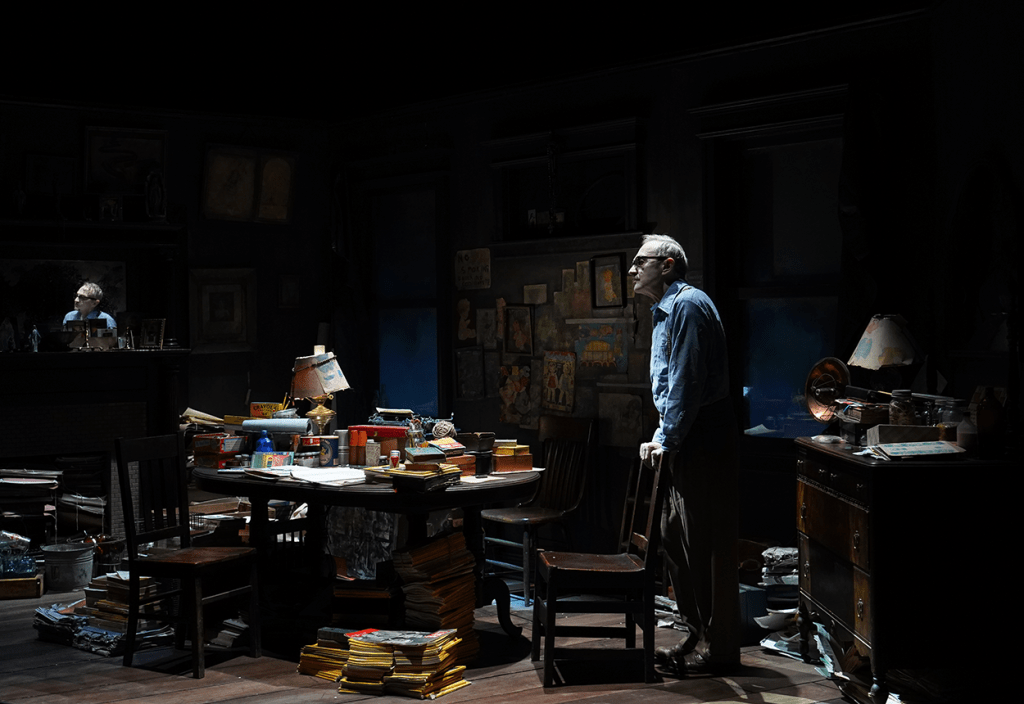
A new play, *Bughouse*, is attempting to portray the life of reclusive artist Henry Darger on stage at New York's Vineyard Theater. The one-man show, starring John Kelly, draws from Darger's own lengthy autobiography to depict his traumatic childhood, institutionalization, and decades of solitary life in Chicago, where he secretly created his vast, fantastical artwork and writings.

Fantastic visions and cosmic rhythms: how Whistler is making me see – and hear – differently

The article explores how the James McNeill Whistler exhibition at Tate in London prompts a reconsideration of the relationship between music and visual art. Whistler titled his works using musical terms like "Arrangement," "Symphony," and "Nocturne," arguing that painting should be abstract and independent of narrative, much like instrumental music. The exhibition, reviewed by Jonathan Jones, highlights Whistler's radical art-for-art's-sake philosophy, which influenced composer Claude Debussy, whose orchestral Nocturnes were directly inspired by Whistler's paintings of light and atmosphere.

V&A Rising Voices review – can decades of stunning global art really be squished into three rooms?

The V&A Museum in London has mounted an exhibition titled "Rising Voices" that attempts to summarize three decades of the Asia Pacific Triennial, a vast survey of contemporary art from Asia, Australia, and the Pacific organized by Queensland Art Gallery. The show crams works from multiple continents, island nations, and Indigenous cultures into just three rooms, featuring bark cloth paintings from Papua New Guinea, Indigenous Australian abstracts, shark sculptures from the Torres Strait, and Tahitian textiles. Many works address colonialism, political oppression, and tyranny, with artists like Elisabet Kauage, Pala Pothupitiye, and Svay Ken using art as resistance. The exhibition includes pieces by Maryam Ayeen, Abbas Shahsavar, Lila Warrimou, Pennyrose Sosa, Aline Amaru, Brenda V Fajardo, and Heri Dono.

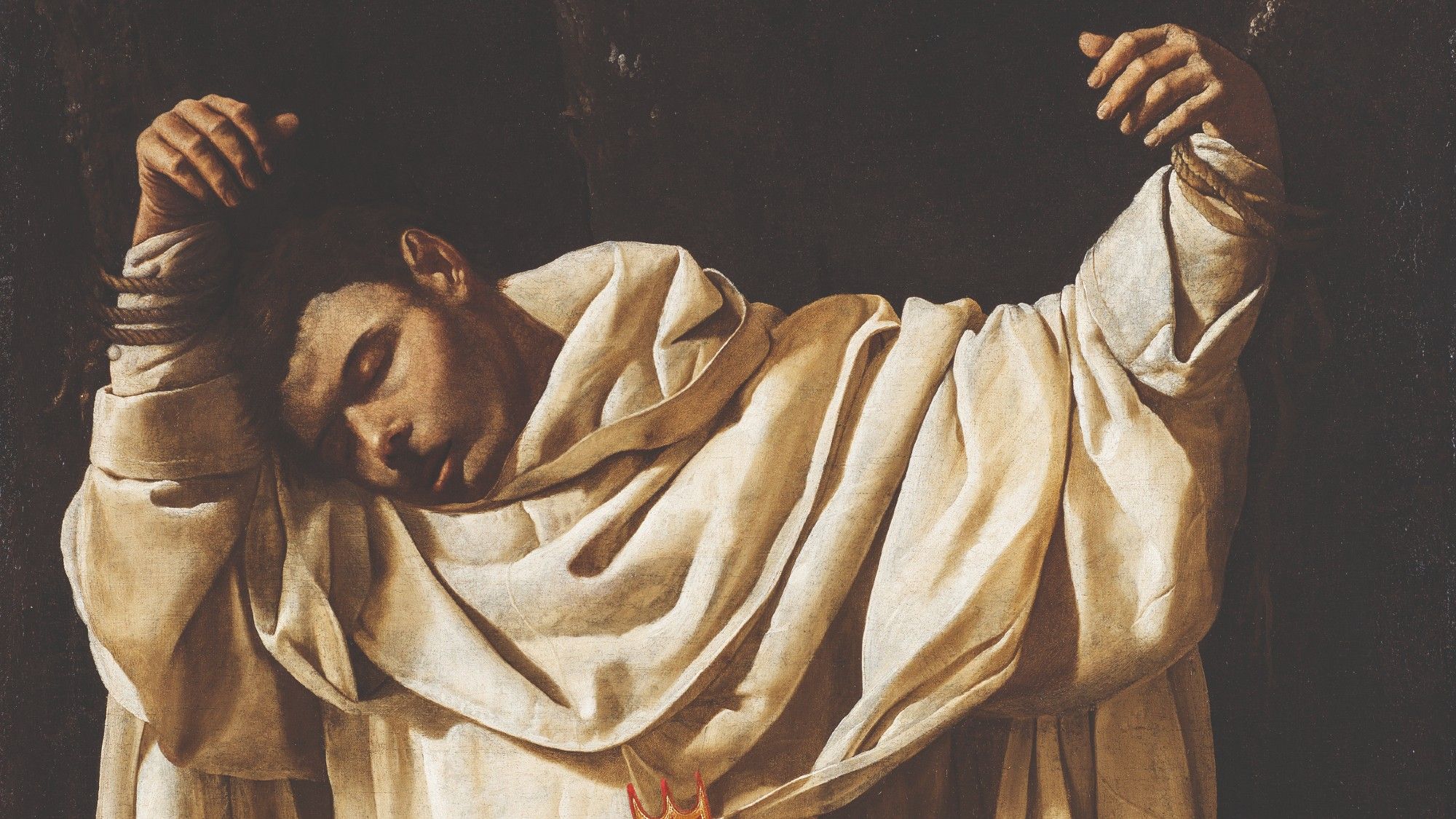
Zurbarán review – ecstatic visions, primitive surrealism … and the finest loincloths ever painted

The Guardian reviews a major exhibition of 17th-century Spanish painter Francisco de Zurbarán, highlighting his visionary and surrealist qualities. The show features works such as "The Apparition of Saint Peter to Saint Peter Nolasco" (1629), newly attributed paintings including a giant mask, and iconic pieces like "The Crucified Christ" and "Saint Serapion," all drawn from collections including the Prado and the National Gallery, London. The review emphasizes Zurbarán's ability to paint supernatural subjects with naturalistic conviction, his exquisite rendering of fabrics—especially loincloths—and his influence on modern artists like Salvador Dalí.

martin puryear mfa boston review

Martin Puryear's 1978 sculpture *Self* opens a survey of his work at the Museum of Fine Arts, Boston, titled “Martin Puryear: Nexus,” which runs through Sunday before traveling to the Cleveland Museum of Art in April. Curated by Emily Liebert, Reto Thüring, and Ian Alteveer, the exhibition argues that Puryear's abstract, craft-intensive sculptures—like *A Column for Sally Hemings* (2021)—are not merely formalist exercises but carry political and historical meanings that are deliberately withheld, challenging viewers to read beyond elegant surfaces.

Review: “50th Anniversary Exhibition Part I” at Moody Gallery, Houston

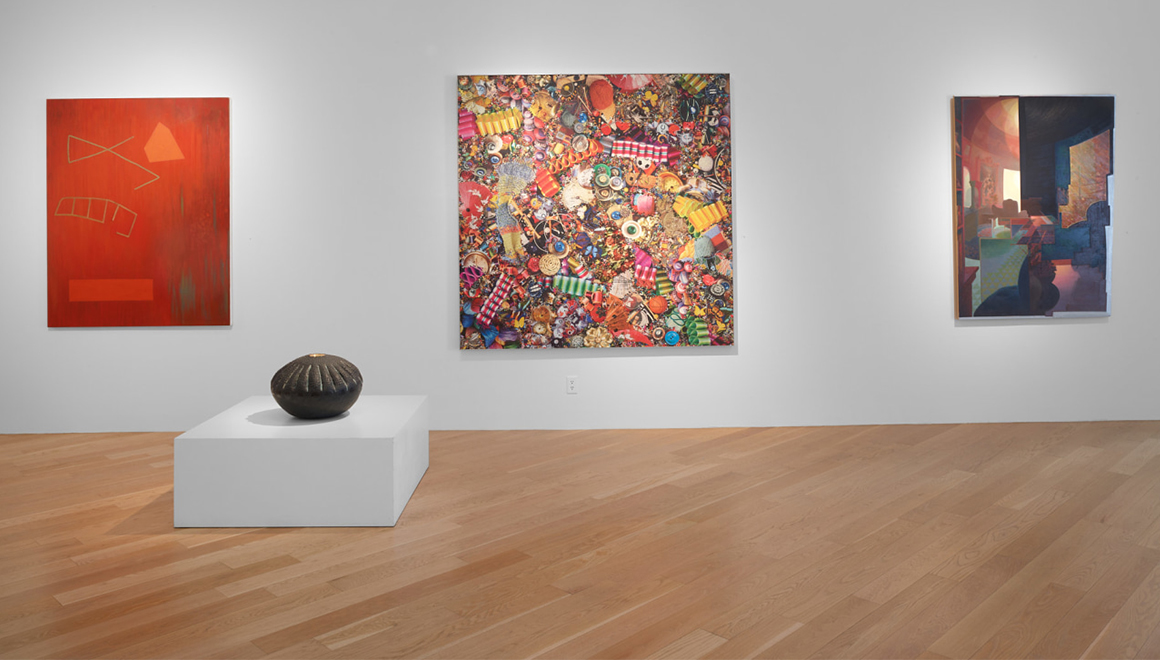
Moody Gallery in Houston opened “50th Anniversary Exhibition Part I” on September 13, showcasing 38 artworks by gallery-affiliated artists. The show is deliberately non-chronological and non-comprehensive, featuring works ranging from 2006 to 2025, including pieces by Melissa Miller, William “Bill” Steffy, Michael Kennaugh, Dan Sutherland, Pat Colville, Tracye Wear, Al Souza, and the collaborative MANUAL (Ed Hill & Suzanne Bloom). The exhibition spans three spaces and highlights the gallery’s eclectic, open-minded approach and its commitment to promoting Texas-based artists.

I’ve Got the Post-Duchamp Blues

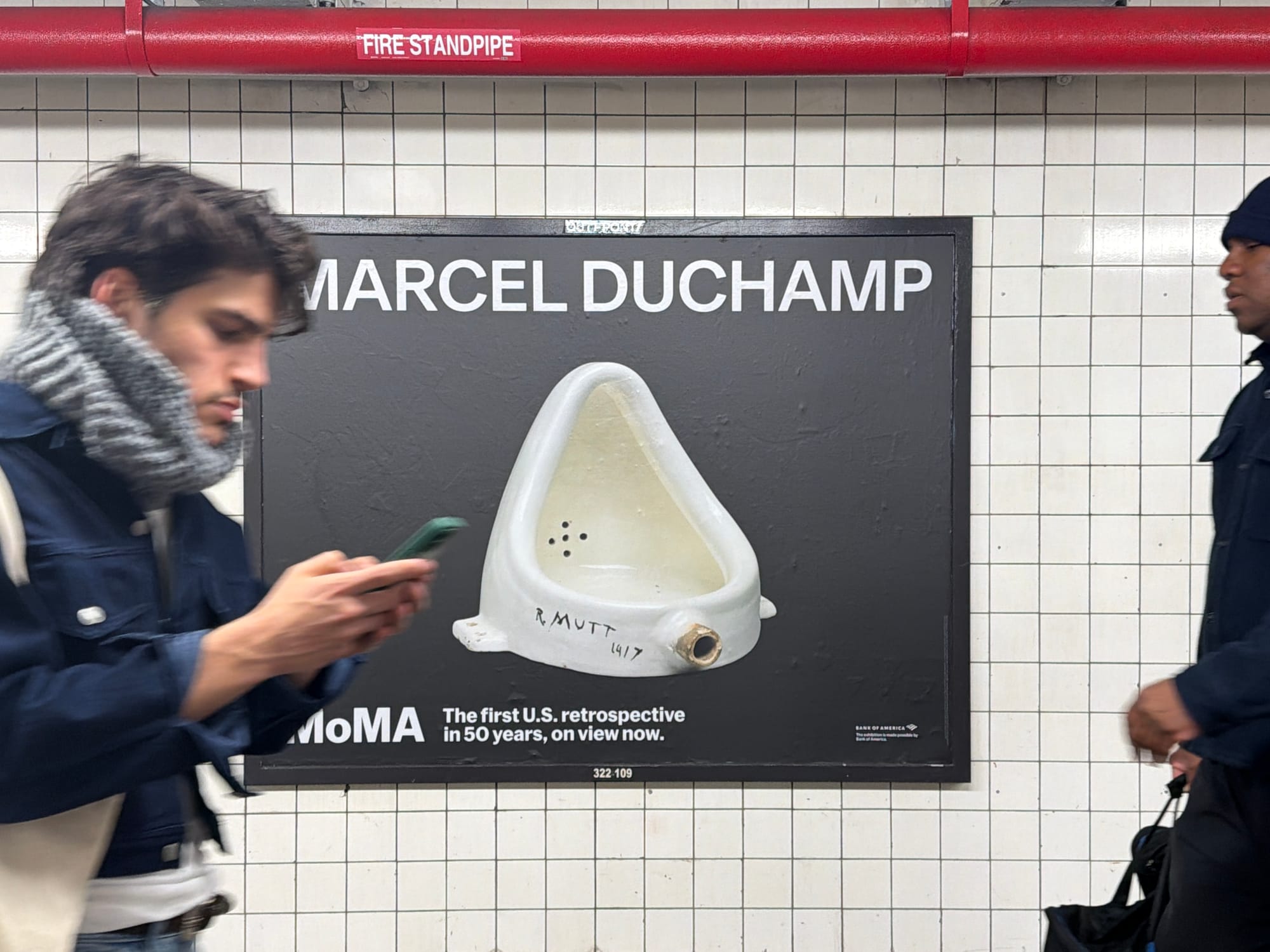
The article is a review of the Marcel Duchamp retrospective at the Museum of Modern Art (MoMA) in New York, the first such show since 1973. Featuring around 300 works from Duchamp's six-decade career, the exhibition includes his iconic readymades like "Fountain" (1917) and early paintings such as "Nude Descending a Staircase, No. 2" (1912). Co-curated by MoMA's Ann Temkin and Michelle Kuo along with Matthew Affron of the Philadelphia Museum of Art, the show runs through August 22, 2026, before traveling to Philadelphia.

Alice Tippit’s Mischievous Erotics

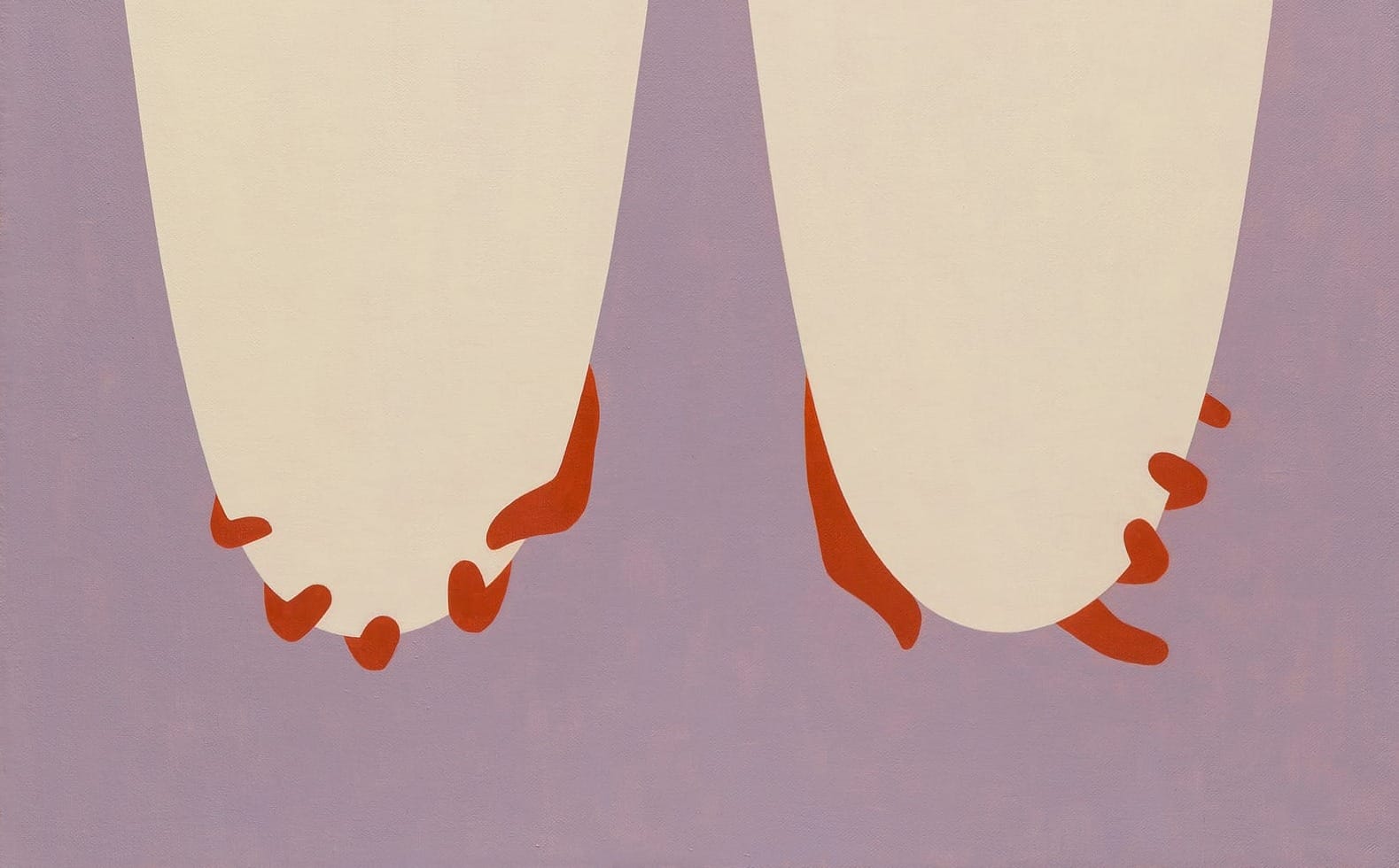
Alice Tippit's solo exhibition "Rose Obsolete" at the DePaul Art Museum in Chicago features 23 small oil paintings, three murals, a neon sign, word drawings, and a series of 46 notepad drawings. The works toggle between multiple interpretations—snakes and smiles, blouses and pears, curtains and bodies—inviting viewers to see shifting forms like a psychological test. Tippit, born in 1975 near Kansas City and based in Chicago since 2006, paints each oil work in a single day without tape, achieving sharp edges and subtle layering that reward close looking.

Roses and Thorns of Greater New York

The article is a digest of recent art news, with a primary focus on critical reviews of the 2026 "Greater New York" exhibition at MoMA PS1. Hyperallergic's editorial team provides mixed assessments of the works in the massive quinquennial survey of local artists. The piece also covers American-French sculptor Barbara Chase-Riboud's decision to decline an invitation to represent the United States at the 61st Venice Biennale, citing the problematic nature of the pavilion's commissioning entity.

What’s Left to Learn from Marcel Duchamp?

The article examines Marcel Duchamp's enduring influence on contemporary art, focusing on his readymades such as "Fountain" (1917) and "Bicycle Wheel" (1913/1951). It notes that a major survey co-organized by the Museum of Modern Art and the Philadelphia Museum of Art, 70 years after Duchamp predicted his true public would emerge in 50 to 100 years, reaffirms his status as the most influential artist of the past century. The piece discusses how Duchamp's practice of selecting and presenting ordinary objects as art—from a urinal to a snow shovel—once shocked the art world but now seems quaint compared to later works like Maurizio Cattelan's taped banana.

Chelsea Exhibition Reviews: Rosebud Contemporary, Paula Cooper, Fredericks & Freiser, Berry Campbell and more

This article reviews several Chelsea gallery exhibitions, focusing on Mary Ann Unger's monumental sculpture show 'Across the Bering Strait' at Berry Campbell, which features her hydrocal-over-steel works exploring themes of feminism, anthropology, and the natural world. It also covers 'En Route' at Rosebud Contemporary, a group exhibition of abstract painters Rifka Milder, Meg Hitchcock, and Ketta Ioannidou, each reflecting on artistic journeys through their work.

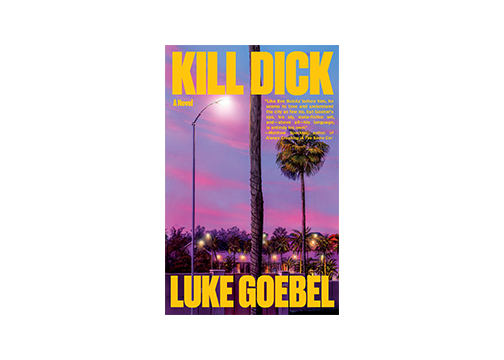
Bicoastal Art World Satire ‘Kill Dick’ Imagines Sackler Revenge

Luke Goebel's new novel 'Kill Dick' is a satirical, chaotic takedown of the contemporary art world and its entanglement with the Sackler family, fictionalized here as the Sicklers. The book follows protagonist Susie, the daughter of the Sickler family lawyer, as she navigates addiction, familial disgust, and a numbed existence against the backdrop of 2016 America. Its prose is deliberately abrasive and shocking, mirroring the emotional state of its narrator.

sanya kantarovsky chloe dzubilo rosemarie trockel

Two new art critics join the fold at Cultured, with Johanna Fateman reviewing Sanya Kantarovsky's first New York solo show since 2019, "Scarecrow," at Michael Werner Gallery's two Upper East Side locations. The exhibition features paintings, monotypes, and a glazed stoneware vase centered on Hera, a whippet belonging to artists Mark Dion and Dana Sherwood, alongside works like *Stage (Watteau)* that engage with historical painting. Mary Simpson covers Rosemarie Trockel's acerbic conceptualism, and Jeanette Bisschops reviews a posthumous exhibition of Chloe Dzubilo's intimate and irate drawings, "The Prince George Drawings," at Participant Inc., curated by Alex Fleming and Nia Nottage.

Zurbarán: a ‘magnificently choreographed’ showing of the Spanish ‘genius’

The article reviews the first-ever British exhibition dedicated to Spanish Baroque painter Francisco de Zurbarán, held at the National Gallery in London. The show brings together 40 works from collections spanning Seville to San Diego, featuring his hyper-real religious paintings and radiant still lifes, described as a 'magnificently choreographed' trawl through his oeuvre. Critics praise the exhibition for its dramatic lighting and revelatory presentation, though some note uneven quality in his later works.

Zurbarán at the National Gallery is more agony than ecstasy

The article reviews the exhibition 'Zurbarán' at the National Gallery in London, arguing that the show fails to capture the spiritual intensity and emotional power of the Spanish Baroque painter's work. It criticizes the curatorial choices, suggesting the display feels flat and lacks the ecstatic religious fervor that defines Zurbarán's best paintings, leaving viewers with a sense of agony rather than transcendence.

The Many Forms of Marcel Duchamp

The New Yorker's Hilton Als reviews "Marcel Duchamp," a major retrospective at the Museum of Modern Art (MoMA) in New York, running through August 22, 2026. Curated by Matthew Affron, Michelle Kuo, and Ann Temkin, it is the first North American retrospective of Duchamp's work since 1973, organized in collaboration with the Philadelphia Museum of Art. The exhibition spans MoMA's entire sixth floor, showcasing Duchamp's shape-shifting practice—from iconic works like "Nude Descending a Staircase (No. 2)" (1912) and "Bicycle Wheel" (1951) to his readymades and conceptual pieces—emphasizing his rejection of commodification and embrace of intellectual freedom, play, and queer sensibilities.

Why this rarely seen Van Gogh self-portrait deserves more attention

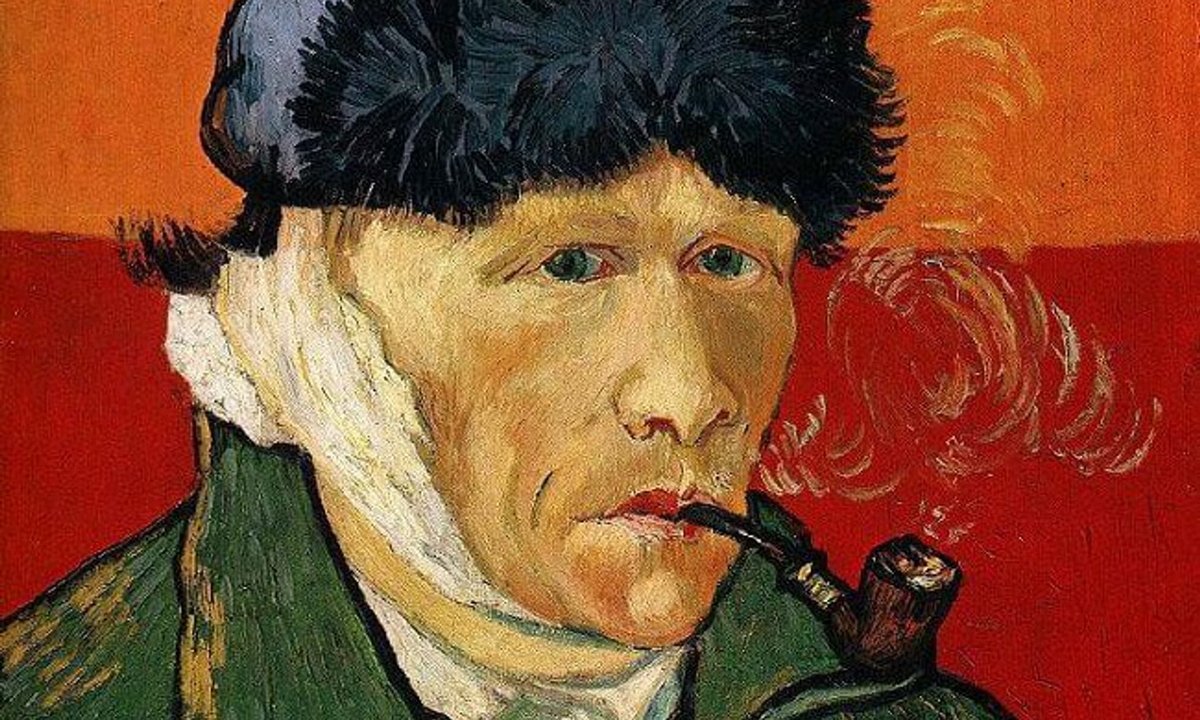
A blog post examines Van Gogh's lesser-known self-portrait, *Self-portrait with bandaged Ear and Pipe* (January 1889), held in a private collection and rarely exhibited—last lent outside Switzerland in 1990. The painting shows the artist clean-shaven, smoking a pipe, with a striking orange-red background, painted just weeks after he mutilated his ear following a row with Paul Gauguin. The post contrasts it with the more famous version in London's Courtauld Gallery, analyzing compositional details and the artist's psychological state.

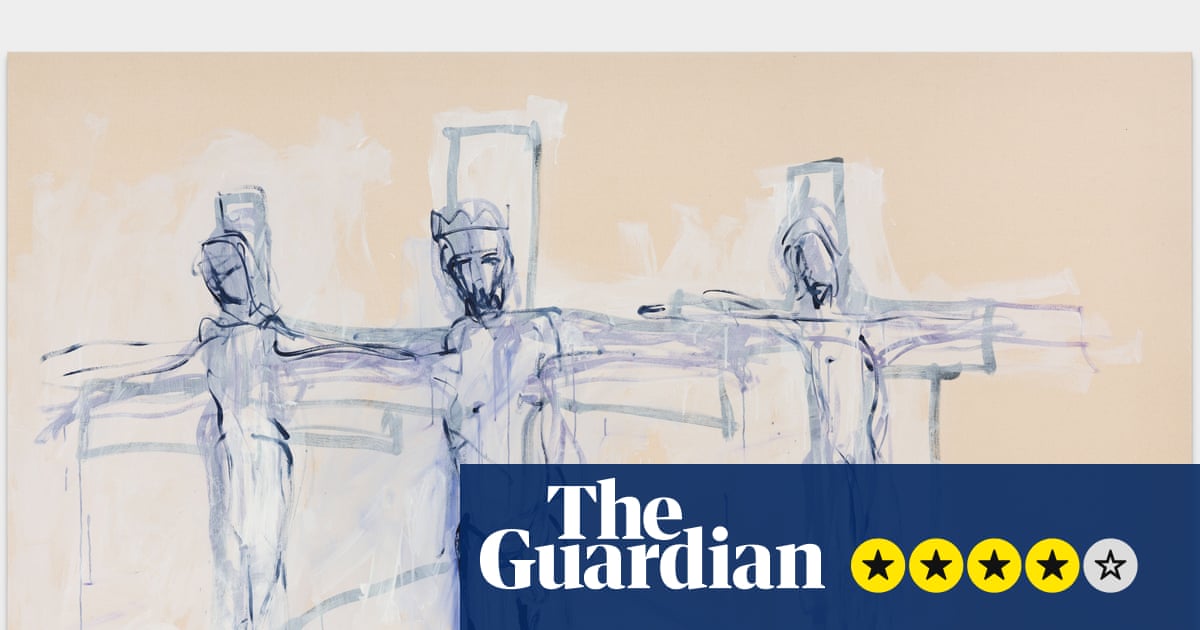
I have seen the light and it’s Tracey Emin’s Jesus – RA Summer Exhibition review | Royal Academy of Arts

The Royal Academy's Summer Exhibition in London features over 1,600 works, with Tracey Emin's painting "The Crucifixion" as the standout piece. The critic describes Emin's work as a sincere, shocking depiction of the crucifixion that reinvigorates religious art, alongside works by Georg Baselitz, Cornelia Parker, Tamara Kostianovsky, George Shaw, Frank Bowling, and Cindy Sherman.

The Fantasy of the Femme Fatale

Le fantasme de la femme fatale

A documentary titled "Le fantasme de la femme fatale" (The Fantasy of the Femme Fatale), directed by Susanne Brand, is available on Arte.tv. The film traces the visual history of the femme fatale, a seductive and dangerous figure prevalent in centuries of figurative painting by male artists like Gustave Moreau and Franz Von Stuck, often depicted as Salome or languid nymphs.

Rose Finn-Kelcey review – flying puns, smart pranks and prayers for 20p

The Guardian reviews "Rose Finn-Kelcey: House Rules," a posthumous exhibition at the new Arts Collective in Northampton, UK. The show features works by the British conceptual artist (1945–2014), including her 1972 flag installation "Power for the People" at Battersea Power Station, a prayer vending machine titled "It Pays to Pray," and pieces exploring permission, spirituality, and societal restrictions. The exhibition is presented as a homecoming for Finn-Kelcey, who was born in Northampton.

olivia laings silver book pasolini fellini

Olivia Laing's novel "The Silver Book" is set in 1974 Italy during the Years of Lead, following Nicholas Wade, a young Slade graduate who becomes the lover and apprentice of costume and set designer Danilo Donati. Donati is working on Federico Fellini's "Casanova" and Pier Paolo Pasolini's "Salò," and the story explores their creative and erotic relationship against a backdrop of political turmoil. Laing's prose is vignetted and elliptical, focusing on daily acts of filmmaking and the sensual world of the characters.

What Did Happen or What Might Have Happened or What Can Never Happen. Dustin Hodges by Nick Angelo

Dustin Hodges presents a new body of work across two exhibitions, "Barley Patch" at 15 Orient in New York and "Barley Patch 2" at Sebastian Gladstone in Los Angeles. The artist utilizes thin layers of pigment, color glazing, and distemper on linen to create compositions that superimpose cartoon motifs, such as black crows and characters from the "Arthur" series, over complex grids. His process involves a cyclical layering that drives a wedge between the logic of the image and the materiality of painting, resulting in works that feel both choreographed and visceral.