filter_list Showing 21 results for "Stern" close Clear
search
dashboard All 1232 museum exhibitions 664article local 128trending_up market 118article news 103article culture 80person people 41article policy 30candle obituary 25rate_review review 21gavel restitution 19article event 2article gallery 1
date_range Range Today This Week This Month All
Subscribe

What ‘Costume Art’ Gets Wrong About the Body

The Metropolitan Museum of Art's Costume Institute spring exhibition, featuring nearly 400 objects, pairs garments and ensembles with Western figurative artworks from the museum's permanent collection in dyadic, associative displays. The show eschews traditional art-historical timelines and context in favor of visual and thematic parallels—comparing, for example, Rudi Gernreich's Pubikini with an Egyptian statuette, or Ying Gao's sound-responsive dress with a David Hockney drawing. The exhibition is sponsored by Jeff and Lauren Sánchez Bezos.
Kamrooz Aram Breaks Down the Grid

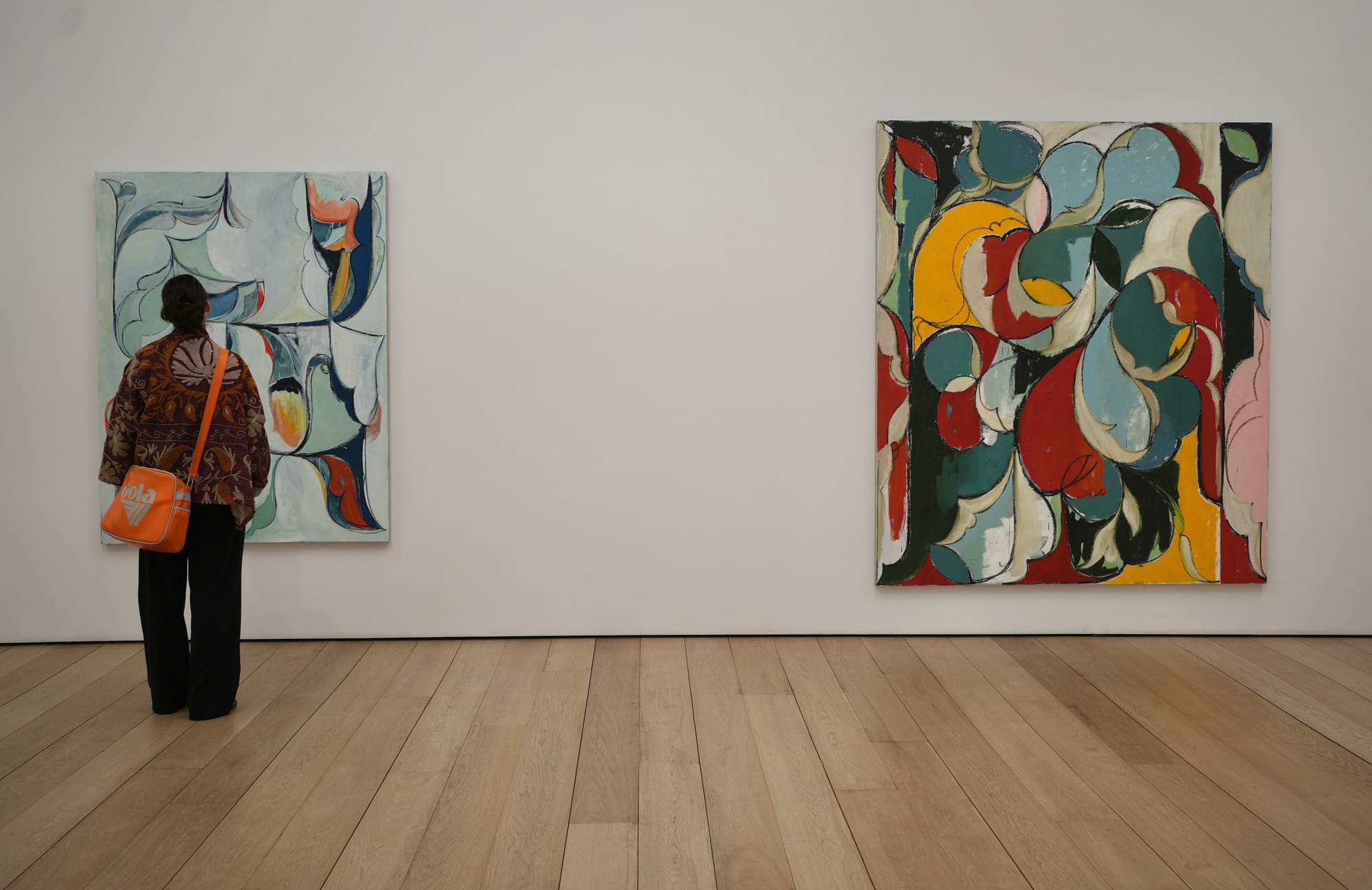
Kamrooz Aram is the subject of multiple major exhibitions in early 2026, including a solo show at Alexander Gray Associates in New York, a presentation at Nature Morte in Mumbai for Mumbai Art Week, and a significant inclusion in the 2026 Whitney Biennial. The artist, known for his work with the grid, uses painting to explore the connections between Western modernist abstraction and non-Western decorative traditions, particularly from Western Asia.

Michael Armitage in Venice, monumental and disturbing. What the exhibition at Palazzo Grassi looks like

Michael Armitage is the subject of a major solo retrospective at Palazzo Grassi in Venice, marking his largest exhibition in Europe to date. Organized by the Pinault Collection, the show features monumental paintings that blend African identity, local Kenyan chronicles, and mythological narratives. Armitage’s work is noted for its physical scale and its ability to transform the chaos of human affairs into a syncretic epic, utilizing traditional materials like Lubugo bark cloth to ground his contemporary subjects.

Leah Ki Yi Zheng’s Personal I Ching

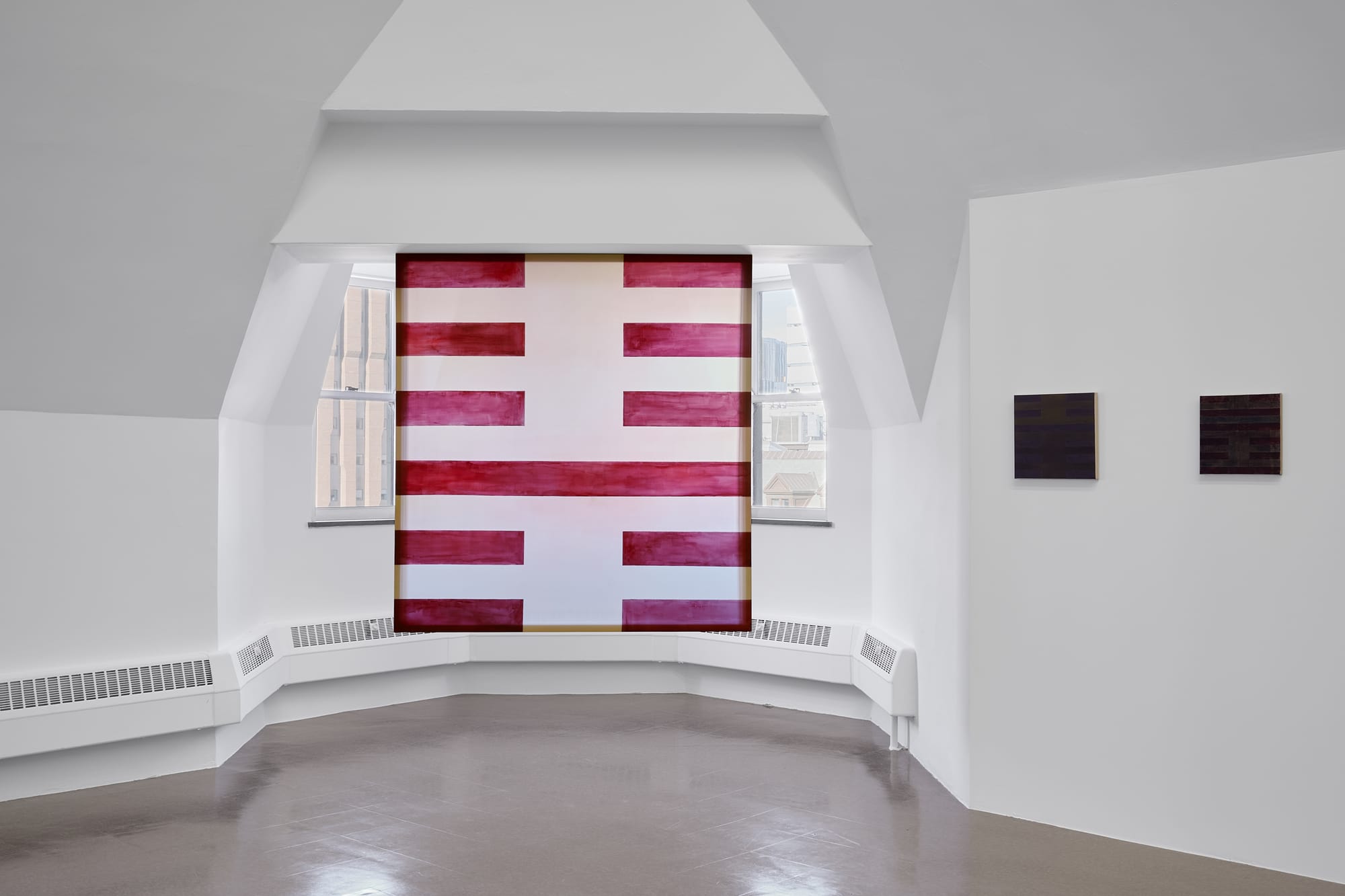
Artist Leah Ke Yi Zheng's exhibition "Change, I Ching (64 Paintings)" at the Renaissance Society in Chicago presents a series of oil and acrylic paintings on silk, each depicting one of the 64 hexagrams from the ancient Chinese divination text, the I Ching. The artist physically altered the gallery's architecture to control light and create a specific viewing rhythm, synthesizing materials and techniques from Chinese ink painting traditions with Western geometric abstraction and oil painting.

Édouard Glissant’s Museum-as-Archipelago

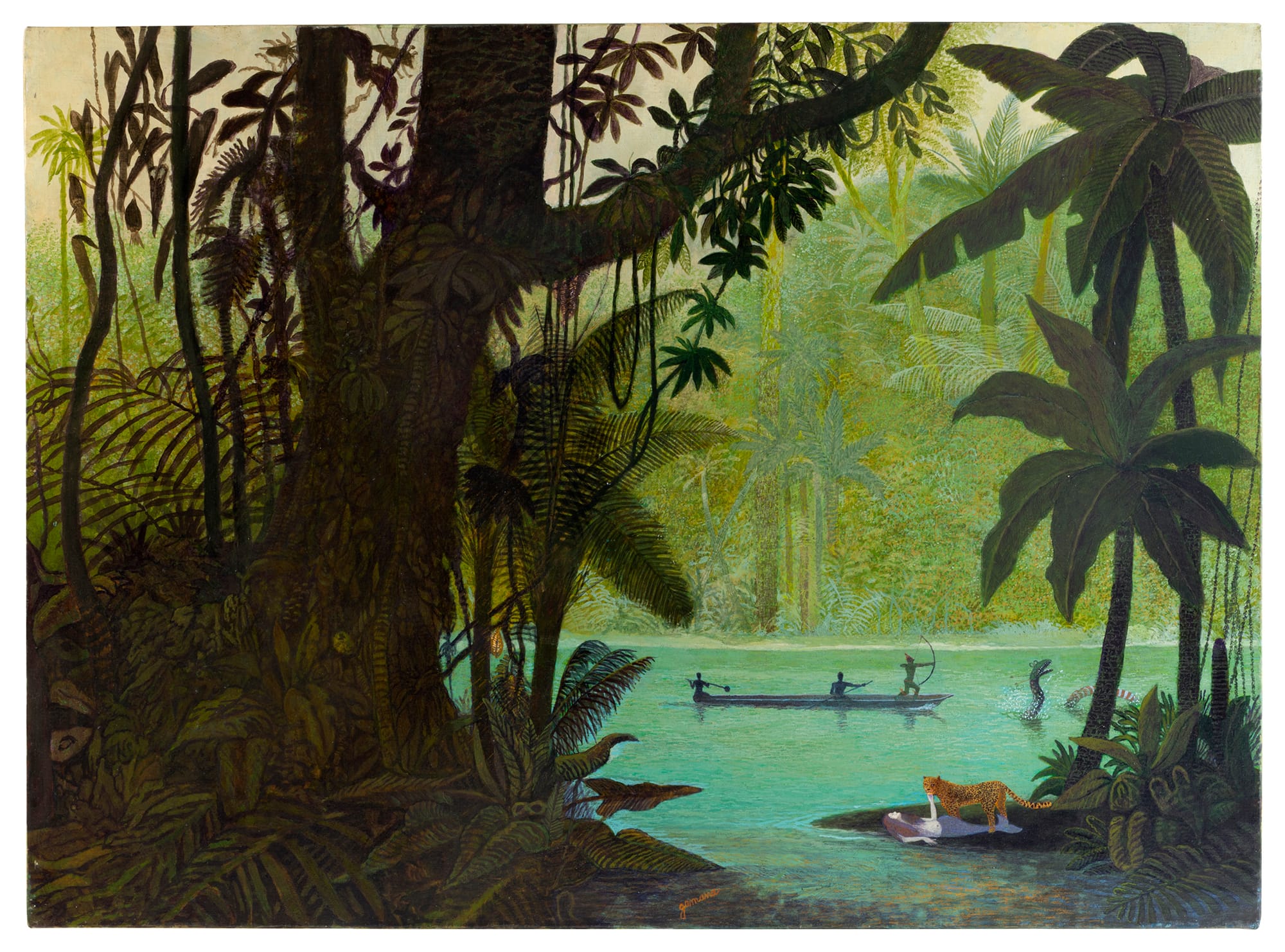
The article reviews the exhibition "The Earth, the Fire, the Water, and the Winds: For a Museum of Errantry with Édouard Glissant" at the Center for Art, Research and Alliances (CARA) in New York, the first U.S. showing of works from the personal collection of Martinician philosopher and writer Édouard Glissant. Curated from his archive, the exhibition features artists such as Roberto Matta, Wifredo Lam, Etel Adnan, Irving Petlin, Antonio Seguí, Öyvind Fahlström, Jack Whitten, and Mel Edwards, reflecting Glissant's friendships and intellectual exchanges across Europe, Africa, and the Americas. Highlights include Antonio Seguí's large pastel works from his Titanic series.

The Unbearable Strangeness of Being

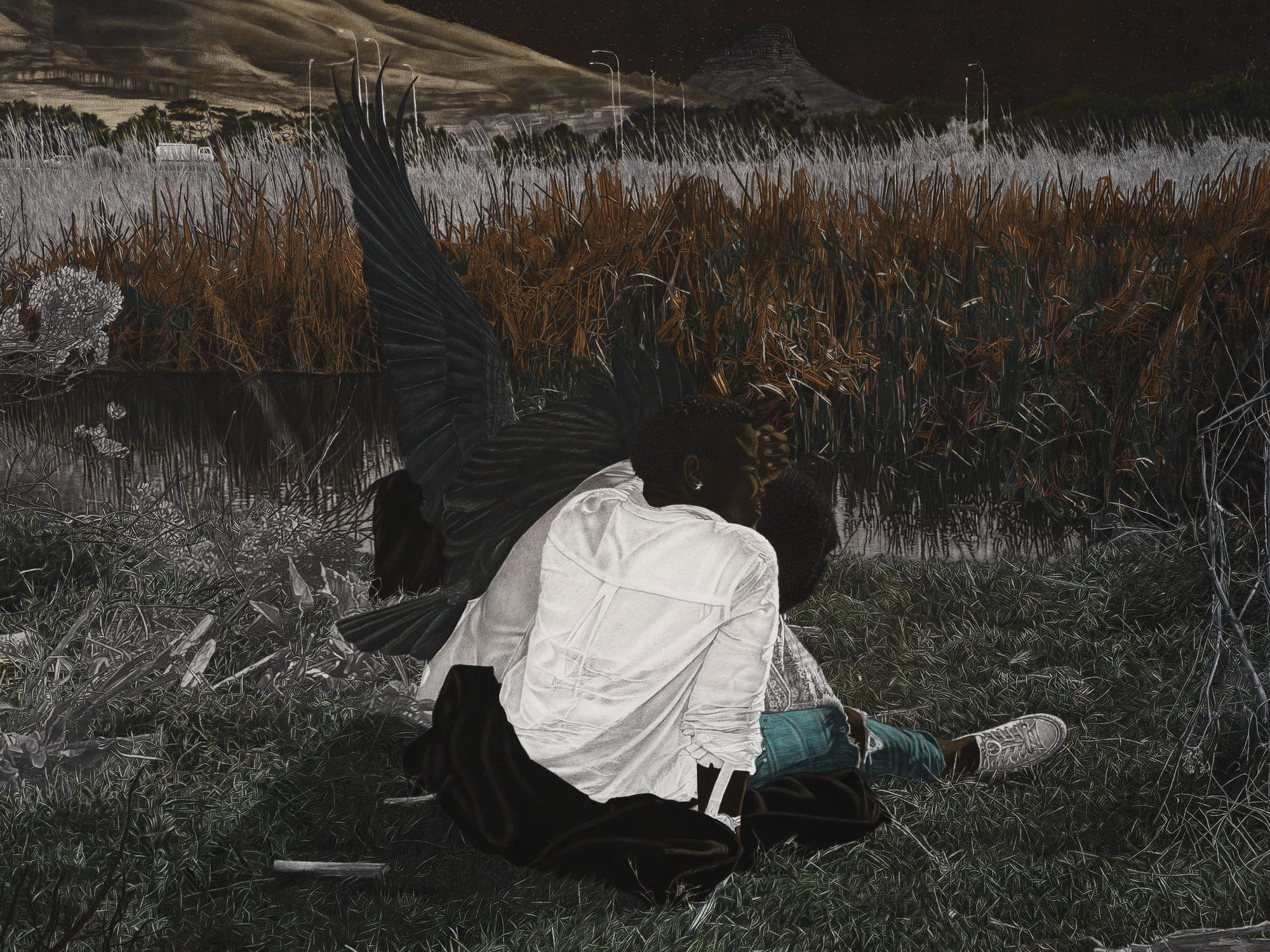
South African artist Cinga Samson makes his New York debut at White Cube with "Ukuphuthelwa," an exhibition of haunting, large-scale oil paintings. The works feature figures with distinctive white pupils engaged in enigmatic rituals within dark, crepuscular landscapes. Drawing from the isiXhosa concept of spiritual alertness during sleeplessness, Samson’s compositions blend the palpable with the unearthly, often depicting scenes that feel choreographed yet remain stubbornly illegible to the Western gaze.

Post-Mortemism: An Autopsy of “Nigerian Modernism: Art and Independence” at Tate Modern.

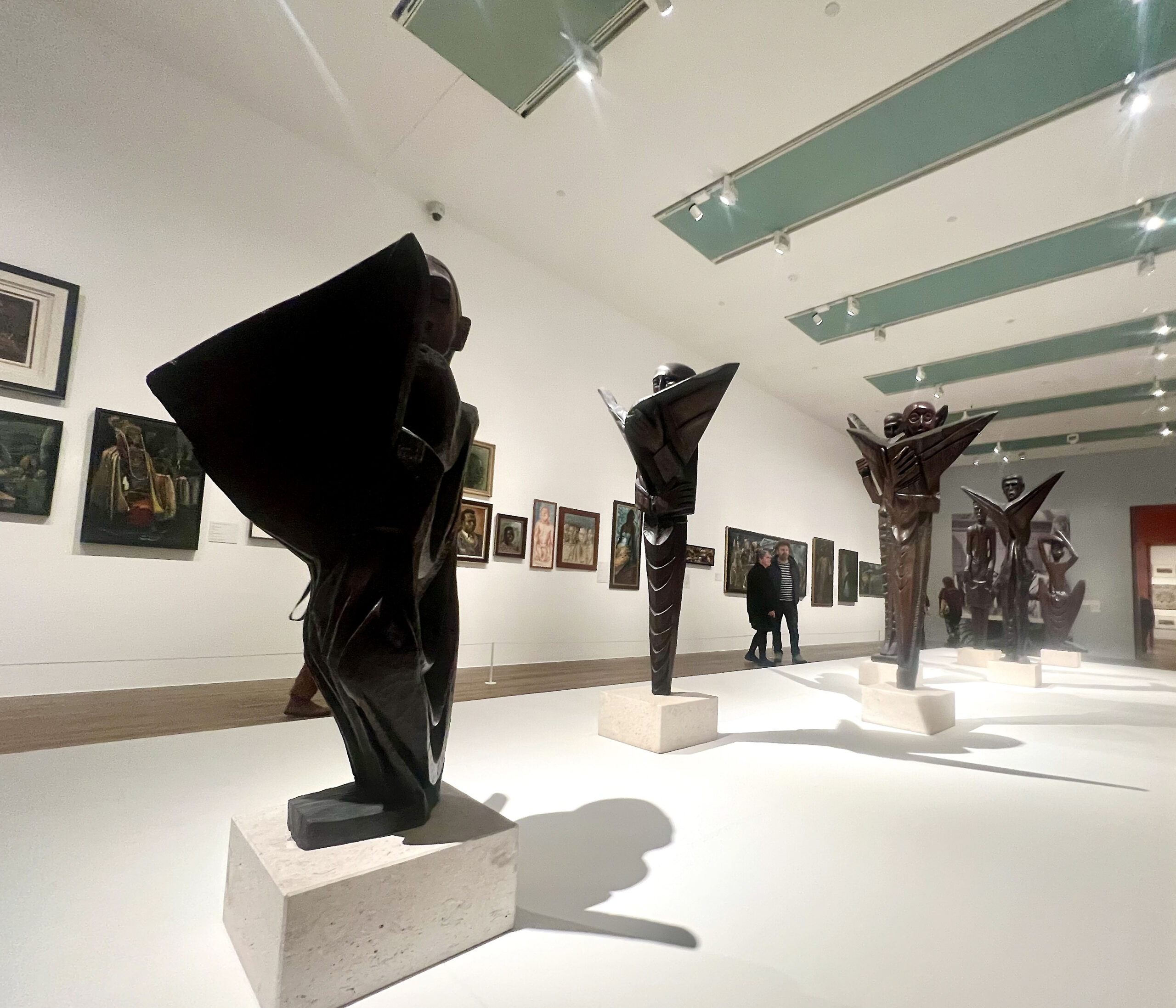
A critical essay by Ayọ̀ Akínwándé performs a forensic 'autopsy' of the Tate Modern exhibition 'Nigerian Modernism: Art and Independence.' The review dissects the show's structure, arguing it fails in its curatorial framework by isolating Nigerian artists within a regional category, using ethnographic display methods, relying on incomplete research, and excluding key artists and historical context.

david rimanelli willem de kooning cosey fanni tutti

Art critic David Rimanelli reviews Willem de Kooning's exhibition "Endless Painting" at Gagosian's 555 West 24th Street location, curated by Cecilia Alemani, running through June 24, 2025. The show spans de Kooning's career from 1944 to his final phase, though notably omits his black-and-white oil-and-enamel paintings from the late 1940s. Rimanelli expresses ambivalence, finding the show dreary and pointless despite the high caliber of individual works, and critiques the press release's focus on fragmented body parts. Separately, Johanna Fateman reviews Cosey Fanni Tutti's exhibition at Maxwell Graham, highlighting her controversial 1970s series "Magazine Actions" (1972–80), on view through June 28, 2025.

chaim soutine biography celeste marcus

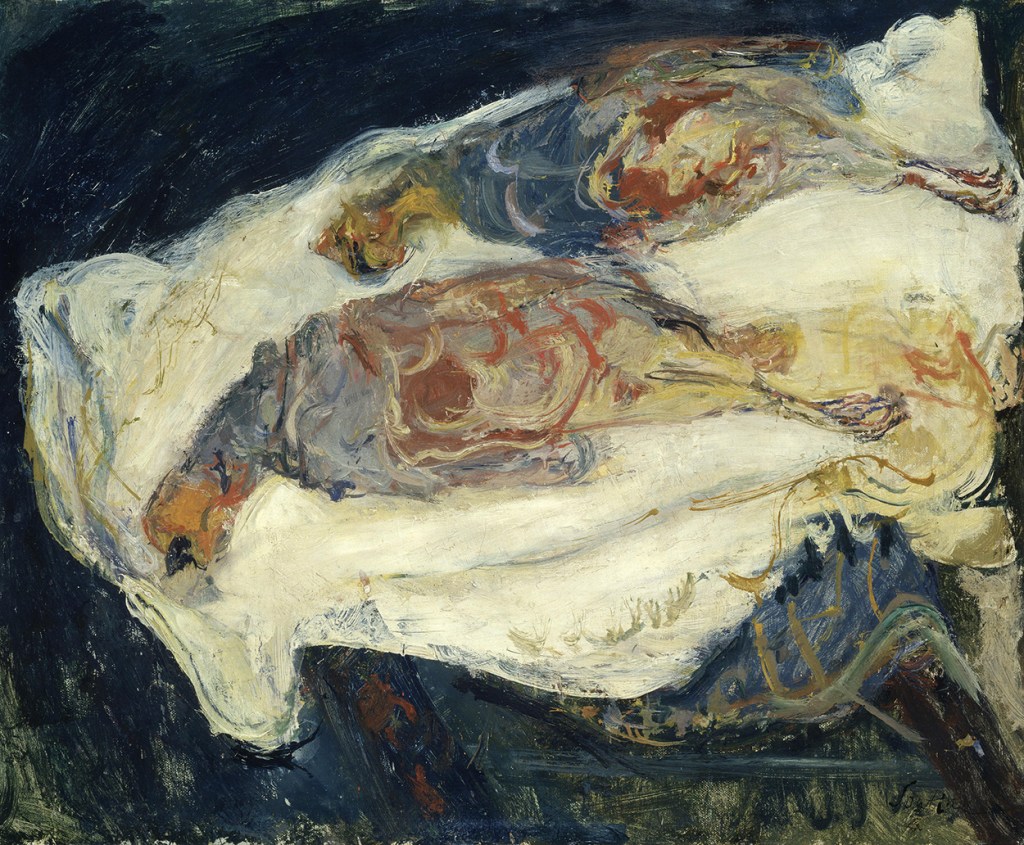
A new biography titled *Chaïm Soutine: Genius, Obsession, and a Dramatic Life in Art*, written by Celeste Marcus, explores the life and work of the early 20th-century painter Chaïm Soutine. Marcus argues that Soutine’s intensely visceral paintings—featuring dizzying landscapes, bloody carcasses, and penetrating portraits—are the key to understanding the artist, who left behind few personal records. The book challenges the tendency to read historical tragedy, particularly Soutine’s identity as an Eastern European Jew before WWII, into his turbulent brushwork, instead emphasizing the life force and internal logic of his compositions.

The Big Review

Tate Britain has launched a major survey dedicated to the visionary artist and poet William Blake, marking one of the most comprehensive exhibitions of his work in London. The show brings together his intricate watercolors, prints, and prophetic books, offering a deep dive into his unique mythological universe and radical political views.

Review: “Canvas to Clay” at the San Antonio Museum of Art

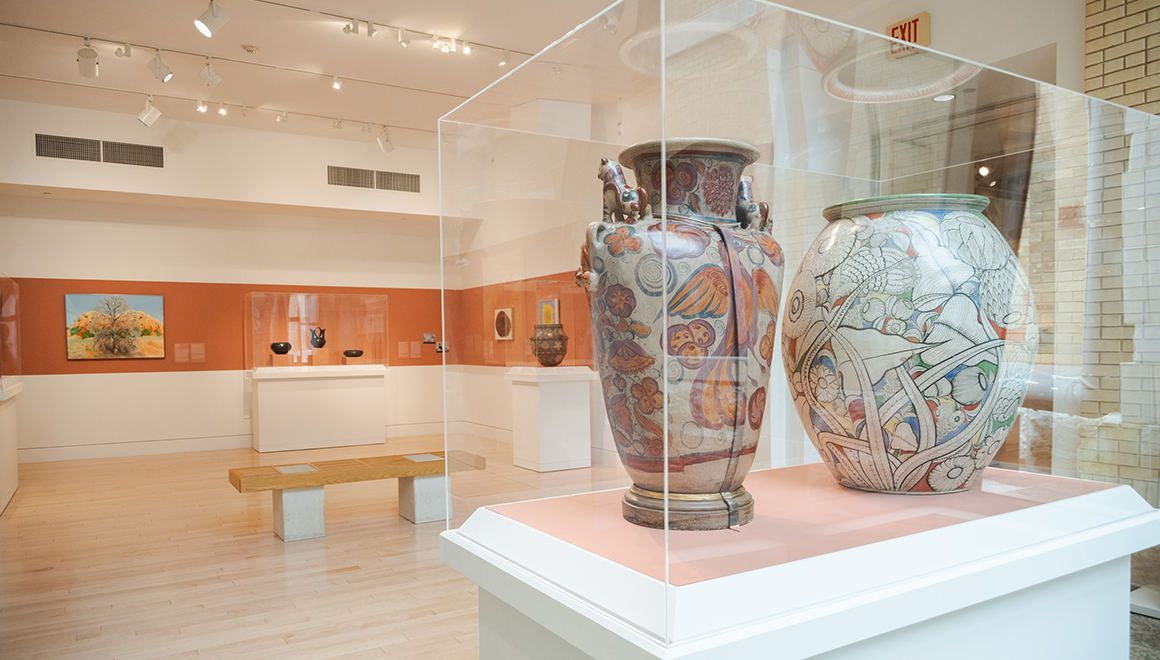
The San Antonio Museum of Art (SAMA) has launched "Canvas to Clay," an exhibition that pairs the modernist paintings of Georgia O’Keeffe with the black-on-black pottery of Maria Martinez. While these two icons of the American Southwest are frequently exhibited together, this show distinguishes itself by expanding the conversation southward. It integrates Mexican earthenware from Mata Ortiz and Tonalá, highlighting the work of Juan Quezada and Hector Gallegos to showcase a broader regional tradition of abstraction and indigenous revival.

Turner vs Constable: is it time for art historians to choose?

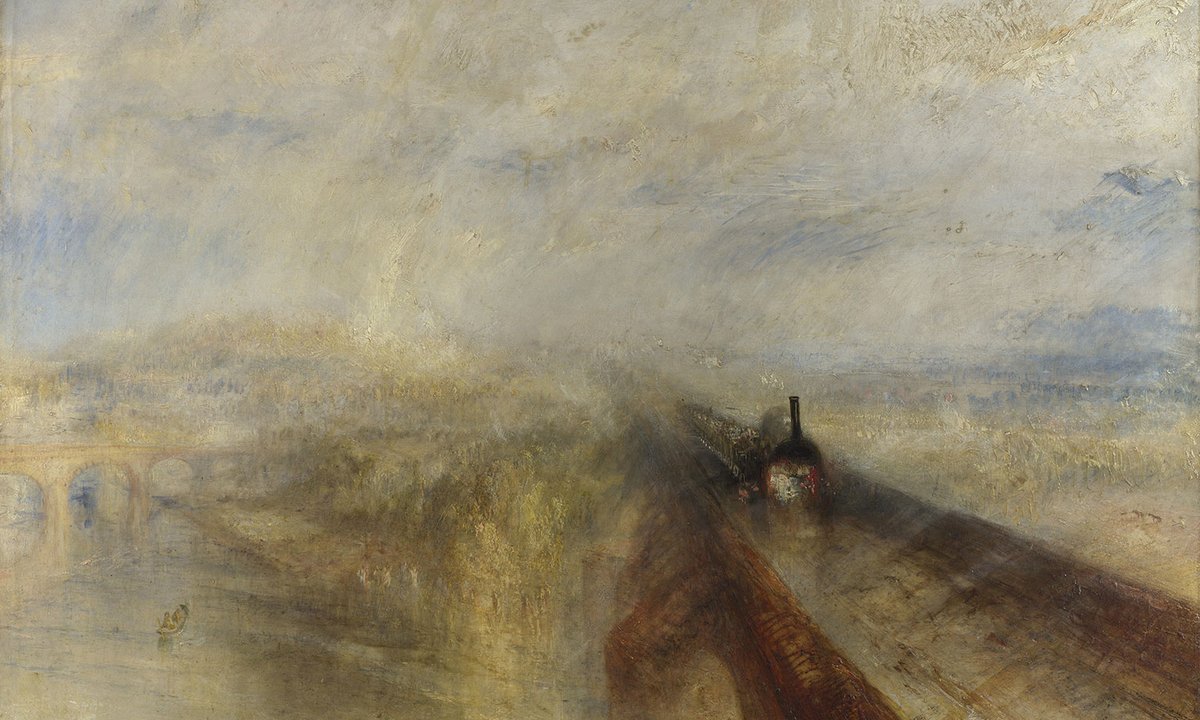
Art historian and author James Hall, writing in The Art Newspaper, reviews Nicola Moorby's new book "Turner and Constable: Art, Life, Landscape" and uses it as a springboard to argue that art historians should not shy away from making value judgments about artists. He compares the legacies of J.M.W. Turner and John Constable, noting that Turner currently dominates popular and institutional esteem—appearing on banknotes, celebrated by Tate Britain as the greatest British artist, and fitting modern conceptions of the artist as a rebellious, eccentric genius. Hall contrasts this with Constable's more conservative image and declining presence in commercial culture.

Hiroshige: Artist of the Open Road review – ‘I could look forever at these passing moments in cosmic colours’

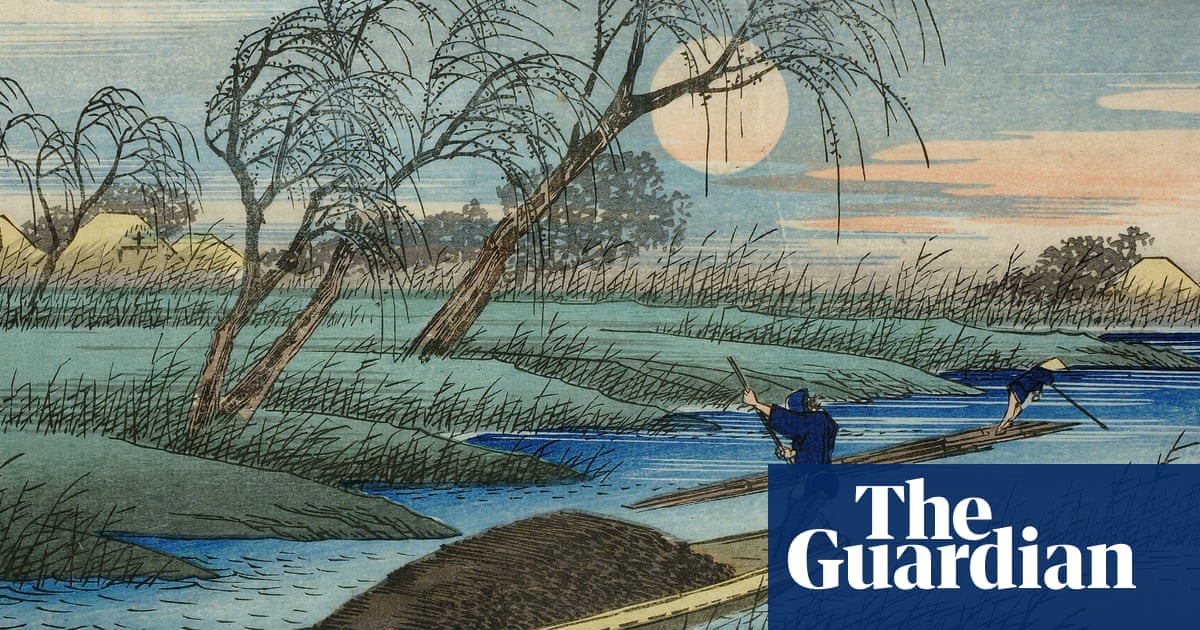
The British Museum presents a rapturous exhibition of Utagawa Hiroshige's prints, showcasing the early 19th-century Japanese artist's vivid, Technicolor depictions of fleeting moments in Edo (now Tokyo). The show highlights his innovative use of rain, snow, and everyday scenes, such as pleasure boats, cherry blossoms, and temporary riverside restaurants, and includes a final section on his global influence, though critics find this epilogue rushed.

Review: Gorgeous, exuberant Kim Chong Hak at the High

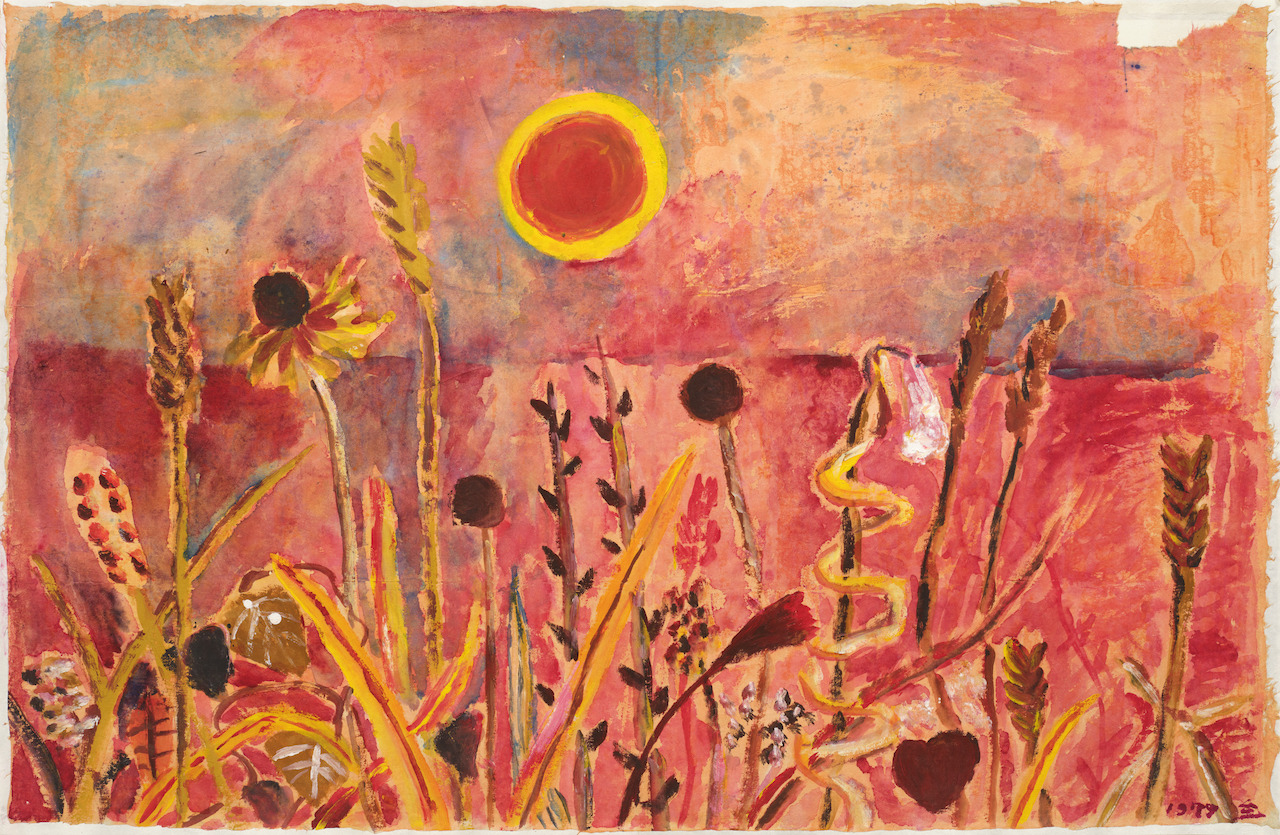
The High Museum of Art in Atlanta is hosting "Kim Chong Hak: Painter of Seoraksan," the first American museum exhibition dedicated to the Korean artist, running through November 2. The show features over 60 works spanning Kim's career, from early abstract pieces influenced by Western artists like Rothko and Tàpies to vibrant, large-scale landscapes inspired by his decades-long retreat to Mount Seorak in eastern South Korea. The exhibition includes paintings, folk art, and a catalog with essays that contextualize Kim's life and work.

Fight Club Denounces the System From Within the System

Cameroonian artist Pascale Marthine Tayou's first major institutional exhibition in Brazil, "Knockout!," has opened at the Pinacoteca de São Paulo's Pina Luz building. The show spans over 25 years of Tayou's career, featuring installations, sculptures, and paintings across seven rooms. Each room is themed around a historical international conference—including the Berlin Conference of 1884, Yalta, San Francisco, Rome, Rio de Janeiro, Bandung, and a fictional Avignon conference—using these as political and historical axes to critique colonial power structures and global inequality.

The Unnameable Artists of the Canton Trade System

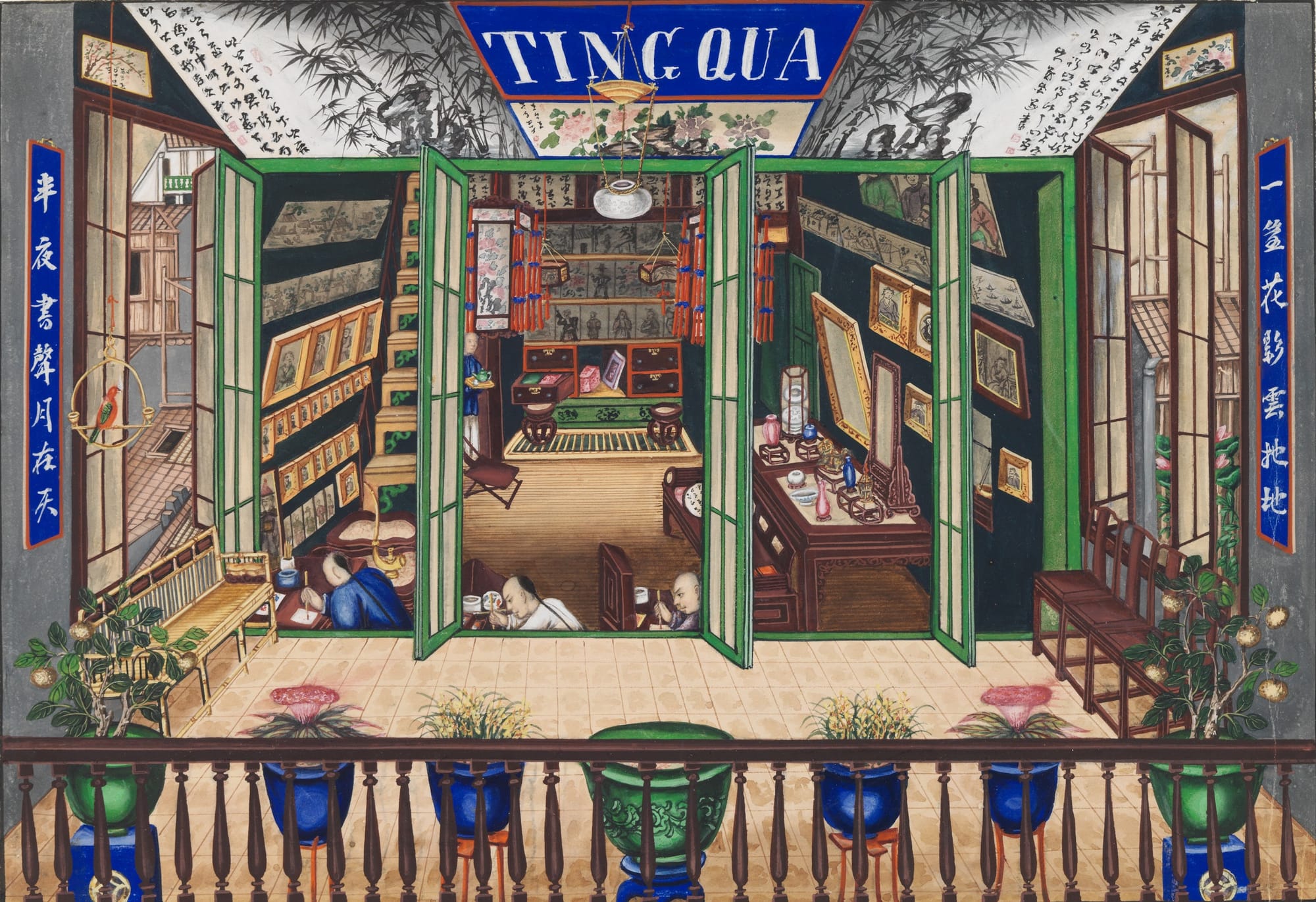
Art historian Winnie Wong’s new book, *The Many Names of Anonymity: Portraitists of the Canton Trade*, investigates the lives and legacies of 18th and 19th-century Chinese artists who produced works for Western traders under the Canton system. These artists, often dismissed by history as mere copyists or left anonymous in museum "tombstone" labels, created complex works that blended European techniques with Chinese traditions. Wong challenges the reductive category of "Asian export art," proposing instead the term "Canton trade painting" to better reflect the unique atmosphere of cultural exchange in Guangzhou.

CUANDO LOS OBJETOS HABLAN. MUSEO HECHIZO, DE JUAN JOSÉ SANTOS

Juan José Santos's book "Museo hechizo" (Metales Pesados, 2025) challenges the perceived neutrality of the Western museum, presenting it as an institution shaped by colonial logics of classification, extraction, and representation. The essay centers on the concept of "lo hechizo"—understood as both artisanal precariousness and disruptive enchantment—and explores small, community-based Latin American museum experiences that operate from precarity, reciprocity, and care. Santos argues that the museum is a space of conflict where voices, narratives, and ways of constructing history are contested, and he proposes thinking of the museum through its minor, situated, and alternative forms in Latin America.

‘My Father’s Shadow’: Now You See Me

Clive Chijioke Nwonka reviews Akinola Davies Jr.'s film *My Father's Shadow* (2025), a semi-autobiographical story of two adolescent brothers traveling through Lagos with their estranged father during the 1993 Nigerian presidential elections. The film, selected for the Cannes Official Selection, employs a metaphysical narrative style rooted in the Nigerian oral tradition, blending literal and spiritual worlds to explore diasporic identity, memory, and cultural preservation.

Biennale Jogja 18 Review: Occasional Moments of Brilliance

The 18th edition of Biennale Jogja, titled 'KAWRUH: Land of Rooted Practices,' explores Javanese concepts of lived knowledge and alternative epistemologies to challenge Western, human-centric frameworks. The exhibition is split into two phases: a process-driven residency in Boro Hamlet and a larger presentation featuring 60 artists across 11 venues in Yogyakarta. While the show features standout works like Faisal Kamadobat’s mythological illustrations and Yuta Niwa’s cross-cultural mandalas, the physical experience is marred by unfinished venues and logistical hurdles.

The Ukrainian Pavilion’s Deer Seen Around the World

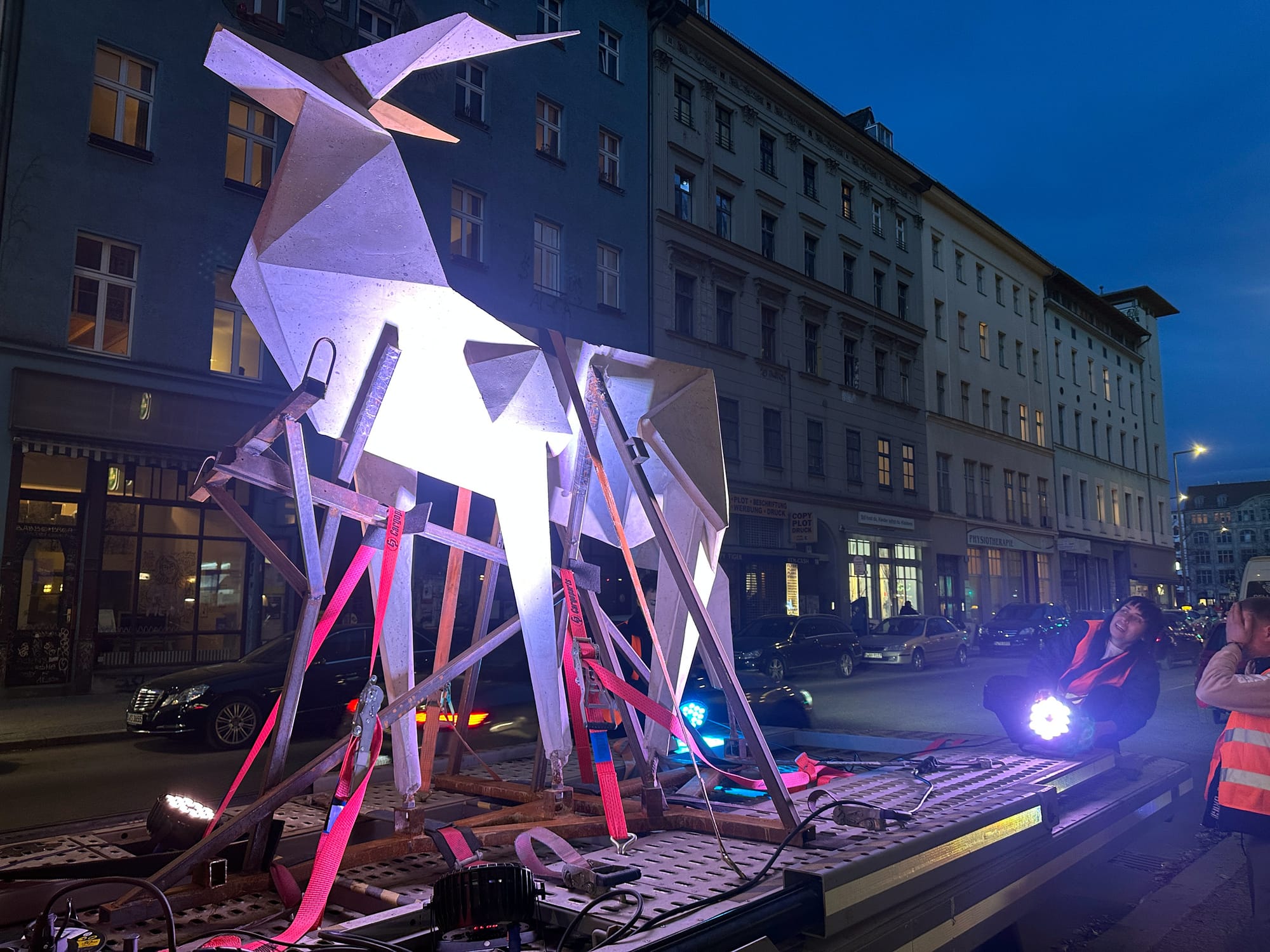
Zhanna Kadyrova's concrete sculpture "The Origami Deer" (2019) is prominently displayed at the entrance to the Giardini during the 61st Venice Biennale, part of her project "Security Guarantees" in the Ukrainian Pavilion. Originally installed in Pokrovsk, eastern Ukraine, the work was removed in 2024 as Russian forces advanced, then traveled through Vienna, Warsaw, Prague, Berlin, and Paris before reaching Venice—a journey mirroring the displacement of millions of Ukrainians. The sculpture, shaped like a deer and evoking folded paper, references the 1994 Budapest Memorandum, in which Russia, the UK, and US guaranteed Ukraine's security in exchange for its nuclear disarmament—guarantees that proved worthless after Russia's invasions.

Review: “The Things We Carry” at Un Grito Gallery

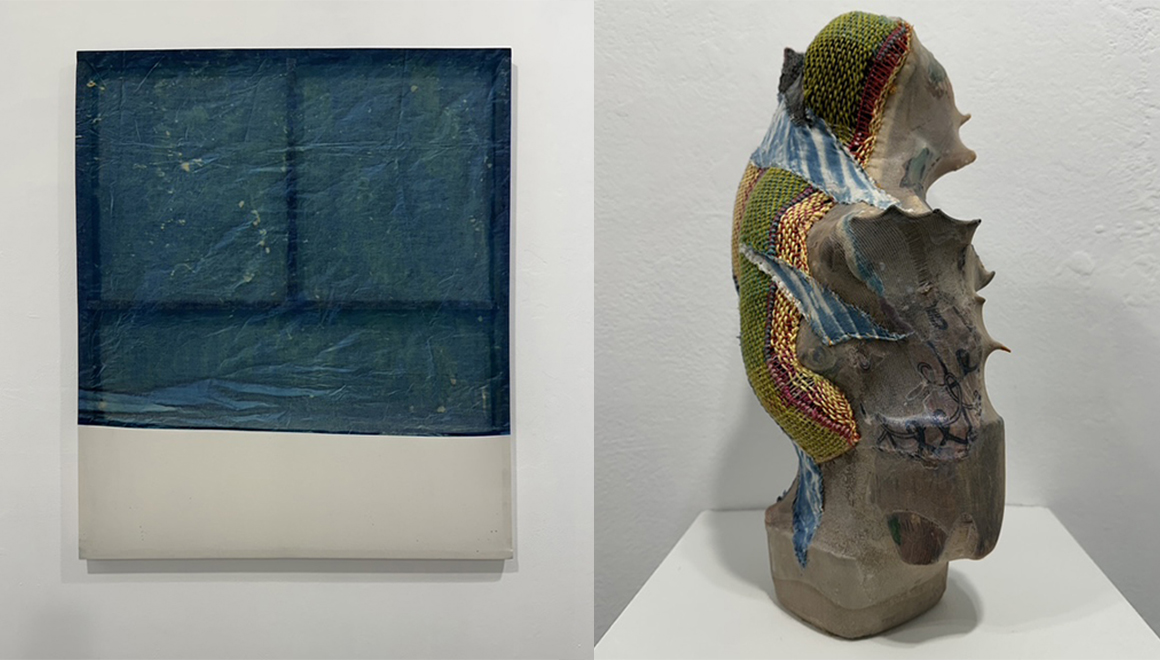
The exhibition "The Things We Carry" at Un Grito Gallery serves as the centerpiece for the 2026 Contemporary Art Month (CAM) Perennial in San Antonio. Curated by Casie Lomeli and Leslie Moody Castro, the show features eight artists including Matt Rebholz, whose vibrant, alien-like landscapes subvert traditional Western imagery, and Tina Linville, who presents tactile sculptures composed of salvaged materials and concrete. The exhibition is part of a larger city-wide initiative spread across five artist-run spaces.