filter_list Showing 64 results for "Solidarity" close Clear
search
dashboard All 64 article news 29museum exhibitions 25article local 4article culture 2rate_review review 2person people 1article policy 1
date_range Range Today This Week This Month All
Subscribe

A Delayed Art Dubai Opens With Fewer Galleries—but Buyers Abound

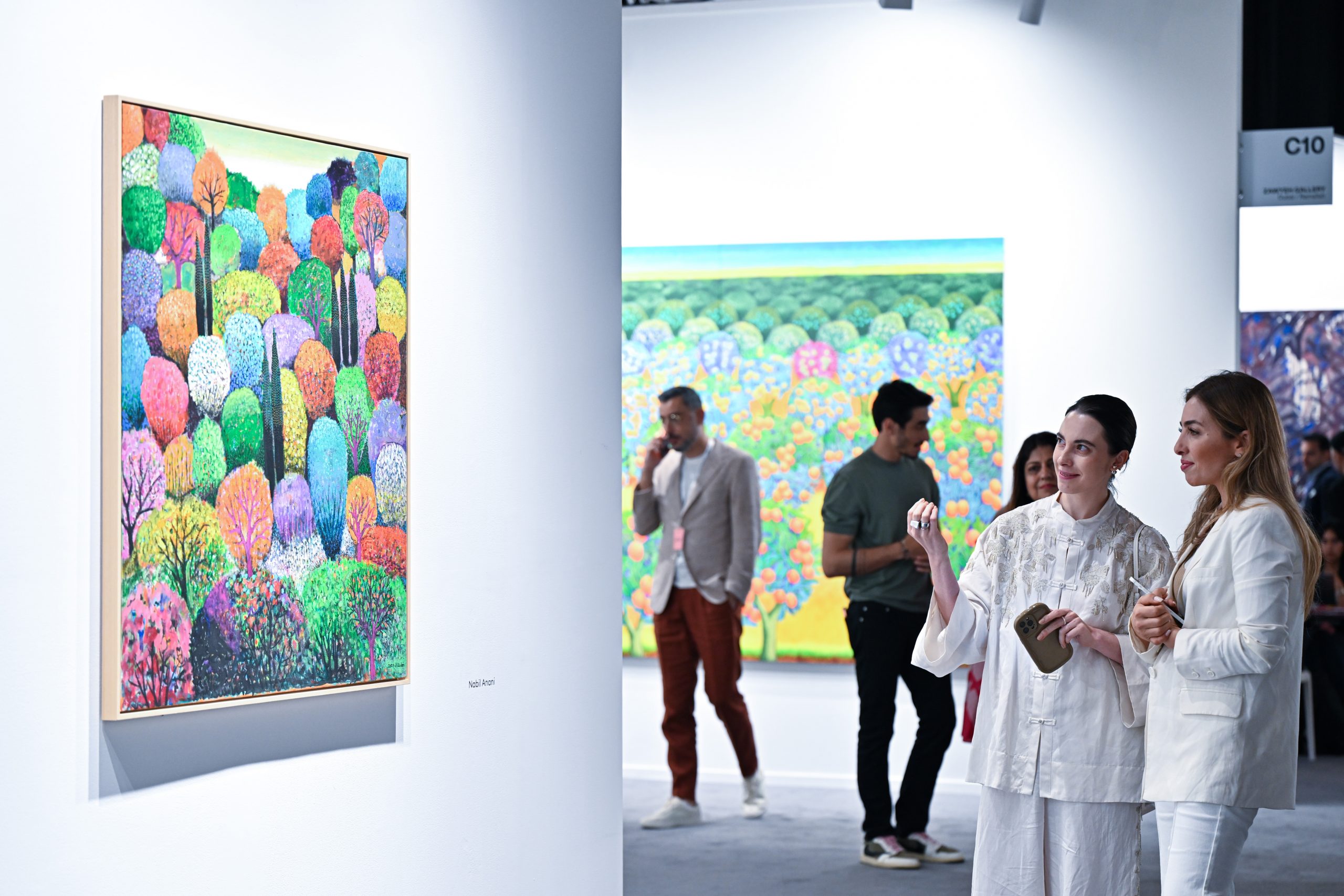
Art Dubai opened its 20th edition at Madinat Jumeirah with a significantly reduced number of exhibitors—50 largely regional galleries, down from the originally expected 120—after being delayed from mid-April due to geopolitical tensions following the U.S.-Iran ceasefire on April 8. The fair, which offered free entry for the first time and refunded booth costs for participating galleries, saw strong attendance from Gulf and Middle Eastern collectors, with an upbeat mood and a more intimate atmosphere reminiscent of pre-Covid editions. Galleries from Lebanon and other conflict-affected regions were present, emphasizing art as a form of resilience and cultural identity.
At a Powerful Carnegie International, Solidarity Is a Means of Survival

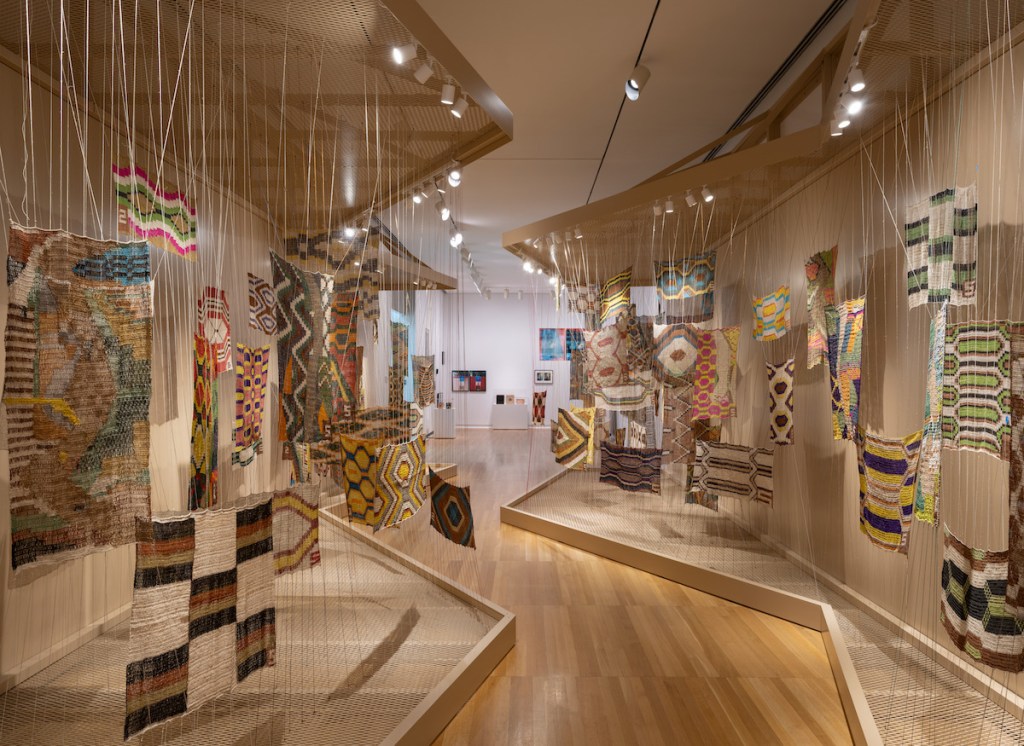
The 2026 Carnegie International, titled “If the word we,” opened at the Carnegie Museum of Art in Pittsburgh, featuring 61 artists from around the world. Curated by Ryan Inouye, Liz Park, and Danielle A. Jackson, the exhibition emphasizes collective survival and interdependence, with works including Khalil Rabah’s video about Palestinian resilience, Shala Miller’s abstraction inspired by Toni Morrison, and a performance by Brooke O’Harra and collaborators celebrating teamwork through a historic basketball dunk by Julius Erving. The show extends to three other venues, including the Mattress Factory, where married artists Claudia Martinez Garay and Artur Kameya present a sprawling installation.

Seoul’s new Centre Pompidou Hanwha museum opens next month—can it live up to expectations?

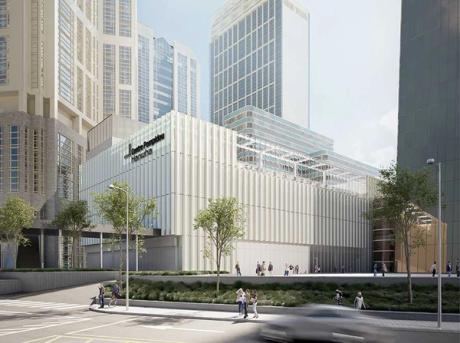
Seoul's new Centre Pompidou Hanwha museum will open to the public on June 4, 2025, marking the Pompidou's second Asian branch after its collaboration with Shanghai's West Bund Museum. The four-year partnership between the Hanwha Foundation of Culture and the Centre Pompidou will feature two exhibitions per year from the Pompidou collection, starting with "The Cubists: Inventing Modern Vision." The museum occupies 11,000 square meters over four floors of Hanwha Group's 63 Building, with one gallery dedicated to early 20th-century European art and another to global contemporary art with a Korean focus, curated in-house. The inaugural Korea Focus section includes local artists such as Kim Whanki and Yoo Youngkuk.

Venice Biennale Strike Makes History

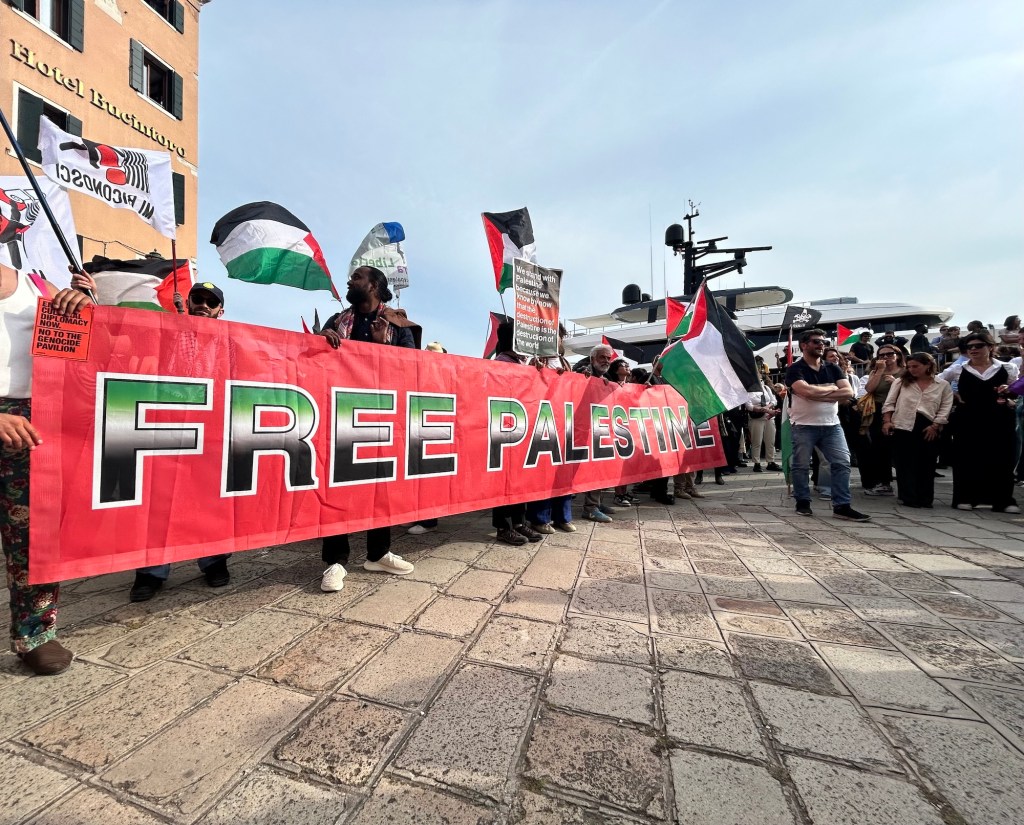
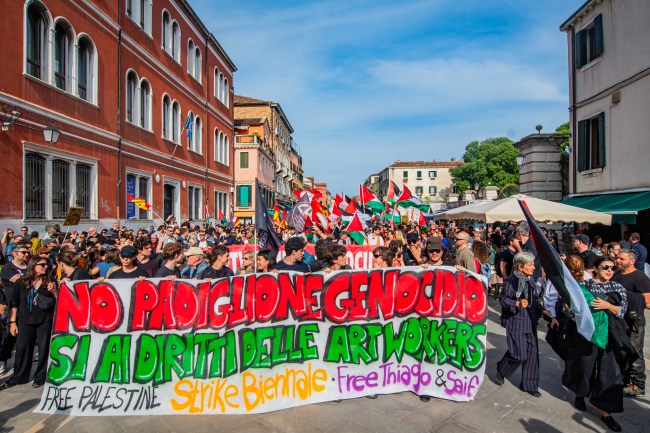
On May 8, thousands marched through Venice and more than two dozen national pavilions were partially or fully shuttered during a 24-hour strike organized by the Art Not Genocide Alliance and local activist groups. The strike, which included Palestinian flags draped over artworks, marks the first cultural strike in the Venice Biennale's 131-year history. Italian police beat back protesters as Editor-in-Chief Hakim Bishara reported from the scene. Separately, a nesting seagull near the Polish pavilion became an unexpected star, and the LA Art Book Fair opened with a focus on archival materials.

Zineb Sedira review: A chic ode to revolutionary cinema, brainy boozers – and exceptional berets

Zineb Sedira's exhibition at Tate Britain presents a cinematic and sculptural homage to La Cinémathèque Algérienne, the Algerian film archive founded in 1965 that became a hub for leftist African filmmakers. The show recreates a 1970s Algerian cafe in Paris, complete with a jukebox, books on revolutionary cinema, and a model movie theater screening a documentary about the archive's director, Boudjemaâ Karèche. Sedira, born in Paris to Algerian parents and based in London, weaves personal and political narratives to explore identity, diaspora, and the role of art in social change.

More than 70 Venice Biennale artists withdraw from awards

More than 70 artists participating in the 2025 Venice Biennale have withdrawn from consideration for the Golden Lion awards, which this year will be decided by public vote. The artists, including Walid Raad, Laurie Anderson, and Yto Barrada, signed a statement published on e-flux on May 9, withdrawing in solidarity with the entire prize jury that resigned last month over a dispute regarding the participation of Israel and Russia. The Biennale management replaced the traditional jury-selected awards with a new "Visitor Lion" system where ticket holders can vote, but the Biennale has acknowledged that if any of the withdrawing artists win, they will not collect the award.

Spanish Government Threatens to Fire Director of Museo Reina Sofía

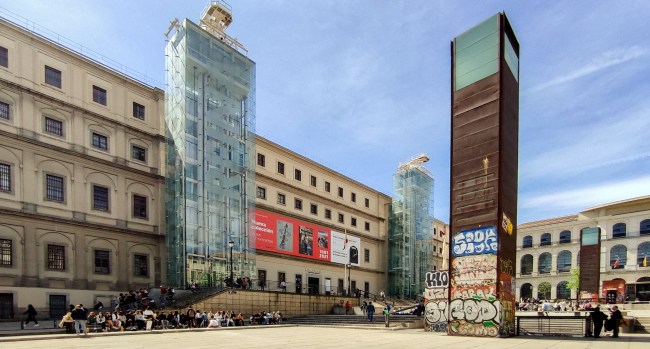
Manuel Segade, director of the Museo Nacional Centro de Arte Reina Sofía in Spain, has been threatened with removal by lawmakers if he does not complete a full inventory of the museum’s over 25,000 artworks by December 31, 2025. The pressure comes from Spain’s Court of Auditors, which has criticized the museum’s cataloguing methods for years, and is backed by the far-right and the conservative Popular Party. Segade, appointed in 2023, has been overseeing a multi-year renovation and has increased the representation of women artists to 35%, though only 15% of the collection’s 26,000 pieces are by women. The museum recently refused to lend Picasso’s *Guernica* to the Guggenheim Bilbao, and a pro-Israel group filed a complaint over a Palestinian flag display and a seminar series.

Gabrielle Goliath’s "Elegy" Comes to Venice

South African artist Gabrielle Goliath’s installation "Elegy" was initially censored by South Africa’s Culture Minister Gayton McKenzie, who blocked it from the country’s pavilion at the Venice Biennale over its focus on Palestinian grief. After public outcry and support from several organizations, the work was instead installed in a Venice church, where critic Aruna D’Souza describes it as "hauntingly beautiful and achingly tender." The article also covers related news: a smear campaign against British-Nigerian photographer Misan Harriman for his Palestinian solidarity, and a list of summer art books.

Getting Messy in the Archive at LA’s Art Book Fair

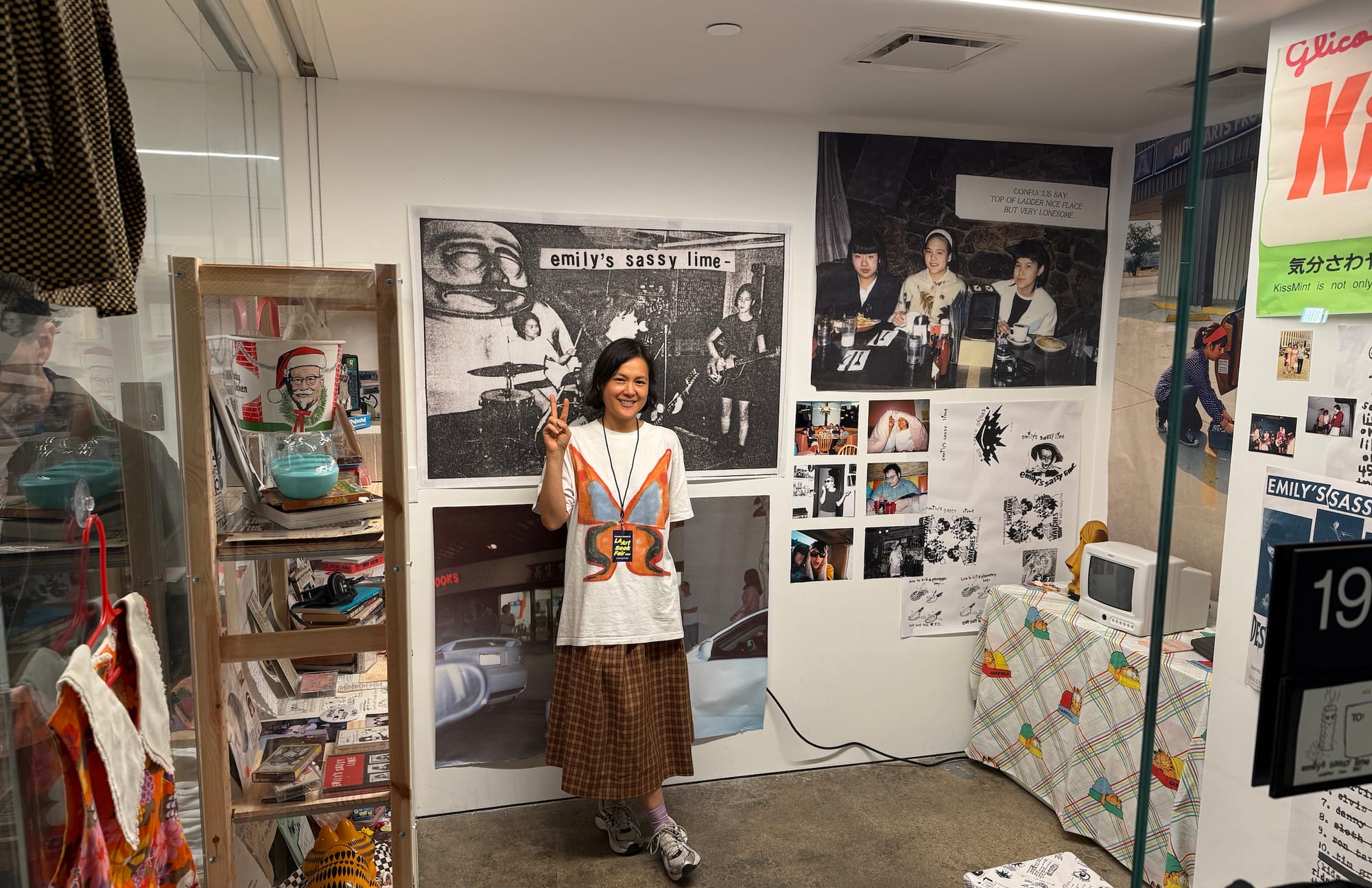
Printed Matter's Los Angeles Art Book Fair returned to the Art Center College of Design in Pasadena for its 13th edition, featuring over 250 exhibitors—slightly fewer than last year—with about a fifth participating for the first time. A common thread across the fair was the archive: publications that excavate, remix, and repurpose historical media, from a book chronicling a 1960s hoax about animal nudity to a compendium of vintage photographs that subvert male subjectivity, and a collection of found photos from abandoned houses in rural Maine. The fair also highlighted diasporic and personal archives, including a Palestinian-American artist's cassette mixtape tracing music from the Middle East and an artist-run press focusing on translation as cultural resistance.

A Time of Transition

During the preview week of the 61st Venice Biennale, escalating protests targeted the national pavilions of Israel and Russia, with demonstrations by Pussy Riot, ANGA (Art Not Genocide Alliance), and Baltic pavilions. A major protest on May 8 drew over 3,000 people in solidarity with Palestine, and 27 national pavilions—including Austria, the Netherlands, France, and Japan—staged a strike, the first at the Biennale since 1968. The Golden Lion jury resigned after declaring they would not consider countries under ICC investigation (Israel and Russia), and the Biennale administration replaced the prize with a visitors' award, from which half the artists in the main exhibition have withdrawn.

“Gaza Love” Monument Unveiled in Paterson, NJ

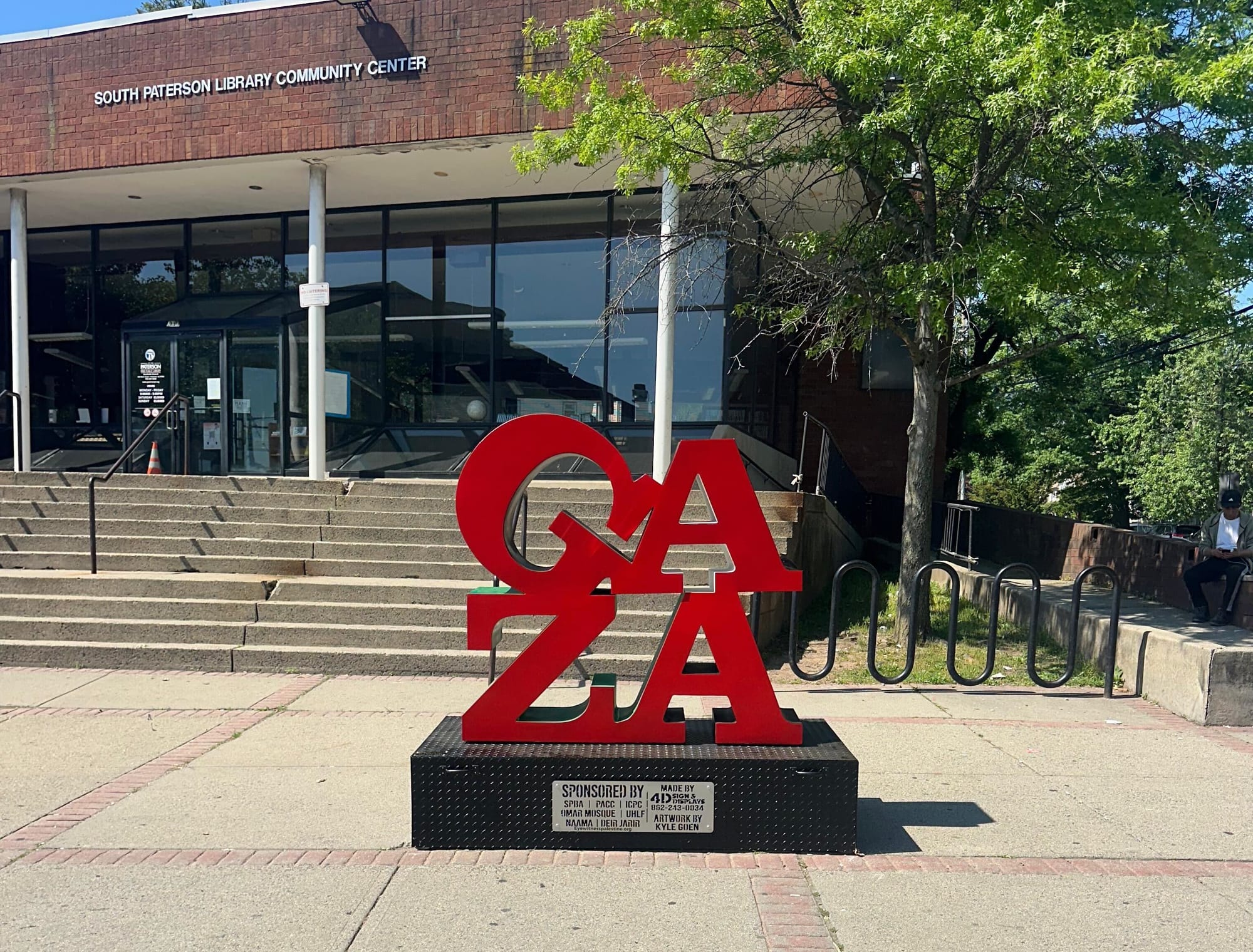
Artist and activist Kyle Goen's sculpture "Gaza Love" (2014) was permanently installed outside the South Paterson Library Community Center in Paterson, New Jersey, as part of the city's newly dedicated Gaza Square on Main Street. The unveiling took place on Palestine Day, May 17, and commemorates Paterson's large diasporic Palestinian community. The sculpture, which borrows the typography of Robert Indiana's LOVE series and the colors of the Palestinian flag, originated during protests against the 2014 Gaza War and has been used in organizing spaces for over a decade, including during the 2021 Strike MoMA movement.

A True-to-Life Biennale

Hakim Bishara, editor-in-chief of Hyperallergic, reflects on the 61st Venice Biennale after returning to New York, describing it as historical, political, and thrilling. He counters critics who claimed the Biennale imploded due to boycotts and resignations, arguing it was more alive than ever. The late Koyo Kouoh's main exhibition "In Minor Keys" is praised for reflecting global woes and joys. The article also highlights a major strike by artists and cultural workers that disrupted the pre-opening, the first cultural strike in the Biennale's 131-year history, with 54 artists in the international exhibition and 22 national pavilion teams withdrawing from awards consideration in solidarity with the jury's resignation.

WTF Is an “A-Corp”?

Hyperallergic's daily newsletter announces that Noah Fischer's comic "Prospect Heights Ghost Story" won a 2026 New York Press Club Award, thanks to collaboration with the Economic Hardship Project (EHRP). The edition also covers anti-Trump guerrilla protest art in Washington, D.C., including an arcade game titled "Operation Epic Furious: Strait to Hell" that satirizes the White House's foreign policy. Other stories include Ridgewood, Queens emerging as a new art hotspot, a feature on Francisco de Zurbarán's religious paintings, and Paddy Johnson's guide to what an "Artist Corporation" (A-Corp) is and whether artists should start one. The newsletter also reports that the Belgian Pavilion at the Venice Biennale closed on May 8 as part of cultural workers' strike for Palestine, and that nearly half of the artists in the international exhibition plus 22 national pavilions withdrew from awards consideration in solidarity with the jury's resignation.

Numerous Venice Biennale Pavilions and Artists Go on Strike in Protest over Israel’s Participation

Thousands of protesters marched through Venice on the eve of the Venice Biennale's public opening, organized by Art Not Genocide Alliance (ANGA), to demand Israel's exclusion from the event. At least 18 national pavilions—including Austria, Belgium, France, Great Britain, and Ukraine—participated in a 24-hour strike, shutting down completely or partially. Protesters chanted slogans, waved Palestinian flags, and carried banners reading "no genocide pavilions," while ANGA released a statement with 236 signatories calling for Israel's removal, citing the humanitarian crisis in Gaza.

MMCA exhibition explores 80 years of artistic exchanges between Korea, Japan

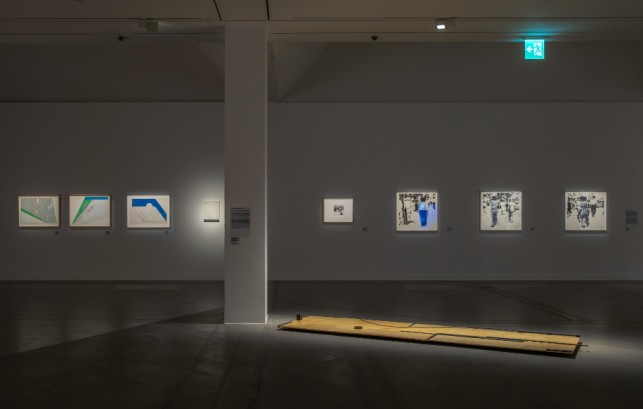
The National Museum of Modern and Contemporary Art (MMCA) in Korea, in collaboration with the Yokohama Museum of Art, has organized "Art between Korea and Japan since 1945," an exhibition opening at MMCA's Gwacheon branch. Featuring about 200 works by 43 artists and teams, including Paik Nam-june, Lee Ufan, Lee Bul, Jiro Takamatsu, Takashi Murakami, and Koki Tanaka, the show traces 80 years of artistic exchanges between the two countries. It is structured in five sections, beginning with a tribute to Zainichi Koreans, and highlights key works such as Paik's 1986 satellite project "Bye Bye Kipling." The exhibition runs through September 27.

There Is No Separation. In Conversation with Alice Maher   by Frank Wasser

Alice Maher, one of several Irish artists at the 61st Venice Biennale, presents three works in the Arsenale as part of the group exhibition “In Minor Keys,” curated by the late Koyo Kouoh. Her presentation includes a reconstructed 1996 installation *Les Filles d’Ouranos*, a new series of drawings and sculptures titled “The Sibyls” (2025), and a collaborative textile piece *The Map* (2021) made with Rachel Fallon. In a conversation with Frank Wasser, Maher discusses the political conditions surrounding this year’s Biennale, including institutional resignations, debates over national representation, and the inclusion of the Israeli and Russian pavilions.

Venice in Crisis Mode

Venedig im Krisenmodus

The 61st Venice Biennale has opened under extraordinary circumstances, marked by political protests, a jury resignation, and canceled awards. The Biennale's jury resigned en masse after announcing they would exclude Israeli and Russian contributions from their decisions, leading to the cancellation of the Golden Lion awards and a crisis over the international competition's legitimacy. A newly introduced audience prize also faced boycotts from artists in solidarity. Protests, closed pavilions, and pro-Palestinian actions dominated the preview days, with artists pasting protest posters directly onto their works, reflecting heightened tensions.

Deutscher Pavillon wird zum Plattenbau

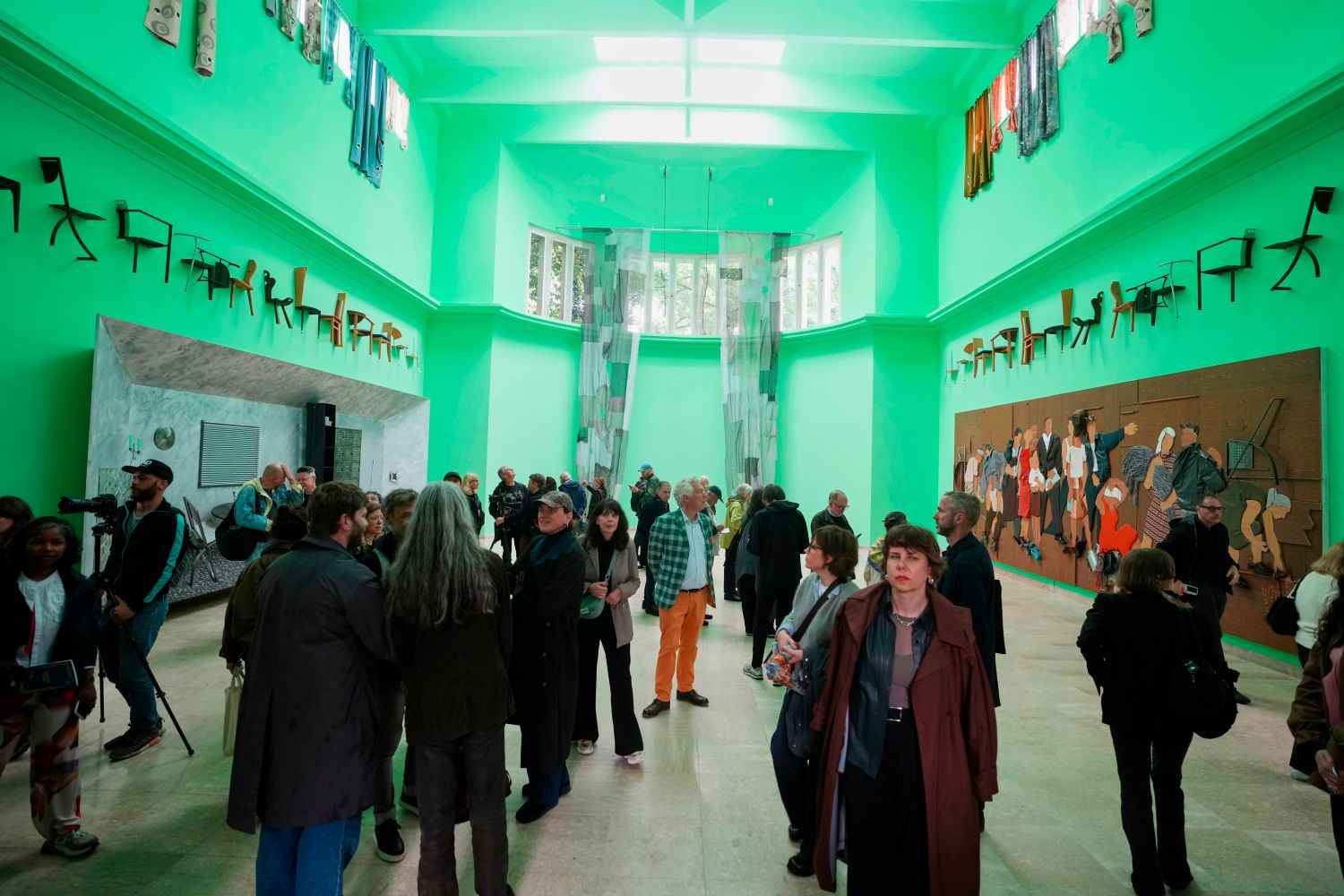
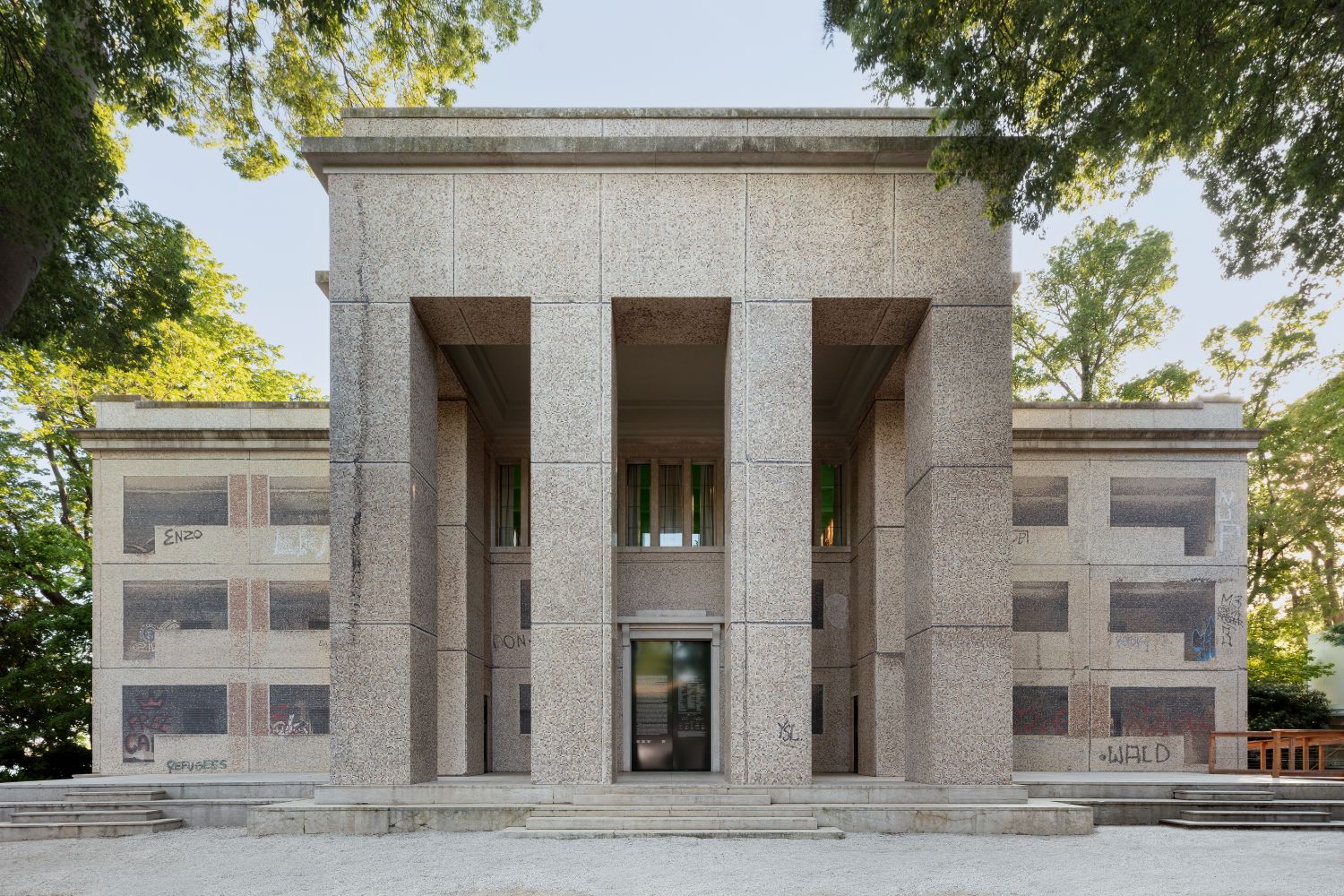
The German Pavilion at the Venice Art Biennale has been transformed into a prefabricated concrete slab building (Plattenbau) for this year's edition, designed by artists Sung Tieu and the late Henrike Naumann, who died suddenly in February at age 41 from cancer. Curator Kathleen Reinhardt described the pavilion as part of a highly political Biennale, with Tieu covering the 1938 fascist-era building with a mosaic of over three million tiles depicting a Berlin apartment block that once housed Vietnamese contract workers. Naumann's interior installation features mint-green references to Soviet barracks in East Germany, a cartography of war, and works including a relief of chairs, a curtain of chainmail, and the performance "Trümmerfrau."

Political Fallout Rocks Venice Biennale Prize System

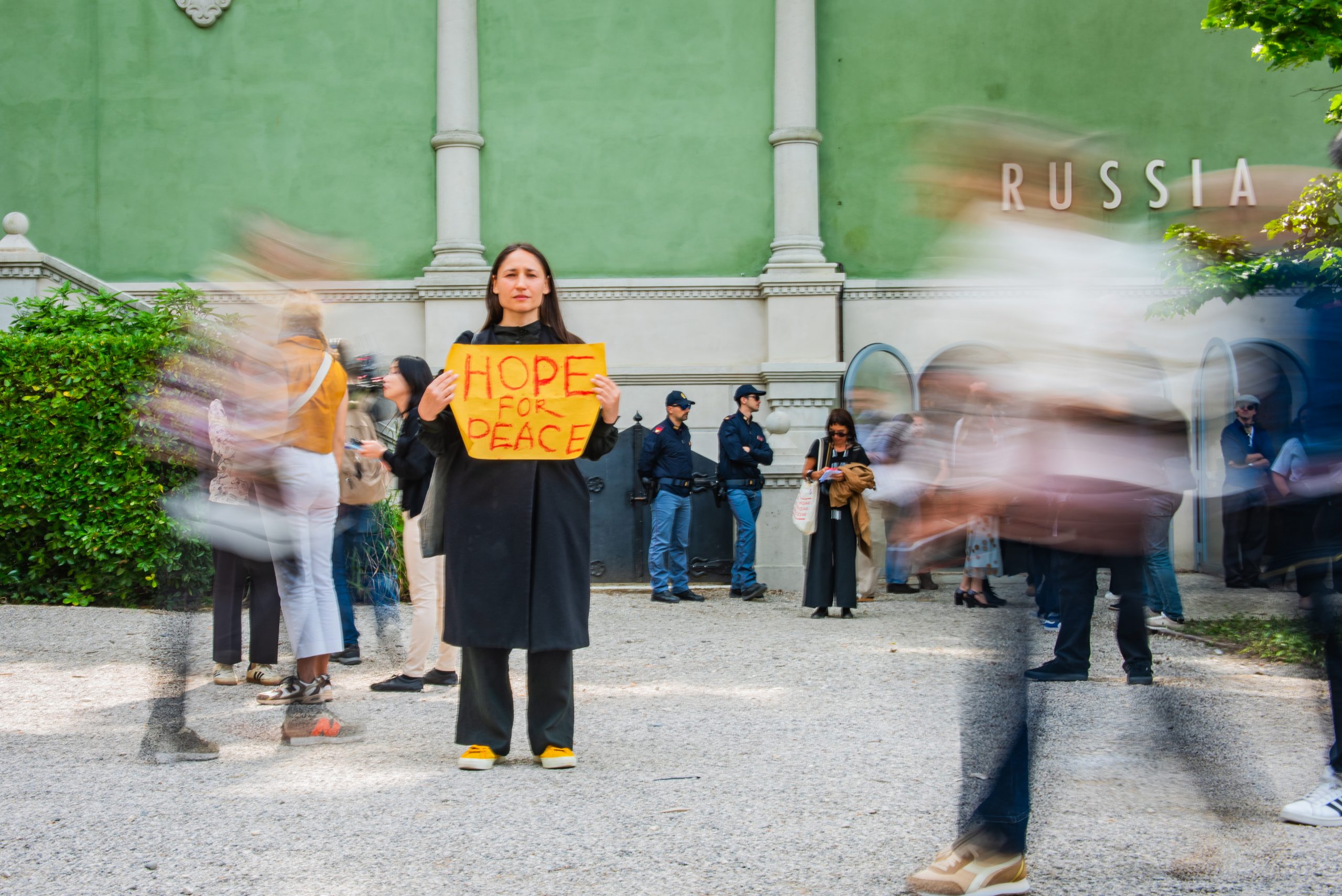
Dozens of artists participating in the 2026 Venice Biennale have withdrawn from consideration for the newly created Visitor Lion awards, replacing the traditional Gold and Silver Lion prizes. A total of 57 artists from the main exhibition and 22 national pavilions signed a statement published on e-flux on May 9, acting in solidarity with the five-person prize jury that resigned on April 30 over the continued participation of Russia and Israel. The jury had objected to awarding prizes to artists from countries whose leaders face International Criminal Court charges, including Russian president Vladimir Putin and Israeli prime minister Benjamin Netanyahu. In response, the Biennale organizers postponed the awards ceremony to November 22 and introduced visitor voting, a move they described as consistent with openness and dialogue. Meanwhile, the Russian Pavilion, which returned after lending its space to Bolivia in 2024, faced protests, closure after previews, and a €2 million funding pull by the European Union for the 2028 Biennale.

Venice Biennale Artists Decline Consideration for Golden Lions Chosen by Public Vote

Nearly half of the artists in the main exhibition of the Venice Biennale have signed a statement declining consideration for the Golden Lion awards, in solidarity with the jury that resigned last month. The statement, published by e-flux, includes prominent names such as Alfredo Jaar, Tuan Andrew Nguyen, Otobong Nkanga, and Walid Raad, as well as national pavilion representatives from France, Lithuania, and the Netherlands. The Biennale had planned to replace the jury-selected Golden Lions with "Visitor Lions" decided by public vote, but the artists' refusal marks an unprecedented protest within the exhibition.

Several Venice Biennale pavilions shut in protest over inclusion of Israel

Several national pavilions at the 2026 Venice Biennale shut down during the final preview day in a strike organized by the Art Not Genocide Alliance (Anga) protesting Israel's inclusion due to its war in Gaza. Pavilions from Belgium, the Netherlands, Austria, Japan, Macedonia, and Korea closed entirely, while others like Britain, Spain, France, Egypt, Finland, and Luxembourg partially closed or reopened later. Artists in the main exhibition added Palestinian flags and posters reading "Palestine is the future of the world." The Israeli pavilion was closed for a private event, and earlier in the week Pussy Riot staged a protest at the Russian pavilion.

Lithuanian, Latvian, and Estonian Pavilions Stage Pro-Ukraine Procession During Venice Biennale

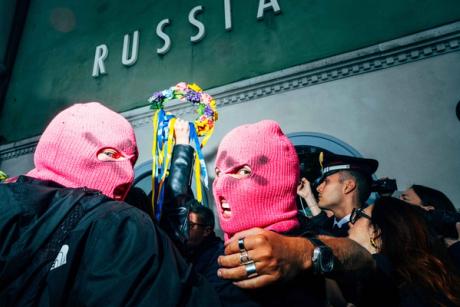
On May 6, 2026, the Lithuanian, Latvian, and Estonian pavilions at the Venice Biennale organized a procession in solidarity with Ukraine, walking approximately one and a half miles from the Lithuanian Pavilion in the Fucina del Futuro to the Estonian pavilion. The action honored Ukrainian cultural workers creating under war conditions and those who have died. It is one of several political protests at the contentious 2026 Biennale, including demonstrations by Pussy Riot and FEMEN at the Russian pavilion, a "Solidarity Drone Chorus" opposing Israel's inclusion, and a planned 24-hour strike by the Art Not Genocide Alliance.

An Unprecedented 24-Hour Strike Could Upend the Venice Biennale

An unprecedented 24-hour strike is set to interrupt the Venice Biennale's opening week on Friday, May 8, in protest of Israel's participation in the global art event. The action, organized by the activist group Art Not Genocide Alliance (ANGA), follows a letter signed by over 230 Biennale participants demanding Israel's exclusion. The strike has exposed divisions among participants, with some artists and pavilion teams weighing solidarity against the rare opportunity to platform their own political messages. The Slovenian pavilion, represented by Nika Grabar of the Nonument Group, has committed to the strike, while others like Ecuador's Tawna Collective remain undecided, balancing protest with their mission to highlight ecological crises in the Amazon.

The Biennale Isn’t a Court. Tell That to the Protesters.

Pietrangelo Buttafuoco, president of the Venice Biennale, defended the decision to allow Russia to reopen its pavilion for the first time since its 2022 invasion of Ukraine, stating that the Biennale is "not a court; it is a garden of peace." The move has sparked widespread backlash, including threats to pull €2.3 million in EU funding. Protests have erupted on the ground, with Pussy Riot and FEMEN staging a theatrical demonstration outside the Russian Pavilion, setting off smoke flares and chanting slogans. Separately, around 60 artists performed a "Solidarity Drone Chorus" to protest Israel's participation, and the Art Not Genocide Alliance has called for a 24-hour strike and rallies across Venice. The Russian Pavilion will be open only during press preview days due to EU sanctions, with video projections visible from outside for the rest of the Biennale's run.

Major protests take place at Venice Biennale previews

Major protests erupted during the preview days of the Venice Biennale, with multiple demonstrations targeting the Israeli and Russian pavilions. On Wednesday, the Art Not Genocide Alliance (ANGA) held a large protest outside the temporary Israeli pavilion in the Arsenale, attended by over 200 people calling for its closure. Separately, the Solidarity Drone Chorus performed a sound composition by Gazan artist Ahmed Muin, with 60 artists wearing T-shirts bearing names of artists from Gaza. Meanwhile, Pussy Riot and FEMEN protested Russian participation, forcing the Russian pavilion to shut its doors. These actions follow the resignation of the entire Golden Lion jury days before the opening, after they stated they would not consider pavilions from countries whose leaders are charged with crimes against humanity by the ICC—widely seen as a reference to Russia and Israel.

In Protest of Israeli Pavilion, Activists and Unions Plan Strike on Venice Biennale’s Opening Day

The Art Not Genocide Alliance (ANGA) has announced a 24-hour strike and rally on May 8, the day before the 2026 Venice Biennale opens to the public, in protest of the Israeli Pavilion. ANGA, formed in opposition to Israel's inclusion in the 2024 Biennale, refers to the current Israeli presentation—featuring Haifa-based artist Belu-Simion Fainaru—as the "Genocide Pavilion." Over 200 artists, curators, and culture workers have signed an open letter demanding Israel's exclusion, and a separate action called Solidarity Drone Chorus involved 60 artists. ANGA is collaborating with local labor and culture organizations including Biennalocene, Vogliamo Tutt'altro, S.a.L.E. Docks, and Mi Riconosci.

Dark clouds, protests and resignations dampen start of 61st Venice Biennale

The 61st Venice Biennale opened under grey skies and rain, with political tensions overshadowing the art world's premier event. The Russian pavilion, absent for two editions due to the Ukraine war, reappeared with a party atmosphere, though the Italian ministry of culture confirmed it would not be open to the public. The Ukrainian culture minister called Russia's symbolic presence powerful. The Iranian pavilion withdrew without explanation, and a protest by 60 artists from the In Minor Keys show marched through the Giardini humming in solidarity against Israel's participation. Over 200 artists, including Lubaina Himid and Alfredo Jaar, signed an open letter demanding the Israeli pavilion's cancellation. The event also proceeded without its curator, Koyo Kouoh, who died in May 2025; her curatorial team delivered the exhibition following her plans.

Adam Budak dismissed as director of MOCAK amid controversy

Adam Budak has been dismissed as director of the Museum of Contemporary Art in Krakow (MOCAK), effective from 12 May, with his employment ending on 30 June. The city of Krakow cited improper performance of duties related to work organization and team management, following an investigation triggered by a complaint signed by 37 employees. Budak disputes the decision, calling it baseless and made under time pressure, and is considering an appeal. Artists including Paulina Ołowska and Robert Knoke have rallied in support, with several artists withdrawing from MOCAK's 2026–27 programme in solidarity.

Venice Biennale opening marked by protests

The 2026 Venice Biennale opened for professionals on Tuesday amid a series of protests, with more planned throughout the week. Around 60 artists from the exhibition "In Minor Keys" gathered at the Giardini for a collective action called "Solidarity Drone Chorus," inspired by Gazan composer Ahmed Muin's "Drone Song," to draw attention to genocide and war in Palestine. The Art Not Genocide Alliance (ANGA) organized a 24-hour strike for Friday 8 May, protesting Israel's participation. Pussy Riot staged a protest outside the Russian pavilion, and the Latvian pavilion launched a campaign against Russia's involvement. The protests follow a highly politicized lead-up, including calls for boycotts of the Russian, Israeli, and US pavilions, EU funding cuts over Russia's participation, and the resignation of the Biennale jury.

Strike Rocks Venice Biennale Ahead of Public Opening as Pavilions Close

Thousands of protesters marched through Venice to demonstrate against Israel's presence at the Venice Biennale, leading many national pavilions to close in solidarity. Pavilions from Austria, Belgium, Egypt, Japan, the Netherlands, South Korea, and over a dozen other countries shut fully or partially, with some displaying signs reading "We Stand with Palestine." The Israeli pavilion remained closed for its exhibition opening, and armed police clashed with protesters. The main exhibition, curated by Koyo Kouoh, stayed open initially but the Arsenale closed by late afternoon with riot police outside. The 24-hour strike, organized by Art Not Genocide Alliance (ANGA) and Italian activist groups, was described as the largest protest in Biennale history.