filter_list Showing 40 results for "Solidarity" close Clear
dashboard All 40 article news 20museum exhibitions 15article local 2article culture 2article policy 1
date_range Range Today This Week This Month All
Subscribe

Getting Messy in the Archive at LA’s Art Book Fair

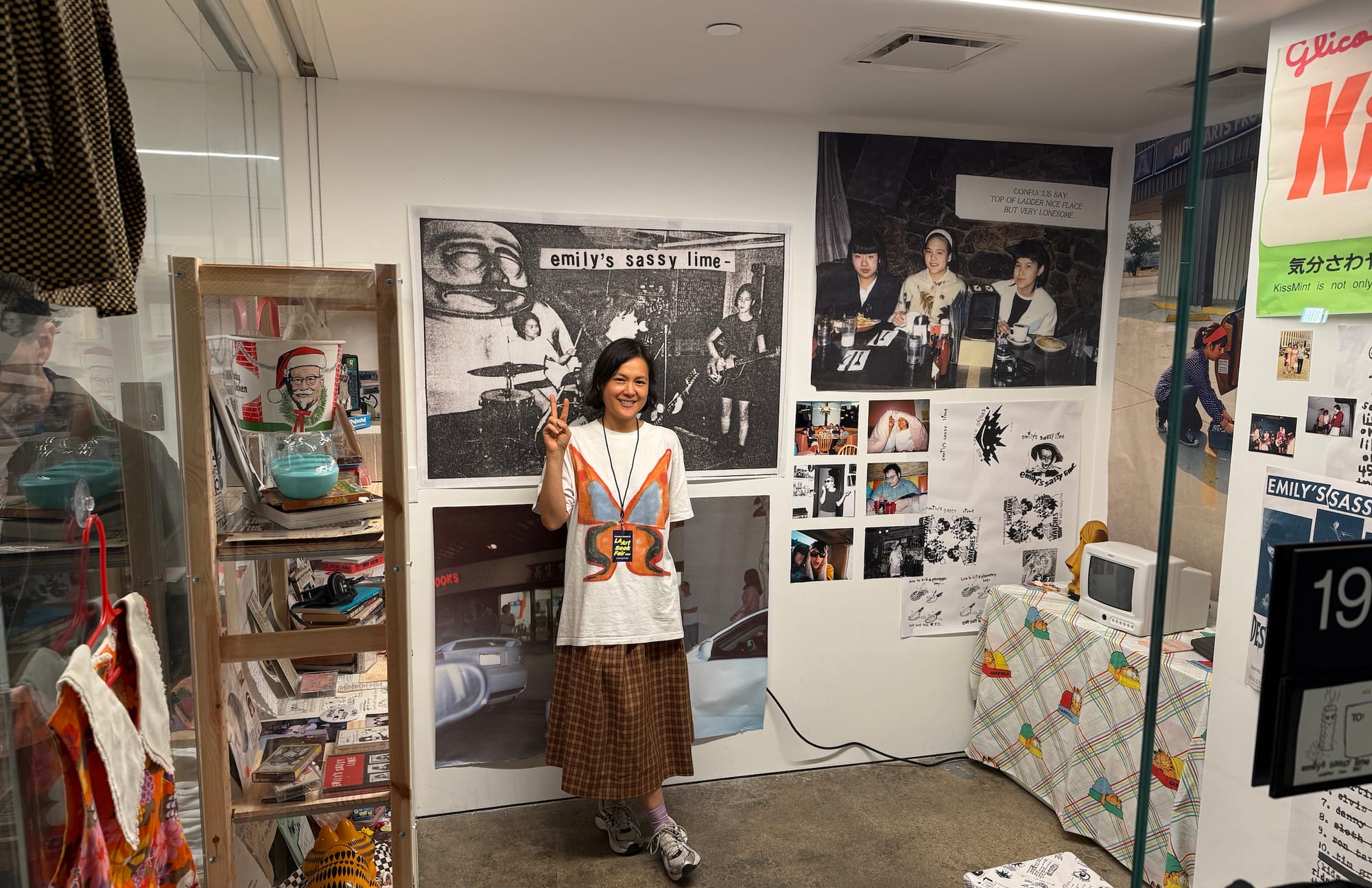
Printed Matter's Los Angeles Art Book Fair returned to the Art Center College of Design in Pasadena for its 13th edition, featuring over 250 exhibitors—slightly fewer than last year—with about a fifth participating for the first time. A common thread across the fair was the archive: publications that excavate, remix, and repurpose historical media, from a book chronicling a 1960s hoax about animal nudity to a compendium of vintage photographs that subvert male subjectivity, and a collection of found photos from abandoned houses in rural Maine. The fair also highlighted diasporic and personal archives, including a Palestinian-American artist's cassette mixtape tracing music from the Middle East and an artist-run press focusing on translation as cultural resistance.
150+ Works Celebrate Philadelphia’s Boxing Legends and Monuments in New Exhibition

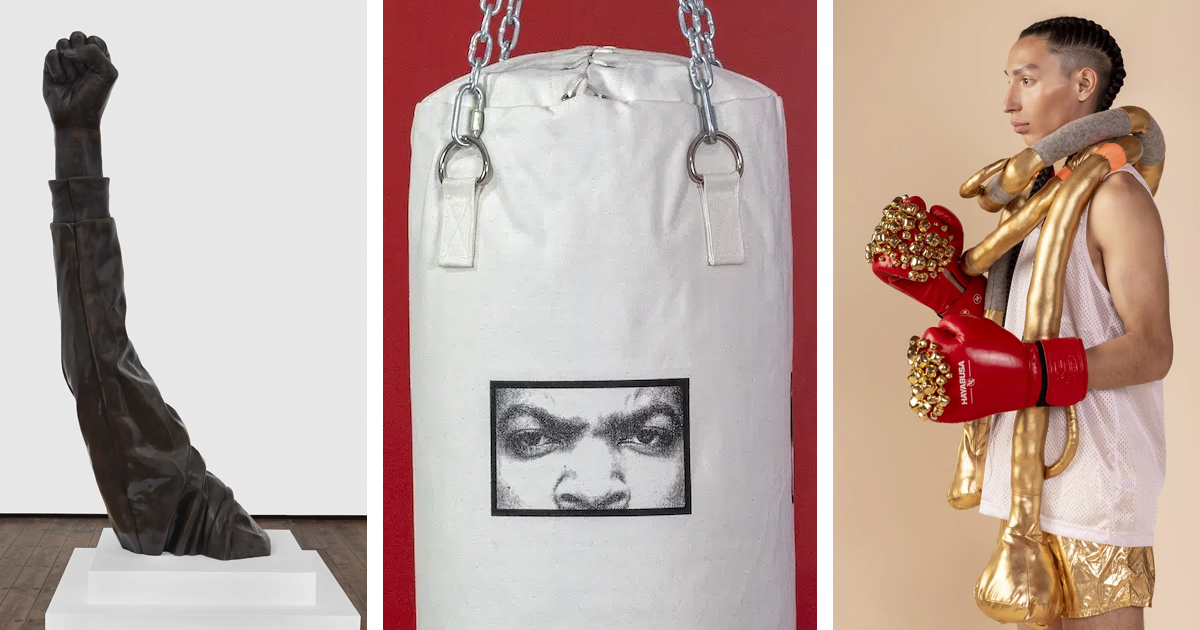
The Philadelphia Museum of Art will present "Rising Up: Rocky and the Making of Monuments," an exhibition opening April 25, 2026, that explores the cultural significance of the Rocky statue and its connection to Philadelphia's boxing legends, immigrant neighborhoods, and public monuments. Featuring over 150 works by more than 50 artists—including Keith Haring, Rashid Johnson, Kara Walker, and Andy Warhol—alongside artifacts spanning 2,000 years, the show includes sculptures, paintings, video, and new commissions, timed to the 50th anniversary of the film "Rocky" (1976), the city's World Cup matches, and Philadelphia's Semiquincentennial.

Numerous Venice Biennale Pavilions and Artists Go on Strike in Protest over Israel’s Participation

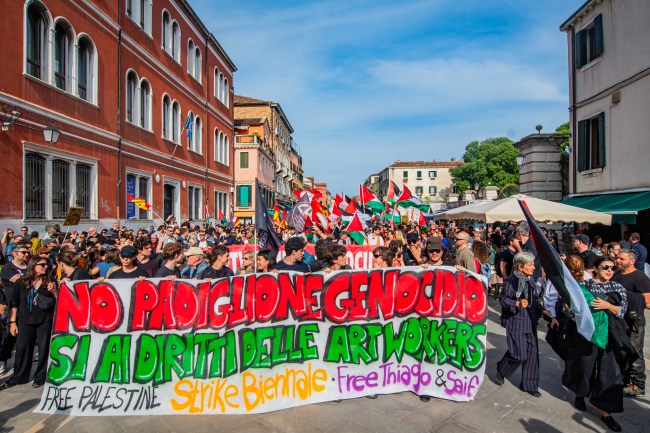
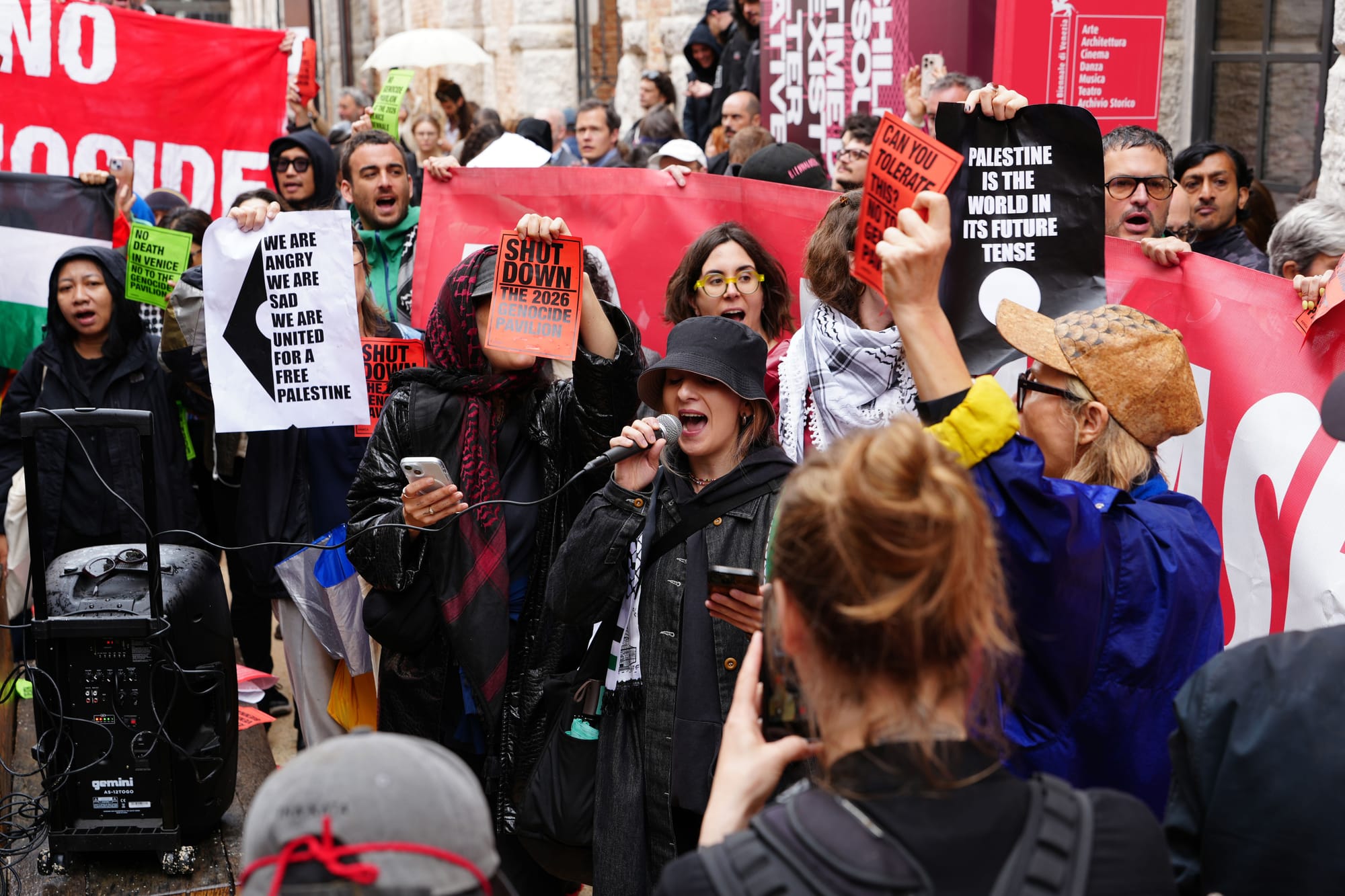
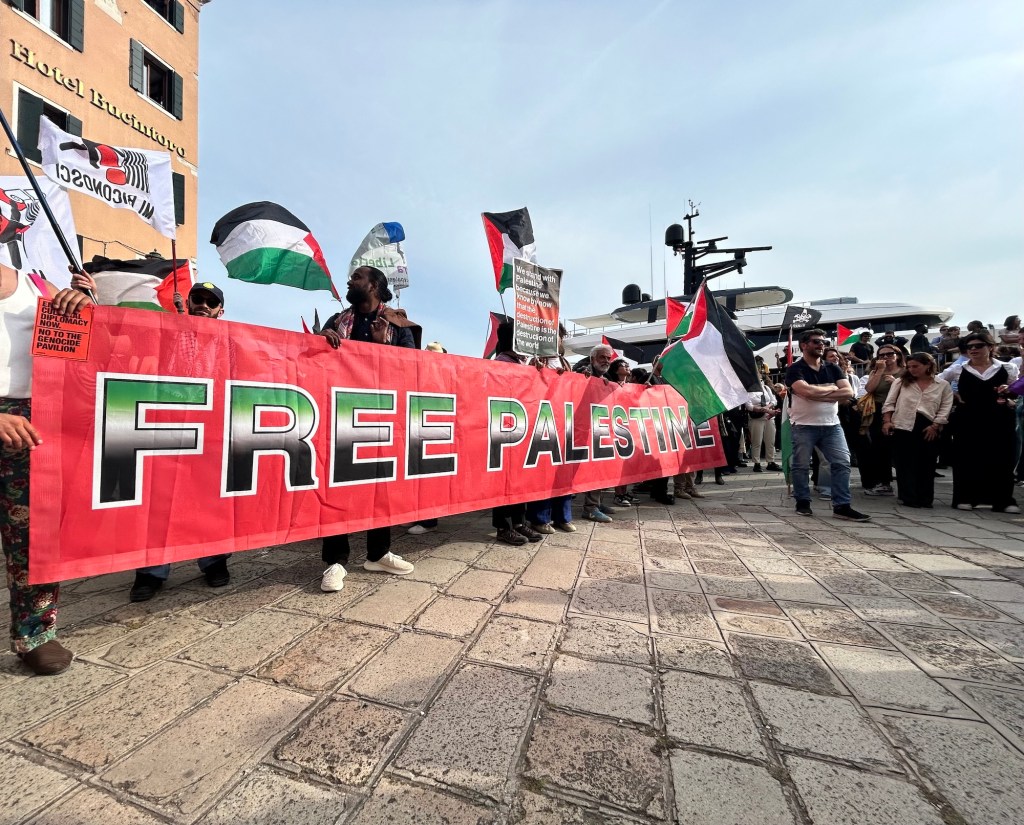
Thousands of protesters marched through Venice on the eve of the Venice Biennale's public opening, organized by Art Not Genocide Alliance (ANGA), to demand Israel's exclusion from the event. At least 18 national pavilions—including Austria, Belgium, France, Great Britain, and Ukraine—participated in a 24-hour strike, shutting down completely or partially. Protesters chanted slogans, waved Palestinian flags, and carried banners reading "no genocide pavilions," while ANGA released a statement with 236 signatories calling for Israel's removal, citing the humanitarian crisis in Gaza.

Art Dubai Downsizes Dramatically as War Reshapes Plans

Art Dubai has announced a significantly scaled-back 20th-anniversary edition, reducing its exhibitor list by 57 percent following regional conflict and logistical disruptions. Originally scheduled for April, the fair has been postponed to May 15–17 at Madinat Jumeirah and will now feature only 50 galleries, with a heavy emphasis on regional participants. To support dealers during this period of uncertainty, organizers have implemented a "risk-sharing" booth fee model where galleries pay a percentage of sales capped at their original fee.

Deutscher Pavillon wird zum Plattenbau

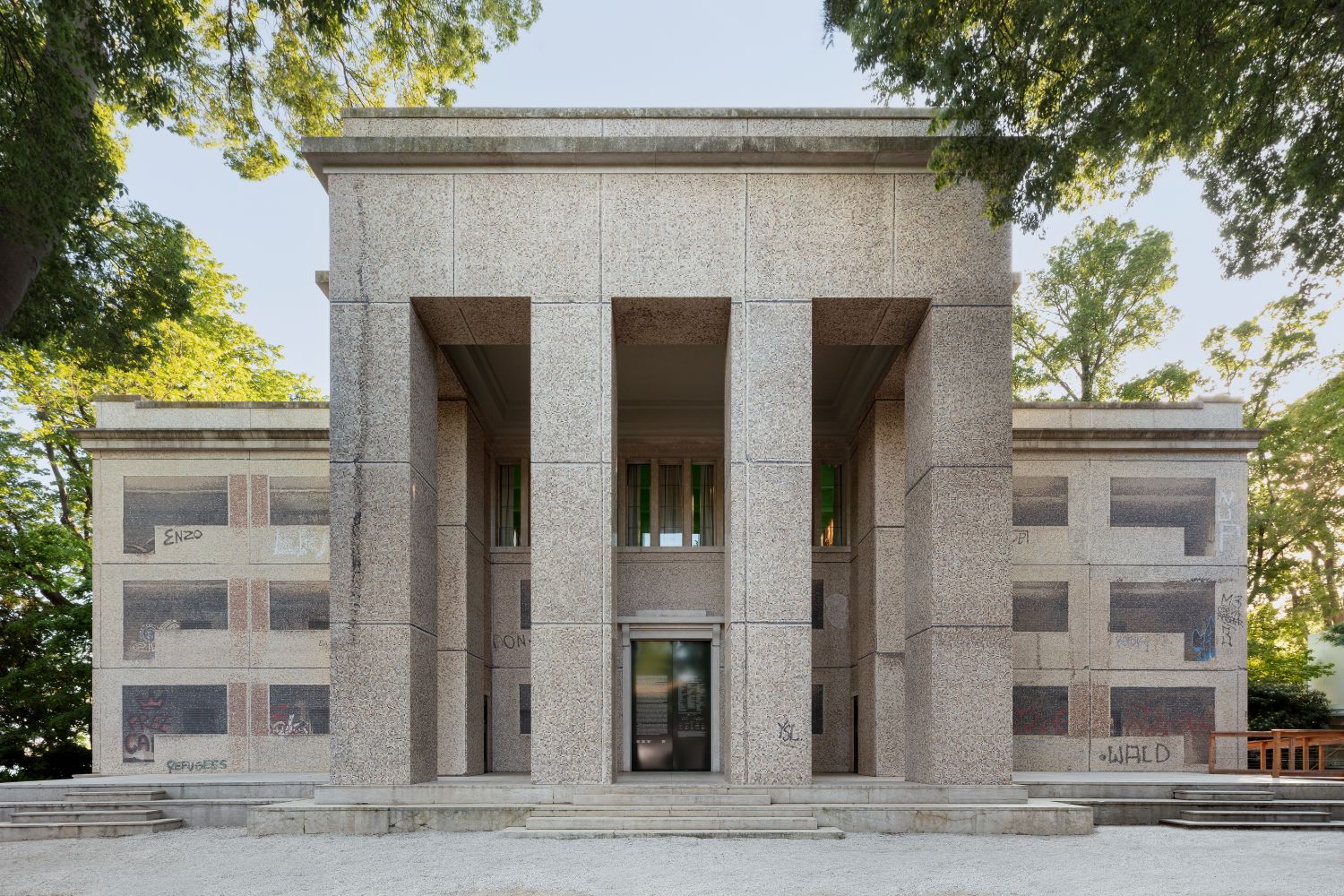
The German Pavilion at the Venice Art Biennale has been transformed into a prefabricated concrete slab building (Plattenbau) for this year's edition, designed by artists Sung Tieu and the late Henrike Naumann, who died suddenly in February at age 41 from cancer. Curator Kathleen Reinhardt described the pavilion as part of a highly political Biennale, with Tieu covering the 1938 fascist-era building with a mosaic of over three million tiles depicting a Berlin apartment block that once housed Vietnamese contract workers. Naumann's interior installation features mint-green references to Soviet barracks in East Germany, a cartography of war, and works including a relief of chairs, a curtain of chainmail, and the performance "Trümmerfrau."

Art Dubai announces details for revised 2026 edition

Art Dubai has unveiled the details for its 2026 "special edition," which features a significantly reduced scale in response to ongoing regional conflict. The fair will host 50 galleries—a sharp decline from the 120 participants in 2025—with a strategic focus on regional representation, as nearly two-thirds of the exhibitors hail from the Middle East. To compensate for the smaller commercial footprint, the event will deepen its ties with local institutions like the Sharjah Art Foundation and Alserkal Avenue through expanded collaborative programming.

Venice Biennale Artists Decline Consideration for Golden Lions Chosen by Public Vote

Nearly half of the artists in the main exhibition of the Venice Biennale have signed a statement declining consideration for the Golden Lion awards, in solidarity with the jury that resigned last month. The statement, published by e-flux, includes prominent names such as Alfredo Jaar, Tuan Andrew Nguyen, Otobong Nkanga, and Walid Raad, as well as national pavilion representatives from France, Lithuania, and the Netherlands. The Biennale had planned to replace the jury-selected Golden Lions with "Visitor Lions" decided by public vote, but the artists' refusal marks an unprecedented protest within the exhibition.

In Protest of Israeli Pavilion, Activists and Unions Plan Strike on Venice Biennale’s Opening Day

The Art Not Genocide Alliance (ANGA) has announced a 24-hour strike and rally on May 8, the day before the 2026 Venice Biennale opens to the public, in protest of the Israeli Pavilion. ANGA, formed in opposition to Israel's inclusion in the 2024 Biennale, refers to the current Israeli presentation—featuring Haifa-based artist Belu-Simion Fainaru—as the "Genocide Pavilion." Over 200 artists, curators, and culture workers have signed an open letter demanding Israel's exclusion, and a separate action called Solidarity Drone Chorus involved 60 artists. ANGA is collaborating with local labor and culture organizations including Biennalocene, Vogliamo Tutt'altro, S.a.L.E. Docks, and Mi Riconosci.

Dark clouds, protests and resignations dampen start of 61st Venice Biennale

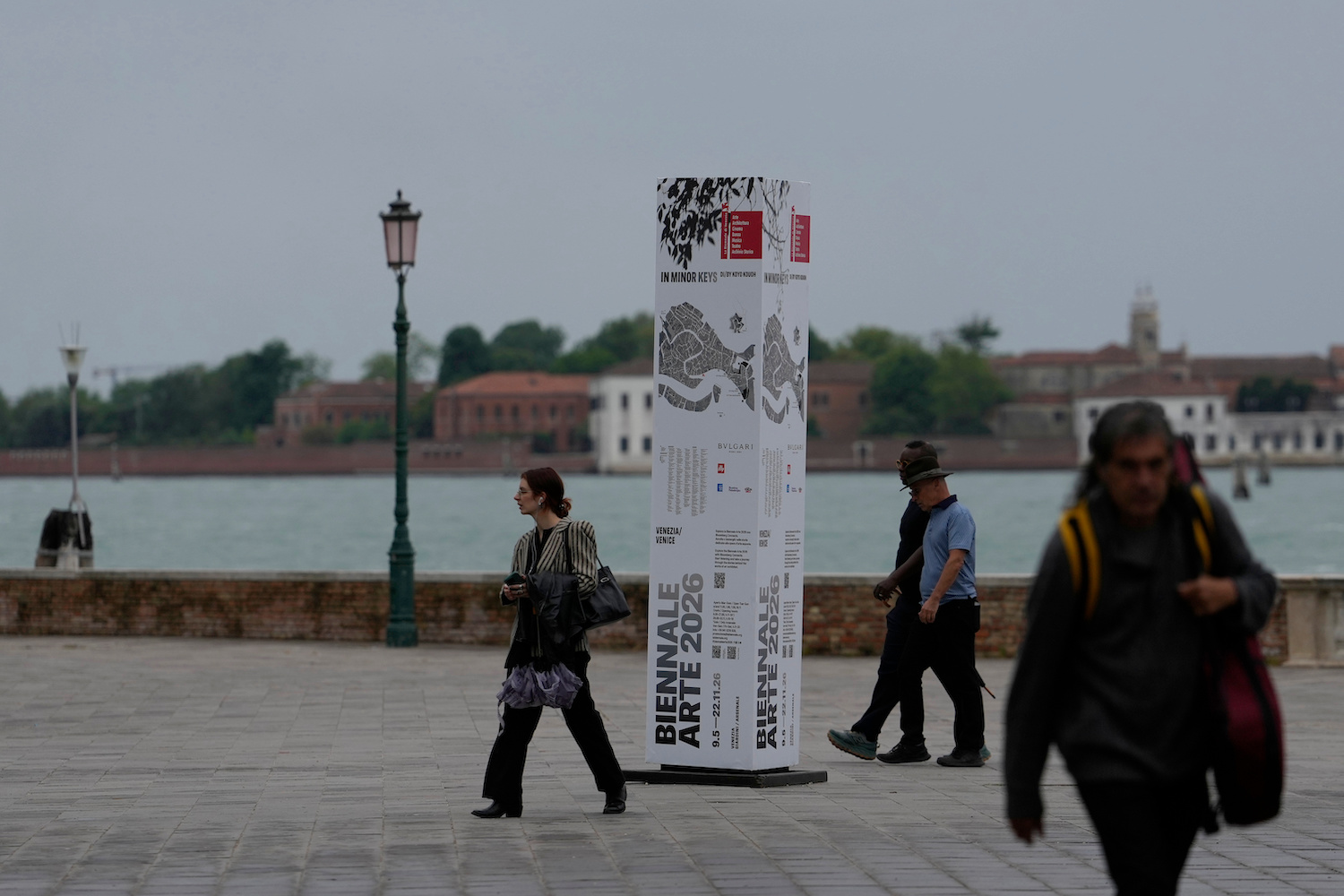
The 61st Venice Biennale opened under grey skies and rain, with political tensions overshadowing the art world's premier event. The Russian pavilion, absent for two editions due to the Ukraine war, reappeared with a party atmosphere, though the Italian ministry of culture confirmed it would not be open to the public. The Ukrainian culture minister called Russia's symbolic presence powerful. The Iranian pavilion withdrew without explanation, and a protest by 60 artists from the In Minor Keys show marched through the Giardini humming in solidarity against Israel's participation. Over 200 artists, including Lubaina Himid and Alfredo Jaar, signed an open letter demanding the Israeli pavilion's cancellation. The event also proceeded without its curator, Koyo Kouoh, who died in May 2025; her curatorial team delivered the exhibition following her plans.

Must-See: Rosa Loy Finds a Durable Form of Togetherness

Rosa Loy, a German painter associated with the New Leipzig School, presents a new body of work at a solo exhibition that explores themes of togetherness, collaboration, and female solidarity through her signature figurative, dreamlike style. The show features large-scale paintings and works on paper that depict pairs or groups of women engaged in shared activities, rendered in muted earth tones with subtle surrealist undertones.

Cecilia Vicuña: Minga for the Sea

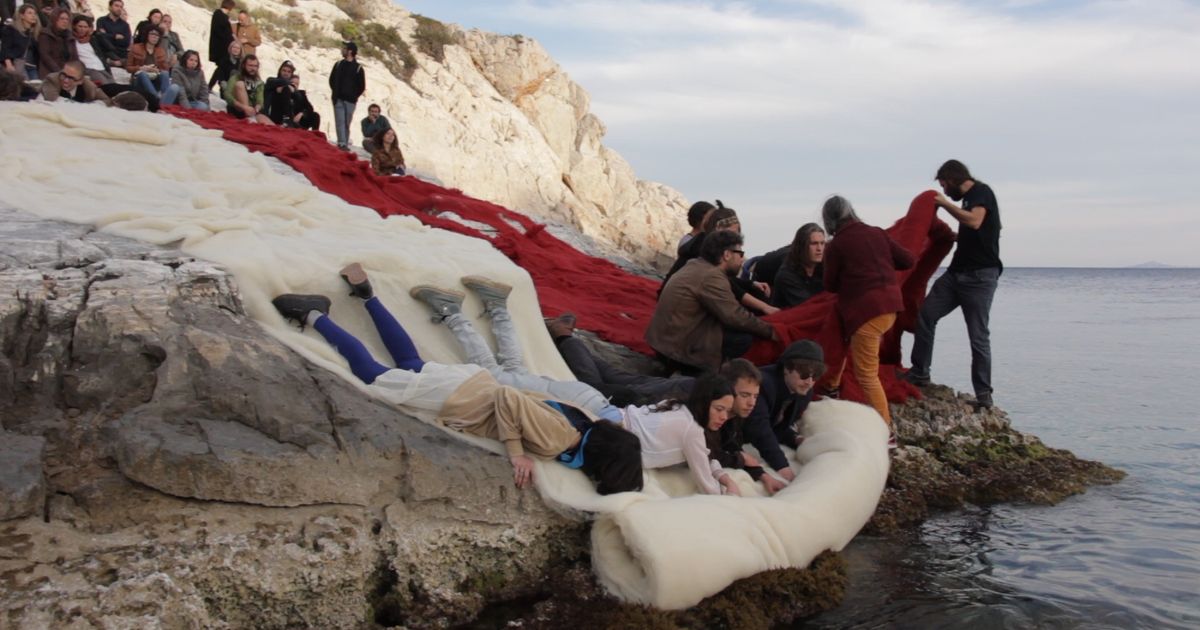
Kunstnernes Hus in Oslo presents 'Minga for the Sea,' a major new commission by Chilean artist, poet, and activist Cecilia Vicuña, running from May 29 to August 9, 2026. This is Vicuña's first major presentation in Scandinavia, featuring two large horizontal quipus made from locally sourced raw wool, one dedicated to the Southern Hemisphere/Chile and the other to the Northern Hemisphere/Sápmi. The quipus incorporate contributions from Indigenous and environmental defenders, including poems, drawings, and videos, forming a polyphonic archive of cultural resistance against destructive resource extraction and pollution of marine environments.

An open letter to La Biennale di Venezia calls out inaction in the face of global atrocities

A group of 74 artists and curators invited to the 61st Venice Biennale have issued an open letter to the institution's president, Pietrangelo Buttafuoco. The signatories are protesting the decision to relocate the Israeli Pavilion to the Arsenale, placing it in close proximity to the central exhibition 'In Minor Keys' curated by the late Koyo Kouoh. The letter demands the exclusion of official delegations from countries accused of war crimes—specifically Israel, Russia, and the United States—and accuses the Biennale of complicity through its silence on global atrocities.

Met Gala Boycott Message Projected on Bezos’s Manhattan Penthouse

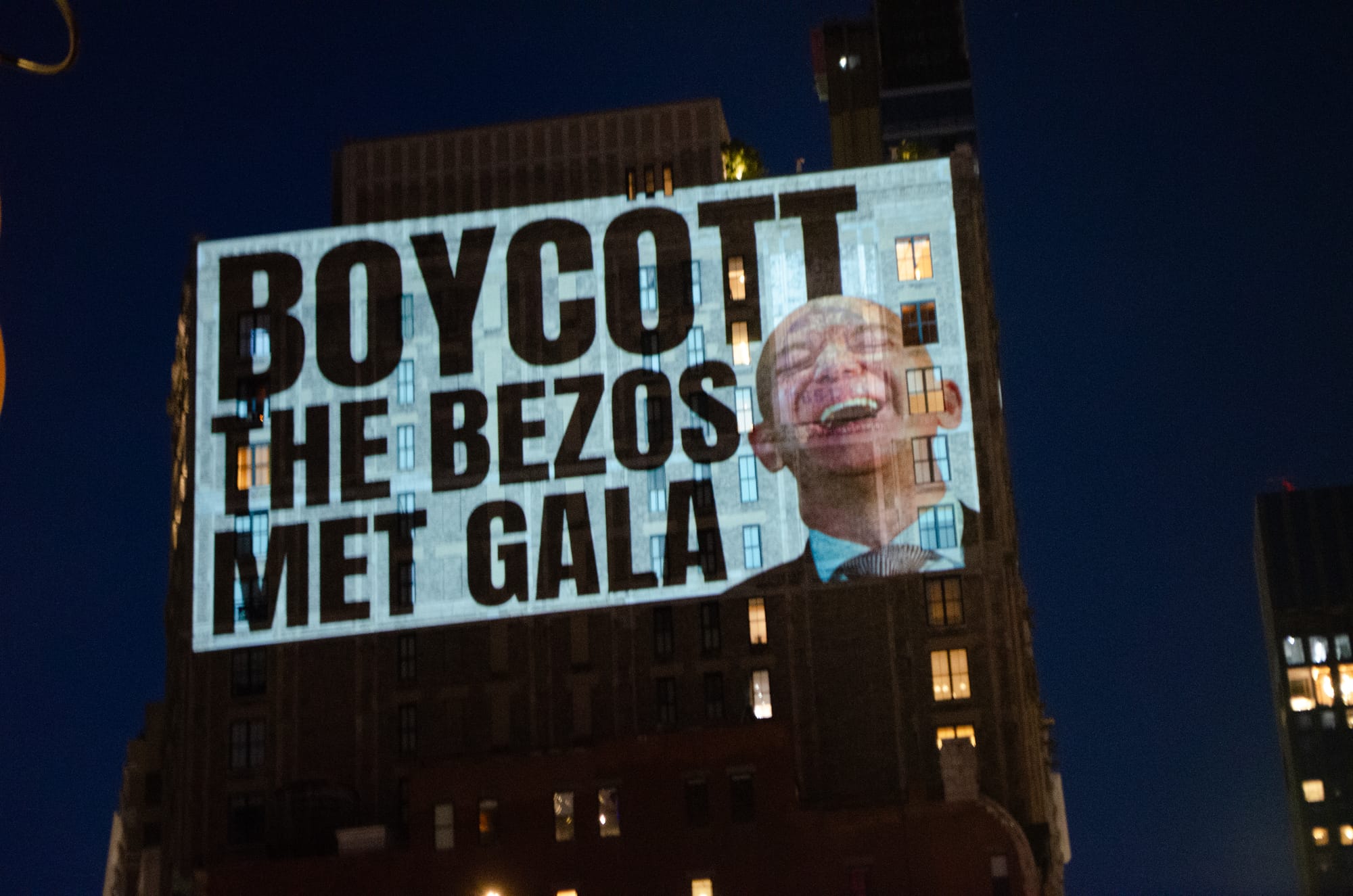
On May 3, 2026, the activist group Everyone Hates Elon projected messages condemning Jeff Bezos and Amazon onto Bezos's luxury penthouse in Manhattan's Madison Square Park, ahead of the Met Gala on May 4. The projections included a video testimony from Amazon warehouse worker Mary Hill, who called for honoring workers instead of billionaires, and slogans such as 'Boycott The Bezos Met Gala.' The group also projected onto the Chrysler and Empire State buildings. This action follows earlier protests, including littering the Met with fake urine bottles and wheatpasting posters across the city, all targeting Bezos's role as an honorary co-chair of the gala.

Dozens of Venice Biennale Artists Withdraw From Awards En Masse

Almost half of the artists in the 61st Venice Biennale's international exhibition, along with 16 national pavilion teams, have withdrawn from awards consideration in solidarity with the jury's resignation. The jury resigned on April 30 after stating it would not consider countries whose leaders are charged with crimes against humanity by the ICC, effectively disqualifying Israel and Russia. The Biennale Foundation then replaced the traditional Golden Lions with new "Visitor Lions" decided by public vote, reinstating all pavilions including Israel and Russia. The withdrawal follows protests at the Russian and Israeli pavilions and a historic labor strike that shuttered multiple pavilions.

Historic Strike Disrupts Biennale as Thousands March in Venice

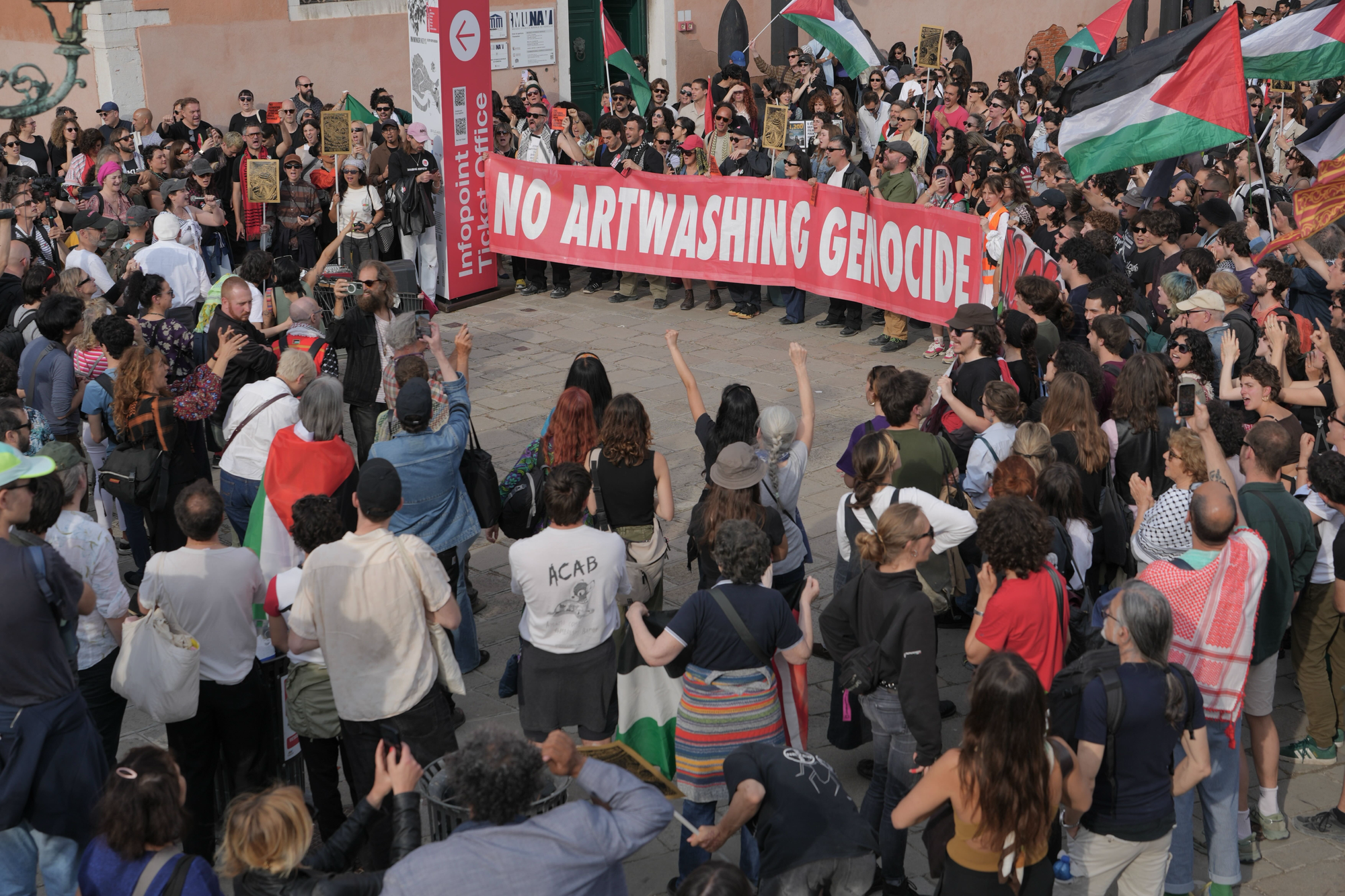
On May 8, 2026, artists and cultural workers staged the first strike in the 131-year history of the Venice Biennale, disrupting the pre-opening of the international exhibition. At least 27 of the 100 national pavilions were partially or fully shut down, and thousands marched through Venice to the Arsenale, which was barricaded by Italian riot police. The strike, organized by the Art Not Genocide Alliance (ANGA) and local activist groups, was a 24-hour action for Palestine and workers' rights, with some artists altering or draping their works in the main exhibition, "In Minor Keys."

Artists Pay Tribute to Koyo Kouoh in Poetry Caravan at Venice Biennale

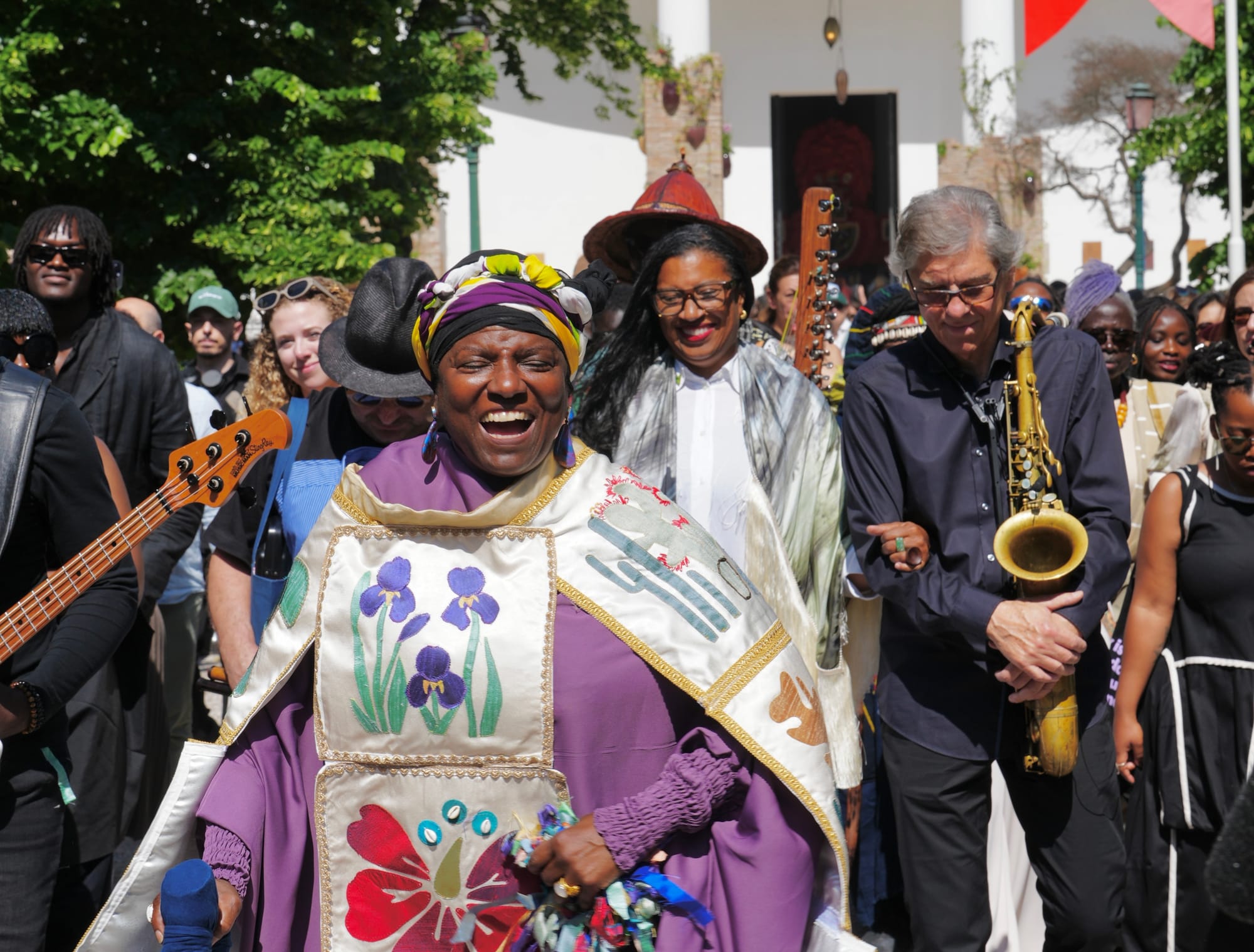
At the Venice Biennale on May 7, 2026, Cuban artist María Magdalena Campos-Pons led a poetry caravan across seven locations in the Giardini to honor Koyo Kouoh, the late curator of the Biennale's main exhibition "In Minor Keys," who died of cancer at age 57 in 2025. The procession, inspired by a 1999 voyage Kouoh took with nine African poets from Dakar to Timbuktu, featured performances by poets Natalie Diaz, Robin Coste Lewis, Batool Abu Akleen, and Anne Waldman, kora player Saliou Cissokho, and Kouoh's husband, Swiss saxophonist Philippe Mall, who played a composition dedicated to her. The event was organized by a team of Kouoh's assistants and advisers, including Marie Hélène Pereira, who served as stand-in lead of the 2026 Biennale.

Lithuanian, Latvian, and Estonian Pavilions Stage Pro-Ukraine Procession During Venice Biennale

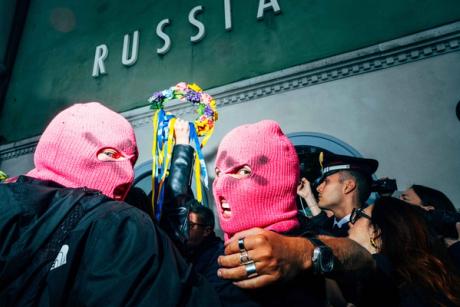
On May 6, 2026, the Lithuanian, Latvian, and Estonian pavilions at the Venice Biennale organized a procession in solidarity with Ukraine, walking approximately one and a half miles from the Lithuanian Pavilion in the Fucina del Futuro to the Estonian pavilion. The action honored Ukrainian cultural workers creating under war conditions and those who have died. It is one of several political protests at the contentious 2026 Biennale, including demonstrations by Pussy Riot and FEMEN at the Russian pavilion, a "Solidarity Drone Chorus" opposing Israel's inclusion, and a planned 24-hour strike by the Art Not Genocide Alliance.

The Biennale Isn’t a Court. Tell That to the Protesters.

Pietrangelo Buttafuoco, president of the Venice Biennale, defended the decision to allow Russia to reopen its pavilion for the first time since its 2022 invasion of Ukraine, stating that the Biennale is "not a court; it is a garden of peace." The move has sparked widespread backlash, including threats to pull €2.3 million in EU funding. Protests have erupted on the ground, with Pussy Riot and FEMEN staging a theatrical demonstration outside the Russian Pavilion, setting off smoke flares and chanting slogans. Separately, around 60 artists performed a "Solidarity Drone Chorus" to protest Israel's participation, and the Art Not Genocide Alliance has called for a 24-hour strike and rallies across Venice. The Russian Pavilion will be open only during press preview days due to EU sanctions, with video projections visible from outside for the rest of the Biennale's run.

Dozens of Venice Biennale Artists Stage ‘Drone’ Perfomance in Protest of Israel’s Participation

On the opening day of the Venice Biennale, around 60 artists and dozens of other participants staged a protest titled “Solidarity Drone Chorus” at the Giardini entrance, humming a viral song by Gazan composer Ahmed “Muin” Abu Amsha to sonically occupy the space. The action, organized by artists in the main exhibition over several months, protested Israel’s participation in the Biennale and expressed support for Palestine, with participants wearing T-shirts bearing the names and artworks of Gazan and Palestinian artists, many of whom have been killed. The protest follows an open letter from the Art Not Genocide Alliance demanding Israel’s exclusion.

Major protests take place at Venice Biennale previews

Major protests erupted during the preview days of the Venice Biennale, with multiple demonstrations targeting the Israeli and Russian pavilions. On Wednesday, the Art Not Genocide Alliance (ANGA) held a large protest outside the temporary Israeli pavilion in the Arsenale, attended by over 200 people calling for its closure. Separately, the Solidarity Drone Chorus performed a sound composition by Gazan artist Ahmed Muin, with 60 artists wearing T-shirts bearing names of artists from Gaza. Meanwhile, Pussy Riot and FEMEN protested Russian participation, forcing the Russian pavilion to shut its doors. These actions follow the resignation of the entire Golden Lion jury days before the opening, after they stated they would not consider pavilions from countries whose leaders are charged with crimes against humanity by the ICC—widely seen as a reference to Russia and Israel.

An Unprecedented 24-Hour Strike Could Upend the Venice Biennale

An unprecedented 24-hour strike is set to interrupt the Venice Biennale's opening week on Friday, May 8, in protest of Israel's participation in the global art event. The action, organized by the activist group Art Not Genocide Alliance (ANGA), follows a letter signed by over 230 Biennale participants demanding Israel's exclusion. The strike has exposed divisions among participants, with some artists and pavilion teams weighing solidarity against the rare opportunity to platform their own political messages. The Slovenian pavilion, represented by Nika Grabar of the Nonument Group, has committed to the strike, while others like Ecuador's Tawna Collective remain undecided, balancing protest with their mission to highlight ecological crises in the Amazon.

Several Venice Biennale pavilions shut in protest over inclusion of Israel

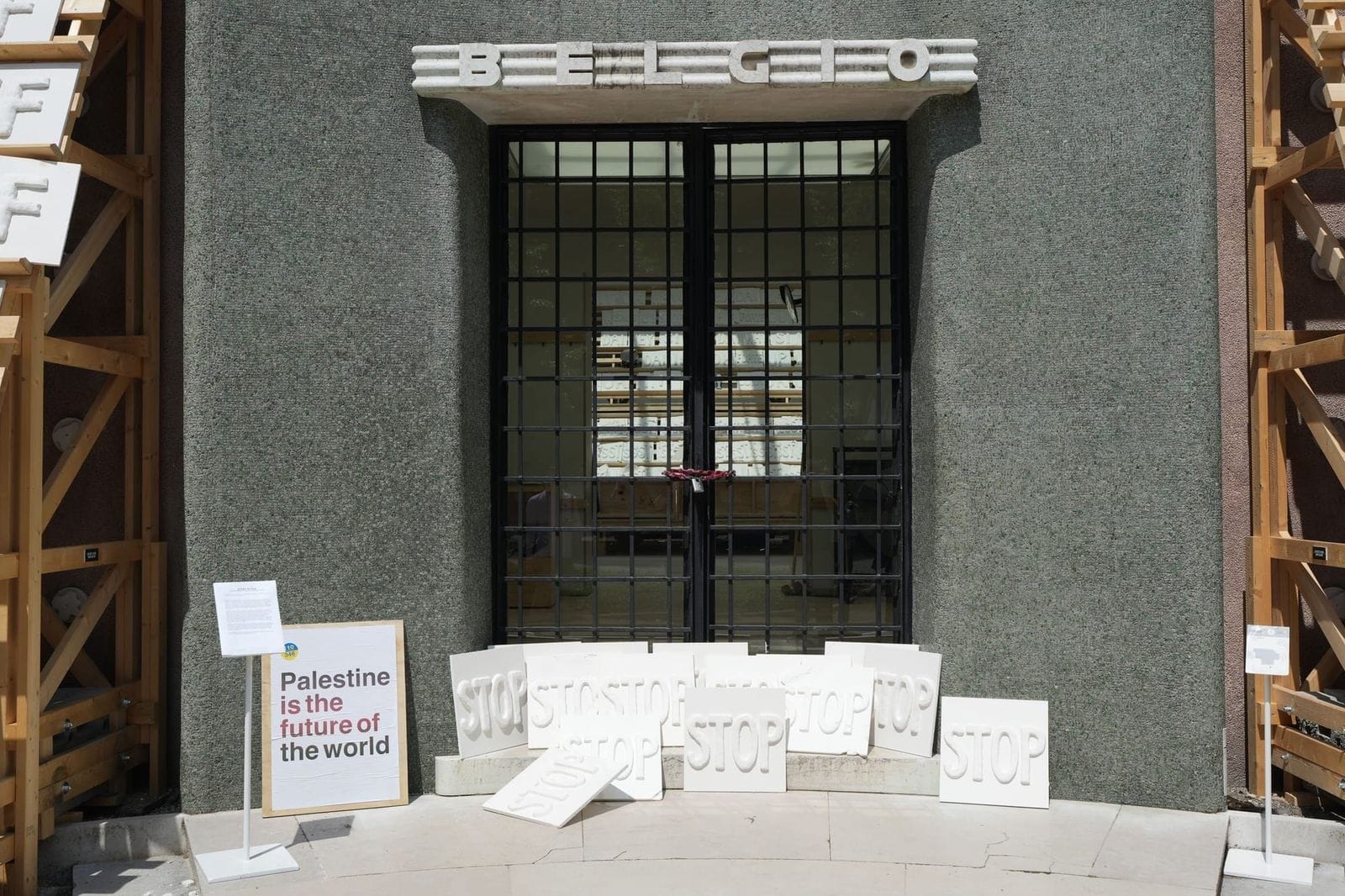
Several national pavilions at the 2026 Venice Biennale shut down during the final preview day in a strike organized by the Art Not Genocide Alliance (Anga) protesting Israel's inclusion due to its war in Gaza. Pavilions from Belgium, the Netherlands, Austria, Japan, Macedonia, and Korea closed entirely, while others like Britain, Spain, France, Egypt, Finland, and Luxembourg partially closed or reopened later. Artists in the main exhibition added Palestinian flags and posters reading "Palestine is the future of the world." The Israeli pavilion was closed for a private event, and earlier in the week Pussy Riot staged a protest at the Russian pavilion.

Venice Biennale opening marked by protests

The 2026 Venice Biennale opened for professionals on Tuesday amid a series of protests, with more planned throughout the week. Around 60 artists from the exhibition "In Minor Keys" gathered at the Giardini for a collective action called "Solidarity Drone Chorus," inspired by Gazan composer Ahmed Muin's "Drone Song," to draw attention to genocide and war in Palestine. The Art Not Genocide Alliance (ANGA) organized a 24-hour strike for Friday 8 May, protesting Israel's participation. Pussy Riot staged a protest outside the Russian pavilion, and the Latvian pavilion launched a campaign against Russia's involvement. The protests follow a highly politicized lead-up, including calls for boycotts of the Russian, Israeli, and US pavilions, EU funding cuts over Russia's participation, and the resignation of the Biennale jury.

Strike Rocks Venice Biennale Ahead of Public Opening as Pavilions Close

Thousands of protesters marched through Venice to demonstrate against Israel's presence at the Venice Biennale, leading many national pavilions to close in solidarity. Pavilions from Austria, Belgium, Egypt, Japan, the Netherlands, South Korea, and over a dozen other countries shut fully or partially, with some displaying signs reading "We Stand with Palestine." The Israeli pavilion remained closed for its exhibition opening, and armed police clashed with protesters. The main exhibition, curated by Koyo Kouoh, stayed open initially but the Arsenale closed by late afternoon with riot police outside. The 24-hour strike, organized by Art Not Genocide Alliance (ANGA) and Italian activist groups, was described as the largest protest in Biennale history.

Exhibition | Naomi Rincón Gallardo, 'Sonnet of Vermin' at Hayward Gallery, London, United Kingdom

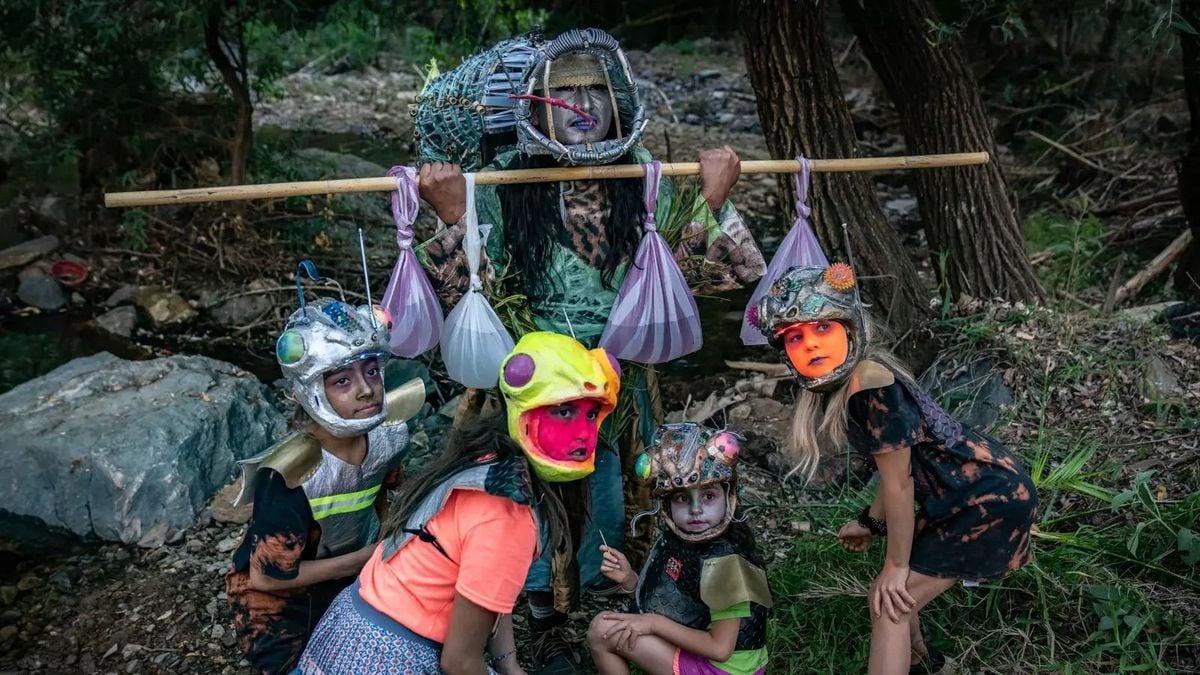
Naomi Rincón Gallardo presents her first solo exhibition in London, 'Sonnet of Vermin,' at the Hayward Gallery. The show features her 2022 film following a group of animals from Mesoamerican myths—Bat, Snake, Scorpion, and a choir of frogs—as they navigate dystopian landscapes in Oaxaca, communicating via radio signals and calling for solidarity amid social and ecological devastation. Rincón Gallardo works across video, performance, drawing, and sculpture, weaving cuir/queer resistance, pre-colonial folklore, DIY aesthetics, music, and dance into surreal narratives that critique colonialism and exploitation.

Jemima Wyman

Jemima Wyman's retrospective "Deep Surface" surveys three decades of her work exploring DIY aesthetics of concealment, protest iconography, and political solidarity. Born in Sydney and based in Los Angeles since 2004, Wyman is known for collages of masked protesters, activist signage, and street rally residues, as seen in works like *Aggregate Icon (RBW)* (2016) and *Mass Monument (Y & B)* (2018). The exhibition highlights her early inspiration from Fluxus, Minimalism, and Yayoi Kusama, as well as the influence of Brisbane's late-1990s art scenes and postcolonial Indigenous Australian art debates. Wyman, who has Indigenous (Palawa) heritage, uses camouflage and disguise to blur boundaries between visibility and concealment, figure and ground.

The Biennale releases the rules for voting on the Visitors' Lions while many artists and pavilions renounce competing for the prizes

La Biennale diffonde il regolamento per votare i Leoni dei Visitatori mentre molti artisti e padiglioni rinunciano a concorrere ai premi

The 61st Venice Biennale has opened to the public, introducing a controversial new voting system for the Golden Lions. After the entire jury resigned en masse on April 30, the Biennale decided to let the public decide the winners of the so-called "Leoni dei Visitatori" (Visitors' Lions). Voting is open from May 9 to November 22, 2026, and requires ticket holders to visit both main venues (Giardini and Arsenale) to receive a voting link. One vote per person is allowed for each of two categories: an artist in the main international exhibition "In Minor Keys" curated by Koyo Kouoh, and a national pavilion.

Minor Keys, Major Shifts: Sierra Leone’s Resonant Debut in Venice.

Sierra Leone has made its inaugural appearance at the 61st Venice Biennale with a pavilion titled 'Worlds of Today' located at the Liceo Guggenheim. Curated with a focus on "minor keys" rather than grand spectacles, the exhibition features Sierra Leonean artists Hawa-Jane Bangura, Ayesha Feisal, Hickmatu Bintu Leigh, and Abu Bakarr Mansaray alongside practitioners from other ECOWAS nations. The pavilion functions as a sensorial, porous space that prioritizes communal resilience and spiritual epistemologies over the commodification of identity.

Hundreds Protest Israel’s “Genocide Pavilion” at Venice Biennale

On May 6, 2026, the first day of previews at the Venice Biennale, hundreds of pro-Palestine activists led by the Art Not Genocide Alliance (ANGA) blocked the entrance to the Israeli pavilion, demanding its immediate closure. Protesters waved Palestine flags and banners reading "No Artwashing Genocide" and "No Genocide Pavilion at Biennale," chanting accusations of genocide against Israel. The demonstration temporarily shut down access to Belu-Simion Fainaru's exhibition "Rose of Nothingness" for about half an hour. The protest followed a letter signed by over 200 artists urging the Biennale to exclude Israel, which instead moved the pavilion to an alternative location in the Arsenale due to renovations. Separately, Pussy Riot and FEMEN rallied outside the Russian pavilion, which will only open during preview days due to sanctions. Venice cultural workers plan a 24-hour strike on May 8 in solidarity with Palestinians, potentially disrupting the Biennale's schedule.

Where to go for the next scandal?

Wo bitte geht's zum nächsten Skandal?

The article reports on the 2024 Venice Biennale preview days, where the atmosphere is dominated by political protests, media stunts, and social-media pressure rather than the art itself. Incidents include a solidarity drone choir for Gaza, a Pussy Riot and FEMEN protest at the Russian Pavilion, and a planned demonstration near the Israeli Pavilion, all amplified by PR agencies and WhatsApp alerts. A journalist describes being pressured by editors to cover scandals and political controversies instead of art reviews, which they say no longer attract clicks.