filter_list Showing 385 results for "Mexico" close Clear
search
dashboard All 385 museum exhibitions 191article news 60article local 29article culture 26person people 22trending_up market 18gavel restitution 16candle obituary 8rate_review review 6article policy 6article event 2article events 1
date_range Range Today This Week This Month All
Subscribe

‘Painted Worlds: Color and Culture in Mesoamerican Art’: A colorful journey through time, culture and belief

The Nelson-Atkins Museum of Art has opened 'Painted Worlds: Color and Culture in Mesoamerican Art', a major exhibition featuring over 250 works spanning nearly 3,000 years, from pre-Hispanic times to the present day. Curated by Kimberly Masteller, the show is the first presentation of Mesoamerican art at the museum in nearly 40 years and includes textiles, ceramics, paintings, murals, and codices organized by color categories—white, blue/green/yellow, and red/black—to explore the cultural and spiritual significance of color in Mesoamerican traditions.
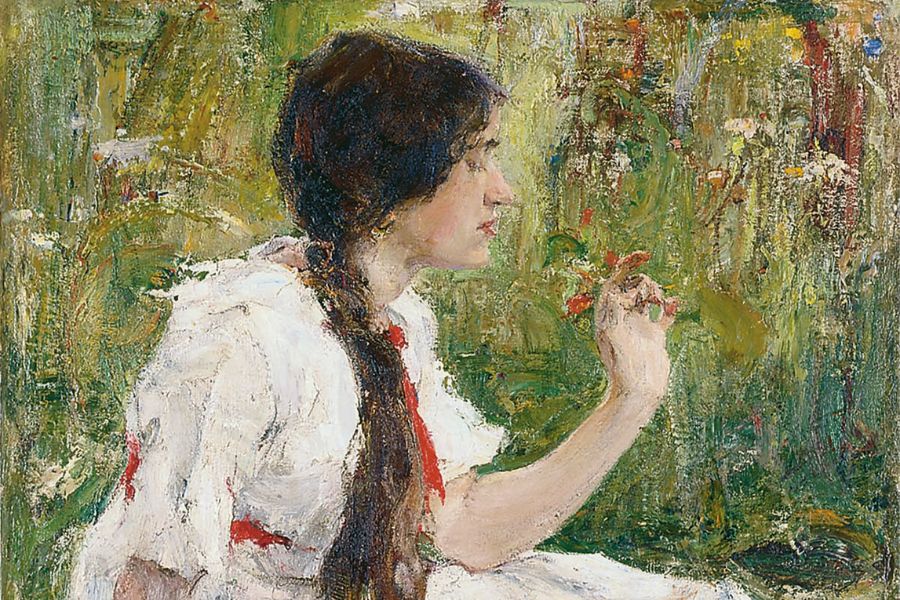
Fred Jones Jr. Museum of Art Opens Nicolai Fechin: An Artistic Journey October 2025

The Fred Jones Jr. Museum of Art at the University of Oklahoma will open "Nicolai Fechin: An Artistic Journey" on October 3, 2025. The exhibition features over fifty drawings and paintings spanning the Russian artist's career, drawn from the museum's permanent collection, the Eugene B. Adkins Collection, and a private Oklahoma collection, with many works on public view for the first time. The show explores Fechin's travels from Russia to New York, New Mexico, and Southern California, highlighting how family, training, and cultural encounters shaped his vibrant portraits.

Exhibition at Brown responds to University’s Haffenreffer Museum collection of Navajo objects

Diné (Navajo) artist Eric-Paul Riege has opened a new exhibition, “ojo|-|ólǫ́,” at Brown University’s David Winton Bell Gallery, on view through December 7. The show features large soft sculptures and weavings that engage with Diné mythology, Euro-American trading posts, and the concept of authenticity in Indigenous art. Riege also selected five objects from Brown’s Haffenreffer Museum of Anthropology, including a loom with an unfinished textile, which he recontextualized by separating the loom from the textile and adding handwritten notes. The exhibition is co-curated by Thea Quiray Tagle and Nina Bozicnik, and will travel to the Henry Art Gallery in 2026.

“It’s All in the Details” at the Art Museum of Southeast Texas

The Art Museum of Southeast Texas (AMSET) has opened a new exhibition titled “It’s All in the Details,” featuring approximately 50 works from its permanent collection, many of which have never been exhibited before. The show spans contemporary fine art and Mexican folk art, highlighting intricate techniques and the need for close viewing. Key works include Shawne Major’s mixed-media piece “Syzygy” (2022), Marcelino Eduardo Sánchez Rodriguez’s feather-based “Viva Mexico” (2009), and Mary McCleary’s densely layered collage “The Clouds Grew So Dense, She Couldn’t See” (2015), which had been hanging in the museum’s intern office for years.

Friendship Along the Border: Art Galleries Collaborate in Presidio

Two art galleries, Galería Raíces and The Dreamers Gallery, have opened in the small border town of Presidio, Texas, and are collaborating rather than competing. Galería Raíces, owned by Yosdy Valdivia, opened in October 2024 in a building that once housed a clothing store run by the late Olivia Rohana de Spencer, a self-taught painter whose work was featured in the inaugural show. The Dreamers Gallery, owned by Adèle Jancovici, opened nearby. The galleries participate in a community event called Nocturnal Animals, which encourages residents to visit both spaces, located just two blocks apart.

What We’ve Been Up To: Landscape

The Denver Art Museum has published a feature titled "What We’ve Been Up To: Landscape," showcasing a selection of recent photographic acquisitions focused on the American landscape. The featured works span from the late 19th century to the present, including images by Steve Fitch, Henry Wessel, Jr., Yamamoto Masao, Marion Post Wolcott, William Henry Jackson, John Ganis, Terri Weifenbach, Christina Fernandez, Linda Connor, and Patrick Nagatani. The photographs document diverse terrains—from New Mexico and Colorado to New Jersey and Hawai'i—and employ a range of processes, from albumen and gelatin silver prints to inkjet and pigment prints.

A Monument to Chocolate Is Wrapped in Layers of Mexican History

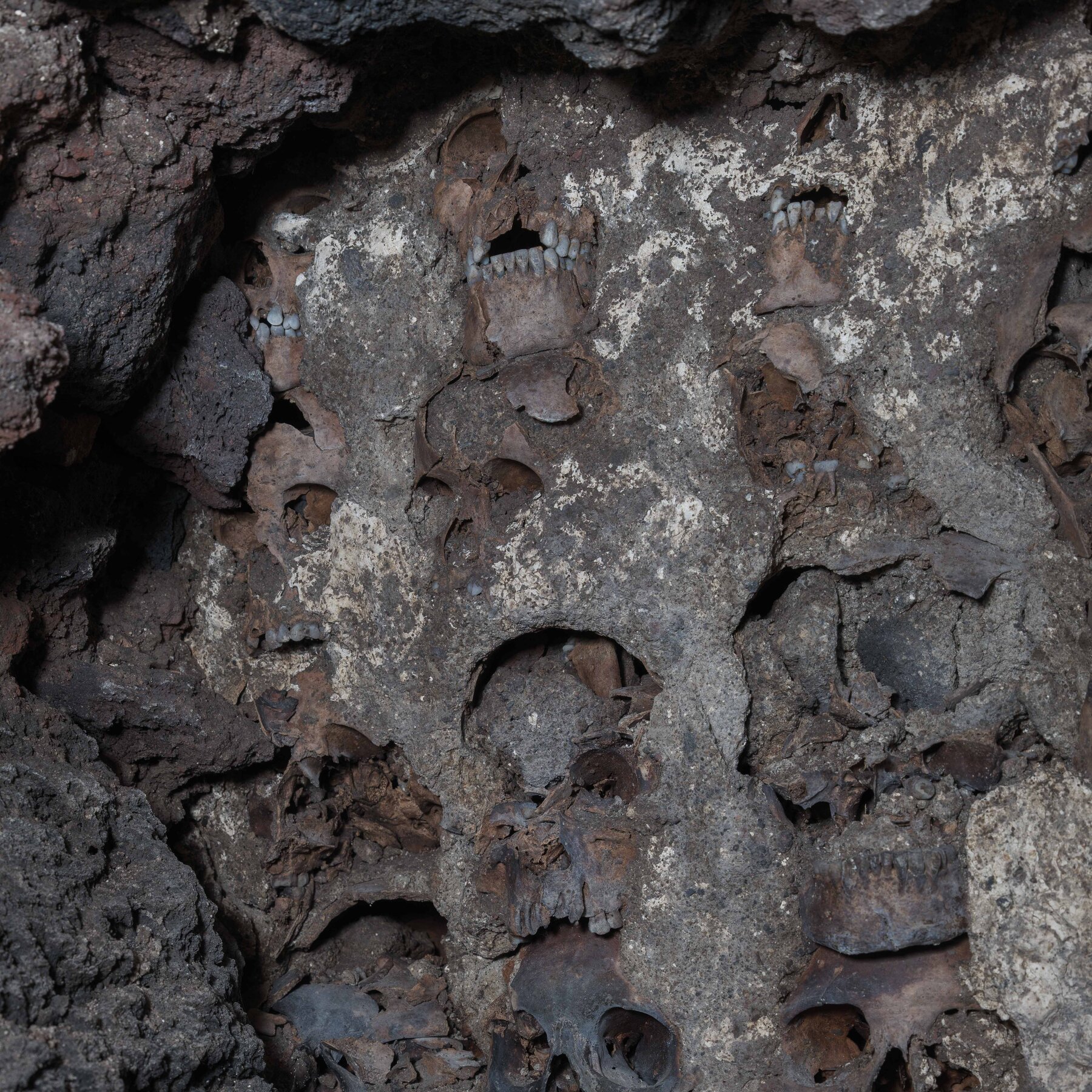
The article reports on the opening of the Museum of Cacao & Chocolate in Mexico City, which combines a colonial-era house with a contemporary architectural addition. The museum is built on a site that was once an Aztec monument, adding layers of historical significance to the institution dedicated to the history and culture of cacao.

Mexico City: El Desagüe by Luis Ortega Govela

Francis Alÿs’s 1997 performance piece, *Paradox of Praxis I*, serves as a starting point for an exploration of Mexico City’s violent hydrological transformation. By pushing a block of ice through the streets until it evaporates, Alÿs retraces the vanished canals of Tenochtitlán, the Aztec capital that was systematically drained by Spanish colonizers to establish a terrestrial, European-style urban grid.

Impressively harmonious artistic manifesto propels Storywork: The Prints of Marie Watt from the Collections of Jordan D. Schnitzer and His Family Foundation exhibition at the Utah Museum of Fine Arts

The Utah Museum of Fine Arts (UMFA) is hosting "Storywork: The Prints of Marie Watt from the Collections of Jordan D. Schnitzer and His Family Foundation," an exhibition running through June 21. It features over 60 works by Marie Watt, an enrolled member of the Seneca Nation's Turtle Clan, including prints, monumental blanket stacks, hanging textiles, and small-scale sculptures. The show is drawn from the collections of Jordan D. Schnitzer, a top 200 collector recognized by ARTNews, whose foundation has supported more than 180 exhibitions and loaned works to over 130 museums at no cost.

Lucid Perturbations: The Sewn Drawings and Books of China Marks

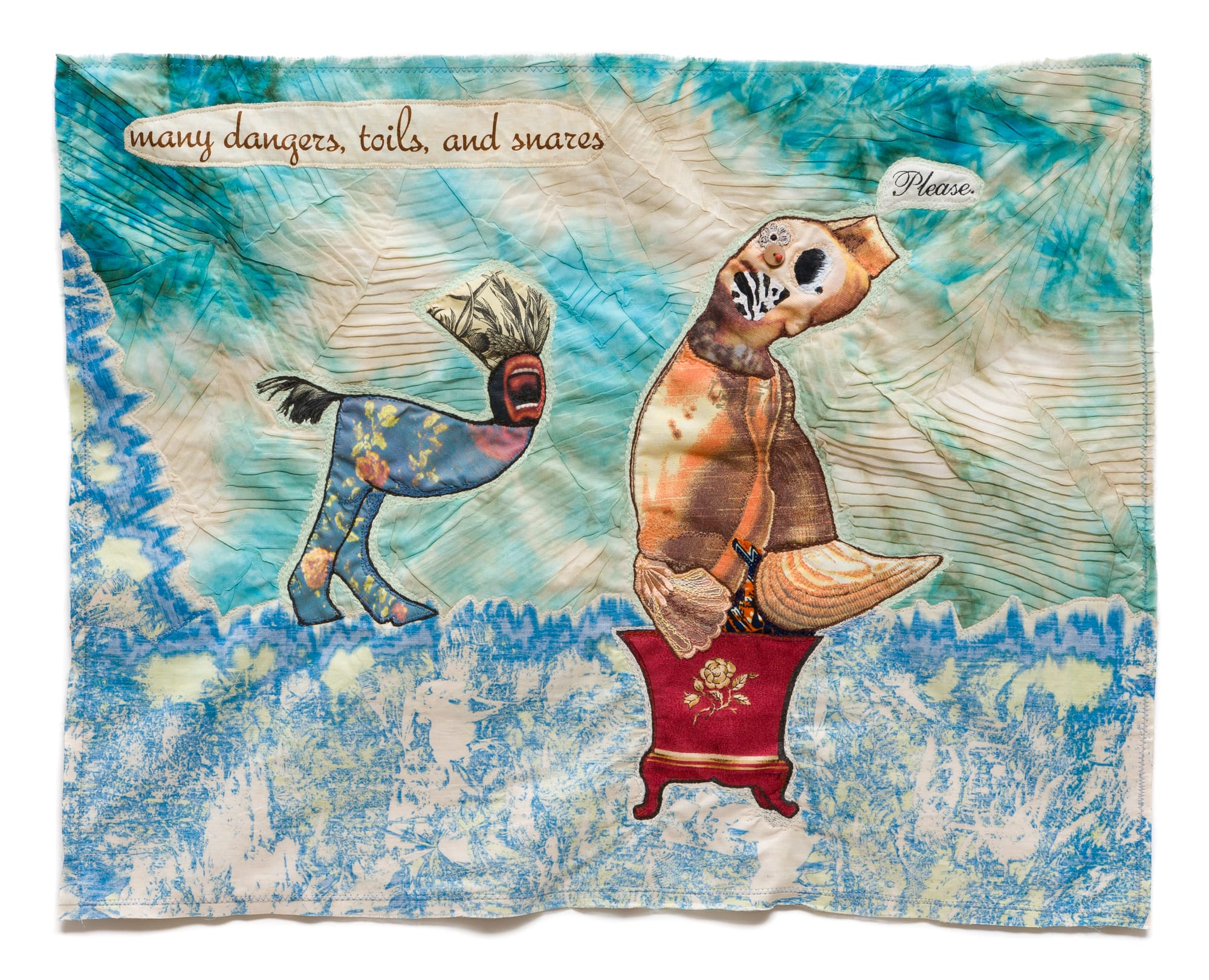
Zane Bennett Contemporary Art in Santa Fe, New Mexico, presents "Lucid Perturbations: The Sewn Drawings and Books of China Marks," the first major solo exhibition dedicated to the artist's sewn works. Featuring over 200 pieces from the last 23 years of Marks's practice, the show runs from May 15 to July 11 and includes pieces like "At the Winter Palace" (2018) and "Above and Below" (2022). Marks, who pivoted from painting to sewing at age 59 in 2000, creates fabric-based narrative tableaux that blend personal and political themes.

3 Questions with Gallerist Daniel Cooney

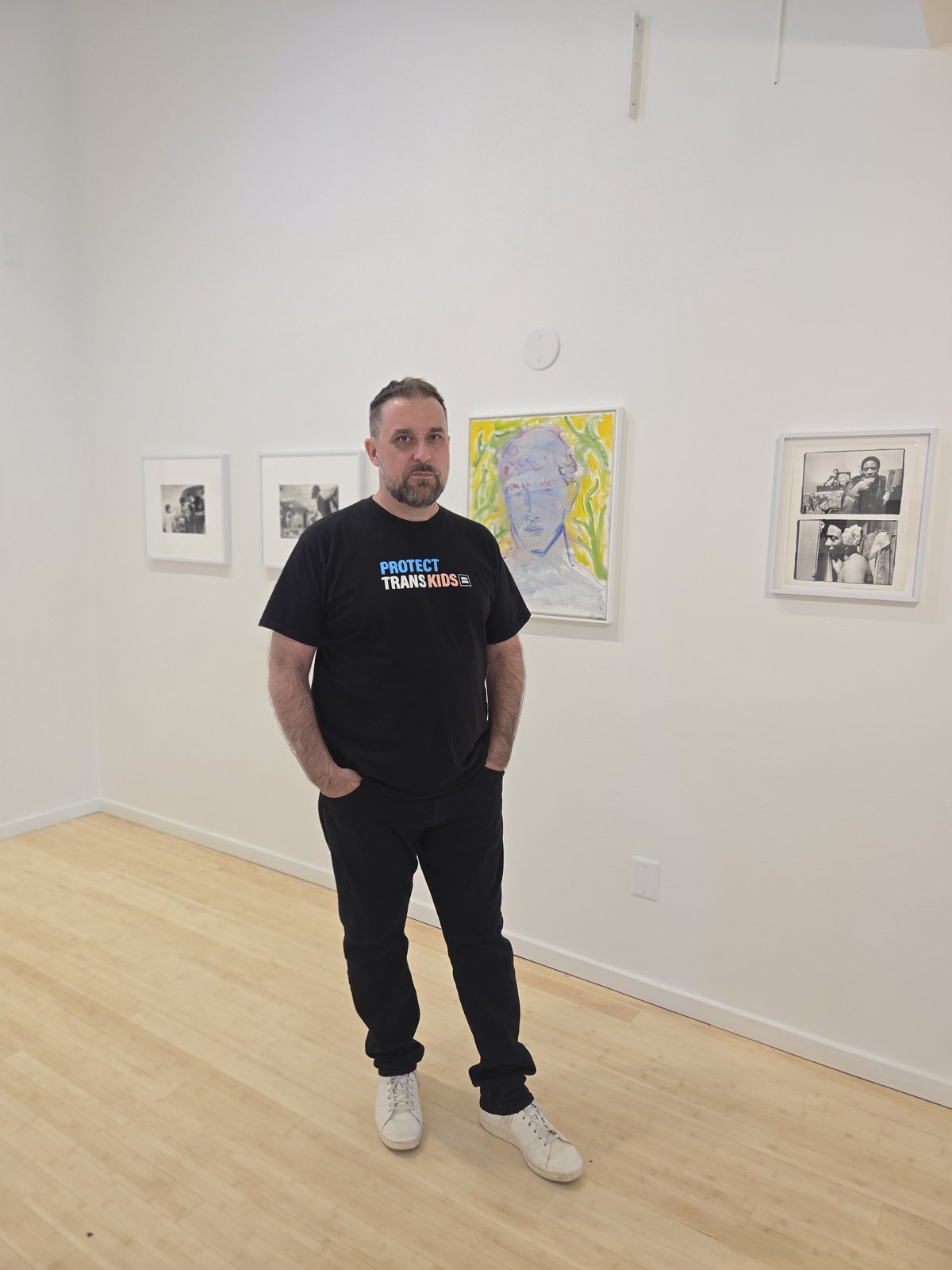
Santa Fe gallerist Daniel Cooney of Daniel Cooney Fine Art discusses his gallery's focus one year after relocating from New York City. In an interview, Cooney explains that while his gallery prominently features LGBTQ artists, its core mission is supporting underrepresented artists broadly—including emerging talents, overlooked older artists, and estates. He notes a continued emphasis on photography, his own background, but also shows other mediums. Cooney expresses interest in featuring more local New Mexico artists but has not yet integrated deeply into the local scene.

Biggs Museum spotlights the art and influence of Elizabeth Catlett

The Biggs Museum of American Art is presenting "The Art of Elizabeth Catlett from the Collection of Samella Lewis," on view through June 21, 2026. The exhibition features Catlett's prints and sculptures, drawn from the collection of her former student and lifelong friend Samella Lewis, and also includes works by Lewis and Catlett's husband, Francisco Mora. Catlett, who studied with Grant Wood and worked with the Taller de Gráfica Popular in Mexico City, focused her art on the lives of Black women, addressing themes of identity, equity, labor, family, and freedom.

Summer Guide 2025: Gallery Openings

The Summer Guide 2025 highlights a diverse array of gallery openings in Santa Fe, New Mexico, focusing on both established and emerging art spaces. Notable exhibitions include Gerald Peters Contemporary's "Material Girl: Pop Culture and the Female Gaze" (June 13), featuring six female artists examining gender and commodification through Pop Art; Daniel Cooney Fine Art's "George Dureau, Photographs" (May 31), showcasing intimate portraits of New Orleans' counterculture; and Station 5 Micro-Gallery's two shows—"ACCUMULATION" (June 7) by Michael Sumner and Melody Sumner Carnahan, and "THE NARROW LINE TO THE INTERIOR" (August 2) inspired by poet Bashō. Other highlights include ELECTR∆ Gallery's queer mysticism group show "The Third Way" (July 11), new works by Tim Jag (June 12), and Pie Projects' "MOMENTUM" (June 14) featuring Florence Miller Pierce's rediscovered resin reliefs.

Fátima González Doesn’t Want You to Shy Away From Asking Your Art Questions

Fátima González, founder of Mexico City-based gallery Campeche, recounts her journey from working the front desk at Kurimanzutto to opening her own gallery. After earning a graduate degree at the School of Visual Arts in New York and returning to Kurimanzutto in sales, she left in February 2020, just before lockdown. During the pandemic, she planned her gallery, found a space in one day, and opened with a group show of all-women artists from Mexico City. Campeche is now making its Frieze New York debut.

What We Saw at Buffalo Prescott’s 'Vernal 2026'

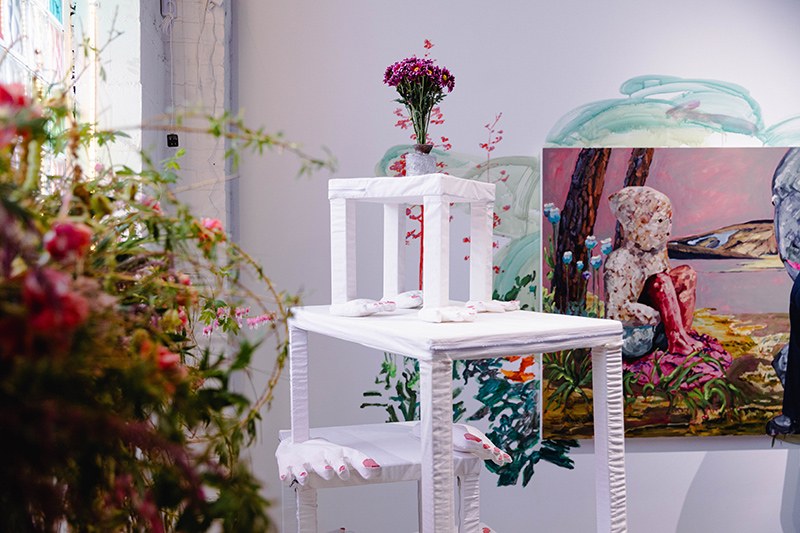
Buffalo Prescott’s Detroit headquarters is hosting 'Vernal 2026,' a spring-inspired contemporary arts exhibition running through June 27, with a public opening on May 22. The exhibition features works by resident artists including Jessica Wildman Katz, Halima Afi Cassells, Cyrah Dardas, Sara Nickleson, and Tony Printz, alongside metro Detroit and international artists. Highlights include Katz's botanical rabbit sculpture 'Kindling,' Cristina Umaña's whimsical 'Mesa De Centro' (a stack of white tables with human-like limbs), and Amelia Burns's photographic diptych 'Evil Eye' and 'Evil Eye Transmuted onto Organza, 2026,' which explores contemporary American culture through collage.

Asking New and Better Questions with Cheryl Pope

Artist Cheryl Pope has opened a solo exhibition titled "All There Is" at Monique Meloche Gallery in Chicago. The show features new, large-scale works made from needle-punched wool roving on cashmere that depict landscapes, marking a shift from her previous focus on the human form, memory, and identity. The exhibition runs through May 16.

Fifteen must-see design events during Mexico City art week 2026

Mexico City's annual art week, anchored by the Zona Maco fair, is expanding its focus to include a significant design component in 2026. The event features 15 highlighted design-focused exhibitions and installations, including site-specific shows in modernist houses, a dedicated collectible design category at Zona Maco, and exhibitions by international names like Lee Broom and Lanza Atelier.

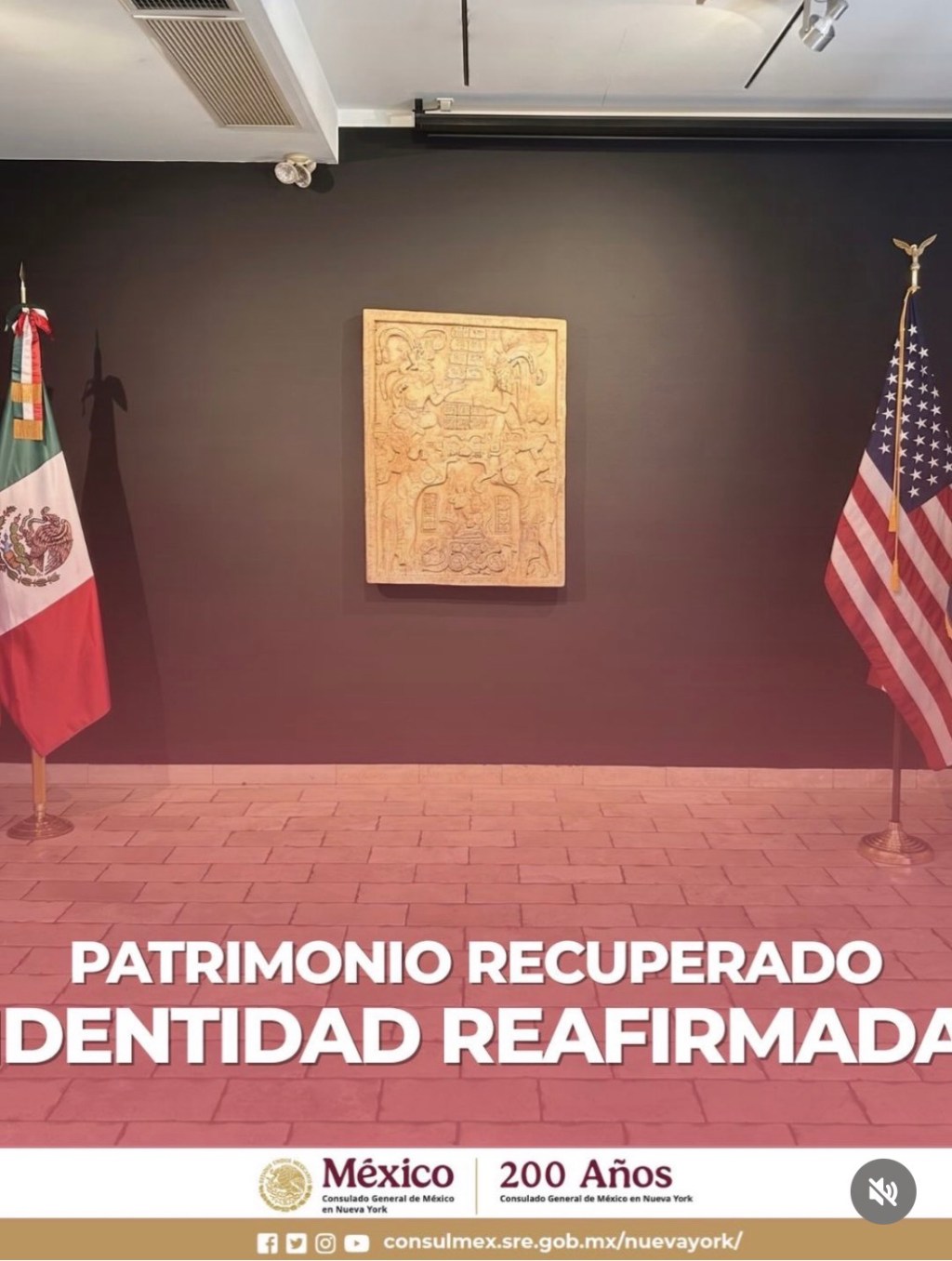
1,200-Year-Old Limestone Lintel was Inadvertently Repatriated to Mexico Instead of to Guatemala

A 1,200-year-old limestone lintel, carved by the ancient Maya artist Mayuy and depicting a ruler of Yaxchilán, was repatriated from the United States to Mexico in mid-April after an American businessman turned it over to the Mexican consulate in New York. However, Guatemala's cultural minister has begun proceedings to reclaim the artifact, arguing that it was originally removed from the Guatemalan side of the Usumacinta River, not Mexico. The lintel was first documented by American explorers Dana and Ginger Lamb in the 1950s in an area called Laxtunich, and its exact provenance has been disputed by scholars.

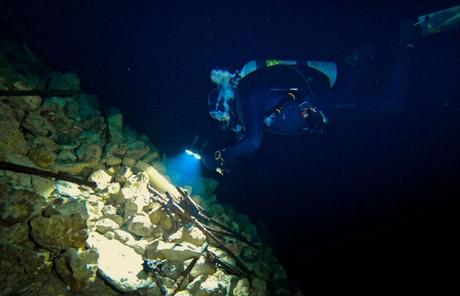
19th-century European weapons found in cenote in Mexico

Archaeologists from Mexico's National Institute of Anthropology and History (INAH) have discovered 153 Spanish and British muskets and rifles, along with an iron cannon, in the Síis Já cenote beneath the 16th-century former convent San Bernardino de Siena in Valladolid, Mexico. The weapons were likely discarded by the Yucatecan government during the early years of the Caste War of Yucatán (1847-1901) to prevent them from falling into Maya rebels' hands. The site also yielded Maya ceramic pieces and 18th-century Chinese porcelain, and INAH reported debris and pollution affecting the cenote.

US Border Wall Construction Damages 1,000-Year-Old Indigenous Land Art in Arizona

Construction crews building a barrier between the United States and Mexico have damaged a 200-foot-long etching of a fish embedded in the land in Arizona, known as the Las Playas Intaglio, which is thought to be 1,000 years old. According to a report in the Washington Post, workers destroyed a 60-to-70-foot portion of the ancient Indigenous land art as part of President Donald Trump’s $46.5 billion border-wall project. Satellite imagery confirmed the destruction, showing bulldozer marks running through about a third of the fish formation. U.S. Customs and Border Protection acknowledged the incident, stating that a contractor inadvertently disturbed the cultural site on April 23, 2026, and that the remaining portion has been secured.

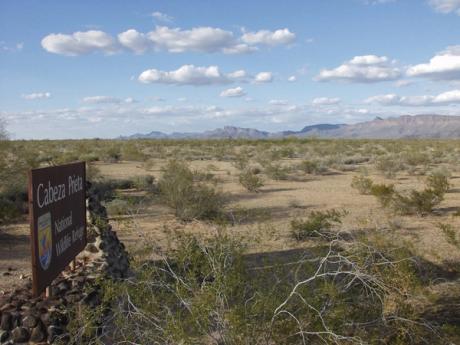
1,000-year-old archaeological site bulldozed during construction of Mexico-US border wall

On 24 April, a Department of Homeland Security contractor bulldozed a 1,000-year-old intaglio—a 280ft by 50ft etching in the desert sand—during construction of the US-Mexico border wall in Arizona's Cabeza Prieta National Wildlife Refuge. The site, sacred to local Indigenous communities including the Hia-Ced O’odham, was part of a UNESCO biosphere and contained over 3,000 petroglyphs. Despite warnings from tribal members and refuge staff, the contractor destroyed a 70ft stretch of the fish-shaped intaglio, which elders and archaeologists describe as an irreplaceable cultural and archaeological treasure.

Petroglyphs and cave paintings, some more than 4,000 years old, discovered in Mexico

Archaeologists from Mexico’s Instituto Nacional de Antropología e Historia (INAH) have identified 16 petroglyphs and cave paintings near the Tula River in Hidalgo. The artworks span over 4,000 years, ranging from prehistoric times through the Mesoamerican Postclassic period and into the early colonial era. The discovery, which includes depictions of the rain god Tláloc and various anthropomorphic figures, was made during archaeological salvage work for a new passenger rail line connecting Mexico City and Querétaro.

Native Americans Played Dice Games Far Earlier Than Previously Known, Study Shows

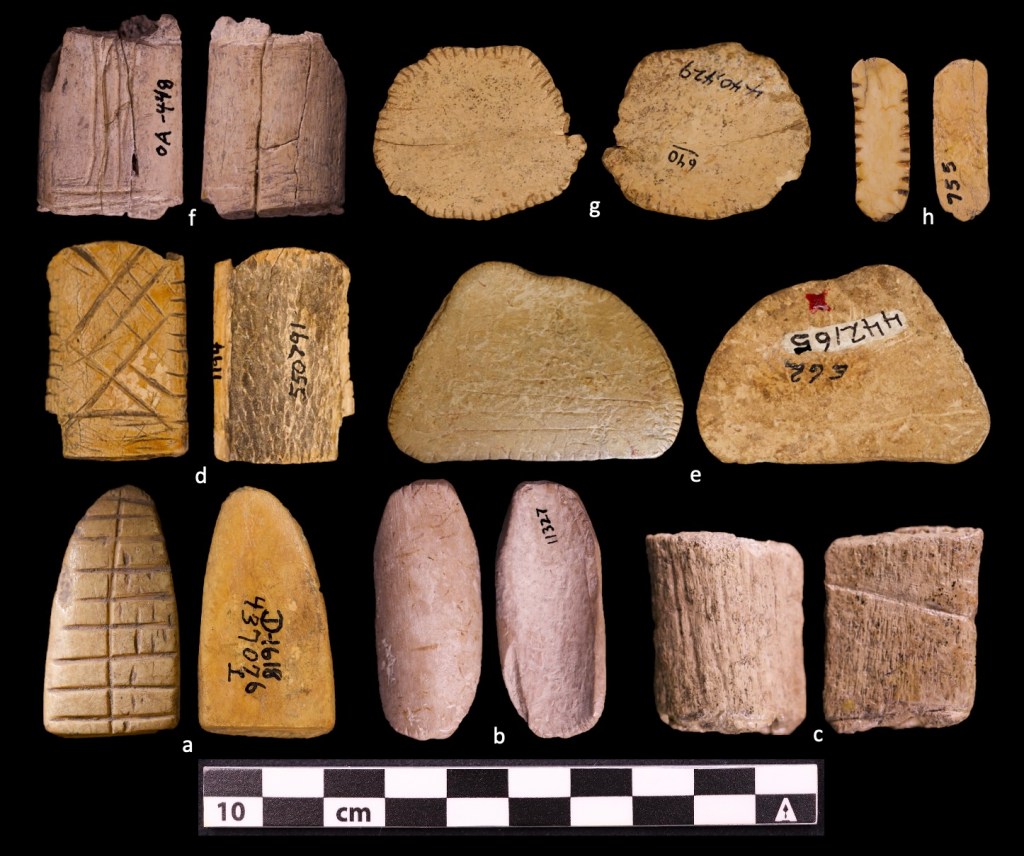
A groundbreaking study from Colorado State University reveals that Native Americans in the western Great Plains were using dice for gaming over 12,000 years ago. Researcher Robert J. Madden identified two-sided dice made of bone or wood from archaeological sites in Wyoming, Colorado, and New Mexico, pushing the known history of games of chance back significantly further than previously recorded.

Native Americans created dice more than 12,000 years ago, study finds

Archaeological research from Colorado State University has identified the world's oldest known dice, created by Native American hunter-gatherers on the western Great Plains over 12,000 years ago. These two-sided "binary lots," found at Folsom-period sites in Wyoming, Colorado, and New Mexico, predate the earliest known Old World dice by more than 6,000 years. The study reclassifies artifacts previously overlooked or misidentified, highlighting that these objects were the only decorated, non-utilitarian items found at these late-Pleistocene sites.

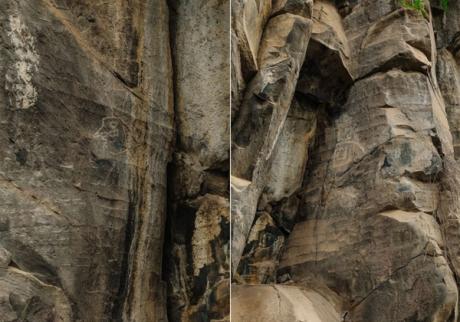
Plan to build border wall along the Rio Grande in Texas threatens prehistoric rock art, locals warn

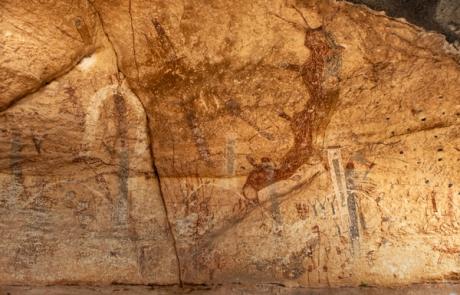
Plans to extend the US-Mexico border wall through Val Verde County, Texas, threaten to damage or destroy hundreds of prehistoric rock art murals in the Lower Pecos region. Archaeologists and local landowners warn that construction vibrations could destabilize the rock surfaces housing these ancient paintings, some of which are over 5,700 years old and span up to 100 feet in length.

Wine and Spirits Sales at Sotheby’s Grew 12% Last Year to $127.5 M.

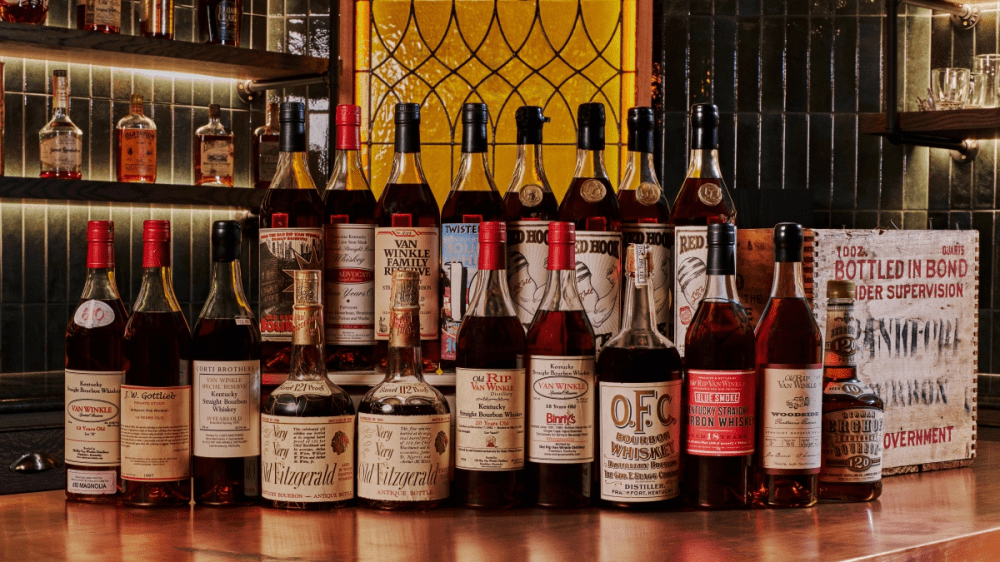
Sotheby's reported a 12% increase in its wine and spirits auction sales for 2025, reaching $127.5 million. The growth was driven by a surge in demand for rare and expensive whiskies, with a third of buyers being new to Sotheby's and over half under 50 years old. Key highlights included a record-setting $162,500 sale for a bottle of Old Rip Van Winkle bourbon and a successful charity auction partnership in Scotland.

france mexico celebrate 200th anniversary pre hispanic manuscripts

In May 2025, French President Emmanuel Macron visited Mexico City for his first official trip to Mexico, where President Claudia Sheinbaum announced a temporary exchange of two pre-Hispanic codices. The Codex Azcatitlán, held at the Bibliothèque Nationale de France in Paris, will travel to Mexico City, while the Codex Boturini, housed at Mexico's Biblioteca Nacional de Antropología e Historia, will go to Paris. Both illustrated manuscripts, rarely displayed due to conservation concerns, recount the Aztecs' migration to Tenochtitlan. The exchange comes amid ongoing Mexican efforts to repatriate Mesoamerican codices from European collections, including the Codex Borgia and Codex Vaticanus in the Vatican and the Codex Borbonicus in France.

el salvador first national pavilion 2026 venice biennale

El Salvador will debut its first national pavilion at the 2026 Venice Biennale, featuring Salvadoran American artist J. Oscar Molina. The pavilion, titled "Cartographies of the Displaced," will be curated by Alejandra Cabezas and commissioned by Astrid Bahamond, the national director for museums and exhibition spaces of El Salvador's Ministry of Culture. Molina will install at least 15 of his "Children of the World" sculptures at Palazzo Mora in Venice's Cannaregio district, each accompanied by QR codes linking to interactive stories from displaced communities, including his own experience fleeing El Salvador's civil war in 1989.

lower pecos cave paintings radiocarbon date

Three Texas-based researchers have successfully radiocarbon dated ancient cave paintings in the Lower Pecos Canyonlands along the Rio Grande border between Mexico and West Texas, using a novel combination of technologies. By dating the deer bone marrow used as a paint binder—rather than the mineral pigments themselves—and employing plasma oxidation to extract carbon, the team analyzed 53 figures across 12 sites. Their findings, published in *Science Advances*, reveal that individual murals were created in single painting events, not accumulated over centuries, and that the paintings span four millennia, from about 5,760 to 1,035 years ago.

maya train old man sculpture construction mexico

Archaeologists excavating for Mexico's Maya Train project in the Yucatan peninsula have uncovered a 2,000-year-old limestone sculpture of an elderly man, dating to the Preclassic period (2500 B.C.E.–200 C.E.). The 18-inch tall carving, found at the site of Sierra Papacal near Mérida, once marked the entrance of a west-facing ceremonial structure. The sculpture's flat nose, defined lips, and deep eye sockets symbolize wisdom and respect in Maya culture. It will be transferred to a laboratory for conservation and further study.