filter_list Showing 726 results for "Tate" close Clear
dashboard All 726 museum exhibitions 268article news 99article policy 82article local 72trending_up market 67article culture 43person people 39rate_review review 27gavel restitution 19candle obituary 9article satire 1
date_range Range Today This Week This Month All
Subscribe

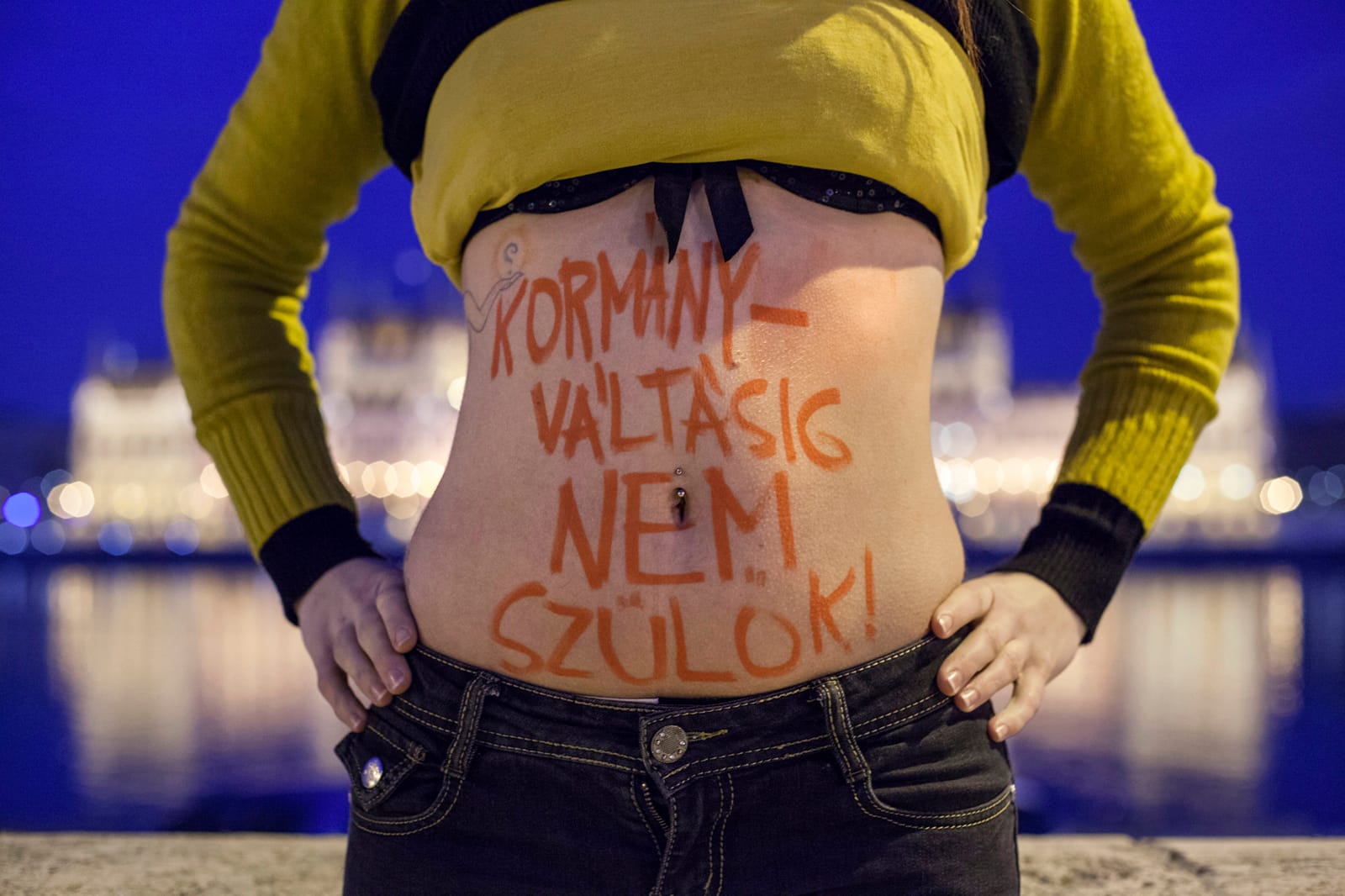
Dismantling Orbán's 16-Year Grip on Hungary's Art World

Following the recent electoral defeat of Viktor Orbán’s Fidesz-KDNP coalition by the opposition party Tisza, the Hungarian art world faces a monumental task of institutional restoration. For 16 years, the regime’s 'System of National Cooperation' (NER) systematically co-opted cultural institutions, installing loyalists in leadership roles at major venues like the Kunsthalle and Ludwig Museum to promote an ethno-nationalist agenda. This period was marked by the exodus of independent curators, the occupation of museums by activists, and a fractured ecosystem where state funding was tied to political compliance.

Flying Back With the Birds to My Hometown of Tehran

The author, an Iranian artist living in the diaspora, describes the profound psychological impact of the ongoing war on her homeland. She experiences a constant state of displacement and terror, feeling tethered to Tehran through news of bombings in the Alborz Mountains, which transforms her sense of geography and home into one of anxiety and helplessness.

Middletown Arts Center presents Garden State Watercolor Society's Annual Juried Exhibition 2026

The Middletown Arts Center is currently hosting the Garden State Watercolor Society’s 56th Annual Open Juried Exhibition alongside the 8th Annual Art Installation Exhibition. Juried by Joseph Gyurcsak, the main showcase features 64 selected watercolor paintings, while a special installation titled "Revolution as Reinvention" presents 55 miniature works exploring the history of artistic rebellion. The exhibition is open to the public through May 30, 2026, with a digital version available online.

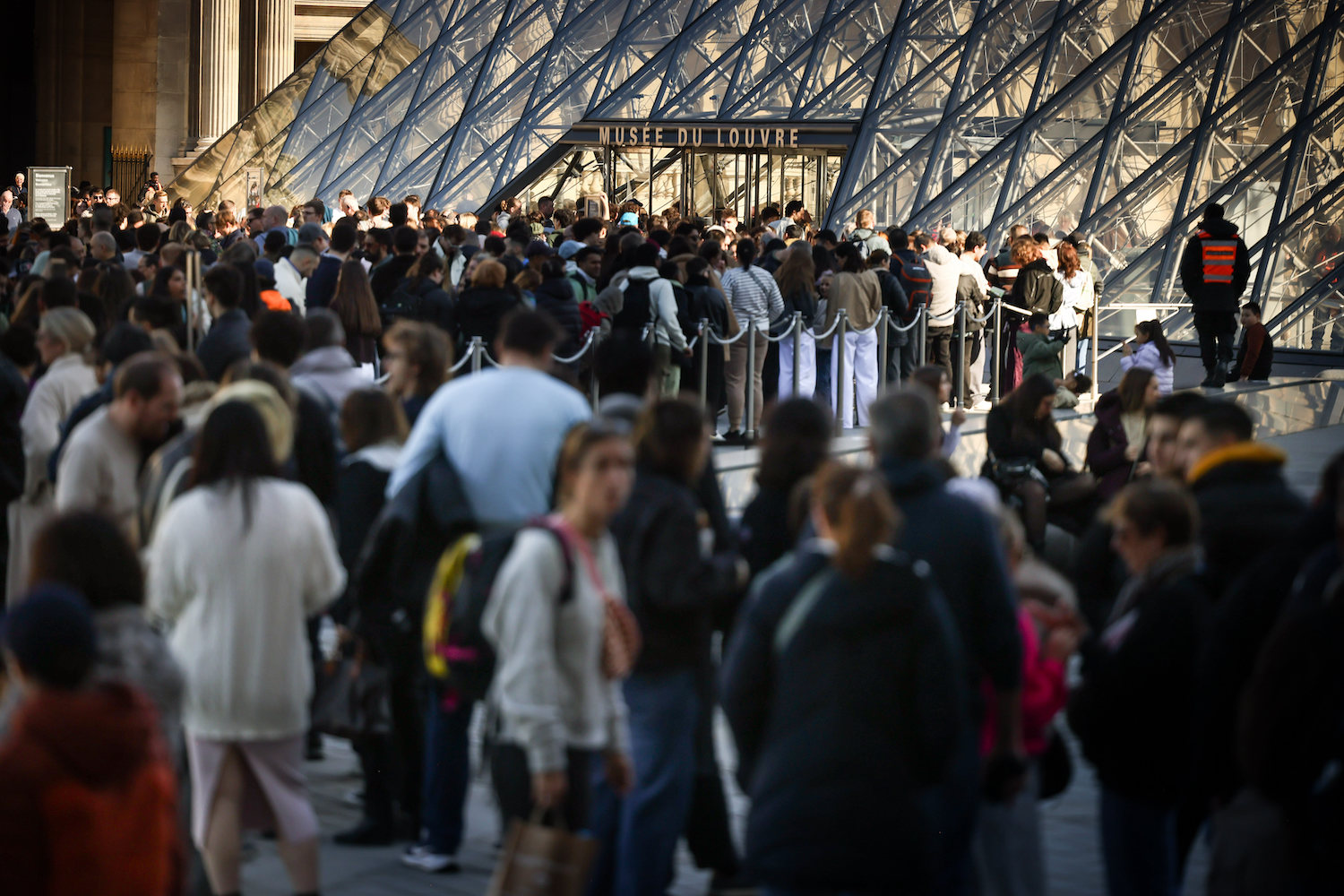
The World's Most-Visited Museums – and Why Germany is Falling Behind

Die meistbesuchten Museen weltweit – und warum Deutschland hinterherhinkt

The Art Newspaper's 2025 ranking of the world's most-visited museums reveals a global landscape dominated by institutions in Paris, Seoul, London, and New York. The Louvre leads with just over nine million visitors, followed by the Vatican Museums and Seoul's National Museum of Korea, which doubled its attendance to 6.5 million. Notable trends include strong post-pandemic recoveries at New York's MoMA and the State Russian Museum in St. Petersburg, while London's Tate Modern and National Gallery still lag significantly behind their 2019 numbers.

Institute of Museum and Library Services Allowed to Operate: Settlement

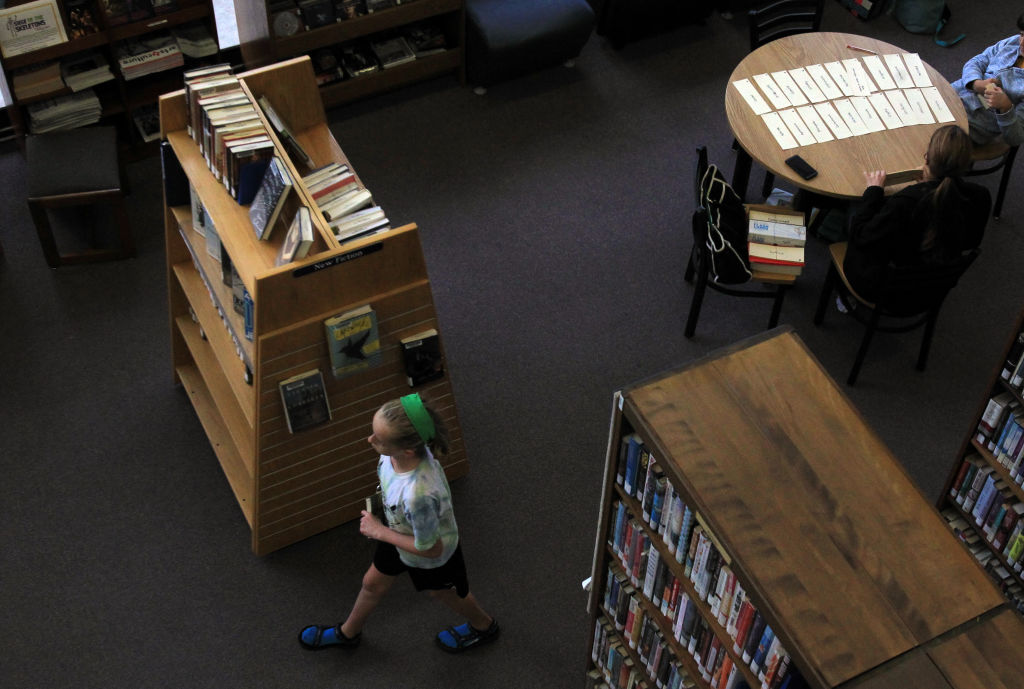
The Institute of Museum and Library Services (IMLS) has reached a legal settlement allowing it to resume full operations after being targeted for dismantling by a presidential executive order. The agreement, facilitated by a lawsuit from the American Federation of State, County and Municipal Employees, reverses planned mass layoffs and the termination of federal grants that support thousands of institutions across the United States.

Tutto Boetti 1966–1993

Tutto Boetti 1966–1993

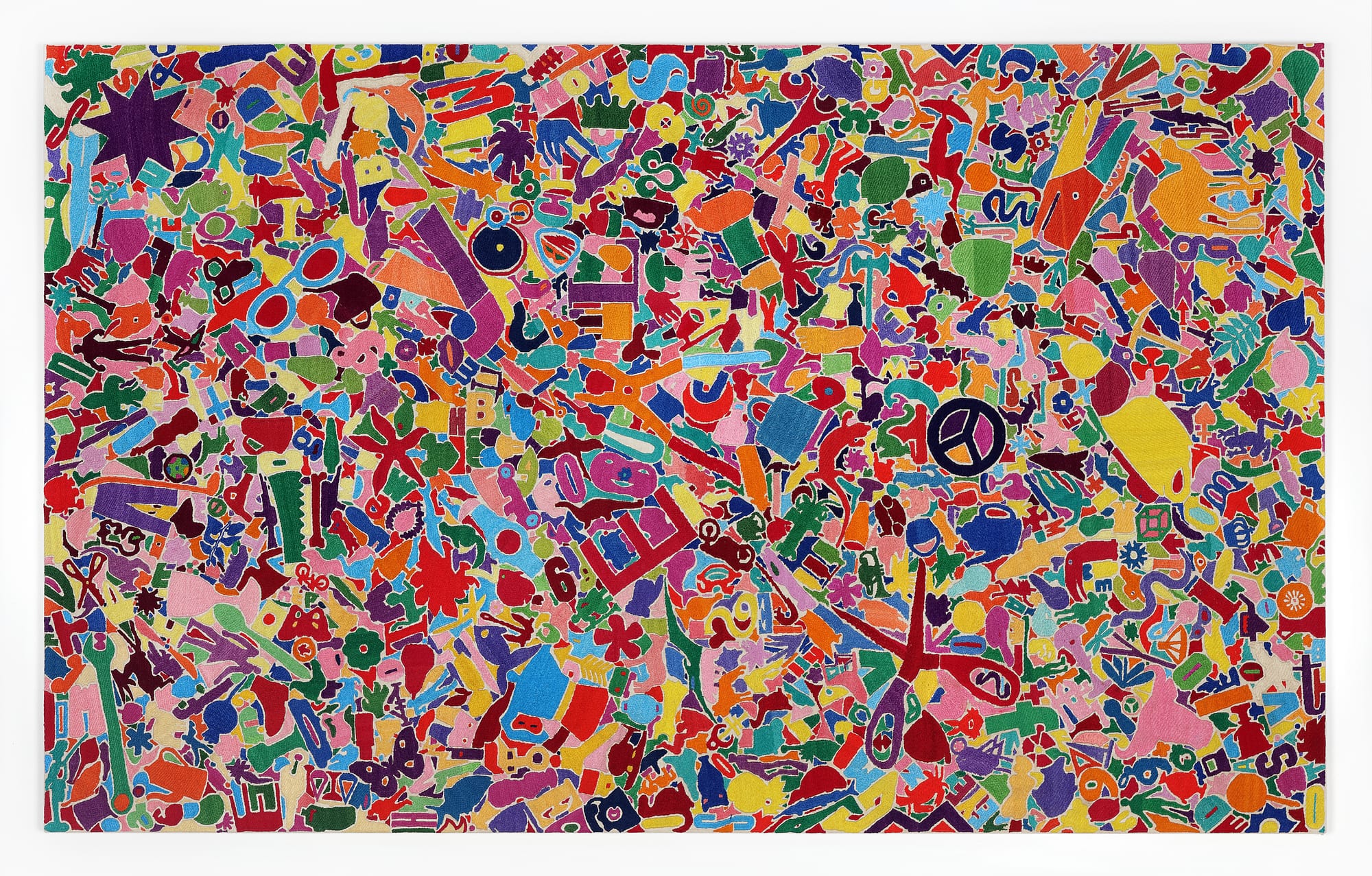
Magazzino Italian Art has announced a major survey exhibition titled "Tutto Boetti 1966–1993," scheduled to run from April 2026 through April 2028. The show features approximately 30 works tracing Alighiero Boetti’s career from his early industrial material experiments in Turin to his later collaborative embroideries and graph paper works. The exhibition draws from the museum’s permanent collection, the Boetti estate, and private loans, and will be launched alongside a scholarly symposium organized with the Fondazione Alighiero e Boetti.

Chicana Painter Criselda Vasquez Says ICE Detained Her Father

Immigration and Customs Enforcement (ICE) has detained the father of Chicana painter Criselda Vasquez, who served as the primary subject for her acclaimed 2017 painting "The New American Gothic." The artist reported that her father, a resident of the United States for over 40 years, was racially profiled and arrested while returning from work in California. In response, the family launched a successful crowdfunding campaign that raised nearly $68,000 in ten days to cover legal fees and lost wages.

A majestic former mill in Milan is about to become a new cultural hub: studios, residences, and a creative boutique hotel

In un maestoso ex mulino di Milano sta per nascere un nuovo polo culturale: studi, residenze, alberghetto creativo

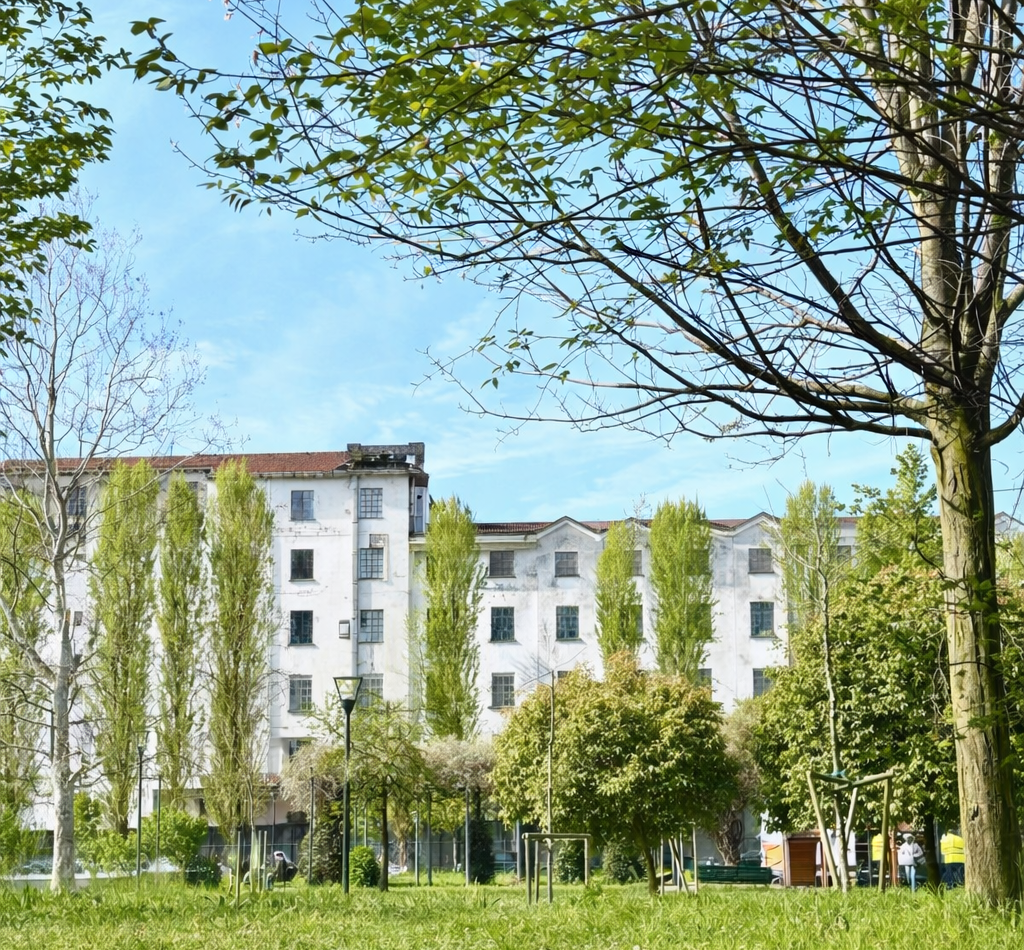
A historic 1929 flour mill in Milan, originally designed by Cesare Chiodi and Gio Ponti, is being transformed into 'Mulino Factory,' a multidisciplinary creative hub. Spearheaded by Ludovica Virga, the granddaughter of the building's mid-century owner, the site eschews traditional real estate development in favor of a community-focused ecosystem. The complex already houses artist studios, including that of Lola Montes Schnabel, an art gallery, and a gym, with a boutique hotel designed by Tom Dixon set to open following the 2026 Milan Design Week.

Ladji Diaby “Who’s Gonna Save the World?” at Lafayette Anticipations, Paris

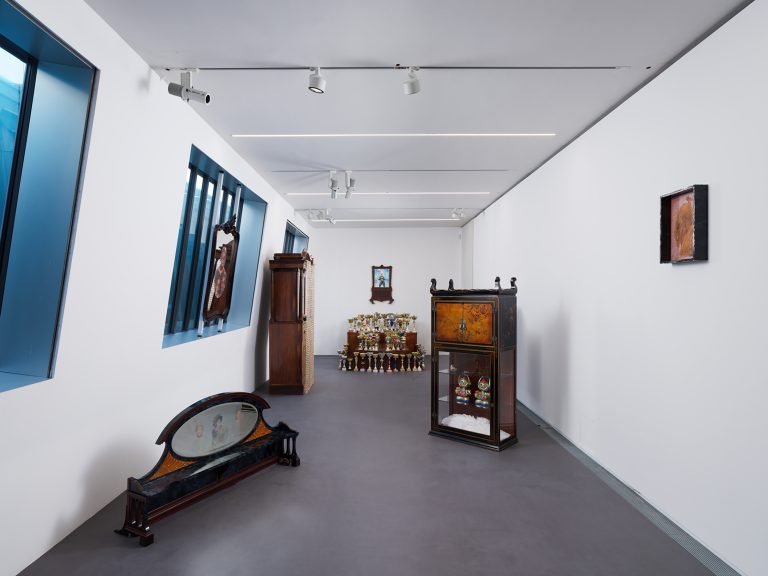
Ladji Diaby’s solo exhibition at Lafayette Anticipations, titled “Who’s Gonna Save the World?”, features furniture repurposed as vitrines for discarded objects. By collecting and displaying artifacts that have lost their original utility, Diaby creates a symbolic dialogue between himself and the anonymous former owners of these items, elevating mundane debris into the realm of high art.

An important Italian relief for Nuremberg

Un important relief italien pour Nüremberg

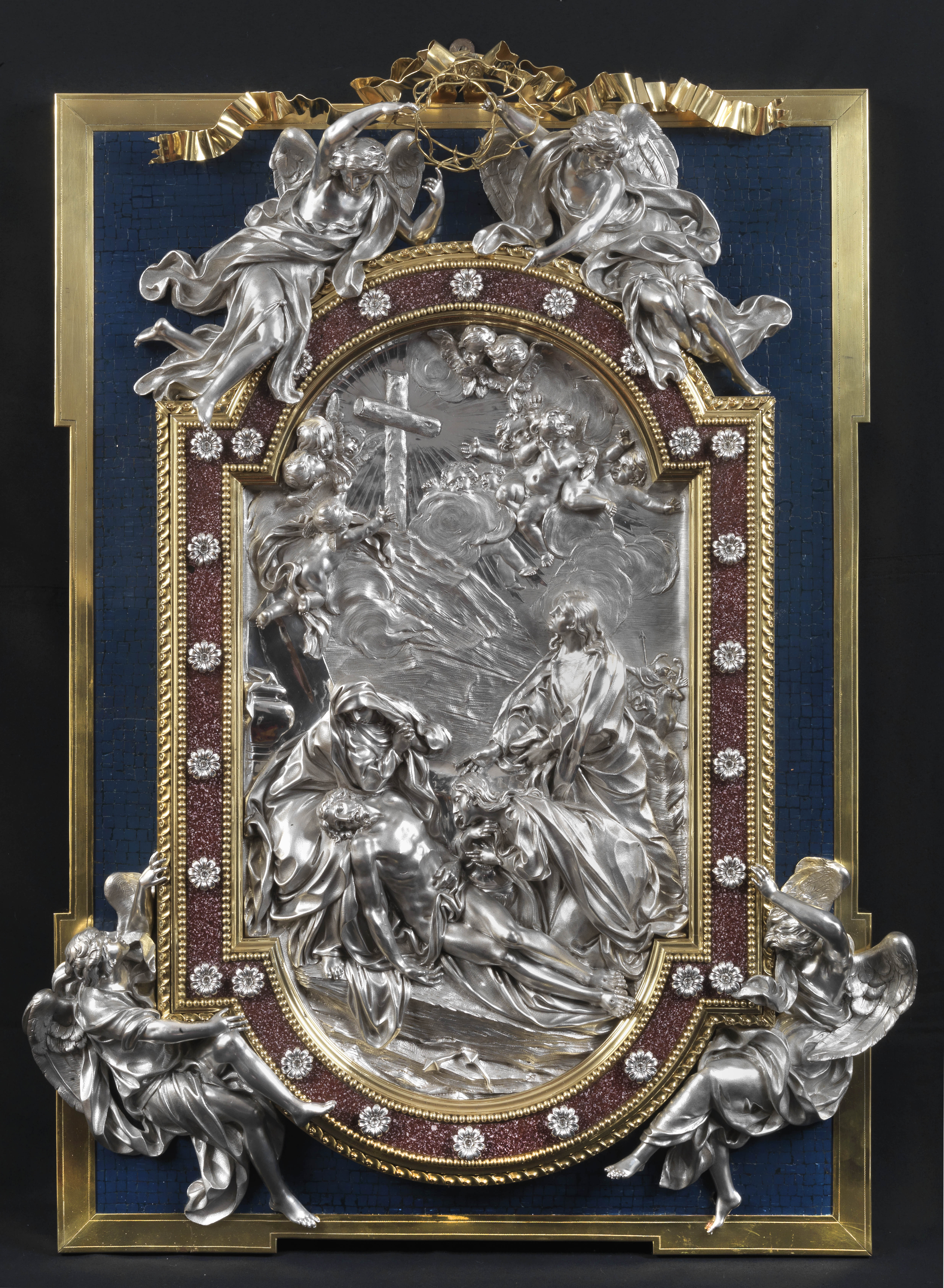
The Germanisches Nationalmuseum in Nuremberg has acquired and publicly unveiled a previously unknown masterpiece: a large silver relief depicting the Lamentation of Christ, created in the workshop of Luigi Valadier in 1786. The work, purchased from a private collector in 2024 with support from several foundations, is now on temporary display and will later join the museum's permanent collection.

Germany Creates New Council to Oversee Returns of Looted Art

The German government has established a new council, the Coordination Council for Returns of Cultural Property and Human Remains from Colonial Contexts, to oversee the restitution of artifacts acquired during the colonial era. The council will include representatives from federal, state, and municipal authorities and is intended to provide a structured, national approach to handling these complex returns.

Kunsthalle Mainz Facing the End?

Kunsthalle Mainz vor dem Aus?

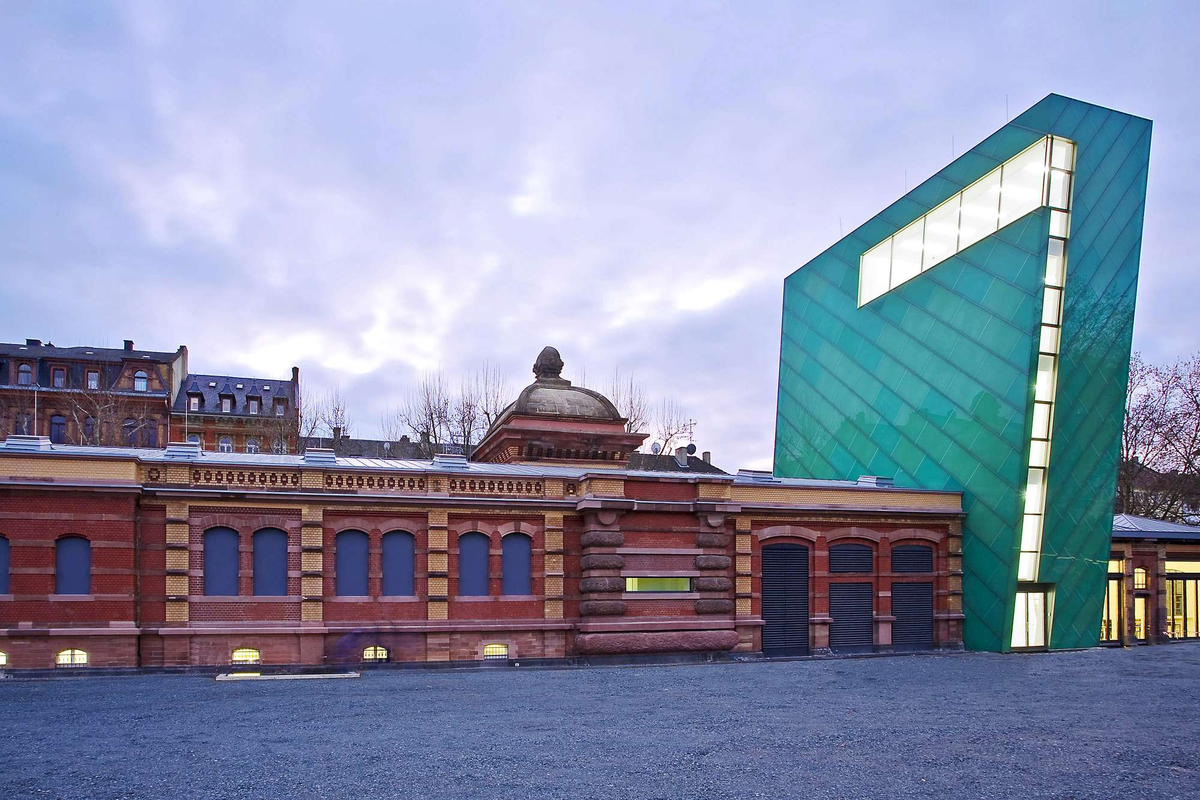
The Kunsthalle Mainz is facing potential closure by the end of the year following the withdrawal of funding by the Mainzer Stadtwerke. The crisis is compounded by the departure of director Stefanie Böttcher, who is moving to the Kunsthalle Kiel, and the fact that her position has not been advertised for replacement. Despite its international reputation and successful recent exhibitions, such as the current Britta Marakatt-Labba retrospective, the institution lacks a secured financial future and a leadership succession plan.

Sun, Sea, and Security

"Sonne, Meer und Sicherheit"

The Art Cologne Palma Mallorca art fair has emerged as a strategic hub for wealthy German collectors, positioning the Mediterranean island as a safe and accessible alternative to more volatile global markets. While sales have been strongest in the lower price segments, the fair's revival highlights a trend toward 'lifestyle' art events that prioritize security and leisure. Simultaneously, the German art market faces a broader crisis of regionalization, where galleries are increasingly focusing on local buyers despite declining overall sales and a lack of transformative economic growth.

What is Art Allowed to Do?

Was darf die Kunst?

German Minister of State for Culture Wolfram Weimer has sparked a heated debate over artistic freedom after excluding three bookstores from the German Bookstore Prize due to undisclosed intelligence reports. The controversy has escalated into a broader confrontation with cultural institutions, highlighted by the Berlin Volksbühne's public criticism and Weimer's subsequent refusal to participate in a scheduled panel discussion. This incident follows a string of high-profile disputes regarding political expression in the arts, particularly concerning the Berlinale and documenta fifteen.

Silk Carries Stories of 3,000 Years

"Seide trägt Geschichten von 3000 Jahren"

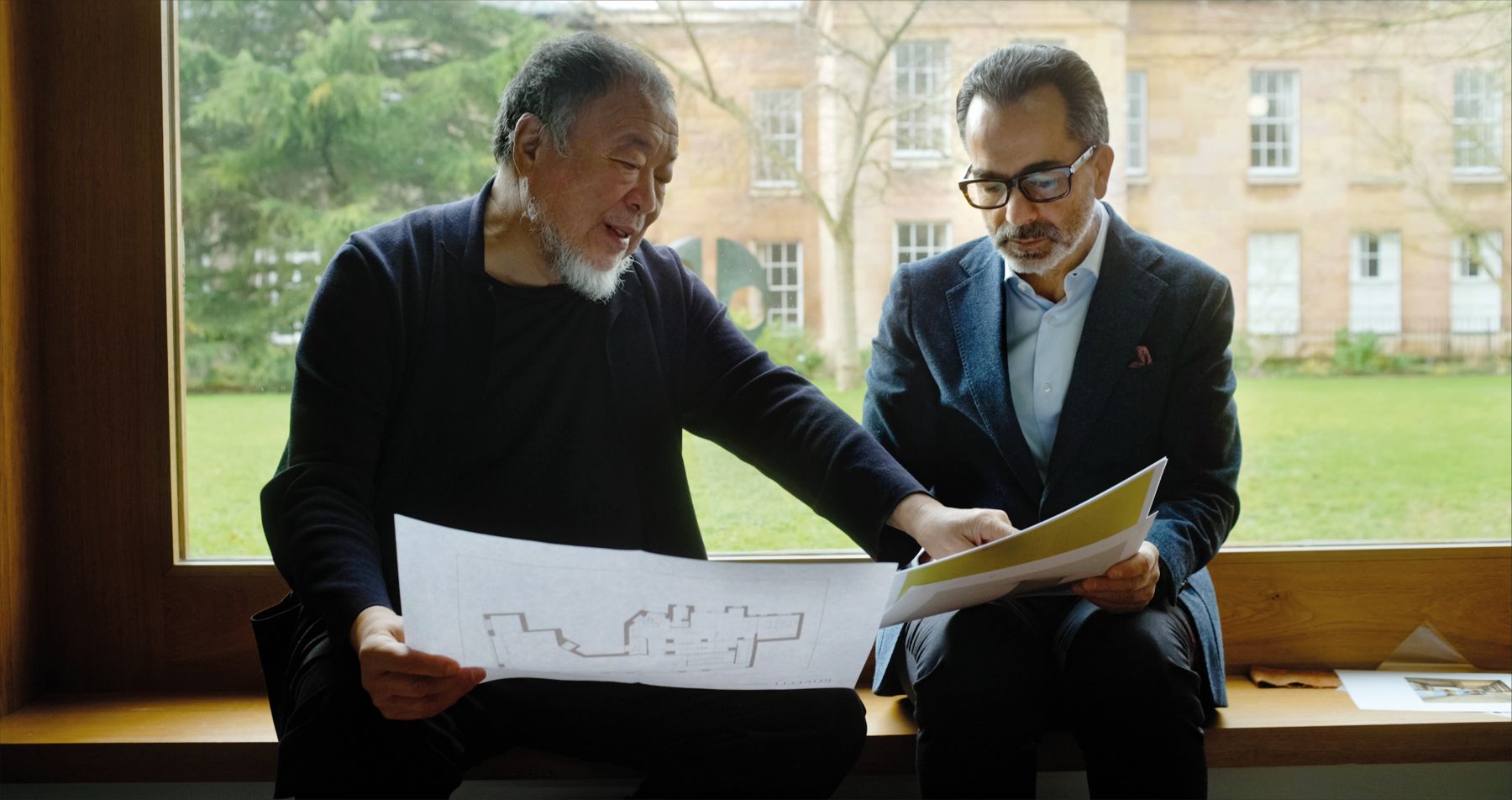
Renowned artist Ai Weiwei has collaborated with the historic Italian textile house Rubelli to create a series of silk objects for Milan Design Week. The installation features intricate silk patterns incorporating the artist's signature political motifs, including handcuffs, surveillance cameras, and the Twitter bird. Despite his vocal criticism of the modern design industry as a profit-driven machine lacking ethics and philosophy, Ai was persuaded by Rubelli’s commitment to craftsmanship and their shared respect for the historical weight of the material.

The Nahmad family ordered to return a Nazi-looted Modigliani, valued at 21.5 million euros, to a French farmer

La famille Nahmad sommée de restituer à un agriculteur français un Modigliani spolié par les nazis, estimé à 21,5 millions d’euros

The New York State Supreme Court has ordered the restitution of Amedeo Modigliani’s 1918 painting, 'Seated Man (with a Cane)', to Philippe Maestracci, the grandson of Jewish art dealer Oscar Stettiner. The artwork, valued at approximately €21.5 million, was looted from Stettiner’s Paris gallery by the Nazis in 1944. Despite a 1946 court ruling in Stettiner's favor, the painting remained hidden for decades before being acquired in 1996 by the billionaire Nahmad family through an offshore entity.

The Groups and Other Artistic Revolts: Networks and Collectivities in Mexico, 1976-1985

LOS GRUPOS Y OTRAS REVUELTAS ARTÍSTICAS. REDES Y COLECTIVIDADES EN MÉXICO, 1976-1985

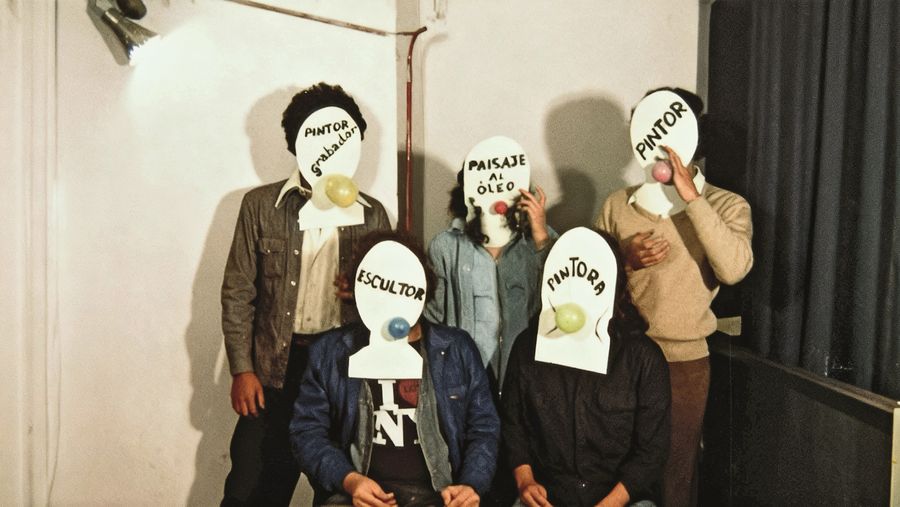
The Museo Universitario Arte Contemporáneo (MUAC) in Mexico City has launched a major exhibition titled "Los grupos y otras revueltas artísticas," which re-examines the surge of artist collectives in Mexico between 1976 and 1985. Drawing from the Arkheia Documentation Center, the show moves beyond a simple chronological survey to reconstruct emblematic works and document the radical shifts in artistic language that occurred during this era. It highlights key historical moments, such as the 1977 Paris Biennial and the formation of the Mexican Front of Cultural Workers' Groups, while exploring how these collectives navigated urban spaces and institutional boundaries.

Protests in Mexico Against the Transfer of a Rare Collection to Spain

Protestations au Mexique contre le transfert en Espagne d’une rare collection

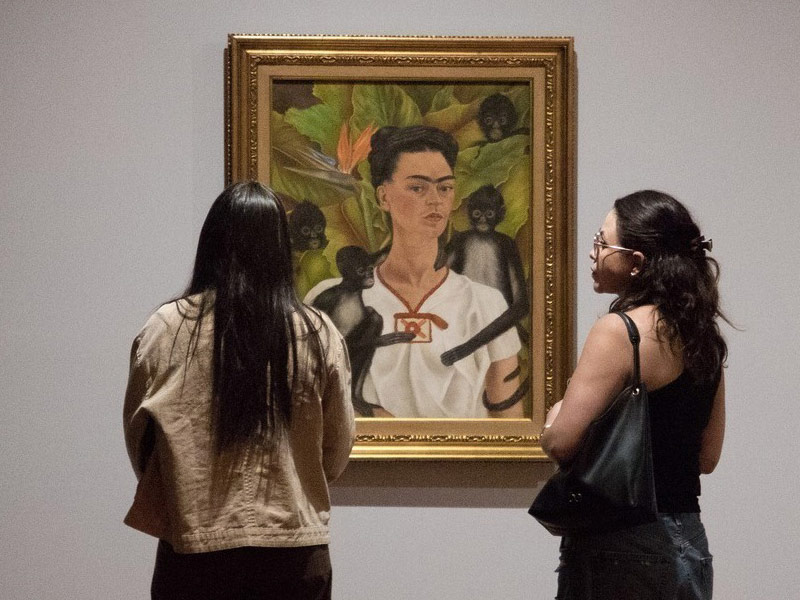
A coalition of nearly 400 art professionals in Mexico is protesting the planned transfer of the prestigious Gelman Collection to Spain. The collection, which includes iconic works by Frida Kahlo and Diego Rivera, is slated to move to the Faro Santander museum in northern Spain under a five-year management agreement with Banco Santander. Critics describe the move as a "public disaster," citing the opaque 2023 sale of the collection to the Zambrano family and the potential violation of Natasha Gelman’s original will, which stipulated the works remain in Mexico.

“Passages” at Kunsthalle Friart Fribourg

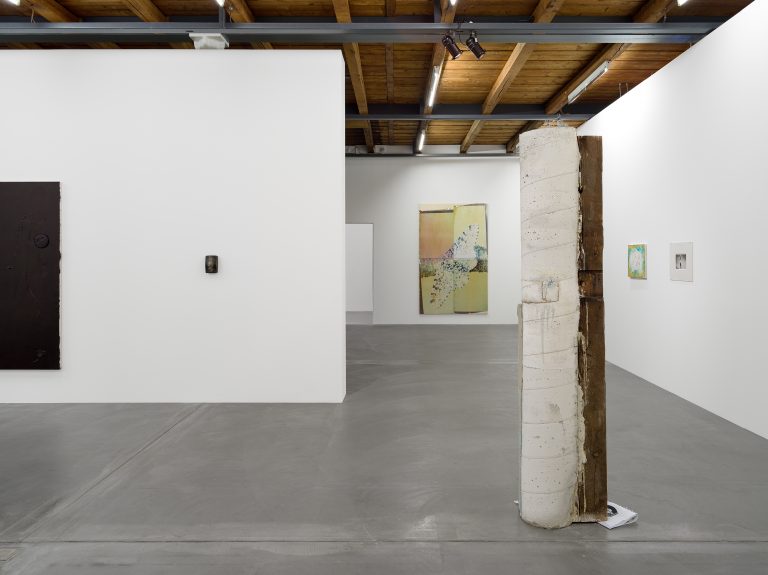
Kunsthalle Friart Fribourg presents "Passages," a group exhibition exploring the fluid boundaries of matter and form. The show investigates the existential transition points where materials coalesce into recognizable shapes and, conversely, where those forms begin to dissolve or mutate. By focusing on the inherent instability of physical objects, the curated selection of works challenges traditional perceptions of permanence in contemporary art.

Art Central Enters Its Second Decade with a Discovery‑Led 11th Edition

Art Central 2026, the Hong Kong art fair, is launching its 11th edition with a record 117 galleries and over 500 artists. The event, staged on the Central Harbourfront, emphasizes discovery through large-scale installations, performances, and moving-image works, transforming its architecture into an immersive arena. It solidifies its role as a key regional platform.

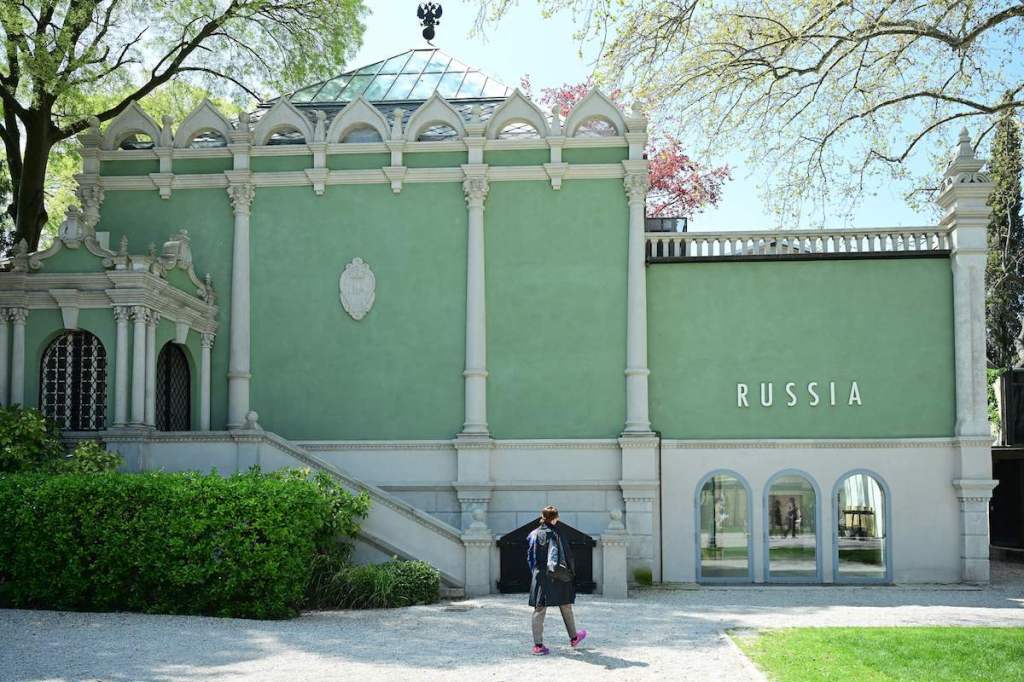
Finland Pulls Back Venice Biennale Presence Over Return of Russian Pavilion

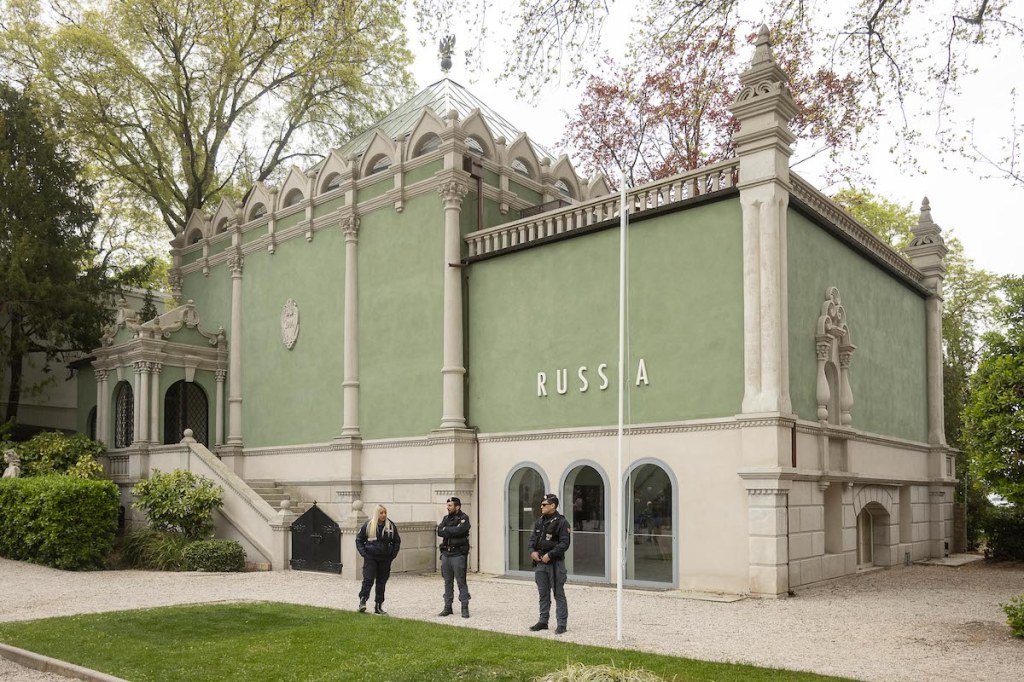
Finland’s political leadership has announced it will boycott the Venice Biennale if the Russian Pavilion proceeds with its planned exhibition. While Finnish public officials will still attend to support their own national artists, the Ministry of Education and Culture stated that Russia should be excluded as long as the war in Ukraine continues. This move follows an open letter from 22 European nations and a warning from the European Commission regarding potential sanctions violations.

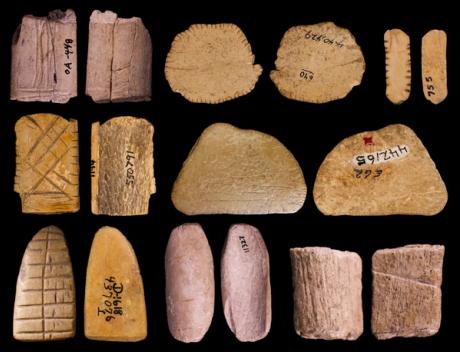
Native Americans Played Dice Games Far Earlier Than Previously Known, Study Shows

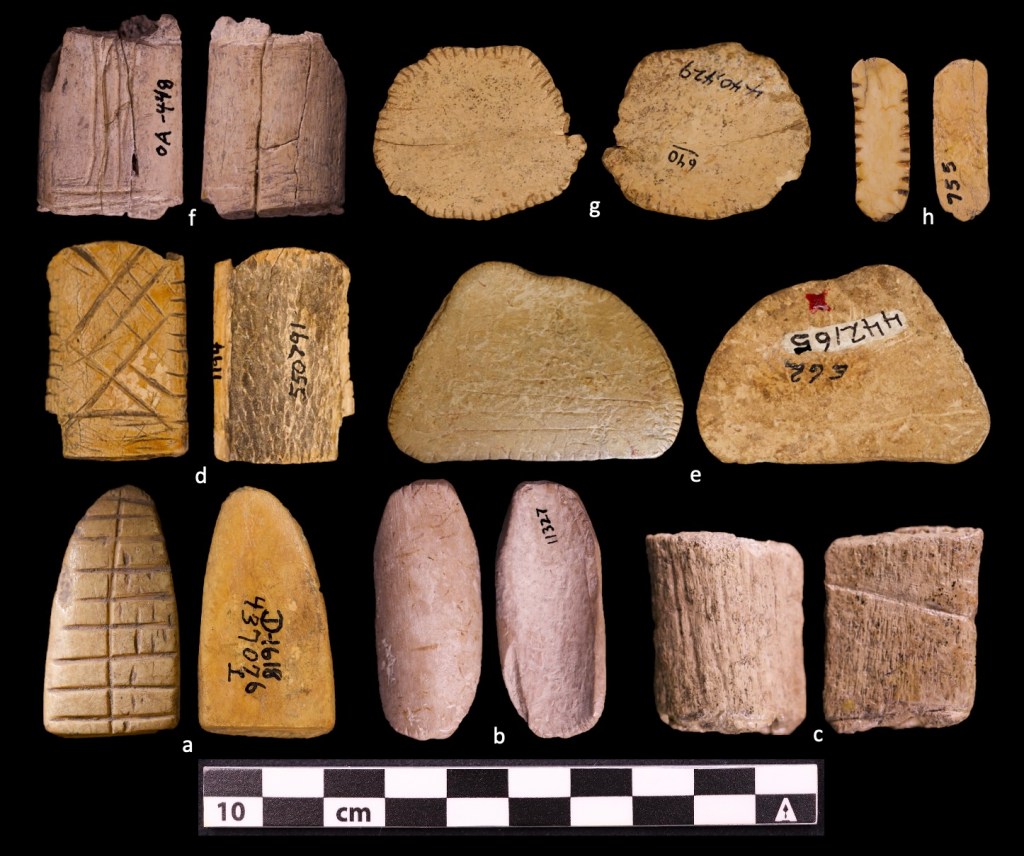
A groundbreaking study from Colorado State University reveals that Native Americans in the western Great Plains were using dice for gaming over 12,000 years ago. Researcher Robert J. Madden identified two-sided dice made of bone or wood from archaeological sites in Wyoming, Colorado, and New Mexico, pushing the known history of games of chance back significantly further than previously recorded.

European Commission Tells Venice Biennale to ‘Clear Its Name’ Regarding Russian Pavilion or Risk Losing $2.3 M. Grant for 2028

The European Commission has issued a 30-day ultimatum to the Venice Biennale, threatening to withdraw a €2 million ($2.3 million) grant for the 2028 edition unless the organization addresses concerns regarding the Russian Pavilion's inclusion in 2026. The Commission alleges that hosting a government-funded delegation violates EU sanctions and provides a cultural platform for Russian state interests amidst the ongoing war in Ukraine. The Biennale's president, Pietrangelo Buttafuoco, must respond by May 11, just two days after the exhibition's public opening.

Institute of Museum and Library Services Saved from Defunding After Legal Challenge

The American Library Association (ALA) and the American Federation of State, County and Municipal Employees (AFSCME) have reached a settlement with the U.S. Department of Justice to halt the Trump administration’s efforts to dismantle the Institute of Museum and Library Services (IMLS). The agreement ensures the federal agency will continue its operations, reinstates previously terminated grants, and reverses staff reductions. This legal victory follows a period of significant uncertainty where the agency's budget was slated for a 98% reduction, threatening its role as the primary federal supporter of museums and libraries.

Ukraine Sanctions Russian Culture Figures Linked to Country’s Participation in Venice Biennale

Ukrainian President Volodymyr Zelenskyy has issued a decree imposing sanctions on five Russian cultural figures involved in the Russian Pavilion for the 2026 Venice Biennale. The sanctioned individuals include pavilion commissioner Anastasia Karneeva, former culture minister Mikhail Shvydkoy, and three performers from the Intrada Ensemble. Ukrainian officials argue that these figures use international art platforms to legitimize Russian aggression and spread state propaganda, specifically citing past activities in occupied territories like Crimea and Donetsk.

Bronze Age State Metal-Working Center Unearthed Near China’s Yangtse River

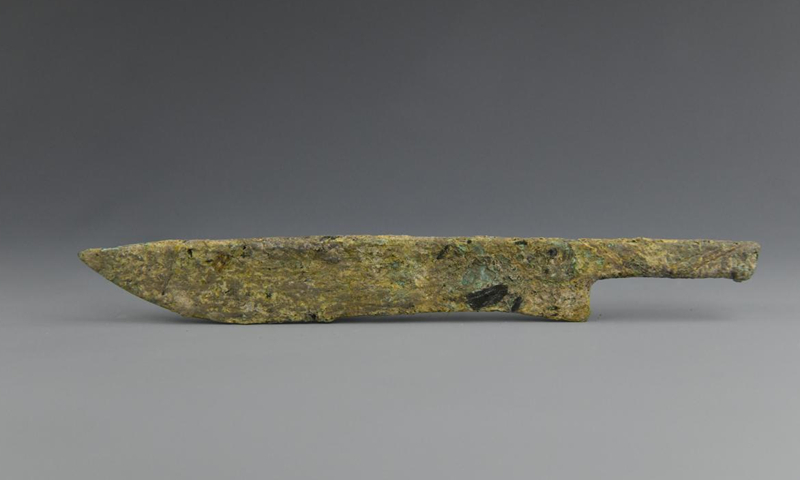
Archaeologists at the Shenduntou site near the Yangtze River have unearthed a significant Bronze Age metal-working center dating back to the Zhou dynasty. The excavation, led by Nanjing Normal University, revealed approximately 1,000 artifacts including clay molds, arrowheads, and knives, alongside evidence of furnaces and protective earthen walls. These findings confirm the existence of a high-level workshop dedicated to large-scale bronze production within the ancient Wu kingdom.

250-Year-Old Kiln Discovered on Thomas Jefferson’s Monticello Estate

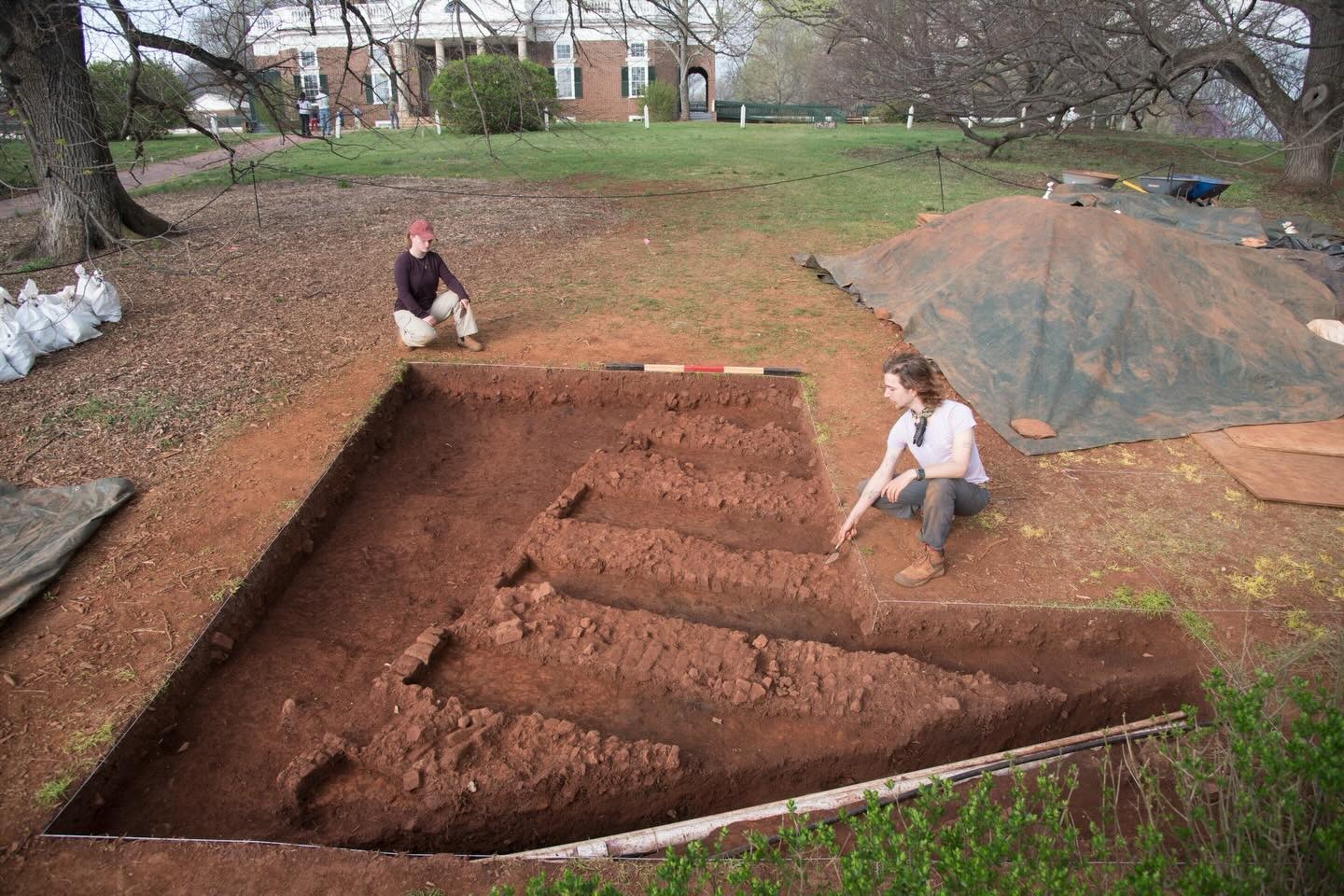
Archaeologists at Thomas Jefferson’s Monticello estate have unearthed a 250-year-old kiln used to fire bricks for the plantation’s original construction. Located on the East Lawn just feet from the main house, the site was identified through the discovery of specialized curved bricks, including cyma-shaped and ovolo-molded specimens. These architectural details confirm the kiln dates back to the "Monticello I" period (1768–1782), as these specific water table features were omitted during Jefferson’s later 18th-century renovations.

‘Yellowstone’ Creator Taylor Sheridan to Direct 4D Film for New Alamo Museum

Taylor Sheridan, the creator of the hit television series Yellowstone, has been tapped to direct a 4D film for the upcoming Alamo Visitor Center and Museum in San Antonio. The film will serve as the centerpiece of a $185 million museum revamp, which includes a state-of-the-art theater designed to be the most technologically advanced of its kind. Sheridan, a Texas native, will chronicle the 1836 siege and battle that remains a foundational event in Texan history.

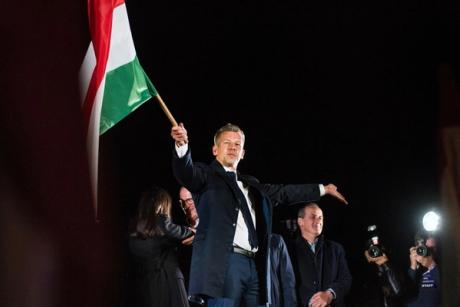
‘The extremely happy part of the crowd’: Hungarian arts figures hope for change after 16 years of Orbán rule

The 16-year tenure of Viktor Orbán has come to an end following a landslide victory for Péter Magyar’s Tisza Party in the 2026 Hungarian parliamentary election. The shift in power has sparked widespread celebration among Hungary’s progressive art community, which has long felt stifled by Orbán’s nationalist and socially conservative agenda. Figures from major Budapest galleries and the contemporary art scene report a profound sense of relief, signaling a potential departure from the "illiberal democracy" that dominated the country for nearly two decades.

Native Americans created dice more than 12,000 years ago, study finds

Archaeological research from Colorado State University has identified the world's oldest known dice, created by Native American hunter-gatherers on the western Great Plains over 12,000 years ago. These two-sided "binary lots," found at Folsom-period sites in Wyoming, Colorado, and New Mexico, predate the earliest known Old World dice by more than 6,000 years. The study reclassifies artifacts previously overlooked or misidentified, highlighting that these objects were the only decorated, non-utilitarian items found at these late-Pleistocene sites.