filter_list Showing 1336 results for "LAS" close Clear
search
dashboard All 1336 museum exhibitions 704article local 175article news 125trending_up market 96article culture 95rate_review review 39candle obituary 32article policy 31person people 29gavel restitution 6article event 2article gallery 1article events 1
date_range Range Today This Week This Month All
Subscribe

Wem die Glocke schlägt

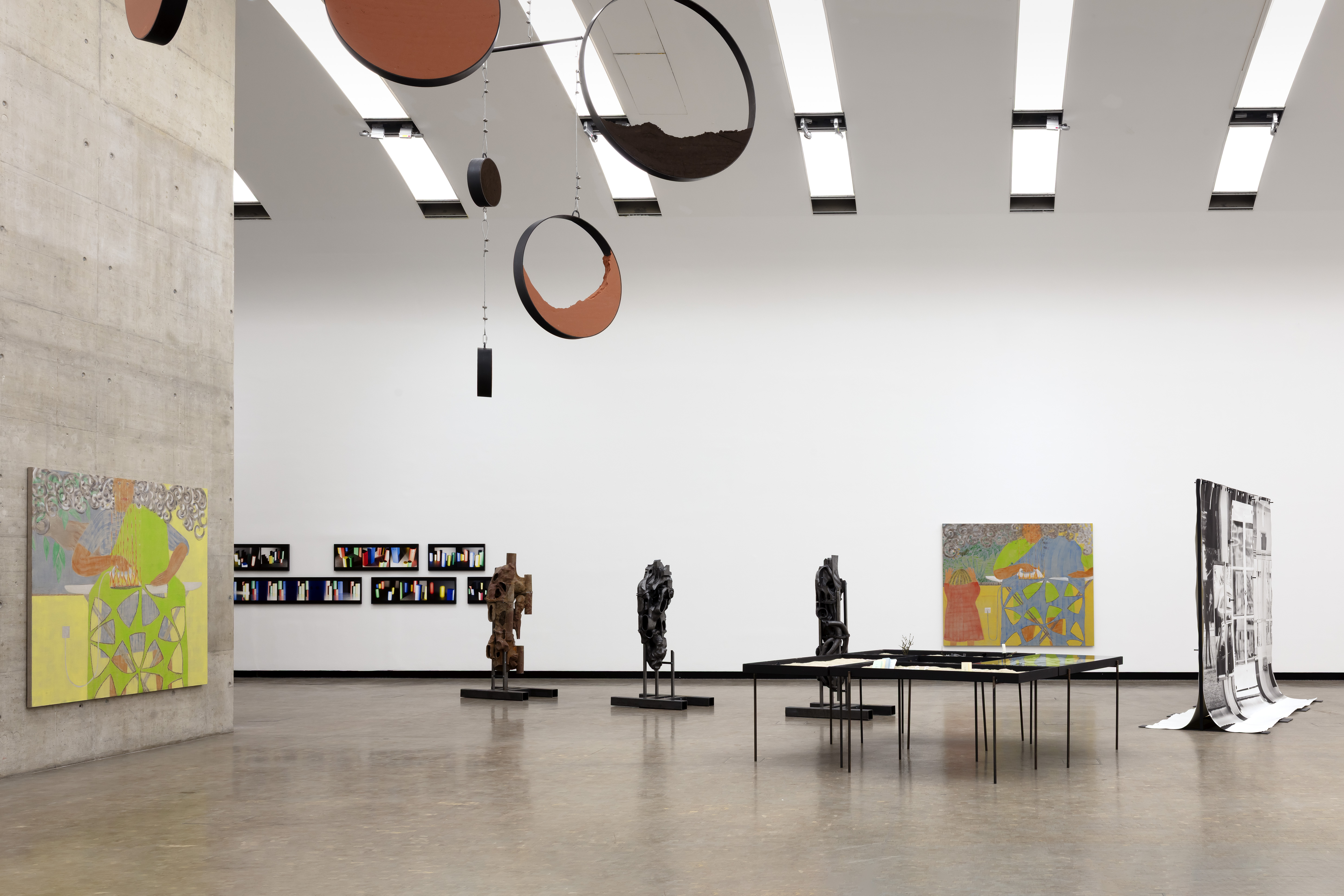
The Kunsthalle Wien has revived its recurring exhibition format "Lebt und arbeitet in Wien" (Lives and Works in Vienna) for the fifth time since 2000, presenting 56 artists selected from a pool of 700 local practitioners. Curated by Daniel Baumann, Monika Georgieva, and Michelle Cotton, the show spans two venues—the Museumsquartier and Karlsplatz—featuring works in painting, sculpture, installation, film, and video that reflect the city's diverse artistic landscape. The exhibition marks a return after a decade-long hiatus, filling gaps left since the previous edition under the curatorial collective WHW.
Is the art market slump over?

Ist die Flaute im Kunstmarkt vorbei?

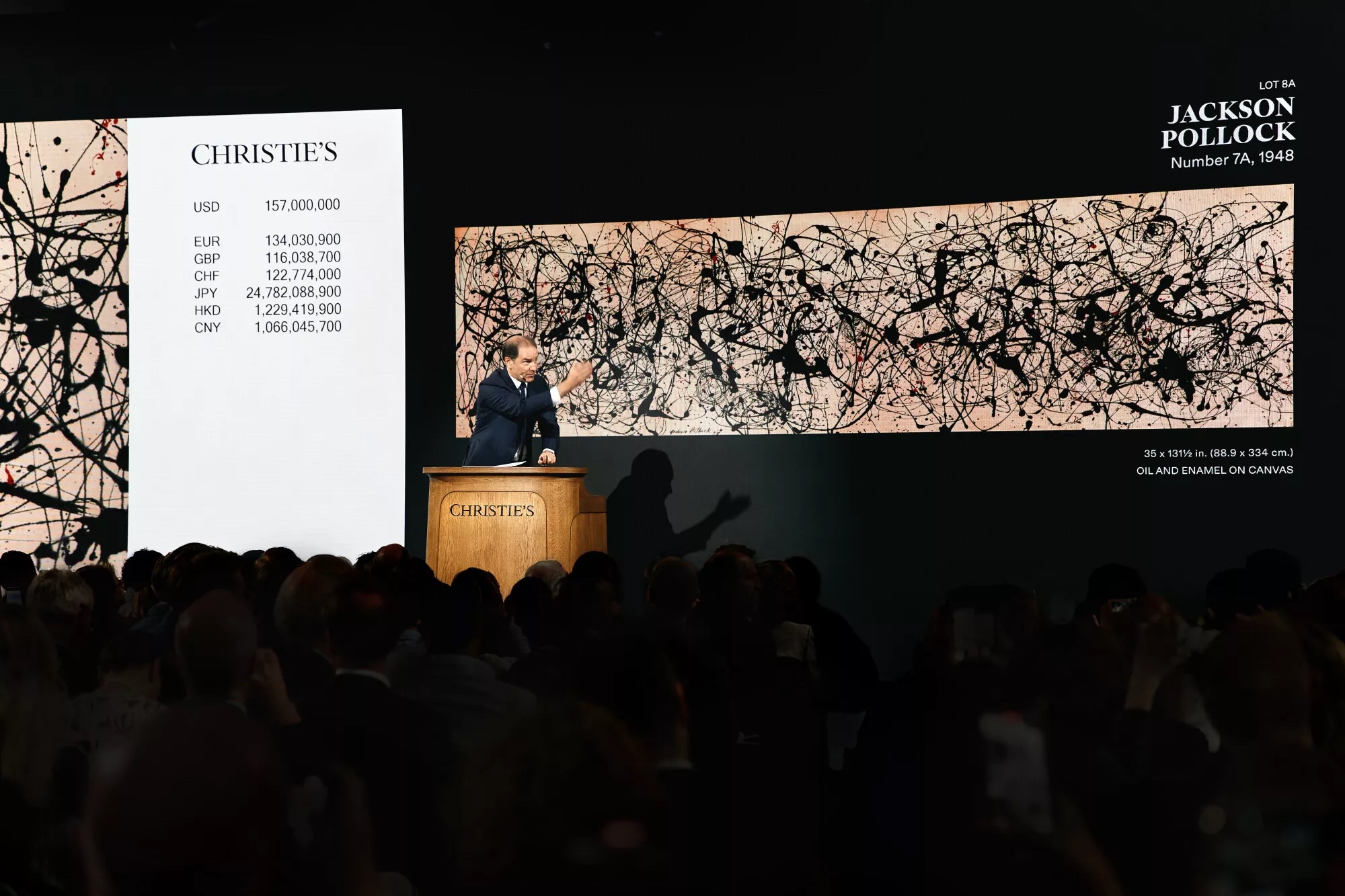
The New York spring auctions saw explosive top prices, with Jackson Pollock's drip painting "Number 7A" (1948) selling for $181.2 million at Christie's, making it the fourth most expensive artwork ever auctioned. Christie's evening sales alone generated $1.1 billion, including $630.8 million from 16 works from the S.I. Newhouse collection. Sotheby's opened the season with a Mark Rothko from the estate of dealer Robert Mnuchin, achieving $85.8 million, while Phillips sold all 40 lots for $115 million, double the previous year. Younger artists like Joseph Yaeger also saw prices far exceed estimates.

Faces of Russian Art

Gesichter der russischen Kunst

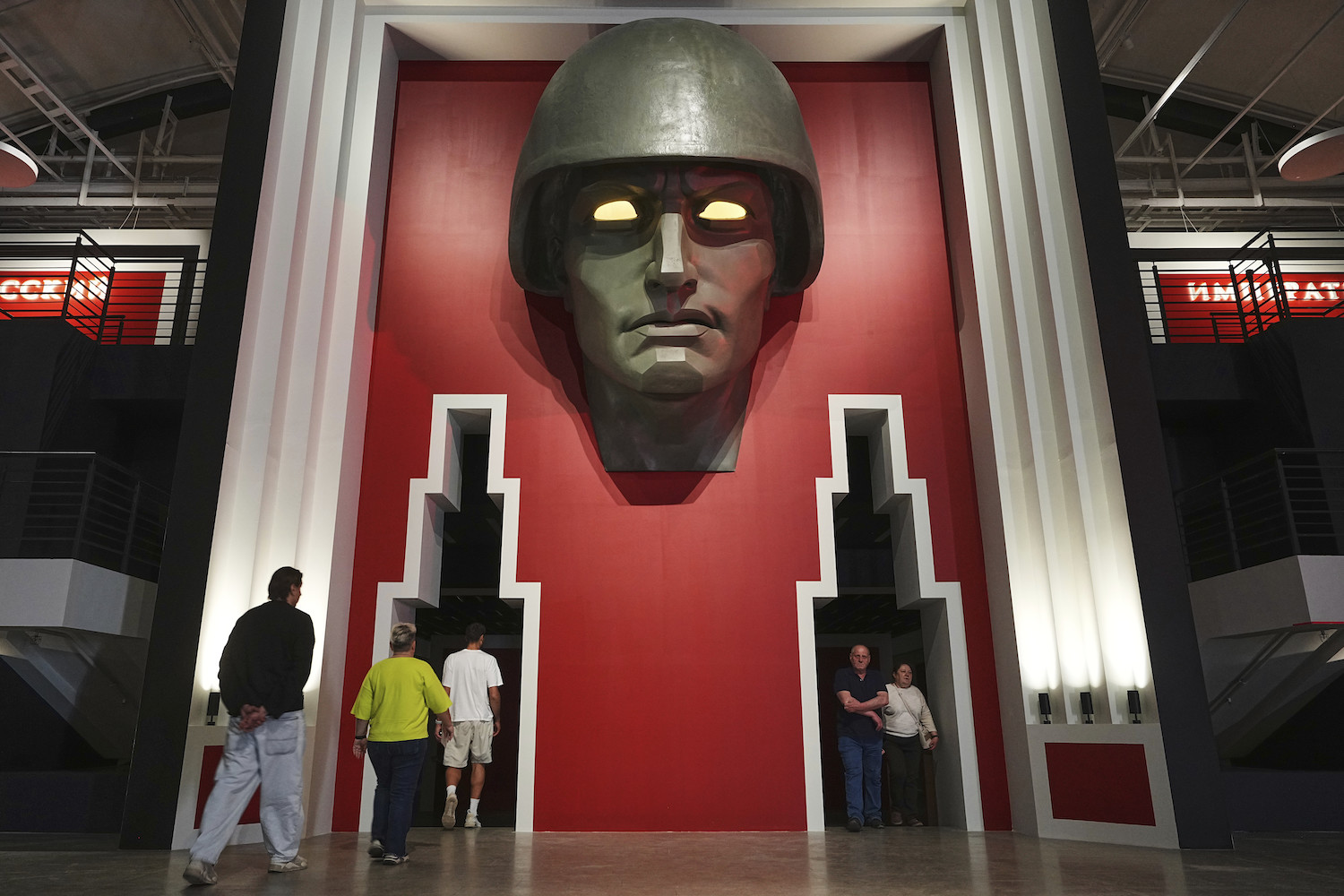
On the Venice Biennale, the Russian Pavilion presents itself as a space for dialogue, while simultaneously a major exhibition in St. Petersburg titled "Russischer Imperativ" (Russian Imperative) opened on May 8 at the Manezh exhibition hall, glorifying war as a historical imperative of Russian identity. Curated by Anton Belikov, a Moscow artist and former Russian soldier who fought in Ukraine, the show features works from state museums like the Tretyakov Gallery, blending historical battles with the current war in Ukraine, and includes a monumental, fascistoid design with a ten-meter-tall installation of a soldier's head. The exhibition has sparked outrage on social media and in Russian exile media for its militaristic propaganda.

Some cry censorship, others cry antisemitism

"Die einen schreien Zensur, die anderen Antisemitismus"

A constitutional law scholar, Christoph Möllers, warns in an interview with Die Zeit about the dangerous escalation of cultural policy conflicts, sparked by Documenta 15, where accusations of censorship and antisemitism collide. In Poland, Adam Budak was removed as director of MOCAK in Krakow after just a few months, facing 79 allegations including mobbing and problematic leadership. Meanwhile, the New York spring auctions have launched, and Jason Farago's review of the Venice Biennale in the New York Times criticizes the shift from aesthetic innovation toward identity-driven art. Robin Pogrebin also reports on the merger of the Met and the Neue Galerie, described as a rare convergence of two museum models.

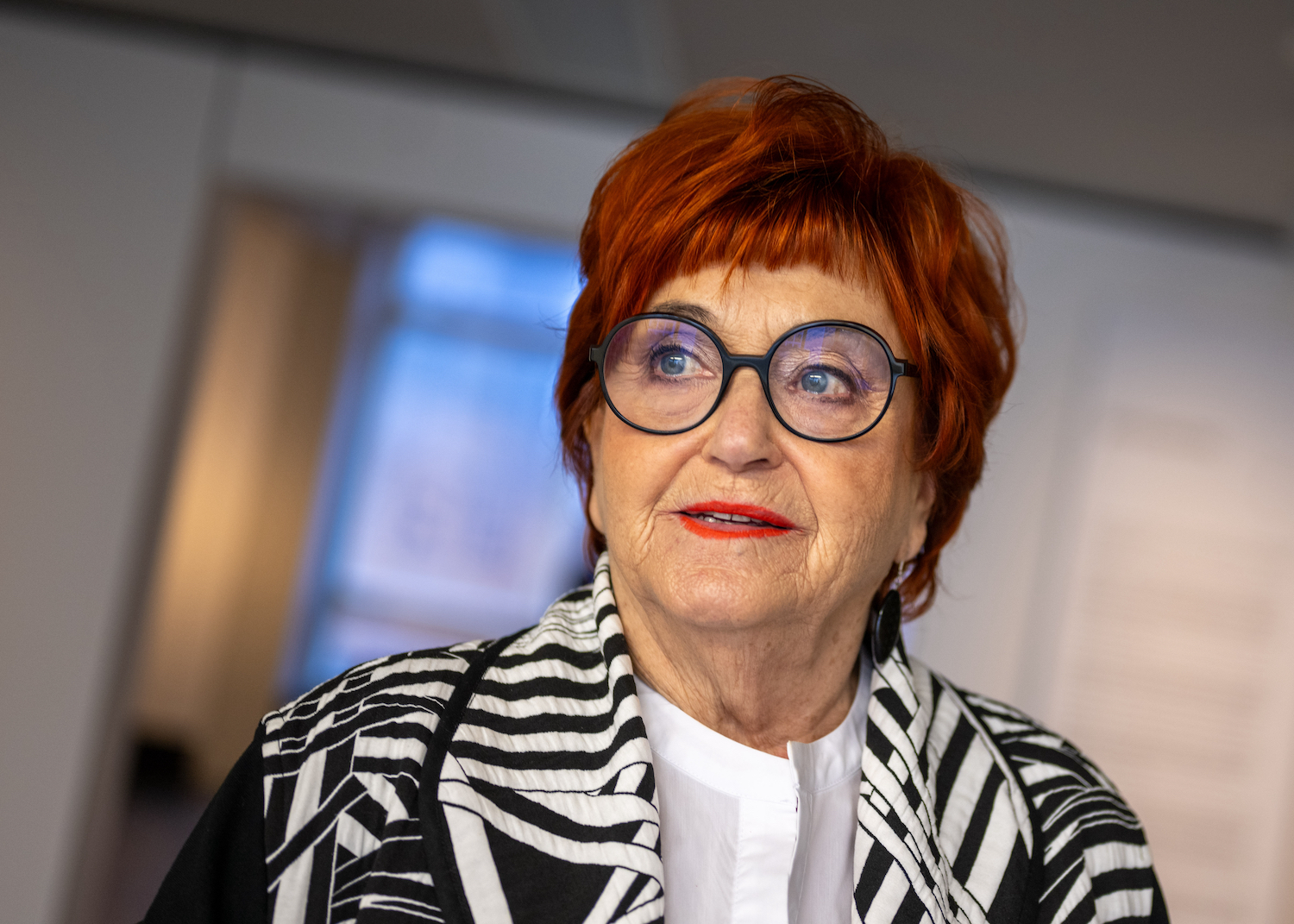
Valie Export ist tot

Valie Export, the pioneering Austrian media and performance artist, has died at age 85 in Vienna. Born Waltraud Lehner in Linz in 1940, she adopted the name Valie Export in the late 1960s, derived from a cigarette brand, and became internationally known for provocative works such as "Tapp- und Tastkino" (1968) and "Aktionshose: Genitalpanik." Her practice critically examined gender roles, power structures, and the representation of the female body through film, video, photography, and performance. She participated in major exhibitions including Documenta, the Centre Pompidou, and the Museum of Modern Art, and represented Austria at the Venice Biennale in 1980 alongside Maria Lassnig. She also taught as a professor of media and performance art in Berlin and Cologne, and the VALIE EXPORT Center opened in Linz in 2017.

Was in den Museen läuft

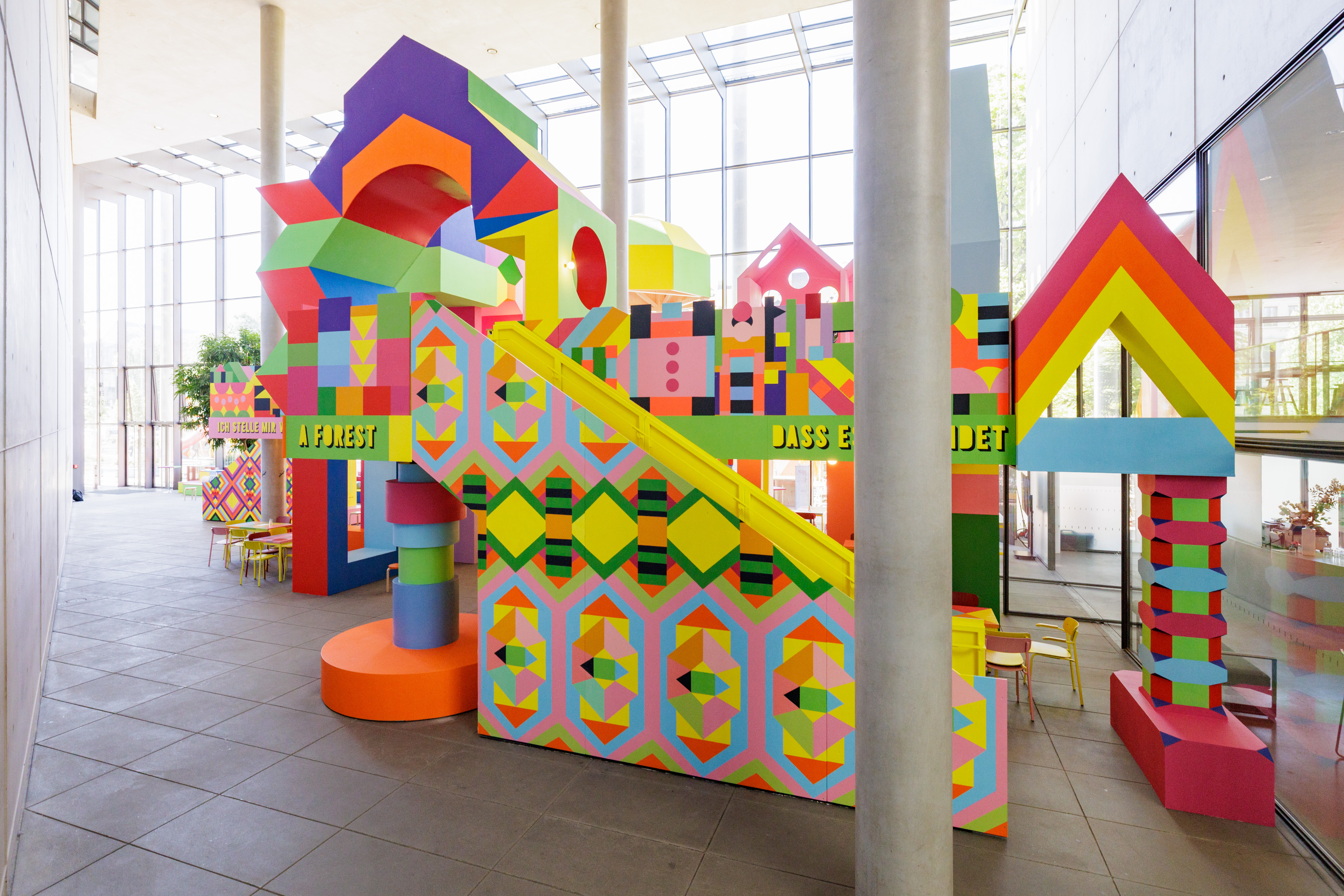
Munich's art festival "Various Others" kicks off this week with major city museums participating. The Pinakothek der Moderne presents "Reflexion," a group show of 100 works across fine art, architecture, graphic design, and design by artists including Isa Genzken, Ludwig Mies van der Rohe, Piet Zwart, and Ettore Sottsass. The Alexander-Tutsek-Stiftung celebrates its 25th anniversary with a glass-focused exhibition featuring Monica Bonvicini, Tony Cragg, and Laure Prouvost. The Villa Stuck reopens after renovation with four shows: Philipp Messner's sculptures, Ilit Azoulay's macro-film installation, a returning Franz von Stuck painting, and Delschad Numan Khorschid and Jan-Hendrik Pelz's migration-themed "Zehn Leben." The Lenbachhaus presents "Ein Ferngespräch. Szenen aus der Weimarer Republik" with works by Jeanne Mammen, Gabriele Münter, and Christian Schad. Museum Brandhorst's "Carrying" addresses the history of the Maxvorstadt art district, once site of a military barracks built by Ottoman prisoners. The Eres Stiftung continues "Seeing the Unseen" on quantum physics. The Flux meeting space, designed by Morag Myerscough, moves indoors at the Pinakothek der Moderne.

"Man besitzt Kunst nicht, man ist nur ihr Verwalter"

The 61st Venice Biennale opened on Saturday without ceremony or an opening celebration, amid political turmoil over the participation of Russia and Israel. Italy's Culture Minister Alessandro Giuli criticized Biennale director Pietrangelo Buttafuoco for not informing the government about Russia's participation request, suggesting it could have been used as leverage for a ceasefire in Ukraine. The entire jury resigned after attempting to exclude both Russia and Israel from prize awards, leading to the cancellation of the traditional jury decision in favor of a public vote, which over 70 participating artists have protested by withdrawing from this year's prizes. Separately, a rare photograph from the early 1940s has surfaced showing Lucas Cranach the Elder's painting "Venus with Cupid as Honey Thief" in Adolf Hitler's Munich apartment, raising unresolved questions about whether the work was looted from Jewish owners before 1935.

How Tech Billionaires Turn Couture into Content

Wie Tech-Milliardäre Couture zu Content machen

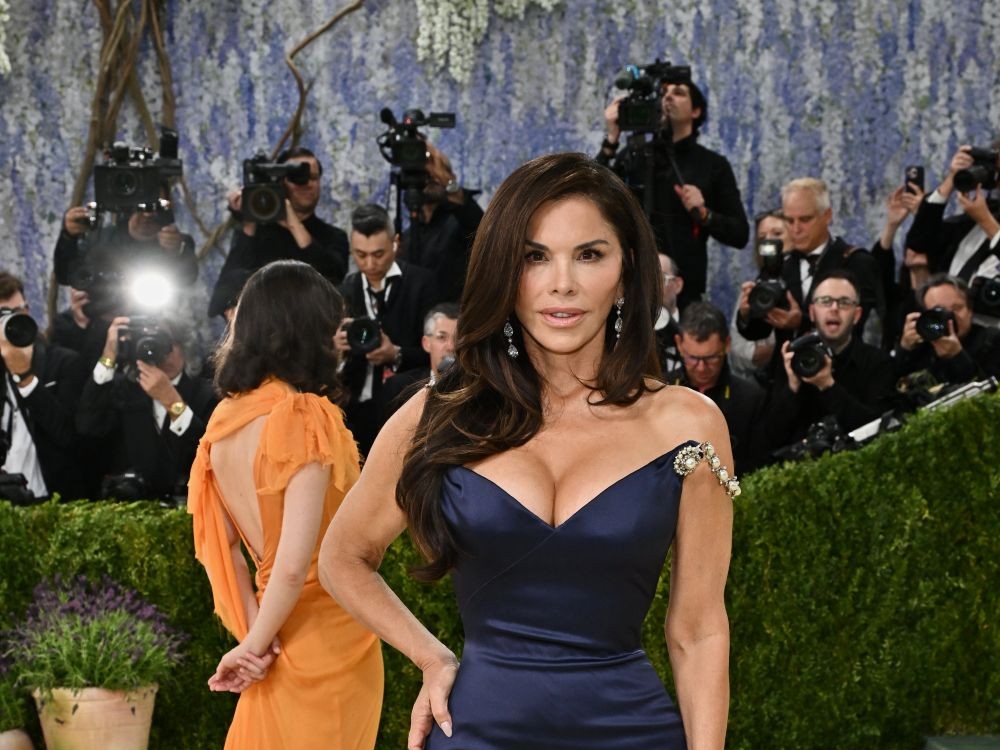
The Met Gala, long considered the premier event for fashion and cultural influence, has become increasingly dominated by tech billionaires. This year, Jeff Bezos and Lauren Sánchez Bezos purchased their role as co-hosts, sparking protests in New York and raising questions about whether money alone now buys entry into the highest echelons of fashion. Individual tickets cost $10,000 and a table $350,000, with sponsors including OpenAI, Snapchat, and Meta. The event, organized by Anna Wintour to raise funds for the Costume Institute at the Metropolitan Museum of Art, raised $31 million last year but has transformed from a benefit into a spectacle optimized for viral moments and algorithmic appeal.

Monopol gives away 5 × 2 tickets for Peter Hujar and Liz Deschenes at the Gropius Bau

Monopol verlost 5 × 2 Tickets für Peter Hujar und Liz Deschenes im Gropius Bau

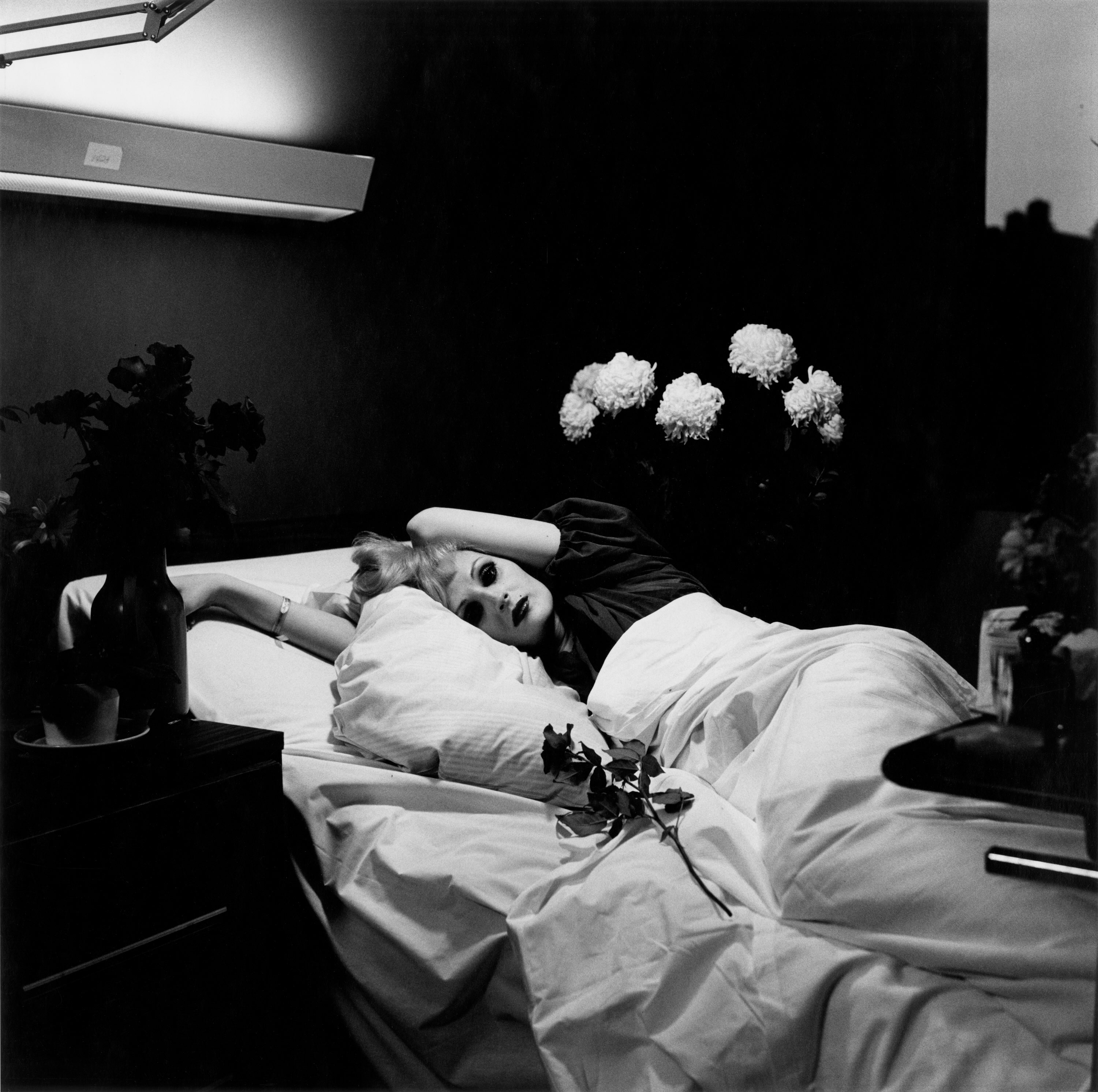
Monopol magazine is giving away 5 × 2 tickets to the exhibition "Peter Hujar / Liz Deschenes: Persistence of Vision" at the Gropius Bau in Berlin. The show pairs Hujar's iconic black-and-white photographs of New York's downtown scene—featuring figures like Susan Sontag, Divine, and David Wojnarowicz—with Liz Deschenes' abstract, material-focused works on glass and photosensitive paper. To enter, readers must email their name with the subject line "Hujar" by May 30.

How much Berlin fits on 230 square meters?

Wie viel Berlin passt auf 230 Quadratmeter?

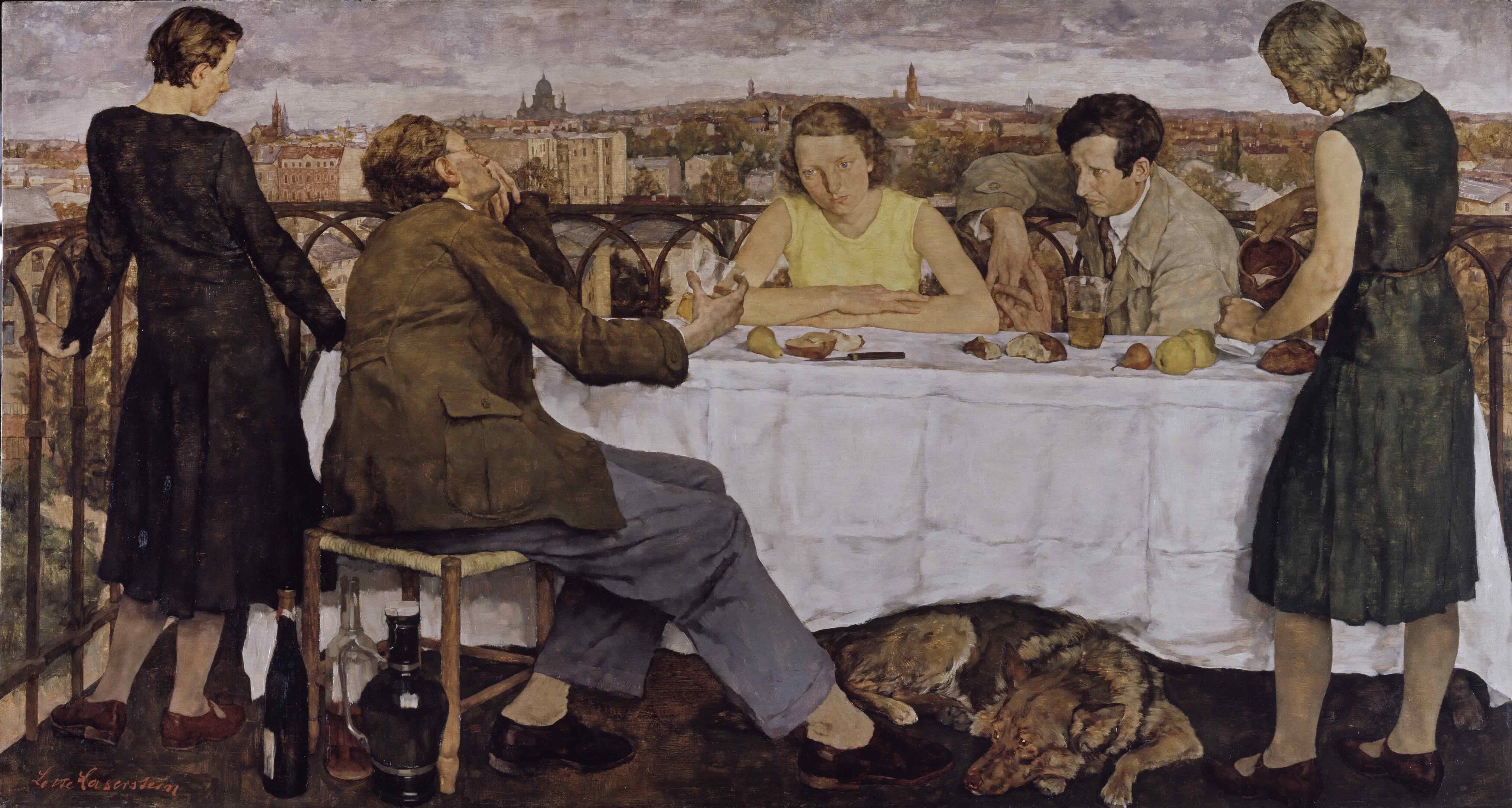
The Neue Nationalgalerie in Berlin has opened a compact exhibition titled "Ruin und Rausch: Berlin 1910–1930," featuring 35 works across just 230 square meters in a side cabinet of the lower floor. The show uses paintings, sculptures, film clips, and audio poems to tell the story of Berlin between World War I and the Nazi takeover, contrasting themes of excess and poverty, emancipation and extremism. It is structured in three chapters: "Berlin im Taumel" (Berlin in Frenzy), "Schatten der Großstadt" (Shadows of the Big City), and "Die Urbane Frau" (The Urban Woman), with works by artists such as Ernst Ludwig Kirchner, Otto Dix, and Otto Nagel.

Schloss Bellevue wird temporär Ausstellungshaus

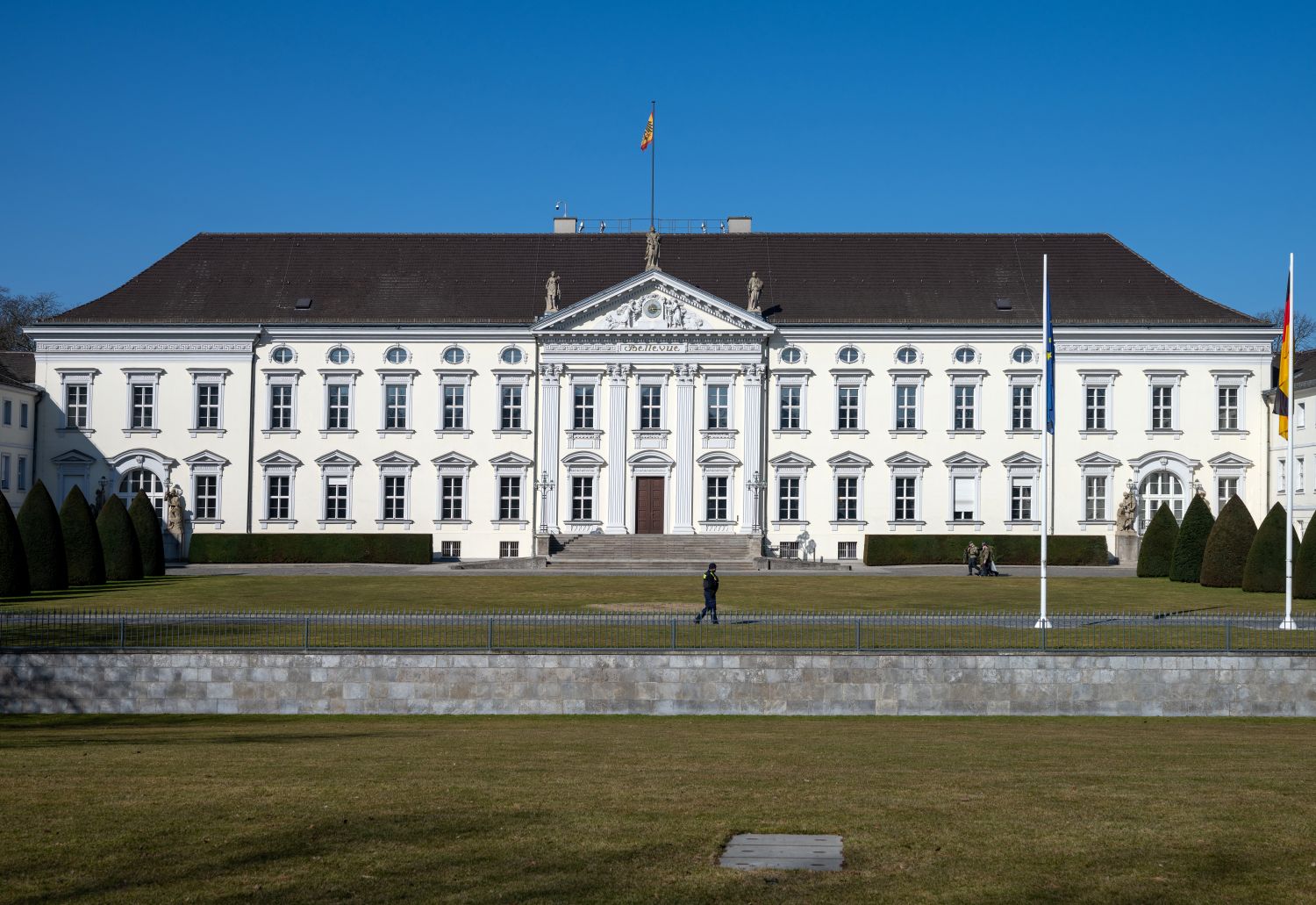
Schloss Bellevue, the official residence of German President Frank-Walter Steinmeier in Berlin, will be transformed into a temporary pop-up gallery for two weeks from June 13 to 28, before undergoing a major renovation expected to last around eight years. The exhibition, organized in cooperation with the Akademie der Künste, will feature works by artists including Katharina Grosse, Wolfgang Tillmans, and Monica Bonvicini, taking advantage of the emptied rooms ahead of the president's move-out before the summer break. Free timed-entry tickets will be available from May 18 via the Akademie's website.

"Wir wollen Rücknahme von Kürzungen"

Berlin's cultural senator Sarah Wedl-Wilson resigned on Friday after the Berlin Court of Auditors ruled that millions in funding for antisemitism prevention projects were illegal. The resignation has sparked a political debate, with CDU general secretary Ottilie Klein defending governing mayor Kai Wegner against opposition criticism, while Franziska Stoff of the Berlin Culture Conference demands stability and a reversal of budget cuts. Thomas Fehrle, director of the Deutsche Oper Berlin, expressed personal regret over Wedl-Wilson's departure, praising her competence and engagement.

"Du bist nun in die ewigen Jagdgründe der Kunst entschwunden"

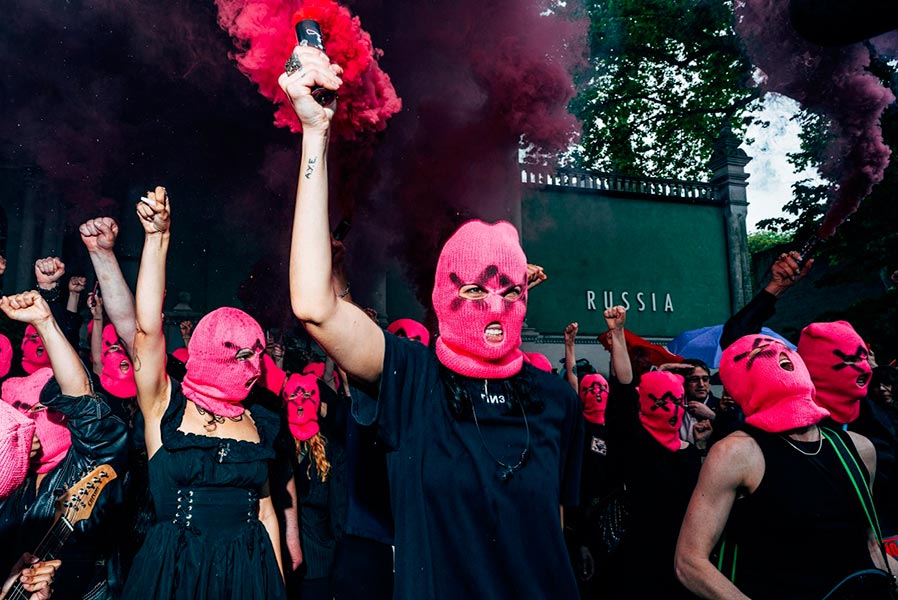
This week's art news roundup covers several stories: Jonathan Meese publishes an obituary for his mother Brigitte Meese in Der Spiegel, describing her as a central figure in his life and work. Pussy Riot seeks to take over the Russian Pavilion at the Venice Biennale. The European Media Art Festival (EMAF) in Osnabrück faces controversy over antisemitism allegations linked to Palestinian-American filmmaker Basma al-Sharif, leading the city and state government to distance themselves from the festival. In the NZZ, Christian Wildhagen reports on conflicts over official political portraits, citing examples like Swiss councilor Martin Neukom rejecting paintings and Donald Trump criticizing his portrait. Art historian Horst Bredekamp pays tribute to Italian philosopher Federico Vercellone (1955–2026) in the FAZ, highlighting his theory of the 'self-activity of form.'

Venice Biennale: A Silent US Pavilion

Biennale de Venise : un Pavillon US silencieux

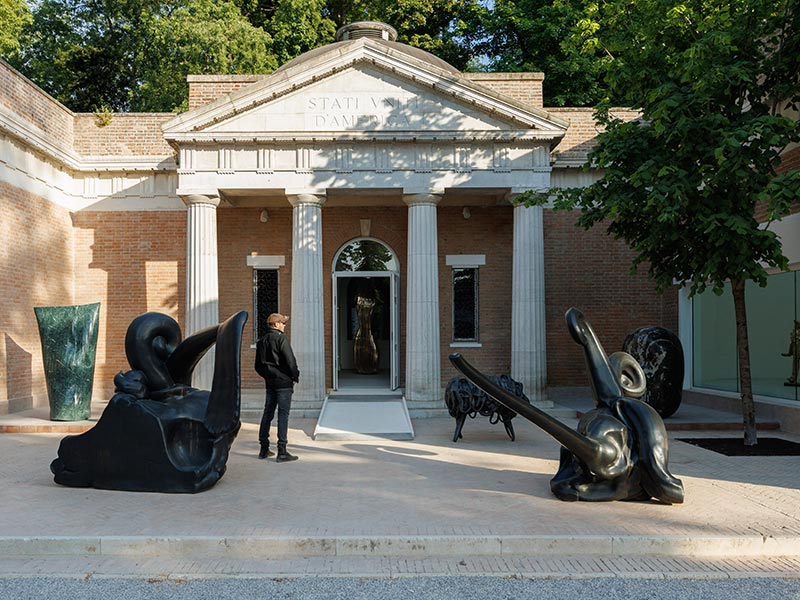
The US Pavilion at the 2026 Venice Biennale, featuring artist Alma Allen, opened to sparse crowds despite a 10% overall attendance increase at the Biennale. The pavilion was embroiled in controversy before opening: Allen was selected by the American Arts Conservancy (AAC), a private entity created in 2025 at the initiative of Donald Trump after the dissolution of the federal committee that previously oversaw the pavilion. AAC head Jenni Parido, a former pet food executive, chose the self-taught, little-known artist who had never had a solo museum exhibition. Major funders the Ford and Mellon Foundations withdrew, forcing the AAC to launch a public donation appeal. The exhibition features 25 abstract bronze, stone, and burl-wood sculptures that the artist describes as biomorphic landscapes, but critics find them pleasant yet silent, lacking the promised political or visceral resonance.

La Biennale de Venise s’ouvre dans un climat houleux

The 61st Venice Biennale opened amid intense controversy after its president, Pietrangelo Buttafuoco, announced the return of the Russian pavilion, which had been absent since the start of the Ukraine war. The European Commission suspended its €2 million subsidy for the 2028 edition, and the entire Biennale jury resigned on April 30. Buttafuoco later declared the Russian pavilion would remain closed, but protests erupted during the pre-opening days (May 6–8), drawing 28,000 professionals. Pussy Riot members, Femen activists, and the Free Nations League staged demonstrations, while the Israeli pavilion remained open despite a letter signed by nearly 200 artists calling for its exclusion.

Michelangelo and Rodin as an 'Artistic Couple'

Michel-Ange et Rodin en « couple artistique »

The Louvre Museum in Paris presents a major exhibition pairing Michelangelo and Auguste Rodin as an "artistic couple," curated by Chloé Ariot of the Musée Rodin and Marc Bormand of the Louvre. The show features over 200 works, including three marble sculptures by Michelangelo—the Slaves and a Christ on the Cross—alongside drawings, plaster casts, and works by Rodin such as the monumental Balzac. It also includes pieces by contemporaries and later artists like Joseph Beuys, Jana Sterbak, Giuseppe Penone, and Bruce Nauman to trace the sculptors' shared legacy.

Décès de Bruno Bischofberger

Bruno Bischofberger, the influential Swiss gallerist and art dealer, has died. Known for his Zurich gallery that represented major contemporary artists, Bischofberger played a pivotal role in the careers of figures like Jean-Michel Basquiat, Andy Warhol, and Francesco Clemente. His death marks the end of an era for the post-war and contemporary art market.

La nature morte : une exposition novatrice

Le Journal des Arts reports on a new exhibition titled "La nature morte" (Still Life), presented by a gallery as a continuation of its previous monographic shows on Boetti and Burri and the thematic exhibition "On Fire." The exhibition focuses on the classical genre of still life, positioning it as a field of experimentation that accompanies the renewal of painting in the 20th century. It brings together three artists—Picasso, Morandi, and Parmiggiani—who, though not from the same school or direct lineage, each explore the subject through distinct artistic languages: Picasso asserts the presence of the object, Morandi delves into its meditative and silent dimension, and Parmiggiani pushes the reflection toward a form of disappearance. The show is curated by Cécile Debray, president of the Musée national Picasso-Paris, and involves collaborations with institutions such as the Museo Morandi.

Vanités contemporaines

The article explores the enduring relevance of still life and vanitas in contemporary art, tracing their evolution from the biblical proclamation "Vanity of vanities; all is vanity" through modern masters like Paul Cézanne, Pablo Picasso, and Giorgio Morandi to contemporary practitioners such as Claudio Parmiggiani. It highlights how artists continue to use everyday objects—compotes, skulls, pitchers, apples—as vehicles for formal experimentation and philosophical reflection, with still life serving as a minimalist device that allows infinite plastic research.

Au Louvre, l’ambitieuse restauration du cycle de Marie de Médicis

The Louvre Museum in Paris is undertaking an ambitious restoration of Peter Paul Rubens's monumental cycle of 24 paintings depicting the life of Marie de Médicis. The project, which will take four years and cost €4 million funded by the Société des Amis du Louvre, begins this autumn with the paintings being restored in situ in the Médicis Gallery. The gallery will close in May to prepare the space as a restoration workshop, where two teams of 10–15 restorers will work simultaneously on cleaning, relining, and filling gaps. The last major restoration of the cycle dates to the 1950s, and recent diagnostics revealed yellowed varnish, discordant repaints, and flaking paint layers that risk irreversible loss.

5 secret jewels to discover in Europe

5 joyaux secrets à découvrir en Europe

L'Œil magazine has curated a list of five European cities rich in art historical treasures, highlighting hidden gems for cultural getaways. The first city profiled is Mainz, Germany, featuring the Romanesque-Gothic Mainzer Dom (Imperial Cathedral of St. Martin), the Gutenberg Museum showcasing the 42-line Bible as a landmark of printing history, and the Church of St. Stephen with its iconic blue stained-glass windows designed by Marc Chagall. The second city is Plovdiv, Bulgaria, where the old town blends ancient Roman ruins (a stadium, forum, odeon, and theater from the 2nd century) with 19th-century Bulgarian National Revival houses, such as the Balabanov, Hindliyan, and Kuyumdzhioglu houses, now converted into museums.

« Caïn » de Fernand Cormon : aux origines de la conscience humaine ?

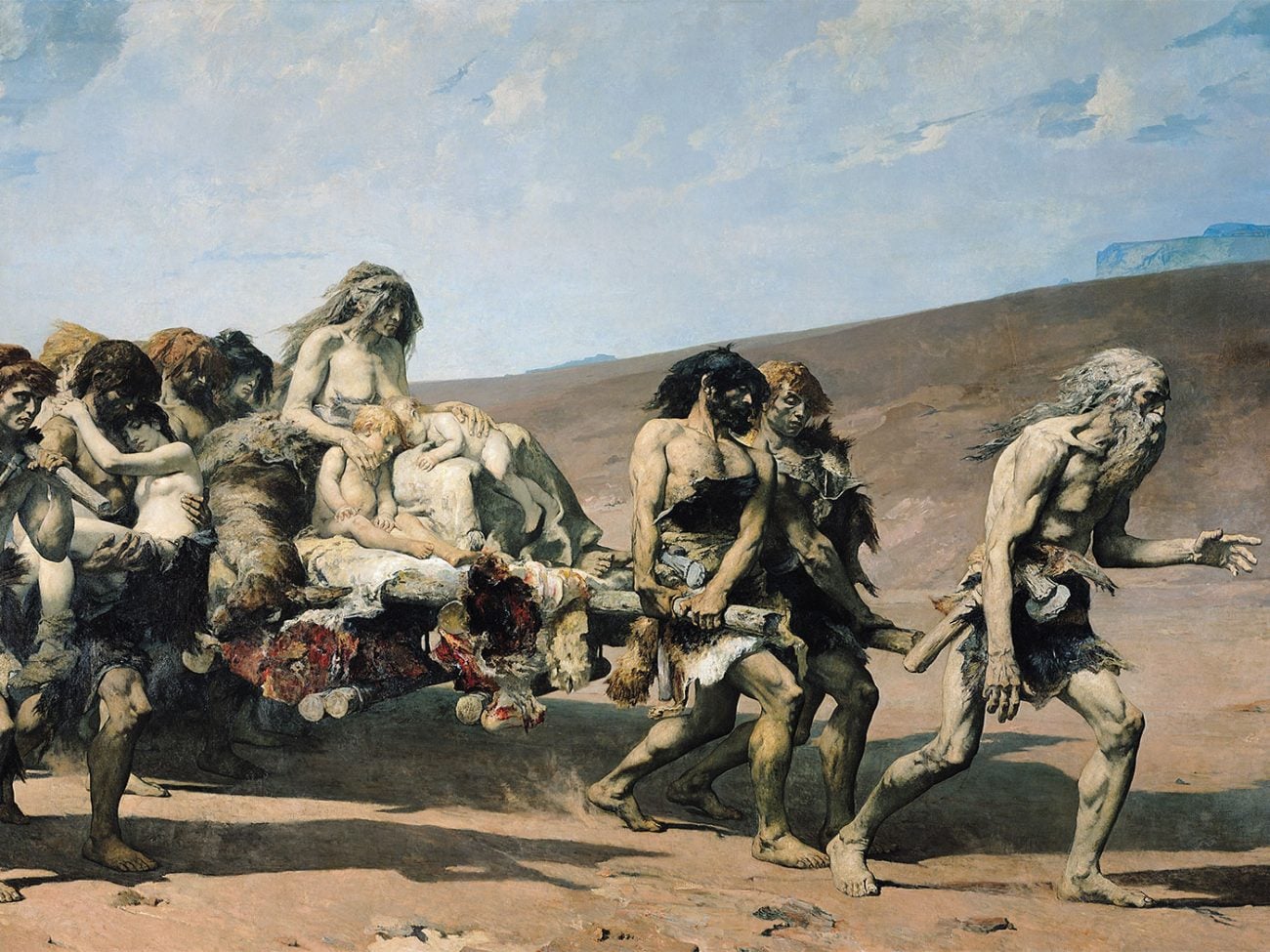
Beaux Arts Magazine analyzes Fernand Cormon's monumental 1880 painting "Caïn," currently held at the Musée d'Orsay. The article describes the scene: a prehistoric, weary clan trudges through a desert, led by a haggard patriarch, with a tired mother on a litter and hunters carrying game. Cormon's work is presented as the antithesis of classical triumph, evoking a melancholic, post-traumatic atmosphere. The painting is linked to the biblical story of Cain, who killed his brother Abel and was condemned to exile, and is accompanied by verses from Victor Hugo's poem "Conscience."

Photographs of Victorine Meurent who posed for 'Le Déjeuner sur l'herbe' discovered by chance in Grenoble

Les photos de Victorine Meurent qui ont servi de modèle au « Déjeuner sur l’herbe » retrouvées par hasard à Grenoble

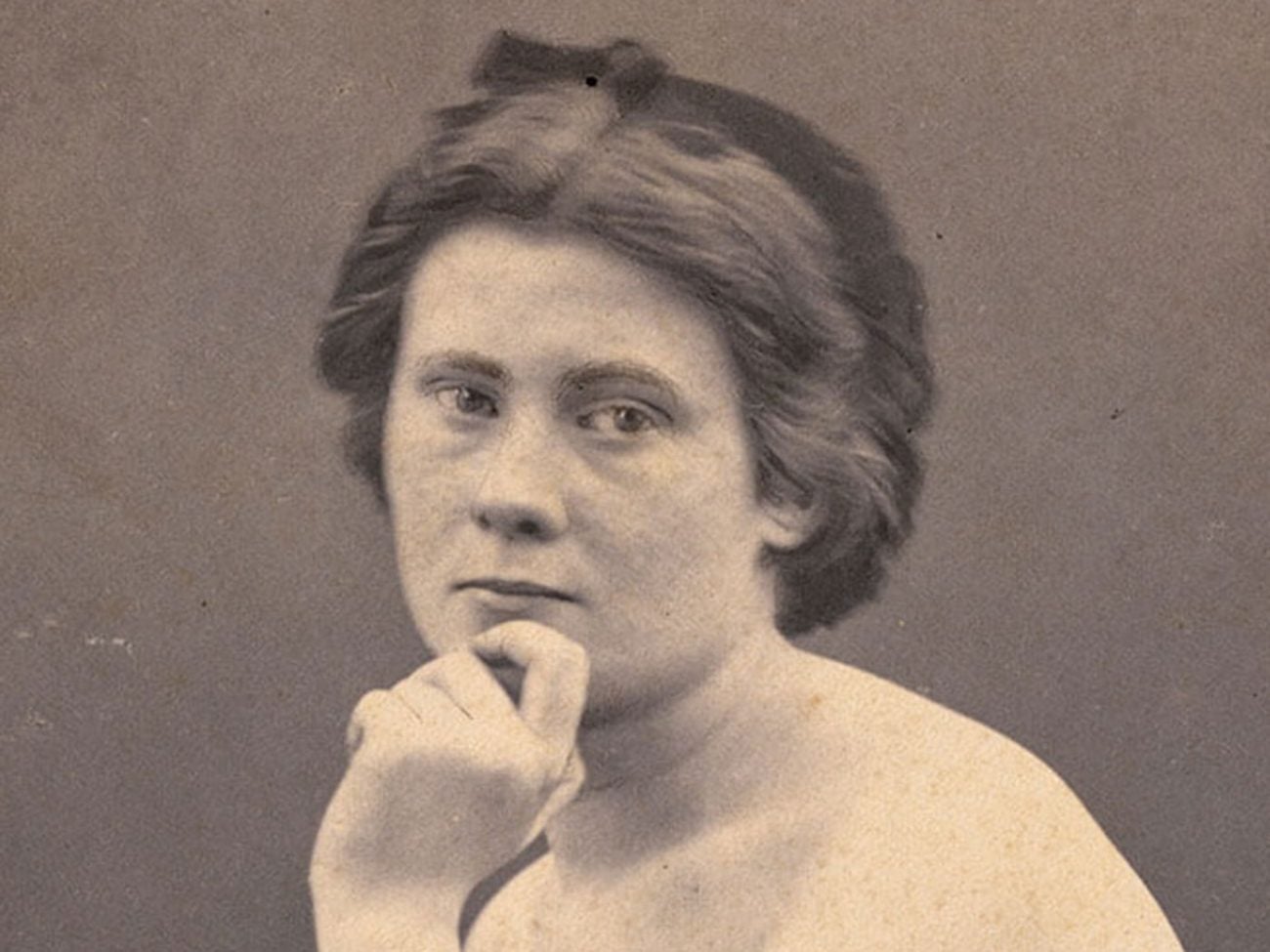
A chance discovery at the Musée de Grenoble has unearthed two previously unknown photographs of Victorine Meurent, the favorite model of Édouard Manet, taken by Gaudenzio Marconi in 1863. Art historian Laure Boyer, while researching a different subject, recognized Meurent in the images and realized they directly served as studies for Manet's iconic paintings *Le Déjeuner sur l'herbe* and *Olympia*. The photographs show Meurent in poses nearly identical to the figures in both works, with only the orientation reversed in one case and facial expressions swapped between the two paintings.

« La Boule » de Villeroy & Boch : l’art explosif et pop du pique-nique

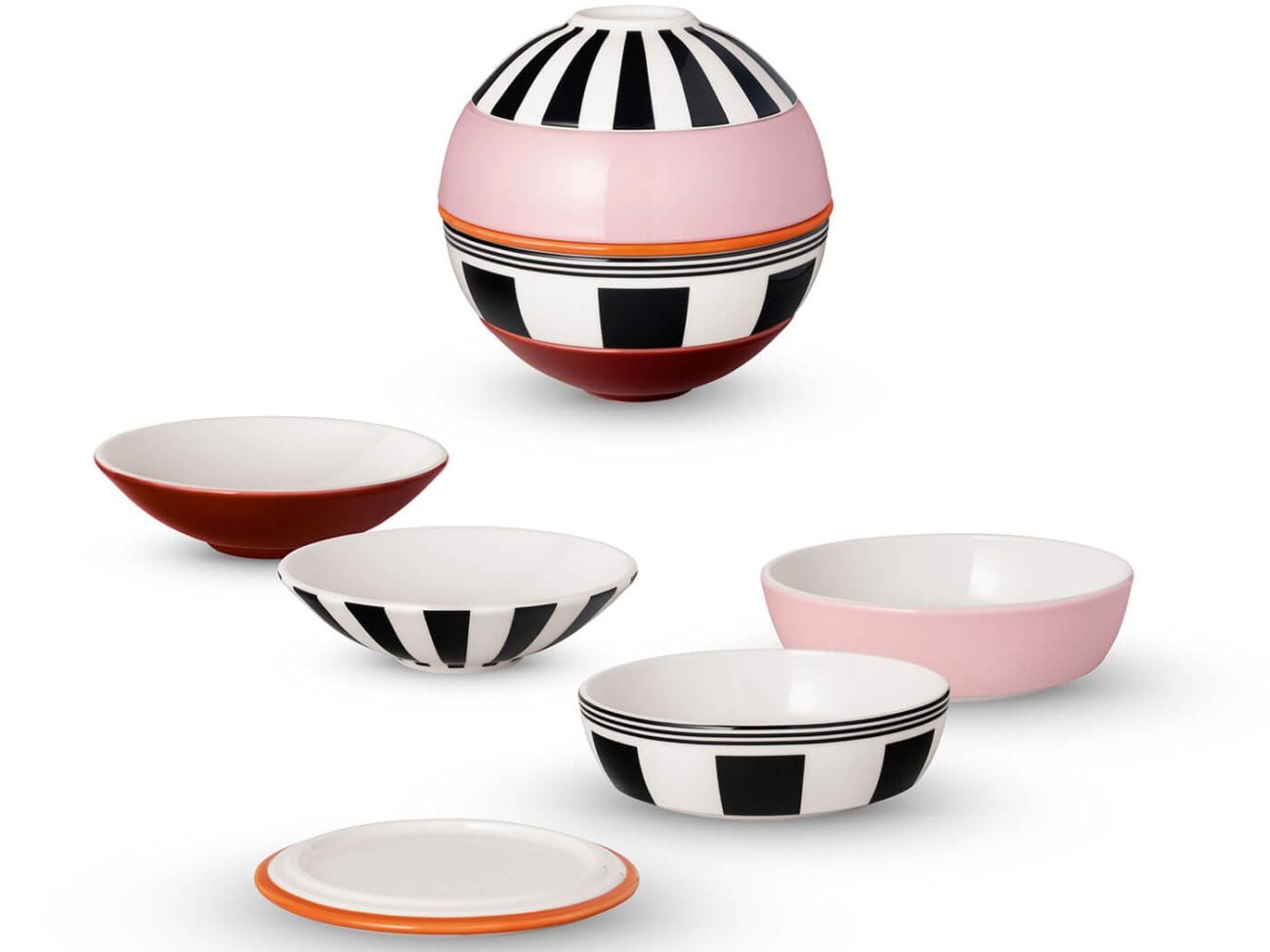
Villeroy & Boch, the historic German porcelain manufacturer founded in 1748, launched "La Boule" ("Die Kugel") in 1971—a stackable 19-piece porcelain dinner service for four that compacts into a colorful decorative sphere. Designed by Helen von Boch, the eighth-generation family director, the set was part of a pop-design wave and came in original color variants that have since become collectors' items. The article also highlights related designs like the "La Bomba" picnic cutlery set (1968) and melamine set (1972), both held by MoMA, and notes Villeroy & Boch's collaborations with artists such as Keith Haring, Paloma Picasso, and Luigi Colani.

« Le jardin anglais incarne une vision de la société » : une expo à Versailles explore cette passion de l’Europe des Lumières

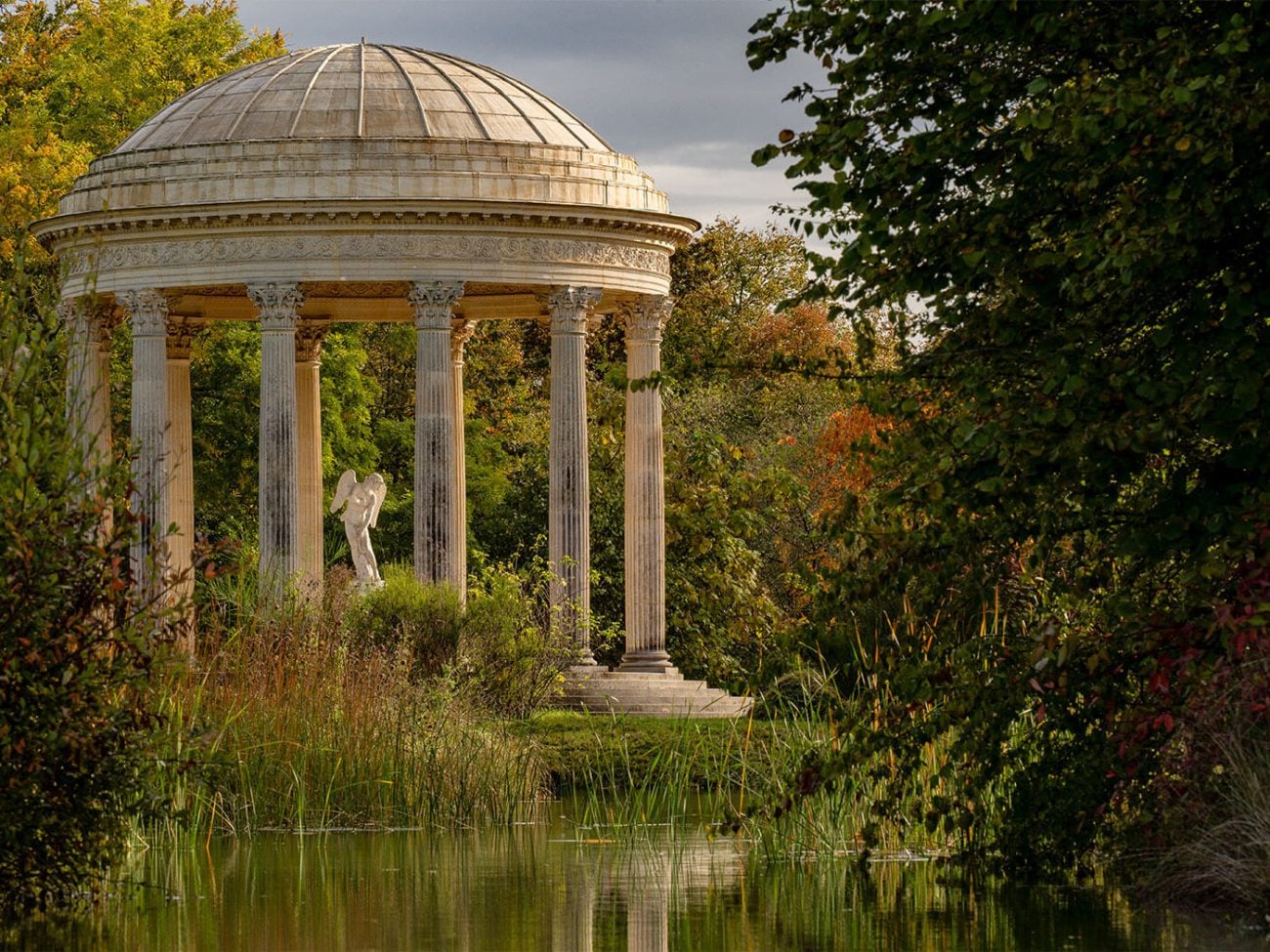
The article explores an exhibition at the Grand Trianon in Versailles dedicated to the English garden, a style that emerged in 18th-century Europe as a deliberate contrast to the rigid symmetry of the formal French garden. Curator Élisabeth Maisonnier and museum director Laurent Salomé explain how these gardens, with their winding paths, irregular flowerbeds, and surprise features like grottoes and pagodas, were carefully constructed to imitate and amplify nature's complexity, drawing on influences from antiquity, the Middle Ages, and China.

Museum Night in Paris and Île-de-France: 5 ideas to get off the beaten track

Nuit des musées à Paris et en Île-de-France : 5 idées pour sortir des sentiers battus

The article from Beaux Arts Magazine offers five alternative recommendations for experiencing the Nuit des Musées (Museum Night) in Paris and the Île-de-France region on May 23. Instead of visiting major museums like the Musée d'Orsay or the Grand Palais, readers are guided to lesser-known institutions and unique activities: exploring the craftsmanship of Sèvres porcelain at the Mobilier national, joining a festive dance workshop led by choreographer Wanjiru Kamuyu at the Palais de la Porte-Dorée, creating a collective fresco inspired by Jean Dubuffet at the Parc de l'Île Saint-Germain in Issy-les-Moulineaux, and immersing in the historical atmosphere of 1936 at the Musée de l'Histoire vivante in Montreuil.

From the beaches of Valencia to the gardens of Andalusia, the virtuoso Joaquín Sorolla celebrated by a luminous exhibition in Toulouse

Des plages de Valence aux jardins andalous, le virtuose Joaquín Sorolla célébré par une exposition lumineuse à Toulouse

The article announces a luminous exhibition in Toulouse celebrating the Spanish painter Joaquín Sorolla (1863–1923), known for his radiant beach scenes and masterful use of light. Co-curated by Ana Debenedetti of the Bemberg collection and Enrique Varela Agüí, director of the Museo Sorolla in Madrid, the show features iconic works such as *Contre-jour, Maria à Biarritz* (1906) and *Sur le sable, plage de Zarautz* (1910), alongside a reconstruction of Sorolla’s studio. The exhibition highlights his unique style blending realism, impressionism, and luminism, with energetic brushwork, bold compositions, and photographic framing.

Museum Night, Photomobiles… 10 outing ideas for the month of May

Nuit des musées, Photomobiles… 10 idées de sorties à faire au mois de mai

Beaux Arts Magazine presents a curated list of ten cultural outings across France for May 2026, highlighting events such as the Nouveau Printemps festival in Toulouse directed by Rossy de Palma, the Interstice festival in Caen focusing on emerging art and technology, the L'art est dans le pré festival in Troyes featuring contemporary art in rural villages, an immersive installation at the Musée d'Orsay tied to the Renoir exhibition, and the Cœurs-Volants kite festival in Essonne where architecture students create flying artworks. Other suggestions include outdoor art trails, heritage site sports programs, and literary festivals in Épinal and Seine-Maritime.

Which exhibitions and museums to visit in the evening this May in Paris?

Quels expos et musées voir en nocturne en ce mois de mai à Paris ?

Paris museums and galleries are extending their hours for evening visits in May, with many offering late-night openings on specific weekdays. The Palais de Tokyo is open until 10pm daily except Tuesday, the Musée du Luxembourg stays open until 10pm on Mondays, and the BnF Richelieu site is open until 8pm on Tuesdays. The Fondation Cartier pour l'art contemporain, newly relocated near the Louvre, welcomes visitors until 10pm on Tuesdays, while the Jeu de Paume stays open until 9pm on Tuesdays. On Wednesdays, the Musée du Louvre extends its hours until 9pm, alongside other museums. Current exhibitions include shows dedicated to Leonora Carrington, Martin Parr, and Nan Goldin, among others.

Quels sont les musées ouverts ce 1er mai 2026 à Paris ?

Beaux Arts Magazine has published a guide to museums open in Paris on May 1, 2026, a public holiday in France. The article lists cultural venues across several arrondissements, including the Musée de l’Illusion, Musée en Herbe (with a Pokémon exhibition), Muséum national d’Histoire naturelle (zoo only), Musée Maillol (featuring Philippe Geluck's cat), Musée Jacquemart-André (with a Spanish Baroque exhibition), Musée Grévin, and the Atelier des Lumières (with a Renaissance immersive experience). Each entry includes addresses, dates, and highlights.