filter_list Showing 818 results for "Rent" close Clear
search
dashboard All 818 museum exhibitions 479article local 83article news 67article culture 61trending_up market 34rate_review review 29person people 24article policy 24candle obituary 10gavel restitution 7
date_range Range Today This Week This Month All
Subscribe

First Impressions of a Venice Biennale Torn Apart by the Present

The 61st Venice Biennale, titled "In Minor Keys," opens amid turmoil: its curator Koyo Kouoh died of cancer during planning, and the festival jury resigned after a controversial statement about excluding Israel and Russia from prizes, replaced by a Eurovision-style people's choice award. The main exhibition, completed by a team of five collaborators using Kouoh's plans, features over 110 artists and collectives, with highlights including works by Big Chief Demond Melanchon, Tammy Nguyen, Guadalupe Maravilla, Ayrson Heráclito, and a section focused on Michael Armitage's Nairobi Contemporary Art Institute.

In Protest of Israeli Pavilion, Activists and Unions Plan Strike on Venice Biennale’s Opening Day

The Art Not Genocide Alliance (ANGA) has announced a 24-hour strike and rally on May 8, the day before the 2026 Venice Biennale opens to the public, in protest of the Israeli Pavilion. ANGA, formed in opposition to Israel's inclusion in the 2024 Biennale, refers to the current Israeli presentation—featuring Haifa-based artist Belu-Simion Fainaru—as the "Genocide Pavilion." Over 200 artists, curators, and culture workers have signed an open letter demanding Israel's exclusion, and a separate action called Solidarity Drone Chorus involved 60 artists. ANGA is collaborating with local labor and culture organizations including Biennalocene, Vogliamo Tutt'altro, S.a.L.E. Docks, and Mi Riconosci.

A Pavilion of Ruins: Germany Reconsiders Its Past in Venice

The German Pavilion at the 61st Venice Biennale features a dual presentation exploring the country's layered political history. Artist Sung Tieu has cloaked the pavilion's fascist-era facade with a mosaic reconstruction of a GDR housing estate for Vietnamese contract workers, where she lived as a child. Inside, the late Henrike Naumann's immersive installation 'The Home Front' uses furniture and design to stage a confrontation between East and West German domestic and political ideologies. Naumann died in February 2025 at age 41, but her fully realized concept was completed collaboratively by her partner and curator Kathleen Reinhardt.

Dark clouds, protests and resignations dampen start of 61st Venice Biennale

The 61st Venice Biennale opened under grey skies and rain, with political tensions overshadowing the art world's premier event. The Russian pavilion, absent for two editions due to the Ukraine war, reappeared with a party atmosphere, though the Italian ministry of culture confirmed it would not be open to the public. The Ukrainian culture minister called Russia's symbolic presence powerful. The Iranian pavilion withdrew without explanation, and a protest by 60 artists from the In Minor Keys show marched through the Giardini humming in solidarity against Israel's participation. Over 200 artists, including Lubaina Himid and Alfredo Jaar, signed an open letter demanding the Israeli pavilion's cancellation. The event also proceeded without its curator, Koyo Kouoh, who died in May 2025; her curatorial team delivered the exhibition following her plans.

Venice Diary Day 1: At the Giardini, Artists Refuse to Make Fascism Cozy

Henrike Naumann's posthumous installation at the German Pavilion, which retains its 1938 Nazi-era fascist architecture, refuses to make the space 'cozy' by adorning windows with violently ripped domestic fabrics. The 2026 Venice Biennale is the first under president Pietrangelo Buttafuoco, associated with neo-fascist politics, and is overshadowed by controversy over his 'neutrality' policy allowing all countries to participate despite human rights concerns. The exhibition jury initially announced it would not consider pavilions from countries whose leaders are charged with crimes against humanity, then abruptly quit, leaving the situation unresolved. The US Pavilion features unimpressive blobs by Alma Allen, while the Russian Pavilion offers cut flowers and free vodka, and Andreas Angelidakis responds to fascist aesthetics at the Greek Pavilion.

David Nahmad maintains that his Modigliani was not looted by the Nazis

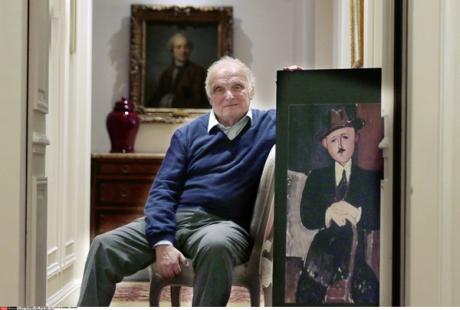
David Nahmad is continuing his legal battle to prove that his Modigliani painting, *Seated Man with a Cane* (1918), was not looted by the Nazis from the Jewish dealer Oscar Stettiner. Despite a recent New York ruling against him, Nahmad’s lawyers have filed a motion to review the case based on new eyewitness testimony. Two witnesses claim the painting they saw in the Van der Klip family—which bought the Nazi-looted work in 1944—is completely different from Nahmad’s painting, lacking a seated man or a cane. Nahmad’s legal team also cites a 1946 French bailiff report and a recent catalogue raisonné by Marc Restellini to argue that Mondex, the restitution firm working for Stettiner’s heirs, misidentified the work.

Nahmad Seeks to Reopen Modigliani Restitution Case With New Witnesses

David Nahmad's lawyers are asking a New York court to reconsider its April 3 decision in the restitution case over Amedeo Modigliani's *Seated Man with a Cane* (1918), which awarded the painting to the estate of dealer Oscar Stettiner. They cite new eyewitness testimony from Frédéric Allain, who recalls a different Modigliani—smaller, darker, and without a seated man or cane—hidden by the Van der Klip family in Paris during World War II, suggesting the wrong painting may have been the focus of the case. The filing also references a 1946 report describing the missing work as a self-portrait and a new catalogue raisonné by Marc Restellini that finds no link between the painting and Stettiner. Mondex, representing Stettiner's heirs, rejects the claims, asserting that *Seated Man with a Cane* bears Stettiner's name and was in the family's possession from 1944 to 1996.

How the adoption of canvas in Venice changed the way artists painted

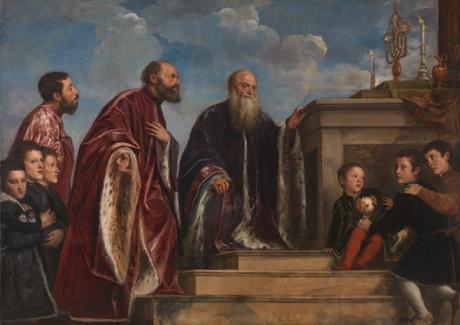
Art historian Cleo Nisse has published a new book, *Venetian Canvas and the Transformation of Painting*, examining how 16th-century Venetian painters such as Titian, Veronese, and Tintoretto pioneered the use of canvas as a painting support. Nisse reveals that canvas was not a uniform material—artists experimented with different weaves, including tabby and herringbone patterns, and even repurposed sailcloth and tablecloth-quality fabrics to achieve specific visual effects. The book argues that canvas was already familiar in the late Middle Ages for banners and alternatives to tapestry, and that Vittore Carpaccio was the first master of the medium, varying canvas types for expressive purposes in his *Legend of St Ursula* series.

‘We are complicit’: Austrian artist Florentina Holzinger’s immersive Venice Biennale pavilion brings apocalypse to the city

Austrian artist Florentina Holzinger has created 'Seaworld Venice,' an immersive and confrontational installation for the Austrian Pavilion at the 2024 Venice Biennale. The work explores climate change, technology, and a dystopian flooded future, drawing comparisons to the 1995 film 'Waterworld'—though neither Holzinger nor curator Nora-Swantje Almes had seen it. Known for extreme performance art involving nudity, blood, live piercing, and heavy machinery, Holzinger's previous works have caused audience members to faint or require medical treatment. The pavilion marks a significant platform for her radical, hybrid practice that blends theatre, dance, opera, and performance art.

Anish Kapoor says US’s ‘politics of hate’ should exclude it from Venice Biennale

Anish Kapoor has called for the United States to be excluded from the Venice Biennale, citing the country's "abhorrent politics of hate" and "incessant warmongering." His comments follow the resignation of the five-member international jury, who stepped down in protest over the inclusion of Israel and Russia. Kapoor praised the jury's decision as "courageous" but argued they should have also targeted the US. The US pavilion, featuring artist Alma Allen and his exhibition "Call Me the Breeze," has faced scrutiny over perceived Trump administration interference and a delayed selection process. Meanwhile, the Israeli and Russian pavilions remain flashpoints, with over 200 participants signing a letter demanding the cancellation of the Israeli pavilion, and the Russian pavilion closed to the public but viewable through windows.

‘It’s a world heritage site, but it’s my home’: the last resident of Casa Milà on life in Gaudí’s masterwork

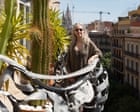
Ana Viladomiu, a 70-year-old writer, is the last remaining tenant of Antoni Gaudí’s Casa Milà (La Pedrera) in Barcelona, a UNESCO World Heritage site that receives about a million visitors annually. She has lived in the luminous apartment since 1988, originally moving in with her then-husband Fernando Amat, owner of the iconic design store Vinçon. Viladomiu holds a rare renta antigua (fixed-rent contract) that allows her to stay until she or Amat dies, after which the not-for-profit foundation managing the building will take ownership. The rest of the building now houses offices and cultural event spaces.

Texas Man Who Orchestrated $20 M. Crypto Scam Based on Fictitious Van Gogh and Picasso Masterpieces Sentenced to 23 Years in Prison

A Houston man, Robert Dunlap, was sentenced to 23 years in federal prison for orchestrating a $20 million cryptocurrency scam. Between 2018 and 2023, Dunlap defrauded nearly 1,000 investors by promoting a digital asset called “Meta-1 Coin,” falsely claiming it was backed by a $1 billion art collection featuring works by Salvador Dalí, Vincent van Gogh, and Pablo Picasso, as well as $44 billion in gold. He used forged legal and insurance documents to conceal that he owned neither the art nor the gold. A federal jury in the Northern District of Illinois convicted him on mail fraud charges in 2025, and US District Judge LaShonda A. Hunt imposed the sentence, also ordering restitution.

Comment | The slopification of political art

The article critiques the rise of AI-generated political imagery, such as Donald Trump depicted as Jesus and viral Lego videos of the Iranian Revolutionary Guard Corps, arguing that these shallow, generic visuals fail to provide meaningful or lasting cultural commentary on current conflicts. The author contrasts this with the inventive, humorous resistance seen during the 2013 Gezi Park protests in Istanbul, which later influenced a generation of Turkish artists.

Duo Who Sold Fake Warhol, Banksy Plead Guilty in $2M Fraud

A father and daughter from New Jersey, Erwin Bankowski and Karoline Bankowska, pleaded guilty in federal court on April 28 to running a counterfeit art scheme that sold fake works attributed to Andy Warhol, Banksy, Pablo Picasso, Richard Mayhew, and others. Between 2020 and 2025, they placed over 200 counterfeit pieces, many made by an artist in Poland, into galleries and auction houses across the U.S., defrauding buyers of at least $2 million. They fabricated provenance, forged gallery stamps and certificates of authenticity, and misrepresented Native American heritage works, violating the Indian Arts and Crafts Act. They face up to 20 years in prison, restitution of at least $1.9 million, and deportation after serving their sentences.

Towering homage to Bamiyan Buddhas rises over Manhattan’s High Line

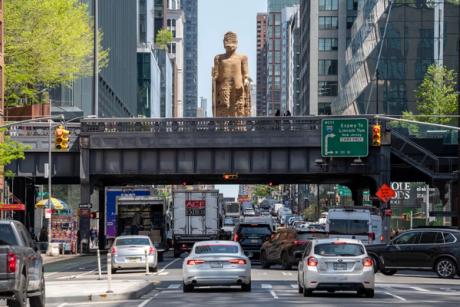
A new public sculpture by Vietnamese American artist Tuan Andrew Nguyen has been installed on the High Line Plinth at Hudson Yards in Manhattan. Titled "The Light That Shines Through the Universe" (2026), the 27-foot-tall sandstone monument pays homage to the Buddhas of Bamiyan, the 6th-century colossi destroyed by the Taliban in 2001. The work features carved sandstone forms with two monumental steel hands cast from melted-down artillery shells sourced from Afghanistan, making gestures of fearlessness and compassion. It will remain on view through autumn 2027 and is accompanied by monthly lectures and meditation sessions.

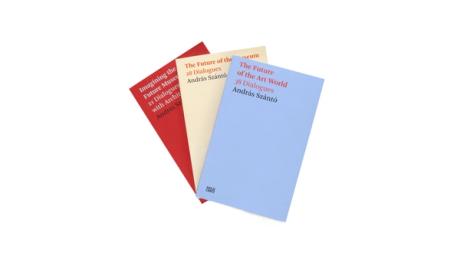
Final book in trilogy asks: What is the future of the art world?

Cultural strategist András Szántó has published the third and final volume of his trilogy on the future of museums, titled *What Is the Future of the Art World?*. The book features dialogues with a wide range of art-world figures—including gallerists José Kuri and Atsuko Ninagawa, collectors Alain Servais and Sylvain Levy, artists William Kentridge and Holly Herndon & Mathew Dryhurst, curator Fatoş Üstek, network scientist Albert-László Barabási, former Art Basel director Marc Spiegler, and Sheikha Al-Mayassa Al Thani—who discuss topics such as the definition of the art world, its rules, and its future trajectory. Szántó notes that there is no consensus on whether the art world is still expanding or entering a phase of slowdown, with different regions moving on divergent paths.

The Art Trade Is Taking Calculated Risks With A.I.

The article examines how the art trade is cautiously experimenting with artificial intelligence, noting that while AI tools are being developed to attract newer collectors, the industry remains heavily reliant on trust and personal relationships that technology cannot replicate. It also reports on Fair Warning's new 'No Warning' sealed-bidding auction format, reflecting a rise in private auctions, and highlights a Sotheby's New York sale of the Jean and Terry de Gunzburg collection that set a U.S. record for design auctions at $96 million, led by a set of 15 mirrors by Claude Lalanne for Yves Saint Laurent that sold for $33.5 million.

The tiniest event can tear a hole. Sara MacKillop by Margaret Kross

Sara MacKillop's exhibition "The Cutaway View" at Good Weather in Chicago presents sculptures made from humble analog materials like blank wall calendars, empty shopping bags, and gift wrapping. The London-based artist alters these objects with minimal interventions—such as surgically cut holes in shopping bags to accommodate vinyl records—drawing attention to the ephemera and texture of retail culture. Her series "Calendar Houses" (2021–ongoing) uses archive boxes and wall calendars to create miniature modernist dwellings that critique systems of order and self-optimization.

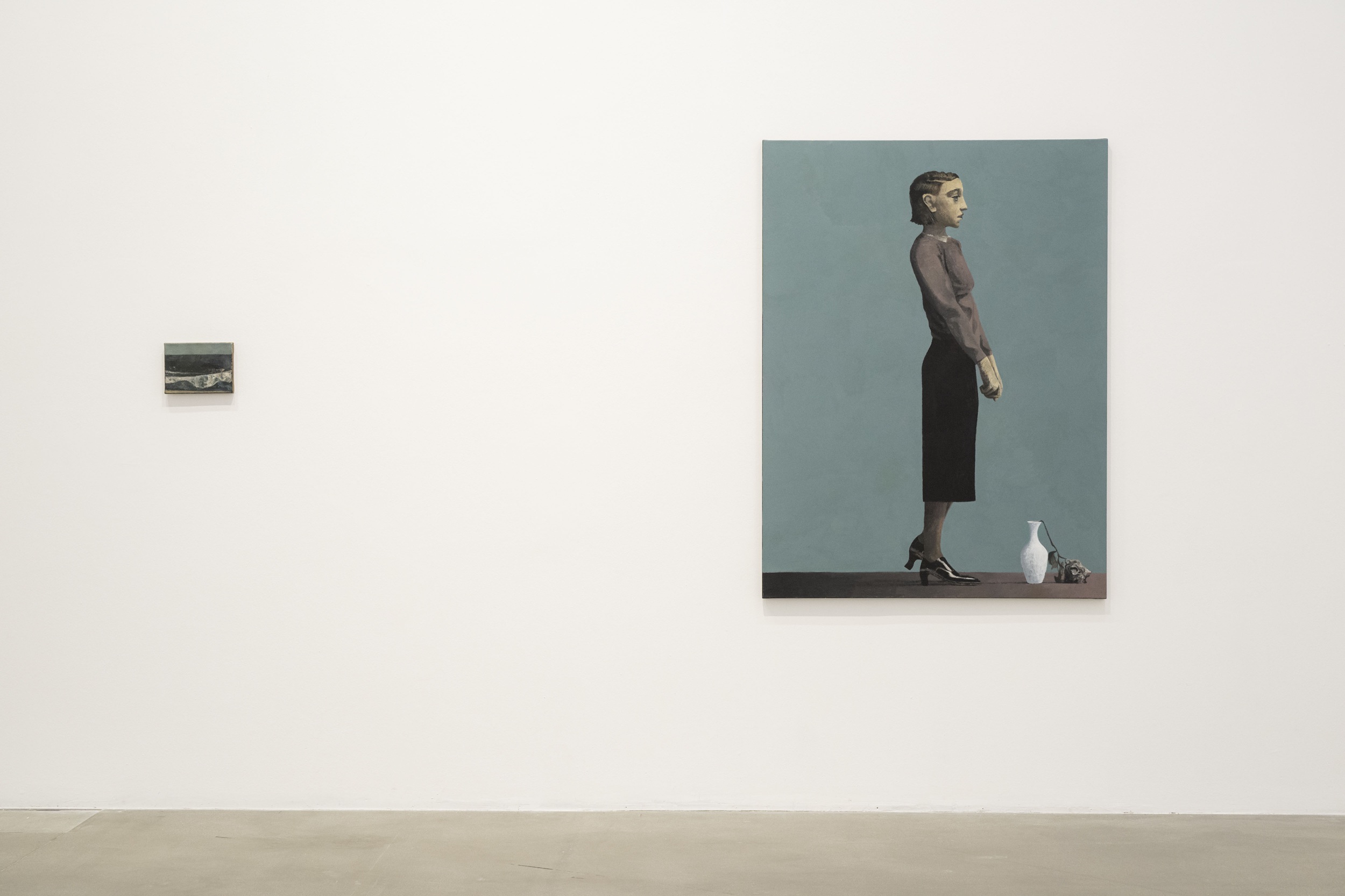
Lenz Geerk’s Theatre of the Mind: painting as regulation of appearance

Fondazione Sandretto Re Rebaudengo in Turin presents "Theatre of the Mind," the first Italian institutional solo exhibition by German-born painter Lenz Geerk. The show features recent works from 2022 to 2024, exploring painting as a perceptual device where figures, objects, and domestic interiors exist in unstable, unresolved configurations. Installation views by Giorgio Perrottino accompany the exhibition, which runs at the foundation's space.

11 Art Shows to See in the Hudson Valley in May 2026

The article surveys 11 art exhibitions opening across the Hudson Valley in May 2026, highlighting a regional preoccupation with structure, materiality, and resistance to singular narratives. Featured shows include "Surface, Structure, String" at Hudson Hall, a textile survey curated by Richard Saja with artists like Portia Munson and Laleh Khoramian; "Jose Picayo: 35 Years in Photographs" at Robin Rice Gallery; "The Linda McCartney Retrospective: From the Light" at the Fenimore Art Museum; "Carol Seitz: Growth in Difficult Places" at Convey/er/or; and "Stephen Olivier: Hazmat" at ASK in Kingston, among others.

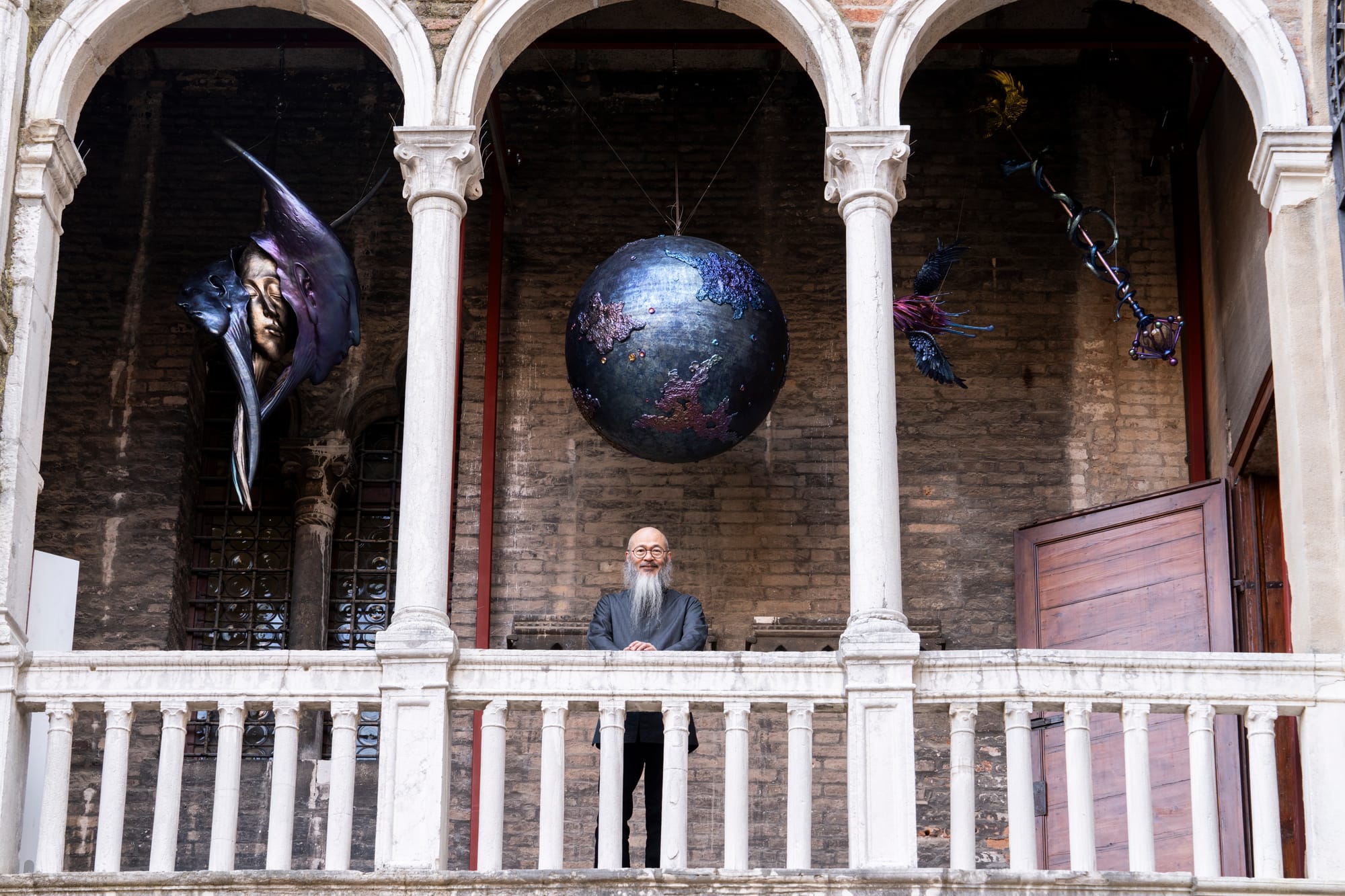
The Cosmos in a Drop: Interview with Wallace Chan

Wallace Chan, the Chinese artist known for his work across microscopic gemstone carving and monumental titanium sculpture, is presenting two concurrent exhibitions in Venice during the 61st Venice Biennale: “Vessels of Other Worlds” at the Pietà Chapel and “Mythos” at Scala Contarini del Bovolo. In an interview with ArtAsiaPacific, Chan discusses his artistic journey from traditional Chinese Buddhist carving to Western iconography, the spiritual resonance of the Pietà Chapel (where Vivaldi composed), and how his works explore themes of transformation, birth, growth, and rebirth through the lens of Buddhist philosophy and Catholic ritual.

Michael Joo Steps Into the Art World’s Spotlight

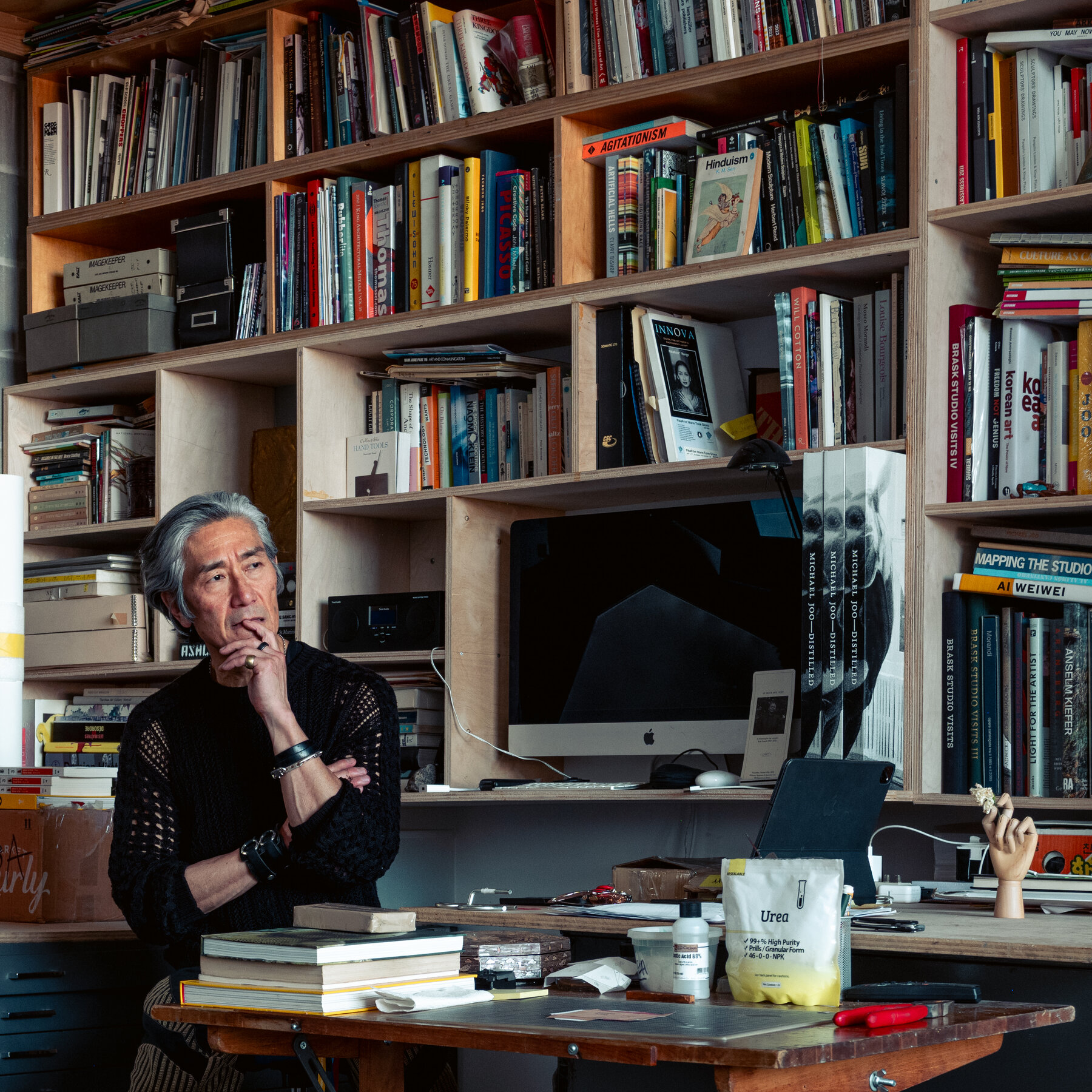
Michael Joo, a contemporary artist known for his multidisciplinary work, is currently featured in multiple exhibitions spanning New York, the San Francisco Bay Area, a Mediterranean island, and Venice. These shows highlight his ongoing engagement with themes of identity, ecology, and cultural exchange, bringing his practice to a broader international audience.

Primitivism to Reinvent Art

Le primitivisme pour réinventer l’art

Philippe Dagen has published the third and final volume of his series on primitivism, covering the period from World War II to the late 1970s. The book traces how Western artists, from Barnett Newman and Jackson Pollock to members of the CoBrA movement and figures like Jean Dubuffet, Lucio Fontana, and Yayoi Kusama, engaged with so-called "primitive" art from Africa, Oceania, and the Americas, often as a means of rejecting or redefining modern civilization. Dagen also examines the intellectual debates surrounding primitivism, including the critiques of colonized peoples who refused the label "primitive," and the shifting attitudes of thinkers like Claude Lévi-Strauss, Michel Leiris, and Aimé Césaire.

Sainsbury Centre Receives £91.2 Million Donation for Refurbishments

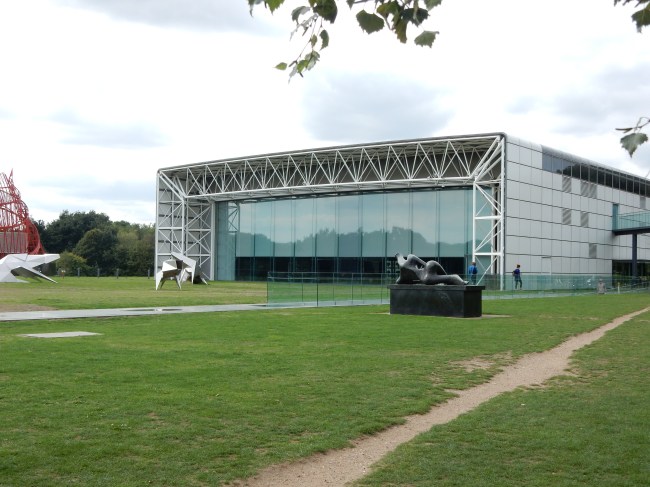
The Sainsbury Centre in Norwich, England, has received a £91.2 million donation from politician and philanthropist Lord David Sainsbury, one of the largest gifts ever made to a UK museum. The funds will support a major refurbishment of the Grade II* listed building, originally designed by Norman Foster, including the conversion of the south cafe terrace into a sustainable space and the installation of photovoltaic panels. The museum was founded in 1973 through a donation from Lord Sainsbury’s parents, Sir Robert and Lady Lisa Sainsbury, who also commissioned Foster to design the gallery.

Anish Kapoor Condemns Inclusion of US in Venice Biennale

Anish Kapoor has publicly condemned the inclusion of the United States in the upcoming 61st Venice Biennale, calling for its exclusion due to what he describes as the country's 'abhorrent politics of hate and its incessant warmongering.' In an interview with The Guardian, Kapoor praised the five-person jury that resigned en masse after refusing to consider Israel and Russia for the event's top prize, both nations having been accused by the International Criminal Court of crimes against humanity. Kapoor's remarks come amid the ongoing US war with Iran under the Trump administration, and he previously threatened to sue the Trump administration over a photo taken at his Cloud Gate sculpture in Chicago.

Marcello Dantas Named Curator of 2027–29 Vancouver Biennale

The Vancouver Biennale has appointed Brazilian artist and documentary filmmaker Marcello Dantas as senior curator for its 2027–29 edition. Dantas, currently art director at the immersive museum Ster Ik in Tulum, Mexico, recently cocurated the 2024 iteration of Saudi Arabia's Desert X AlUla with Maya El Khalil. He has previously organized exhibitions for artists including Ai Weiwei, Anish Kapoor, Shirin Neshat, and Bill Viola, and curated a project by Vik Muniz for the 2013–15 Vancouver Biennale. Dantas plans to shape the event by addressing the city's corporate real estate development alongside its First Nations and colonial history, exploring themes of displacement and belonging.

Interview with the frontier gallerist who opened his space in Vasto, Abruzzo

Intervista al gallerista di frontiera che ha aperto il suo spazio a Vasto in Abruzzo

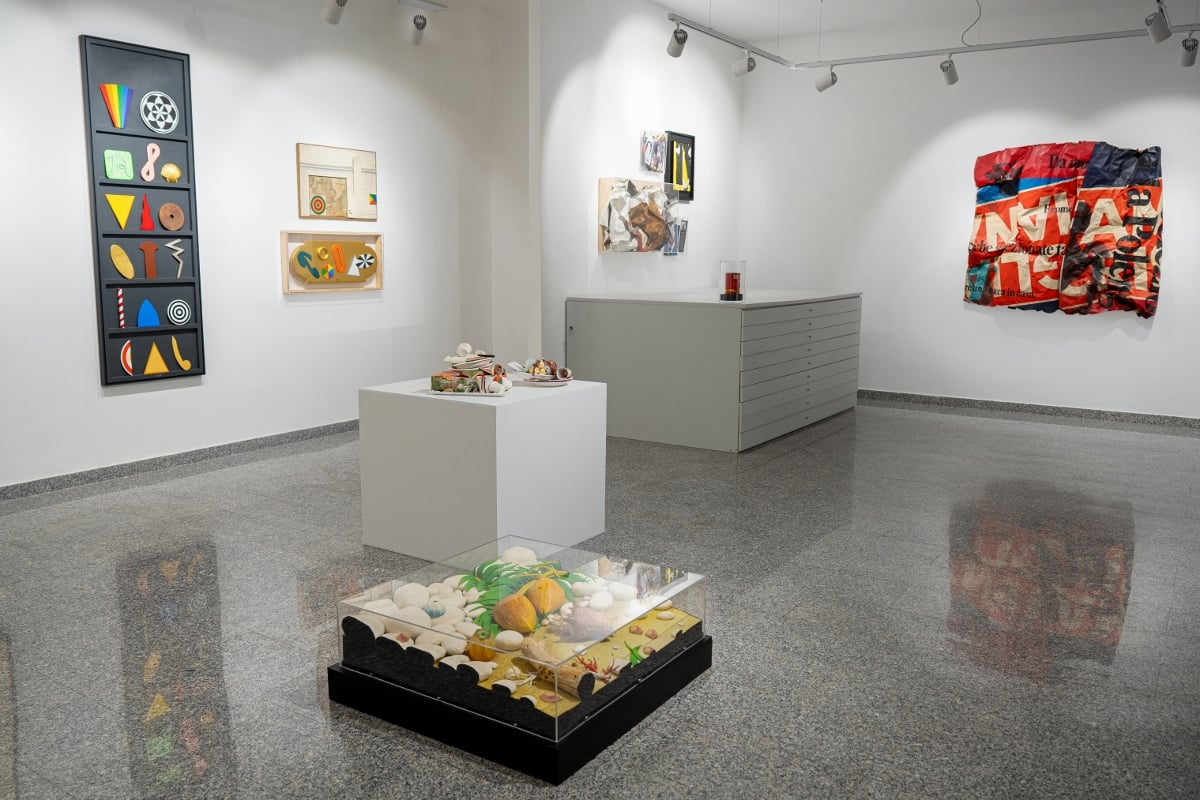
Sangallo Fine Art, a modern art gallery located in Vasto, Abruzzo, Italy, is profiled in an interview with its founder Giorgio di Michele Marisi. The gallery, born from a chance encounter and a passion for 20th-century art, has carved out a distinctive space in the periphery of the art world. It is currently presenting the exhibition "Permanenza della materia espansa" (2026), curated by Lorenzo Madaro, which exemplifies its commitment to critical rediscovery and experimental display. Despite being geographically distant from traditional art hubs, the gallery has built a loyal clientele of knowledgeable collectors and international buyers, relying on direct relationships and participation in art fairs.

Berlin is the capital of contemporary performance. Here's why

Berlino è la capitale della performance contemporanea. Ecco perché

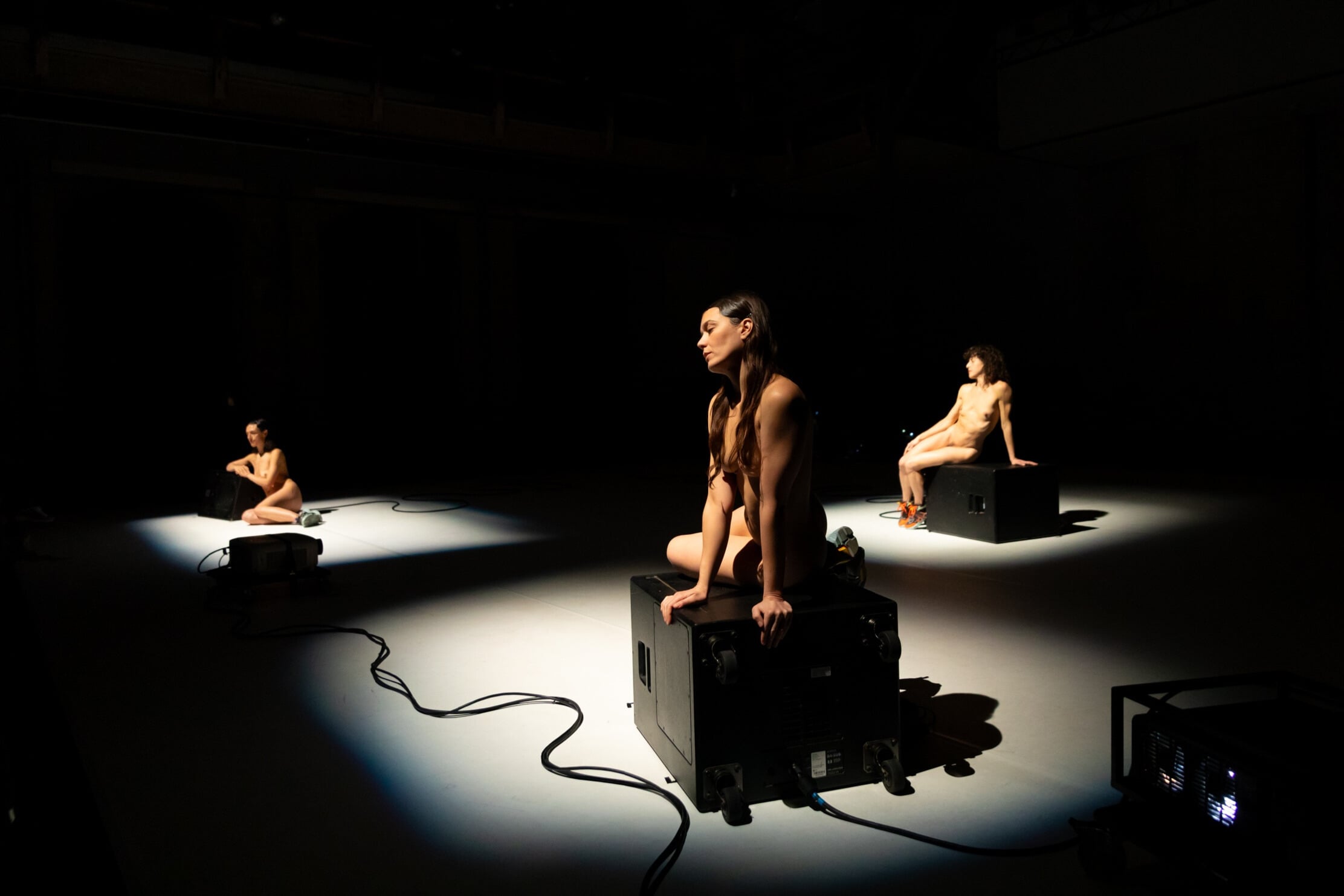
Berlino si conferma capitale della performance contemporanea, con musei e spazi non teatrali che diventano luoghi di azione e sperimentazione. L'articolo descrive quattro recenti performance: 'Glitch Choir – Vocal Variations' di Deva Schubert allo Schinkel Pavillon, dove il corpo e la voce esplorano il glitch come condizione fisica e politica; 'Roses Rising – The Movement' di Leila Hekmat al Gropius Bau, un rituale collettivo di danza e musica; e altre opere che trasformano istituzioni come l'Hamburger Bahnhof in dispositivi di produzione sensoriale. Anche il Bode Museum partecipa con 'The Healing Museum', uno spazio di meditazione interreligioso.

Sylvie Retailleau : « Pendant cinq ans, tout a été remis en jeu »

Sylvie Retailleau, former French Minister of Higher Education and current president of Universcience since January 2026, details the tense negotiations between the Grand Palais and the Palais de la découverte. She reveals that the Palais de la découverte nearly disappeared during the Grand Palais renovation, but will reopen in March 2027. Universcience ceded a 1,200 m² gallery to the Grand Palais as a financial contribution (worth about €30 million over ten years) and is lending another 350 m² gallery until June 2030 for Centre Pompidou exhibitions during its renovation. In exchange, Universcience gains full control over the programming of the Palais des enfants.

Looking for art, culture? See the latest Central Illinois exhibits

A roundup article highlights current and upcoming art and cultural exhibitions across Central Illinois, featuring venues such as the McLean County Museum of History, Krannert Art Museum, Prairie Aviation Museum, Peoria Riverfront Museum, Eaton Studio Gallery, Illinois Art Station, Illinois State Museum, McLean County Arts Center, Main Gallery 404, Abraham Lincoln Presidential Library and Museum, Dickson Mounds Museum, and David Davis Mansion State Historic Site. Specific shows mentioned include "Material Memory" fiber arts show at Brandt Gallery, "Goya's Ghosts" at Armstrong Gallery, "Arts Alive!" auction at Dolan Gallery, "Lincoln: Sight, Sound & Touch" at the Abraham Lincoln Presidential Library and Museum, "Ken Kashian Botanical Photography Exhibit" at IAA Credit Union, and "Kelly Pile Pyrography Pop-up Sale" at Main Gallery 404.