filter_list Showing 121 results for "Germany" close Clear
search
dashboard All 121 museum exhibitions 50rate_review review 18candle obituary 15article news 9article policy 7article culture 7gavel restitution 6person people 4trending_up market 3article local 2
date_range Range Today This Week This Month All
Subscribe

All the complexity of Cézanne on display at the legendary Fondation Beyeler in Basel

Tutta la complessità di Cézanne in mostra alla mitica Fondation Beyeler di Basilea

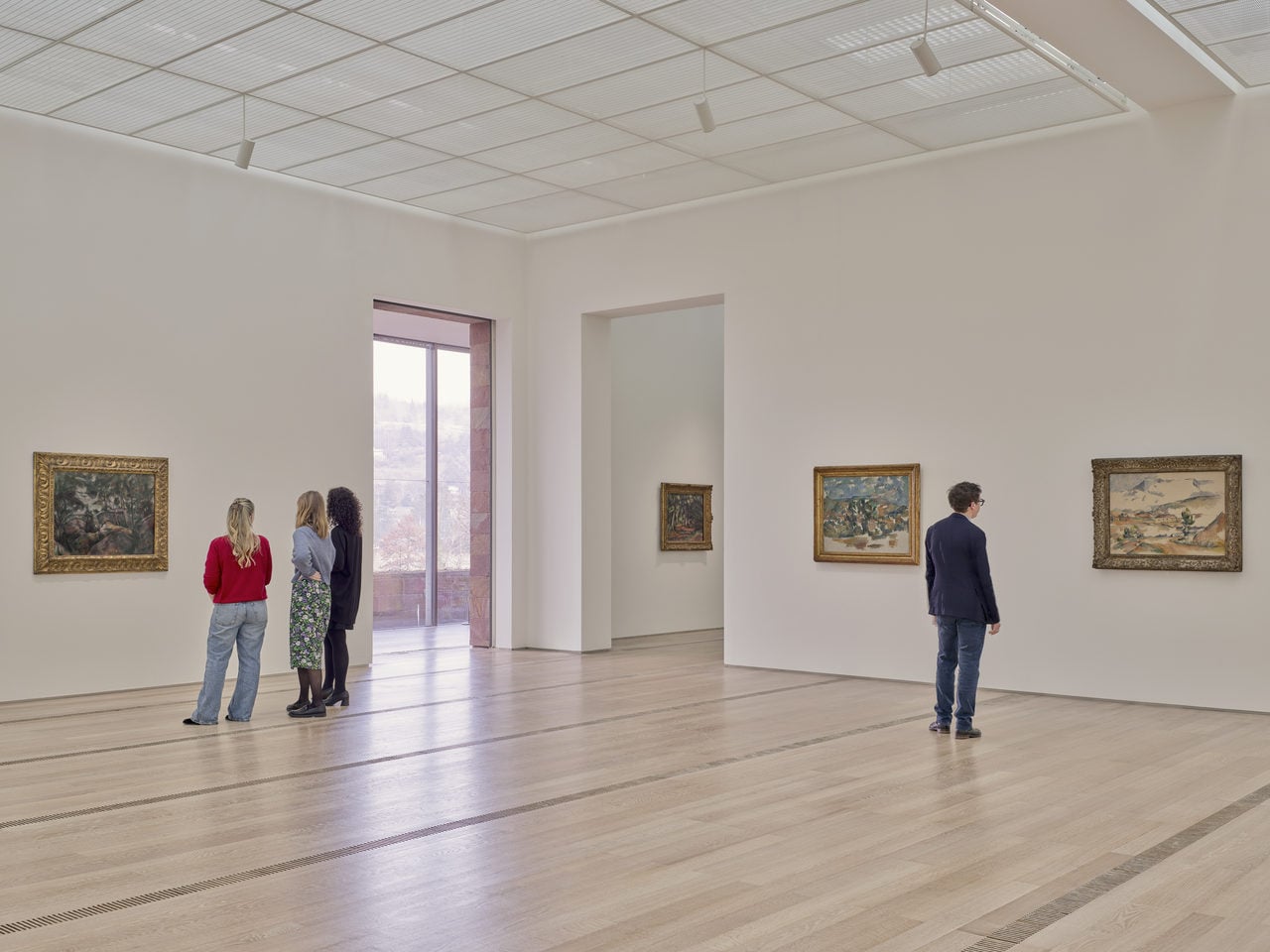
The Fondation Beyeler in Basel has opened a major exhibition dedicated to Paul Cézanne, marking the 120th anniversary of his death. Curated by senior curator Ulf Küster, the show features 80 works—58 paintings and 21 watercolors—drawn from public and private collections across Switzerland, Germany, France, the UK, the Netherlands, Spain, Denmark, and the United States. Highlights include nine versions of Mont Sainte-Victoire, rare comparisons of two watercolor versions of "Boy in a Red Waistcoat," and two versions of "The Card Players" from the Courtauld Gallery and the Musée d'Orsay. The exhibition runs until May 25, 2026, and is accompanied by a catalog published by Hatje Cantz Verlag.
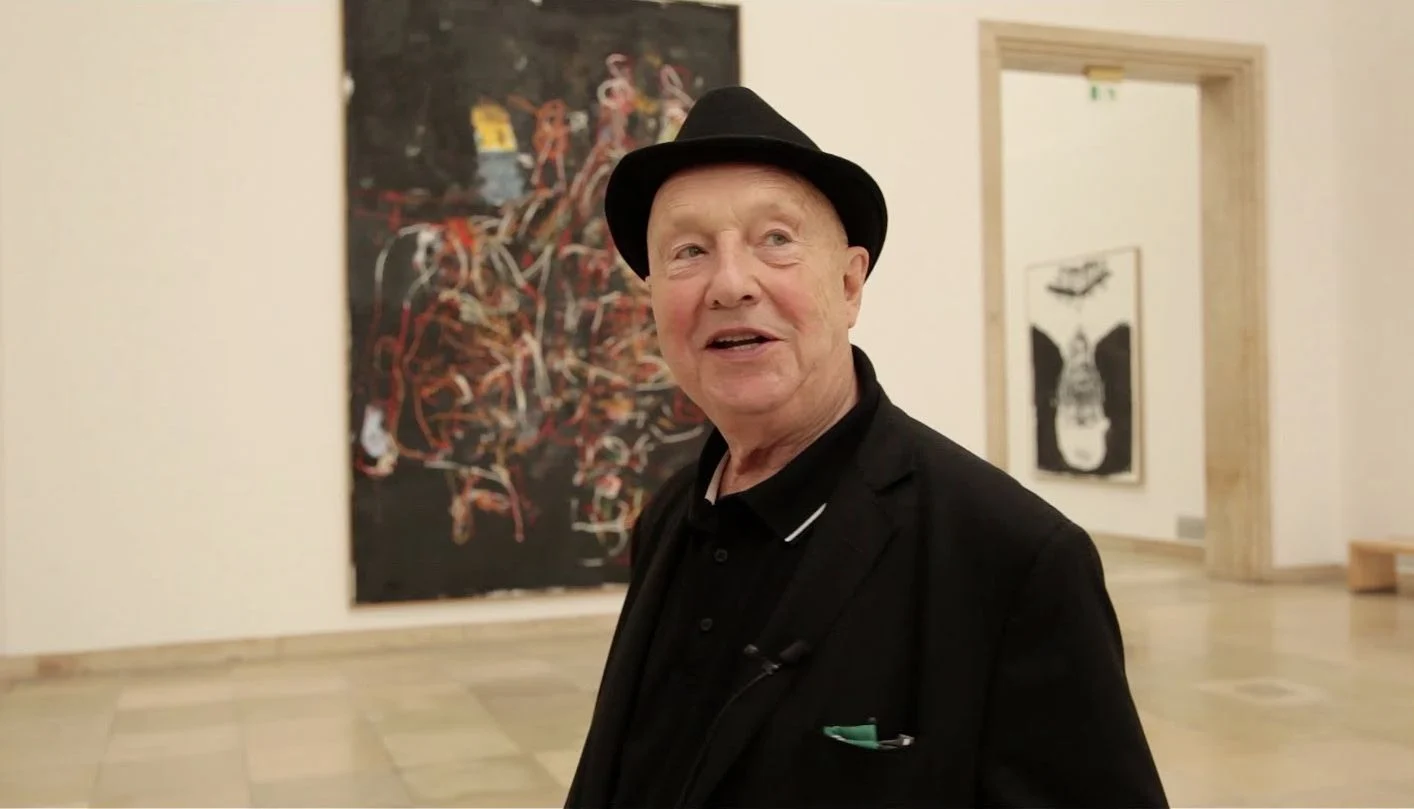
È morto a 88 anni il grande artista tedesco Georg Baselitz

German painter Georg Baselitz, known for his expressionist works that confronted the horrors of Nazi Germany, died on April 30, 2026 at age 88. Born Hans-Georg Kern in 1938, he grew up amid World War II rubble and became a pioneering, anti-conformist figure of the post-war era, famously inverting his images to force viewers to reconstruct meaning. A major exhibition, 'GEORG BASELITZ – AVANTI!', had just opened on March 25 at the Museo Novecento in Florence, focusing on his graphic works and his ties to the city. Another show, 'Georg Baselitz. Eroi d’Oro', was set to open May 6 at the Fondazione Giorgio Cini in Venice during the 61st Venice Biennale, featuring large recent paintings and portraits of his wife Elke.

Julia Stoschek Foundation to Close in Berlin

The Julia Stoschek Foundation will close its Berlin outpost at the end of October 2025, after a decade of operation. The Düsseldorf-based nonprofit, which holds one of the world's largest collections of time-based art, opened the Berlin space in 2016 and welcomed over 450,000 visitors across 22 exhibitions, including solo shows by Meriem Bennani, Stan Douglas, Arthur Jafa, and Mark Leckey. The foundation cited a "strategic realignment" that will shift focus to projects elsewhere in Germany and abroad. Its Düsseldorf space is currently closed for renovations and expected to reopen next year.

DHM main building likely closed until 2031

DHM-Hauptbau wohl bis 2031 dicht

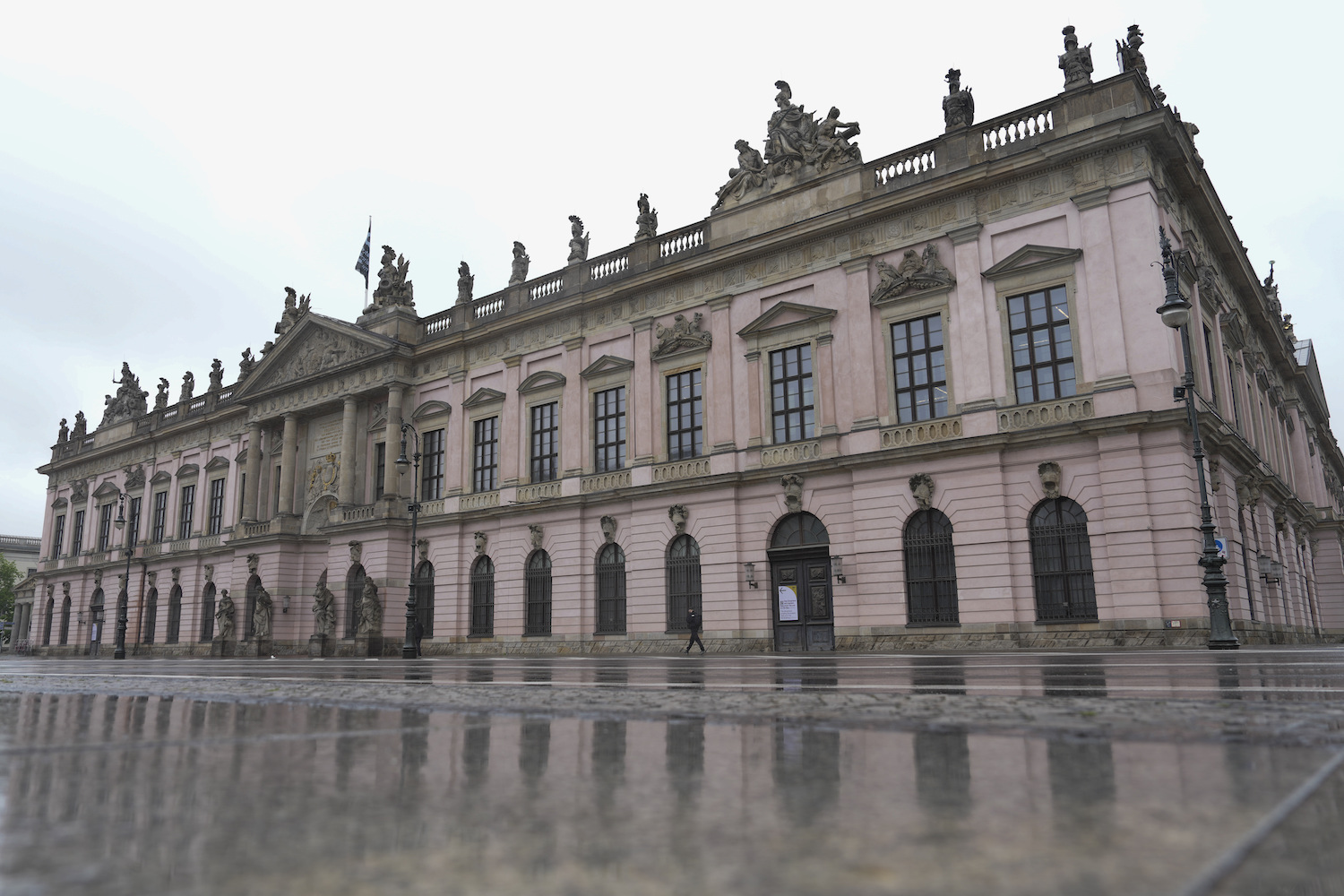
The German Historical Museum (DHM) in Berlin will remain without its main building, the Zeughaus on Unter den Linden, until at least 2031 due to further delays in its renovation. Museum director Raphael Gross announced that a binding timeline from the property owner and the federal construction authority is not expected until 2027, and a reopening before 2031 is unrealistic. In the meantime, the museum is using its modern Pei-Bau wing to host a new exhibition titled "Objekte. Geschichte. Geschichten," featuring around 200 highlights from its collection of one million objects, including a samurai armor once gifted to Adolf Hitler and objects from a refugee shelter.

Deutscher Pavillon wird zum Plattenbau

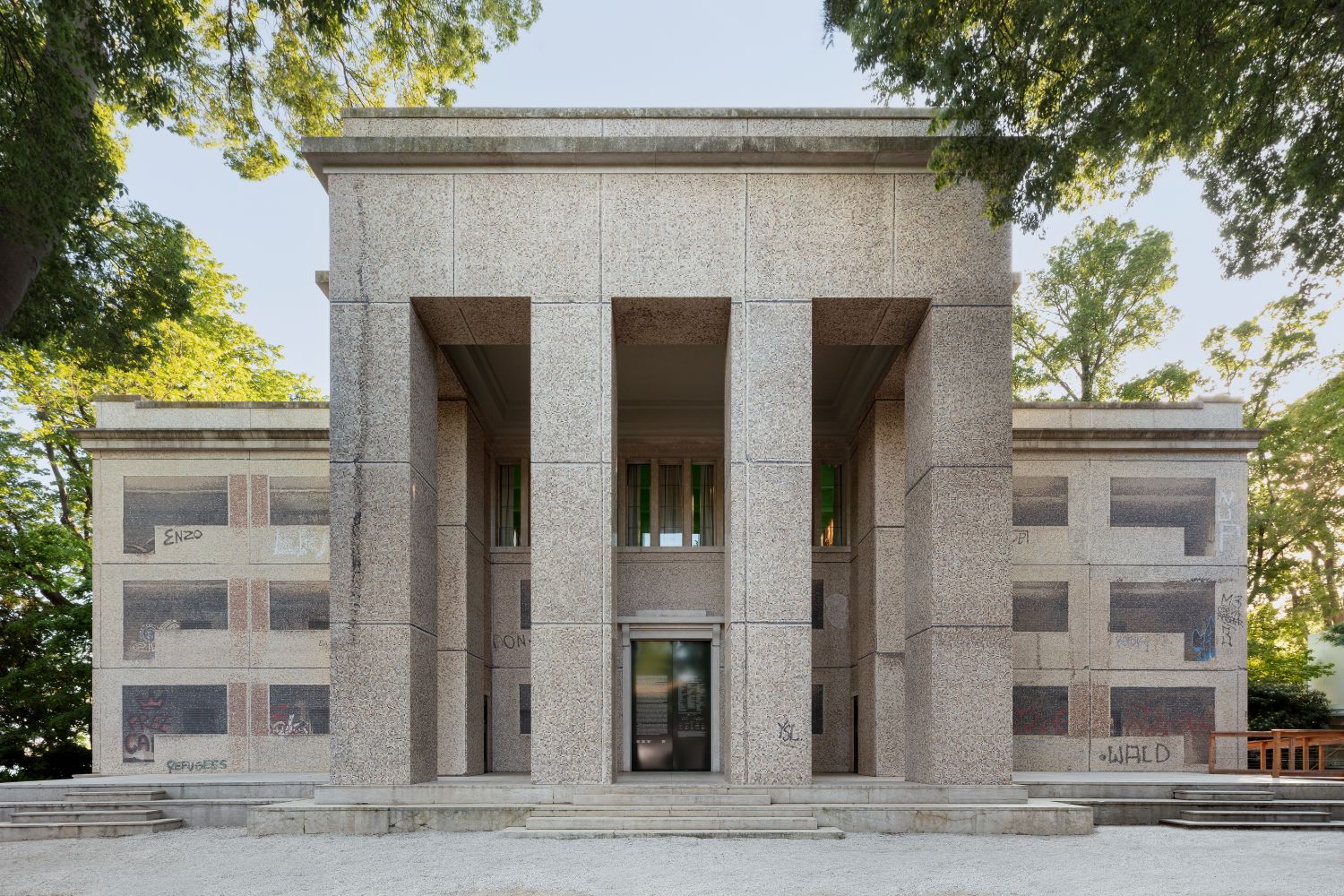
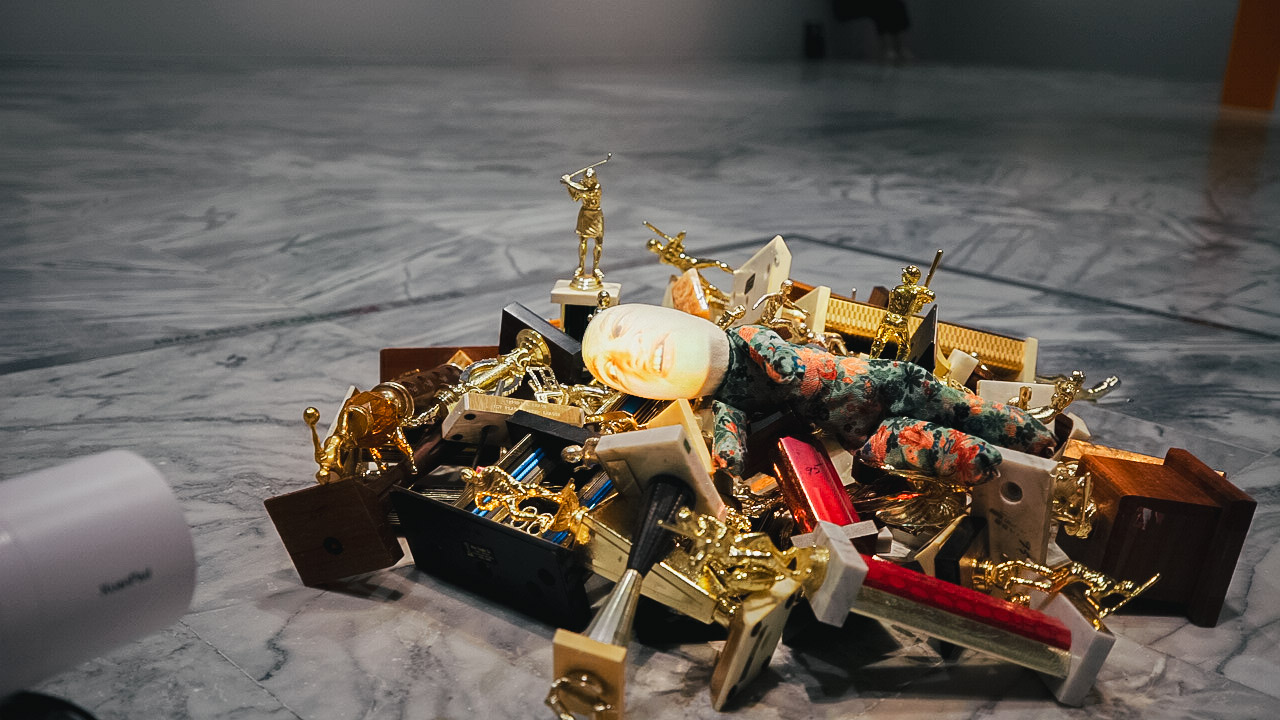
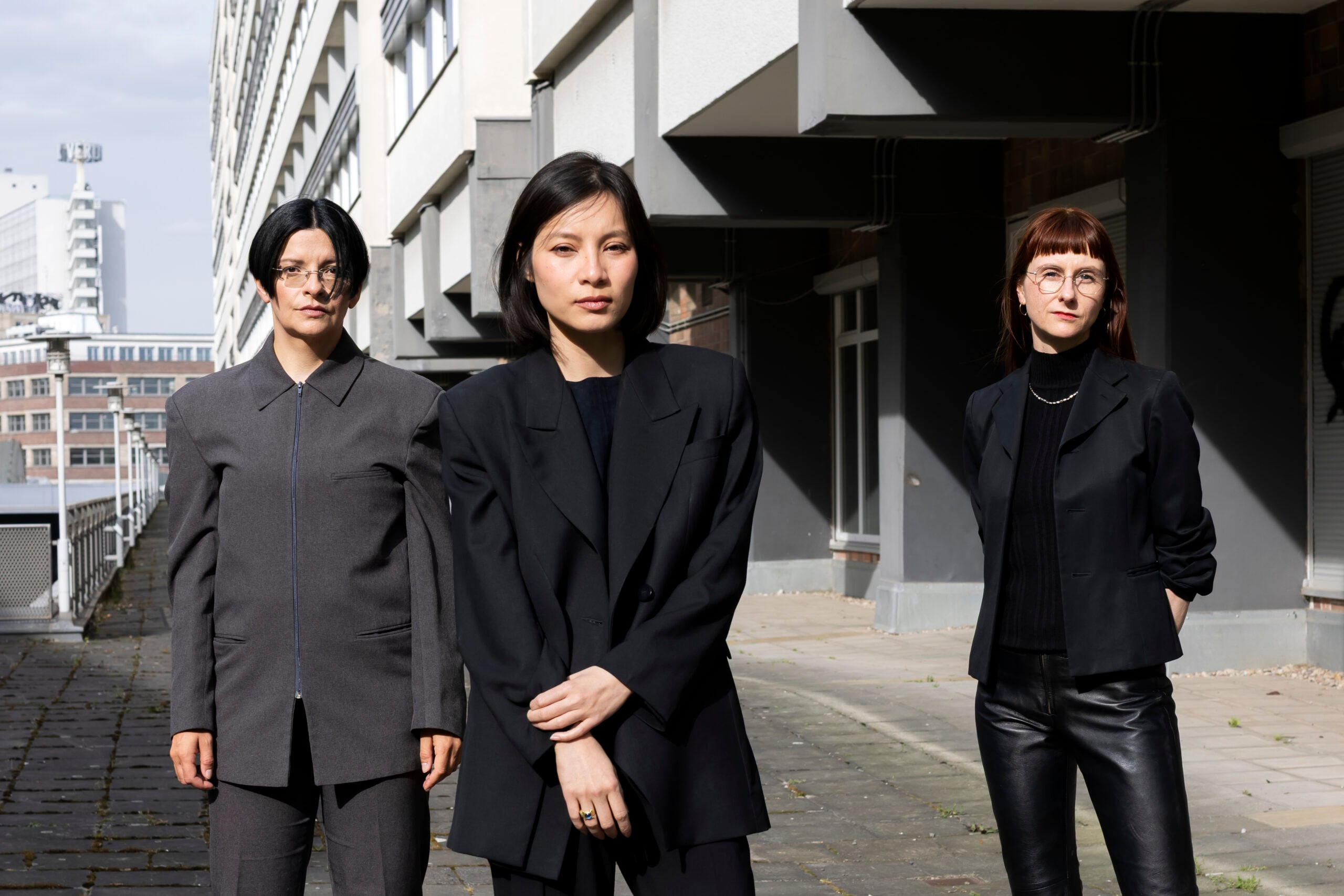
The German Pavilion at the Venice Art Biennale has been transformed into a prefabricated concrete slab building (Plattenbau) for this year's edition, designed by artists Sung Tieu and the late Henrike Naumann, who died suddenly in February at age 41 from cancer. Curator Kathleen Reinhardt described the pavilion as part of a highly political Biennale, with Tieu covering the 1938 fascist-era building with a mosaic of over three million tiles depicting a Berlin apartment block that once housed Vietnamese contract workers. Naumann's interior installation features mint-green references to Soviet barracks in East Germany, a cartography of war, and works including a relief of chairs, a curtain of chainmail, and the performance "Trümmerfrau."

Drained, Drowning, and Decay: The Best National Pavilions at the Venice Biennale

The 2026 Venice Biennale is defined by themes of ruin and decay, with standout national pavilions exploring bodily, infrastructural, and archaeological collapse. The Slovenian Pavilion features the Nonument Group repurposing materials from past Biennales into a ruin of a mosque for Bosnian Muslim soldiers from World War I. Syria presents its first national pavilion since the Civil War, with Sara Shamma invoking Palmyra, destroyed by ISIS. Germany's pavilion, titled "Ruin," features works by Henrike Naumann (who died in February) and Sung Tieu, questioning the pavilion's fascist architecture and nationalist residue. The Austrian Pavilion, curated by Florentina Holzinger, offers a visceral performance titled "Sea World." The Biennale is also marked by the abrupt resignation of its five-member jury, who refused to consider nations charged with crimes against humanity, leading to awards being chosen by public vote. Additionally, the main exhibition "In Minor Keys" was affected by the death of its curator, Koyo Kouoh.

A Pavilion of Ruins: Germany Reconsiders Its Past in Venice

The German Pavilion at the 61st Venice Biennale features a dual presentation exploring the country's layered political history. Artist Sung Tieu has cloaked the pavilion's fascist-era facade with a mosaic reconstruction of a GDR housing estate for Vietnamese contract workers, where she lived as a child. Inside, the late Henrike Naumann's immersive installation 'The Home Front' uses furniture and design to stage a confrontation between East and West German domestic and political ideologies. Naumann died in February 2025 at age 41, but her fully realized concept was completed collaboratively by her partner and curator Kathleen Reinhardt.

‘In every drop of paint he slurped, you see the Holocaust’: the genius and torments of Georg Baselitz

Georg Baselitz, the German painter and sculptor known for his provocative confrontations with Nazi history, has died. Born in 1938, he was one of the last living artists with direct childhood memories of the Third Reich. His early works, such as *Die große Nacht im Eimer* (1961) and his upside-down German eagles, deliberately shocked postwar West Germany by depicting obscene, shameful images of a society trying to forget the Holocaust. He famously exhibited a zombie Hitler woodcarving at the 1980 Venice Biennale alongside Anselm Kiefer, insisting on confronting rather than ignoring the Nazi heritage of the German Pavilion.

Jean-Michel Basquiat | FAE Musée d'Art Contemporain (Sans titre) (Untitled) (1993) | For Sale

An extremely rare original 1993 exhibition poster for a posthumous Jean-Michel Basquiat solo show at FAE Musée d'Art Contemporain in Pully-Lausanne, Switzerland is being offered for sale by Graves International Art. The offset-lithograph poster, featuring Basquiat's untitled 1982 painting, was designed by Pierre Neumann and comes from a private collection in Hamburg, Germany. The listing notes that no other example of this poster has appeared on the secondary market or at auction before, and it is issued unsigned and posthumous.

Taipei Fine Arts Museum unveils 'Surrealism: The World in Dialogue'

Taipei Fine Arts Museum (TFAM), in collaboration with the Institute for Cultural Exchange in Tübingen, Germany, has launched its major spring exhibition "Surrealism: The World in Dialogue." Featuring over 120 works by nearly 60 international artists, the exhibition marks a century since André Breton's 1924 "Surrealist Manifesto." It juxtaposes historical avant-garde works with contemporary practices, organized into sections such as "Collective Dreams," "Body of Desire," and "Absurd Play." Highlights include Yves Tanguy's dreamscapes, Lauren Moffatt's augmented reality installation, Max Ernst's scraping-method works, Patricia Piccinini's hybrid sculptures, and works by Man Ray, Meret Oppenheim, Sarah Lucas, Luis Buñuel, and Salvador Dalí.

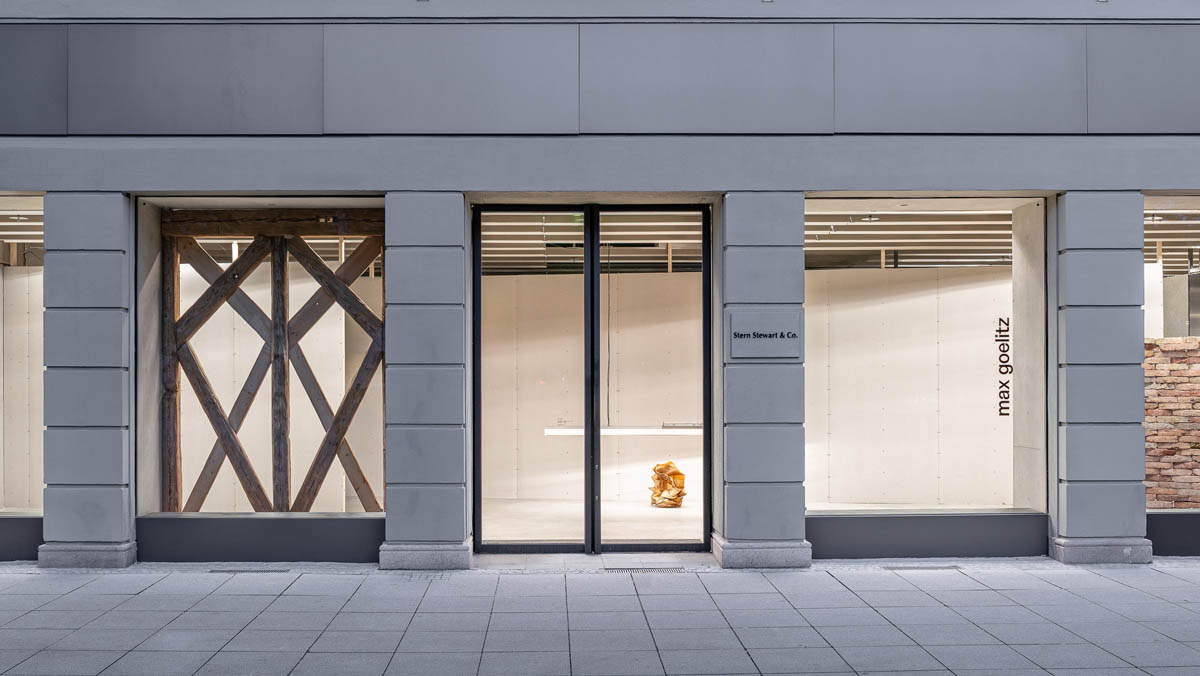
Interview. Max Goelitz

In an interview marking the sixth anniversary of his gallery, Max Goelitz reflects on the founding and evolution of his two-location operation in Munich and Berlin. He discusses how his decade at Häusler Contemporary, where he served as director, prepared him for the unpredictable nature of running his own gallery. The COVID-19 pandemic forced a strategic pivot from international ambitions to a focus on the local German market, which proved unexpectedly sustainable. Goelitz also addresses the current challenges facing galleries, including generational shifts and a more difficult art market, while advocating for an "old-school" reconsideration of what defines a gallery in times of transition.

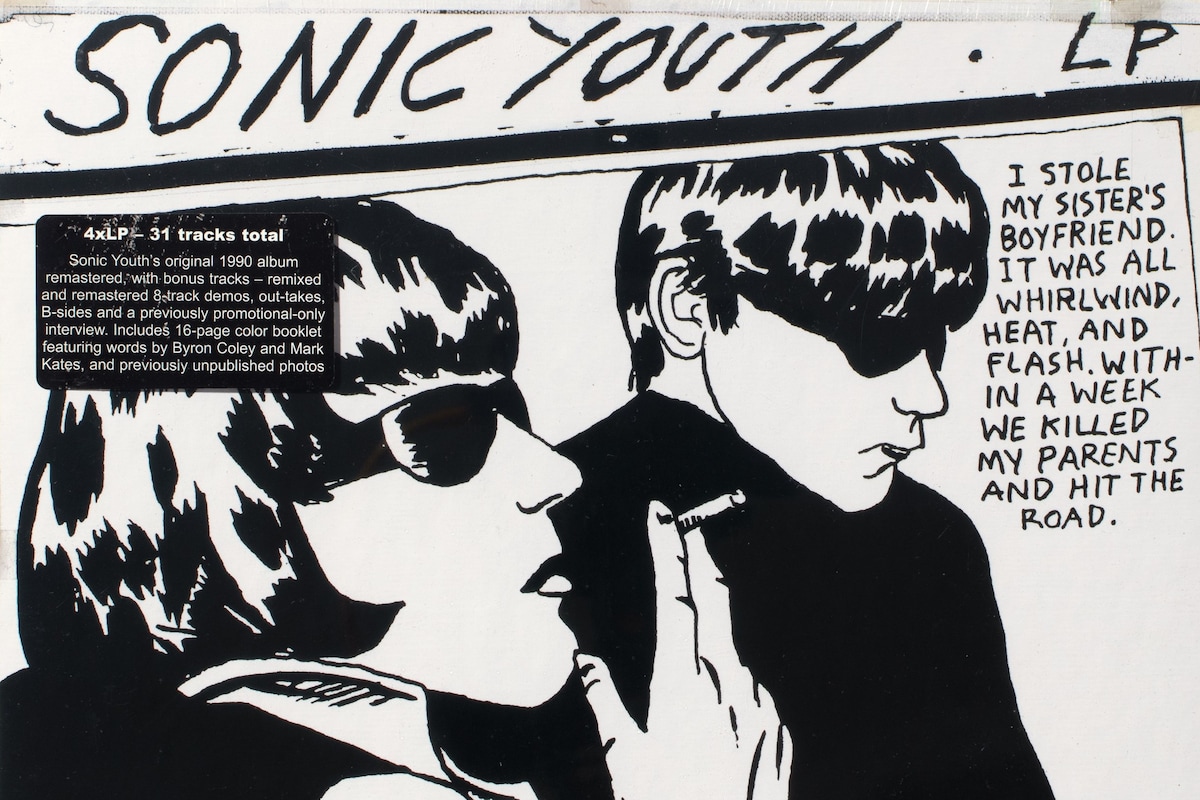
Raymond Pettibon, the Artist Behind Some of the Most Iconic Album Covers

A new exhibition titled "Nervous Breakdown" at the Wilhelm-Hack-Museum in Ludwigshafen, Germany, presents the most comprehensive collection of Raymond Pettibon's album cover art to date. The show draws from over 200 works in the collection of Stefan Thull, spanning Pettibon's record, CD, and cassette covers from 1979 to the present, including iconic designs for Sonic Youth's "Goo" and Black Flag's logo. The exhibition is accompanied by a catalogue published by the museum and David Zwirner Books.

Marc Chagall | Sujet Biblique (1956) | For Sale

A limited-edition lithograph by Marc Chagall, titled *Sujet Biblique* (1956), is being offered for sale through Palm Beach Modern Auctions. The work is signed, bears a blind stamp, and is edition 2/15. It was originally published by Antoine Teriade in Paris for the Verve Vol. III art review, and its provenance includes a previous sale at Phi Auctions in 2021–2022. The lot is listed with a buyer's premium of 28% and is sold "AS IS" under the auction house's standard terms.

One Fine Show: “Wes Anderson, The Archives” at the Design Museum in London

The Design Museum in London has opened "Wes Anderson: The Archives," the first major museum exhibition dedicated to the filmmaker. Featuring over 700 pieces of ephemera—including costumes, props, stop-motion puppets, miniature models, paintings, and Anderson's notebooks and storyboards—the show draws from a personal archive he has built since 1998. The exhibition, a collaboration with la Cinémathèque française in Paris where it premiered last year, has been expanded by some 300 additional objects for its London run. It runs through July 26, 2026.

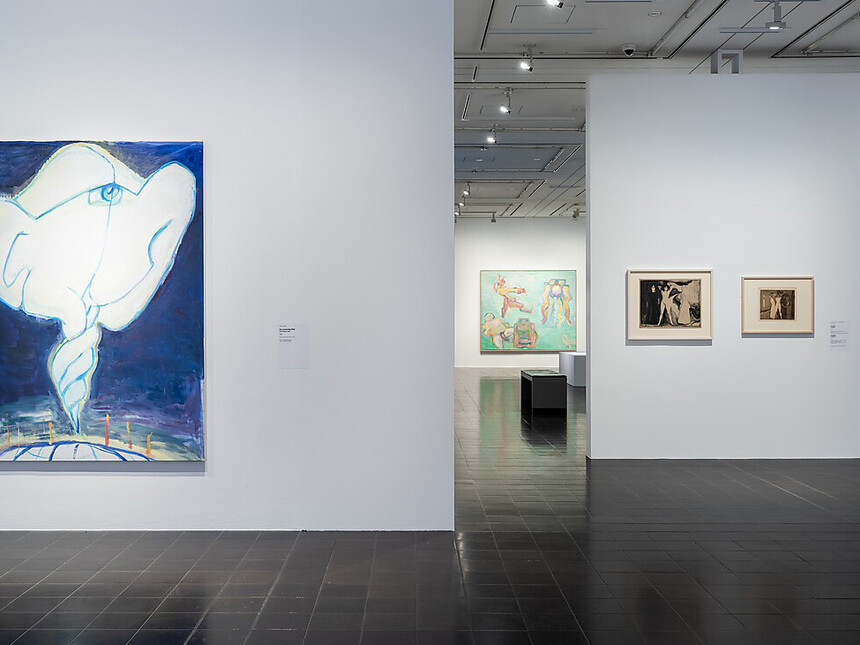
Maria Lassnig and Edvard Munch's exhibition

The Hamburger Kunsthalle in Hamburg, Germany, presents a major double exhibition pairing Austrian artist Maria Lassnig (1919–2014) with Norwegian painter Edvard Munch (1863–1944) for the first time. Featuring nearly 200 works—including paintings, works on paper, sculptures, films, and photographs—the show highlights parallels between the two artists across a half-century gap, tracing Munch’s influence on Lassnig and revealing new aspects of both oeuvres. Key works include Munch’s *Madonna* (1893–1895) and Lassnig’s *Traditionskette* (1983), with the exhibition organized into 13 chapters plus a prologue and epilogue exploring themes such as self-portraits, gender, nature, and mortality.

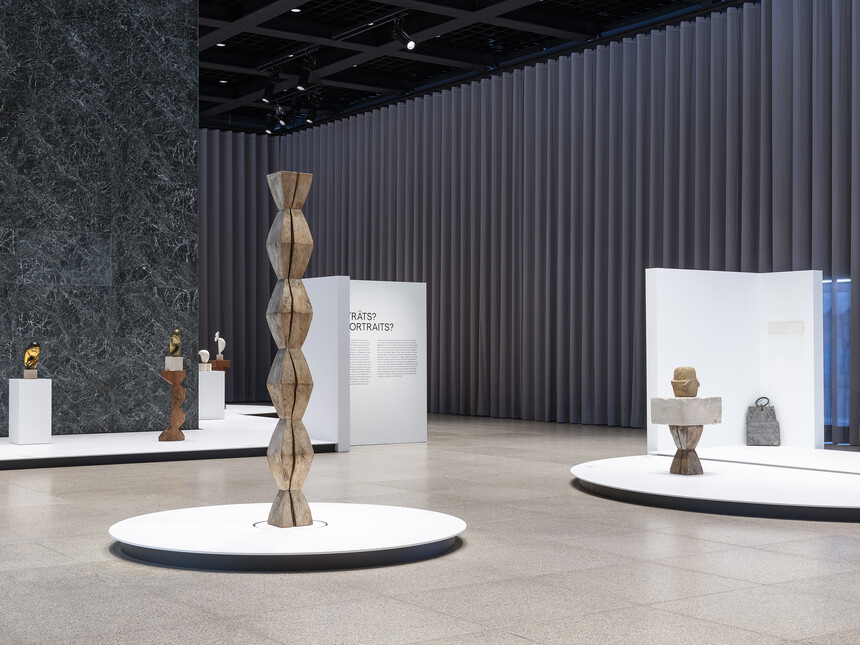
Brancusi

The Neue Nationalgalerie in Berlin, in cooperation with the Centre Pompidou in Paris, has opened the first major exhibition of sculptor Constantin Brancusi in Germany in over 50 years. Featuring more than 150 works—including sculptures, photographs, drawings, films, and archival materials—the show presents key pieces such as "The Kiss," "Bird in Space," "Sleeping Muse," and "Endless Column," alongside a partial reconstruction of Brancusi's legendary studio, shown outside Paris for the first time since its bequest to the French state in 1957.

In conversation with Mia curator Tom Rassieur: 1940s Germany, modern art and its mirrors today

The Minneapolis Institute of Art has opened a major exhibition, 'Modern Art and Politics in Germany 1910-1945: Masterworks from the Neue Nationalgalerie, Berlin.' The show, curated by Tom Rassieur, presents a chronological journey through German art from the Expressionist era through the World Wars, featuring key works by artists like Ernst Ludwig Kirchner, Vassily Kandinsky, and Franz Marc. It highlights groups like Der Blaue Reiter and uses deliberate pairings, such as portraits of Jewish art dealers by Otto Dix and Lovis Corinth, to explore themes of societal tension, propaganda, and identity.

Artist Kasper Eistrup Maps the Human Condition on Canvas

Danish artist Kasper Eistrup (b. 1973) presents his first solo exhibition in Germany, titled "Bridges Over Magma," at Galerie Schimming in Hamburg. The show features a new body of work created during a recent artist-in-residence program in Hamburg, where Eistrup drew inspiration from the city's famous bridges and his ongoing exploration of painting and drawing. The compositions blend meticulously rendered figures with architecture, flora, fauna, handwritten text, and abstract textures, exploring themes of human connection and resilience.

Nel Padiglione Germania alla Biennale di Venezia un gruppo di donne riflette sulle rovine del passato per capire il mondo

The German Pavilion at the 2026 Venice Biennale will present the work of two women artists, Henrike Naumann and Sung Tieu, following the death of Naumann at age 41 in February 2026. Curated by Kathleen Reinhardt, director of the Georg Kolbe Museum in Berlin, the pavilion's project, titled "Ruin," explores the dual meanings of the word in English and German—architectural decay versus economic, social, or moral collapse. The exhibition draws on research into East Germany (DDR) and the post-reunification period, using the pavilion's fascist architecture as a lens to examine historical ruptures and their impact on the present. For the first time in its history, the German Pavilion is represented solely by women, mirroring the Italian Pavilion.

Conference: Baselitz, Immendorff, Lüpertz, Penck Group exhibition at the Kunstmuseum Schloss Derneburg

Konferenz: Baselitz, Immendorff, Lüpertz, Penck Group exhibition at the Kunstmuseum Schloss Derneburg

The Kunstmuseum Schloss Derneburg in Holle, Germany, has opened a major group exhibition titled "Konferenz: Baselitz, Immendorff, Lüpertz, Penck." The show features over 50 significant works by the four celebrated post-war German artists, exploring their unique approaches to national identity during a period of political division. It includes pieces from Georg Baselitz's personal collection of his contemporaries' work, supplemented by archival photographs by Edward Quinn from the 1980s.

Group "New Generation" Plans "Art Protest" on Wednesday

Gruppe "Neue Generation" plant "Kunstprotest" am Mittwoch

The activist group "Neue Generation" has announced a week of protests in Berlin under the theme "Revolution Days," promising creative and artistically designed actions. Their activities began with a "protest dance" on the steps of the Reichstag building, leading to three participants being investigated for trespassing. The group has scheduled a "Kunstprotest" (art protest) for Wednesday and a "revolutions attempt in the government district" for Thursday.

À Berlin, le Musée de Pergame rouvrira partiellement en 2027

Berlin's Pergamon Museum, closed since October 2023, will partially reopen in June 2027, with only the north wing and central section accessible. The renovation and expansion project, launched in 2012, has faced repeated delays and its budget has ballooned to €1.5 billion. The partial reopening coincides with the bicentenary of Berlin's Museum Island and will bring back the Pergamon Altar, unseen for over a decade, along with redesigned permanent exhibitions for the Museum of Islamic Art and the Museum of the Ancient Near East. However, major attractions like the Ishtar Gate and the Market Gate of Miletus will remain closed until the 2030s, with full museum completion now estimated between 2037 and 2043.

Are Tattoos Art?

Sind Tattoos Kunst?

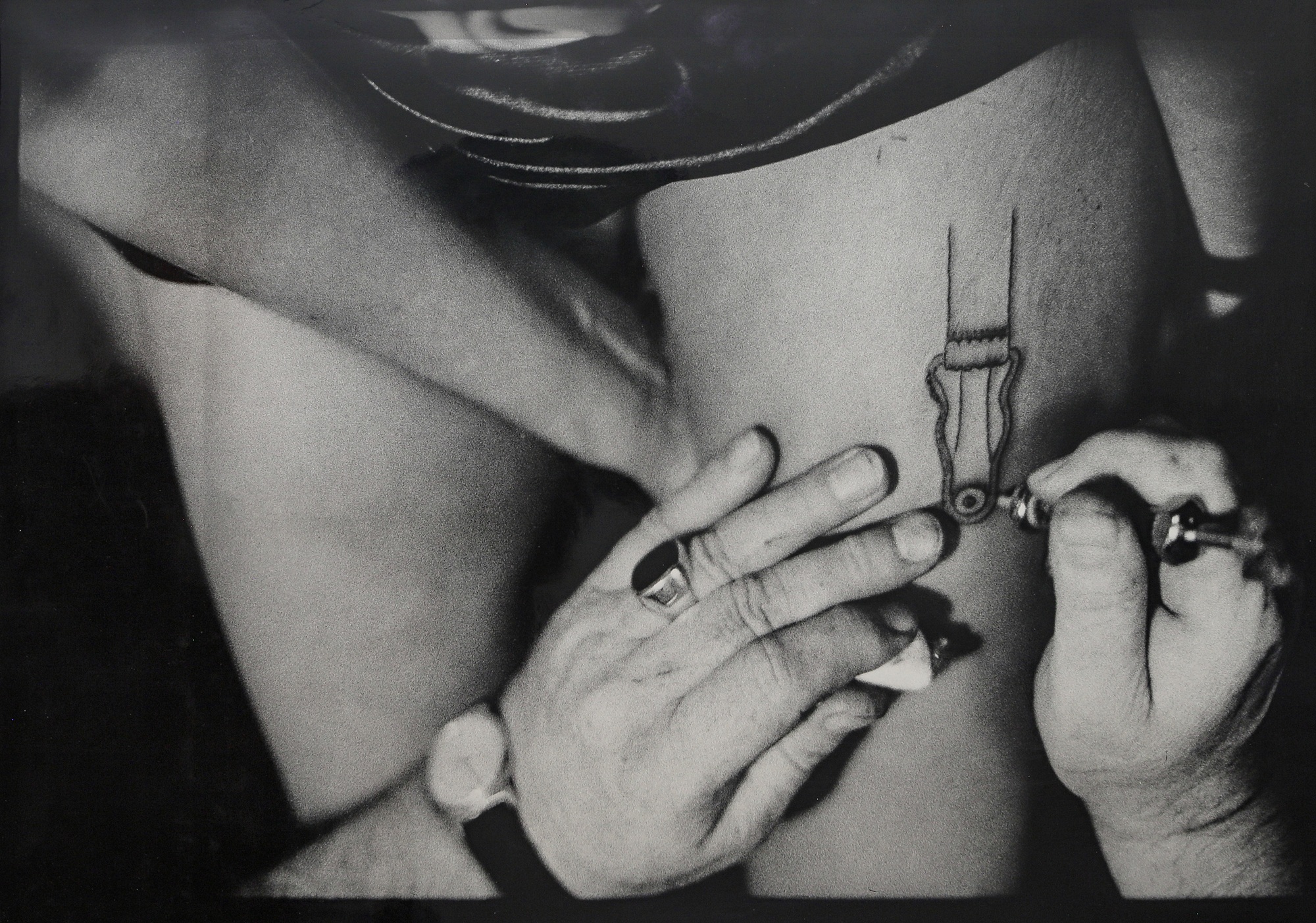
A group exhibition at the Opelvillen in Rüsselsheim, Germany, titled "Unter die Haut. Tattoos im Blick," explores tattooing as an art form, centering on the work of tattoo artist and photographer Herbert Hoffmann. The show traces the evolution of tattoos from post-war working-class culture to contemporary pop culture, featuring Hoffmann's photographs alongside works by contemporary artists David Schiesser, Michele Servadio, and Sarah Dubná, who bridge tattooing with drawing, painting, and printmaking. The exhibition is a partner project with "Mishpocha" at the Jewish Museum Frankfurt and includes shared photographic positions by Sandra Mann and Jan Zappner.

How Art Libraries Make Art Accessible

Wie Artotheken Kunst zugänglich machen

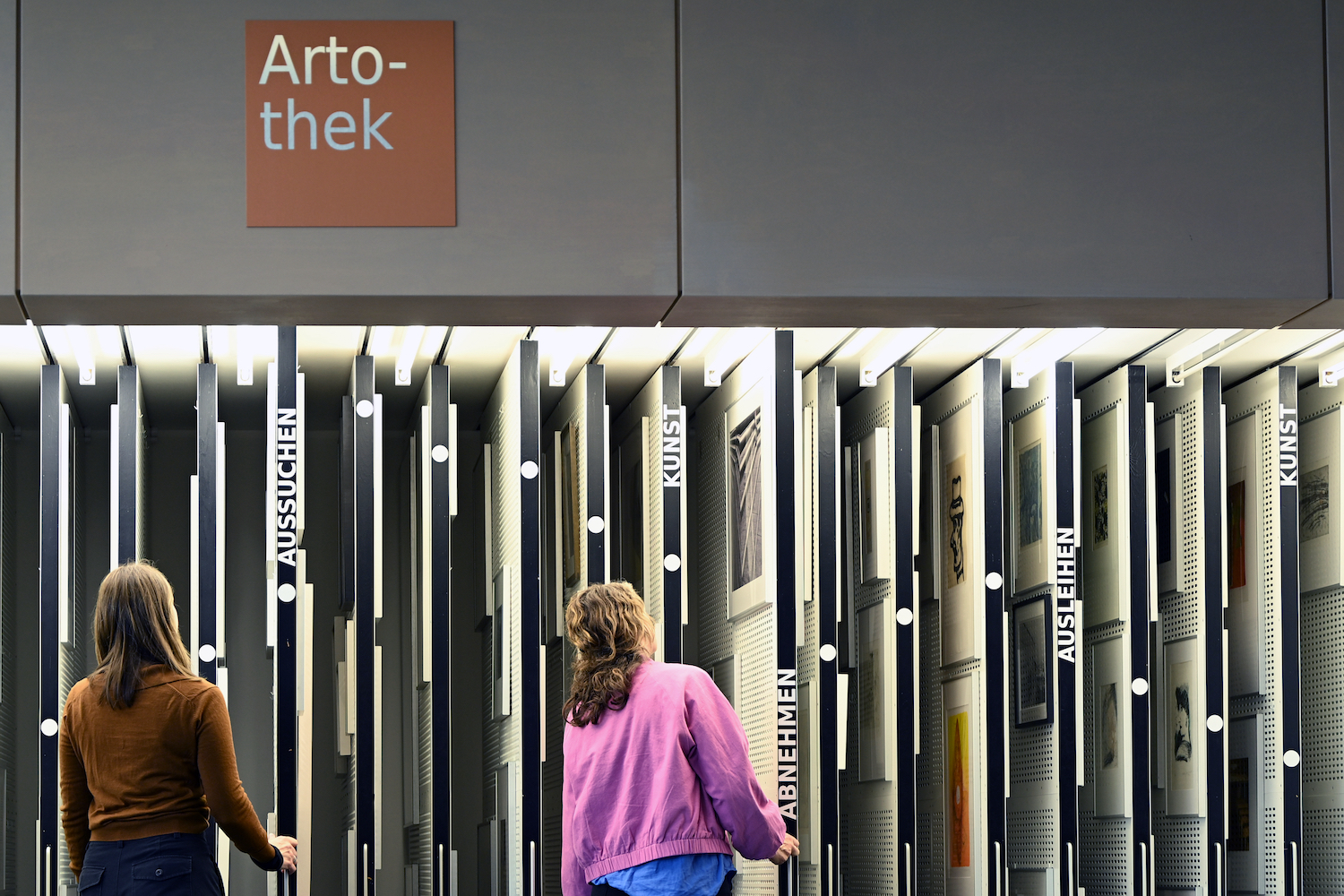
Artotheken, or art libraries, are public institutions that lend artworks to anyone with a library card, making art accessible beyond the traditional museum or gallery system. In Germany, over 100 such artotheken exist, often housed in public libraries, art associations, or museums. The Amerika-Gedenkbibliothek in Berlin, for example, has a collection of 2,000 works, with around 300 currently on loan to homes, doctors' offices, and law firms. The lending process is informal: borrowers can eat, drink, and even touch the works, and transport by bus or bike is encouraged. A jury selects up to 15 new works annually, and the collection includes major names like Roy Lichtenstein and Niki de Saint Phalle, though most users choose pieces based on personal connection rather than prestige.

Federal President praises Emder Kunsthalle: 'Extraordinary quality'

Bundespräsident lobt Emder Kunsthalle: "Außerordentliche Qualität"

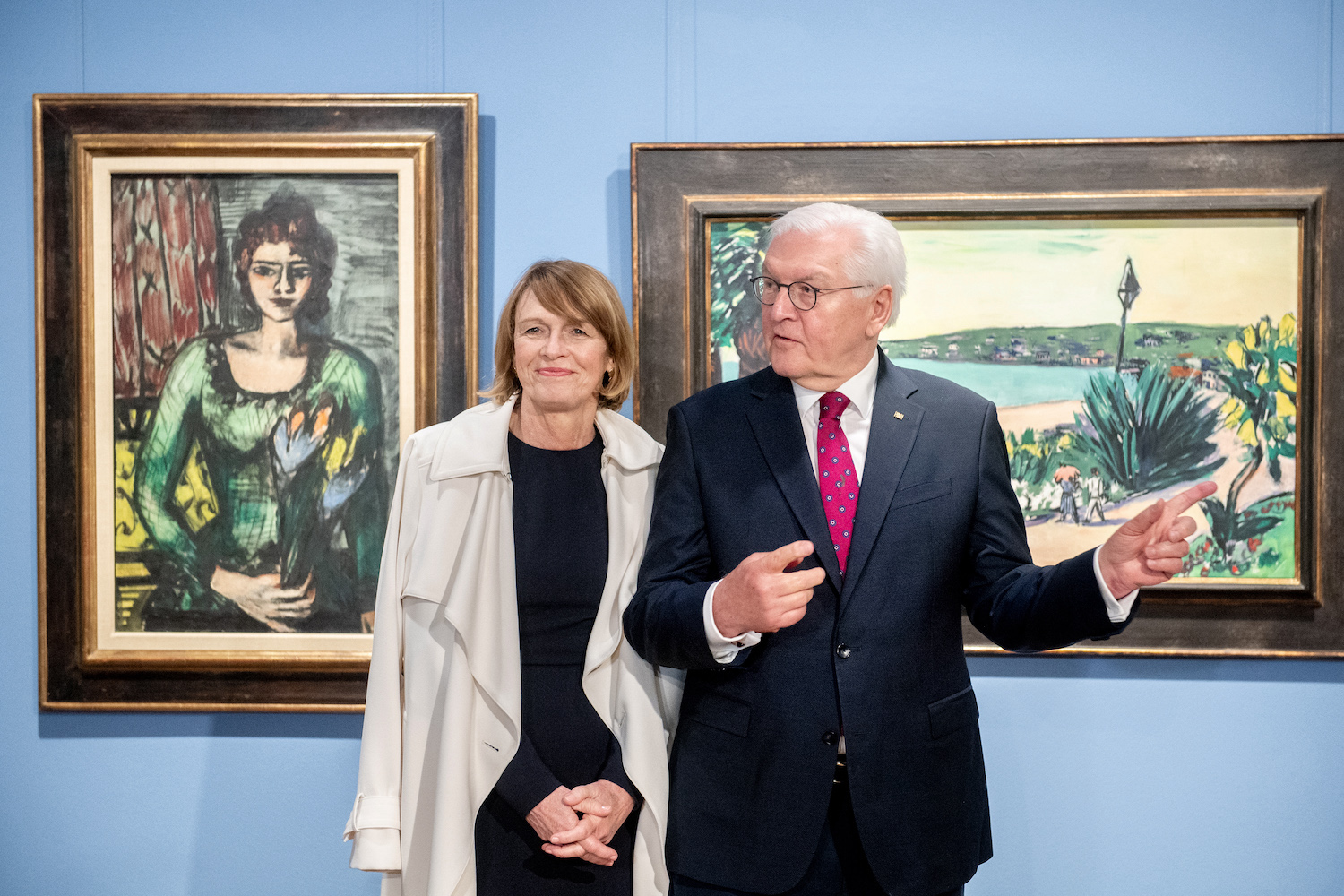
German President Frank-Walter Steinmeier praised the Emder Kunsthalle on its 40th anniversary, calling its collection of "extraordinary quality." The museum was founded in 1986 by Henri Nannen, the late founder of Stern magazine, and his wife Eske Nannen. Steinmeier spoke at a ceremony attended by 500 guests, including his wife Elke Büdenbender and Lower Saxony's Minister President Olaf Lies. The anniversary exhibition "Bilder, die wir lieben" (Pictures We Love) showcases 200 works from the collection, which has grown to around 1,700 pieces, including pieces by Gabriele Münter, Paula Modersohn-Becker, Max Beckmann, and Franz Marc.

An Era Ends When the Illusions Underlying It Are Exhausted

"Eine Ära endet, wenn die ihr zugrunde liegenden Illusionen erschöpft sind"

A media roundup covers several art world stories. The Art Newspaper reports that the ongoing Middle East conflict is unsettling the Gulf art market, causing fair postponements and shaking Dubai's image as a stable luxury hub, though galleries emphasize they continue to work. Meanwhile, the search for a new director for Germany's Kulturstiftung Dessau-Wörlitz continues after a protracted legal battle, with applications open until May 31. The New Yorker presents a reading of Johannes Vermeer's quiet scenes as fragile refuges from a violent historical context, while the Berliner Zeitung critiques the global commercialization of Frida Kahlo into a licensed brand.

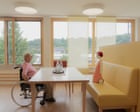
Emma the joke-telling robot cracks up the care home: Paula Hornickel’s best photograph

Photographer Paula Hornickel captured a moment between an elderly care home resident named Waltraud and a social robot named Emma in Albershausen, Germany. The robot, designed for companionship in settings with staff shortages, engages residents in conversation, tells jokes, and discusses topics like favorite flowers, simulating social interaction.

Sung Tieu on Representing Germany at the 61st Venice Biennale

Sung Tieu, who is co-representing Germany at the 61st Venice Biennale alongside Henrike Naumann, responds to a questionnaire from ArtReview about her plans for the German Pavilion. She describes her inspiration as her mother and childhood home, a site built for foreign contract workers in the GDR that later became a refuge for the diaspora. Tieu states that her work relates to the Biennale theme "In Minor Keys" through the lens of Gehrenseestrasse, a concrete record of collective memory. She also expresses skepticism about the Biennale's importance, noting that the German Pavilion's fascist architecture compels artists to work against it, and that national pavilions reveal how much work remains in undoing nationalism.

How to Have the Perfect Day at Frieze New York 2026

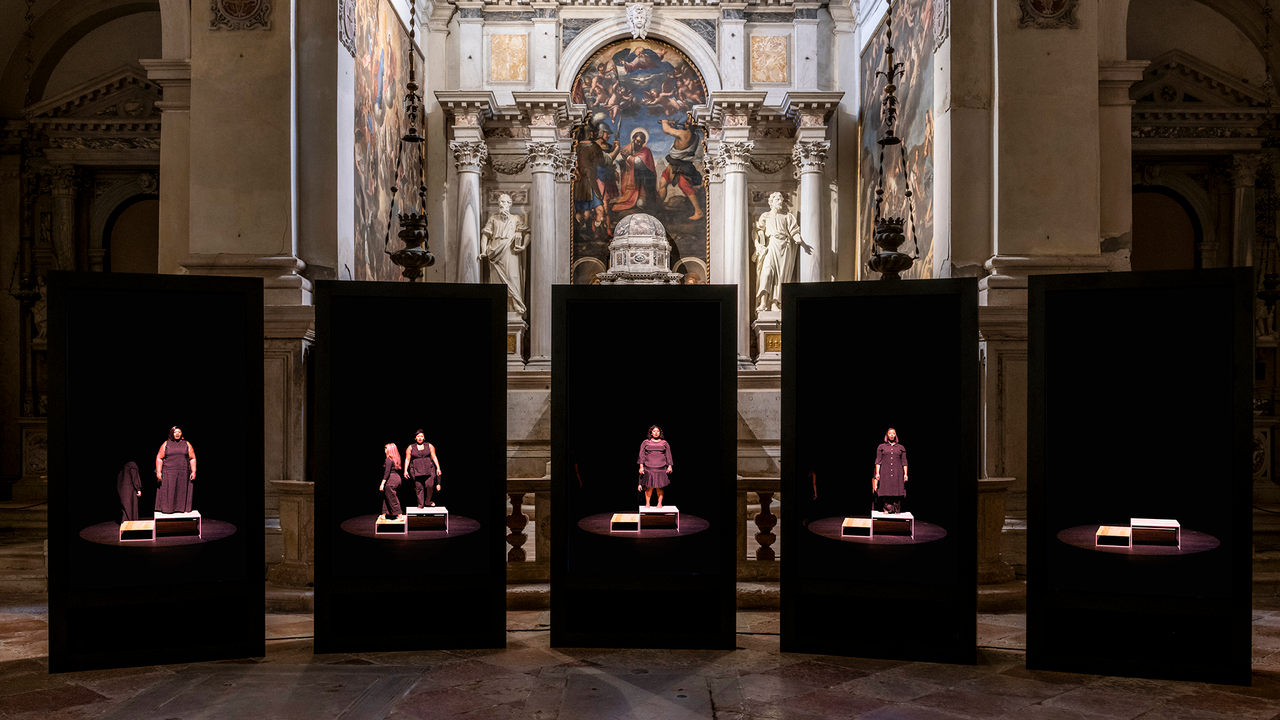
Andrew Durbin reviews the national pavilions at Frieze New York 2026, contrasting a vacuous US presentation with incisive and moving installations from Britain and Germany. The review highlights the disparity in conceptual depth and emotional resonance among the three pavilions, with the US offering little meaning while the British and German contributions engage seriously with contemporary issues.

Off-Site Exhibitions Review: The Politics of Listening

Andrew Durbin reviews the national pavilions at an unnamed biennial, contrasting a vacuous US presentation with incisive and moving installations from Britain and Germany. The review critiques the lack of meaningful engagement in the US pavilion while praising the depth and emotional resonance of the British and German contributions.