filter_list Showing 114 results for "Germany" close Clear
dashboard All 114 museum exhibitions 43candle obituary 15rate_review review 14article news 12article policy 10article culture 7gavel restitution 5person people 3trending_up market 3article local 2
date_range Range Today This Week This Month All
Subscribe

Georg Baselitz obituary

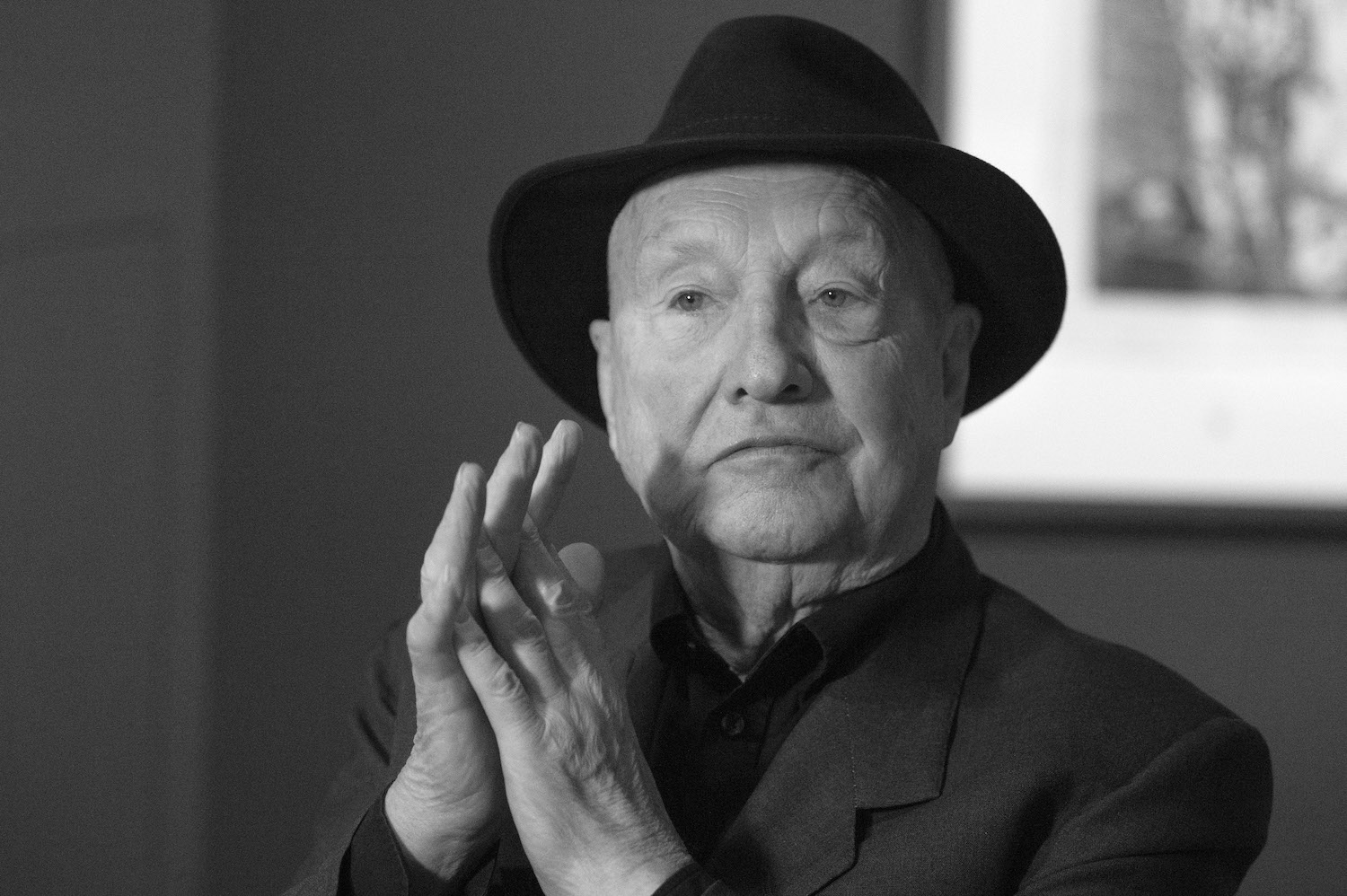
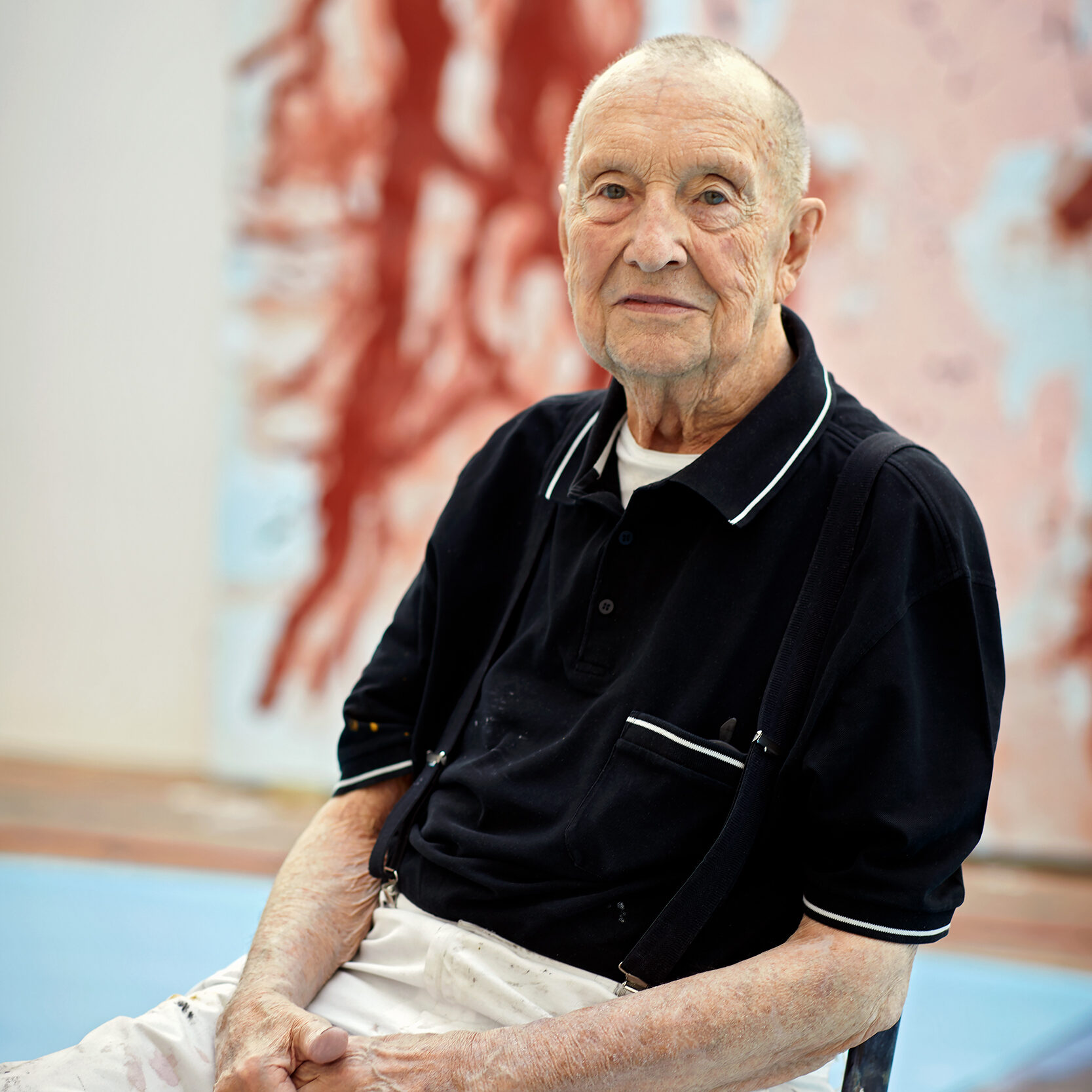
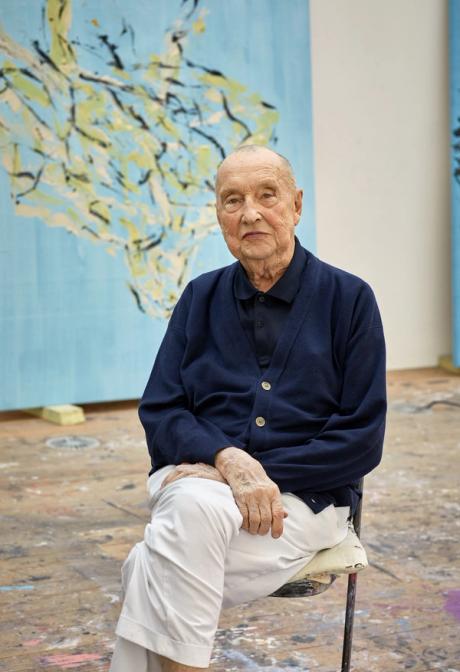
Georg Baselitz, the German painter and sculptor known for his provocative, expressionistic works and his iconic upside-down paintings, has died at the age of 88. The article traces his life from his childhood in war-torn Germany, through his early career as a rebellious artist in divided Berlin, to his rise as an international art star. It highlights his 1961 manifesto poster "Pandemonium I," his rejection of American abstraction, and his controversial 1963 exhibition that was raided by police for its explicit content.
Venice Biennale 2026 Highlights: Arsenale & Giardini

ArtReview editors highlight the must-see national pavilions at the 61st Venice Biennale, running from 9 May to 22 November 2026. Notable presentations include Austria's Florentina Holzinger turning her pavilion into a toilet and sewage-treatment plant with naked performers, and Germany's pavilion featuring works by Sung Tieu and the late Henrike Naumann, who died in February 2026, exploring East German memory and conceptual minimalism.

Controversial Painter Georg Baselitz Knew His Venice Show Would Be His Last. He Went Out Quietly.

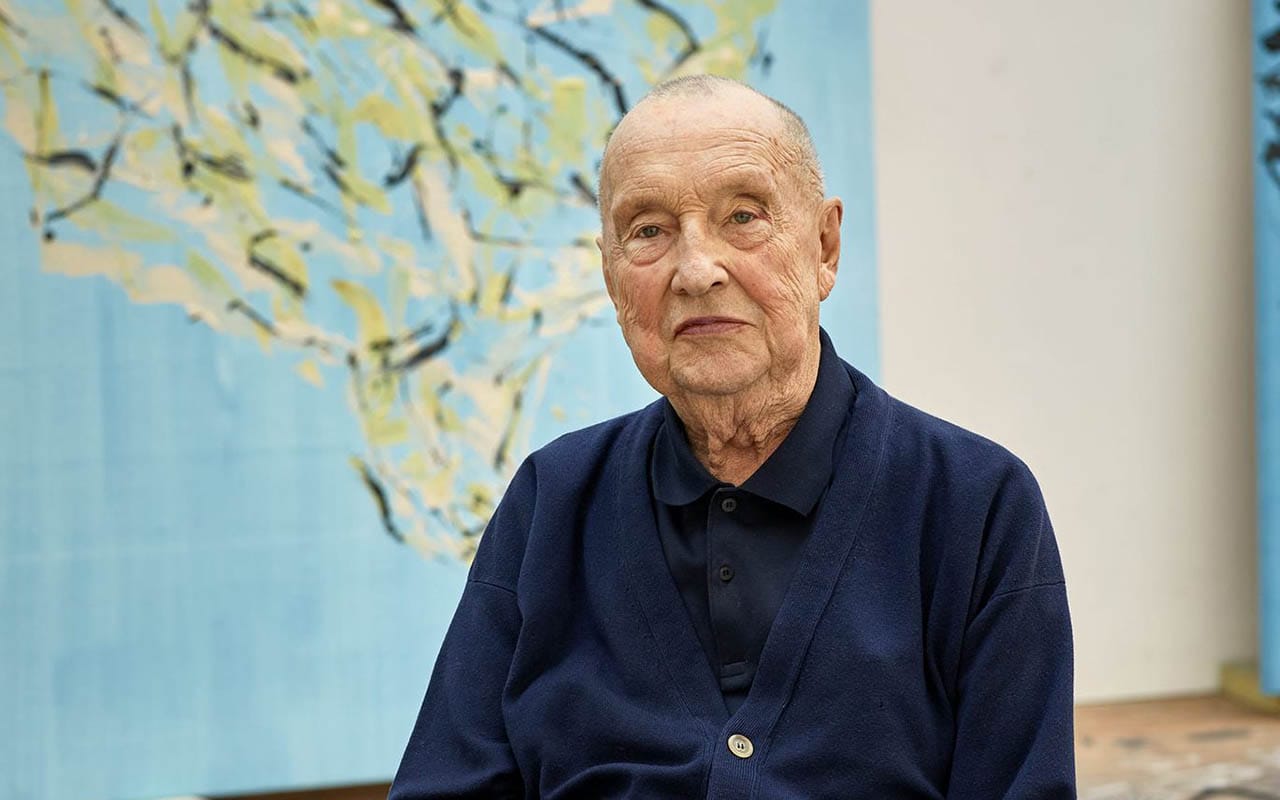
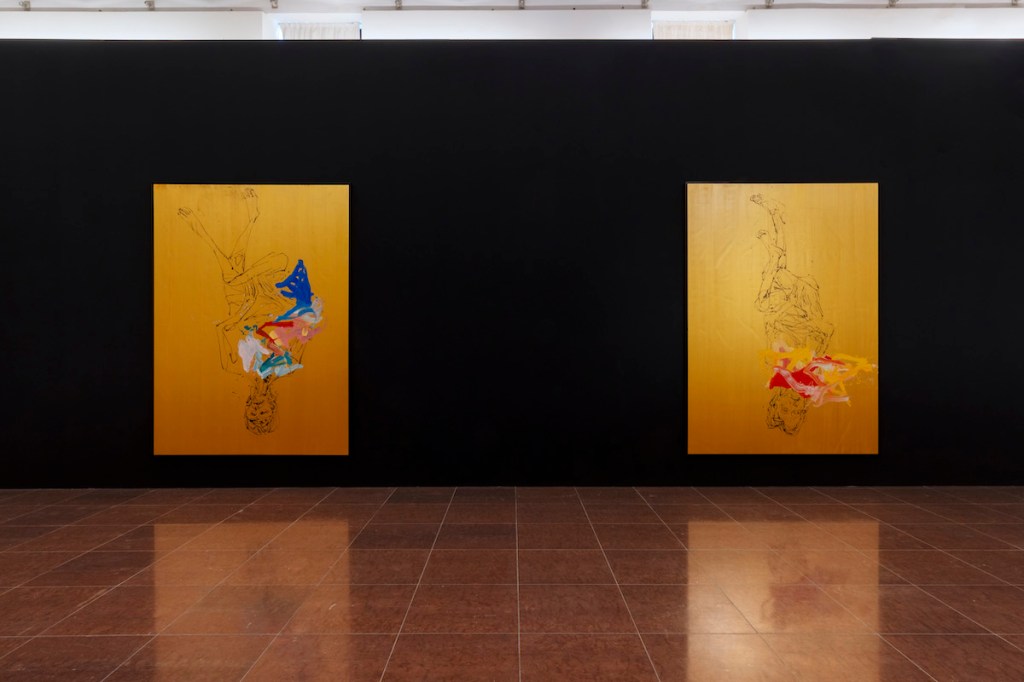
Six days after Georg Baselitz's death, his dealer Thaddaeus Ropac opened "Eroi d'Oro" ("Heroes of Gold") at the Fondazione Giorgio Cini in Venice. The exhibition features the final paintings Baselitz made before he died in April at age 88. In a prerecorded film, Baselitz calls these works his "last paintings," intended as a summation of his six-decade career. The large-scale, gold-ground paintings depict thin, ink-like figures of himself or his wife Elke lying horizontally, floating in undefined space. Baselitz connected the gold grounds to Fayum mummy portraits, Sienese altarpieces, and Byzantine icons, using them to absorb space and create a shadowless, eternal condition.

Georg Baselitz, German artist who turned figurative painting on its head, has died, aged 88

Georg Baselitz, the influential German painter and sculptor, died on 30 April at age 88. Born Hans-Georg Kern in 1938 in Deutschbaselitz, he grew up amid the ruins of Nazi Germany and later adopted his surname from his birthplace. Expelled from the East Berlin Academy for "sociopolitical immaturity," he moved to West Berlin, where he rejected both gestural abstraction and Expressionism. His first solo exhibition in 1963 was shut down for obscenity. In 1969 he pioneered his signature inverted paintings, turning subjects upside down to sever image from representation. He also created large carved sculptures using axes and chainsaws. His later series, from 2014 onward, are considered his most astonishing work, culminating in a sustained focus on his wife, artist Elke Kretzschmar.

5 Highlights of Art Düsseldorf

5 Highlights der Art Düsseldorf

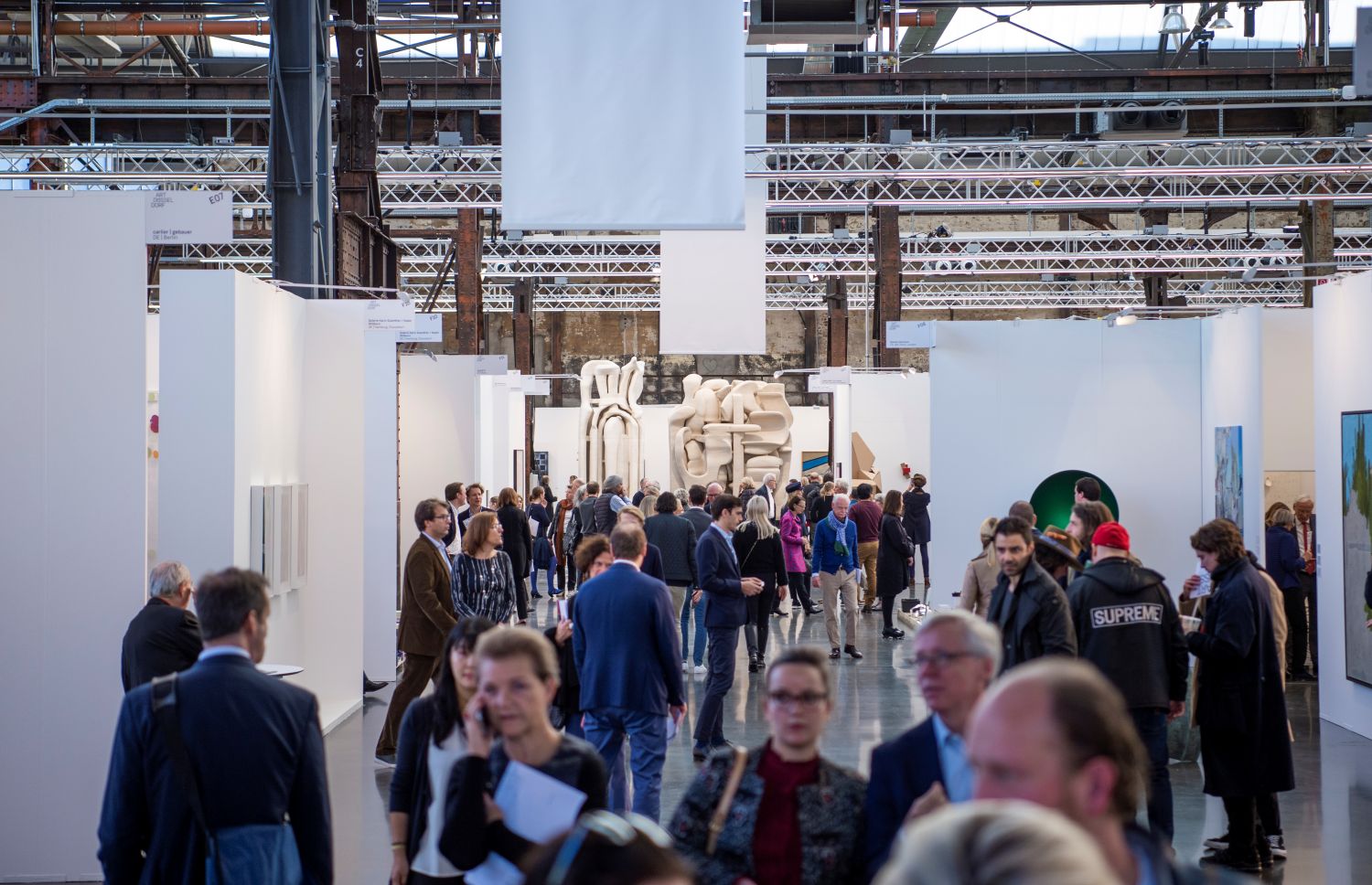
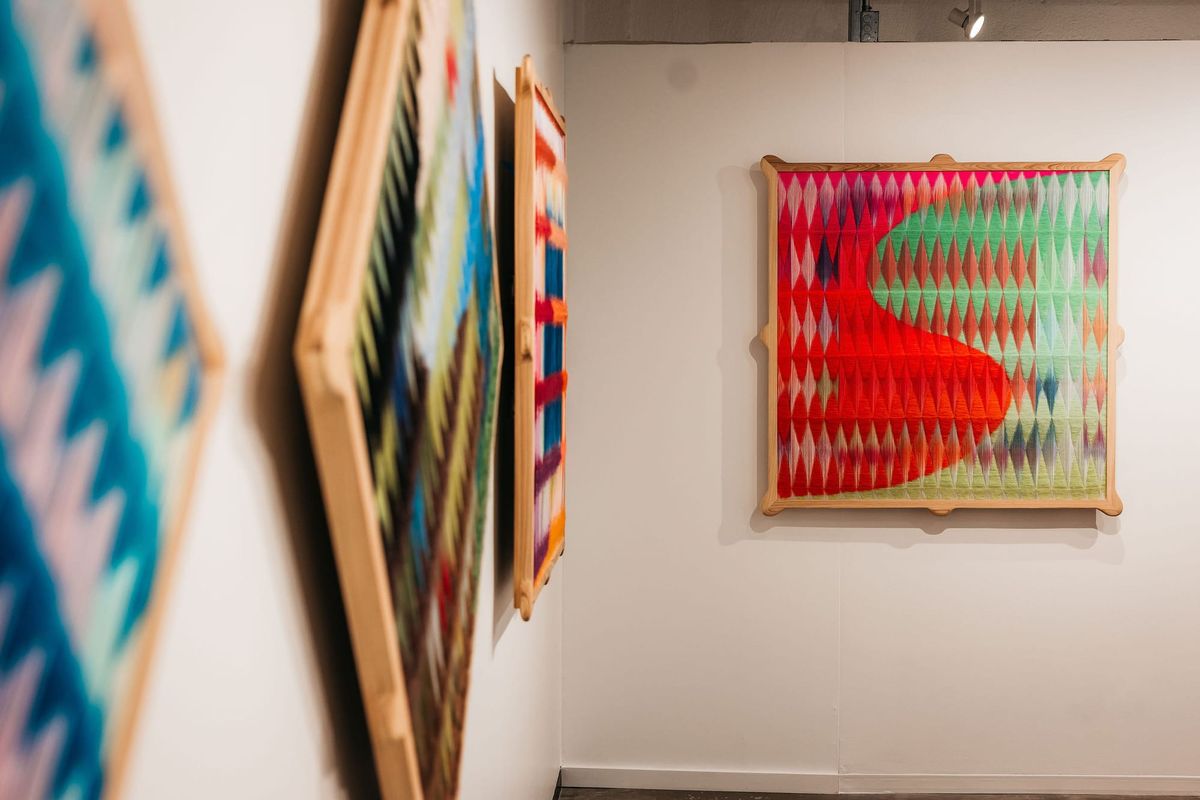
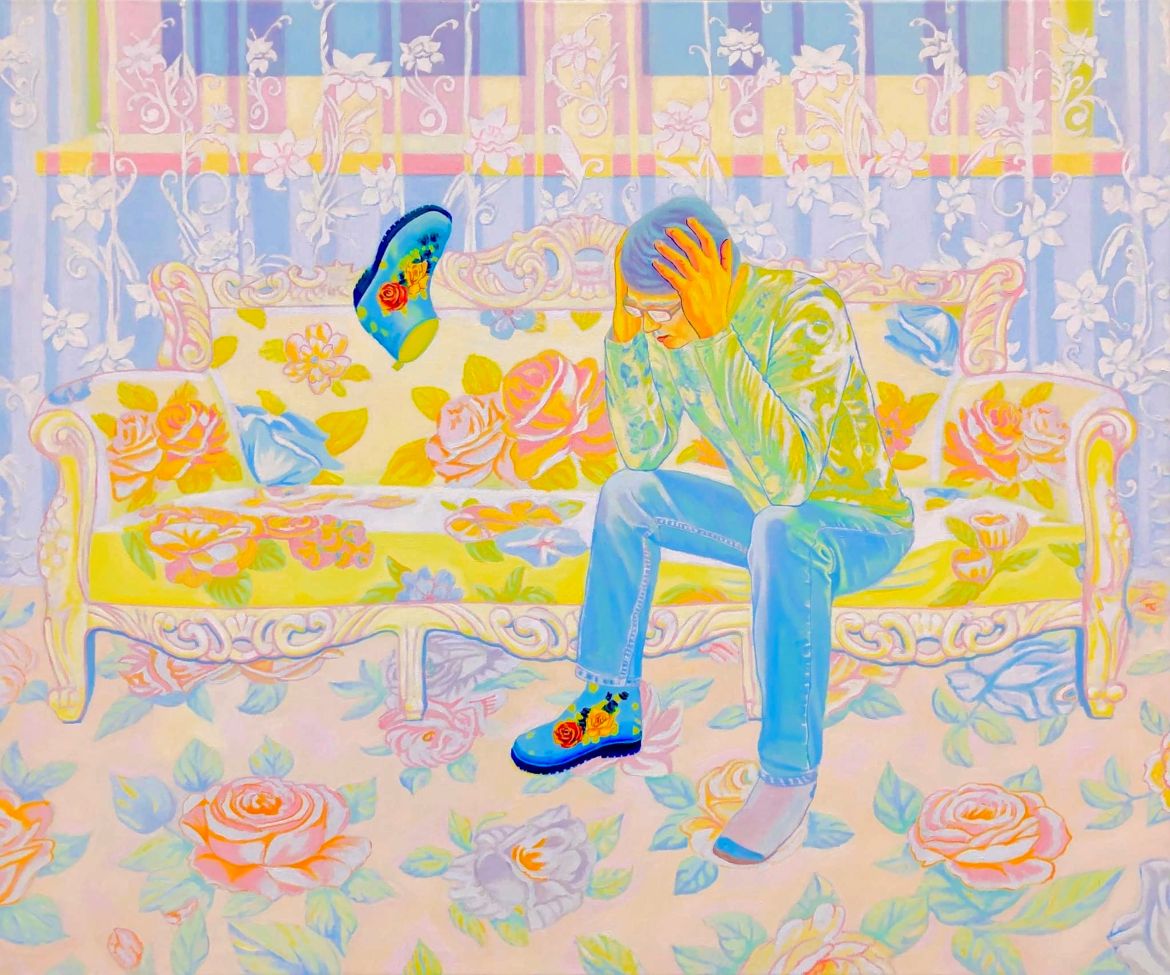
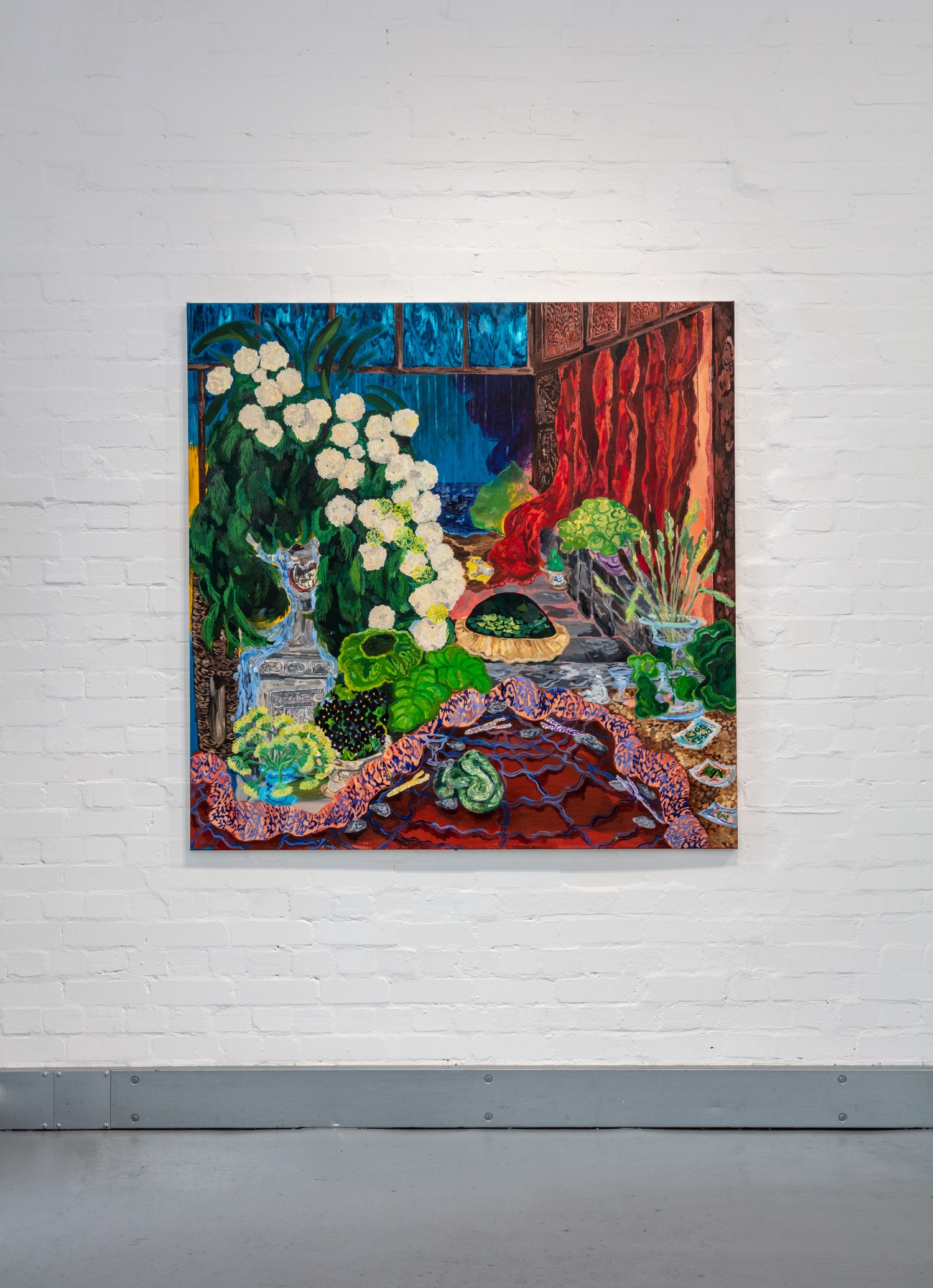
The Art Düsseldorf contemporary art fair has opened its latest edition, showcasing a diverse range of works that balance humor with urgent political and global themes. Highlights from the fair include Christian Jankowski’s monumental sculptures based on children's clay models at Galerie Crone, Julian Charrière’s environmentally conscious installations at Dittrich & Schlechtriem, and Jody Korbach’s satirical paintings that reference German art history and pub culture at Petra Martinez.

Georg Baselitz, artist who turned painting upside down, 1938–2026

Georg Baselitz, the German painter, sculptor, and printmaker known for turning his canvases upside down, has died at age 88. Born Hans-Georg Kern in Saxony in 1938, he witnessed the bombing of Dresden as a child, an experience that shaped his artistic vision. Expelled from art school in East Berlin, he moved to West Berlin and adopted the name Baselitz. His first solo exhibition in 1963 was deemed obscene and confiscated. In 1969, he created his first upside-down painting, which became his signature. He rose to international prominence as a neo-expressionist in the late 1970s and 80s, represented Germany at the Venice Biennale in 1980, and continued working until his death. A recent series of his paintings will be shown at the Fondazione Giorgio Cini in Venice from May to September 2026.

Georg Baselitz, Lion of German Neo-Expressionism, Dead at 88

Georg Baselitz, the influential German Neo-Expressionist painter, printmaker, and sculptor, died on April 30 at age 88. His death was announced by Thaddaeus Ropac gallery, his longtime representative. Born Hans-Georg Kern in 1938 in Saxony, Baselitz was profoundly shaped by his childhood experience of war and the destruction of Nazi Germany. He was expelled from art school in East Berlin for "socio-political immaturity," moved to West Berlin, and adopted his pseudonym from his hometown. His first solo exhibition in 1963 was raided by police for obscenity, cementing his reputation as a provocateur. Known for his upside-down figures and fierce brushwork, he created series such as "Heroes" and "Fracture" that addressed trauma, violence, and the psychic toll of postwar life.

German artist Georg Baselitz dies aged 88

German artist Georg Baselitz has died at age 88, as confirmed by the Thaddaeus Ropac gallery. Known for his expressive paintings and sculptures, Baselitz rose to prominence in the 1960s after a scandal over sexually symbolic works led to a high-profile court case. He pioneered painting canvases upside down from 1969 onward, a technique he used to grapple with German history and collective guilt. His work spanned six decades and included notable sculptures, such as a wooden figure at the 1980 Venice Biennale that appeared to perform a Nazi salute, which he later clarified was inspired by an African artifact. Baselitz achieved international acclaim in the 1980s and became one of Germany's highest-priced living artists, alongside Gerhard Richter.

The Great Lone Wolf of Art

Der große Einzelgänger der Kunst

Georg Baselitz, the German painter known for his radical, figurative works and iconic upside-down motifs, has died at age 88. Born Hans-Georg Kern in 1938 in Deutschbaselitz, Saxony, he fled East Germany for West Berlin in 1957 after being expelled from art school for "socio-political immaturity." Baselitz rose to international fame with his expressive, fractured depictions of the human figure, famously inverting his compositions starting with "Der Wald auf dem Kopf" (1969). He also worked as a stage and costume designer for operas by Harrison Birtwistle, György Ligeti, and Richard Wagner.

Tiny Cranach Painting That Vanished During WWII Returns to Dresden

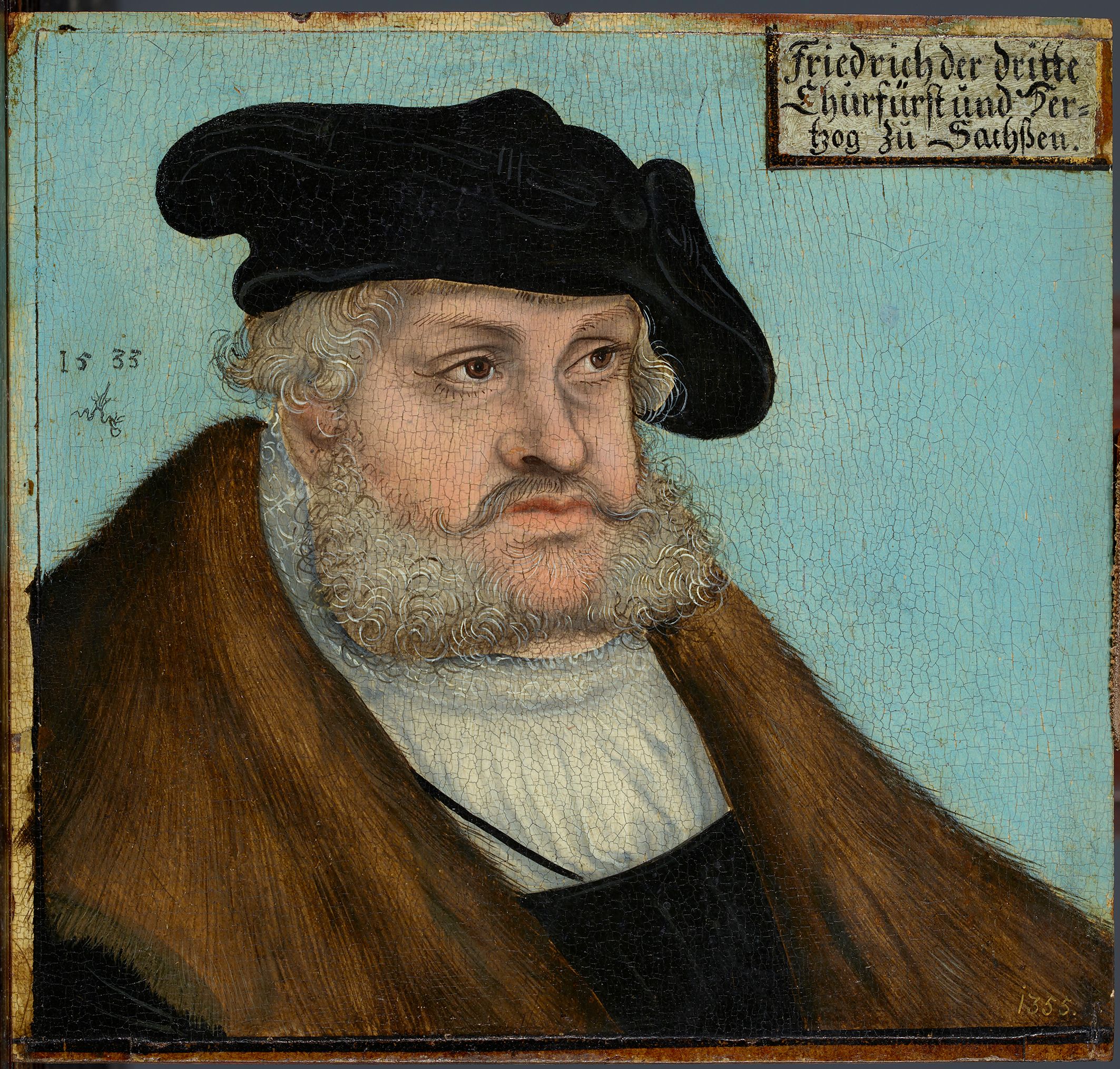
A miniature portrait of Friedrich III (Frederick the Wise) by Lucas Cranach the Elder, missing since World War II, has been returned to the State Art Collections of Dresden, Germany. The painting was last documented in May 1945 in a limestone quarry shelter near Pockau-Lengefeld before vanishing. It resurfaced in 2024 when consigned to Parisian auction house Artcurial, whose provenance investigation revealed a matching inventory number from 1722–1728. The Dreyfus family in France, the modern owners, returned the work after negotiations and a financial agreement. It is now on view at the Coin Cabinet of the Royal Palace in a special exhibition marking the 500th anniversary of Friedrich III's death, and will later be permanently displayed in the Semper Gallery.

George Baselitz, Purveyor of the Tortured Male Genius Myth, Dies at 88

Georg Baselitz, the influential German Neo-Expressionist painter known for his emotionally charged, often violent works and his controversial statements about women artists, has died at age 88. His final paintings will be shown in the exhibition "Eroi d’Oro" at the Fondazione Giorgio Cini in Venice starting May 6. Baselitz rose to prominence with his "Heroes" series of monumental male soldiers and his signature "upside down" paintings, which forced viewers to focus on painterly gesture over representation. He was a key precursor to Germany's Neue Wilde movement and confronted Germany's World War II trauma in works that combined expressionistic brutality with Wagnerian grandeur.

‘I shared a single bed with my mother for three years’: Sung Tieu on her monument to immigrant workers in Venice

Artist Sung Tieu has clad the German pavilion at the 2024 Venice Biennale with a mosaic replica of the Gehrenseestrasse complex, a now-abandoned housing estate in Berlin where she lived as a child. The work, titled "Human Dignity Shall Be Inviolable," uses three million mosaic stones to recreate the facade of the prefabricated blocks that housed Vertragsarbeiter—contract workers from Vietnam, Mozambique, Angola, and Cuba who bolstered East Germany's economy. Tieu, who shared a single bed with her mother in the complex for three years, conceived the pavilion alongside the late artist Henrike Naumann.

Georg Baselitz – a life in pictures

Georg Baselitz, the German painter known for his raw, expressive works and inverted imagery, has died at age 88. Born in 1938 in Deutschbaselitz, he lived through Nazi Germany and East German communist rule, experiences that deeply shaped his art. The Guardian's obituary traces his life through photographs, from his early years to major exhibitions at Thaddaeus Ropac, White Cube, and the Serpentine, highlighting key works such as 'Das Grosse Pathos' (1966) and his 2024 series 'A Confession of My Sins'.

Delegitimation, Denunciation and Insecurity

"Delegitimation, Denunziation und Verunsicherung"

German cultural critic Georg Seeßlen warns in his taz column of a right-wing 'war of conquest' targeting liberal cultural institutions through systematic delegitimation, denunciation, and intimidation. Meanwhile, a new Berlin artist study reveals that the average annual income from artistic work is just €6,000, highlighting a structural dysfunction in the art system. Additionally, Jonathan Meese's play 'Alaska Kid' has been canceled at the Volksbühne Berlin following the death of his mother Brigitte Meese, who was his organizer, muse, and confidante.

Memories Bathed in Color

In Farbe getauchte Erinnerungen

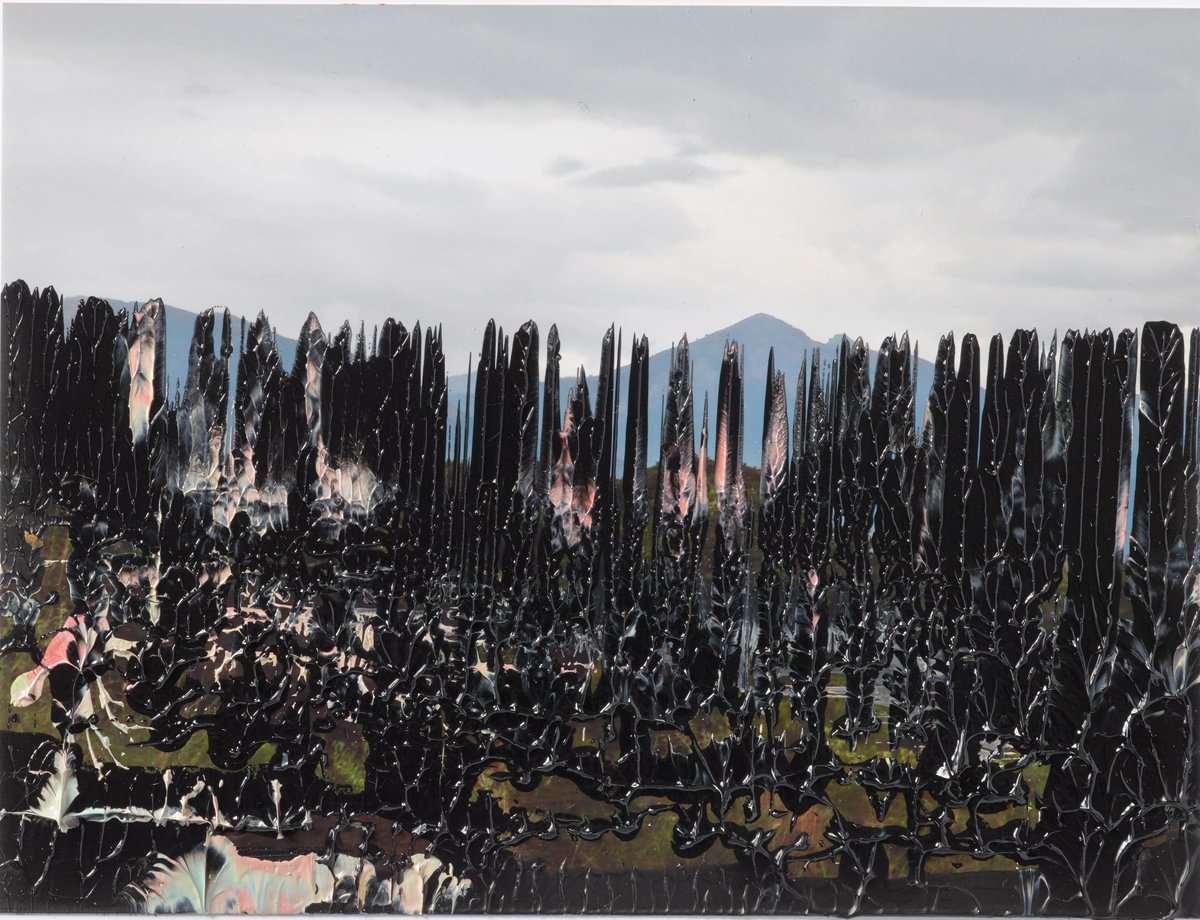
The Fondation Luma in Arles, France, has opened three exhibitions exploring memory and archives, headlined by Gerhard Richter's "Overpainted Photographs." The show features 120 works from Richter's private archive, some exhibited for the first time, created since the mid-1980s by dragging photographs through leftover paint in his studio. Richter, now 94, personally selected and hung the works chronologically starting from the fall of the Berlin Wall, reflecting his lost homeland and the passage of time. The exhibition also includes early sketches and oil paintings by the late architect Zaha Hadid, previously shown at London's Serpentine Gallery in 2016.

art georg baselitz artist venice death

Georg Baselitz, the influential German painter known for his inverted, upside-down artworks, has died at age 88 on April 30. The news was announced by his longtime gallery, Thaddaeus Ropac, via an obituary written by Robert Isaf. Baselitz gave his final spoken interview weeks before his death, discussing his upcoming exhibition “Eroi d’Oro [Heroes of Gold]” at the Fondazione Giorgio Cini in Venice, which opened May 6. The show features monumental gold-primed canvases with inverted portraits of himself and his wife Elke, which he described as a summary of his career and a reflection on art history.

The Dallas Art Fair: A Balance Of Growth And Consistency

The Dallas Art Fair (DAF), founded in 2009 by developer John T. Sughrue and curator Chris Byrne, concluded its eighteenth edition this past weekend. Director Kelly Cornell, who started as an intern and became director in 2016, has strengthened partnerships with the Dallas Museum of Art, Nasher Sculpture Center, and Dallas Contemporary, while securing sponsors like Bank of America. The fair has grown from 35 to over 90 galleries, though it still lacks mega-galleries like Gagosian, Hauser & Wirth, David Zwirner, and Pace. International participation this year included about 20 galleries, with notable names such as Perrotin, Anat Egbi, and Hesse Flatow, while galleries from Germany and China were absent.

Where to go this weekend?

Wohin am Wochenende?

This week's art tips from Monopol magazine highlight exhibitions and events across Germany and Europe. In Berlin, the Helmut Newton Museum reopens with a new immersive film space and a fresh presentation of its collection, while the Neue Nationalgalerie showcases Ernst Ludwig Kirchner's iconic painting "Potsdamer Platz" in the exhibition "Ruin und Rausch. Berlin 1910-1930." In Bozen, Chinese artist Evelyn Taocheng Wang presents new works at Museion, blending painting, textiles, and installation. The Art Brussels fair returns with a reduced lineup of 138 galleries, focusing on Belgian and neighboring markets. In Duisburg, Anish Kapoor receives the Wilhelm-Lehmbruck Prize, accompanied by a solo exhibition at the Lehmbruck Museum.

No Hay Banda: Vandria Borari, Petra Feriancová, Karoliina Hellberg, and Sofia Silva, 29th May – 26th June 2026, CFA, Milan, Italy. Private View: 28th May 2026.

CFA in Milan presents "No Hay Banda," a group exhibition running from 29 May to 26 June 2026, featuring four international artists: Vandria Borari (Brazil/Germany), Petra Feriancová (Slovakia), Karoliina Hellberg (Finland), and Sofia Silva. The show brings together ceramicist and Indigenous activist Borari, whose work includes the Yupirungáwa series and the Fluid Forest project; Feriancová, a Slovak artist who represented the Czech and Slovak Pavilion at the 55th Venice Biennale; and Hellberg, a Finnish artist who recently won the Visual Artist Award from the Marcus Collins Memorial Fund. The private view is scheduled for 28 May 2026.

Alex Katz | Three Trees - 알렉스카츠 - Alex Katz Dancing with reality… (2018) | For Sale

This article is a sales listing for Alex Katz's 2018 silkscreen print "Three Trees - 알렉스카츠 - Alex Katz Dancing with reality… (2018)", offered by Frank Fluegel Gallery in Nuremberg, Germany. The work is a 20-color silkscreen print measuring 37 × 59 inches, part of a limited edition of 60, hand-signed by the artist and priced at $16,500. The listing includes details about the artist's background, his signature style of flat color planes influenced by advertising aesthetics and Pop art, and his exhibition history at major institutions worldwide.

How much Berlin fits on 230 square meters?

Wie viel Berlin passt auf 230 Quadratmeter?

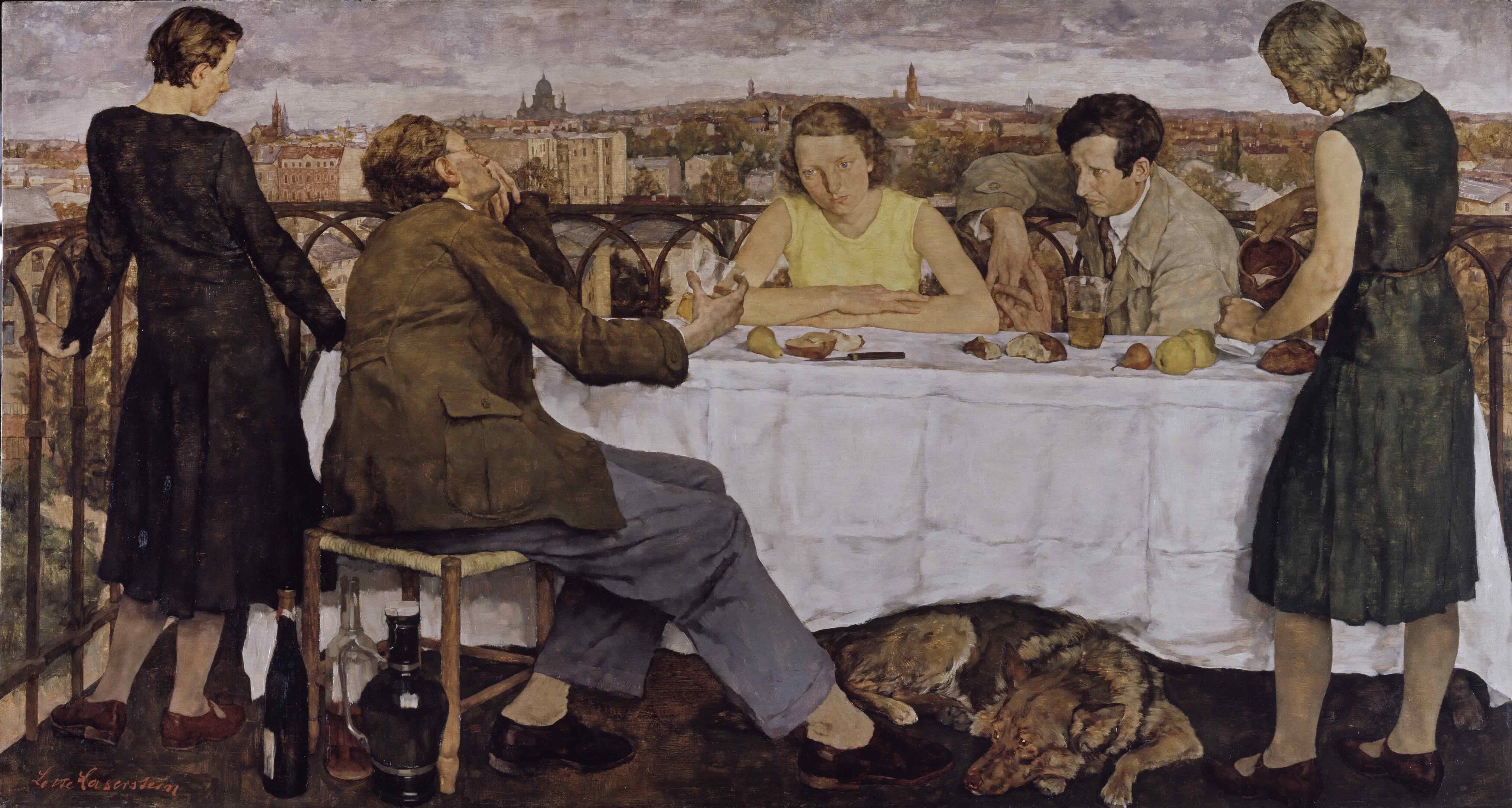
The Neue Nationalgalerie in Berlin has opened a compact exhibition titled "Ruin und Rausch: Berlin 1910–1930," featuring 35 works across just 230 square meters in a side cabinet of the lower floor. The show uses paintings, sculptures, film clips, and audio poems to tell the story of Berlin between World War I and the Nazi takeover, contrasting themes of excess and poverty, emancipation and extremism. It is structured in three chapters: "Berlin im Taumel" (Berlin in Frenzy), "Schatten der Großstadt" (Shadows of the Big City), and "Die Urbane Frau" (The Urban Woman), with works by artists such as Ernst Ludwig Kirchner, Otto Dix, and Otto Nagel.

Fundación Casa Wabi x ArtReview Open-Call Residency Prize 2026–27

Fundación Casa Wabi and ArtReview have announced the ninth annual open-call residency prize for three artists or collectives, offering a residency at Casa Wabi in Puerto Escondido, Oaxaca, Mexico. The residency includes lodging, studio space, meals, and support for a community project, with applications due by 14 June 2026 and winners notified in July 2026. The prize aims to foster cultural cross-pollination between artists and local communities, with past winners including artists from Australia, the UK, Germany, Argentina, Brazil, and Mexico.

Georg Baselitz, grande figure de l’art allemand, est mort à l’âge de 88 ans : retour sur sa vie et son œuvre

Georg Baselitz, one of Germany's most significant post-war artists, has died at age 88. Born Hans-Georg Kern in 1938, he grew up in Nazi-era Saxony and later rejected his father's ideology, fleeing to West Berlin in 1957. Known for his provocative, expressionist works and signature upside-down paintings, Baselitz challenged artistic conventions with brutalist techniques—attacking wood with chainsaws and axes—and created scandalous pieces like "Die große Nacht im Eimer" (1962–1963), which was banned from exhibition. His career included major retrospectives at the Musée d'Art Moderne de la Ville de Paris (2011) and Centre Pompidou (2021), and commissions for the Reichstag.

Opening of Berlin Modern postponed to 2030

L’ouverture du Berlin Modern repoussée à 2030

The opening of the Berlin Modern museum has been delayed to 2030 due to construction setbacks and cost overruns. According to German media outlet Monopol, the project has been plagued by humidity issues, including mold, algae, and bacteria on new surfaces, caused by winter dampness, concrete sensitivity, and faulty ventilation. Originally launched in 2019 with a planned opening in mid-2020, the museum's completion has been repeatedly pushed back, with costs soaring from an initial €200 million to over €500 million, making it the most expensive museum ever built in Germany. The building, designed by Swiss firm Herzog & de Meuron, is located at the Kulturforum and will house 20th-century art collections from the Nationalgalerie, the Marx Collection, the Pietzsch Collection, and holdings from the Kupferstichkabinett and the Kunstbibliothek.

5 secret jewels to discover in Europe

5 joyaux secrets à découvrir en Europe

L'Œil magazine has curated a list of five European cities rich in art historical treasures, highlighting hidden gems for cultural getaways. The first city profiled is Mainz, Germany, featuring the Romanesque-Gothic Mainzer Dom (Imperial Cathedral of St. Martin), the Gutenberg Museum showcasing the 42-line Bible as a landmark of printing history, and the Church of St. Stephen with its iconic blue stained-glass windows designed by Marc Chagall. The second city is Plovdiv, Bulgaria, where the old town blends ancient Roman ruins (a stadium, forum, odeon, and theater from the 2nd century) with 19th-century Bulgarian National Revival houses, such as the Balabanov, Hindliyan, and Kuyumdzhioglu houses, now converted into museums.

Famous Cranach painting spotted in rare photograph of Hitler’s apartment

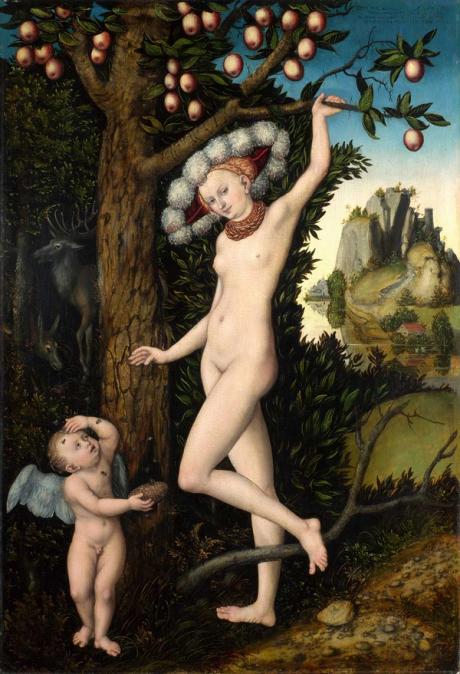
A rare photograph from the early 1940s reveals that Lucas Cranach the Elder's painting *Cupid complaining to Venus* (1526-27), now a masterpiece in the National Gallery, London, once hung in Adolf Hitler's private Munich apartment. The image, previously published in Germany by provenance expert Birgit Schwarz, appears for the first time in an English-language publication. The painting was acquired by the National Gallery in 1963 from E. and A. Silberman Galleries in New York, which provided a false provenance. It had been taken from a warehouse of recovered art in 1945 by American journalist Patricia Lochridge, who smuggled it into the United States.

Henrike Naumann Stared Down a Divided Germany’s Past While Eyeing Our Troubled Present

Henrike Naumann, a German artist known for using secondhand furniture and design to explore political extremism and consumer capitalism, is profiled in ARTnews. The article recounts her first US exhibition, “Re-Education” at SculptureCenter in New York in 2022, where she created installations referencing the January 6 Capitol attack, juxtaposing Federal-style office furniture with a Flintstonian mancave and chairs arranged by ideological subtext. The show gained unexpected attention when German media covered it, linking her small hometown of Zwickau with New York, and she later visited Thomas Hart Benton’s murals at the Met to understand American power and aesthetics.

There Has Never Been an Apolitical Venice Biennale

The Venice Biennale, with its national pavilion structure, has always been a platform for political expression and soft power, a reality evident from its early 20th-century origins. Contemporary critic Arturo Lancellotti's 1909 review of the German and British pavilions was steeped in geopolitical context, revealing how national artistic displays were interpreted through the lens of imperial power and military alliances.

Georg Baselitz, German Neo-Expressionist Painter, Dies at 88

Georg Baselitz, the German Neo-Expressionist painter known for his provocative, upside-down figurative works, has died at age 88. Along with contemporaries like Anselm Kiefer, Baselitz led a frontal assault on the dominant Minimalist and Conceptualist art movements of the 1970s, reviving expressive, gestural painting in postwar Germany.

All the complexity of Cézanne on display at the legendary Fondation Beyeler in Basel

Tutta la complessità di Cézanne in mostra alla mitica Fondation Beyeler di Basilea

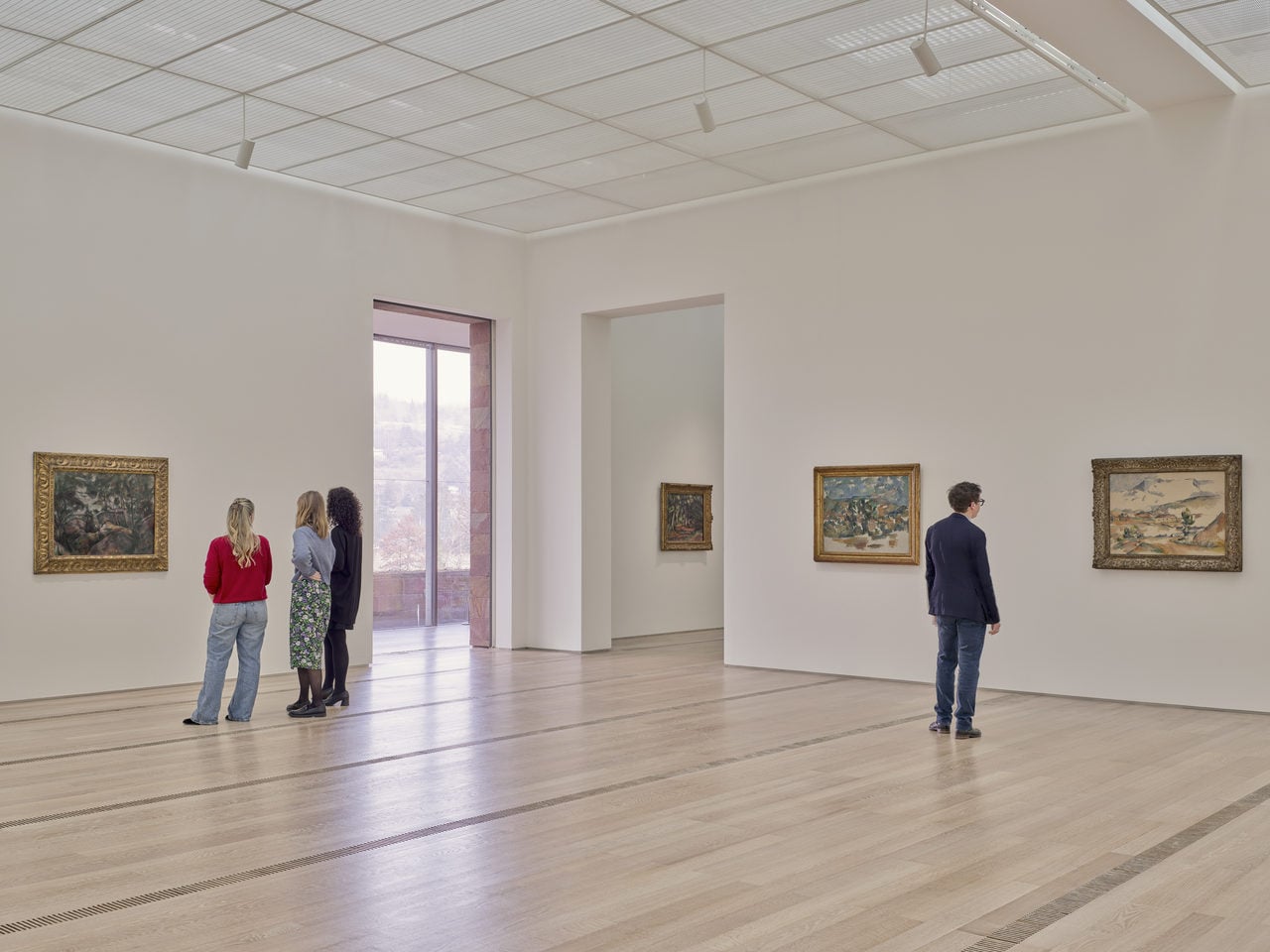
The Fondation Beyeler in Basel has opened a major exhibition dedicated to Paul Cézanne, marking the 120th anniversary of his death. Curated by senior curator Ulf Küster, the show features 80 works—58 paintings and 21 watercolors—drawn from public and private collections across Switzerland, Germany, France, the UK, the Netherlands, Spain, Denmark, and the United States. Highlights include nine versions of Mont Sainte-Victoire, rare comparisons of two watercolor versions of "Boy in a Red Waistcoat," and two versions of "The Card Players" from the Courtauld Gallery and the Musée d'Orsay. The exhibition runs until May 25, 2026, and is accompanied by a catalog published by Hatje Cantz Verlag.