filter_list Showing 105 results for "interview" close Clear
dashboard All 105 museum exhibitions 36person people 31article culture 19article news 12article local 4rate_review review 2trending_up market 1
date_range Range Today This Week This Month All
Subscribe

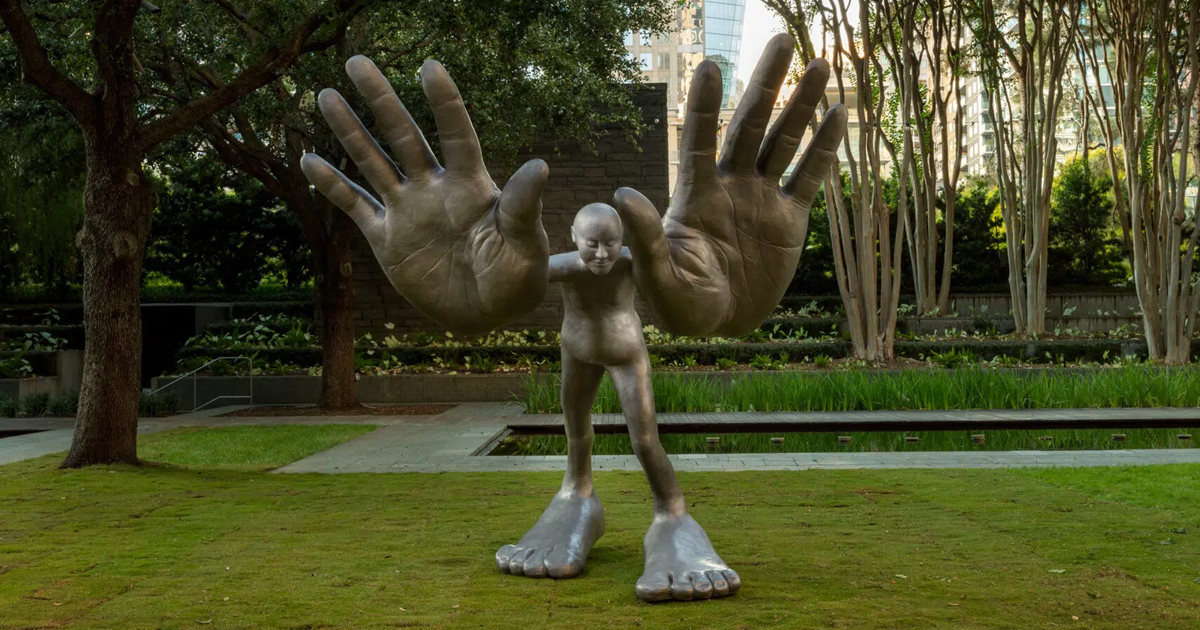
How This Artist Pivoted Into Surreal Sculpture After Decades of Photography [Interview]

Artist Nic Nicosia, known for decades as a photographer and member of the Pictures Generation, has pivoted into surreal sculpture after losing interest in fabricated images. His work was featured in the 1983 Whitney Biennial alongside Cindy Sherman and others, and in major exhibitions like Documenta IX. Now, after years of exploring sculpture in private, he is preparing for his largest museum exhibition since 2000: "Everyday Surrealism" at the Nasher Sculpture Center in Dallas, opening May 16, tracing his career through over 70 works.
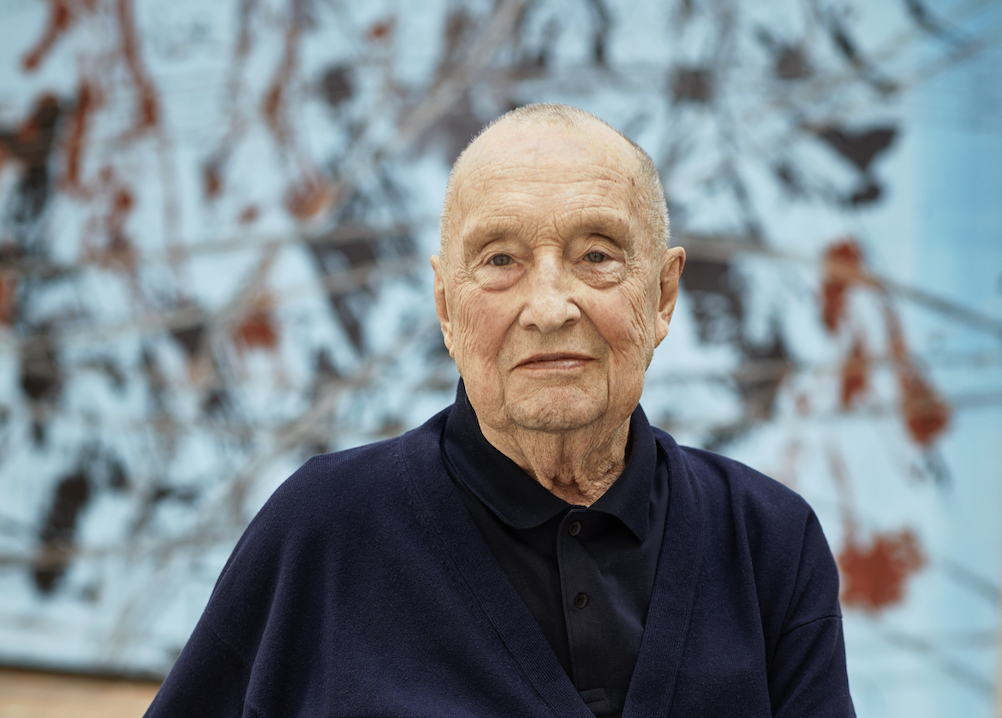
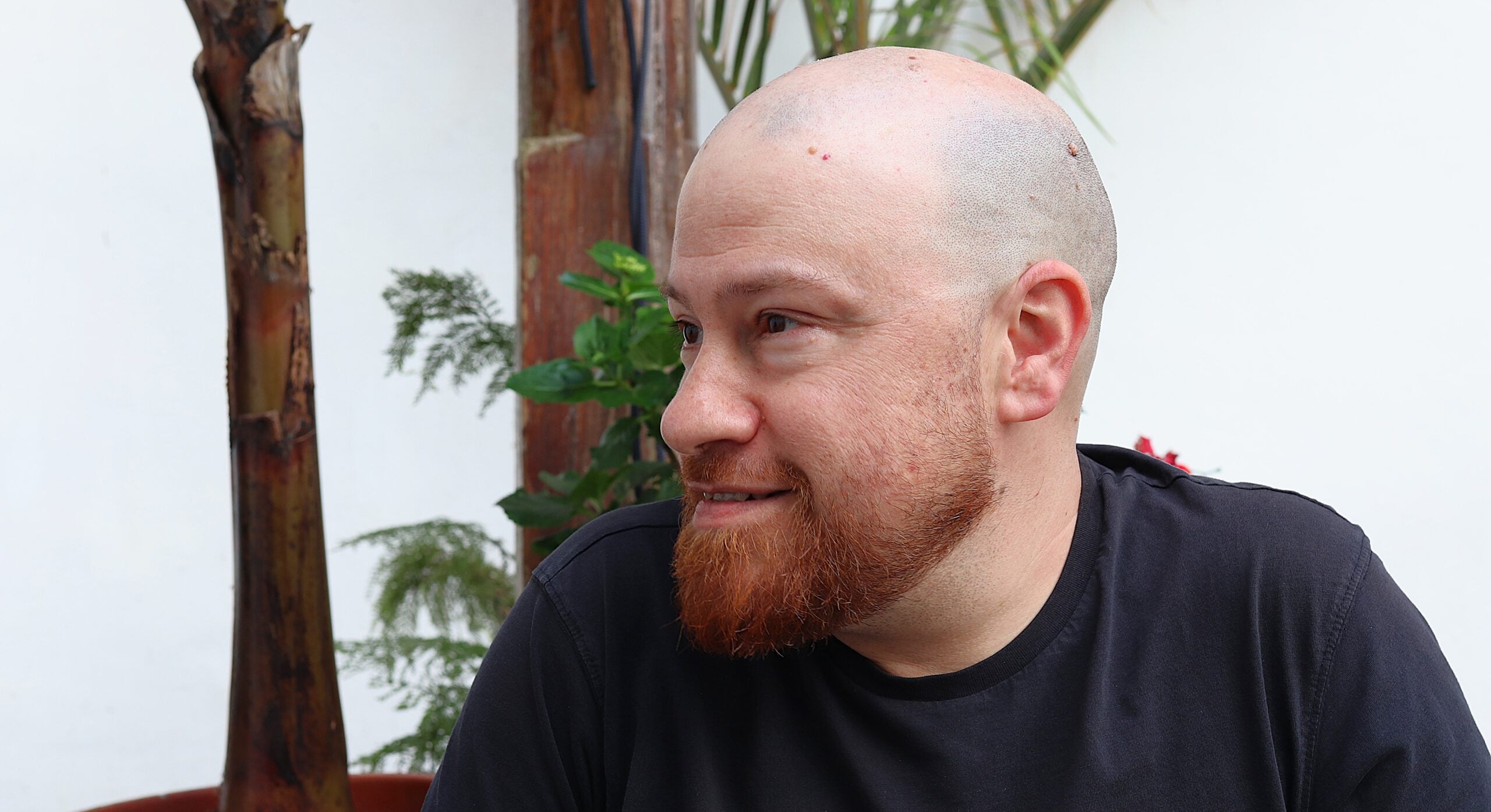
The Last Interview with the Great Artist Georg Baselitz on the Occasion of His Exhibition in Florence

L’ultima intervista al grande artista Georg Baselitz in occasione della sua mostra a Firenze

Georg Baselitz, the German artist born in 1938, is the subject of a major retrospective titled "Avanti!" at the Museo Novecento in Florence, featuring 170 works including paintings, works on paper, and sculptures, with a strong focus on his graphic output. The exhibition, curated by Sergio Risaliti and Daniel Blau (Baselitz's son and an artist himself), spans three floors and traces the evolution of Baselitz's practice, culminating in a dialogue with the work of Italian artist Ottone Rosai. The show is accompanied by a prequel exhibition honoring the 120th anniversary of Villa Romana, where Baselitz once held a fellowship, and will be followed by another exhibition at the Fondazione Giorgio Cini in Venice in May, which together with the Florence show form the artist's testament. Artribune published Baselitz's last interview in its new bimonthly issue.

In Spain, art becomes popular thanks to this expert influencer. We interviewed him

In Spagna l’arte diventa popolare grazie a questo esperto influencer. Lo abbiamo intervistato

Miguel Ángel Cajigal, known as 'El Barroquista,' is a Spanish art historian and popularizer who has brought art history to prime-time television, radio, and social media. In an interview with Artribune, he discusses his books, including 'Otra historia del arte' (2021), his approach to making art accessible without dumbing it down, and his critique of the cult of the individual genius in art historiography. He emphasizes the collective nature of art production and reception, challenging the traditional focus on masterpieces and authorship.

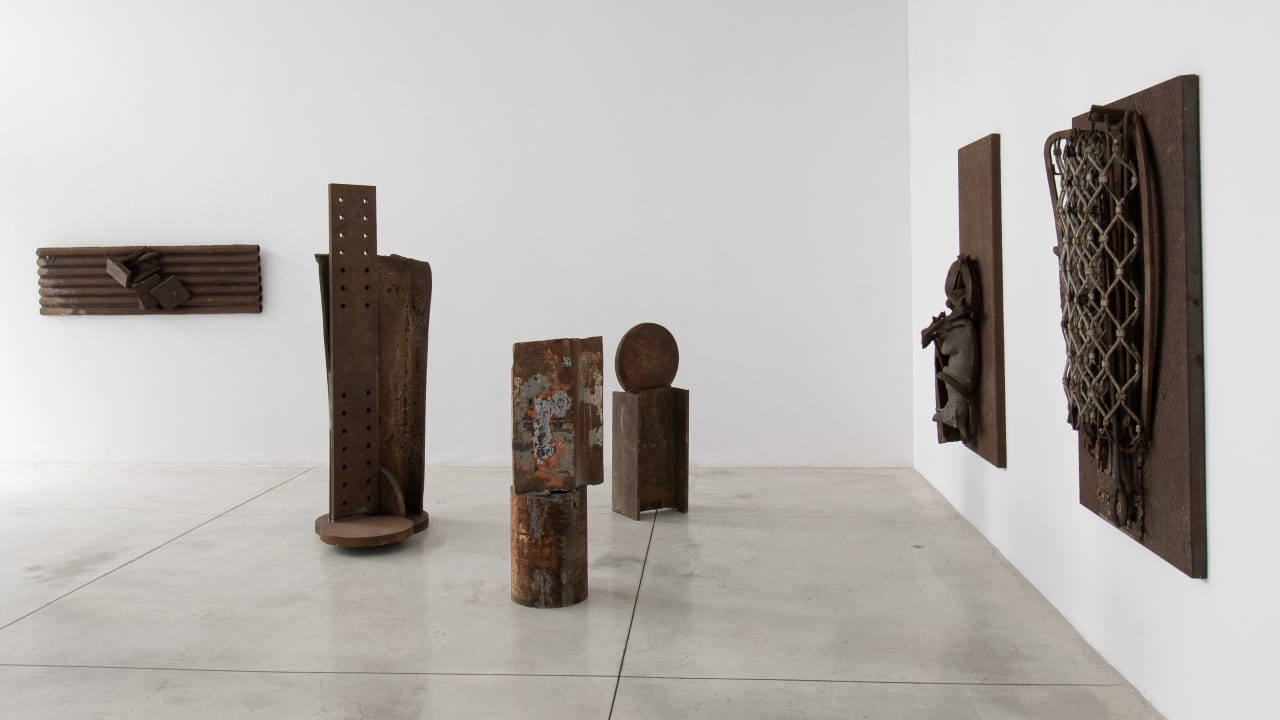
War-time exhibition: Yaacov Dorchin’s iron angels and sculptural language

Renowned Israeli sculptor Yaacov Dorchin, recipient of the 2004 Emet Prize and the 2011 Israel Prize for Visual Arts, opened his latest exhibition "Decapitated Fish and Additional Sculptures" at the Gordon Gallery in Tel Aviv on March 12, 2026—his 80th birthday and two weeks into the war with Iran. The exhibition, held without a large opening night due to the conflict, features about 15 sculptures spanning from 1993 to the present, including works in iron, steel, basalt, and other industrial materials. In an interview interrupted by an air raid siren, Dorchin discussed his approach to sculpting, the lyrical names of his heavy works, and how he reorganized the exhibition to create dialogues between older and newer pieces.

Can You Climb a Ladder? A Conversation with Yvonne Garcia

Yvonne Garcia, owner and director of Houston's oldest operating gallery, Hooks-Epstein Galleries, discusses her journey from aspiring actor to gallery leader in a new interview. She details her initial career in acting and talent representation, her return to the art world through roles at the Museum of Fine Arts, Houston and Sicardi Gallery, and her fateful hiring by pioneering gallerist Geri Hooks in 2006.

Form in the Age of Living Materials. Interview with Curator Pablo José Ramírez

LA FORMA EN LA ERA DE LOS MATERIALES VIVOS. ENTREVISTA AL CURADOR PABLO JOSÉ RAMÍREZ

The Hammer Museum in Los Angeles is presenting "Several Eternities in a Day: Form in the Age of Living Materials," an exhibition curated by Pablo José Ramírez running until August 23. Featuring 22 artists from the Americas, the show explores materials such as avocado, cacao, achiote, cochineal, stone, clay, and natural dyes that evolve, degrade, or transform over time. Organized into three acts, the exhibition challenges conventional notions of the art object by treating these materials as living agents with memory and agency, rooted in Indigenous knowledge and the concept of "brownness." In an interview, Ramírez discusses how these materials destabilize extractivist logics and institutional frameworks, forcing a rethinking of conservation protocols and the very conditions of exhibition-making.

Pavel Brǎila on Representing Moldova at the 61st Venice Biennale

Pavel Brǎila is representing Moldova at the 61st Venice Biennale with an installation titled "Echoes of Harmony and Silent Cries" (2026), featuring flying carpets that fill the pavilion space at Santa Veneranda. In an interview with ArtReview, Brǎila explains that the work was driven by the constant presence of war in the news—Ukraine, Israel and Gaza, and other conflicts—and evolved into a sound installation as the propellers of the carpets created a minor-key resonance. He describes his first visit to the Biennale 25 years ago as a festive art festival, but now sees the platform as a crucial opportunity to represent his country's voice and express his urgent feelings about the world.

Sara Shamma on Representing Syria at the 61st Venice Biennale

Sara Shamma will represent Syria at the 61st Venice Biennale (2026) with a large-scale immersive installation titled *The Tower Tomb of Palmyra*. The 15-meter-high multisensory work combines painting, architecture, light, sound, and scent, inspired by the ancient funerary towers of Palmyra that were destroyed during the Syrian War. Shamma describes the piece as a reflection on loss, resilience, and cultural memory, and notes its resonance with the Biennale's theme, *In Minor Keys*, curated by Koyo Kouoh.

Bogna Burska and Daniel Kotowski on Representing Poland at the 61st Venice Biennale

Bogna Burska and Daniel Kotowski, representing Poland at the 61st Venice Biennale, plan to exhibit a project inspired by the Choir in Motion (a phonic/sign-language ensemble of hearing and Deaf people), underwater role reversals, and whale communication. Their work explores alternate forms of communication, Deaf Gain, and the retrieval of voices—both human and non-human—aligning with the Biennale's theme "In Minor Keys." The Polish pavilion is located in the Giardini.

Jenna Sutela on Representing Finland at the 61st Venice Biennale

Jenna Sutela, representing Finland at the 61st Venice Biennale, will present an exhibition titled *Aeolian Suite* in the Giardini pavilion. The work features sound sculptures that engage with wind as both a physical and political force, using meteorological data, wind machines, recorders, a children's woodwind orchestra, and recordings of winds from Venice, Helsinki, and beyond. Sutela explores noise as a creative medium, drawing on the concept of deep listening inspired by artist Pauline Oliveros, and connects her project to the Biennale's theme, *In Minor Keys*, curated by Koyo Kouoh.

‘I was super horny when I made my early work’: Loie Hollowell’s abstract paintings of breasts and vaginas

Loie Hollowell discusses her latest painting series 'Overview Effect,' currently on view at Pace Gallery in London. The series features large-scale canvases with twin concave and convex sculpted circles, inspired by the out-of-body experience she had during the home birth of her daughter. The works continue her abstract exploration of pregnancy, birth, and the female body, following earlier series like 'Split Orb' and 'Dilation Stage' that responded to the difficult birth of her son. Hollowell cites influences including Georgia O'Keeffe, Louise Bourgeois, and Luchita Hurtado, as well as Instagram home-birth photographs and the Ina May Gaskin childbirth book.

Nikita Kadan Questions Whether War Ever Ends

Ukrainian artist Nikita Kadan, in an interview with Frieze, reflects on his practice and the ongoing psychological and physical toll of war, questioning whether conflict ever truly ends. He discusses his recent works, which grapple with the persistent state of war in Ukraine, the transformation of urban spaces, and the collective trauma that outlasts active hostilities.

Without Consciousness, No Creativity

"Ohne Bewusstsein keine Kreativität"

Matthias Hornschuh, a speaker at the German Creative Economy Summit in Hamburg, discusses artificial intelligence and its impact on art and creativity in an interview with Monopol. He argues that AI systems lack intentionality and true creativity, describing them as "probability-based imitation" rather than genuine creative tools. Hornschuh warns against the hype surrounding AI, noting that efficiency gains are often overstated and that users can become trapped in unproductive interactions with these systems.

‘Transcription’ by Ben Lerner Review: No Phones

Ben Lerner’s latest novel, Transcription, marks a departure from his previous sprawling autofiction like The Topeka School, opting instead for a spare, three-part structure set during the COVID-19 pandemic. The narrative unfolds through three pivotal conversations involving the protagonist, his aging mentor Thomas, a curator, and Thomas’s son Max. Central to the plot is the protagonist’s failure to record a final interview with Thomas due to a broken phone, forcing a reliance on fallible memory and reconstruction.

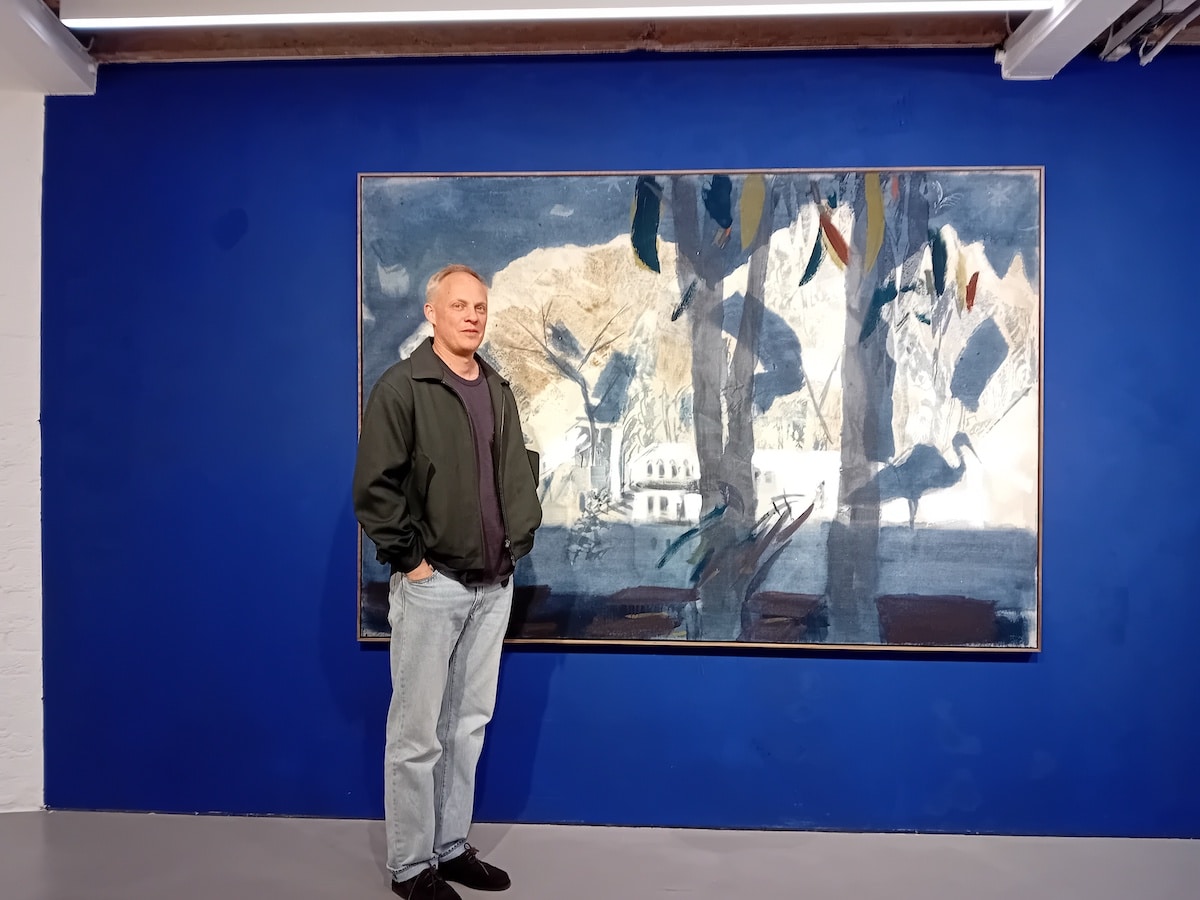
Nick Goss: Interview of the Month, March 2026 – Paul Carey-Kent

Anglo-Dutch painter Nick Goss has opened a new exhibition at Josh Lilley Gallery, featuring eleven paintings inspired by Eel Pie Island, a private marshy area on the Thames in Twickenham with a bohemian past—including 1960s rock concerts by The Rolling Stones, The Who, and Pink Floyd, a hippie commune, and a 1972 fire. In an interview with Paul Carey-Kent, Goss discusses how he blends fact and fiction, combining sources from hotel corridors, Pompeii, and the Sergeant Pepper album cover to create ambiguous, layered works that evoke half-remembered histories.

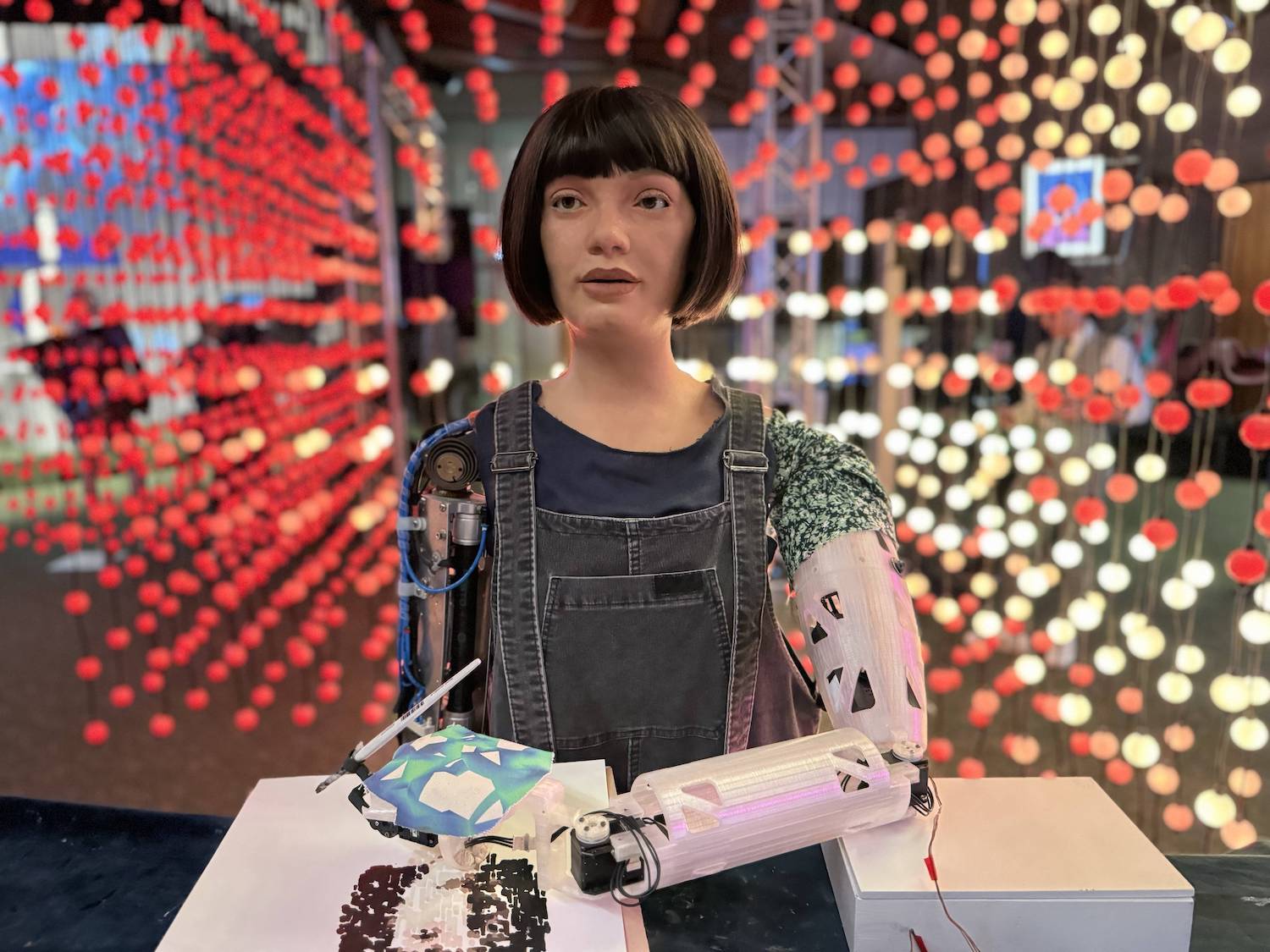
Yu-Chi Lyra Kuo Shares a Vision for the Future of Art, Technology, and Creativity

Yu-Chi Lyra Kuo, an entrepreneur, investor, Harvard-educated lawyer, former Princeton academic, and board member of the Shed, shares her vision for integrating frontier technologies like artificial intelligence and robotics into the art world. She argues that these tools can enhance human creativity rather than replace it, drawing on her early experiences with Asian antiquities and her pioneering work in blockchain, including co-founding OpenSea 2.0. The article, based on an interview with CULTURED, traces her journey from collecting a jade gourd as a child to advising tech companies and joining the board of the Shed, a Bloomberg-backed cultural center in Hudson Yards.

‘Out of the middle’: Asian Art Museum director sees contemporary Korean art coming into its own

Dr. Lee So-young, the first Korean American director of a major U.S. art museum, discussed the rising global prominence of contemporary Korean art during an interview in Seoul. She was visiting with San Francisco Mayor Daniel Lurie to celebrate the cities' 50th anniversary of sister-city ties and to promote an upcoming retrospective on Korean abstract artist Ha Chong-hyun at the Asian Art Museum in September. Lee, who previously curated at the Metropolitan Museum of Art and Harvard Art Museums, noted that Korean art has shifted from traditional focus to contemporary work, with museums and collectors increasingly engaging with dynamic artists from Korea.

[Interview] Scenes of Memory and Modern Life: Sun Yitian x Samsung Art Store

Chinese artist Sun Yitian has partnered with the Samsung Art Store to feature her large-scale painting "Ken" (2023) as part of the Art Basel Hong Kong 2026 digital collection. The work, which depicts Barbie’s male counterpart at a massive three-meter scale, explores themes of mass production, the male gaze, and the hollow nature of modern plastic icons. The collaboration marks a bridge between Sun's physical painterly practice and the digital accessibility of contemporary art on domestic screens.

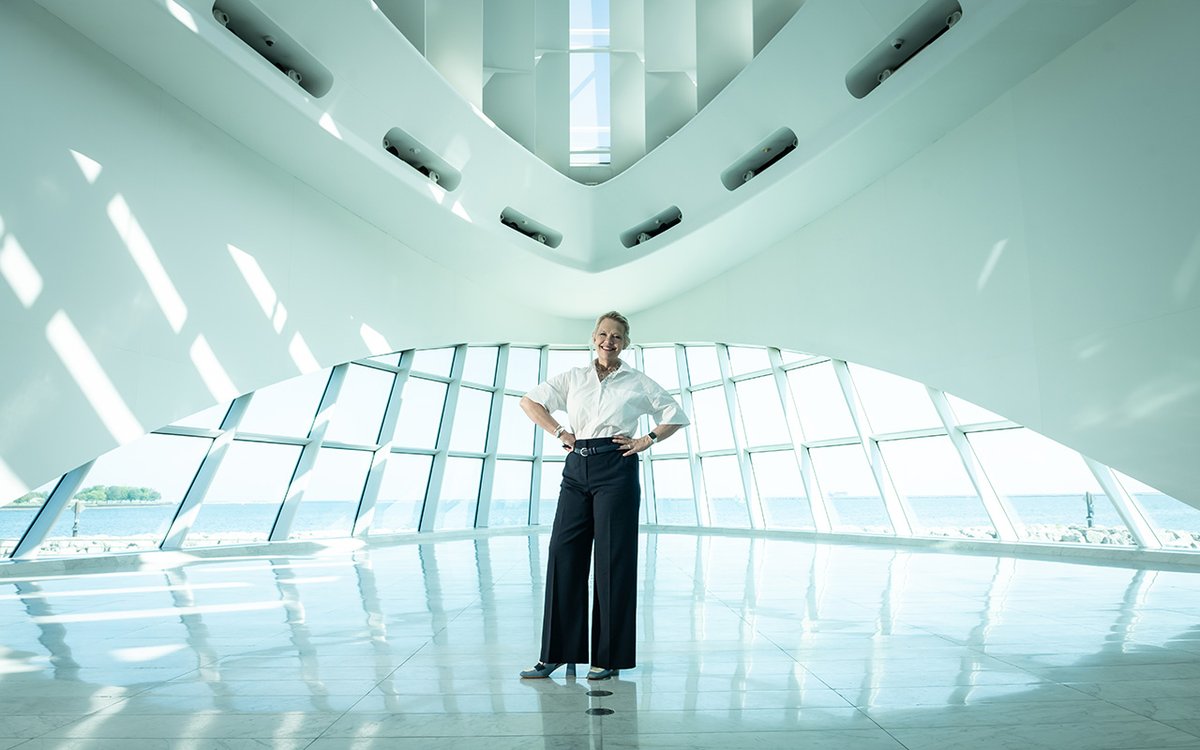
A Conversation with Milwaukee Art Museum’s New Director

Kim Sajet has been appointed as the new director of the Milwaukee Art Museum, bringing an international perspective shaped by her birth in Nigeria, upbringing in Australia, and Dutch citizenship. In an introductory interview, Sajet discusses her extensive leadership background—having previously run two museums in Australia—and how her personal history, including her relationship with her disabled brother, influenced her path toward art history and museum studies.

“I’m just a painter.” An interview with Jim Moir

Comedian Jim Moir, best known as Vic Reeves, has opened a solo exhibition titled 'Neo Fauna' at Cartwright Hall in Bradford. The show features his eclectic paintings and drawings, including watercolours of birds and the 'American Couples' series, where he paints over found family portraits. Moir insists his comedy career was an extension of his art practice, stating he is fundamentally 'just a painter.'

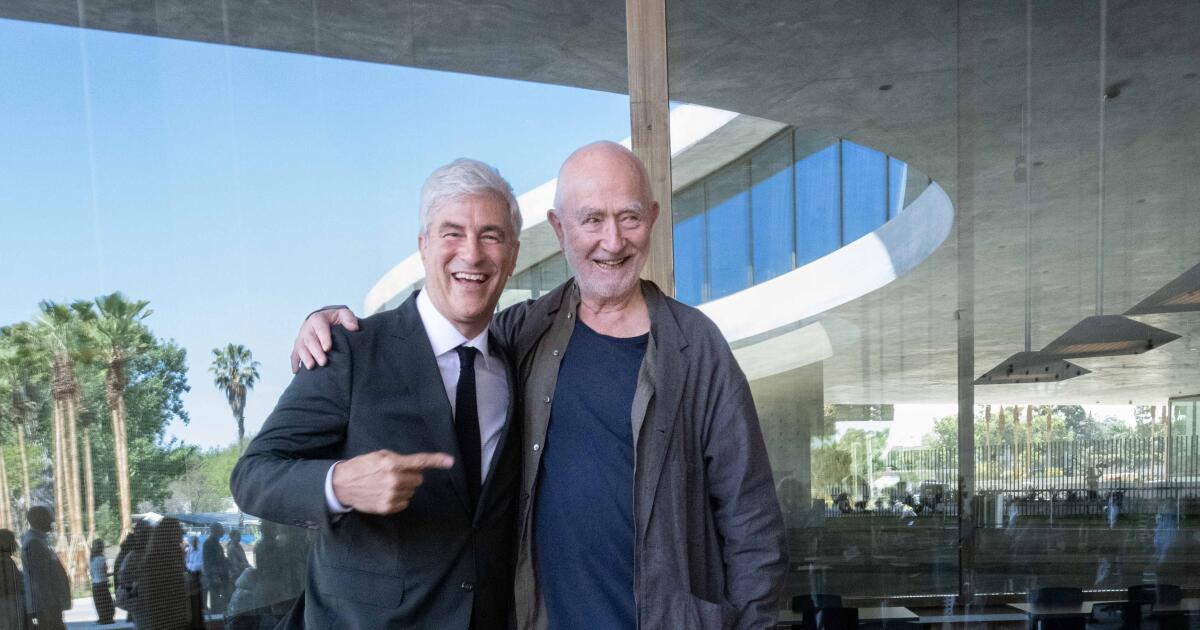
'L.A. has changed me,' says architect of LACMA's divisive David Geffen Galleries

Peter Zumthor, the Pritzker Prize-winning architect, discusses the making of the Los Angeles County Museum of Art's (LACMA) new David Geffen Galleries in an interview. He explains his rejection of overly slick, corporate architecture in favor of a raw, handmade concrete structure, describing the building as a "concrete sculpture." Zumthor details his collaboration with LACMA director Michael Govan, who encouraged him to incorporate "American roughness" into the design, a lesson Zumthor says he has brought back to his European practice.

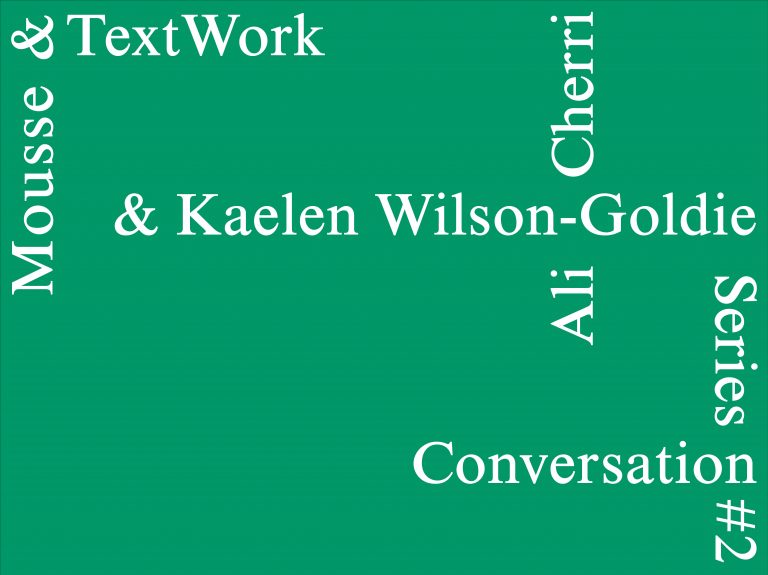
Bodies in Motion, Bodies at Rest: Ali Cherri in Conversation with Kaelen Wilson-Goldie

This article presents a conversation between artist Ali Cherri and writer Kaelen Wilson-Goldie, marking the second installment of a collaborative series between TextWork by Fondation Pernod Ricard and Mousse Magazine. The series features in-depth dialogues between artists from the TextWork program and magazine contributors, expanding on the traditional interview format, and is set to continue until 2027.

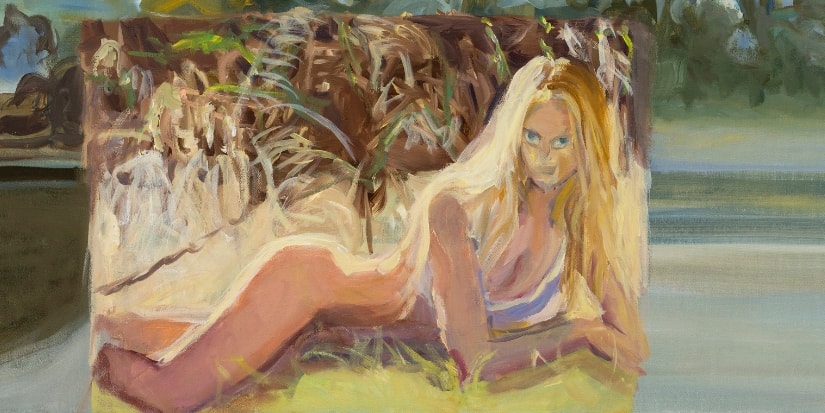
Janet Werner Is Distorting Fashion’s Beauty Ideals Through Painting

Janet Werner, an artist with a nearly four-decade career, has created a new body of work titled "Landscape with Legs" that distorts fashion imagery from Vogue archives and vintage campaigns by Marc Jacobs. Her paintings transform archetypal fashion models—thin, blonde, and emblematic of privilege—into unsettling, complex figures that expose a tension between glamor and the grotesque. The exhibition runs from May 1 to June 12, 2026, at Anat Ebgi Gallery in New York, marking her second solo show there. In an interview, Werner discusses her background as a dancer, her creative process of collaging photographic images with art historical references like Watteau and Caspar David Friedrich, and the political moment that makes the show feel urgent.

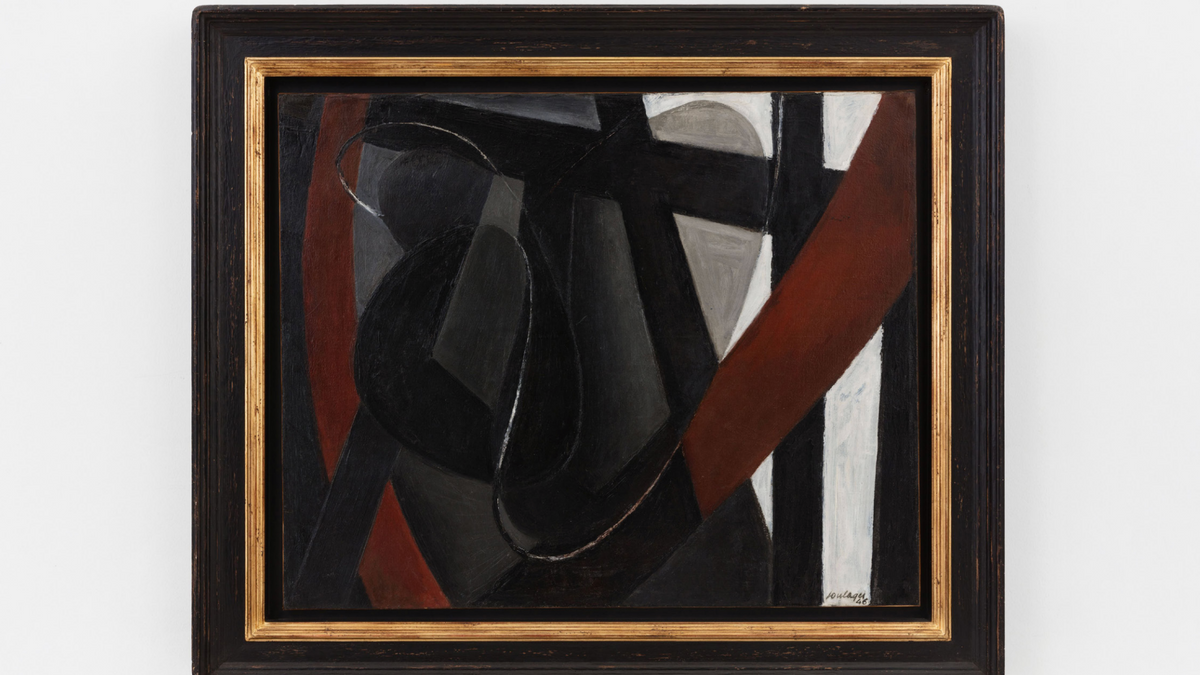
'Soulages-Hartung : Affinités électives' at Perrotin, Paris Marais, France on 25 Apr–30 May 2026

Perrotin in Paris Marais is presenting 'Soulages-Hartung: Affinités électives,' an exhibition exploring the friendship and artistic dialogue between Pierre Soulages (1919–2022) and Hans Hartung (1904–1989). The show features a never-before-screened filmed interview from the Fondation Hartung-Bergman, along with archival documents and rarely seen studio tools. It highlights their shared concerns as postwar abstract painters, their mutual support and gift exchanges—such as Soulages's walnut stain piece given to Hartung in 1948—and their contrasting approaches, with Hartung's explosive gestures versus Soulages's measured structures. The exhibition also reveals their lesser-known use of blue in the 1980s.

Forgers, One-Way Mirrors of the Art Market

Les faussaires, miroirs sans tain du marché de l’art

Anthropologist Monique Jeudy-Ballini has published a new book, "Peintres de l’ombre. Les faussaires à l’œuvre," in which she examines art forgers through an ethnographic lens. Drawing on autobiographical accounts, published interviews, and expert writings—including those of notorious forgers Wolfgang Beltracchi, Eric Hebborn, and Guy Ribes—she explores the motivations and practices of these clandestine figures, arguing that their work involves not only technical skill but also the creation of elaborate narratives and pedigrees for their forgeries. The book is part of the Ethnologiques series edited by Philippe Descola and published by Éditions Mimésis.

What is it like to be a young artist in Milan today? Denise Ceragioli answers

Com’è oggi essere una giovane artista a Milano? Risponde Denise Ceragioli

The article features an interview with young Milan-based artist Denise Ceragioli, who discusses the challenges and realities of sustaining an artistic practice in the city after graduating from the Brera Academy. She details her journey of finding a studio, the evolution of her painting from figurative to highly material-based work involving wax, and the importance of building relationships within Milan's art ecosystem of institutions, galleries, and independent spaces.

"Etwas zaghaft, etwas ängstlich, etwas sicher"

The article surveys recent art-world commentary, focusing on a critical review of the Turner Prize shortlist in The Guardian, where Eddy Frankel calls the selection "timid, anxious, safe" and laments a self-perpetuating, elitist system. It also covers a Hyperallergic essay by Lisa Siraganian questioning whether artworks can possess personhood, sparked by Pierre Huyghe's Venice exhibition. Additionally, it reports on controversy at the Venice Biennale, where the jury preemptively excluded countries whose leaders are sought by the International Criminal Court—namely Russia and Israel—drawing sharp criticism from Die Welt's Marcus Woeller. A podcast interview with US sculptor Alma Allen, selected for the US Pavilion, rounds out the coverage.

I Have Always Been Drawn to the Despised

"Ich habe mich schon immer zum Verachteten hingezogen gefühlt"

Irish artist Alice Maher discusses her ongoing exploration of patriarchal structures, mythology, and the symbolic power of female hair in her practice. Her current work focuses on large-scale drawings of Sibyls—ancient female prophets—whose excessive hair serves as a metaphor for identity, power, and the 'monstrous feminine.' Maher reflects on her career-long engagement with Irish history, from collecting hair during the Troubles to her collaborative textile masterpiece, "The Map," which reclaims the legacy of Mary Magdalene from Catholic institutional narratives.

Bugarin + Castle on Representing Scotland at the 61st Venice Biennale

ArtReview published a questionnaire response from Bugarin + Castle, the artist duo representing Scotland at the 61st Venice Biennale (2026). Their exhibition, titled "Shame Parade" and curated by Mount Stuart Trust, explores charivari—medieval public shaming rituals involving sound, costume, and cross-dressing. The work draws on the artists' research into how noise and music have been used as tools of control, with particular attention to the Filipino legal definition of charivari as a punishable public disturbance. The exhibition includes sculpture, print, moving image, and a musical score created with Manila-based band Kalye Teresa, and is housed at the Olivolo, Castello pavilion.

Nilbar Güreş on Representing Turkey at the 61st Venice Biennale

Nilbar Güreş, the artist representing Turkey at the 61st Venice Biennale (2026), responds to a questionnaire from ArtReview about her upcoming exhibition. She expresses exhaustion with having to explain herself to Western audiences and critiques the white, male-dominated art world. Her inspiration for the pavilion comes from this disgust and fatigue, and she states that the Biennale's theme, "In Minor Keys," did not guide her preparation. Güreş also voices disillusionment with the art world's silence on humanitarian crises, particularly the bombing of hospitals and children in Palestine, and notes that artists speaking out on Palestine face censorship and exclusion.