filter_list Showing 68 results for "looting" close Clear
search
dashboard All 68 gavel restitution 29museum exhibitions 14article news 11article policy 8article culture 3trending_up market 3
date_range Range Today This Week This Month All
Subscribe

Pio Abad Explores Home and Diaspora for the 2026 Venice Biennale

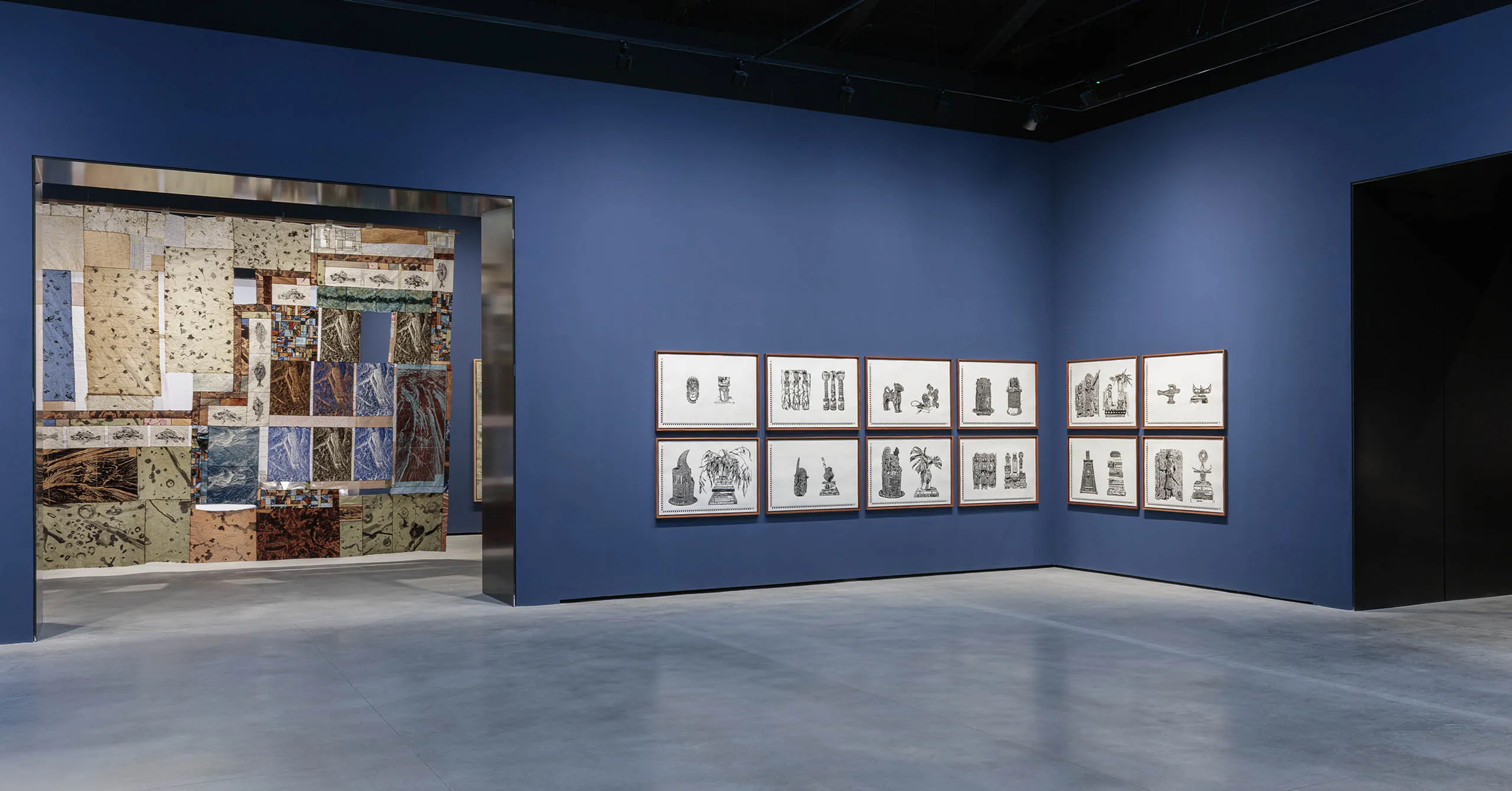
Filipino artist Pio Abad is presenting a series of intricate, hand-drawn works at the 2026 Venice Biennale as part of the exhibition "In Minor Keys," conceived by the late curator Koyo Kouoh. The works, created over four years with a 0.3-millimeter pen, include pieces such as "I’m Singing a Song That Can Only Be Born After Losing a Country" (first shown at the Ashmolean Museum in 2024), "Banua" (his first drawing on fabric), and "1897.76.36.18.6," which reflects on the looting of the Benin Bronzes. Abad, born in the Philippines and based in London, explores themes of migration, memory, exile, and the itinerant nature of objects and language.
How the State Supports Provenance Research

Comment l’État soutient la recherche de provenance

The French Ministry of Culture has created two specialized missions to assist museums in researching the provenance of their collections, addressing looted artworks, human remains, colonial acquisitions, and illicit trafficking. The Mission for Research and Restitution of Looted Cultural Property (M2RS), established in 2019, focuses on Nazi-era spoliations (1933-1945) with a budget of €220,000 annually, while the newer Mission "Provenance," launched in 2024 under curator Catherine Chevillot, covers human remains, colonial-era objects, and illicit goods with a €450,000 budget. These missions provide expertise, funding, and coordination with institutions like the Commission for the Restitution of Property and Compensation of Victims of Anti-Semitic Spoliation (CIVS), though most museums still only initiate provenance checks during acquisitions or donations.

1815, a Key Year for the Question of Art Restitution at the Heart of an Enlightening Book

1815, année clé de la question des restitutions d’œuvres d’art au cœur d’un ouvrage éclairant

Art historian Bénédicte Savoy has released a new book, "1815, le temps du retour," which examines the massive wave of art restitutions following the collapse of the Napoleonic Empire. Between 1794 and 1811, French revolutionary and imperial forces seized thousands of artworks and cultural objects from across Europe to fill the Louvre under the guise of creating a universal museum. After Napoleon's defeat in 1815, the subsequent return of these works sparked a global debate involving intellectuals and politicians regarding national identity, cultural property, and the legal status of looted heritage.

On Arte, the Fascinating Odyssey of a Lost Klimt Retraced in a Documentary

Sur Arte, la fascinante odyssée d’un Klimt disparu retracée dans un documentaire

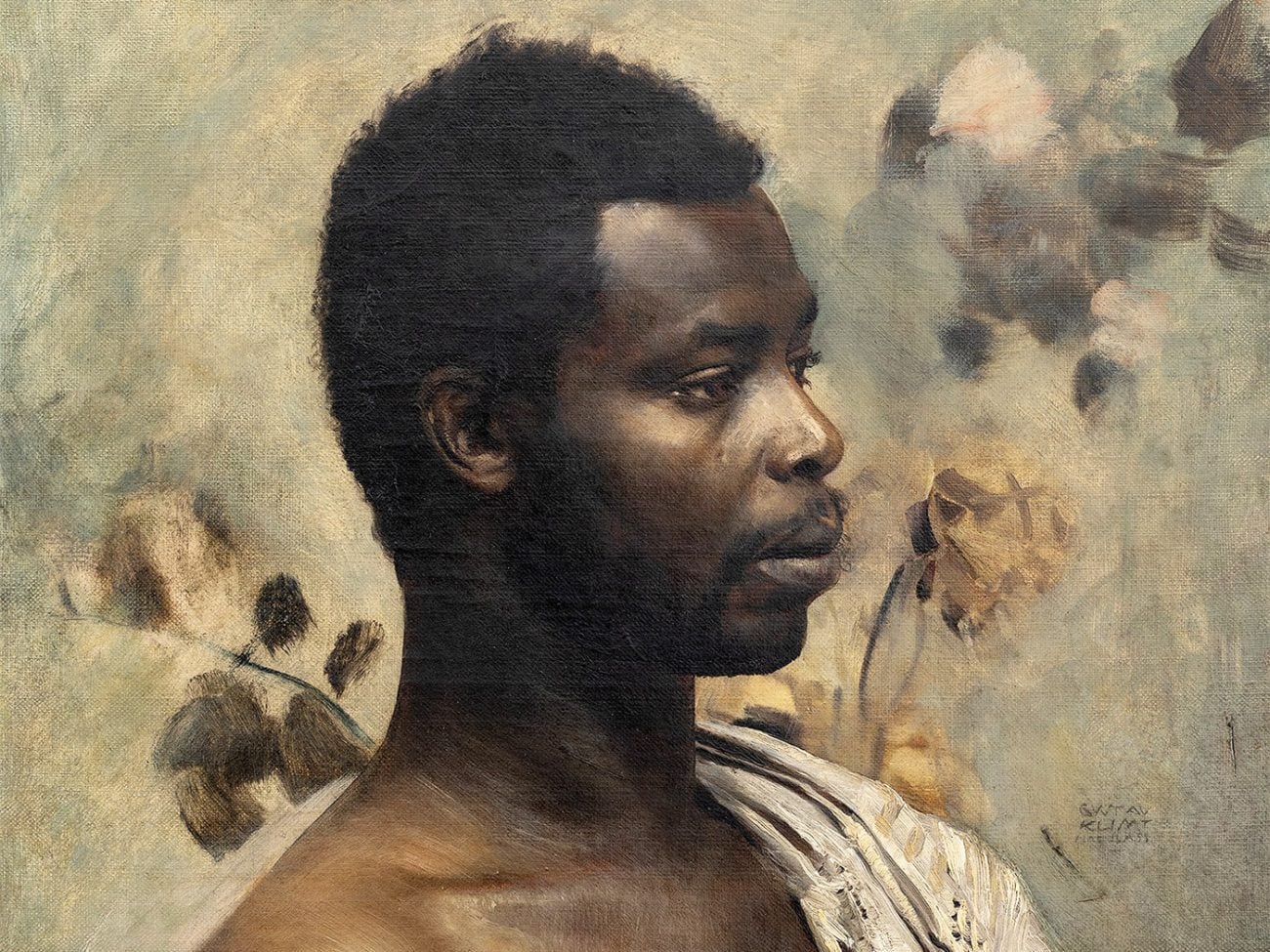
A long-lost portrait by Gustav Klimt, depicting a young Black man, has been rediscovered and is the subject of a new documentary on Arte. The film, "Gustav Klimt and the Enigma of the Ghanaian Prince," details the painting's authentication and the investigation into the identity of its sitter, who was identified in 2024 as Prince William Nii Nortey Dowuona, a member of the Ga people who was in Vienna in the late 19th century.

mfa boston returns benin bronze robert owen lehman

The Museum of Fine Arts Boston has returned two Benin Bronzes—a 16th/17th-century terracotta and iron Commemorative Head and a 16th-century bronze Relief Plaque—to the Kingdom of Benin. The works were looted by British soldiers during the 1897 attack on Benin City, later acquired by collector Robert Owen Lehman Jr., and donated to the MFA in 2013 and 2018. The repatriation ceremony took place on June 27 at Nigeria House in New York, with the items handed over to Prince Aghatise Erediauwa and Ambassador Samson Itegboje. The MFA closed its Benin Kingdom Gallery in April and noted that three other Benin works donated by Lehman remain in its collection pending further provenance research.

Director of the Hermitage Museum Sanctioned by the European Union

Le directeur du Musée de l'Ermitage sanctionné par l'Union européenne

The European Union has imposed sanctions on Mikhail Piotrovsky, the 81-year-old director of the State Hermitage Museum in Saint Petersburg, as part of its 20th sanctions package against Russia. Piotrovsky was blacklisted for supporting the war in Ukraine and overseeing illegal archaeological excavations in occupied Crimea. The EU cited his use of Kremlin war rhetoric—calling the museum's exhibition policy a "cultural special operation"—and the Hermitage's role in incorporating Ukrainian cultural objects from occupied territories into Russia's state museum fund. Additionally, under his leadership, unauthorized digs were conducted at the ancient Greek site of Myrmekion in Crimea, led by Hermitage archaeologist Alexander Butyagin, who was arrested in Warsaw and later released in a prisoner exchange.

ukraine adopts new resolution on evacuating museum objects from conflict zones

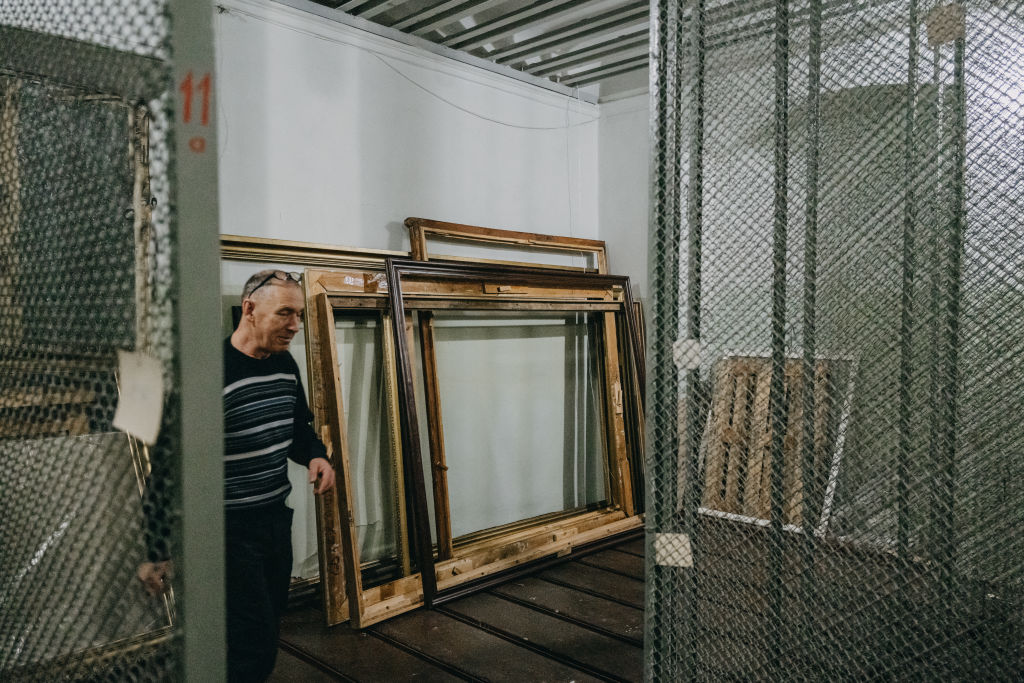
The Ukrainian government has enacted a new resolution to streamline the evacuation of over three million cultural objects from conflict zones as the Russian invasion nears its fourth year. The policy establishes a mandatory evacuation zone for museum items within 50 kilometers of the frontline and requires storage at least 75 kilometers away. Crucially, the resolution empowers museum directors to act independently during crises and introduces a three-stage evacuation system based on the cultural value of the property.

national museum of damascus heist missing artifacts search

The National Museum of Damascus temporarily closed this week after a theft of artifacts from its classical department. Six gold ingots and six Hellenistic marble statues were reportedly stolen, with a broken door discovered Monday morning. Several employees and guards were detained and interrogated before being released. Damascus police chief Brig. Gen. Osama Atkeh confirmed the theft and stated an investigation is underway. The museum had only reopened in January after being closed since December 7, 2024, when anti-Assad forces approached the capital.

netherlands returns 119 benin bronzes to nigeria in landmark repatriation agreement

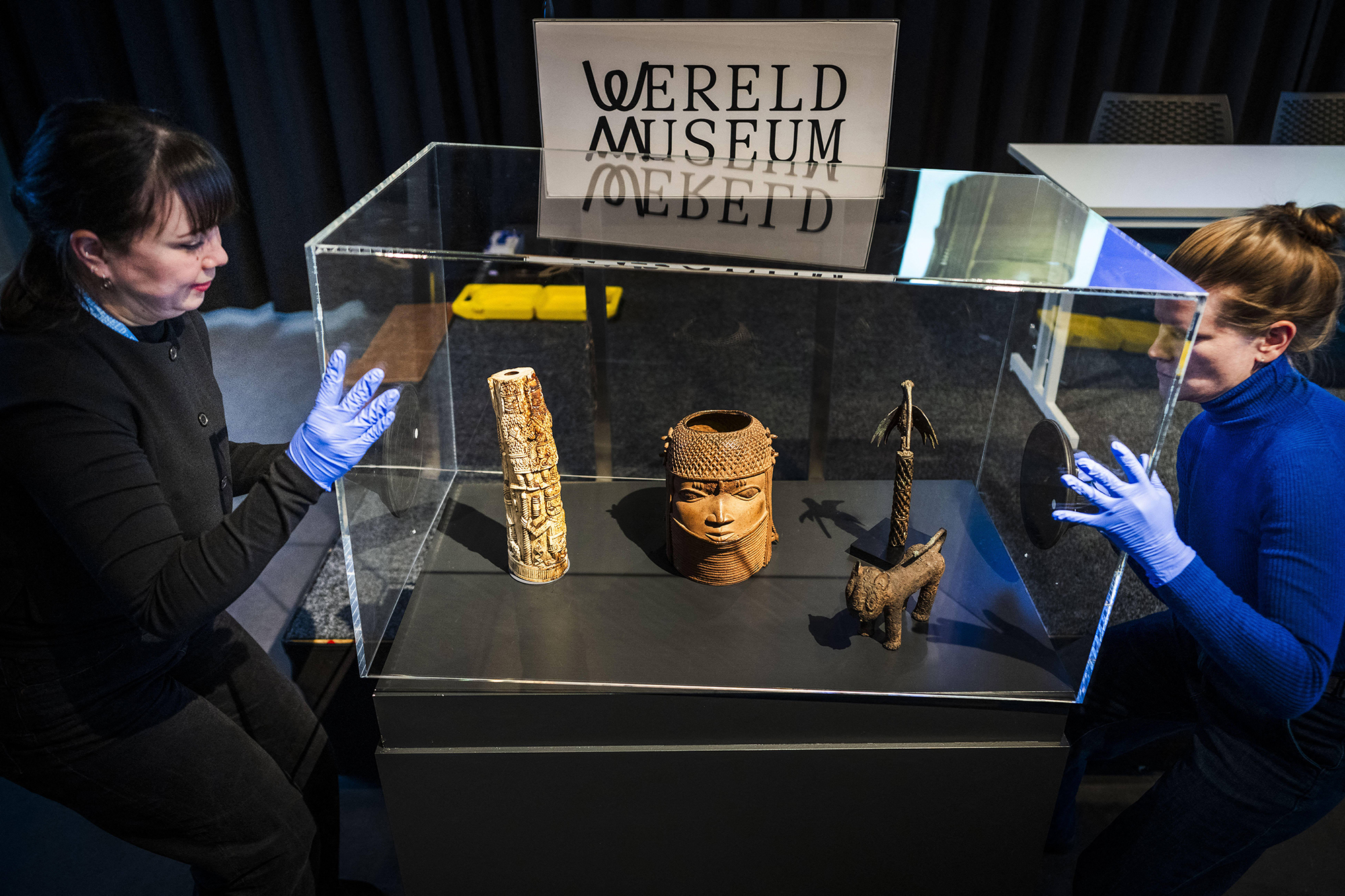
The Netherlands has signed an agreement to return 119 Benin Bronzes to Nigeria, one of the largest repatriations of looted artifacts to date. The transfer, formalized on February 19 by Dutch culture minister Eppo Bruins and Nigerian official Olugbile Holloway at the Wereldmuseum in Leiden, includes 113 bronzes from the Dutch National Collection held at the museum and six additional objects from the municipality of Rotterdam. The artifacts were plundered by British forces in 1897 and later acquired by Dutch institutions, with provenance research confirming the museums were aware of their looted origins.

ukraine russia icom expulsion open letter

A group of arts professionals, including art historian Konstantin Akinsha and Francesca Thyssen Bornemisza, has published an open letter in Le Monde calling for the International Council of Museums (ICOM) to expel Russia for violating its code of ethics. The group threatens to take ICOM to court in France if it fails to act, citing Russia's systematic erasure of Ukraine's cultural identity since the 2022 invasion, including looting of museum collections and destruction of cultural sites documented by UNESCO. Signatories demand the exclusion of ICOM Russia and Russian museum staff involved in looting, and seek either negotiation or legal proceedings in a French court.

mine atairu ai benin nigeria repatriation

Minne Atairu's augmented reality work "Deshrined Ancestors" (2024) was featured in the group exhibition "All Watched Over by Machines of Loving Grace" at REDCAT in Los Angeles. The piece is a speculative 3D rendering of a Benin bronze, created using AI trained on archives and oral histories, designed to fill the gap left by looted artifacts. Atairu, born in Benin, Nigeria, uses tools like Midjourney and Blender to generate artworks that address colonial violence and erasure, including her 2023 installation "To the Hand" at The Shed. The exhibition explores humanity's evolving relationship with AI, and Atairu's work includes an empty podium representing a Benin bronze returned to Nigeria from RISD.

Banking family’s treasures go on show at Bath’s Holburne Museum

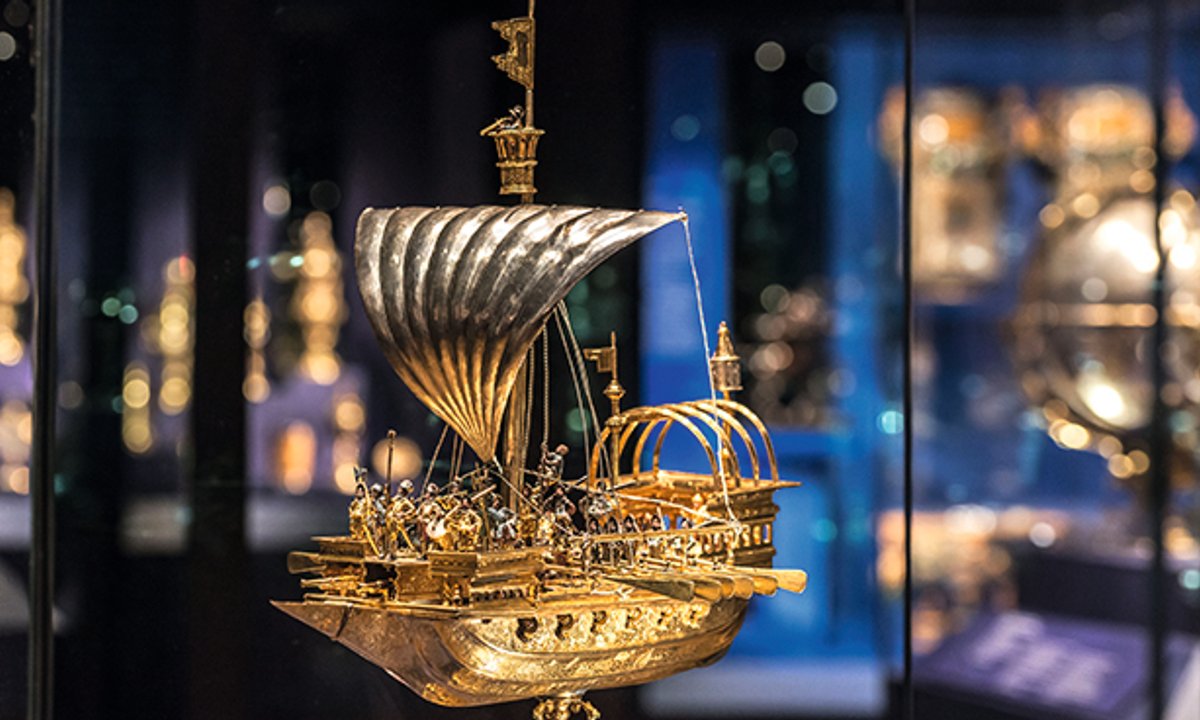
Nearly 200 Old Master treasures from the Schroder Collection, amassed by the late banker Bruno Schroder and his family over more than a century, will go on long-term display at the Holburne Museum in Bath, UK, starting 10 September. The collection includes silver, maiolica, and paintings by artists such as Lucas Cranach the Elder and Hans Holbein the Elder, many shown publicly for the first time. The loan was facilitated by Bruno’s daughter Leonie, who requested the works remain in the UK and be placed in a regional museum rather than London.

Who Owns These Artworks? Musée d’Orsay Hopes Visitors Can Help Find Out.

The Musée d’Orsay in Paris has opened a new room in its permanent display featuring 13 artworks recovered from Germany and Austria after World War II, whose provenance remains unknown. The museum is inviting visitors to help identify the original owners of these pieces, which were looted or displaced during the war and later restituted to France.

unesco launches museum looted cultural objects

UNESCO has launched the world's first virtual museum of stolen cultural objects, featuring thousands of artifacts viewable in 3D. The initiative was announced at UNESCO's World Conference on Cultural Policies and Sustainable Development in Barcelona, designed by architect Francis Kéré in collaboration with Interpol, with funding from Saudi Arabia. The museum is organized by geographic region and includes sections like the "stolen cultural objects gallery" and a "return and restitution room" that highlights recovered items, such as a bronze Buddha statue from China's Ming Dynasty and a Syrian gold pendant looted from the Palmyra Museum.

Colosseum Facelift Restores Ancient Southern Entrance to Its Former Glory

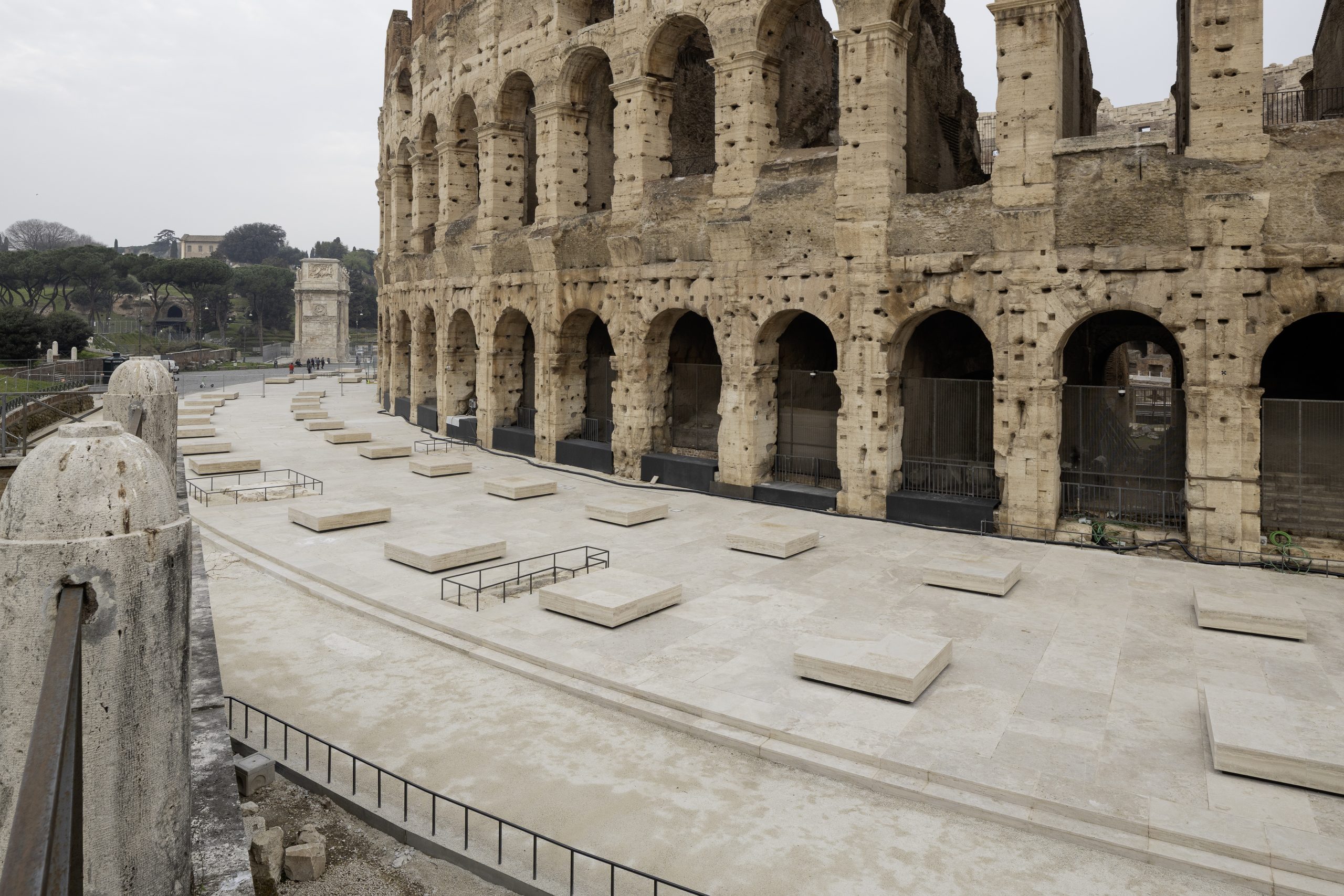
Rome’s Colosseum has unveiled a major four-year restoration of its southern entrance, a project led by Stefano Boeri Interiors in collaboration with the Colosseum Archaeological Park. The renovation lowered the surrounding piazza to its original Roman-era height, reintroduced travertine flooring sourced from ancient quarries, and installed seating blocks that mark the locations of long-lost marble columns. During the excavation process, archaeologists recovered a wealth of historical artifacts, including ancient coins, statues, and gold jewelry, while leaving a specific section untouched to showcase the arena's complex hydraulic foundations.

ancient rome new orleans tombstone

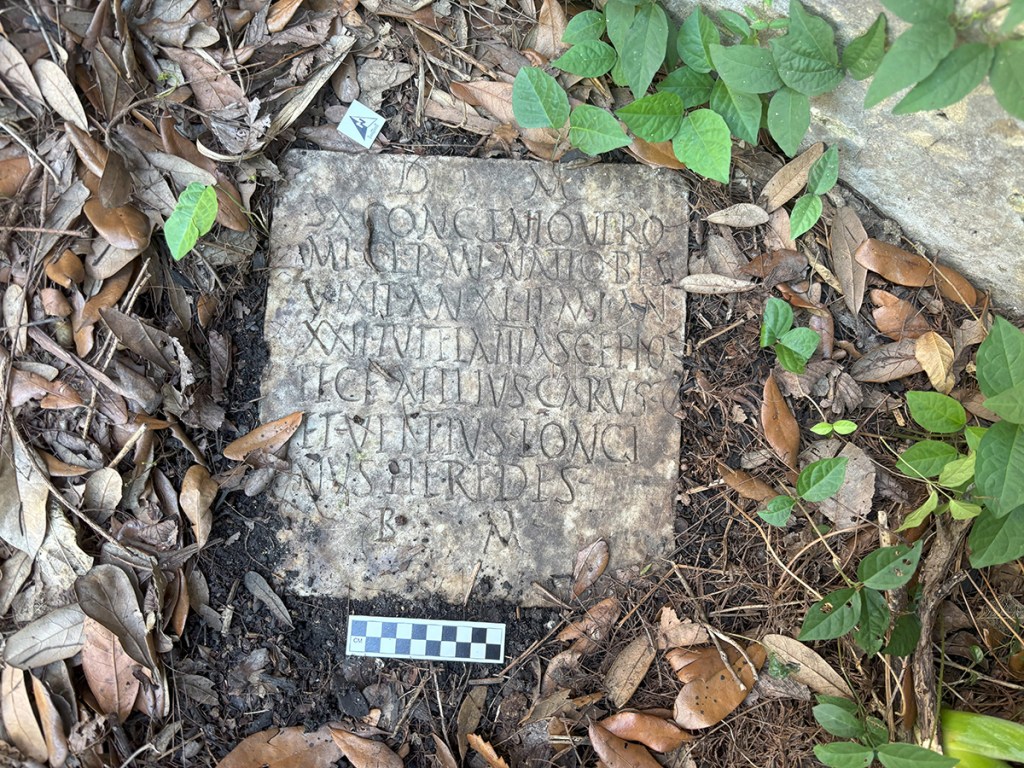
A 2nd-century Roman gravestone inscribed for a sailor named Sextus Congenius Verus was discovered in March 2025 by Daniella Santoro and Aaron Lorenz while doing yard work at their New Orleans home. University of New Orleans archaeologist D. Ryan Gray, working with colleagues at the University of Innsbruck and Tulane University, traced the stone to a missing object from a museum in Civitavecchia, Italy. Researchers believe it was brought to the U.S. as a souvenir by a member of the 34th division of the Fifth Army after the liberation of Rome in 1944. The FBI’s Art Crime Team is now involved in repatriating the headstone to Italy.

egyptian antiquities trafficker jfk airport prison sentence

Egyptian doctor Ashraf Omar Eldarir has been sentenced to six months in prison by U.S. District Judge Rachel P. Kovner for smuggling hundreds of ancient Egyptian artifacts into the United States. Eldarir was arrested in 2019 after importing over 600 artifacts without declaring them on customs forms, including a polychrome relief, Roman limestone pieces, gold amulets, and wooden tomb model figures dating to 1900 BCE. The largest seizure of smuggled antiquities at JFK Airport occurred in January 2020, when customs officers found 590 artifacts wrapped in bubble wrap and foam, with loose sand and dirt indicating recent excavation. Eldarir pleaded guilty to four counts of smuggling and used fake provenances—including forged documents and photoshopped photographs—to sell artifacts at U.S. auction houses.

france returns colonial era human remains to madagascar

France has returned three colonial-era human skulls to Madagascar, including one believed to belong to King Toera, a Malagasy king executed by French troops in 1897. The skulls were handed over to Malagasy representatives at the French Culture Ministry on Monday, after being held in Paris’s National Museum of Natural History. French Culture Minister Rachida Dati called the return “historic,” while her Malagasy counterpart Volamiranty Donna Mara described it as healing an “open wound” after 128 years.

looted antiquities sold facebook marketplace palmyra syria

Thieves in Syria are looting ancient artifacts from archaeological sites like Palmyra, a UNESCO World Heritage city dating back to the 3rd century BCE, and selling them on Facebook Marketplace. The looting has surged since the overthrow of former president Bashar al-Assad in December, with traffickers listing funerary gold, statues, and mosaics alongside ordinary secondhand goods. The Antiquities Trafficking and Heritage Anthropology Research (ATHAR) Project reports that nearly one-third of its 1,500 Syrian cases occurred in December alone, and sales are happening faster than ever—mosaics that once took a year to sell now move in two weeks.

manhattan da office repatriates artifacts peru

The Manhattan District Attorney’s Office returned eight artifacts to Peru during a ceremony at the Peruvian consulate in New York on May 15. The repatriated items include funerary objects illegally taken from tombs in northern Peru during the 1960s and ’70s, a copper mask believed to represent the Moche deity Ai Apaec (circa 300 BCE) from the looted Loma Negra site, and a ceramic portrait vessel from the Chavín culture (1000–700 BCE). This is the second time New York officials have returned a group of works to Peru.

Victoria & Albert Museum to expand Gilbert Galleries to explore looting and provenance

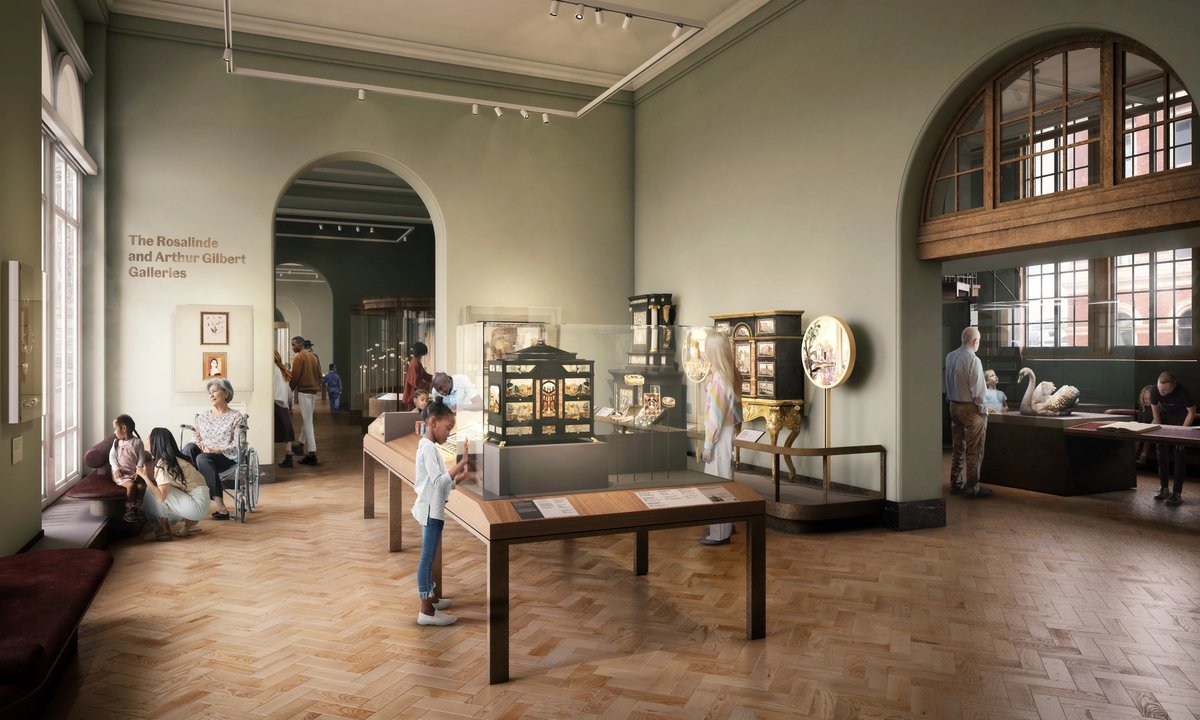
The Victoria and Albert Museum (V&A) in London will revamp its Gilbert Galleries, dedicated to the Rosalinde and Arthur Gilbert Collection, expanding from four to seven galleries. Set to open in March, the redesigned space by Citizens Design Bureau will include a new room focused on Nazi and Soviet looting and provenance research. Highlights include 200 gold boxes, micro-mosaics, and two silver-gilt gates looted from Kyiv’s Pechersk Lavra monastery after the Russian Revolution, acquired by William Randolph Hearst in 1935. The expansion is part of the V&A’s Future Plan development programme, funded by the Gilbert Trust for the Arts and The National Lottery Heritage Fund.

Piecing together ancient Andean stories at Krannert Art Museum

Krannert Art Museum has reopened its reimagined exhibition 'Fragmented Histories: Andean Art before 1600' after a year-long closure, following nearly a decade of collaborative research. Co-curators Allyson Purpura and Kasia Szremski worked with pre-contact Andean art historians and Peruvian archaeologists to restore context to looted artifacts from the Fred Olsen Collection, donated in 1967. The exhibition is organized into four themes—Unfinished Stories, The Mobile Life of Objects, Powerful Images, and Object Biographies—and includes digital displays that acknowledge the violent histories of looting and aim to share knowledge with descendant communities in Peru.

Condemned by Francoism, a writer rehabilitated by the Spanish Congress

Condamné par le franquisme, un écrivain réhabilité par le Congrès espagnol

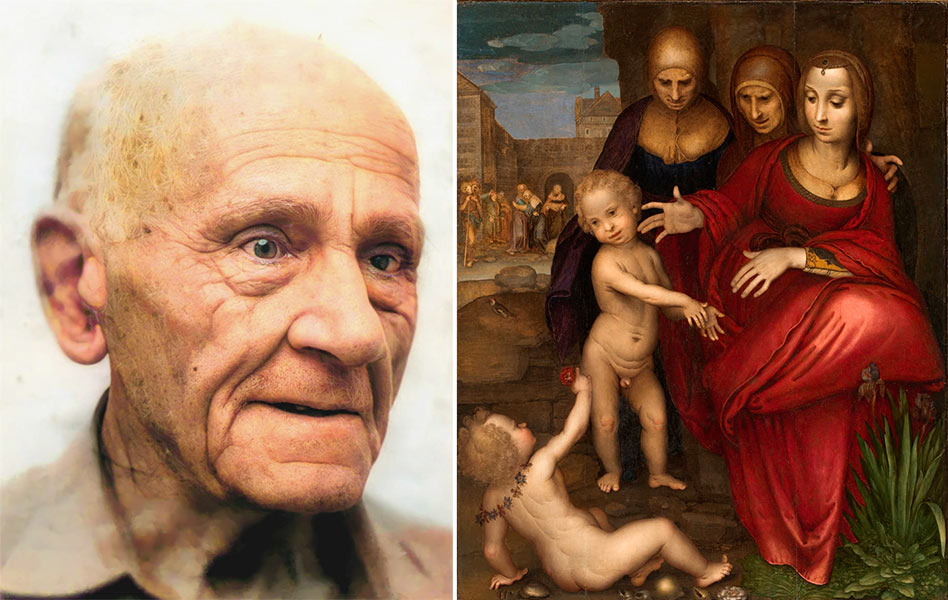
The Spanish Congress has officially rehabilitated Cipriano Salvador (1894-1975), a Republican intellectual wrongly accused by the Franco regime of stealing a Renaissance painting he actually saved. During the Spanish Civil War, Salvador hid Fernando Yáñez's "La Santa Generación" (c. 1525-1532) from destruction. After Franco's victory, a priest sold the work to the Prado Museum for 15,000 pesetas, while Salvador was arrested, sentenced to death (later commuted to 30 years), and spent seven years in prison. He died in 1975 without exoneration. The rehabilitation motion passed with 32 votes in favor, 3 against, and 1 abstention, with only far-right party Vox opposing.

La loi-cadre sur les restitutions définitivement adoptée par le Parlement

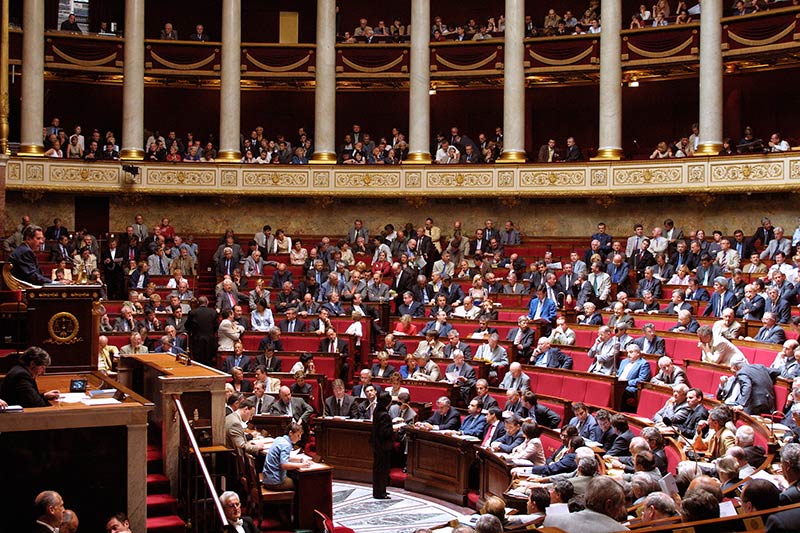
The French Parliament has definitively adopted a framework law on the restitution of cultural property that was illicitly acquired. The Senate unanimously approved the conclusions of the joint committee on May 7, following the National Assembly's approval on May 6, after an agreement was reached on April 30. The law establishes a general mechanism for returning objects from French public collections without requiring a specific law for each case, covering items acquired through looting, theft, forced sale, or other illicit means before the 1970 UNESCO Convention. It creates a permanent national commission and a bilateral scientific committee to assess claims, with restitution ultimately decided by government decree subject to legal review by the Council of State.

Les États-Unis restituent près de 300 biens culturels à l’Italie

Italy presented 337 cultural artifacts repatriated from the United States at the Caserma "La Marmora" in Rome, following operations between December 2025 and April 2026. The objects span from the 5th century BCE to the 3rd century CE, including Roman sculptures, bronze works, pottery, jewelry, coins, and architectural fragments. Among the notable pieces is a marble head attributed to Alexander the Great, stolen from a Roman museum in 1960, and a bronze sculpture looted from Herculaneum. The recovery involved the Manhattan District Attorney's office, the FBI, Homeland Security Investigations, and Christie's New York, with 221 items seized through the DA's collaboration and 116 returned in April.

337 œuvres et objets volés récupérés : la vaste opération italienne de lutte contre le trafic de biens culturels aux États-Unis

On April 29, Italy's carabinieri dedicated to cultural heritage protection announced the recovery of 337 looted or stolen artworks and objects repatriated from the United States between December 2025 and April 2026. The haul includes archaeological artifacts, archival documents, and other artworks, such as a marble head of Alexander the Great from the 1st century AD, a bronze sculpture stolen from Herculaneum, and two Egyptian basalt sculptures. The objects were dispersed through international markets using forged provenance documents, and their return involved U.S. agencies including the FBI.

Today’s war, tomorrow’s loot: attempts at stemming the illicit trade in art

The article examines the ongoing challenge of preventing the illicit trade in cultural property looted from conflict zones. It discusses the Hague Convention of 1954 and its protocol, which require signatory countries to prevent theft and pillage during armed conflict and to seize and repatriate unlawful exports. However, the protocol only applies to situations of 'occupation,' leaving a gap for looting that occurs in the chaos of war beyond formal occupation. The article also notes UN Security Council Resolutions that restrict unlawfully removed cultural property from Iraq and Syria, but no similar consensus exists for countries like Afghanistan, Libya, Ukraine, Lebanon, Yemen, Sudan, and Iran. EU Regulation 2019/880 is highlighted as a measure that prohibits introducing goods removed unlawfully from their place of origin into the EU, though its scope has expanded beyond its original anti-terrorist financing purpose.

after museum heist syrian cultural authorities face scrutiny over lack of transparency

Syria's Ministry of Culture briefly published details of artifacts stolen from the Damascus National Museum, including six Roman-era marble statues of Venus and gold ingots, only to delete the post hours later. The theft occurred on Sunday night and was discovered Monday morning when a broken door was found. International media reported the theft citing anonymous sources, and the Directorate General of Antiquities and Museums (DGAM) confirmed an investigation but provided no further details. The museum, which houses thousands of antiquities, had reopened in January after closing during the civil war and the fall of the Assad regime.

heritage experts call for international task force to oversee palmyra restoration

Heritage experts, international officials, and Syrian residents gathered in Switzerland for the first comprehensive conference on restoring the ancient Syrian city of Palmyra since the end of Bashar Al Assad's regime. Organized by UNESCO and the Aliph Foundation, the group recommended establishing an international expert task force to remove Palmyra from UNESCO's List of World Heritage in Danger. Rehabilitation efforts will focus on the Palmyra museum, restoration of artifacts at the Damascus Museum, and repair of the footbridge, with work expected to begin in January 2026.

nonprofit russia ukraine icc systematic and organized plunder

A French nonprofit, For Ukraine, For Their Freedom and Ours!, has filed a complaint with the International Criminal Court (ICC) accusing Russia of the systematic and organized looting of Ukrainian cultural heritage since the 2022 invasion. The complaint, submitted on July 11, calls for arrest warrants for Vladimir Putin and eight senior Russian officials, alleging that the plunder was planned at the highest state level and constitutes war crimes under international law. The group identified a modus operandi involving Russia's Ministry of Culture, museum directors, and intelligence chief Sergei Naryshkin.