filter_list Showing 85 results for "Censorship" close Clear
dashboard All 85 museum exhibitions 36article news 25article policy 10article culture 6article local 3rate_review review 2trending_up market 1person people 1candle obituary 1
date_range Range Today This Week This Month All
Subscribe

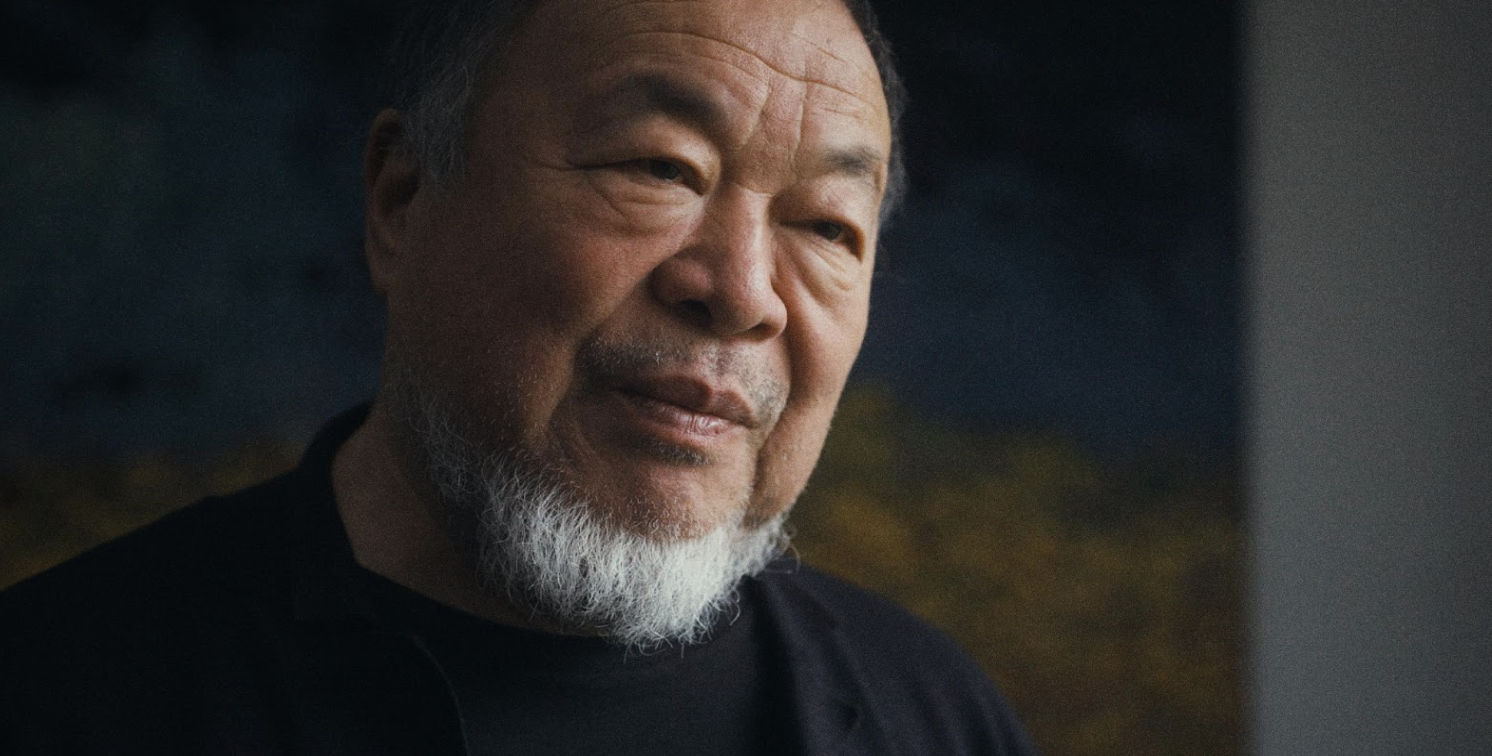
“The State of the World? An Act of Madness.” Interview with Ai Weiwei, Arriving in Milan with a Surprise Installation

“Lo stato del mondo? Un atto di follia”. Intervista con Ai Weiwei che arriva a Milano con un’installazione a sorpresa

Chinese artist and activist Ai Weiwei has unveiled a surprise site-specific installation in Milan, created in collaboration with the historic Venetian textile house Rubelli. Located in the Rubelli showroom for Fuorisalone 2026, the immersive work features a large-scale lampas fabric woven with silk and gold threads, depicting symbols of surveillance, censorship, and political struggle such as handcuffs, the Twitter bird, and alpacas.

A Theatre Group of Exiled Belarusian Artists Arrive in Venice, With an Exhibition That Shows What Repression Feels Like

The Belarus Free Theatre, an exiled underground theater group, will stage its first official collateral exhibition at the 61st Venice Biennale, titled “Official. Unofficial. Belarus.” The show, held in the historic La Chiesa di San Giovanni Evangelista di Venezia, features site-specific paintings, a sound installation, and large-scale sculptures that aim to immerse visitors in the experience of repression under authoritarian rule. This marks only the fifth time Belarus has been present at the Biennale, and the first time it appears not as a state but as a self-governing cultural body, challenging the official narratives of nations like Russia.

Ukraine Sanctions Russian Culture Figures Linked to Country’s Participation in Venice Biennale

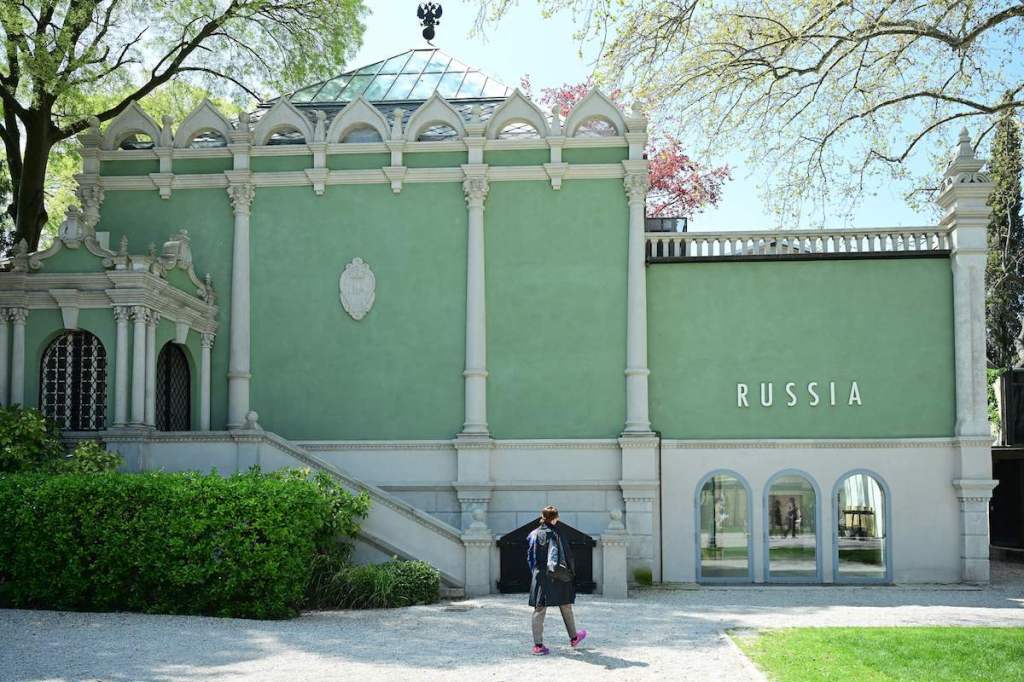
Ukrainian President Volodymyr Zelenskyy has issued a decree imposing sanctions on five Russian cultural figures involved in the Russian Pavilion for the 2026 Venice Biennale. The sanctioned individuals include pavilion commissioner Anastasia Karneeva, former culture minister Mikhail Shvydkoy, and three performers from the Intrada Ensemble. Ukrainian officials argue that these figures use international art platforms to legitimize Russian aggression and spread state propaganda, specifically citing past activities in occupied territories like Crimea and Donetsk.

Hundreds Protest Israel’s “Genocide Pavilion” at Venice Biennale

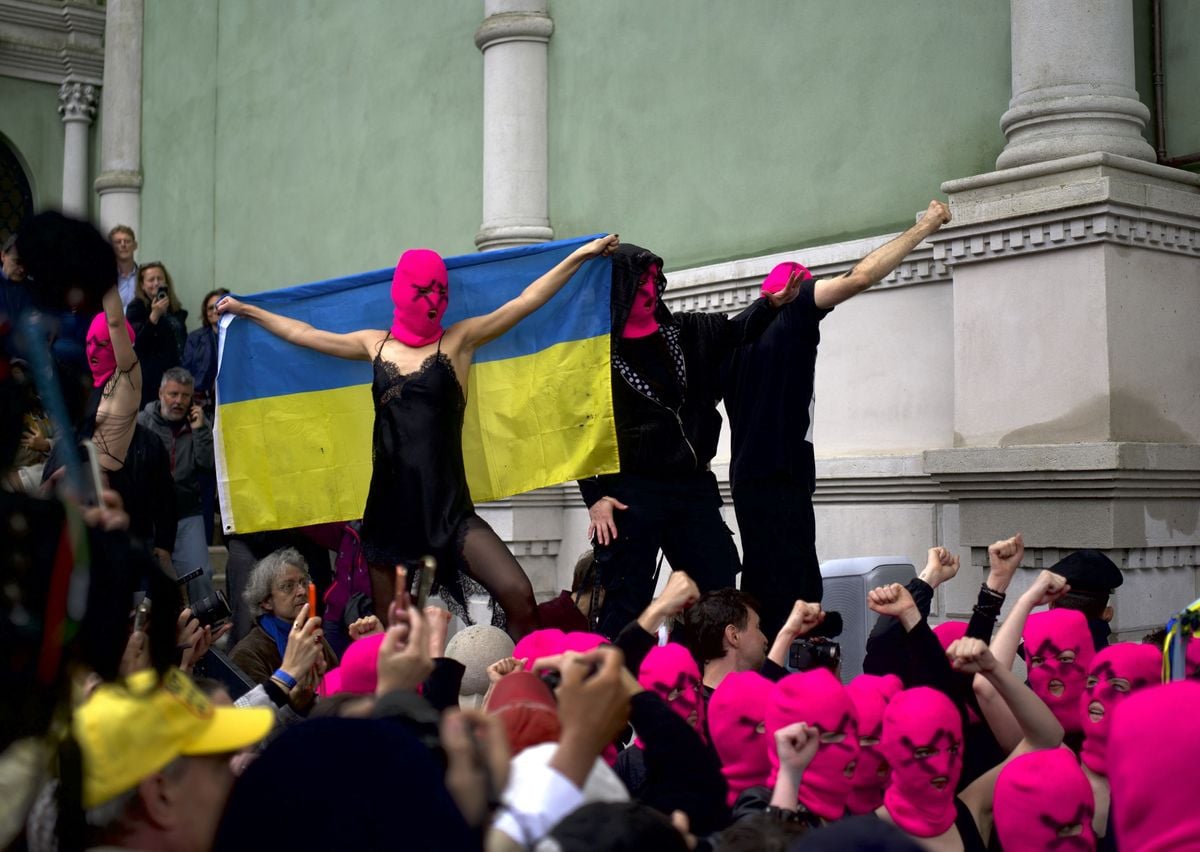
On May 6, 2026, the first day of previews at the Venice Biennale, hundreds of pro-Palestine activists led by the Art Not Genocide Alliance (ANGA) blocked the entrance to the Israeli pavilion, demanding its immediate closure. Protesters waved Palestine flags and banners reading "No Artwashing Genocide" and "No Genocide Pavilion at Biennale," chanting accusations of genocide against Israel. The demonstration temporarily shut down access to Belu-Simion Fainaru's exhibition "Rose of Nothingness" for about half an hour. The protest followed a letter signed by over 200 artists urging the Biennale to exclude Israel, which instead moved the pavilion to an alternative location in the Arsenale due to renovations. Separately, Pussy Riot and FEMEN rallied outside the Russian pavilion, which will only open during preview days due to sanctions. Venice cultural workers plan a 24-hour strike on May 8 in solidarity with Palestinians, potentially disrupting the Biennale's schedule.

"Hier darf laut gelacht werden"

During the opening week of the Venice Biennale, multiple reports detail controversies surrounding the Israeli and Russian pavilions. According to Hyperallergic, artist Belu-Simion Fainaru of the Israeli pavilion threatened legal action against the Biennale after the jury sought to exclude Israel and Russia from prizes over alleged human rights violations, citing antisemitism and nationality-based discrimination. This may have prompted the jury's sudden resignation. Meanwhile, taz reports that Russia's pavilion is a macabre 'dance of death' blending techno and political denial, while Israel's pavilion faces a 'silent boycott' and social ostracism. Zeit describes protests by Pussy Riot and Femen outside the Russian pavilion as a defining image, with activists chanting 'blood sticks to the art of this country.'

10 Must-See Shows During the Venice Biennale 2026

The 2026 Venice Biennale is embroiled in multiple controversies, including the cancellation and reinstatement of Australia's representative artist Khaled Sabsabi, ongoing calls to bar Israel from participating, criticism over allowing Russia to participate, and mounting voices to exclude the U.S. in response to President Donald Trump's actions in Iran. Despite these disputes, the article highlights that many of the city's most exciting shows will take place away from the main Biennale venues.

Protests and Shutdowns Engulf 61st Venice Biennale Opening

The 61st Venice Biennale preview week, opening to press and professionals ahead of its May 9 public launch, has been engulfed by protests and institutional crises. On May 5, around 60 artists from Koyo Kouoh's exhibition “In Minor Keys” staged a Solidarity Drone Chorus outside the Giardini, drawing on Gazan composer Ahmed Muin's Drone Song (2025) to highlight victims of warfare. On May 6, the Art Not Genocide Alliance (ANGA) organized protests outside Israel's pavilion at the Arsenale, leading to a security-enforced closure, while Pussy Riot and FEMEN demonstrated outside the Russian pavilion. The jury resigned on April 30 after controversy over award eligibility tied to ICC arrest warrants, prompting the Biennale to scrap Golden Lions and transfer prize voting to the public. Iran withdrew its pavilion on May 4, and Russia's will close on May 9, with only exterior video projections remaining. ANGA and Italian unions have announced a 24-hour strike on May 8.

Europe: China’s censorship of cultural institutions must be challenged - ARTICLE 19

The Victoria and Albert Museum (V&A) in London has reportedly removed maps and images from exhibition catalogues on multiple occasions following pressure from its Chinese publisher, C&C Offset Printing. The publisher cited directives from China's General Administration of Press and Publication (GAPP), which enforces the Chinese Communist Party's official narratives on sensitive topics like territorial borders.

The Prizes

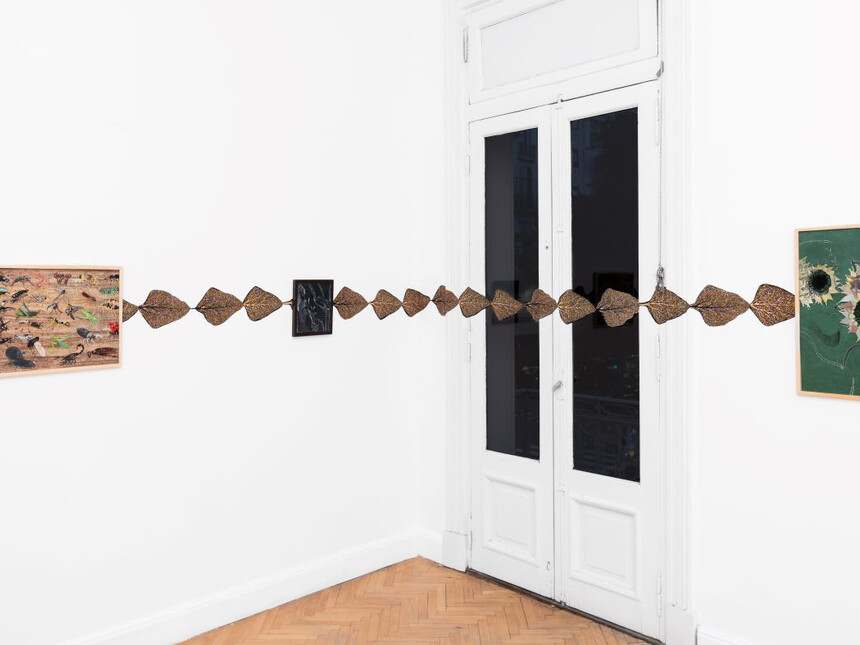
Los premios

Artist Gala Berger presents a three-act exhibition titled "Los premios" (The Prizes), which revisits the radical spirit of the 1968 Latin American avant-garde. The show specifically references two historic 1968 exhibitions at the National Museum of Fine Arts in Buenos Aires—the Georges Braque Prize and "Materials, new techniques, new expressions"—where artists staged protests involving egg-throwing, stink bombs, and manifestos against censorship and institutional tutelage.

Two new exhibitions debut today at St. Pete’s MFA

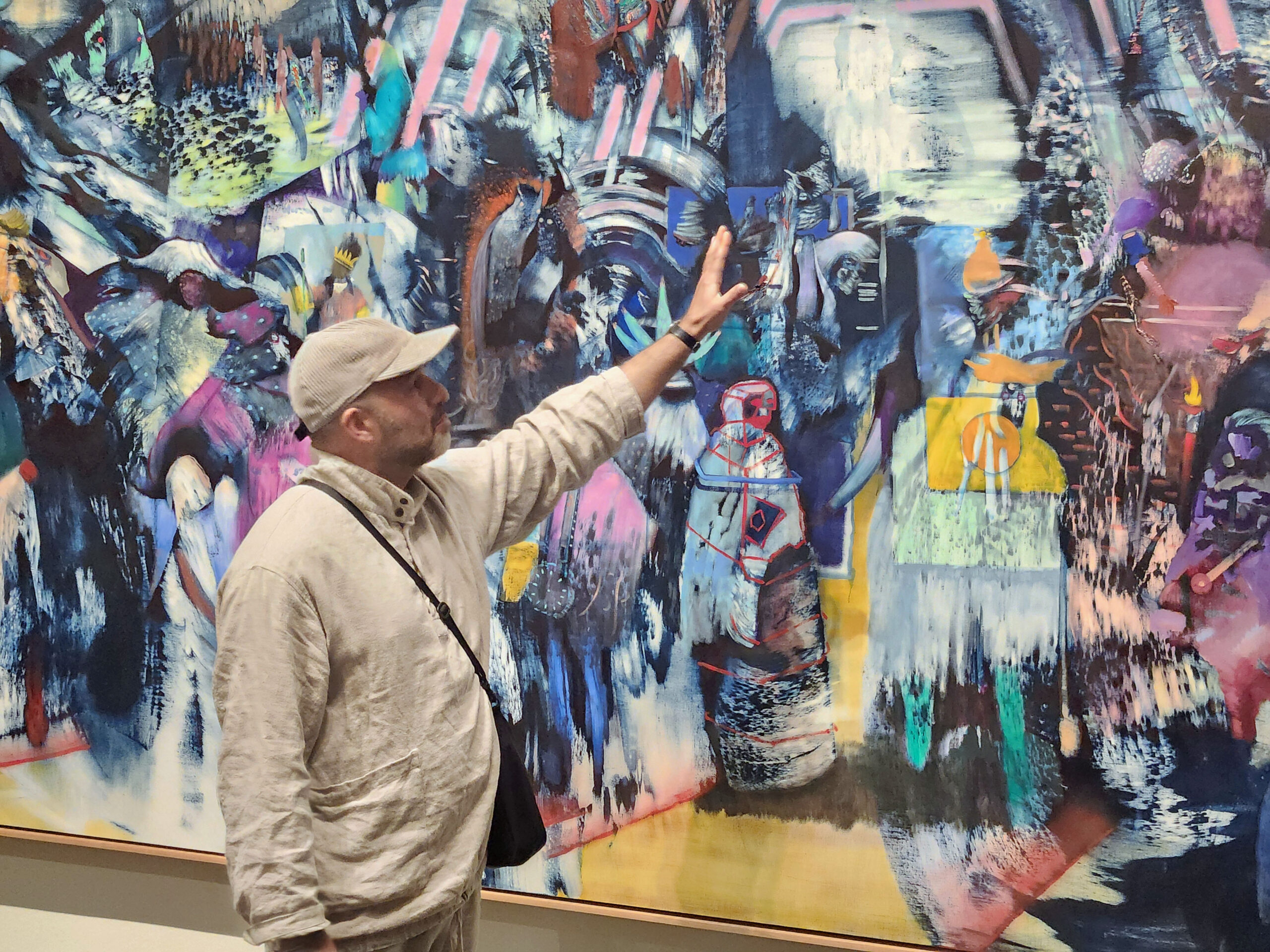
The Museum of Fine Arts St. Petersburg has launched two major exhibitions: a career-spanning survey of Iranian-born artist Ali Banisadr and a site-specific installation by Ward Shelley and Douglas Paulson. Banisadr’s exhibition, "The Alchemist," features nearly 20 years of work including large-scale paintings that blend abstraction with intricate, emerging figures. Accompanying this is "The Last Library IV: Written in Water," a life-sized library constructed from corrugated cardboard that explores the fragility of the written word and the impact of censorship and AI on language.

Gerd Harry Lybke, from artist’s model to gallery founder in East Germany showing in Mallorca

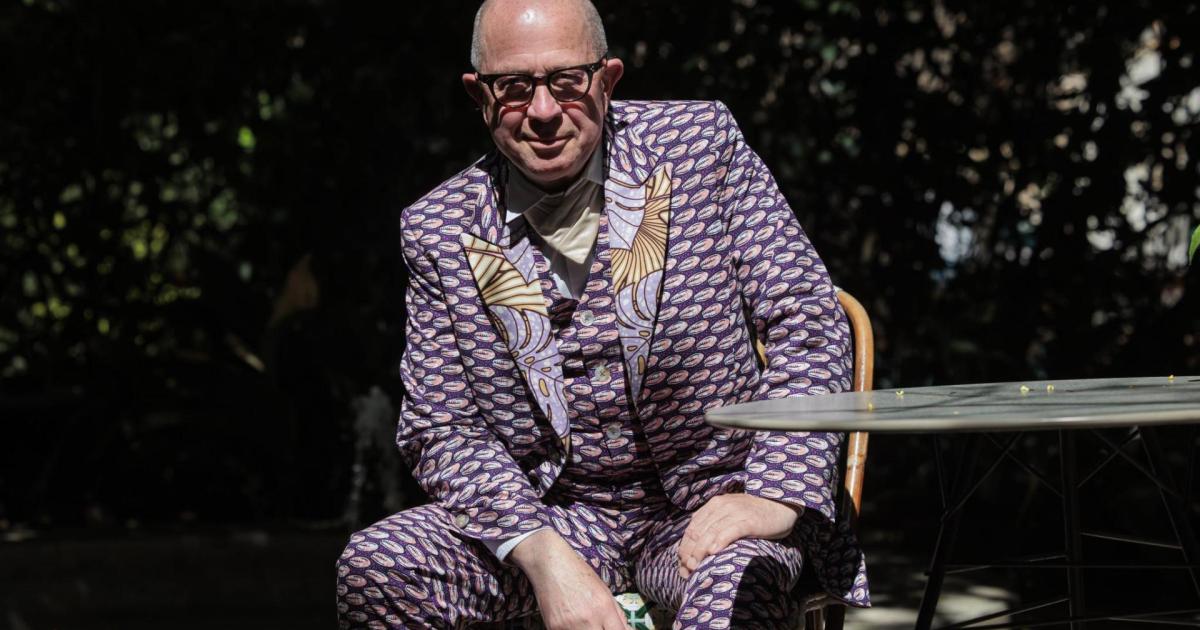
Gerd Harry ‘Judy’ Lybke, the founder of the influential German gallery Eigen + Art, is making his debut at the inaugural Art Cologne Palma Mallorca. Lybke, who began his career as a nude artist's model in East Germany before opening an underground flat-gallery in 1983, reflects on the evolution of the art market from a socialist system defined by censorship to the modern capitalist landscape. For this fair, he is presenting a diverse roster ranging from New Leipzig School star Neo Rauch to emerging talent Maja Behrmann, with works priced between €2,000 and €20,000.

“Yellow Letters”: arte e politica, libertà e censura nel nuovo film di İlker Çatak

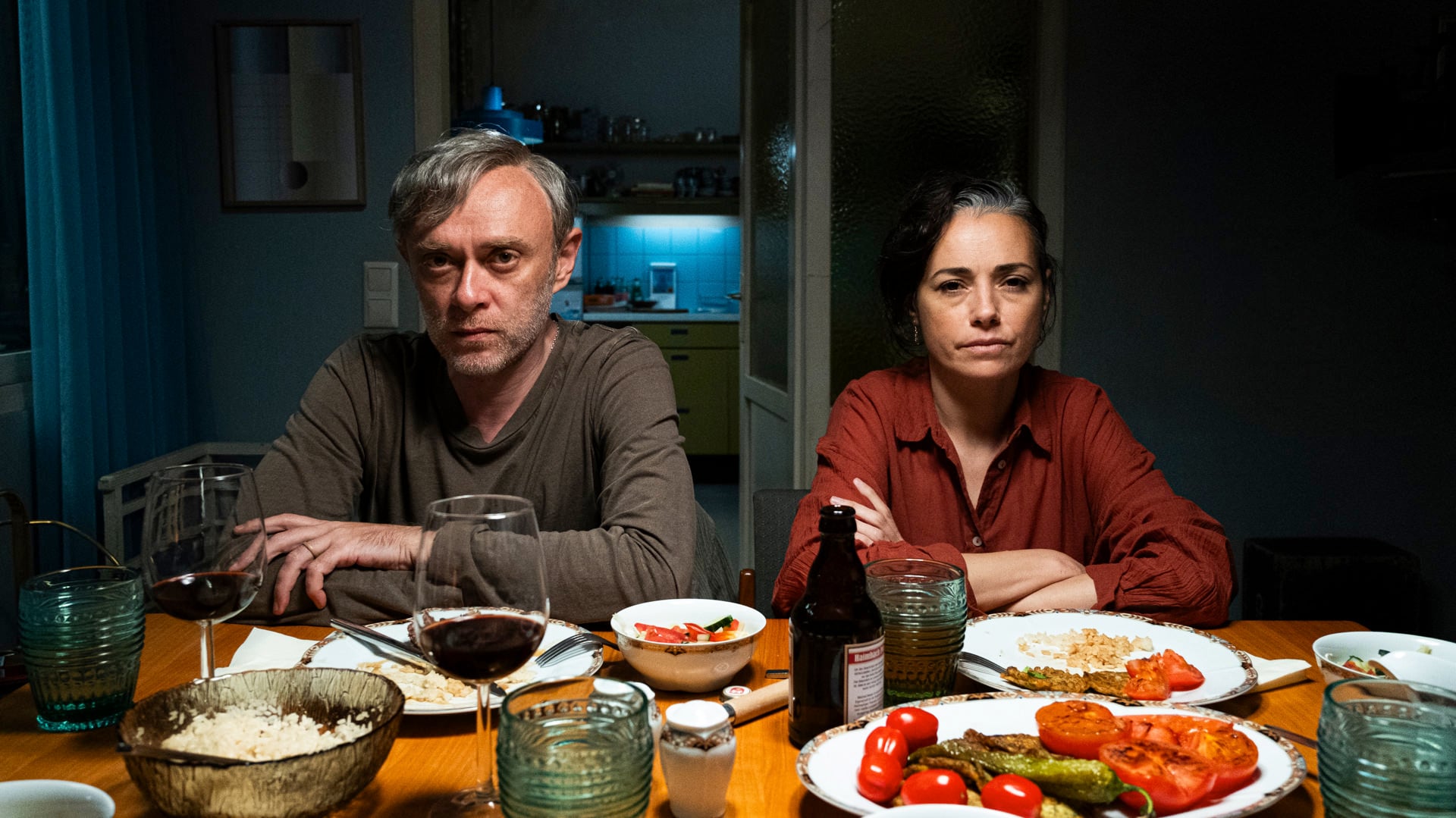
Ilker Çatak's fifth film, "Yellow Letters," premieres on April 30, 2026, distributed by Lucky Red. The story follows Derya and Aziz, a Turkish artist couple whose lives unravel after Aziz, a professor at Ankara University, receives a "yellow letter" terminating his employment. The film, inspired by post-2016 coup purges in Turkey, shifts to Berlin and Hamburg, where the director deliberately avoids mimicking Turkish locations, instead using explicit captions like "Berlin as Ankara" to create a Brechtian alienation effect. Çatak explores how arbitrary state repression fractures personal relationships and moral boundaries, drawing on interviews with artists who faced unjust dismissals.

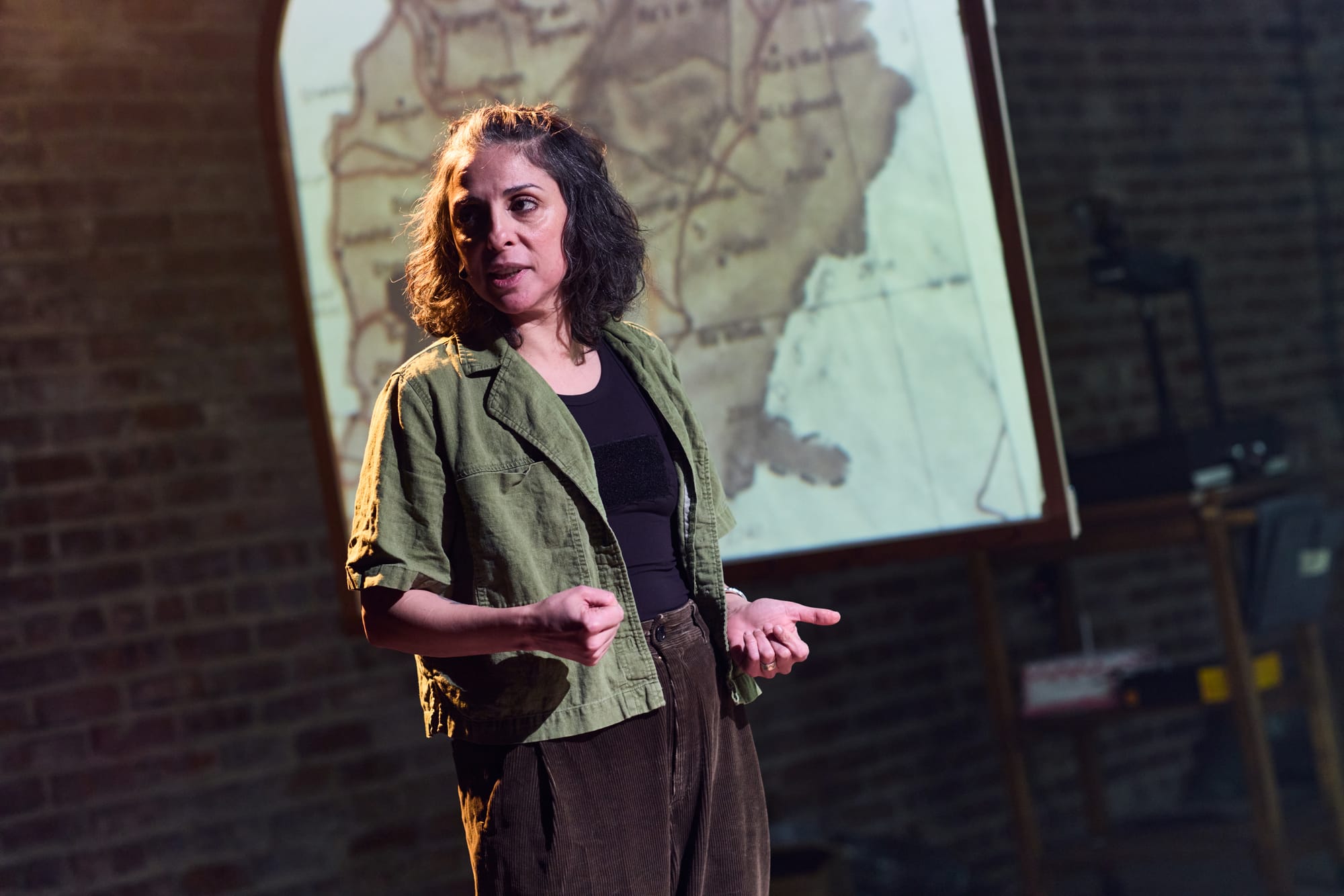
Rawya El Chab Tends to the Wounds of Lebanon's Civil War

Lebanese performance artist Rawya El Chab has debuted the second installment of her trilogy, "Crossing the Water," at The Brick in Brooklyn. The performance explores the collective trauma of the 1982 Israeli invasion of Lebanon and her family's subsequent flight to the Ivory Coast, blending personal memory with political satire and mythology. By embodying various roles—from suspicious neighbors to puppet-like politicians—El Chab navigates the complexities of life under military occupation and the persistent feeling of surveillance.

There Is a Fountain Even If Pale That Flows Beneath Us All.

Hajra Waheed’s upcoming solo exhibition at Kunstinstituut Melly, titled 'There Is a Fountain Even If Pale That Flows Beneath Us All', explores the intersection of sound, politics, and collective resistance. Curated by Hera Chan as part of the Call & Response series, the show features a multidisciplinary array of new commissions and recent works, including the central multichannel sound installation 'HUM' (2020), which amplifies the voices of political prisoners.

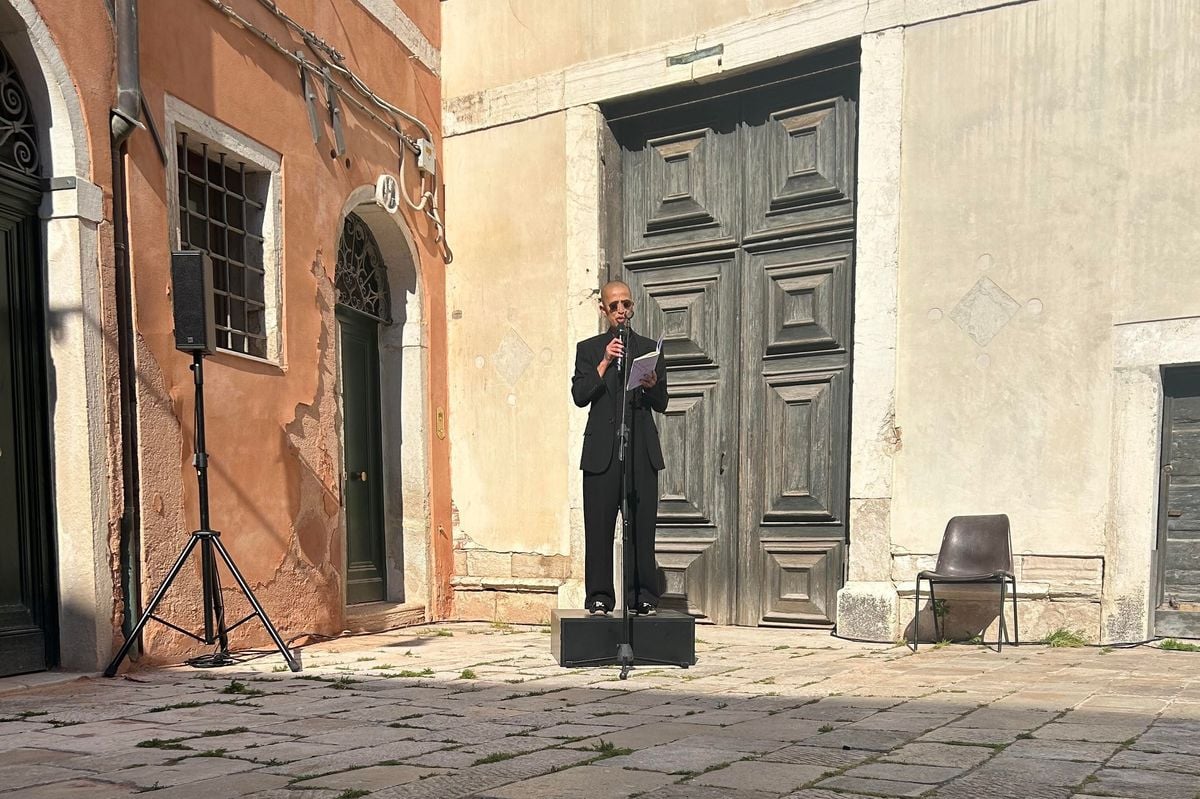
As the South African Pavilion Sits Empty, Gabrielle Goliath Continues a ‘Life-Work of Mourning’

South African artist Gabrielle Goliath inaugurated an off-site Venice exhibition with a public poetry reading after her official presentation at the South African Pavilion was canceled. The performance, part of her ongoing series *Elegy* (2015), features seven singers sustaining a single tone for an hour as a mourning ritual. The work addresses femicide, rape culture, and the killing of Palestinian civilians, and includes new video and sound installations lamenting specific victims: South African teenager Ipeleng Christine Moholane, Nama women killed during Germany’s colonization of Namibia, and Palestinian poet Hiba Abu Nada. The South African Department of Sport, Arts and Culture rescinded Goliath’s invitation in January, deeming the work “related to an ongoing international conflict that is widely polarising.” Goliath unsuccessfully challenged the decision in South Africa’s high court, and the exhibition now runs throughout the Venice Biennale outside the official program before traveling to London in October.

Anti-Russia Protests Spread Beyond the Biennale and Into Venice

Protests against the reopening of the Russian pavilion erupted at the Venice Biennale and spread across the city on the second day of the 61st edition. Visual artist Shalva Nikvashvili, who grew up in post-Soviet Georgia, began a silent performance wearing a muzzle-style mask and carrying a chair, holding a sign reading “La Biennale di Venezia” and “violence.” Shortly after, a group of about 20 protesters led by Pussy Riot co-founder Nadya Tolokonnikova gathered outside the Russian pavilion, chanting against Vladimir Putin, waving Ukrainian flags, and releasing a pink smoke flare. The protests followed the Biennale's decision to allow Russia to participate for the first time since its 2022 invasion of Ukraine, despite calls from artists and politicians to exclude the country.

For The First Time In Miami, An Exclusive Group Exhibition That Was A Success In NYC Arrives At The Museum of Sex — Featuring Works By Over 30 Local Artists

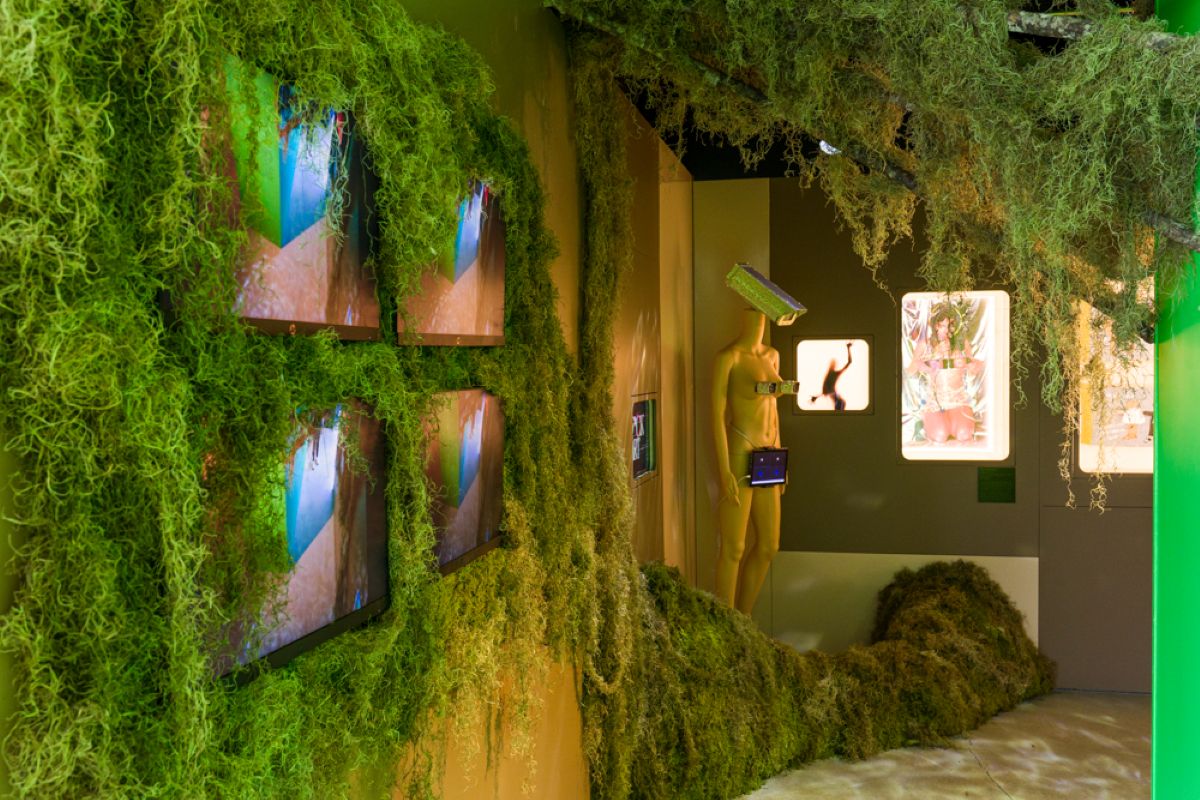
The Museum of Sex in Miami is presenting a new group exhibition titled "F*ck Art 2026: Nature & Artifice," opening April 29, 2026. Featuring over 30 local artists including Ana María Caballero, Cheryl Pope, and Justyna Kisielewicz, the show explores themes of bodies, desire, identity, surveillance, censorship, and intimacy through painting, textiles, sculpture, photography, and digital media. Works are displayed in glass vitrines to mimic the experience of browsing a digital feed.

"Our regime does not represent our culture". Interview on the Belarusian project during the Venice Biennale

“Il nostro regime non rappresenta la nostra cultura”. Intervista sul progetto bielorusso durante la Biennale di Venezia

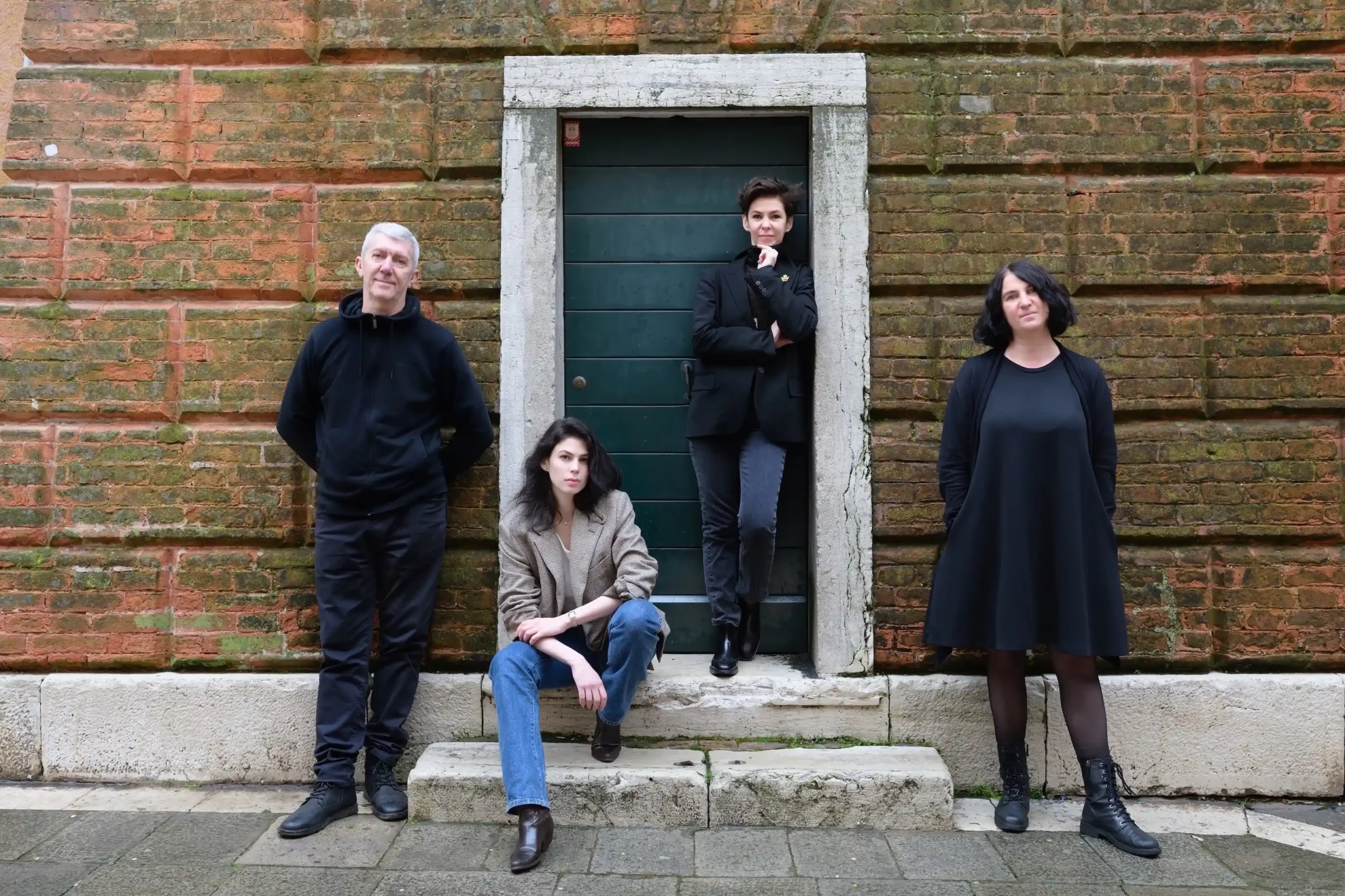
The article is an interview with Daniella Kaliada, curator of the Belarusian project "Official. Unofficial." presented at the Venice Biennale in the church of San Giovanni Evangelista. Organized by the Belarus Free Theatre, an independent underground group, the exhibition features site-specific paintings by Sergey Grinevich, a sound installation by Olga Podgayskaya, and large-scale sculptures by Vladimir Tsesler. The project includes a sphere of banned books crushed by a bulldozer, testimonies of recently released political prisoners, and sculptures made from prison bars, all addressing censorship and political trauma without direct representation of suffering.

Faculty, students oppose censorship of artist at University of North Texas

In February 2025, the University of North Texas (UNT) in Denton abruptly canceled a solo exhibition by Brooklyn-based artist Victor “MARKA27” Quiñonez just nine days after its opening. The show, titled “Ni de Aqui, Ni de Allá,” was displayed at the College of Visual Art & Design (CVAD) Gallery and featured works from Quiñonez’s I.C.E. Scream series, including large-scale paleta sculptures embedded with handcuffs and firearms, and a cart bearing the phrase “U.S. Department of Stolen Land Security.” The exhibition was closed without notice, its street-facing windows covered with brown paper, and UNT terminated its loan agreement with Boston University Art Galleries, which had originally hosted the show in September 2025. Faculty and students responded with an open letter to UNT President Harrison Keller, condemning the censorship and demanding transparency.

Artist’s fiery outburst at National Gallery opening

The article appears to be inaccessible due to a security verification wall and technical errors on the CityNews website. The headline indicates a significant disruption occurred during an opening event at the National Gallery of Australia, involving an artist's 'fiery outburst' that likely targeted institutional policies or specific exhibition themes.

Artist Jessica Smith Says Do What You Love, Even if it Takes You 35 Years

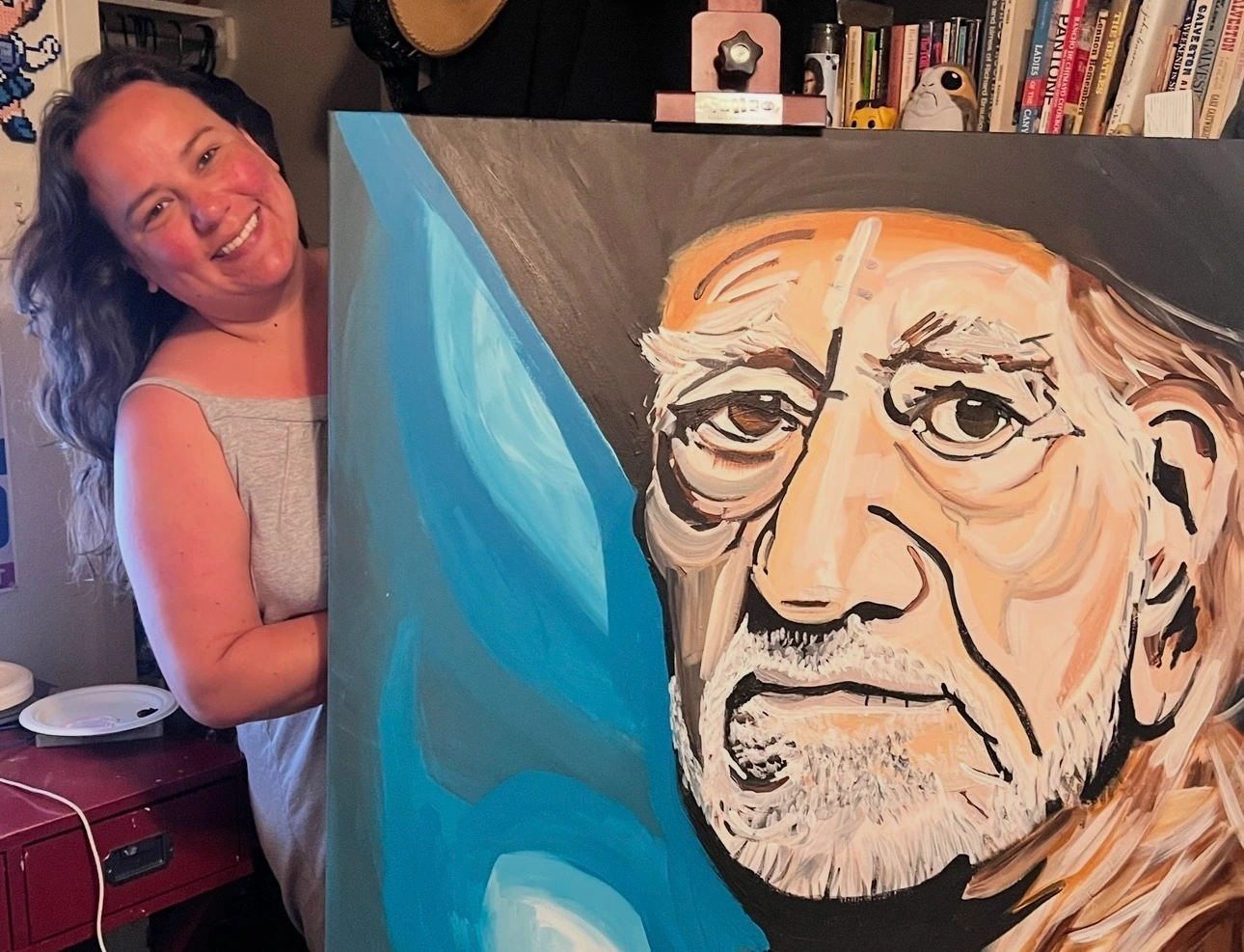
Artist Jessica Smith, originally from Texas, is opening her first solo exhibition in Salt Lake City titled "35 Years of Not Painting" at the Salt Lake City Public Library's Lower Urban Room Gallery from May 11 to June 21. After a high school art teacher censored her work, Smith abandoned painting for decades, turning to theater and later creating personalized picture books for her son with autism. She returned to art during the COVID-19 pandemic, painting portraits of admired figures like Mr. Rogers, Tupac Shakur, and Stevie Nicks. Smith is an enrolled member of the Cherokee Nation and has become TERO Certified, allowing her to be listed as a potential artist for tribal commissions. She credits the Urban Indian Center of Salt Lake as a key support system.

South Lafourche artist's work featured in Kotex documentary

Akira Crosby, an artist from Cut Off, Louisiana, had her painting removed from a Houma art gallery in 2024 because it depicted menstrual blood as part of her feminist exhibit “Pieces of Me.” Months later, Kotex featured the same artwork in a documentary, bringing unexpected national attention to her work.

Senior artists explore censorship, AI and transformation in the capstone exhibition

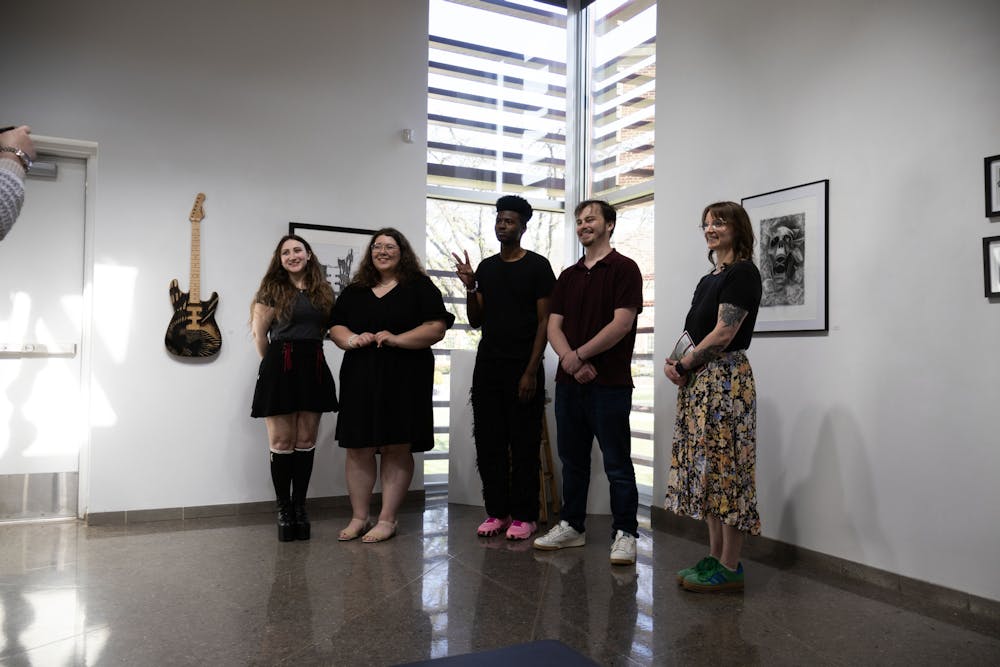
Shippensburg University senior art students presented their capstone exhibition at the Huber Art Center, featuring works in printmaking, digital art, ceramics, and charcoal drawings. Artists Luke Lindvall, Gerald Pratt, Kaylee Will, Alayna Mandich, and Lily Bramucci explored themes including censorship, artificial intelligence, horror, and personal transformation. Lindvall pushed printmaking onto unconventional surfaces like skateboards and furniture, Pratt addressed over-censorship in politics, Will warned against over-reliance on technology and AI in raising children, Mandich used horror imagery to examine beauty, and Bramucci connected pit-fired ceramics to life choices and hardship.

ART CRITICISM: CLARITY OR MORAL AUTHORITARIANISM?

CRÍTICA DE ARTE: ¿CLARIDAD O AUTORITARISMO MORAL?

The article is a critical essay examining the state of contemporary art production in Mexico, arguing it has become a privatized field designed to please wealthy elites and foreign collectors. It contends that art has shifted from being partly publicly funded to being driven by the market and private initiative, leading to a culture of self-censorship, precarity, and a desperate ambition for visibility and sales.

Jury of the Venice Biennial resigns, Russia and Israel return to Award Contention

The five-member international jury of the 61st Venice Biennale, led by Brazilian curator Solange Farkas, has resigned effective April 30, 2026. The jury—comprising Solange Oliveira Farkas, Zoe Butt, Elvira Dyangani Ose, Marta Kuzma, and Giovanna Zapperi—announced their resignation in a written statement, referencing a prior Statement of Intention issued on April 22. In response, La Biennale di Venezia postponed the Awards Ceremony from May 9 to November 22, the final public day, and introduced two new "Visitors' Lions" awards—one for the Best Participant in the main exhibition "In Minor Keys" by Koyo Kouoh, and one for the Best National Participation—to be decided by ticket-holder vote.