filter_list Showing 92 results for "propaganda" close Clear
search
dashboard All 92 museum exhibitions 43article news 20article policy 9article culture 8trending_up market 4candle obituary 3rate_review review 3article local 1gavel restitution 1
date_range Range Today This Week This Month All
Subscribe

italian prime ministers face erased from rome fresco after complaints from the vatican

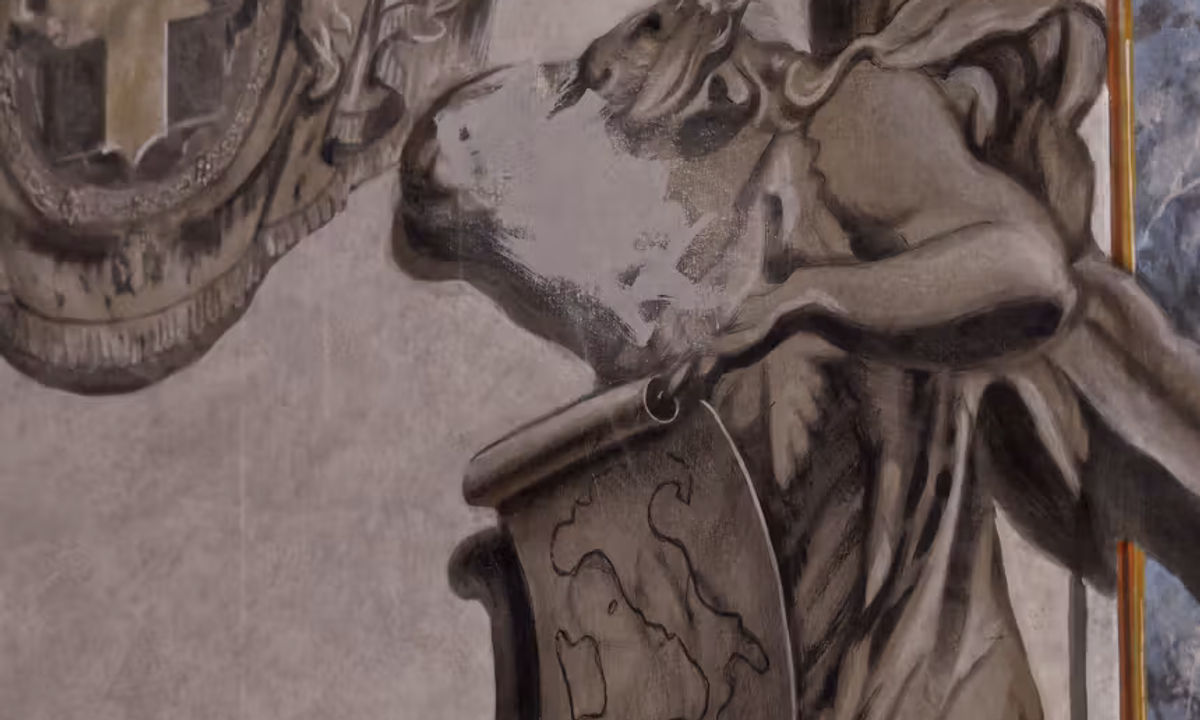
The face of an angel in a fresco at Rome's Basilica of St. Lawrence in Lucina, which bore a resemblance to Italian Prime Minister Giorgia Meloni, has been erased. Artist Bruno Valentinetti, who restored his own 2000 fresco, removed the image last week following an inquiry by Italy's culture ministry and the diocese of Rome, stating he acted at the Vatican's request.

anne boleyn portrait witch rumors

A portrait of Anne Boleyn at Hever Castle in England has been revealed through infrared reflectography to have been altered to show her hands, countering rumors that she was a witch with six fingers. Tree-ring analysis dates the painting to around 1583, during the reign of her daughter Elizabeth I, making it the earliest known likeness of Boleyn. The underdrawing lacked hands, suggesting the unknown artist deliberately added them to rebut claims by Catholic activist Nicholas Sanders that Boleyn had six fingers.

Volunteer Restorer Accused of Painting PM Giorgia Meloni's Face into Angel on Church Fresco

church fresco giorgia meloni

A volunteer restorer in Rome, Bruno Valentinetti, has been accused of altering a church fresco to make an angel bear the likeness of Italy's Prime Minister Giorgia Meloni. The fresco, in the Basilica of San Lorenzo in Lucina, was restored after water damage, and the angel holding a map of Italy now appears to resemble the political leader. Valentinetti denies the likeness, claiming he faithfully followed the original design.

canterbury cathedral jd vance elon musk artist responds

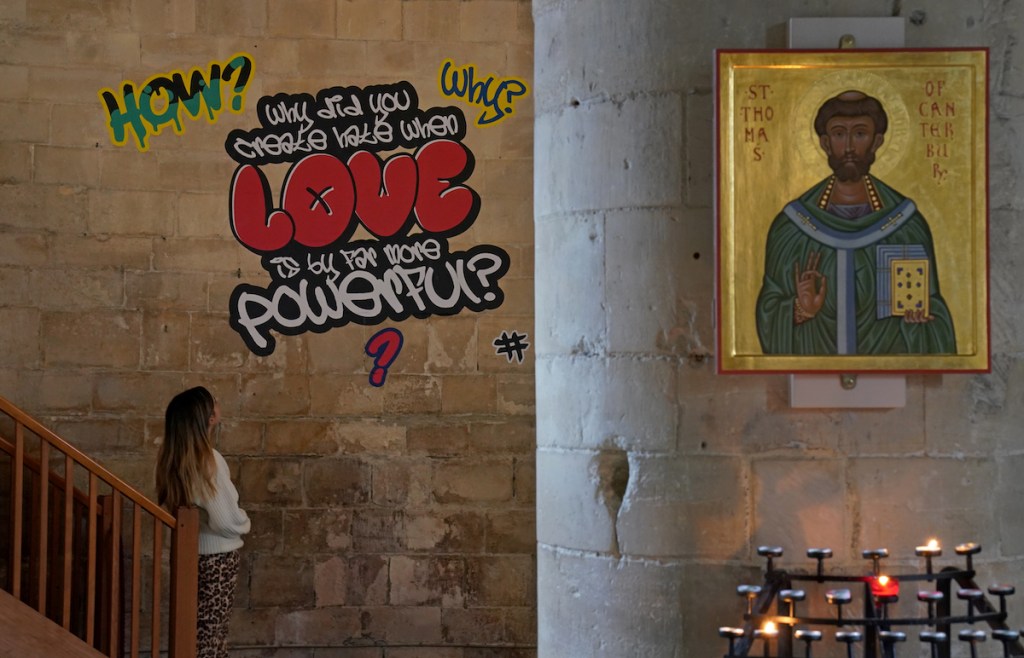
Artist Alex Vellis responded to criticism from conservative commentators, including Elon Musk and US Vice President JD Vance, over a graffiti-style art installation at Canterbury Cathedral. The installation, titled “HEAR US,” features questions posed to God, such as “What is the architecture of heaven?” and “Why are you indifferent to suffering?” Created through workshops with marginalized communities—including the Punjabi, black and brown diaspora, neurodivergent individuals, and the LGBTQIA+ population—the work uses spray-paint-like lettering but was not actually painted onto the historic building. Vance called the installation “ugly,” while Musk accused it of being “anti-Western propaganda.” Vellis responded on Instagram with a crude retort and the hashtag #freepalestine.

Industrial Dreams of the GDR

Industrieträume der DDR

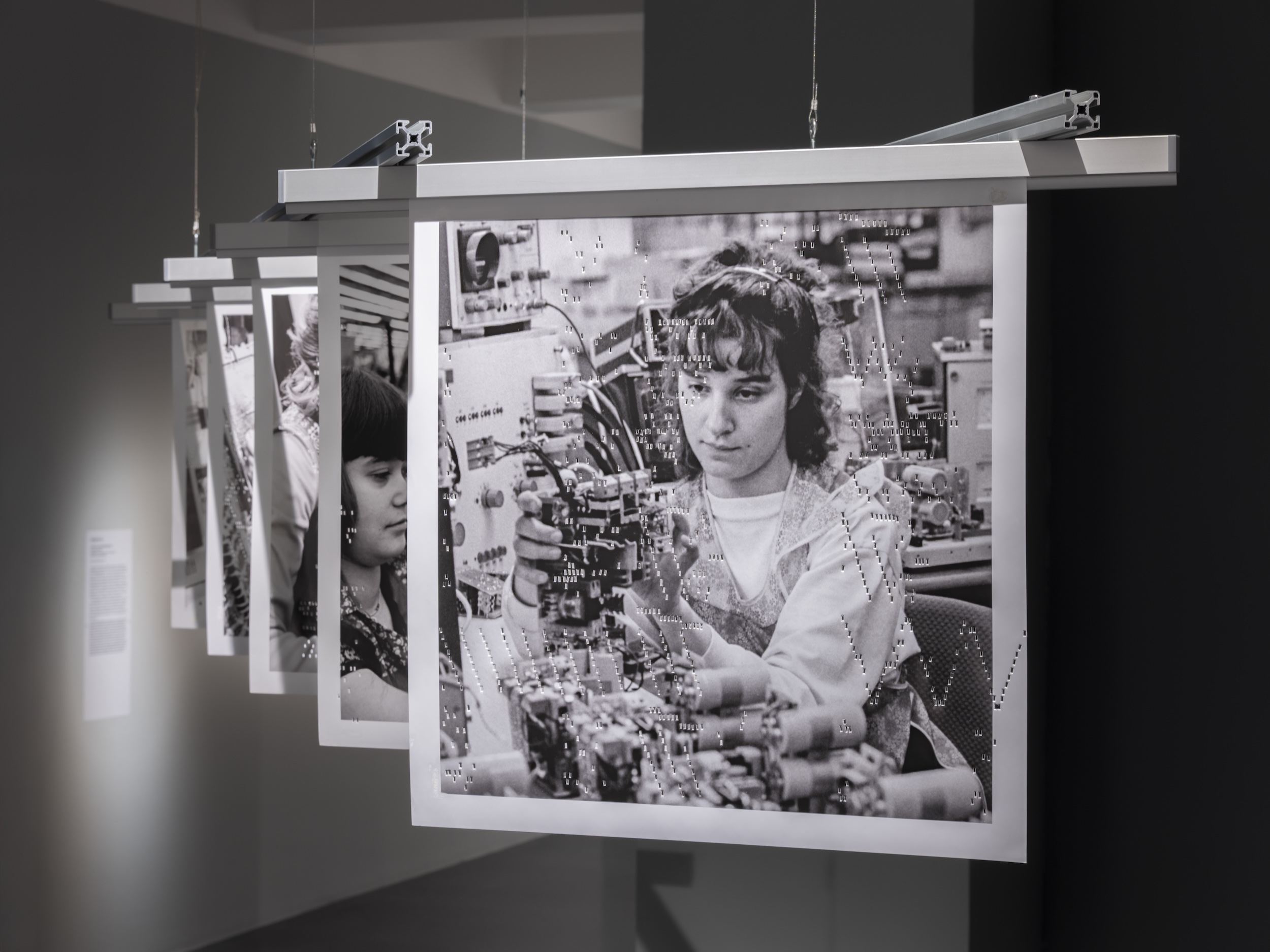
The exhibition "Robotron – Arbeiterklasse und Intelligenz" has opened at the Hartware Medienkunstverein (HMKV) in Dortmund, following its initial run in Leipzig. Centered on the history of the GDR’s largest computer manufacturer, the show features 20 artistic positions including photography, film, and sculpture, alongside a significant five-meter oil sketch by Socialist Realist painter Werner Tübke. The presentation bridges East and West German industrial histories by juxtaposing state-commissioned propaganda with progressive, unofficial works by artists like Ruth Wolf-Rehfeldt and A.R. Penck.

Warsaw’s Neon Museum sparks revival of interest in cold war signs and aesthetic

Warsaw is experiencing a significant revival of interest in its Cold War-era neon signs, a movement spearheaded by the city’s Neon Museum. Founded in 2012 by photographer Ilona Karwińska and designer David Hill, the museum has rescued hundreds of historic illuminations that were once discarded as worthless relics of the communist past. Originally commissioned by Soviet-era authorities as a form of "socialist modernization," these signs were designed by leading artists of the Polish Poster School and have now transitioned from propaganda tools to beloved cultural icons.

Calling Back 11 Forgotten Women Artists: Leeum’s "Inside Other Spaces"

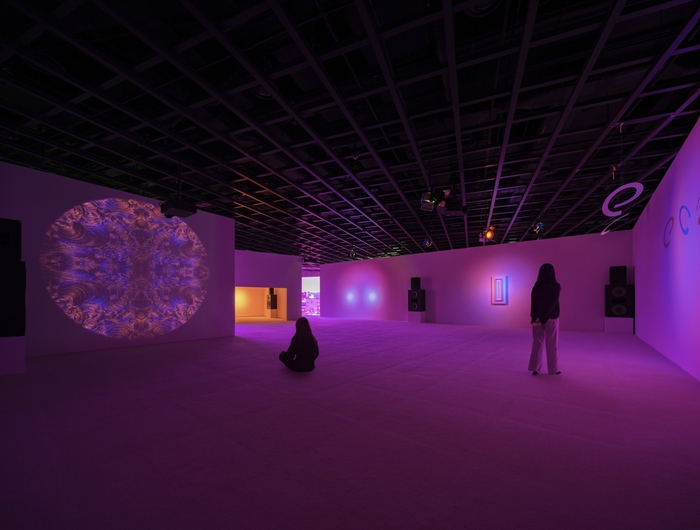
Leeum Museum of Art in Seoul is presenting "Inside Other Spaces: Environments by Women Artists, 1956–1976," an exhibition that reconstructs immersive environmental artworks by 11 pioneering women artists. Originally curated in 2023 at Haus der Kunst Munich and later shown at MAXXI in Rome and M+ in Hong Kong, the show features restored pieces including Judy Chicago's "Feather Room" (filled with 136 kg of white goose feathers), Jung Kangja's "Muchejeon" (restored after 56 years), Lygia Clark's "House Is Body: Penetration, Ovulation, Germination, Expulsion," and Marian Zazila, La Monte Young, and Jung Hee Choi's "Dream House: Environment of Sound and Light" (shown in Asia for the first time).

EU threatens to pull funding from Venice Biennale over return of Russian pavilion

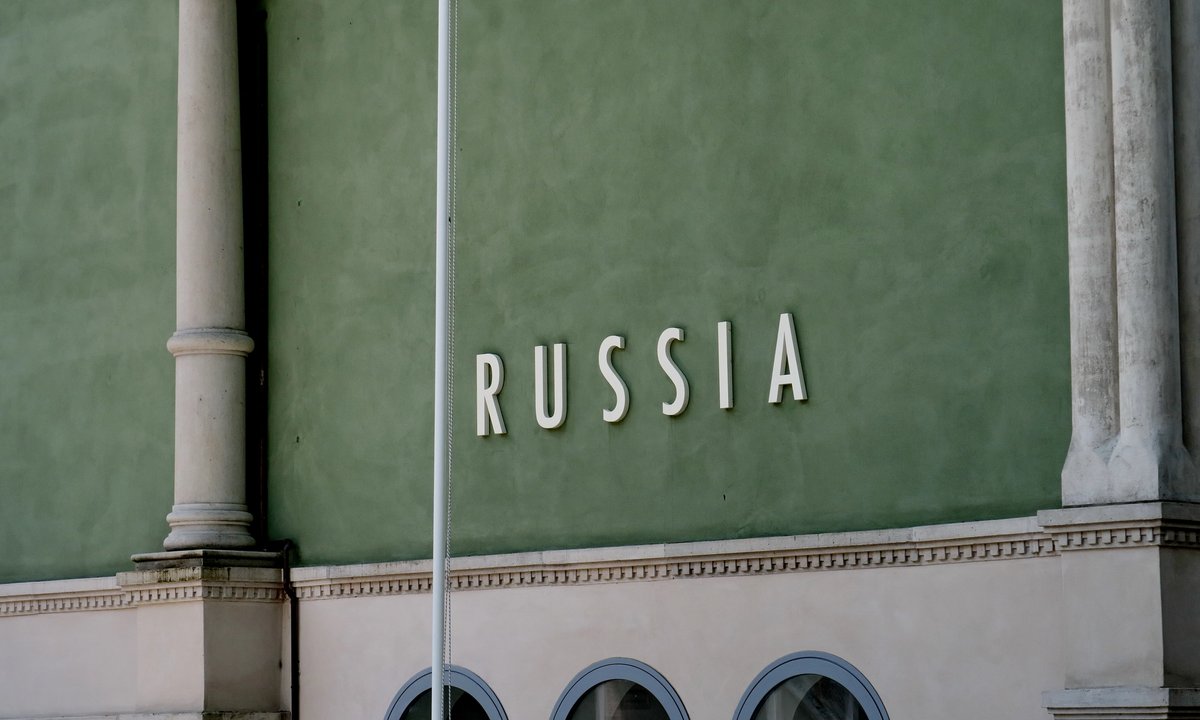
The European Union has threatened to withdraw a €2m grant from the Venice Biennale following the foundation's decision to allow Russia to reopen its national pavilion for the first time since the 2022 invasion of Ukraine. EU commissioners Henna Virkkunen and Glenn Micallef, supported by 22 European culture ministers, argue that the Biennale must not provide a platform for Kremlin propaganda or individuals who justify military aggression. The Russian pavilion's return is reportedly being organized by the Gnesin Russian Academy of Music under the direction of the Russian Ministry of Culture.

The National WWII Museum Hosting Special Exhibit Highlighting Nazi Campaign against Modern Art

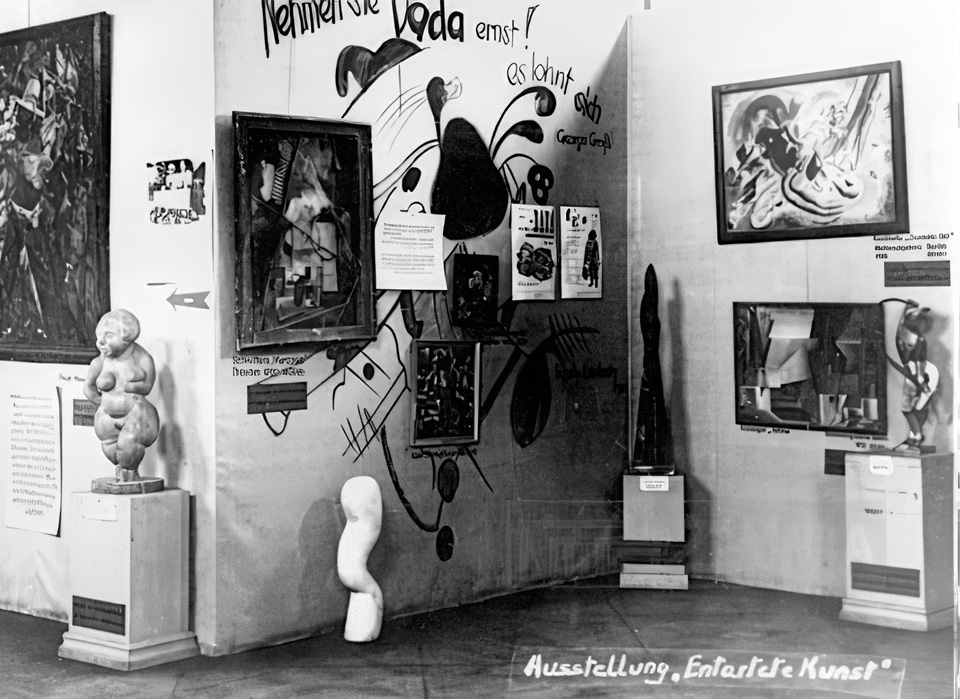
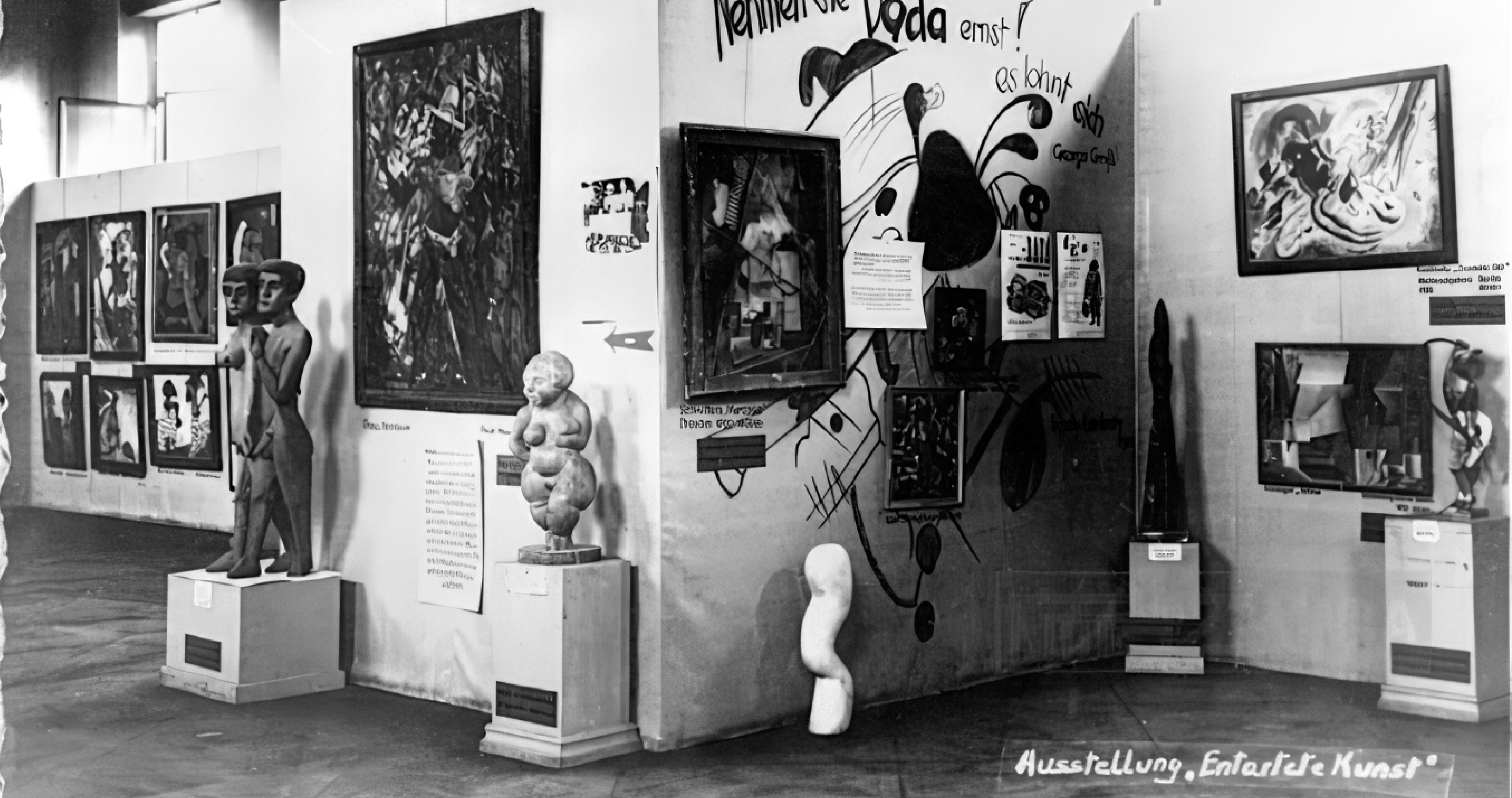
The National WWII Museum in New Orleans has opened a special exhibit titled 'Degenerate! Hitler’s War on Modern Art,' on loan from the Jewish Museum Milwaukee and running through May 10, 2026. The exhibit features over 65 works by artists deemed 'degenerate' by the Nazi regime, including Wassily Kandinsky, Max Beckmann, Pablo Picasso, and Marc Chagall, alongside documents and artifacts that explore how modernist art was suppressed and weaponized as propaganda. The museum has expanded the original exhibit to include a focus on suppressed music, featuring instruments from the era, such as a tenor saxophone played by Eddie Powers and a clarinet played by George Lewis, on loan from the New Orleans Jazz Museum.

Degenerate! Hitler’s War on Modern Art

The National WWII Museum in New Orleans will host the traveling exhibition "Degenerate! Hitler's War on Modern Art" from November 6, 2025, through May 10, 2026. Originally created by the Jewish Museum Milwaukee, the show examines the Nazi campaign against modern art and music, featuring over 65 original works by artists such as Wassily Kandinsky, Max Beckmann, Pablo Picasso, and Marc Chagall. It explores how modernist art was labeled "degenerate" by the Third Reich, used as propaganda, and systematically suppressed, with many works seized, destroyed, or sold. The exhibition also expands into music, highlighting the suppression of jazz and works by Jewish composers.

Pook & Pook Presents Exceptional Works of Modern and Post-war Art in its Upcoming Auction

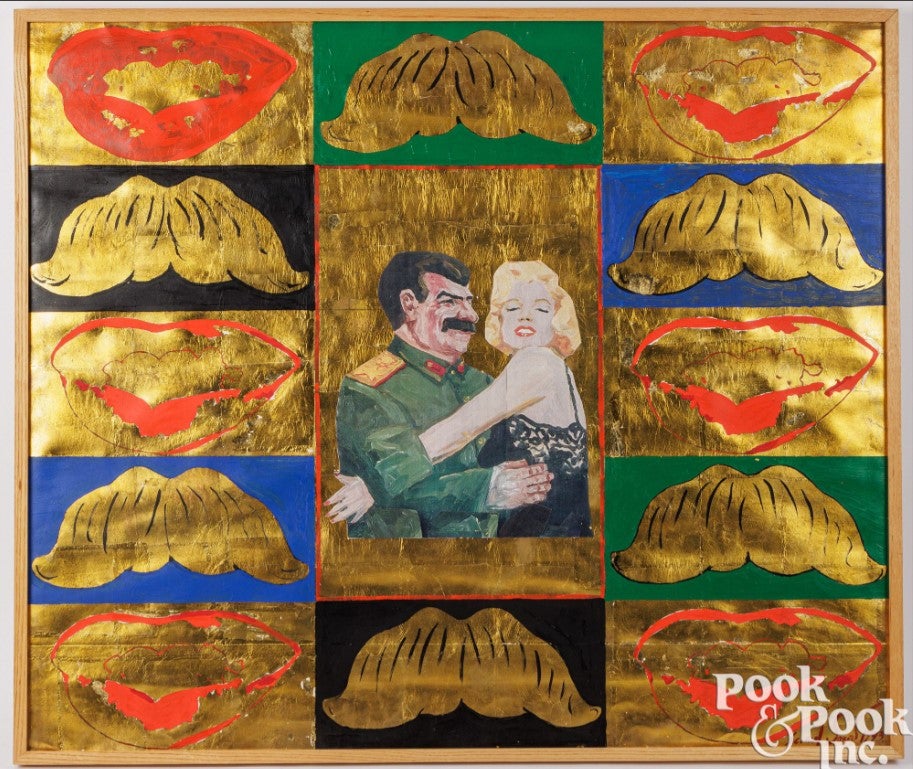
Pook & Pook will hold an online auction on July 16, 2025, featuring over 500 lots of modern and post-war art deaccessioned from a distinguished East Coast educational institution. Highlights include eight works by Romare Bearden, over one hundred pieces by Leonid Sokov, paintings by Mikhail Turovsky, conceptual works by Lydia Dona, and a sculpture by Frederick Eversley. The auction will be accessible via PookLive, Bidsquare, and Invaluable, with in-person previews at Pook & Pook's Downingtown, Pennsylvania gallery on July 14-15.

As Iraq's economy shows signs of recovery, a thirst for new art is emerging

Iraq's improving economy and security situation, despite regional conflict, is fueling a revival in its art scene. Artists who fled violence are returning, and curators from the Arab region are touring the country. Key initiatives include Tarkib, a Baghdad art platform co-founded by Hella Mewis that offers workshops and exhibitions, and Babil Performance Art, set up by Zurich-based artist Wathiq Al Ameri to focus on performance work. These efforts reflect a generational shift spurred by the 2019 Tishreen protests, particularly among young women.

Venice Biennale previews in chaos as war follows art into world's oldest exhibition

The Venice Biennale previewed its 61st edition in chaos on Tuesday, marked by the unprecedented resignation of its jury over the participation of Israel and Russia. Ukrainian artists displayed a statue of an origami deer from the war-torn eastern front, while Russian pavilion participants danced to house music and Palestinians marched wearing the names of artists killed in Gaza. The jury had stated it would not award prizes to countries under International Criminal Court investigation, singling out Russia and Israel, and its resignation has thrown the exhibition's structure into question.

Genuflecting Before “Don Colossus”

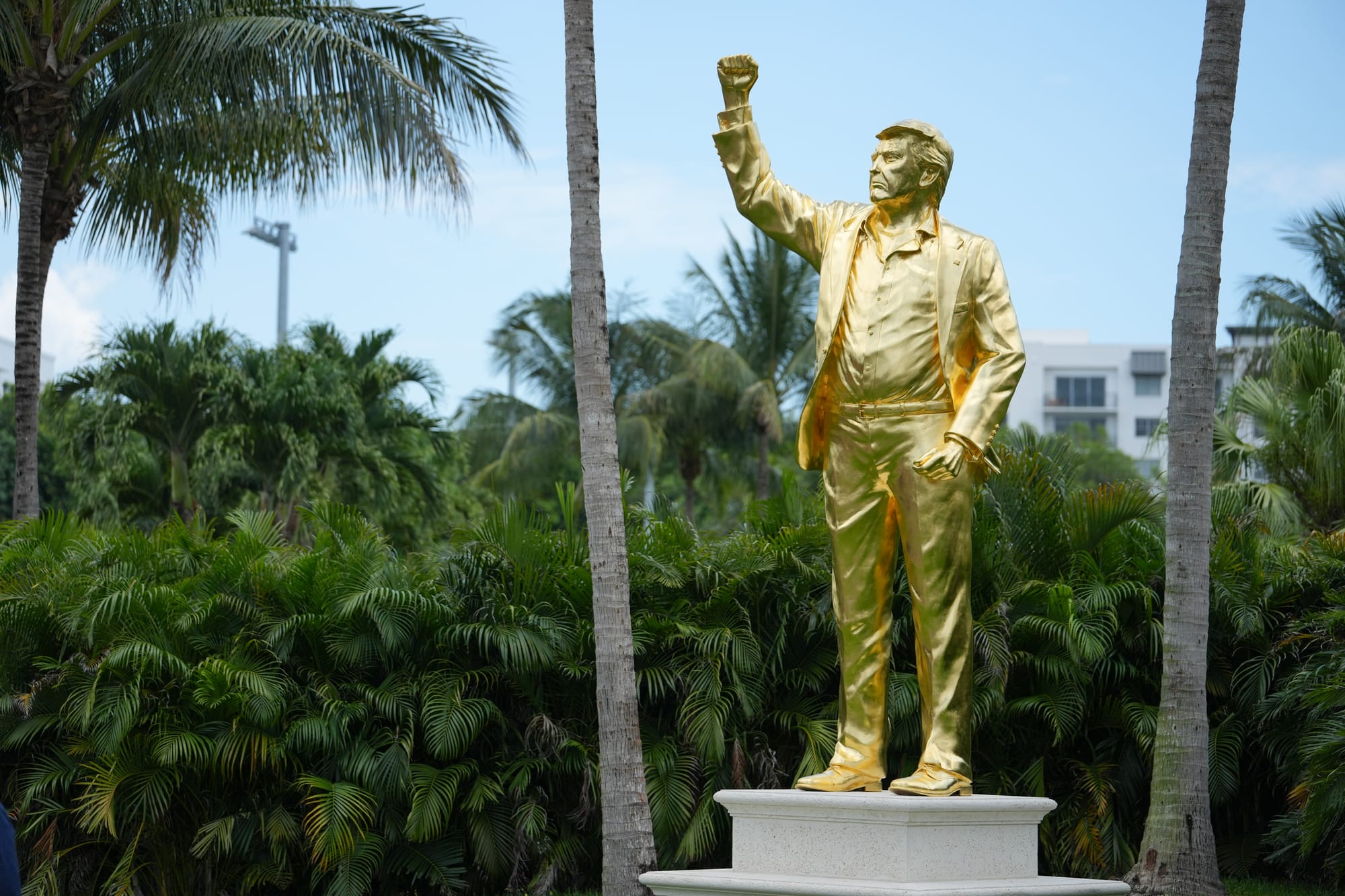
A 15-foot-tall gold-leafed bronze statue of Donald Trump, titled "Don Colossus," was unveiled at his National Doral golf club in Miami, Florida, ahead of the G20 summit. The statue, funded by $450,000 raised by cryptocurrency moguls and sculpted by Alan Cottrill (founder of Four Star Pizza), depicts Trump raising a triumphant fist with a plaque reading "FIGHT, FIGHT, FIGHT!" The unveiling was organized by televangelist Mark Burns of "Pastors for Trump," who posted that the statue was "not a golden calf," and was attended by evangelical Christian leaders and reportedly some Hassidic rabbis.

Two years ago Russia ceded its pavilion at the Biennale to Bolivia. A testimony from within

Due anni fa la Russia cedette il suo padiglione in Biennale alla Bolivia. Una testimonianza da dentro

Two years ago, Russia ceded its national pavilion at the Venice Biennale to Bolivia, a move that artist Inés Fontenla experienced firsthand when she was invited by Bolivia to participate in the 2024 edition. Fontenla recounts how the pavilion's organization shifted after Bolivia's 2025 elections, with the curator replaced by the new Minister of Culture just one month before the opening. She realized Russia was using Bolivia as a front to re-enter the Biennale after closing its own pavilion in 2022 in protest of the Ukraine invasion, and she ultimately withdrew from the project to avoid being instrumentalized by a military power.

Saad Khan Archives the Detritus of Censored Culture

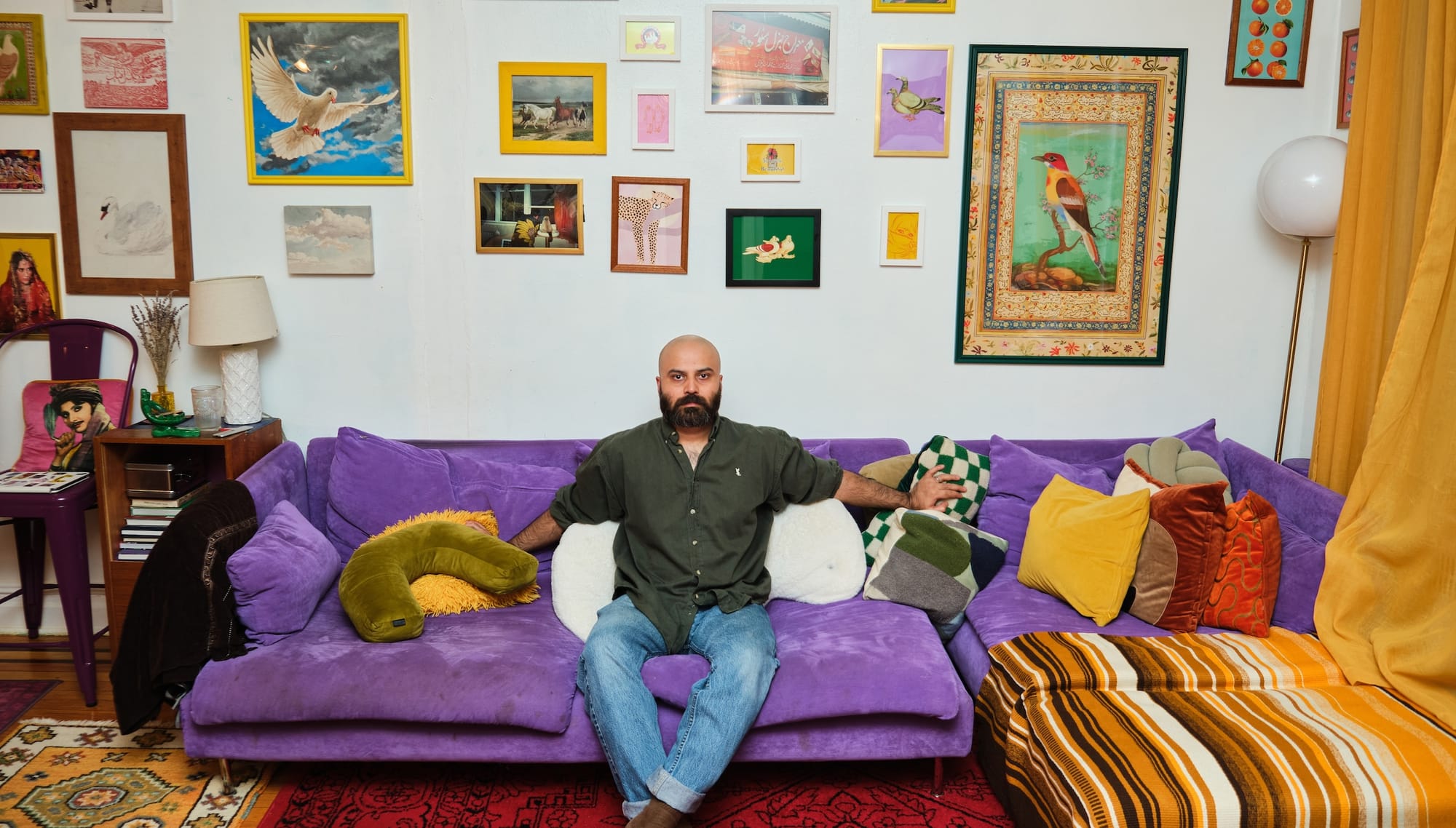
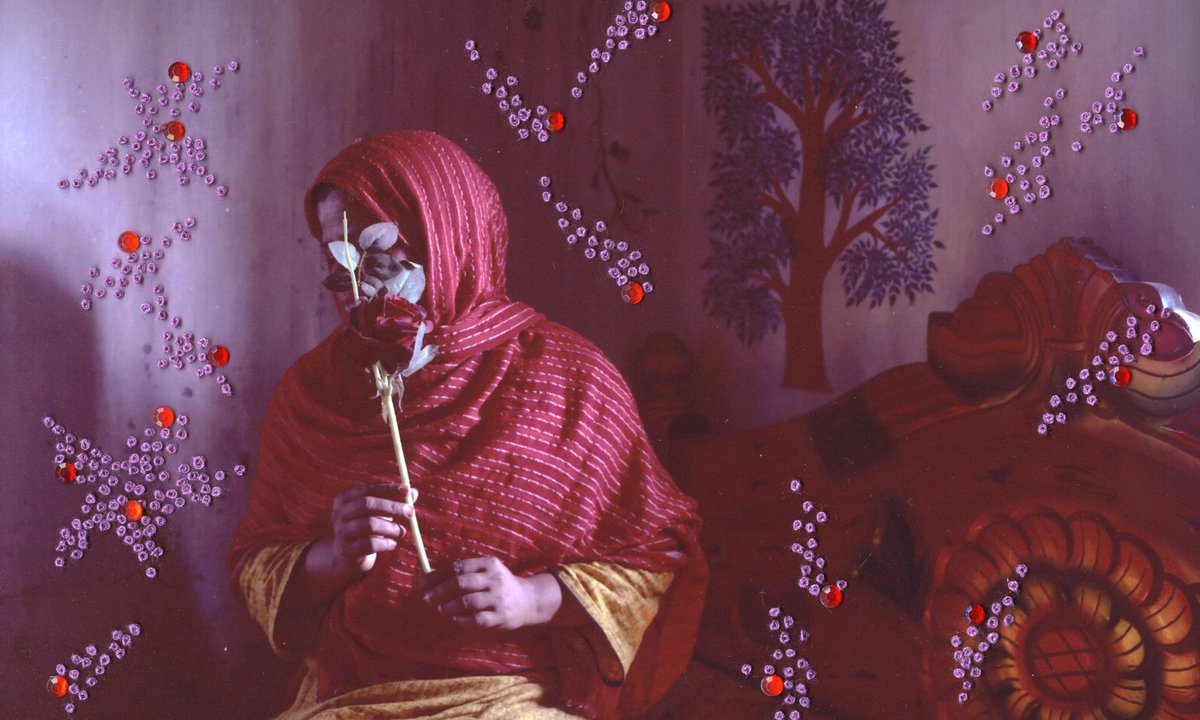
Saad Khan, a New York-based archivist, has developed Khajistan, an expansive digital and physical archive dedicated to preserving censored and overlooked mass media from South Asia to the Maghreb. The collection features a diverse array of ephemera, including homoerotic imagery, working-class street posters, and banned magazines that are often erased from official cultural records. By documenting everything from WhatsApp forwards to vintage film posters, Khan creates a space where the lived experiences of queer, trans, and working-class individuals in these regions are validated and archived.

Under pressure, the Venice Biennale jury resigns and is replaced by a public vote

Sous pression, le jury de la Biennale de Venise démissionne et est remplacé par un vote du public

On April 30, just days before the Venice Biennale's public opening on May 9, the entire international jury responsible for awarding the Golden and Silver Lions resigned. The jury—comprising Solange Farkas, Zoe Butt, Elvira Dyangani Ose, Marta Kuzma, and Giovanna Zapperi—had been caught in a escalating controversy after Biennale president Pietrangelo Buttafuoco reinstated Russia, which had been excluded since the 2022 invasion of Ukraine. The European Union threatened to suspend or cancel its €2 million subsidy if Russia remained included. The jury attempted to exclude countries whose leaders face International Criminal Court arrest warrants, effectively targeting Russia and Israel, but ultimately resigned under pressure from both external diplomatic turmoil and internal institutional opposition to any discrimination between pavilions.

Agitate, Educate, Organize. A Conversation with the Indonesian Collective That Is in Venice with Two Projects

Agitare, educare, organizzare. Una conversazione con il collettivo indonesiano che è a Venezia con due progetti

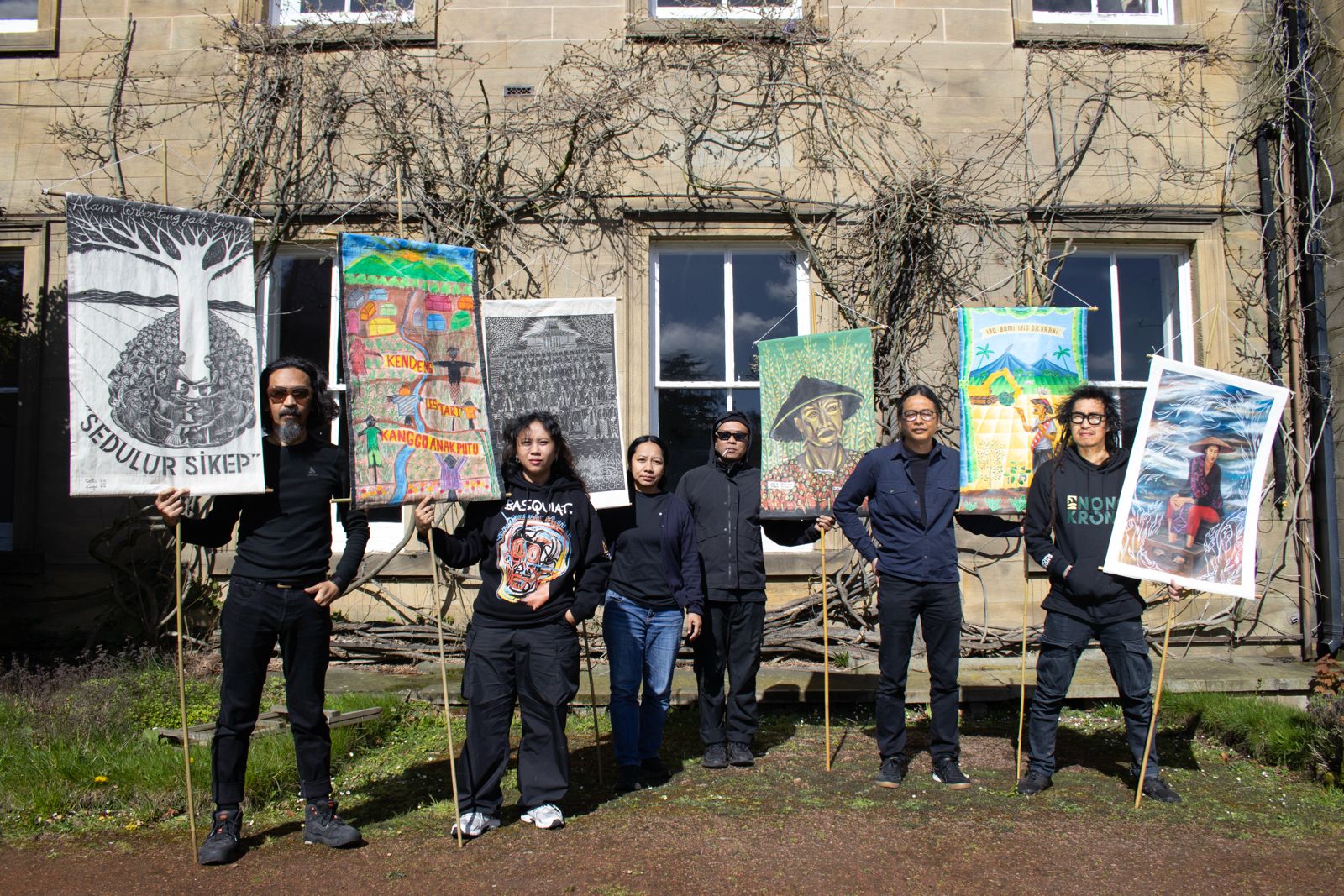
Sale Docks, an activist art space born from a 2007 occupation in Venice, has invited the Indonesian collective Taring Padi to collaborate on two projects. The first is the exhibition "Taring Padi: People's Liberation," which reactivates banners as tools for propaganda, mobilization, and resistance. The second is a public intervention in Venice, where the collective and local community will repaint the walls of the historic social center Laboratorio Occupato Morion. The article includes an interview with Taring Padi, which was founded in 1998 in Yogyakarta by students and activists, and discusses their use of wayang shadow-puppet imagery and collaborative processes to agitate, educate, and organize communities.

hidden messages paris luxor obelisk

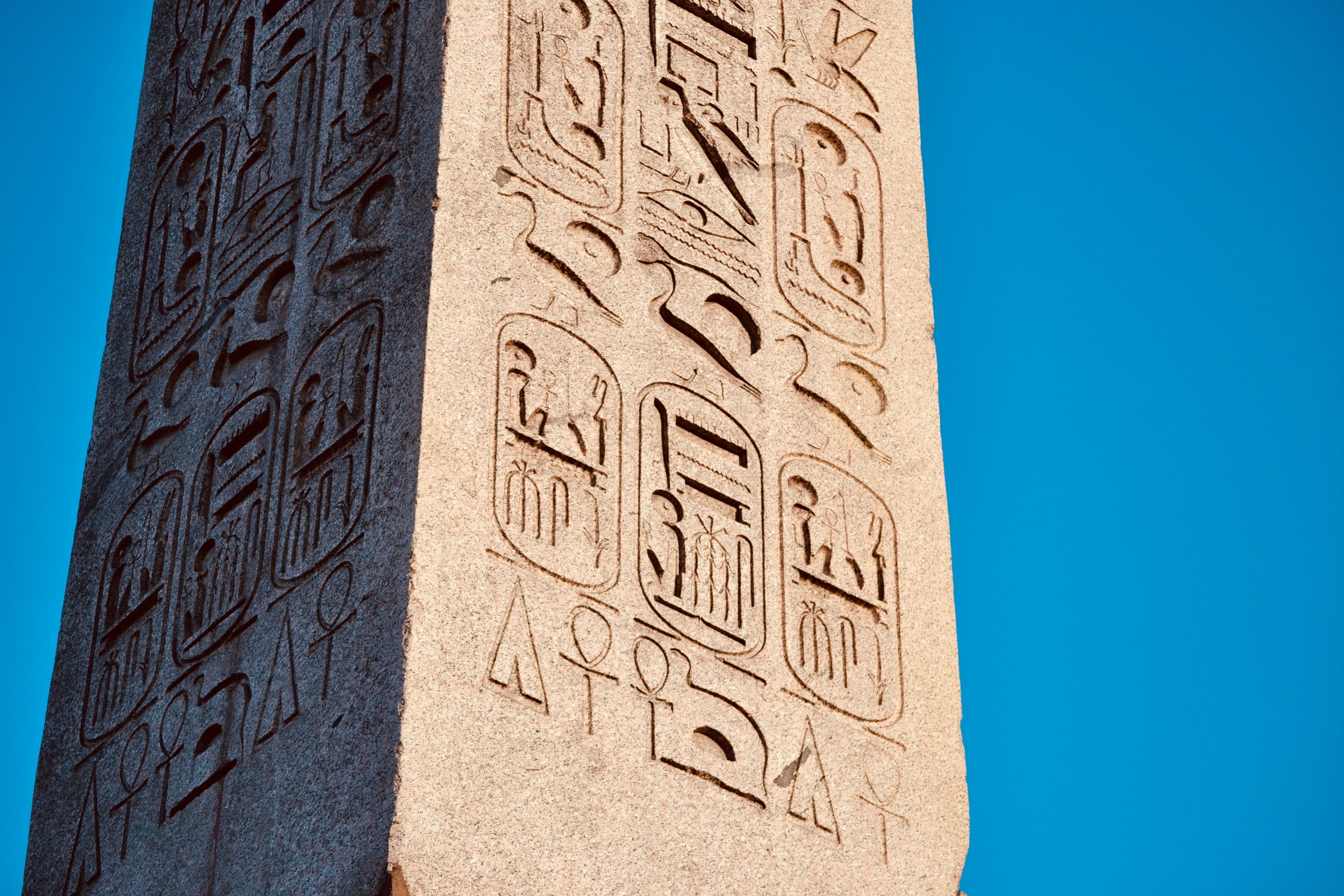
Egyptologist Jean-Guillaume Olette-Pelletier, a lecturer at Sorbonne University, discovered hidden cryptographic messages on the Luxor Obelisk in Paris's Place de la Concorde. During the pandemic, he noticed unusual hieroglyphs while walking past the 3,000-year-old monument. After scaffolding was erected for renovations ahead of the 2024 Olympics, he obtained permission to study the obelisk up close, becoming the first person in over a century to climb it. He identified seven crypto-hieroglyphs—encoded messages using puzzles and wordplay—that only a few experts can read. These inscriptions, set to be published in the journal ENiM, reveal that Pharaoh Ramses II used the obelisk as a propaganda tool to assert his divine right to rule, targeting the intellectual elite who approached the Luxor Temple by boat.

Modern Art and Politics in Germany 1910–1945

The article examines the complex and often fraught relationship between modern art and political power in Germany from 1910 to 1945. It details how avant-garde movements like Expressionism, Dada, and the Bauhaus initially flourished, only to be systematically suppressed and labeled "degenerate" by the Nazi regime after 1933.

In post-'revolution' Bangladesh, a photography festival questions how to rebuild after ruin

The Chobi Mela, a Dhaka-based international photography festival, is taking place in Bangladesh amid political upheaval following the 2024 'Monsoon Revolution' that toppled the authoritarian government of former Prime Minister Sheikh Hasina. Co-organized by photographer and curator Munem Wasif with Sarker Protick, the festival explores themes of revolution, rebuilding, and historical repetition through themed exhibitions and solo shows by international and Bangladeshi artists, including Bani Abidi, Myriam Boulos, and Mong Mong Shay. The event occurs at a tense time, with mob violence targeting arts groups in December 2024 drawing UN condemnation, yet organizers insist on addressing the region's current crises.

IDF Soldiers Hide From Our Gaze

An opinion article on Hyperallergic analyzes official portraits of Israeli Defense Forces (IDF) soldiers released in May 2025, in which the soldiers are depicted with their backs to the camera. The author argues that this pose is a deliberate tactic to avoid identification and potential prosecution for war crimes in the occupied Palestinian territories, weaponizing surveillance technologies against the very people they surveil. The piece frames these images as "counter-portraits" that transform individual soldiers into a faceless, intimidating mass, contrasting them with traditional portraiture that invites intimate moral scrutiny.

In Milan, the furnishings of the White House go on display. Design and architecture to talk about propaganda

A Milano vanno in mostra gli arredi della Casa Bianca. Design e architettura per parlare di propaganda

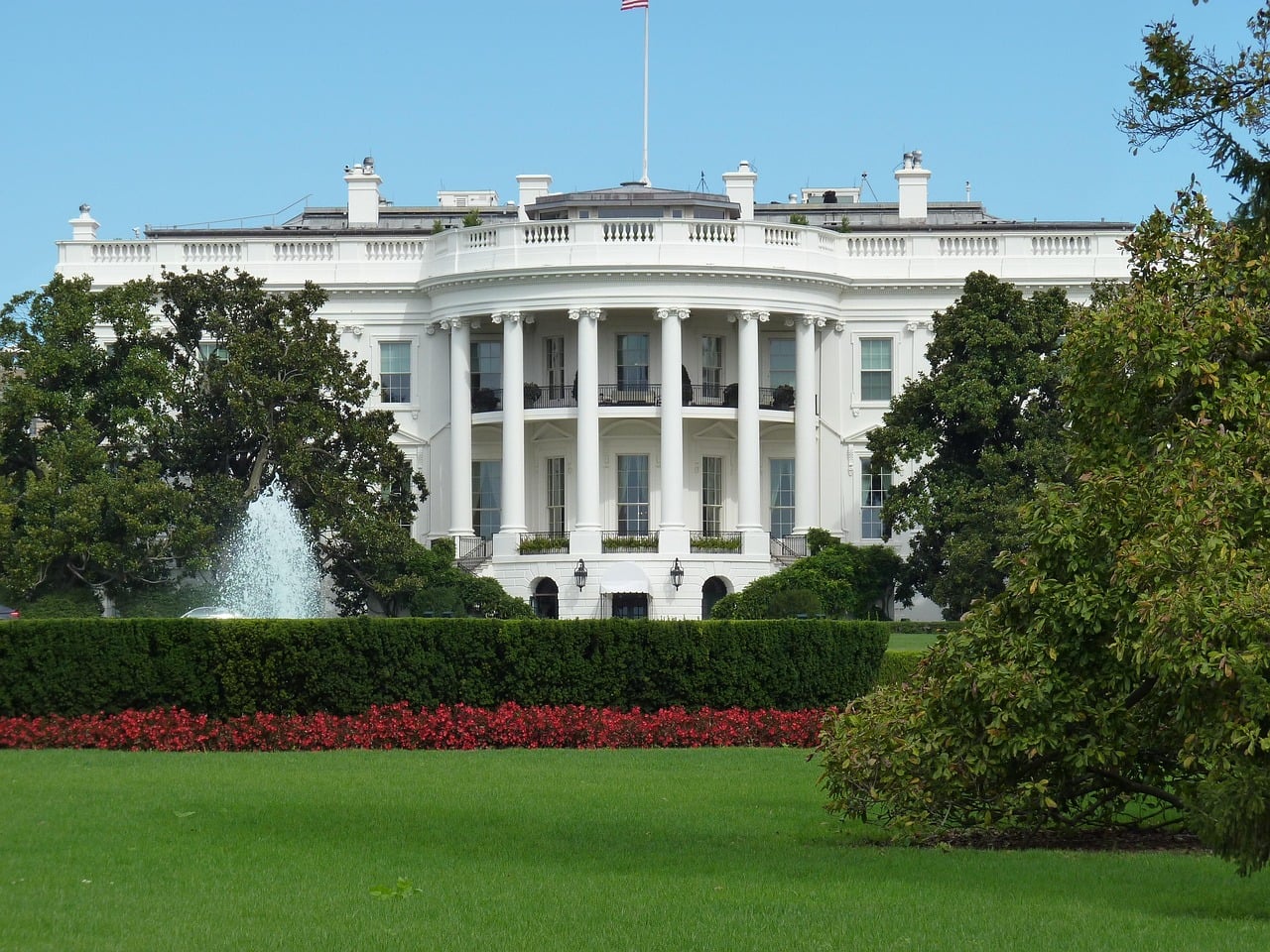
An exhibition titled 'The White House. Domestic Propaganda' has opened at Dropcity, an experimental center in the tunnels beneath Milan's Central Station, as part of the city's Design Week. Curated by students from the Politecnico di Milano's Interior Design Laboratory, the show critically examines the White House as a domestic space for political propaganda, using installations, models, and drawings to explore how its architecture and furnishings project cultural and social meanings.

François Ozon’s 'The Stranger': A Film Between Surface Aesthetics and Political Reinterpretation

“Lo straniero” di François Ozon. Un film tra estetica delle superfici e rilettura politica

Director François Ozon has adapted Albert Camus’s existentialist masterpiece 'The Stranger' into a new feature film, premiering at the 82nd Venice Film Festival. Shot in stark black and white by cinematographer Manuel Dacosse, the film departs from the 1967 Luchino Visconti adaptation by leaning into a cold, clinical aesthetic inspired by Michelangelo Antonioni. The narrative follows Meursault, an emotionally detached clerk in colonial Algiers, whose impassive reaction to his mother's death and the subsequent senseless murder of an Arab man leads to his legal and moral condemnation.

月を射る @ KAG

KAG in Tokyo is presenting a group exhibition titled "月を射る" (Shooting the Moon), running from May 19 to August 16, 2026. The show takes its starting point from a prose poem of the same name by Korean poet Yun Dong-ju (1917–1945), who wrote it in 1939 under Japanese colonial rule and later died in a Fukuoka prison. The exhibition spans pre-war and wartime educational films, propaganda, performance, and contemporary fieldwork, featuring works by artists such as Inoue Kan (Lee Byung-woo), Choe Seung-hui, Kamei Fumio, Yoshimi Yasushi, Atsugi Taka, Fujii Hikaru, Yamamoto Seiko, T.T. Takemoto, Morita Reine, Gataro, and Shirakawa Masao. It examines the management models formed by the former empire and the spiritual structure of colonialism that underlies contemporary issues, centering on works that carry the "memory of censorship"—banned, deleted, or denied existence by national, administrative, or social norms.

Treasures of the past shine in ‘Ancient Splendor’

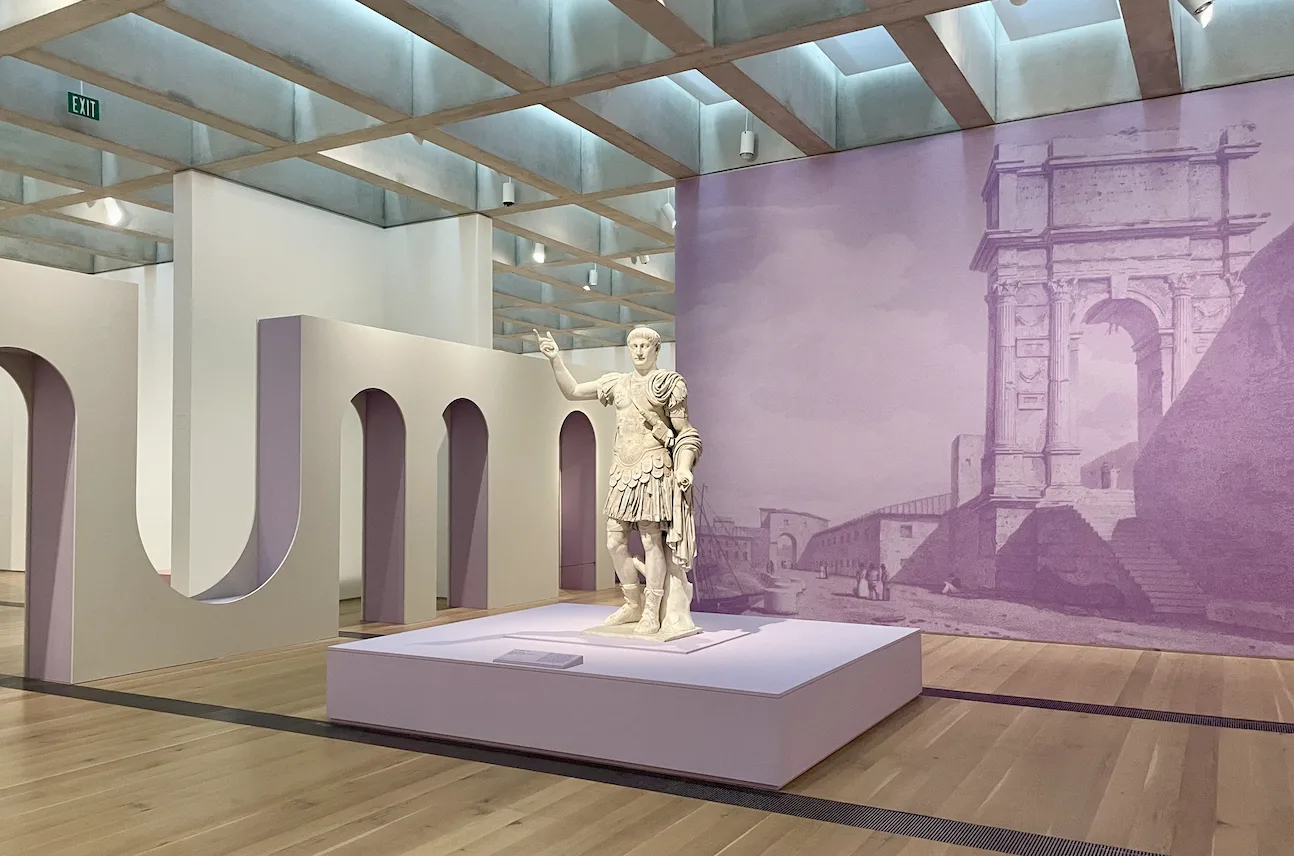
The Saint Louis Art Museum (SLAM) is launching 'Ancient Splendor: Roman Art in the Time of Trajan,' a major exhibition featuring approximately 160 artifacts including imperial portraiture, mosaics, jewelry, and frescoes. Curated by Lucrezia Ungaro and Hannah Segrave, the show utilizes theatrical design and sensory elements like scents to immerse visitors in the Roman world. The exhibition is bolstered by significant loans from prestigious Italian institutions, including the Vatican Museums and the National Archaeological Museum of Naples.

‘An entertainment pavilion on bones’: new Russian museum opens in occupied Mariupol

A new museum called Pole Bitvy (Battlefield) has opened in the Russian-occupied Ukrainian city of Mariupol, glorifying Russia's full-scale invasion and linking it to the Soviet Union's victory in World War II. Russian officials, including senator Vladimir Yakushev and project head Sergei Ladochkin, presented the museum as a symbol of liberation from 'neo-Nazis,' while Ukrainian officials condemn it as an 'entertainment pavilion on bones' in a city where tens of thousands died during the 2022 siege.

Exhibition of North Korean art glorifying Russia troop dispatch opens in Moscow

An exhibition of over 120 North Korean artworks has opened at the All-Russian Museum of Decorative Art in Moscow, featuring paintings that glorify North Korea's troop deployment to the Ukraine war. The show, which runs until October 10, includes works likely created by the sanctioned Mansudae Art Studio and was inaugurated by the culture ministers of North Korea and Russia, with Russian security chief Sergei Shoigu also in attendance.

Innocent mistake? Italy's prime minister appears as a cherub in Rome church

A fresco restoration in Rome's Basilica of St. Lawrence in Lucina sparked a political controversy after a cherub was found to bear a striking resemblance to Italian Prime Minister Giorgia Meloni. The artist, Bruno Valentinetti, initially denied the intentional likeness before admitting he had painted the figure based on the Prime Minister's features. Following an intervention by the Vatican's administrative body, the Curia, the face was subsequently painted over and removed from the chapel.

NRW will Verbot für Handel mit Holocaust-Dokumenten

The German state of North Rhine-Westphalia (NRW) is introducing a legislative bill to ban the commercial trade of personal Holocaust documents and artifacts, such as letters from concentration camps, Gestapo cards, and yellow stars. The initiative follows international outrage over a planned auction in Neuss in November 2025, which was halted at the last moment; around 460 objects from that auction were transferred to the Auschwitz-Birkenau Foundation. The bill, to be presented at the Bundesrat session on May 8, aims to prohibit the sale of items directly linked to Nazi victims, while exempting museums, archives, and research institutions.