filter_list Showing 2269 results for "Cover" close Clear
search
dashboard All 2269 museum exhibitions 774article news 492trending_up market 316article culture 201article local 199gavel restitution 108person people 61article policy 60rate_review review 31candle obituary 22article event 3article museums & heritage 1article museum 1
date_range Range Today This Week This Month All
Subscribe

Hundreds of ‘Piss Bottles’ Left at the Met Gala in Protest of Jeff Bezos

Hundreds of bottles filled with what appeared to be urine were discovered at the Metropolitan Museum of Art during the Met Gala on May 5, 2026, according to the New York Post. The protest was claimed by the anti-billionaire group Everybody Hates Elon, which targeted the event over Jeff Bezos serving as the gala's chair. The group left the bottles with signs labeling them a "Met Gala VIP toilet" and criticizing Bezos for alleged labor practices at Amazon, where workers reportedly feel forced to urinate in bottles due to lack of bathroom breaks. The group later clarified on Instagram that the bottles did not contain real urine.
US National Gallery of Art receives $116m gift to continue nationwide lending programme

The National Gallery of Art (NGA) in Washington, DC, has received a landmark $116 million donation from the Mitchell P. Rales Family Foundation to permanently endow its Across the Nation lending programme. Launched in spring 2025, the initiative has already reached around 900,000 visitors at ten partner institutions, including the Anchorage Museum and the Mint Museum, by loaning works from the NGA's collection at no cost—covering transport, installation, insurance, and marketing. The next cycle will run from autumn 2027 to 2029, with new partners to be announced.

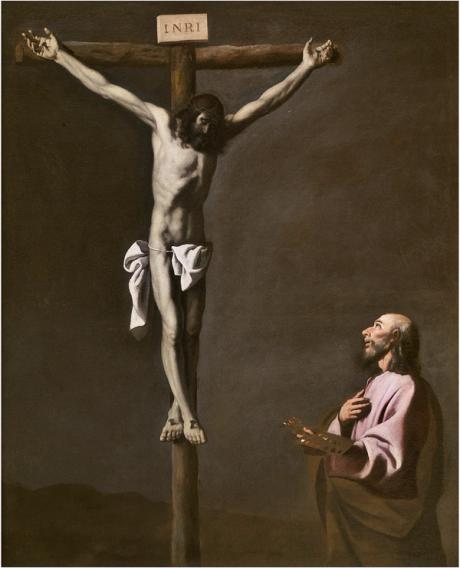
From intimate still lives to shadowed saints: the many sides of Spanish painter Francisco de Zurbarán go on show at London’s National Gallery

The National Gallery in London is opening a major survey exhibition of Spanish painter Francisco de Zurbarán (1598-1664), the first on this scale since 1987. The show expands beyond his famous austere saints to include intimate still-lifes, late private devotional works, and large-scale altarpiece reconstructions. Curator Daniel Sobrino Ralston highlights two newly discovered paintings, including *Alcarraza on a Plate*, and a rare reconstruction of the second tier of the Charterhouse of Jerez de la Frontera altarpiece, reuniting works from museums in Grenoble and Poznań.

Art Basel's solution to PDF pre-sales? Ask galleries to reserve works until opening day

Art Basel has announced a new initiative called Basel Exclusive for its flagship Swiss fair in June 2025, asking participating galleries to withhold their most important or expensive works from all pre-fair previews, online viewing rooms, and publicity. Instead, these "marquee works" will be unveiled for the first time during the First Choice VIP preview on 16 June. The initiative aims to restore a sense of surprise and urgency, countering the trend of galleries pre-selling works to clients before the fair opens. Around 170 galleries have already signed up, including major names like Gagosian, David Zwirner, Hauser & Wirth, Pace Gallery, and Sadie Coles HQ.

Dance Your Way to the Museum

Curator Naz Cuguoğlu argues in an opinion essay that museums should embrace the ethos of rave culture to become more welcoming and inclusive spaces, suggesting they can foster new forms of belonging. The article also covers several other art stories, including the discovery of pre-Hispanic rock art in Mexico that led to the rerouting of a train line, an exhibition of Genesis P-Orridge's mail art in Toronto, and artist Jean Shin's memorial project at Green-Wood Cemetery.

Hamnet-era mourning jewel from celebrated painting rediscovered after 400 years

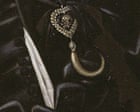
A rare 17th-century mourning jewel, depicted in the celebrated 1635 painting 'Sir Thomas Aston at the Deathbed of His Wife' by John Souch, has been rediscovered after 400 years. The heart-shaped pendant, which contains a tassel of hair from Aston’s deceased son Robert, was identified by its current owners during a chance visit to an exhibition featuring the portrait. Valued at £650,000, the gold and enamel memento mori features intricate Latin inscriptions that were previously illegible in the painting.

Pooh in pencil: sketches for original Winnie-the-Pooh book shared for first time

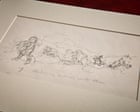
Two previously unseen preliminary pencil sketches of Winnie-the-Pooh by illustrator E.H. Shepard have been revealed to the public for the first time. Shared by the artist’s family to mark the centenary of A.A. Milne’s classic stories, the drawings depict scenes from the "expotition" to the North Pole and the hunt for a "Woozle" that were never included in the final 1926 publication. These rare works are set to go on display at Peter Harrington Rare Books in London starting April 17.

Ruins of ‘unique’, circular water temple discovered in Egypt

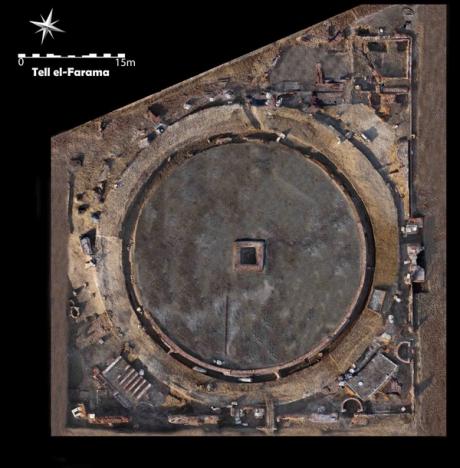
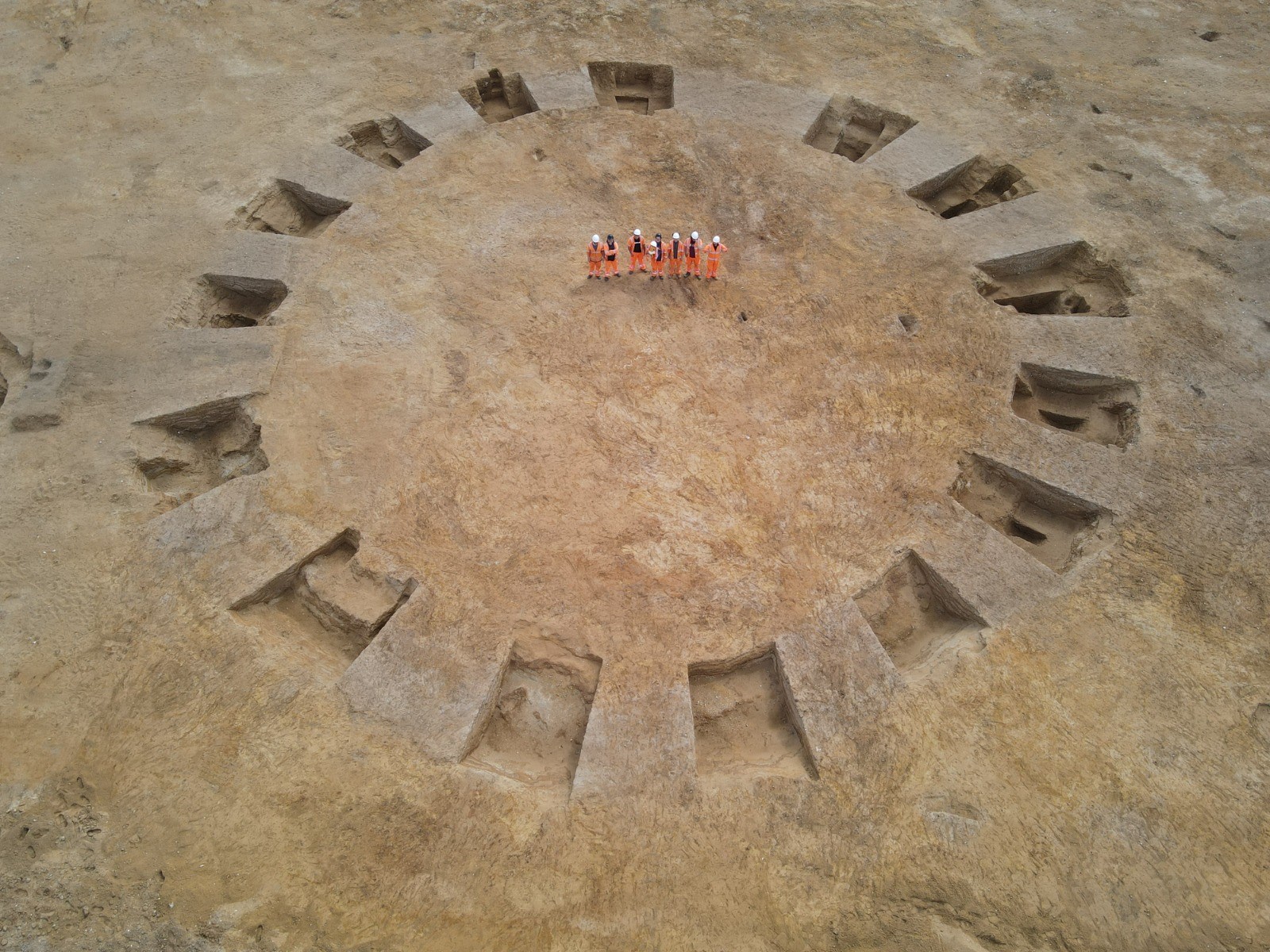
Archaeologists in northern Sinai have unearthed the ruins of a unique circular water temple at the site of ancient Pelusium, dating back to the second century. Initially mistaken for a political senate building, the structure features a 35-meter wide basin and brick walls characteristic of Roman construction, suggesting it was used for religious rituals linked to the local fertility god Pelusius.

Mystery 17th-Century Portrait Sparks Search for Identity of Black Sitter

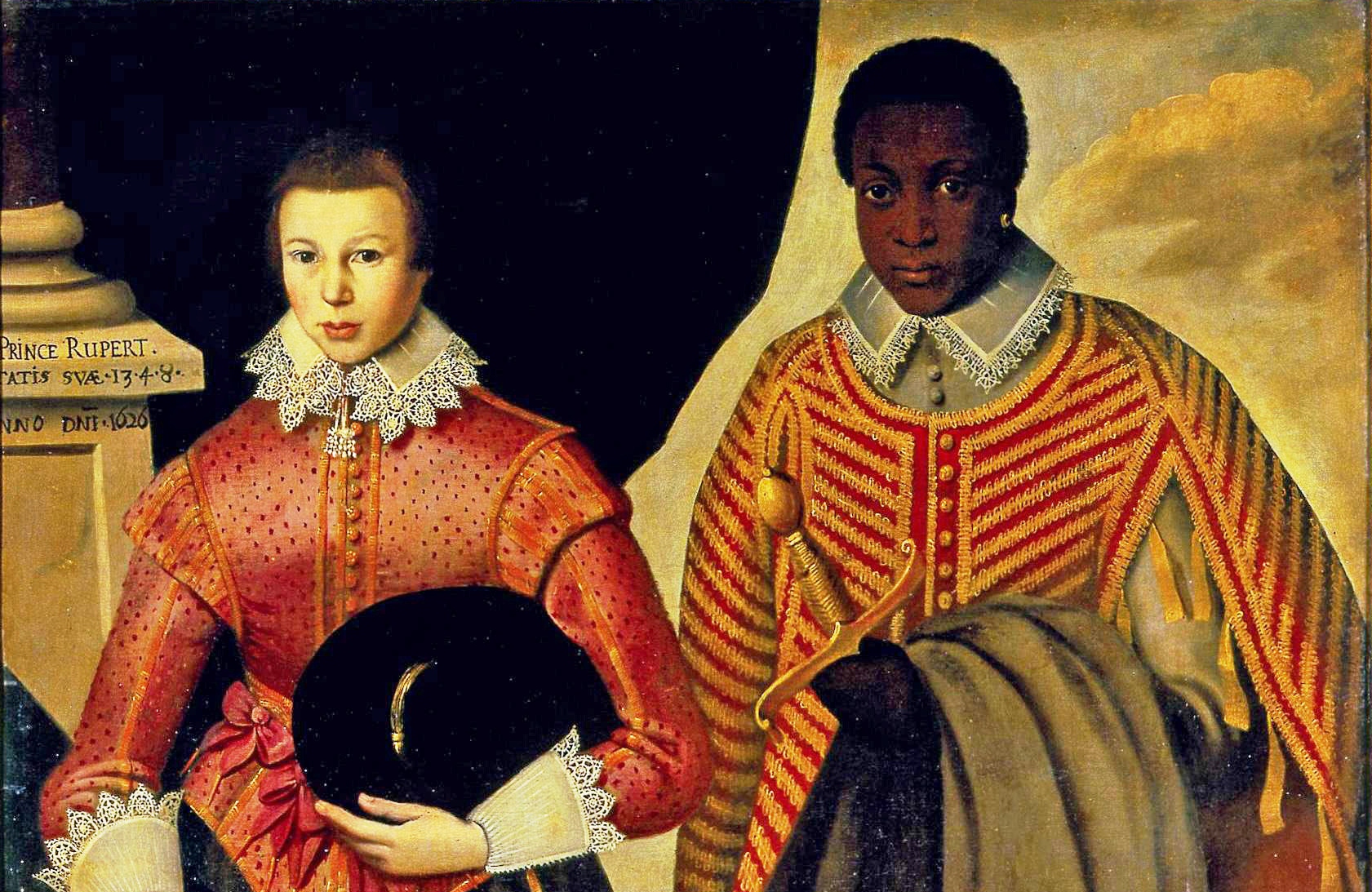
Researchers at the National Portrait Gallery in London have launched a landmark investigation into a rare 17th-century double portrait featuring a Black boy and a white boy standing side-by-side. The painting, which has hung at the historic Penshurst Place in Kent for centuries, is undergoing extensive restoration and technical analysis to identify the sitters. Experts are particularly struck by the composition, which depicts the Black figure at the same scale and status as the white figure, a significant departure from the era's typical portrayal of Black individuals as marginal attendants.

Rare Medieval Seal Rediscovered After 40-Year Disappearance

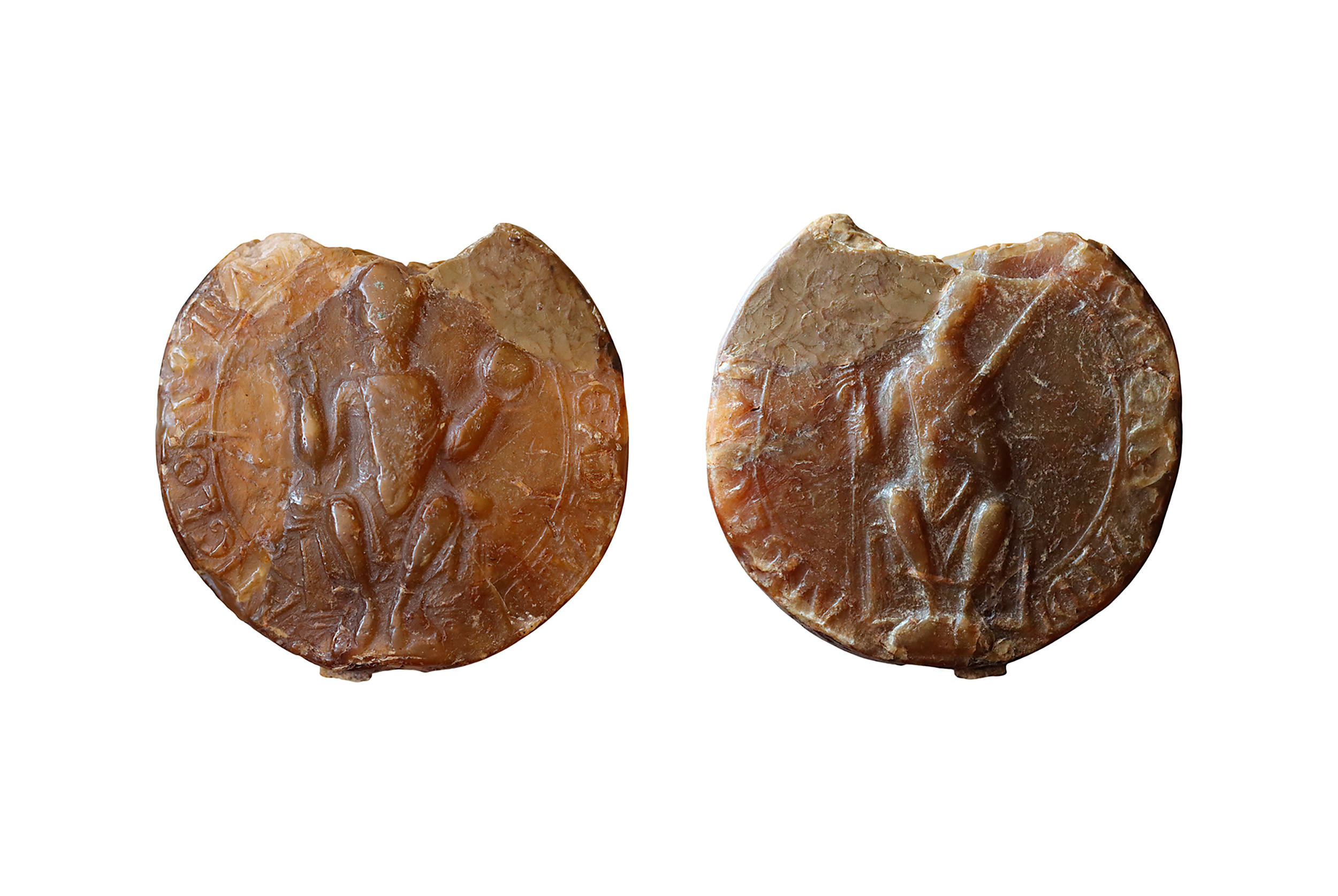
A rare 11th-century wax seal belonging to the Anglo-Saxon king Edward the Confessor has been rediscovered in France’s National Archives after being missing for over 40 years. The artifact, known as the Saint-Denis seal, was not stolen but rather misplaced due to a clerical error during a conservation transfer decades ago. It was identified by doctoral student Guilhem Dorandeu, who noticed the misfiled item while conducting research.

Former High Museum COO Pleads Not Guilty to Federal Theft Charges

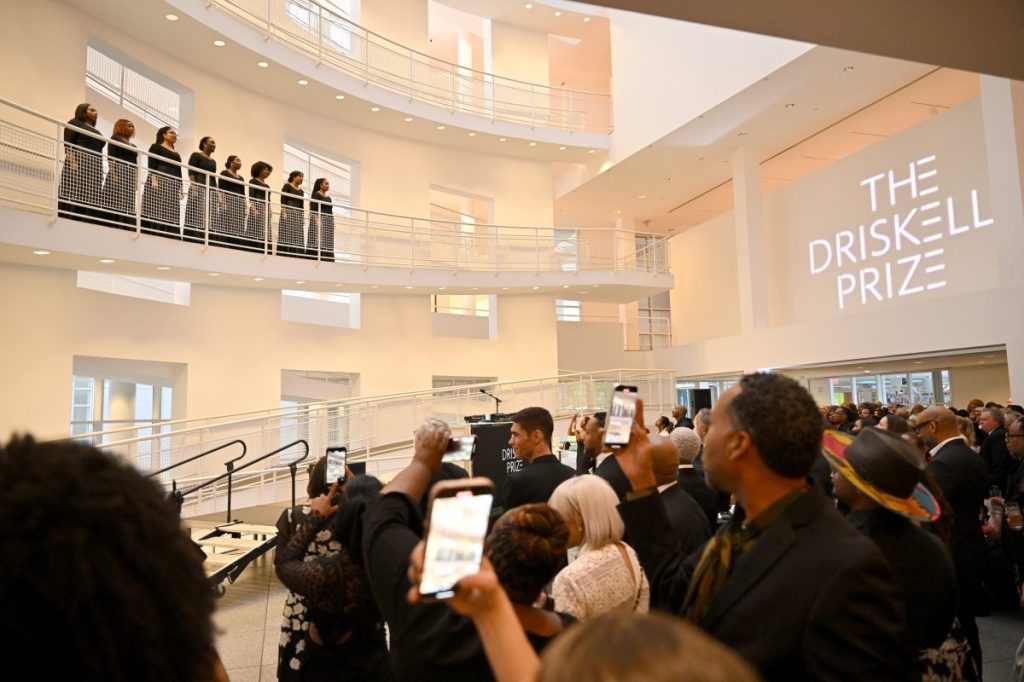
Brady Lum, the former Chief Operating Officer of Atlanta’s High Museum of Art, has pleaded not guilty to federal charges involving the theft of approximately $600,000. Prosecutors allege that between 2019 and 2024, Lum manipulated financial records and altered invoices to fund personal luxuries, including high-end musical instruments and private lessons. The discrepancies were discovered during an internal investigation by the Woodruff Arts Center, leading to Lum's resignation in December and a subsequent referral to federal authorities.

Prehistoric Stone Altar with Human Remains Discovered in Central Mexico

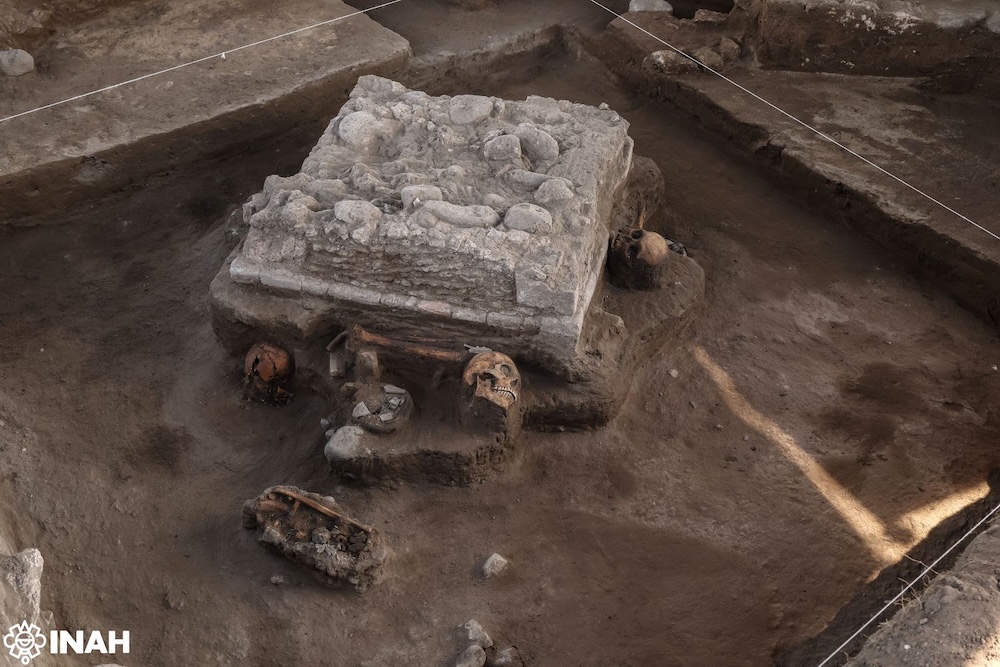
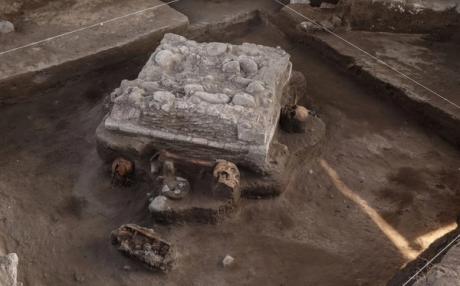
Archaeologists conducting salvage work for a new passenger train line between Querétaro and Mexico City have unearthed a 1,000-year-old Toltec stone altar. Located within the Tula Archaeological Monument Zone in Hidalgo, the three-level structure was found alongside four human skulls, long bones, a black ceramic bowl, and obsidian blades. Preliminary assessments by the National Institute of Anthropology and History (INAH) suggest the remains belong to individuals offered as ritual sacrifices.

Lost-Lost Film by French Cinema Pioneer Turns Up in Michigan

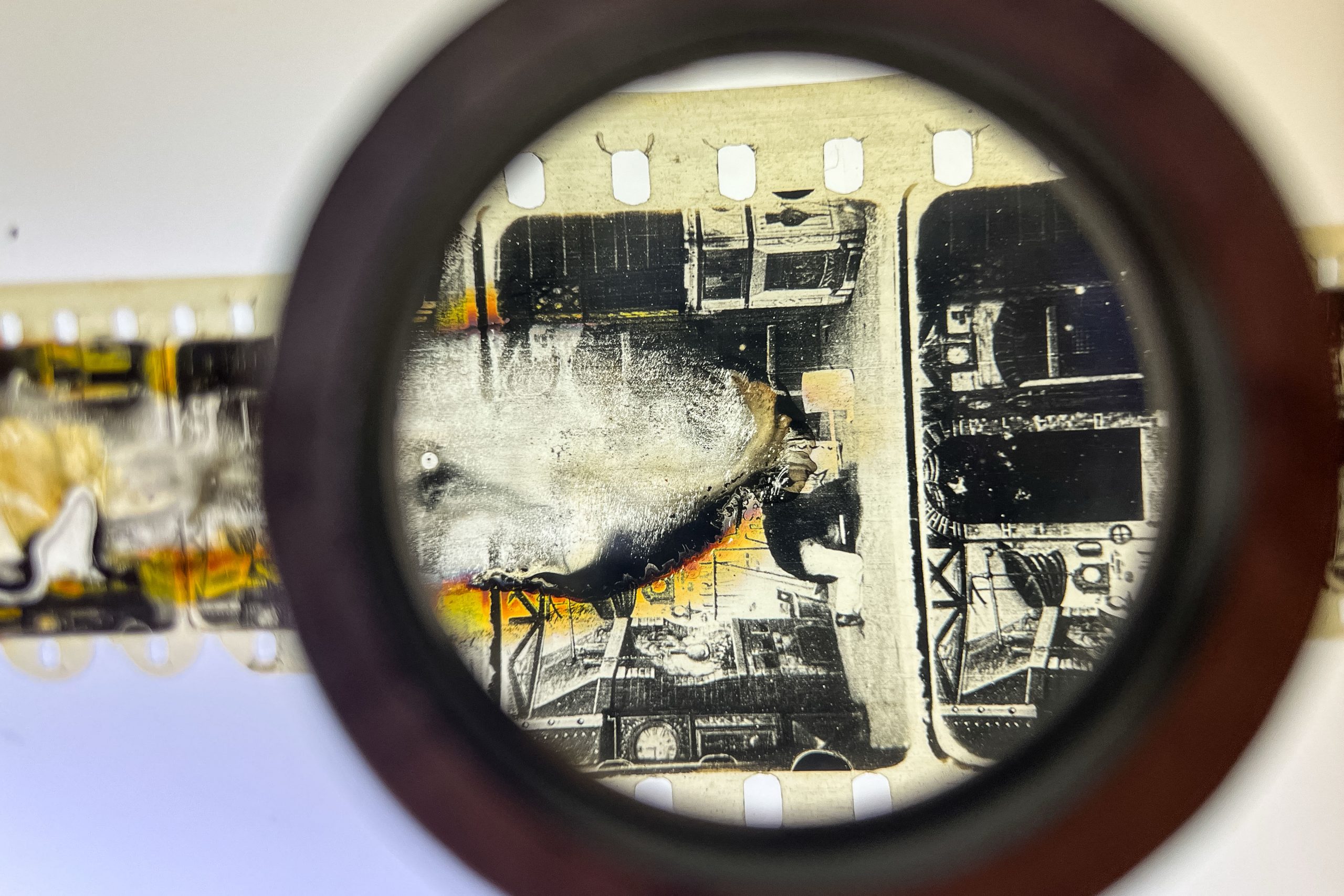
A long-lost film by French cinema pioneer Georges Méliès has been discovered in a garage in Grand Rapids, Michigan, after sitting in a trunk for two decades. The 45-second silent short, titled 'Gugusse and the Automaton' (1897), was identified by specialists at the Library of Congress after the owner, Bill McFarland, donated a collection of nitrate reels that had belonged to his showman great-grandfather.

1,000-year-old Toltec altar with four human skulls found in Mexico

Archaeologists from Mexico’s National Institute of Anthropology and History (INAH) have discovered a 1,000-year-old Toltec altar during salvage work for a new high-speed rail line between Mexico City and Querétaro. The stone structure, known as a momoztli, dates back to AD 900-1150 and was found with four human skulls and leg bones arranged at its base, suggesting ritual or sacrificial use. Located near the ancient site of Tula Chico, the find also included ceramic objects and obsidian artifacts within a compound likely belonging to the local elite.

Large Roman Villa Uncovered in the U.K. During Wind Farm Survey

Archaeologists conducting surveys for an offshore wind farm project in Norfolk, England, have discovered a significant Roman villa dating back to the 1st through 3rd centuries C.E. The expansive estate, which measures over 100 feet in length, featured a bathhouse, a covered porch, and ancillary buildings for crop processing. Excavations also yielded high-status artifacts including an ornate bronze door handle, a lion-headed furniture foot, and imported pottery, alongside evidence of a Roman road and two lost medieval villages.

Carnival celebrations at a Hungarian retirement home: János Bődey’s best photograph

Hungarian photojournalist János Bődey captures a poignant moment of joy at a retirement home in Páty, near Budapest, featuring two elderly women dressed as a bride and groom for a carnival celebration. The photograph is part of his series "Carnival at the Retirement Home," which documents the resilience and vitality of Hungarian pensioners who maintain a zest for life despite economic hardships and a strained healthcare system.

Manhattan D.A.’s Office Returns 17 Stolen Antiquities and Rare Books to Italy

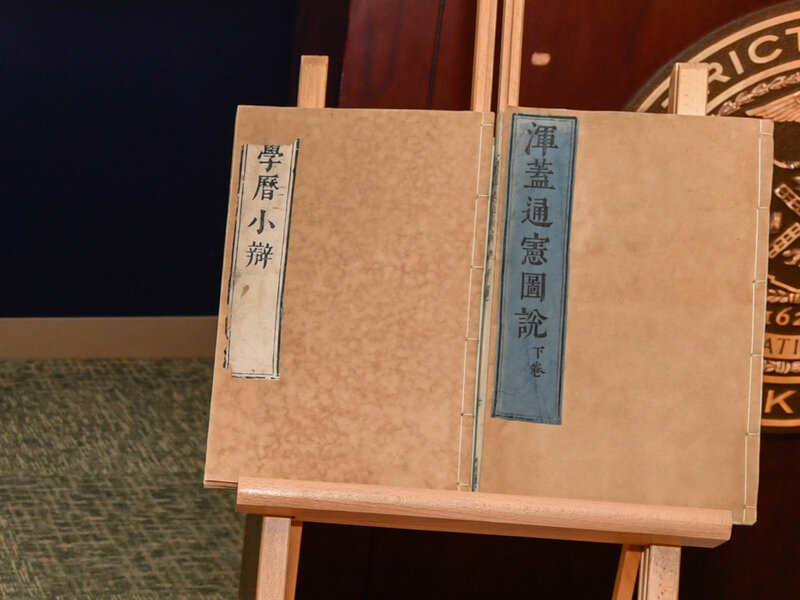
The Manhattan District Attorney's Office returned 17 stolen antiquities and rare books, valued at over $1.5 million, to Italy and the Vatican in a restitution ceremony. The items include six rare 16th–17th century Chinese-language Jesuit books stolen from the Vatican Archives and other artifacts seized from institutions like the Morgan Library and the Metropolitan Museum of Art.

Lost Parthenon Piece Unearthed From Lord Elgin’s Shipwreck

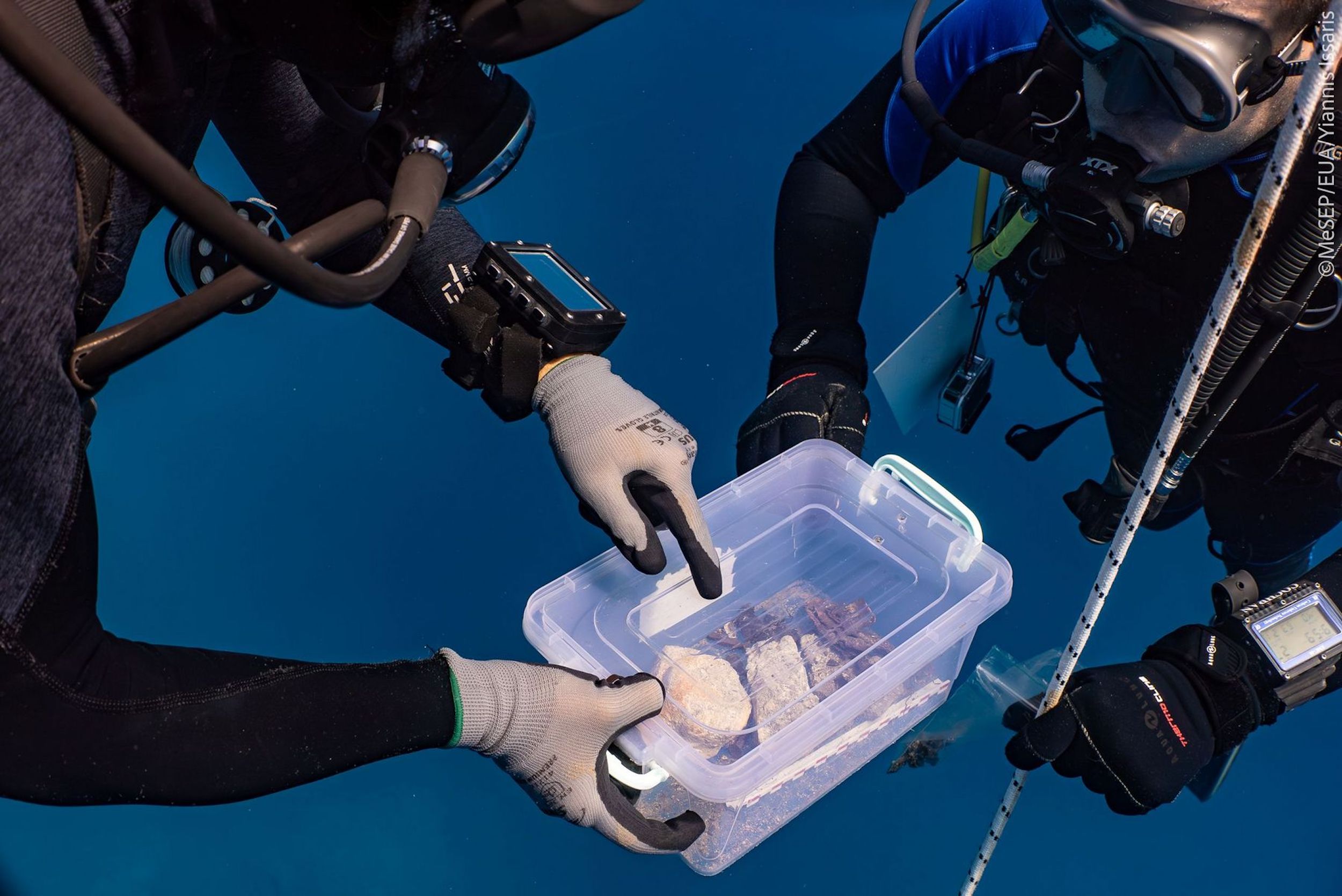
A small marble fragment from the Parthenon has been recovered from the wreck of the Mentor, a ship owned by Lord Elgin that sank in 1802 while transporting sculptures from the Acropolis to Britain. The fragment, discovered off the Greek island of Kythira by the Greek Ministry of Culture's underwater antiquities unit, is a decorative gutta likely from the temple's entablature or roof edge.

500-year-old Aztec ritual offering uncovered in Mexico City

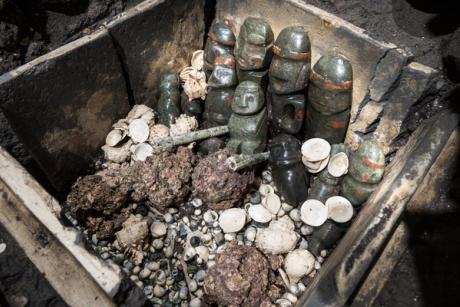
Archaeologists from Mexico's National Institute of Anthropology and History have uncovered a 500-year-old Aztec ritual offering at the Templo Mayor site in Mexico City. The discovery consists of six volcanic stone boxes containing greenstone sculptures, thousands of marine shells, copal spheres, and pendants, all forming a complete ceremonial assemblage from the reign of Emperor Moctezuma I (1440-1469).

Ancient Egyptian Papyrus Reveals 3,300-Year-Old White-Out Fluid

ancient egyptian papyrus white out fluid

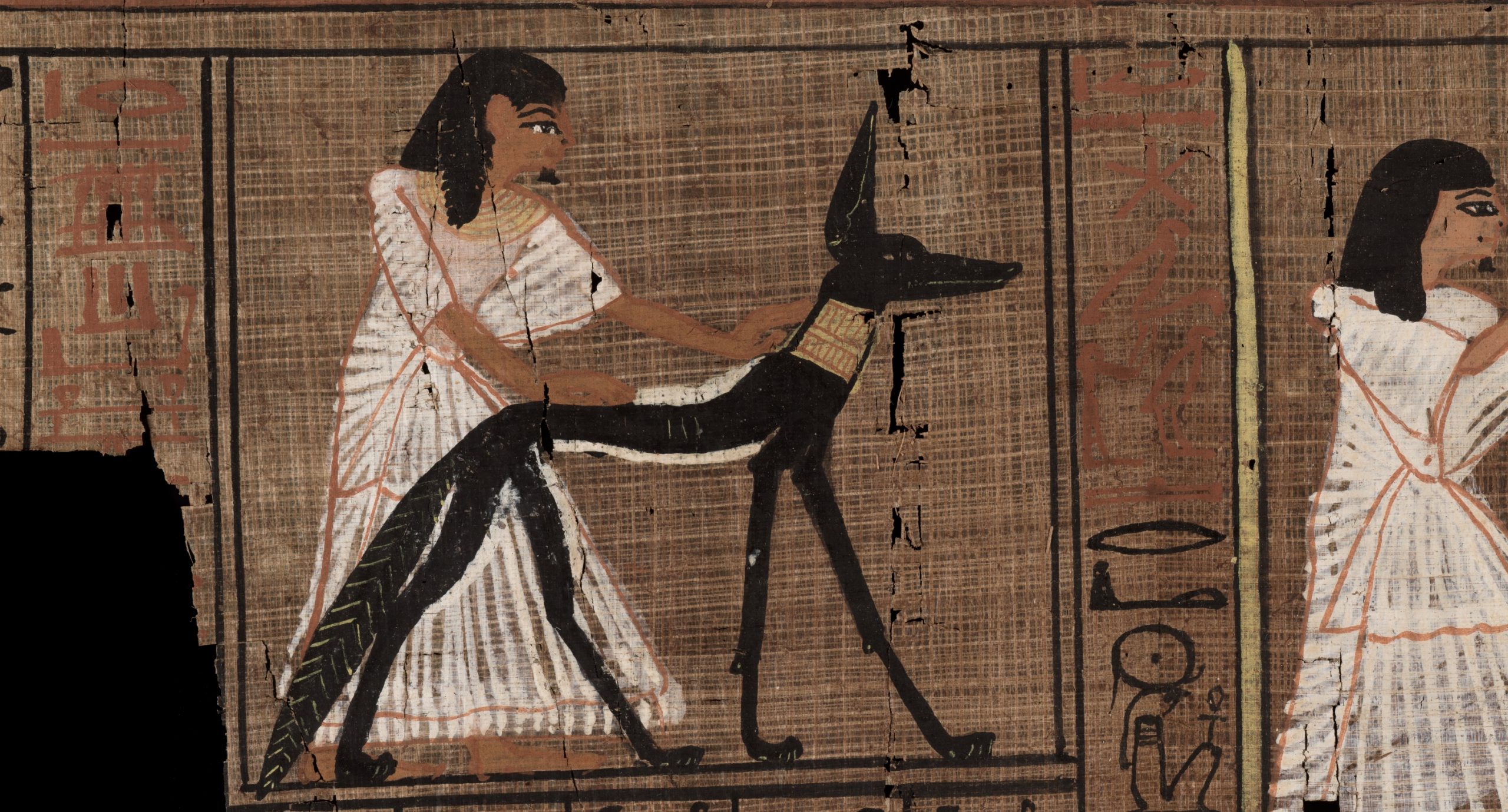
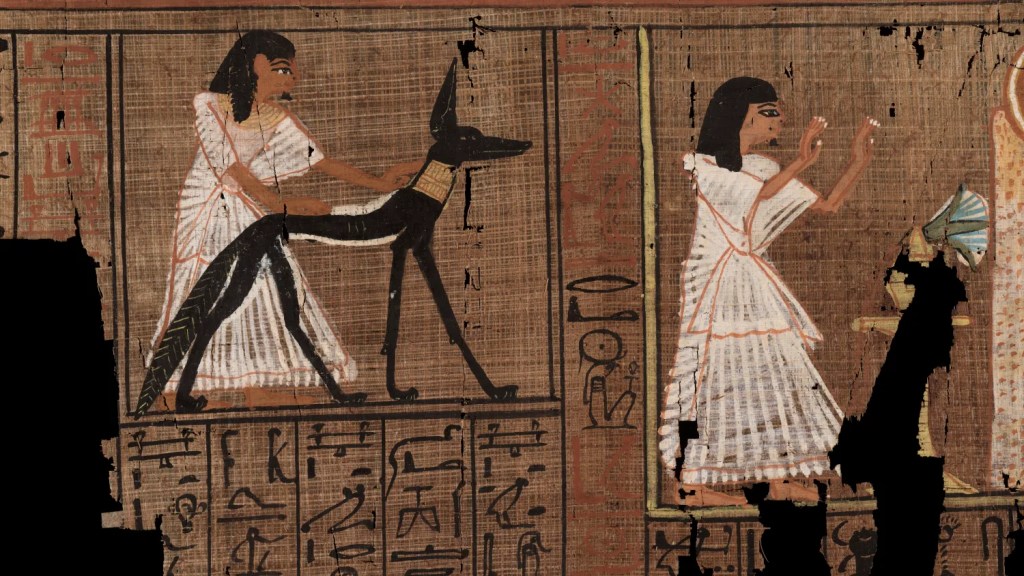
Researchers at the Fitzwilliam Museum have discovered evidence of 3,300-year-old "white-out" used to correct an artistic error on an ancient Egyptian papyrus. While preparing for an upcoming exhibition, curators identified a modification on a copy of the Book of the Dead belonging to the royal scribe Ramose, where a mixture of calcite and huntite was applied to slim down the figure of a jackal deity.

sudan national museum 60 percent looted

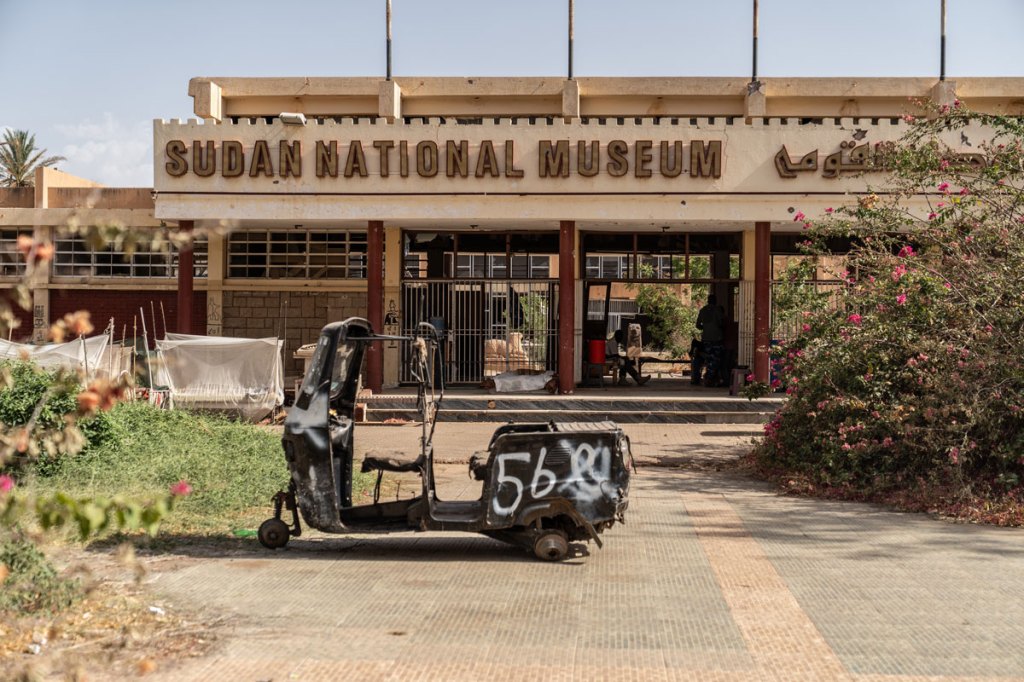
Officials from the National Museum of Sudan have revealed that over 60% of the institution's holdings were looted during the country's ongoing civil war. The Rapid Support Forces (RSF) occupied the Khartoum-based museum for nearly a year, during which time ancient gold, jewelry, and approximately 8,000 pieces from exhibition halls were stolen. Satellite imagery confirmed trucks transporting artifacts away from the site, and several other regional museums, including the Sultan Ali Dinar Museum, have been reported as completely destroyed.

ancient egyptians correction fluid book of the dead

Researchers at the Fitzwilliam Museum have discovered that ancient Egyptian scribes used a primitive form of correction fluid to amend errors on papyrus scrolls. While preparing a 3,300-year-old copy of the Book of the Dead for the tomb of the scribe Ramose, conservators noticed white lines of huntite and calcite mixed with yellow orpiment used to slim down a painted jackal. This 'ancient Wite-Out' was specifically blended to match the cream-colored tone of fresh papyrus, concealing revisions made during the artistic process.

british museum staffer stole artworks

Nigel Peverett, a former staffer in the British Museum’s prints and drawings department, stole over 350 artworks during his tenure in the 1970s and 80s. The thefts, detailed in Barnaby Phillips’s upcoming book 'The African Kingdom of Gold', involved Peverett smuggling prints out of the museum, altering them with razors to remove catalog numbers, and selling them at London’s Portobello Road market. Although he was caught in 1992 with 35 prints in his possession, nearly 100 items remain unrecovered.

high museum coo resigns 600k misappropriation probe

Brady Lum, the chief operating officer of Atlanta’s High Museum of Art, has resigned following an internal investigation into the alleged misappropriation of approximately $600,000. The Woodruff Arts Center, which oversees the museum, discovered financial irregularities in early December and subsequently referred the matter to the U.S. Attorney’s Office for the Northern District of Georgia for potential criminal prosecution. The organization believes Lum acted alone over a period of three to four years.

eastern island head not stolen archaeologist

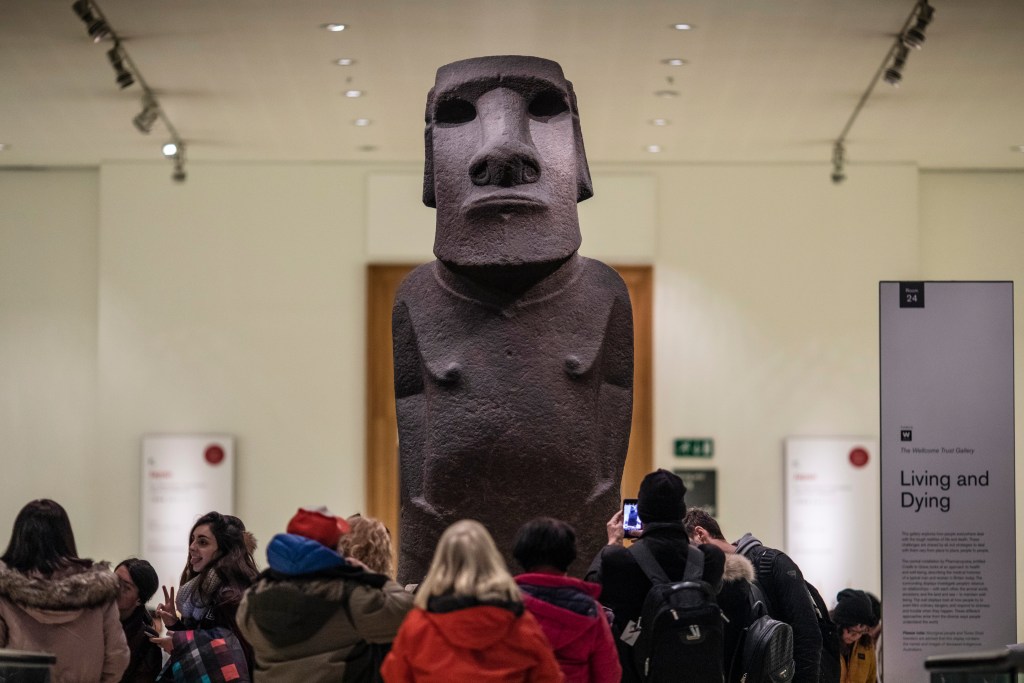
Archaeologist Mike Pitts has challenged the prevailing narrative surrounding the removal of Hoa Hakananaiʻa, the iconic Easter Island moai held by the British Museum. Drawing on a newly discovered 1869 eyewitness account from the Army and Navy Gazette and a rare historical photograph, Pitts argues that the statue's excavation was a collaborative effort involving hundreds of Indigenous Rapa Nui people rather than a simple act of imperial theft. The evidence suggests the British crew traded tobacco for assistance and were guided to the statue's location by the islanders.

australian police arrest thief egyptian artifacts heist

Police in Queensland, Australia, arrested a 52-year-old man suspected of stealing ancient Egyptian artifacts from the Abbey Museum of Art and Archaeology in Caboolture. The suspect was apprehended on Russell Island after police found part of the stolen haul, including a 2,600-year-old wooden cat figure, a 3,300-year-old necklace, and a mummy mask, in a camper van at a ferry terminal. The items were recovered and returned to the museum within two days of the brazen break-in.

pompidou secret camera bathroom

A hidden camera was discovered in a women's restroom within the administrative offices of the Centre Pompidou in Paris. A female staff member found the device on January 14, leading to the immediate suspension of a suspected perpetrator and the filing of a legal complaint by the museum. The museum has stated that exhaustive inspections found no other devices and has offered support to staff.

hidden camera found in womens restroom at centre pompidous offices in paris

A hidden camera was discovered in a women's restroom at the Centre Pompidou's administrative offices in Paris in mid-January. The device was found by an employee, leading the museum to file a legal complaint and suspend a staff member accused of installing it.

british museum acquires tudor heart pendant

The British Museum has successfully raised £3.5 million ($4.8 million) to acquire a rare 16th-century gold 'Tudor Heart' pendant, discovered by a metal detectorist in 2019. The pendant, linked to King Henry VIII and Catherine of Aragon, will enter the museum's permanent collection and is expected to tour the UK.

empress eugenies damaged crown to be restored after louvre heist

Thieves broke into the Louvre in Paris on October 19, 2024, stealing an estimated $102 million in jewels but dropping and severely damaging the crown of Empress Eugénie during their escape. The diamond- and emerald-encrusted crown, commissioned by Emperor Napoleon III in 1855, was deformed, had one hoop broken off, lost four palmettes and one gold eagle, and is missing 10 of its 1,354 diamonds. Judicial police seized it as evidence before transferring it to the Louvre’s decorative arts department, where directors Olivier Gabet and Anne Dion documented the damage. The museum has opened a public bidding process for an accredited conservator, with an advisory committee chaired by Louvre director Laurence des Cars overseeing the restoration.