filter_list Showing 161 results for "ISIS" close Clear
dashboard All 161 museum exhibitions 65article news 45article culture 18article policy 11article local 7rate_review review 6trending_up market 4person people 4gavel restitution 1
date_range Range Today This Week This Month All
Subscribe

‘My Year in Paris with Gertrude Stein’ by Deborah Levy, Reviewed

Deborah Levy’s latest novel, *My Year in Paris with Gertrude Stein*, follows a first-person narrator who travels to Paris to research the American writer and collector Gertrude Stein. The narrative slips between the early twentieth century and the autumn of Donald Trump’s 2024 reelection, using stream-of-consciousness prose and liquid metaphors to blur past and present. The narrator’s research into Stein’s role in shaping modernity becomes a vehicle for exploring her own sense of helplessness and lack of agency in a hyperconnected, war-weary present.
Jenna Sutela on Representing Finland at the 61st Venice Biennale

Jenna Sutela, representing Finland at the 61st Venice Biennale, will present an exhibition titled *Aeolian Suite* in the Giardini pavilion. The work features sound sculptures that engage with wind as both a physical and political force, using meteorological data, wind machines, recorders, a children's woodwind orchestra, and recordings of winds from Venice, Helsinki, and beyond. Sutela explores noise as a creative medium, drawing on the concept of deep listening inspired by artist Pauline Oliveros, and connects her project to the Biennale's theme, *In Minor Keys*, curated by Koyo Kouoh.

Guangzhou Image Triennial 2025 Review: The Case for Sensitivity

The Guangzhou Image Triennial 2025, titled 'The Case for Sensitivity,' has opened at the Guangdong Art Museum. The exhibition, featuring over 50 artists and artist groups, directly addresses a perceived crisis of technological mediation, arguing that digital existence deprives us of direct contact with the natural world. It aims to foster new forms of attention by emphasizing the materiality of images—what they are made of—over what they represent.

A Collection Built Through Exchange. “Gifts of Friendship” at the Muzeum Sztuki in Łódź.

The Muzeum Sztuki in Łódź is opening an exhibition titled "Gifts of Friendship" on 15 May, featuring nearly 150 works donated to the museum between 2024 and 2026 by some 80 artists from dozens of countries. The exhibition, curated by Barbara Piwowarska, traces the museum's origins to the 1920s when avant-garde artists like Władysław Strzemiński and Katarzyna Kobro built the International Collection of Modern Art through artist-to-artist gifts, bypassing market logic. The current show responds to the institution's recent crisis by turning again to the artistic community for support, resulting in a wave of donations that reaffirm the museum's founding ethos.

America’s Museums Have a Building Problem

A new report from the Government Accountability Office, analyzed by The Art Newspaper, reveals that roughly 85 percent of American museums are dealing with deferred maintenance or major repair needs, and about 77 percent have at least one structural issue that could endanger their collections. Many of the country's 16,700 museums are small, under-resourced operations housed in aging or historic buildings, with half reporting over $100,000 in deferred maintenance. Basic repairs like roofs or HVAC systems can consume large portions of annual budgets, forcing some institutions to store artworks in makeshift spaces like garages or bathrooms.

No money, more problems: 85% of US museums in urgent need of building repairs

A recent survey by the US Government Accountability Office (GAO) found that approximately 85% of US museums face a costly backlog of maintenance or building repairs, with 77% having at least one structural issue that puts their collections at risk. Based on a survey of around 300 museums and 17 site visits, the report reveals that institutions across the country struggle to keep buildings updated and safe due to a lack of funding, with challenges especially pronounced in rural and remote locations where shipping materials and finding skilled workers is prohibitively expensive. Many museums are housed in historic homes or sites that are part of their collections, adding further complexity, and smaller museums often lack the budget to address major problems like new roofs or HVAC systems.

Total Museum's 'Somebody Has to Collect It' examines collecting as a responsibility

The Total Museum of Contemporary Art in Seoul has opened "Somebody Has to Collect It," an exhibition featuring works from the collection of French art collectors Catherine and Renato Casciani. Running from April 30 to May 31, the show marks the couple's first major presentation in Korea and inaugurates the museum's new "Collector/tion" project, which reframes collectors not as buyers but as actors at the intersection of capital, memory, and value-making. The exhibition includes 22 artists and collectives, with a focus on video art addressing themes such as precarious labor, state violence, colonial inheritance, climate crisis, and queer intimacy. It is also an official program of the 140th anniversary of diplomatic relations between Korea and France.

Media Artist Transforms Climate, AI Data into Immersive Art

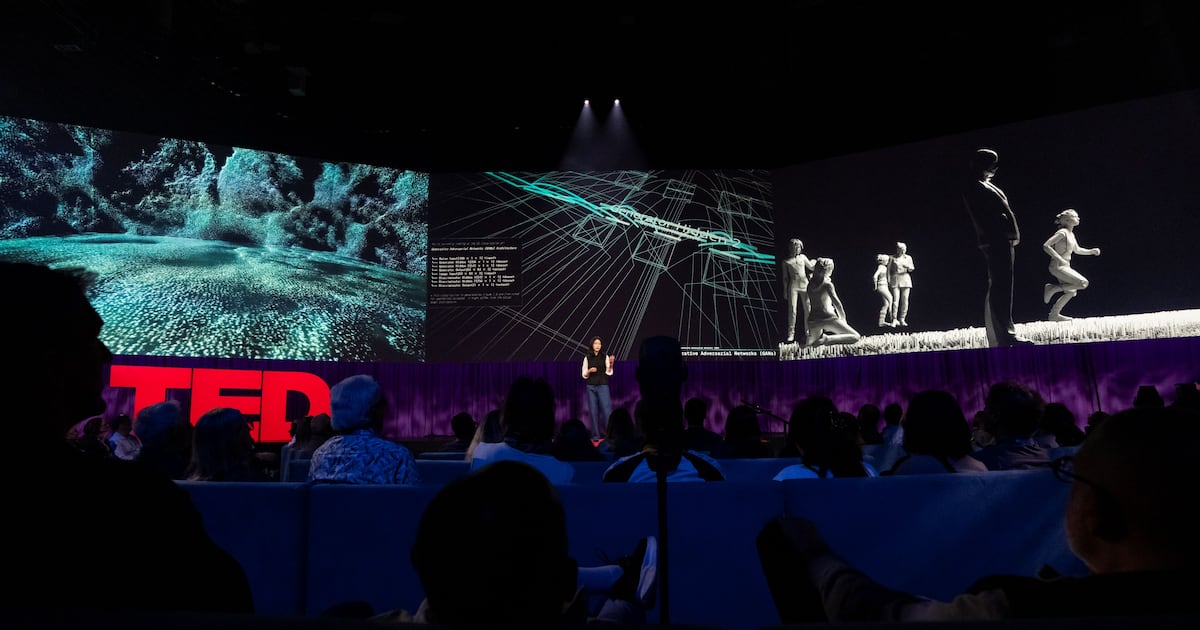
Media artist Kang Lee-Yeon delivered an immersive lecture at the TED 2026 main stage in Vancouver, using a 30-meter screen to visualize climate change and AI data. She then opened her solo exhibition 'Illumination' at Fondation Fiminco in Paris for the 140th anniversary of Korea-France relations, while also debuting works at Milan Design Week and the Loop Plus media art fair in Busan. Her projects include 'Passage of Water', created with Google and NASA, which translates satellite data into an immersive experience about Earth's freshwater crisis.

Meriem Bennani, the artist who went viral during the pandemic

Meriem Bennani, a New York-based artist known for her shape-shifting practice of videos, installations, and immersive environments, gained viral fame during the COVID-19 lockdown in March 2020. She co-created the animated series '2 Lizards' with fellow artist Orian Barki, which depicted surreal, humorous conversations between anthropomorphic reptiles navigating the first weeks of the pandemic in New York City. The series, posted on Instagram, resonated widely and led to eight episodes. Bennani's broader work, including 'Life on the CAPS' (2018–2022) and 'Mission Teens' (2019), blends digital animation, live-action footage, and cultural critique, often exploring themes of diaspora, post-colonialism, and migration through dystopian, supernatural narratives.

Major world -class exhibition launches in Skipton this weekend

The Aesthetica Art Prize is launching a major touring exhibition across four venues in North Yorkshire, starting in Skipton Town Hall this weekend. The exhibition, celebrating the prize's 20th anniversary, features works by 50 contemporary artists, including environmental artist Steve Messam, and is split into four thematic parts across different galleries until September.

After the Heists: Securing Museums Without Closing Them Off

Museums worldwide are grappling with the escalating need for heightened security measures following a series of high-profile thefts, including a recent bold robbery at the Louvre. Institutions are forced to re-evaluate their surveillance protocols and physical barriers to protect priceless cultural heritage from increasingly sophisticated criminal tactics.

In Seine-Saint-Denis, the clever housing for migrants by architect Patrick Rubin

En Seine-Saint-Denis, les logements futés pour les migrants de l’architecte Patrick Rubin

Architect Patrick Rubin of the firm Canal has transformed the former National Road Information Center, known as Bison Futé, in Rosny-sous-Bois (Seine-Saint-Denis) into a housing complex for 169 migrants. The project, commissioned by social landlord Batigere Habitats Solidaires, preserves the original 1986 half-moon building by Ludwik Peretz and Gilbert Delecourt, adding a new floor and a rear half-crown structure. Rubin used 79 prefabricated modules (17–25 m² each), built in workshops near Lyon, each equipped with a bed, kitchenette, bathroom, and window. Inspired by ship cabin manufacturing in Dunkirk and traditions of tiny houses and capsule hotels by Charlotte Perriand, Herman Hertzberger, and Shigeru Ban, the modules were craned into place. The project faced delays due to differing tolerances between concrete and wood construction, pushing delivery from early 2026 to late 2026.

The Craziest Venice Biennale Ever: One Week Before Opening, the Jury Resigns (The Public Will Decide the Lions!)

La Biennale di Venezia più pazza di sempre: a una settimana dall’apertura si dimette la giuria (I Leoni li deciderà il pubblico!)

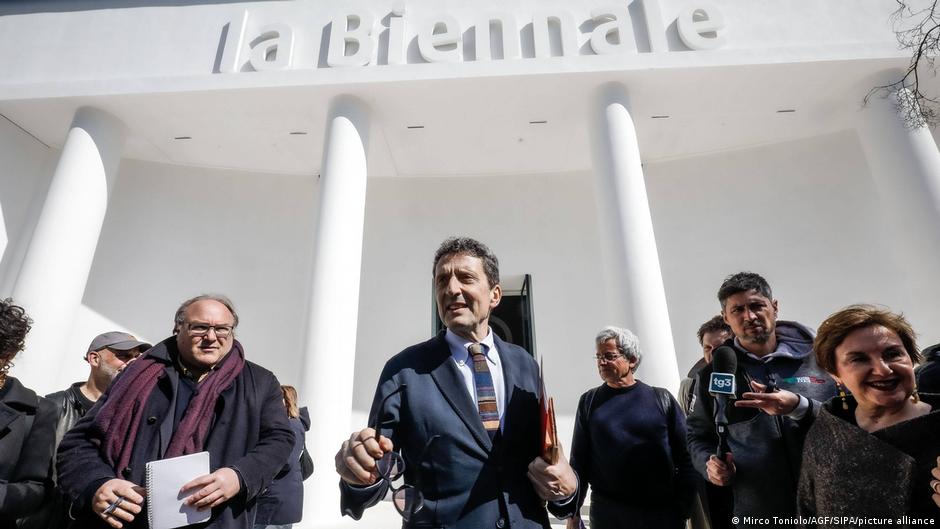
The entire international jury of the 61st Venice Biennale has resigned en masse just one week before the opening. The jury, chaired by Solange Oliveira Farkas and including Zoe Butt, Elvira Dyangani Ose, Marta Kuzma, and Giovanna Zapperi, had publicly announced they would not consider countries whose leaders are accused of crimes against humanity by the International Criminal Court—effectively excluding Russia and Israel from the Golden Lion competition. This decision came amid ongoing tensions between Italian Culture Minister Alessandro Giuli and Biennale President Pietrangelo Buttafuoco over Russia's participation, as well as controversy surrounding Israel's presence. After a meeting with Buttafuoco, the jury resigned, leaving the Biennale without a key body to award its top prizes.

There is an absent pavilion at the 2026 Venice Art Biennale that no one has talked about: Venezuela

C’è un padiglione assente alla Biennale d’Arte di Venezia 2026 di cui nessuno ha parlato: il Venezuela

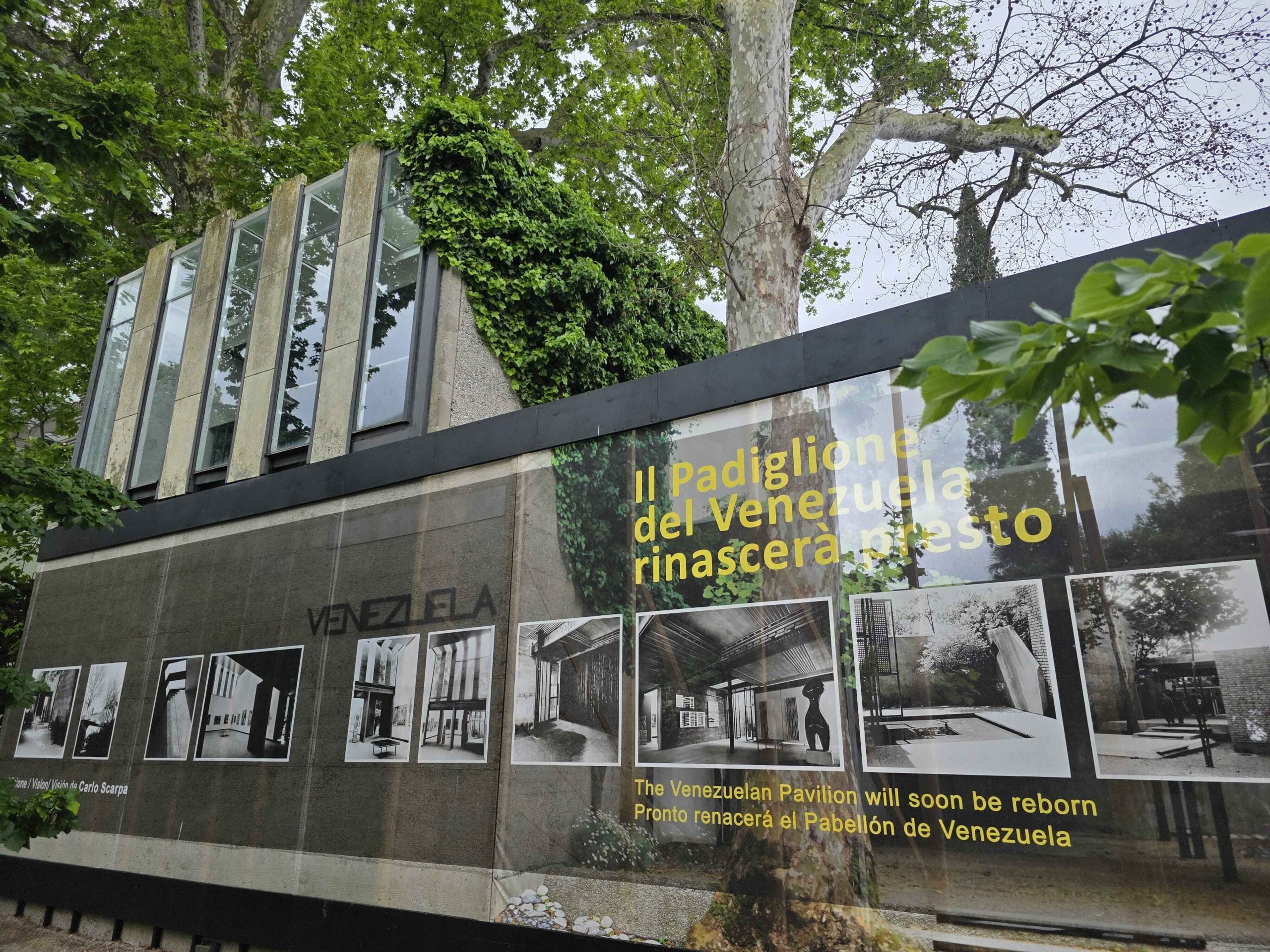
The Venezuelan pavilion at the 2026 Venice Art Biennale remains closed, an absence that has gone largely unnoticed amid other controversies surrounding the Russian, Israeli, South African, and Iranian pavilions. Designed by architect Carlo Scarpa and built between 1953 and 1956, the pavilion now displays a trilingual sign stating it will "rise again soon," reflecting the country's collapse after the kidnapping and imprisonment of President Nicolás Maduro by the United States and the installation of a fragile pro-American interim government.

Un ciclo di mostre è allestito sotto terra in un ipogeo del quartiere Pigneto a Roma

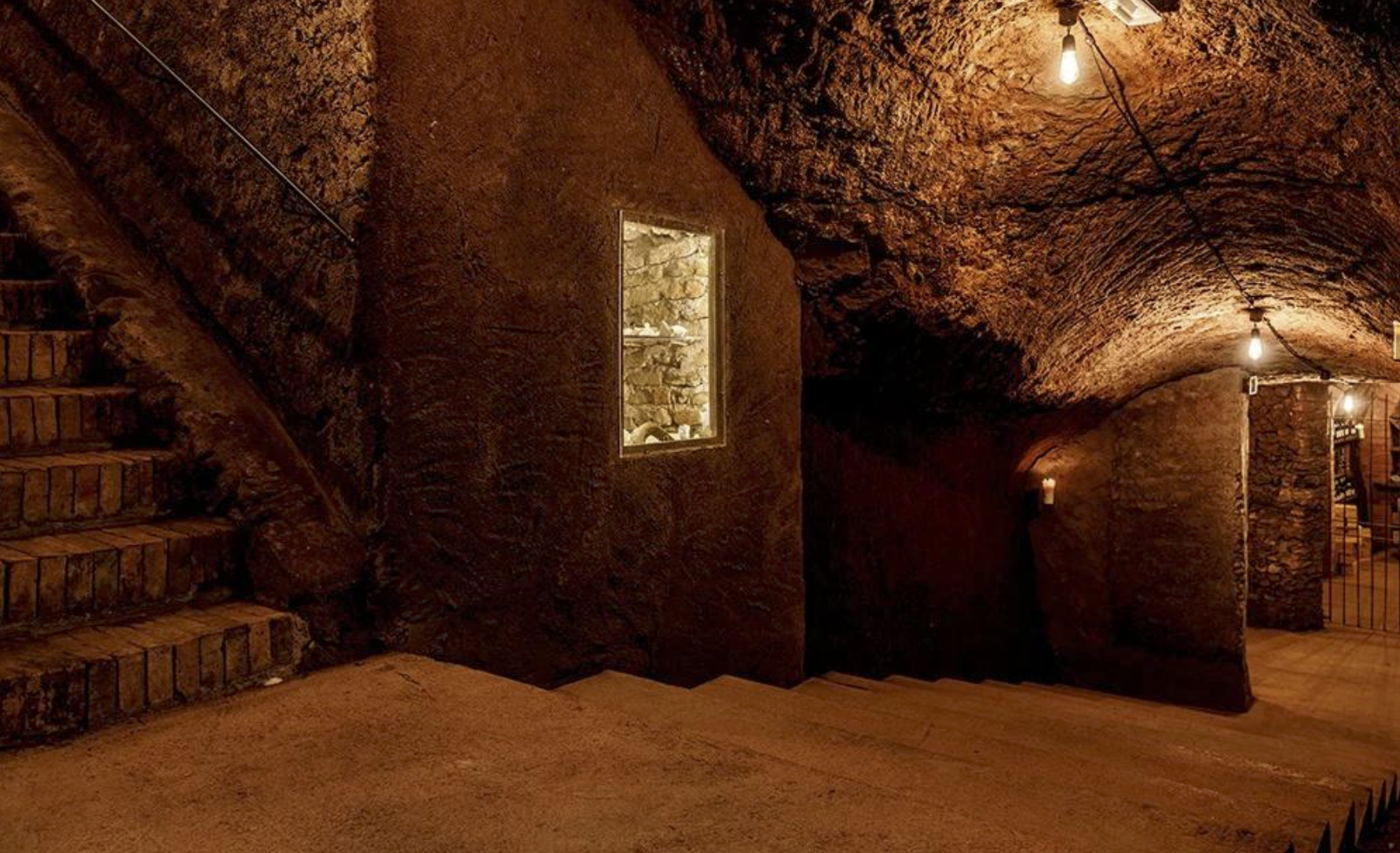
A family of entrepreneurs acquired an ancient bar in Rome's Pigneto neighborhood in 2020, inheriting a Roman-era hypogeum dating back to the 1st century BC. Originally a pozzolana quarry, later a wine cellar and WWII air-raid shelter, the space beneath the historic bar Necci dal 1924 reopened to the public on March 12 as an exhibition venue. It now hosts "Sottoforma," a cycle of three exhibitions curated by Donatella Giordano and Agatha Jaubourg that explore the theme of the invisible through contemporary art. The first exhibition features works by Eva Marisaldi, Enrico Serotti, and Luca Vitone, running until March 31, followed by shows with Iginio De Luca and Liliana Moro in April, and José Angelino and Elena Bellantoni in May 2026.

Venice Biennale Opens Amid Strikes, Protests and Institutional Rupture.

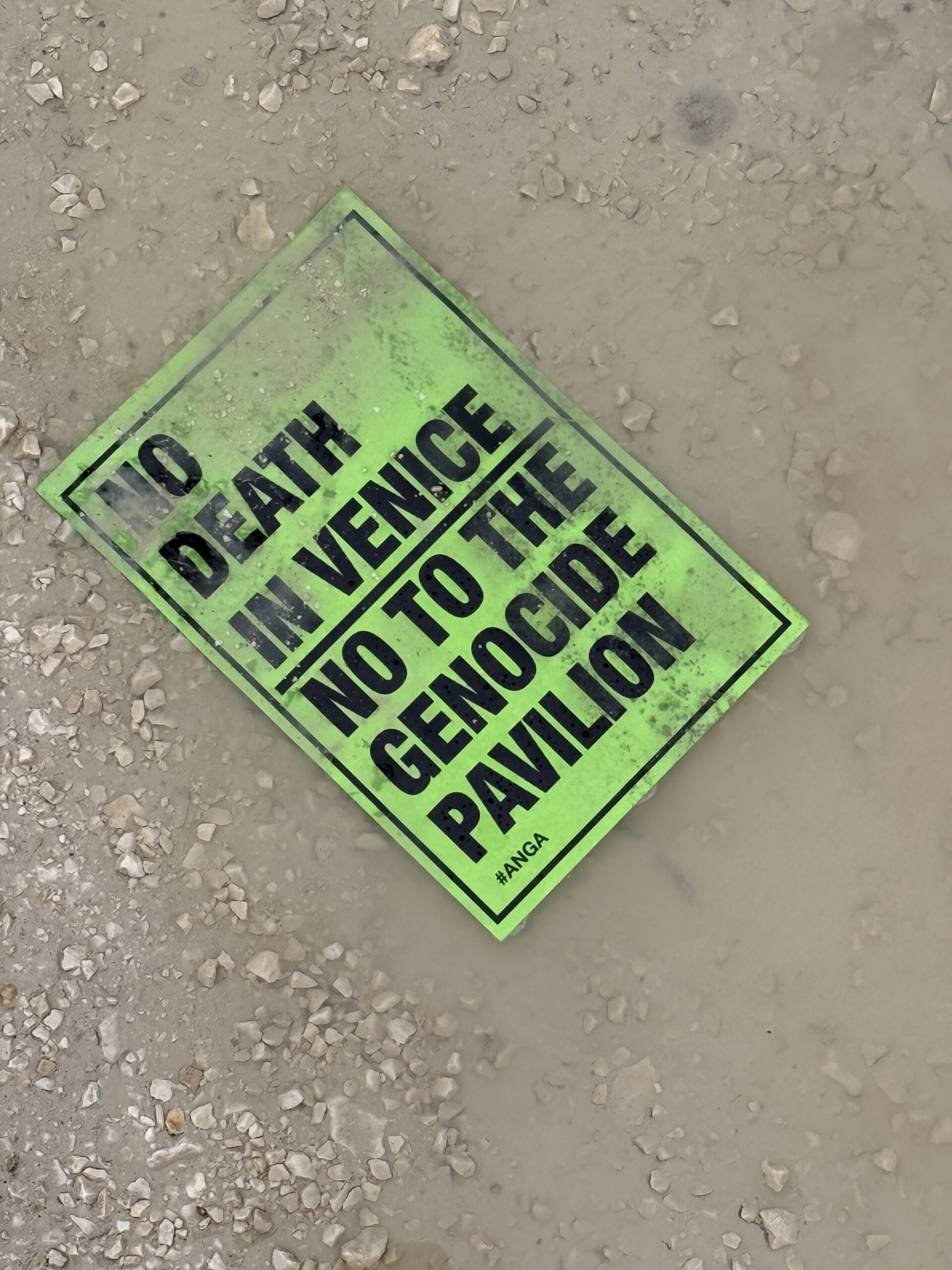
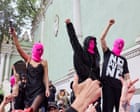
The 61st Venice Biennale opened in May 2026 amid strikes, protests, and political unrest, rather than celebration. Coordinated by Italian labor groups and transnational coalitions, demonstrators targeted the Biennale's decision to allow participation by Israel and Russia during the ongoing wars in Gaza and Ukraine. The Art Not Genocide Alliance (ANGA) led protests against Israel's participation, while Pussy Riot and FEMEN activists staged a protest outside the Russian pavilion. The Israeli pavilion's relocation from the Giardini to the Arsenale added symbolic weight, with critics viewing it as institutional endorsement. The late curator Koyo Kouoh's vision for the exhibition, titled "In Minor Keys," emphasized tenderness and complexity, contrasting with the volatile atmosphere.

EU Says It ‘Intends’ to Cut Funding to Venice Biennale Because of Russian Pavilion

The European Union has declared its intention to cut its €2 million funding contribution to the Venice Biennale in response to the exhibition's decision to host a Russian national pavilion for the first time since Russia's 2022 invasion of Ukraine. EU foreign policy chief Kaja Kallas stated that allowing Russia to exhibit while it "bombs museums, destroys churches and seeks to erase Ukrainian culture" is morally wrong, marking the union's strongest condemnation to date.

Ruins of a ‘Unique‘ Temple Complex Discovered in Northern Sinai

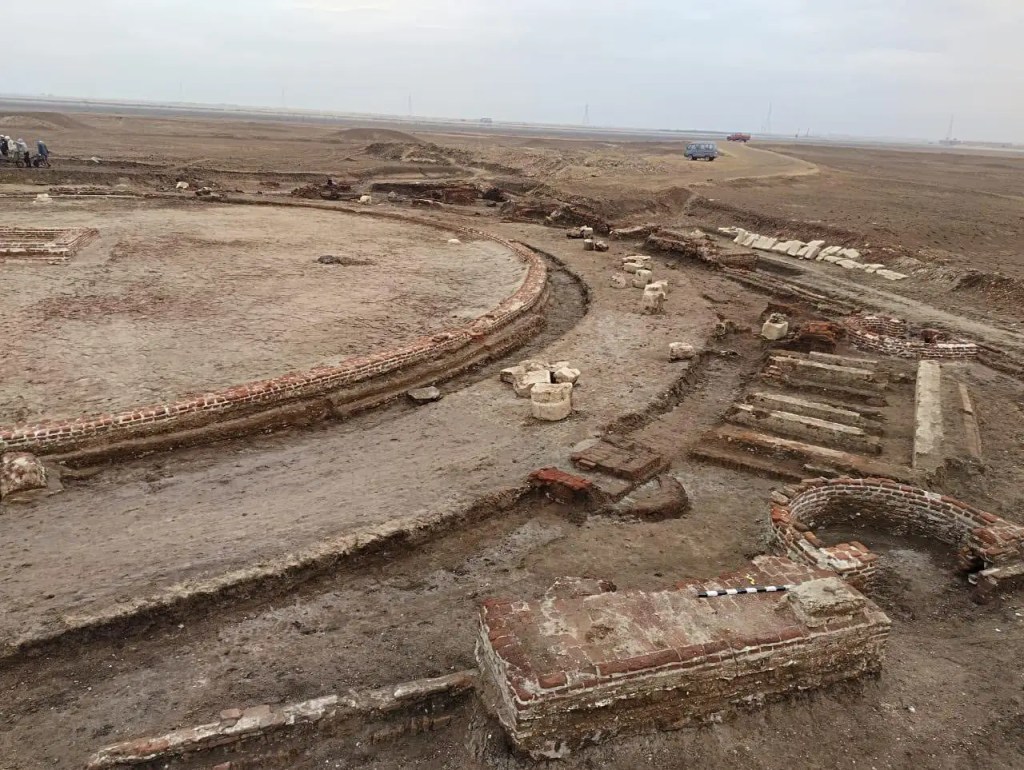
An Egyptian archaeological mission has unearthed a unique temple complex at Tell el-Farama, the site of the ancient city of Pelusium in northern Sinai. The discovery features a massive circular water basin, approximately 100 feet in diameter, surrounded by drainage channels and a central plinth likely intended for a statue. Initially mistaken for a civic building when first excavated in 2019, further study has revealed the site to be a sacred water installation used for religious rituals between the 2nd century BC and the 6th century AD.

From Eurovision to the Venice Biennale, culture contests are being overshadowed by politics

The Venice Biennale and Eurovision Song Contest are being overshadowed by political controversies rather than artistic merit. At the Venice Biennale, the Russian pavilion opened for press previews for the first time since the Ukraine invasion, a decision that may cost the festival €2m in EU funds. The Israeli pavilion will open despite protests from 200 artists and curators, while the South African pavilion will remain empty after its government blocked an artist's tribute to a Palestinian poet. The Iranian pavilion is also shut, and the awarding jury has resigned en masse, meaning no Golden or Silver Lion awards will be given for the first time in 40 years. Similarly, Eurovision's 70th anniversary is dominated by five countries boycotting over Israel's participation, with little focus on the music.

World Press Photo 2026 winners – in pictures

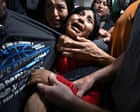
The World Press Photo 2026 winners have been announced, with Carol Guzy awarded the top honor for her image of distraught girls clinging to their father as ICE agents detain him after an immigration hearing in New York City. Finalists include Saber Nuraldin’s photograph of Palestinians scrambling for aid in Gaza, Victor J Blue’s image of Achi women outside a Guatemala City court, and other powerful works documenting climate displacement in Mexico, a wedding during a typhoon in the Philippines, police detaining a priest at a pensioners’ protest in Argentina, and a social robot in Europe.

Perna, Cruz-Diez, Otero, Barboza: Venezuelan Focus at ISLAA

PERNA, CRUZ-DIEZ, OTERO, BARBOZA: ENFOQUE VENEZOLANO EN ISLAA

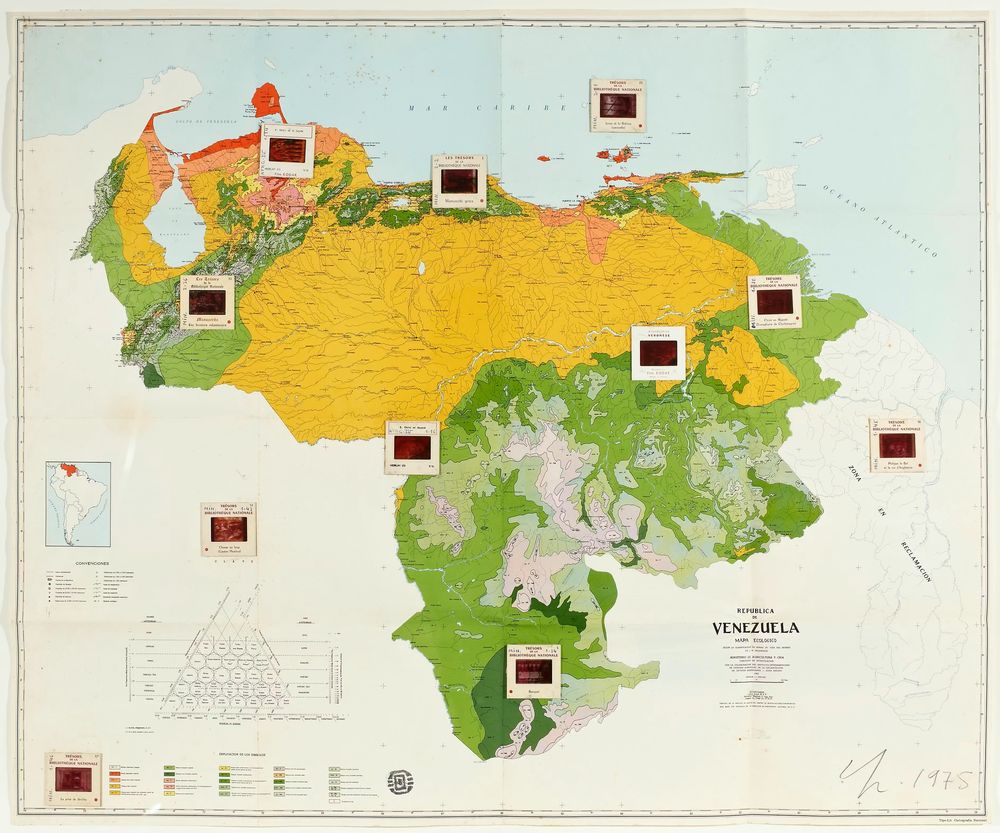
The Institute for Studies on Latin American Art (ISLAA) in New York has launched its 2026 exhibition program with a major focus on Venezuelan modern and contemporary art. The season features a significant solo exhibition of Claudio Perna—his first in New York—alongside a showcase of Carlos Cruz-Diez and digital 'Spotlight' presentations on Diego Barboza and Alejandro Otero. The Perna retrospective, titled 'Idea como arte,' gathers over forty works including photography, photocopies, and conceptual cartography created between the 1960s and 1990s.

In Venice, the Passion of Life and the Ghost of Art

The 2026 Venice Biennale, the world’s oldest art exhibition, has opened with a theme centered on vitality and the celebration of life. The edition is described as both a passionate embrace of energy and a reminder of art’s lingering ghosts, offering a mixed but compelling experience for visitors.

In ‘Reverence,’ Three Decades of Paul Nicklen’s Remarkable Photographs Exalt Nature

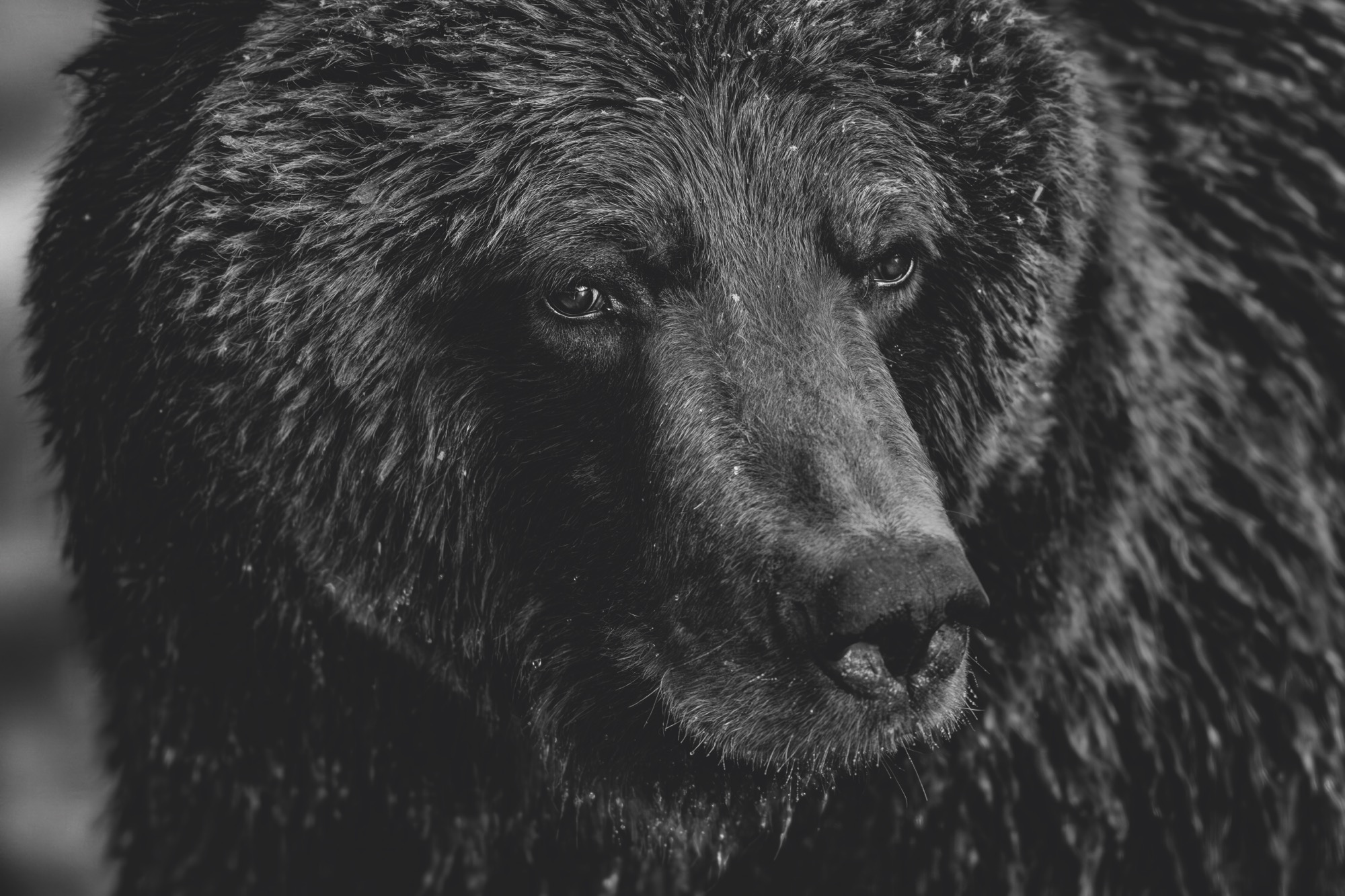
Paul Nicklen, a renowned wildlife photographer and co-founder of the conservation organization SeaLegacy, is releasing a comprehensive book titled *Reverence* through publisher Hemeria. The volume collects 160 photographs spanning his three-decade career, including iconic images and previously unpublished works that capture the beauty and fragility of ecosystems from the Colorado River delta to the Arctic Bay.

Dispatch: Beijing

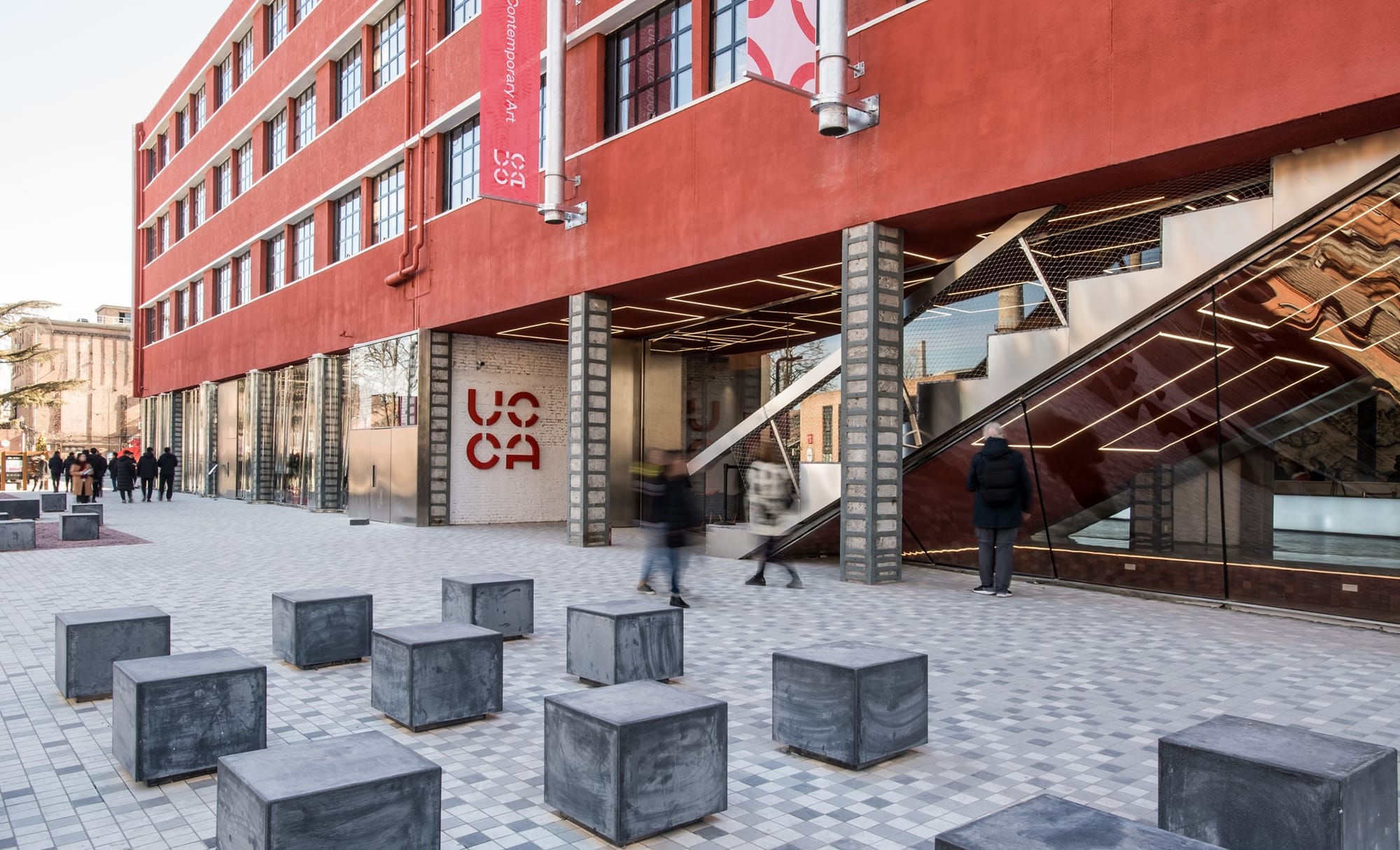
The article reports on a series of significant shifts in Beijing's art world since 2024. UCCA Center for Contemporary Art faced financial troubles; its director and CEO Philip Tinari ended his 14-year tenure to lead Hong Kong's Tai Kwun. Taikang Art Museum also disclosed leadership changes. Smaller venues like DRC NO. 12 and fRUITYSPACE closed due to lease issues. Independent publishing faces sharp restrictions, and art book fairs are being replaced by cultural-lifestyle merchandise events. Official figures show Beijing lost over a million young residents since 2020 due to soaring living costs and tightening regulations.

What Did the Golden Lion Die Of? On Judgment and Disavowal at the Venice Biennale

The international jury of the 61st Venice Biennale announced it would exclude from prize consideration countries whose leaders are charged with crimes against humanity by the International Criminal Court, specifically targeting Russia and Israel. This prompted the Italian culture minister to send inspectors to the Biennale's offices, leading the jury to resign. The Biennale then replaced the Golden Lion with "Visitors' Lions" prizes voted by ticket-holders, immediately making Russia and Israel eligible again. The article traces this crisis to the Biennale's historical structure under Mussolini's 1930 Royal Decree, which established the national pavilion system as a diplomatic concession system designed to serve state power, and notes the recent acceptance of a €50 million donation from Qatar for a new permanent pavilion in the Giardini.

San Francisco artist Ana Teresa Fernandez's Chicago exhibit, 'Under Pressure,' is a call to climate action

San Francisco-based artist Ana Teresa Fernández has opened a solo exhibition titled 'Under Pressure' at the National Museum of Mexican Art in Chicago. The four-year project features a range of works, including detailed oil paintings and a sculptural piece, all centered on the theme of water and climate change. A key performance element involved Fernández leading hundreds of participants on Chicago's lakefront to form a giant S.O.S. signal using mirrors, a 'social monument' she previously staged in California.

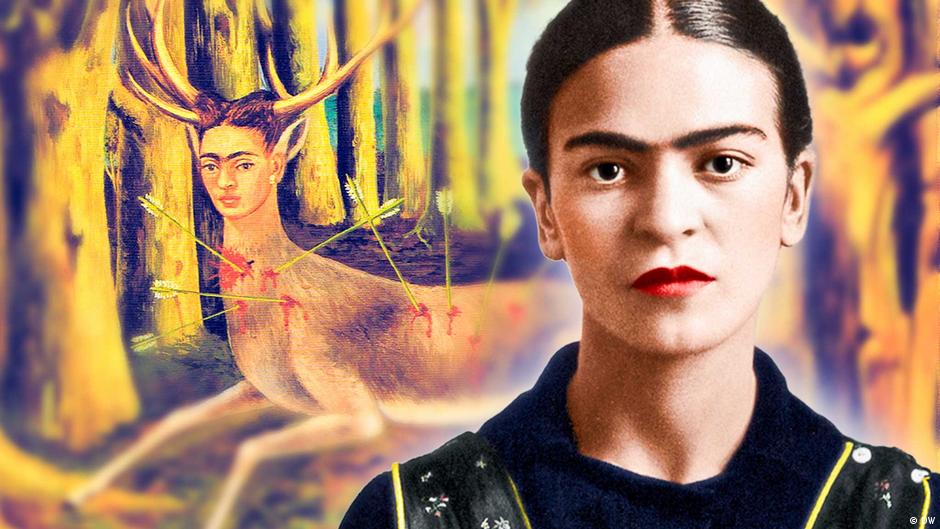
Art Born of Pain: Frida Kahlo

This article is a promotional piece for the DW English program 'Arts Unveiled,' highlighting several upcoming segments. It announces the start of the 61st Venice Biennale, the world's largest art exhibition, and poses questions about its standout features and art's role in times of crisis. Other segments explore the American Dream as a nightmare on the 250th anniversary of US independence, and feature Indigenous artist Britta Marakatt-Labba, who creates embroidered polar landscapes reflecting Sámi culture.

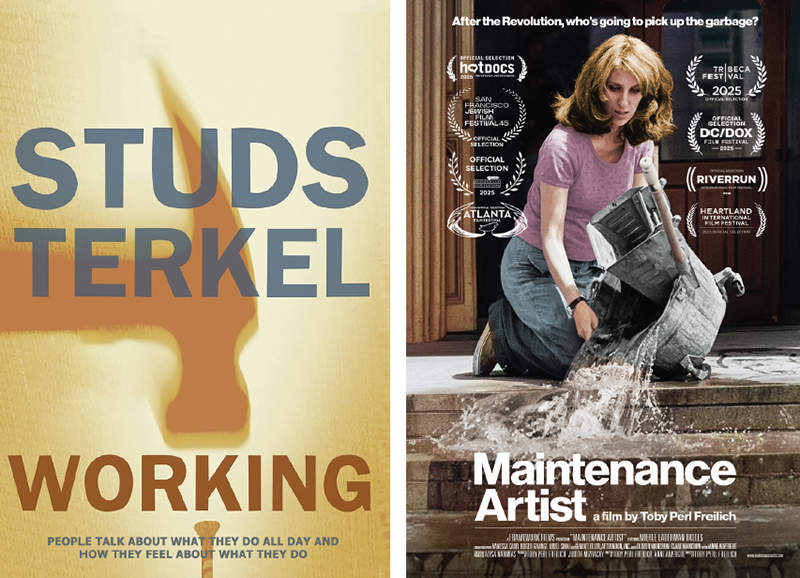
The Art of Performing Maintenance

This article explores the work of artist Mierle Laderman Ukeles, who in 1969 wrote her "Manifesto for Maintenance Art" after experiencing a crisis of meaning following the birth of her first child. She proposed that routine maintenance tasks—like cleaning, cooking, and laundry—could be redefined as art when performed in public, particularly in museums. The article traces her early exhibitions at the Wadsworth Athenaeum, where she swept and mopped as performance, and her later projects interviewing passersby on New York City sidewalks and embedding herself in a Manhattan office building, where she invited workers to declare their maintenance tasks art.

Venice Biennale in crisis: The controversies explained

The Venice Art Biennale's official awards ceremony, scheduled for May 9, has been canceled after the entire five-member jury resigned days before the event. The jury had previously announced they would not consider countries whose leaders face International Criminal Court charges, directly impacting Russia and Israel. Instead of jury-selected prizes, visitors will vote throughout the Biennale's run, with "Visitor Lions" awarded on November 22. The event, running from May 9 to November 22, features 100 national participations, including seven first-time countries, and a posthumous main exhibition titled "In Minor Keys" curated by the late Koyo Kouoh, the first African woman to lead the show. Iran withdrew on May 4 amid Middle East tensions, while Russia's return to the Biennale in 2026 has sparked EU threats to cut funding.

Running from one image to another, from one time to another, from one hope to another: at Circolo, in Milan, an exhibition on the contemporary Lebanese scene

The article reviews "Shifting Crossroads. Beirut Contemporary," an exhibition at Circolo in Milan that surveys the contemporary Lebanese art scene. It features internationally recognized artists like Mona Hatoum and Simone Fattal alongside emerging talents, including works from the Saikalis Bay Foundation, founded in 2024 by Nicole Saikalis and Matteo Bay. The show spans historical-archival investigation, photography, installation, painting, and sculpture, with pieces such as Stéphanie Saadé's "Stage of Life" (2021), Catherine Cattaruzza's "I am Folding the Land" (2022), and Joana Hadjithomas & Khalil Joreige's "Waiting for the Barbarians" (2013) exploring themes of memory, fragility, and geopolitical instability.