filter_list Showing 210 results for "Lion" close Clear
dashboard All 210 museum exhibitions 92trending_up market 36article news 34article policy 16article culture 11person people 9article local 8rate_review review 4
date_range Range Today This Week This Month All
Subscribe

The Ukrainian Pavilion’s Deer Seen Around the World

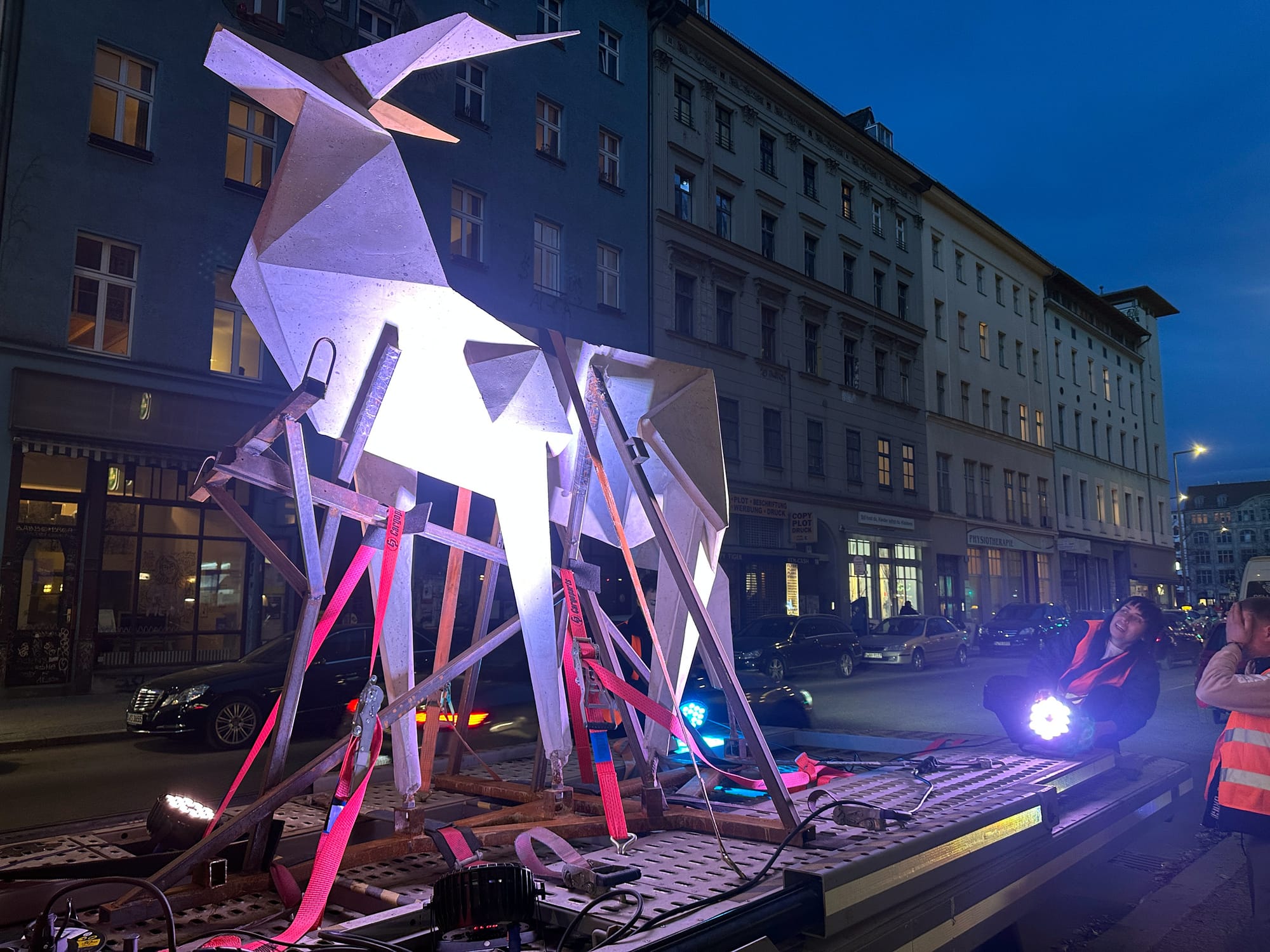
Zhanna Kadyrova's concrete sculpture "The Origami Deer" (2019) is prominently displayed at the entrance to the Giardini during the 61st Venice Biennale, part of her project "Security Guarantees" in the Ukrainian Pavilion. Originally installed in Pokrovsk, eastern Ukraine, the work was removed in 2024 as Russian forces advanced, then traveled through Vienna, Warsaw, Prague, Berlin, and Paris before reaching Venice—a journey mirroring the displacement of millions of Ukrainians. The sculpture, shaped like a deer and evoking folded paper, references the 1994 Budapest Memorandum, in which Russia, the UK, and US guaranteed Ukraine's security in exchange for its nuclear disarmament—guarantees that proved worthless after Russia's invasions.
Contemporary Indian Art at the State Hermitage Museum, St. Petersburg

The State Hermitage Museum in St. Petersburg is hosting "Sediments of Becoming: Fossilised Present, Summoned Pasts," an exhibition curated by Marina Schulz and Tunty Chauhan that features works by eleven contemporary Indian artists, including Afrah Shafiq, Anindita Bhattacharya, Debashish Mukherjee, and others. The show positions contemporary Indian artistic practice within a broader international and civilisational discourse, set against the Hermitage's historic backdrop of over three million objects spanning centuries.

Koray Duman is Architecting Engagement from the Venice Biennale to Carnegie International

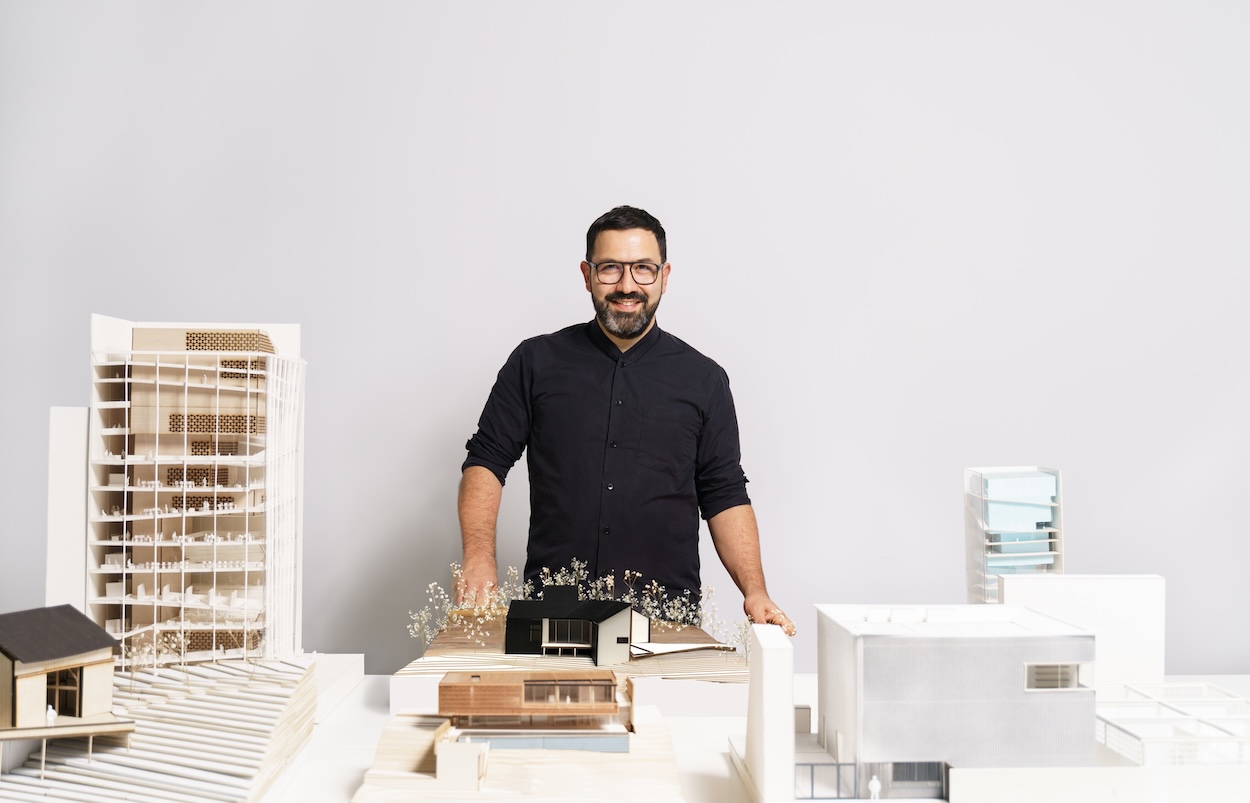
Architect Koray Duman and his studio Büro Koray Duman (B-KD) have unveiled five major international projects, including designs for the UAE National Pavilion and Denniston Hill's special project at the 61st Venice Biennale, the 59th Carnegie International in Pittsburgh, the National Academy's "Future Schools" exhibition in New York, and a multi-generational upstate residential project. Duman's work emphasizes inclusivity, cultural exchange, and architecture as a social tool, with installations like "Chimera" for Denniston Hill and a sound-and-memory-focused pavilion for the UAE.

72 Hours in Venice: Palazzos, Protests, and a Biennale on the Brink

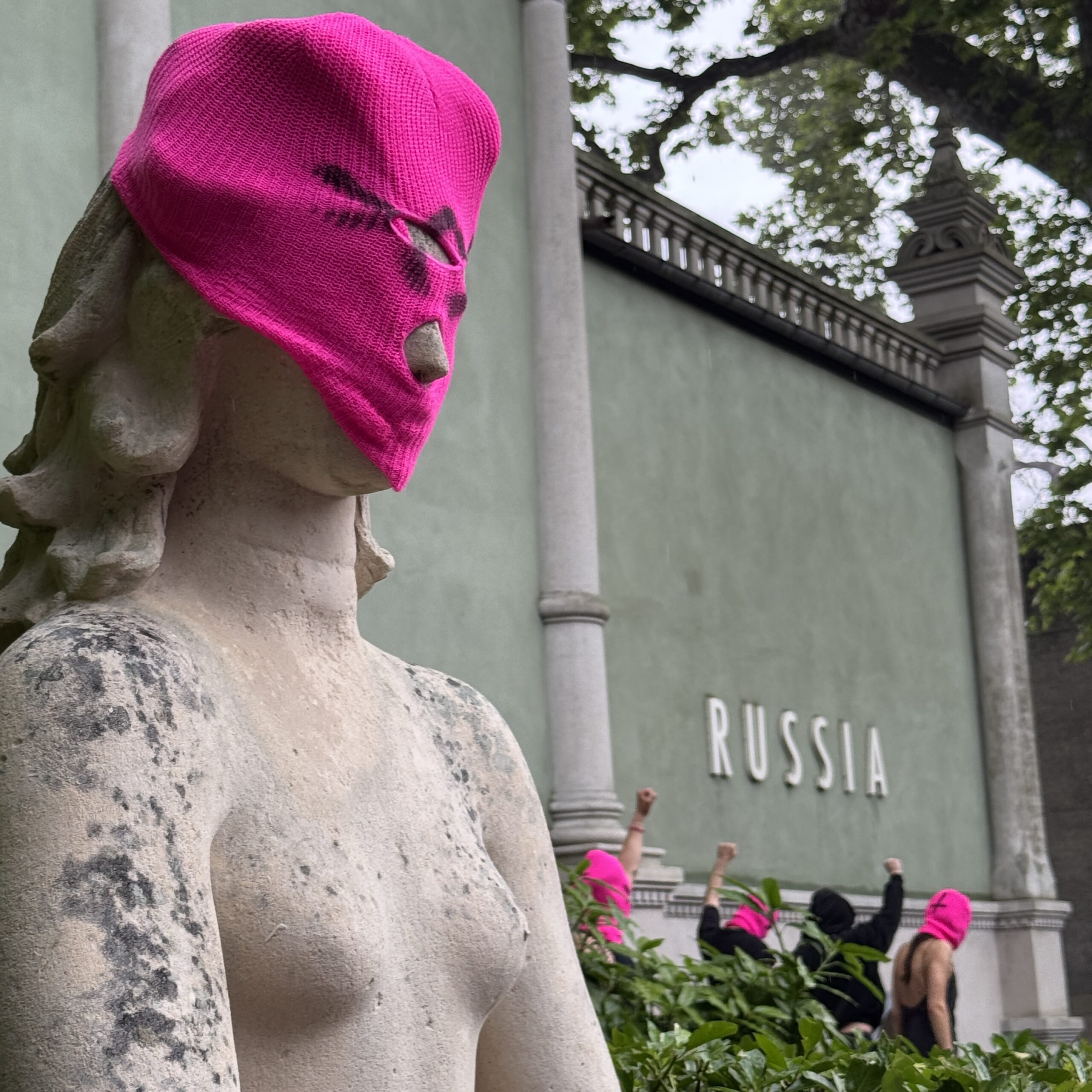
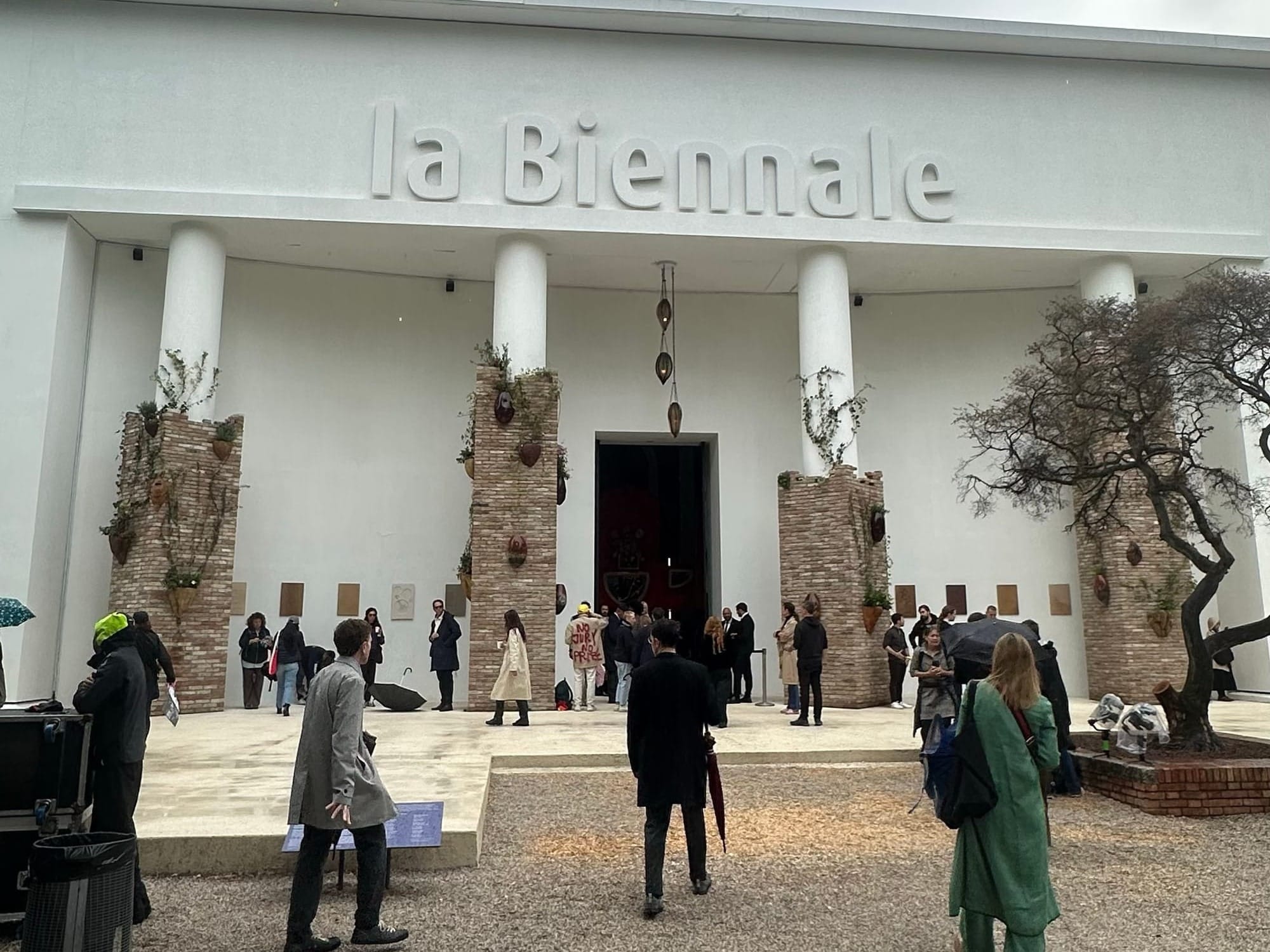
The article recounts a journalist's 72-hour visit to the Venice Biennale, beginning with a protest by Pussy Riot and Femen at the Russian Pavilion. The action features pink smoke, chants of "Blood is Russia's art," and a guerrilla performance of the song "Disobey," set against a backdrop of internal Biennale strife—including juror resignations over countries whose leaders face ICC arrest warrants (Netanyahu and Putin). The narrative also notes the presence of alt-right figures like Ryan Coyne and sculptor Alma Allen's troubled U.S. pavilion representation.

Aux Catacombes, une visite réinventée

After five months of closure, the Catacombs of Paris have reopened with a major modernization project. The site now features a new immersive audio guide narrated by the voice of its historical founder, Louis Étienne Héricart de Thury, along with improved lighting that highlights previously invisible details and a revamped climate-control system to better preserve the bones. The €5.5 million renovation, led by Paris Musées and funded by the City of Paris, also included structural repairs to the bone stacks using dry-stone techniques instead of cement.

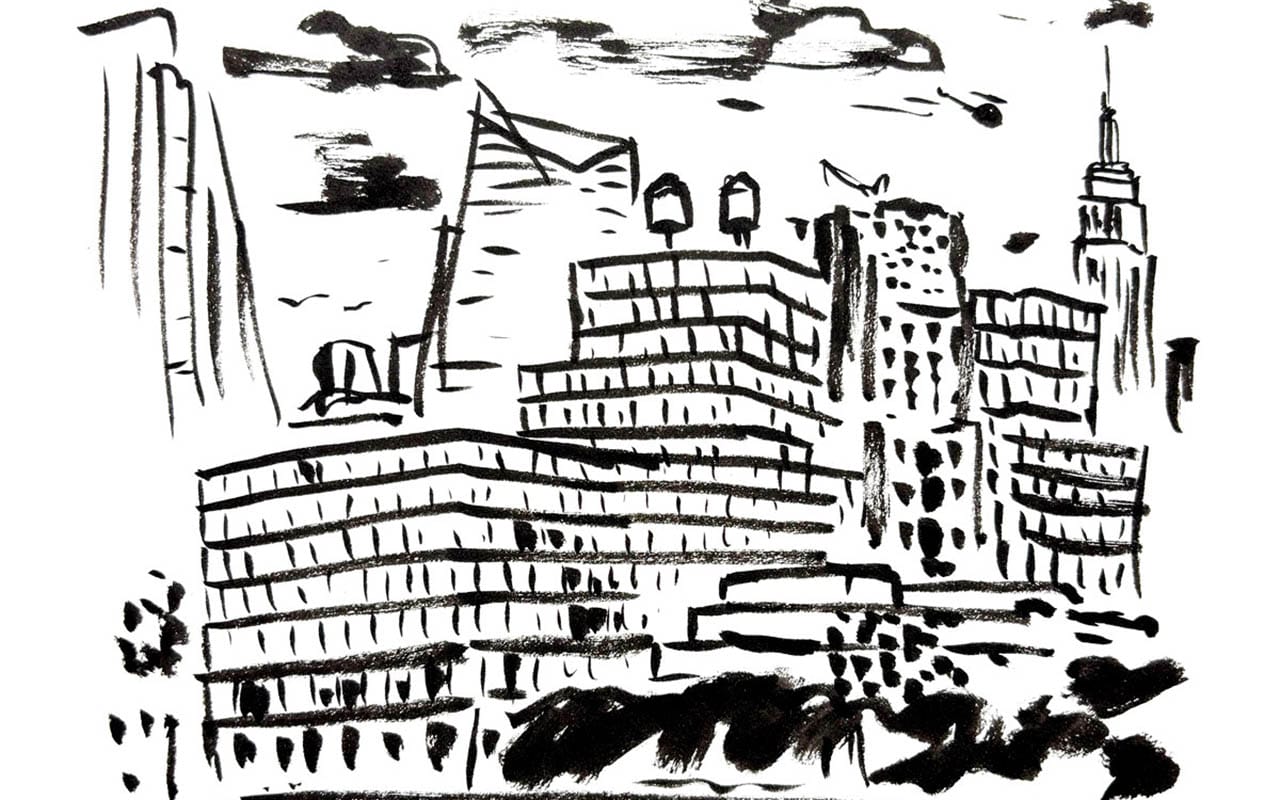
My NADA Sketchbook

Lehman College Art Gallery is presenting the 2026 Thesis Exhibition, running from May 20 to 28. The show features over thirty undergraduate and graduate artists, showcasing a wide range of conceptual approaches and material experimentation.

Is Berlin not over yet?

Ist Berlin doch noch nicht over?

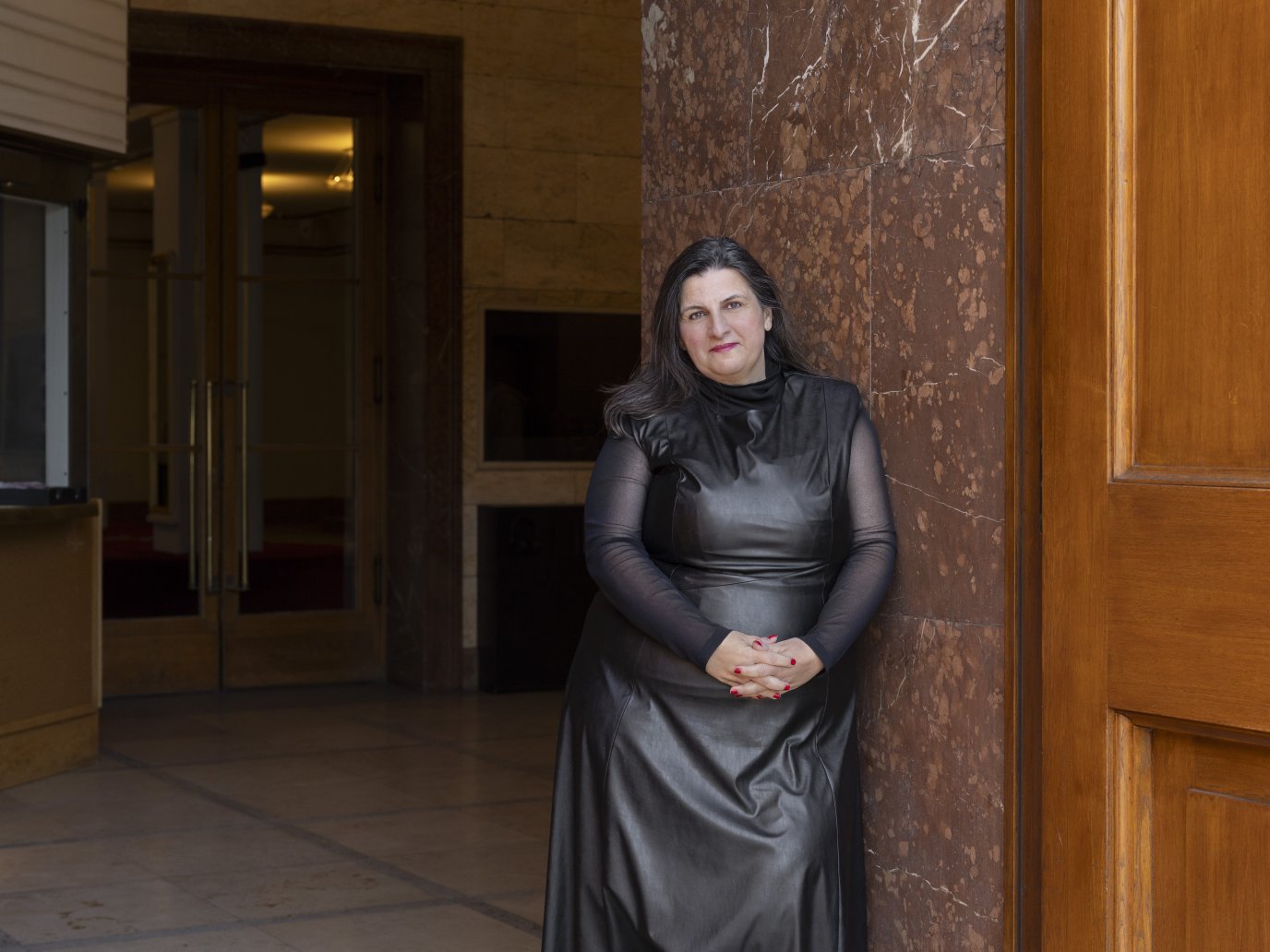
Çağla Ilk, who curated the German Pavilion at the Venice Biennale two years ago, has presented her plans as the new artistic director of the Maxim Gorki Theater in Berlin. Her program reimagines theater from the perspective of visual art, signaling a major shift in the city's theater landscape. The announcement comes amid broader reforms in Berlin's theater scene, including Matthias Lilienthal's upcoming takeover of the Volksbühne, and was met with both anticipation and anxiety, reminiscent of Chris Dercon's failed tenure at the Volksbühne in 2017.

"Gesundheitseffekt der Künste auf biologischer Ebene"

A roundup of art news covers multiple stories: Stefan Trinks criticizes Berlin's 'MuseumsMeileMitte' as a symptom of urban and cultural misdevelopment, where museums are co-opted by real estate marketing. At the Venice Biennale, the German Pavilion by Henrike Naumann and Sung Tieu explores East German identity and post-reunification trauma, while Patti Smith performed a 'sonic prayer' at the Vatican Pavilion curated by Hans Ulrich Obrist and Ben Vickers. A study from University College London suggests regular arts engagement may slow biological aging.

Un Rothko adjugé près de 86 M$

A painting by Mark Rothko was sold for nearly $86 million at auction. The sale, conducted by an undisclosed auction house, achieved a price within the upper range of expectations for the artist's mature abstract works, reflecting sustained demand for top-tier modern art.

Venice Biennale 2026: The Pavilions Not to Be Missed

Biennale de Venise 2026 : les pavillons à ne surtout pas manquer

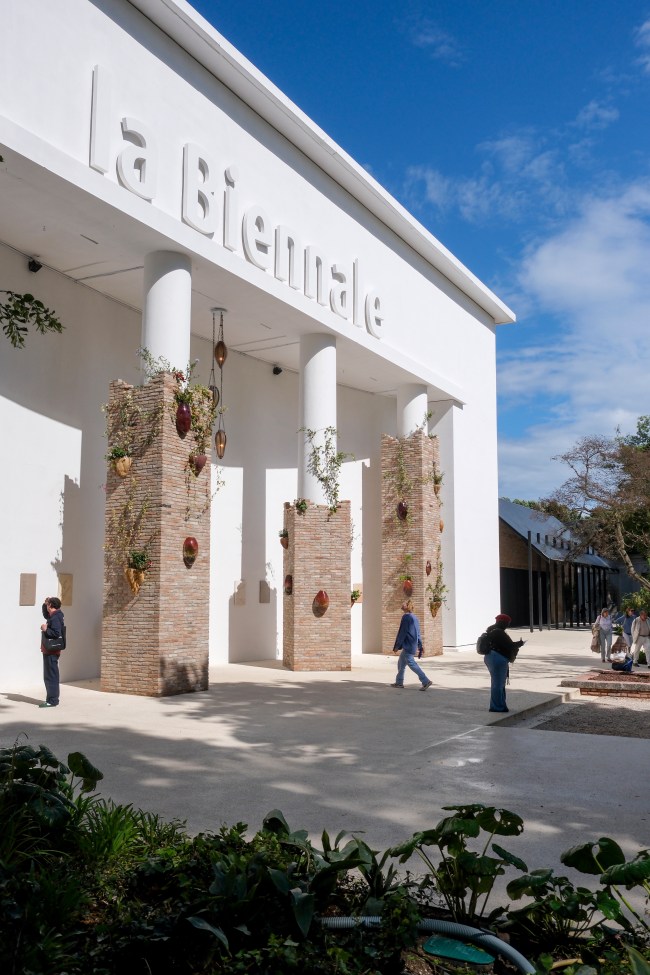
The 61st Venice Biennale, curated by Koyo Kouoh as an invitation to slow down and reconnect with emotions, features a constellation of contemplative and powerful proposals across the city. Notable national pavilions include the Holy See transforming a monastic garden into an immersive sound experience by Soundwalk Collective, Canada exploring colonial heritage through giant water lilies by Abbas Akhavan, and Austria electrifying the Giardini with radical performances by Florentina Holzinger. Other highlights include Spain dissecting collective memory through postcards, Poland imagining new forms of language between human and underwater worlds, and India's pavilion exploring notions of home.

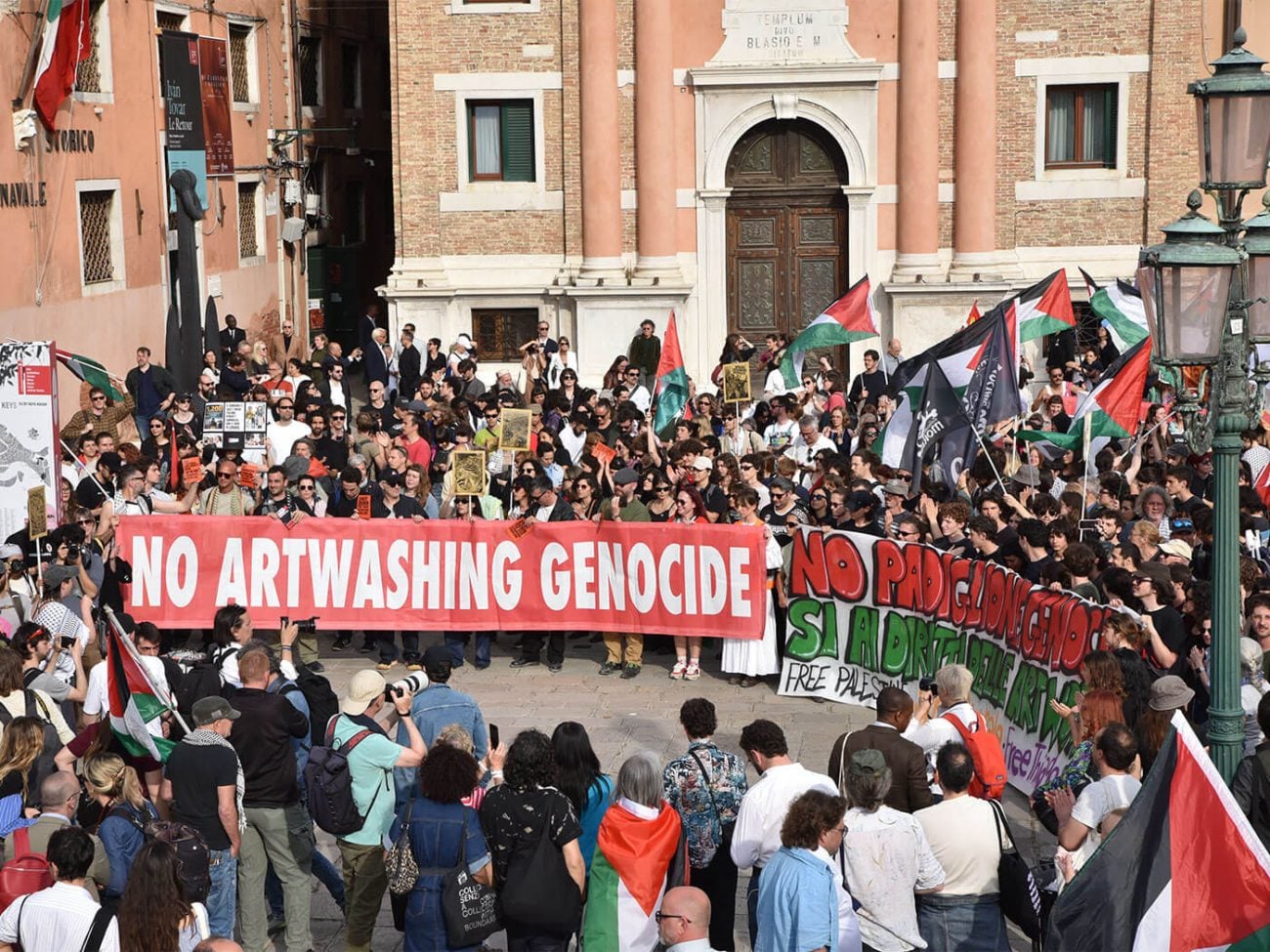
« No art washing ! » : à la Biennale de Venise, près de 3 000 manifestants réunis pour dénoncer la présence du pavillon israélien

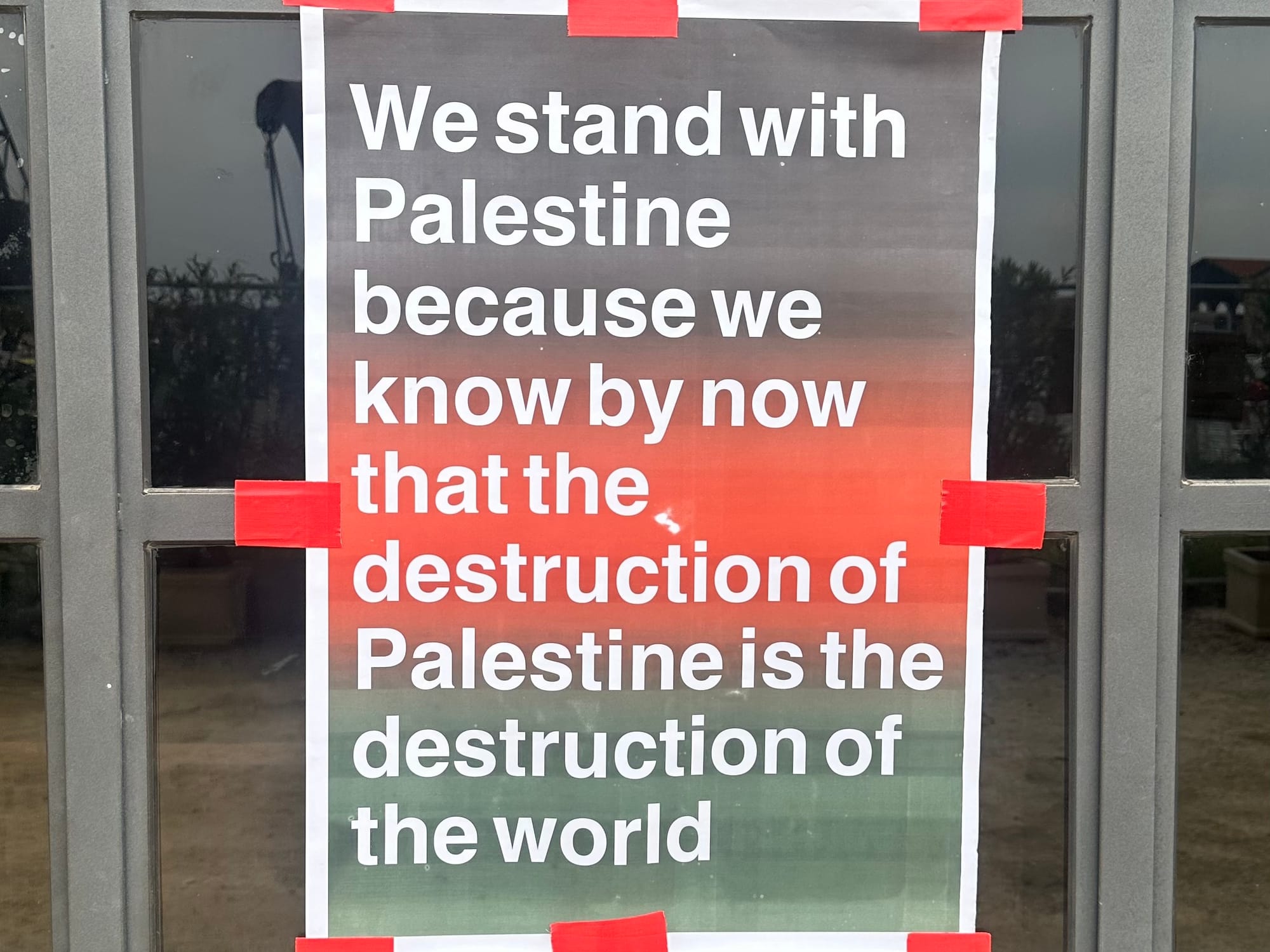
On May 8, 2026, nearly 3,000 protesters gathered in Venice to demonstrate against the presence of the Israeli pavilion at the Venice Biennale. Led by the collective Art Not Genocide Alliance (Anga), the crowd included artists, curators, and cultural workers who chanted slogans such as "Stop al Padiglione genocidio" and called for a strike on the closing day of the professional previews. Dozens of national pavilions, including those of France, Belgium, Poland, Spain, the United Kingdom, Lebanon, and Ukraine, closed in solidarity. The protest followed a letter sent by Anga in March demanding Israel's exclusion, which went unanswered, and the self-dissolution of the awards jury on April 30 over the presence of both Israel and Russia.

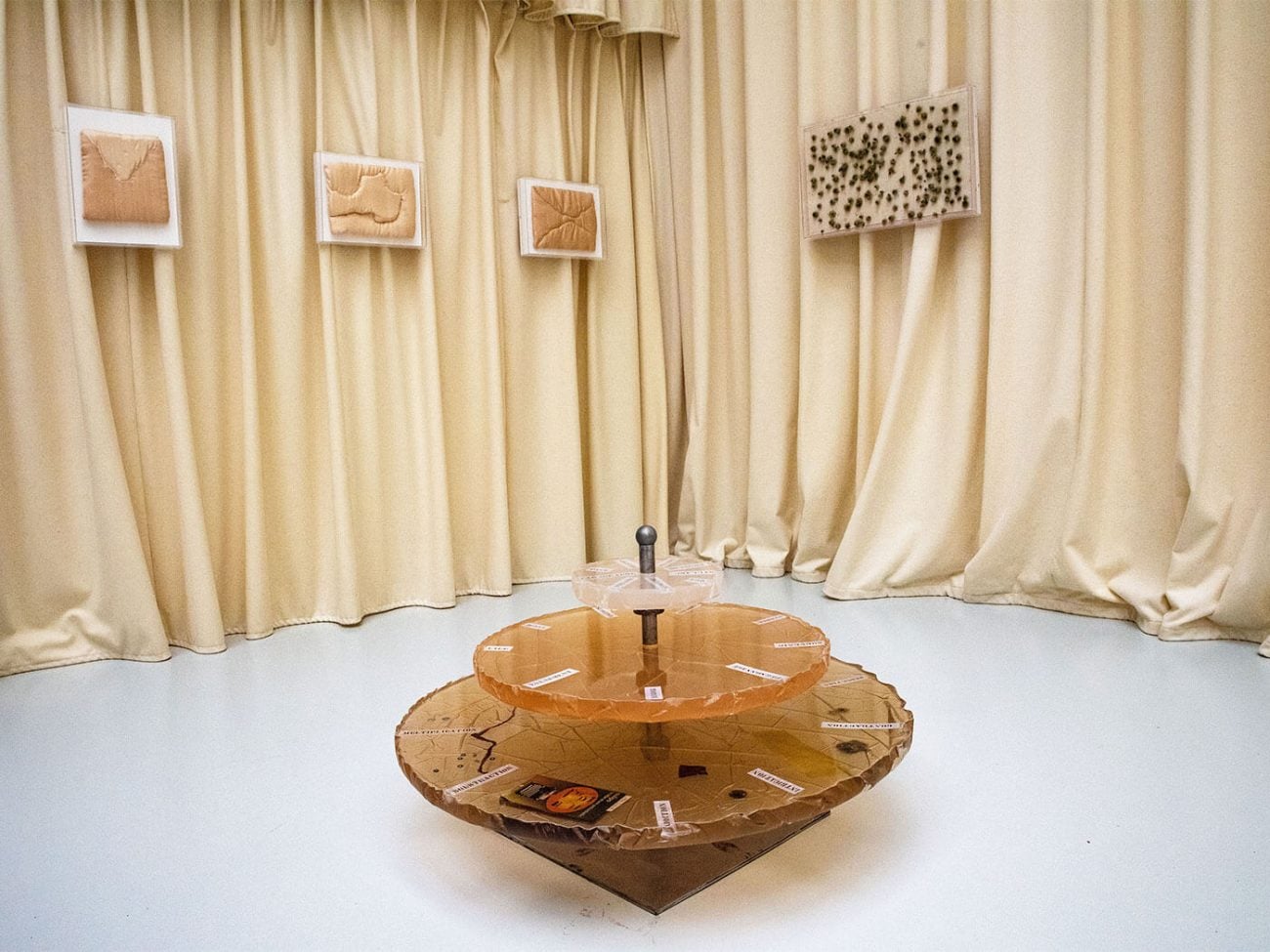
Biennale de Venise 2026 : les saturnales éblouissantes d’Yto Barrada pour le pavillon français

Yto Barrada has been selected to represent France at the 61st Venice Biennale in 2026 with her exhibition "Comme Saturne" (Like Saturn) in the French Pavilion. The installation features rebellious stage curtains hiding wasp nests and a copper daguerreotype plate of a planet, a large rock, a Wheel of Fortune, and a nostalgic vanitas arrangement around a missing mirror frame. Curated by Myriam Ben Salah, the show explores textile and natural dyeing, with three cabinets addressing the transmission of know-how, migration of plants and people, postcolonial history, and Enlightenment imperialism. A central room displays 70 pieces forming a symmetrical frieze of red natural dyes, while a black monochrome patchwork highlights the difficulty of achieving black in dyeing. Barrada is the fifth woman to represent France at the Biennale.

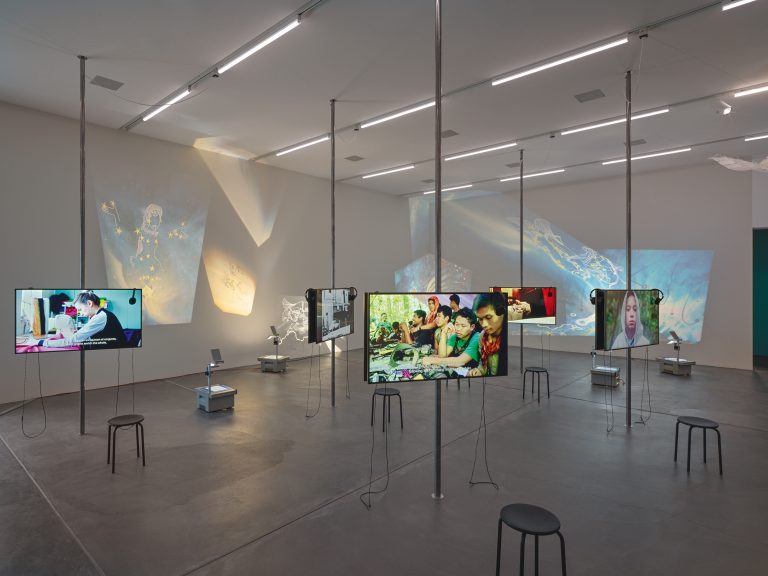
Disobedience Archive (Canopy for Broken Time) In Dialogue with Raqs Media Collective at Migros Museum für Gegenwartskunst, Zürich

The Disobedience Archive, a mobile video archive initiated by Marco Scotini in 2005, is presented in dialogue with Raqs Media Collective at the Migros Museum für Gegenwartskunst in Zürich. The archive contains over one hundred documentary and art films at the intersection of art and activism, documenting forms of resistance, social struggle, and collective self-organization.

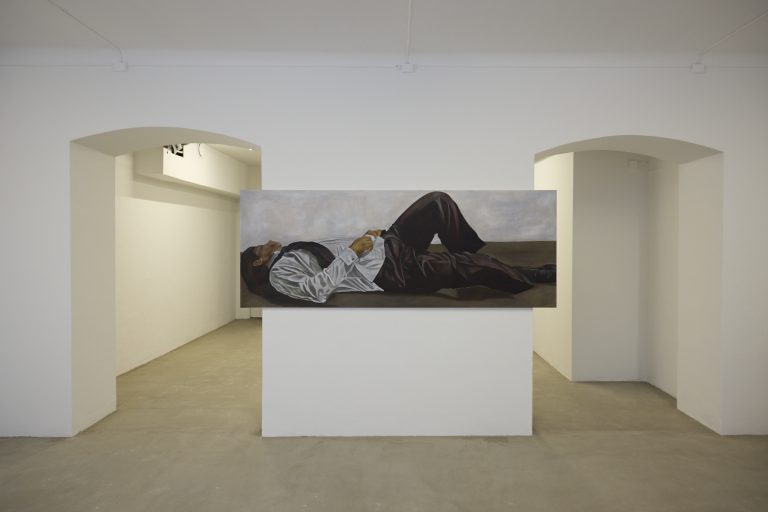
Giorgia Garzilli “Everything’s coming up roses” at Spazio Libero, Stockholm

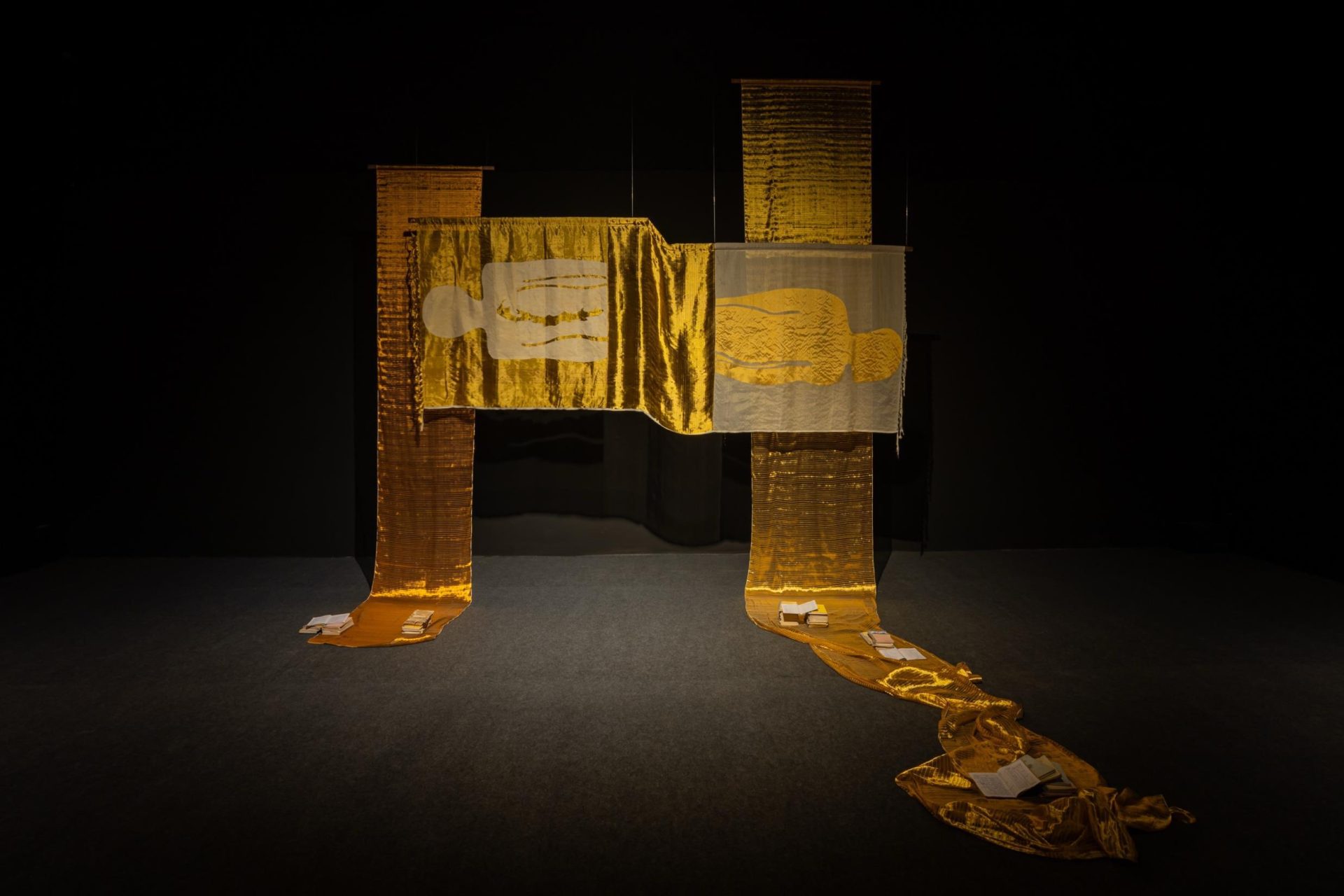
Giorgia Garzilli presents her solo exhibition “Everything’s coming up roses” at Spazio Libero in Stockholm. The show features a large painting installed across two arches, depicting an exhausted figure lying on the floor in a moment of aftermath—after giving a speech, playing poker, or closing an important deal.

Venice Biennale’s Visitor Lions Face Artist Boycott

Dozens of Pavilions Close During Strike at 61st Venice Biennale

On May 8, 2026, a 24-hour strike organized by the Art Not Genocide Alliance (ANGA) and several Italian activist groups brought the 61st Venice Biennale to a standstill. Approximately 27 of the 100 national pavilions closed fully or partially in solidarity with protesters demanding Israel’s exclusion from the event, including those of Austria, Belgium, France, Great Britain, Japan, South Korea, and Ukraine. Over 3,500 people marched through Venice, with speakers including artist Gabrielle Goliath and curator Caroline Dumalin. The main exhibition, "In Minor Keys," curated by the late Koyo Kouoh, closed by late afternoon, and riot police were stationed outside the Arsenale. The Israeli pavilion, already shuttered during previews, remained closed.

Somali artists and culture workers express concern over Somalia Pavilion in Venice

Somali artists, cultural workers, and organizations have published multiple open letters and statements expressing concern over the Somalia Pavilion at the Venice Biennale. The pavilion, announced in March for the 2026 edition, is titled 'SADDEXLEEY' and features Somali-Swedish artist Ayan Farah, Somali-Danish poet and filmmaker Asmaa Jama, and Somali-British writer Warsan Shire, curated by Stockholm-based Mohamed Mire and Italian project manager Fabio Scrivanti. Critics, including the Somali Arts Foundation and the queer collective Warbixinta Cidda, allege that the pavilion was organized without meaningful consultation of artists and organizations based in Somalia, and object to the appointment of an Italian co-curator given Italy's colonial history in Somalia. An anonymous open letter further alleges intimidation and coercive pressure against critics, and demands Scrivanti's removal, calling for a boycott if demands are not met.

Dries Verhoeven on Representing the Netherlands at the 61st Venice Biennale

Dries Verhoeven will represent the Netherlands at the 61st Venice Biennale (2026) with a new work titled *The Fortress*, installed in the Dutch Rietveld Pavilion in the Giardini. The 25-minute performance piece transforms the sunlit pavilion into a darkened bunker, featuring a raw vocal composition using only false vocal cords. Verhoeven describes the work as a meditation on transition and self-preservation, reflecting a Western society caught between its enlightened self-image and a dark vision of the future. The piece responds to geopolitical unrest outside the Biennale grounds and is designed to be melancholic and confrontational, contrasting with the main exhibition's theme, *In Minor Keys*.

Somali Cultural Organizations Unhappy With Somalia Pavilion at the Venice Biennale

Somali artists and cultural organizations are protesting the Somalia pavilion at the 2024 Venice Biennale, arguing it excludes artists based in Somalia and relies on diaspora figures and an Italian co-curator, which they view as colonial. The Somali Arts Foundation issued a statement condemning the lack of consultation, while the queer arts collective Warbixinta Cidda criticized the appointment of Italian curator Fabio Scrivanti. Somali American poet Ladan Osman boycotted the pavilion, calling it "anti-indigenous."

All 3.5 Million Pages of the Epstein Files Are Now on View at This Pop-Up Exhibition

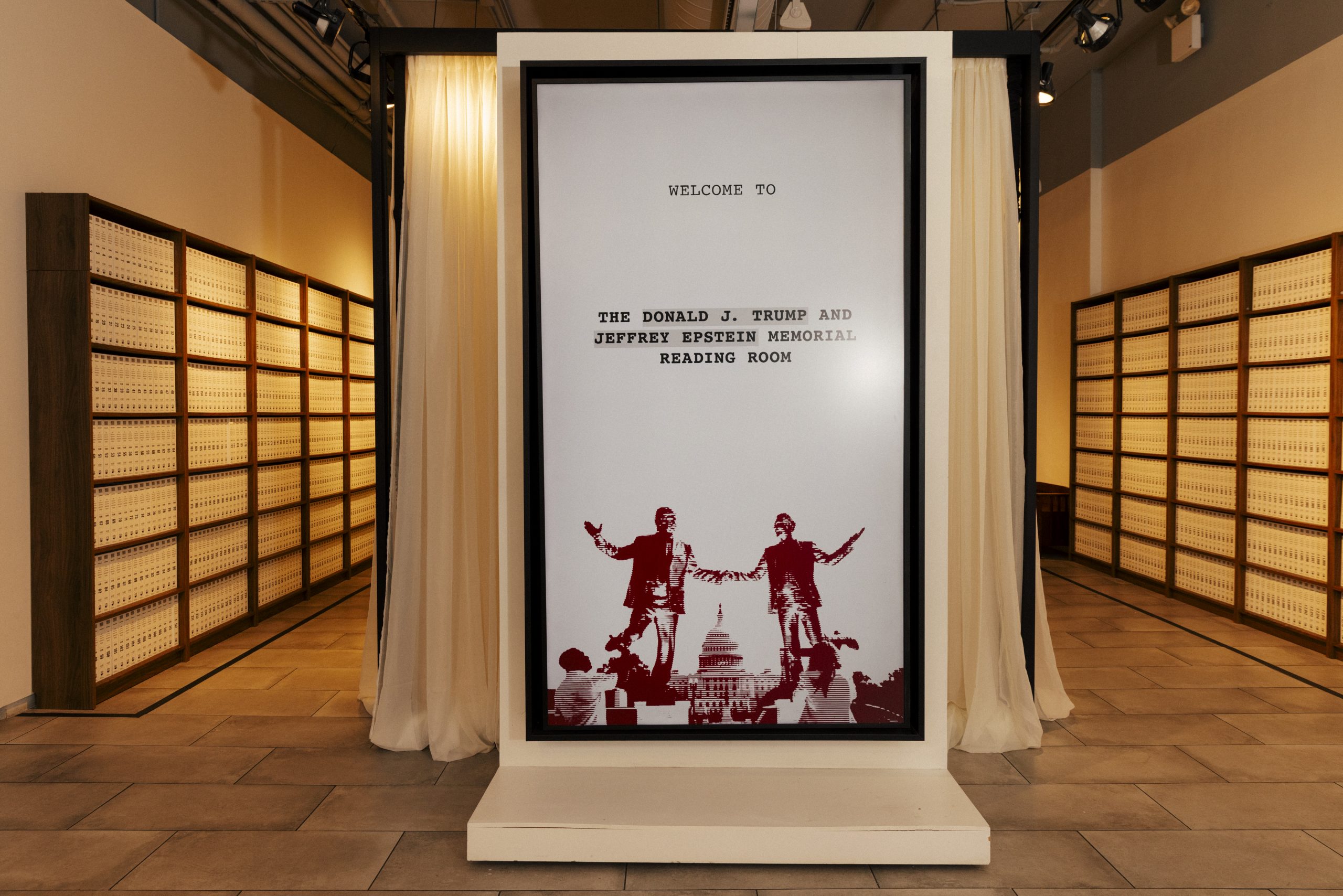
The Institute for Primary Facts has transformed New York's Mriya Gallery into the Donald J. Trump and Jeffrey Epstein Reading Room, a pop-up exhibition displaying all 3.5 million pages of the released Epstein files in 3,437 bound volumes. Open from May 8 to May 21 in Tribeca, the installation is the group's first live project, requiring visitors aged 16 and over to book appointments via a platform called Trumpsonian. Only accredited press, Congress, law enforcement, and victims' advocates may open the volumes, due to the Department of Justice's failure to properly redact victims' names.

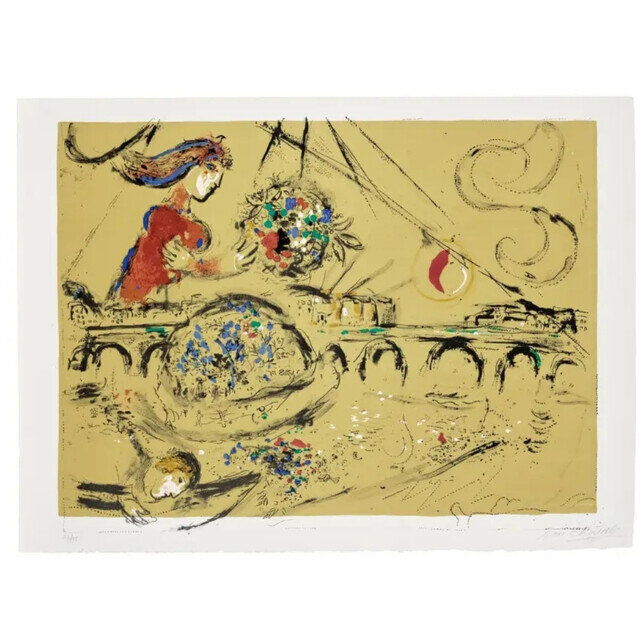
Marc Chagall | Île Saint-Louis (1959) (1959) | For Sale

Marc Chagall's lithograph *Île Saint-Louis (1959)*, a limited-edition print in colors on Arches paper signed and numbered by the artist, is being offered for sale through an online auction hosted by LLB Auction on Artsy. The work, estimated at €10,000–€15,000, is part of a Contemporary Art Spring 2026 sale and carries a starting bid of €9,000. The listing includes provenance details, a condition report option, and a buyer's premium.

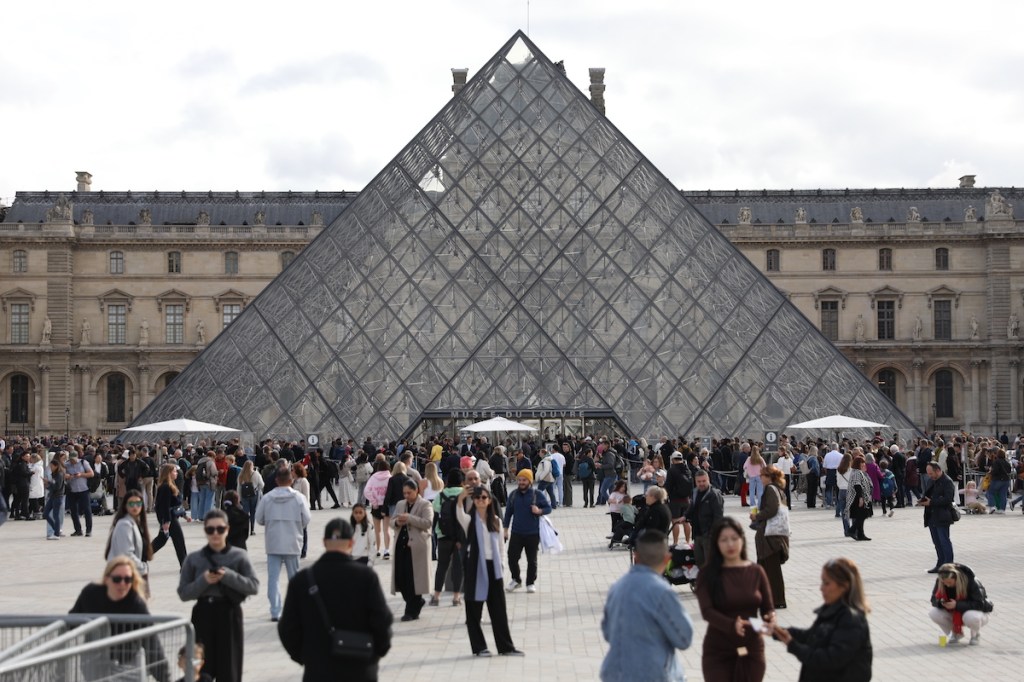
Suspect Is Taken into Custody in Decade-Long Louvre Ticketing Scam

A Louvre employee has been indicted and detained on charges including organized gang fraud in connection with a decade-long ticketing scam that defrauded the Paris museum of an estimated €10 million ($11.7 million). The scheme involved counterfeit tickets and overbooking of guided tours, primarily targeting Chinese tour groups. Nine people were arrested, including two museum employees, several tour guides, and the alleged mastermind. Authorities seized over €957,000 in cash, €67,000 in foreign currency, €486,000 in bank accounts, three vehicles, and multiple safe deposit boxes, with some proceeds invested in real estate in France and Dubai.

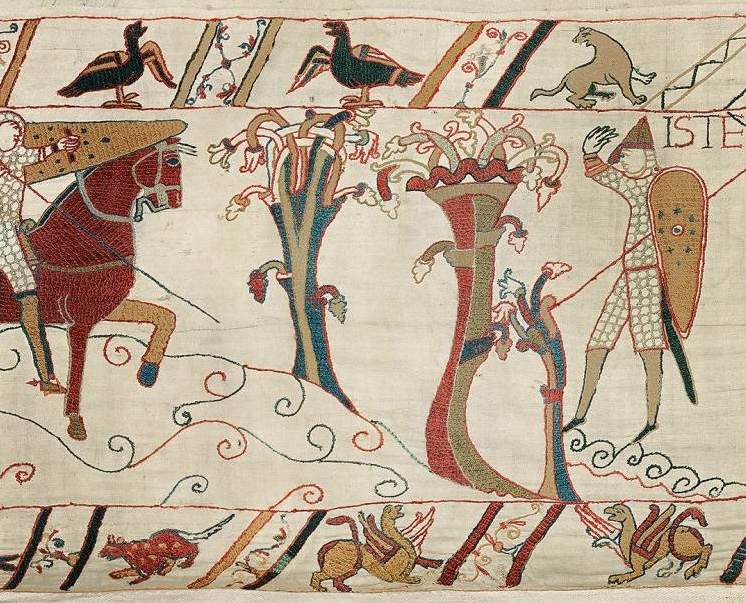
An Installation at the British Museum Recreates the Bayeux Tapestry’s Landscape

The British Museum will present "Tapestry of Trees," an outdoor installation by garden designer Andy Sturgeon, ahead of its historic exhibition of the Bayeux Tapestry. The installation, on view from May 16 to June 2, 2026, recreates a medieval woodland using plants native to East Sussex, including silver birch, hazel, hawthorn, and field maples, evoking the landscape of the Battle of Hastings depicted in the tapestry. Dyed hessian wrapping on planters and root balls echoes the colors and textures of the embroidery.

Parliamentary report calls for major changes at French museums in the wake of Louvre heist

A French parliamentary report published on 13 May, following the October 19 heist of the crown jewels at the Louvre, issues a damning assessment of the country's museum security and management. The commission heard around 100 testimonies and examined some 2,000 museums, dedicating a special chapter to the Louvre. It blames former director Laurence des Cars's leadership for a "dysfunctional drift" that prioritized contemporary art interventions and fashion shows over basic infrastructure and collection protection, allowing the heist to occur. The report lists rising threats including riots, burglaries, cyberattacks (which forced the National Museum of Natural History in Paris to cancel an exhibition after a ransomware attack in July 2025), and terrorist plots. It proposes 40 recommendations, including raising budgets by an estimated €20–25 billion over a decade, enhancing staff training, and overhauling museum leadership.

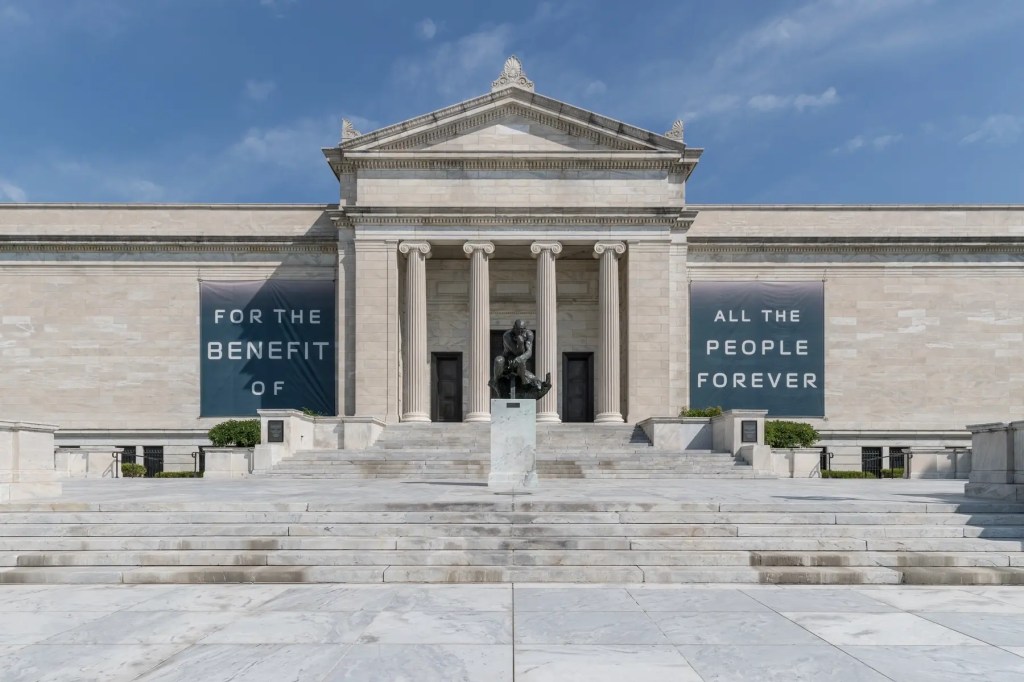
Cigarette Taxes Have Funneled $270 M. Toward Arts and Culture in Cleveland Since 2007

Cuyahoga County, Ohio, has funneled $270 million into arts and culture since 2007 through a cigarette tax, distributed by the nonprofit Cuyahoga Arts and Culture. Beneficiaries include the Cleveland Museum of Art, the Museum of Contemporary Art Cleveland, the Cleveland Institute of Art, ICA-Art Conservation, Sculpture Center, and the Cleveland Arts Prize. The tax has funded roughly 4,000 grants to 485 organizations, far exceeding the $48 million the entire state received from the National Endowment for the Arts in the same period.

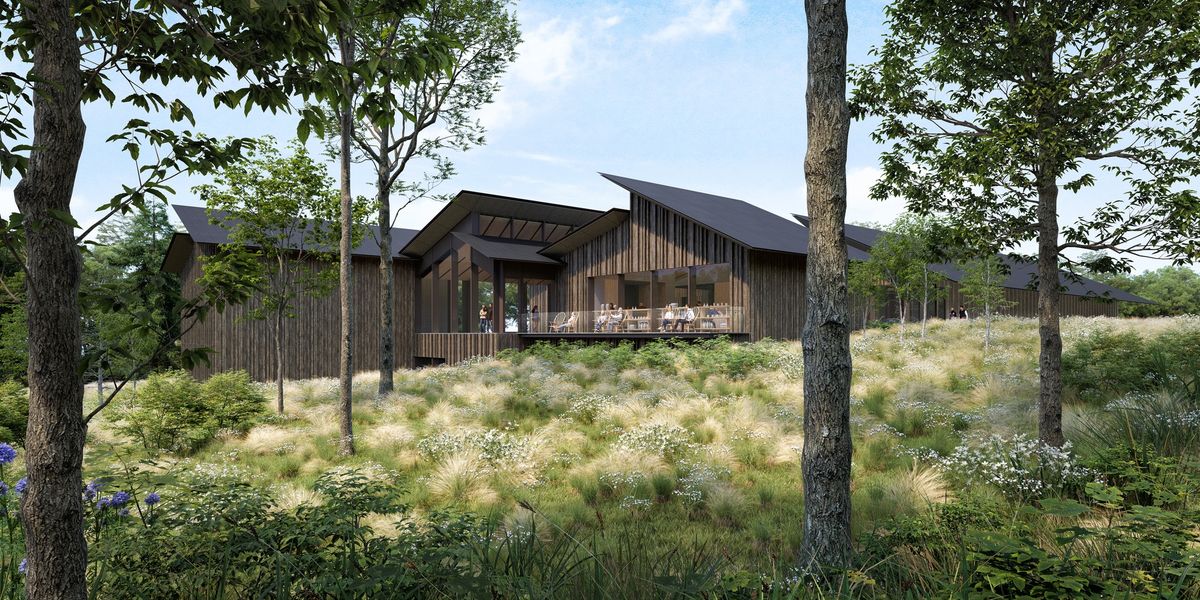
Brandywine Conservancy & Museum of Art announces $100m expansion

The Brandywine Conservancy & Museum of Art in Pennsylvania has announced a $100 million expansion project to transform its 15-acre campus. The plan includes a new 40,000-square-foot museum building designed by Kengo Kuma & Associates—the firm's first museum in the U.S.—along with renovations to the original mid-19th century grist mill building, and the creation of a 325-acre publicly accessible preserve and garden with 10 miles of trails. Construction is set to begin in spring 2027, with completion expected in autumn 2029.

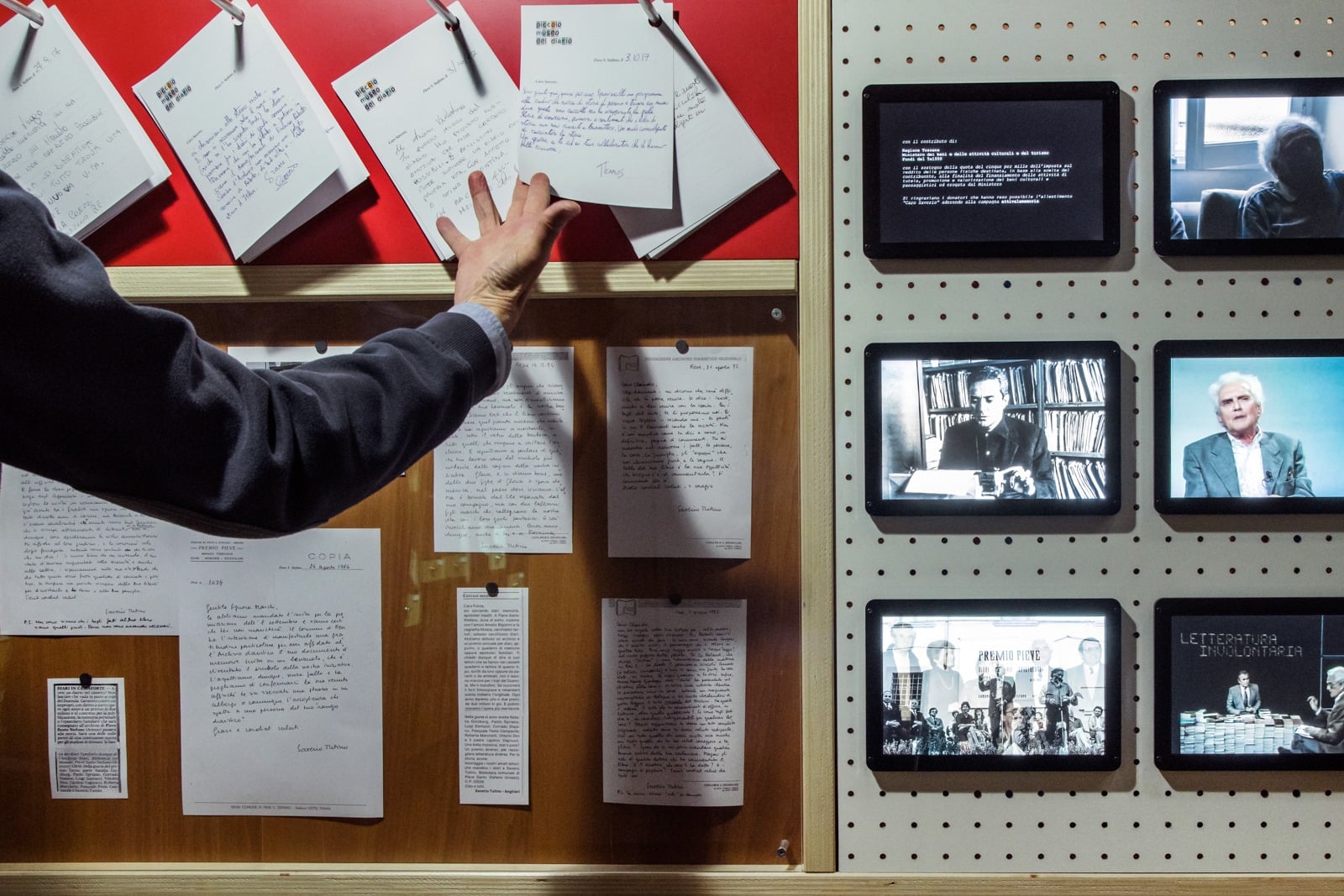
List of small Italian museums dedicated to writing. Among diaries, typewriters and memories

Lista dei piccoli musei d’Italia dedicati alla scrittura. Tra diari, macchine da scrivere e memorie

The article highlights the phenomenon of cultural overbooking, where major museums like the Louvre, Vatican Museums, and British Museum attract millions of visitors, turning art appreciation into a physical endurance test. It then pivots to a series of small, specialized museums across Italy dedicated to writing, diaries, and memory, offering a quieter, more intimate alternative. Featured institutions include the Piccolo Museo del Diario in Pieve Santo Stefano, which houses over 10,000 personal diaries and letters, and the Museo della Lettera d’Amore in Torrevecchia Teatina, with 25,000 love letters. Other stops include the Parco Poesia Pascoli in San Mauro Pascoli, dedicated to the poet Giovanni Pascoli.

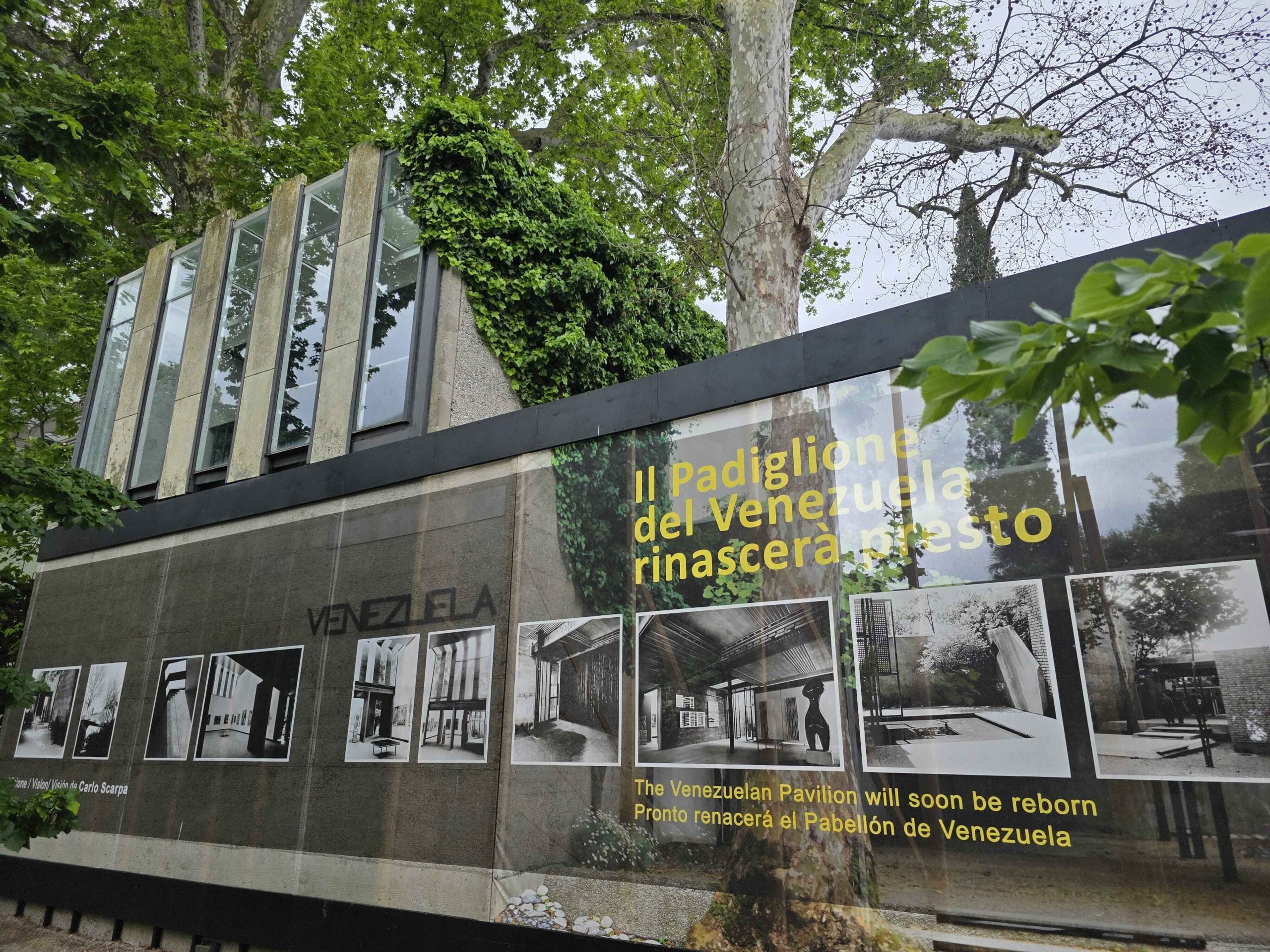
There is an absent pavilion at the 2026 Venice Art Biennale that no one has talked about: Venezuela

C’è un padiglione assente alla Biennale d’Arte di Venezia 2026 di cui nessuno ha parlato: il Venezuela

The Venezuelan pavilion at the 2026 Venice Art Biennale remains closed, an absence that has gone largely unnoticed amid other controversies surrounding the Russian, Israeli, South African, and Iranian pavilions. Designed by architect Carlo Scarpa and built between 1953 and 1956, the pavilion now displays a trilingual sign stating it will "rise again soon," reflecting the country's collapse after the kidnapping and imprisonment of President Nicolás Maduro by the United States and the installation of a fragile pro-American interim government.

Body as Device. Guide and Reflection on the Performances of the Venice Biennale

Corpo come dispositivo. Guida e riflessione sulle performance della Biennale di Venezia

The article analyzes the role of performance art at the 2026 Venice Biennale, arguing that performance is no longer a rediscovered genre but a structurally institutionalized primary form of experience production. It examines how the body reemerges not as an alternative to image-based works but as an internal interruption of the artwork system, preventing closure and reintroducing instability. Key pavilions are discussed: Austria's Florentina Holzinger with "Sancta" draws on 1970s radical performance and feminist body art, creating an immersive environment of continuous movement; Belgium's Miet Warlop with "IT NEVER SSST" engages post-dramatic theater and postmodern dance repetition; Japan's Ei Arakawa-Nash with "Grass Babies, Moon Babies" activates Gutai avant-garde legacies through viewer interaction with soft dolls.

An Italian artist makes an exhibition in Tunis inspired by Le Corbusier's architectures

Un artista italiano fa una mostra a Tunisi ispirandosi alle architetture di Le Corbusier

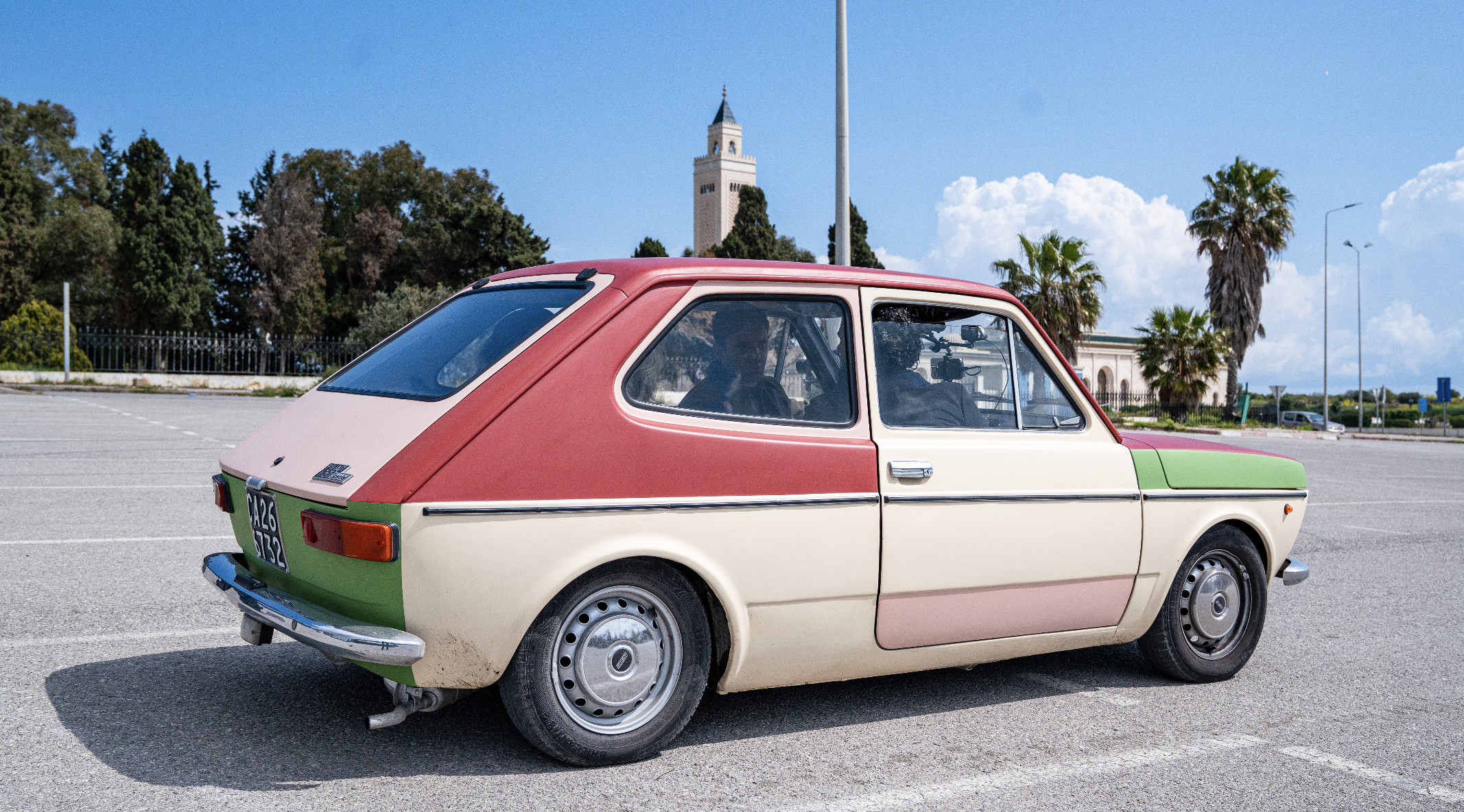
Italian artist Cristian Chironi has opened the seventh chapter of his ongoing project "My house is a Le Corbusier" with an exhibition in Tunis titled "My house is a Le Corbusier (Villa Baizeau)". The project centers on Villa Baizeau, a Le Corbusier-designed house built between 1928 and 1930 for industrialist Lucien Baizeau, which is now inaccessible inside the Tunisian presidential park. Chironi, inspired by a failed attempt by artist Costantino Nivola to bring Le Corbusier's architecture to his hometown Orani, instead travels the world temporarily inhabiting Le Corbusier's buildings. For this iteration, he set up a residency at La Boîte – Centre d'Art & d'Architecture in the Medina of Tunis from January 22 to April 5, 2026, culminating in an exhibition that opened April 3, 2026, using the villa as a lens to read the city rather than a physical space to occupy.