filter_list Showing 196 results for "Egypt" close Clear
dashboard All 196 article news 72museum exhibitions 59gavel restitution 16trending_up market 13article culture 11article policy 8article local 7person people 5rate_review review 3candle obituary 2
date_range Range Today This Week This Month All
Subscribe

Mummies and other human remains held in UK museums raise serious ethical questions, warn scholars

A major investigation has revealed that UK museums, universities, and local authorities hold more than 263,000 human remains, including mummies, skeletons, and skulls. Of these, approximately 37,000 originate from overseas, largely from former British colonies, often acquired without consent. The findings have sparked intense criticism from scholars and curators who argue that the sheer scale of these collections reflects a distressing colonial legacy and necessitates a systemic shift toward repatriation and more ethical storage practices.
Ancient Egyptian form of ‘Tipp-Ex’ identified on papyrus at UK’s Fitzwilliam Museum

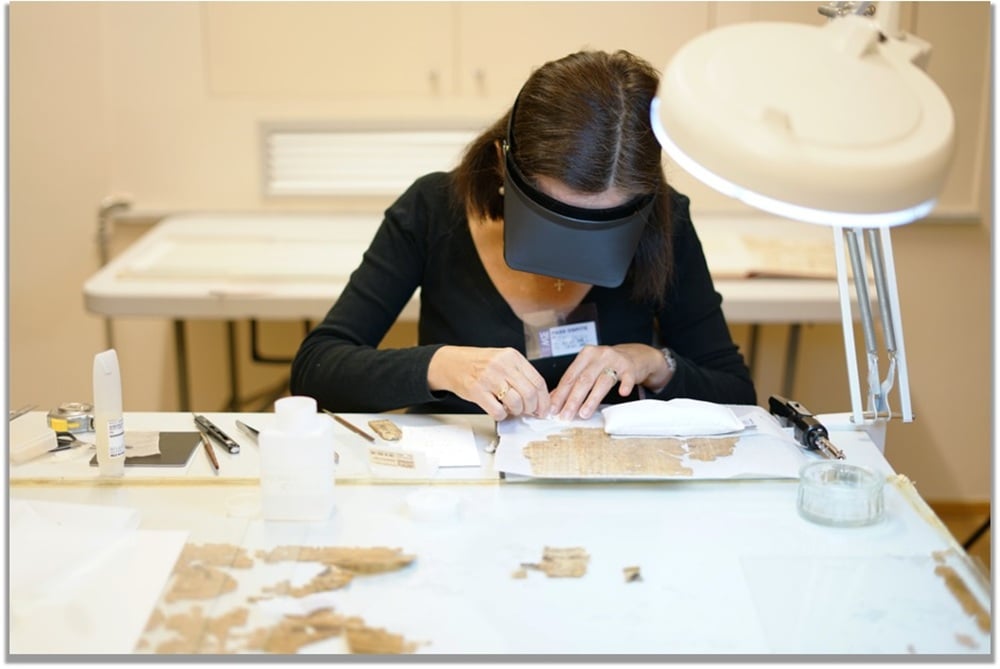
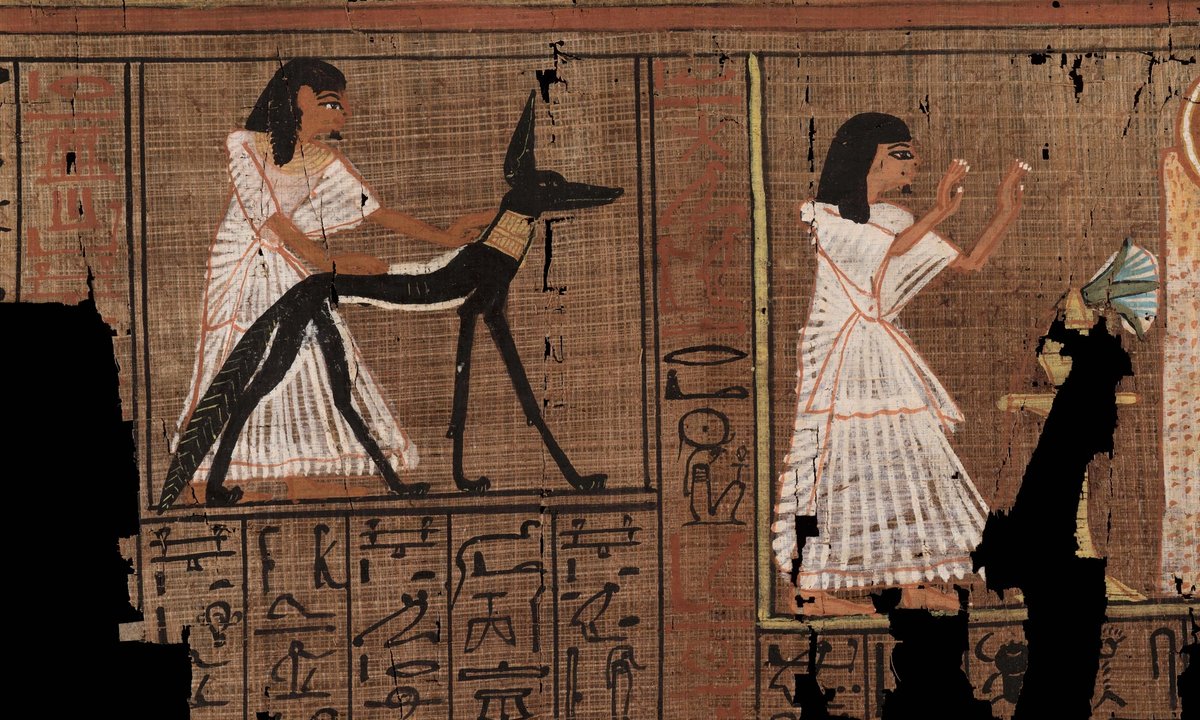
Researchers at the Fitzwilliam Museum in Cambridge have discovered a 3,300-year-old form of corrective fluid on an Ancient Egyptian papyrus. Analysis of a 'Book of the Dead' created for a royal archivist named Ramose revealed that a mixture of huntite, calcite, and yellow orpiment was used to paint over a jackal figure to make it appear slimmer. This 'ancient Tipp-Ex' was specifically tinted to match the cream-colored papyrus, demonstrating a sophisticated level of aesthetic correction and attention to detail by Egyptian craftspeople.

Blockbuster show on ancient Egyptian pharaoh Ramses II opens in London

The blockbuster exhibition "Ramses the Great and the Gold of the Pharaohs" has opened in London near Battersea Power Station, featuring over 180 ancient Egyptian treasures. Produced by Neon Global in collaboration with Egypt’s Supreme Council of Antiquities, the show includes the coffin of Ramses II, animal mummies, and a VR experience. The tour has already visited cities like Paris and Sydney, serving as a major international cultural ambassador for Egypt.

'Cursed!': Toledo Museum of Art to host exhibit exploring the power of ancient magic in the Mediterranean world

The Toledo Museum of Art will host a major exhibition titled 'Cursed! The Power of Magic in the Ancient World' from March 21 to July 5. The show features 75 objects spanning two millennia, including Egyptian artwork, Mesopotamian sculptures, and Greek and Roman relics, exploring themes like protective magic, communication with gods, and magic in daily life.

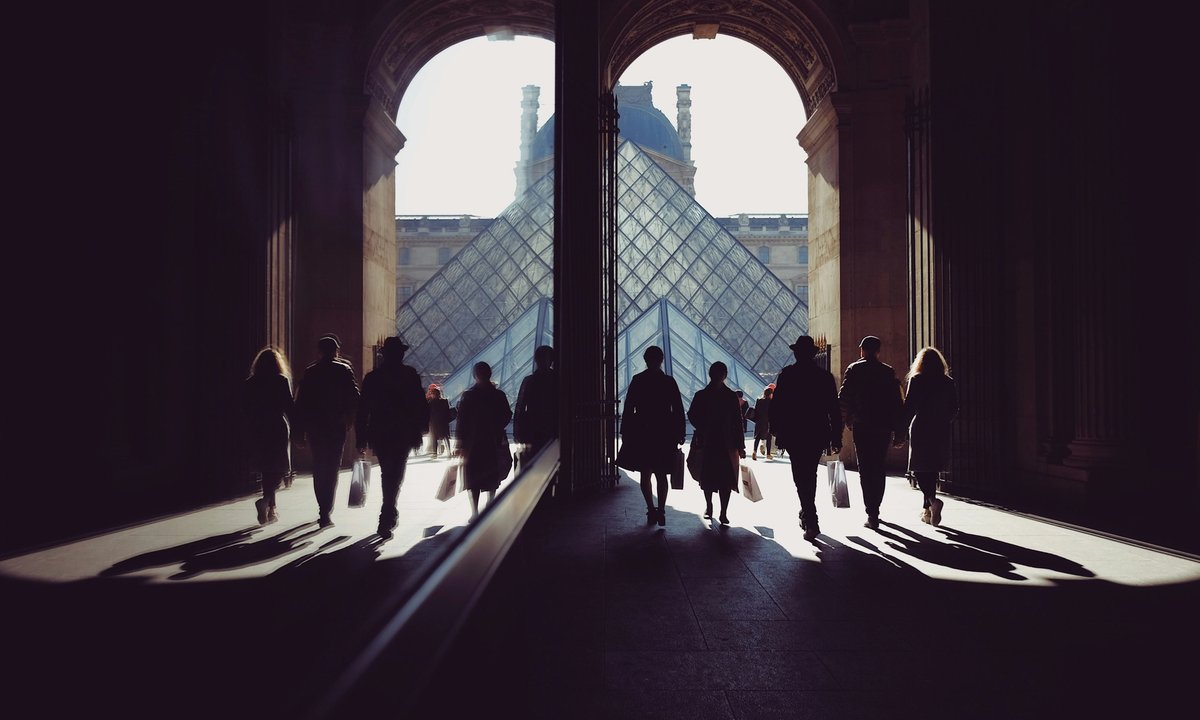
Louvre staff vote to strike, citing failures of management and building maintenance

Staff at the Louvre Museum in Paris voted unanimously to strike, with rolling walkouts set to begin on December 15. The unions, representing around 200 employees, filed a strike notice with the French culture ministry, citing insufficient staff, technical failures, and the building's aging condition. They also criticized the museum's director, Laurence des Cars, for a top-down management system that ignores staff alerts. The strike follows a series of incidents, including the theft of the French crown jewels in October, a forced closure of the Campana Gallery due to structural issues, and a water leak that damaged hundreds of books in the Egyptian antiquities library.

Netherlands will return stolen ancient statue—featured at Tefaf art fair in 2022—to Egypt

The Netherlands will return a 3,500-year-old stolen Ancient Egyptian statue to Egypt after it was spotted at the Tefaf Maastricht art fair in 2022 by an eagle-eyed visitor. The stone statue, believed to depict a high official from the dynasty of Pharaoh Thutmose III, was flagged via an anonymous tip, leading the dealer to voluntarily surrender it. An investigation by Dutch police and the Information and Heritage Inspectorate confirmed it was likely plundered unlawfully and illegally exported. The statue will be handed to the Egyptian ambassador in The Hague later this year, in line with the 1970 Unesco convention against trafficking cultural property.

Makers of Ancient Egypt to be hailed in Cambridge exhibition

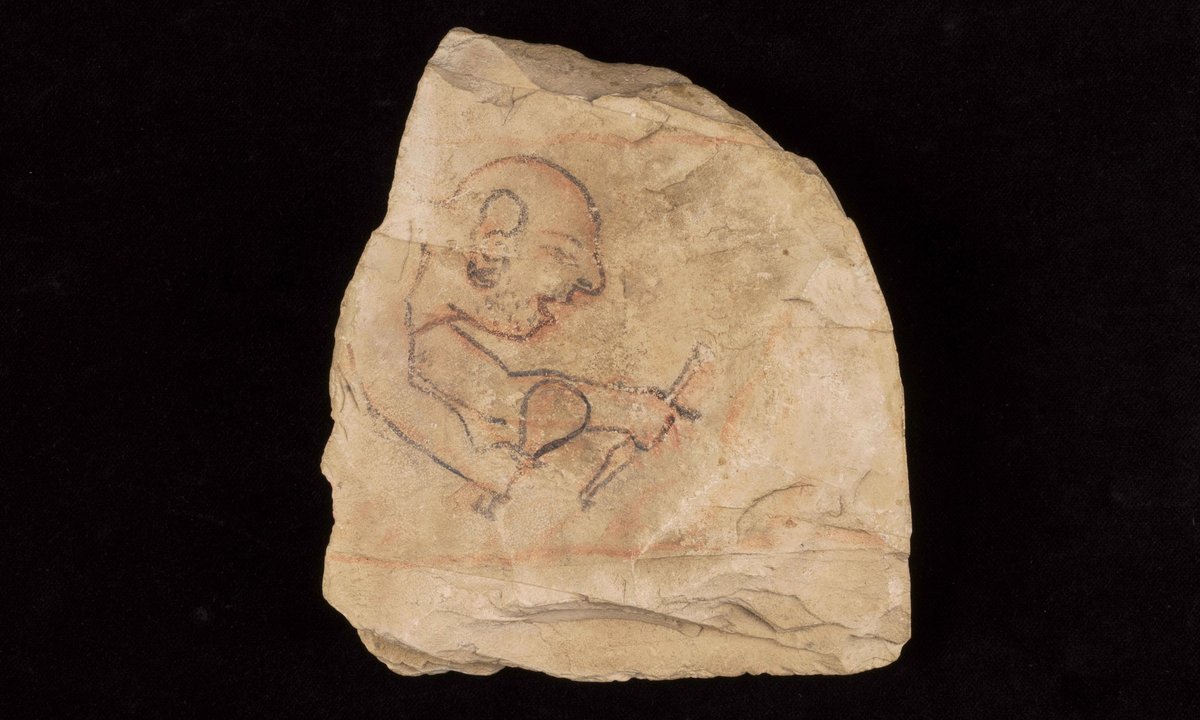
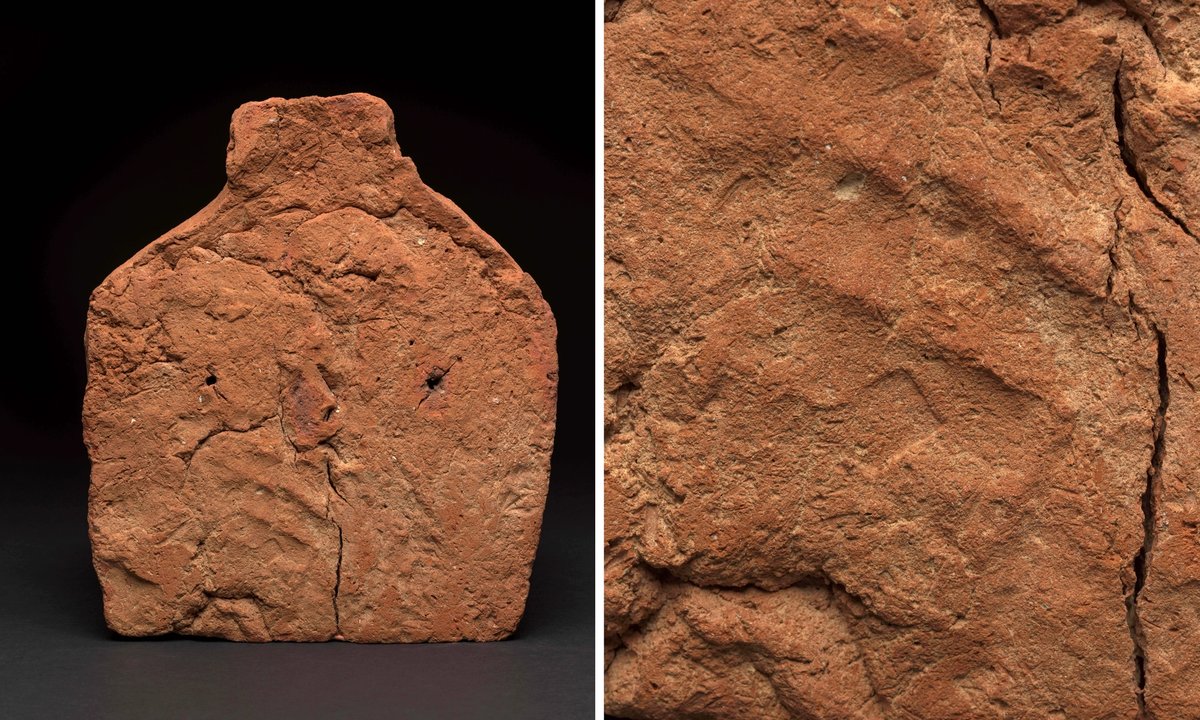
The Fitzwilliam Museum in Cambridge is opening an exhibition titled "Made in Ancient Egypt" that shifts focus from pharaohs and iconic treasures to the anonymous craftspeople who built and decorated the civilization's artifacts. Featuring loans from the British Museum, Berlin State Museums, and the Musée du Louvre, the show includes jewelry, ceramics, stonework, and personal items like ostraca—pottery shards used as notepads—that reveal the lives, skills, and even the days off of ancient makers. Curator Helen Strudwick highlights recent discoveries, including a handprint on a "soul house" and an unreadable signature on a shrine, emphasizing the human connection these objects provide.

Upcoming Art Exhibition at CACHE – A Look Back

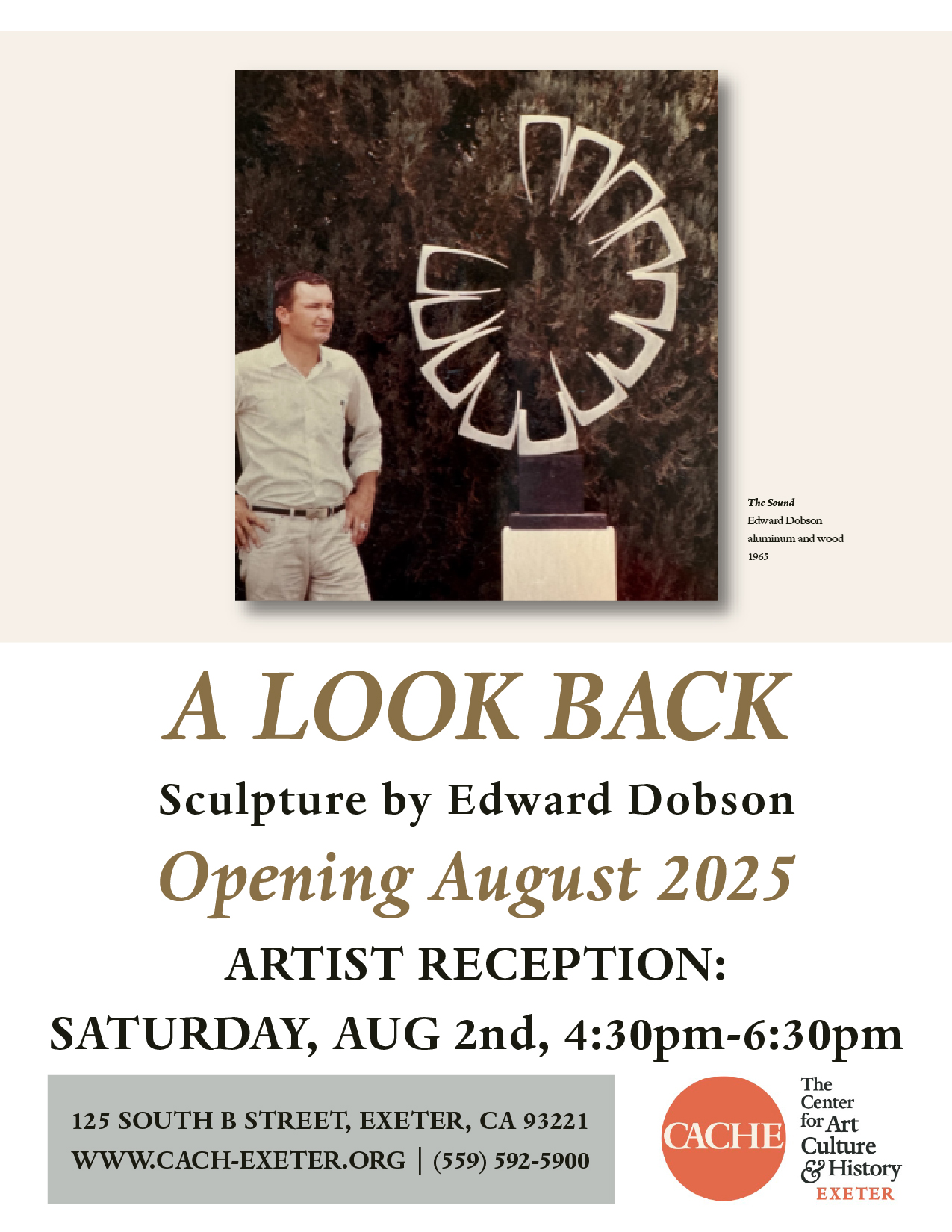
The Center for Art, Culture, and History—Exeter (CACHE) will host a solo sculpture exhibition by Edward Brown Dobson titled "A Look Back," opening August 2025 with a reception on August 2. Dobson, a 90-year-old Exeter native, combines influences from Native American culture, Egyptian history, and his work with metal, bronze, and wood, shaped by his background as a U.S. Air Force helicopter pilot and his studies in archaeology, anthropology, and art.

4,000-year-old Ancient Egyptian handprint discovered by Cambridge museum

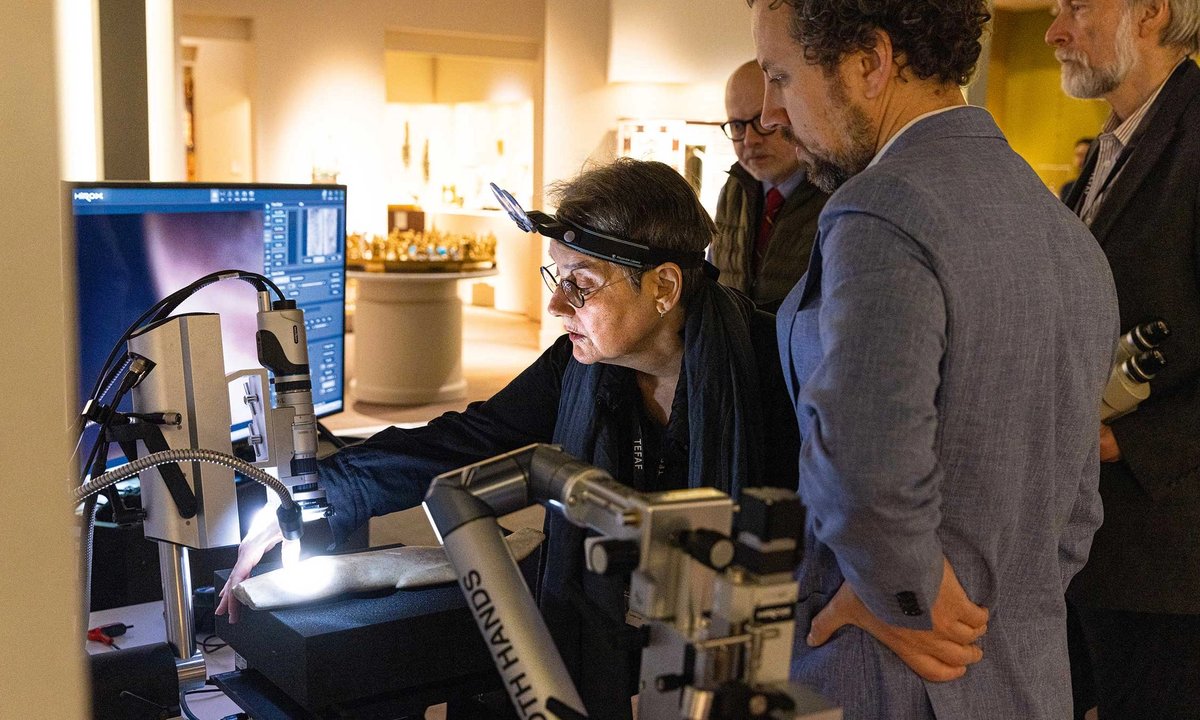
Researchers at the Fitzwilliam Museum in Cambridge, UK, have discovered a 4,000-year-old handprint on the base of an ancient Egyptian "soul house"—a clay model of a building used in burial rituals. The handprint was found during preparations for the museum's upcoming exhibition "Made in Ancient Egypt" (3 October–12 April 2026), when senior conservator Julie Dawson examined the object under different lighting. The soul house, excavated at Deir Rifa north of Luxor, dates to Egypt's First Intermediate Period or Middle Kingdom and was likely left by the artisan who moved it to dry before firing.

Holy ground: why Persian carpets played an important symbolic role in the funeral of Pope Francis

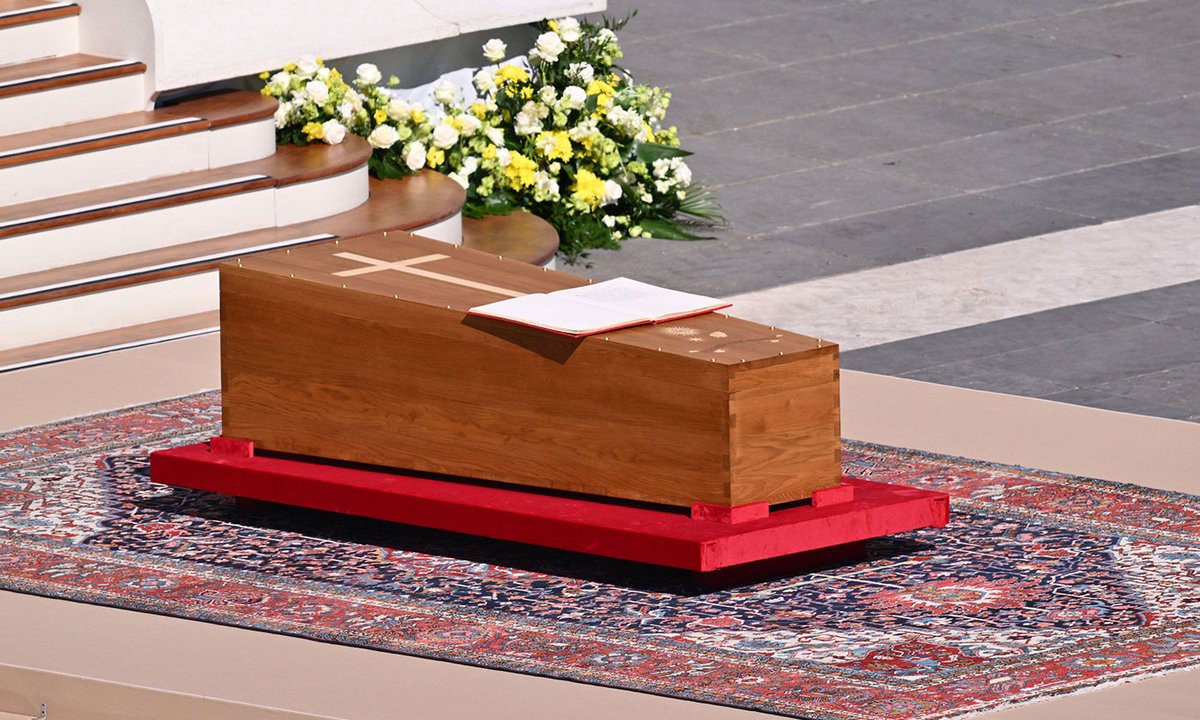
Persian carpets from northwest Iran were used in the funeral proceedings of Pope Francis, placed beneath his casket in St. Peter's Basilica and later in St. Peter's Square. The article traces this tradition back over 600 years, explaining how carpets from Islamic lands—first Anatolia, then Iran, Egypt, and the Levant—were depicted in Renaissance religious paintings as markers of sacred space, appearing at the feet of the Virgin Mary and other holy figures.

PRESS RELEASE: Christie’s First London-Based Middle Eastern Modern & Contemporary Art Evening Auction Builds On Dubai’s Success, Achieving £5,235,125 / $6,863,249 / €5,826,694 - Christie's

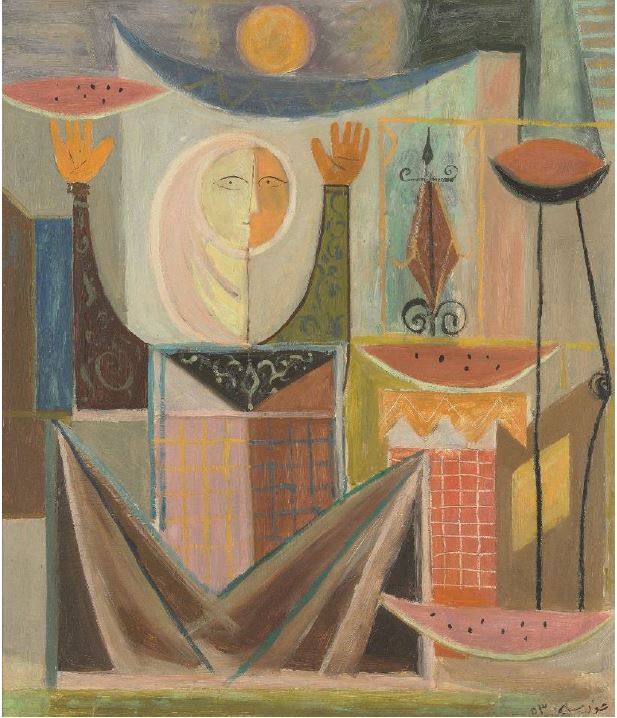
Christie’s successfully transitioned its Middle Eastern Modern & Contemporary Art evening auction from Dubai to London, achieving a total of £5.2 million ($6.8 million). The sale boasted high sell-through rates of 85% by lot and 88% by value, driven by bidders from 23 different countries. Significant highlights included world auction records for Iraqi artist Jewad Selim, whose painting "The Watermelon Seller" fetched over double its estimate, and Mahmoud Sabri, whose work "Grief" sold for more than ten times its high estimate.

Christie’s highlights Arab artists in London auction

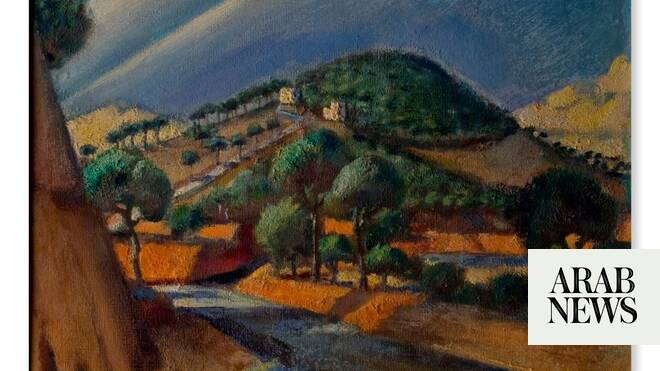
Christie’s is highlighting several Arab artists in its upcoming Modern and Contemporary Middle Eastern Art sale, scheduled for November 6 in London with an online preview from October 28 to November 11. Featured works include Paul Guiragossian’s 'Automne,' a masterpiece from the 1980s that previously achieved the second-highest auction price for the artist; Abdulhalim Radwi’s 'Untitled,' a semi-abstract cityscape blending traditional architecture and modernist influences; Samia Halaby’s 'Gardenia' from her 'Diagonal Flight' series; Kamal Boullata’s 'Nocturne I,' exploring geometric abstraction and exile; Mahmoud Said’s 'Mekarzel Hill,' a landscape once owned by a former Egyptian prime minister; and Laila Shawa’s 'City of Peace (Jerusalem),' a socio-political commentary on Palestinian life under occupation.

January Exhibitions

The article lists January 2026 art exhibitions across multiple venues in Charlottesville, Virginia, including Ruffin Gallery at the University of Virginia, Crozet Artisan Depot, The Fralin Museum of Art, The Gallery at Studio IX, IX Art Park, Kluge-Ruhe Aboriginal Art Collection, and Jefferson School African American Heritage Center. Highlights include the Ruffin Distinguished Artist-in-Residence exhibition “We Dream of Life” by Paula Wilson and iris yirei hu, featuring a monumental 56-foot textile; “Haiti’s Time” at The Fralin Museum; and “In the Beginning” at Kluge-Ruhe showcasing Spinifex Arts Project artists. Other shows include “INSTRUMENTAL” by Rich Tarbell, “The Looking Glass” immersive space, and “Finally Remembered: The Black Patriots of Central Virginia” at the Heritage Center.

December Exhibitions

Les Yeux du Monde presents 'GROUNDING,' the final show of 2025 featuring new oil paintings by Annie Harris Massie that explore light, memory, and place through landscapes and botanical studies of her Lynchburg, Virginia surroundings. Other December exhibitions include Randall Stoltzfus's 'To Hold The Light' at Angelo Jewelry, Judith Ely's paintings at Botanical Fare, and 'All That Glitters' by Natalie Darling at C’ville Arts Cooperative Gallery. The Fralin Museum of Art at UVA hosts three shows: 'Haiti’s Time' from the Sullivan collection, 'In Feeling: Empathy and Tension Through Disability,' and 'The World Between: Egypt and Nubia in Africa.' The Kluge-Ruhe Aboriginal Art Collection features works from the Spinifex Arts Project and Robert Fielding, while the Jefferson School African American Heritage Center presents 'Finally Remembered: The Black Patriots of Central Virginia.'

337 œuvres et objets volés récupérés : la vaste opération italienne de lutte contre le trafic de biens culturels aux États-Unis

On April 29, Italy's carabinieri dedicated to cultural heritage protection announced the recovery of 337 looted or stolen artworks and objects repatriated from the United States between December 2025 and April 2026. The haul includes archaeological artifacts, archival documents, and other artworks, such as a marble head of Alexander the Great from the 1st century AD, a bronze sculpture stolen from Herculaneum, and two Egyptian basalt sculptures. The objects were dispersed through international markets using forged provenance documents, and their return involved U.S. agencies including the FBI.

Echoes of Memory and Quiet Revolutions

The Henrike Grohs Art Award concludes its final edition, naming Tanzanian artist Rehema Chachage as the 2026 laureate. Chachage, who works across performance, video, text, scent, and installation, creates a "performative archive" in collaboration with her mother and grandmother, transforming personal and ancestral memory into shared sensory experiences. The two finalists are Younès Ben Slimane, a Tunisian filmmaker and visual artist whose silent, disorienting works challenge cinematic narrative structures, and Egyptian artist Rania Atef, whose participatory practice turns domestic spaces into stages for revealing power dynamics. The award received over 600 applications from more than 30 African countries.

Al Museo Egizio di Torino ora c’è un centro di ricerca per studiare la scrittura dell’Antico Egitto attraverso tremila anni di storia

The Museo Egizio di Torino has launched ME-Scripta, a new research center dedicated to the study, restoration, and digitization of ancient Egyptian written sources, including papyri, ostraca, and Coptic bindings. Funded by a €3 million grant from the Fondazione CRT, the center will operate under the direction of Susanne Töpfer and employ a dedicated team of curators, collaborators, a data manager, and an apprentice. ME-Scripta will pursue three major projects: reassembling and studying papyri from Assiut and Gebelein, analyzing ostraca, and restoring 17 Coptic bindings, with a goal of launching an integrated digital platform by 2034.

New rules on importing cultural artefacts create headaches at Tefaf Maastricht

The implementation of new EU regulations on the import of cultural goods over 250 years old is causing significant disruption at TEFAF Maastricht. Dealers and collectors are facing administrative hurdles, including difficulties obtaining mandatory EORI numbers and inconsistent enforcement by customs officials. These rules, which require extensive documentation for items originating outside the EU, have led to seized shipments and a general crisis of confidence among international exhibitors.

Wicked Stepmother No Longer, a Female Pharoah Gets a Reputational Makeover

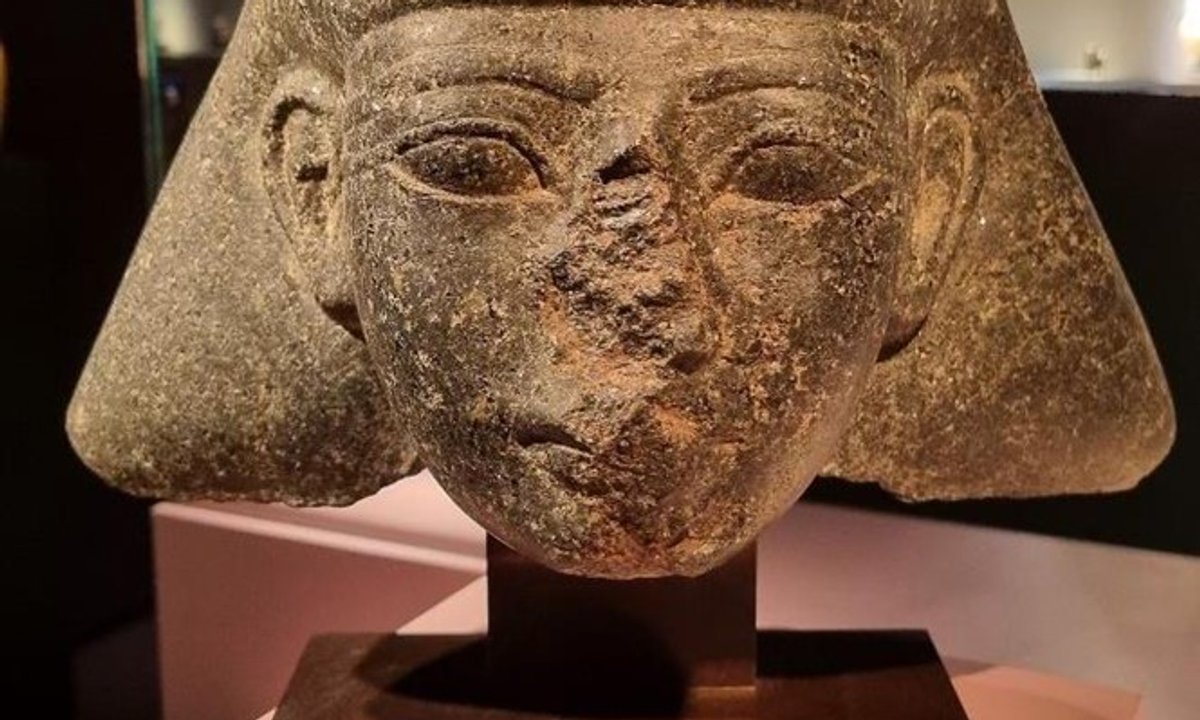
A new analysis of damaged statues from ancient Egypt is reshaping the historical narrative of Queen Hatshepsut. Researchers have re-examined 3,500-year-old statuary, finding evidence that the deliberate defacement of her images occurred decades after her death, challenging the long-held belief that her successor, Thutmose III, orchestrated an immediate campaign of destruction against her legacy out of personal animosity.

Egyptian Archeologists Find 3,000-Year-Old Coffins of Temple Chanters in Luxor

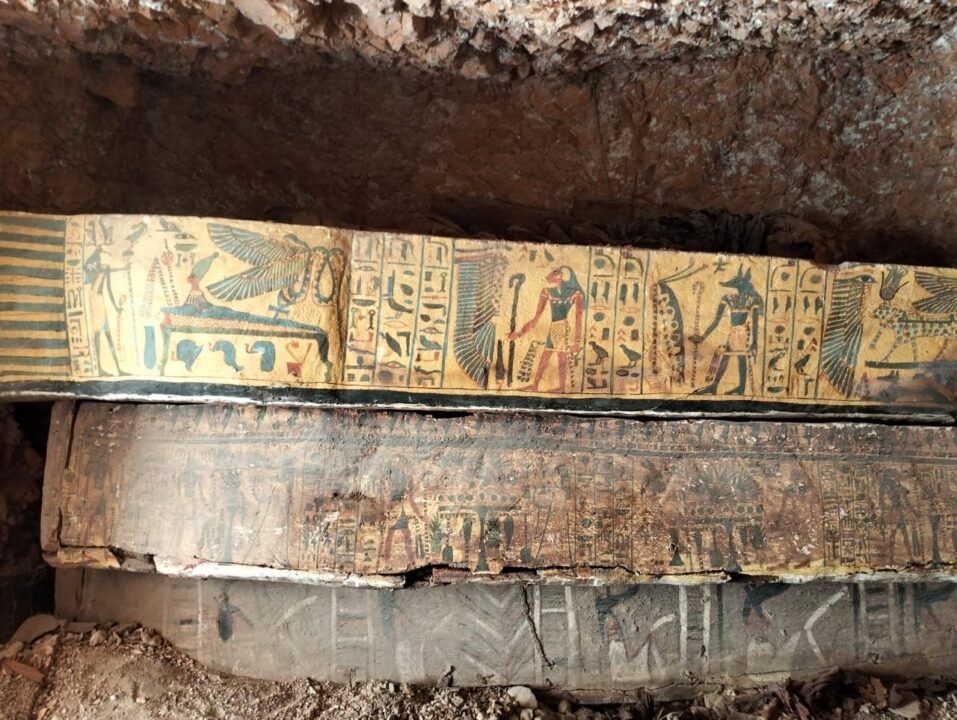
Archaeologists in Luxor have discovered 22 painted wooden coffins containing mummies, along with eight sealed papyrus scrolls, in a tomb within the Theban Necropolis. The coffins, dating to Egypt's Third Intermediate Period (1077–664 BCE), were found stacked in a rock-cut chamber, indicating they had been moved from their original burial sites.

Egyptian Tour Guide Arrested for Drawing on Pyramid in Viral Video

egyptian tour guide pyramid drawing arrest video 1234775340

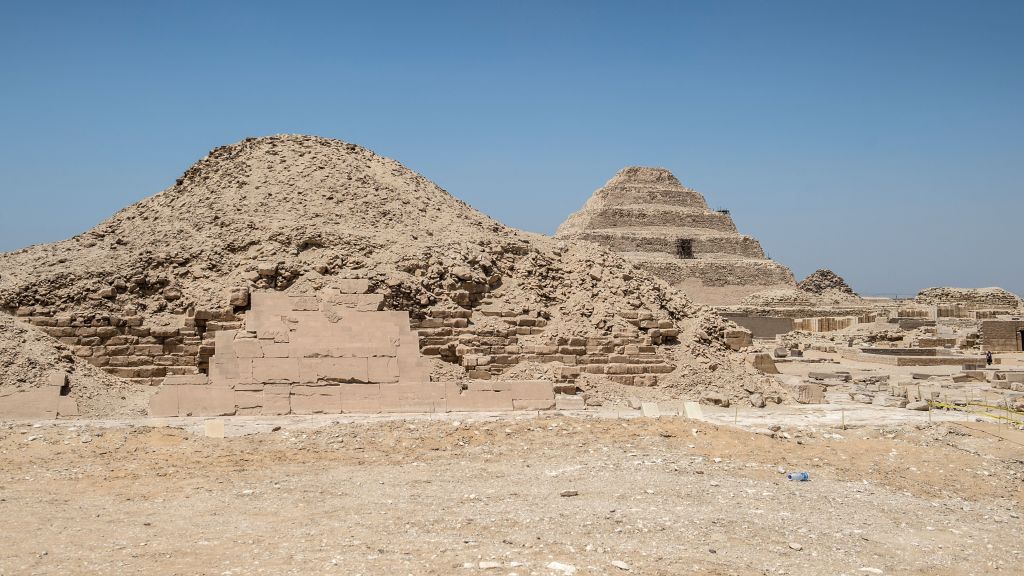
Egyptian authorities arrested a tour guide after a viral video showed him sketching a stick figure onto the 24th-century BCE Pyramid of Unas in Saqqara. The guide was reportedly using the drawing as a visual aid to explain the site's history to a group of tourists before attempting to wipe the mark away with his hands. Following a report from an antiquities inspector, the man confessed to the act, and the Ministry of the Interior confirmed that the drawing has since been removed.

object museum oldest egyptian drilling tool found 1234772829

A small copper-alloy object, excavated nearly a century ago from a predynastic cemetery at Badari in Upper Egypt, has been re-identified as the world's oldest known Egyptian bow drill. Dating to the late 4th millennium BCE, the tool pushes back the earliest evidence for this technology in Egypt by about 2,000 years, revealing that Egyptian craftspeople mastered efficient rotary drilling much earlier than previously thought.

digitally rebuilding lighthouse of alexandria as 3d model 1234772703

A team of historians, architects, and programmers is digitally reconstructing the Lighthouse of Alexandria, one of the Seven Wonders of the Ancient World. The Pharos Project, led by archaeologist Isabelle Hairy, is scanning thousands of submerged granite blocks and artifacts from the seabed to create a comprehensive 3D model of the structure, which was destroyed by an earthquake in 1303.

egypt alexandria artifacts lifted sea 1234750290

Egypt's Ministry of Tourism and Antiquities recovered underwater ruins from a sunken city off the coast of Alexandria on August 21. Divers and cranes retrieved ancient statues, including royal figures and sphinxes from the pre-Roman era, such as a partially preserved sphinx with the cartouche of Ramses II. The site in Abu Qir bay also revealed limestone buildings, residential and commercial structures, a 125-meter dock over 2,000 years old, a merchant ship, stone anchors, and a harbor crane from the Ptolemaic and Roman eras. Tourism and Antiquities Minister Sherif Fathy noted that only specific material meeting strict criteria is brought up, with the rest remaining underwater heritage.

egyptian blue pigment recreated 1234744161

A team led by Washington State University has successfully recreated Egyptian Blue, the oldest manufactured pigment in history, which was first synthesized in ancient Egypt and used in funerary rituals and Roman art. The production process was lost during the Renaissance. Working with the Smithsonian’s Museum Conservation Institute and the Carnegie Museum of Natural History, the researchers developed 12 recipes using silicon dioxide, copper, calcium, and sodium carbonate, heating them at around 1,000 degrees Celsius for up to 11 hours to mimic ancient methods. They discovered that only half the expected amount of blue-producing compounds was needed to achieve the exact chemical match.

Can Tefaf Maastricht Keep Up with the Experience Economy?

Can Tefaf Maastricht keep up with the experience economy?

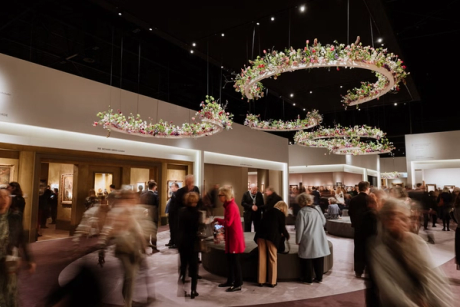
The 39th Tefaf Maastricht fair opened, showcasing high-quality pre-20th century art and antiques, from Monet paintings to a 1st-century Egyptian vase. However, the fair faces an existential question about the relevance of older art in a market where Old Masters specialists are declining and contemporary art sales are volatile.

Massive Cache of 42,000 Pottery Shards Reveals Daily Life in Ancient Egypt

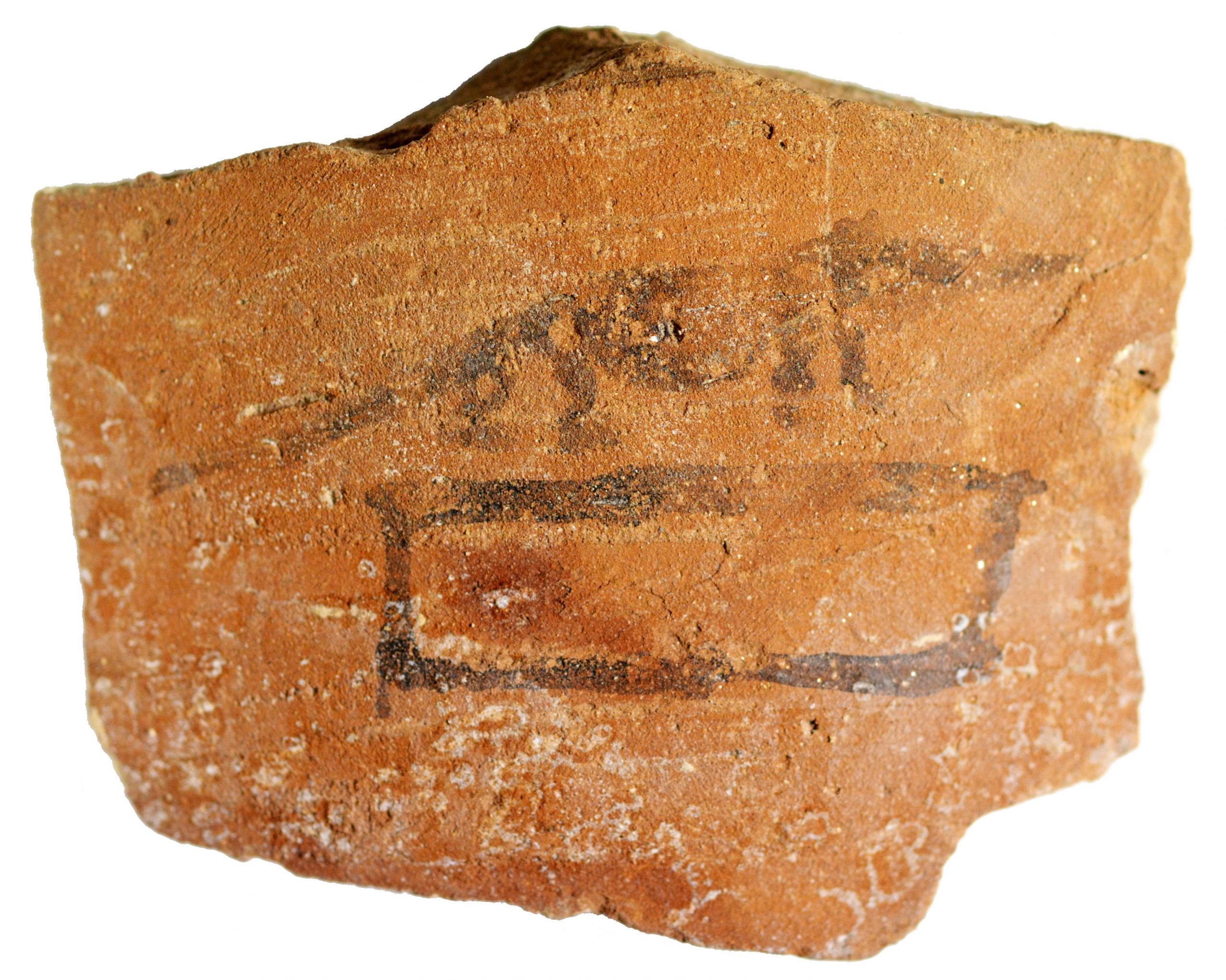
Archaeologists from the University of Tübingen and the Egyptian Ministry of Tourism and Antiquities have unearthed a massive collection of over 42,000 inscribed pottery shards, known as ostraca, at the ancient site of Athribis. The shards, dating from the 3rd century B.C.E. to the 11th century C.E., contain tax receipts, religious texts, school exercises, and personal notes written in Demotic, Greek, Hieratic, Coptic, and Arabic scripts, offering an unprecedented window into the daily lives of ordinary people.

hidden messages paris luxor obelisk 2636508

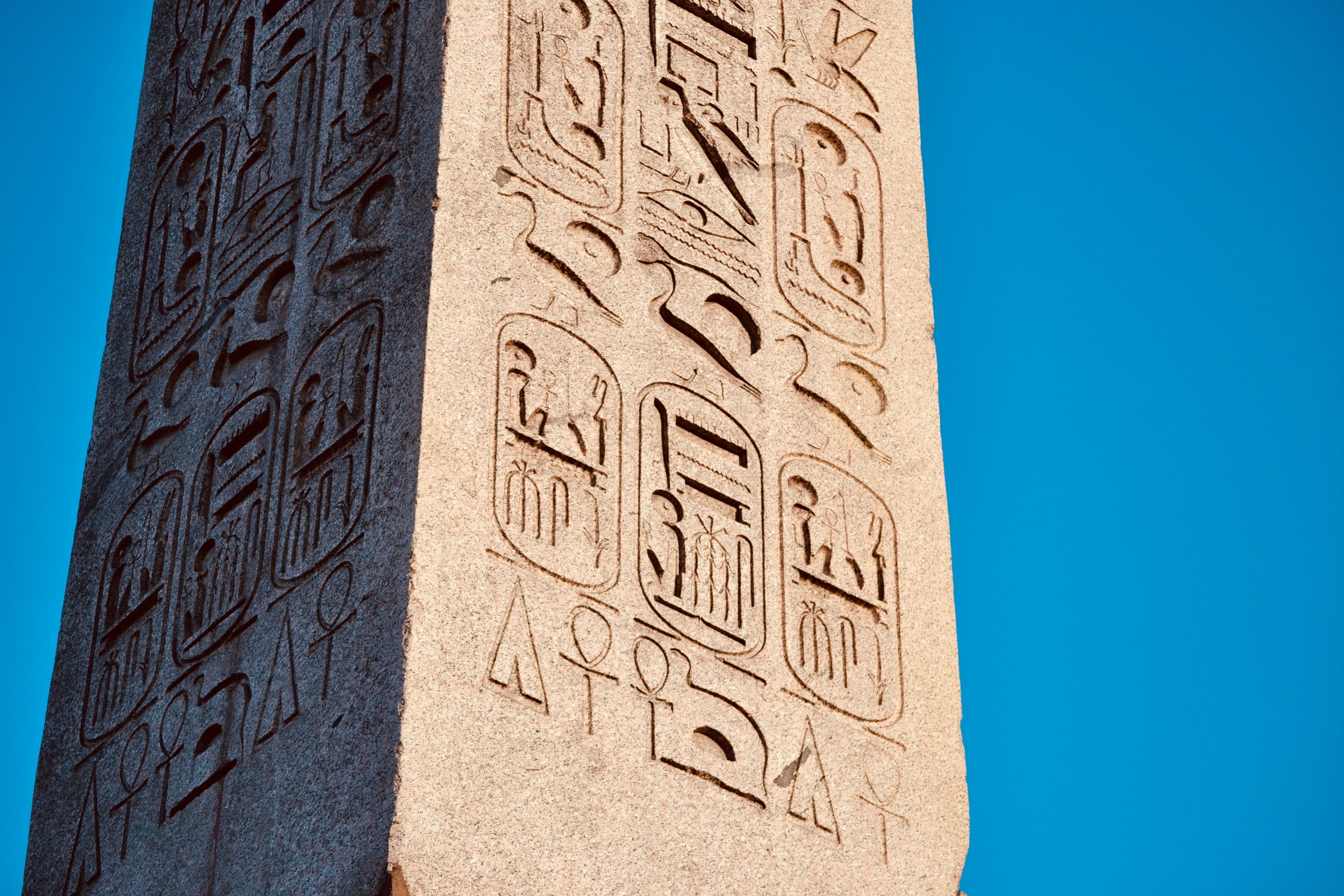
Egyptologist Jean-Guillaume Olette-Pelletier, a lecturer at Sorbonne University, discovered hidden cryptographic messages on the Luxor Obelisk in Paris's Place de la Concorde. During the pandemic, he noticed unusual hieroglyphs while walking past the 3,000-year-old monument. After scaffolding was erected for renovations ahead of the 2024 Olympics, he obtained permission to study the obelisk up close, becoming the first person in over a century to climb it. He identified seven crypto-hieroglyphs—encoded messages using puzzles and wordplay—that only a few experts can read. These inscriptions, set to be published in the journal ENiM, reveal that Pharaoh Ramses II used the obelisk as a propaganda tool to assert his divine right to rule, targeting the intellectual elite who approached the Luxor Temple by boat.

Upcoming Exhibitions

Bellarmine Hall Galleries at Fairfield University Art Museum will host an exhibition from September 18 to December 12, 2026, exploring 'Egyptomania'—the 19th-century European fascination with ancient Egyptian art and culture. The show features paintings, prints, photographs, and decorative art from the early 19th century to the present, including works like Charles-Théodore Frère's *Along the Nile* (ca. 1870). Curated by Megan Paqua, the exhibition examines how Egyptian symbols and motifs were adopted, exoticized, and commercialized, often erasing the ancient Egyptian people themselves. It aims to contrast simplified or stereotypical narratives with current archaeological understanding.

Should UK museums display mummies? One institution is asking its visitors for their view

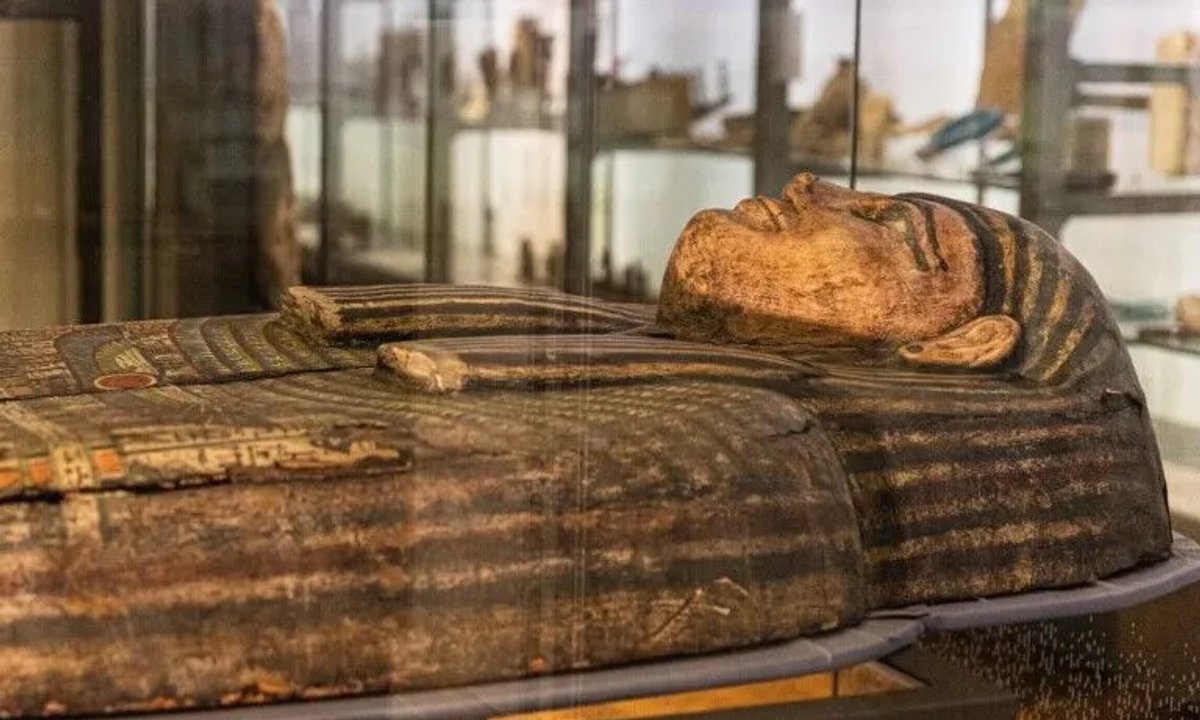
Manchester Museum in the UK is asking visitors whether the mummified remains of Asru, an Egyptian woman who lived around 2,700 years ago, should remain on display. The public consultation, running until the end of August, invites comments online or in a box next to her case. The museum notes that Asru's body was acquired in the early 1800s by the sons of a man who profited from slavery, shipped to Manchester, and unwrapped in 1825.