filter_list Showing 312 results for "Pose" close Clear
search
dashboard All 312 museum exhibitions 144article news 52article local 30article culture 30article policy 23rate_review review 12person people 8trending_up market 7candle obituary 4gavel restitution 2
date_range Range Today This Week This Month All
Subscribe

Venice Biennale strike sees more than 15 pavilions temporarily or partially close

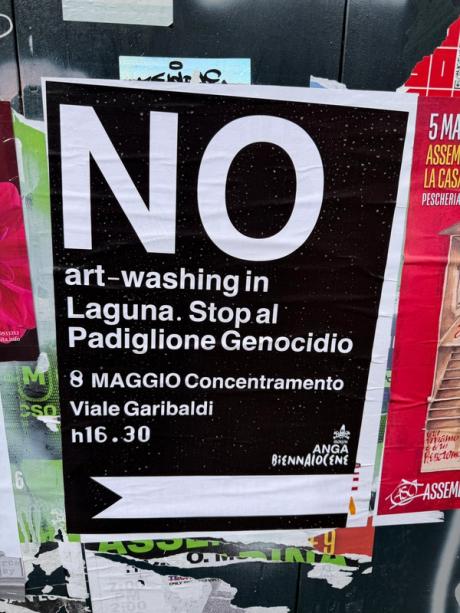
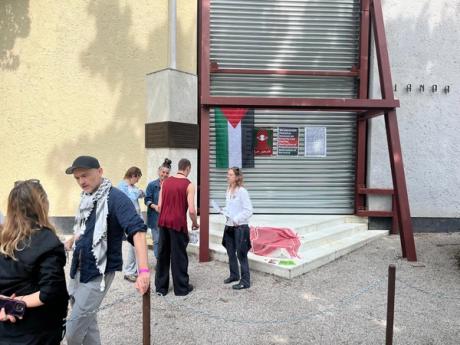
On 8 May, more than 15 national pavilions at the Venice Biennale temporarily or partially closed in a coordinated strike organized by the Art Not Genocide Alliance (ANGA). The protest opposes Israel’s participation in the event, which organizers say normalizes what they call genocide and exploits precarious labor. Participating countries include Austria, Lebanon, Slovenia, Egypt, Poland, and the Netherlands, whose artist Dries Verhoeven stood outside his shuttered pavilion with a Palestinian flag. Some pavilions, like Japan’s, remained open but suspended interactive elements. The strike follows earlier controversies, including the resignation of the prize jury and an open letter demanding the Israeli pavilion’s cancellation.


Dozens of Venice Biennale Artists Stage ‘Drone’ Perfomance in Protest of Israel’s Participation

On the opening day of the Venice Biennale, around 60 artists and dozens of other participants staged a protest titled “Solidarity Drone Chorus” at the Giardini entrance, humming a viral song by Gazan composer Ahmed “Muin” Abu Amsha to sonically occupy the space. The action, organized by artists in the main exhibition over several months, protested Israel’s participation in the Biennale and expressed support for Palestine, with participants wearing T-shirts bearing the names and artworks of Gazan and Palestinian artists, many of whom have been killed. The protest follows an open letter from the Art Not Genocide Alliance demanding Israel’s exclusion.

How the adoption of canvas in Venice changed the way artists painted

Art historian Cleo Nisse has published a new book, *Venetian Canvas and the Transformation of Painting*, examining how 16th-century Venetian painters such as Titian, Veronese, and Tintoretto pioneered the use of canvas as a painting support. Nisse reveals that canvas was not a uniform material—artists experimented with different weaves, including tabby and herringbone patterns, and even repurposed sailcloth and tablecloth-quality fabrics to achieve specific visual effects. The book argues that canvas was already familiar in the late Middle Ages for banners and alternatives to tapestry, and that Vittore Carpaccio was the first master of the medium, varying canvas types for expressive purposes in his *Legend of St Ursula* series.

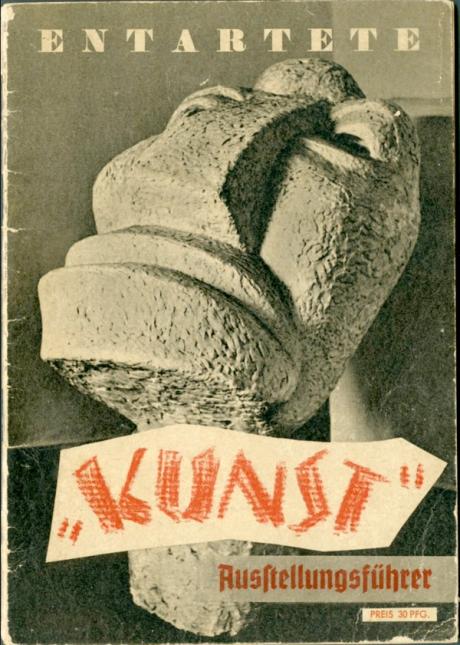
Comment | Degenerate art all over again? Nazi attack on Modern art is not far away from trends in today’s world

The article draws a provocative parallel between the Nazi regime's attack on modern art—epitomized by the 1937 "Degenerate Art" (Entartete Kunst) exhibition—and contemporary political aesthetics, particularly around President Donald Trump. It traces the Nazi party's early use of visual spectacle, mass rallies, and monumental art to forge a national identity, contrasting this with Trump's proposed National Garden for American Heroes and stalled White House Ballroom, which the author dismisses as kitsch but lacking the cohesive fascist aesthetic of Albert Speer's masterplans.

Museo de Arte Moderno de Bogotá's director departs amid accusations she harassed staff

The Museo de Arte Moderno de Bogotá (Mambo) is in a leadership crisis after its director, Martha Ortiz, resigned amid accusations of harassment and creating a toxic work environment. Her departure follows the dismissal of artistic director Eugenio Viola in February, which sparked an open letter signed by over 140 cultural figures demanding transparency. The museum's board chair, Ángela Royo, and financial manager Francy Hernández are temporarily overseeing operations while searches for both director and artistic director are underway.

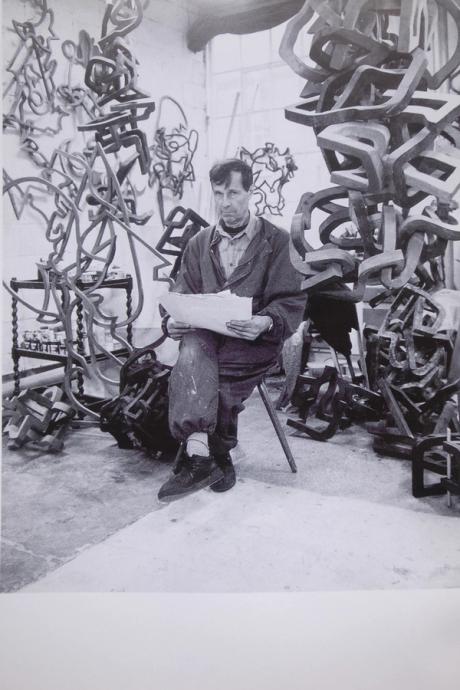
New space dedicated to Oleg Prokofiev—whose abstract art was censored by Soviet Russia—opens in London

A new art space called Prokofiev Studio has opened in Hackney, London, dedicated to the Russian artist Oleg Prokofiev. Its inaugural exhibition, 'Bending Time,' presents abstract works from the 1950s that were banned under Soviet censorship and long thought lost. The space was founded by Prokofiev’s children, including composer Gabriel Prokofiev, in collaboration with curator Anzhela Popova. The works were rediscovered in 1994 when Prokofiev returned to his former Moscow home and found them preserved by the new owner.

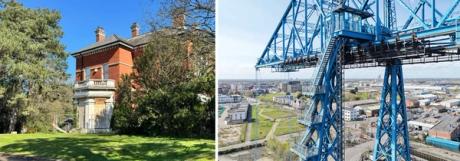
Nymphs, mermaids and rosy cherubs: mansion filled with hidden wall paintings makes Victorian Society’s endangered buildings list

A derelict mansion called Parndon Hall, located within the grounds of Princess Alexandra Hospital in Harlow, Essex, has been named to the Victorian Society’s annual list of the top ten at-risk buildings in England and Wales. The house, built in 1867, contains a hidden trove of wall paintings by the almost-forgotten Victorian artist Elizabeth Arkwright, who covered walls, ceilings, and doors with nymphs, mermaids, and cherubs—many still concealed under Edwardian whitewash. The building has been used for storage and has sat unoccupied since flood repairs in 2024.

Taking a Deep Dive into a Connecticut Ranch House

Artist couple Janis Provisor and Brad Davis transformed an indoor swimming pool in their Connecticut ranch house into a studio, prioritizing their creative work over leisure. The article explores how they adapted the unconventional space to suit their artistic practices.

Gabrielle Goliath Sounds a Call to Action in Venice

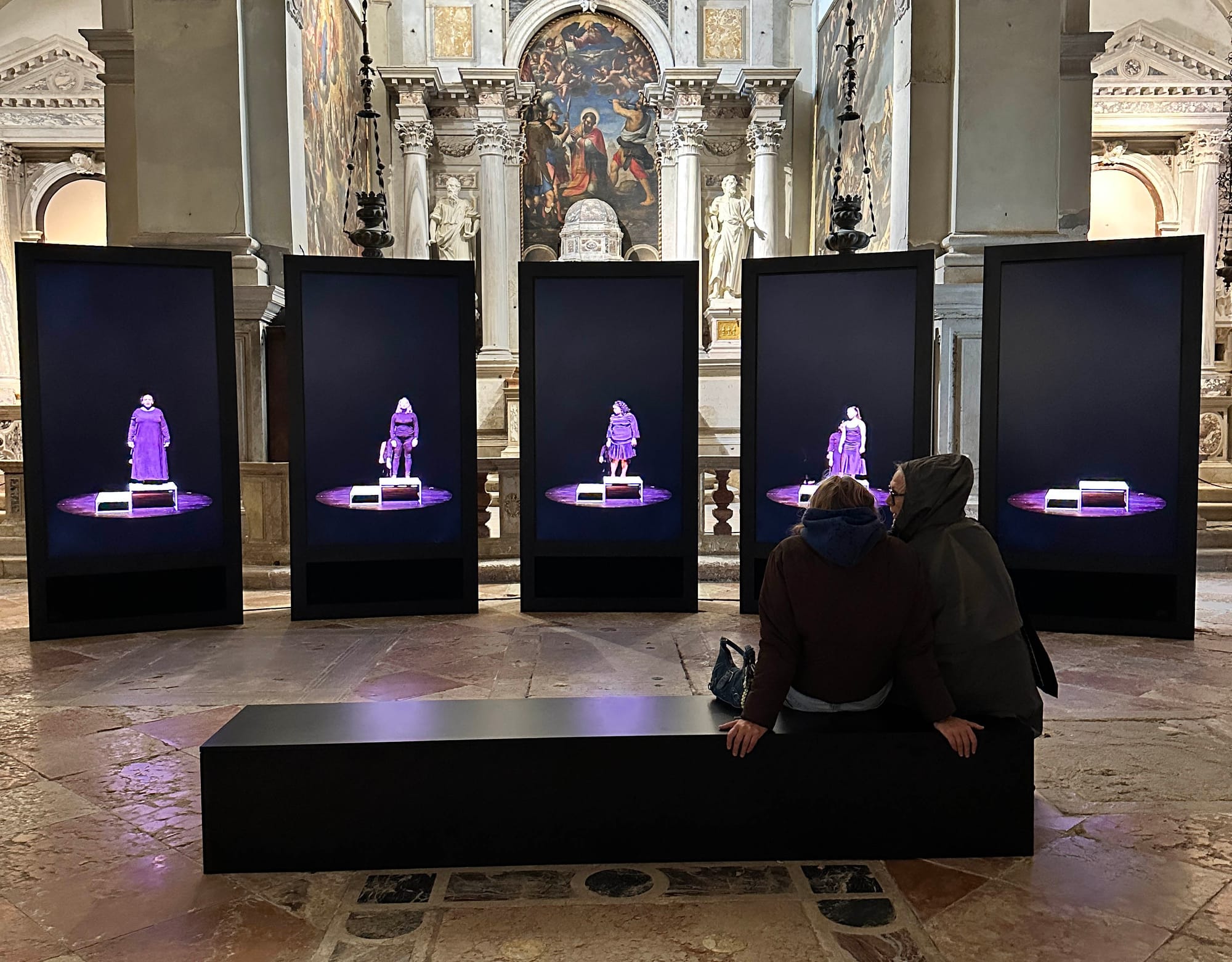
Gabrielle Goliath’s exhibition "Elegy" is presented as South Africa’s unofficial pavilion at the 61st Venice Biennale, after the country’s Culture Minister Gayton McKenzie overrode an independent committee’s selection of Goliath, citing her proposed inclusion of a memorial for Palestinians killed in Gaza. The installation features three video works in which singers sound a single note in tribute to victims of violence: a South African femicide victim, two women killed in Germany’s colonial genocide in Namibia, and Palestinian poet Heba Abunada. The show occupies the Chiesa di Sant'Antonin in Venice, curated with Ingrid Masondo, after a legal challenge against McKenzie was dismissed.

Paola Siri Renard “Double Star” at nouveaux deuxdeux, München

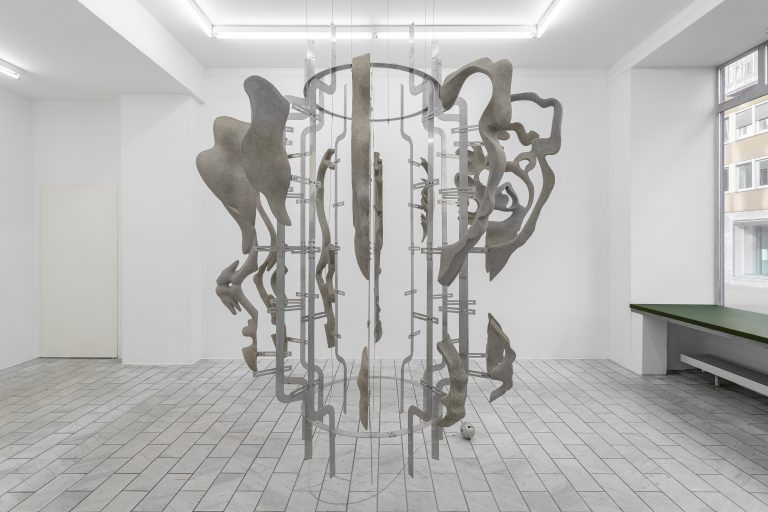
Paola Siri Renard presents "Double Star" at nouveaux deuxdeux in Munich, featuring sculptures assembled from fragments of architectural ornaments, equestrian monuments, industrial display systems, and skeletal forms. Her work extracts elements from historical structures—spanning Gothic, Greco-Roman, and Art Nouveau styles—and reconfigures them into unstable, evocative constellations.

Ittai Gradel, gems expert who uncovered British Museum thefts, dies aged 61

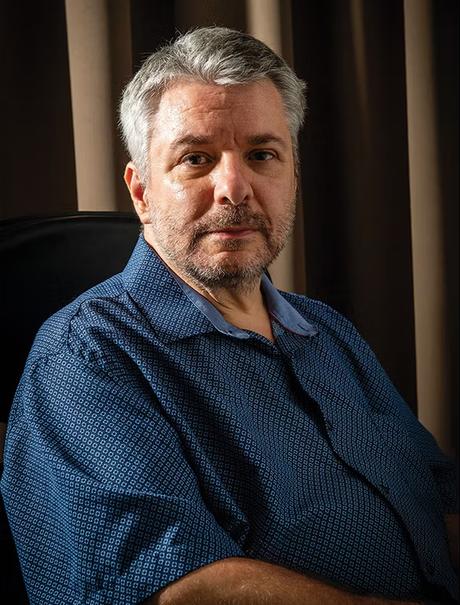
Ittai Gradel, a Danish classical gems specialist, has died at age 61. His investigations revealed that hundreds of objects had been stolen from the British Museum, leading to the resignation of director Hartwig Fischer in 2023. Gradel first alerted the museum in 2021 after finding proof that precious objects were being sold on eBay, naming senior curator Peter Higgs as the suspected seller. After initial concerns were ignored, Gradel wrote again in 2022, eventually prompting a police investigation. Higgs was dismissed in July 2023, and Fischer resigned the following month. Of the 2,000 items affected, 626 have been recovered, many bought in good faith by Gradel and returned. Earlier this month, Gradel received a special British Museum award from current director Nicholas Cullinan.

Director of the Hermitage Museum Sanctioned by the European Union

Le directeur du Musée de l'Ermitage sanctionné par l'Union européenne

The European Union has imposed sanctions on Mikhail Piotrovsky, the 81-year-old director of the State Hermitage Museum in Saint Petersburg, as part of its 20th sanctions package against Russia. Piotrovsky was blacklisted for supporting the war in Ukraine and overseeing illegal archaeological excavations in occupied Crimea. The EU cited his use of Kremlin war rhetoric—calling the museum's exhibition policy a "cultural special operation"—and the Hermitage's role in incorporating Ukrainian cultural objects from occupied territories into Russia's state museum fund. Additionally, under his leadership, unauthorized digs were conducted at the ancient Greek site of Myrmekion in Crimea, led by Hermitage archaeologist Alexander Butyagin, who was arrested in Warsaw and later released in a prisoner exchange.

Wrapped for Travel: On "The American Connection" by Peter Halley and "Black Painter, White Figuration" by Maxwell Alexandre

Two simultaneous exhibitions at Almeida & Dale in São Paulo present contrasting visions: American artist Peter Halley's "The American Connection," curated by Antonio Gonçalves Filho, features his signature geometric abstractions using Roll-A-Tex and Day-Glo colors to critique digital confinement and post-industrial surfaces. Brazilian artist Maxwell Alexandre shows works from his "Clube" series, depicting Black bodies navigating exclusionary leisure spaces. The pairing is deliberate, not for aesthetic dialogue but to juxtapose an established international artist with a rising Brazilian talent, timed to coincide with SP-ARTE.

The Most Unique and Research-Focused Exhibitions to See in Brussels in Spring 2026

Le mostre più particolari e ricercate da vedere a Bruxelles nella primavera 2026

Brussels is hosting a series of niche and research-focused contemporary art exhibitions in spring 2026, coinciding with the 42nd edition of Art Brussels. Highlights include Jean-Michel Othoniel's "Diary of Happiness" at the Boghossian Foundation, Caroline Achaintre's "Extrazimmer" at La Verrière, a six-decade survey of the Art & Language collective at Fondation CAB, and a dialogue between Nassos Daphnis and Rita McBride titled "Abstract Constructions."

Architects Behind Frick Renovation Tapped for Louvre’s ‘New Renaissance’

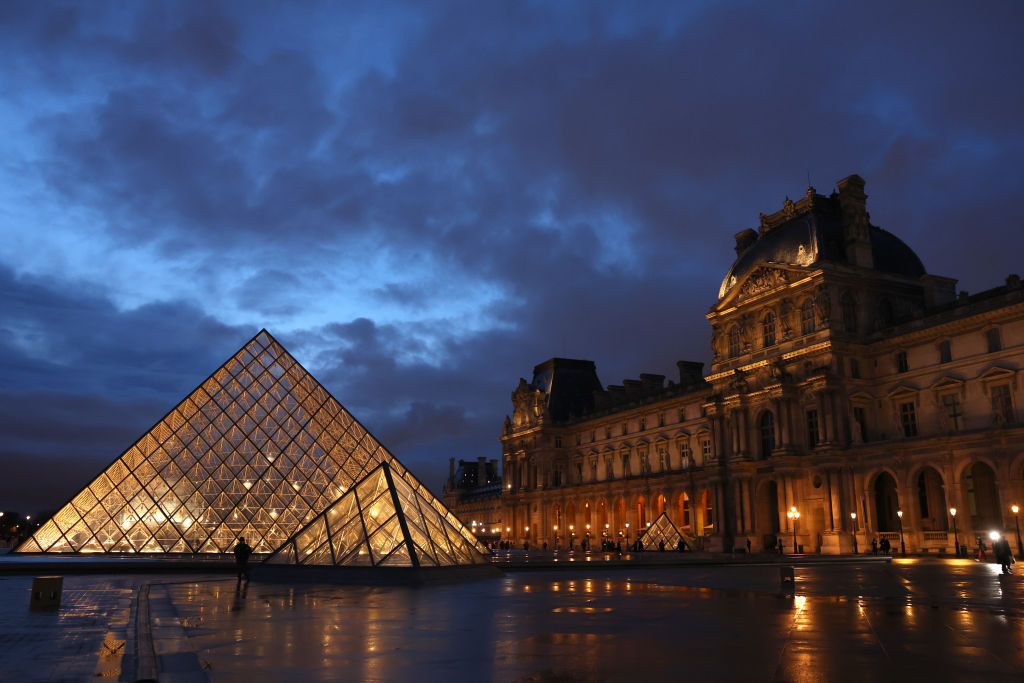
The French government has selected STUDIOS Architecture to lead a major renovation of the Louvre Museum in Paris, including new galleries and a second entrance. The project, called the 'New Louvre Renaissance,' was announced by President Emmanuel Macron in early 2025 but stalled after a jewel heist and staff strikes led to the resignation of former Louvre president Laurence des Cars, who was succeeded by Christophe Leribault. The $778 million plan aims to ease overcrowding at the museum, which hosts 9 million visitors annually, and includes a dedicated 33,000-square-foot gallery for the Mona Lisa.

Parliamentary report calls for major changes at French museums in the wake of Louvre heist

A French parliamentary report published on 13 May, following the October 19 heist of the crown jewels at the Louvre, issues a damning assessment of the country's museum security and management. The commission heard around 100 testimonies and examined some 2,000 museums, dedicating a special chapter to the Louvre. It blames former director Laurence des Cars's leadership for a "dysfunctional drift" that prioritized contemporary art interventions and fashion shows over basic infrastructure and collection protection, allowing the heist to occur. The report lists rising threats including riots, burglaries, cyberattacks (which forced the National Museum of Natural History in Paris to cancel an exhibition after a ransomware attack in July 2025), and terrorist plots. It proposes 40 recommendations, including raising budgets by an estimated €20–25 billion over a decade, enhancing staff training, and overhauling museum leadership.

Go big or go home: how The Lost Giants revived the ancient art of goliath-making

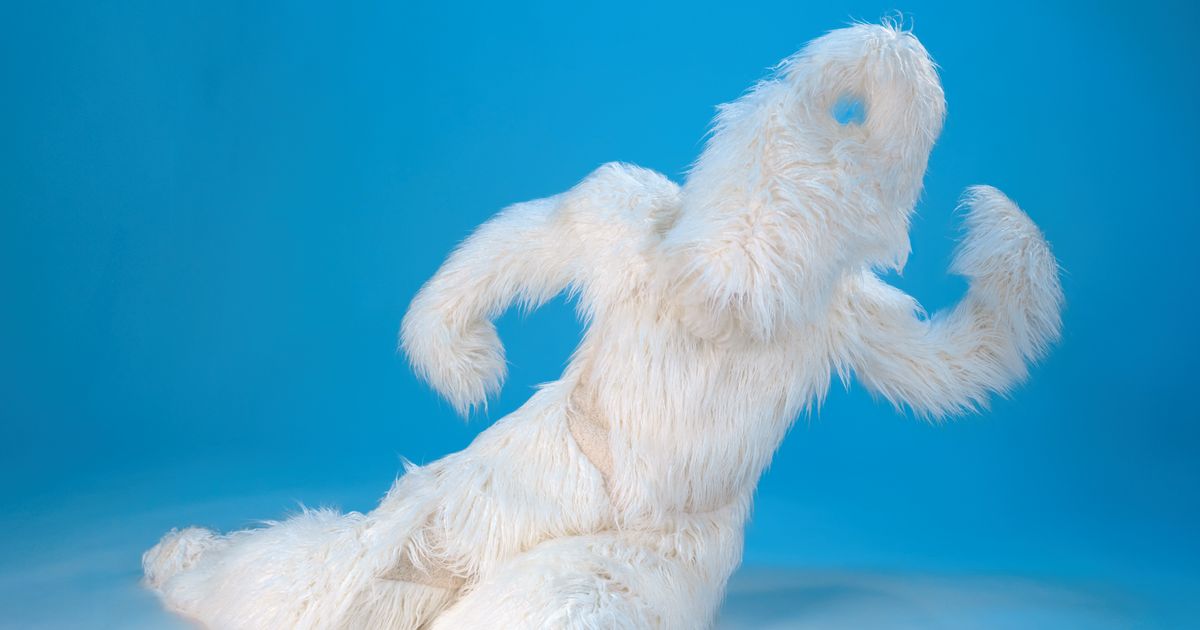
The Lost Giants (TLG), an art collective based in Lostwithiel, Cornwall, is reviving the British tradition of making processional giants—large, community-built figures made from wood, cloth, and papier-mâché. Founded three years ago by theatre designer Ruth Webb and her sister-in-law Amy Webb, the group has created giants for events ranging from local lantern parades to a harvest procession at Hauser & Wirth’s Somerset gallery. This New Year’s Eve, environmentalist Lisa Schneidau joined a massive procession of these giants in Lostwithiel, describing it as an extraordinary experience. The collective recently issued a public callout for an environmental group to collaborate on making a new beastie.

America’s Museums Have a Building Problem

A new report from the Government Accountability Office, analyzed by The Art Newspaper, reveals that roughly 85 percent of American museums are dealing with deferred maintenance or major repair needs, and about 77 percent have at least one structural issue that could endanger their collections. Many of the country's 16,700 museums are small, under-resourced operations housed in aging or historic buildings, with half reporting over $100,000 in deferred maintenance. Basic repairs like roofs or HVAC systems can consume large portions of annual budgets, forcing some institutions to store artworks in makeshift spaces like garages or bathrooms.

Currents of the 61st Biennale: Inside Venice’s Flow of Art and Power

The 61st Venice Biennale jury, composed of five curators—Solange Oliveira Farkas, Zoe Butt, Elvira Dyangani Ose, Marta Kuzma, and Giovanna Zapperi—resigned on April 30th amid internal tensions over decisions that conflicted with the late Koyo Kouoh's curatorial vision. The jury had previously stated it would refrain from considering countries whose leaders are charged with crimes against humanity by the International Criminal Court. Meanwhile, Filipino artist Jon Cuyson prepares to present his installation at the Philippine Pavilion, featuring works shipped 60 days before geopolitical conflict escalated, navigating unstable maritime routes. His project includes the film series "Sea of Love (Dagat ng Pag-ibig)" and a new fourth film, "Sea of Echoes," exploring themes of migration, queer experience, and ecological resilience through mussels as non-human protagonists.

Met Inaugurates ‘Costume Art’ for the Spring 2026 Exhibition

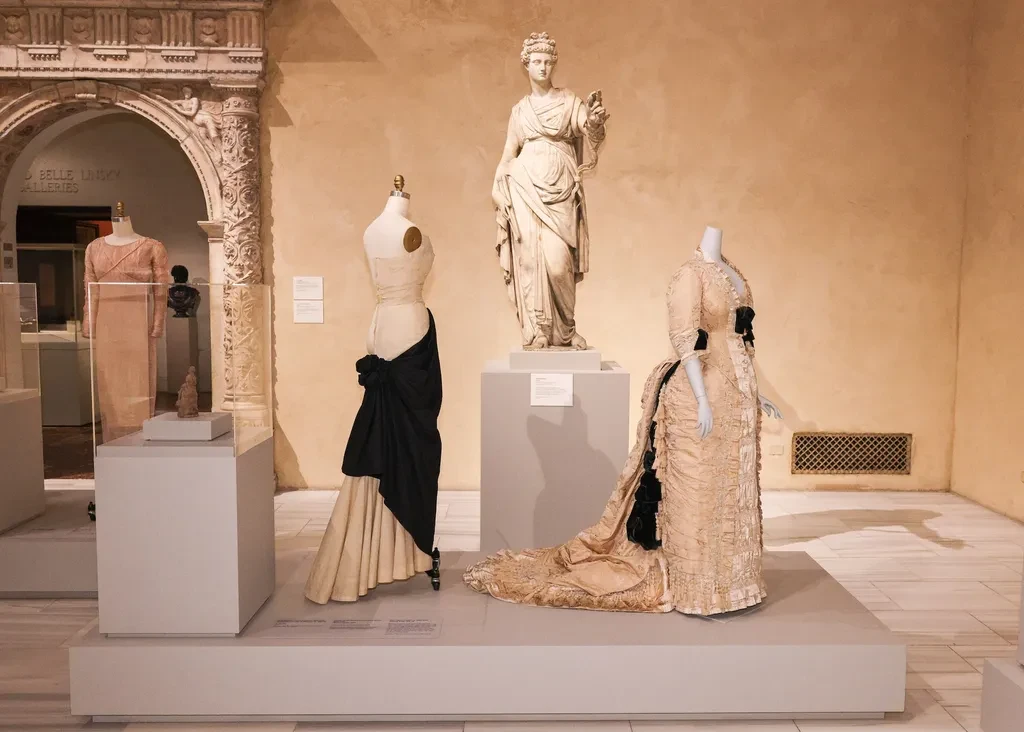
The Metropolitan Museum of Art will open 'Costume Art' in spring 2026, a major exhibition that positions fashion as a lens for examining the human body across cultures and history. Housed in a new 12,000-square-foot gallery adjacent to the Great Hall, the show pairs garments from The Costume Institute with ancient statues, artworks, and paintings, organized around thematic body types such as idealized, distorted, exposed, and reclaimed. The exhibition design by Peterson Rich Office uses sheer scrims and varied ceiling heights to create an immersive, interconnected experience.

Six environmental artists win this year’s Rewilding Art Prize

Six Canadian artists have been awarded the 2026 Rewilding Arts Prize, established in 2023 by the David Suzuki Foundation and Rewilding Magazine. The winners include Nicole McDonald-Fournier, whose project EmballeToi! repurposes old winter coats as plant-growing pots, and the Montreal/Toronto duo Masumi Rodriguez and Elena Kirby, who run community papermaking workshops using invasive plant species. The prize awards $2,000 to each artist and plans to feature their work in a future exhibition, following the inaugural winners' show at the Canadian Museum of Nature in Ottawa.

Prokofiev Studio: new gallery devoted to the abstract art of Oleg Prokofiev son of the composer & father of composer Gabriel Prokofiev

Composer Gabriel Prokofiev has opened Prokofiev Studio in Hackney, London, a new gallery dedicated to the abstract art of his father, Oleg Prokofiev (1928-1998). Oleg, son of the famed composer Sergei Prokofiev, created abstract works in the 1950s that defied the Soviet Union’s strict socialist realism doctrine. His career was shaped by his relationship with British art historian Camilla Gray, whom he married in 1969 after hiding his art for a decade; she died two years later. Oleg moved to the UK but believed his abstract works lost until a 1994 return to Moscow revealed they had been preserved. The gallery houses Oleg’s archive, including 1950s abstract artworks, letters, sketchbooks, and sculptures, with an inaugural exhibition titled "Bending Time" reconstructing his 1990s studio in Hackney Wick.

Exhibition | Olivia Sterling, 'Jelly' at Dirimart Pera, Istanbul, Turkiye

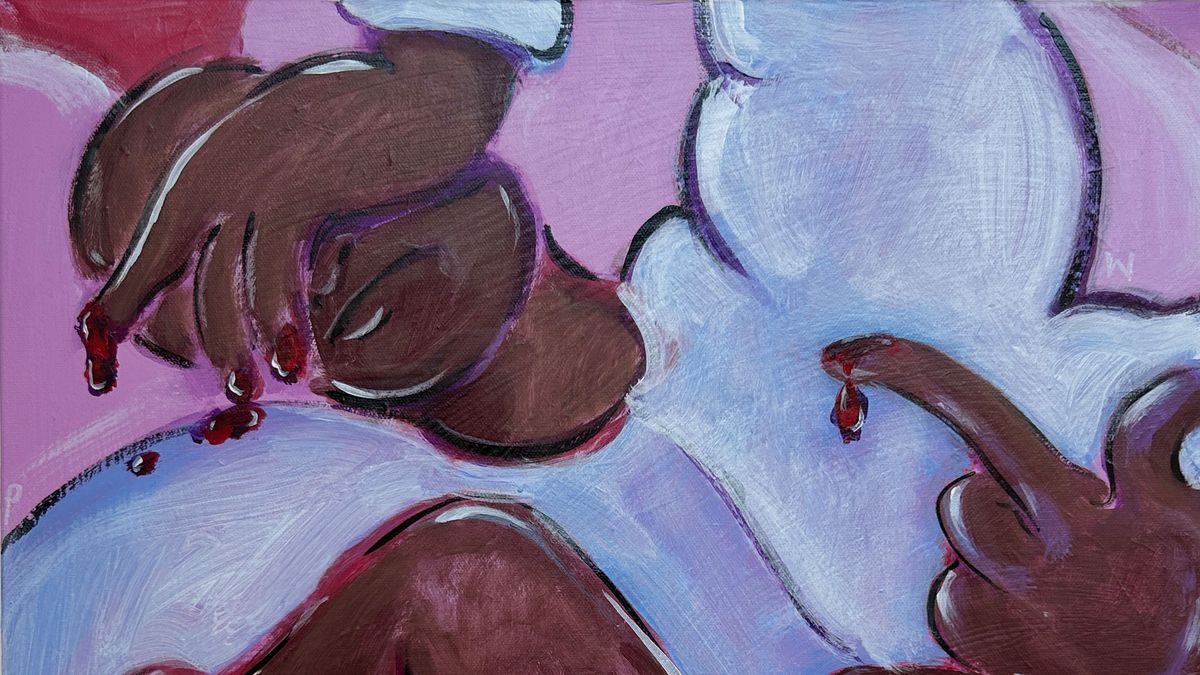
Dirimart presents Olivia Sterling's first solo exhibition in Istanbul, titled 'Jelly,' at its Pera location from May 7 to June 14, 2026. The show explores themes of race, power, and desire through scenes involving food, the body, and stains, using fruit and dark colors as metaphors for consumption and objectification. Sterling's paintings incorporate letters that expose how race is constructed through language, while the title 'Jelly' evokes flexibility, fluidity, and a grotesque bodily quality that mirrors the instability of identity and social conventions.

Ásta Fanney Sigurðardóttir: Pocket Universe

The Icelandic Art Center will present "Pocket Universe," a multidisciplinary exhibition by artist, poet, composer, and filmmaker Ásta Fanney Sigurðardóttir, representing Iceland at the 61st Venice Biennale. The exhibition, held at the Icelandic Pavilion's new location at Docks Cantieri Cucchini, explores shifting perspectives through hope, imagination, and belief, blending sound, performance, moving image, sculpture, and installation. It features a moving image work centered on a character called "Creature Zero" searching for the "original rock," and incorporates themes of luck, chance, and transformation through playful, game-like structures.

In Seine-Saint-Denis, the clever housing for migrants by architect Patrick Rubin

En Seine-Saint-Denis, les logements futés pour les migrants de l’architecte Patrick Rubin

Architect Patrick Rubin of the firm Canal has transformed the former National Road Information Center, known as Bison Futé, in Rosny-sous-Bois (Seine-Saint-Denis) into a housing complex for 169 migrants. The project, commissioned by social landlord Batigere Habitats Solidaires, preserves the original 1986 half-moon building by Ludwik Peretz and Gilbert Delecourt, adding a new floor and a rear half-crown structure. Rubin used 79 prefabricated modules (17–25 m² each), built in workshops near Lyon, each equipped with a bed, kitchenette, bathroom, and window. Inspired by ship cabin manufacturing in Dunkirk and traditions of tiny houses and capsule hotels by Charlotte Perriand, Herman Hertzberger, and Shigeru Ban, the modules were craned into place. The project faced delays due to differing tolerances between concrete and wood construction, pushing delivery from early 2026 to late 2026.

Seattle Art Museum Workers Announce Unionization

More than one hundred employees at the Seattle Art Museum (SAM) announced their intent to unionize on May 13, delivering a letter to museum director and CEO Scott Stulen. Organizing as Seattle Art Museum Workers United (SAMWU) under the Washington Federation of State Employees/AFSCME Council 28, the staff—spanning over twenty departments—cited unsustainable wages, subpar health benefits, and top-down decision-making as key issues. They filed for an election with the National Labor Relations Board but will withdraw the petition if the museum voluntarily recognizes the union by May 27. Stulen acknowledged receipt of the letter and committed to good-faith negotiations.

The Craziest Venice Biennale Ever: One Week Before Opening, the Jury Resigns (The Public Will Decide the Lions!)

La Biennale di Venezia più pazza di sempre: a una settimana dall’apertura si dimette la giuria (I Leoni li deciderà il pubblico!)

The entire international jury of the 61st Venice Biennale has resigned en masse just one week before the opening. The jury, chaired by Solange Oliveira Farkas and including Zoe Butt, Elvira Dyangani Ose, Marta Kuzma, and Giovanna Zapperi, had publicly announced they would not consider countries whose leaders are accused of crimes against humanity by the International Criminal Court—effectively excluding Russia and Israel from the Golden Lion competition. This decision came amid ongoing tensions between Italian Culture Minister Alessandro Giuli and Biennale President Pietrangelo Buttafuoco over Russia's participation, as well as controversy surrounding Israel's presence. After a meeting with Buttafuoco, the jury resigned, leaving the Biennale without a key body to award its top prizes.

Cultural workers at Venice Biennale to strike over Israel’s participation

Cultural workers and participants at the Venice Biennale plan to strike on 8 May during the opening week of the 61st edition, protesting Israel’s participation in the event. The strike, organized by the Art Not Genocide Alliance (ANGA) and supported by Italian trade unions, includes a rally near the Arsenale site. ANGA previously sent a letter signed by over 230 artists and curators demanding the cancellation of the Israeli pavilion, citing opposition to "genocide normalisation in culture" and precarious labor conditions. Israel is represented this year by sculptor Belu-Simion Fainaru, who opposes cultural boycotts.

Where It Doesn’t Reach at Lo Brutto Stahl

Lo Brutto Stahl presents "Where It Doesn’t Reach," a group exhibition featuring works by Bas Jan Ader, Hélène Janicot, and Park McArthur, running from March 27 to May 2, 2026, at both its Basel and Paris locations. The show brings together three artists whose practices explore absence, gesture, and the limits of perception, with the press release and floor plan available on the gallery's website.

In Venice two new cultural realities in the Civic Museums circuit: a contemporary art center is born in Mestre and the Wagner Museum enters the network

A Venezia due nuove realtà culturali nel circuito dei Musei Civici: nasce un centro d’arte contemporanea a Mestre e entra nella rete il Museo Wagner

The Fondazione Musei Civici di Venezia (MUVE) has opened a new contemporary art museum called MUVEC (Casa delle Contemporaneità) at the Centro Candiani in Mestre, inaugurated on April 24. Simultaneously, MUVE has signed an agreement with the Casinò di Venezia and the Associazione Richard Wagner to bring the Museo Wagner in Ca' Vendramin Calergi into its network starting in 2027, expanding the MUVE circuit to 14 museums (excluding MUVEC). MUVEC features a permanent collection spanning from 1948 to the present, drawn from the Galleria d'Arte Moderna di Venezia Ca' Pesaro, and will host temporary exhibitions including a 2026 show on Klimt, Schiele, Kokoschka and the body.