filter_list Showing 311 results for "Pose" close Clear
search
dashboard All 311 museum exhibitions 144article news 53article culture 30article local 29article policy 23rate_review review 12person people 8trending_up market 6candle obituary 4gavel restitution 2
date_range Range Today This Week This Month All
Subscribe

Pavilions of the Venice Biennale go on strike

Pavillons der Venedig-Biennale werden bestreikt

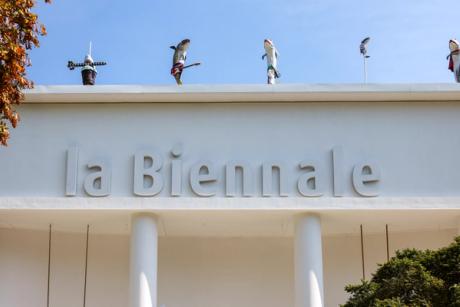
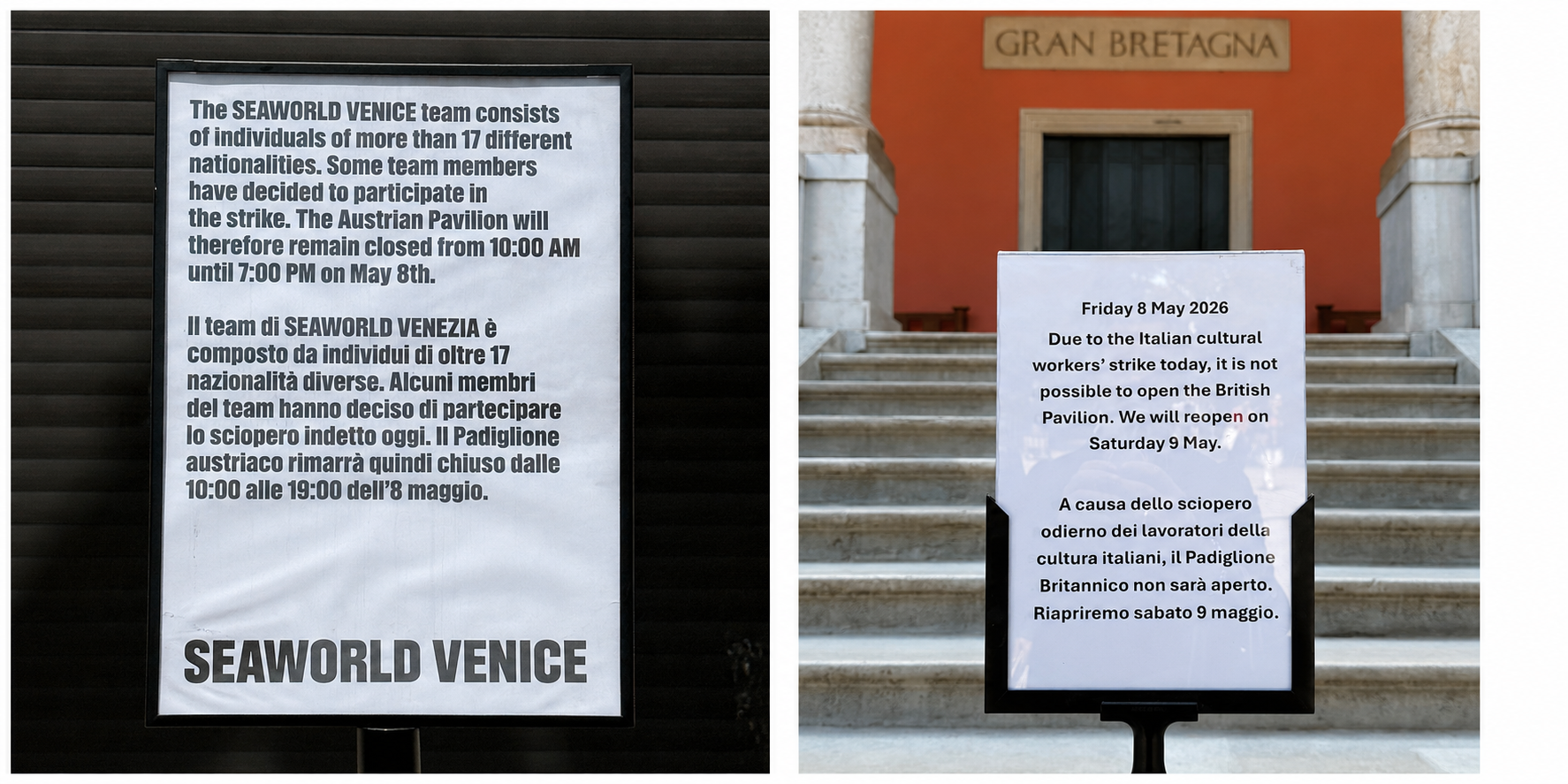
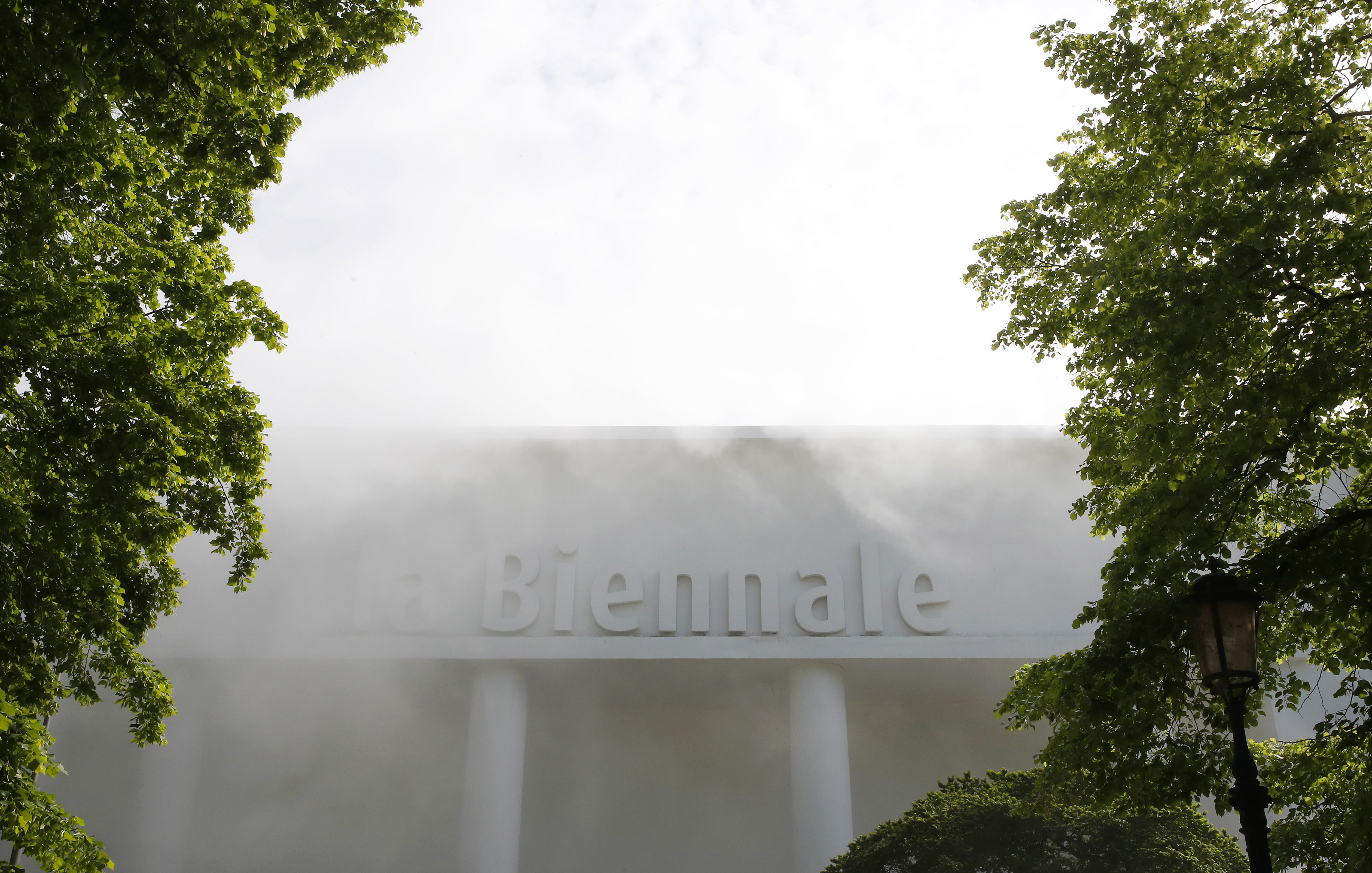
Cultural workers and participants of the Venice Biennale went on strike on Friday, protesting Israel's participation in the art exhibition. Organized by the Art Not Genocide Alliance (ANGA) alongside several cultural groups and Italian grassroots unions, the 24-hour walkout led to the closure of several national pavilions on the final preview day. A rally was planned near the Arsenale grounds. The strike aims to oppose the "normalization of genocide in culture" and poor working conditions at the Biennale, following an earlier open letter signed by over 230 artists and curators demanding the exclusion of the Israeli pavilion. Israel is represented by sculptor Belu-Simion Fainaru, who opposes cultural boycotts and advocates for dialogue. The Biennale's leadership has distanced itself from the strike, emphasizing adherence to regulations and support for freedom of speech and pluralism.

The Porn Effect

Der Porno-Effekt

Maja Malou Lyse received a bizarre phone call nearly three years ago from the CEO of the world's largest sperm bank, who offered her 20 liters of discarded sperm for artistic purposes. She accepted and created an installation for the Danish Pavilion at the Venice Biennale, working with porn stars to explore how images shape bodies and desire.

Jury of the Venice Biennale Resigns

Jury der Venedig-Biennale tritt zurück

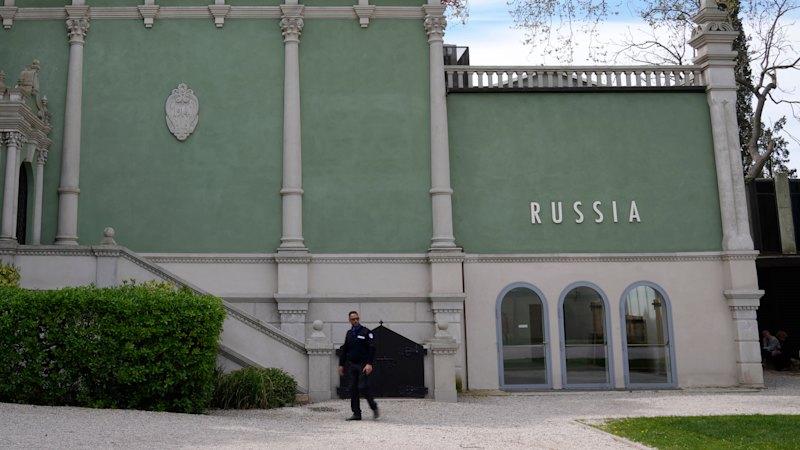
The entire jury of the Venice Biennale, appointed by artistic director Koyo Kouoh, has resigned with immediate effect. In a statement released on Thursday, the jury members—including chair Solange Oliveira Farkas, Zoe Butt, Elvira Dyangani Ose, Marta Kuzma, and Giovanna Zapperi—cited a prior declaration from April 22 in which they announced they would not award Golden or Silver Lions to artists from countries whose political leadership is currently indicted by the International Criminal Court (ICC) for crimes against humanity. Although no specific countries were named, the move implicitly targets Russia (President Vladimir Putin) and Israel (Prime Minister Benjamin Netanyahu), both subject to ICC arrest warrants. The resignation comes amid escalating tensions over Russia's participation in the Biennale despite EU sanctions, which had already led to a freeze of EU funding and widespread protests.

Press Photos of the Year Chosen

Pressefotos des Jahres gewählt

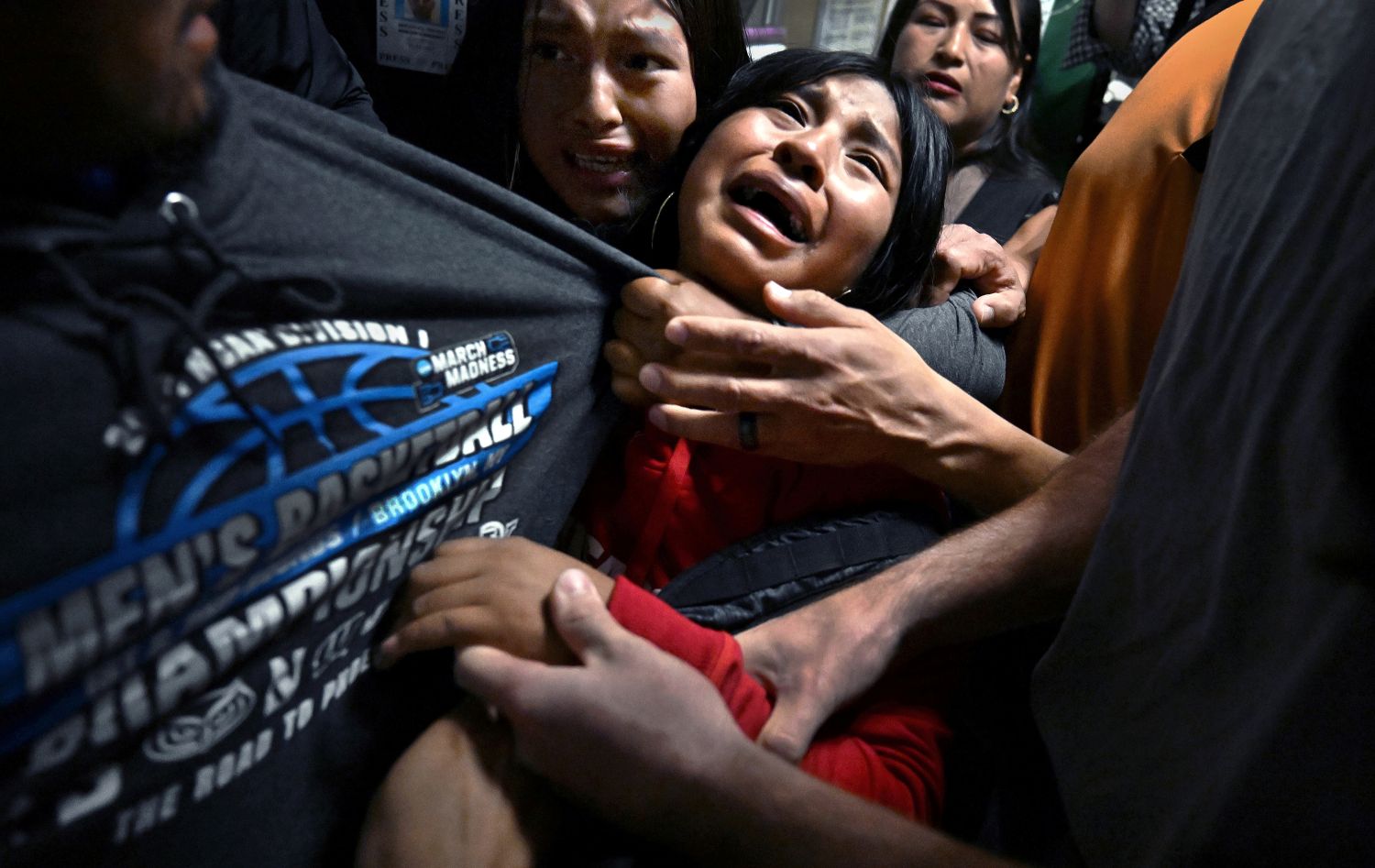
Carol Guzy won the World Press Photo competition for 2025 with her image "Separated by ICE," taken for the Miami Herald. The photograph depicts children clinging to their father's shirt during a court hearing in New York, after he was unexpectedly detained by U.S. Immigration and Customs Enforcement (ICE). The jury selected the image from nearly 57,000 entries by about 3,700 photographers. Two other finalists were recognized: Saber Nuraldin for documenting the humanitarian crisis in Gaza, and Victor J. Blue for covering the trial of perpetrators who kidnapped and abused women during Guatemala's civil war.

Under pressure, the Venice Biennale jury resigns and is replaced by a public vote

Sous pression, le jury de la Biennale de Venise démissionne et est remplacé par un vote du public

On April 30, just days before the Venice Biennale's public opening on May 9, the entire international jury responsible for awarding the Golden and Silver Lions resigned. The jury—comprising Solange Farkas, Zoe Butt, Elvira Dyangani Ose, Marta Kuzma, and Giovanna Zapperi—had been caught in a escalating controversy after Biennale president Pietrangelo Buttafuoco reinstated Russia, which had been excluded since the 2022 invasion of Ukraine. The European Union threatened to suspend or cancel its €2 million subsidy if Russia remained included. The jury attempted to exclude countries whose leaders face International Criminal Court arrest warrants, effectively targeting Russia and Israel, but ultimately resigned under pressure from both external diplomatic turmoil and internal institutional opposition to any discrimination between pavilions.

Writer Thomas Clerc casts a tender fictional gaze on Montmartre's 'daubs'

L’écrivain Thomas Clerc pose, à travers une fiction, un regard tendre sur les « croûtes » de Montmartre

French writer and essayist Thomas Clerc has published a new fiction titled "Croûtes" as the fifteenth volume in the "Fléchette" collection by éditions sun/sun. The book draws inspiration from a single autochrome image taken from the Musée Albert-Kahn's "Archives de la planète" (1909–1931), specifically a one-minute film shot in March 1927 at the Foire aux croûtes in Montmartre, Paris. Clerc's narrative tenderly and humorously explores the life of an amateur painter and the infinite possibilities of so-called "croûtes"—a French slang term for amateurish or kitsch paintings that exist outside institutional recognition.

Lenke Rothman “Quality of Life” at Kunstverein in Hamburg

The Kunstverein in Hamburg is presenting "Quality of Life," the first comprehensive survey of Swedish Hungarian artist Lenke Rothman outside of Sweden. The exhibition spans Rothman's career from the 1950s until her death in 2008, showcasing her unique oeuvre that juxtaposes everyday life with her biographical and historical experiences, characterized by a radical processing of personal and collective memory.

Hyeree Ro: What Bears

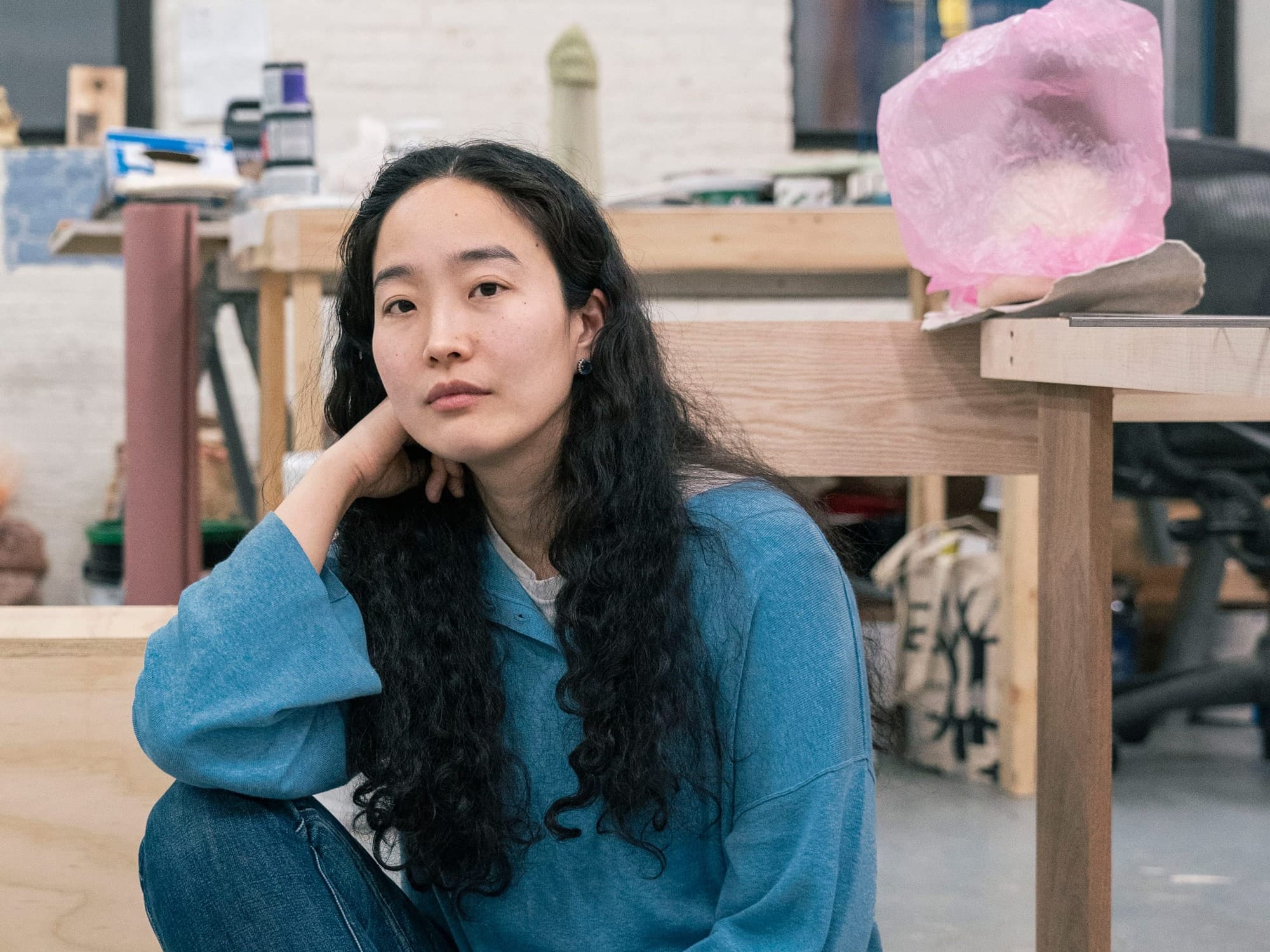
Hyeree Ro is preparing for the 2026 Venice Biennale, where she will present the work "Bearing (2026)" as part of the Korean Pavilion, titled "Liberation Space: Fortress/Nest." The article follows Ro in her temporary Brooklyn studio, where she works with salvaged objects and materials that migrate across multiple works over years—such as a sheet of organza purchased in 2023 that later appeared in "Niro (2024)" and "Carry (2025)" before being repurposed as the pavilion's fabric walls. Her practice is defined by a nomadic, accumulative material logic: objects enter without a fixed destination and gain meaning through repeated reuse.

Urban Reflections, Daniel Melim on the City as Studio, Archive and Collective Space

Brazilian artist Daniel Melim discusses his exhibition "Urban Reflections" at São Bernardo do Campo in an interview with Brendon Bell-Roberts. Melim, who emerged from the graffiti and stencil cultures of ABC Paulista, describes how the city functions as an active collaborator in his practice, transforming the gallery into an expanded studio where boundaries between street, studio, and institution dissolve. The exhibition juxtaposes pivotal and previously unseen works, tracing his artistic evolution and layered urban memory.

‘Apoi’ and Weaving What Remains

Ugandan artist Acaye Kerunen presents her first solo museum exhibition in Germany, titled 'Apoi,' at the Kunstmuseen Krefeld. The show, installed across the modernist spaces of Haus Lange and Haus Esters, features handwoven textiles, sculpture, sound, and film that draw on Indigenous knowledge systems and intergenerational exchange. It is part of the museum's ongoing 'HL HE Dialog: What Comes After Art' series.

MARILYN BOROR BOR, SEBA CALFUQUEO, JULIETH MORALES. PERFORMANCE Y DISIDENCIAS

On April 18, 2026, the performance cycle "Atravesar el lago" (Crossing the Lake) took place in open spaces of Casa del Lago UNAM in Chapultepec Park, curated by Adonay Bermúdez. Artists Marilyn Boror Bor, Seba Calfuqueo, and Julieth Morales activated performances that destabilize dominant knowledge frameworks and confront narratives imposed by colonial modernity. Boror Bor's "Lo que el cemento no puede cubrir" turned the body into a living archive summoning ancestral memories; Calfuqueo's "Guardo mis semillas para el futuro" opened fissures in imposed borders; and Morales's "Enchumbarnos: Cuerpo, Norma y Territorio. Ritual para dos cuerpos" configured a threshold of listening and transformation. The article includes a curatorial text fragment exploring water as a dissident force, drawing on Silvia Rivera Cusicanqui's thought.

From Minor Keys to Uproar: The Crisis of the Venice Biennale

DE LAS MINOR KEYS AL ESTRUENDO: LA CRISIS DE LA BIENAL DE VENECIA

The 61st Venice Biennale is engulfed in a structural crisis, marked by geopolitical tensions over the inclusion of Russia (amid its invasion of Ukraine) and Israel (amid the Gaza genocide). The Biennale Foundation, led by Pietrangelo Buttafuoco, defended their participation on legalistic grounds, sparking outrage from over 200 artists, curators, and cultural workers who demanded Israel's exclusion, aligning with Art Not Genocide Alliance (ANGA). The international jury, chaired by Solange Farkas and including Zoe Butt, Elvira Dyangani Ose, Marta Kuzma, and Giovanna Zapperi, resigned collectively on April 30 after deciding not to award prizes to countries whose leaders face International Criminal Court arrest warrants. This led to the cancellation of the traditional Golden and Silver Lions, replaced by audience-voted "Visitor Lions," with awards deferred until November. The European Commission suspended a €2 million subsidy over Russia's participation, and Italian Culture Minister Alessandro Giuli notably skipped the May 9 opening.

Cannes 2026 Dispatch, Part 1: Breaking False Unities

On May 8, during the pre-opening of the Venice Biennale, the independent collective ANGA (Art Not Genocide Alliance) organized a strike protesting genocide and precarity in the art world. Pro-Palestinian activists entered the Arsenale, where part of the exhibition "In Minor Keys" curated by the late Koyo Kouoh was installed, and hung posters on artworks calling for the liberation of Palestine and denouncing what they described as the Biennale's "art-washing" of Israel's reputation. The disruption blurred the line between activist intervention and the exhibition itself, as many works already addressed Palestine directly, including a poem by Refaat Alareer placed at the entrance.

Exhibition | Yelena Popova, 'Moments of Grace' at Osnova gallery, Valencia, Spain

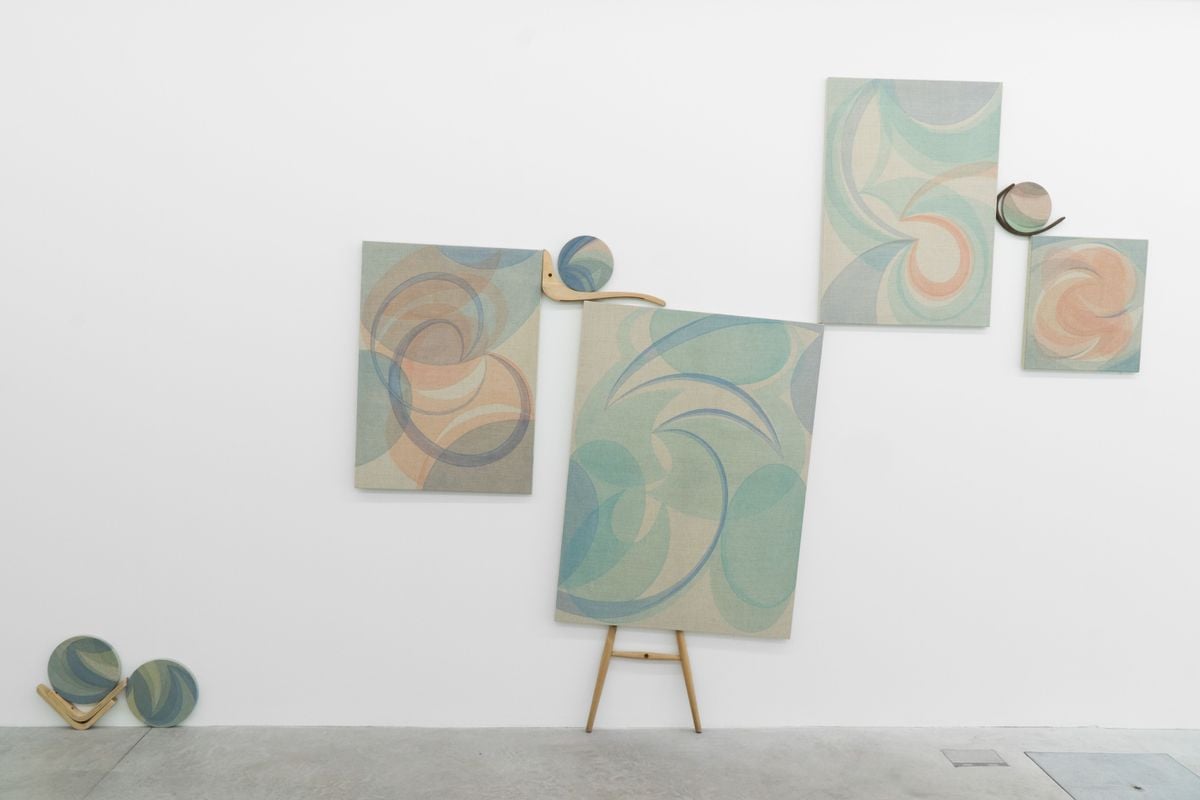
Yelena Popova's solo exhibition 'Moments of Grace' opens at Osnova gallery's new space in Valencia, Spain, marking a decade of collaboration between the artist and the gallery. The show brings together works from several of Popova's major series, including 'Painting Installations' (2012-2017), 'Evaporating Paintings', 'Post-Petrochemical Paintings', and three jacquard-woven tapestries, tracing her practice over the past fifteen years. Popova approaches each project as part of an interconnected body of work, comparing her logic to garden cultivation—a layered, cyclical process. Her cross-disciplinary research focuses on the material conditions of painting, exploring temporal transformations like evaporation, oxidation, and decay, as well as the dynamics between image, surface, and space.

Why Italy's cultural wealth never really enters public accounts and budgets?

Perché la ricchezza culturale italiana non entra mai davvero nei conti e nei bilanci pubblici?

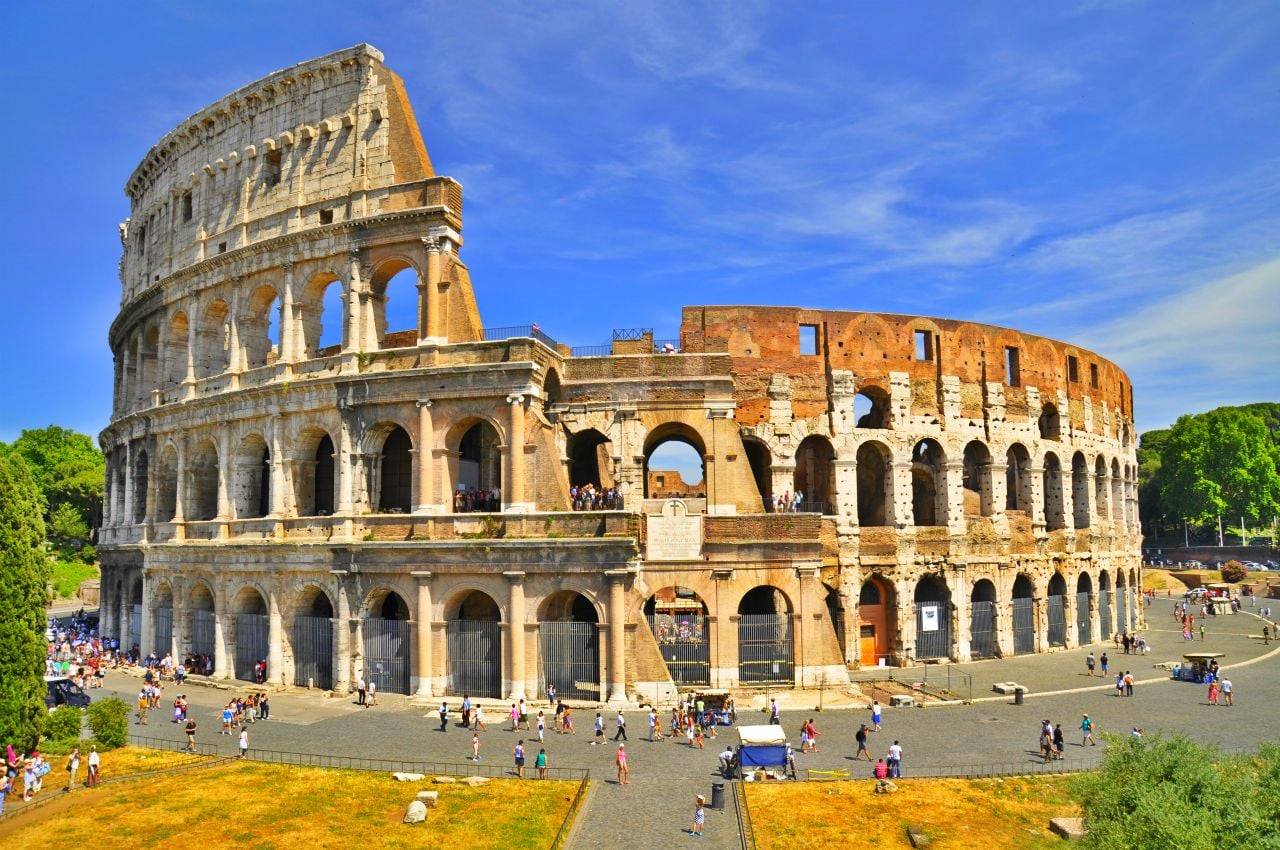
Italy has exceeded the European Commission's structural adjustment path by 0.1 percentage points of GDP, reopening fiscal scrutiny. Amid this debate, the article highlights a deeper issue: Italy's immense cultural heritage is drastically undervalued in public accounts. For example, the Pompeii Archaeological Park is recorded at just €48.9 million, the Colosseum at under €15 million, and the Uffizi at about €2 billion—figures based on outdated 2002 ministerial criteria that bear no relation to actual economic or cultural worth. The State General Accounting Office, with the University of Roma Tre and EU technical assistance, has proposed a new methodology to value cultural assets by discounting their future net financial flows, including direct revenues and indirect tourism-related returns.

Reconnecting with the Handmade: The Hart Gallery’s Ampersand student art exhibit

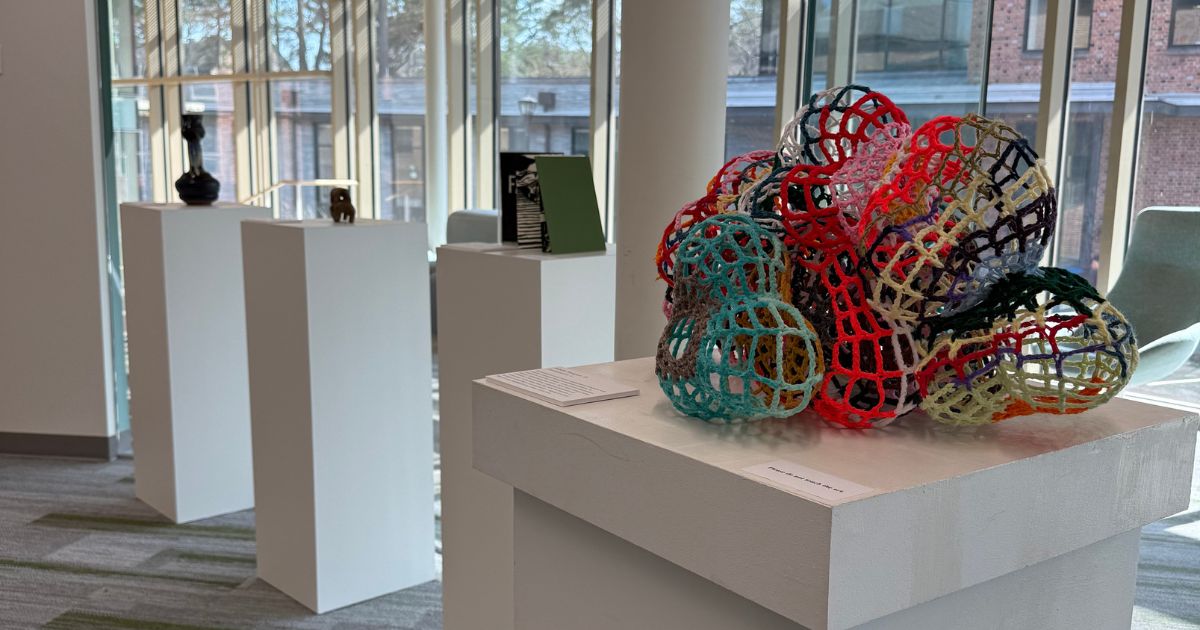
William & Mary students showcased their handmade artworks in the Hart Gallery's "Handmade" exhibit, held in conjunction with the Ampersand International Arts Festival. Curated by alumna Zara Fina Stasi '12, a Richmond-based artist and founder of Good for the Bees, the multimedia exhibition featured approximately a dozen student submissions including assemblage, collage, sculpture, sewn hangings, and traditional painting. Student curators Gibran Adnan '27 and Rebecca Graber '27 collaborated with Stasi to select and install the works, which explored themes of experimentation, self-expression, and the human process of creating by hand.

Native artists highlighted Thursdsay

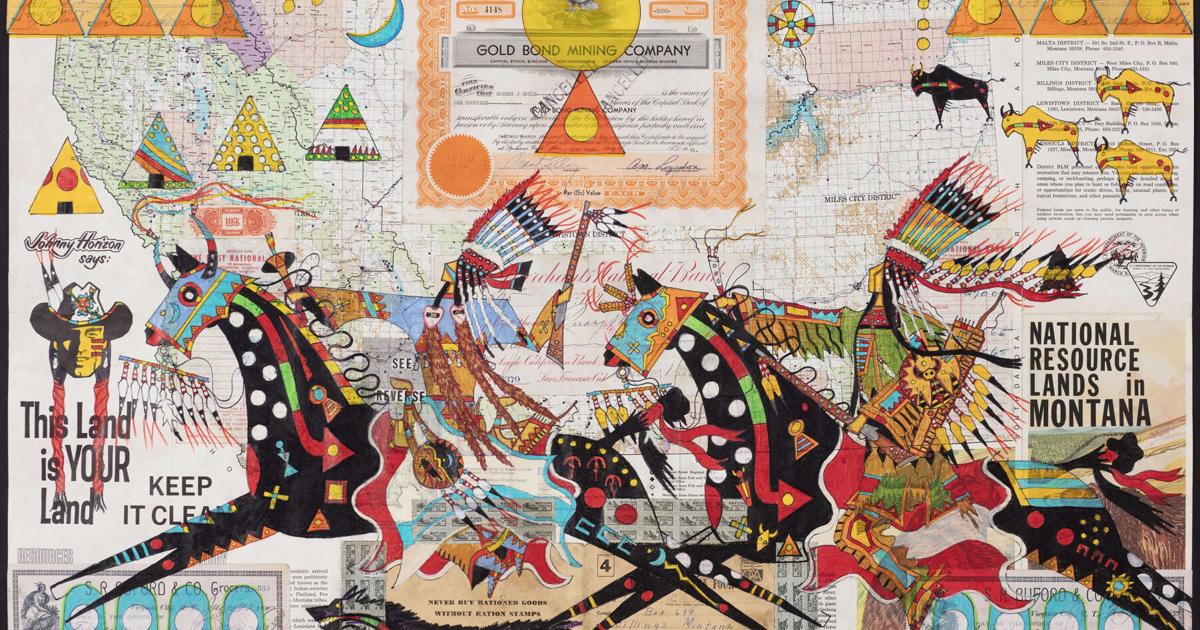
An event highlighting Indigenous art, the “Evening of Native American Artistry,” will take place Thursday at the Jackson Hole History Museum in conjunction with the seventh annual Teton Powwow. Curated by Susan Durfee and Al Hubbard of Central Wyoming College, the exhibit “Behind Linear Narratives” focuses on ledger art—drawings on repurposed accounting paper—featuring historic works from the late 1800s alongside contemporary pieces by father-and-son artists Terrance Guardipee and Terran Last Gun. Six other downtown galleries will each host an Indigenous artist, and Central Wyoming College’s culinary program will collaborate with chefs from Owamni Restaurant and NATIFS to create heritage-inspired appetizers.

Bayeux Tapestry: A Blank Voyage That Tests Nothing

Tapisserie de Bayeux : un voyage à blanc qui ne teste rien

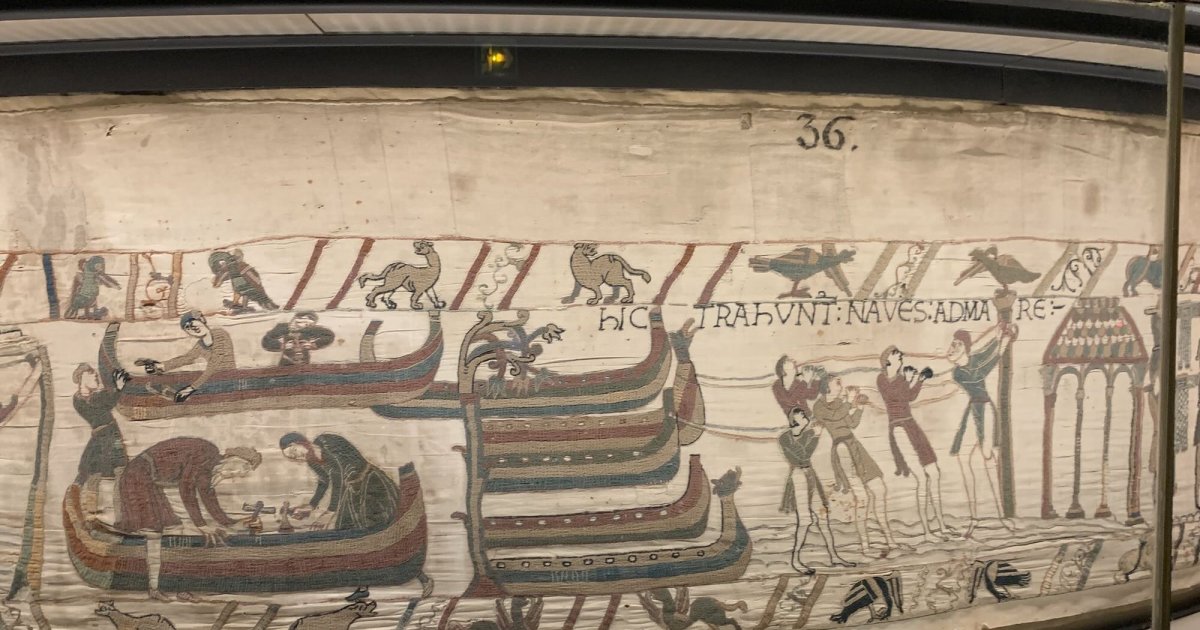
A confidential interim report obtained by La Tribune de l'Art reveals that the "blank voyage" test transport of the Bayeux Tapestry from Bayeux to London in February 2026 failed to measure actual risks to the artwork. The report admits that the vibration threshold used (2 mm/s) is arbitrary and based on paintings, not on a textile of this size and fragility. Because the tapestry has been stored and inaccessible since September 2025, no mechanical tests could be conducted beforehand to determine safe vibration levels, rendering the test meaningless. A second test took place on April 15, 2026, but its report has not yet been finalized; the actual loan is planned for July 2026, with transport via Eurostar.

Iran has not withdrawn from 2026 Venice Biennale, pavilion commissioner says

Iran has denied withdrawing from the 2026 Venice Biennale, despite the Biennale's announcement that the country would not participate. Aydin Mahdizadeh Tehrani, director-general of visual arts at Iran's ministry of culture and Islamic guidance and the country's pavilion commissioner, stated that Iran requested more time rather than submitting a withdrawal. He cited the US-Israel war with Iran, political and economic challenges, and a sharp currency devaluation that tripled projected costs as reasons for the delay. Iran proposed a shorter two-to-three-month participation, which was rejected, but has since sent a letter insisting on opening its pavilion even after the opening. The foreign ministry has intervened to support Iran's participation, and a final response from the Biennale is expected soon.

Underground Railroad stop in New York threatened by real-estate development

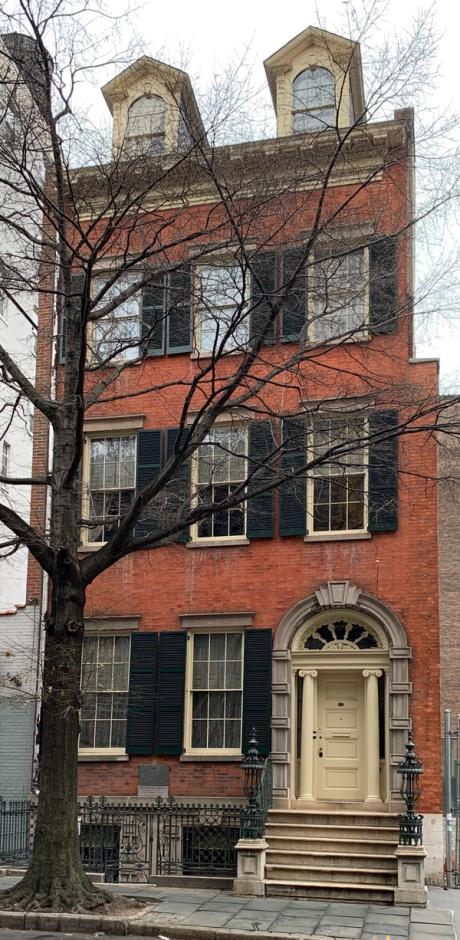
A hidden chute within the Merchant's House Museum in Manhattan, identified as a rare surviving stop on the Underground Railroad, is threatened by a planned real-estate development next door. The two-foot-square vertical passage, concealed behind a built-in dresser, was built in 1832 by abolitionists Joseph and Susanna Brewster to shelter Black fugitives escaping slavery. The museum's western wall, which contains the hideaway, adjoins a one-story garage slated for demolition to make way for a commercial building, prompting the museum team to oppose the development due to risk of structural damage.

Today’s war, tomorrow’s loot: attempts at stemming the illicit trade in art

The article examines the ongoing challenge of preventing the illicit trade in cultural property looted from conflict zones. It discusses the Hague Convention of 1954 and its protocol, which require signatory countries to prevent theft and pillage during armed conflict and to seize and repatriate unlawful exports. However, the protocol only applies to situations of 'occupation,' leaving a gap for looting that occurs in the chaos of war beyond formal occupation. The article also notes UN Security Council Resolutions that restrict unlawfully removed cultural property from Iraq and Syria, but no similar consensus exists for countries like Afghanistan, Libya, Ukraine, Lebanon, Yemen, Sudan, and Iran. EU Regulation 2019/880 is highlighted as a measure that prohibits introducing goods removed unlawfully from their place of origin into the EU, though its scope has expanded beyond its original anti-terrorist financing purpose.

Dutch Commission Recommends New Guardianship for ‘Orphaned’ Nazi-Looted Art

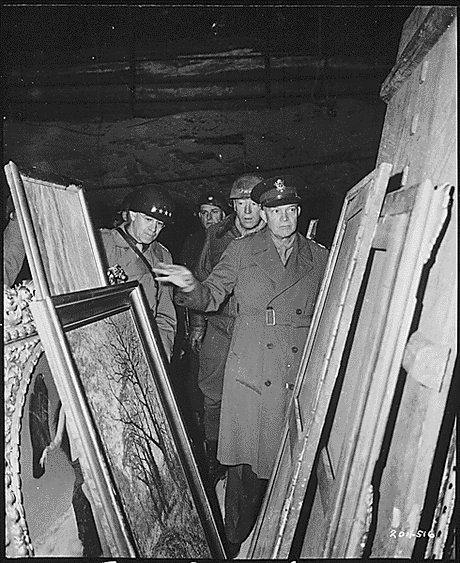
A Dutch government-appointed committee has proposed transferring guardianship of thousands of unclaimed Nazi-looted artworks from a state agency to a Jewish foundation, preferably housed at the Jewish Museum in Amsterdam. The plan includes funding for exhibitions and explanatory labels to publicly display the so-called "orphaned" art from the Netherlands Art Property Collection.

OCU exhibit turns old discs into immersive art

Artist Leticia R. Bajuyo presents "Signal Convergence," a large-scale installation at Oklahoma City University's Nona Jean Hulsey Art Gallery that transforms discarded CDs and DVDs into immersive sculptural works. The exhibition runs from May 15 through Sept. 18, featuring horn-like structures built from thousands of discs, and includes a special collaborative performance on Sept. 10 with OCU music theory professor Kate Sekula using a theremin to direct sound through the installation.

Pelham Art Center presents ‘Relics: Ancient to Modern,’ a teen-curated exhibition, from May 7 through May 31

Pelham Art Center will host 'Relics: Ancient to Modern,' a teen-curated exhibition organized by its Teen Artist Council, from May 7 through May 31. The show opens with a public artist talk on May 7 and a reception on May 9, featuring works by over 50 artists from the United States and abroad, including Pakistan. The council, composed of high school students, developed the theme, issued an open call, and curated the final selection under the guidance of Gallery and Teen Programming Coordinator Fiona Agababian.

Venice Biennale jury resigns amid row over Russian entry

The international jury of the Venice Biennale resigned en masse just nine days before the opening of the world's oldest contemporary art fair, amid a dispute over Russia's participation and the panel's decision to bar prizes for countries accused of crimes against humanity by the International Criminal Court. The jury, comprising president Solange Farkas and members Zoe Butt, Elvira Dyangani Ose, Marta Kuzma, and Giovanna Zapperi, stepped down without explanation, following tensions that also involved Italy's Culture Ministry cutting €2 million in EU funding over Russia's presence and sending inspectors to the Russian Pavilion.

Coalition’ art exhibition draws massive turnout in Ibadan, eyes Guinness World Records

Over 900 art enthusiasts attended 'The Coalition' art exhibition in Ibadan, Nigeria, held from April 24 to 26, 2026, at the International Institute of Tropical Agriculture (IITA). The three-day event featured more than 600 artworks by 60 Nigerian artists, showcasing abstract works, portraits, and contemporary pieces exploring identity and culture. Organizers, including Constance and Sons Art Gallery founder Dunmade Ayegbayo, reported strong visitor engagement and sales, highlighting the commercial potential of Nigerian art.

Venice Biennale Jury Resigns Amid Tension Over Awards Ban

The jury of the Venice Biennale, the world's most prominent art exhibition, has resigned collectively amid a dispute over a proposed ban on awarding artists from countries whose leaders are accused of crimes against humanity. The jury had declared it would not consider such artists for prizes, leading to internal tensions and ultimately their resignation.

Iran’s Participation in the Venice Biennale Still Uncertain

Iran’s participation in the 61st Venice Biennale remains uncertain after a public contradiction emerged between the Biennale Foundation and Iran’s Ministry of Culture and Islamic Guidance (MCIG). The Biennale Foundation had announced that Iran would not participate in the 2026 edition, curated by Koyo Kouoh, but Aydin Mahdizadeh Tehrani, director general of visual arts at the MCIG and commissioner of the Iranian Pavilion, stated in an interview with the Iranian Students’ News Agency (ISNA) that Iran never submitted a withdrawal letter. Instead, Iran requested more time and sent a letter on May 10 asking for the pavilion to open even if ineligible for prizes. Mahdizadeh Tehrani cited the US-Israel war with Iran as causing currency fluctuations that nearly tripled projected costs, complicating prior agreements, and noted that Iran had proposed a shorter exhibition period, which the Biennale rejected.

IDF Soldiers Hide From Our Gaze

An opinion article on Hyperallergic analyzes official portraits of Israeli Defense Forces (IDF) soldiers released in May 2025, in which the soldiers are depicted with their backs to the camera. The author argues that this pose is a deliberate tactic to avoid identification and potential prosecution for war crimes in the occupied Palestinian territories, weaponizing surveillance technologies against the very people they surveil. The piece frames these images as "counter-portraits" that transform individual soldiers into a faceless, intimidating mass, contrasting them with traditional portraiture that invites intimate moral scrutiny.

The first of May starts a new issue of Pax. Previews of the newsletter on cultural tourism (subscribe)

Il primo maggio parte una nuova uscita di Pax. Le anticipazioni della newsletter sul turismo culturale (abbonatevi)

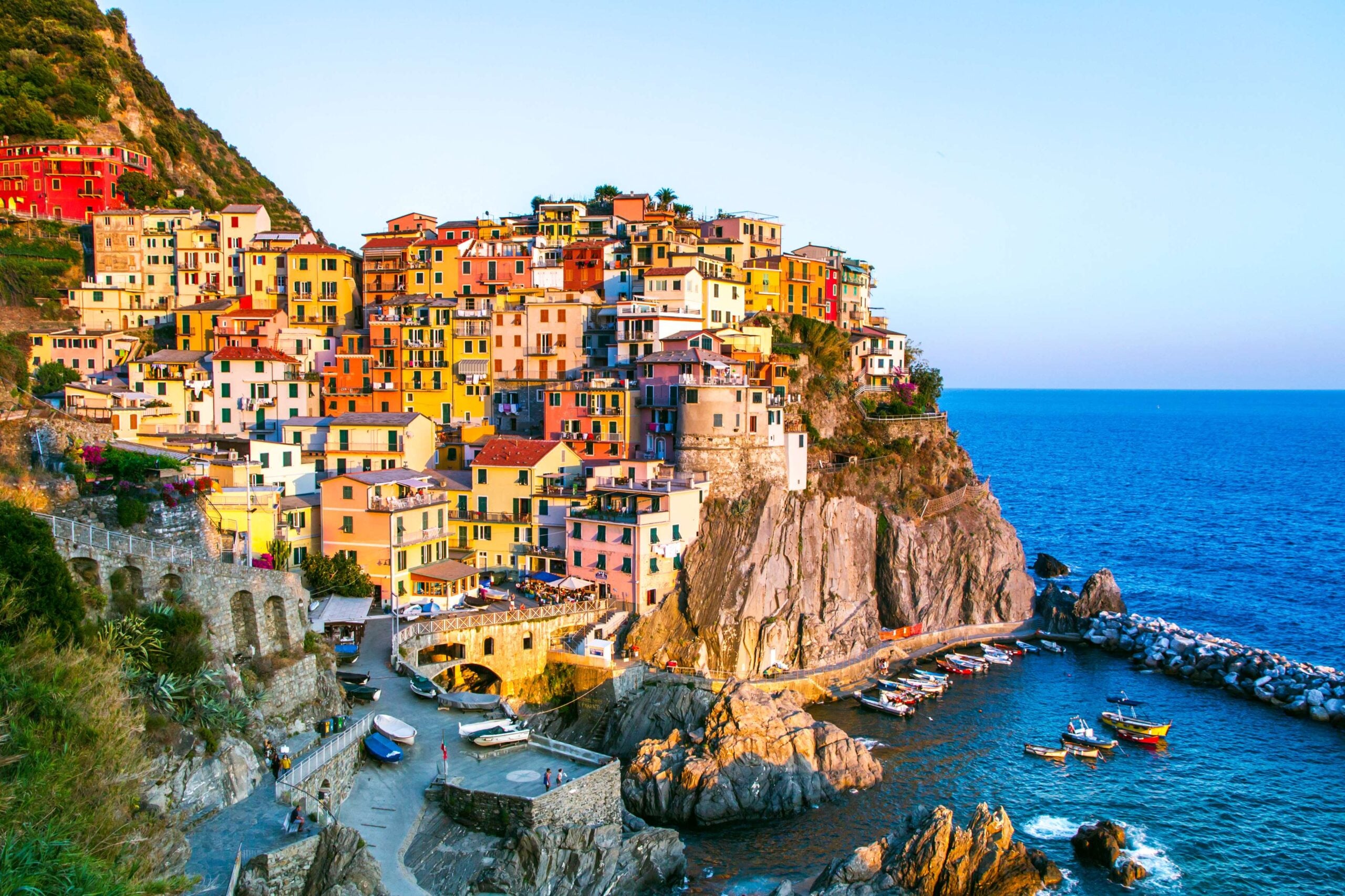
The article previews the upcoming May 1st issue of Pax, a newsletter by Artribune focused on cultural tourism. It highlights a feature on Italy's colorful villages, explaining how bright colors historically aided sailors and fishermen, and how white facades served hygienic purposes. The issue also covers off-the-beaten-path destinations like Bolsena, which recently opened a contemporary art space in Palazzo Cozza Caposavi, and explores slow tourism practices such as barefooting, discussed with its founder Andrea Bianchi. Additional content includes a roundup of cultural initiatives from Berlin to Naples, Budapest's Citadella reopening, and the Sussex forest's Winnie-the-Pooh centenary.