filter_list Showing 208 results for "Minor Keys" close Clear
search
dashboard All 208 museum exhibitions 124article news 65rate_review review 9article culture 4person people 4article event 1article policy 1
date_range Range Today This Week This Month All
Subscribe

Israeli Pavilion Artist Made Legal Threats Before Venice Biennale Jury Resigned

New reports reveal that Israeli Pavilion artist Belu-Simion Fainaru issued legal threats against the Venice Biennale, alleging antisemitism and discrimination after the awards jury decided to exclude Israel and Russia from consideration due to human rights charges. The jury, which included Elvira Dyangani Ose, Zoe Butt, Marta Kuzma, Giovanna Zapperi, and Solange Farkas, initially stated on April 22 it would not consider nations whose leaders are charged with crimes against humanity by the International Criminal Court. Fainaru filed legal warnings with the Biennale, the Italian Ministry of Culture, and the Prime Minister's office. The jury abruptly resigned eight days later, leading the Biennale to scrap the Golden Lion awards and institute "Visitor Lions" decided by public vote. Reports indicate the Biennale's legal department warned jurors could be personally liable for damages, and Italian Culture Minister Alessandro Giuli promised to promote Fainaru's work.
Interview to discover Theo Eshetu, the only Italian artist at the 2026 Venice Biennale

Intervista per scoprire Theo Eshetu, unico artista italiano alla Biennale di Venezia 2026

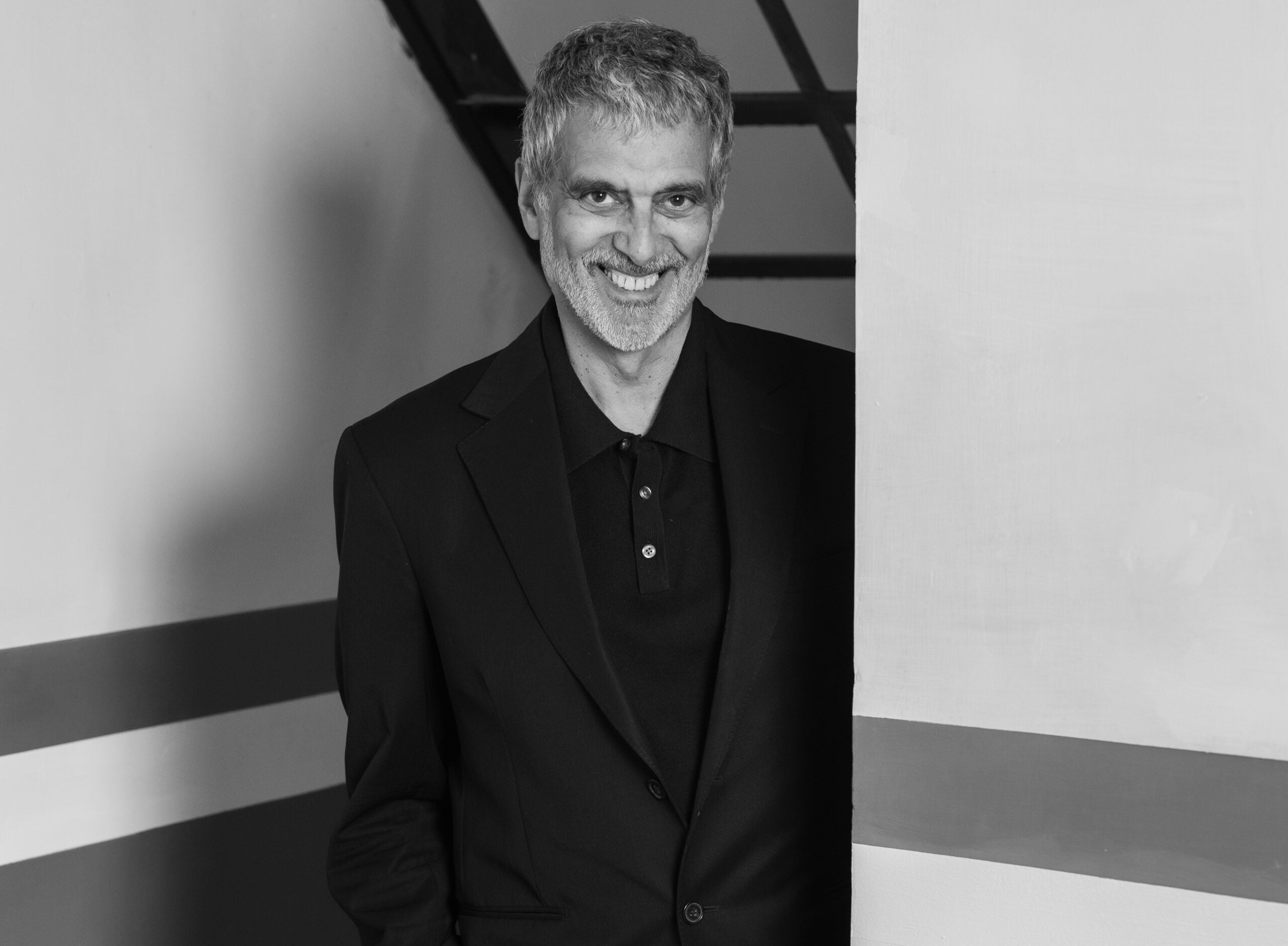
Theo Eshetu (London, 1958), the only Italian artist invited to the central exhibition "In Minor Keys" of the 2026 Venice Biennale curated by Koyo Kouoh, is profiled in an interview. Born to an Ethiopian father and Dutch mother, Eshetu trained in the Netherlands and London before settling in Rome in the early 1980s. He discusses his cosmopolitan background, his early struggles with belonging, and how he transformed that into artistic strength. The interview covers his career, his memories of the Roman art scene in the 1980s and 1990s, and his current work presented at the Biennale, including the piece "The Return of the Axum Obelisk" (2010).

Annalee Davis at the 2026 Venice Art Biennale. Landscape as mourning, archive and resistance in the Barbados Pavilion

Annalee Davis alla Biennale Arte di Venezia 2026. Il paesaggio come lutto, archivio e resistenza nel Padiglione Barbados

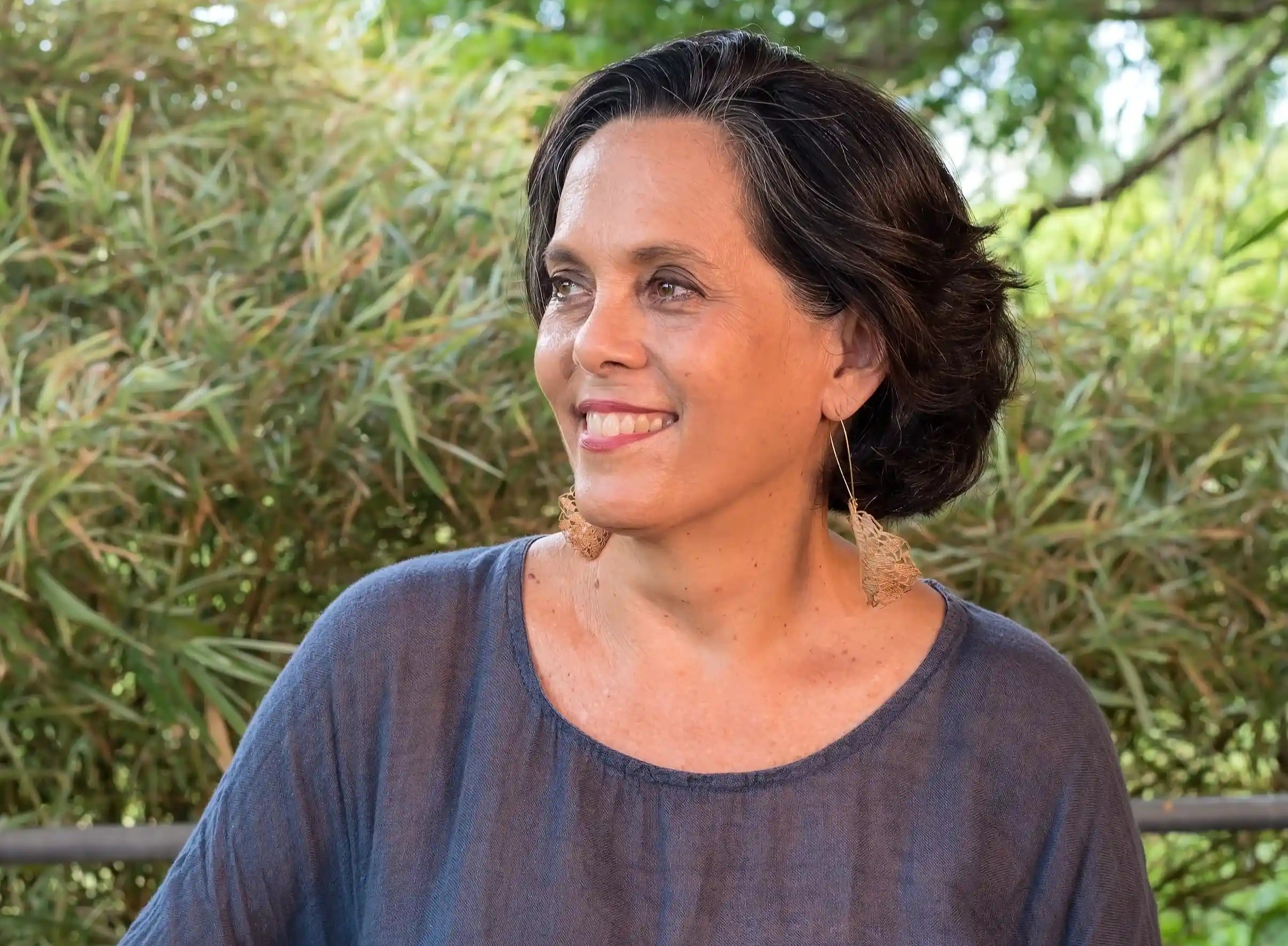
Annalee Davis, an artist from Barbados, will represent her country at the 2026 Venice Biennale with an installation titled "Let this be my Cathedral" within the exhibition "In Minor Keys." The work addresses ecological grief, colonial memory, and the possibility of care without erasing conflict, using suspended plants and organic materials to create a threshold where loss, vulnerability, and wonder remain in tension. Davis discusses the influence of curator Koyo Kouoh, whose vision shaped the Biennale, and the importance of research as an integral part of her artistic process.

Before Language: An Interview with Song E Yoon at Biennale Arte 2026

Song E Yoon's exhibition "Songs Across Time" at Spazio 996/A in Venice, presented as a Collateral Event of the 61st International Art Exhibition – La Biennale di Venezia, pairs her Song E Code with Frédéric Bruly Bouabré's Bété alphabet. In an interview with Kun Sok, Yoon discusses how her work uses dots, intervals, and repetition to create a visual language that exists before conventional meaning, emphasizing bodily encounter, sensation, and the productive role of misreading.

Jury of the Venice Biennale Resigns

Jury der Venedig-Biennale tritt zurück

The entire jury of the Venice Biennale, appointed by artistic director Koyo Kouoh, has resigned with immediate effect. In a statement released on Thursday, the jury members—including chair Solange Oliveira Farkas, Zoe Butt, Elvira Dyangani Ose, Marta Kuzma, and Giovanna Zapperi—cited a prior declaration from April 22 in which they announced they would not award Golden or Silver Lions to artists from countries whose political leadership is currently indicted by the International Criminal Court (ICC) for crimes against humanity. Although no specific countries were named, the move implicitly targets Russia (President Vladimir Putin) and Israel (Prime Minister Benjamin Netanyahu), both subject to ICC arrest warrants. The resignation comes amid escalating tensions over Russia's participation in the Biennale despite EU sanctions, which had already led to a freeze of EU funding and widespread protests.

Under pressure, the Venice Biennale jury resigns and is replaced by a public vote

Sous pression, le jury de la Biennale de Venise démissionne et est remplacé par un vote du public

On April 30, just days before the Venice Biennale's public opening on May 9, the entire international jury responsible for awarding the Golden and Silver Lions resigned. The jury—comprising Solange Farkas, Zoe Butt, Elvira Dyangani Ose, Marta Kuzma, and Giovanna Zapperi—had been caught in a escalating controversy after Biennale president Pietrangelo Buttafuoco reinstated Russia, which had been excluded since the 2022 invasion of Ukraine. The European Union threatened to suspend or cancel its €2 million subsidy if Russia remained included. The jury attempted to exclude countries whose leaders face International Criminal Court arrest warrants, effectively targeting Russia and Israel, but ultimately resigned under pressure from both external diplomatic turmoil and internal institutional opposition to any discrimination between pavilions.

From Minor Keys to Uproar: The Crisis of the Venice Biennale

DE LAS MINOR KEYS AL ESTRUENDO: LA CRISIS DE LA BIENAL DE VENECIA

The 61st Venice Biennale is engulfed in a structural crisis, marked by geopolitical tensions over the inclusion of Russia (amid its invasion of Ukraine) and Israel (amid the Gaza genocide). The Biennale Foundation, led by Pietrangelo Buttafuoco, defended their participation on legalistic grounds, sparking outrage from over 200 artists, curators, and cultural workers who demanded Israel's exclusion, aligning with Art Not Genocide Alliance (ANGA). The international jury, chaired by Solange Farkas and including Zoe Butt, Elvira Dyangani Ose, Marta Kuzma, and Giovanna Zapperi, resigned collectively on April 30 after deciding not to award prizes to countries whose leaders face International Criminal Court arrest warrants. This led to the cancellation of the traditional Golden and Silver Lions, replaced by audience-voted "Visitor Lions," with awards deferred until November. The European Commission suspended a €2 million subsidy over Russia's participation, and Italian Culture Minister Alessandro Giuli notably skipped the May 9 opening.

Iran has not withdrawn from 2026 Venice Biennale, pavilion commissioner says

Iran has denied withdrawing from the 2026 Venice Biennale, despite the Biennale's announcement that the country would not participate. Aydin Mahdizadeh Tehrani, director-general of visual arts at Iran's ministry of culture and Islamic guidance and the country's pavilion commissioner, stated that Iran requested more time rather than submitting a withdrawal. He cited the US-Israel war with Iran, political and economic challenges, and a sharp currency devaluation that tripled projected costs as reasons for the delay. Iran proposed a shorter two-to-three-month participation, which was rejected, but has since sent a letter insisting on opening its pavilion even after the opening. The foreign ministry has intervened to support Iran's participation, and a final response from the Biennale is expected soon.

Baby dolls, whale songs and swimming in urine: The Venice Biennale’s must-see national pavilions

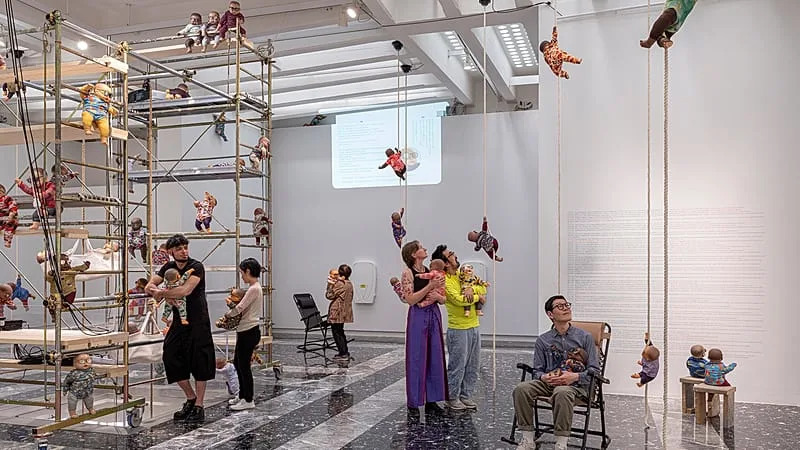
The 61st Venice Biennale, themed 'In Minor Keys' by late curator Koyo Kouoh, has been marked by political protests against Russia and Israel's participation, pavilion closures, and threats to funding. Despite this tense atmosphere, several national pavilions quietly embody Kouoh's vision of nurture, intimacy, and reflection. Highlights include the Japan Pavilion's 'Grass Babies, Moon Babies' by Ei Arakawa-Nash, where visitors carry and care for baby dolls, and the Polish Pavilion's 'Liquid Tongues' by Bogna Burska and Daniel Kotowski, an immersive sound installation exploring Deaf culture and marginalized communication.

Hong Kong wows the crowds to sleep at the 2026 Venice Biennale

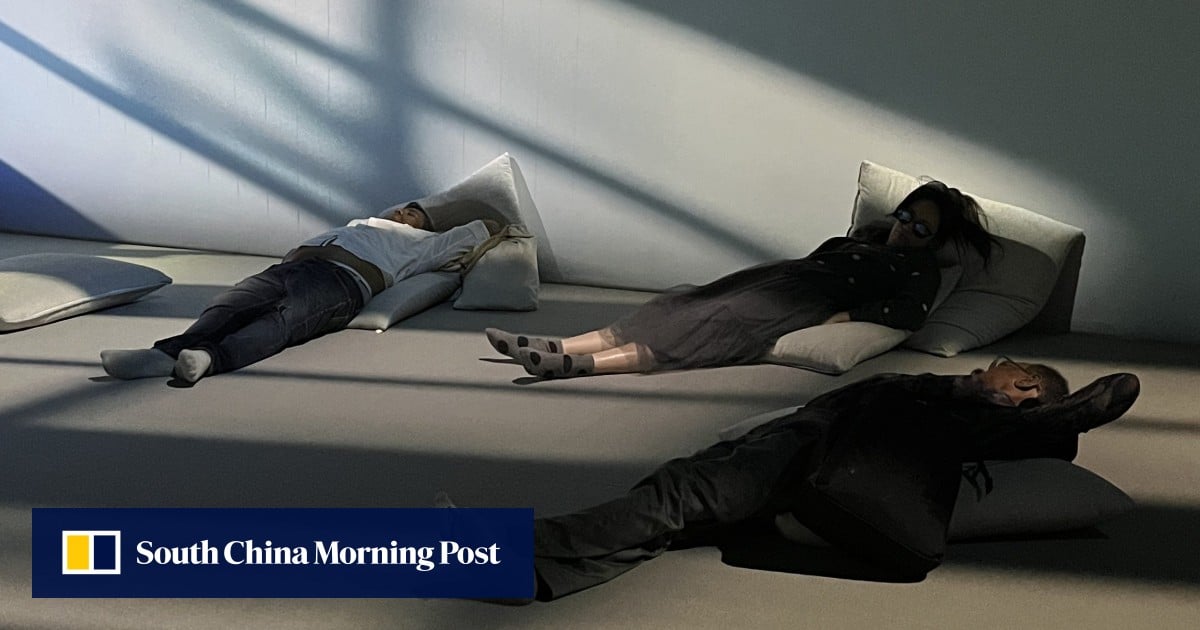
The 2026 Venice Biennale, titled "In Minor Keys" by its late artistic director Koyo Kouoh, has been marked by loud protests and urgent environmental alarms, notably at Florentina Holzinger's Austria pavilion. Amid this chaos, the Hong Kong collateral exhibition "Fermata" at Campo della Tana offers a quiet counterpoint, featuring Kingsley Ng Siu-king's installation *Laundry Nocturne (2026)*, a rest lounge with padded floors and cushions that has caused visitors to doze off. The exhibition follows Kouoh's curatorial vision of creating space for silenced voices and convivial collectivity.

Venice Biennale previews in chaos, overshadowed by Israeli and Russian participation

The Venice Biennale previews have descended into chaos, with the event overshadowed by controversies surrounding Israeli and Russian participation. Protests and disruptions have marked the lead-up to the prestigious international art exhibition, as demonstrators voice opposition to the inclusion of Israel amid the Gaza conflict and Russia's ongoing war in Ukraine. The situation has created a tense atmosphere, drawing significant media attention and complicating the Biennale's usual celebratory preview period.

How the Venice Biennale imploded over Israel

The 61st Venice Biennale, scheduled to open on May 9, has been thrown into turmoil after its International Jury announced that national pavilions and artists representing countries whose leaders are charged with crimes against humanity by the International Criminal Court will not be eligible for prizes. This excludes Israel, represented by sculptor Belu-Simion Fainaru, and Russia from competing for the Golden Lion. The decision follows an open letter signed by hundreds of artists and curators demanding Israel's exclusion over the war in Gaza, and comes amid ongoing geopolitical tensions, including Russia's absence from previous editions after its invasion of Ukraine. The Biennale's theme, 'In Minor Keys,' curated by the late Koyo Kouoh, aimed to focus on dignity and listening to marginalized voices, but the prize ban has sparked accusations that identity politics are overshadowing artistic merit.

Venice Biennale jury resigns amid row over Russian entry

The international jury of the Venice Biennale resigned en masse just nine days before the opening of the world's oldest contemporary art fair, amid a dispute over Russia's participation and the panel's decision to bar prizes for countries accused of crimes against humanity by the International Criminal Court. The jury, comprising president Solange Farkas and members Zoe Butt, Elvira Dyangani Ose, Marta Kuzma, and Giovanna Zapperi, stepped down without explanation, following tensions that also involved Italy's Culture Ministry cutting €2 million in EU funding over Russia's presence and sending inspectors to the Russian Pavilion.

In Minor Keys and legacies held in common

The article reflects on the 61st Venice Biennale, curated by Koyo Kouoh, who passed away on 10 May 2025 at age 57 after a cancer diagnosis. Her curatorial concept, "In Minor Keys," will be realized posthumously by her team. The Biennale preview opens on 6 May 2026, with the public opening on 9 May. Additionally, artist Henrike Naumann, selected for the German Pavilion, died on 14 February 2025 at age 41, also from cancer; her work will be shown in her name.

Turkish artist Nilbar Gures brings defiance to 61st Venice Biennale

Turkish artist Nilbar Güneş will represent Türkiye at the 61st Venice Biennale (May 9–November 22, 2026) with her exhibition "A Kiss on the Eyes" in the Arsenale's Türkiye Pavilion. Güneş, born in Istanbul in 1977 and educated at Marmara University, the Academy of Fine Arts Vienna, and the University of Applied Arts, works across photography, film, painting, performance, and mixed media. Her practice draws on personal biography to address societal issues, and she has shown internationally at venues including Osmos in New York and Vortic Art in London.

Oman announces artist, concept for Venice Biennale

Haitham Al-Busafi will represent Oman at the 61st Venice Biennale, serving as both artist and curator. His installation, titled "Zinah," transforms the tradition of Omani silver horse adornment (Al-zaanah) into an immersive environment of sand, suspended metal, and collectively generated sound. Located in the Arsenale Artiglierie and commissioned by Oman's Ministry of Culture, Sports and Youth, the work was developed through a community workshop in Muscat where participants inscribed marks into silver forms. The exhibition runs from May 9 to November 22, 2025.

Iran’s Participation in the Venice Biennale Still Uncertain

Iran’s participation in the 61st Venice Biennale remains uncertain after a public contradiction emerged between the Biennale Foundation and Iran’s Ministry of Culture and Islamic Guidance (MCIG). The Biennale Foundation had announced that Iran would not participate in the 2026 edition, curated by Koyo Kouoh, but Aydin Mahdizadeh Tehrani, director general of visual arts at the MCIG and commissioner of the Iranian Pavilion, stated in an interview with the Iranian Students’ News Agency (ISNA) that Iran never submitted a withdrawal letter. Instead, Iran requested more time and sent a letter on May 10 asking for the pavilion to open even if ineligible for prizes. Mahdizadeh Tehrani cited the US-Israel war with Iran as causing currency fluctuations that nearly tripled projected costs, complicating prior agreements, and noted that Iran had proposed a shorter exhibition period, which the Biennale rejected.

A review of the 2026 Venice Biennale without naming a single artist

Una recensione della Biennale di Venezia 2026 senza nominare neppure un artista

This review of the 2026 Venice Biennale describes an exhibition that overcame dire circumstances—the death of curator Koyo Kouoh early in preparations, losses of key artists, and international political controversies—to deliver a surprisingly joyful and engaging show. Titled "In Minor Keys," the Biennale features a well-conceived, flowing presentation across the Giardini and Arsenale that prioritizes beauty, craftsmanship, and hope over a punitive or documentary tone.

Morocco is for the first time with a Pavilion at the Venice Art Biennale. Homage to the weaving of Amina Agueznay

Il Marocco è per la prima volta con un Padiglione alla Biennale d’Arte di Venezia. L’omaggio alla tessitura di Amina Agueznay

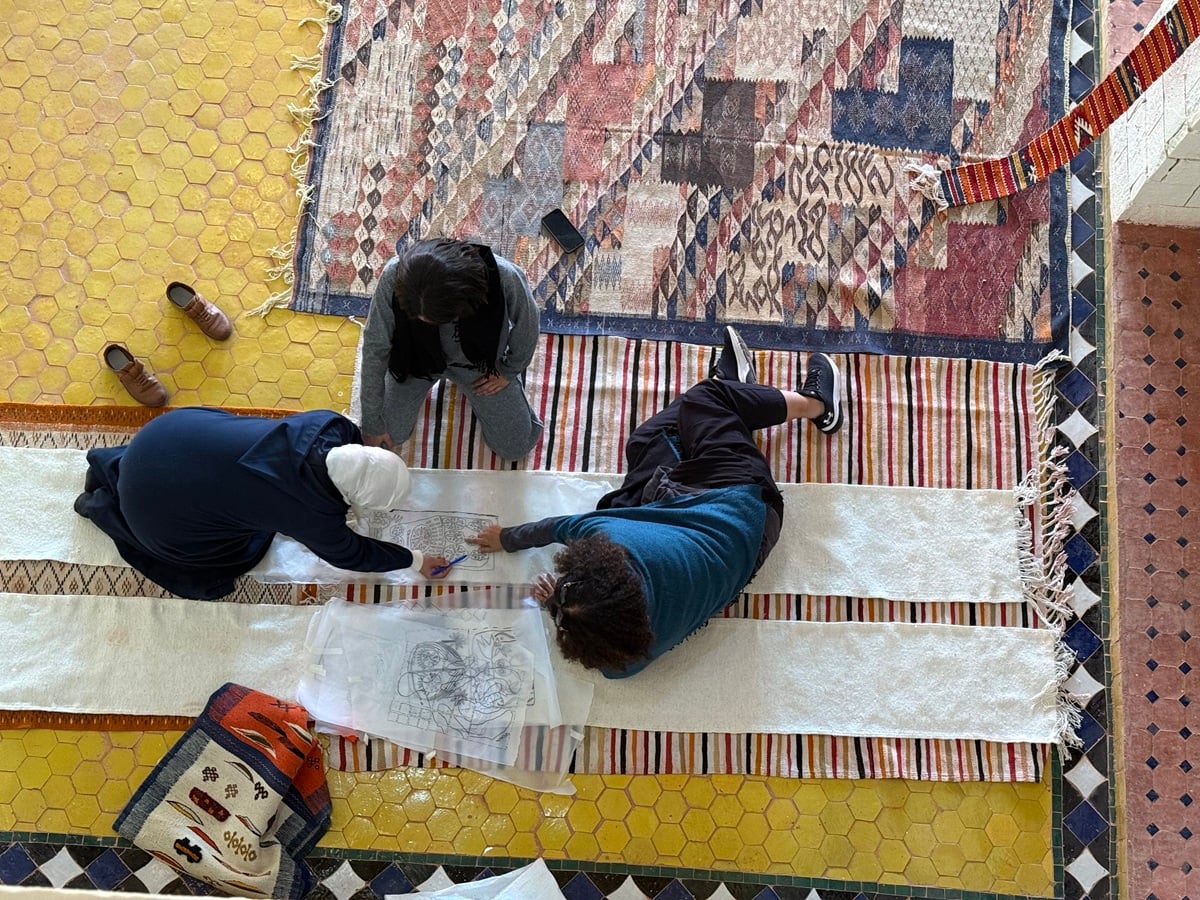
Morocco is participating for the first time with an official national pavilion at the Venice Art Biennale, presenting a monumental installation by artist Amina Agueznay. Titled "Asǝṭṭa" (2026), the site-specific work at the Arsenale's Artiglierie space explores ritual weaving and the transmission of traditional craftsmanship, using sewn panels to create a second skin over the 300-square-meter pavilion. Curated by Meriem Berrada, the project draws on Agueznay's two-decade-long research in dialogue with Moroccan artisan communities, including spinners, embroiderers, basket makers, and goldsmiths.

61st Venice Biennale: Cultural workers and artists strike and protest against the Israeli genocide in Gaza

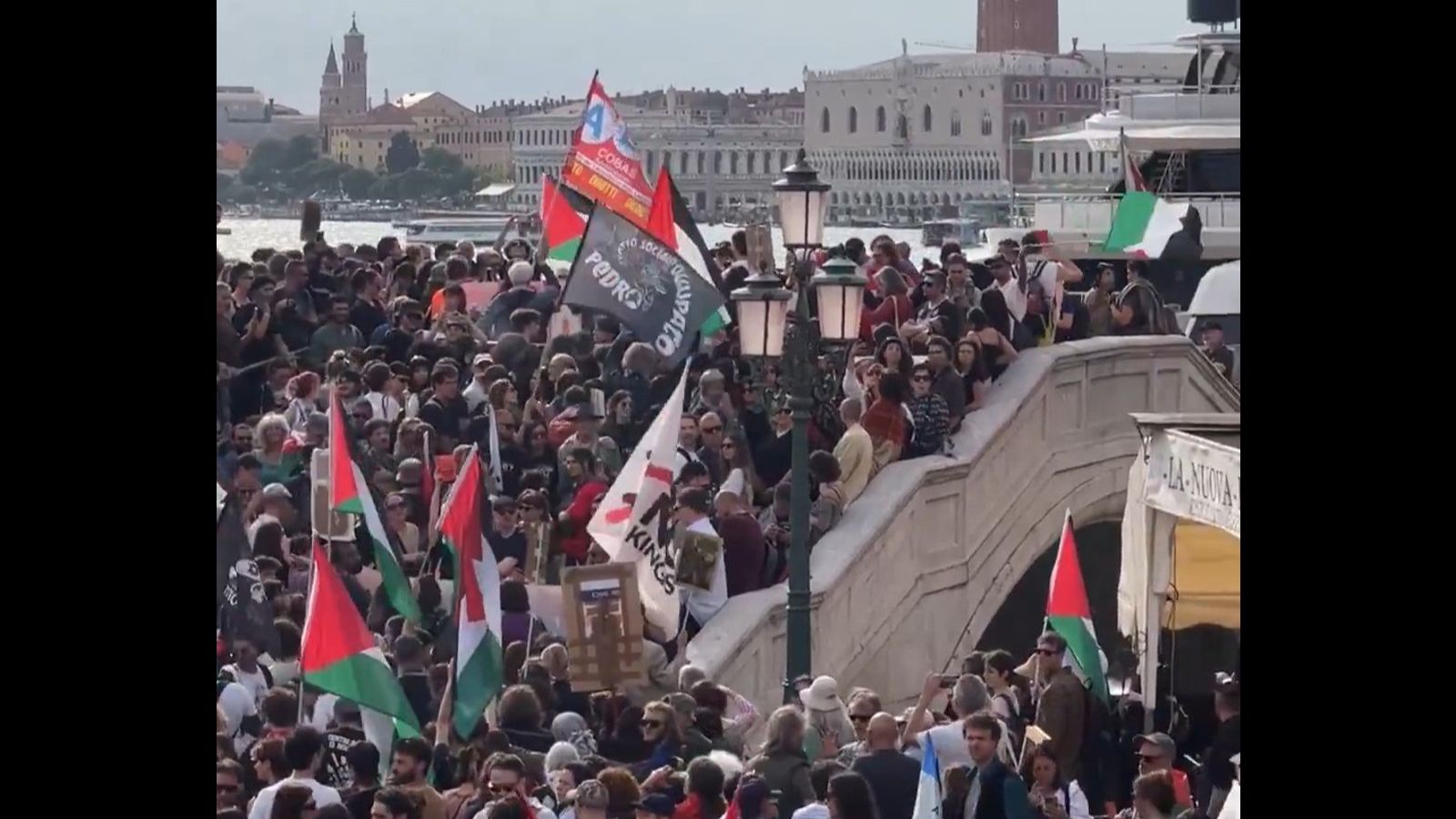
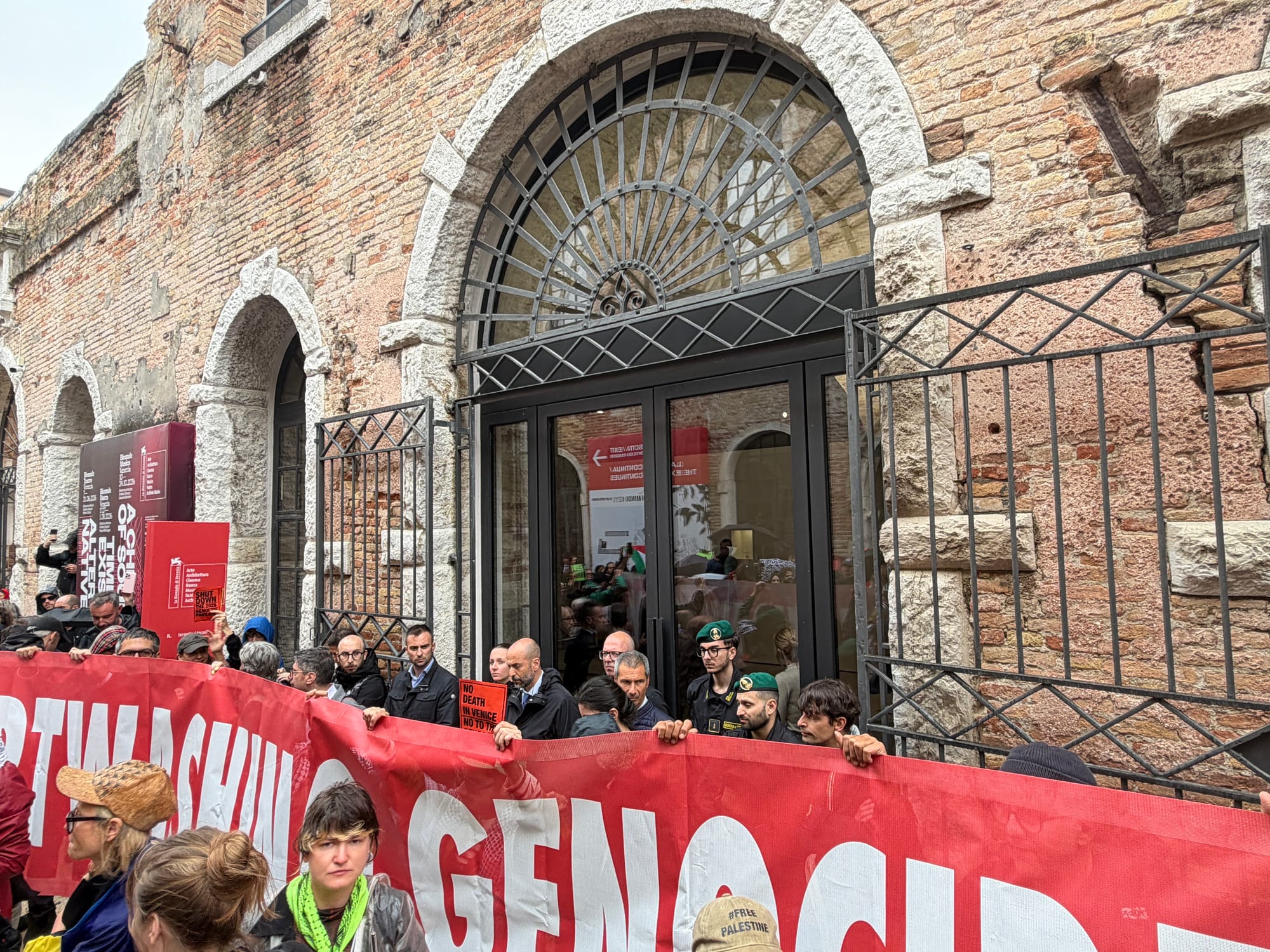
Thousands of artists, cultural workers, and protesters marched through Venice on May 8, 2026, one day before the opening of the 61st Venice Biennale, to protest the Israeli genocide in Gaza and Lebanon. The strike, organized by the Art Not Genocide Alliance (ANGA), led to the closure of approximately 27 of the Biennale's 100 national pavilions, with signs reading "We Stand with Palestine." The Israeli pavilion remained closed and guarded by armed police, who clashed with protesters. Meanwhile, the European Commission threatened to suspend €2 million in EU grants to the Biennale Foundation over its decision to allow Russia to participate, citing incompatibility with EU sanctions and the invasion of Ukraine.

Two Visitors’ Lions have been established for the Biennale Arte 2026

La Biennale di Venezia has announced the establishment of two Visitors' Lions for the 61st International Art Exhibition, following the resignation of the International Jury appointed by curator Koyo Kouoh. The awards ceremony, originally scheduled for May 9, has been moved to November 22, the final public day, echoing a similar shift during the 2021 Architecture Exhibition due to COVID-19. The Visitors' Lions will be voted on by ticket holders who visit both exhibition venues between May 9 and November 22, with one award for the Best Participant in the exhibition "In Minor Keys" by Koyo Kouoh and another for the Best National Participation.

Jury of the Venice Biennial resigns, Russia and Israel return to Award Contention

The five-member international jury of the 61st Venice Biennale, led by Brazilian curator Solange Farkas, has resigned effective April 30, 2026. The jury—comprising Solange Oliveira Farkas, Zoe Butt, Elvira Dyangani Ose, Marta Kuzma, and Giovanna Zapperi—announced their resignation in a written statement, referencing a prior Statement of Intention issued on April 22. In response, La Biennale di Venezia postponed the Awards Ceremony from May 9 to November 22, the final public day, and introduced two new "Visitors' Lions" awards—one for the Best Participant in the main exhibition "In Minor Keys" by Koyo Kouoh, and one for the Best National Participation—to be decided by ticket-holder vote.

Inauguration of Moroccan Pavilion at 61st Venice Biennale International Art Exhibition

Morocco inaugurated its national pavilion at the 61st Venice Biennale International Art Exhibition on Friday, with Head of Government Aziz Akhannouch presiding over the ceremony. The pavilion features the project “Asǝṭṭa,” led by artist Amina Agueznay and curator Meryem Berrada, and will be on view at the Doges through November. The presentation aligns with the Biennale’s overarching theme, “In Minor Keys,” and showcases Moroccan heritage through contemporary artistic expression.

Artist Presents 20 Years of “Cosmic Breath” Research at the Venice Biennale

The Hungarian Pavilion at the 61st Venice Biennale has opened with Endre Koronczi's exhibition "Pneuma Cosmic (Cosmic Breath)," a three-part installation based on nearly 20 years of research into visualizing air currents. The exhibition features elements including ventilation system components from the Hungarian Academy of Sciences, a video of a year-long walk seeking the most significant sigh, and a breathing wall, complemented by a composition by Máté Balogh. The pavilion opened to professionals on Wednesday and will be open to the public from May 9 to November 22.

Equatorial Guinea debuts at the Venice Biennale with Paraguayan artist Ingrid Seall and the theme of undergrowth

Equatorial Guinea makes its debut at the Venice Biennale with a national pavilion at Palazzo Donà dalle Rose, featuring Paraguayan artist Ingrid Seall and her work "Manar." The pavilion, titled "The Forest: The Undergrowth," runs from May 9 to November 22, 2026, and presents an immersive journey inspired by Equatorial Guinea's forests. Seall's piece uses materials like paper, cellulose, iron, and cassava paste to create a vertical, living organism that transforms waste into vital matter. The exhibition includes works by multiple international artists and is curated by Joan Abelló, with Brazilian commissioner Paulo Speller.

The 2026 Venice Biennale, Explained

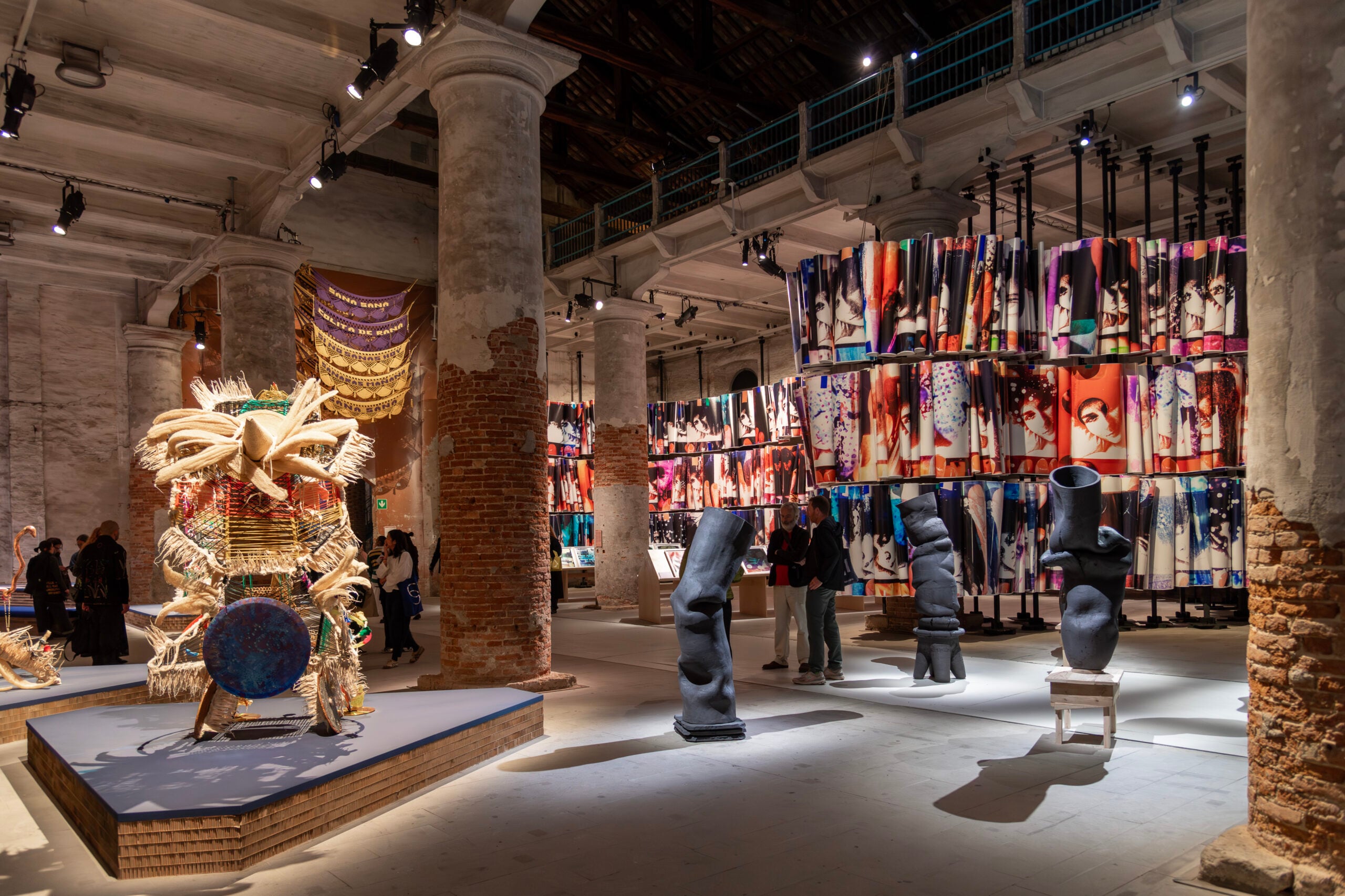
The 2026 Venice Biennale, the 61st edition of the world's oldest and most prestigious contemporary art biennial, will run from May 9th to November 22nd, with previews from May 6th to 8th. Its central curated exhibition is titled "In Minor Keys," and it will be accompanied by a series of national pavilions.

The Biennale and the Weight of Flags. What Is the Point of National Pavilions?

La Biennale e il peso delle bandiere. Che senso hanno i padiglioni nazionali?

The article examines the inherent contradiction within the Venice Biennale: its historical structure of national pavilions, a legacy of 19th-century world fairs and state-sponsored art, clashes with the transnational, post-identity vision of the international exhibition curated by Koyo Kouoh. The return of the Russia Pavilion amid geopolitical conflict and the international show titled "In Minor Keys," which rejects national belonging as an interpretive criterion, highlight this tension. The piece also addresses the controversy over the lack of Italian artists in the main exhibition, questioning whether a Biennale hosted in Italy should guarantee national representation.

Here's what the much-talked-about Russian Pavilion at the Venice Biennale looks like. Photos and video

Ecco com’è il chiacchieratissimo Padiglione Russia della Biennale di Venezia. Foto e video

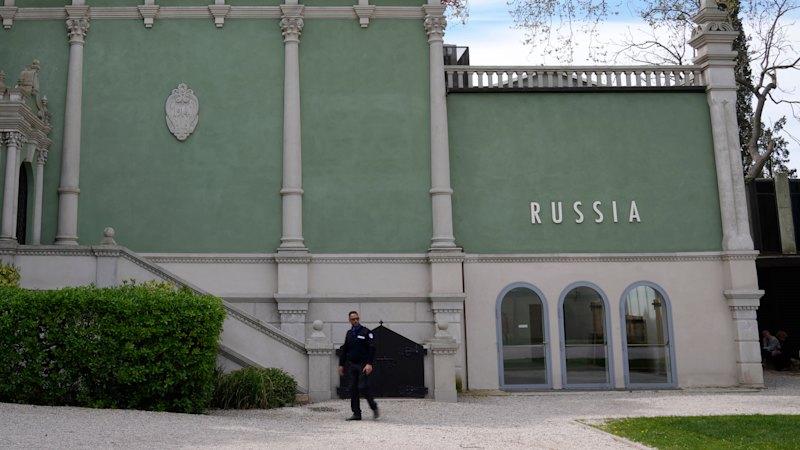
The Russian Pavilion at the 2026 Venice Biennale has opened amid intense controversy over its unauthorized participation. The pavilion, housed in a 1914 building recently restored by Italian architects 2050+, features a program of musical improvisations, ensemble performances, techno concerts, and interactive actions, including free used clothing. The space is designed as a fragrant flower shop with a chill-out room featuring a conifer grove and video installations. The exhibition, titled "L’Albero Radicato nel Cielo" (The Tree Rooted in the Sky), is organized by young poets, musicians, and philosophers who prefer to remain anonymous as a collective, coordinated by the Gnessin Russian Academy of Music. However, due to sanctions, the pavilion is only open from May 5 to 8, as organizers cannot obtain the necessary permit to operate beyond the private opening.