filter_list Showing 51 results for "Diplo" close Clear
dashboard All 51 museum exhibitions 29article news 17rate_review review 2article culture 1trending_up market 1article policy 1
date_range Range Today This Week This Month All
Subscribe

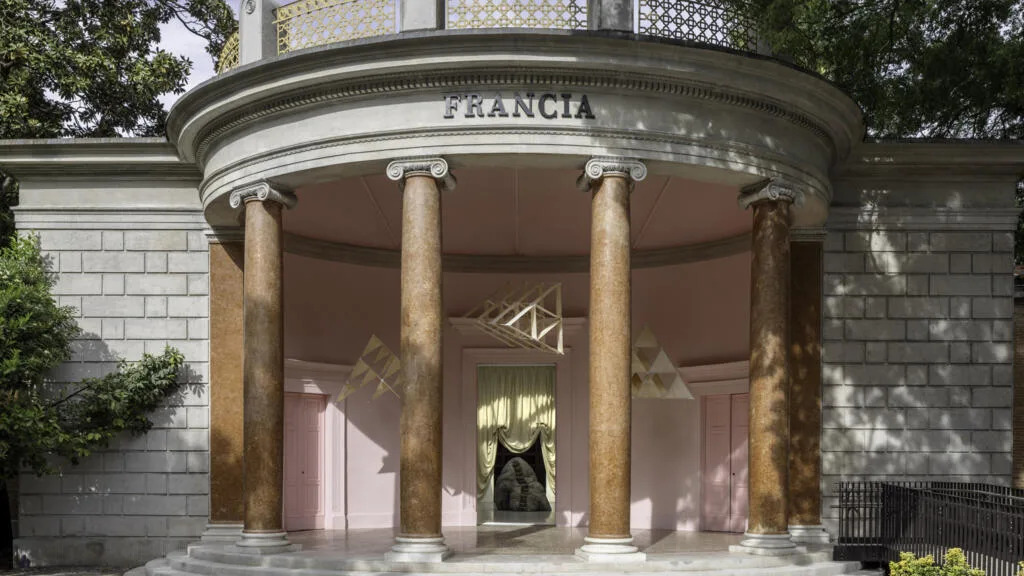
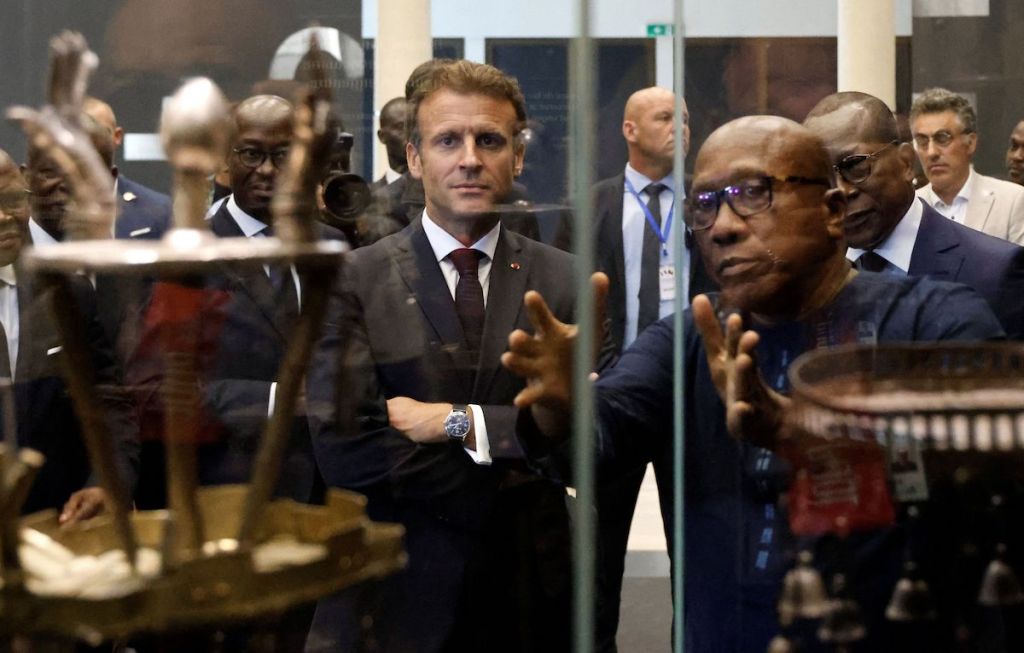
France Passes Historic Law for Restituting Colonial-Era Art, American Folk Art Museum Workers Protest, and More: Morning Links for May 8, 2026

France's Parliament unanimously passed a historic law easing the restitution of artworks looted during the colonial era (1815–1972), fulfilling President Emmanuel Macron's 2017 promise to return African heritage. The law streamlines the process by replacing the need for individual parliamentary acts for each item with a committee-based review system involving experts from France and the requesting country, plus government representatives. Separately, workers at the American Folk Art Museum in New York protested for better wages and benefits outside the museum's annual gala, while Indonesian-born artist Dian Suci won the 2025–27 Max Mara Art Prize for Women. A federal judge also ruled that the US DOGE Service's cuts to National Endowment for the Humanities grants were unconstitutional, citing discriminatory use of ChatGPT to cancel funding for projects mentioning diversity, equity, and inclusion.

The 2026 Venice Biennale Is Quintessential Biennial Art

The 61st Venice Biennale, titled "In Minor Keys" and curated by the late Swiss-Cameroonian curator Koyo Kouoh, opened in 2026. The main exhibition at the Arsenale and Giardini features works by artists such as Éric Baudelaire, Maria Magdalena Campos Pons, Mohammed Z. Rahman, Sohrab Hura, and Rose Salane, among others. The exhibition centers on themes of mourning, colonial history, slavery, and healing, with works like Baudelaire's video installation linking the flower trade to the transatlantic slave trade, and a tribute section honoring artists Beverly Buchanan and Issa Samb.

No Need to Shed a Tear for the Jury

"Man muss der Jury keine Träne nachweinen"

The entire jury of the Venice Biennale resigned shortly before the opening, prompting criticism of Biennale President Pietrangelo Buttafuoco. Italian Culture Minister Alessandro Giuli accused Buttafuoco of pursuing a misguided "pacificist fantasy" by readmitting Russia to the six-month exhibition, calling it failed "side foreign policy." Commentators in German media, including Niklas Maak (FAZ) and Marcus Woeller (Die Welt), see the resignation as a symptom of a crisis in the art world, with the jury having acted as a "political tribunal" by pre-judging artists based on nationality, particularly regarding Israel. The Biennale leadership defended inclusion, but the standoff has caused significant "image damage." Separately, Dirk Knipphals (wochentaz) delivers a scathing review of Wolfram Weimer's first year as cultural policy commissioner, accusing him of empty rhetoric and failing to counter right-wing cultural politics. Juliane von Mittelstaedt (Der Spiegel) reports on Saudi Arabia's use of a spectacular new art museum in Riyadh as a stability narrative amid regional conflict.

Is the US about to be humiliated on the world’s most prestigious cultural stage?

More than 70 prominent international artists have signed an open letter demanding the exclusion of the United States, Israel, and Russia from the 2026 Venice Biennale, accusing those governments of committing war crimes and atrocities. The controversy centers on the US pavilion, which will feature Mexico-based American artist Alma Allen, whose abstract, anodyne sculptures were chosen by a last-minute commissioner with no art-world experience—a luxury pet food store owner from Florida who reportedly gained the role through connections at Mar-a-Lago. The Biennale's five-person jury has already resigned amid the furor, and Russia is returning to the event for the first time since its 2022 invasion of Ukraine.

The Kyrgyzstan Pavilion at the Venice Biennale Builds a Bridge Between Two Cultures

Il Padiglione del Kirghizistan alla Biennale di Venezia getta un ponte tra due culture

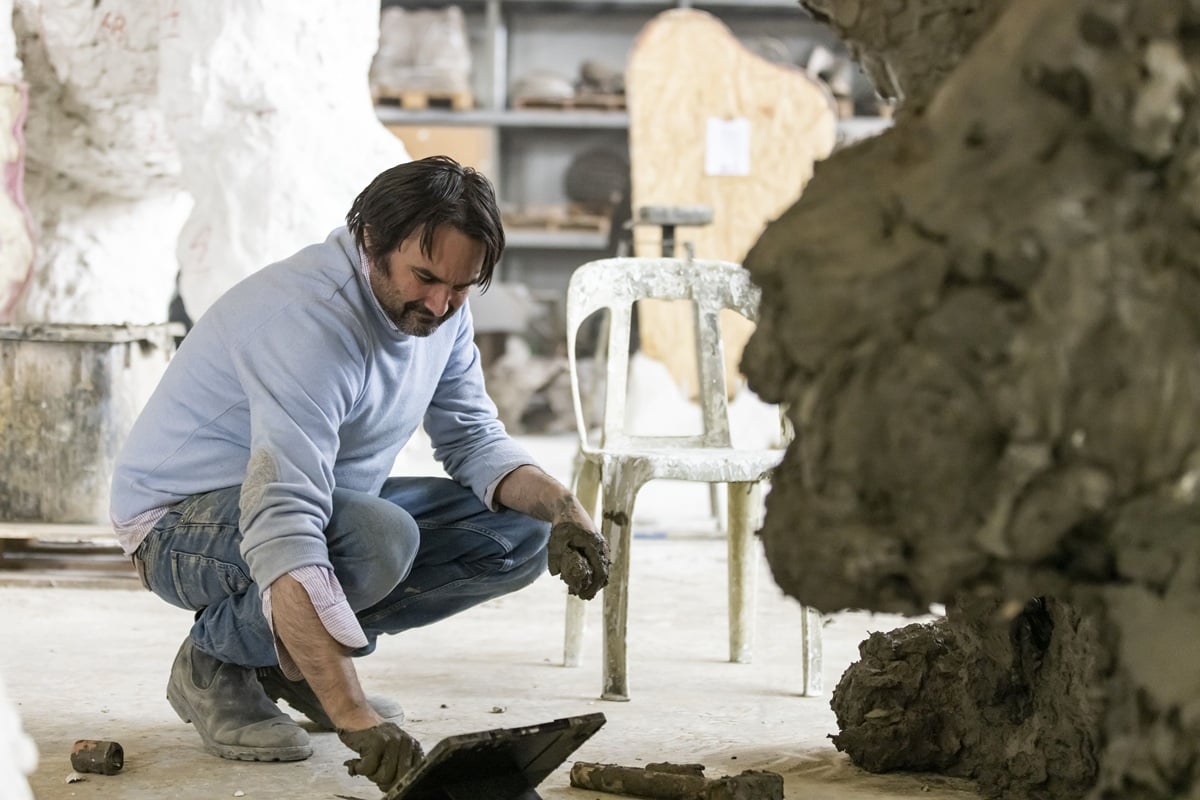
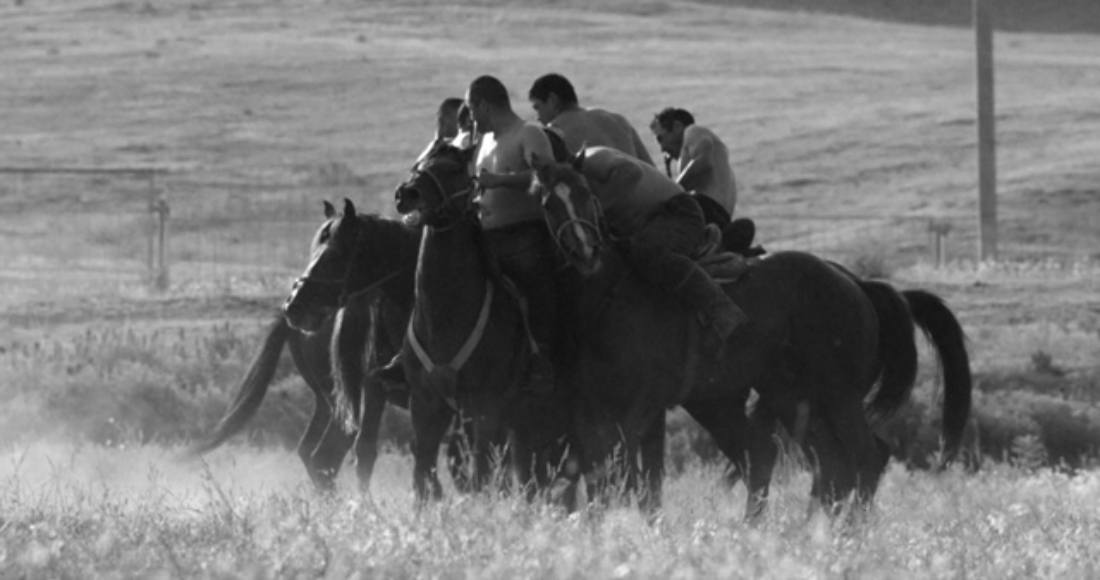
Alexey Morosov presents "BELEK" at the Kyrgyzstan Pavilion of the 61st Venice Biennale, a project inspired by the mountainous landscapes, glaciers, and brutalist dams of Kyrgyzstan. Combining video, sculpture, painting, and sound, Morosov explores water as a key resource for the future and a deep cultural memory of Central Asia, linking the region's hydro-engineering transformations with the nomadic heritage of the Kyrgyz people. The project centers on the traditional equestrian game Kok-Börü, which Morosov describes as constitutive of Kyrgyz identity, and features centaur-like figures made from raw earth used in local dwellings.

The Carnegie International Makes Its Mark

The 59th Carnegie International opens in Pittsburgh, featuring 61 artists from around the world in the oldest survey of its kind in the United States. Critic Ed Simon reviews the exhibition, noting it captures the excitement of earlier editions while providing vital commentary on authoritarianism and militarism. In other news, activists protested Jeff Bezos's co-chair role at the Met Gala with a costumed action and guerrilla projections on his penthouse; Iran withdrew from its national pavilion at the Venice Biennale; MoMA PS1 announced the first US survey of Mexican artist Teresa Margolles; and Hakim Bishara reflects on MoMA's Marcel Duchamp exhibition.

The Bahamas returns to the Venice Biennale with a joy-filled posthumous collaboration

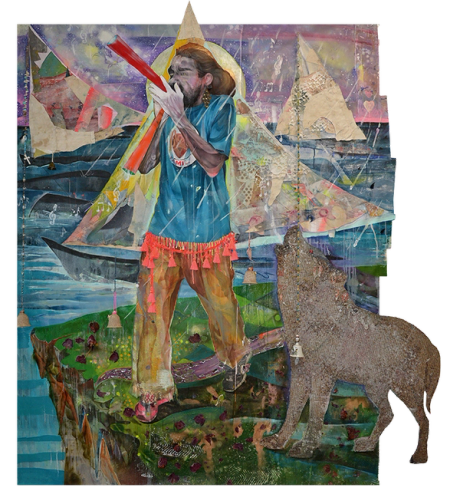
The Bahamas will return to the Venice Biennale in 2026 after a 13-year absence with a posthumous exhibition for artist John Beadle, who died in 2024 at age 60. Beadle was originally selected to represent the country in 2015 but the government withdrew funding. The exhibition, titled "In Another Man’s Yard," will feature Beadle’s work alongside that of his mentee, Lavar Munroe, using materials from Beadle’s studio including sails from Haitian migrant sloops. The pavilion is organized by commissioner Amanda Coulson and curator Krista Thompson, who raised private funds after the government declined to support the project.

The best and worst we saw at the Venice Art Biennale 2026. Artribune's hits and flops

Il meglio e il peggio che abbiamo visto alla Biennale d’Arte di Venezia 2026. Top e flop di Artribune

The 61st Venice Biennale, titled "In Minor Keys" and directed by Koyo Kouoh, opened amid significant turmoil: the death of a newly appointed curator, diplomatic tensions over the presence of Russia and Israel, political protests, and the unprecedented collective resignation of the jury, which led to the Golden Lions being awarded by public vote for the first time. Despite this chaotic backdrop, the exhibition—featuring a record 100 national pavilions—has been widely praised for avoiding moralistic pedagogy and instead embracing visual seduction, formal quality, and sensory joy while addressing themes of identity, memory, colonialism, ecological crisis, and violence. The article highlights top and flop moments from the opening week, including strong showings by Biennale president Pietrangelo Buttafuoco and a standout exhibition at Fondazione Prada.

An Iranian museum holds a rare exhibit of American art, reflecting on war

The Tehran Museum of Contemporary Art is hosting a rare exhibition of American art, featuring works from its collection that were acquired before the 1979 Islamic Revolution. The show includes pieces by artists such as Andy Warhol, Jackson Pollock, and Mark Rothko, and is presented as a reflection on the complex history of U.S.-Iran relations, including themes of war and cultural exchange.

Venice’s Chicest Invite This Week? A Pizza Party Where the Artists Chose the Ingredients

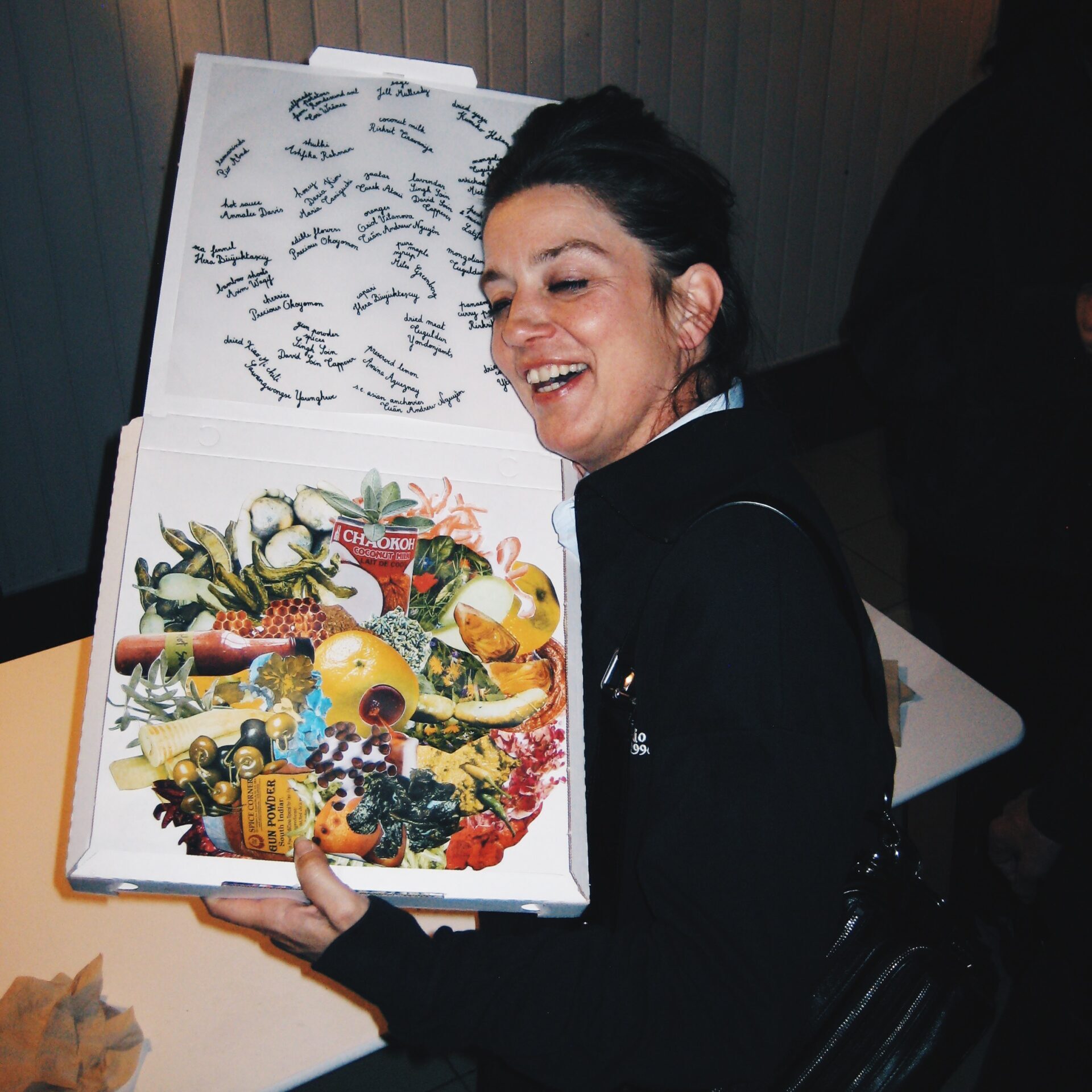
Diana Campbell, Chomwan Weeraworawit, and Paris-based art advisors Samy Ghiyati and Nicolas Nahab of NG Partners organized a pizza party called Pizzalo Mundo during the Venice Biennale. Each artist contributed an ingredient from home: Rirkrit Tiravanija brought a Penang coconut base, Precious Okoyomon added flowers, Daria Kim wild honey, Tarek Atoui za'atar on hummus, Miet Warlop artichoke hearts, Tori Wrånes self-grown potatoes, and Alexa Kumiko Hatanaka fig leaf oil with yuzu salt. The event drew a crowd of curators, directors, and collectors from institutions including Tate, Musée d'Orsay, Guggenheim Abu Dhabi, MoMA, and Centre Pompidou.

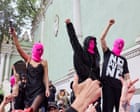
Pussy Riot protest at Venice Biennale forces Russian pavilion to briefly close

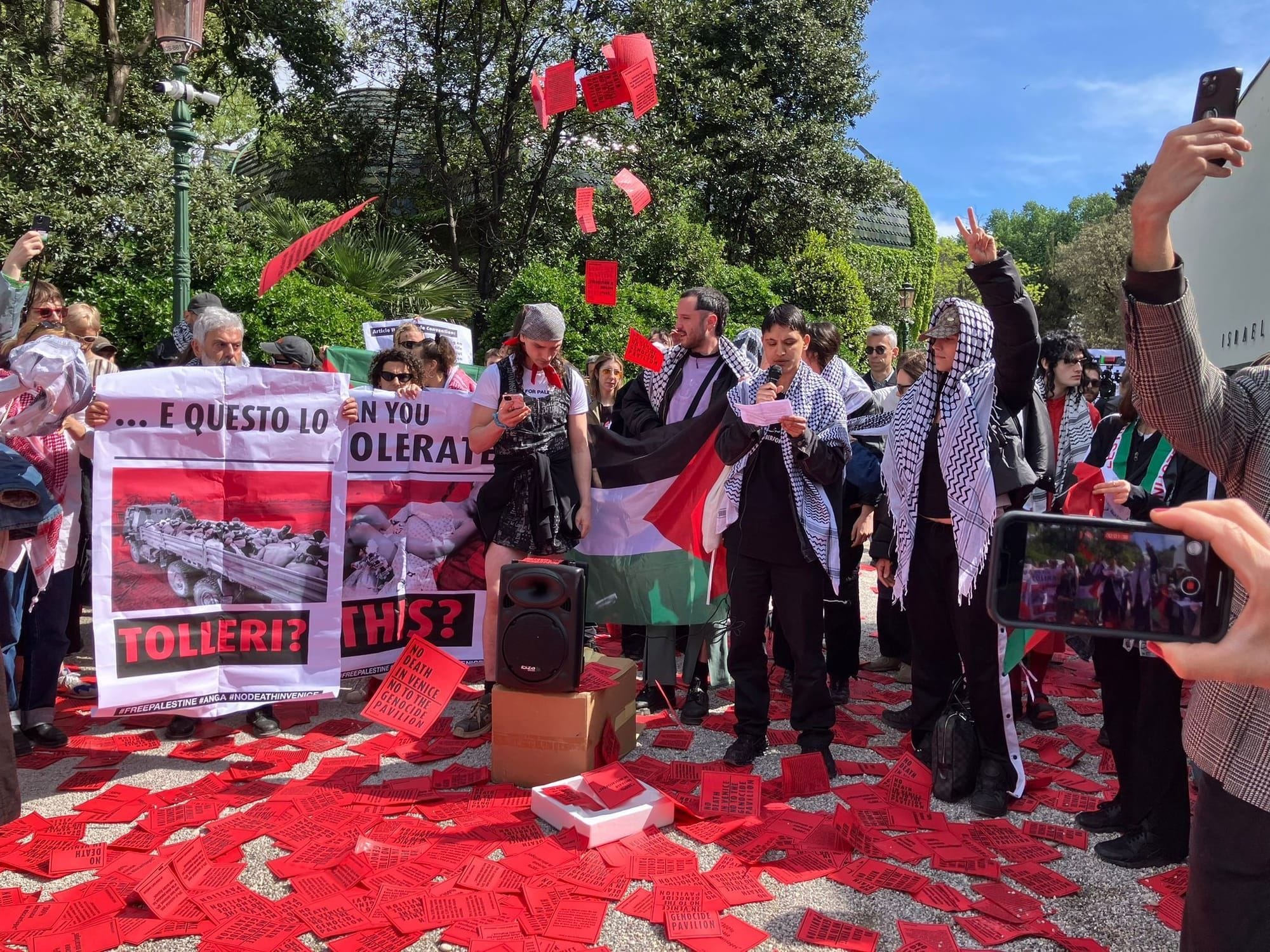
On the second day of the Venice Biennale preview, the activist group Pussy Riot staged a chaotic protest at the Russian pavilion, forcing it to temporarily close. Wearing pink balaclavas and carrying flares, about 40 activists—including members of Femen—gathered outside the pavilion, shouting slogans like "Blood is Russia's Art" and attempting to enter before being pushed back by police. Founding member Nadya Tolokonnikova led the protest, condemning Europe for allowing Russian participation despite the war in Ukraine. Separately, the Art Not Genocide Alliance (Anga) demonstrated outside the Israeli pavilion, which was locked from inside, over Israel's war in Gaza.

Anish Kapoor says US’s ‘politics of hate’ should exclude it from Venice Biennale

Anish Kapoor has called for the United States to be excluded from the Venice Biennale, citing the country's "abhorrent politics of hate" and "incessant warmongering." His comments follow the resignation of the five-member international jury, who stepped down in protest over the inclusion of Israel and Russia. Kapoor praised the jury's decision as "courageous" but argued they should have also targeted the US. The US pavilion, featuring artist Alma Allen and his exhibition "Call Me the Breeze," has faced scrutiny over perceived Trump administration interference and a delayed selection process. Meanwhile, the Israeli and Russian pavilions remain flashpoints, with over 200 participants signing a letter demanding the cancellation of the Israeli pavilion, and the Russian pavilion closed to the public but viewable through windows.

Anish Kapoor Condemns Inclusion of US in Venice Biennale

Anish Kapoor has publicly condemned the inclusion of the United States in the upcoming 61st Venice Biennale, calling for its exclusion due to what he describes as the country's 'abhorrent politics of hate and its incessant warmongering.' In an interview with The Guardian, Kapoor praised the five-person jury that resigned en masse after refusing to consider Israel and Russia for the event's top prize, both nations having been accused by the International Criminal Court of crimes against humanity. Kapoor's remarks come amid the ongoing US war with Iran under the Trump administration, and he previously threatened to sue the Trump administration over a photo taken at his Cloud Gate sculpture in Chicago.

The message behind the US pavilion at the Venice Biennale

The article previews the 61st Venice Biennale, opening May 9 and running through November 22, highlighting early controversies. The five-person Golden Lion jury, led by Brazilian curator Solange Farkas, resigned after declaring they would not consider pavilions from countries under International Criminal Court investigation, targeting the Israel pavilion and its artist Belu-Simion Fainaru. Separately, the US pavilion has drawn scrutiny from the New York Times over its selection process, with commissioner Jenni Parido (a former pet food store owner) tapping curator Jeffrey Uslip and sculptor Alma Allen, bypassing traditional funders like the Ford and Mellon foundations.

United States Pavilion to Open at the 61st International

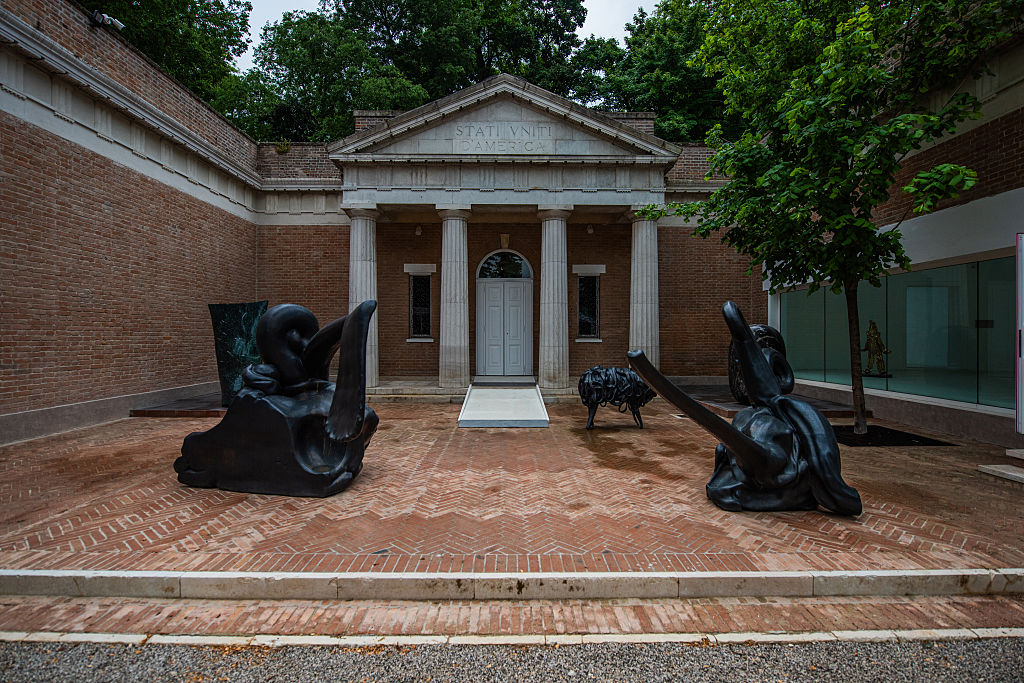
The United States Pavilion at the 61st International Art Exhibition of La Biennale di Venezia will open on May 6, 2026, featuring a solo presentation titled "Call Me the Breeze" by American artist Alma Allen. Curated by Jeffrey Uslip and commissioned by the American Arts Conservancy with support from the U.S. Department of State and the Guggenheim Foundation, the exhibition transforms the historic Giardini pavilion with sculptures in bronze, walnut burl, and various stones, including Colorado Yule marble used in the Lincoln Memorial.

Château-Chinon unveils the astonishing gifts of President François Mitterrand

Château-Chinon déballe les étonnants cadeaux du président François Mitterrand

The Cité des présents-François Mitterrand, formerly the Musée du Septennat, has reopened in Château-Chinon, France, after a renovation. The museum displays thousands of diplomatic gifts received by President François Mitterrand during his 14-year tenure (1981–1995), including a portrait of Prince Charles, a vermeil oasis from the king of Saudi Arabia, and taxidermy lions from the Central African Republic. The collection of 4,800 objects spans 80 countries, with one-third donated by French citizens. The site also houses a fashion museum featuring 5,000 pieces from the 17th century to contemporary designers like Alexis Mabille and Yves Saint Laurent.

Venice Biennale strike sees more than 15 pavilions temporarily or partially close

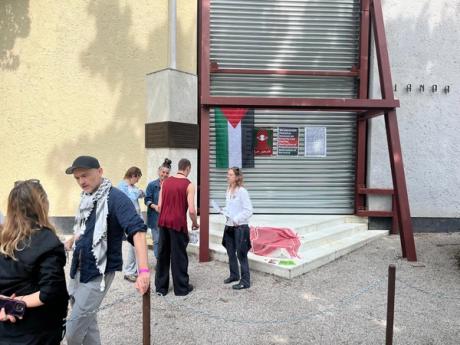
On 8 May, more than 15 national pavilions at the Venice Biennale temporarily or partially closed in a coordinated strike organized by the Art Not Genocide Alliance (ANGA). The protest opposes Israel’s participation in the event, which organizers say normalizes what they call genocide and exploits precarious labor. Participating countries include Austria, Lebanon, Slovenia, Egypt, Poland, and the Netherlands, whose artist Dries Verhoeven stood outside his shuttered pavilion with a Palestinian flag. Some pavilions, like Japan’s, remained open but suspended interactive elements. The strike follows earlier controversies, including the resignation of the prize jury and an open letter demanding the Israeli pavilion’s cancellation.

What’s Showing in Chelsea During Frieze Week New York

This article is a critic's guide reviewing national pavilions during Frieze Week New York. Andrew Durbin contrasts a vacuous US presentation with incisive and moving installations from Britain and Germany, questioning the meaning and depth of the American contribution.

PinchukArtCentre opens new exhibition at the Venice Biennale

The PinchukArtCentre has opened a new exhibition titled "Still Joy — From Ukraine Into the World" as part of the official parallel program of the 61st Venice Biennale. The show, which opened on May 7 at Palazzo Contarini Polignac and runs through August 1, features works by over 20 international and Ukrainian artists exploring joy as an act of resilience and humanity. Central to the exhibition are testimonies from Hlib Stryzhko, a marine veteran who returned from Russian captivity, which are transformed into sculptural elements. Notable works include a protest performance by Yurii Hruzinov at the Russian pavilion, a video installation of Kyiv rave parties by Malashchuk and Khimei, and installations by Future Generation Art Prize laureates Ashfika Rahman and Zhanna Kadyrova.

Sara Shamma brings Syria’s cultural renewal to Venice Biennale

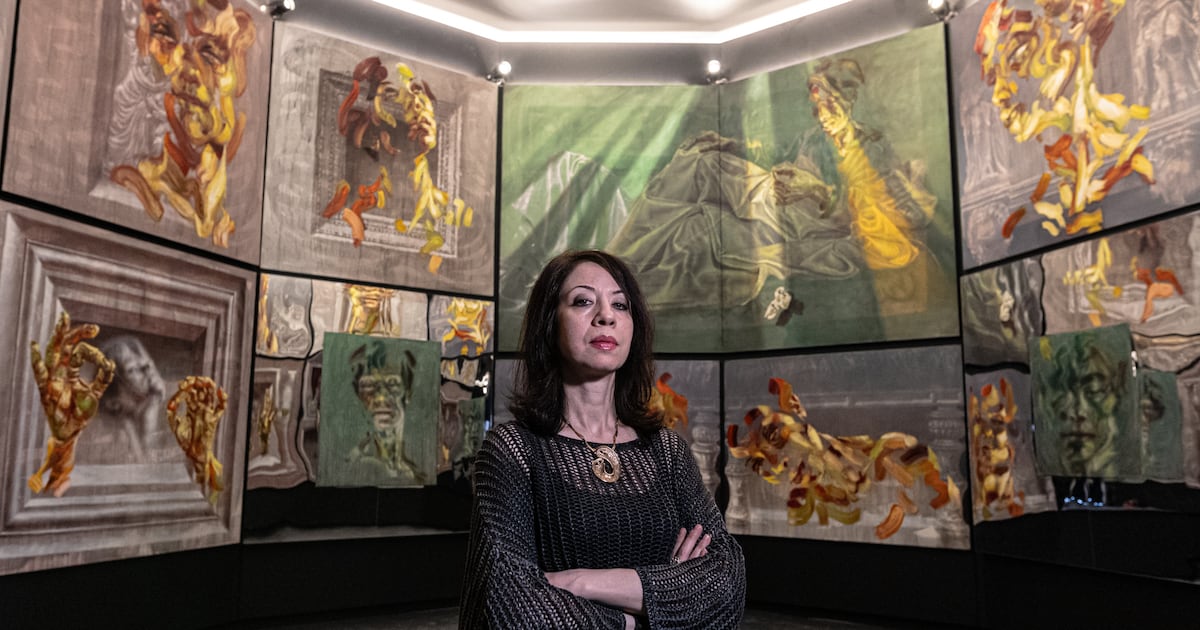
Sara Shamma, the first female artist to lead Syria's national pavilion at the Venice Biennale, presents her immersive installation *The Tower Tomb of Palmyra* at Iuav University of Venice's Cotonificio campus. The full-scale, nine-sided chamber features paintings, light, sound, and scent inspired by Palmyra's ancient funerary towers, which Shamma first encountered as a student at the National Museum of Damascus. The project, originally planned for Cambridge before the pandemic, gained new significance after the fall of the Assad government in December 2024, as Shamma returned to Damascus and was approached by Syria's Ministry of Culture to represent the country's cultural renewal on the world stage.

Total Museum's 'Somebody Has to Collect It' examines collecting as a responsibility

The Total Museum of Contemporary Art in Seoul has opened "Somebody Has to Collect It," an exhibition featuring works from the collection of French art collectors Catherine and Renato Casciani. Running from April 30 to May 31, the show marks the couple's first major presentation in Korea and inaugurates the museum's new "Collector/tion" project, which reframes collectors not as buyers but as actors at the intersection of capital, memory, and value-making. The exhibition includes 22 artists and collectives, with a focus on video art addressing themes such as precarious labor, state violence, colonial inheritance, climate crisis, and queer intimacy. It is also an official program of the 140th anniversary of diplomatic relations between Korea and France.

Media Artist Transforms Climate, AI Data into Immersive Art

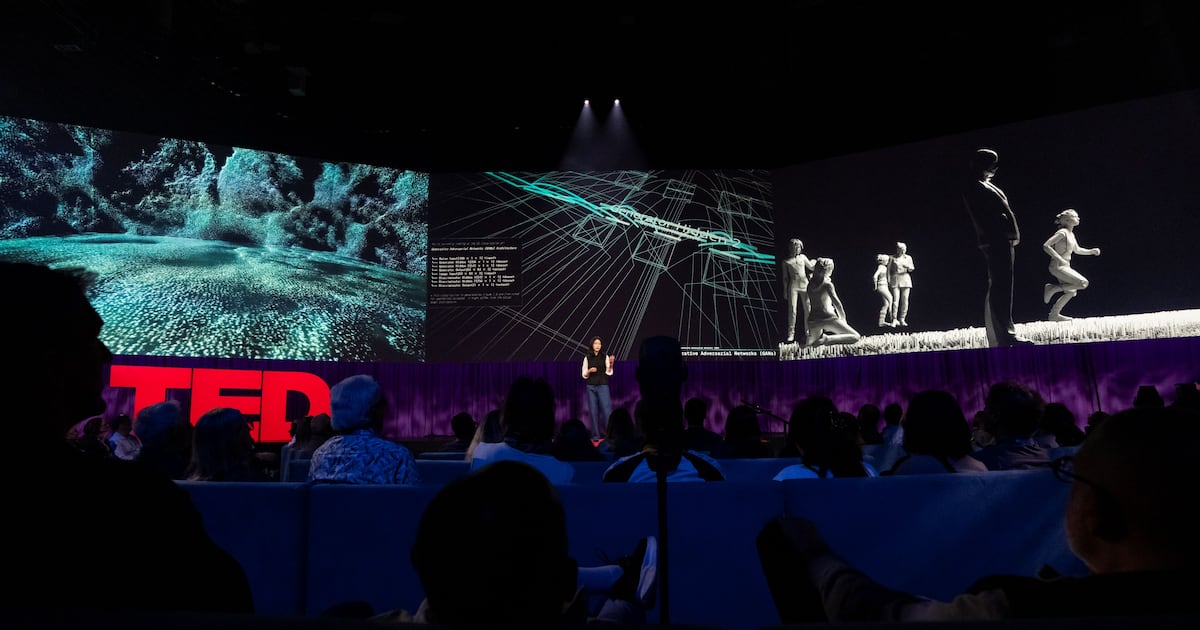
Media artist Kang Lee-Yeon delivered an immersive lecture at the TED 2026 main stage in Vancouver, using a 30-meter screen to visualize climate change and AI data. She then opened her solo exhibition 'Illumination' at Fondation Fiminco in Paris for the 140th anniversary of Korea-France relations, while also debuting works at Milan Design Week and the Loop Plus media art fair in Busan. Her projects include 'Passage of Water', created with Google and NASA, which translates satellite data into an immersive experience about Earth's freshwater crisis.

THE VENICE BIENNALE IN AN EDITION MARKED BY POLITICAL GAMES

The Venice Biennale's 2024 edition is embroiled in political controversy surrounding its national pavilions, particularly those of Russia, South Africa, and Israel. The Russian pavilion's readmission amid the war in Ukraine drew sharp criticism from the artistic community and led the European Union to withdraw approximately two million euros in funding. The Israeli pavilion, which remained empty in 2024 to protest hostage situations, now features a proposal by sculptor Belu-Simion Fainaru, prompting protests from the Art Not Genocide Alliance and over 200 artists demanding its exclusion. The curatorial team, appointed by the late curator Koyo Kouoh, resigned collectively nine days before the opening, and the Biennale's directorship canceled the opening ceremony, postponing awards to November. Demonstrations led by Art Not Genocide Alliance, Pussy Riot, and FEMEN surrounded the Russian pavilion during the press opening, and a strike by cultural workers is planned for May 8th.

Iran Will Not Participate in Venice Biennale, Organizers Say

Iran will not participate in the 61st Venice Biennale, which opens for previews this week, the Biennale Foundation announced on May 4. The decision comes two months after the United States and Israel launched strikes across Iran, and amid renewed tensions along the Strait of Hormuz. The Iranian pavilion was to be commissioned by Aydin Mehdizadeh Tehrani, director general of the visual arts office in the Iranian Ministry of Culture. Iran has had inconsistent attendance at the Biennale since 1958, with a long absence between the 1960s and 2003, but has participated semi-consistently over the last two decades, most recently in 2024.

Intervista all’artista italiano che ha riempito la città di Stoccolma di sculture-animali

Italian artist Davide Rivalta has installed thirteen monumental bronze sculptures of lions, buffalo, and rhinoceroses across Stockholm, Sweden, in a project titled "Blowing Figures into Space." Organized by the Italian Cultural Institute of Stockholm, the works are placed in strategic locations including Mynttorget, Gamla Stan, Ladugårdsgärdet, and Hagaparken, with installations rolling out from April 2025 through summer 2027. The first sculpture was unveiled near the Swedish Parliament during Stockholm Art Week, and additional animals will appear in public parks on August 29.

A brand-new novel is set in Renaissance Venice and its powerful Arsenal (where the Biennale is held)

Un nuovissimo romanzo è ambientato nella Venezia rinascimentale e nel suo potente Arsenale (quello dove si tiene la Biennale)

Allegra Scattaglia and Luca Josi have co-authored a new novel titled "Venetians – Il segreto dell’Arsenale," published by Sonzogno. Set in Renaissance Venice, the story follows young patrician Marcantonio Bragadin as he becomes entangled in a plot driven by the city's sophisticated and ruthless political system. The narrative highlights the Arsenal, one of the world's first proto-industrial shipbuilding complexes, which also hosts the Venice Biennale. The book weaves together art, technology, diplomacy, and intrigue, featuring historical figures such as Titian, Tintoretto, Albrecht Dürer, Leonardo da Vinci, and Aldus Manutius.

Culture Workers Announce Venice Biennale Strike in Israeli Pavilion Protest

Cultural workers, unions, and grassroots groups are planning a 24-hour strike on Friday, May 8, at the Venice Biennale to protest Israel's participation amid the ongoing genocide in Gaza. Organized by the Art Not Genocide Alliance (ANGA), the action includes a rally on Viale Garibaldi and calls for a boycott of Israel's "genocide pavilion." Participating groups include Biennaleocene, Sale Docks, Mi Riconosci, Vogliamo Tutt’altro, and several Italian trade unions. The strike follows months of activism, including a letter signed by over 200 event participants, and comes after the Biennale jury resigned over award eligibility rules that initially excluded Israel and Russia.

A Landmark Benjamin Franklin Collection Is Hitting the Auction Block

A landmark collection of Benjamin Franklin memorabilia assembled by sports and entertainment mogul Jay Snider is heading to Sotheby’s New York on June 24. The collection includes over 150 items—books, broadsides, letters, and manuscripts—tracing Franklin’s career from printer to scientist to diplomat. Highlights include a 1758 letter to Joseph Galloway (estimated $70,000–$100,000), a 1778 letter from George Washington introducing the Marquis de Lafayette (which sold for over $1 million in January), and a bound volume of Franklin’s electrical experiments ($75,000–$125,000). The full catalogue is valued at $3 million to $4.5 million, and 40 artifacts will be displayed at the Library Company of Philadelphia from May 5 to 7.

From Eurovision to the Venice Biennale, culture contests are being overshadowed by politics

The Venice Biennale and Eurovision Song Contest are being overshadowed by political controversies rather than artistic merit. At the Venice Biennale, the Russian pavilion opened for press previews for the first time since the Ukraine invasion, a decision that may cost the festival €2m in EU funds. The Israeli pavilion will open despite protests from 200 artists and curators, while the South African pavilion will remain empty after its government blocked an artist's tribute to a Palestinian poet. The Iranian pavilion is also shut, and the awarding jury has resigned en masse, meaning no Golden or Silver Lion awards will be given for the first time in 40 years. Similarly, Eurovision's 70th anniversary is dominated by five countries boycotting over Israel's participation, with little focus on the music.

Venice Biennale opens under shadow of protests over Russia and Israel

The 61st Venice Biennale opened under heavy protest as Russia returns to the event for the first time since its 2022 invasion of Ukraine. Ukrainian feminist collective Femen and Russian punk band Pussy Riot demonstrated outside the Russian pavilion, with activists accusing Russia of using art as a weapon in a hybrid war. Meanwhile, pro-Palestinian protesters gathered outside Israel's pavilion, holding banners reading 'No artwashing genocide' and demanding Israel's exclusion over the war in Gaza. The Biennale's international jury resigned last month, refusing to award prizes to countries led by figures subject to ICC arrest warrants, namely Vladimir Putin and Benjamin Netanyahu. EU foreign policy chief Kaja Kallas called Russia's participation 'morally wrong' and threatened to cut €2 million in funding, while culture ministers from 22 European countries urged organizers to reconsider.