filter_list Showing 17 results for "Drama" close Clear
dashboard All 17 museum exhibitions 6article culture 3article news 3rate_review review 3trending_up market 1article policy 1
date_range Range Today This Week This Month All
Subscribe

The Interview: Steven Soderbergh

Steven Soderbergh discusses his new film *The Christophers* (2025), which follows a cantankerous artist and his young assistant tasked with forging his unfinished works, exploring themes of authorship, originality, and the ethics of art-making. In an interview with ArtReview, Soderbergh also addresses his recent use of AI in a documentary about John Lennon, defending the technology as a creative tool akin to his own filmmaking process, and reflects on his career spanning genres from indie dramas to studio blockbusters.
J.M.W. Turner’s Most Famous Self-Portrait Might Not Actually Be by the Artist at All

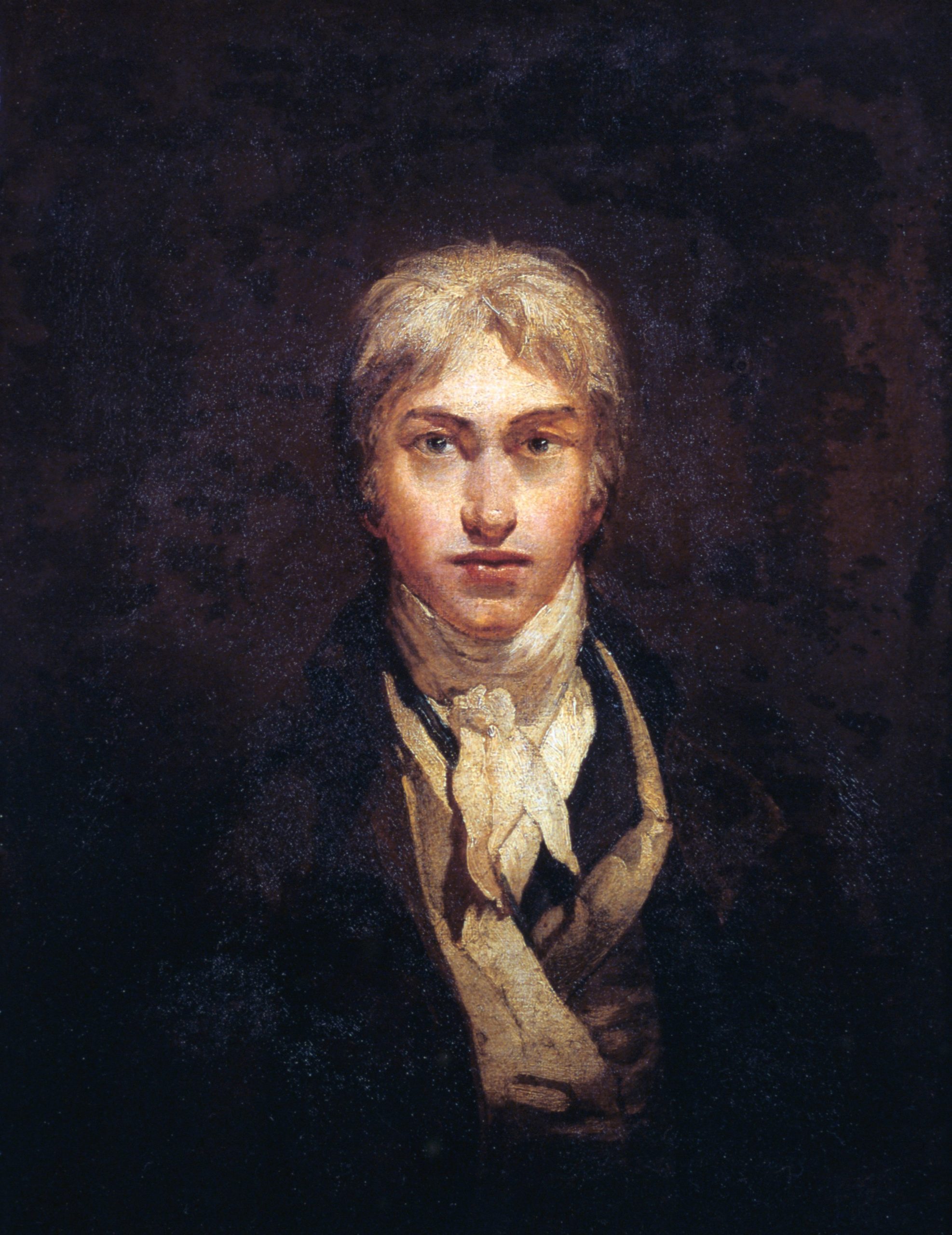
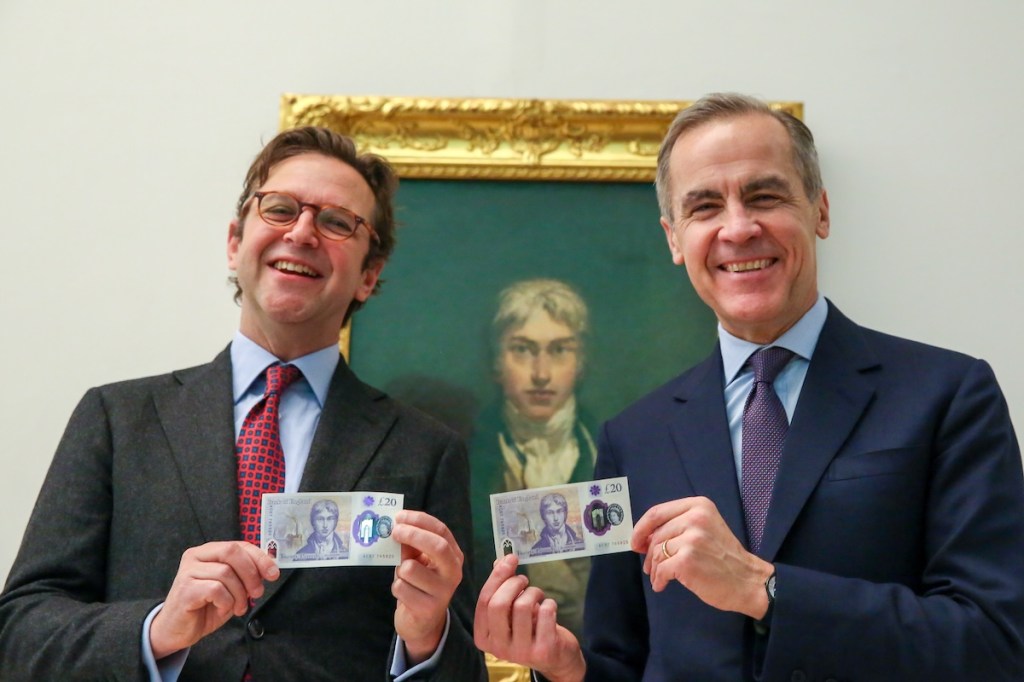
Art historian James Hamilton has publicly claimed that J.M.W. Turner's most famous self-portrait, which appears on the £20 note, is actually by the painter John Opie. Hamilton, who used the portrait on the cover of his 1997 biography of Turner, argues that the work was misattributed when it entered the Turner Bequest—the vast collection of paintings and works on paper Turner left to the nation after his death in 1851. He points to stylistic evidence, noting Opie's signature technique of "light emerging dramatically from dark," and has published his research in Turner Society News, calling on the Tate to reattribute the painting.

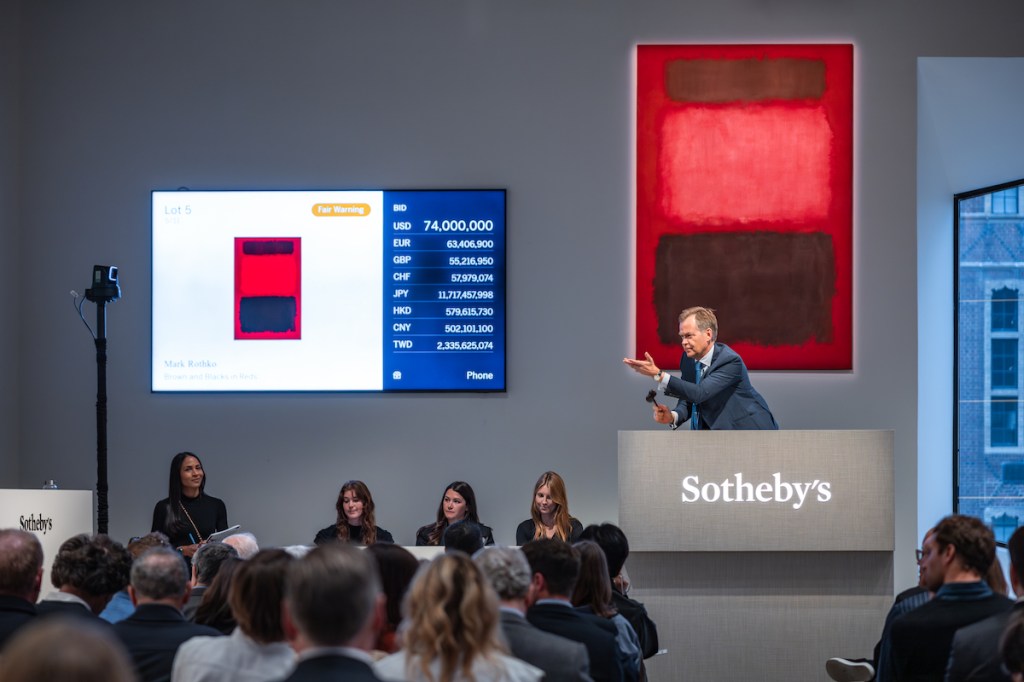
Rothko from Robert Mnuchin’s Estate Sells for $85.8 M., Leading Sotheby’s New York’s $433.1 M. Contemporary Art Sale

Sotheby’s New York held a $433.1 million modern and contemporary art sale at its Madison Avenue headquarters, led by Mark Rothko’s *Brown and Blacks in Reds* (1957), which sold for $85.8 million. The auction opened with 11 works from the estate of legendary dealer Robert Mnuchin, totaling $166.3 million, including a second Rothko and pieces by Willem de Kooning, Franz Kline, and Pablo Picasso. The contemporary art segment followed, with Jean-Michel Basquiat’s *Museum Security (Broadway Meltdown)* (1983) selling for $52.7 million. The overall sale was described by advisers as robust but not particularly exciting, and it significantly exceeded the $186.1 million equivalent sale from last year.

Ralph Lemon: The Physical Traces of Racism

Ralph Lemon's exhibition at Paula Cooper Gallery presents 13 black-and-white photographs and three short videos focusing on sites in the Mississippi Delta connected to the 1955 lynching of Emmett Till. Rather than dramatizing the incident, Lemon records physical traces of the locations—such as Bryant's Grocery and Meat Market, the barn where Till was killed, the Tallahatchie River, and a funeral home—capturing dilapidated buildings and landscapes that suggest history slipping away. The show includes the titular video "From Out of Space" (2018–21), which offers closeups and drone footage of these sites, creating a meditative, detective-like examination of memory and erasure.

Maia Chao Performs the Museum

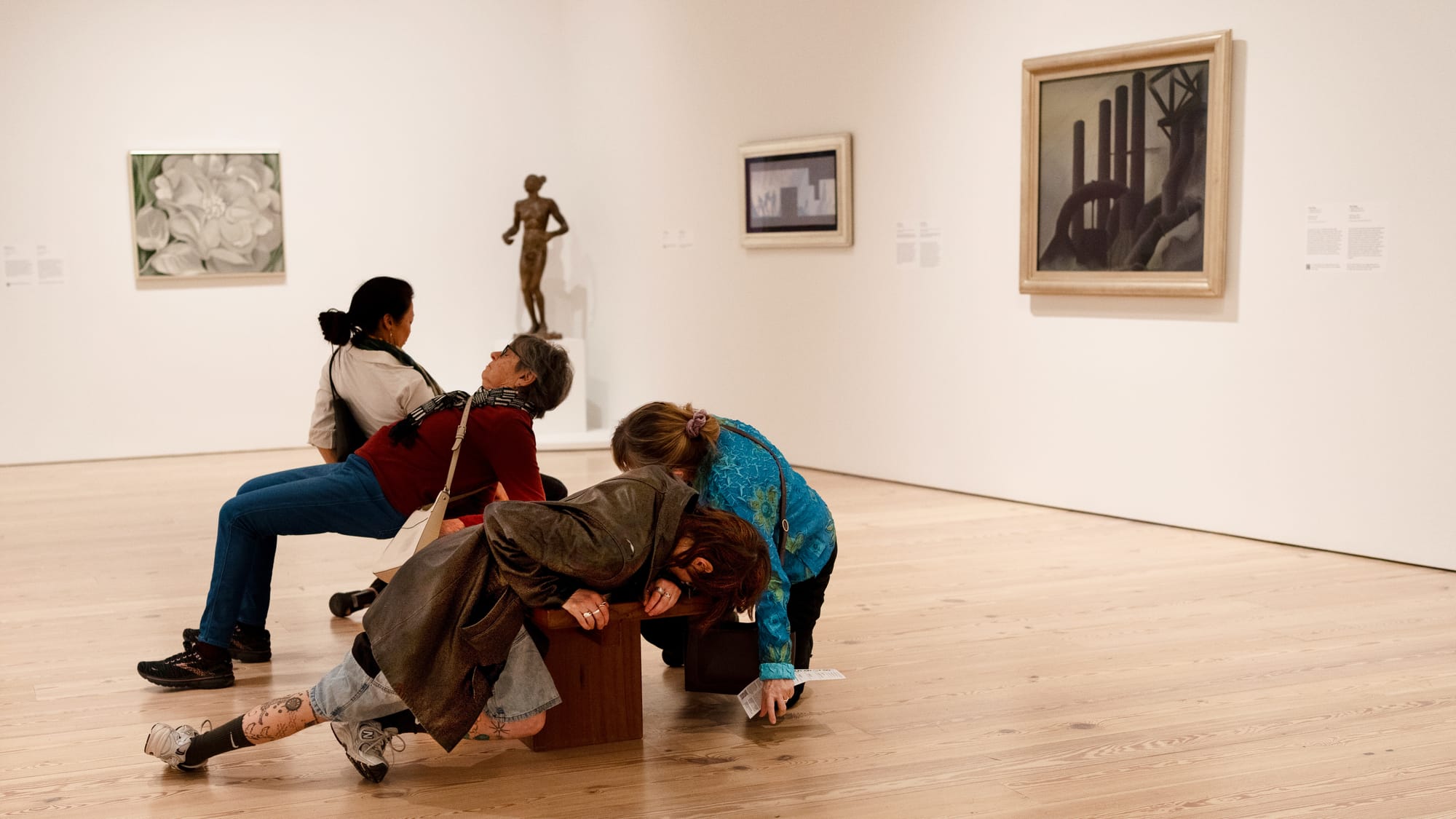
Artist Maia Chao will activate the seventh-floor galleries of the Whitney Museum of American Art with her performance "Being Moved" as part of the 2026 Whitney Biennial programming. The work explores the theatricality and choreography of a museum visit, examining the gap between the fantasy of profound encounter and the ambivalence of spectatorship. Chao, who studied cultural anthropology at Brown University and grew up with artist parents in Providence, Rhode Island, approaches the museum as a structure that quietly trains behavior and participation. Her earlier projects include "My Business (Cards)" (2017), which invokes Adrian Piper's work, and "Look at Art, Get Paid" (2015–20), which paid non-museum-goers to serve as guest critics.

Is This a JMW Turner Self-Portrait? One Scholar Has Doubts

Art historian James Hamilton has published a paper in the JMW Turner Society’s magazine arguing that a famous portrait long believed to be a self-portrait by JMW Turner was actually painted by John Opie, a British portrait artist 14 years Turner’s senior. Hamilton notes that the work is an anomaly in Turner’s oeuvre, which is dominated by landscapes and seascapes, and that its dramatic lighting closely resembles Opie’s style. He suggests Opie may have given the painting to Turner, and that its authorship became misattributed after Turner’s death when his vast bequest of artworks was transferred to the nation and eventually housed at the Tate.

Most famous image of JMW Turner not a self-portrait, says expert

Dr James Hamilton, a leading Turner expert, has claimed that the most famous portrait of JMW Turner—long believed to be a self-portrait and featured on the UK £20 banknote—is actually by the painter John Opie. Hamilton argues that the work, dated around 1799, was mistakenly included in the Turner Bequest after the artist's death in 1851, when his studio was in disarray and the attribution was never properly verified. He points to stylistic evidence, including Opie's characteristic use of dramatic light and shadow, and calls on Tate Britain to reattribute the painting.

Zurbarán: a ‘magnificently choreographed’ showing of the Spanish ‘genius’

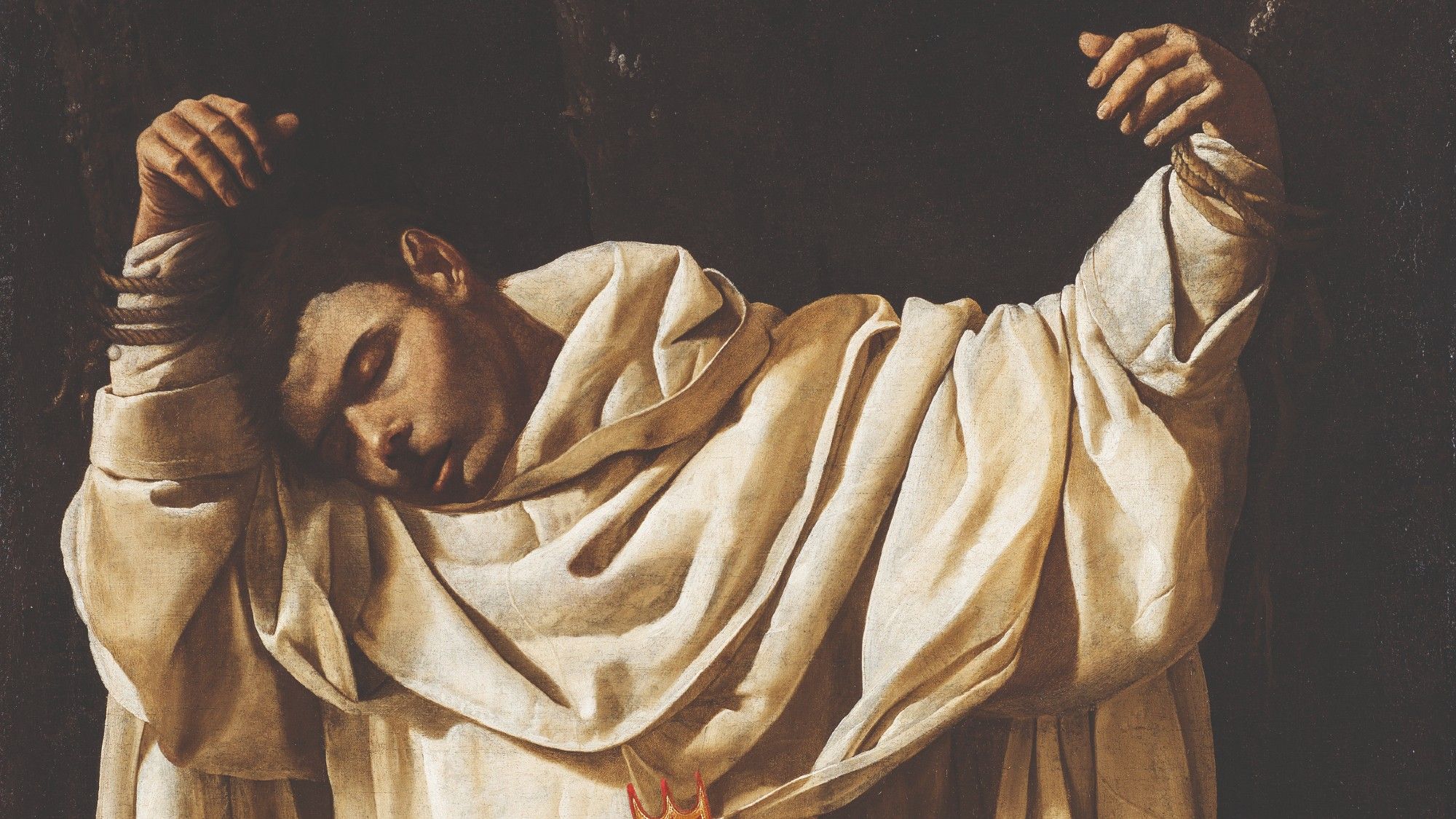
The article reviews the first-ever British exhibition dedicated to Spanish Baroque painter Francisco de Zurbarán, held at the National Gallery in London. The show brings together 40 works from collections spanning Seville to San Diego, featuring his hyper-real religious paintings and radiant still lifes, described as a 'magnificently choreographed' trawl through his oeuvre. Critics praise the exhibition for its dramatic lighting and revelatory presentation, though some note uneven quality in his later works.

Did Zurbarán Believe What He Painted?

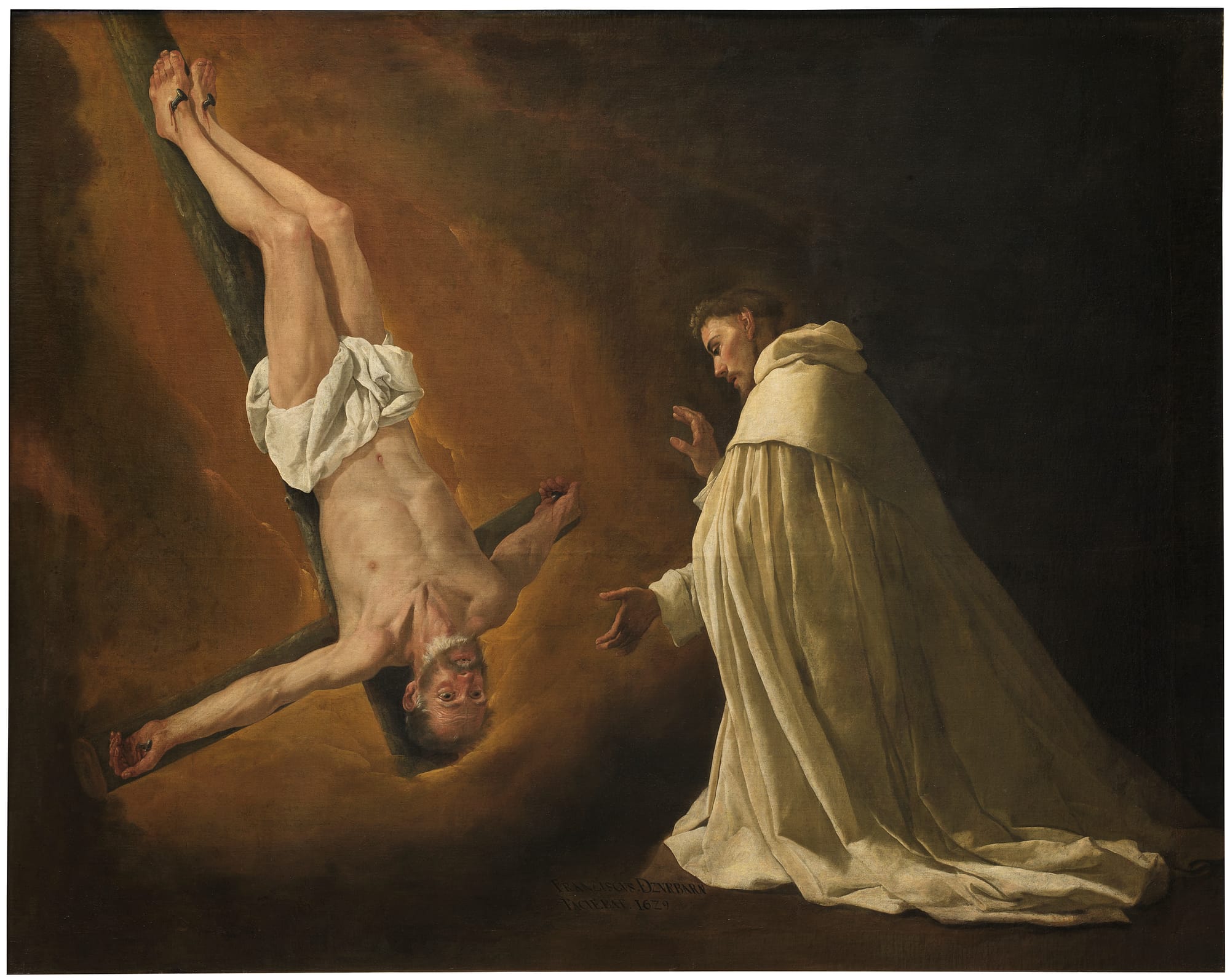
An exhibition of Francisco de Zurbarán's 17th-century religious paintings at London's National Gallery prompts a critic to question whether the artist's personal faith influenced his artistic skill. The show features monumental works from Spanish churches and monasteries, displayed dramatically against black walls, including crucifixion scenes, monks, and saints. The critic notes that no personal records of Zurbarán survive—only contracts—leaving his beliefs unknown, and compares him to Agnolo Bronzino, who painted pious scenes but wrote obscene verses. A small painting of a crucified Christ with a painter, possibly a self-portrait of Bronzino, is presented as ambiguous evidence of faith.

Tate St Ives to host first UK museum exhibition of groundbreaking artist

Tate St Ives will present the first UK museum exhibition of Aleksandra Kasuba, a Lithuanian American artist (1923–2019), from May 2 to October 4, 2026. The show spans seven decades of her career, featuring early paintings, mosaics, sculptures, and public artworks, including the spatial environment *Spectrum: An Afterthought* and a recreation of her *Live-In Environment*. Works are drawn from the Lithuanian National Museum of Art's collection, where Kasuba donated her pieces.

Dries Verhoeven on Representing the Netherlands at the 61st Venice Biennale

Dries Verhoeven will represent the Netherlands at the 61st Venice Biennale (2026) with a new work titled *The Fortress*, installed in the Dutch Rietveld Pavilion in the Giardini. The 25-minute performance piece transforms the sunlit pavilion into a darkened bunker, featuring a raw vocal composition using only false vocal cords. Verhoeven describes the work as a meditation on transition and self-preservation, reflecting a Western society caught between its enlightened self-image and a dark vision of the future. The piece responds to geopolitical unrest outside the Biennale grounds and is designed to be melancholic and confrontational, contrasting with the main exhibition's theme, *In Minor Keys*.

Parliamentary report calls for major changes at French museums in the wake of Louvre heist

A French parliamentary report published on 13 May, following the October 19 heist of the crown jewels at the Louvre, issues a damning assessment of the country's museum security and management. The commission heard around 100 testimonies and examined some 2,000 museums, dedicating a special chapter to the Louvre. It blames former director Laurence des Cars's leadership for a "dysfunctional drift" that prioritized contemporary art interventions and fashion shows over basic infrastructure and collection protection, allowing the heist to occur. The report lists rising threats including riots, burglaries, cyberattacks (which forced the National Museum of Natural History in Paris to cancel an exhibition after a ransomware attack in July 2025), and terrorist plots. It proposes 40 recommendations, including raising budgets by an estimated €20–25 billion over a decade, enhancing staff training, and overhauling museum leadership.

Why artists’ love for opera will never die

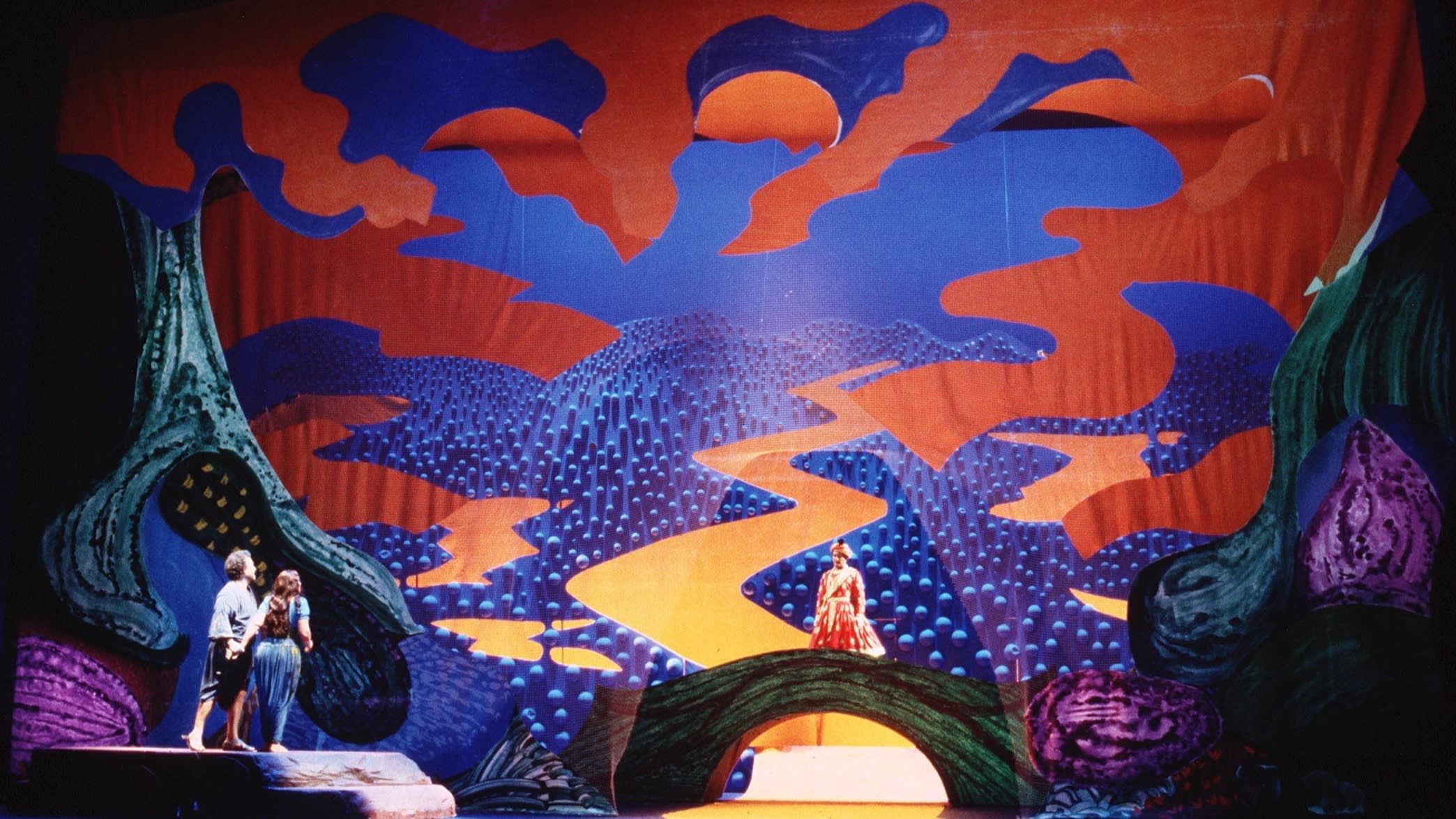
This article explores the enduring fascination that visual artists have with opera, tracing a historical lineage from figures like Oskar Kokoschka and David Hockney to contemporary practitioners such as William Kentridge and Tacita Dean. It examines how opera's fusion of music, drama, and visual spectacle has inspired artists to create set designs, costumes, and even direct productions, often blurring the boundaries between fine art and performance.

Body as Device. Guide and Reflection on the Performances of the Venice Biennale

Corpo come dispositivo. Guida e riflessione sulle performance della Biennale di Venezia

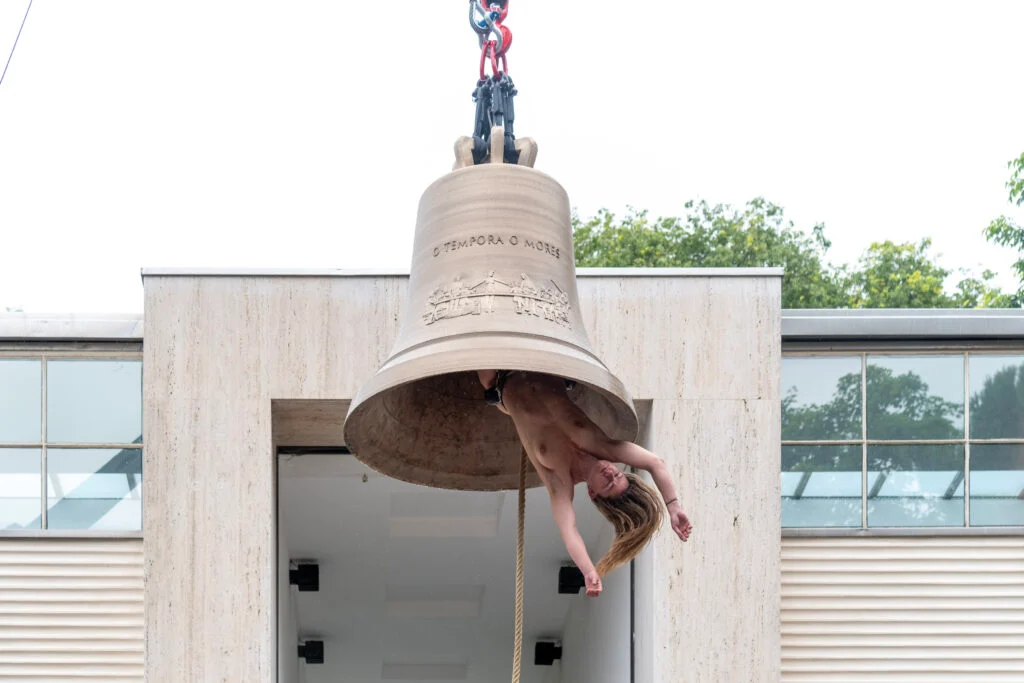
The article analyzes the role of performance art at the 2026 Venice Biennale, arguing that performance is no longer a rediscovered genre but a structurally institutionalized primary form of experience production. It examines how the body reemerges not as an alternative to image-based works but as an internal interruption of the artwork system, preventing closure and reintroducing instability. Key pavilions are discussed: Austria's Florentina Holzinger with "Sancta" draws on 1970s radical performance and feminist body art, creating an immersive environment of continuous movement; Belgium's Miet Warlop with "IT NEVER SSST" engages post-dramatic theater and postmodern dance repetition; Japan's Ei Arakawa-Nash with "Grass Babies, Moon Babies" activates Gutai avant-garde legacies through viewer interaction with soft dolls.

The 10 Best Venice Films

Die 10 besten Venedig-Filme

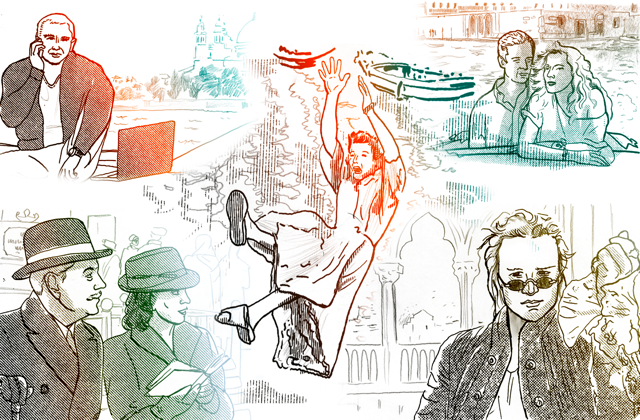
Monopol magazine has published a ranking of the ten best films set in Venice, timed to coincide with the opening of the Venice Art Biennale. The list includes titles such as Steven Spielberg's "Indiana Jones and the Last Crusade" (1989), Joseph L. Mankiewicz's "The Honey Pot" (1967), and Kenneth Branagh's "A Haunting in Venice" (2023), highlighting how the lagoon city serves as a central character in action films, comedies, and love dramas.

In SF, a gallery transformed into an immense, red web of memory

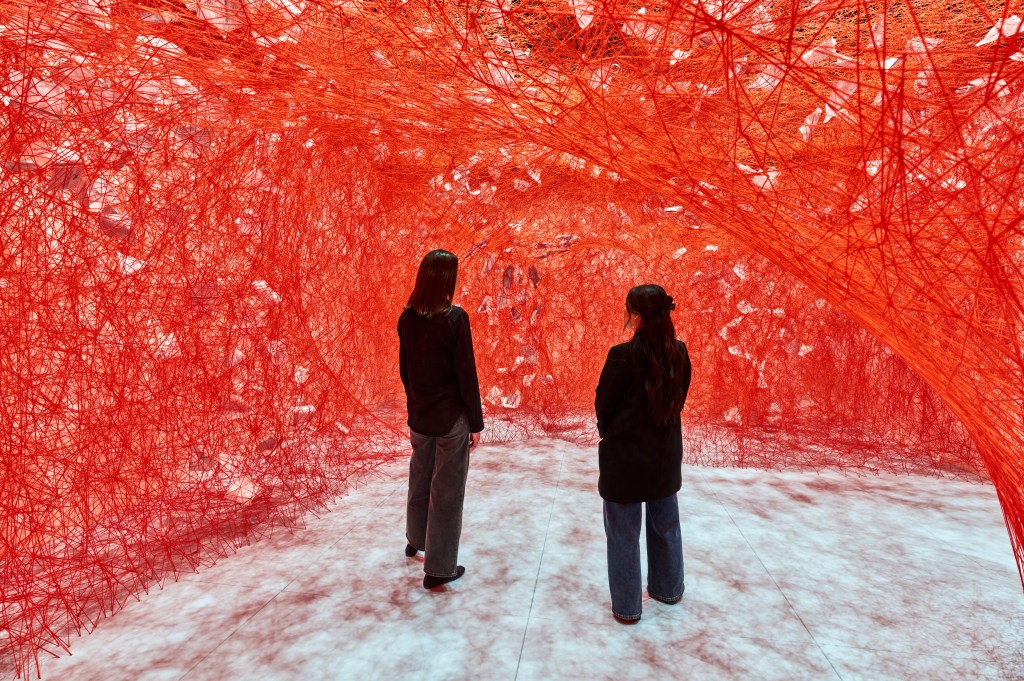
The Asian Art Museum in San Francisco has opened "Chiharu Shiota: Two Home Countries," the first solo museum exhibition in the Bay Area for the Berlin-based Japanese artist. The centerpiece is "Diary," an 88-foot-long network of blood-red yarn that incorporates pages from diaries of Japanese soldiers and German citizens from World War II, creating an immersive web of memory. The exhibition also includes a crimson dress unraveling into cords, set designs for a theatrical psycho-drama, performance videos, and paper works reflecting on the artist's experience as a cancer survivor.

London artist’s new exhibition captures quiet beauty of Southwestern Ontario’s back roads

London, Ont.-based artist Craig Guthrie has opened a new solo exhibition titled *Outskirts: Landscapes From the Road* at LAB 203 inside the TAP Centre for Creativity. The show, running from May 12 to June 6, 2026, features quiet, soft-hued paintings inspired by photographs Guthrie took while driving rural roads around the London region. Many works were shot from inside his vehicle to evoke the feeling of traveling through the landscape, capturing the overlooked beauty of fields, hydro lines, and back roads that lie between destinations.