filter_list Showing 47 results for "German" close Clear
dashboard All 47 museum exhibitions 21article news 11article culture 4gavel restitution 4person people 3rate_review review 2candle obituary 1article local 1
date_range Range Today This Week This Month All
Subscribe

Melding Chinese lacquer with European abstraction

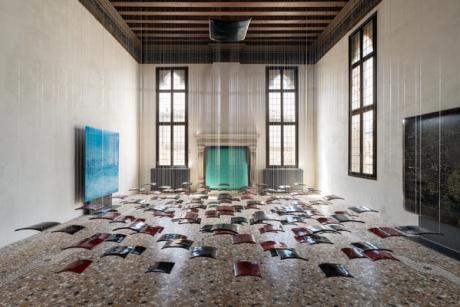
A collateral exhibition titled "Alchemical Universe" at the Palazzo Soranzo Van Axel in Venice features 35 lacquer paintings by Chinese-German artist Su Xiaobai. Curated by Stephen Little of the Los Angeles County Museum of Art (Lacma) and designed by architect Kulapat Yantrasast, the show spans Su's early experiments to recent works created for Venice, including suspended temple tiles and floor pieces on mirrored Murano glass. Su, who was advised by Gerhard Richter in 2003 to focus on lacquer, now works exclusively in the medium, layering and scoring tree sap to create contemplative abstract works.
Venice Biennale 2026 Highlights: Arsenale & Giardini

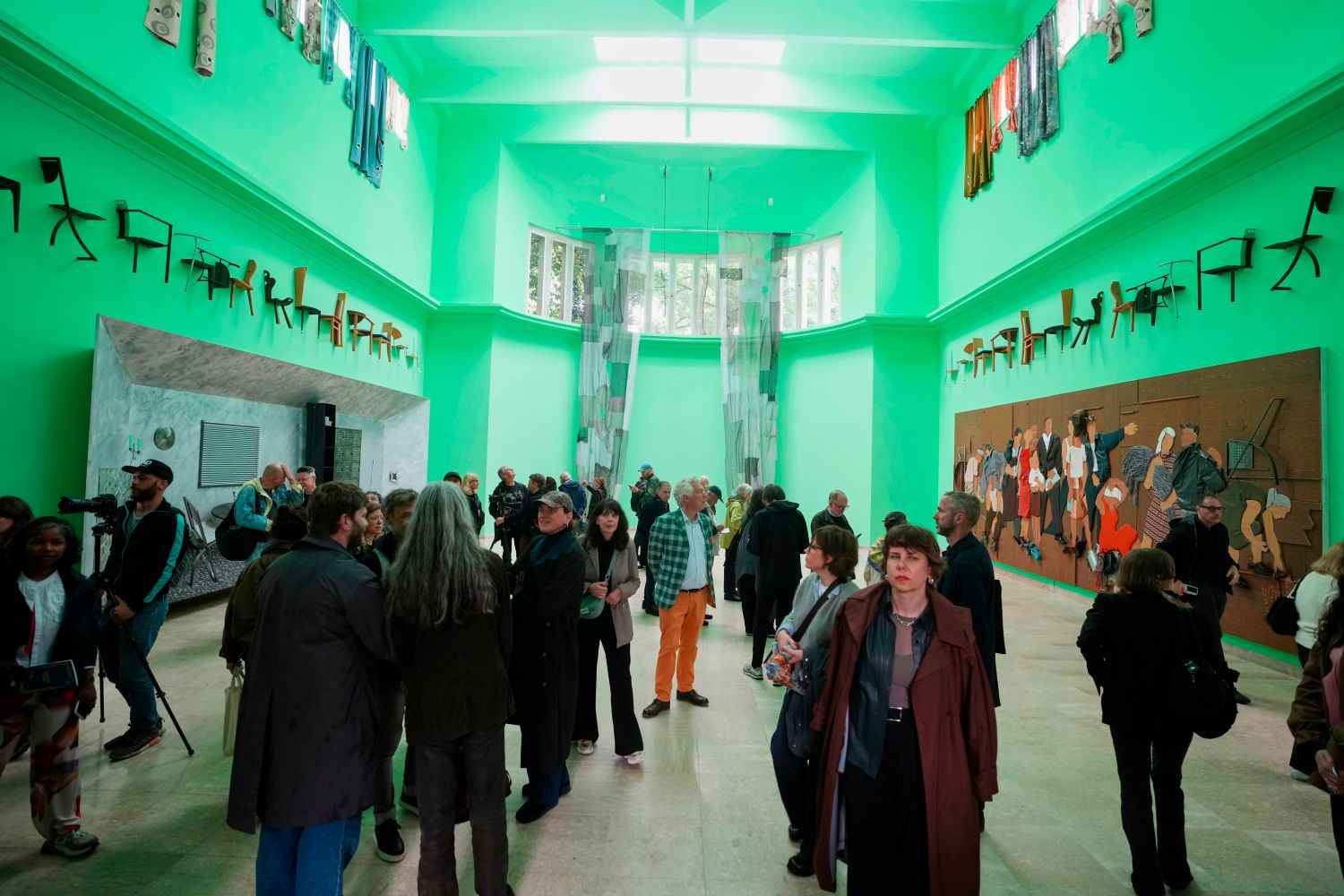
ArtReview editors highlight the must-see national pavilions at the 61st Venice Biennale, running from 9 May to 22 November 2026. Notable presentations include Austria's Florentina Holzinger turning her pavilion into a toilet and sewage-treatment plant with naked performers, and Germany's pavilion featuring works by Sung Tieu and the late Henrike Naumann, who died in February 2026, exploring East German memory and conceptual minimalism.

Controversial Painter Georg Baselitz Knew His Venice Show Would Be His Last. He Went Out Quietly.

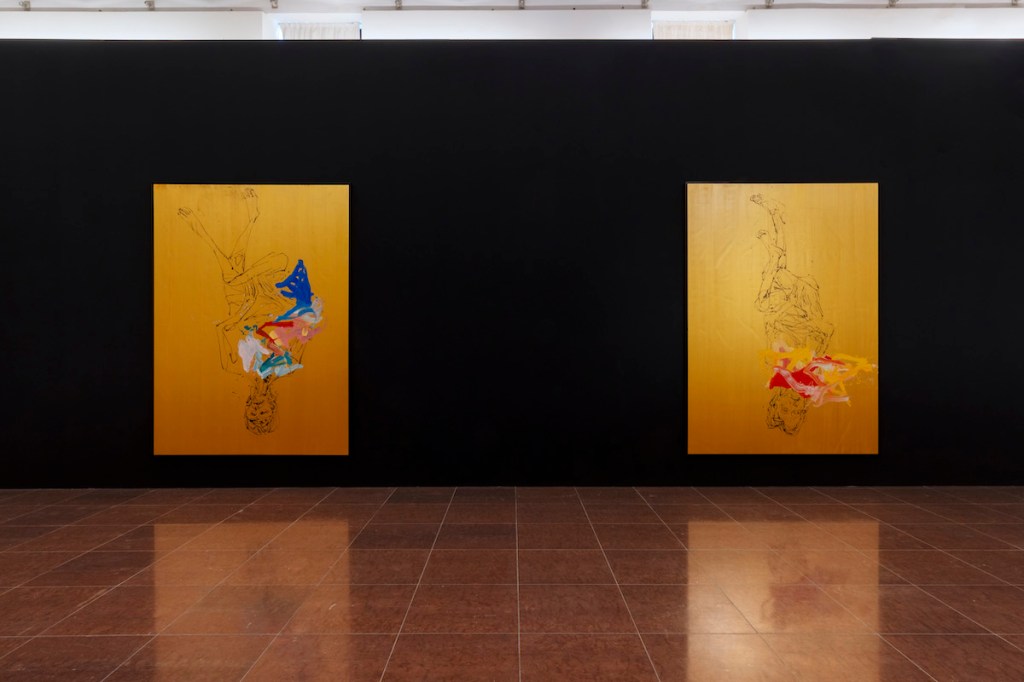
Six days after Georg Baselitz's death, his dealer Thaddaeus Ropac opened "Eroi d'Oro" ("Heroes of Gold") at the Fondazione Giorgio Cini in Venice. The exhibition features the final paintings Baselitz made before he died in April at age 88. In a prerecorded film, Baselitz calls these works his "last paintings," intended as a summation of his six-decade career. The large-scale, gold-ground paintings depict thin, ink-like figures of himself or his wife Elke lying horizontally, floating in undefined space. Baselitz connected the gold grounds to Fayum mummy portraits, Sienese altarpieces, and Byzantine icons, using them to absorb space and create a shadowless, eternal condition.

What You Should Definitely Avoid in Venice

Was man in Venedig unbedingt vermeiden sollte

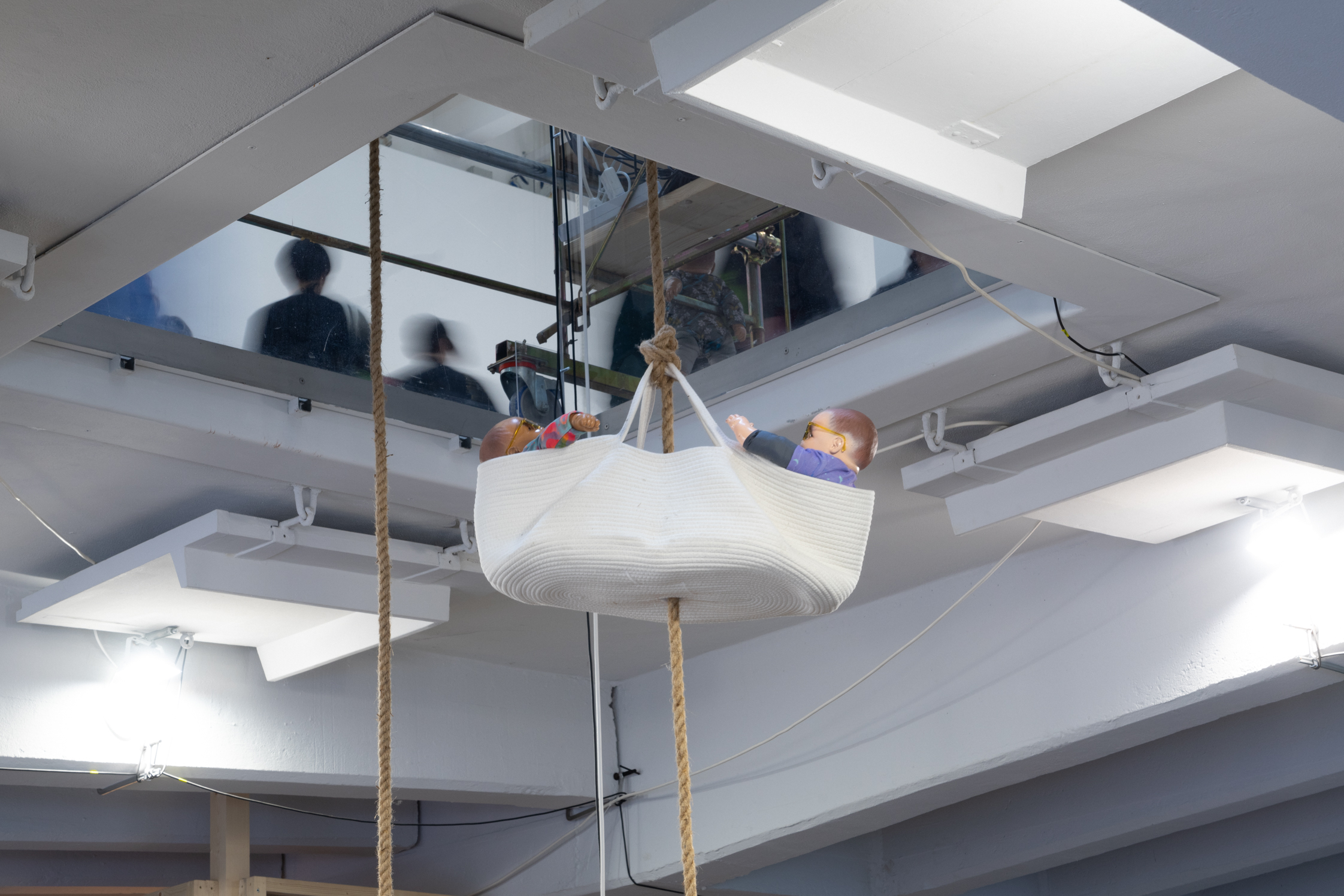
The article humorously critiques the Venice Biennale, highlighting several disappointments. It describes a Japanese pavilion installation by Ei Arakawa-Nash featuring baby dolls for diaper-changing, which a critic dismisses as a male artist over-romanticizing parenthood. Other flops include long queues for the German and Austrian pavilions, underwhelming main exhibition "In Minor Keys," and annoying self-promotional performers outside venues. The piece also laments the presence of loud American collectors and donors who dominate the event.

Frank Stella’s eye-dazzling collection of Navajo weavings to go on view

An exhibition of Navajo (Diné) weavings from the collection of the late artist Frank Stella opens on 15 May at Peter Pap Rugs at Arader Galleries in New York City, running until 10 June. The show features 40 weavings from the 19th and early 20th centuries, acquired by Stella over four decades for their optical effects and resonance with his own work. Organized by dealer Peter Pap in collaboration with Stella’s widow Harriet McGurk, the exhibition also includes geometric drawings by Stella from the 1960s, on loan from the Frank Stella Estate.

Manhattan's Neue Galerie to Merge With Met Museum

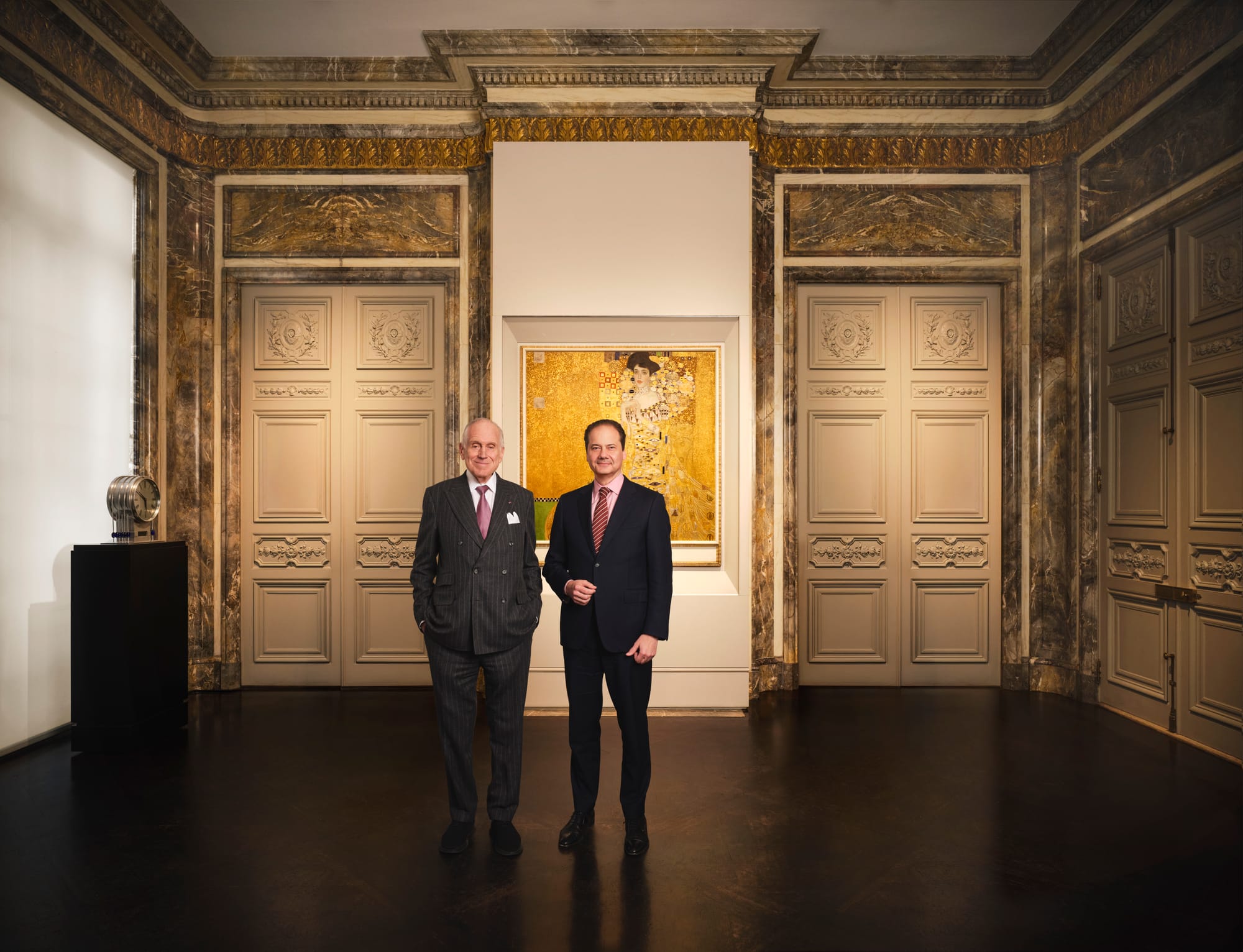
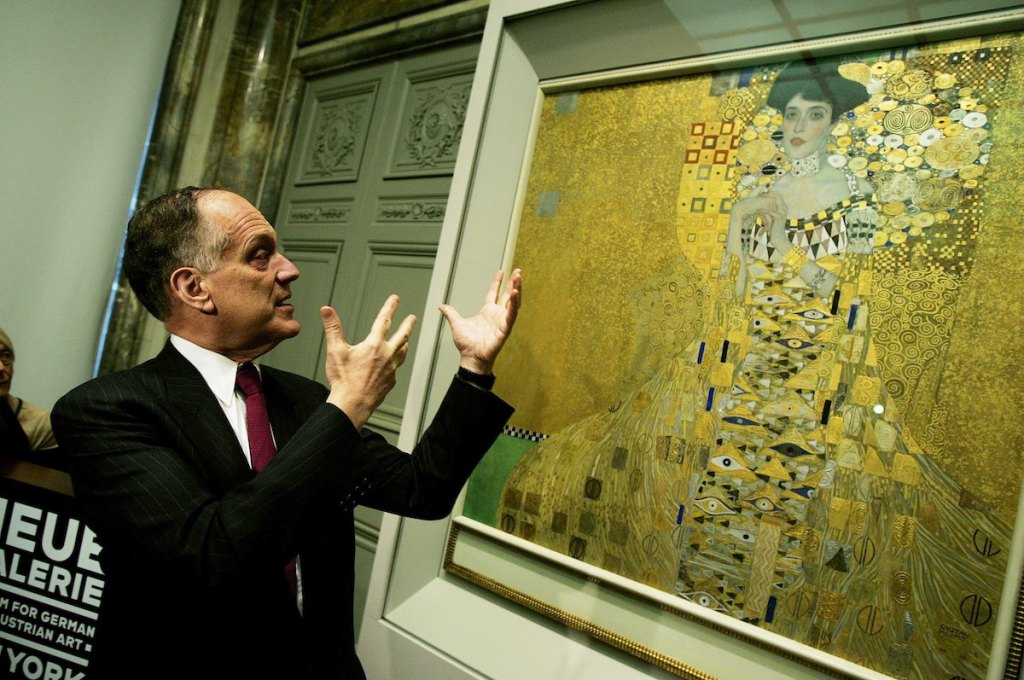
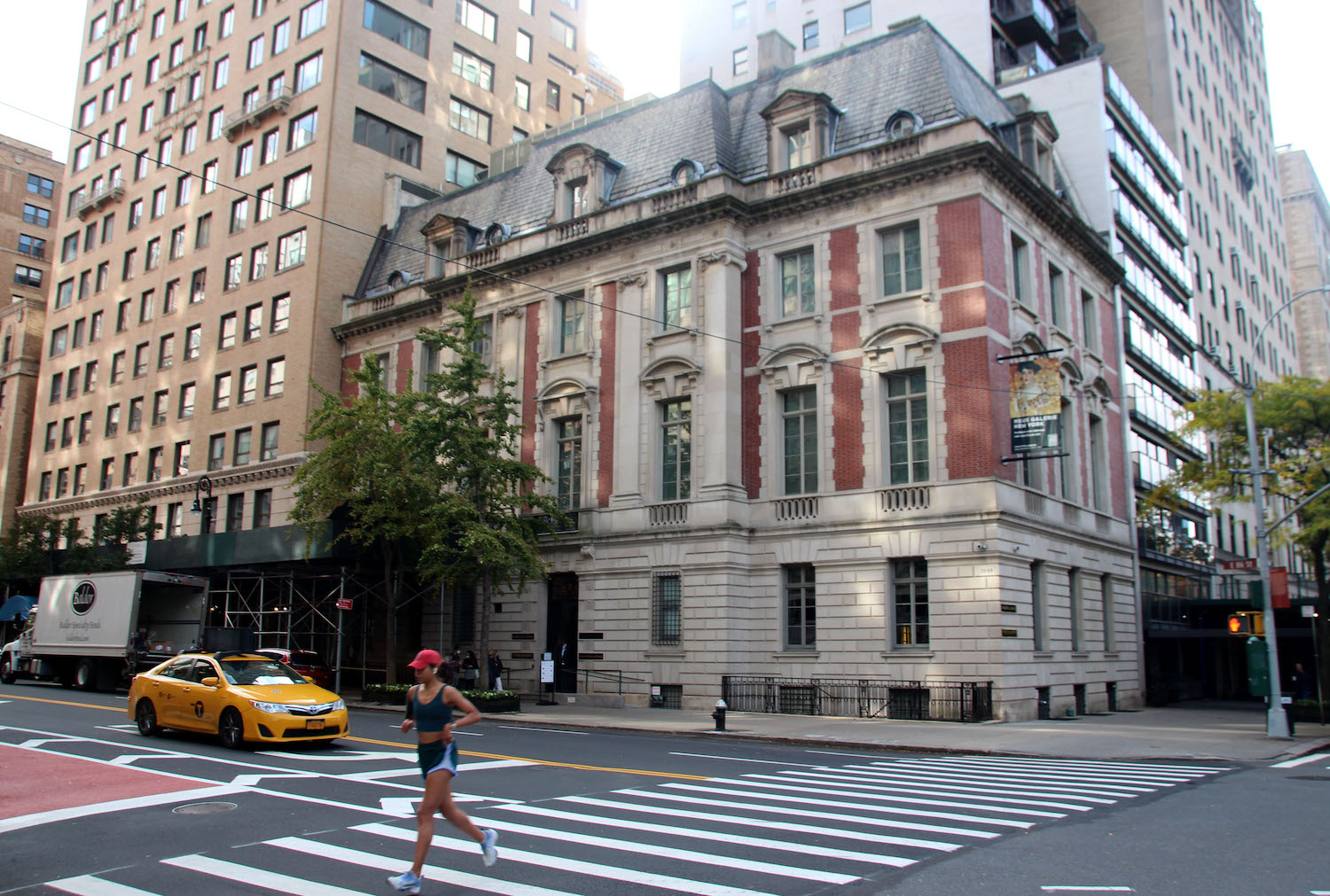
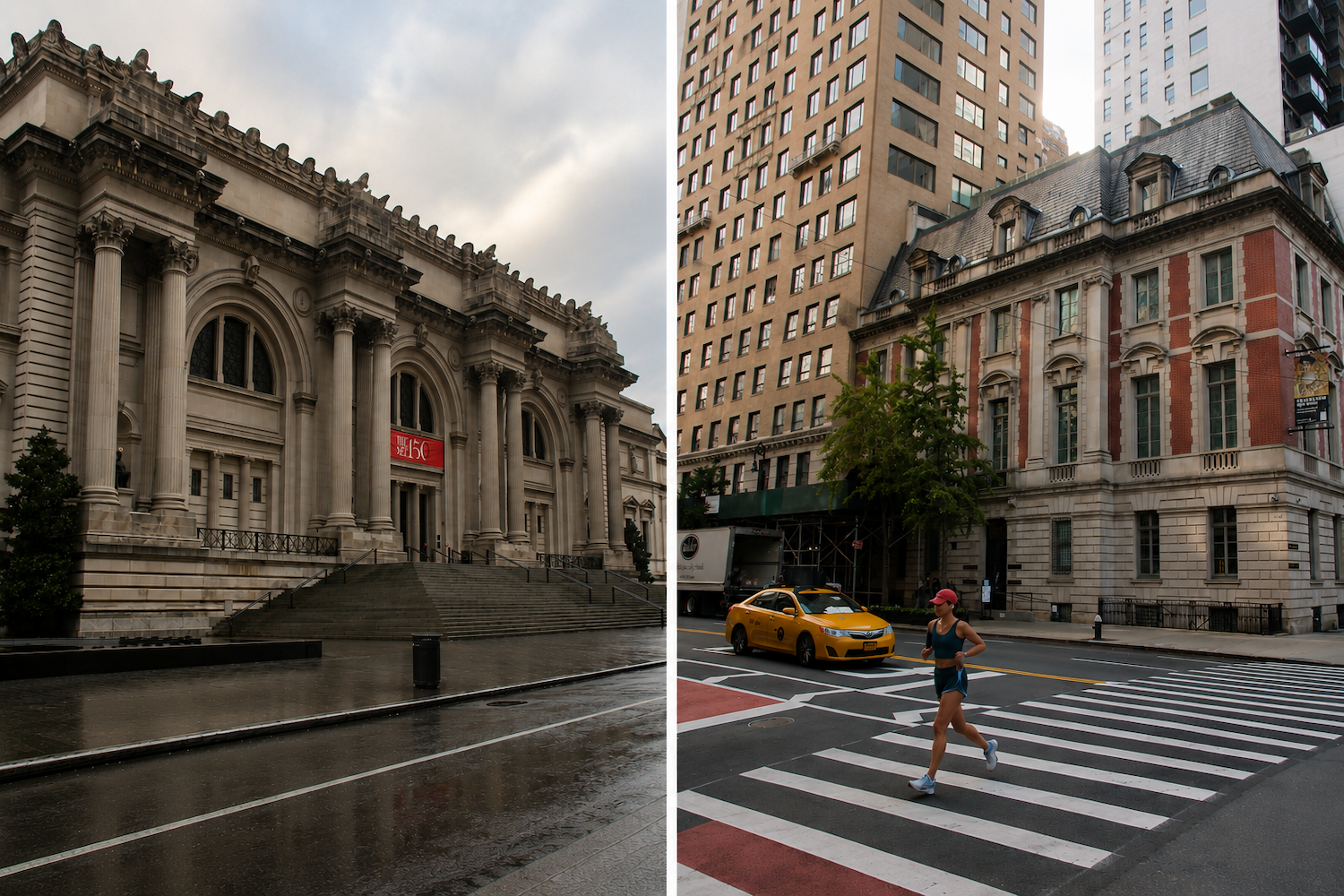
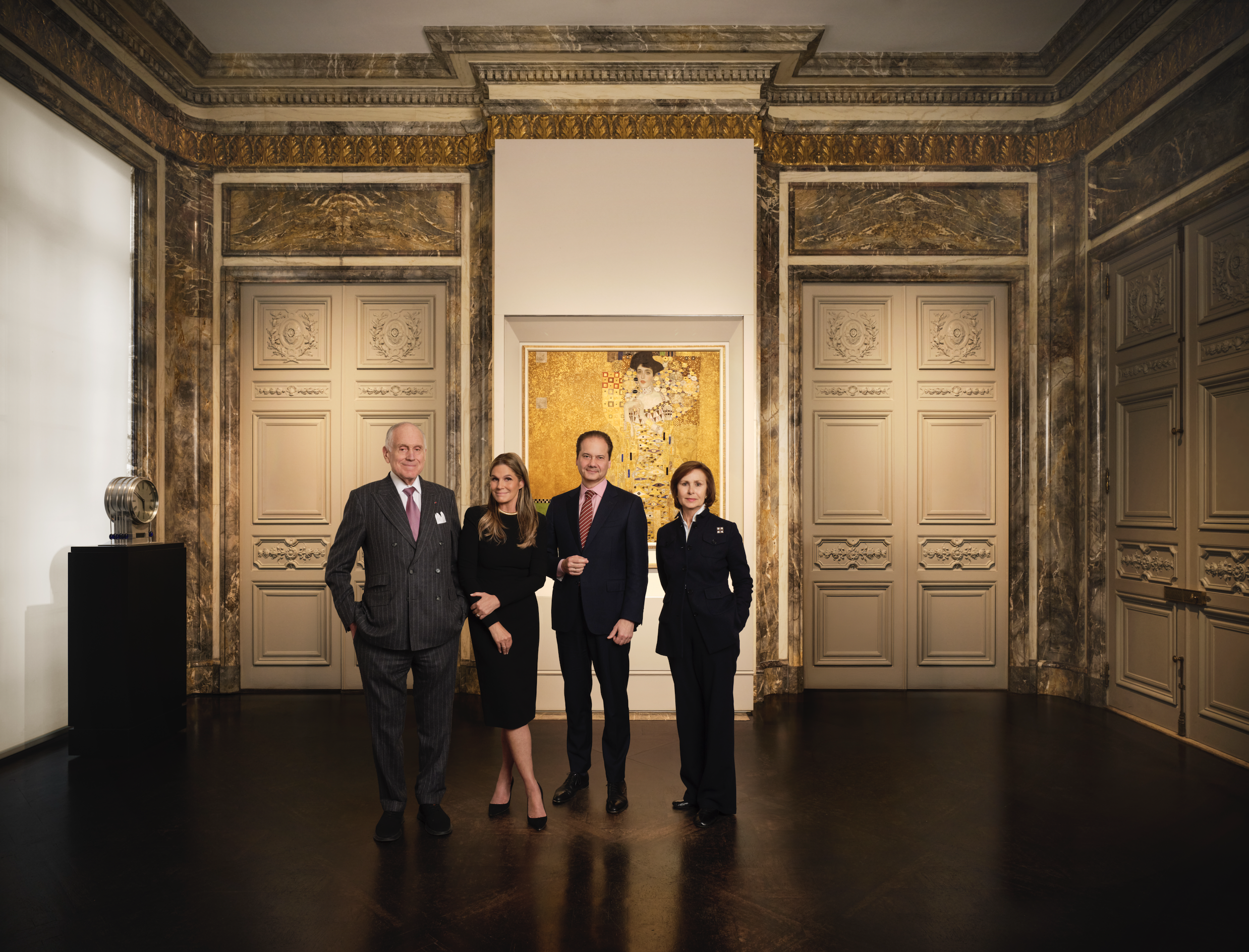
Cosmetics billionaire Ronald Lauder's Neue Galerie, a private museum on Manhattan's Fifth Avenue known for its collection of Austrian and German art, will merge with the Metropolitan Museum of Art. The merger takes effect in 2028, with the Neue Galerie retaining its physical space and staff. The announcement was made by The Met on May 14. The museum's star attraction is Gustav Klimt's "Portrait of Adele Bloch-Bauer I" (1907), and it also holds works by Egon Schiele, Oskar Kokoschka, and others. Lauder co-founded the Neue Galerie with dealer Serge Sabarsky in 2001. As part of the merger, Lauder and his daughter Aerin Lauder Zinterhofer will donate 13 additional paintings from their personal collection and make an undisclosed endowment gift.

Remembering Bruno Bischofberger, Manuela Hoelterhoff, and Steven Durland

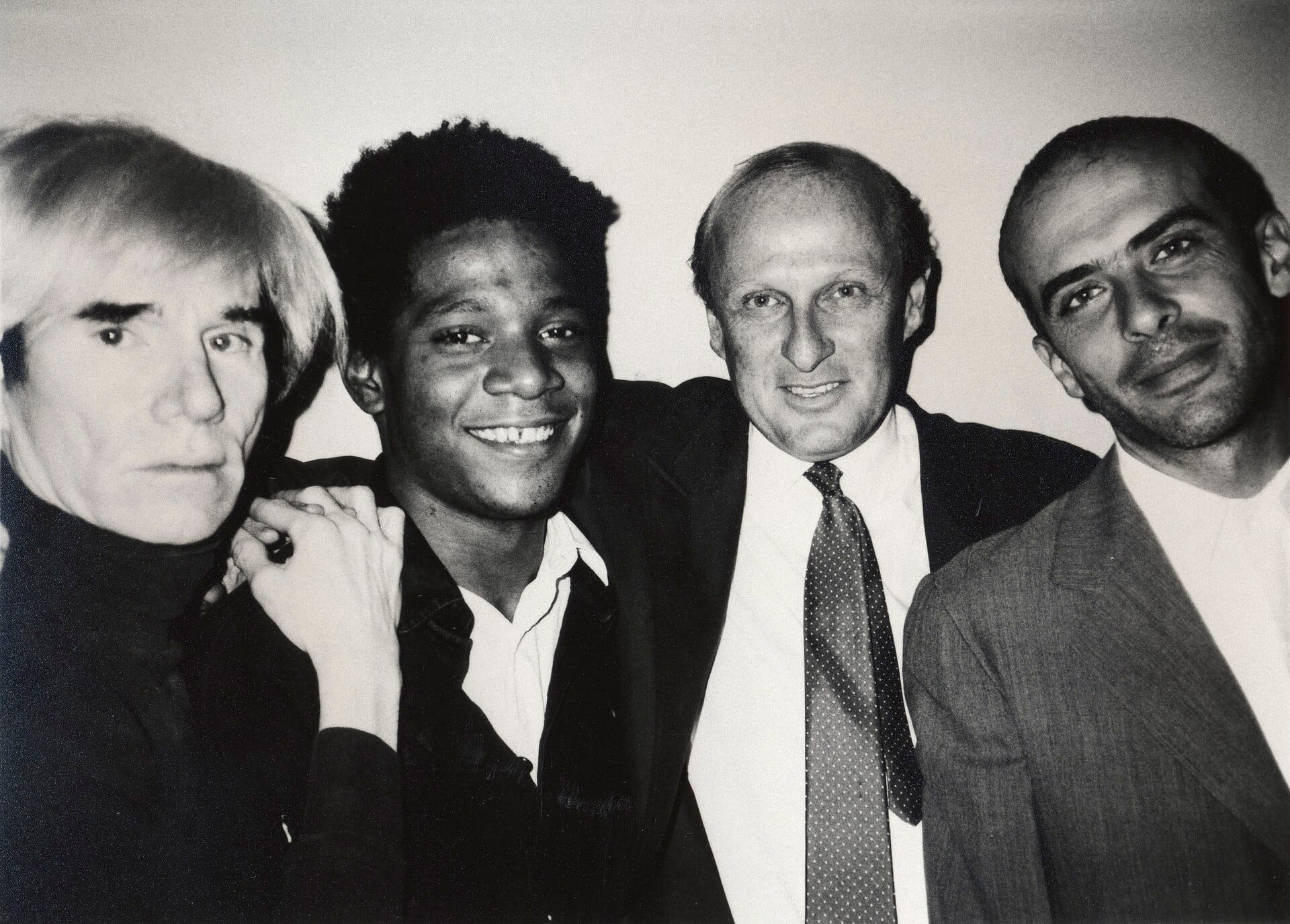
This week's In Memoriam column from Hyperallergic honors seven figures from the art world who recently passed away, including Swiss collector and dealer Bruno Bischofberger (1940–2026), Pulitzer-winning arts critic Manuela Hoelterhoff (1949–2026), and artist-editor Steven Durland (1951–2026). Other notable losses include British painter Ray Burgoyne, iconographer Christina Dochwat, German gallerist Jenny Falckenberg, realist painter Ward Nichols, and MoMA preparator Pamela A. Popeson. Each entry provides a brief biography and highlights their contributions to visual art, criticism, and cultural organizing.

New York’s Neue Galerie to Merge with Metropolitan Museum of Art in Major Expansion

The Neue Galerie, a private museum on New York's Upper East Side founded by collector Ronald S. Lauder, will merge with the Metropolitan Museum of Art in 2028. The institution will be renamed the Met Ronald S. Lauder Neue Galerie, or Met Neue for short. Lauder and his daughter Aerin Lauder Zinterhofer will contribute funds toward a $200 million endowment, along with 13 works from their collection, including a prized Gustav Klimt and paintings by German Expressionists. The Met plans to exhibit some holdings at its Fifth Avenue base, but Klimt's "Portrait of Adele Bloch-Bauer I" will remain at the townhouse.

What the Met Gains from the Neue Galerie

Was das Met mit der Neuen Galerie gewinnt

The Neue Galerie, a private museum for German and Austrian art founded by billionaire collector Ronald S. Lauder, will be integrated into the Metropolitan Museum of Art (the Met) as an auxiliary branch under the new name "The Met Ronald S. Lauder Neue Galerie." The transition, announced by founding director Renée Price, is set to be completed by 2028, with the Met assuming full operational control after a planned renovation of the historic townhouse on Fifth Avenue. The merger follows years of Lauder's stewardship and ensures the long-term future of the collection, which includes masterpieces by Gustav Klimt, Egon Schiele, Wassily Kandinsky, and Max Beckmann.

Metropolitan Museum und Neue Galerie in New York fusionieren

The Metropolitan Museum of Art and the Neue Galerie in New York are merging. Starting in 2028, the Neue Galerie will operate as a satellite of the Met, renamed "The Met Ronald S. Lauder Neue Galerie." Founded in 2001 by cosmetics entrepreneur and art collector Ronald Lauder, the Neue Galerie houses a renowned collection of German and Austrian art, including Gustav Klimt's "Adele Bloch-Bauer I." Met director Max Hollein announced the merger, which also includes a donation of 13 works from Lauder and his daughter Aerin, plus an endowment for ongoing operations.

Tiny Cranach Painting That Vanished During WWII Returns to Dresden

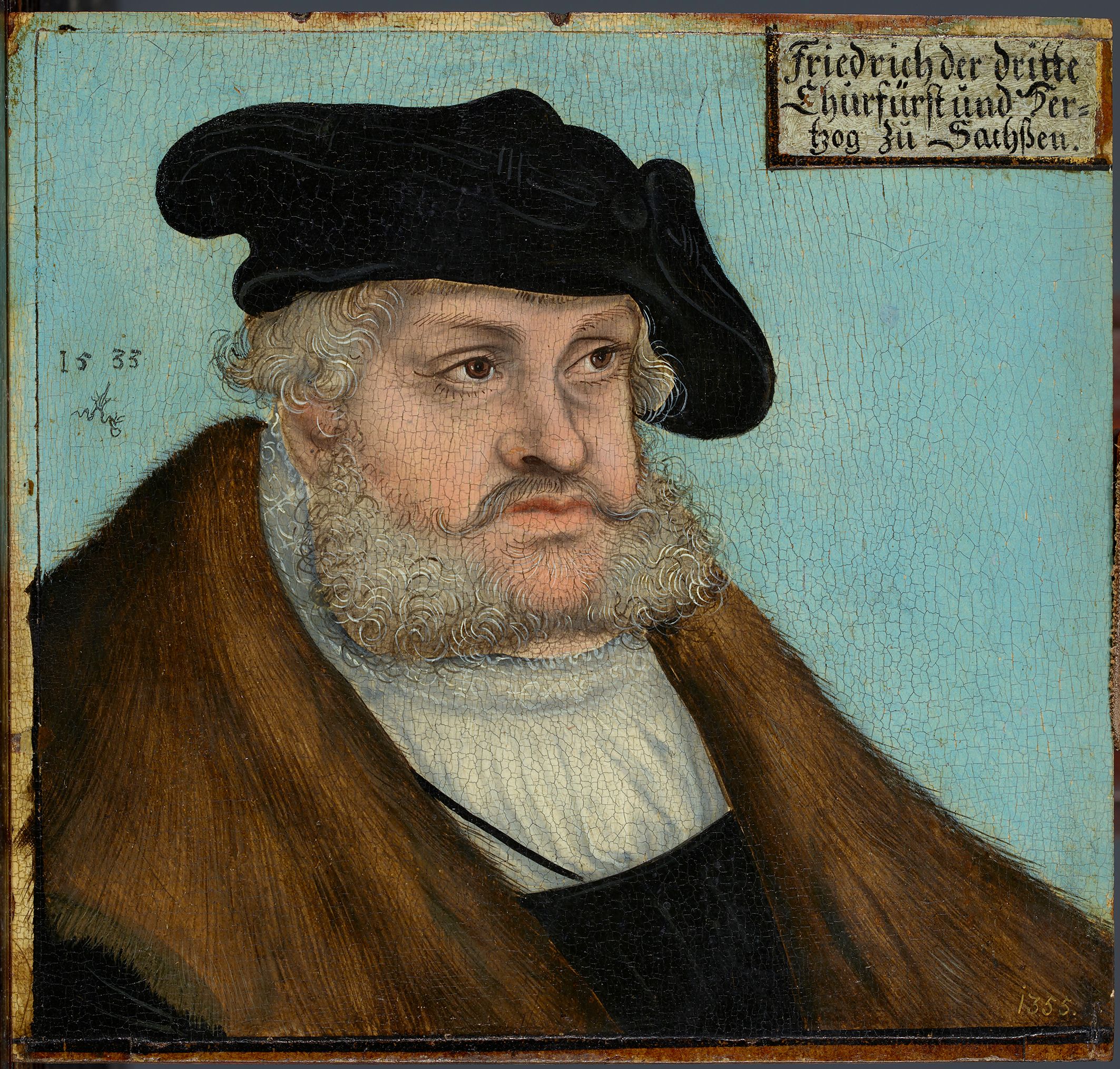
A miniature portrait of Friedrich III (Frederick the Wise) by Lucas Cranach the Elder, missing since World War II, has been returned to the State Art Collections of Dresden, Germany. The painting was last documented in May 1945 in a limestone quarry shelter near Pockau-Lengefeld before vanishing. It resurfaced in 2024 when consigned to Parisian auction house Artcurial, whose provenance investigation revealed a matching inventory number from 1722–1728. The Dreyfus family in France, the modern owners, returned the work after negotiations and a financial agreement. It is now on view at the Coin Cabinet of the Royal Palace in a special exhibition marking the 500th anniversary of Friedrich III's death, and will later be permanently displayed in the Semper Gallery.

The Met and Neue Galerie Embark on Historic Merger

The Metropolitan Museum of Art and the Neue Galerie in New York have announced a historic merger set for 2028. The Met will acquire the Neue Galerie's Beaux-Arts mansion, renaming it the Met Ronald S. Lauder Neue Galerie (or Met Neue Galerie), while preserving its museum experience. The merger comes ahead of the Neue Galerie's 25th anniversary and its renovations from May to August 2026. Founder Ronald S. Lauder will remain involved, and the Met will supplement the Neue Galerie's programs, research, and digital initiatives. Major fundraising is underway, with the endowment target of $200 million already 80 percent met, supported by Lauder, his daughter Aerin Lauder Zinterhofer, and trustee Marina Kellen French.

‘I shared a single bed with my mother for three years’: Sung Tieu on her monument to immigrant workers in Venice

Artist Sung Tieu has clad the German pavilion at the 2024 Venice Biennale with a mosaic replica of the Gehrenseestrasse complex, a now-abandoned housing estate in Berlin where she lived as a child. The work, titled "Human Dignity Shall Be Inviolable," uses three million mosaic stones to recreate the facade of the prefabricated blocks that housed Vertragsarbeiter—contract workers from Vietnam, Mozambique, Angola, and Cuba who bolstered East Germany's economy. Tieu, who shared a single bed with her mother in the complex for three years, conceived the pavilion alongside the late artist Henrike Naumann.

Delegitimation, Denunciation and Insecurity

"Delegitimation, Denunziation und Verunsicherung"

German cultural critic Georg Seeßlen warns in his taz column of a right-wing 'war of conquest' targeting liberal cultural institutions through systematic delegitimation, denunciation, and intimidation. Meanwhile, a new Berlin artist study reveals that the average annual income from artistic work is just €6,000, highlighting a structural dysfunction in the art system. Additionally, Jonathan Meese's play 'Alaska Kid' has been canceled at the Volksbühne Berlin following the death of his mother Brigitte Meese, who was his organizer, muse, and confidante.

6 Rising Artists to Watch at This Year’s Venice Biennale

The article profiles six rising artists at the 2026 Venice Biennale, focusing on Sung Tieu and Gala Porras-Kim. Tieu transforms the German Pavilion with a tile shell recreating a former housing complex for Vietnamese contract workers, while inside she scatters chocolate ladybugs as a symbol of occupation. Porras-Kim presents work in the Arsenale examining 'institutionally defined damage' and how decay can realign objects with their natural state.

The Metropolitan Museum of Art and the Ronald S. Lauder Neue Galerie New York Announce Plans for a Landmark Merger

The Metropolitan Museum of Art and the Ronald S. Lauder Neue Galerie New York have announced a landmark merger agreement, set to take effect in 2028. The merger will unite the Neue Galerie's collection of 20th-century Austrian and German art—including Gustav Klimt's *Portrait of Adele Bloch-Bauer I*—with The Met, while preserving the Neue Galerie's distinct museum experience. Ronald S. Lauder and his daughter Aerin Lauder Zinterhofer plan to donate 13 additional paintings from their personal collection, and several Met trustees have pledged significant endowment gifts to support the integration and long-term operations.

Mario Schifano, the artist who anticipated Arte Povera and beyond. What the exhibition in Rome looks like

The Palazzo delle Esposizioni in Rome has opened a major retrospective of Mario Schifano, curated by Daniela Lancioni and titled simply "Mario Schifano," running until July 12. The exhibition reconstructs the career of the Italian artist (1934–1998), who worked across painting, film, and music, and highlights his role as a precursor to Arte Povera. A centerpiece is the reconstructed dining room Schifano created for the Rome home of Marella and Gianni Agnelli in 1968, featuring 14 canvases and a planned but unrealized sand-filled room with a pyramid, a detail revealed by film producer Ettore Rosboch in a conversation with the curator.

15 Artists Share the Best Advice They Got From Their Mother

Hyperallergic asked 15 artists to share the best advice they received from their mother or a maternal figure, in honor of Mother's Day. The article features reflections from artists including Pat Oleszko, Maddy Inez, Nathaniel Mary Quinn, and Shahzia Sikander, who recount maternal wisdom ranging from encouragement to pursue art to life lessons about empathy and resilience. Each anecdote is accompanied by images of the artists' works or personal photos.

Fundación Casa Wabi x ArtReview Open-Call Residency Prize 2026–27

Fundación Casa Wabi and ArtReview have announced the ninth annual open-call residency prize for three artists or collectives, offering a residency at Casa Wabi in Puerto Escondido, Oaxaca, Mexico. The residency includes lodging, studio space, meals, and support for a community project, with applications due by 14 June 2026 and winners notified in July 2026. The prize aims to foster cultural cross-pollination between artists and local communities, with past winners including artists from Australia, the UK, Germany, Argentina, Brazil, and Mexico.

« La Boule » de Villeroy & Boch : l’art explosif et pop du pique-nique

Villeroy & Boch, the historic German porcelain manufacturer founded in 1748, launched "La Boule" ("Die Kugel") in 1971—a stackable 19-piece porcelain dinner service for four that compacts into a colorful decorative sphere. Designed by Helen von Boch, the eighth-generation family director, the set was part of a pop-design wave and came in original color variants that have since become collectors' items. The article also highlights related designs like the "La Bomba" picnic cutlery set (1968) and melamine set (1972), both held by MoMA, and notes Villeroy & Boch's collaborations with artists such as Keith Haring, Paloma Picasso, and Luigi Colani.

Famous Cranach painting spotted in rare photograph of Hitler’s apartment

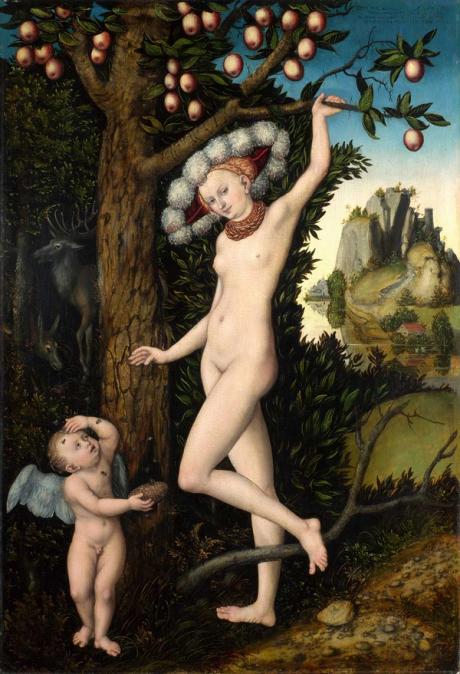
A rare photograph from the early 1940s reveals that Lucas Cranach the Elder's painting *Cupid complaining to Venus* (1526-27), now a masterpiece in the National Gallery, London, once hung in Adolf Hitler's private Munich apartment. The image, previously published in Germany by provenance expert Birgit Schwarz, appears for the first time in an English-language publication. The painting was acquired by the National Gallery in 1963 from E. and A. Silberman Galleries in New York, which provided a false provenance. It had been taken from a warehouse of recovered art in 1945 by American journalist Patricia Lochridge, who smuggled it into the United States.

All the complexity of Cézanne on display at the legendary Fondation Beyeler in Basel

Tutta la complessità di Cézanne in mostra alla mitica Fondation Beyeler di Basilea

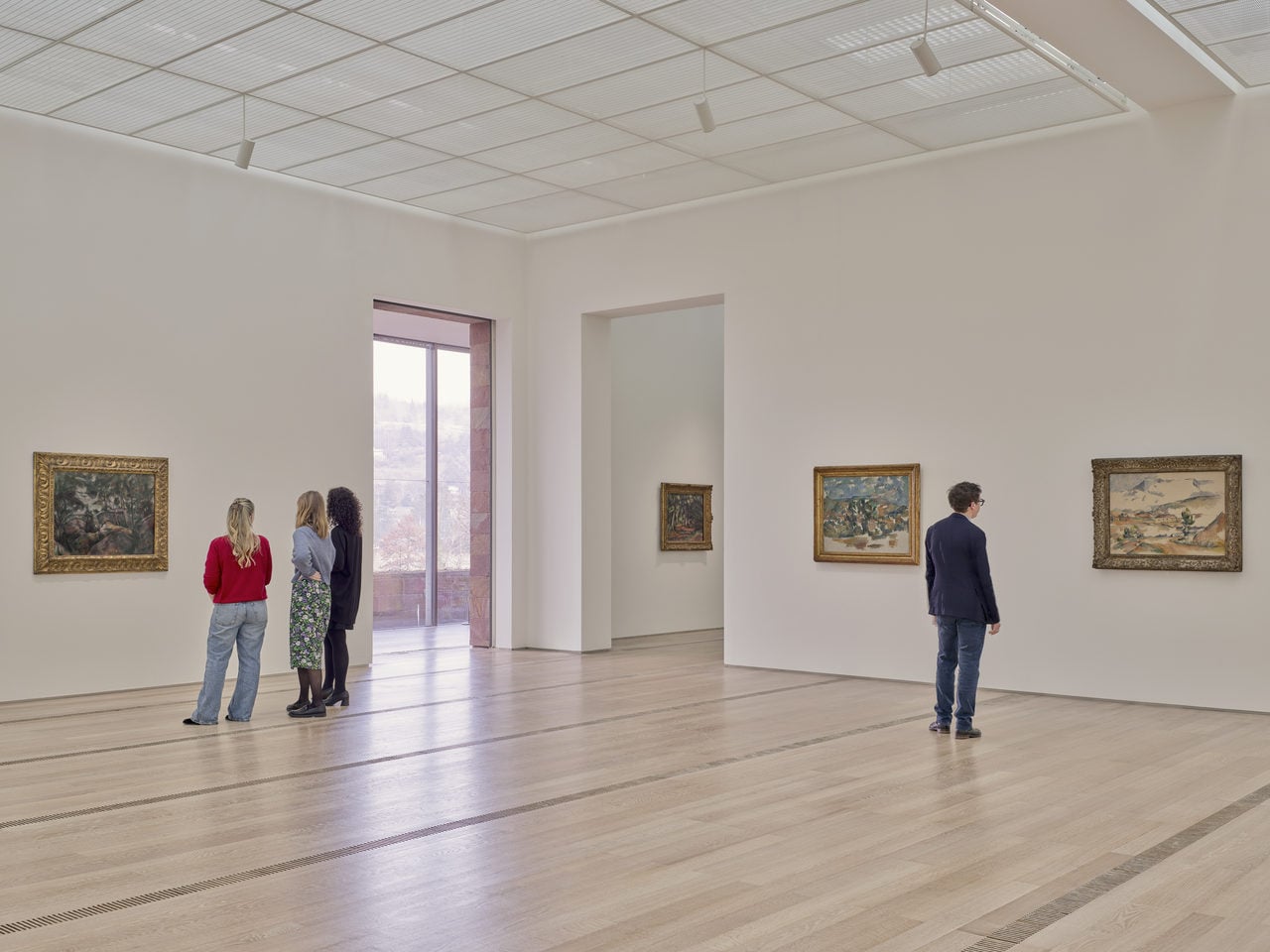
The Fondation Beyeler in Basel has opened a major exhibition dedicated to Paul Cézanne, marking the 120th anniversary of his death. Curated by senior curator Ulf Küster, the show features 80 works—58 paintings and 21 watercolors—drawn from public and private collections across Switzerland, Germany, France, the UK, the Netherlands, Spain, Denmark, and the United States. Highlights include nine versions of Mont Sainte-Victoire, rare comparisons of two watercolor versions of "Boy in a Red Waistcoat," and two versions of "The Card Players" from the Courtauld Gallery and the Musée d'Orsay. The exhibition runs until May 25, 2026, and is accompanied by a catalog published by Hatje Cantz Verlag.

Venice in Crisis Mode

Venedig im Krisenmodus

The 61st Venice Biennale has opened under extraordinary circumstances, marked by political protests, a jury resignation, and canceled awards. The Biennale's jury resigned en masse after announcing they would exclude Israeli and Russian contributions from their decisions, leading to the cancellation of the Golden Lion awards and a crisis over the international competition's legitimacy. A newly introduced audience prize also faced boycotts from artists in solidarity. Protests, closed pavilions, and pro-Palestinian actions dominated the preview days, with artists pasting protest posters directly onto their works, reflecting heightened tensions.

The Artist Who Painted Pixels Before We Saw in Pixels

Der Künstler, der Pixel malte, bevor wir in Pixel sahen

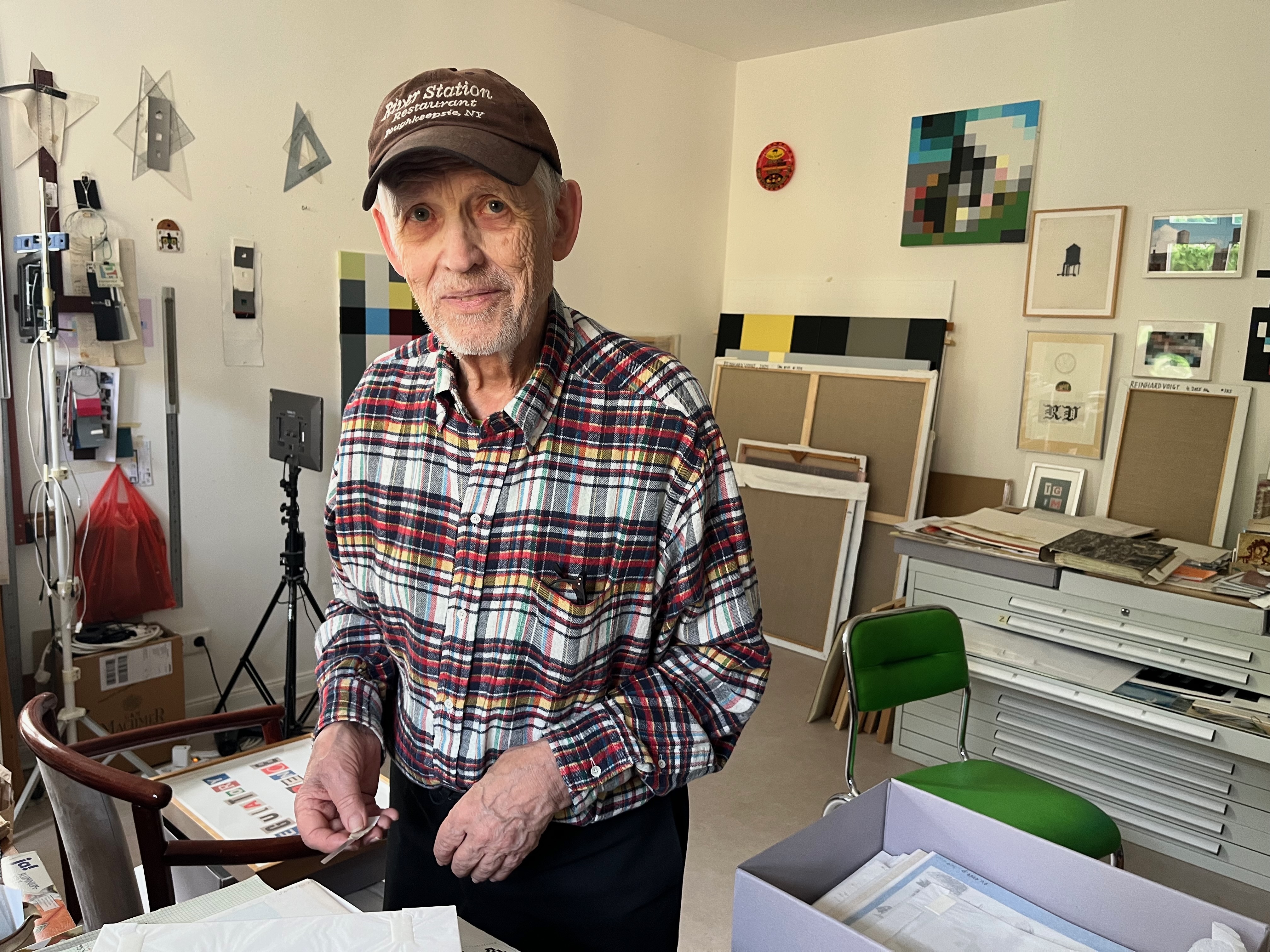
Reinhard Voigt, a German artist little known to the public, painted grid-based pictures as early as 1968—years before pixels became ubiquitous in daily life. Despite early discouragement from Gerhard Richter and fellow artist Alan Jones, Voigt persisted, creating meticulous works on paper and canvas using transparent paper, rulers, pencil, and oil paint. His first major exhibition, "Pure Pleasure," took place in 2023/2024 in Nuremberg, and his current duo show "High on Low" with Anna-Sophie Berger is on view at Berlin's Kunstraum Grotto, featuring his Word Paintings series. Voigt lives and works in Berlin-Prenzlauer Berg with his wife, artist Susan Elias.

Interview. Max Goelitz

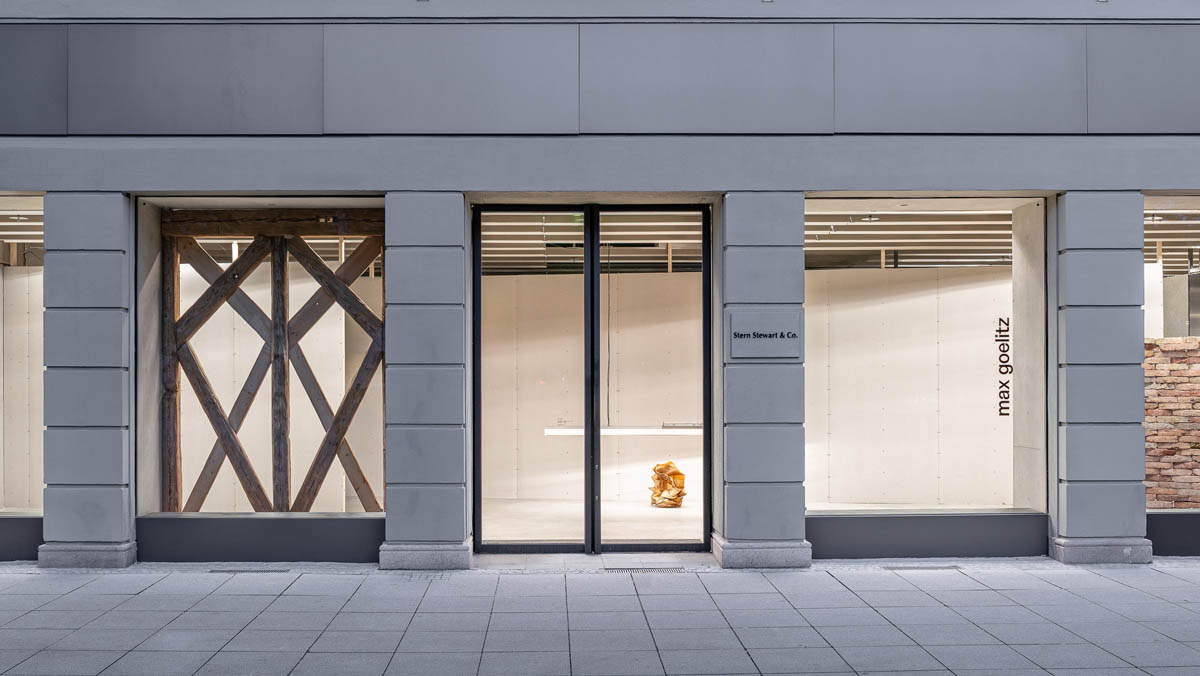
In an interview marking the sixth anniversary of his gallery, Max Goelitz reflects on the founding and evolution of his two-location operation in Munich and Berlin. He discusses how his decade at Häusler Contemporary, where he served as director, prepared him for the unpredictable nature of running his own gallery. The COVID-19 pandemic forced a strategic pivot from international ambitions to a focus on the local German market, which proved unexpectedly sustainable. Goelitz also addresses the current challenges facing galleries, including generational shifts and a more difficult art market, while advocating for an "old-school" reconsideration of what defines a gallery in times of transition.

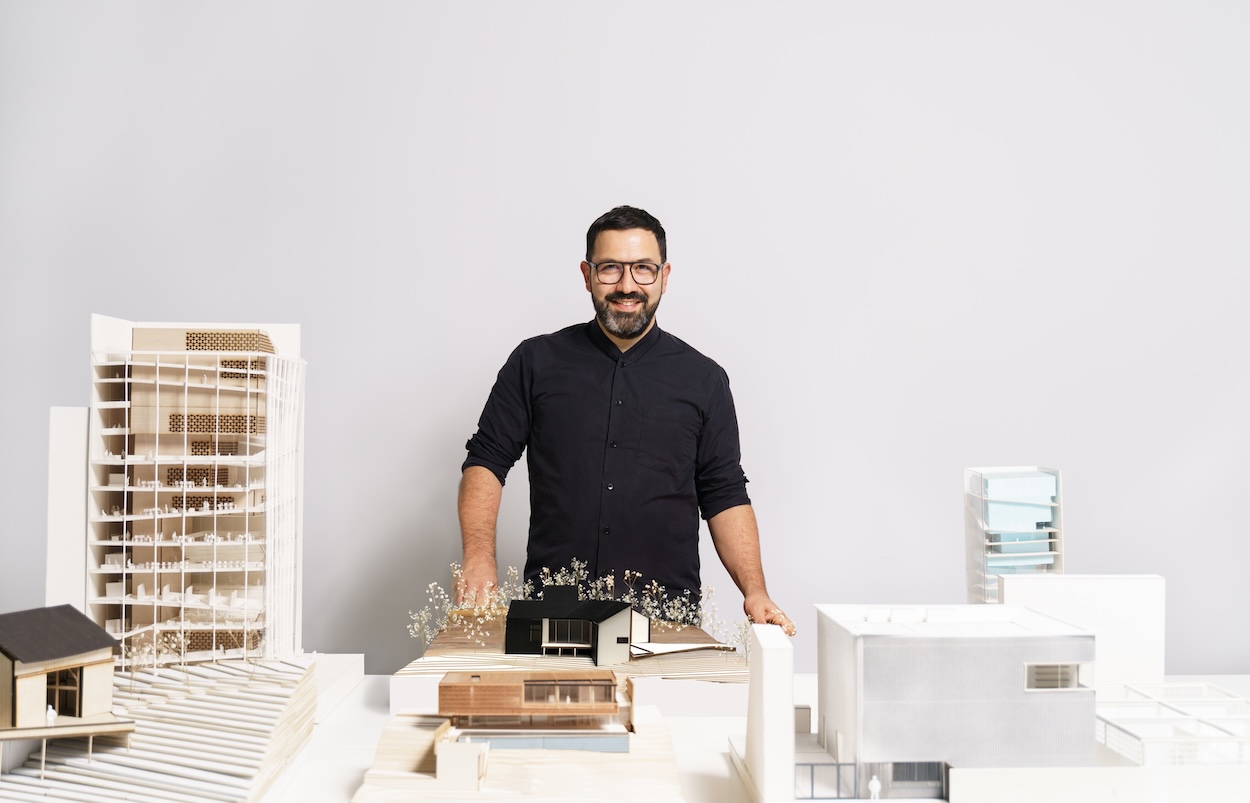
Koray Duman is Architecting Engagement from the Venice Biennale to Carnegie International

Architect Koray Duman and his studio Büro Koray Duman (B-KD) have unveiled five major international projects, including designs for the UAE National Pavilion and Denniston Hill's special project at the 61st Venice Biennale, the 59th Carnegie International in Pittsburgh, the National Academy's "Future Schools" exhibition in New York, and a multi-generational upstate residential project. Duman's work emphasizes inclusivity, cultural exchange, and architecture as a social tool, with installations like "Chimera" for Denniston Hill and a sound-and-memory-focused pavilion for the UAE.

72 Hours in Venice: Palazzos, Protests, and a Biennale on the Brink

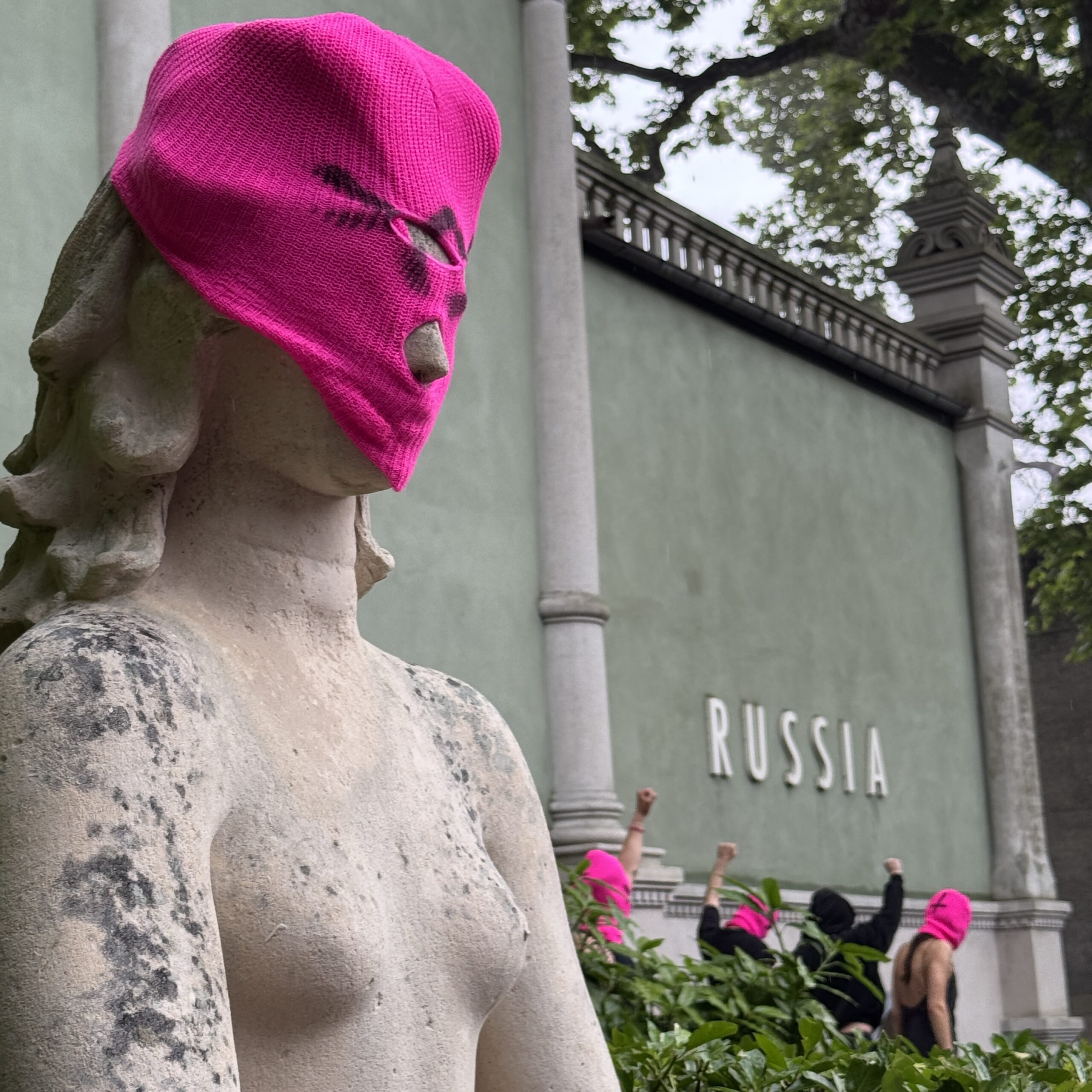
The article recounts a journalist's 72-hour visit to the Venice Biennale, beginning with a protest by Pussy Riot and Femen at the Russian Pavilion. The action features pink smoke, chants of "Blood is Russia's art," and a guerrilla performance of the song "Disobey," set against a backdrop of internal Biennale strife—including juror resignations over countries whose leaders face ICC arrest warrants (Netanyahu and Putin). The narrative also notes the presence of alt-right figures like Ryan Coyne and sculptor Alma Allen's troubled U.S. pavilion representation.

Is Berlin not over yet?

Ist Berlin doch noch nicht over?

Çağla Ilk, who curated the German Pavilion at the Venice Biennale two years ago, has presented her plans as the new artistic director of the Maxim Gorki Theater in Berlin. Her program reimagines theater from the perspective of visual art, signaling a major shift in the city's theater landscape. The announcement comes amid broader reforms in Berlin's theater scene, including Matthias Lilienthal's upcoming takeover of the Volksbühne, and was met with both anticipation and anxiety, reminiscent of Chris Dercon's failed tenure at the Volksbühne in 2017.

"Gesundheitseffekt der Künste auf biologischer Ebene"

A roundup of art news covers multiple stories: Stefan Trinks criticizes Berlin's 'MuseumsMeileMitte' as a symptom of urban and cultural misdevelopment, where museums are co-opted by real estate marketing. At the Venice Biennale, the German Pavilion by Henrike Naumann and Sung Tieu explores East German identity and post-reunification trauma, while Patti Smith performed a 'sonic prayer' at the Vatican Pavilion curated by Hans Ulrich Obrist and Ben Vickers. A study from University College London suggests regular arts engagement may slow biological aging.

I'm a punk artist, I don't give a damn

"Ich bin Punk-Künstlerin, ich geb einen Scheiß drauf"

During the opening week of the Venice Biennale, the Russian activist and Pussy Riot member Nadya Tolokonnikova staged a protest against the Russian pavilion, wearing pink balaclavas and chanting slogans like "Blood is Russia's Art." Meanwhile, Florentina Holzinger's Austrian pavilion, subtitled "I Live in Your Piss," drew massive crowds with its scatological installations and extreme performances, causing wait times of up to two and a half hours. German media critics have widely covered the Biennale's heightened political tone, with debates over boycotts of Russia and Israel, and the tension between art and activism.