filter_list Showing 240 results for "German" close Clear
dashboard All 240 museum exhibitions 111article news 37candle obituary 23rate_review review 17article culture 17article policy 9trending_up market 8person people 7gavel restitution 7article local 4
date_range Range Today This Week This Month All
Subscribe

Georg Baselitz obituary

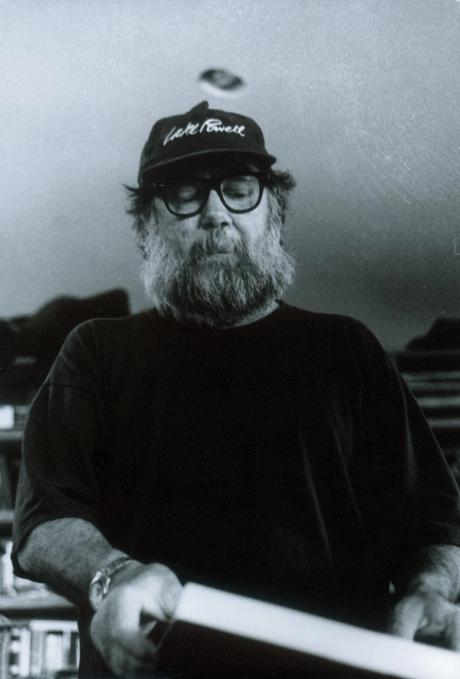
Georg Baselitz, the German painter and sculptor known for his provocative, expressionistic works and his iconic upside-down paintings, has died at the age of 88. The article traces his life from his childhood in war-torn Germany, through his early career as a rebellious artist in divided Berlin, to his rise as an international art star. It highlights his 1961 manifesto poster "Pandemonium I," his rejection of American abstraction, and his controversial 1963 exhibition that was raided by police for its explicit content.
Melding Chinese lacquer with European abstraction

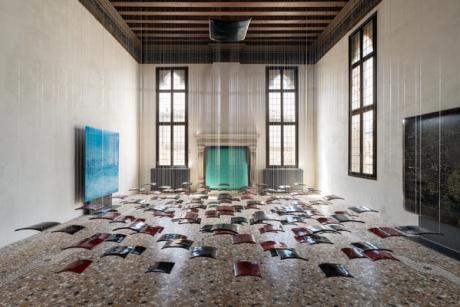
A collateral exhibition titled "Alchemical Universe" at the Palazzo Soranzo Van Axel in Venice features 35 lacquer paintings by Chinese-German artist Su Xiaobai. Curated by Stephen Little of the Los Angeles County Museum of Art (Lacma) and designed by architect Kulapat Yantrasast, the show spans Su's early experiments to recent works created for Venice, including suspended temple tiles and floor pieces on mirrored Murano glass. Su, who was advised by Gerhard Richter in 2003 to focus on lacquer, now works exclusively in the medium, layering and scoring tree sap to create contemplative abstract works.

Paul McCarthy: ‘The world is now an extreme absurdity. The work is a reaction to that’

Paul McCarthy, the 80-year-old American artist known for his transgressive critiques of consumer culture, has opened a new exhibition titled "SS EE Saint Santa Eva Elf" at Hauser & Wirth in Paris. The show features large-scale drawings and a six-channel video installation created during filmed performances with his long-term collaborator, German actress Lilith Stangenberg, who plays the Elf. McCarthy revisits his iconic Santa Claus motif, portraying him as a dark, psychotic figure—the "god of capitalism and consumption." The exhibition also includes earlier drawings made with Stangenberg at Bowman Hal gallery in Madrid. The interview reveals that McCarthy's home and studios in Los Angeles were destroyed by wildfires, resulting in the loss of art, drawings, notebooks, and books, and the cancellation of a planned London show.

From Lee Cronin’s The Mummy to Zayn: your complete entertainment guide to the week ahead

From Lee Cronin’s The Mummy to Zayn: your complete entertainment guide to the week ahead

British artist Michaela Yearwood-Dan is launching her first UK institutional solo exhibition at The Whitworth in Manchester. The immersive installation blends painting, ceramics, sound, and poetry to explore complex themes of colonial history, religious institutions, and the journey toward personal and collective liberation.

Venice Biennale 2026 Highlights: Arsenale & Giardini

ArtReview editors highlight the must-see national pavilions at the 61st Venice Biennale, running from 9 May to 22 November 2026. Notable presentations include Austria's Florentina Holzinger turning her pavilion into a toilet and sewage-treatment plant with naked performers, and Germany's pavilion featuring works by Sung Tieu and the late Henrike Naumann, who died in February 2026, exploring East German memory and conceptual minimalism.

Controversial Painter Georg Baselitz Knew His Venice Show Would Be His Last. He Went Out Quietly.

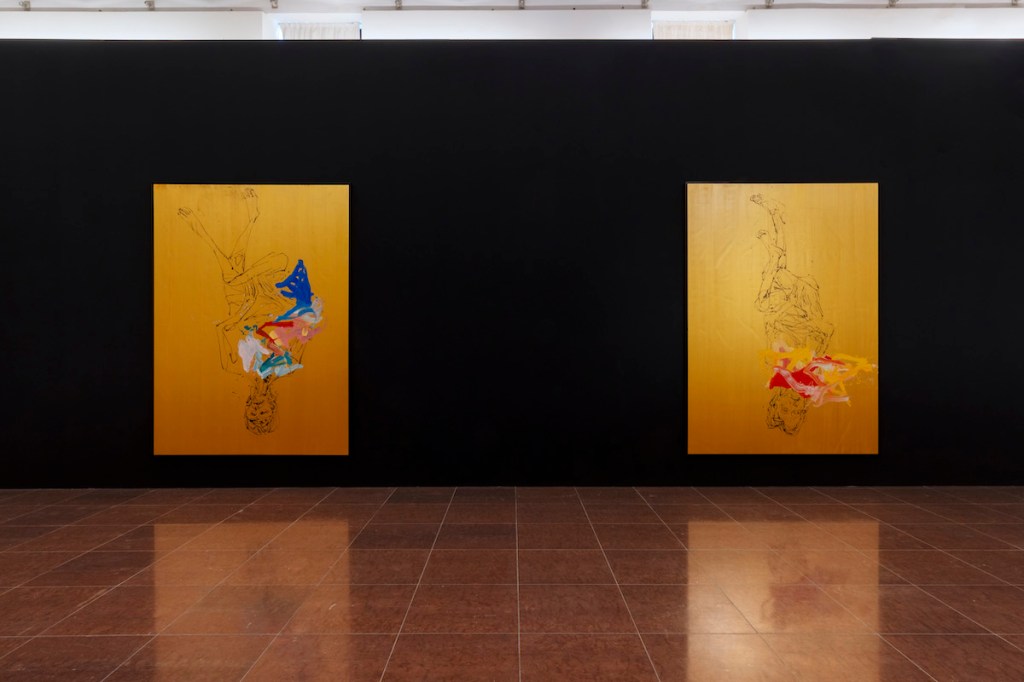
Six days after Georg Baselitz's death, his dealer Thaddaeus Ropac opened "Eroi d'Oro" ("Heroes of Gold") at the Fondazione Giorgio Cini in Venice. The exhibition features the final paintings Baselitz made before he died in April at age 88. In a prerecorded film, Baselitz calls these works his "last paintings," intended as a summation of his six-decade career. The large-scale, gold-ground paintings depict thin, ink-like figures of himself or his wife Elke lying horizontally, floating in undefined space. Baselitz connected the gold grounds to Fayum mummy portraits, Sienese altarpieces, and Byzantine icons, using them to absorb space and create a shadowless, eternal condition.

Georg Baselitz, German artist who turned figurative painting on its head, has died, aged 88

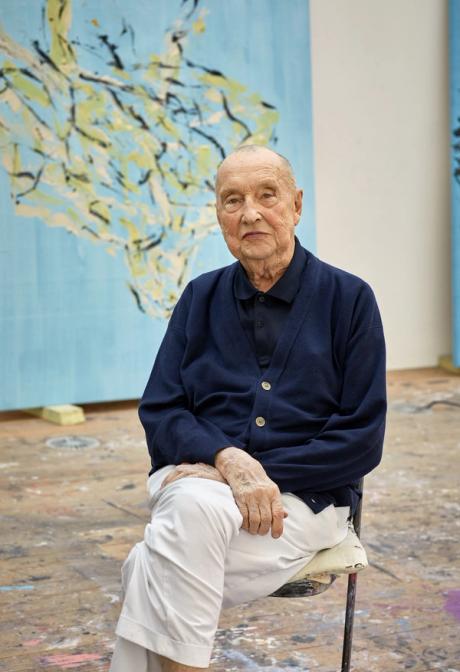
Georg Baselitz, the influential German painter and sculptor, died on 30 April at age 88. Born Hans-Georg Kern in 1938 in Deutschbaselitz, he grew up amid the ruins of Nazi Germany and later adopted his surname from his birthplace. Expelled from the East Berlin Academy for "sociopolitical immaturity," he moved to West Berlin, where he rejected both gestural abstraction and Expressionism. His first solo exhibition in 1963 was shut down for obscenity. In 1969 he pioneered his signature inverted paintings, turning subjects upside down to sever image from representation. He also created large carved sculptures using axes and chainsaws. His later series, from 2014 onward, are considered his most astonishing work, culminating in a sustained focus on his wife, artist Elke Kretzschmar.

14 Must-See Museum Shows in New York This Spring

New York museums are launching a significant slate of spring exhibitions, featuring major retrospectives and thematic surveys. Highlights include "Noguchi's New York" at the Noguchi Museum, exploring the sculptor's unrealized urban projects; "Raphael: Sublime Poetry" at the Metropolitan Museum of Art, a comprehensive look at the Renaissance master; and "Gothic by Design: The Dawn of Architectural Draftsmanship," also at the Met, focusing on medieval architectural drawings.

5 Highlights of Art Düsseldorf

5 Highlights der Art Düsseldorf

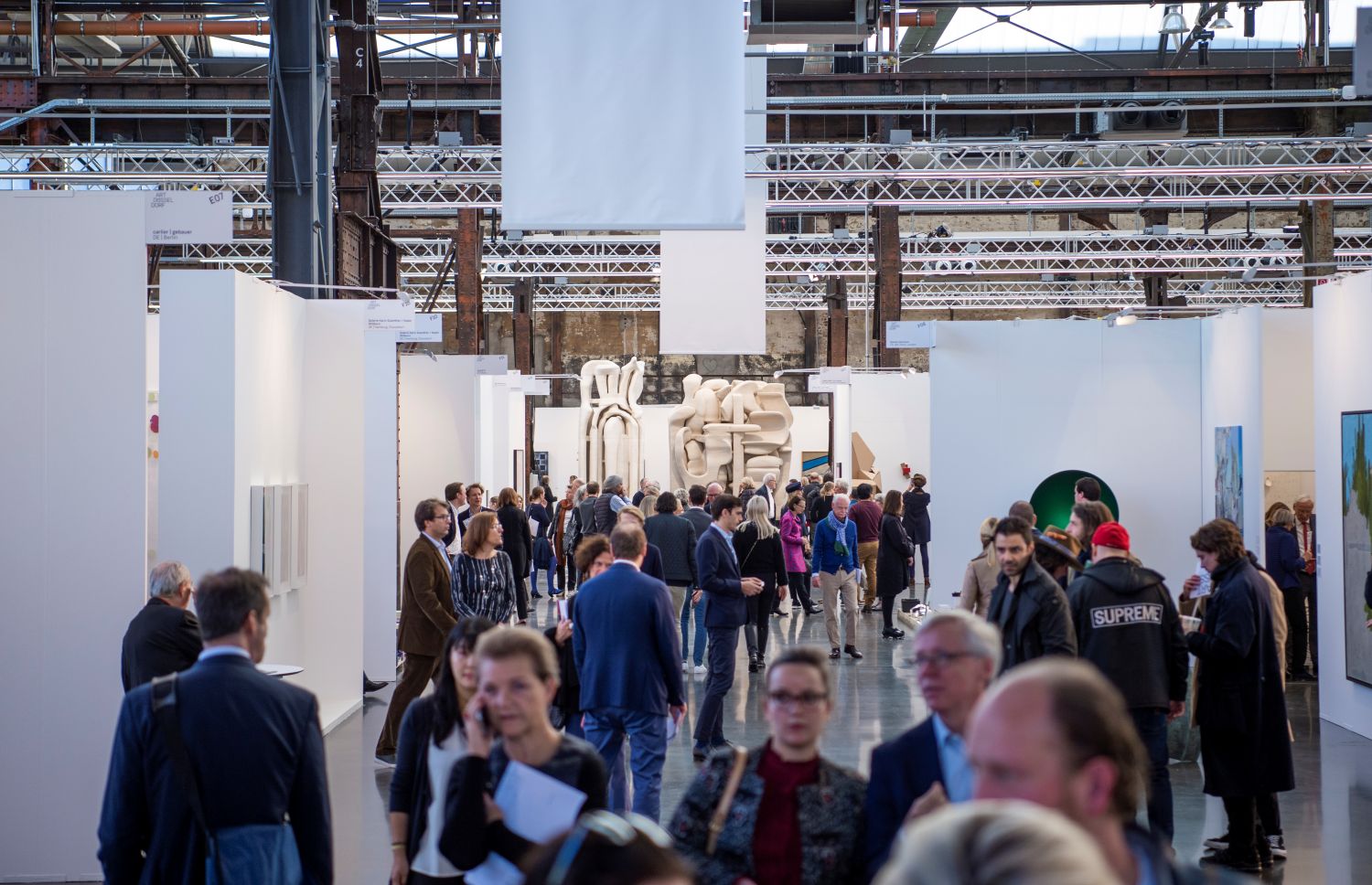
The Art Düsseldorf contemporary art fair has opened its latest edition, showcasing a diverse range of works that balance humor with urgent political and global themes. Highlights from the fair include Christian Jankowski’s monumental sculptures based on children's clay models at Galerie Crone, Julian Charrière’s environmentally conscious installations at Dittrich & Schlechtriem, and Jody Korbach’s satirical paintings that reference German art history and pub culture at Petra Martinez.

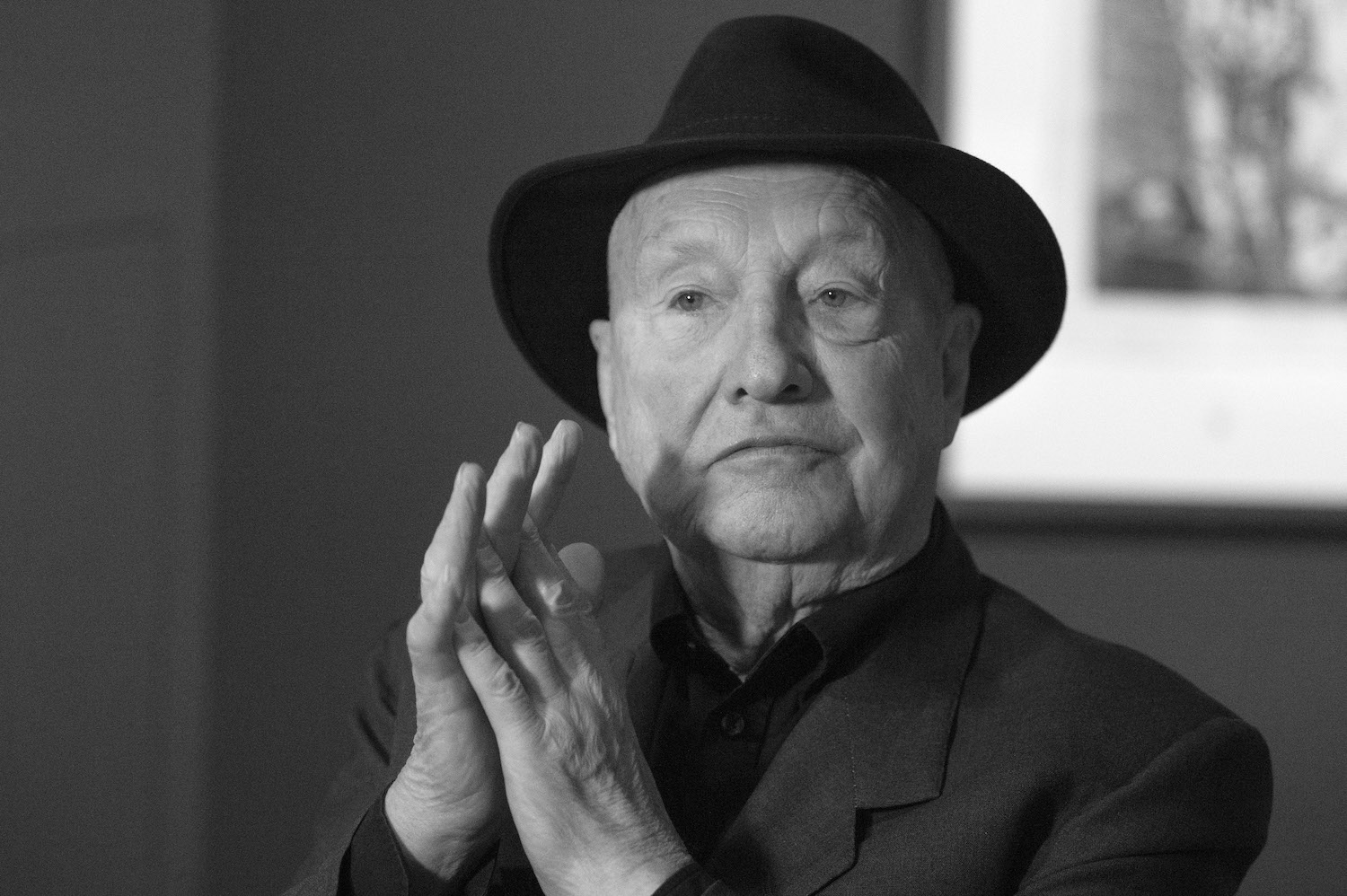
Georg Baselitz, artist who turned painting upside down, 1938–2026

Georg Baselitz, the German painter, sculptor, and printmaker known for turning his canvases upside down, has died at age 88. Born Hans-Georg Kern in Saxony in 1938, he witnessed the bombing of Dresden as a child, an experience that shaped his artistic vision. Expelled from art school in East Berlin, he moved to West Berlin and adopted the name Baselitz. His first solo exhibition in 1963 was deemed obscene and confiscated. In 1969, he created his first upside-down painting, which became his signature. He rose to international prominence as a neo-expressionist in the late 1970s and 80s, represented Germany at the Venice Biennale in 1980, and continued working until his death. A recent series of his paintings will be shown at the Fondazione Giorgio Cini in Venice from May to September 2026.

Georg Baselitz, Lion of German Neo-Expressionism, Dead at 88

Georg Baselitz, the influential German Neo-Expressionist painter, printmaker, and sculptor, died on April 30 at age 88. His death was announced by Thaddaeus Ropac gallery, his longtime representative. Born Hans-Georg Kern in 1938 in Saxony, Baselitz was profoundly shaped by his childhood experience of war and the destruction of Nazi Germany. He was expelled from art school in East Berlin for "socio-political immaturity," moved to West Berlin, and adopted his pseudonym from his hometown. His first solo exhibition in 1963 was raided by police for obscenity, cementing his reputation as a provocateur. Known for his upside-down figures and fierce brushwork, he created series such as "Heroes" and "Fracture" that addressed trauma, violence, and the psychic toll of postwar life.

German artist Georg Baselitz dies aged 88

German artist Georg Baselitz has died at age 88, as confirmed by the Thaddaeus Ropac gallery. Known for his expressive paintings and sculptures, Baselitz rose to prominence in the 1960s after a scandal over sexually symbolic works led to a high-profile court case. He pioneered painting canvases upside down from 1969 onward, a technique he used to grapple with German history and collective guilt. His work spanned six decades and included notable sculptures, such as a wooden figure at the 1980 Venice Biennale that appeared to perform a Nazi salute, which he later clarified was inspired by an African artifact. Baselitz achieved international acclaim in the 1980s and became one of Germany's highest-priced living artists, alongside Gerhard Richter.

What You Should Definitely Avoid in Venice

Was man in Venedig unbedingt vermeiden sollte

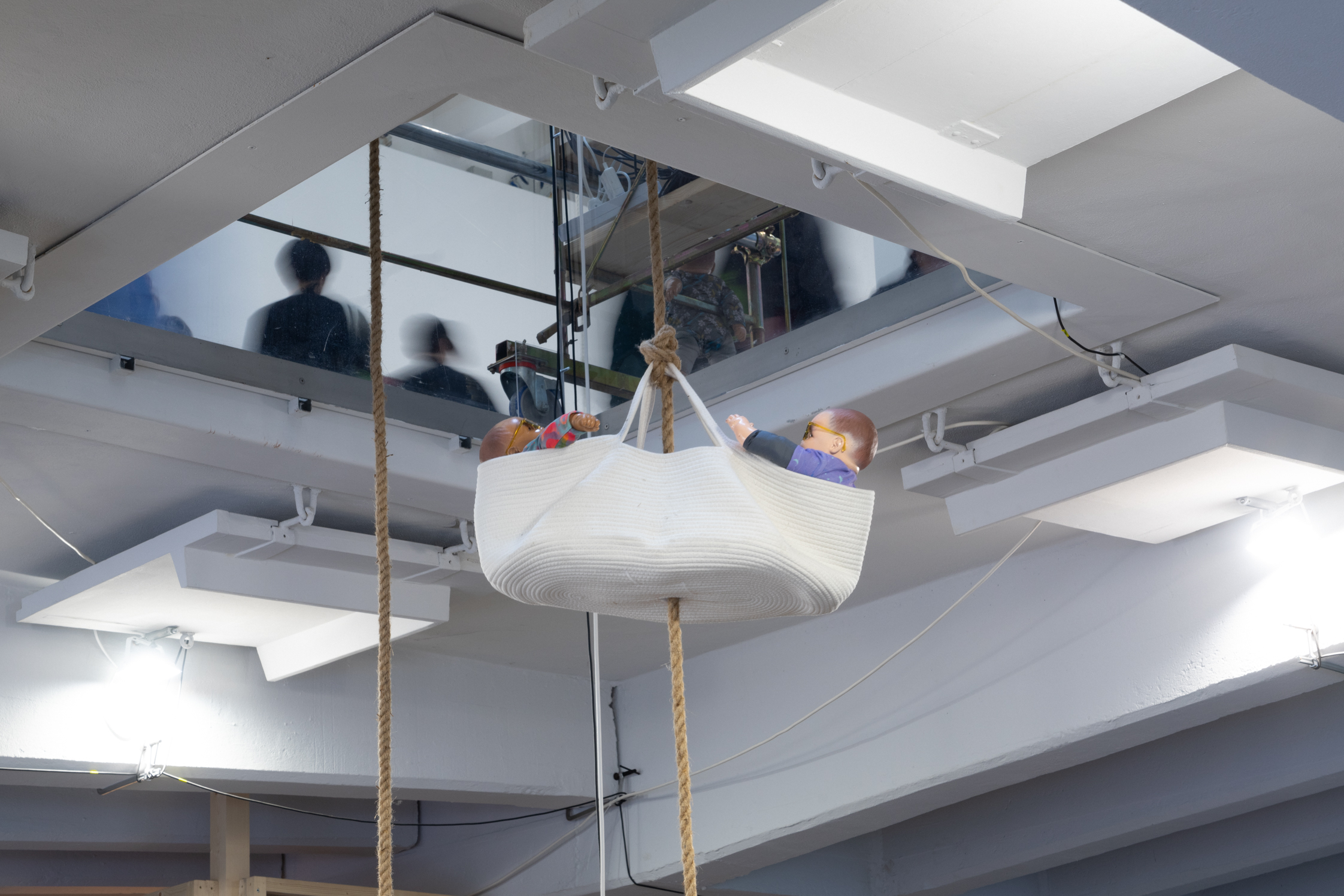
The article humorously critiques the Venice Biennale, highlighting several disappointments. It describes a Japanese pavilion installation by Ei Arakawa-Nash featuring baby dolls for diaper-changing, which a critic dismisses as a male artist over-romanticizing parenthood. Other flops include long queues for the German and Austrian pavilions, underwhelming main exhibition "In Minor Keys," and annoying self-promotional performers outside venues. The piece also laments the presence of loud American collectors and donors who dominate the event.

Does the Neue Nationalgalerie Have Feelings?

Hat die Neue Nationalgalerie Gefühle?

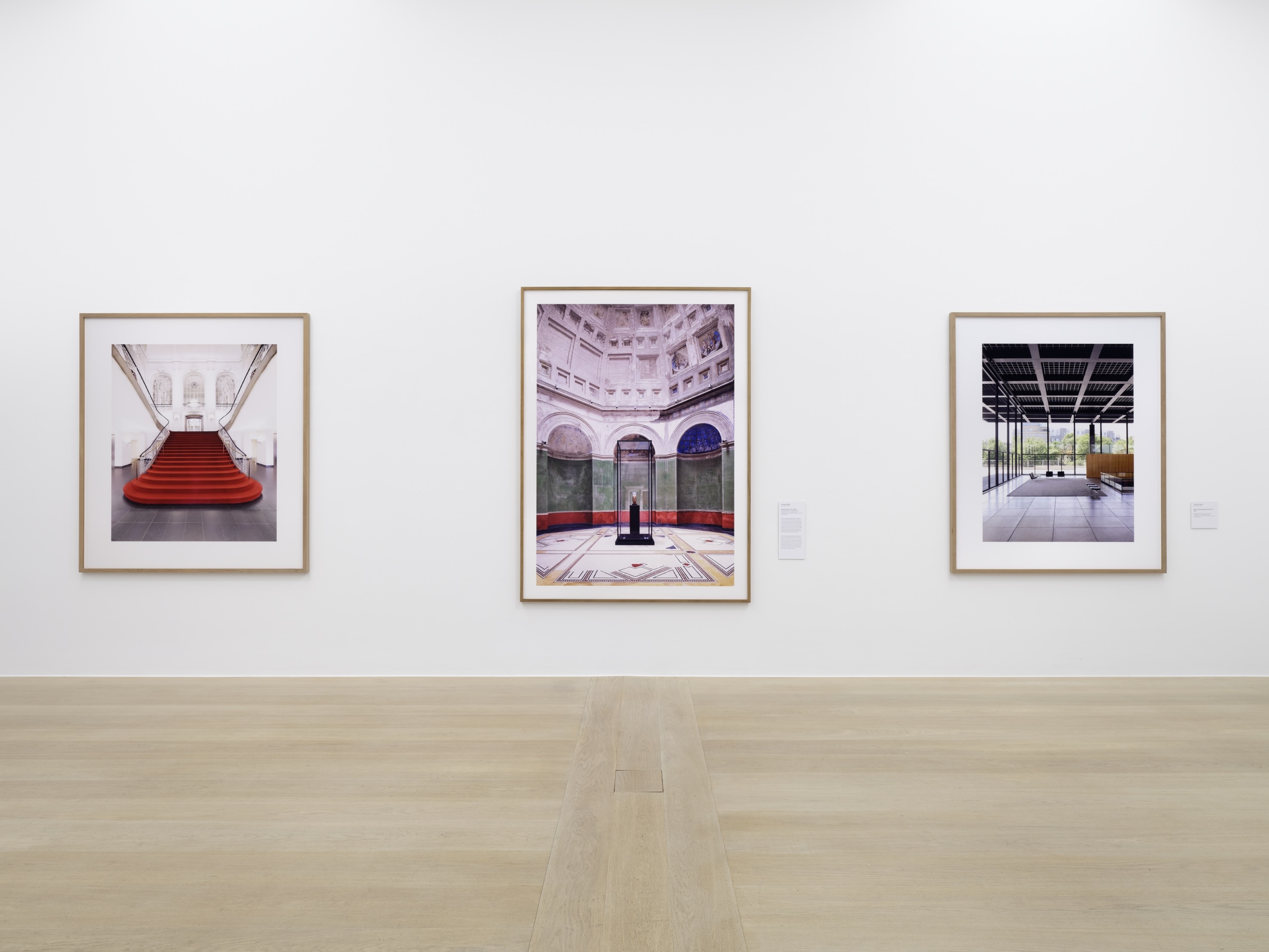
The Kunsthalle Bremen has opened "Remix. Photographie – Fiktion und Wahrheit," an exhibition drawn from its permanent collection that explores the tension between reality and artifice in photography. The show traces a lineage from Heinrich Zille’s unvarnished turn-of-the-century street scenes to the objective industrial typologies of Bernd and Hilla Becher, eventually moving into the postmodern manipulations of the Düsseldorf School, including works by Thomas Ruff and Thomas Struth.

Niklaus Stoecklin at Hauser & Wirth, Basel

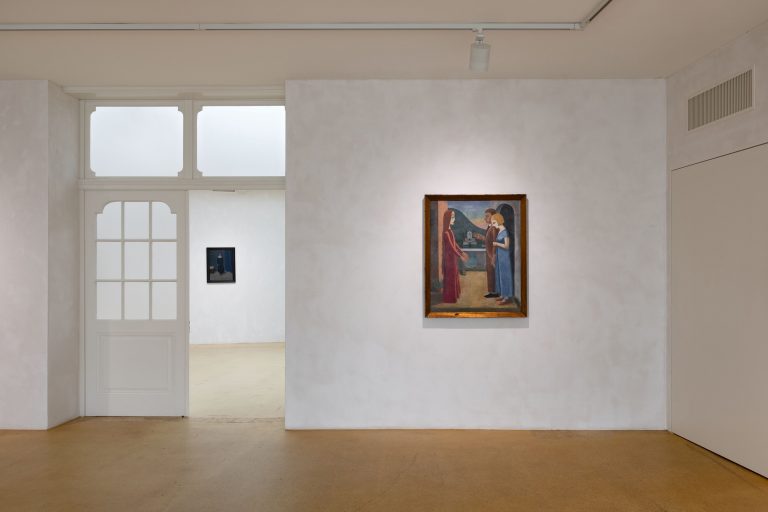
Hauser & Wirth Basel is presenting a focused exhibition of works by Swiss artist Niklaus Stoecklin (1896–1982), featuring paintings and drawings spanning from the 1920s to the 1970s. The show includes several rarely seen pieces, highlighting Stoecklin's distinctive approach to depicting life—people, animals, trees, stones, and space—as he described it.

Frank Stella’s eye-dazzling collection of Navajo weavings to go on view

An exhibition of Navajo (Diné) weavings from the collection of the late artist Frank Stella opens on 15 May at Peter Pap Rugs at Arader Galleries in New York City, running until 10 June. The show features 40 weavings from the 19th and early 20th centuries, acquired by Stella over four decades for their optical effects and resonance with his own work. Organized by dealer Peter Pap in collaboration with Stella’s widow Harriet McGurk, the exhibition also includes geometric drawings by Stella from the 1960s, on loan from the Frank Stella Estate.

Manhattan's Neue Galerie to Merge With Met Museum

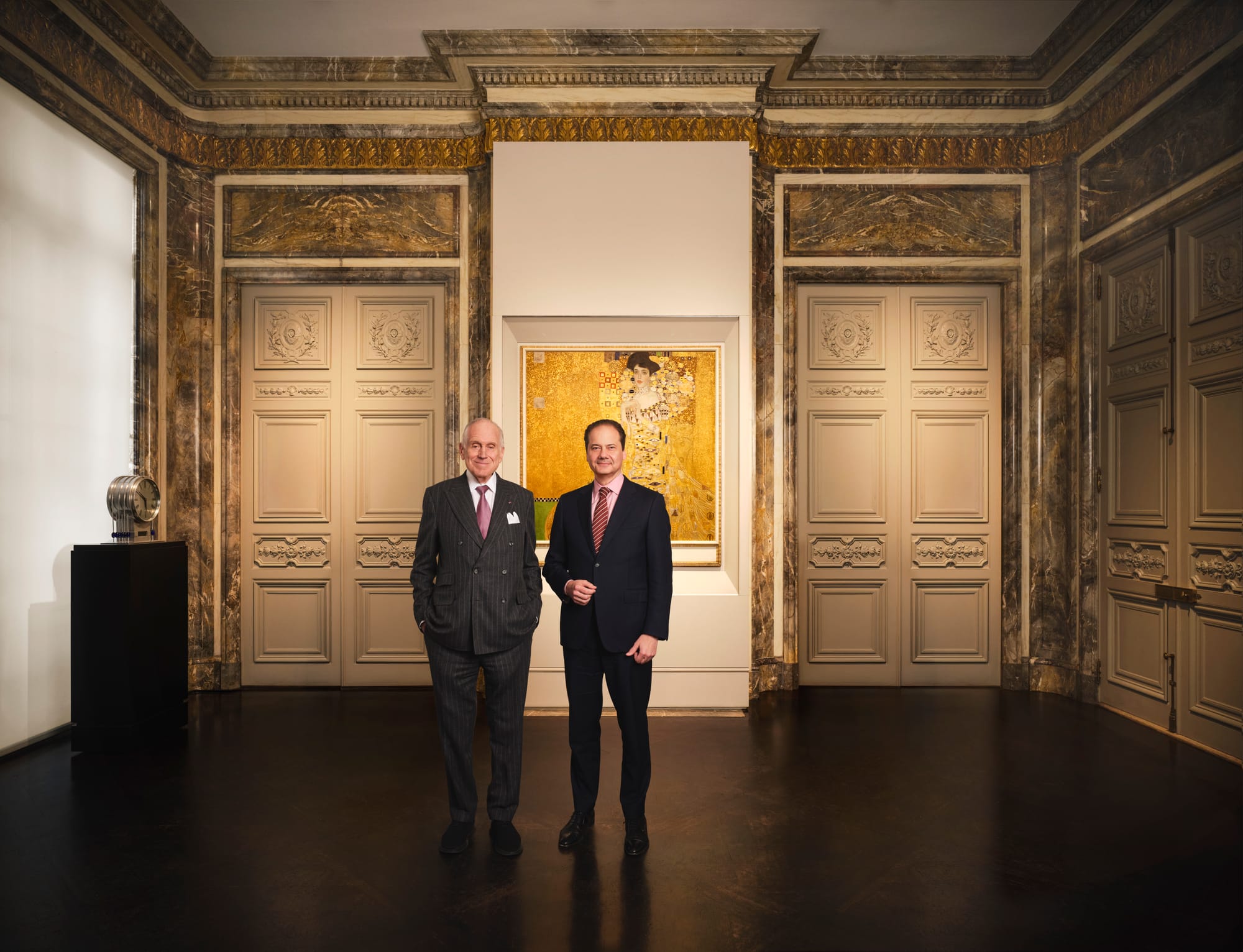
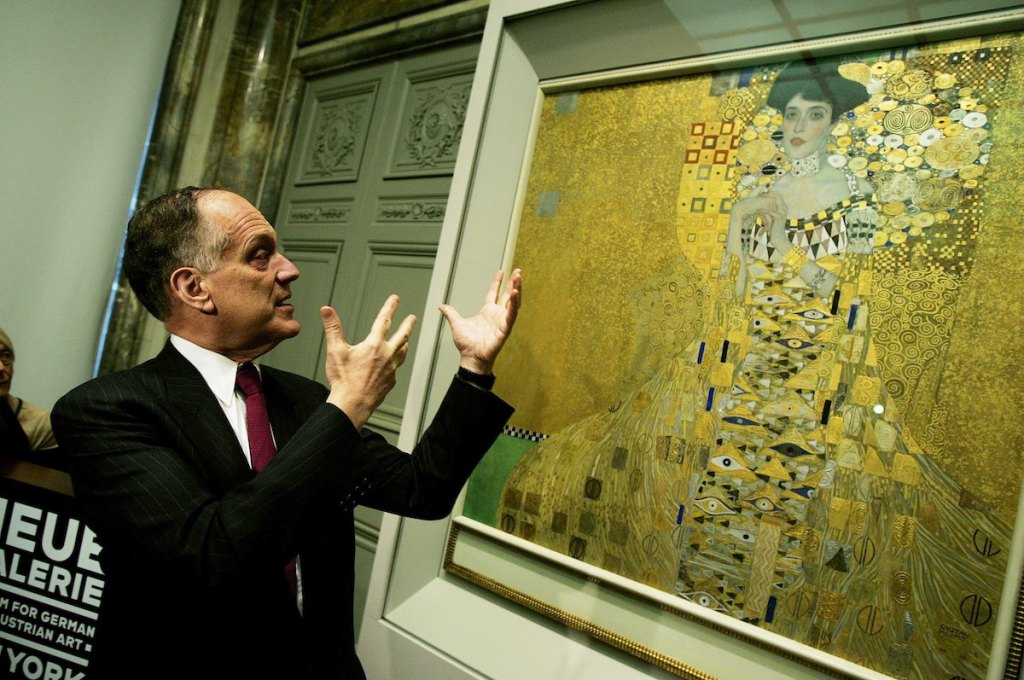
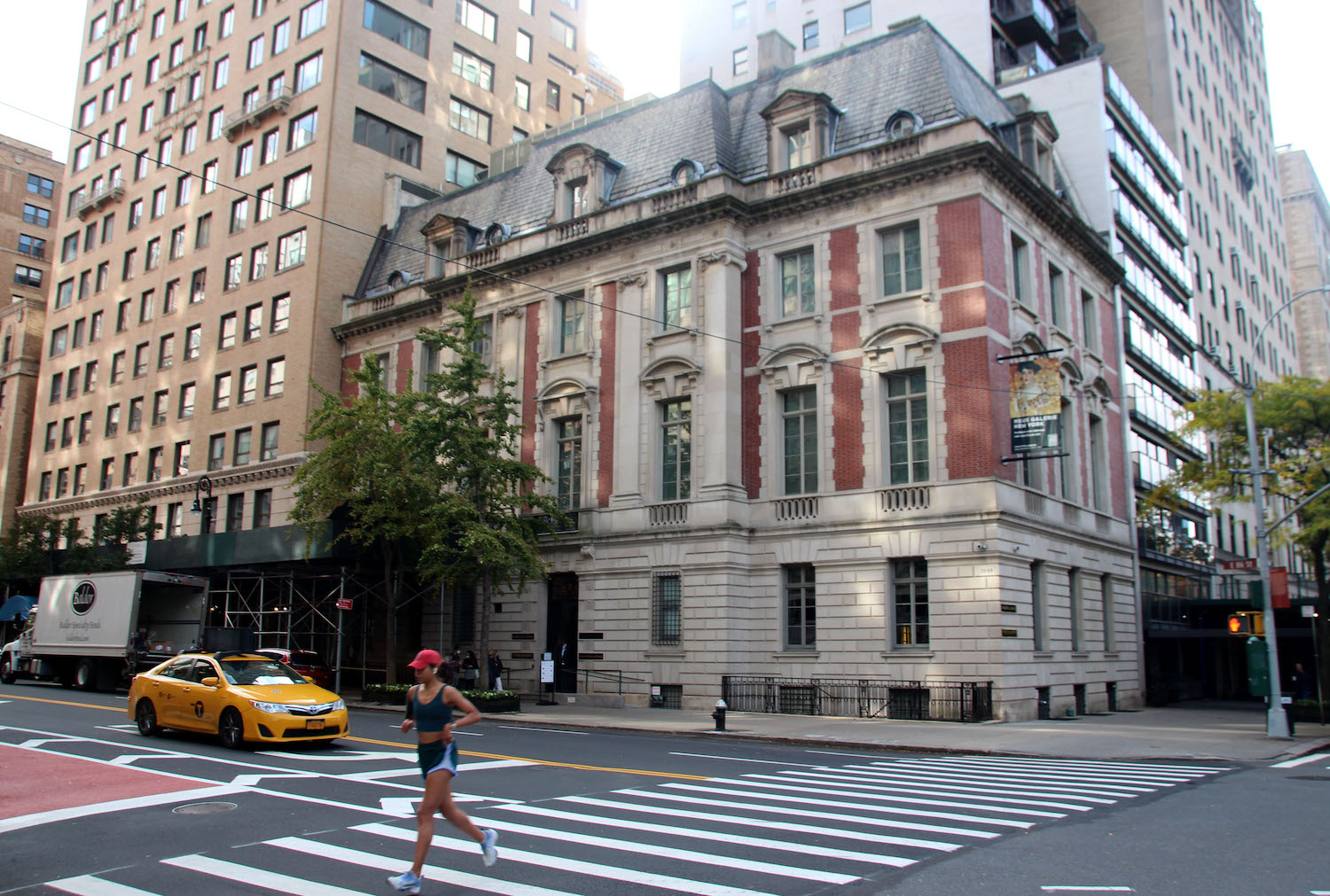
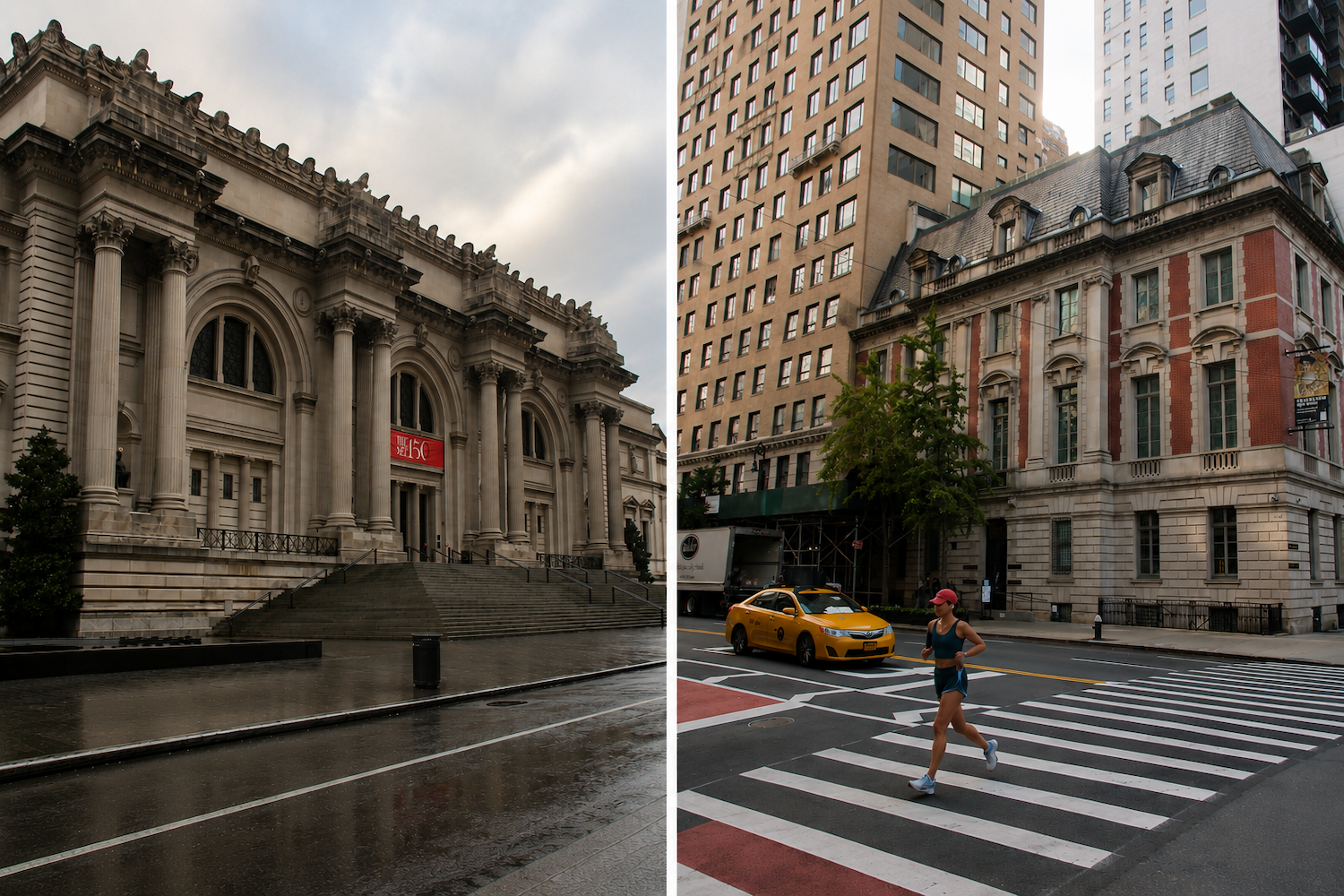
Cosmetics billionaire Ronald Lauder's Neue Galerie, a private museum on Manhattan's Fifth Avenue known for its collection of Austrian and German art, will merge with the Metropolitan Museum of Art. The merger takes effect in 2028, with the Neue Galerie retaining its physical space and staff. The announcement was made by The Met on May 14. The museum's star attraction is Gustav Klimt's "Portrait of Adele Bloch-Bauer I" (1907), and it also holds works by Egon Schiele, Oskar Kokoschka, and others. Lauder co-founded the Neue Galerie with dealer Serge Sabarsky in 2001. As part of the merger, Lauder and his daughter Aerin Lauder Zinterhofer will donate 13 additional paintings from their personal collection and make an undisclosed endowment gift.

Remembering Bruno Bischofberger, Manuela Hoelterhoff, and Steven Durland

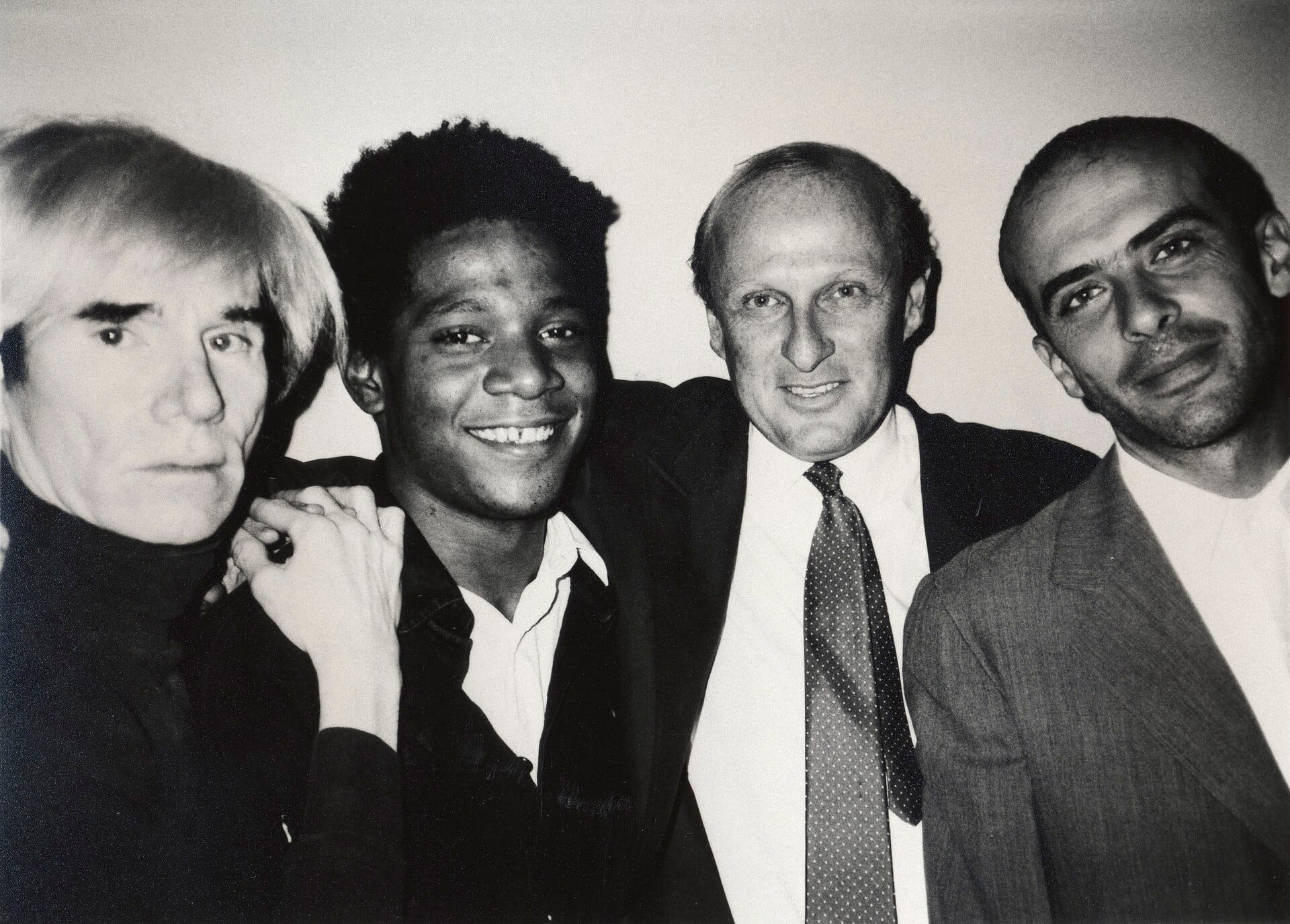
This week's In Memoriam column from Hyperallergic honors seven figures from the art world who recently passed away, including Swiss collector and dealer Bruno Bischofberger (1940–2026), Pulitzer-winning arts critic Manuela Hoelterhoff (1949–2026), and artist-editor Steven Durland (1951–2026). Other notable losses include British painter Ray Burgoyne, iconographer Christina Dochwat, German gallerist Jenny Falckenberg, realist painter Ward Nichols, and MoMA preparator Pamela A. Popeson. Each entry provides a brief biography and highlights their contributions to visual art, criticism, and cultural organizing.

Art Movements: Dozens Laid Off at Artnet and Artsy

Digital art giants Artnet and Artsy have implemented significant layoffs following their recent merger under the investment firm Beowolff Capital. The cuts, which occurred on April 16, impacted dozens of employees across both organizations, including senior editorial staff such as Sarah Cascone and Eileen Kinsella. The restructuring follows a reported 12% revenue decline for Artnet in early 2025 and involves the shutdown of Artnet's German entity as the two companies consolidate into a single team led by CEO Jeffrey Yin.

Georg Baselitz (1938-2026)

Georg Baselitz, born Hans-Georg Kern in 1938, has died at age 88. The German painter and sculptor, who changed his name in 1961, built a career on aesthetic dissent. Expelled from art school in East Berlin, he first gained notoriety with a 1963 exhibition at Galerie Werner and Katz in Berlin, where two works were seized for obscenity. His signature gesture—inverting his images, beginning with "Der Wald auf dem Kopf" in 1969—became his most recognizable trademark, shifting focus from subject to the act of painting itself. Baselitz also produced significant sculptures, often carved with a chainsaw and axe, and his work was the subject of major retrospectives at the Centre Pompidou (2021-2022) and the Musée d'Art Moderne de Paris (2011-2012).

Sea change: inside LACMA’s new curatorial strategy

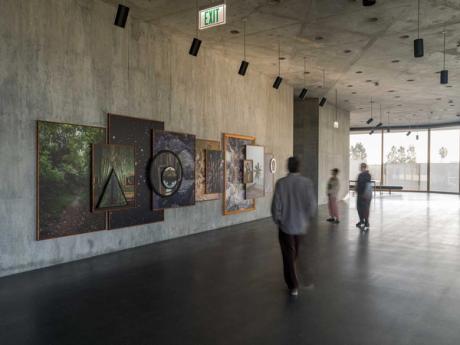
The Los Angeles County Museum of Art (LACMA) is debuting a radical curatorial overhaul within its new David Geffen Galleries, moving away from traditional 19th-century departmental silos. Led by Director Michael Govan and a team of 45 curators, the museum is implementing a cross-disciplinary approach that organizes the collection around "oceanic nodes"—the Mediterranean, Atlantic, Indian, and Pacific. This strategy allows for the juxtaposition of disparate media and cultures, such as contemporary photography alongside ancient textiles, to highlight the historical circulation of ideas and people across bodies of water.

The Only Guide to This Year’s Venice Biennale You Will Ever Need

The 61st Venice Biennale opens amid significant turmoil. The entire jury of the International Art Exhibition resigned after a statement about withholding prizes from countries with leaders charged with crimes against humanity by the ICC, leading to the cancellation of the Golden Lion awards in favor of 'Visitors' Lions' to be given at the exhibition's end. The event has been further marred by the sudden death of artistic director Koyo Kouoh from liver cancer in early 2025, and the death of artist Henrike Naumann, who was set to debut work in the German pavilion. Additionally, the selection process for the American pavilion artist, Mexico-based sculptor Alma Allen, sparked controversy after a delayed grant application process.

The Great Lone Wolf of Art

Der große Einzelgänger der Kunst

Georg Baselitz, the German painter known for his radical, figurative works and iconic upside-down motifs, has died at age 88. Born Hans-Georg Kern in 1938 in Deutschbaselitz, Saxony, he fled East Germany for West Berlin in 1957 after being expelled from art school for "socio-political immaturity." Baselitz rose to international fame with his expressive, fractured depictions of the human figure, famously inverting his compositions starting with "Der Wald auf dem Kopf" (1969). He also worked as a stage and costume designer for operas by Harrison Birtwistle, György Ligeti, and Richard Wagner.

New York’s Neue Galerie to Merge with Metropolitan Museum of Art in Major Expansion

The Neue Galerie, a private museum on New York's Upper East Side founded by collector Ronald S. Lauder, will merge with the Metropolitan Museum of Art in 2028. The institution will be renamed the Met Ronald S. Lauder Neue Galerie, or Met Neue for short. Lauder and his daughter Aerin Lauder Zinterhofer will contribute funds toward a $200 million endowment, along with 13 works from their collection, including a prized Gustav Klimt and paintings by German Expressionists. The Met plans to exhibit some holdings at its Fifth Avenue base, but Klimt's "Portrait of Adele Bloch-Bauer I" will remain at the townhouse.

What the Met Gains from the Neue Galerie

Was das Met mit der Neuen Galerie gewinnt

The Neue Galerie, a private museum for German and Austrian art founded by billionaire collector Ronald S. Lauder, will be integrated into the Metropolitan Museum of Art (the Met) as an auxiliary branch under the new name "The Met Ronald S. Lauder Neue Galerie." The transition, announced by founding director Renée Price, is set to be completed by 2028, with the Met assuming full operational control after a planned renovation of the historic townhouse on Fifth Avenue. The merger follows years of Lauder's stewardship and ensures the long-term future of the collection, which includes masterpieces by Gustav Klimt, Egon Schiele, Wassily Kandinsky, and Max Beckmann.

Metropolitan Museum und Neue Galerie in New York fusionieren

The Metropolitan Museum of Art and the Neue Galerie in New York are merging. Starting in 2028, the Neue Galerie will operate as a satellite of the Met, renamed "The Met Ronald S. Lauder Neue Galerie." Founded in 2001 by cosmetics entrepreneur and art collector Ronald Lauder, the Neue Galerie houses a renowned collection of German and Austrian art, including Gustav Klimt's "Adele Bloch-Bauer I." Met director Max Hollein announced the merger, which also includes a donation of 13 works from Lauder and his daughter Aerin, plus an endowment for ongoing operations.

Tiny Cranach Painting That Vanished During WWII Returns to Dresden

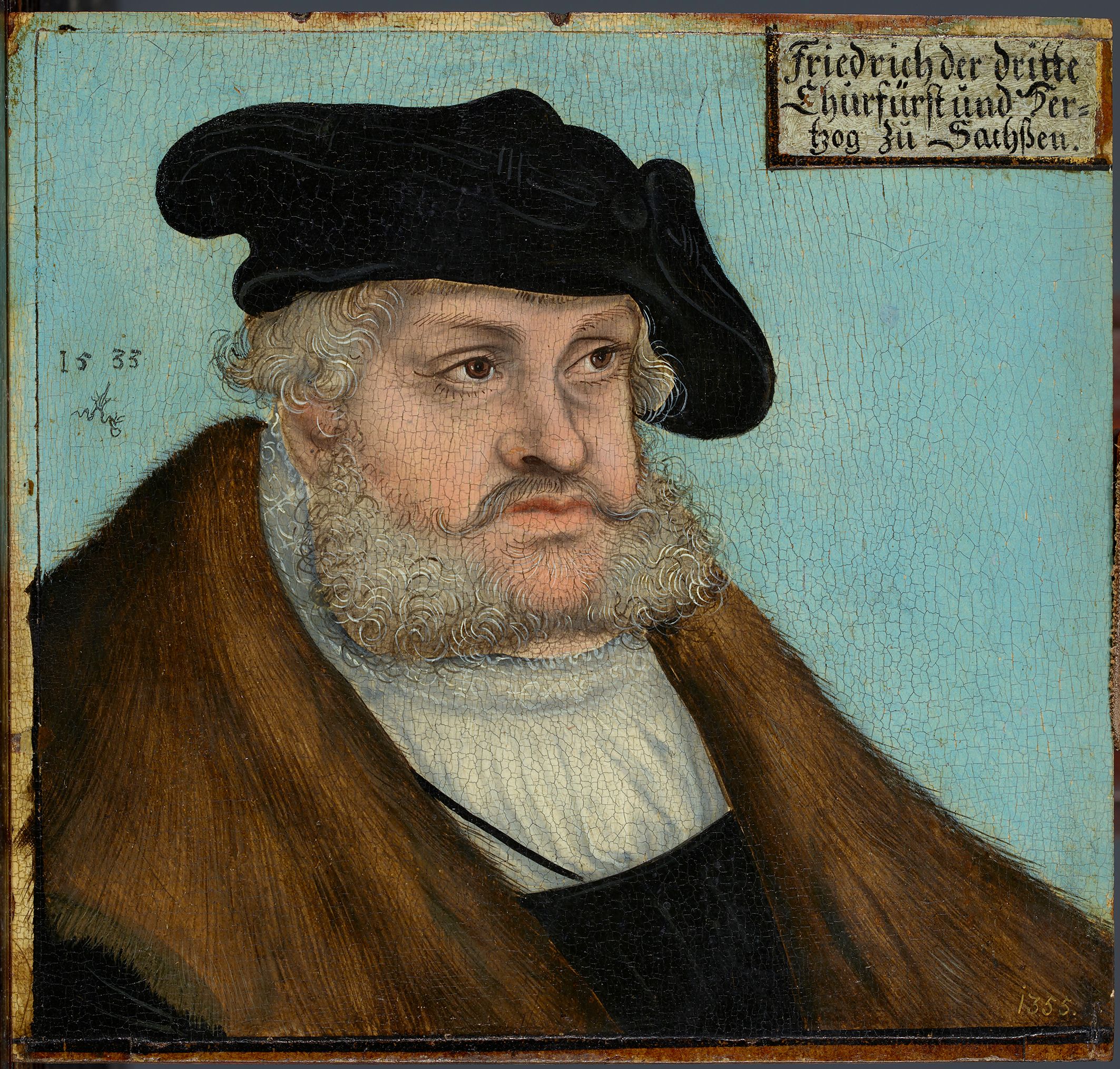
A miniature portrait of Friedrich III (Frederick the Wise) by Lucas Cranach the Elder, missing since World War II, has been returned to the State Art Collections of Dresden, Germany. The painting was last documented in May 1945 in a limestone quarry shelter near Pockau-Lengefeld before vanishing. It resurfaced in 2024 when consigned to Parisian auction house Artcurial, whose provenance investigation revealed a matching inventory number from 1722–1728. The Dreyfus family in France, the modern owners, returned the work after negotiations and a financial agreement. It is now on view at the Coin Cabinet of the Royal Palace in a special exhibition marking the 500th anniversary of Friedrich III's death, and will later be permanently displayed in the Semper Gallery.

Museum acquisitions round-up: a rediscovered work by Rosso Fiorentino, a circular painting by Salman Toor and 16th-century gold goblet

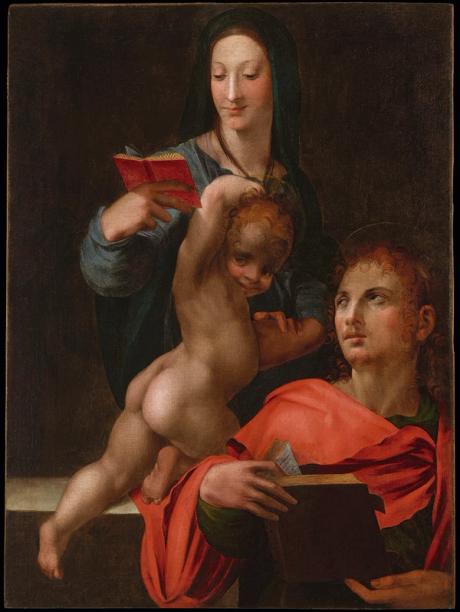
The Art Newspaper reports on three notable museum acquisitions: a rediscovered Renaissance painting by Rosso Fiorentino acquired by the Metropolitan Museum of Art, a 16th-century silver gilt goblet by Hans Rappolt I acquired by the Siegerland Museum, and a circular painting by Salman Toor donated to the National Gallery of Art. The Rosso Fiorentino work, 'Madonna and Child with Saint John the Evangelist' (1512/13), was thought lost for centuries and was identified after cleaning revealed a hidden figure. The goblet, made around 1581, is a rare example of Nuremberg goldsmithing and was supported by a €75,000 donation from the German Federal Cultural Foundation. The Toor painting, 'Wandering Beggars' (2022), is the first by the artist to enter the NGA's collection, donated by the Bronzini-Vender family.

Timm Ulrichs, Pioneering Conceptual Artist, is Dead at 86

German conceptual artist Timm Ulrichs has died at age 86. His death on April 29 in Berlin was announced by the Kunstverein Hannover, where he was the oldest member. Ulrichs studied architecture before declaring himself a “total artist” in 1961, inspired by Kurt Schwitters. His provocative works included displaying himself as a living artwork in a glass case, running naked with a lightning rod, and spending hours inside a hollowed boulder. He also created concrete poetry, computer art, and copy art, and taught sculpture at the Kunstakademie Münster from 1972 to 2005. His work appeared in Documenta 6 and solo exhibitions at the Sprengel Museum Hannover and Kunstverein Hannover.

Pittsburgh’s new $31m Arts Landing combines public art with civic engagement

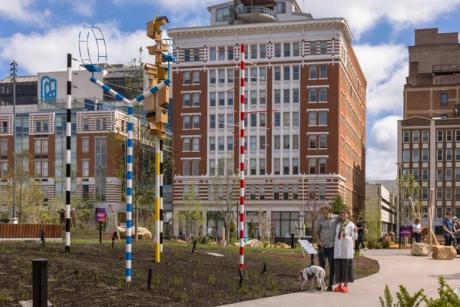
Pittsburgh's new $31 million public space, Arts Landing, opened on 17 April, just before the NFL Draft and the 59th Carnegie International. Developed by the Pittsburgh Cultural Trust, the project features public artworks by vanessa german, Darian Johnson, Lenka Clayton, Phillip Andrew Lewis, Sharmistha Ray, Mikael Owunna, Marques Redd, John Peña, Shikeith, and the late Thaddeus Mosley. Highlights include Shikeith's neon sculpture *Hold*, part of his *Project Blue Space*, and Mosley's *Touching the Earth* series, originally commissioned by New York's Public Art Fund. The space also includes a playground, bandshell, and artist-designed pickleball courts.