filter_list Showing 11 results for "Hunter" close Clear
dashboard All 11 article news 4article culture 3museum exhibitions 3article local 1
date_range Range Today This Week This Month All
Subscribe

A Muddy History of Plant-Hunting

The exhibition "Seeds of Exchange" at London's Garden Museum highlights a 1773 botanical collaboration between British amateur plant hunter John Bradby Blake and Cantonese painter Mak Sau. Centered on Blake’s unpublished "Flora Sinensis," the project attempted to systematically catalogue Chinese flora, including the Camellia japonica, through detailed watercolors that blended Western objective illustration with Chinese artistic expertise. These works served as the primary medium for introducing Chinese plant species to the West long before live specimens could survive the journey.
Native Americans Played Dice Games Far Earlier Than Previously Known, Study Shows

A groundbreaking study from Colorado State University reveals that Native Americans in the western Great Plains were using dice for gaming over 12,000 years ago. Researcher Robert J. Madden identified two-sided dice made of bone or wood from archaeological sites in Wyoming, Colorado, and New Mexico, pushing the known history of games of chance back significantly further than previously recorded.

Native Americans created dice more than 12,000 years ago, study finds

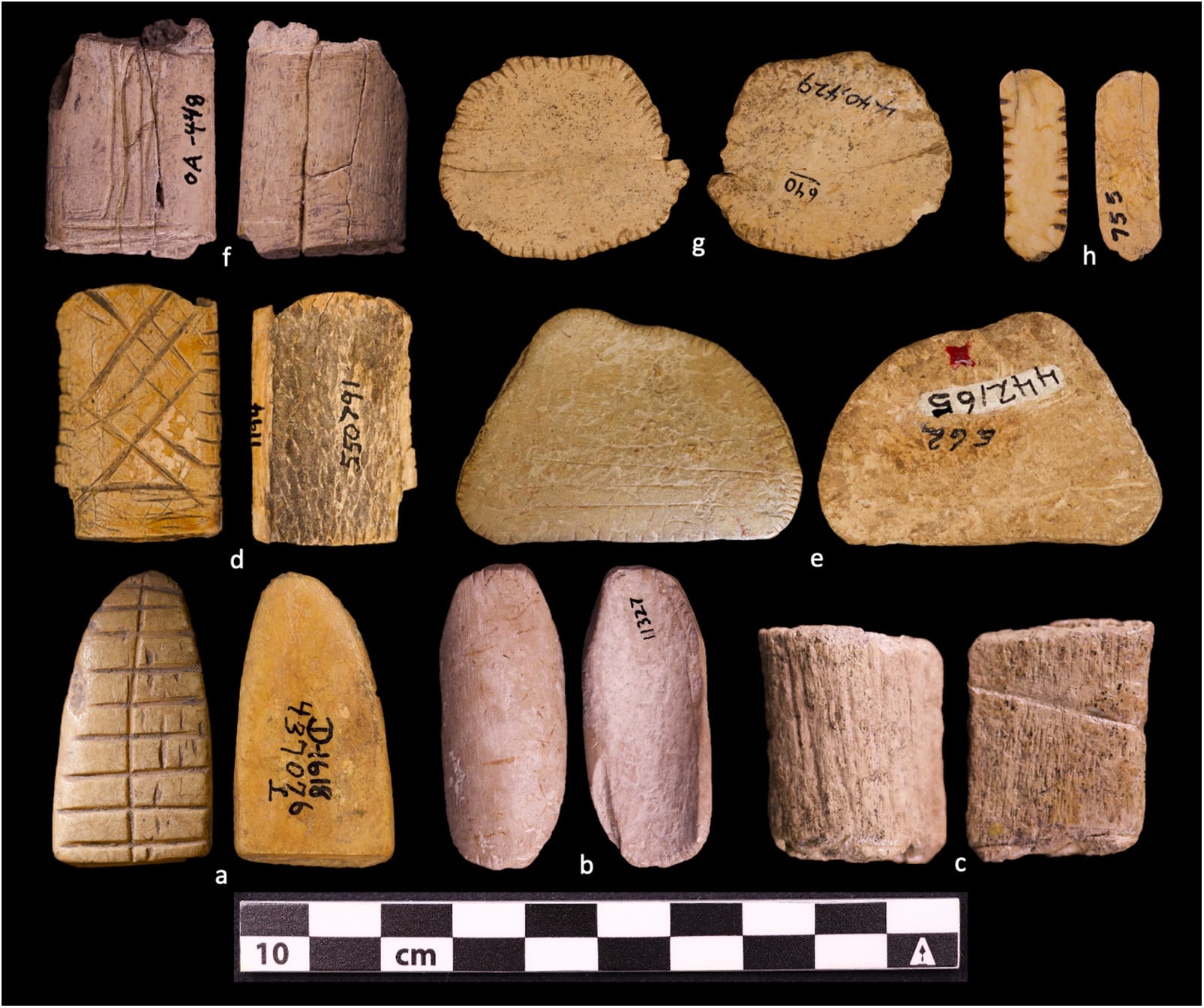
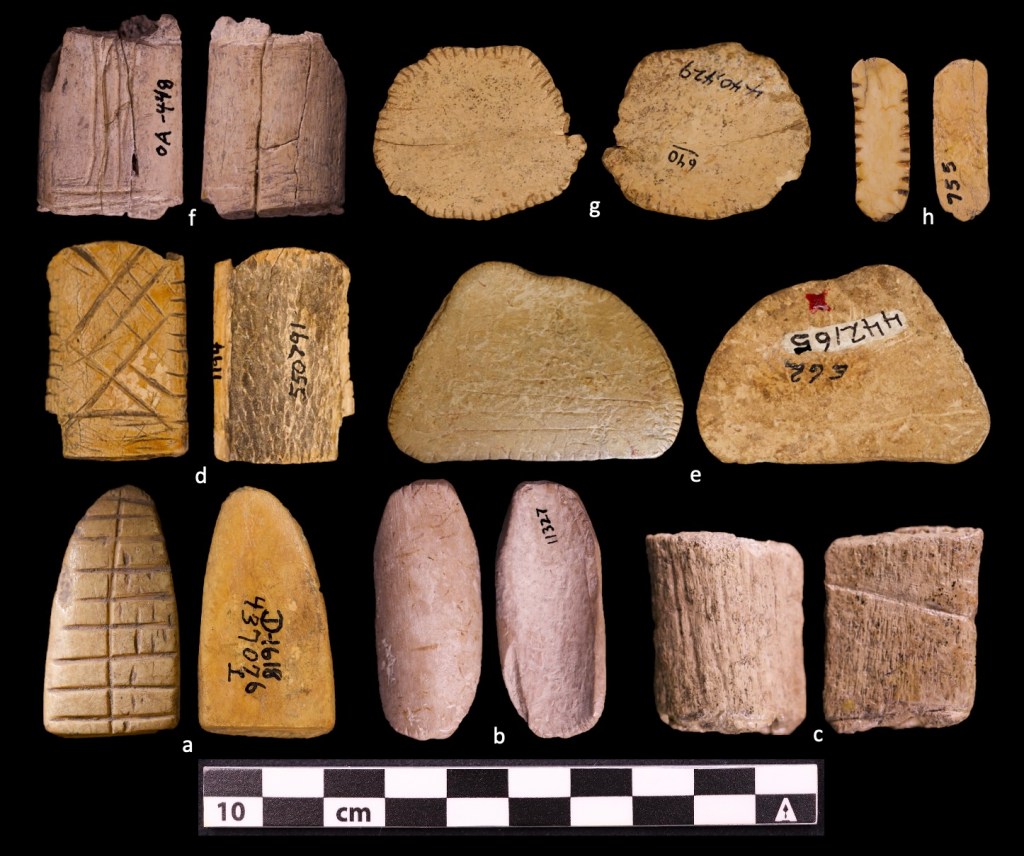
Archaeological research from Colorado State University has identified the world's oldest known dice, created by Native American hunter-gatherers on the western Great Plains over 12,000 years ago. These two-sided "binary lots," found at Folsom-period sites in Wyoming, Colorado, and New Mexico, predate the earliest known Old World dice by more than 6,000 years. The study reclassifies artifacts previously overlooked or misidentified, highlighting that these objects were the only decorated, non-utilitarian items found at these late-Pleistocene sites.

Native Americans created dice more than 12,000 years ago, study finds

Archaeologist Robert J. Madden of Colorado State University has identified the world's oldest known dice, created by Native American hunter-gatherers on the western Great Plains over 12,000 years ago. By re-examining artifacts from Late Pleistocene Folsom-period sites in Wyoming, Colorado, and New Mexico, Madden discovered that these "binary lots" predate the earliest known Old World dice by more than 6,000 years. These objects are often the only decorated, non-utilitarian items found at these ancient sites, featuring artistic markings that distinguish them from everyday tools.

How Australian Chefs and Farmers Are Rediscovering the Ingredients That Have Been There All Along

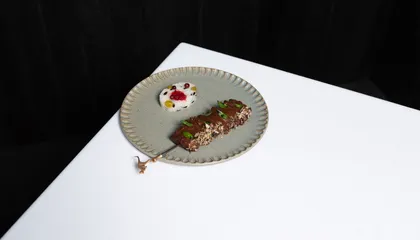
Author Bruce Pascoe and a new generation of Australian chefs are spearheading a movement to revive Indigenous agricultural practices and native ingredients. Drawing from Pascoe’s influential book *Dark Emu*, which challenges the colonial narrative of Aboriginal people as purely nomadic hunter-gatherers, the movement highlights sophisticated ancient systems of aquaculture, irrigation, and grain harvesting. From kangaroo grass to Kakadu plums, these native foods are being reintegrated into the Australian landscape and high-end culinary scene.

How Australian Chefs and Farmers Are Rediscovering the Ingredients That Have Been There All Along

Author Bruce Pascoe and a new generation of Australian chefs are leading a movement to rediscover and commercialize native Indigenous ingredients like kangaroo grass, Kakadu plums, and wattleseeds. By revisiting historical archives and journals from 19th-century explorers, Pascoe’s research in his book *Dark Emu* challenges the colonial narrative that Indigenous Australians were solely nomadic hunter-gatherers, revealing instead a sophisticated history of permanent settlements, irrigation, and organized agriculture.

Hunter Foster at Good Weather

Hunter Foster presents a solo exhibition titled "Involition" at Good Weather in Chicago. Running from February 6 through April 4, 2026, the show features a new body of work documented through an extensive series of installation views and a detailed works list.

A New Exhibition at New York’s Natural History Museum Honors Fossil Hunters

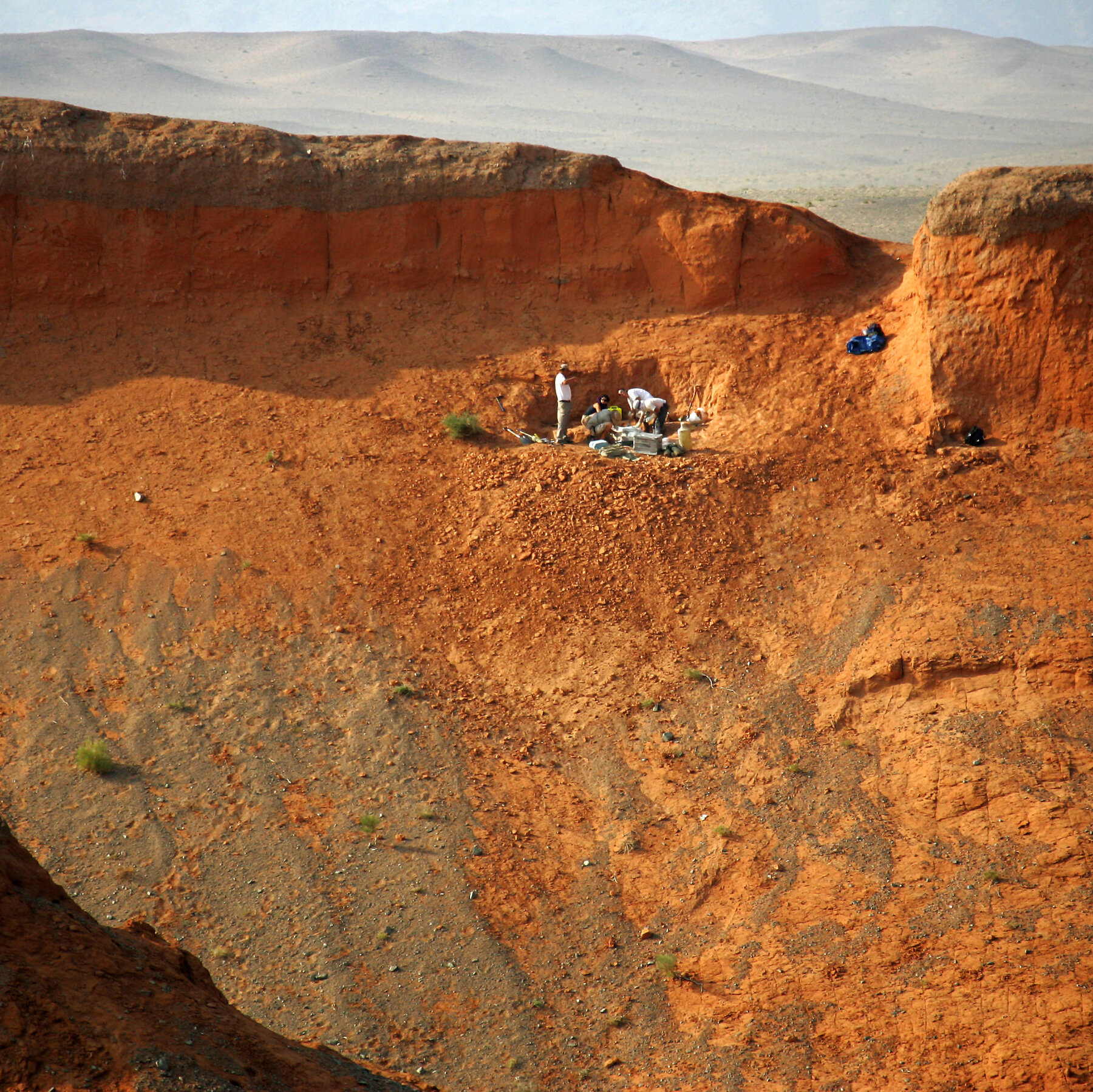
The American Museum of Natural History in New York has launched a new ongoing exhibition dedicated to the legacy of its most prolific fossil hunters. The display specifically highlights the contributions of Mark Norell and his colleagues, showcasing the significant paleontological discoveries that have shaped the museum's world-renowned collection.

12,000 Years Ago, Native Americans Were Playing Games of Chance with Handmade Dice

Archaeologists have discovered that Native Americans were engaging in games of chance using handmade dice as far back as 12,000 years ago, during the Late Pleistocene. A new study by researcher Robert Madden reveals that these artifacts, found in sites across Wyoming, Colorado, and New Mexico, predate the previously oldest known dice from Mesopotamia and the Indus Valley by over 6,000 years. These early dice, often made of bone and decorated with pigments, were used by the hunter-gatherer Folsom culture.

‘They tore up everything’: the wolf hunters of Kyrgyzstan – in pictures

Photographer Luke Oppenheimer traveled to the remote Kyrgyz village of Ottuk in 2021 for a short assignment on wolves preying on livestock, but ended up staying for four years. His project, titled 'Ottuk' and published by Aliens in Residence, documents the lives of shepherds who hunt wolves to protect their herds in the Tien Shan mountains, capturing their ancient way of life, harsh winters, and the legends that shape their community.

April Arts Calendar 2026

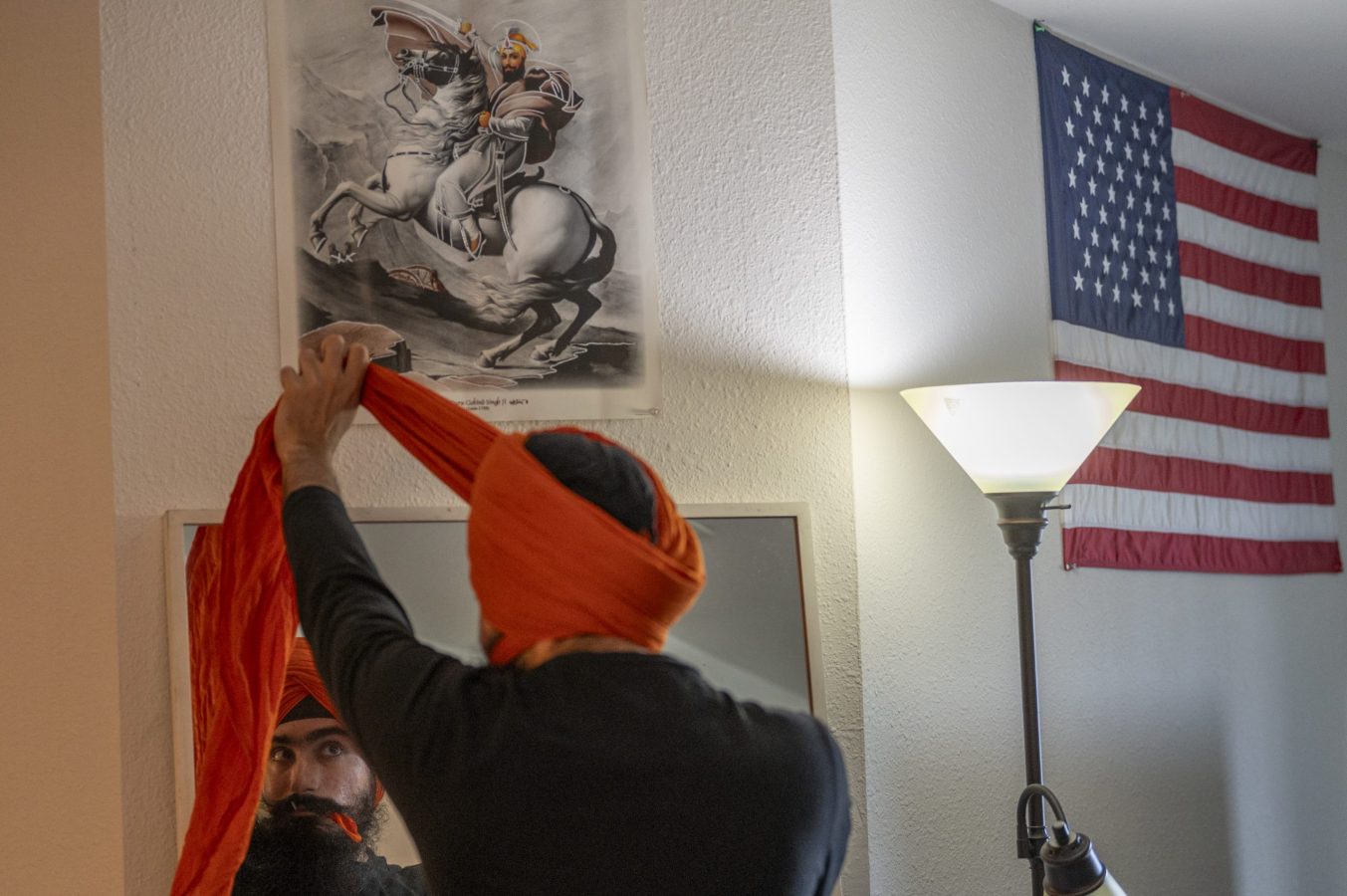
The Seattle region is hosting a diverse array of visual arts exhibitions throughout April and May 2026, with a strong emphasis on cultural identity and heritage. Highlights include Akash Pamarthy’s solo photography show "Sikh Ohio" at the M. Rosetta Hunter Art Gallery, Miya Sukune’s historical installation "TADAIMA: I’m Home" at MOHAI, and a permanent mural installation by Erin Shigaki at Bellevue College. These shows span various media, from traditional Korean moon jar-inspired ceramics by Kelly Haejung Paik to experimental works made of rice and lentils by Yaminee Patel.