filter_list Showing 41 results for "Origins" close Clear
dashboard All 41 museum exhibitions 26article culture 6article news 3gavel restitution 2rate_review review 1article event 1article policy 1person people 1
date_range Range Today This Week This Month All
Subscribe

What Is a "Post-Duchamp" Art World?

Scholar Thierry de Duve discusses the legacy of Marcel Duchamp in conjunction with a new exhibition at the Museum of Modern Art (MoMA) featuring seven of the artist’s “boîtes-en-valise.” These portable miniature museums, created decades before Duchamp’s first formal retrospective, are framed as evidence of his genius in anticipating the institutional logic of the modern museum. The conversation explores how Duchamp’s provocative works, such as the readymade "Fountain," fundamentally altered the trajectory of art history and defined the "post-Duchamp" era.
Never-Before-Seen Stanley Kubrick Photos Debut in New York

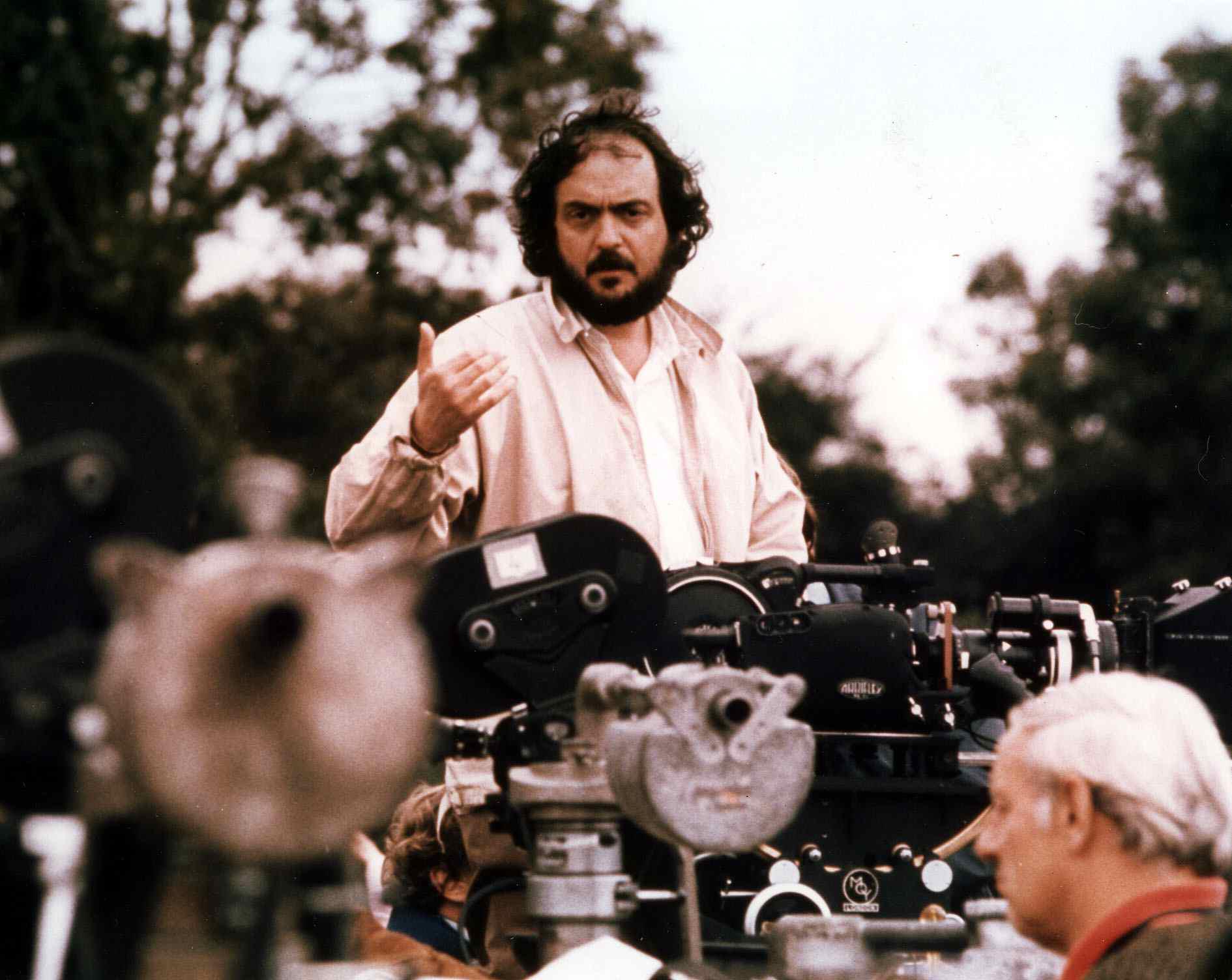
A collection of 18 previously unseen photographs by legendary filmmaker Stanley Kubrick will make its public debut at the Photography Show in New York. Discovered by the Duncan Miller Gallery within a larger archive purchase, these images date back to 1945 when a teenage Kubrick worked as a staff photographer for Look magazine. The series captures candid, late-night scenes within the New York City subway system, utilizing a concealed shutter release to document commuters in their most natural states.

Exhibition | William Turnbull, 'Origins (1946–1959)' at Karma, Chelsea, New York, United States

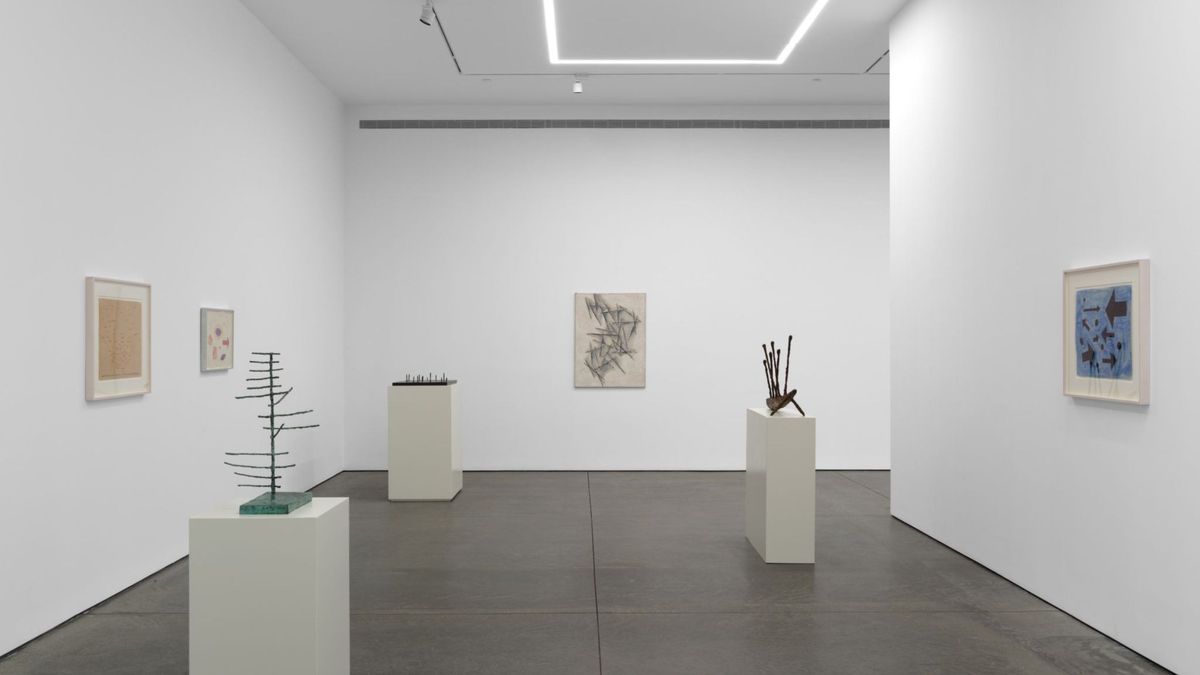
Scottish artist William Turnbull (1922–2012) is the subject of a new exhibition titled 'Origins (1946–1959)' at Karma gallery in Chelsea, New York. The show surveys Turnbull's early career, focusing on the transformative period after World War II when he moved between Surrealist Paris and Abstract Expressionist New York. It features key works such as the sculpture 'Horse' (1946), inspired by a Parthenon marble at the British Museum, and 'Playground (Game)' (1949), reflecting his interest in phenomenology and movement. The exhibition traces his evolution from an illustrator and Slade School student to a sculptor and painter who engaged elemental forms like the horse, standing figure, and human head.

Picasso’s Guernica is the ultimate emblem of the horrors of war. It has no place in Spain's partisan squabbles | María Ramírez

A political dispute has erupted in Spain over the potential temporary relocation of Pablo Picasso's iconic anti-war painting *Guernica*. The president of the Basque Country, Imanol Pradales, has formally requested the work be moved from Madrid's Reina Sofía museum to the Guggenheim Museum Bilbao for several months in 2027, framing it as a form of "reparation" for the Basque people. The Spanish government has rejected the request on conservation grounds, while conservative politicians have used the proposal to attack Basque nationalism.

The Photography Show fair’s 45th edition explores medium’s full history from its origins to AI

The Association of International Photography Art Dealers (Aipad) has opened the 45th edition of The Photography Show at New York's Park Avenue Armory. The fair features around 65 exhibitors in its main section, with a new Focal Point sector highlighting 13 solo presentations by boundary-pushing artists. Returning participants include major New York photography galleries, alongside first-time exhibitors and galleries returning after an absence.

William Turnbull Origins Exhibition Spotlights Elemental Forms in New York

William Turnbull Origins, an exhibition dedicated to the Scottish-born artist William Turnbull, is now on view in New York, highlighting his early and mid-career works that emphasize elemental, abstract forms. The show focuses on his sculptures and paintings from the 1940s through the 1960s, drawing attention to his exploration of primitive and organic shapes.

PATRICK HERON: Early works, 1950-54

Hazlitt Holland-Hibbert presents a focused exhibition of Patrick Heron's early works from 1950 to 1954, tracing the British modernist's decisive shift from figuration to abstraction. The show brings together pieces from the artist's estate, including several never before exhibited, alongside loans from museums and private collections, highlighting a formative moment in post-war British art. Key works such as 'Christmas Eve: 1951' and 'Black Fish on Blue Table' demonstrate Heron's evolving visual language, influenced by the School of Paris and encounters with Braque, Matisse, and Bonnard.

Austin’s Blanton Museum uses coding, data, and AI to explore what it means to create art

The Blanton Museum of Art at the University of Texas at Austin has opened a new exhibition titled 'Coded: Art Enters the Computer Age, 1952–1982.' The show features over 100 works by 75 artists who used computers, algorithms, and data as creative tools, exploring the intersection of art and technology during a pivotal three-decade period.

« L’Angélus » de Millet : une notification à l’humanité hors sol ?

Beaux Arts Magazine publishes a detailed visual analysis of Jean-François Millet's painting "L'Angélus" (1857–1859), housed at the Musée d'Orsay in Paris. The article describes the scene of two peasants pausing their potato harvest to pray at dusk, examining the composition, color, and spiritual resonance of the work. It also traces Millet's biography—from his peasant origins in the Cotentin region to his training under Langlois and Paul Delaroche, and his early career painting portraits and nudes before turning to rural subjects.

The Devil Wears Prada 2 to Lenny Henry: your complete entertainment guide to the week ahead

The Guardian's weekly entertainment guide highlights two major art exhibitions opening in May 2025: 'Aleksandra Kasuba' at Tate St Ives (2 May to 4 October) and 'Zurbarán' at the National Gallery, London (2 May to 23 August). The Kasuba show is the first UK presentation of the Lithuanian American artist's proto-immersive 'spatial environments,' featuring early paintings, mosaics, and installations focused on utopian social harmony. The Zurbarán exhibition presents a blockbuster survey of the 17th-century Spanish Baroque master, known for his intense religious subjects and dramatic chiaroscuro.

‘It’s not much but, at the same time, it’s very much’: the enduring impact of Sade’s style

The article discusses the enduring style of Sade Adu, frontwoman of the British group Sade, following the band's announcement of their induction into the 2026 Rock and Roll Hall of Fame. It highlights how Adu's signature look—scraped-back hair, red lipstick, hoop earrings, and simple black dresses or denim—has become iconic and influential, with her outfits featured in exhibitions like V&A East's 'The Music is Black' and referenced by celebrities such as Drake. The piece traces the origins of her style to her fashion design studies at Saint Martin's School of Art and her early work with designer Fiona Dealey.

There Has Never Been an Apolitical Venice Biennale

The Venice Biennale, with its national pavilion structure, has always been a platform for political expression and soft power, a reality evident from its early 20th-century origins. Contemporary critic Arturo Lancellotti's 1909 review of the German and British pavilions was steeped in geopolitical context, revealing how national artistic displays were interpreted through the lens of imperial power and military alliances.

literature hans ulrich obrist curator book

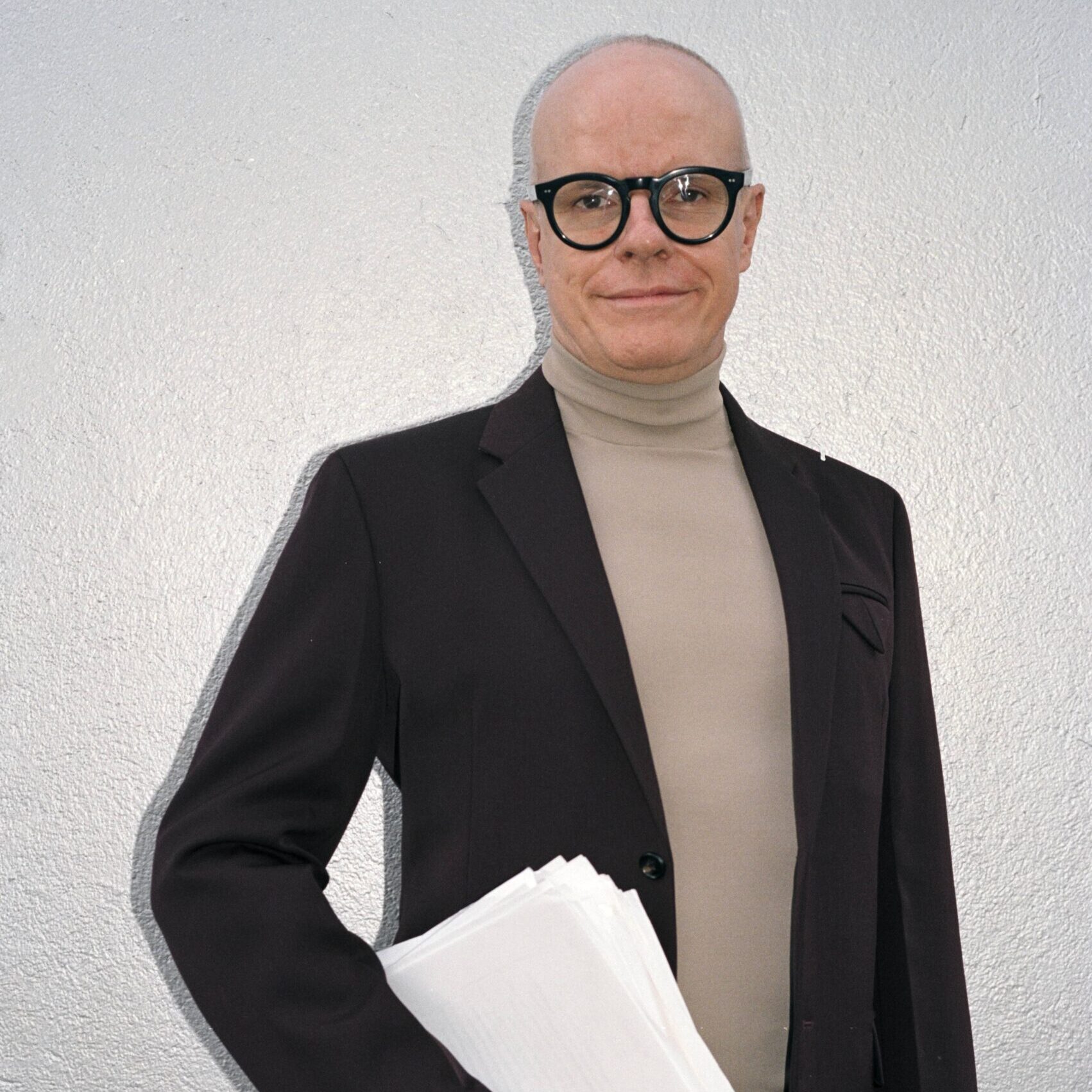
Hans Ulrich Obrist, the prolific Swiss curator and artistic director of Serpentine Galleries, discusses his lifelong passion for books in a new interview timed to the U.S. release of his memoir "Life in Progress." Obrist reveals his daily ritual of buying a book, which has amassed an archive of over 40,000 volumes housed at LUMA Arles, and shares current reading recommendations including Kenneth O. Stanley's "Why Greatness Cannot Be Planned." He also reflects on the serendipitous origins of his Instagram Post-it note project, inspired by philosopher Umberto Eco and artist-poet Etel Adnan.

For their 30th anniversary, Pokémon enter the museum: Gotta catch 'em all!

Pour leurs 30 ans, les Pokémon entrent au musée : attrapez-les tous !

The Musée en Herbe in Paris is hosting a major exhibition titled 'Admirez-les tous ! Une exposition hommage à Pokémon' to celebrate the 30th anniversary of the Pokémon franchise. The show features original Game Boy consoles, early trading cards, preparatory drawings for the animated series, and insights from the French translator who named the creatures. It also highlights how Pokémon have entered the global visual heritage.

Turkey Notches Another Successful Restitution After Denver Art Museum Returns 1500-Year-Old Marble Head

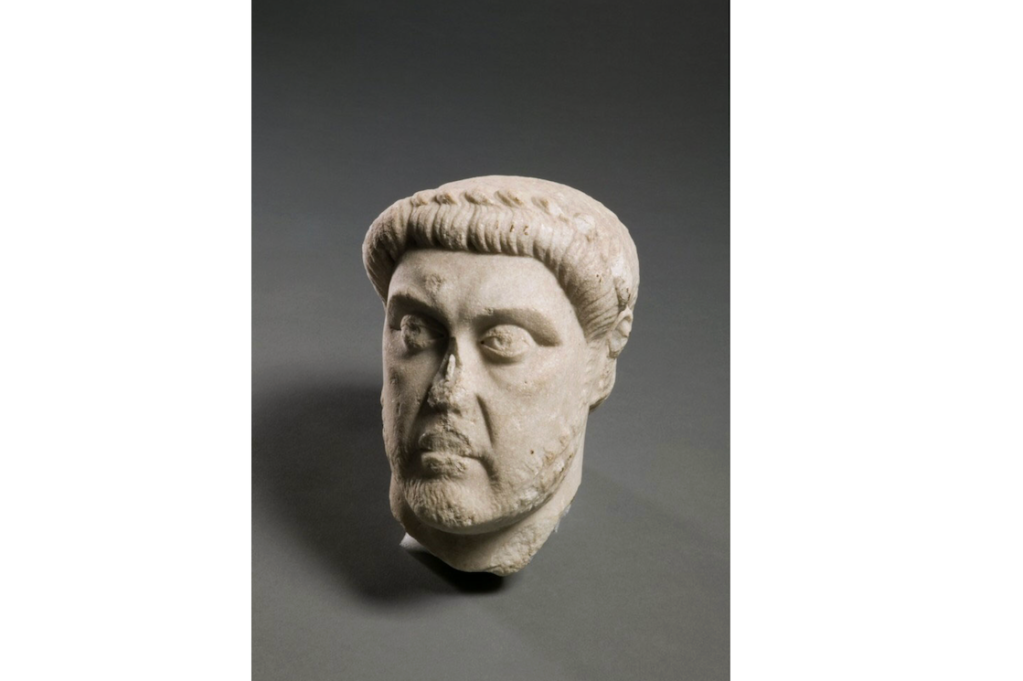
The Denver Art Museum has repatriated a 1,500-year-old marble head of a bearded man to Turkey, following a successful restitution claim. The sculpture, which dates back to the fifth century BCE, was originally unearthed in the agora of the ancient city of Smyrna (modern-day Izmir) and was likely trafficked illicitly before entering the museum's collection. The artifact is now on public display at the İzmir Archaeology Museum.

Lost-Lost Film by French Cinema Pioneer Turns Up in Michigan

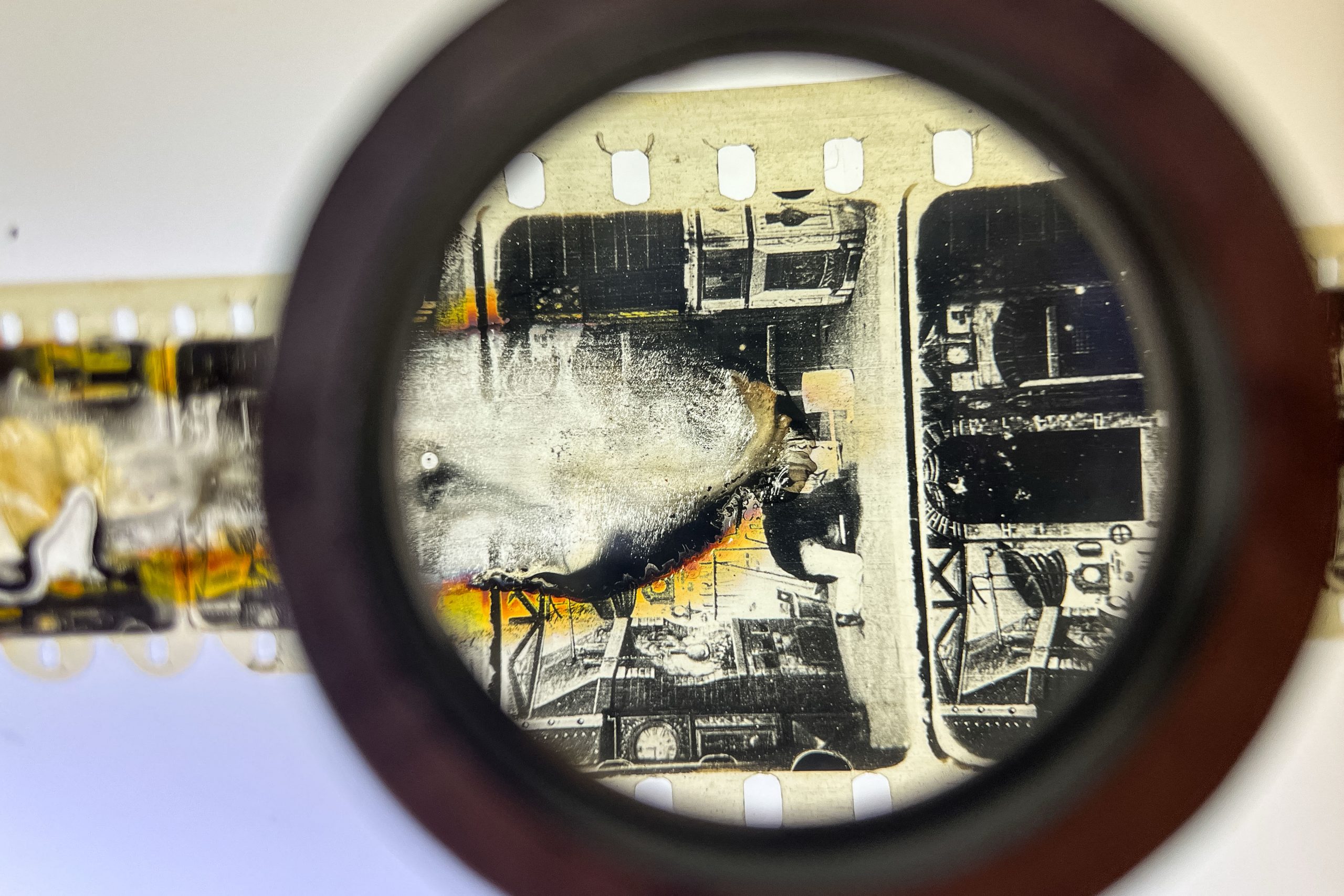
A long-lost film by French cinema pioneer Georges Méliès has been discovered in a garage in Grand Rapids, Michigan, after sitting in a trunk for two decades. The 45-second silent short, titled 'Gugusse and the Automaton' (1897), was identified by specialists at the Library of Congress after the owner, Bill McFarland, donated a collection of nitrate reels that had belonged to his showman great-grandfather.

Telfair Museums presents Impressionism and Modernity: French and American Painting opening May 15

Telfair Museums will present "Impressionism and Modernity: French and American Painting" at the Jepson Center for the Arts from May 15 through August 16, 2026. Organized for the museum's 140th anniversary, the exhibition brings together Telfair's collection of American Impressionist works with key French Impressionist paintings from the National Gallery of Art, Washington, D.C., featuring artists such as Edgar Degas, Alfred Sisley, and Vincent van Gogh. The show explores Impressionism's origins in France, its transatlantic influence, and its impact on American art and identity, with works addressing themes of modern life, leisure, the city, and nostalgia for nature.

Paris exhibition celebrates the visionary world of Hilma af Klint, an artist ahead of her time

A major exhibition at Paris's Grand Palais presents Hilma af Klint's visionary abstract series "Paintings for the Temple" (1906–1915) for the first time in France. The show features works like "The Ten Largest" (1907), which predate the abstract art of Kandinsky, Mondrian, and Malevich by several years. Curated by Pascal Rousseau, the exhibition highlights Af Klint's pioneering use of spirals, geometric forms, and spiritual themes, created in seclusion and long hidden from public view.

Ukrainian Dreamers from Kharkiv: photography exhibition of the Radvila Palace Museum of Art – on courage to dream and create

The Radvila Palace Museum of Art in Vilnius, Lithuania, has opened a major exhibition titled 'Ukrainian Dreamers: The Kharkiv School of Photography.' The show, created in collaboration with the Museum of Kharkiv School of Photography, presents the work of 33 artists and groups across four generations, featuring hundreds of photographs, videos, and archival objects. It traces the school's evolution from its rebellious origins in the 1970s under Soviet censorship through Ukraine's independence and up to the present day of ongoing Russian military aggression.

Au musée de l’Image d’Épinal, les talents multiples de Frans Masereel, entre autres inventeur du roman graphique

The Musée de l'Image d'Épinal is presenting a comprehensive exhibition on Belgian artist Frans Masereel (1889–1972), widely credited as the inventor of the graphic novel in 1918 with his wordless narratives composed of black-and-white woodcuts. The show, curated by Samuel Dégardin, brings together loans from major institutions and a private collection to reveal the full breadth of Masereel's practice, which spanned drawing, animation, painting, theater, ceramics, tapestry, and satirical press illustration. It highlights his pacifist activism during World War I, his collaborations with writers such as Stefan Zweig and Romain Rolland, and his humanist vision of a unified Europe.

In Rodez, the haunting shadows of Sugimoto and Soulages meet in a cosmic exhibition

À Rodez, les ombres envoûtantes de Sugimoto et de Soulages se rencontrent dans une exposition cosmique

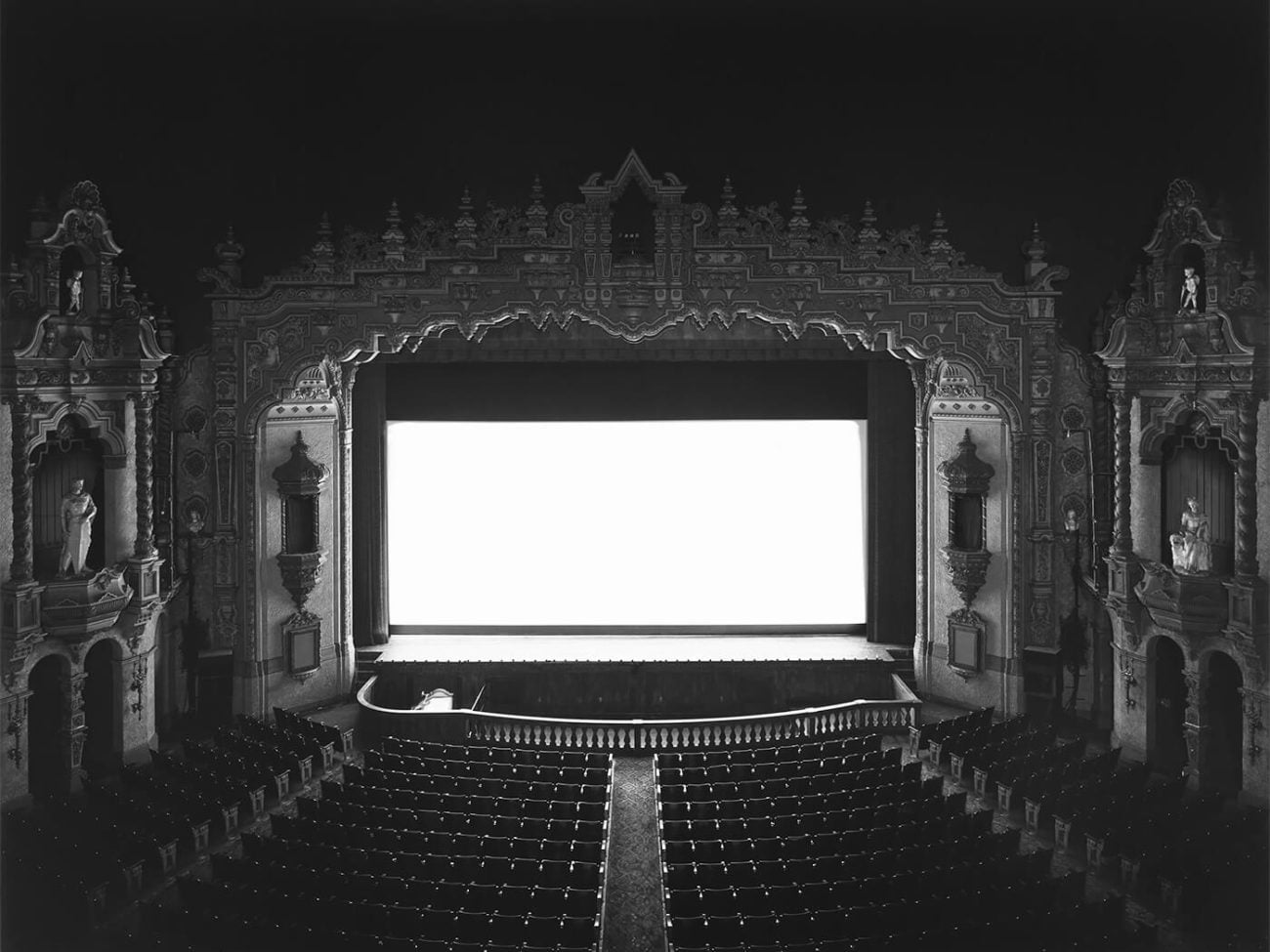
The Musée Soulages in Rodez is hosting a major exhibition titled "Hiroshi Sugimoto. Reprendre la mélodie," which creates a visual dialogue between the Japanese photographer and the late French master of black, Pierre Soulages. Curated and scenographed by Sugimoto himself, the show pairs iconic series such as "Theaters," "Seascapes," and the colorful "Opticks" with Soulages’ "Outrenoir" paintings. The exhibition highlights their shared fascination with the horizon, the origins of humanity, and the architectural presence of art within a space.

Trippy Film by British-Ethiopian Artist Theo Eshetu Hits the Venice Biennale

British-Ethiopian artist Theo Eshetu is presenting a new installation, *The Garden of the Broken-Hearted* (2026), at the Venice Biennale. The work features a live olive tree mounted on a rotating dais, with a video of the tree projected onto itself, marking a shift from his decades-long practice of multi-screen video installations. Eshetu discusses the project's origins in conversations with the late Biennale curator Koyo Kouoh, framing the tree as a space for mourning, human consciousness, and elemental storytelling.

S&M-inspired Greek Pavilion in Venice confronts its fascist chains

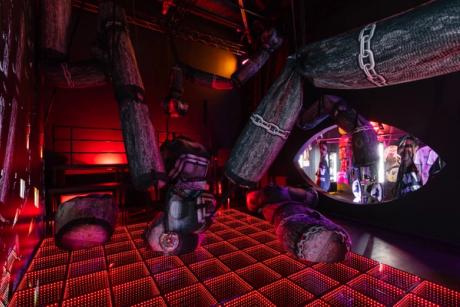
The Greek Pavilion at the 2026 Venice Biennale, titled "Grecia" and conceived as a drag artist, presents an S&M-inspired installation by artist and architect Andreas Angelidakis. The immersive space features a red neon-lit floor, soft sculptures resembling beanbags, fragmented marble columns wrapped in chains, and souvenirs bearing images of queer artists and the late activist Zak Kostopoulos (Zackie Oh). The pavilion aims to deconstruct the idea of a fixed national identity, exploring themes of queerness, fascism, and historical trauma.

Guangzhou Image Triennial 2025 Review: The Case for Sensitivity

The Guangzhou Image Triennial 2025, titled 'The Case for Sensitivity,' has opened at the Guangdong Art Museum. The exhibition, featuring over 50 artists and artist groups, directly addresses a perceived crisis of technological mediation, arguing that digital existence deprives us of direct contact with the natural world. It aims to foster new forms of attention by emphasizing the materiality of images—what they are made of—over what they represent.

First-of-its-kind MCA exhibition plays the beat of Caribbean activism

Carla Acevedo-Yates has curated "Dancing the Revolution: From Dancehall to Reggaetón," a major exhibition at the Museum of Contemporary Art Chicago, which will be her final show before departing for a role on the Documenta 16 team in Germany. The exhibition, which occupies the museum's entire fourth floor through September 20, features over 40 artists and explores the social and political histories of Caribbean music genres.

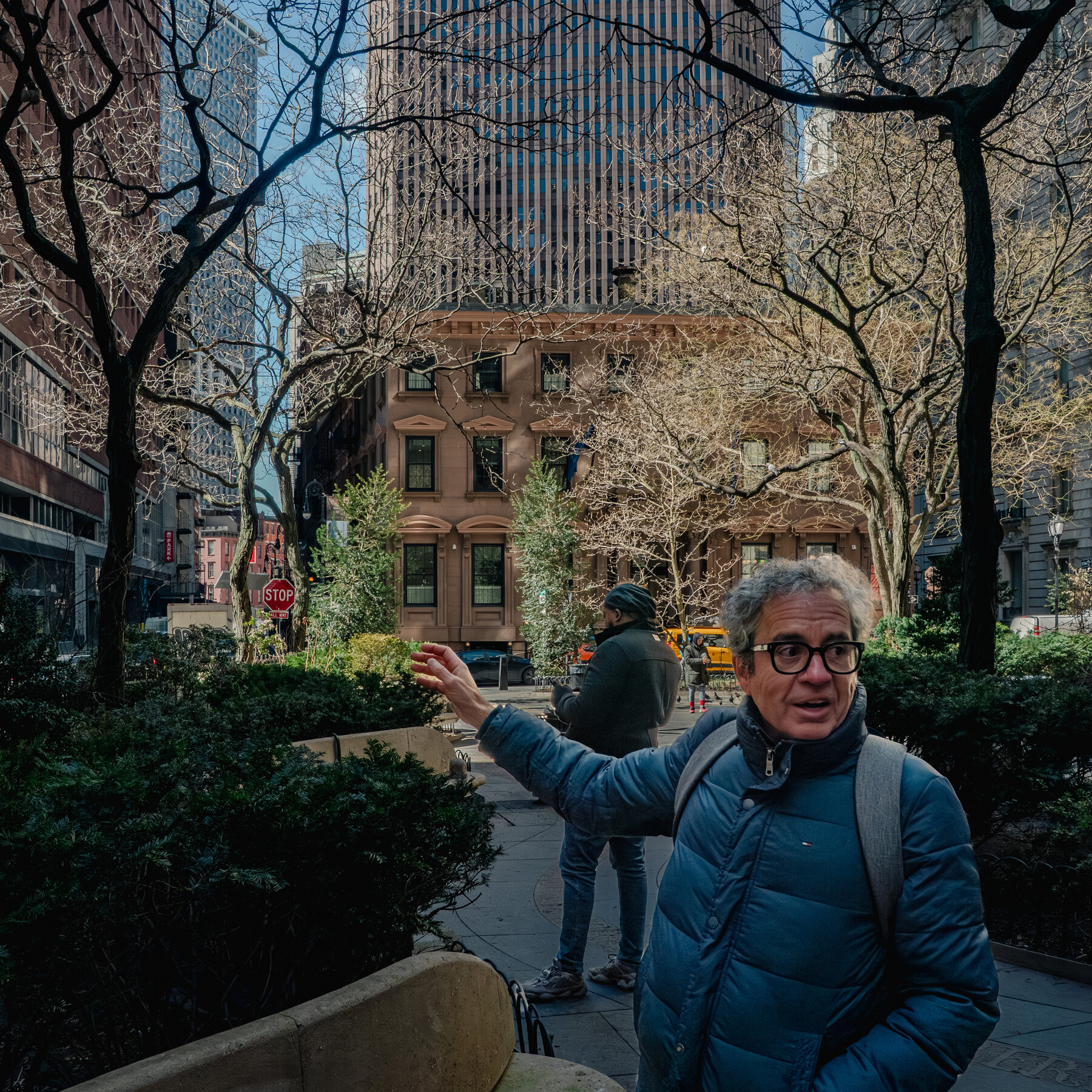
Recalling When Lower Manhattan Was New Amsterdam

The New-York Historical Society has launched a major exhibition exploring the 17th-century origins of New York City during its era as the Dutch settlement of New Amsterdam. The show utilizes a diverse array of artifacts, maps, and historical documents to trace the colony's development from a fur-trading outpost to a diverse maritime hub, highlighting the complex interactions between Dutch settlers, Indigenous populations, and enslaved Africans.

An artist told the incredible story of a Calabrian village that no longer exists. The interview

Un artista ha raccontato l’incredibile storia di un borgo della Calabria che non c’è più. L’intervista

Italian artist Martin Errichiello has created [campanamuta], a six-part audio work broadcast on RAI Radio 3's Zazà program in late 2025 and now available on RaiPlay Sound. The piece tells the story of Eranova, a farming community founded in 1896 near Reggio Calabria that was destroyed by 1980 after the Christian Democratic party planned—but never built—a steel center on its land, now the site of the Port of Gioia Tauro. Errichiello weaves together interviews with former residents and his own original texts, using non-linear narration to explore the village's utopian origins and forced disappearance.

Sands and Rituals from the Antipodes: To Be Discovered in a Former Church in Venice

Sabbie e riti dagli antipodi. Da scoprire in una ex chiesa di Venezia

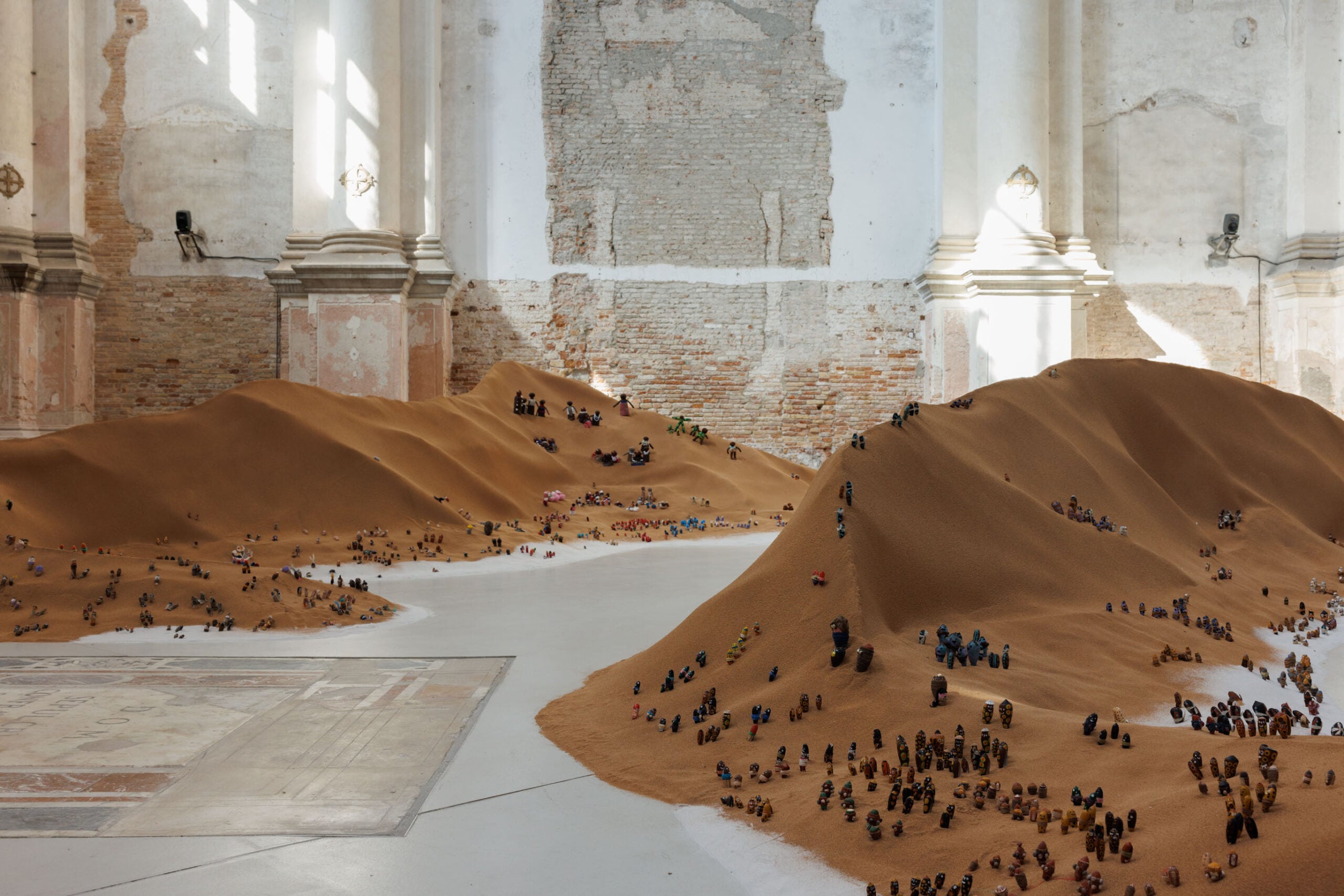
The Church of San Lorenzo in Venice, home to Ocean Space, is hosting "Tide of Returns," an exhibition by the Repatriates Collective. The installation transforms the historic nave with sand dunes populated by thousands of decorated shells known as Dadikwakwa-kwa, or shell dolls, from the Anindilyakwa people of Australia. The show also features a tripartite installation of video, textiles, and braids by German-Bolivian artist Verena Melgarejo Weinandt, exploring themes of ancestral connection and the universal significance of water.

Producing Cinema Inside and With Video Games: A 30-Year Festival in Milan

Produrre cinema dentro e con i videogiochi. A Milano ci fanno un festival (da 30 anni)

The Milan Machinima Festival recently celebrated the 30th anniversary of machinima, the practice of creating audiovisual works and films within video game environments. The event, curated by scholar Matteo Bittanti at IULM University, explored the medium's dual origins in 1996: the community-driven "vernacular" style seen in the Quake-based 'Diary of a Camper' and the artistic approach pioneered by Miltos Manetas in his work 'Miracle'.

FROM SÃO PAULO TO NEW YORK: THE MUSEUM OF ERRANCY OF ÉDOUARD GLISSANT

DE SÃO PAULO A NUEVA YORK: EL MUSEO DE LA ERRANCIA DE ÉDOUARD GLISSANT

The exhibition "La tierra, el fuego, el agua y los vientos: Por un Museo de la Errancia con Édouard Glissant" has traveled from the Instituto Tomie Ohtake in São Paulo to the Center for Art, Research and Alliances (CARA) in New York, marking its first U.S. presentation. Curated by Manuela Moscoso with Marian Chudnovsky, and building on prior work by Ana Roman and Paulo Miyada, the show engages with the philosophy of Martinican poet and philosopher Édouard Glissant, particularly his concepts of errantry, Relation, opacity, and the Tout-Monde. It centers on Glissant's unrealized idea of a museum as a fluid, porous space that resists colonial frameworks and fixed origins, featuring works by artists such as Melvin Edwards, Gerardo Chávez, and Eduardo Zamora.