filter_list Showing 15 results for "The War" close Clear
dashboard All 15 article news 5museum exhibitions 3article local 3gavel restitution 2article policy 1rate_review review 1
date_range Range Today This Week This Month All
Subscribe

The week around the world in 20 pictures

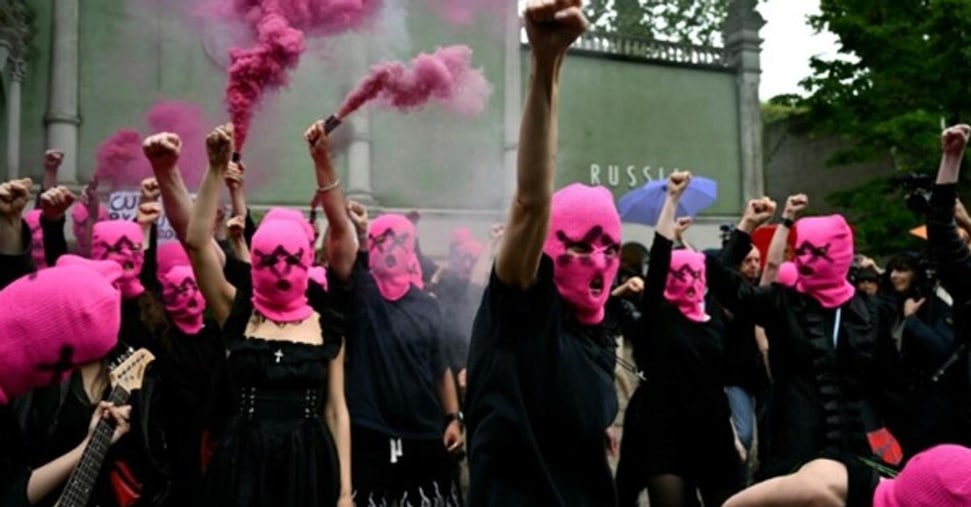
This photo essay from The Guardian presents 20 images capturing global events from the past week, including a protest by Femen and Pussy Riot activists against Russia's participation at the Venice Biennale art show, Israeli strikes in Gaza, the hantavirus outbreak, and Emma Chamberlain at the Met Gala. Other images document the war in Ukraine, with scenes of Russian military rehearsals in Moscow, damaged monuments, and drone strike aftermath, as well as a political protest in Nashville where Democratic state representative Justin J Pearson was removed from the house gallery during a redistricting protest.
New York art world spared worst of logistics woes

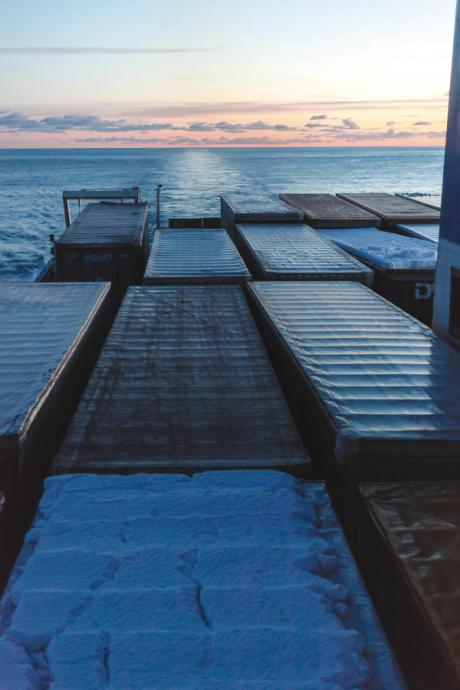
New York's spring art fairs—including Frieze, Tefaf, Independent, and Nada—are proceeding largely on schedule despite ongoing disruptions from the war in Iran. Airspace closures, reduced flights, rising fuel costs, and the closure of the Strait of Hormuz have strained global art logistics, forcing rerouting, last-minute cancellations, and cost increases of up to 2,500%. Logistics firms like Hasenkamp and Gander & White report that while shipments are still arriving, the system has become fragile, with clients prioritizing safety and resilience over speed.

Venice Biennale’s Russian Pavilion and Pussy Riot Spar Over Usage of Protest Footage

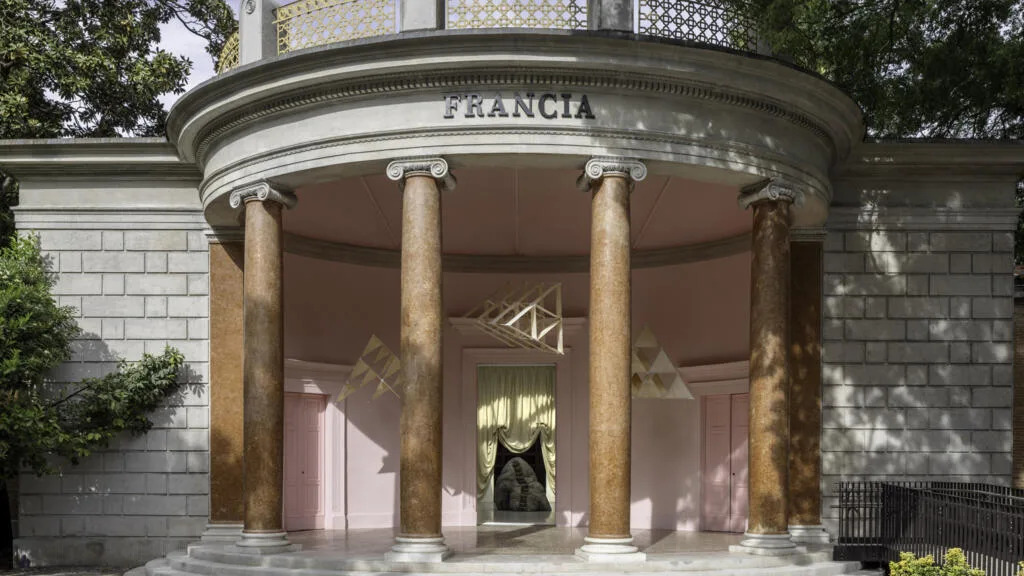
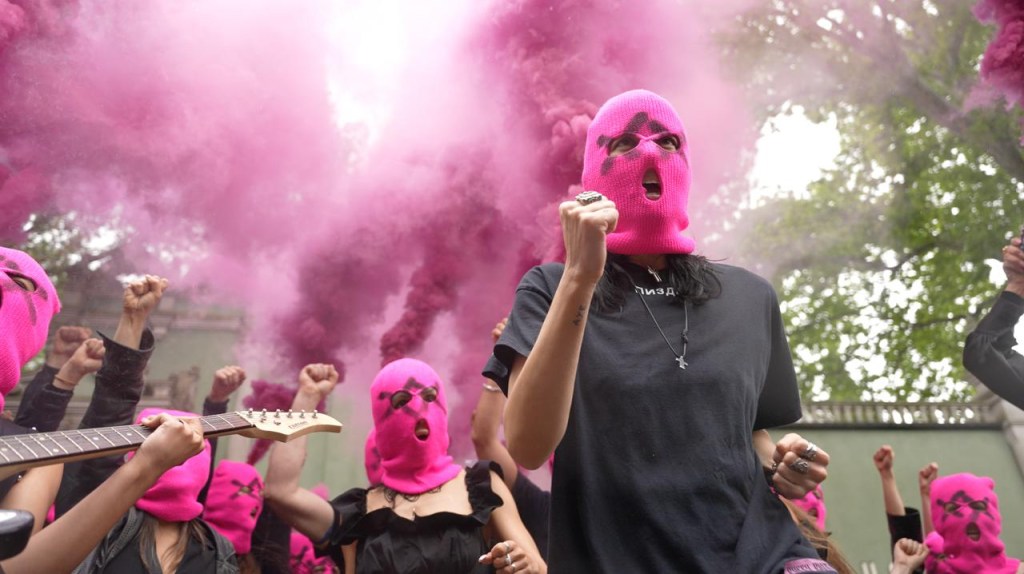
The Russian Pavilion at the 2026 Venice Biennale has become embroiled in a new controversy after accusing the anti-Putin art collective Pussy Riot of censorship. The pavilion posted on Instagram that Pussy Riot demanded the removal of footage featuring them from a documentary film about the pavilion's project, labeling the request as self-censorship. Pussy Riot responded sarcastically, questioning the pavilion's use of Instagram given Russia's 2022 ban of the platform. The dispute follows earlier protests at the pavilion's opening, led by Pussy Riot and FEMEN, against Russia's participation in the Biennale amid its ongoing invasion of Ukraine.

Musée d’Orsay opens gallery dedicated to still-unclaimed works stolen by Nazis in WWII

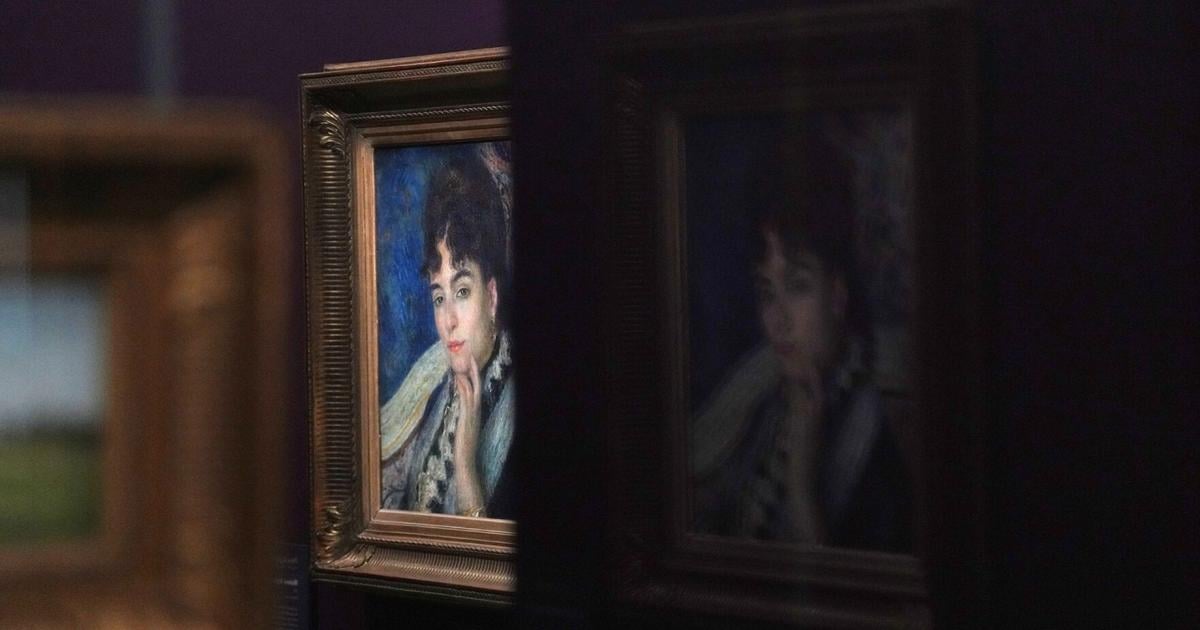
The Musée d'Orsay in Paris has opened a permanent gallery dedicated to artworks believed to have been looted by the Nazis from Jewish owners during World War II, but whose rightful owners have not been identified. The exhibition, titled "Who owns these works?", features a rotating selection of 225 such pieces held by the museum, with twelve paintings and one sculpture currently on display. Works by Renoir, Degas, Rodin, and Alfred Stevens are included, alongside provenance research detailing their murky histories—such as a Degas ballroom scene acquired by a Jewish collector later murdered at Auschwitz.

‘Your homes will be destroyed, your family killed’: the US has dropped millions of war propaganda leaflets – but do they work?

The United States military has been dropping propaganda leaflets in psychological operations (psyops) for over a century, from World War I through the Gulf War and the wars in Iraq and Afghanistan. A new interactive exhibit at Pioneer Works in Brooklyn, organized by the digital archive group Khajistan, displays hundreds of these leaflets, including those dropped on Japan during World War II and in more recent conflicts. However, declassified internal documents, such as a 1971 US Air Force report, reveal that leaflets were often used as toilet paper, cigarette rolling paper, or souvenirs by enemy soldiers, undermining the official narrative of their effectiveness.

Art Biennale: artists reject the popular jury

Fifty-two artists and curators, along with sixteen National Participants of the 61st Venice Art Biennale, have withdrawn from the newly introduced 'Lions of the Visitors' (People's Prizes) competition. The boycott follows the resignation of the jury appointed by artistic director Koyo Kouoh, who died in 2025, and is a protest against the inclusion of Russia and Israel in the prize—countries initially excluded by the international jury. The controversy escalated after Italian Minister of Culture Alessandro Giuli publicly opposed the Biennale president Pietrangelo Buttafuoco's decision to allow Russia's participation, drawing in the European Commission and even Ursula von der Leyen, who warned of potential sanctions violations. The signatories include artists and curators from France, Belgium, Luxembourg, Turkey, Switzerland, Spain, the Netherlands, and several other nations.

Nazi-Looted Portrait Surfaces in Home of Descendants of Dutch SS Leader

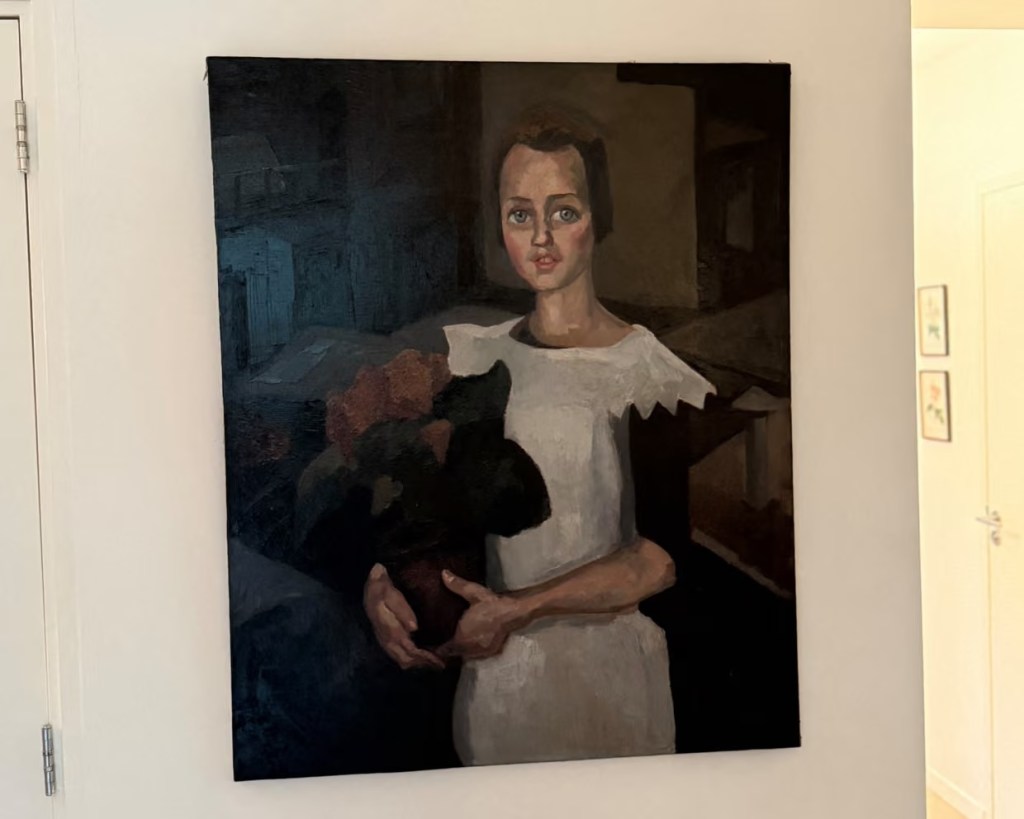
A Nazi-looted painting, *Portrait of a Young Girl* by Dutch artist Toon Kelder, has been discovered in the home of descendants of Hendrik Seyffardt, a Dutch SS collaborator who aided the Nazis during World War II. The work, stolen from the renowned Goudstikker collection, was allegedly displayed for decades by Seyffardt's family. An anonymous descendant contacted art detective Arthur Brand after learning of his family's past and seeing the painting in the hallway of Seyffardt's granddaughter. The family member told Dutch newspaper *De Telegraaf* that he feels "deep shame" and insists the painting must be returned to the Jewish rightful heirs.

The Ukrainian Pavilion’s Deer Seen Around the World

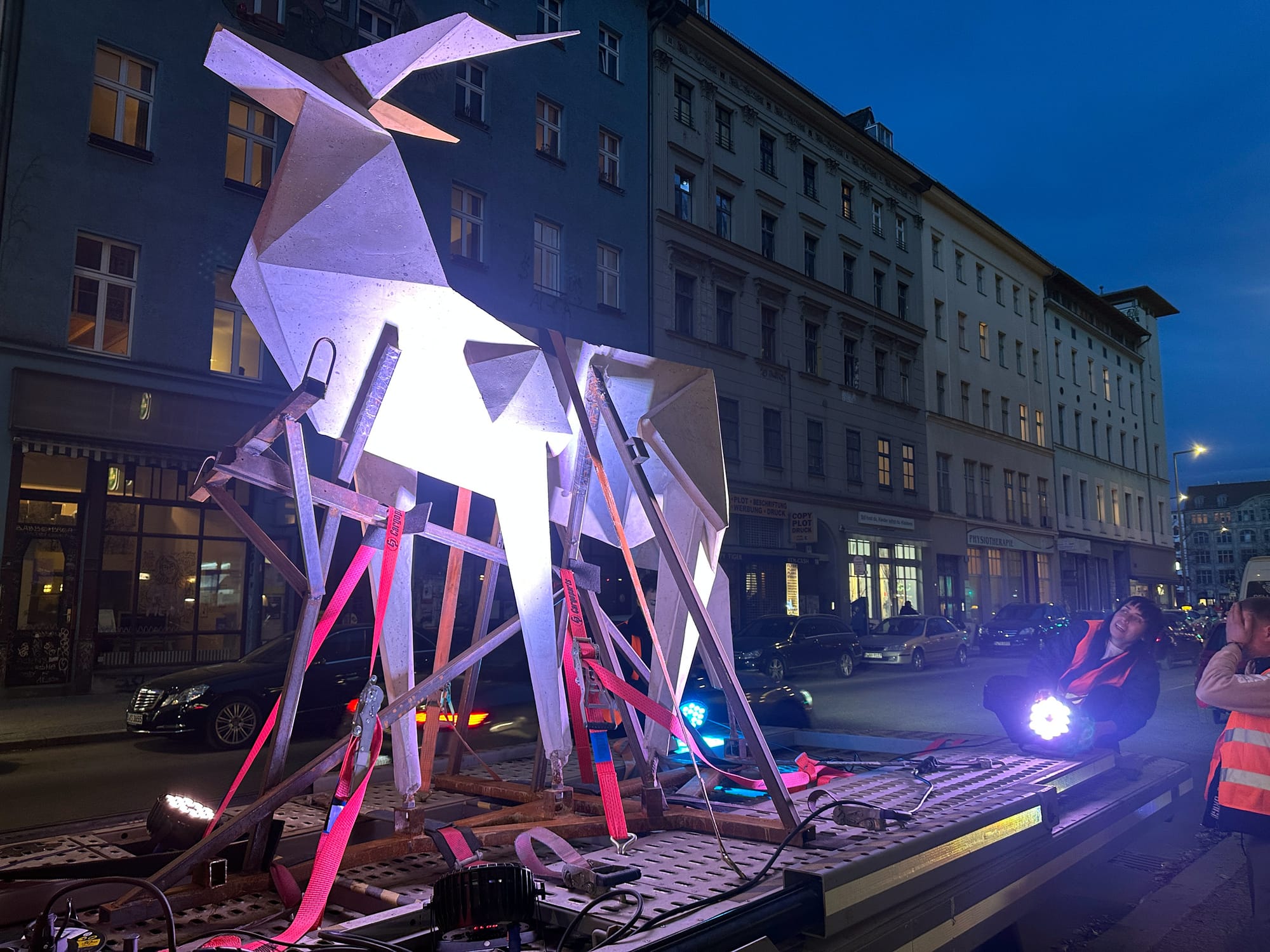
Zhanna Kadyrova's concrete sculpture "The Origami Deer" (2019) is prominently displayed at the entrance to the Giardini during the 61st Venice Biennale, part of her project "Security Guarantees" in the Ukrainian Pavilion. Originally installed in Pokrovsk, eastern Ukraine, the work was removed in 2024 as Russian forces advanced, then traveled through Vienna, Warsaw, Prague, Berlin, and Paris before reaching Venice—a journey mirroring the displacement of millions of Ukrainians. The sculpture, shaped like a deer and evoking folded paper, references the 1994 Budapest Memorandum, in which Russia, the UK, and US guaranteed Ukraine's security in exchange for its nuclear disarmament—guarantees that proved worthless after Russia's invasions.

Cedars Union in Dallas Opens Call for 6th Artist Cohort

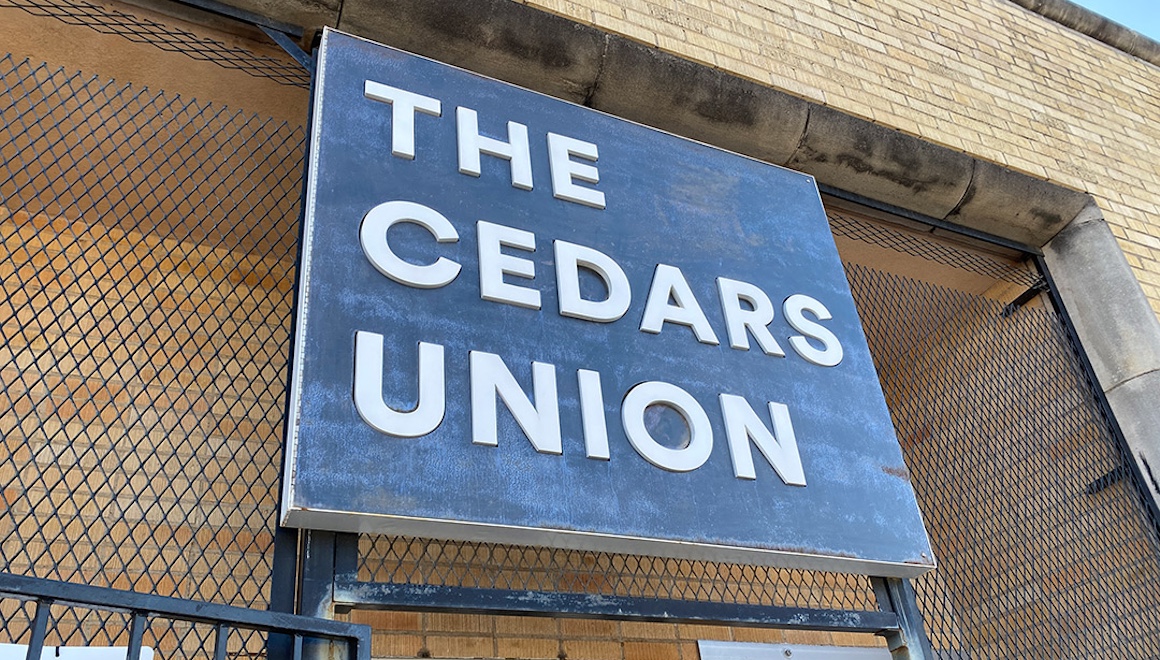
The Cedars Union, a nonprofit arts incubator in Dallas, has opened applications for its sixth cohort of artists. The 18-month program offers affordable studio spaces (64–200 sq ft at $1.60/sq ft), 24/7 access to communal workspaces with woodworking, printing, and textile equipment, plus critiques, workshops, lectures, and exhibitions. The jury includes Emily Budd, Thomas Feulmer, Christina Hahn, Ade Omotosho, and Ahava Silkey-Jones. Applications close June 12, 2026, with the cohort running September 1, 2026 to February 29, 2028.

Gulag Museum rebrand marks latest phase in Kremlin’s assault on free speech

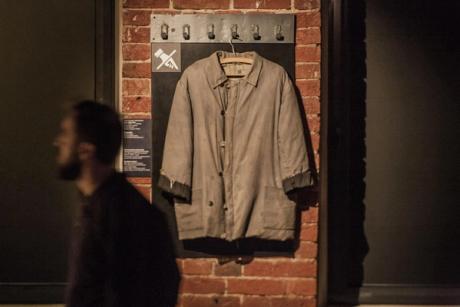
The Kremlin is systematically erasing the memory of Soviet repression under Joseph Stalin from Russian museums. The Gulag Museum in Moscow, which documented Stalin-era crimes, has been rebranded as a "Museum of Memory" focused on Nazi war crimes, with its entire website replaced and exhibitions packed up. Simultaneously, Russia's supreme court banned Memorial, a human rights organization founded to document Stalin-era atrocities, labeling it an "anti-Russian" extremist group. The Yeltsin Presidential Center in Yekaterinburg has also removed references to Memorial from its walls, and the Sakharov Center in Moscow was disbanded and evicted from its facilities.

Who Owns These Artworks? Musée d’Orsay Hopes Visitors Can Help Find Out.

The Musée d’Orsay in Paris has opened a new room in its permanent display featuring 13 artworks recovered from Germany and Austria after World War II, whose provenance remains unknown. The museum is inviting visitors to help identify the original owners of these pieces, which were looted or displaced during the war and later restituted to France.

Venice Biennale opens under shadow of protests over Russia and Israel

The 61st Venice Biennale opened under heavy protest as Russia returns to the event for the first time since its 2022 invasion of Ukraine. Ukrainian feminist collective Femen and Russian punk band Pussy Riot demonstrated outside the Russian pavilion, with activists accusing Russia of using art as a weapon in a hybrid war. Meanwhile, pro-Palestinian protesters gathered outside Israel's pavilion, holding banners reading 'No artwashing genocide' and demanding Israel's exclusion over the war in Gaza. The Biennale's international jury resigned last month, refusing to award prizes to countries led by figures subject to ICC arrest warrants, namely Vladimir Putin and Benjamin Netanyahu. EU foreign policy chief Kaja Kallas called Russia's participation 'morally wrong' and threatened to cut €2 million in funding, while culture ministers from 22 European countries urged organizers to reconsider.

AlUla Arts Showcases More than 20 Artists at 61st Venice Biennale

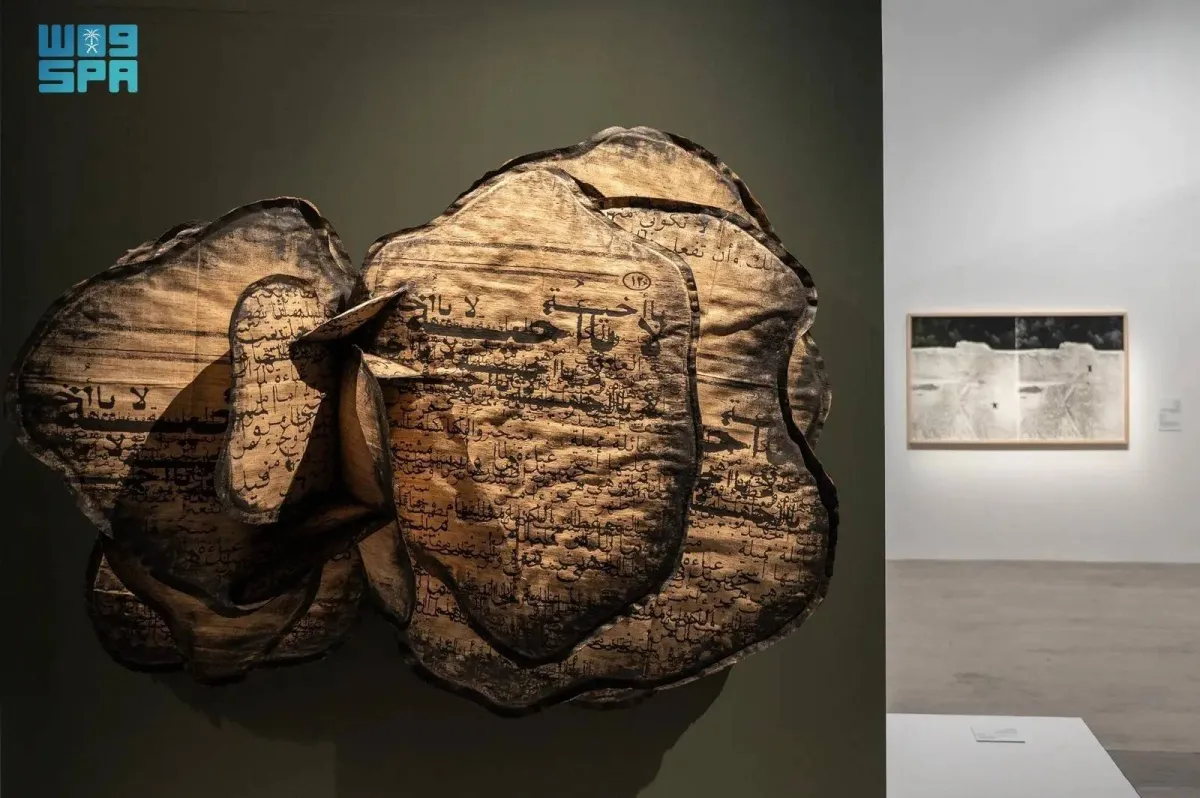
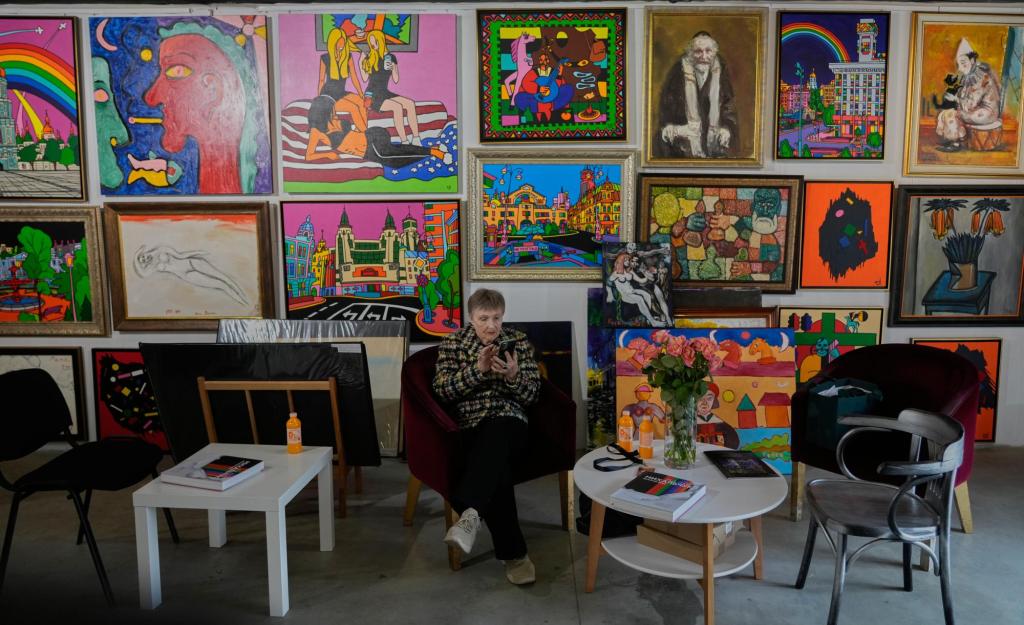
A contemporary art fair called "This is Normal" has been held in Kyiv, Ukraine, during wartime, organized by the Art Kyiv fair. The event features over 20 Ukrainian artists and galleries at the Lavra Gallery, deliberately avoiding any direct reference to the war in its booths or artworks. Organizers and participants describe the fair as a space for cultural continuity and psychological respite, where art helps people make sense of a reality shaped by missile strikes and loss.

Ukrainians seeking cultural escape from war’s brutality find comfort and resilience at Kyiv art fair

The Art Kyiv fair, titled "This is Normal," has been held in Kyiv, Ukraine, as a contemporary art event designed to help society cope with the realities of war. Organized by director Anna Avetova, the fair features hundreds of works by Ukrainian artists at the Lavra Gallery, deliberately avoiding any booths dedicated to the war itself. The event aims to provide cultural continuity, emotional sustenance, and a boost to the domestic art market, which has struggled since the COVID-19 pandemic and the Russian invasion.

The Mykolaiv Regional Art Museum has shown how it operates during the war

The Mykolaiv Regional Art Museum in Ukraine has adapted to wartime conditions by evacuating part of its collection and packing remaining exhibits with available materials. A research tour offered a behind-the-scenes look at these efforts, as reported by NikVesti. The MyART platform is creating a digital collection of Mykolaiv's cultural heritage, involving the art museum, local history museum, naval museum, central library, observatory, and shipyard museum. The museum, founded in 1914 by Prince Mykola Hedroits, now operates from a building on Velyka Morska Street built in 1904, and staff continue to research its founder's history.