filter_list Showing 9 results for "Vladimir Putin" close Clear
dashboard All 9 article news 7museum exhibitions 2
date_range Range Today This Week This Month All
Subscribe

We visited the 2026 Venice Art Biennale: the exhibitions and pavilions you shouldn’t miss

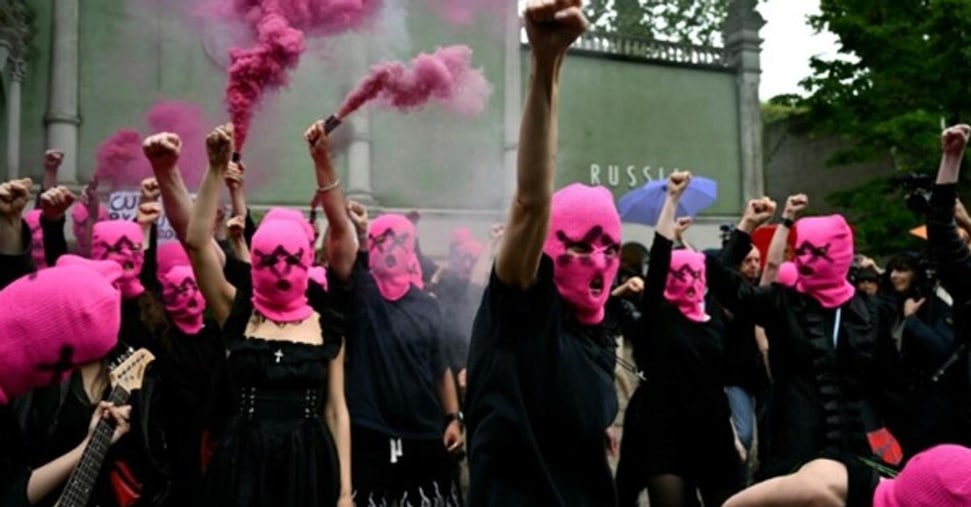
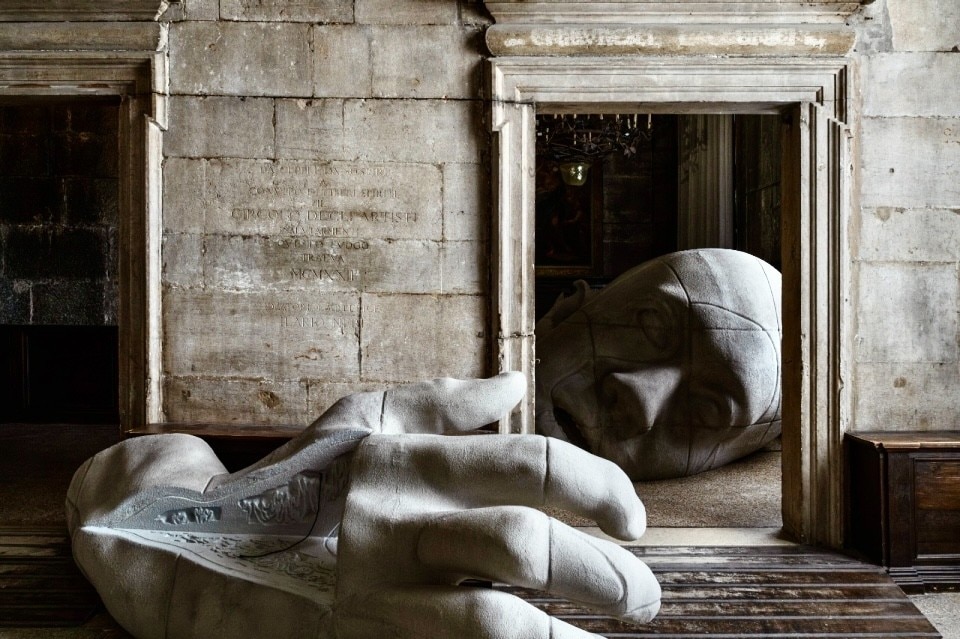
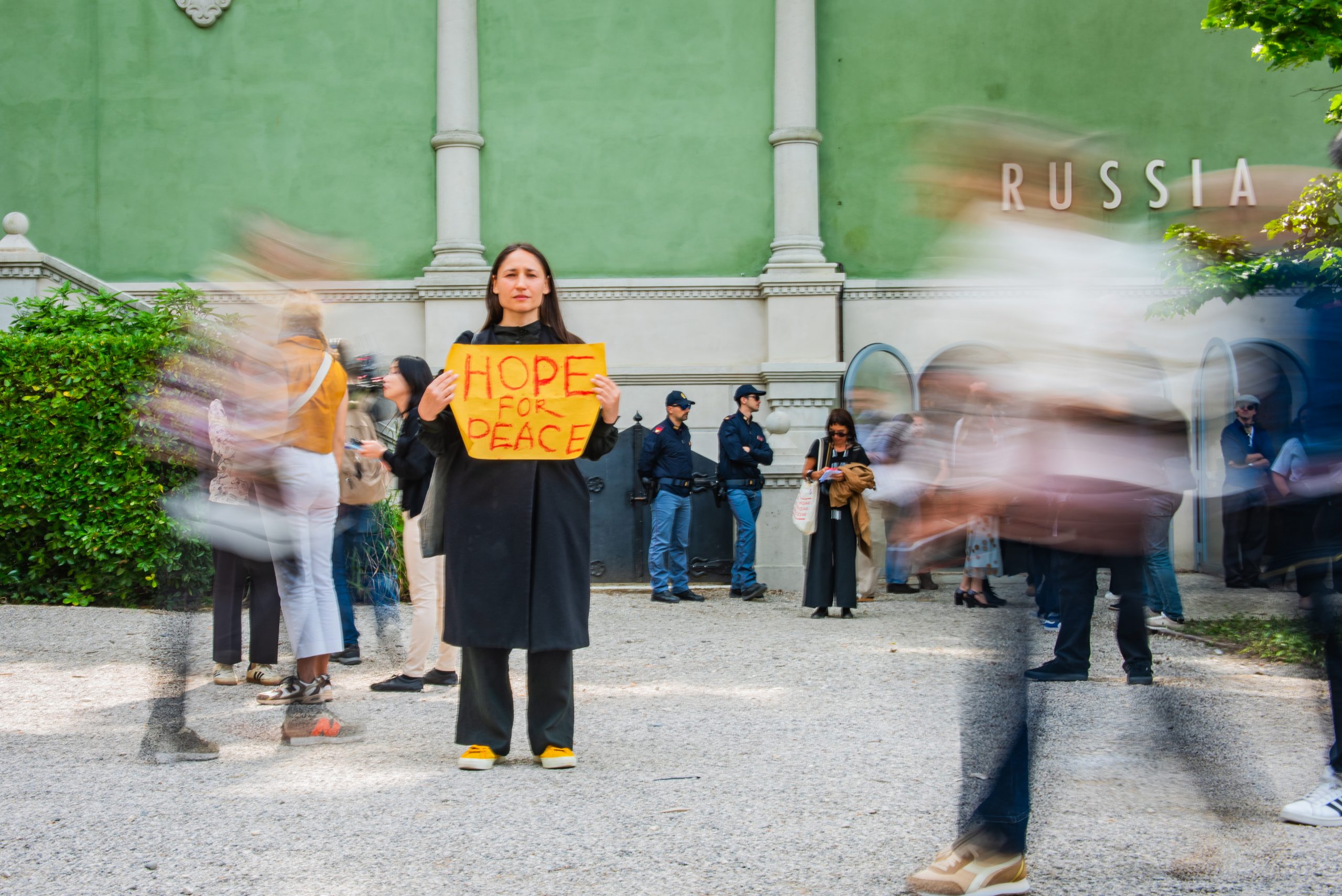
The 2026 Venice Art Biennale has opened across the Giardini, Arsenale, and venues throughout the city, with geopolitics, climate collapse, and national identities dominating the exhibitions. Notable pavilions include Austria's "Seaworld Venice" by Florentina Holzinger, the Czech and Slovak Pavilion's "Il Silenzio della Talpa" by Jakub Jansa and Selmeci Kocka Jusko, India's "Geographies of Distance: remembering home" featuring multiple artists, and the Taiwan Pavilion's "Screen Melancholy" by Li Yi-Fan. The Russian Pavilion has become a focal point of controversy, with guards and empty beer bottles outside, and the Pussy Riot collective staging a protest nearby.
Putin ‘Won’ the Venice Biennale, Quips Italian Culture Minister

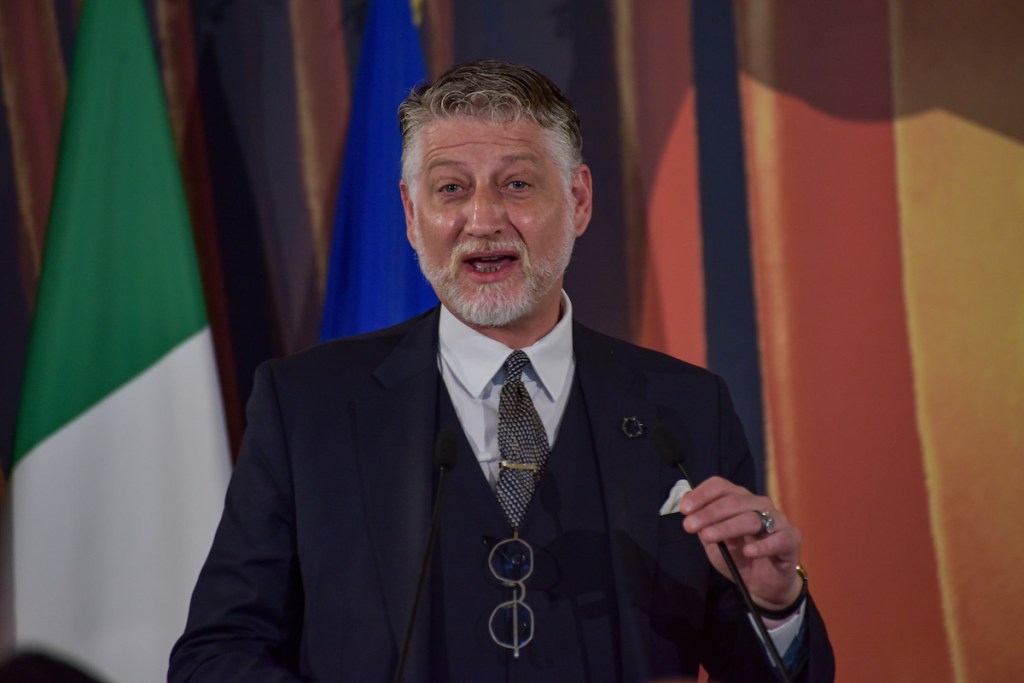
Italian Culture Minister Alessandro Giuli stated that Russian President Vladimir Putin "won" the 2024 Venice Biennale, criticizing Russia's controversial return to the event. Giuli, who repeatedly denounced Russia's presence, told Corriere della Sera that Russian artists in the pavilion cannot express dissent against their regime. The Biennale faced widespread calls to remove Russia, with the EU threatening to withhold a €2 million grant, but organizers argued they lacked legal authority to exclude the country. Protests by Pussy Riot and FEMEN marked the pavilion's opening, while the Biennale's jury resigned en masse after announcing that nations charged with crimes against humanity would be ineligible for Golden Lions.

Political Fallout Rocks Venice Biennale Prize System

Dozens of artists participating in the 2026 Venice Biennale have withdrawn from consideration for the newly created Visitor Lion awards, replacing the traditional Gold and Silver Lion prizes. A total of 57 artists from the main exhibition and 22 national pavilions signed a statement published on e-flux on May 9, acting in solidarity with the five-person prize jury that resigned on April 30 over the continued participation of Russia and Israel. The jury had objected to awarding prizes to artists from countries whose leaders face International Criminal Court charges, including Russian president Vladimir Putin and Israeli prime minister Benjamin Netanyahu. In response, the Biennale organizers postponed the awards ceremony to November 22 and introduced visitor voting, a move they described as consistent with openness and dialogue. Meanwhile, the Russian Pavilion, which returned after lending its space to Bolivia in 2024, faced protests, closure after previews, and a €2 million funding pull by the European Union for the 2028 Biennale.

Art Biennale: artists reject the popular jury

Fifty-two artists and curators, along with sixteen National Participants of the 61st Venice Art Biennale, have withdrawn from the newly introduced 'Lions of the Visitors' (People's Prizes) competition. The boycott follows the resignation of the jury appointed by artistic director Koyo Kouoh, who died in 2025, and is a protest against the inclusion of Russia and Israel in the prize—countries initially excluded by the international jury. The controversy escalated after Italian Minister of Culture Alessandro Giuli publicly opposed the Biennale president Pietrangelo Buttafuoco's decision to allow Russia's participation, drawing in the European Commission and even Ursula von der Leyen, who warned of potential sanctions violations. The signatories include artists and curators from France, Belgium, Luxembourg, Turkey, Switzerland, Spain, the Netherlands, and several other nations.

"Hier darf laut gelacht werden"

During the opening week of the Venice Biennale, multiple reports detail controversies surrounding the Israeli and Russian pavilions. According to Hyperallergic, artist Belu-Simion Fainaru of the Israeli pavilion threatened legal action against the Biennale after the jury sought to exclude Israel and Russia from prizes over alleged human rights violations, citing antisemitism and nationality-based discrimination. This may have prompted the jury's sudden resignation. Meanwhile, taz reports that Russia's pavilion is a macabre 'dance of death' blending techno and political denial, while Israel's pavilion faces a 'silent boycott' and social ostracism. Zeit describes protests by Pussy Riot and Femen outside the Russian pavilion as a defining image, with activists chanting 'blood sticks to the art of this country.'

Venice Biennale opens under shadow of protests over Russia and Israel

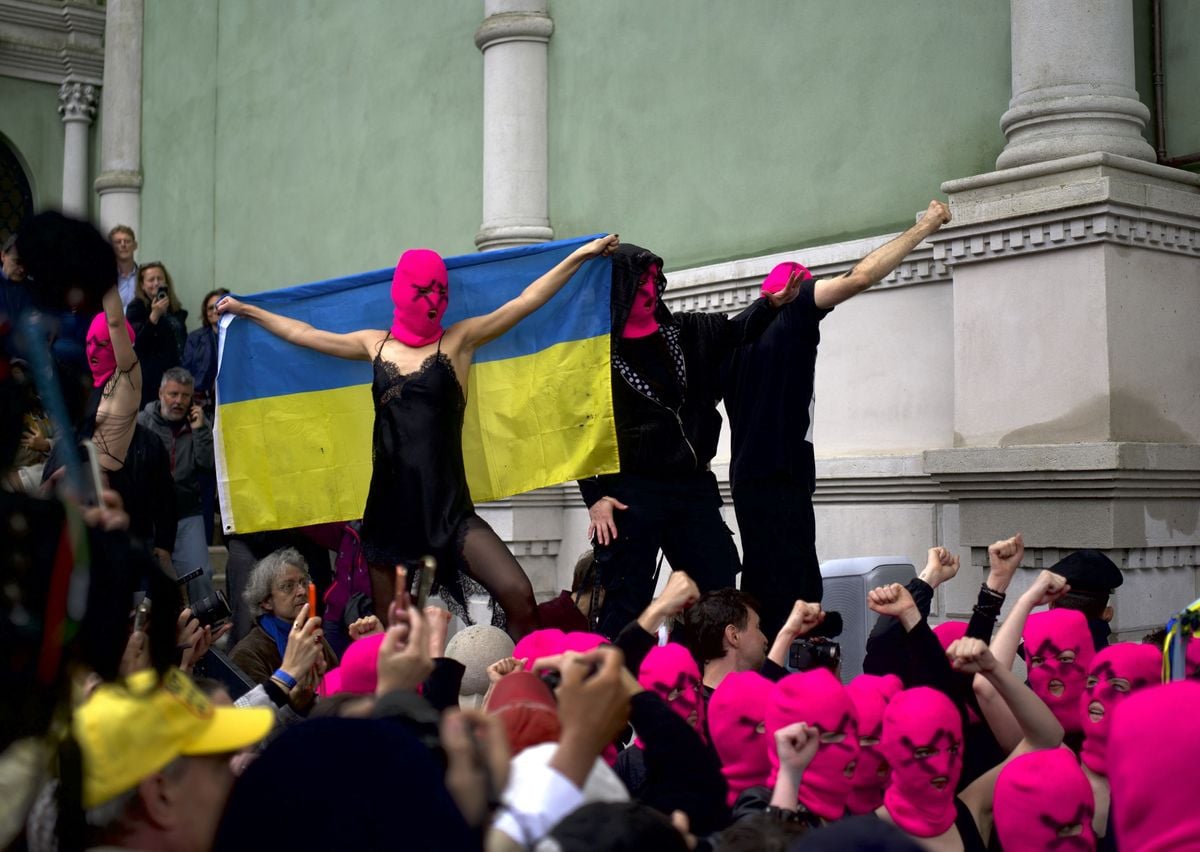
The 61st Venice Biennale opened under heavy protest as Russia returns to the event for the first time since its 2022 invasion of Ukraine. Ukrainian feminist collective Femen and Russian punk band Pussy Riot demonstrated outside the Russian pavilion, with activists accusing Russia of using art as a weapon in a hybrid war. Meanwhile, pro-Palestinian protesters gathered outside Israel's pavilion, holding banners reading 'No artwashing genocide' and demanding Israel's exclusion over the war in Gaza. The Biennale's international jury resigned last month, refusing to award prizes to countries led by figures subject to ICC arrest warrants, namely Vladimir Putin and Benjamin Netanyahu. EU foreign policy chief Kaja Kallas called Russia's participation 'morally wrong' and threatened to cut €2 million in funding, while culture ministers from 22 European countries urged organizers to reconsider.

Anti-Russia Protests Spread Beyond the Biennale and Into Venice

Protests against the reopening of the Russian pavilion erupted at the Venice Biennale and spread across the city on the second day of the 61st edition. Visual artist Shalva Nikvashvili, who grew up in post-Soviet Georgia, began a silent performance wearing a muzzle-style mask and carrying a chair, holding a sign reading “La Biennale di Venezia” and “violence.” Shortly after, a group of about 20 protesters led by Pussy Riot co-founder Nadya Tolokonnikova gathered outside the Russian pavilion, chanting against Vladimir Putin, waving Ukrainian flags, and releasing a pink smoke flare. The protests followed the Biennale's decision to allow Russia to participate for the first time since its 2022 invasion of Ukraine, despite calls from artists and politicians to exclude the country.

61st Venice Biennale: Cultural workers and artists strike and protest against the Israeli genocide in Gaza

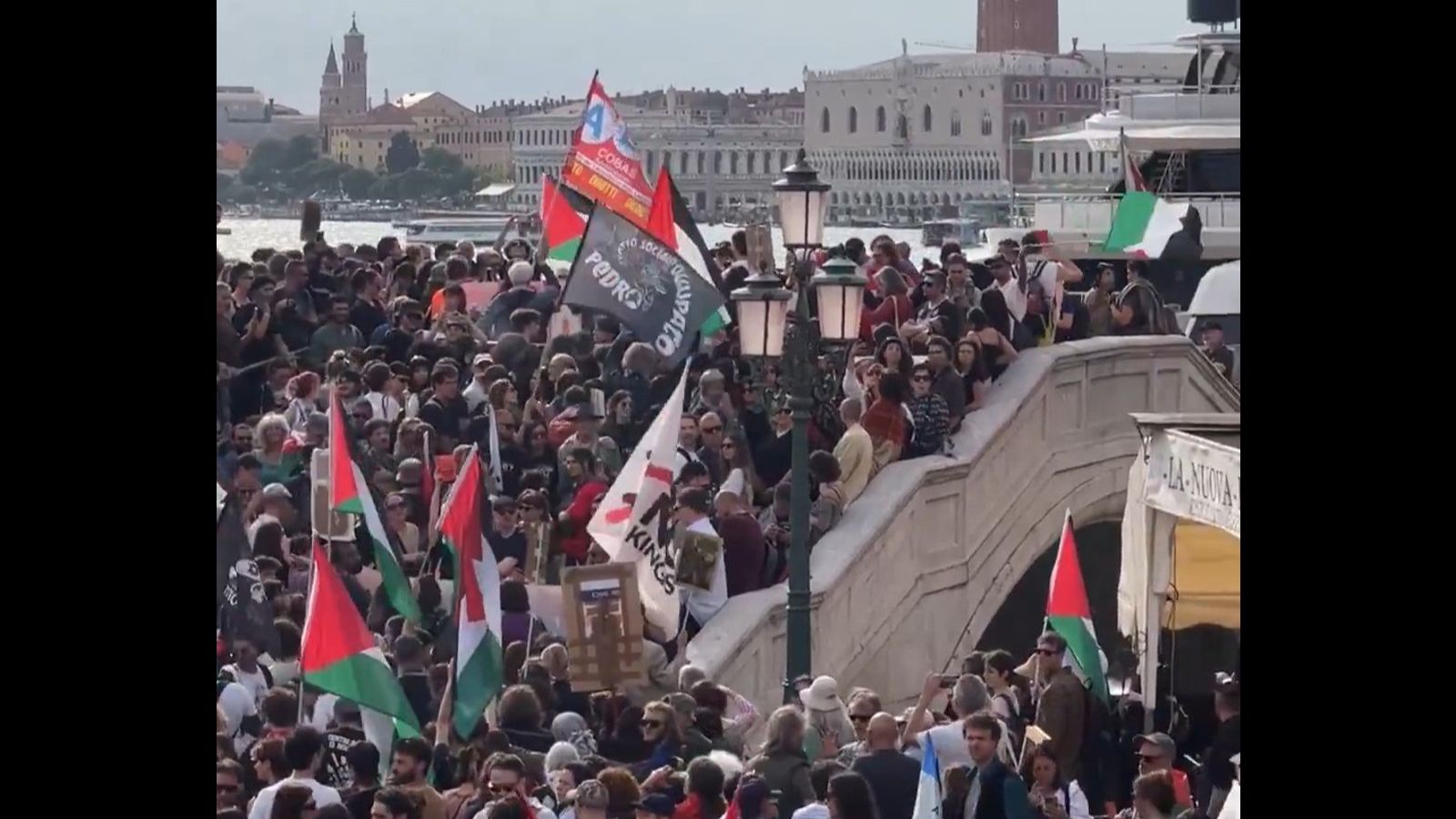
Thousands of artists, cultural workers, and protesters marched through Venice on May 8, 2026, one day before the opening of the 61st Venice Biennale, to protest the Israeli genocide in Gaza and Lebanon. The strike, organized by the Art Not Genocide Alliance (ANGA), led to the closure of approximately 27 of the Biennale's 100 national pavilions, with signs reading "We Stand with Palestine." The Israeli pavilion remained closed and guarded by armed police, who clashed with protesters. Meanwhile, the European Commission threatened to suspend €2 million in EU grants to the Biennale Foundation over its decision to allow Russia to participate, citing incompatibility with EU sanctions and the invasion of Ukraine.

Artists strike to protest Israeli participation ahead of Venice Biennale

A group of artists has announced a strike to protest Israel's participation in the upcoming Venice Biennale. The action is intended to draw attention to the Israeli-Palestinian conflict and to pressure the Biennale organizers to exclude Israel from the event, reflecting growing tensions around cultural boycotts in the art world.