filter_list Showing 52 results for "german art" close Clear
dashboard All 52 museum exhibitions 20candle obituary 16article culture 6article news 6trending_up market 1person people 1article policy 1rate_review review 1
date_range Range Today This Week This Month All
Subscribe

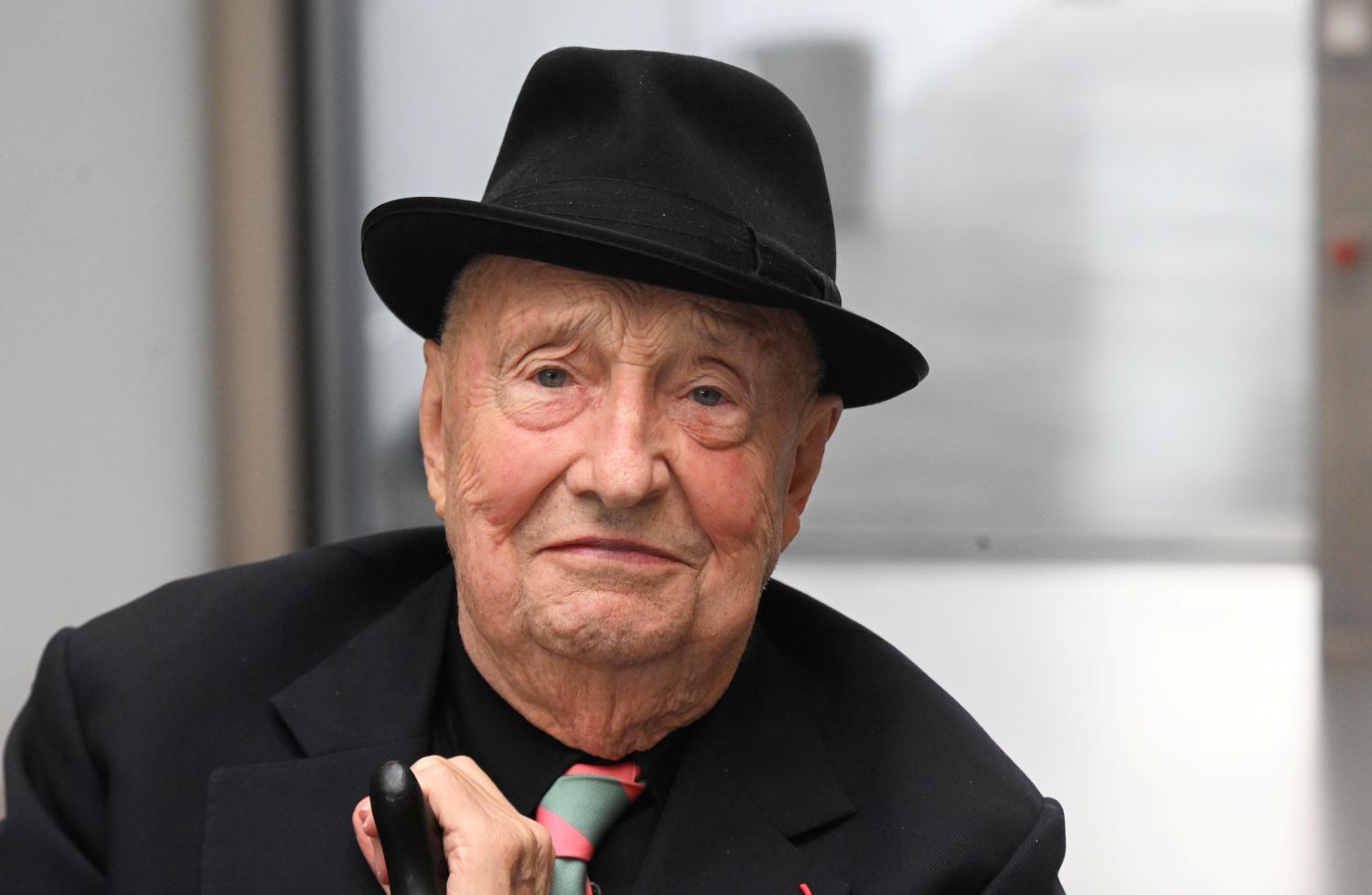
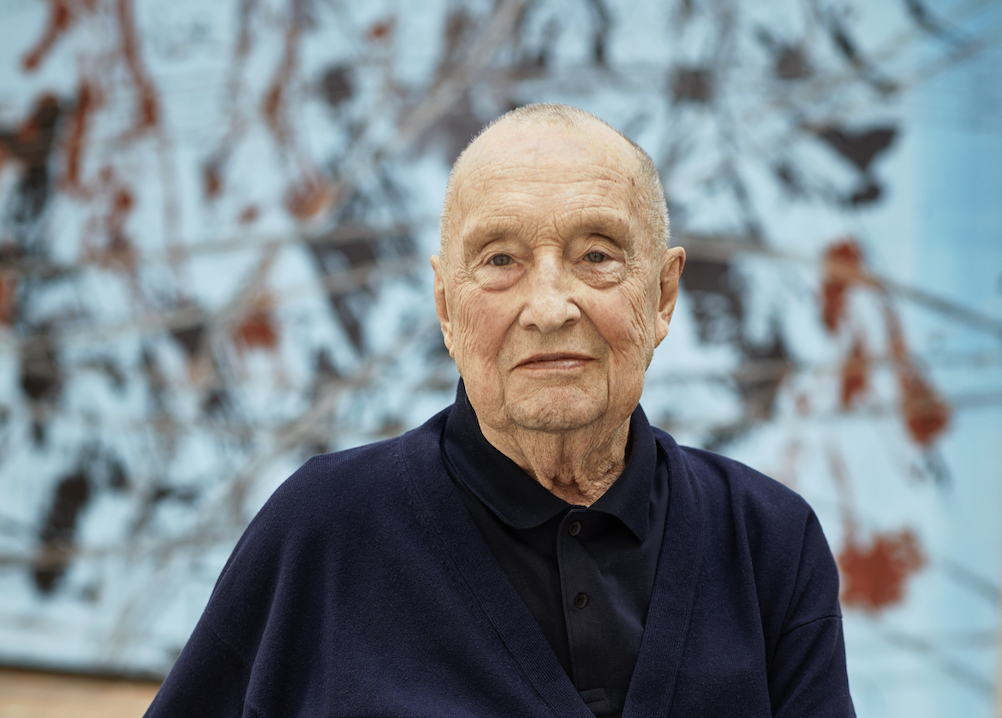
Georg Baselitz obituary

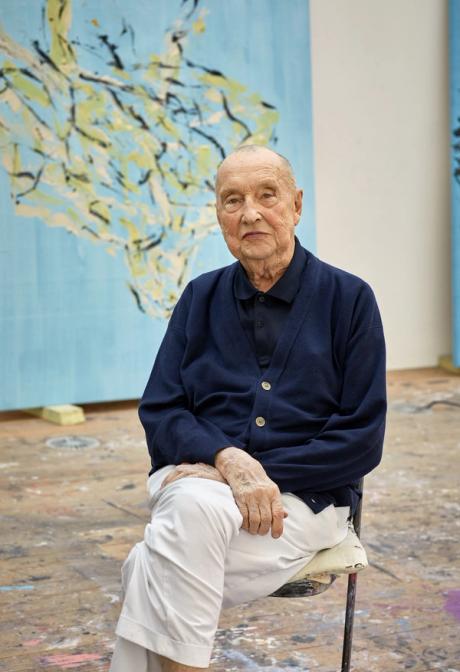
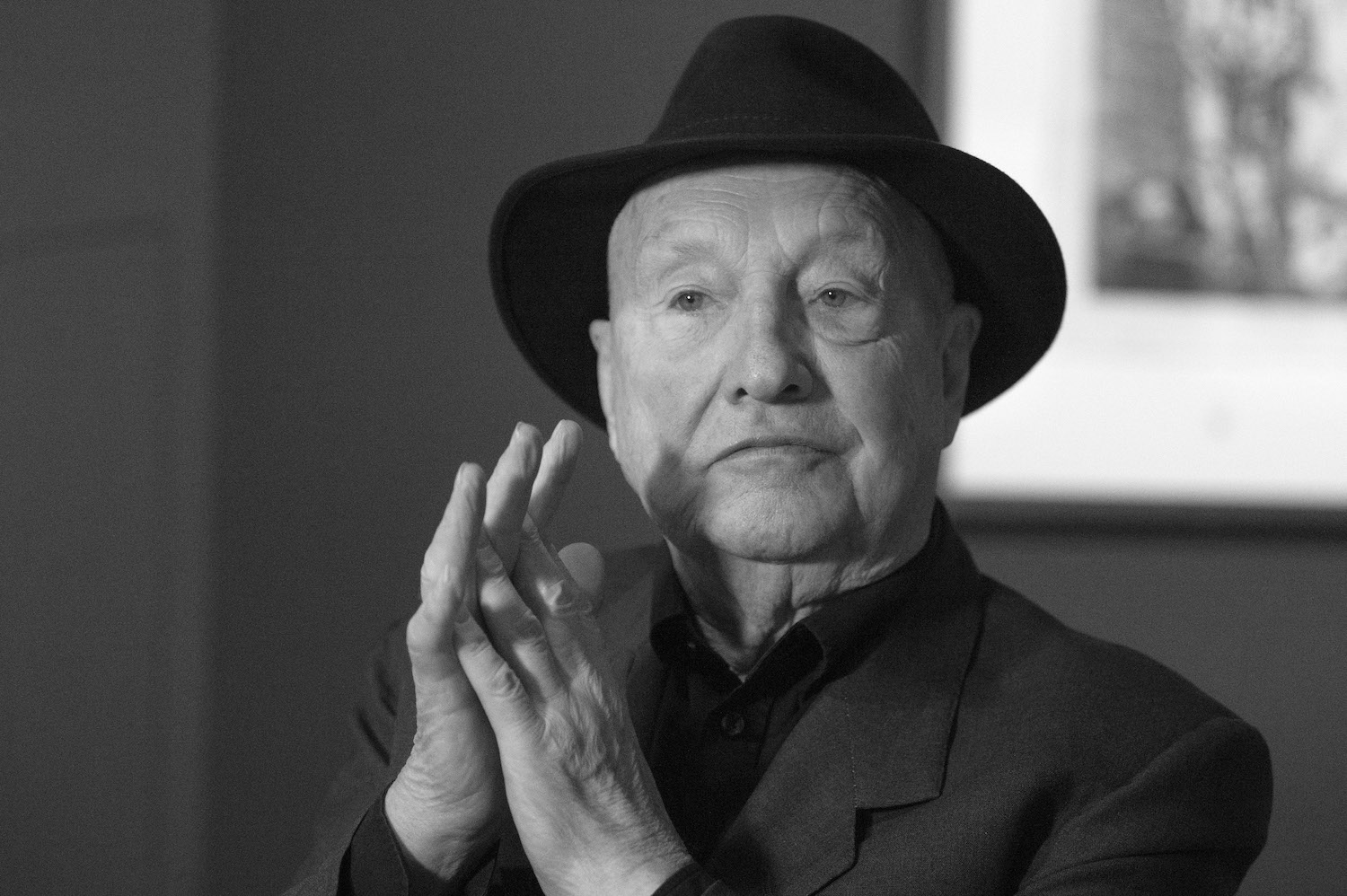
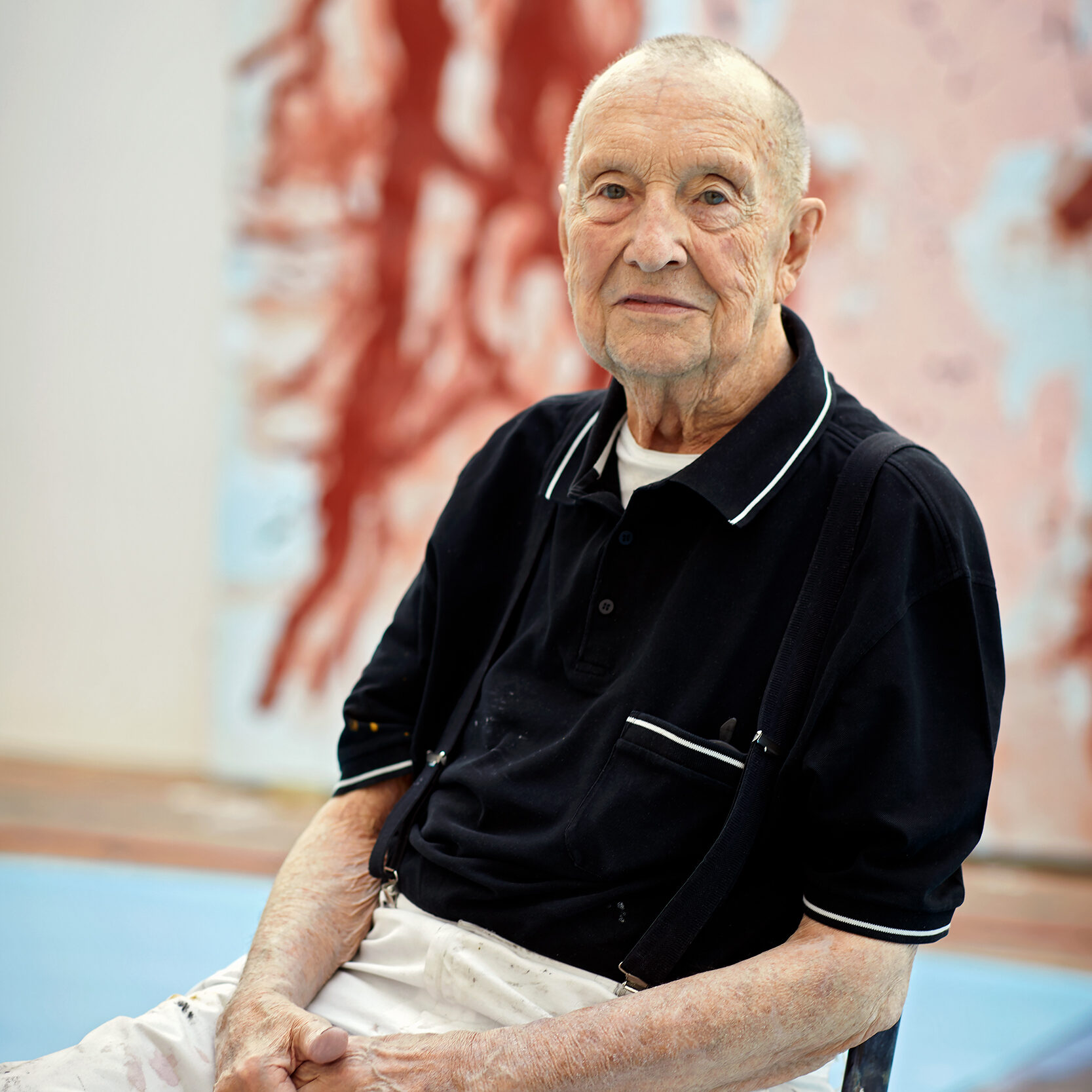
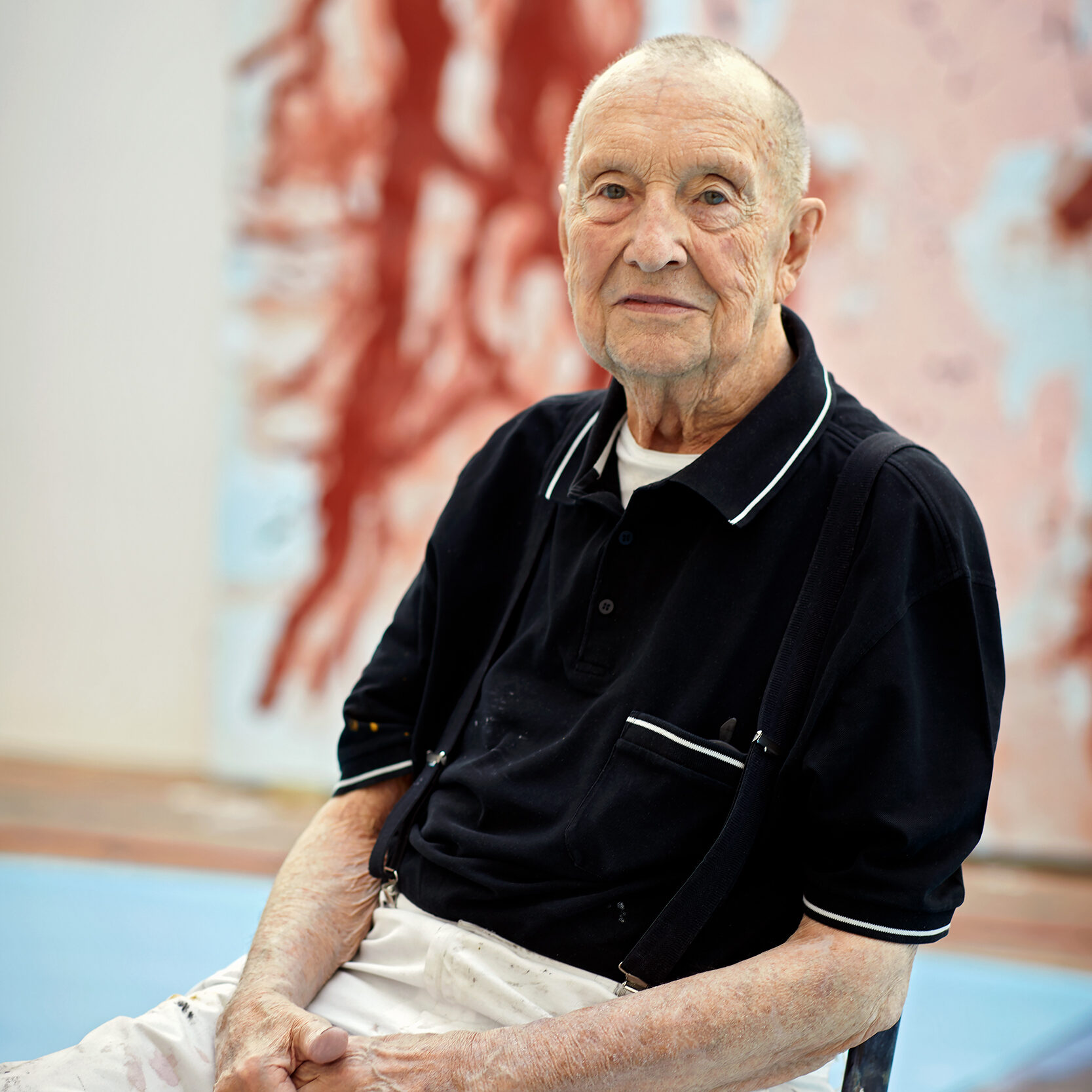
Georg Baselitz, the German painter and sculptor known for his provocative, expressionistic works and his iconic upside-down paintings, has died at the age of 88. The article traces his life from his childhood in war-torn Germany, through his early career as a rebellious artist in divided Berlin, to his rise as an international art star. It highlights his 1961 manifesto poster "Pandemonium I," his rejection of American abstraction, and his controversial 1963 exhibition that was raided by police for its explicit content.
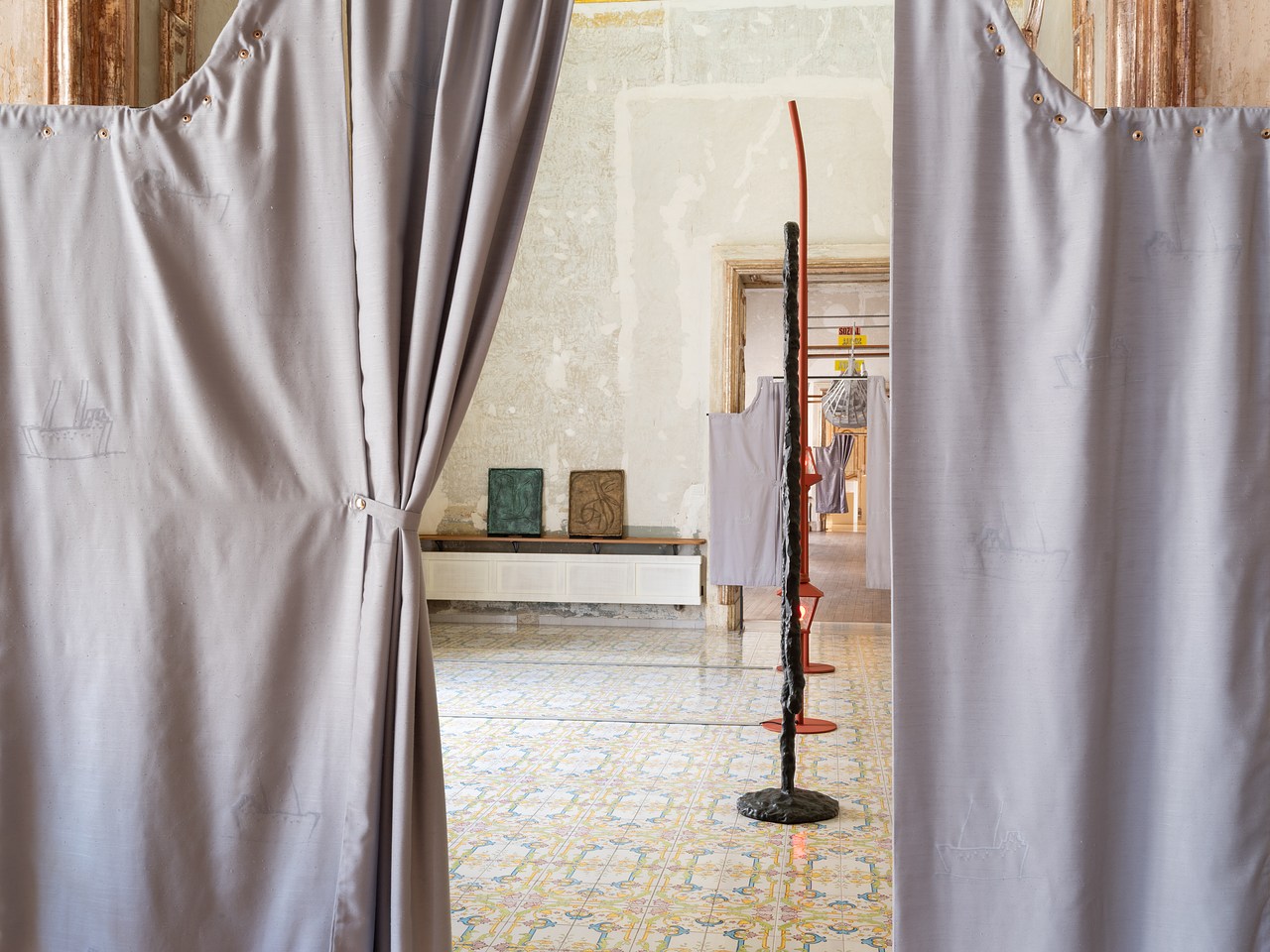
Melding Chinese lacquer with European abstraction

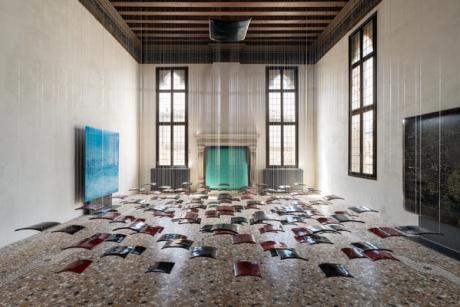
A collateral exhibition titled "Alchemical Universe" at the Palazzo Soranzo Van Axel in Venice features 35 lacquer paintings by Chinese-German artist Su Xiaobai. Curated by Stephen Little of the Los Angeles County Museum of Art (Lacma) and designed by architect Kulapat Yantrasast, the show spans Su's early experiments to recent works created for Venice, including suspended temple tiles and floor pieces on mirrored Murano glass. Su, who was advised by Gerhard Richter in 2003 to focus on lacquer, now works exclusively in the medium, layering and scoring tree sap to create contemplative abstract works.

From Lee Cronin’s The Mummy to Zayn: your complete entertainment guide to the week ahead

From Lee Cronin’s The Mummy to Zayn: your complete entertainment guide to the week ahead

British artist Michaela Yearwood-Dan is launching her first UK institutional solo exhibition at The Whitworth in Manchester. The immersive installation blends painting, ceramics, sound, and poetry to explore complex themes of colonial history, religious institutions, and the journey toward personal and collective liberation.

Georg Baselitz, German artist who turned figurative painting on its head, has died, aged 88

Georg Baselitz, the influential German painter and sculptor, died on 30 April at age 88. Born Hans-Georg Kern in 1938 in Deutschbaselitz, he grew up amid the ruins of Nazi Germany and later adopted his surname from his birthplace. Expelled from the East Berlin Academy for "sociopolitical immaturity," he moved to West Berlin, where he rejected both gestural abstraction and Expressionism. His first solo exhibition in 1963 was shut down for obscenity. In 1969 he pioneered his signature inverted paintings, turning subjects upside down to sever image from representation. He also created large carved sculptures using axes and chainsaws. His later series, from 2014 onward, are considered his most astonishing work, culminating in a sustained focus on his wife, artist Elke Kretzschmar.

Georg Baselitz, artist who turned painting upside down, 1938–2026

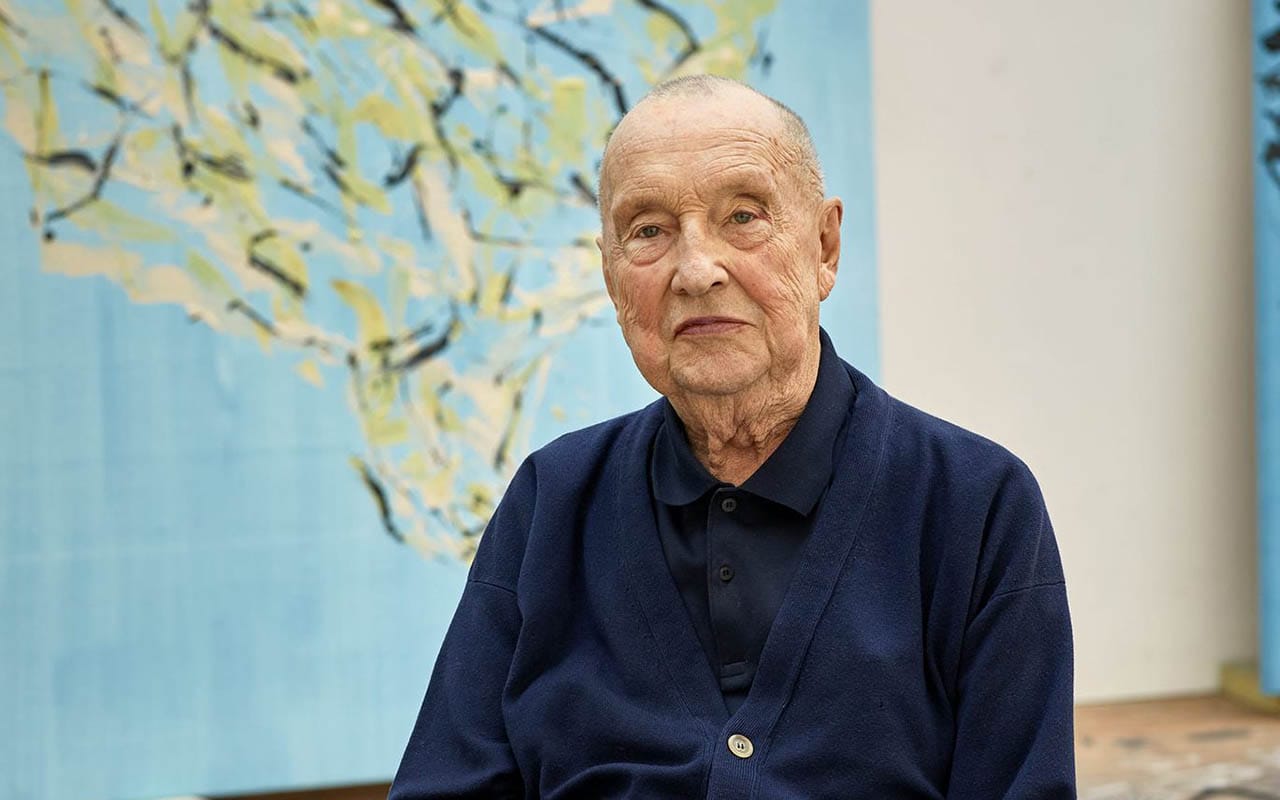
Georg Baselitz, the German painter, sculptor, and printmaker known for turning his canvases upside down, has died at age 88. Born Hans-Georg Kern in Saxony in 1938, he witnessed the bombing of Dresden as a child, an experience that shaped his artistic vision. Expelled from art school in East Berlin, he moved to West Berlin and adopted the name Baselitz. His first solo exhibition in 1963 was deemed obscene and confiscated. In 1969, he created his first upside-down painting, which became his signature. He rose to international prominence as a neo-expressionist in the late 1970s and 80s, represented Germany at the Venice Biennale in 1980, and continued working until his death. A recent series of his paintings will be shown at the Fondazione Giorgio Cini in Venice from May to September 2026.

Georg Baselitz, Lion of German Neo-Expressionism, Dead at 88

Georg Baselitz, the influential German Neo-Expressionist painter, printmaker, and sculptor, died on April 30 at age 88. His death was announced by Thaddaeus Ropac gallery, his longtime representative. Born Hans-Georg Kern in 1938 in Saxony, Baselitz was profoundly shaped by his childhood experience of war and the destruction of Nazi Germany. He was expelled from art school in East Berlin for "socio-political immaturity," moved to West Berlin, and adopted his pseudonym from his hometown. His first solo exhibition in 1963 was raided by police for obscenity, cementing his reputation as a provocateur. Known for his upside-down figures and fierce brushwork, he created series such as "Heroes" and "Fracture" that addressed trauma, violence, and the psychic toll of postwar life.

German artist Georg Baselitz dies aged 88

German artist Georg Baselitz has died at age 88, as confirmed by the Thaddaeus Ropac gallery. Known for his expressive paintings and sculptures, Baselitz rose to prominence in the 1960s after a scandal over sexually symbolic works led to a high-profile court case. He pioneered painting canvases upside down from 1969 onward, a technique he used to grapple with German history and collective guilt. His work spanned six decades and included notable sculptures, such as a wooden figure at the 1980 Venice Biennale that appeared to perform a Nazi salute, which he later clarified was inspired by an African artifact. Baselitz achieved international acclaim in the 1980s and became one of Germany's highest-priced living artists, alongside Gerhard Richter.

Manhattan's Neue Galerie to Merge With Met Museum

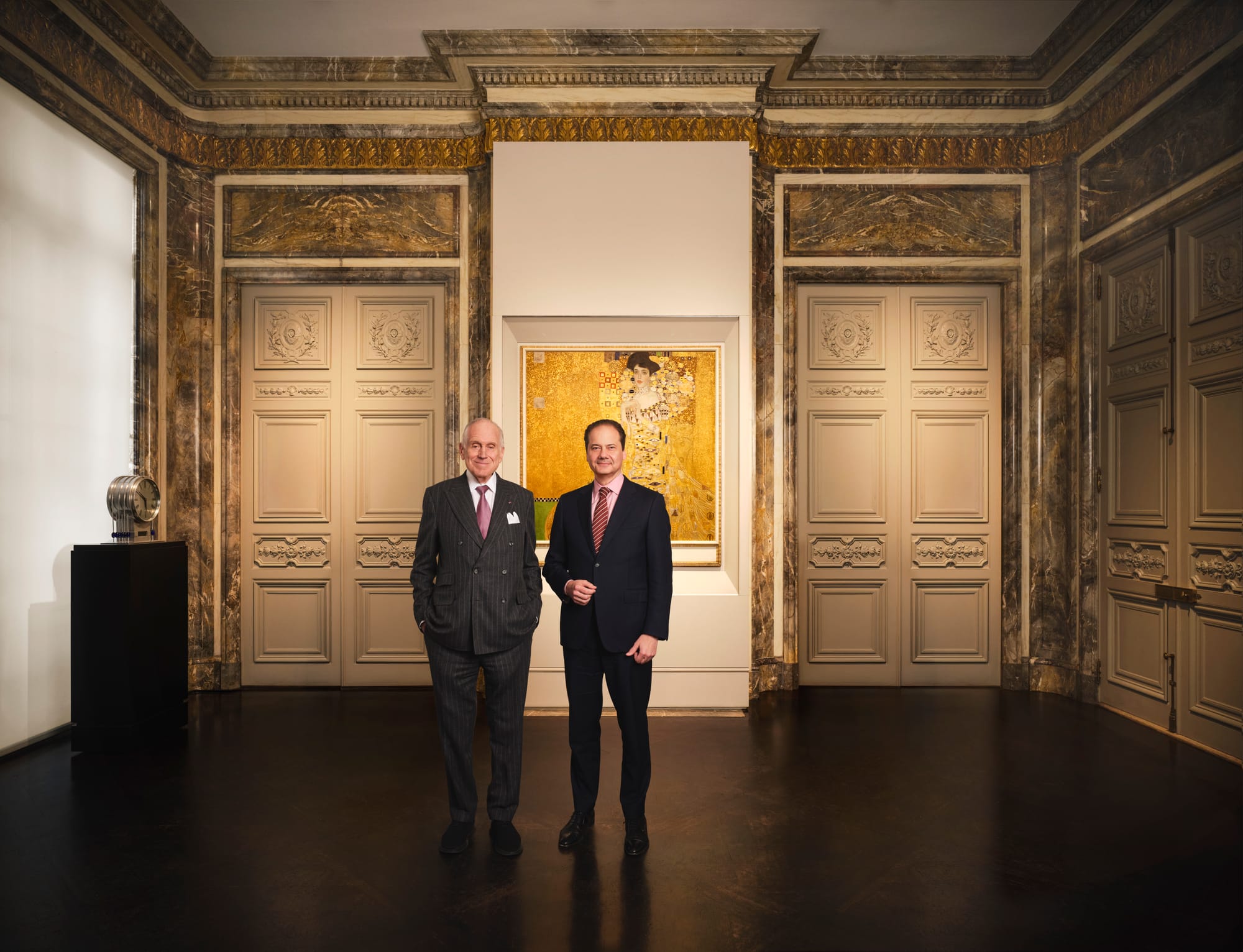
Cosmetics billionaire Ronald Lauder's Neue Galerie, a private museum on Manhattan's Fifth Avenue known for its collection of Austrian and German art, will merge with the Metropolitan Museum of Art. The merger takes effect in 2028, with the Neue Galerie retaining its physical space and staff. The announcement was made by The Met on May 14. The museum's star attraction is Gustav Klimt's "Portrait of Adele Bloch-Bauer I" (1907), and it also holds works by Egon Schiele, Oskar Kokoschka, and others. Lauder co-founded the Neue Galerie with dealer Serge Sabarsky in 2001. As part of the merger, Lauder and his daughter Aerin Lauder Zinterhofer will donate 13 additional paintings from their personal collection and make an undisclosed endowment gift.

Georg Baselitz (1938-2026)

Georg Baselitz, born Hans-Georg Kern in 1938, has died at age 88. The German painter and sculptor, who changed his name in 1961, built a career on aesthetic dissent. Expelled from art school in East Berlin, he first gained notoriety with a 1963 exhibition at Galerie Werner and Katz in Berlin, where two works were seized for obscenity. His signature gesture—inverting his images, beginning with "Der Wald auf dem Kopf" in 1969—became his most recognizable trademark, shifting focus from subject to the act of painting itself. Baselitz also produced significant sculptures, often carved with a chainsaw and axe, and his work was the subject of major retrospectives at the Centre Pompidou (2021-2022) and the Musée d'Art Moderne de Paris (2011-2012).

The Great Lone Wolf of Art

Der große Einzelgänger der Kunst

Georg Baselitz, the German painter known for his radical, figurative works and iconic upside-down motifs, has died at age 88. Born Hans-Georg Kern in 1938 in Deutschbaselitz, Saxony, he fled East Germany for West Berlin in 1957 after being expelled from art school for "socio-political immaturity." Baselitz rose to international fame with his expressive, fractured depictions of the human figure, famously inverting his compositions starting with "Der Wald auf dem Kopf" (1969). He also worked as a stage and costume designer for operas by Harrison Birtwistle, György Ligeti, and Richard Wagner.

George Baselitz, Purveyor of the Tortured Male Genius Myth, Dies at 88

Georg Baselitz, the influential German Neo-Expressionist painter known for his emotionally charged, often violent works and his controversial statements about women artists, has died at age 88. His final paintings will be shown in the exhibition "Eroi d’Oro" at the Fondazione Giorgio Cini in Venice starting May 6. Baselitz rose to prominence with his "Heroes" series of monumental male soldiers and his signature "upside down" paintings, which forced viewers to focus on painterly gesture over representation. He was a key precursor to Germany's Neue Wilde movement and confronted Germany's World War II trauma in works that combined expressionistic brutality with Wagnerian grandeur.

Georg Baselitz – a life in pictures

Georg Baselitz, the German painter known for his raw, expressive works and inverted imagery, has died at age 88. Born in 1938 in Deutschbaselitz, he lived through Nazi Germany and East German communist rule, experiences that deeply shaped his art. The Guardian's obituary traces his life through photographs, from his early years to major exhibitions at Thaddaeus Ropac, White Cube, and the Serpentine, highlighting key works such as 'Das Grosse Pathos' (1966) and his 2024 series 'A Confession of My Sins'.

Delegitimation, Denunciation and Insecurity

"Delegitimation, Denunziation und Verunsicherung"

German cultural critic Georg Seeßlen warns in his taz column of a right-wing 'war of conquest' targeting liberal cultural institutions through systematic delegitimation, denunciation, and intimidation. Meanwhile, a new Berlin artist study reveals that the average annual income from artistic work is just €6,000, highlighting a structural dysfunction in the art system. Additionally, Jonathan Meese's play 'Alaska Kid' has been canceled at the Volksbühne Berlin following the death of his mother Brigitte Meese, who was his organizer, muse, and confidante.

In His Last Interview, Georg Baselitz Unpacks His New Nudes, Identity Art, and Being a Lifelong Outsider

Georg Baselitz, the influential German painter known for his inverted, upside-down works, gave his final interview before his death on April 30 at age 88. In the conversation, he discussed his upcoming exhibition "Eroi d’Oro [Heroes of Gold]" at the Fondazione Giorgio Cini in Venice, featuring monumental gold-primed canvases depicting nude portraits of himself and his wife Elke. Baselitz reflected on his lifelong outsider status, his refusal to follow artistic movements, and the controversial nature of his work, including his 1963 painting that led to an obscenity trial.

art georg baselitz artist venice death

Georg Baselitz, the influential German painter known for his inverted, upside-down artworks, has died at age 88 on April 30. The news was announced by his longtime gallery, Thaddaeus Ropac, via an obituary written by Robert Isaf. Baselitz gave his final spoken interview weeks before his death, discussing his upcoming exhibition “Eroi d’Oro [Heroes of Gold]” at the Fondazione Giorgio Cini in Venice, which opened May 6. The show features monumental gold-primed canvases with inverted portraits of himself and his wife Elke, which he described as a summary of his career and a reflection on art history.

The Metropolitan Museum of Art and the Ronald S. Lauder Neue Galerie New York Announce Plans for a Landmark Merger

The Metropolitan Museum of Art and the Ronald S. Lauder Neue Galerie New York have announced a landmark merger agreement, set to take effect in 2028. The merger will unite the Neue Galerie's collection of 20th-century Austrian and German art—including Gustav Klimt's *Portrait of Adele Bloch-Bauer I*—with The Met, while preserving the Neue Galerie's distinct museum experience. Ronald S. Lauder and his daughter Aerin Lauder Zinterhofer plan to donate 13 additional paintings from their personal collection, and several Met trustees have pledged significant endowment gifts to support the integration and long-term operations.

The great Anselm Kiefer arrives in Valencia for an exhibition. There is a rare work for the first time in Europe

Il grande Anselm Kiefer arriva in mostra a Valencia. C’è un’opera rara per la prima volta in Europa

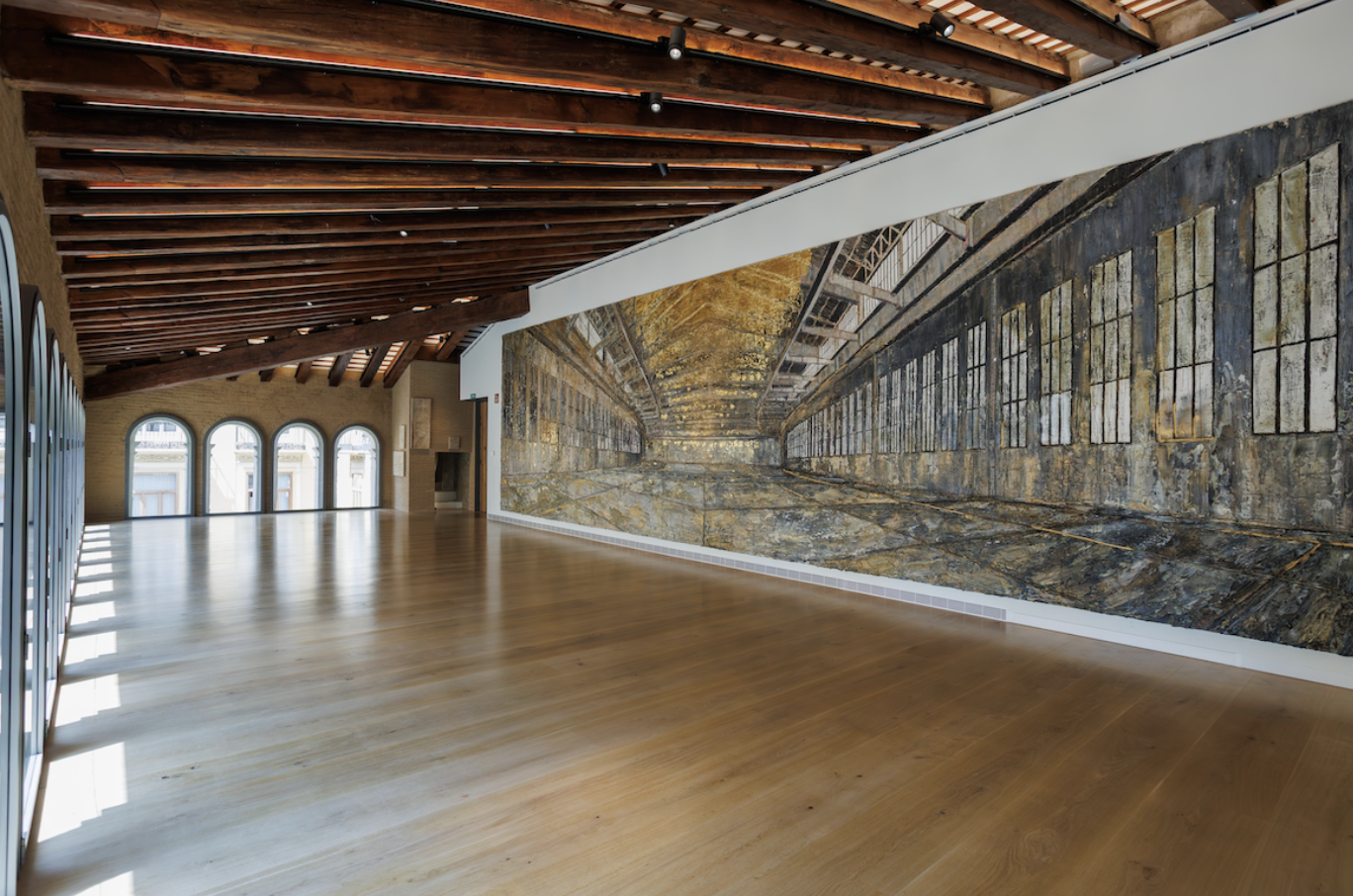
German artist Anselm Kiefer is coming to Valencia for the first time, inaugurating the temporary exhibition program at the CAHH – Centro de Arte Hortensia Herrero. The show, curated by Javier Molins, will run from April 29 to October 25 at the Palacio de Valeriola, featuring Kiefer's works in dialogue with the permanent collection. A highlight is "Danaë," a monumental painting over 13 meters wide that depicts the interior of Berlin's Tempelhof airport and references the myth of Danaë; this work has only been shown once before, in New York in 2022, and is now on view in Europe for the first time.

Georg Baselitz, grande figure de l’art allemand, est mort à l’âge de 88 ans : retour sur sa vie et son œuvre

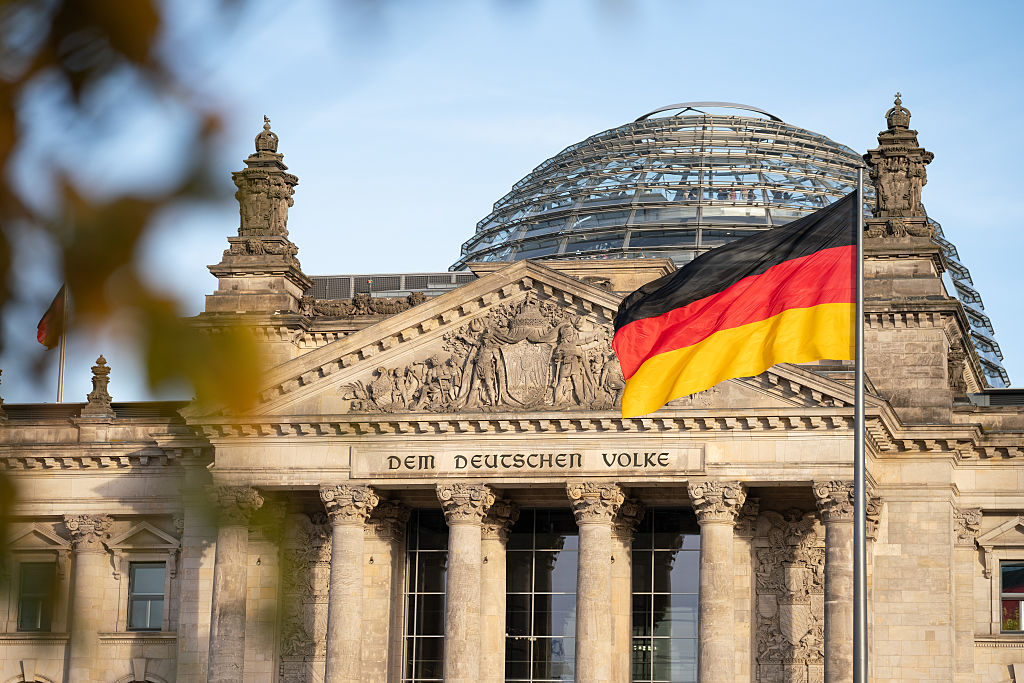
Georg Baselitz, one of Germany's most significant post-war artists, has died at age 88. Born Hans-Georg Kern in 1938, he grew up in Nazi-era Saxony and later rejected his father's ideology, fleeing to West Berlin in 1957. Known for his provocative, expressionist works and signature upside-down paintings, Baselitz challenged artistic conventions with brutalist techniques—attacking wood with chainsaws and axes—and created scandalous pieces like "Die große Nacht im Eimer" (1962–1963), which was banned from exhibition. His career included major retrospectives at the Musée d'Art Moderne de la Ville de Paris (2011) and Centre Pompidou (2021), and commissions for the Reichstag.

Henrike Naumann Stared Down a Divided Germany’s Past While Eyeing Our Troubled Present

Henrike Naumann, a German artist known for using secondhand furniture and design to explore political extremism and consumer capitalism, is profiled in ARTnews. The article recounts her first US exhibition, “Re-Education” at SculptureCenter in New York in 2022, where she created installations referencing the January 6 Capitol attack, juxtaposing Federal-style office furniture with a Flintstonian mancave and chairs arranged by ideological subtext. The show gained unexpected attention when German media covered it, linking her small hometown of Zwickau with New York, and she later visited Thomas Hart Benton’s murals at the Met to understand American power and aesthetics.

Georg Baselitz ist tot

German artist Georg Baselitz has died at the age of 88. According to Galerie Thaddeus Ropac, he passed away peacefully on Thursday. Born Hans-Georg Bruno Kern in 1938 in Deutschbaselitz, Saxony, Baselitz fled East Germany in 1957 after political repression and academic conflicts. His first solo exhibition in West Berlin in 1963 was shut down due to scandal, and works were confiscated. He became internationally known in the late 1960s for his radical upside-down painting, a signature inversion that destabilized pictorial logic. He also created an extensive sculptural body of work. Key career milestones include representing Germany at the Venice Biennale in 1980 alongside Anselm Kiefer, multiple Documenta appearances, the Praemium Imperiale in 2004, and election to the Académie des Beaux-Arts in Paris in 2019. Major late-career exhibitions included "Nackte Meister" at the Kunsthistorisches Museum in Vienna in 2023.

Martin Kippenberger at Galerie Gisela Capitain

Galerie Gisela Capitain in Cologne is presenting "Per Pasta ad Astra," an exhibition of works by the late German artist Martin Kippenberger, running from March 21 to May 29, 2026. The show includes a press release, checklist, and 104 images documenting the display, with photography by Daniele Molajoli.

Georg Baselitz, German Neo-Expressionist Painter, Dies at 88

Georg Baselitz, the German Neo-Expressionist painter known for his provocative, upside-down figurative works, has died at age 88. Along with contemporaries like Anselm Kiefer, Baselitz led a frontal assault on the dominant Minimalist and Conceptualist art movements of the 1970s, reviving expressive, gestural painting in postwar Germany.

The Last Interview with the Great Artist Georg Baselitz on the Occasion of His Exhibition in Florence

L’ultima intervista al grande artista Georg Baselitz in occasione della sua mostra a Firenze

Georg Baselitz, the German artist born in 1938, is the subject of a major retrospective titled "Avanti!" at the Museo Novecento in Florence, featuring 170 works including paintings, works on paper, and sculptures, with a strong focus on his graphic output. The exhibition, curated by Sergio Risaliti and Daniel Blau (Baselitz's son and an artist himself), spans three floors and traces the evolution of Baselitz's practice, culminating in a dialogue with the work of Italian artist Ottone Rosai. The show is accompanied by a prequel exhibition honoring the 120th anniversary of Villa Romana, where Baselitz once held a fellowship, and will be followed by another exhibition at the Fondazione Giorgio Cini in Venice in May, which together with the Florence show form the artist's testament. Artribune published Baselitz's last interview in its new bimonthly issue.

Art and Social Consciousness: The Ideals of Legendary Artist Joseph Beuys Told in a Comic

Arte e coscienza sociale: gli ideali del leggendario artista Joseph Beuys raccontati in un fumetto

A new graphic novel by Italian illustrator Gianluca Costantini explores the life and social ideals of the legendary German artist Joseph Beuys. The comic focuses on Beuys's final major work, 'Palazzo Regale' (1985), an environmental installation housed at the K20 museum in Düsseldorf, interpreting it as a synthesis of his belief in art as a transformative social force.

Prize commemorates Henrike Naumann – MMK takes over estate

Preis erinnert an Henrike Naumann – MMK übernimmt Nachlass

A new prize named after the late artist Henrike Naumann has been established by the Institut für Auslandsbeziehungen (ifa) and the Zeit Stiftung Bucerius, coinciding with her posthumous presentation at the German Pavilion of the Venice Biennale. The €15,000 Henrike-Naumann-Preis für Bildende Kunst, plus €5,000 in production funds, will be awarded regularly starting this year to early- to mid-career artists whose work engages with social transformation, political fault lines, or transnational contexts. Meanwhile, the Museum für Moderne Kunst Frankfurt (MMK) has acquired Naumann's estate, which will be catalogued and made publicly accessible to ensure her work receives long-term scholarly and curatorial attention.

Prominent German Art Foundation Accuses Top Culture Official of ‘Attempted Intimidation’

Jurors from the Kunstfonds Foundation, a major German contemporary art funding body, have accused Minister of State for Culture Wolfram Weimer of attempted intimidation and political interference. The conflict erupted after Weimer requested the names of the independent jury members, a move the foundation views as a threat to artistic freedom. This follows a separate controversy where Weimer reportedly consulted domestic intelligence to exclude bookstores with left-wing leanings from a national award.

Women behind the lens: ‘After state massacres, I began burning the prints as an act of mourning’

Iranian-Canadian visual journalist and artist Parisa Azadi describes her process of creating protest photographs during the 2022 Iranian revolution from exile in Dubai. Unable to return to Iran, she used open-source protest footage from social media, isolating frames and printing them with a Fujifilm instax camera to transform ephemeral digital images into physical objects. In January 2026, after state massacres and executions, she began burning these prints as an act of mourning, scarring their surfaces to echo the violence they depict.

The Artist Who Painted Pixels Before We Saw in Pixels

Der Künstler, der Pixel malte, bevor wir in Pixel sahen

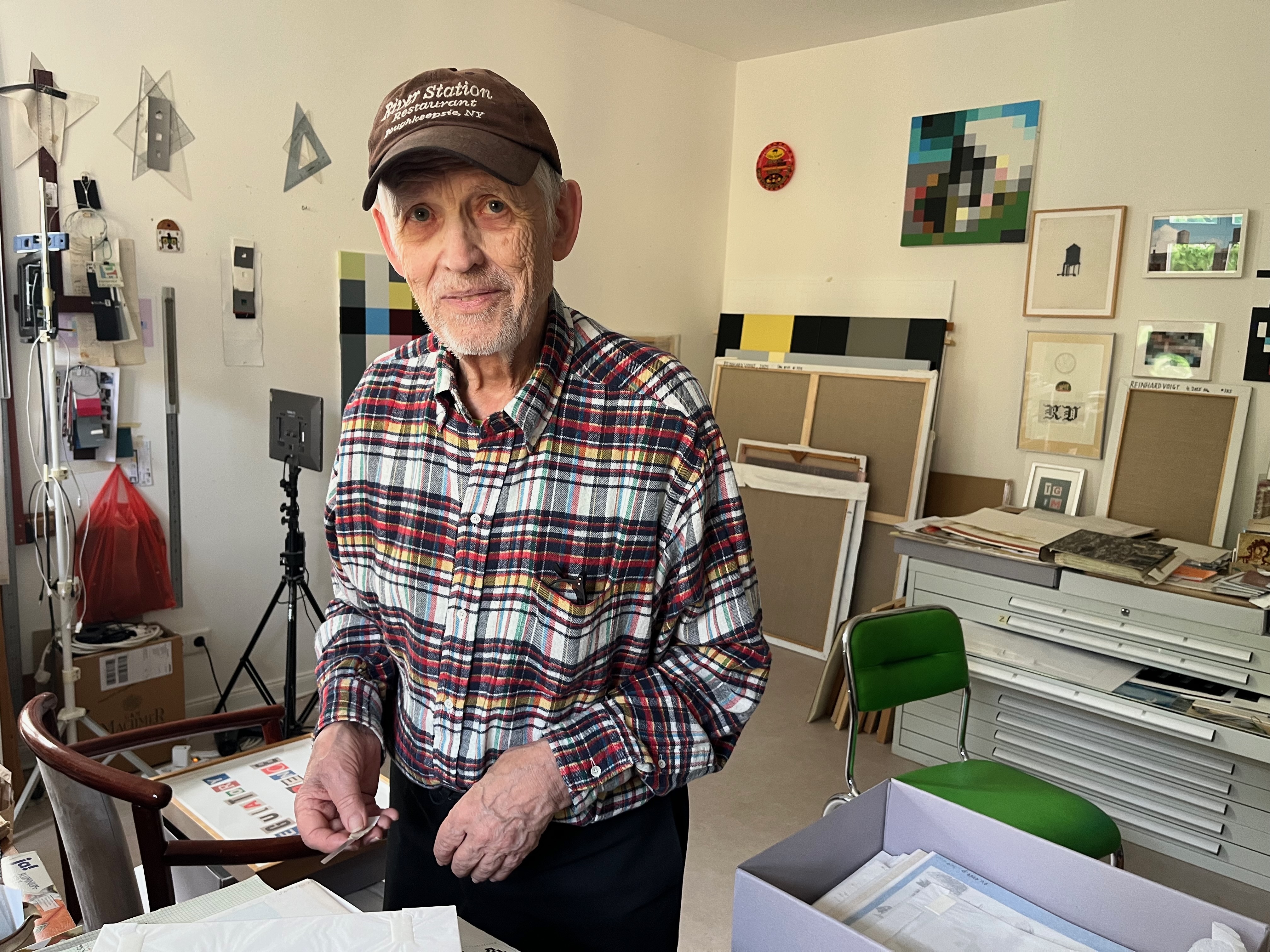
Reinhard Voigt, a German artist little known to the public, painted grid-based pictures as early as 1968—years before pixels became ubiquitous in daily life. Despite early discouragement from Gerhard Richter and fellow artist Alan Jones, Voigt persisted, creating meticulous works on paper and canvas using transparent paper, rulers, pencil, and oil paint. His first major exhibition, "Pure Pleasure," took place in 2023/2024 in Nuremberg, and his current duo show "High on Low" with Anna-Sophie Berger is on view at Berlin's Kunstraum Grotto, featuring his Word Paintings series. Voigt lives and works in Berlin-Prenzlauer Berg with his wife, artist Susan Elias.

Interview. Max Goelitz

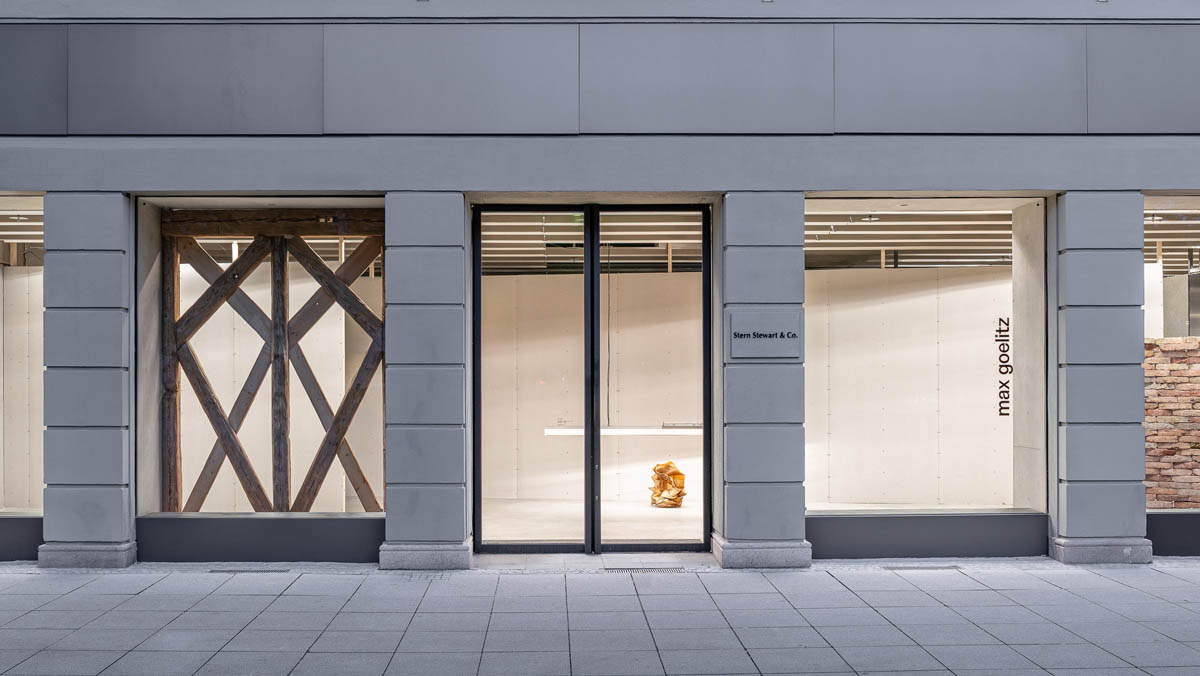
In an interview marking the sixth anniversary of his gallery, Max Goelitz reflects on the founding and evolution of his two-location operation in Munich and Berlin. He discusses how his decade at Häusler Contemporary, where he served as director, prepared him for the unpredictable nature of running his own gallery. The COVID-19 pandemic forced a strategic pivot from international ambitions to a focus on the local German market, which proved unexpectedly sustainable. Goelitz also addresses the current challenges facing galleries, including generational shifts and a more difficult art market, while advocating for an "old-school" reconsideration of what defines a gallery in times of transition.

In conversation with Mia curator Tom Rassieur: 1940s Germany, modern art and its mirrors today

The Minneapolis Institute of Art has opened a major exhibition, 'Modern Art and Politics in Germany 1910-1945: Masterworks from the Neue Nationalgalerie, Berlin.' The show, curated by Tom Rassieur, presents a chronological journey through German art from the Expressionist era through the World Wars, featuring key works by artists like Ernst Ludwig Kirchner, Vassily Kandinsky, and Franz Marc. It highlights groups like Der Blaue Reiter and uses deliberate pairings, such as portraits of Jewish art dealers by Otto Dix and Lovis Corinth, to explore themes of societal tension, propaganda, and identity.