filter_list Showing 27 results for "scientific analysis" close Clear
dashboard All 27 article news 9museum exhibitions 8trending_up market 6article culture 2article local 1gavel restitution 1
date_range Range Today This Week This Month All
Subscribe

institut restellinis amedeo modigliani catalogue raisonne 1234776379

Marc Restellini’s Institut Restellini is set to release a definitive six-volume catalogue raisonné for Amedeo Modigliani after four decades of research. The publication, which includes 100 newly authenticated works, utilizes a rigorous methodology combining advanced scientific analysis—such as spectrometry and carbon-14 dating—with traditional stylistic evaluation and archival documentation. To mark the launch, Pace Gallery will host events in London and New York in April.
Researchers Identify Enslaved Boy in Joshua Reynolds Painting

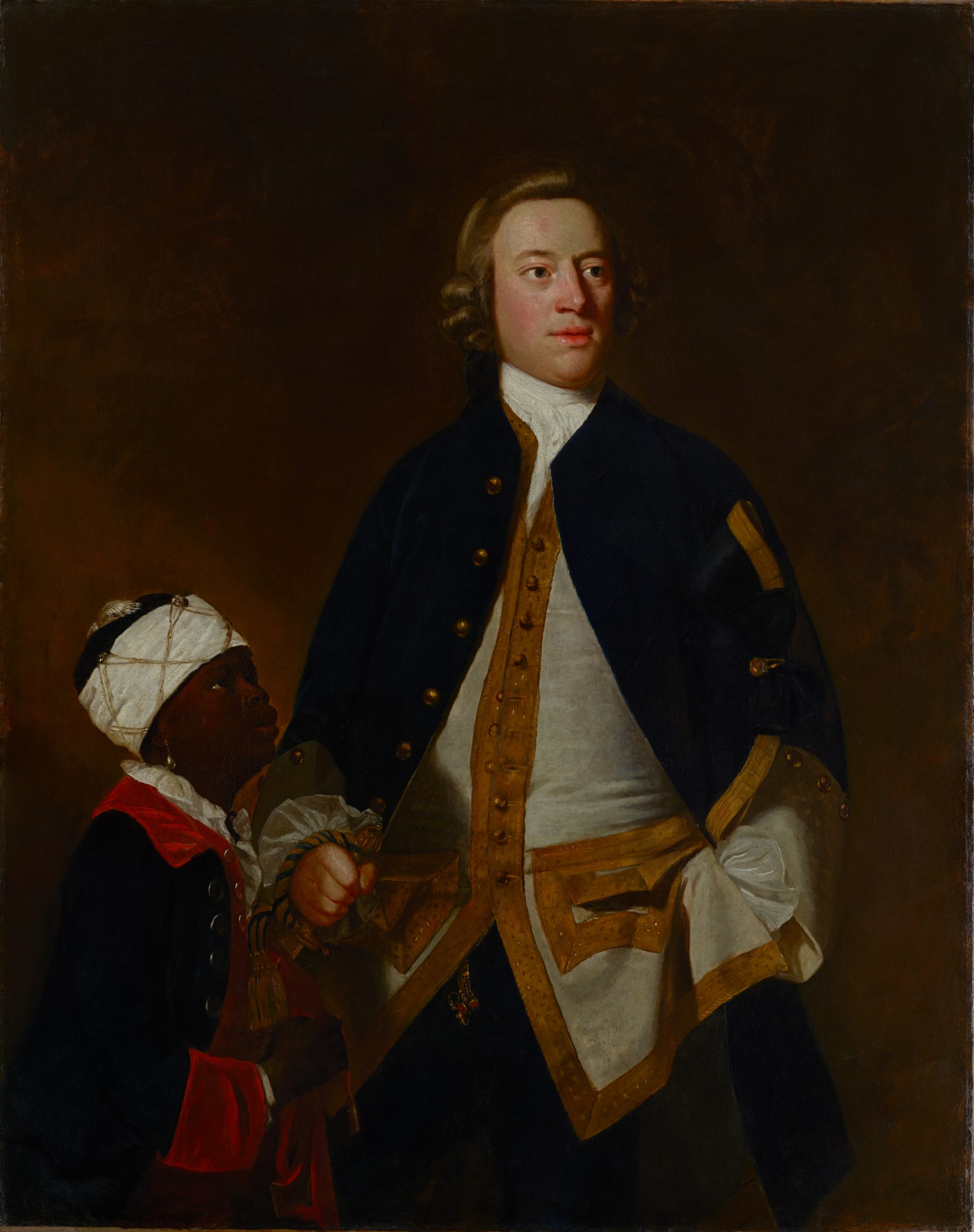
Researchers in the U.K. have identified the enslaved boy depicted in Joshua Reynolds's 1748 painting of Royal Navy lieutenant Paul Henry Ourry. For centuries known only as "Jersey," the boy has been identified as George Walker, also called Boston Jersey, through baptismal and admiralty records. Walker was baptized at age 15 in Westminster in 1752, served on HMS Monmouth and HMS Deptford, and was discharged in 1753, after which his fate remains unknown. The research, a collaboration between the National Trust, the National Gallery in London, and Royal Museums Greenwich, also used scientific analysis to reveal Reynolds's original compositional intentions.

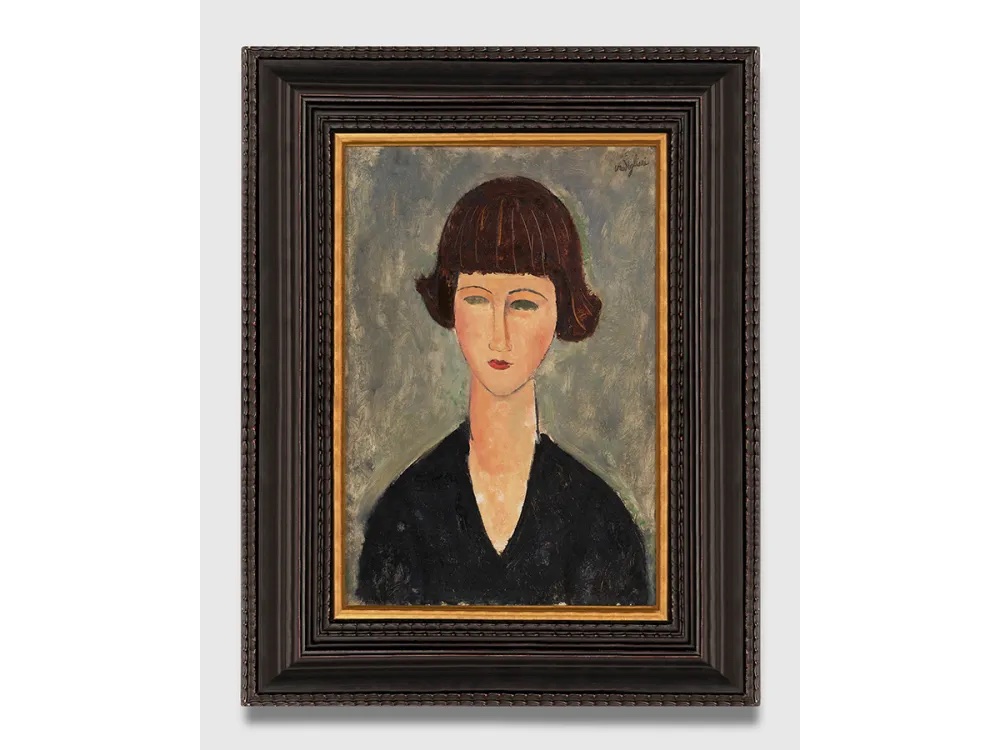
Newly Authenticated Modigliani Heads to Sale at Art Basel Hong Kong via Pace with a $13.3 M. Price Tag

A newly authenticated painting by Amedeo Modigliani, "Jeune femme brune" (1917–18), is being offered for sale by Pace gallery at Art Basel Hong Kong with a price tag of €11.5 million ($13.3 million). The work, the highest-priced piece at the fair, was only recently included in art historian Marc Restellini's forthcoming Modigliani catalogue raisonné after decades of authentication disputes and legal battles.

gauguin self portrait kunstmuseum basel authenticity report 1234759147

The Kunstmuseum Basel has confirmed that a Paul Gauguin self-portrait, titled *Portrait de l’artiste par lui-même* (1903), is an authentic work by the French painter, despite decades of scrutiny. The painting, held by the museum since 1945, was subjected to scientific analysis—including pigment testing, radiography, and infrared reflectography—at the Bern Academy of the Arts after amateur art sleuth Fabrice Fourmanoir claimed it was actually painted by Gauguin’s friend Ky-Dong Nguyen Van Cam. The tests showed the pigments date to Gauguin’s era, but also revealed overpainting on the face, possibly done between 1918 and 1926, though the museum found no evidence of intentional forgery.

the night watch dog inspiration rembrandt 1234753538

The Rijksmuseum in Amsterdam has discovered that the dog in the lower right corner of Rembrandt's "The Night Watch" (1642) was inspired by a 17th-century drawing by Adriaen van de Venne. Curator Anne Lenders spotted the resemblance while visiting an exhibition at the Zeeuws Museum, and subsequent research confirmed the connection. The finding emerged from Operation Night Watch, an ongoing restoration project that uses scientific analysis to study the painting.

hidden vermeer self portrait maid asleep 1234753399

New research by the Metropolitan Museum of Art suggests that Johannes Vermeer may have hidden a self-portrait beneath his painting *A Maid Asleep* (1656–57). Using scientific analysis, the Met's team discovered an overpainted figure in the background—a man painting with his left hand, likely a reflection in a framed mirror. The image is too obscured to reveal facial features. The theory, first proposed by the Met in 2023, is bolstered by a comparison to Nicolaes Maes's *The Naughty Drummer* (1655), which similarly depicts an artist reflected in a mirror. The Met argues Vermeer likely knew Maes's work.

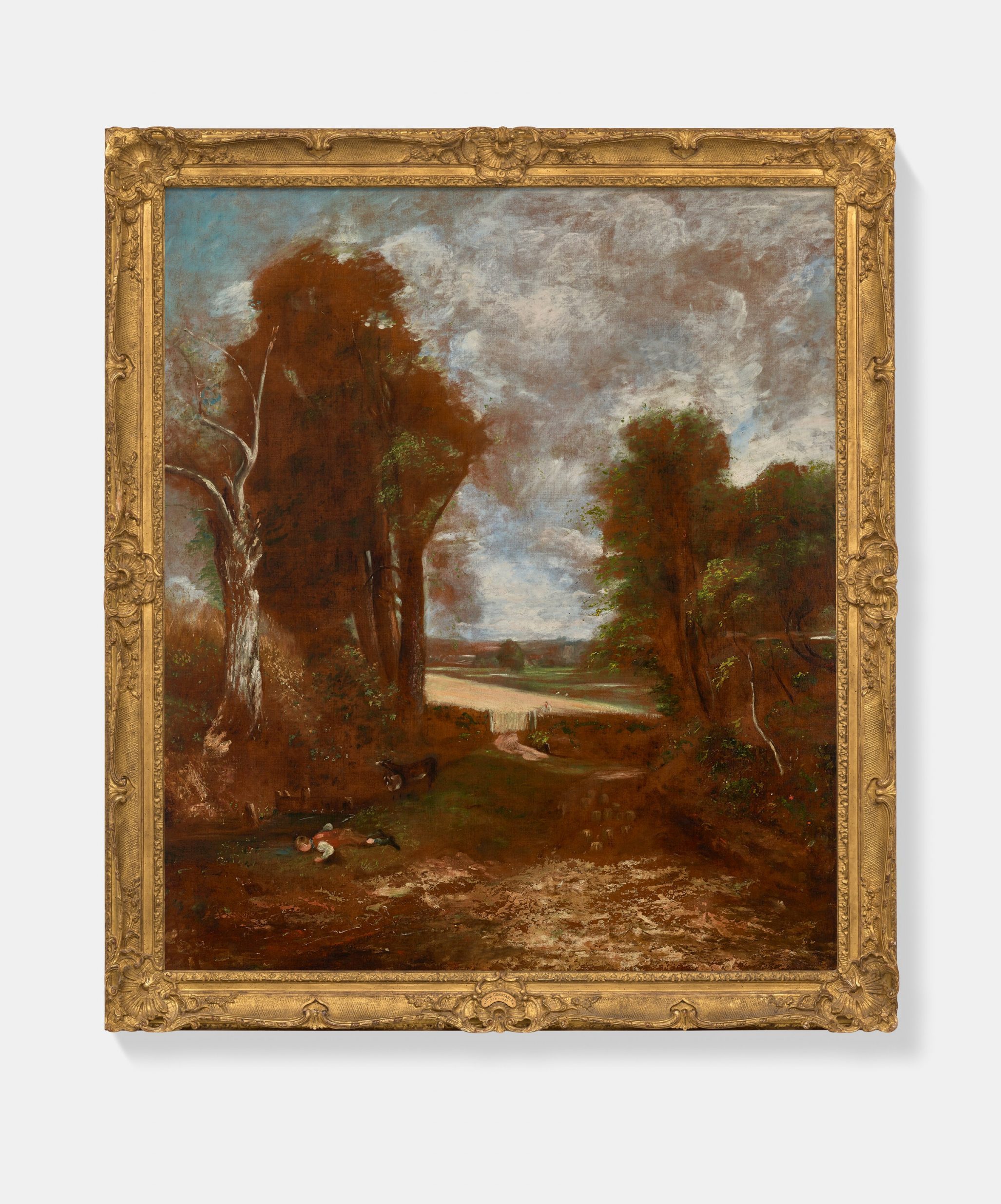
Lost John Constable Painting Rediscovered in Texas Bound for Auction

Lost John Constable Painting Rediscovered in Texas Bound for Auction

A long-lost, large-scale oil study by John Constable for his famous painting *The Cornfield* has been rediscovered and authenticated after decades in a rural Texas museum. Scientific analysis, including pigment tests and infrared reflectography, confirmed the materials and techniques match Constable's own, leading experts to declare it the largest known study for the 1826 masterpiece. The work, which had been mistakenly cataloged as a copy, will now be auctioned by Heritage Auctions in Dallas this June.

10 art restorations in 2025 2725850

In 2025, a series of major art restorations unveiled transformative discoveries in masterpieces by Caravaggio, Raphael, and Artemisia Gentileschi, among others. Caravaggio's final work, *The Martyrdom of St. Ursula* (1610), owned by Intesa Sanpaolo, was cleaned ahead of Rome's "Caravaggio 2025" exhibition, revealing hidden faces and a soldier's helmet previously only visible by x-ray. At the Vatican Museums, a decade-long restoration of the Raphael Rooms concluded with the revelation that two allegorical figures in the Hall of Constantine were painted by Raphael himself, not just his assistants, rewriting art history. Meanwhile, Artemisia Gentileschi's *Hercules and Omphale* (ca. 1635–37), damaged in the Beirut explosion, underwent emergency conservation by the Getty.

last known painting gauguin authenticity 2643806

The Kunstmuseum Basel has launched a fresh scientific investigation into a painting long believed to be Paul Gauguin's final self-portrait, *Self-Portrait with Glasses* (1903), after amateur art sleuth Fabrice Fourmanoir raised doubts about its authenticity. Fourmanoir claims the work may have been painted not by Gauguin but by a Vietnamese revolutionary named Ky Dong, a close acquaintance of the artist, after Gauguin's death. The museum, which has owned the painting since 1945, confirmed it is re-examining the work using modern techniques like infrared reflectography and radiology, with results expected by June or July.

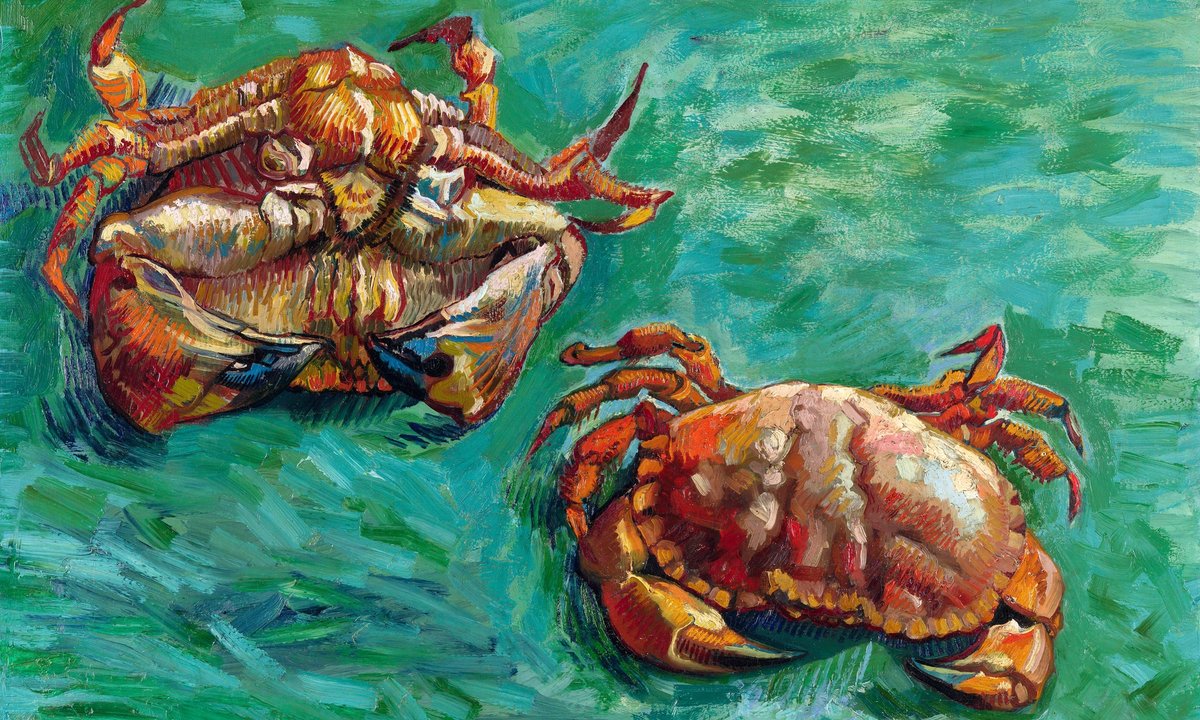
When—and why—did Van Gogh paint a pair of crabs?

An article explores the story behind Vincent van Gogh's still life "Two Crabs," revealing that the two crabs are likely the same individual—a female Cancer pagurus missing its first pair of walking legs. Paul Clark, a crustacean specialist at London's Natural History Museum, confirmed the sex based on the broad abdomen visible in the painting. The work is on long-term loan to London's National Gallery, where it was recently redisplayed as part of the gallery's major rehang ahead of the Sainsbury Wing reopening on May 10. The article also traces the painting's provenance: it was the first Van Gogh bought by a British collector, William Cherry Robinson, in 1893 for 200 guilders, later sold at auction in 1906 for half that amount, and eventually resold at Sotheby's in 2004 for £5.2 million to an anonymous collector who lent it to the National Gallery.

Michaelina Wautier review – an astounding lost artist steps out of her male contemporaries’ shadows

A major exhibition at the Royal Academy is presenting the work of 17th-century Flemish painter Michaelina Wautier, an artist whose significant oeuvre was long misattributed to her male contemporaries, including her brother Charles. The show acts as a real-time art historical investigation, using scientific analysis, scholarship, and connoisseurship to reconstruct her career and assert her authorship of ambitious works like the monumental 'The Triumph of Bacchus'.

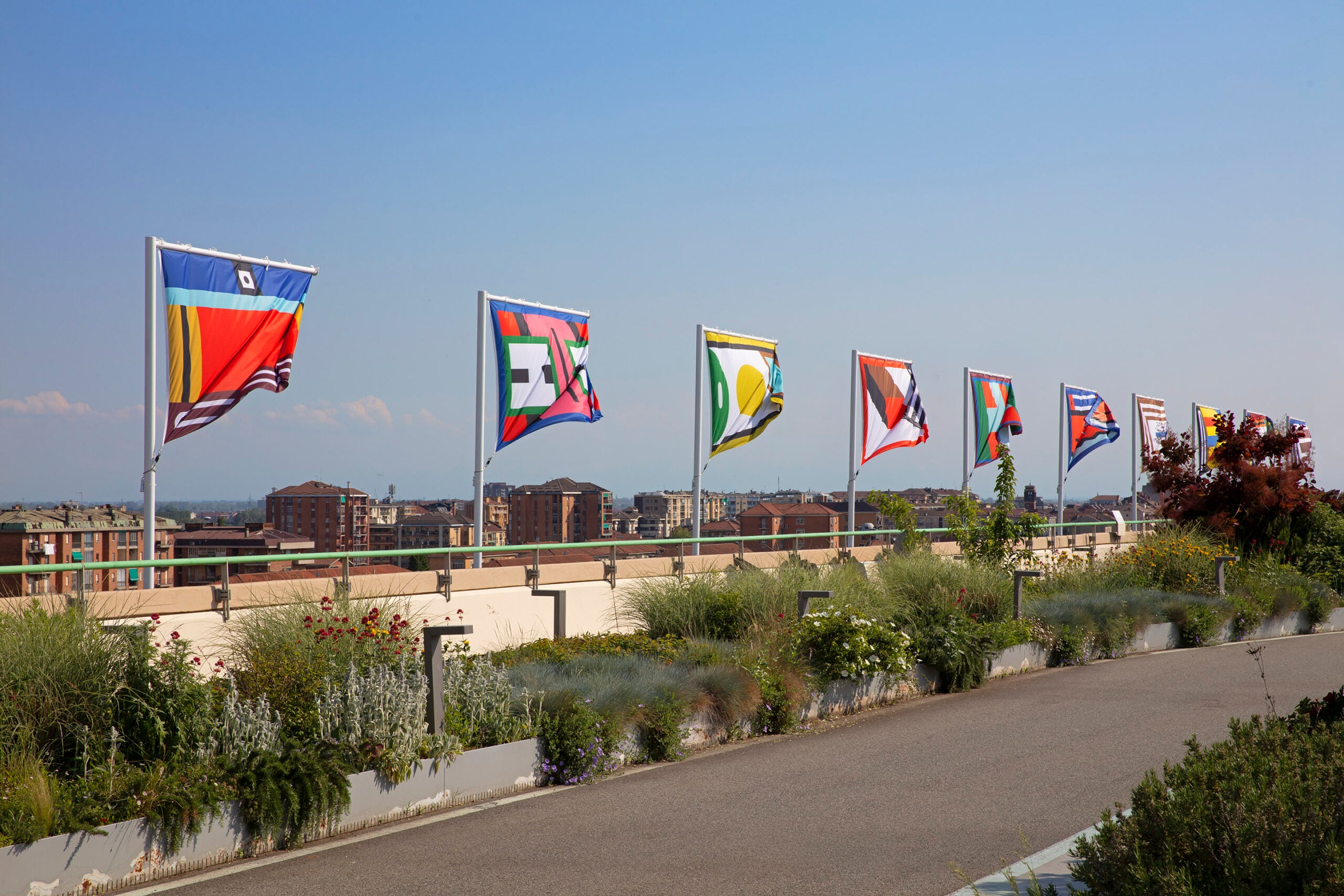
The New Exhibitions of the Pinacoteca Agnelli and the New Public Works on the Lingotto Park-Track: The Photos

Le nuove mostre della Pinacoteca Agnelli e le nuove opere pubbliche sulla pista-parco del Lingotto: le foto

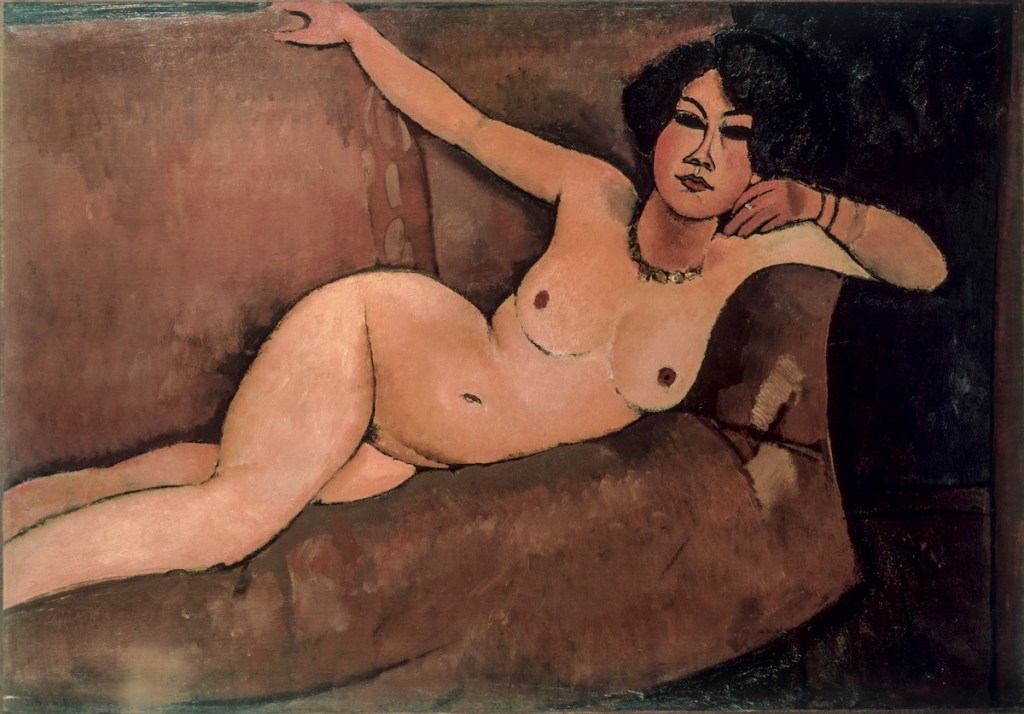
The Pinacoteca Agnelli in Turin has launched a new exhibition program that includes the first major institutional retrospective in Italy dedicated to Swiss photographer Walter Pfeiffer, titled "In Good Company," running until September 13, 2026. Curated by Nicola Trezzi and Simon Castets, the show features over 100 photographs from the 1970s to today, blending iconic and unseen works that explore queer eroticism, everyday artifice, and collaborative image-making. Concurrently, the museum presents "Modigliani sottopelle. Quattro capolavori" as part of its "Beyond the Collection" series, placing four masterpieces by Amedeo Modigliani—including a loan from the Staatsgalerie Stuttgart and works from the Centre Pompidou—in dialogue with the permanent collection. Curated by Pietro Rigolo and Beatrice Zanelli, the exhibition takes an interdisciplinary approach combining art history, diagnostics, and scientific research, using an algorithm to analyze canvas weaves and propose a new dating for the iconic "Nu couché" acquired by Giovanni and Marella Agnelli in 1960.

lough kinale book shrine medieval manuscripts national museum ireland 2659182

In 1986, divers recovered ancient fragments from a lake in Longford County, Ireland, which were later identified as the Lough Kinale Book Shrine, the largest and oldest book shrine in Ireland. After a 39-year conservation process at the National Museum of Ireland (NMI), the 9th-century oak and bronze container is now on public display. The shrine, featuring intricate metalwork, snake-head hinges, and a permanently sealed interior, was reconstructed using photogrammetry and 3D modeling. It is part of the NMI exhibition "Words on the Wave," which showcases over 100 early medieval artifacts, including manuscripts on loan from the Abbey Library of St. Gall in Switzerland.

Marc Restellini’s ‘atom bomb’ of a Modigliani catalogue raisonné is finally published

After nearly three decades of legal disputes and intense research, Marc Restellini has finally published his definitive catalogue raisonné of Amedeo Modigliani’s oil paintings. Released through the Institut Restellini and Yale University Press, the six-volume work utilizes forensic scientific analysis, spectrometry, and archival evidence to authenticate the artist's oeuvre. The publication includes 100 newly authenticated works while excluding 15 previously accepted paintings due to a lack of definitive evidence, marking a shift from connoisseurship to a fact-based methodology.

ronald perelmans 410m trial finally begins 1234747916

Billionaire collector Ronald Perelman's $410 million insurance trial has finally begun after seven years of litigation, over 1,500 court filings, and a 2018 fire at his East Hampton estate. The dispute centers on five paintings by Cy Twombly, Ed Ruscha, and Andy Warhol that survived the fire but were exposed to smoke and sprinklers. Perelman claims the works lost their market appeal—their "oomph"—while insurers at Lloyd's of London dispute any detectable damage and allege Perelman quietly tried to sell some of the pieces. The trial has also revealed that Perelman sold over 70 works from his collection after a margin call from Deutsche Bank, with some contested paintings used as collateral.

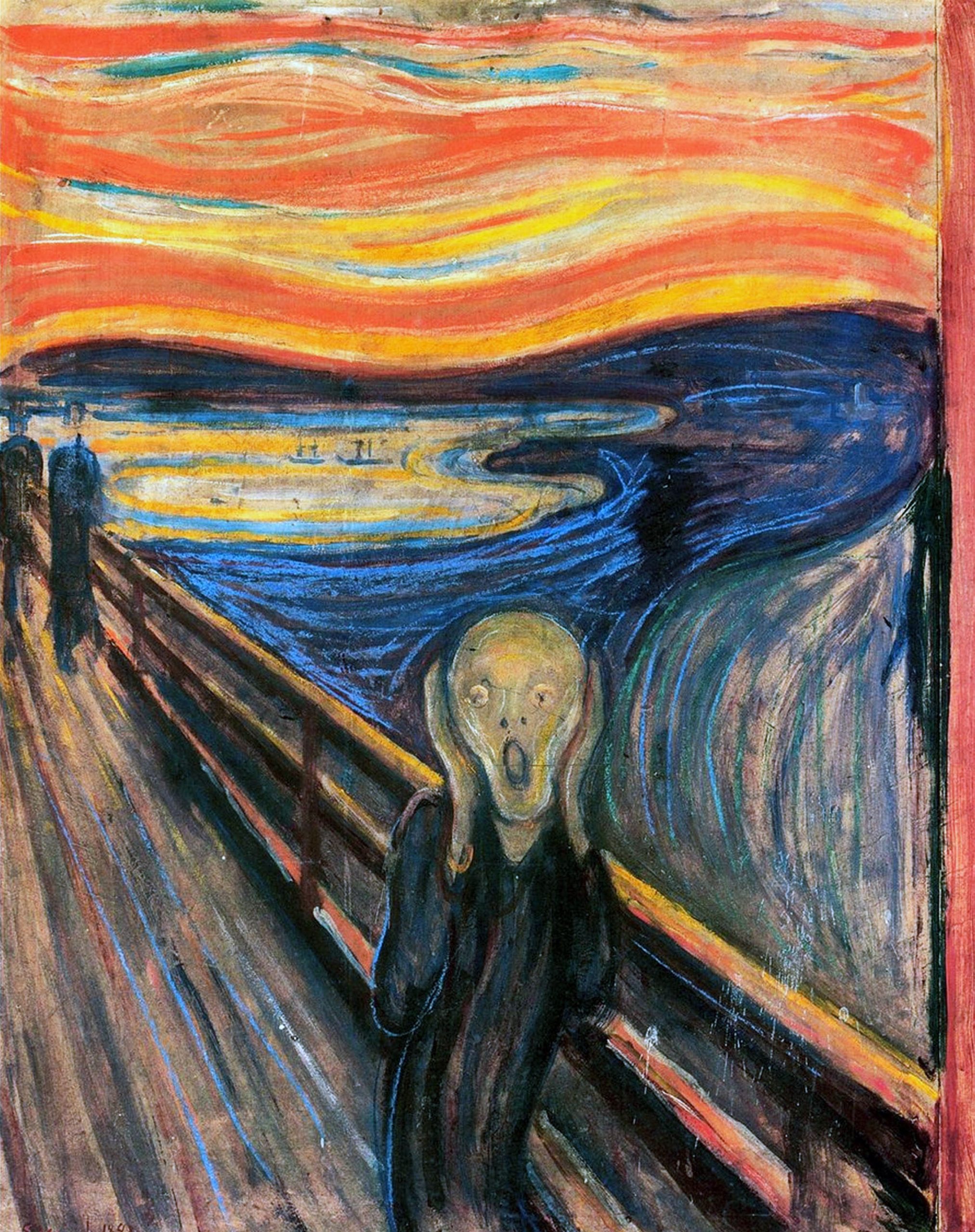
munch the scream bird droppings 2631108

Edvard Munch, the Norwegian Expressionist and Symbolist painter, often worked and stored his paintings outdoors on the grounds of his 45-acre estate, Ekely. This unconventional approach led to many works suffering damage from the elements, including water damage, dog paw prints, and an enduring urban legend that white smears on his iconic painting *The Scream* (1893) were bird droppings. In 2016, researchers at the University of Antwerp used X-ray radiation to debunk this myth, proving the marks were actually candle wax.

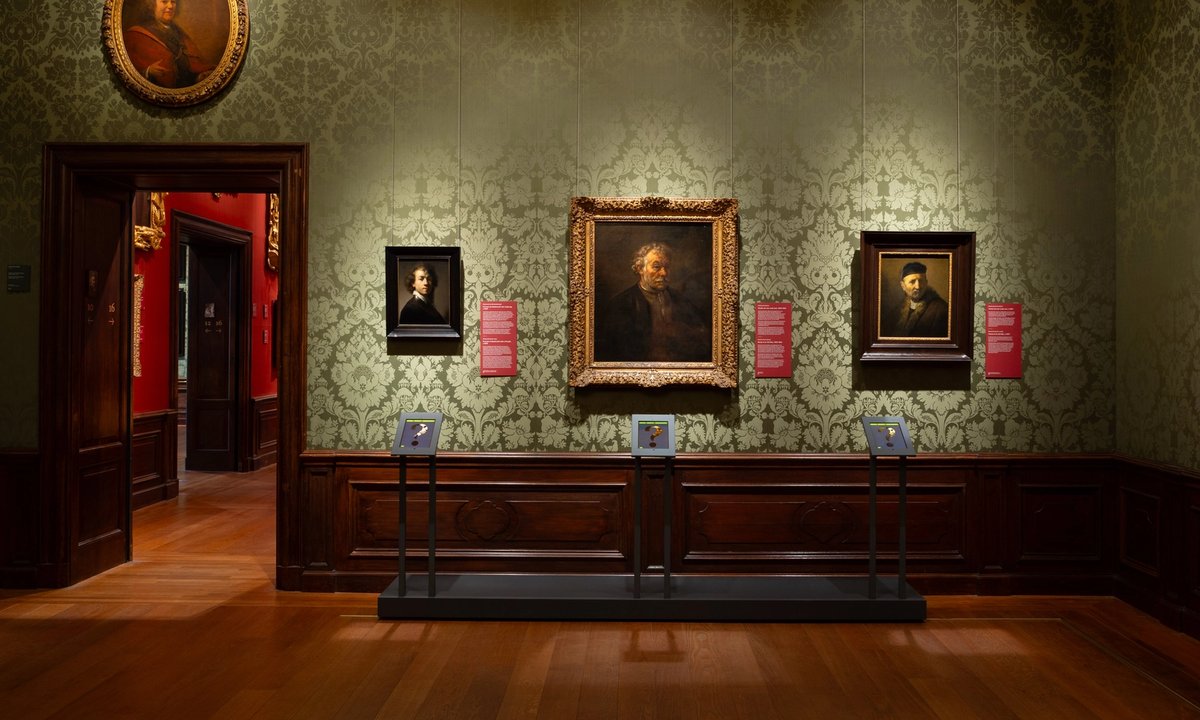
Rembrandt works called into question by experts in the Netherlands

Conservators at the Mauritshuis gallery in The Hague have called into question the attribution of three paintings long believed to be by Rembrandt van Rijn. Technical analysis revealed an underdrawing beneath *Portrait of Rembrandt with a Gorget* (c. 1629), proving it is a copy and that the original is in Nuremberg. *Tronie of an Old Man* (c. 1630) may be by a student or employee, and *Study of an Old Man* (c. 1655), though signed by Rembrandt, shows less accomplished brushwork and a date applied later in different paint, suggesting studio production. All three works remain on view in the exhibition *Rembrandt?* (17 April–13 July).

On ARTE, the Ruffini Affair or the Autopsy of an Extraordinary Scandal in the Art World

Sur Arte, l’affaire Ruffini ou l’autopsie d’un scandale hors norme dans le monde de l’art

The documentary series "Le Peintre, la Pizza et le Corbeau" (The Painter, the Pizza and the Crow), available on ARTE, investigates a sprawling art forgery scandal centered on discreet dealer Giuliano Ruffini. Beginning in spring 2014 with an anonymous letter, the case led to a judicial inquiry by judge Aude Burési and France's Central Office for the Fight against Trafficking in Cultural Goods (OCBC). The series follows multiple suspicious artworks—including a Lucas Cranach Venus seized from an exhibition at the Hôtel de Caumont, a David and Goliath by Artemisia Gentileschi, and a Frans Hals portrait—each raising questions of authenticity. Ruffini, a former painter turned collector, remains an enigmatic figure, portrayed as both intuitive genius and possible cog in an opaque system.

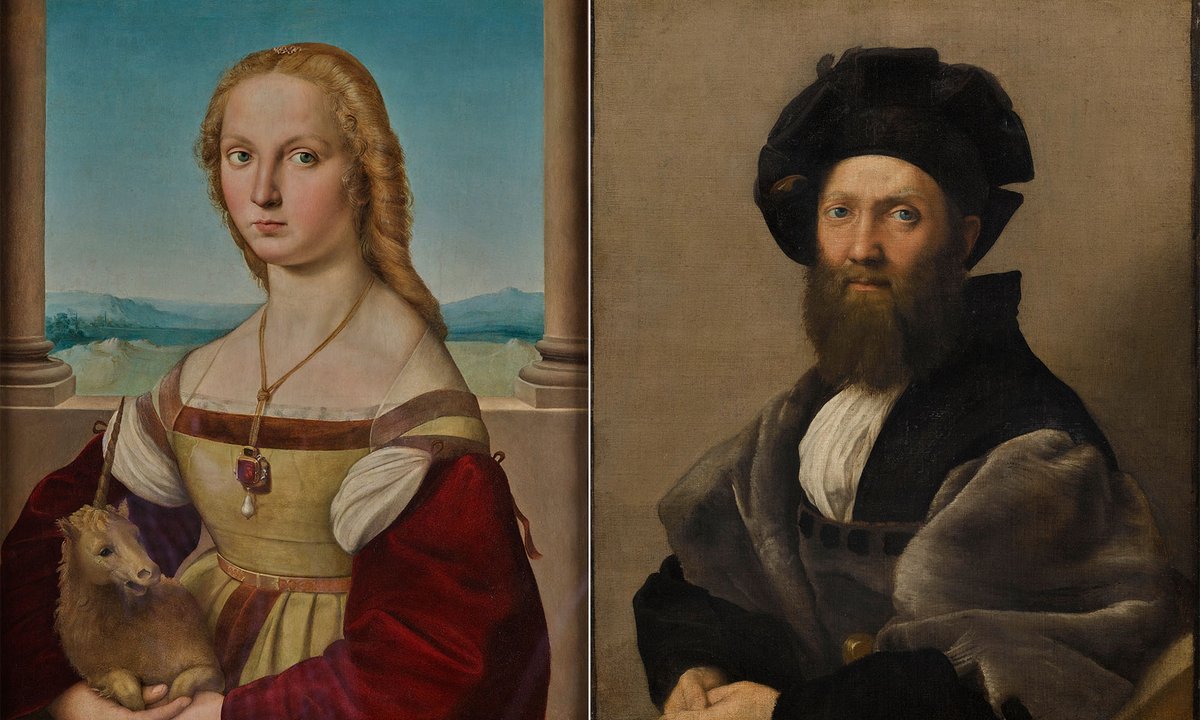
The US’s largest Raphael exhibition is opening at the Met next year

The Metropolitan Museum of Art in New York will present the largest-ever Raphael exhibition in the Americas next spring, titled "Raphael: Sublime Poetry" (29 March–28 June 2026). Curated by Carmen Bambach, the show brings together over 200 works—including paintings, drawings, decorative objects, and tapestries—spanning Raphael’s career from Urbino and Florence to Rome. Major loans include the Alba Madonna from the National Gallery of Art, Washington, D.C.; the Portrait of Baldassare Castiglione from the Louvre; and works from the British Museum, Uffizi, Prado, and Vatican Museums. The exhibition is structured chronologically, with special focus on recent scientific analysis and Raphael’s depictions of women.

artdiscovery launches insured authenticity guarantee 1234760977

ArtDiscovery, a scientific art analysis firm with offices in London and New York, has launched what it calls the world's first insured authenticity guarantee for artworks. The service combines connoisseurship, provenance research, laboratory science, and proprietary AI, then backs the conclusion with an insurance policy from an A+ rated global insurer. If a certified attribution is later proven incorrect, the policy covers financial loss to the artwork's owner. The company's CEO, Denis Moiseev, and CFO, Steven Maslow, explained that the insured certificate is priced at 60 basis points of the certified value and travels with the artwork as a transferable warranty. The launch follows ArtDiscovery's acquisition by Hephaestus Analytical, a London-based tech company that uses AI, provenance research, and chemical analysis for authentication.

forged polish painting returns to the national museum in poznan poland 1234753722

A painting long attributed to Polish Realist painter Józef Pankiewicz and held by the National Museum in Poznań has been revealed as a forgery. The work, titled 'Vegetable Market at Żelaznej Bramy Square in Warsaw' and dated 1888, was awarded a silver medal at the 1889 Universal Exposition in Paris and acquired by the museum in 1948. In 2017, scholar Michał Haake noticed discrepancies between the museum's version and historical reproductions, prompting an investigation. Conservators removed overpainting and found that the canvas, pigments, and composition differed from the original, with Pankiewicz's signature added after completion. The forgery, now attributed to an unidentified early 20th-century artist, is back on display alongside a photo of the original in the exhibition 'Succumb to Illusion.' The original painting has been missing since 1890.

Seeing double: Vermeer painting and its mysterious ‘twin’ go on show in London

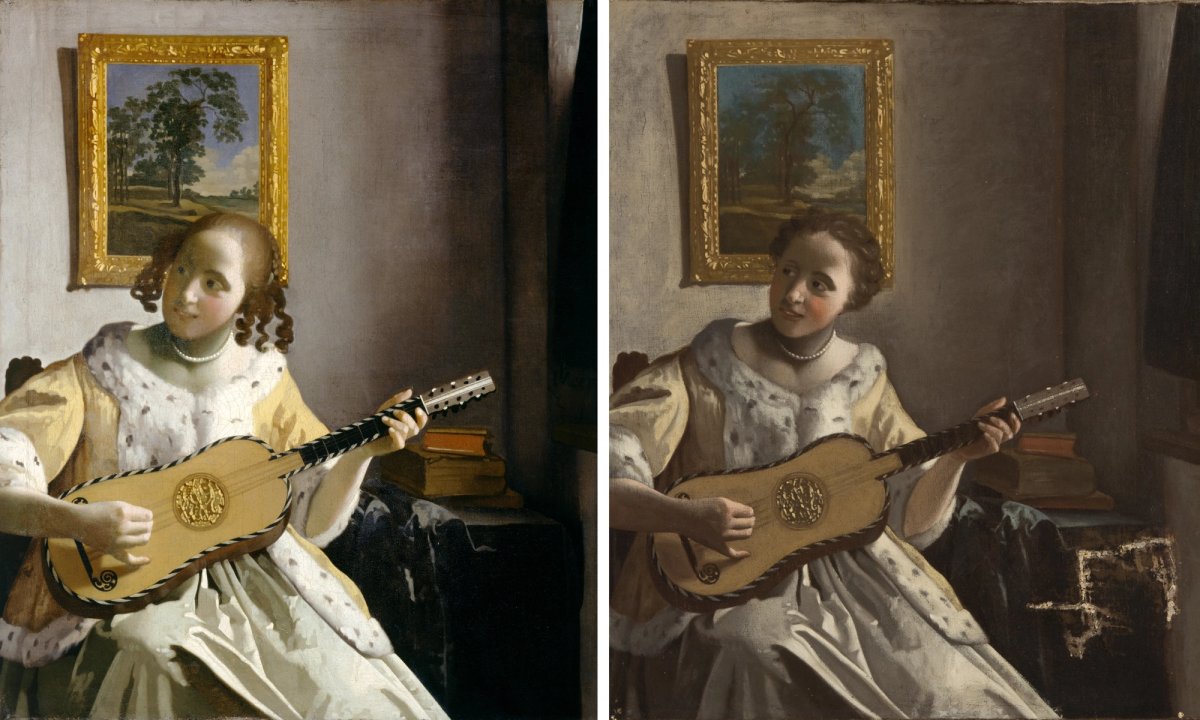
Kenwood House in London has opened a new display, "Double Vision: Vermeer" (1 September 2025 – 11 January 2026), pairing Vermeer's "The Guitar Player" (1672) from its own collection with its mysterious "twin," "Lady with a Guitar," on loan from the Philadelphia Museum of Art. The exhibition reignites a century-old debate over which painting is the original, as the Philadelphia version has long been questioned since the Kenwood version emerged in 1927. Recent scientific analysis reveals differences in ground layers and pigment use—the Kenwood painting features ultramarine while the Philadelphia version uses cheaper indigo—and experts like former Rijksmuseum specialist Gregor Weber suggest the Philadelphia work may be an early copy.

El Greco Painting Found Hidden Beneath a Forgery in the Vatican

El Greco Painting Found Hidden Beneath a Forgery in the Vatican

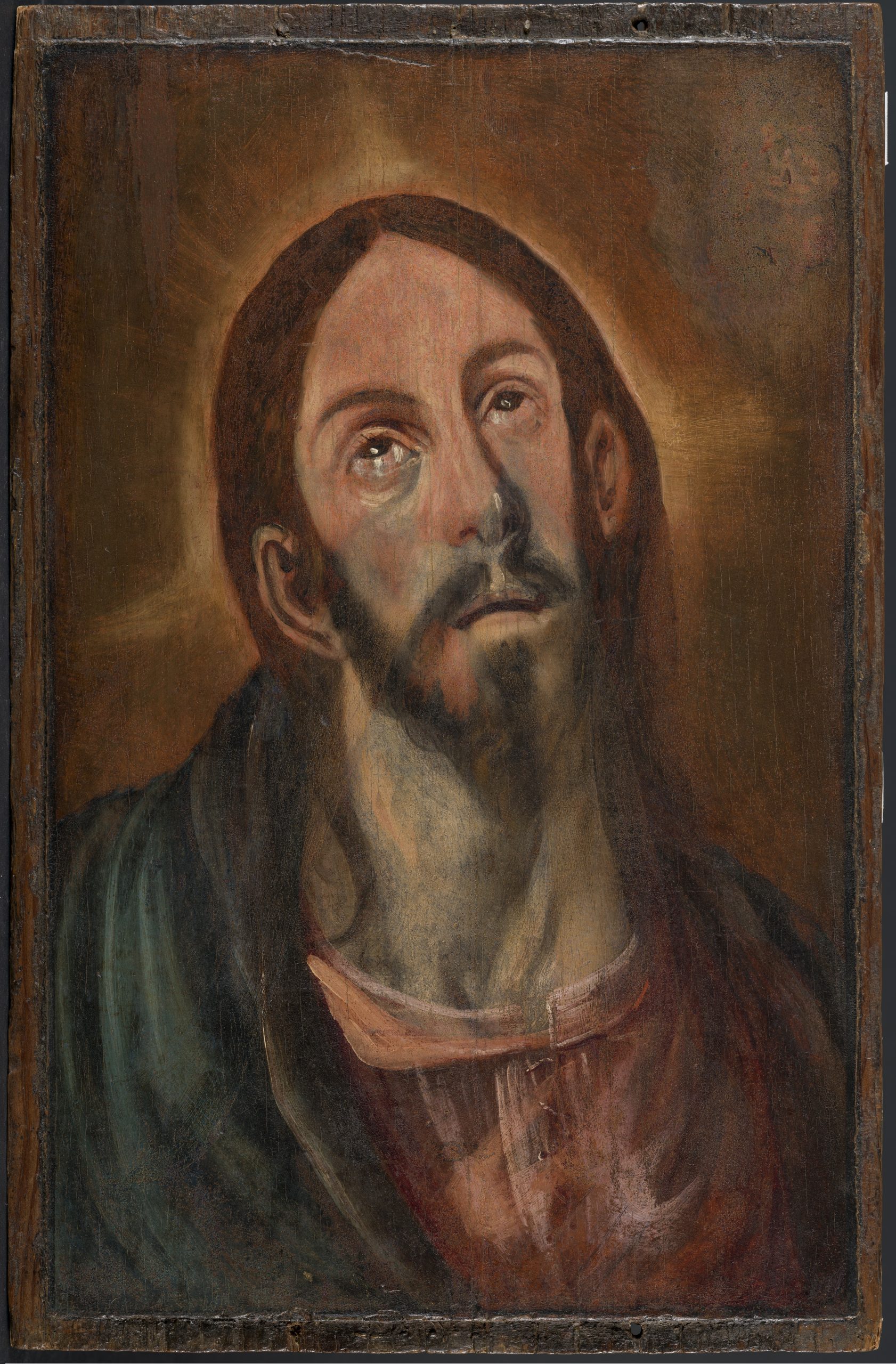
A painting by El Greco, titled 'The Redeemer' (c. 1590–95), was discovered in the Vatican after restorers removed a later forgery that had been painted over it. Scientific analysis confirmed the authenticity of the original work, which had been donated in 1967 and hung in the Apostolic Palace without prior study. The restored painting is now part of a two-work exhibition at the Papal Palace of Castel Gandolfo.

What Did Pompeii Smell Like? A New Study Analyzes Its Ancient Incense

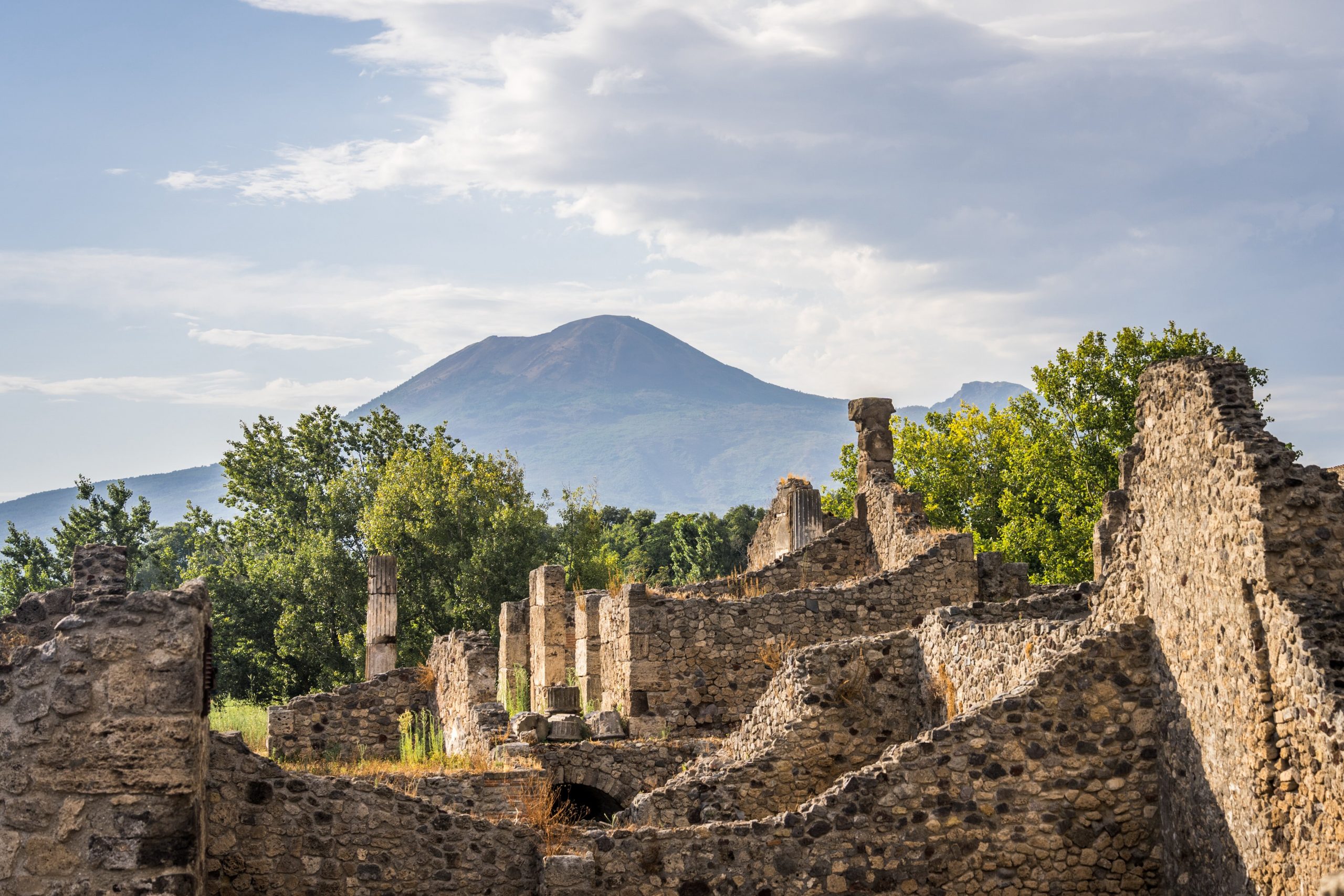
A team of international researchers has published the first scientific analysis of ritual incense residues from Pompeii. By examining ash from two ancient censers—one from an inn and another from a domestic shrine—they identified charred plants like oak and laurel, as well as evidence of imported frankincense from India.

In Turin, a Confrontation Between Masters: The Exhibition of Beato Angelico and Bartholomeus Spranger

A Torino c’è un confronto tra maestri: la mostra di Beato Angelico e Bartholomeus Spranger

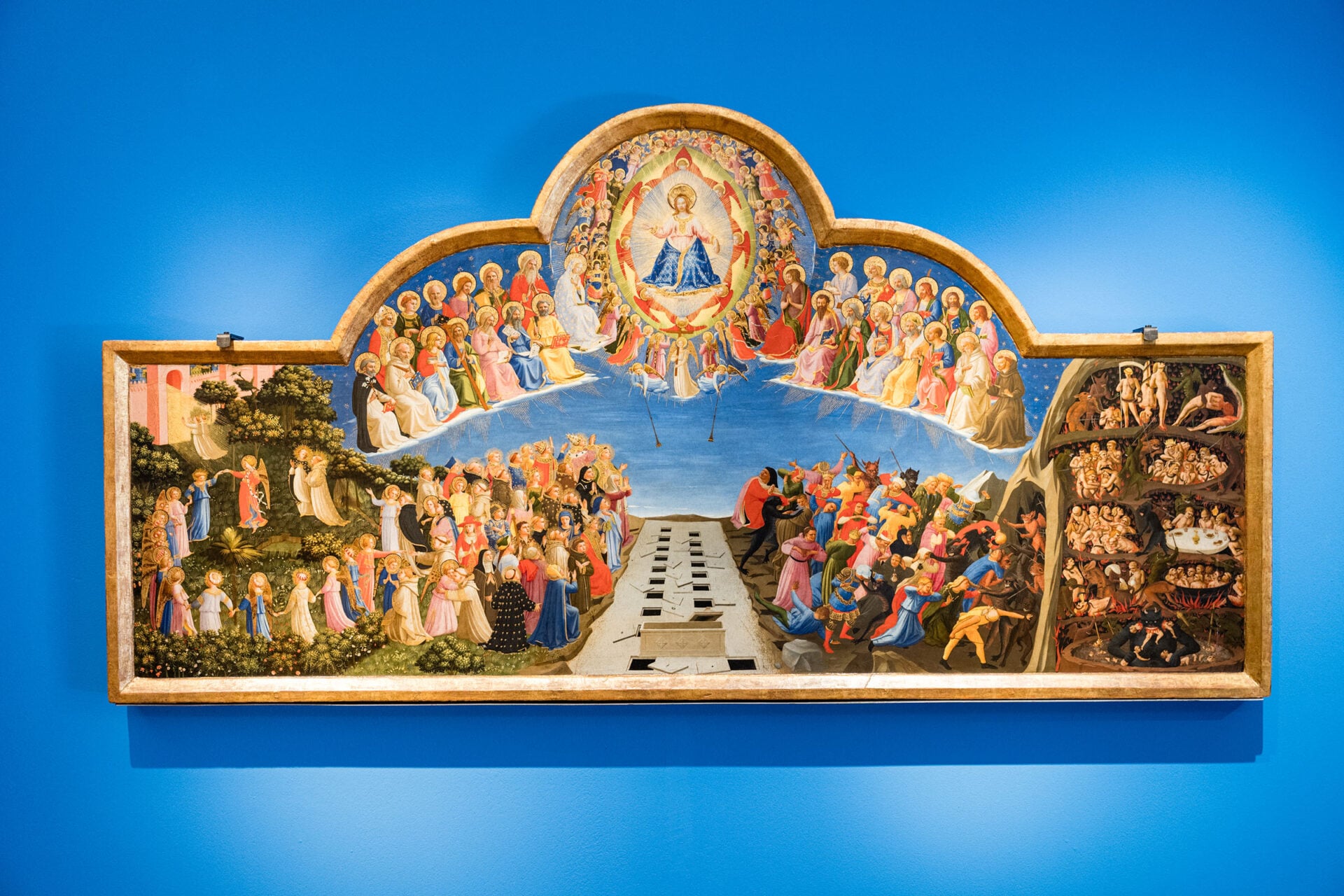
The Musei Reali in Turin has unveiled a specialized study exhibition titled "Beato Angelico negli occhi di Bartholomeus Spranger," which brings together two versions of the Last Judgment. The show features the return of Beato Angelico’s "Madonna of Humility" to Turin, accompanied by his "Last Judgment" on loan from the Museo di San Marco in Florence. This masterpiece is displayed alongside a later interpretation of the same subject by the Flemish Mannerist Bartholomeus Spranger, painted over a century later.

The Brooklyn Bridge Up Close

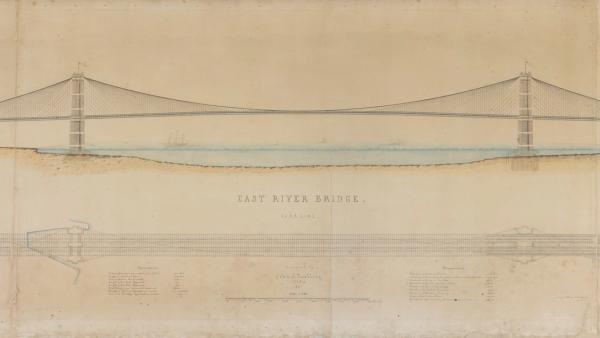
The Metropolitan Museum of Art has opened "The Brooklyn Bridge Up Close," a special installation featuring seven original drawings of the Brooklyn Bridge from the New York City Municipal Archives, many unseen for forty years. The drawings, created by engineer John A. Roebling and his successors, were examined through The Met’s Scientific Research Partnerships program, a grant-funded initiative providing free scientific support to art institutions nationwide. The installation highlights the multiyear collaboration between The Met and the Municipal Archives.

Possible medieval artefacts, discovered at Canadian thrift store, will form basis of university archaeology class

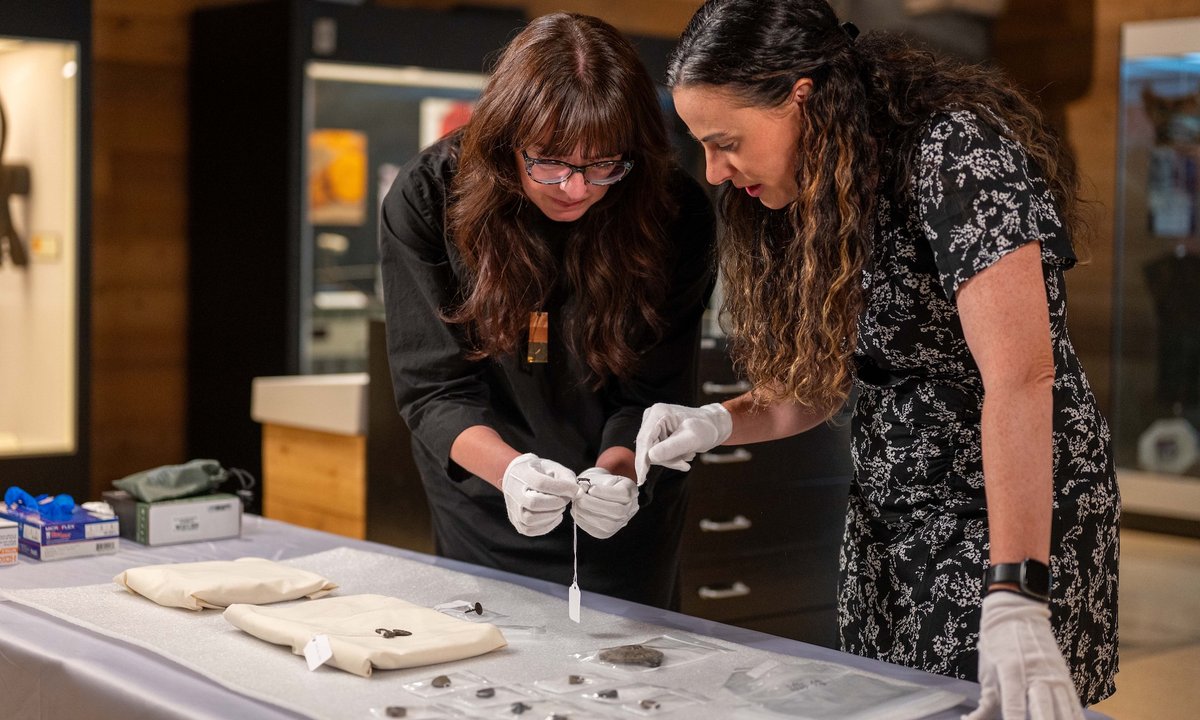
A group of 11 rings and two medallions, believed to be medieval, was discovered at a Thrifty Boutique charity shop in Chilliwack, British Columbia. A volunteer found the items while sorting donations, and a customer with an archaeology background alerted staff that the objects might be ancient. The manager contacted Sabrina Higgins, an associate professor at Simon Fraser University (SFU), who arranged for the artefacts to be donated to the university's Museum of Archaeology and Ethnology. Higgins and colleague Cara Tremain have designed a course for autumn 2026 in which students will analyze the objects' materials and designs to determine their provenance, culminating in an exhibition at the museum.