filter_list Showing 28 results for "Cher" close Clear
search
dashboard All 387 museum exhibitions 186article local 74article news 41article culture 28trending_up market 20person people 11candle obituary 9article policy 8rate_review review 6gavel restitution 4
date_range Range Today This Week This Month All
Subscribe

No Attitude, Nowhere: Conviction, Zero Meaning

Keine Haltung, nirgends Gesinnung, null Bedeutung

The article critiques the current state of the art world and broader culture, arguing that right-wing calls for depoliticized art are intensifying while the progressive art establishment silently tolerates a culture war that restricts free expression. It uses the 2025 Met Gala as a prime example, describing the event as a heartless display of wealth and power aligned with Trump-era capitalism, where celebrities and artists perform progressive values while participating in a spectacle sponsored by anti-union figures like Jeff Bezos. The author draws on Hannah Arendt's ethics lectures to suggest that moral norms have collapsed overnight, and that the commercial art world now legitimizes anti-democratic tendencies through its silence.
We are in danger of losing our sense of community

"Wir drohen das Gespür für die Gemeinschaft zu verlieren"

Christophe Cherix, the new director of the Museum of Modern Art in New York, discusses his first months in the role, emphasizing museums as "safe social places" in an era of anxiety and screen-induced isolation. He advocates for collective vision-building with staff and defends the MoMA's independence against political pressure in Trump-era America. Separately, critic Paco Barragán argues in The Observer that biennials are in a structural crisis of repetition, tracing their history from instruments of national soft power to a "Global Neo-Liberal Biennial" system that co-opts diversity without changing its core logic. He introduces the concept of the "vibe-ennial," where discourse is replaced by atmosphere and critique by affect. Meanwhile, longtime Bonn museum director Stephan Berg critiques the boom in immersive art experiences like "Van Gogh – The Immersive Experience," calling them a "surrogate reality" tailored to the Instagram age that destroys the integrity of original works. Artforum reconstructs late-1960s debates on art criticism, focusing on Barbara Rose's challenge to formalists like Clement Greenberg and Rosalind Krauss, arguing that art must engage with societal conflicts such as Black Power and war resistance.

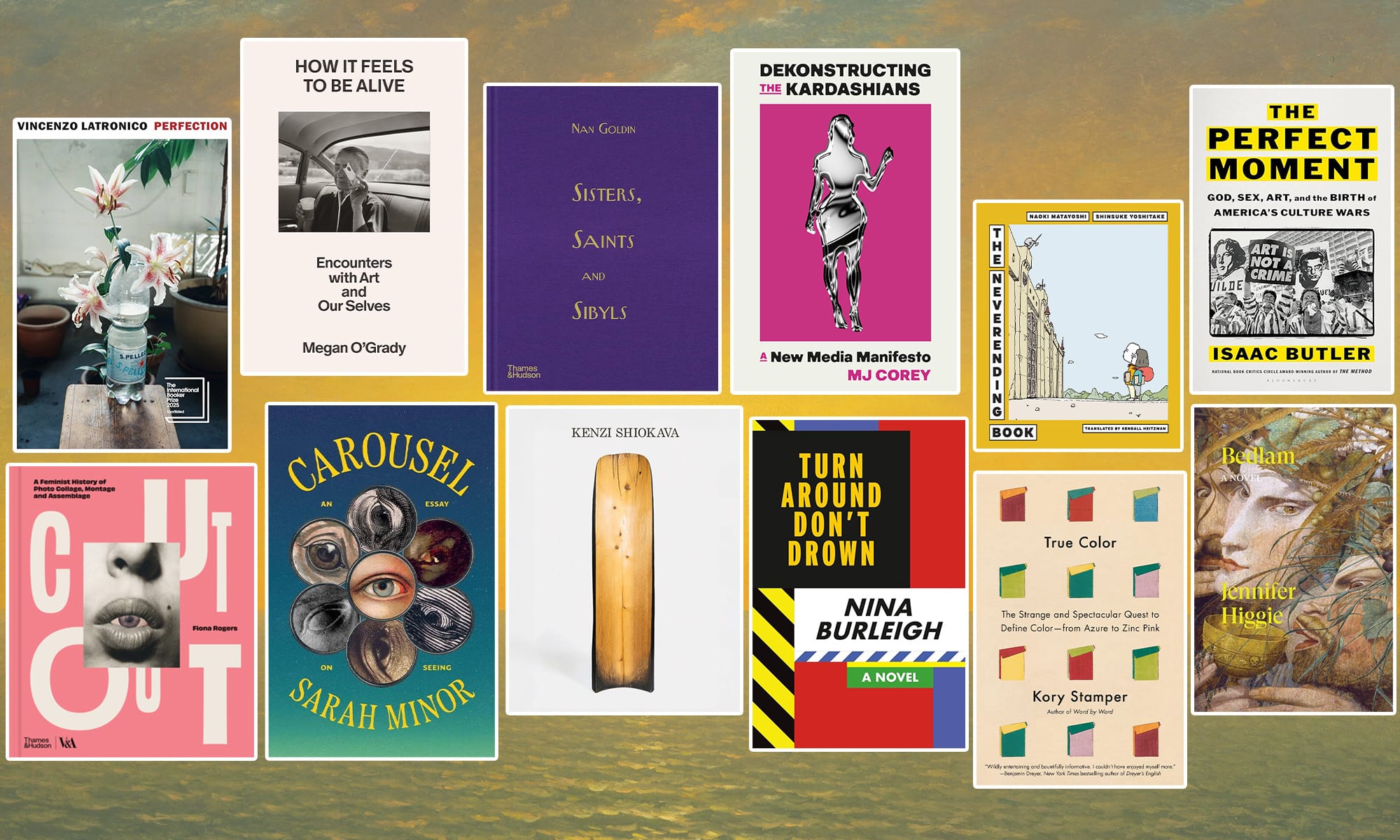
12 Art Books to Kick Off Summer

Hyperallergic's Lakshmi Rivera Amin presents a curated list of 12 art books for summer reading, including a novel lampooning the art world, Megan O'Grady's meditation on art and living, Kory Stamper's exploration of color lexicography, Nan Goldin's reissued photo essay, and Jennifer Higgie's prose poetry novel. The roundup also features Vincenzo Latronico's 'Perfection,' Nina Burleigh's satirical 'Turn Around, Don’t Drown,' and a graphic novel by Naoki Matayoshi and Shinsuke Yoshitake, among others.

From high BMI to the ‘GLP-1 look’: how weight-loss jabs are changing the face of beauty

Researchers and art historians are examining how weight-loss drugs like Wegovy and Mounjaro are reshaping ideals of beauty in art. Prof. Rosalind Gill and Dr. Michael Yafi argue that the rapid fat loss caused by GLP-1 medications produces a distinctive gaunt facial appearance—dubbed 'GLP-1 face'—which could become a new aesthetic standard reflected in contemporary art, similar to 'heroin chic' in the 1990s. Yafi presented his findings at the European Congress on Obesity, noting that while artists like Fernando Botero continue to celebrate fuller figures, future artworks may increasingly depict thin individuals with hollowed features.

‘Depraved in all the right ways’: why forgotten no wave visionary Gordon Stevenson is about to take off

The article profiles Gordon Stevenson, a forgotten visionary of the no wave movement in late-1970s New York, who was an artist, jewelry designer, musician, and filmmaker best known for the notorious film *Ecstatic Stigmatic*. Decades after his death from AIDS, a storage unit full of his lost work has been discovered, including jewelry, mail-art collaborations with Ray Johnson, and clues to a surviving print of his film. His family has also recovered hundreds of letters he wrote to his parents, chronicling his life in downtown New York and his experiences as one of the city's first AIDS patients. The piece traces his journey from a small town in Georgia, where he met his wife Mirielle Cervenka (who later renamed Exene Cervenka), to their punk-era jewelry brand LHOOQ and his lasting influence on gothic fashion.

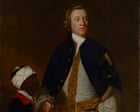
Story of enslaved boy featured in 1748 Joshua Reynolds portrait emerges in new study

A research project by the National Trust, the National Gallery in London, and Royal Museums Greenwich has uncovered new details about the identity of an enslaved boy known only as “Jersey,” who appears in a 1748 portrait by Sir Joshua Reynolds. The painting, which hangs at Saltram in Devon, depicts Jersey with his enslaver, naval officer and MP Paul Henry Ourry. Through admiralty records, muster books, and baptismal certificates, researchers identified the boy as “Boston Jersey,” later baptised as George Walker, and found evidence of his naval service and possible path to freedom.

How Well Do the Met Gala’s Attendees Know Their Art History? We Critique Looks by Madonna, Hunter Schafer, and More

The article critiques nine outfits from the 2026 Met Gala, which was held under the theme 'Fashion Is Art' in conjunction with the Costume Institute's new exhibition 'Costume Art' at the Metropolitan Museum of Art. It analyzes how attendees like Hunter Schafer, Lauren Sánchez Bezos, and Kylie Jenner referenced specific artworks—such as Gustav Klimt's *Mäda Primavesi* and John Singer Sargent's *Madame X*—in their fashion choices, evaluating the success of these art-historical allusions.

Delegitimation, Denunciation and Insecurity

"Delegitimation, Denunziation und Verunsicherung"

German cultural critic Georg Seeßlen warns in his taz column of a right-wing 'war of conquest' targeting liberal cultural institutions through systematic delegitimation, denunciation, and intimidation. Meanwhile, a new Berlin artist study reveals that the average annual income from artistic work is just €6,000, highlighting a structural dysfunction in the art system. Additionally, Jonathan Meese's play 'Alaska Kid' has been canceled at the Volksbühne Berlin following the death of his mother Brigitte Meese, who was his organizer, muse, and confidante.

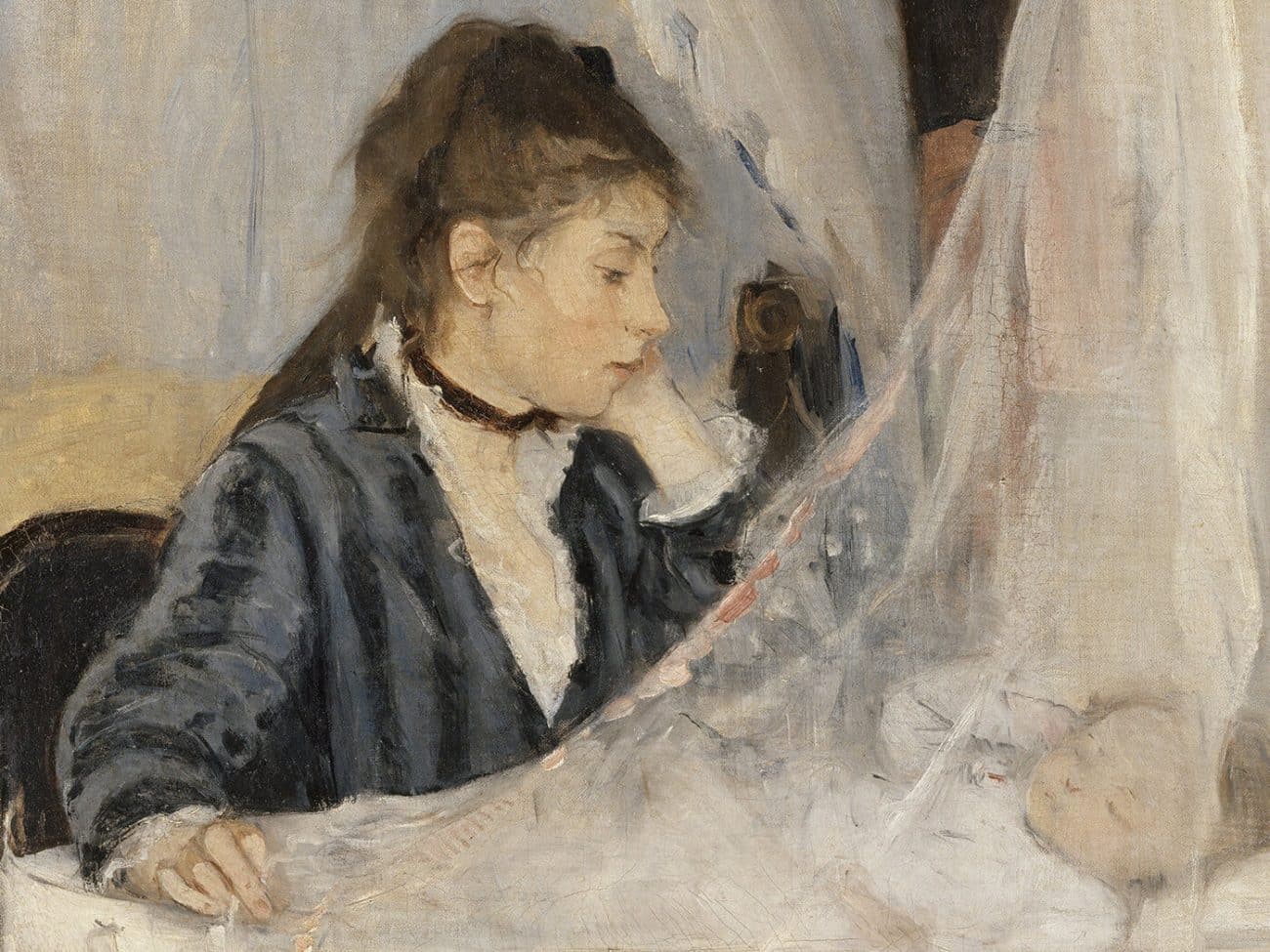
10 chefs-d’œuvre de l’impressionnisme décryptés par Beaux Arts

Beaux Arts Magazine presents a detailed dossier analyzing ten iconic masterpieces of Impressionism, including works by Edgar Degas, Édouard Manet, Berthe Morisot, Auguste Renoir, Gustave Caillebotte, Claude Monet, and Mary Cassatt. The article explores the technical innovations, modern subjects, and revolutionary spirit of the movement, which began in 1874 and was initially rejected by critics. Each featured painting—such as *Le Déjeuner sur l’herbe*, *Impression, soleil levant*, and *Le Bal du moulin de la Galette*—is examined by art historians and journalists to reveal its composition, historical context, and lasting impact.

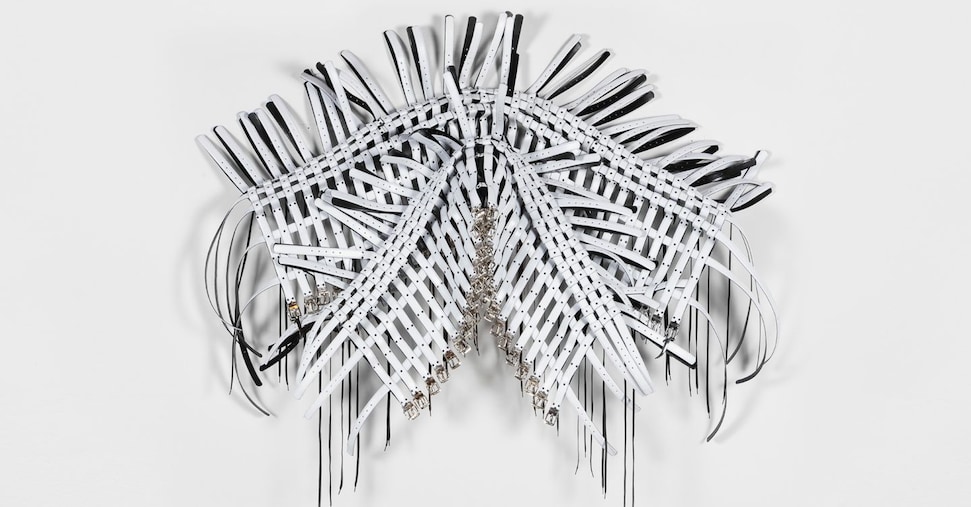
Soft armour, pert nipples: how London design team made Kim Kardashian’s Met Gala breastplate

Kim Kardashian wore an orange fibreglass breastplate to the 2024 Met Gala, created by the east London design duo Whitaker Malem (Patrick Whitaker and Keir Malem) in collaboration with British pop artist Allen Jones. The breastplate was cast from a mould derived from Jones's 1969 sculpture "Hatstand," finished by car bodyshop MPS Body and Paint in Kent, and paired with a hand-painted leather skirt. Kardashian directly contacted the duo in early April, flew to the UK for fittings, and chose the piece to interpret the gala's "fashion is art" dress code, which explored the dressed and undressed human body.

Theatre, production, performance: fashion invests in art

Fashion houses like Chanel are increasingly investing in contemporary art, not merely as inspiration for prints or patterns but as a strategic tool for brand positioning and cultural credibility. Gallery owner Tristan Paprocki, who recently opened a Milan space with partner Guido Romero Pierini, notes that brands now seek out emerging artists to demonstrate foresight and support new talent. Chanel has collaborated with Berlin's Hamburger Bahnhof museum for large-scale installations by artists such as Klára Hosnedlová and Lina Lapelytė, and has announced ten artists for the third edition of its Next Prize 2026, including Bárbara Sánchez-Kane, Pan Daijing, and Álvaro Urbano. These artists work across fashion, sculpture, and performance, blurring the lines between clothing and contemporary art.

The Art Diary May 2026 – Revd Jonathan Evens

The article titled "The Art Diary May 2026 – Revd Jonathan Evens" appears to be a diary or column by Revd Jonathan Evens, published on Artlyst, covering art-related events, reflections, or commentary for May 2026. The specific content is not provided in the snippet, but the format suggests a curated overview of exhibitions, cultural happenings, or personal observations from the author's perspective.

Opinion: In galleries across Canada, too much art is being hidden away

Don LePan, a novelist, book publisher, and painter, argues that public art galleries across Canada are failing to display their permanent collections, using the MacKenzie Art Gallery in Regina as a prime example. During a visit in early March, LePan found that none of the gallery's extensive permanent collection—which includes works by Group of Seven artists, European masters like Picasso and Gauguin, and modernists such as Agnes Martin—was on view. Instead, the entire exhibition space was devoted to three special shows: a photographic and conceptual art exhibition by Plains Cree artist Joi T. Arcand, a selection of works by 2025 Governor General’s Awards in Visual and Media Arts recipients, and an Indigenous art exhibition. LePan praises these exhibits but criticizes the gallery's decision to completely exclude its permanent collection.

Vanités contemporaines

The article explores the enduring relevance of still life and vanitas in contemporary art, tracing their evolution from the biblical proclamation "Vanity of vanities; all is vanity" through modern masters like Paul Cézanne, Pablo Picasso, and Giorgio Morandi to contemporary practitioners such as Claudio Parmiggiani. It highlights how artists continue to use everyday objects—compotes, skulls, pitchers, apples—as vehicles for formal experimentation and philosophical reflection, with still life serving as a minimalist device that allows infinite plastic research.

The Best and Worst of the Stars at the 2026 Met Gala Inspired by Art History

Le meilleur et le pire des stars au Met Gala 2026 inspiré par l’histoire de l’art

On May 4, 2026, the Met Gala brought together 450 guests at the Metropolitan Museum of Art in New York under the theme "Fashion is Art," tied to the exhibition "Costume Art." Attendees were asked to draw inspiration from specific artworks, resulting in standout looks: Madonna channeled Leonora Carrington's "The Temptation of Saint Anthony" (1945) in a Saint Laurent gown, Kim Kardashian wore a custom piece by Allen Jones extending his "Cover Story 4/4" (2021), Hunter Schafer embodied Gustav Klimt's portrait "Mäda Primavesi" (1912-1913) in Prada, and Tessa Thompson referenced Yves Klein's "Anthropométries" in Valentino. Gracie Abrams also paid homage to Klimt's "The Kiss."

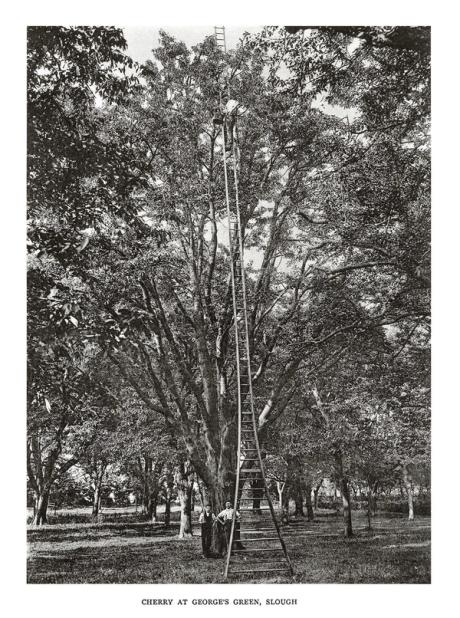
Shoot and branch: new photography book highlights the enduring majesty of trees

A new photography book, *Trees of Great Britain and Ireland*, reproduces over 60 photographs originally taken between 1906 and 1913 for Henry John Elwes and Augustine Henry's ambitious seven-volume catalogue of tree species. The images, mostly by uncredited photographers, were printed using a collotype process by the Autotype Company and are now newly lithoprinted to preserve their tonal subtlety. The book includes an introduction by Michael Pritchard and notes by photographic historian Björn Andersson, highlighting the historical and aesthetic significance of these botanical photographs.

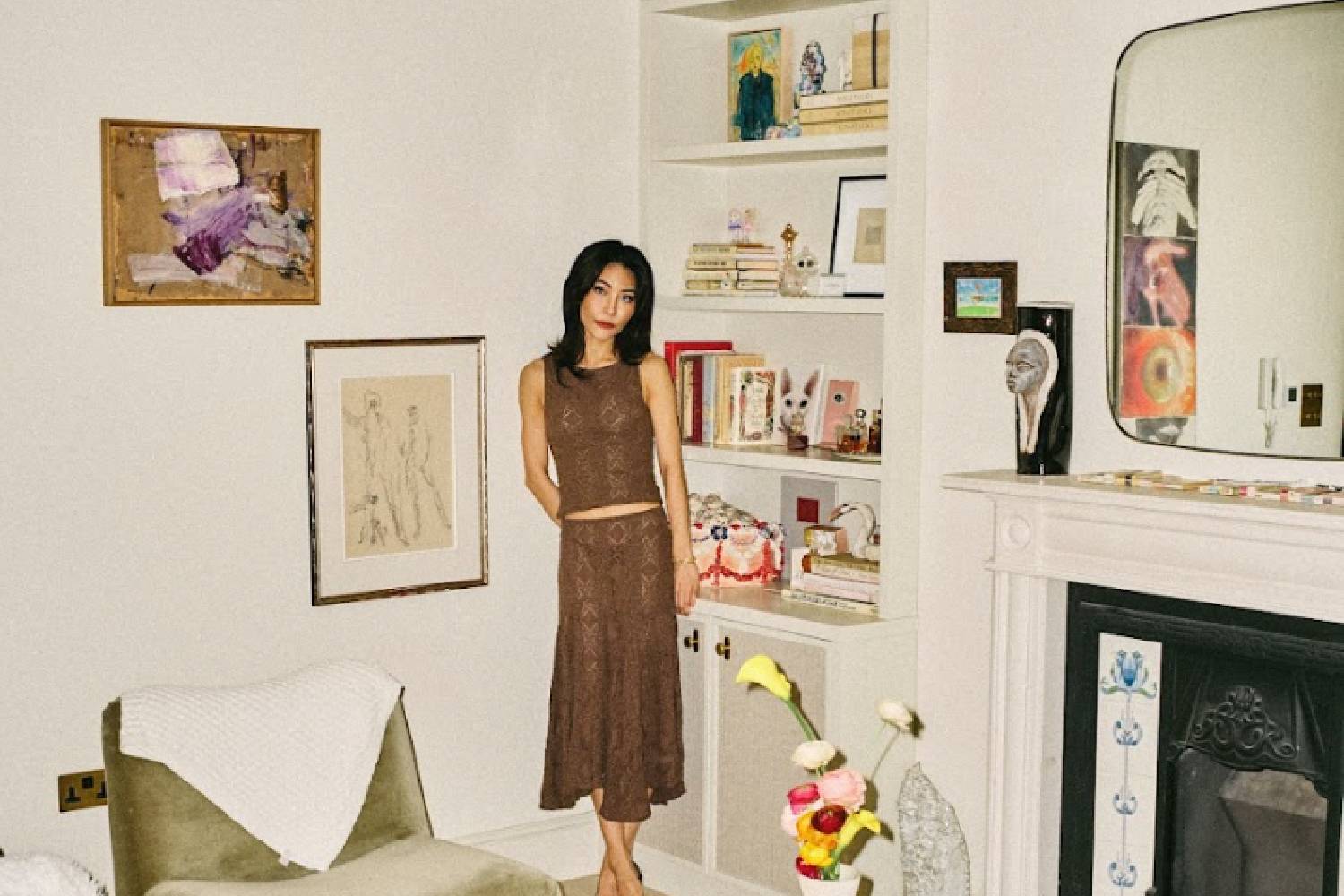
Meet the London Perfumer Building a Collection Around Humor and Instinct

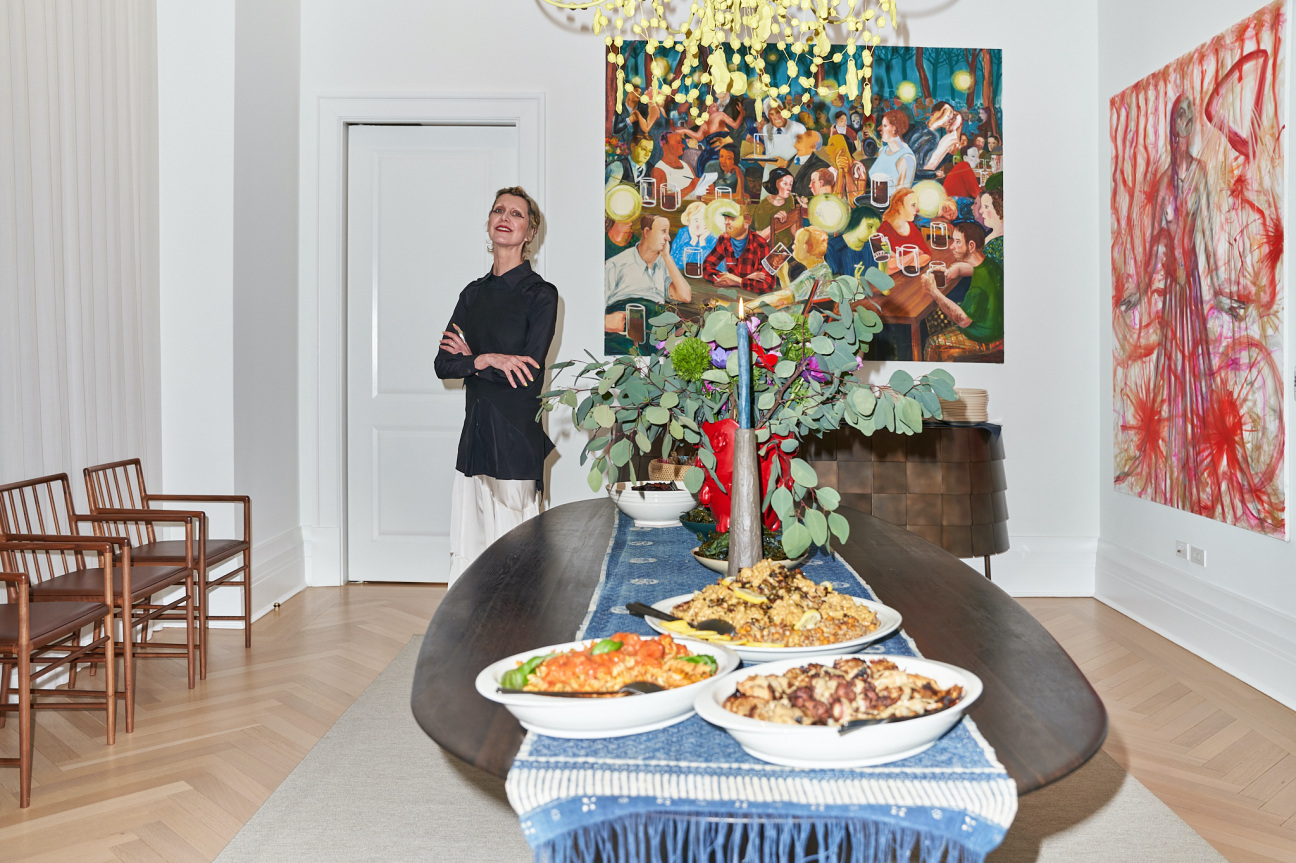
Cherry Cheng, a London-based perfumer, has curated a personal art collection in her Notting Hill flat that reflects her instinctive and humorous approach to collecting. The collection features works by artists such as Beau Gabriel, Miranda Keyes, Sarah Pucci, Juliette Teste, Araki Nobuyoshi, Katrien de Blauwer, Lucile Littot, Leo Costelloe, Sebastian Espejo, and Joline Kwakkenbos, displayed throughout her home like a diary of her tastes.

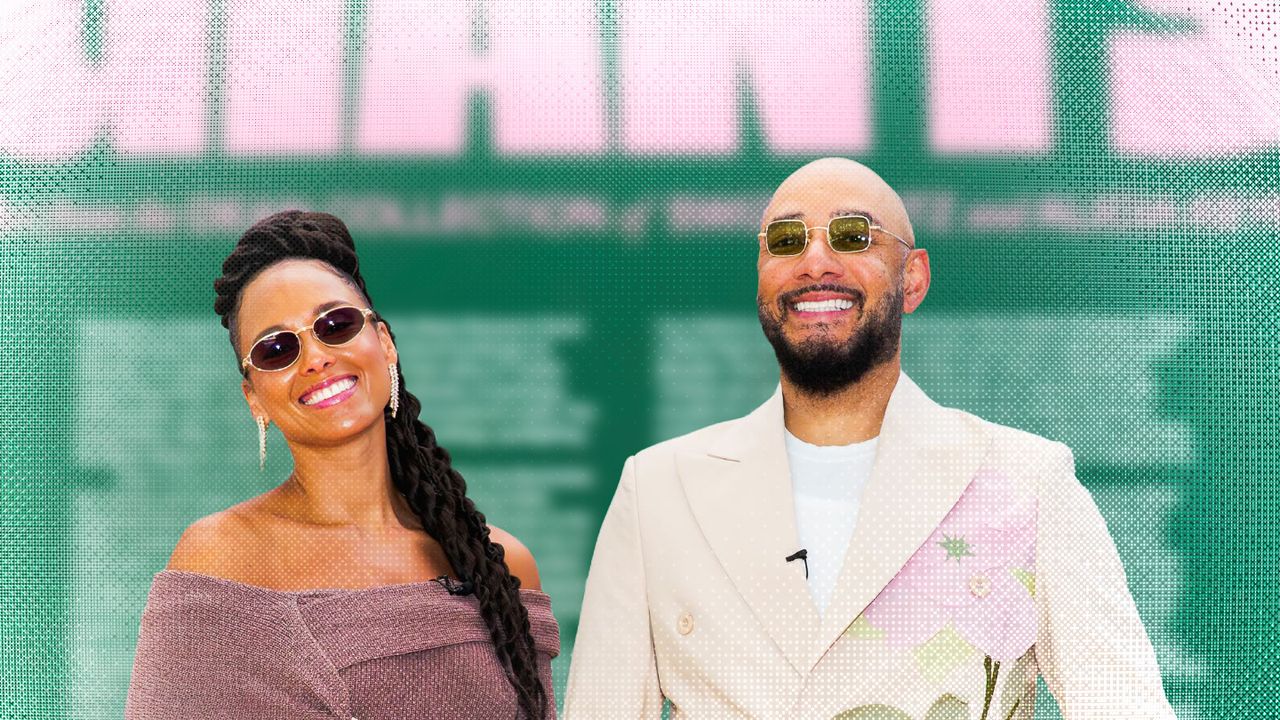
How Swizz Beatz and Alicia Keys Built a Best-in-Class Art Collection With a “Collect What You Feel” Philosophy

Swizz Beatz and Alicia Keys, the musician power couple, have built a major art collection known as the Dean Collection, now touring as the exhibition "Giants" at the San Diego Museum of Contemporary Art. The show, which debuted at the Brooklyn Museum in 2024, features works by Gordon Parks, Jean-Michel Basquiat, Malick Sidibé, and a new multimedia installation by Mickalene Thomas. In an interview with GQ's Frazier Tharpe, the couple discusses their philosophy of collecting art based on emotional connection rather than investment or social status, and how their passion for art has deepened over their 15-year marriage.

The best looks from the 2026 Met Gala

The 2026 Met Gala, themed 'Costume Art,' took place at the Metropolitan Museum of Art, honoring the Costume Institute's spring exhibition on the role of the dressed body in art history. Co-chaired by Nicole Kidman, Venus Williams, Anna Wintour, and Beyoncé, the event featured A-list celebrities, pop stars, and tech titans on the museum's grand staircase, with a dress code of 'Fashion Is Art' encouraging guests to treat the body as a canvas. Notable attendees included Sabrina Carpenter, Doechii, Rosé, Gigi Hadid, Katy Perry, and Charli XCX, with many wearing custom designs from houses like Marc Jacobs, Saint Laurent, Thom Browne, and Jean Paul Gaultier.

Who’s The Next Obsession? 12 European Collectors Reveal How They Discover New Talent

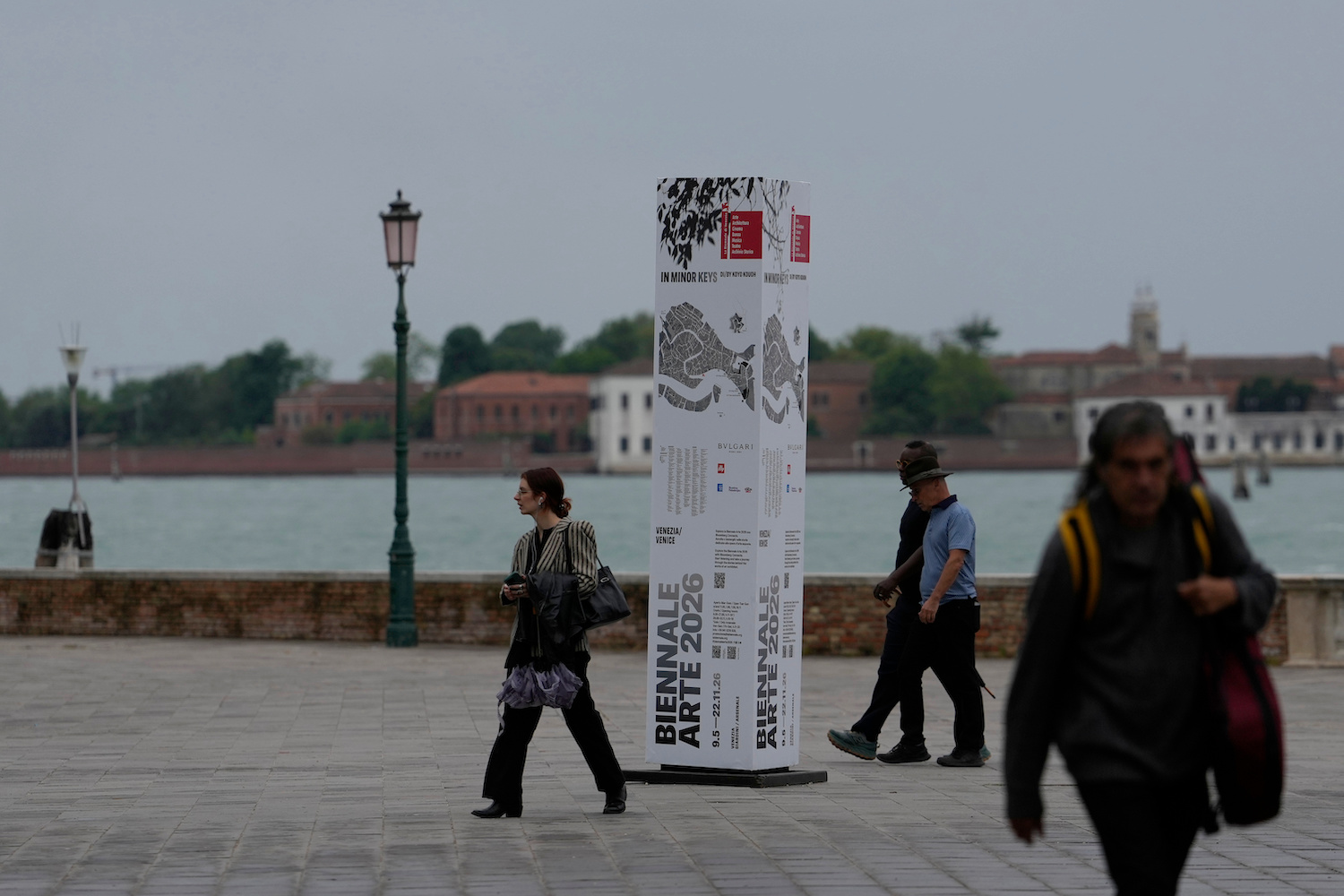
Cultured magazine asked 12 European collectors how they discover new talent, timed to the 61st Venice Biennale. Collectors like Nicole Saikalis Bay, Amélie du Chalard, Belma Gaudio, and Laurent Asscher share their personal approaches—ranging from emotional resonance and dialogue with existing works to long-term obsession with an artist before acquiring a piece. The responses reveal a diversity of methods, from instinct-driven buying to conceptual and technical evaluation.

I Turned My TV Into a Rotating Art Gallery Using Free Museum Downloads

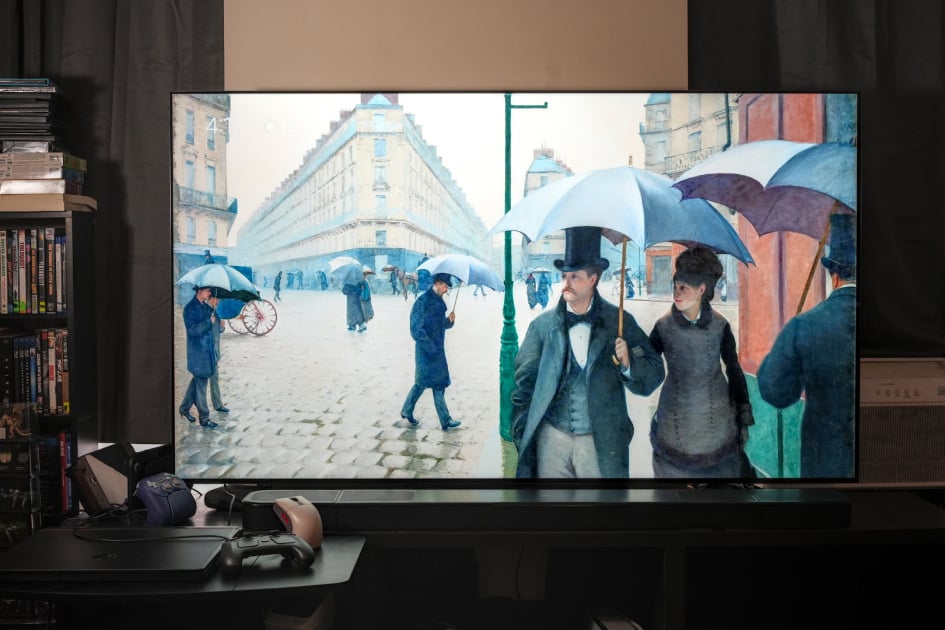
The article provides a guide on how to turn a TV into a rotating art gallery by downloading high-resolution, public-domain images from museum digital collections. It explains the need to filter for Open Access works to avoid copyright issues and recommends several museums with extensive free collections, including the Art Institute of Chicago and the Getty Museum.

Books received from November 7, 2025 to May 27, 2026

Ouvrages reçus du 7 novembre 2025 au 27 mai 2026

La Tribune de l'Art has published a roundup of art books received between November 7, 2025, and May 27, 2026, covering medieval to 17th-century art. Highlights include exhibition catalogues for Martin Schongauer at the Musée du Louvre, a unicorn-themed show at the Musée de Cluny, and a display of Renaissance Limoges enamels at Galerie Kugel. Scholarly works on Michelangelo's sculptures, Caravaggio's early career, and Georges de La Tour are also featured, alongside a volume on Romanesque and Gothic architecture in the Creuse region.

"Gesundheitseffekt der Künste auf biologischer Ebene"

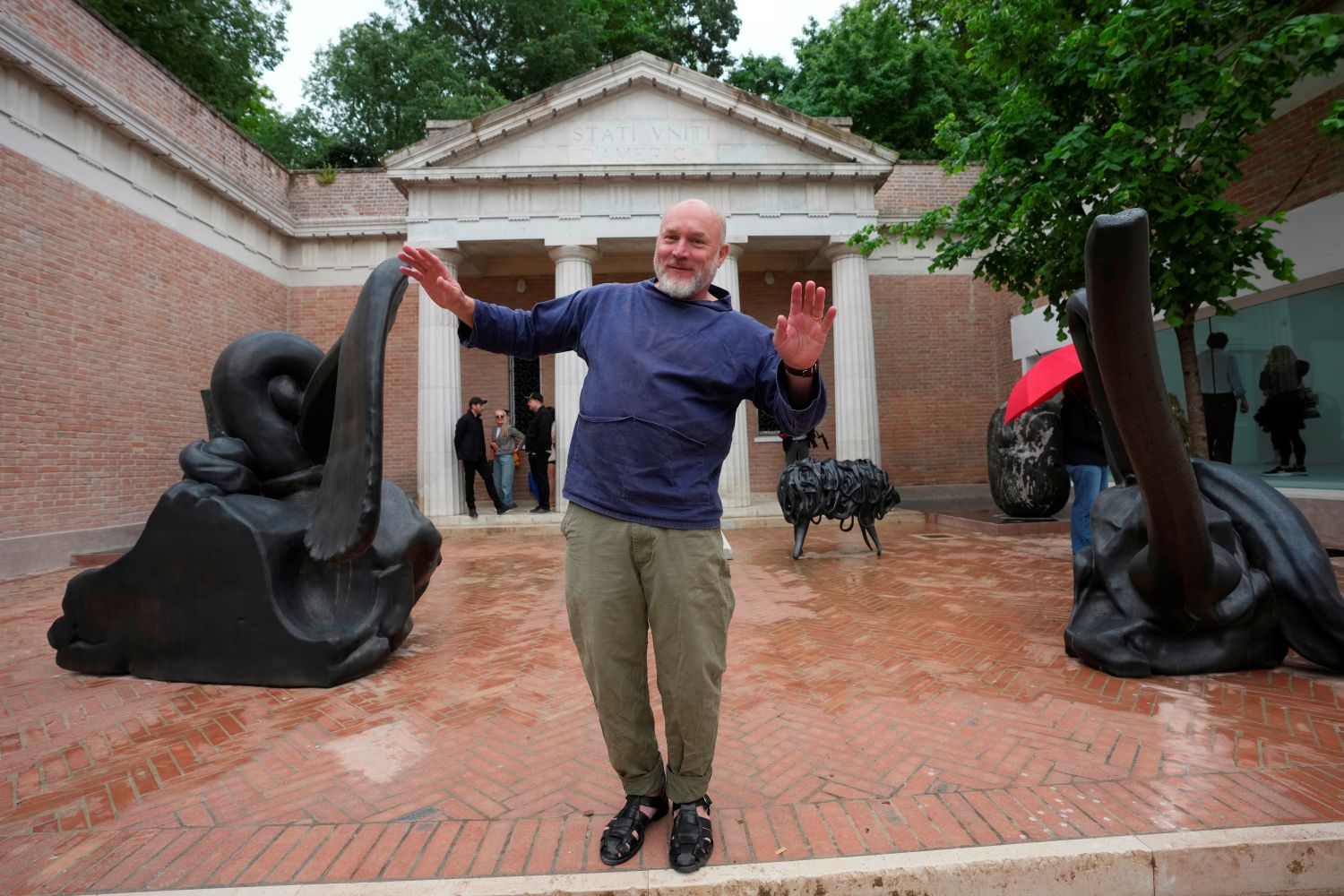
A roundup of art news covers multiple stories: Stefan Trinks criticizes Berlin's 'MuseumsMeileMitte' as a symptom of urban and cultural misdevelopment, where museums are co-opted by real estate marketing. At the Venice Biennale, the German Pavilion by Henrike Naumann and Sung Tieu explores East German identity and post-reunification trauma, while Patti Smith performed a 'sonic prayer' at the Vatican Pavilion curated by Hans Ulrich Obrist and Ben Vickers. A study from University College London suggests regular arts engagement may slow biological aging.

Where to go for the next scandal?

Wo bitte geht's zum nächsten Skandal?

The article reports on the 2024 Venice Biennale preview days, where the atmosphere is dominated by political protests, media stunts, and social-media pressure rather than the art itself. Incidents include a solidarity drone choir for Gaza, a Pussy Riot and FEMEN protest at the Russian Pavilion, and a planned demonstration near the Israeli Pavilion, all amplified by PR agencies and WhatsApp alerts. A journalist describes being pressured by editors to cover scandals and political controversies instead of art reviews, which they say no longer attract clicks.

Arts and cultural engagement ‘linked to slower pace of biological ageing’

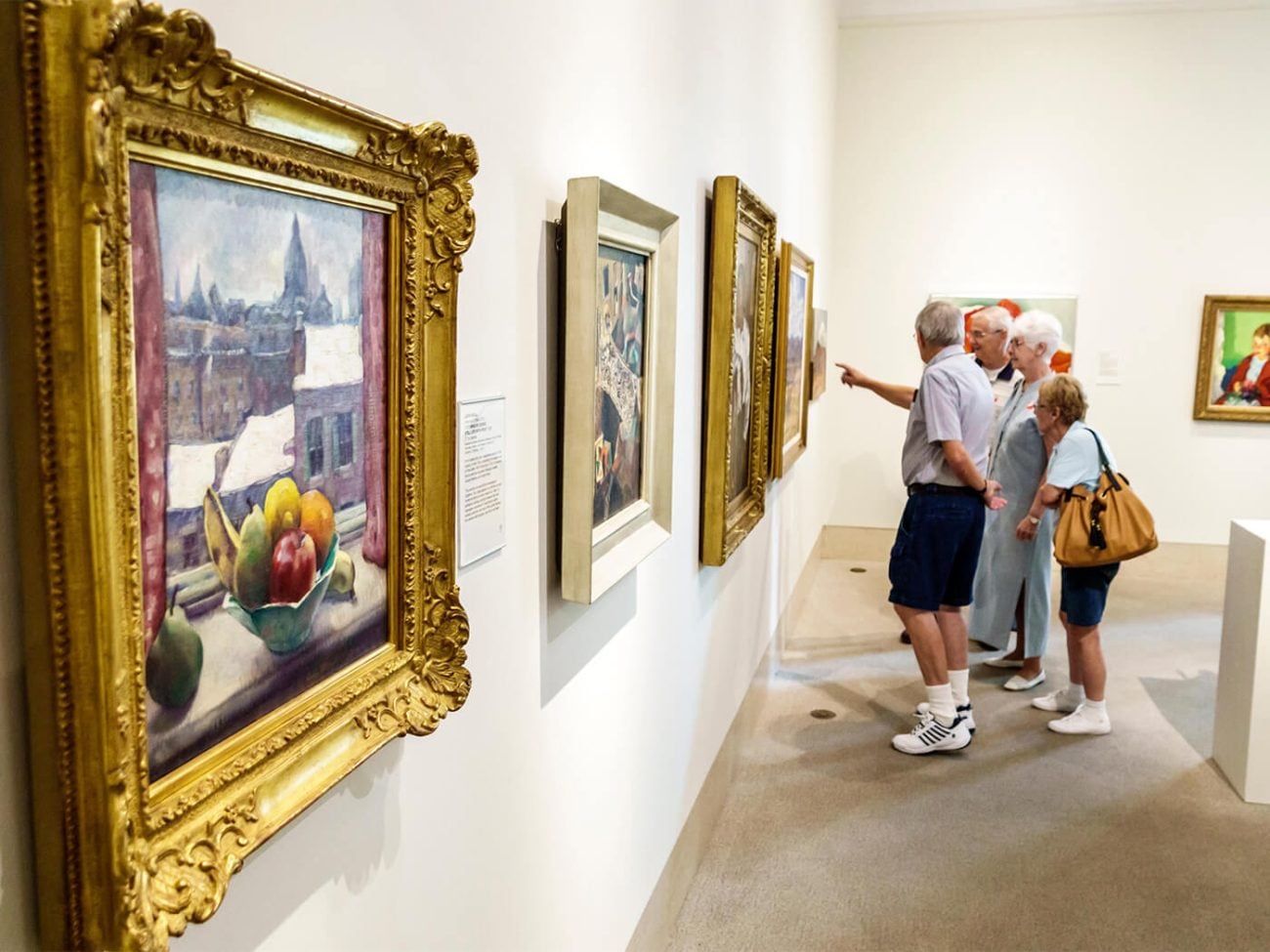
A new study published in the journal *Innovation in Aging* finds that engaging in arts and cultural activities—such as singing, painting, visiting museums or galleries—is linked to a slower pace of biological ageing. Researchers from University College London analyzed blood test and survey data from 3,556 adults in the UK Household Longitudinal Study, using epigenetic clocks to measure biological ageing. Those who participated in arts activities at least weekly showed a 4% slower ageing process, while monthly engagement yielded a 3% slowdown. The effect was comparable to the difference between smokers and those who quit smoking.

Are You a Queer Artist Heading to Fire Island This Summer? Pack This Book.

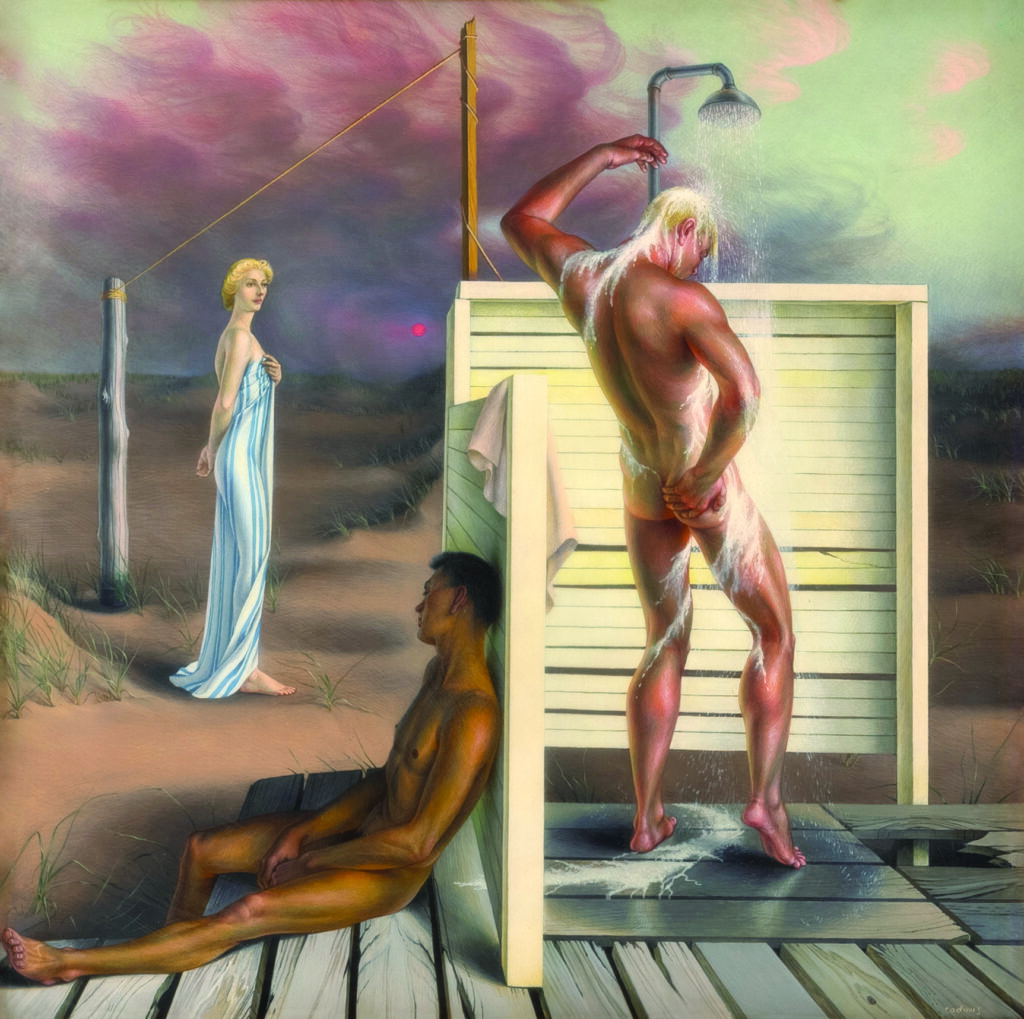
Cultured magazine highlights a new book, *Fire Island Art: 100 Years*, edited by John Dempsey, president of the Fire Island Pines Historical Society. The volume surveys queer artmaking on Fire Island from the 1930s to the present, featuring canonical figures like Richard Avedon, David Hockney, and Andy Warhol alongside overlooked artists, and includes contemporary voices such as TM Davy, Nicole Eisenman, and Salman Toor. It draws on archival material, newly unearthed pieces, essays, interviews, and primary texts to reframe the island as a cornerstone of queer modernism.

This is fucking Disneyland

"Das ist fucking Disneyland"

The article surveys recent German cultural commentary, highlighting three main stories: art historian Bénédicte Savoy's warning in the FAZ about the physical decay of German universities, particularly the Technical University of Berlin, as a threat to democratic culture; Berlin artist Charlie Stein's essay on anxiety as a pervasive contemporary condition and art's role in making it visible; and critic Rachel Wetzler's harsh review of the Venice Biennale in Artforum, calling it an overwhelming 'theme park' version of the art world. Additionally, Nikolaus Bernau defends expert juries in the Tagesspiegel, using the Biennale's jury crisis as a case study.

Aging more slowly thanks to museums? Science confirms it

Vieillir moins vite grâce aux musées ? La science le confirme

A study published on May 11 in Innovation in Aging by University College London analyzed data from 3,556 adults in the UK, measuring their cultural engagement against biological age using epigenetic clocks. Researchers found that those who visit museums, exhibitions, concerts, or libraries at least once a week age approximately 4% more slowly than those who rarely participate. Even three cultural outings per year correlate with a 2% slowdown in biological aging, with monthly visits yielding a 3% effect—comparable to the benefits of physical exercise.