filter_list Showing 305 results for "Google" close Clear
search
dashboard All 10718 museum exhibitions 6012article local 2513trending_up market 783article news 491article culture 305person people 228article policy 163rate_review review 120candle obituary 55gavel restitution 35article event 7article museum 2article school 1article events 1article museums 1article architecture 1
date_range Range Today This Week This Month All
Subscribe

judy chicago google

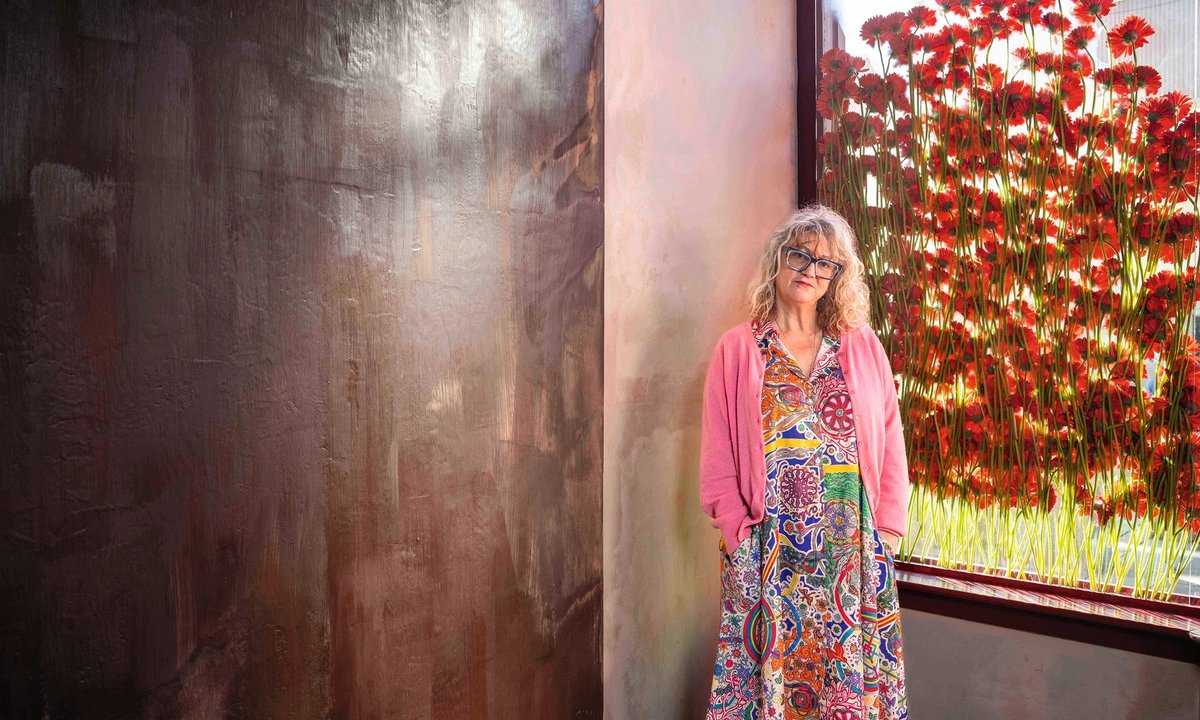
Artist Judy Chicago recounts her frustrating experiences with public art commissions, focusing on a recent failed collaboration with Google for its Chicago headquarters at the Thompson Center. After being encouraged by her dealer to apply, Chicago was awarded a commission in fall 2025 to create a large terrazzo floor and a 17-story glass elevator shaft using her "Through the Flower" imagery. However, the project fell through after months of effort, mirroring earlier disappointments with the Beverly Hills Sculpture Park, where a city councilor questioned the value of her work, which Chicago attributes to institutionalized sexism.
Can Art Feel?

Hyperallergic's newsletter explores the question of whether artworks can possess personhood, drawing on Lisa Siraganian's essay that references the 2010 Citizens United Supreme Court decision and Pierre Huyghe's uncanny human statues. Other featured pieces include Ed Simon's review of Elizabeth Goldring's new book on Hans Holbein the Younger, Michael Glover's introduction to George Stubbs's equine portraits at the National Gallery in London, and news of a historic $116M gift to the National Gallery of Art for an artwork lending program. The newsletter also covers Byron Kim's exhibition at James Cohan Gallery, the new V&A East museum in London, and obituaries for Desmond Morris, James Hayward, and Flo Oy Wong.

The Contemporary Art Destinations Gallerists and Artists Have on Their Radar

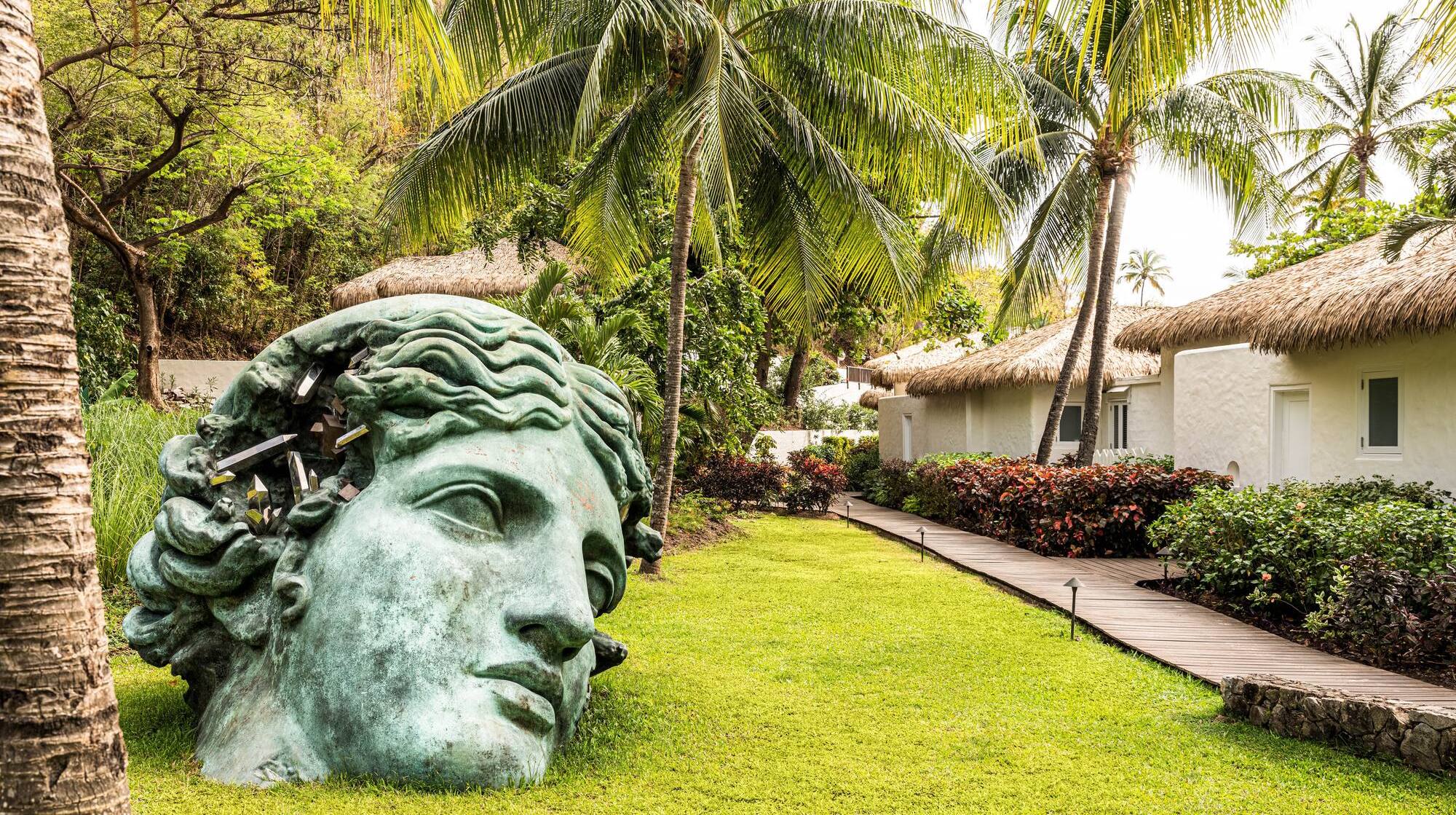
WWD asked top international gallerists, collectors, and artists to name the cities they find most exciting for contemporary art. Karen and Christian Boros recommend Naples and the Amalfi Coast, highlighting galleries like Galleria Giangiacomo Rossetti, Thomas Dane Gallery, and Lia Rumma, as well as Fondazione Morra Greco and Le Sirenuse hotel. Daniel Arsham points to Sugar Beach in St. Lucia for its large contemporary sculpture collection. Jean-Michel Othoniel champions South Korea, citing Seoul's Leeum Samsung Museum of Art, Kukje Gallery, and the Kiaf Seoul fair, plus the city of Busan. Emma Lavigne of the Pinault Collection names Venice, especially during the Biennale Arte di Venezia, as an essential destination.

All we want for Christmas: The Art Newspaper 2025 gift guide

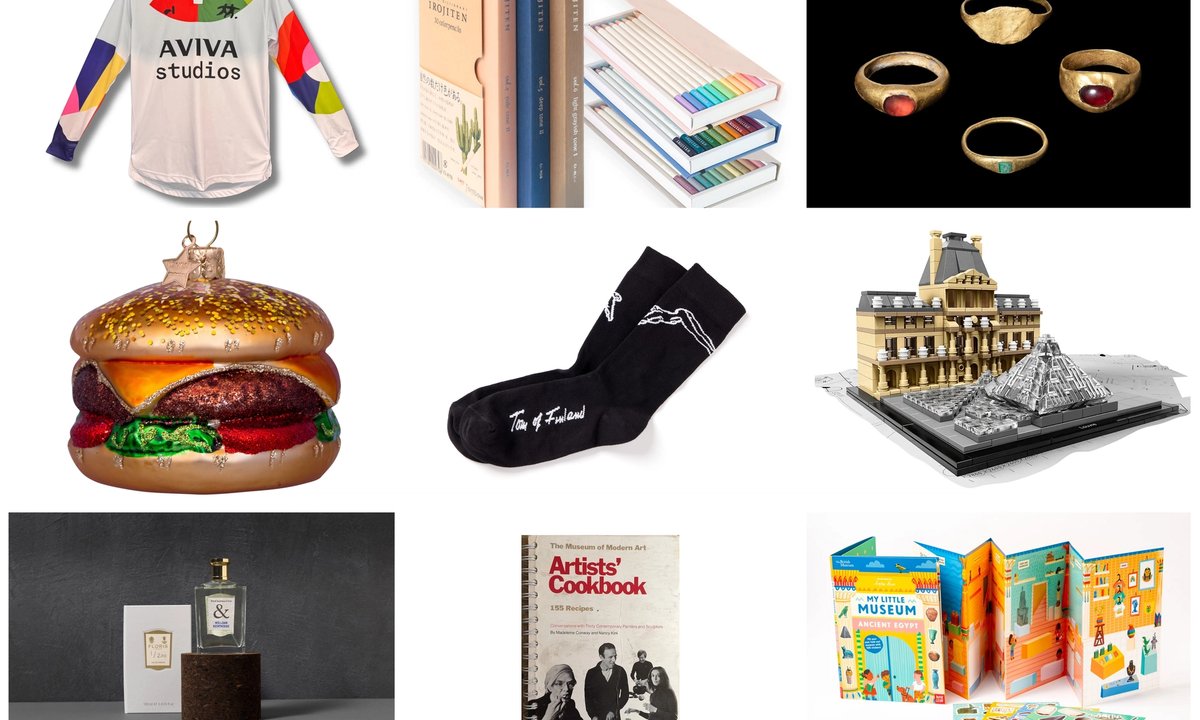
The Art Newspaper has published its 2025 Christmas gift guide, featuring a curated selection of art-related presents. Suggestions include art supplies from London's historic L. Cornelissen & Son, Japanese Irojiten color pencils, and cookbooks like "The Kitchen Studio: Culinary Creations by Artists" and the out-of-print "The Museum of Modern Art Artists' Cookbook." The guide also includes fantasy gift lists from Frieze and Art UK, with items such as Alexander Calder playing cards and a Tom of Finland cushion from House of Voltaire, alongside more unusual ideas like a sponsorship deal for a Victorian loo or a Lego Louvre heist set.

What does winning an arts prize really mean?

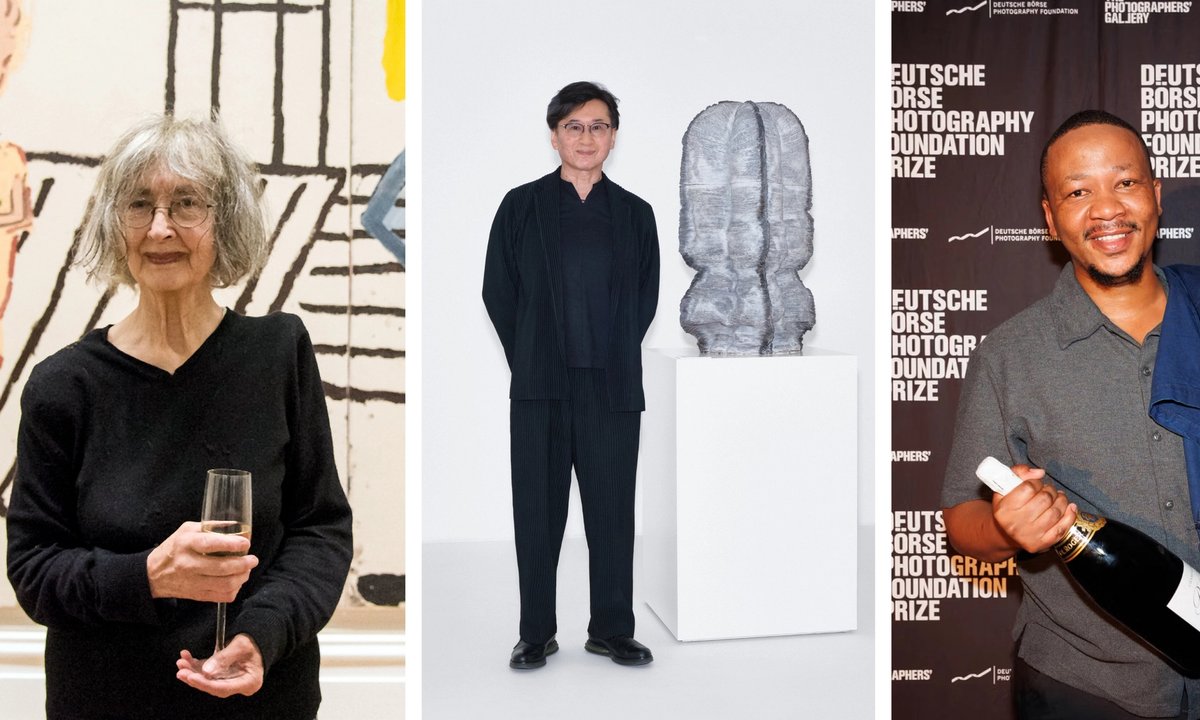
The article examines the history and impact of major art prizes, including the Turner Prize (established 1984), the John Moores Painting Prize (nearly 70 years old), and the Loewe Foundation Craft Prize (annual award). It traces the origins of art prizes back to 19th-century Paris salons and highlights how these awards provide cash, recognition, and career acceleration for artists. Specific examples include Rose Wylie, who won the John Moores Prize at age 80 and later joined David Zwirner and secured a Royal Academy solo show, and Samuel Ross, who used his Hublot Design Prize winnings to start his own company.

A brush with… Christopher Wool—podcast

This episode of "A brush with…" podcast features an in-depth conversation with artist Christopher Wool, who discusses his career spanning painting, photography, and sculpture. Wool reflects on early influences including the Art Ensemble of Chicago, Dan Flavin, Jean-Michel Basquiat, Dieter Roth, and Toni Morrison's novel *The Bluest Eye*, which inspired one of his text paintings. He also explains the title of his recent exhibition "See Stop Run" and how jazz has consistently inspired his work. The podcast is sponsored by Bloomberg Connects, which highlights museums that have shown Wool's work, including the Guggenheim, MoCA Los Angeles, and SFMOMA.

When Gagosian Goes So Do His Galleries, How Hockney’s Swimmer Swam Away, and Green Shoots in the Gallery World

Kenny Schachter's article opens with a broad critique of the political climate under the Trump administration, linking it to a chilling effect on free speech and democracy, before pivoting to the art world. He notes the absence of a U.S. representative for the 61st Venice Biennale, mentions Marilyn Minter's protest piece, and references David Hockney's *Portrait of an Artist (Pool with Two Figures)* at Christie's. The piece also touches on market negativity, the resilience of art, and skepticism about the Middle East as a market savior.

artists studios google street view part 2

Artnet News continues its exploration of famous artists' studios via Google Maps Street View, featuring nine historic homes and workspaces. Among them are Max Liebermann's lakeside Berlin villa, now a memorial museum; the modernist compound of Diego Rivera and Frida Kahlo in Mexico City, designed by Juan O'Gorman; Dora Gordine's eclectic Dorich House in South London; and Ben Nicholson's studio in the historic Porthmeor Studios building in Cornwall, which once housed Francis Bacon and other artists. Each entry includes the location, historical context, and an interesting fact about the site.

Art of Luxury

The article introduces *Art of Luxury*, a biannual magazine published by *The Art Newspaper* that examines the intersection of high-end fashion, jewelry, travel, and lifestyle with the visual arts. It covers how luxury brands engage with artists, the art market, and museums and heritage institutions.

Expanded Vocabulary: Revisiting Deborah Kass’ Studio

The article recounts the author's visit to Deborah Kass's Brooklyn studio, which she shares with her wife, artist Patricia Cronin. The visit was prompted by logistical issues related to the author's exhibition "Social Minimalism" (2025). During the visit, the author and Kass revisited themes central to Kass's work over three decades: the exclusion of women from art history, Jewish identity, queer voice, lesbian subjectivity, and postwar American art. The conversation also touched on Kass's series including the Warhol Project, Feel Good Paintings, No Kidding, and the large painting/sculpture installation "Everybody" (2019), which was recently featured in a conversation between Kass and Titus Kaphar in Interview magazine.

Chicago Art Movements Over The Years, From the Monster Roster to the Modern Moment

Chicago’s art history is defined by a series of indigenous movements that prioritized visceral, existential expression over commercial appeal. The article traces this lineage back to the late 1940s with the emergence of the Monster Roster, a group of artists including Leon Golub and Dominick Di Meo who returned from World War II to produce agonistic work. This movement was catalyzed by institutional resistance at the School of the Art Institute of Chicago, leading to the creation of the independent Momentum Exhibitions which bypassed conservative juried systems.

The best art books of 2025, as picked by The Art Newspaper’s editors

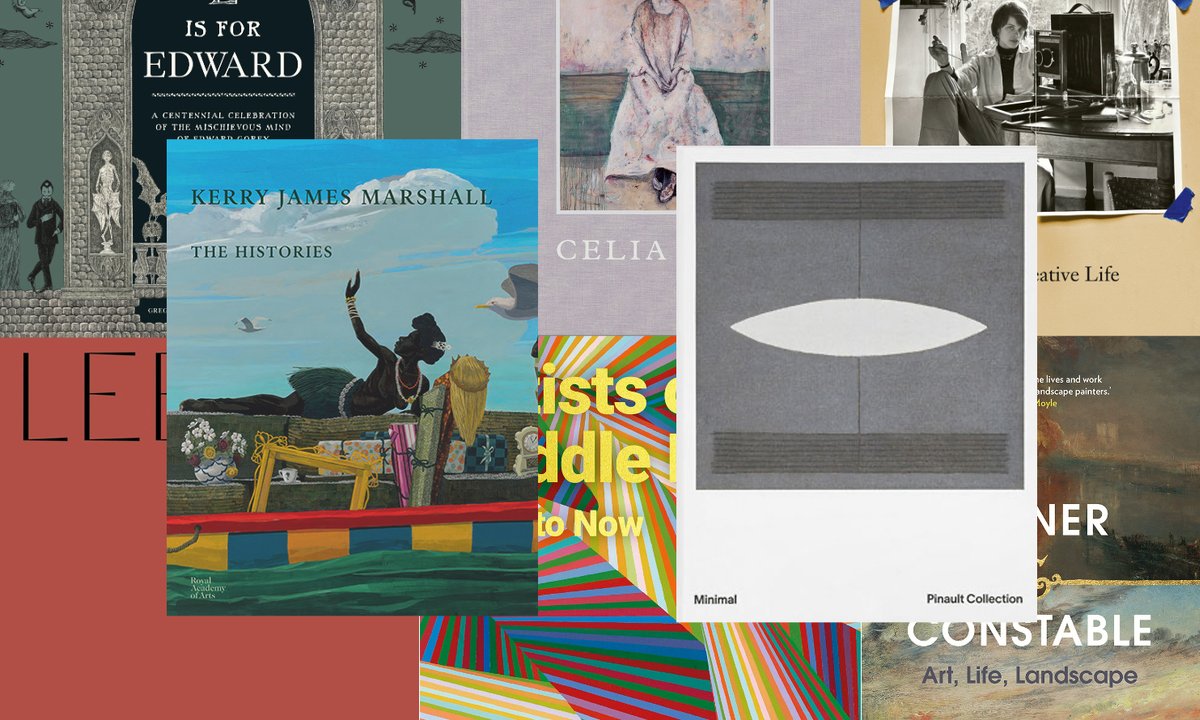
The Art Newspaper’s editors have selected their top art books of 2025, featuring a diverse range of titles. Highlights include "Kerry James Marshall: The Histories," a catalogue from the Royal Academy of Arts exhibition surveying the American artist’s large-scale history paintings centered on Black figures; "Minimal, edited by Jessica Morgan," which reassesses overlooked Minimalist artists; and "Lee Miller," the Tate Britain exhibition catalogue exploring the photographer’s multifaceted career. Other notable picks include monographs on Celia Paul, Shahzia Sikander, and Edward Gorey, as well as a comprehensive overview of Middle Eastern art from 1900 to now.

As the US Slides Into Tyranny, Europe Champions Black American Artists

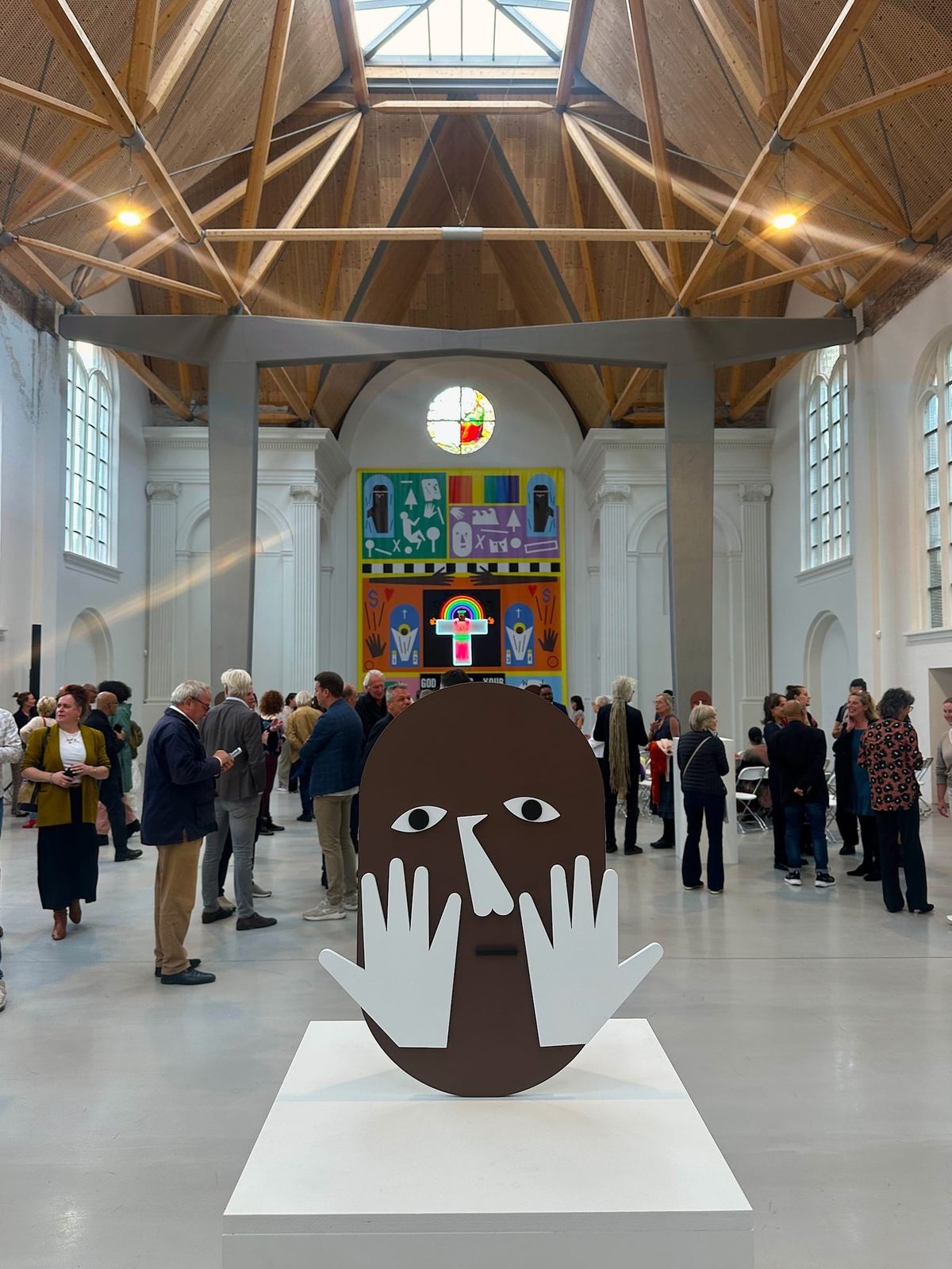
Four major European museums are simultaneously staging ambitious exhibitions of Black American artists, including Kerry James Marshall at London's Royal Academy, Jacob Lawrence at Kunsthal KAdé in Amersfoort, Nina Chanel Abney in Paris and Amersfoort, and Mickalene Thomas at Les Abattoirs in Toulouse and the Grand Palais in Paris. The article, written as an opinion piece, describes the author's experience at the opening of Abney's show at Elbow Church in the Netherlands and contrasts the European embrace of these artists with the political climate in the United States.

Global Art Biennials: Renovation, Revelation—or Repetition?

The article examines the current state of global art biennials, arguing that recent controversies—such as the 2022 documenta antisemitism crisis and geopolitical tensions at the 61st Venice Biennale—reveal these exhibitions as deeply politicized platforms rather than neutral cultural events. It highlights how juries and curators have introduced geopolitical criteria, and cites ongoing debates in Artforum (April 2026) featuring voices like Daniel Birnbaum, Michelle Grabner, and Adam Szymczyk, who diagnose visible tensions but overlook deeper structural conditions.

Can Digital Art Ever Truly Replicate the Gallery Experience?

The article explores whether digital art platforms can replicate the experience of visiting a physical gallery. It acknowledges the impressive progress of virtual exhibitions—global accessibility, VR tours, AR overlays, and high-resolution zoom—and notes that 35% of UK adults digitally engaged with the arts in 2024/25, up from 27% in 2021/22. However, it argues that something essential is lost without physical presence: the tactile encounter with a painting's texture and scale, the serendipity of in-person discovery, and the spatial awe of standing before a Rothko in a white cube.

Theatre, production, performance: fashion invests in art

Fashion houses like Chanel are increasingly investing in contemporary art, not merely as inspiration for prints or patterns but as a strategic tool for brand positioning and cultural credibility. Gallery owner Tristan Paprocki, who recently opened a Milan space with partner Guido Romero Pierini, notes that brands now seek out emerging artists to demonstrate foresight and support new talent. Chanel has collaborated with Berlin's Hamburger Bahnhof museum for large-scale installations by artists such as Klára Hosnedlová and Lina Lapelytė, and has announced ten artists for the third edition of its Next Prize 2026, including Bárbara Sánchez-Kane, Pan Daijing, and Álvaro Urbano. These artists work across fashion, sculpture, and performance, blurring the lines between clothing and contemporary art.

Inside New York’s Rogue Project Spaces

A digital cover story profiles New York City's rogue project spaces—artist-run venues like U-Haul Gallery, Desnivel, Spielzeug, Catbox Contemporary, and 95 Gallon Gallery—that operate in unconventional locations such as trash bins, moving trucks, bodegas, laundromats, buses, and cat towers. The article features interviews with founders including Maria De Victoria (Desnivel), James Sundquist and Jack Chase (U-Haul Gallery), and others, highlighting how these spaces counter the bureaucracy of institutional exhibitions by prioritizing artist freedom, intimacy, and community engagement.

The Art Diary May 2026 – Revd Jonathan Evens

The article titled "The Art Diary May 2026 – Revd Jonathan Evens" appears to be a diary or column by Revd Jonathan Evens, published on Artlyst, covering art-related events, reflections, or commentary for May 2026. The specific content is not provided in the snippet, but the format suggests a curated overview of exhibitions, cultural happenings, or personal observations from the author's perspective.

How taboo-breaker Robert Crumb’s surreal cartoons mock an absurd world—and himself

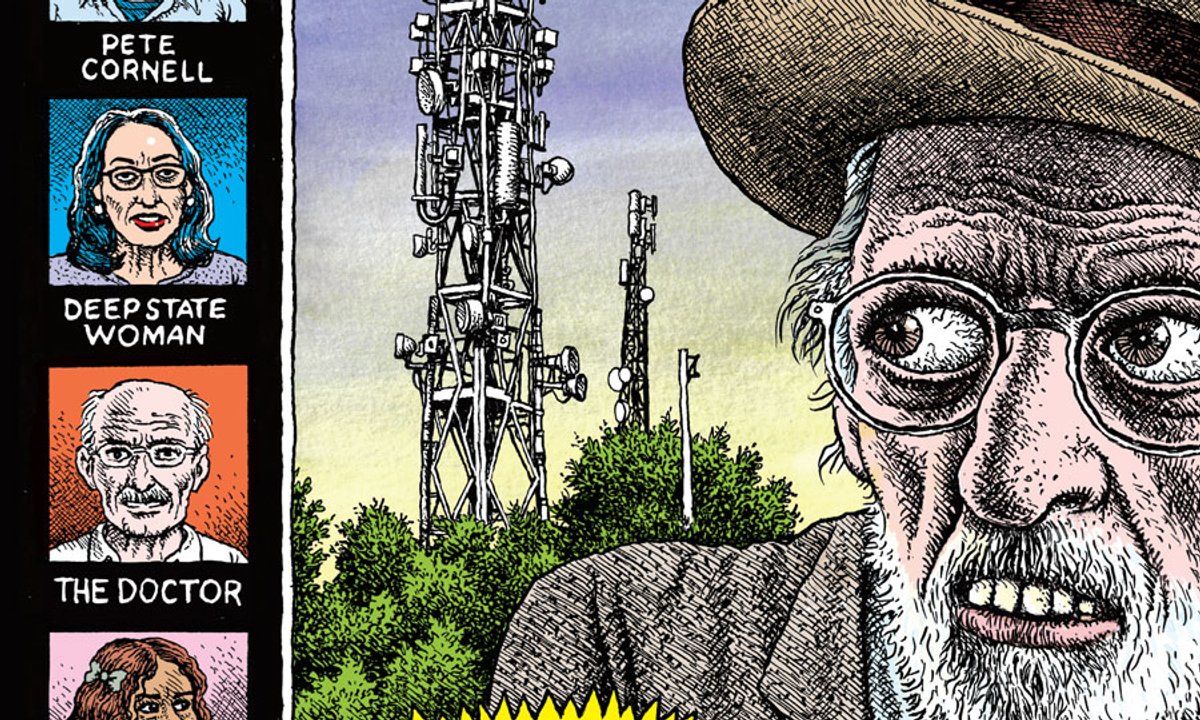
A new biography, *Crumb: A Cartoonist's Life* by Dan Nadel, examines the life and work of Robert Crumb, the taboo-breaking underground cartoonist who rose to fame in the 1960s with surreal, satirical comics like *Head Comix*. The book details Crumb's troubled family history, his early career at American Greetings, and his creation of iconic characters such as Fritz the Cat and the Keep On Truckin' images, while also addressing persistent criticisms of sexism and racism in his work.

‘Lust for Life’: The Van Gogh book designed to fit in pockets of US soldiers during the Second World War

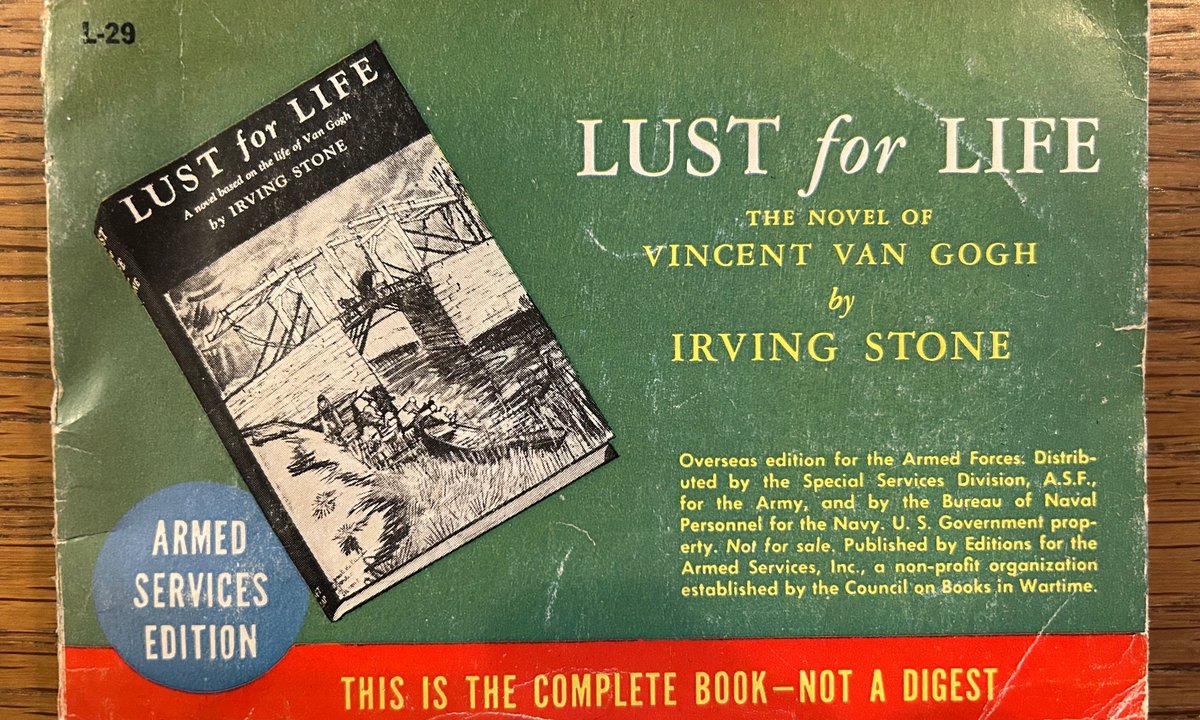
Irving Stone's 1934 novel *Lust for Life*, a fictionalized biography of Vincent van Gogh, was published as an Armed Services Edition during World War II for U.S. soldiers. These pocket-sized books, measuring 11cm by 17cm, were designed to fit in uniform pockets and withstand harsh conditions. Over 123 million copies of various titles were printed from 1943 to 1947, with distribution including parachute drops to troops on Pacific islands and handouts to soldiers before the Normandy Landings. The surviving copies are scarce and often damaged, with browned pages and covers marked as U.S. government property, not to be resold.

Van Gogh’s family used an erotic Gauguin ceramic as a flower vase

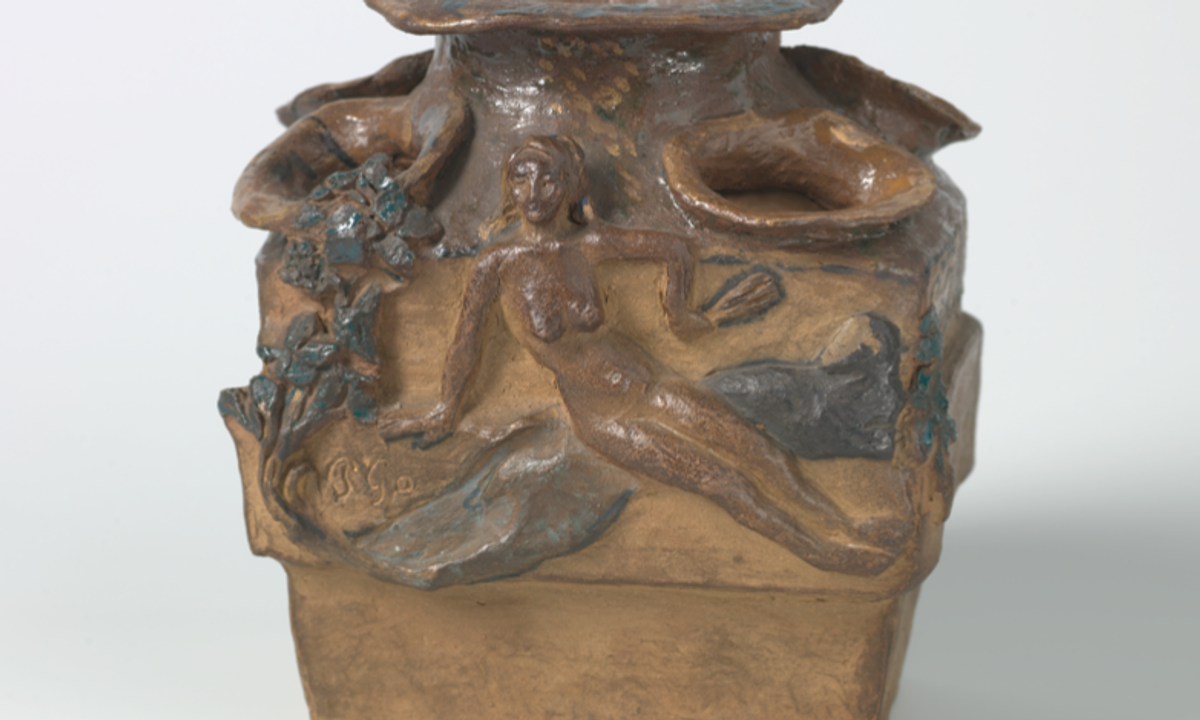
A researcher at the Van Gogh Museum, Joost van der Hoeven, has revealed that Paul Gauguin's erotic ceramic, the Cleopatra Pot (winter 1887-88), was used as a flower vase by Vincent van Gogh's family. Gauguin brought the pot to Arles when he stayed with Van Gogh in 1888, and after Van Gogh's ear incident, Gauguin gave the pot to Vincent's brother Theo as a gift. The pot later remained with Theo's widow, Jo Bonger, and a photograph from 1925-26 shows it on her piano holding flowers, surrounded by still-life paintings.

Comment | As Cop30 opens in Brazil, it is time for the art world to embrace ethics with aesthetics

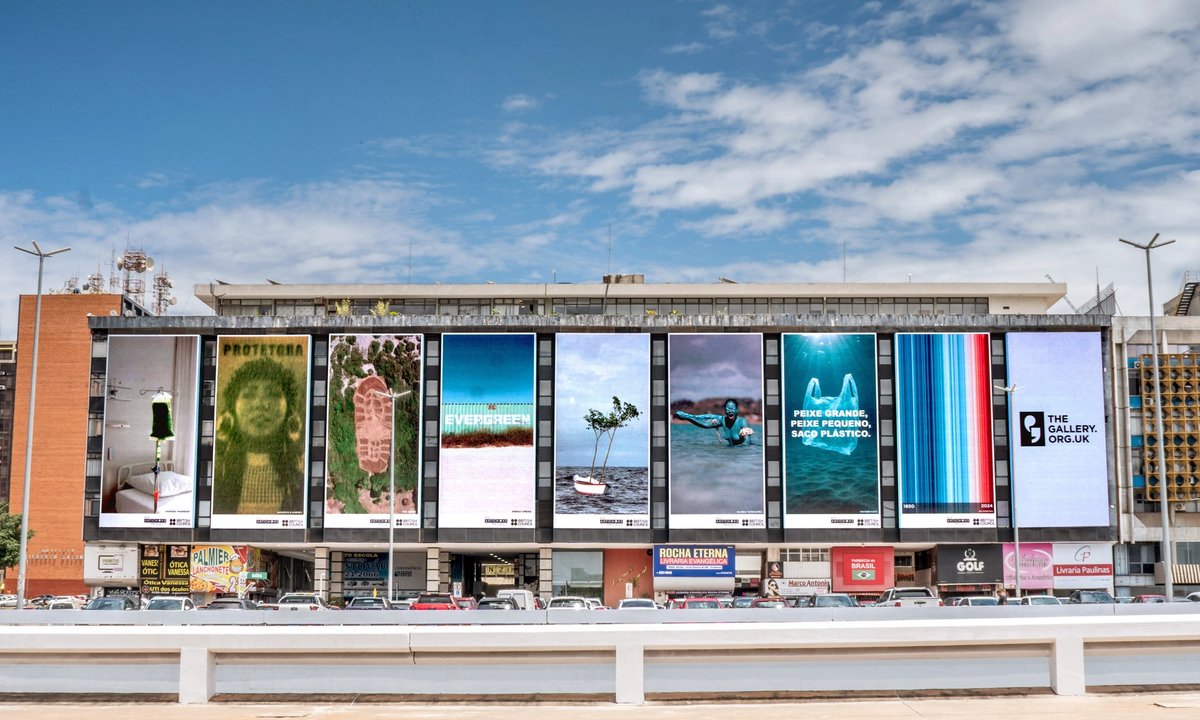
COP30, the United Nations Climate Change Conference, opens in Belém, Brazil, with culture officially on its agenda for the first time, thanks to advocacy from the Amazonian activist group Labverde and Art of Change 21. The conference features interventions and performances by eight Brazilian and indigenous artists, including photographer Christian Braga and activist Beto Oliveira, alongside a flurry of artist-led activities in UK galleries and institutions. The article also marks the tenth anniversary of Gustav Metzger's environmental art project "Remember Nature," which mobilized over 140 artists including Judy Chicago, Olafur Eliasson, and Marina Abramović, and was revisited on November 4, 2025, with sixteen English arts institutions hosting public projects.

Out of the wrapper and into the gallery: the art of chocolate

Artist Anya Gallaccio discusses her use of chocolate as an art material, tracing her first experiments in 1992 at Rodolphe Janssen gallery in Brussels, where she commissioned chocolate guns, and her 1994 solo show "Brown on White" at Galerie Krinzinger in Vienna, where she painted gallery walls with melted couverture chocolate. The work invited visceral audience reactions, including licking the walls, and engaged with themes of desire, decay, and the colonial and class histories of chocolate consumption.

‘Like a carefully choreographed performance’: meet the logistics professionals who bring art fairs to life

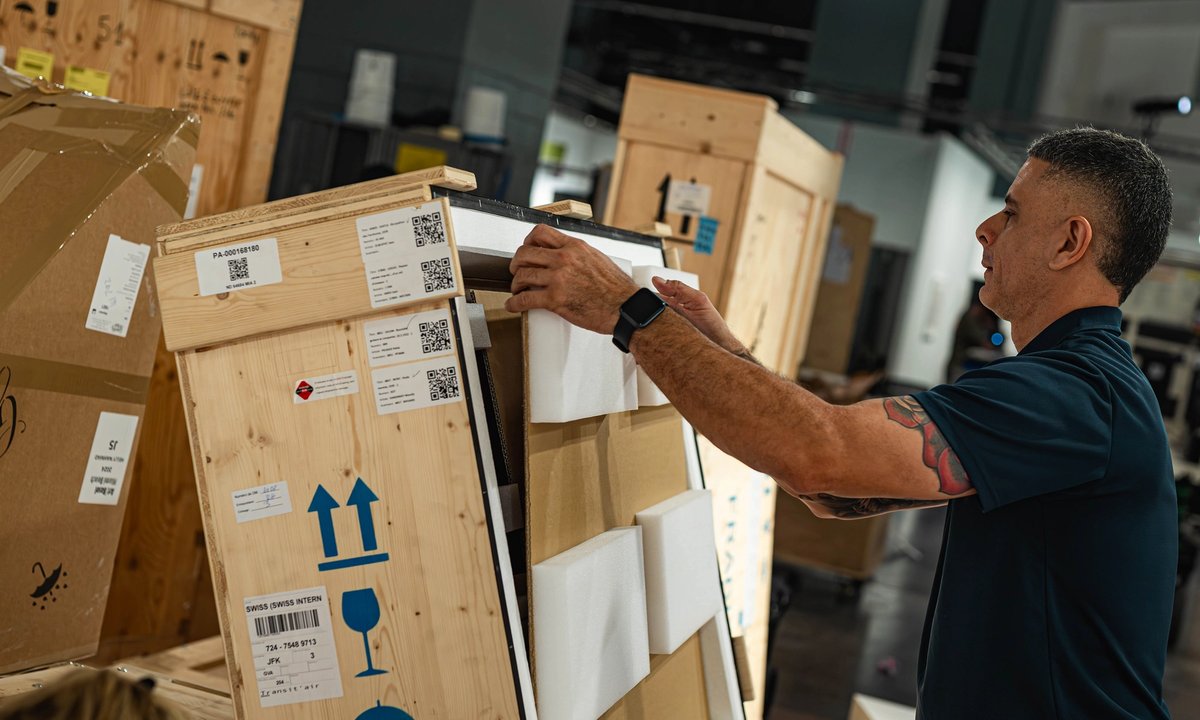
Art fairs appear serene on the surface, but behind the scenes, logistics professionals work frantically to ship, install, and present hundreds of artworks. The article shares dramatic installation tales from galleries and shippers, including Gianpietro Carlesso's heavy sculpture at Frieze Sculpture 2020, a Calder Stegosaurus transported for Art Basel Miami Beach 2013, and Mandy El-Sayegh's immersive booth installation at Frieze London 2023. These stories highlight the challenges of tight schedules, extreme weather, and complex installations that require structural engineers, cranes, and overnight work.

Most expensive, suicide not murder and more: celebrating 300 Adventures with Van Gogh

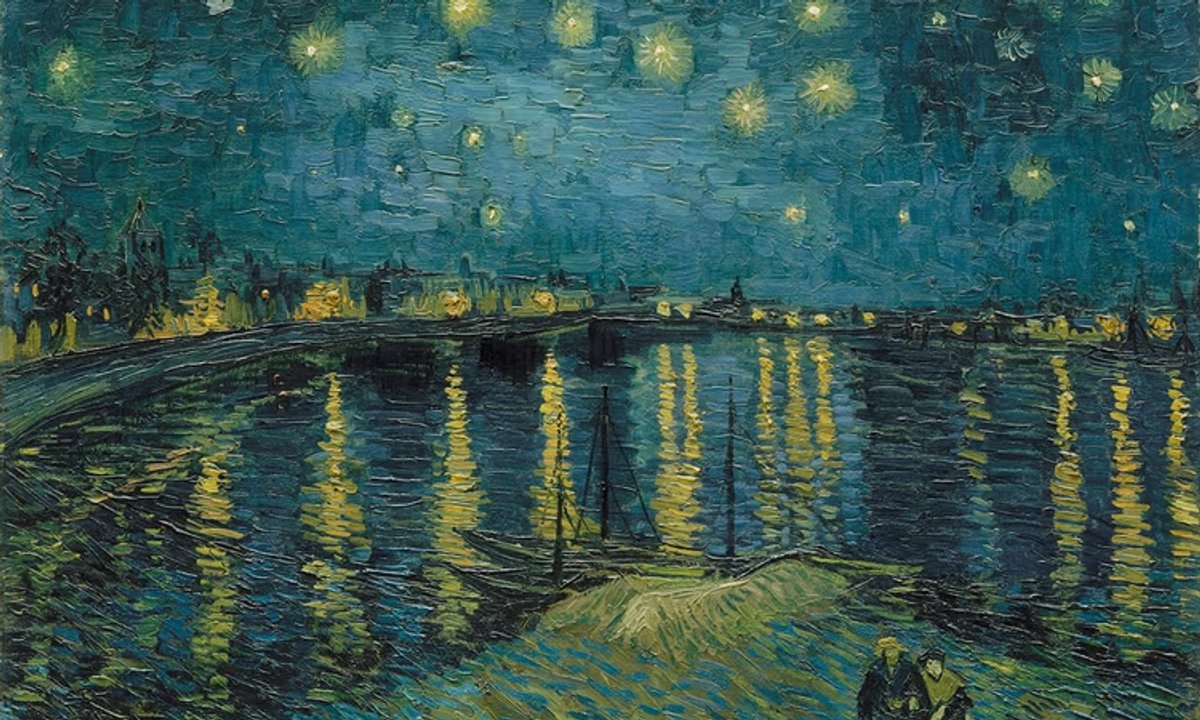
Adventures with Van Gogh, a weekly blog launched in 2018, has published its 300th post. To mark the milestone, the blog compiled a list of its most-read posts since the 200th edition in February 2023, updated with new information. Topics range from the ten most expensive Van Gogh paintings at auction (led by *Orchard with Cypresses* at $117m) to a geological feature near Saint-Rémy-de-Provence that appears in *The Olive Trees*, a defense of the suicide theory over murder, the real-life view behind *Starry Night over the Rhône*, Picasso’s granddaughter Marina Picasso quietly buying and selling a Van Gogh watercolour, and the artist’s preference for simple wooden frames over ornate gold ones.

Van Gogh’s Starry Night over the Rhône reveals more of its mysteries

Van Gogh's *Starry Night over the Rhône* (September 1888), housed at the Musée d'Orsay in Paris, is analyzed in detail to separate the actual view of Arles from the artist's imaginative additions. The article examines how Van Gogh repositioned the Plough (Big Dipper) constellation, exaggerated the brightness of gas lamps, and likely painted most of the scene in his studio rather than en plein air. It also reveals that he later reworked the lower-left corner of the canvas, as seen in contemporary sketches.

How did the only painting sold by Van Gogh in his lifetime end up in Russia?

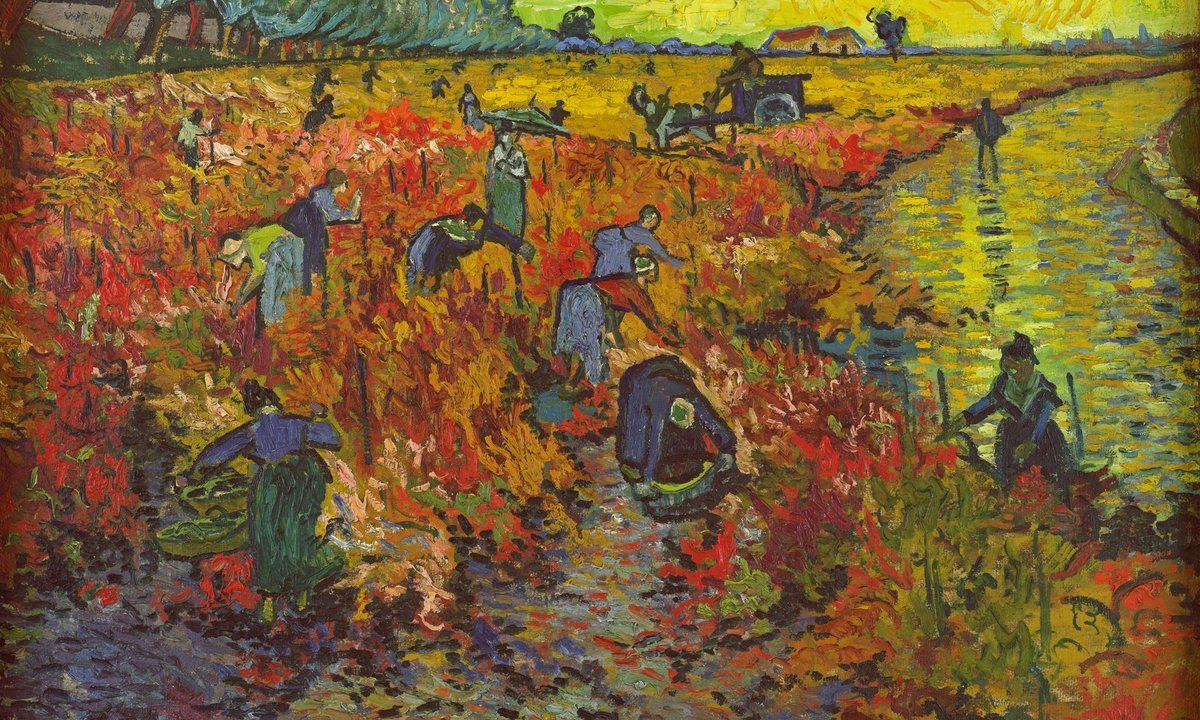
The article explores the history and conservation of Vincent van Gogh's "The Red Vineyard," the only painting he is certain to have sold during his lifetime. Sold for 400 francs at a Brussels exhibition in March 1890, the work now resides at the Pushkin State Museum of Fine Arts in Moscow. A recent conservation project used modern scientific techniques to uncover new details about the painting's creation, including Van Gogh's use of paint straight from the tube, compositional changes, and the fading of chrome yellow pigments. The article also recounts the painting's origin during Van Gogh's time in Arles with Paul Gauguin and its journey to Russia.

How to Feel Confident Visiting an Art Gallery, According to Gallerist Hannah Traore

Gallerist Hannah Traore offers advice on how to feel confident visiting commercial art galleries, addressing common anxieties like intimidation, unclear etiquette, and perceptions of elitism. The article follows a group of newcomers who visited galleries in New York and reported their experiences, which Traore then responds to with practical tips for making gallery visits more approachable and inclusive.

A brush with... Hew Locke—podcast

This episode of 'A brush with...' features artist Hew Locke, who discusses his career and artistic practice. Born in Edinburgh in 1959 to artists Donald and Leila Locke, he moved to Guyana as a child and returned to the UK to study art in 1980. Over three decades, Locke has created sculptures, installations, photographs, drawings, and textiles exploring nationhood, culture, and power, often using found objects and cardboard. He reflects on influences including his parents, a tutorial with Paula Rego, and Hans Haacke's 1993 Venice Biennale pavilion, and discusses his upcoming exhibitions: 'Gilt' at Compton Verney (2025-2027), 'Passages' at the Yale Center for British Art (2025-2026), 'Armada' at Newlyn Art Gallery, and 'Cargoes' at King Edward Memorial Park.

Two US ambassadors have displayed Van Goghs in their London residence—but Donald Trump's pick for the job seems unlikely to follow suit

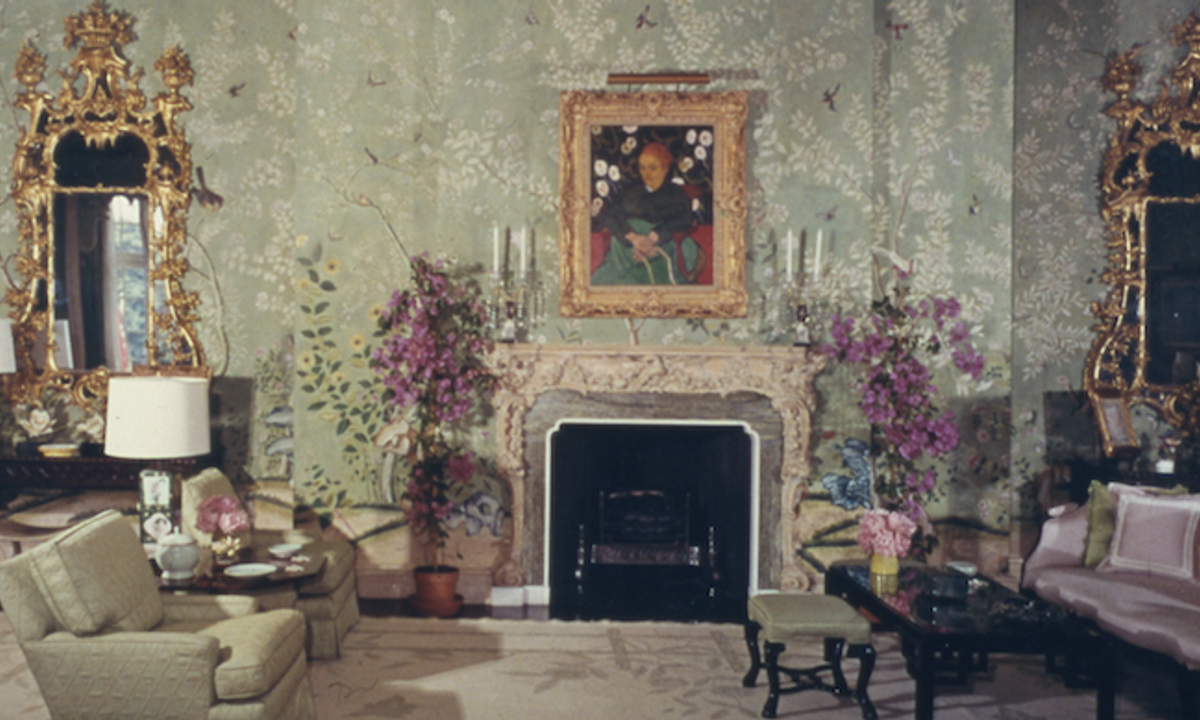
Two former U.S. ambassadors to the UK, John Hay Whitney (1957-61) and Walter Annenberg (1969-74), displayed Van Gogh masterpieces from their personal collections in Winfield House, the official residence in London's Regent's Park. Whitney hung Van Gogh's *Self-portrait* (September 1889) above the mantelpiece in the family dining room, while the Annenbergs placed *La Berceuse* (February 1889) and *Olive Trees* (November 1889) in the green room, alongside works by Gauguin, Degas, Cézanne, Monet, and Renoir. Both ambassadors later donated their Van Goghs to major U.S. museums—Whitney's to the National Gallery of Art in Washington, D.C., and the Annenbergs' to the Metropolitan Museum of Art in New York.