filter_list Showing 31 results for "Italia" close Clear
search
dashboard All 304 museum exhibitions 148article news 64article culture 31article local 19article policy 14trending_up market 11person people 5gavel restitution 5candle obituary 4rate_review review 3
date_range Range Today This Week This Month All
Subscribe

C’è un libro che racconta il sorprendente rapporto storico tra arte, biciclette e ciclismo

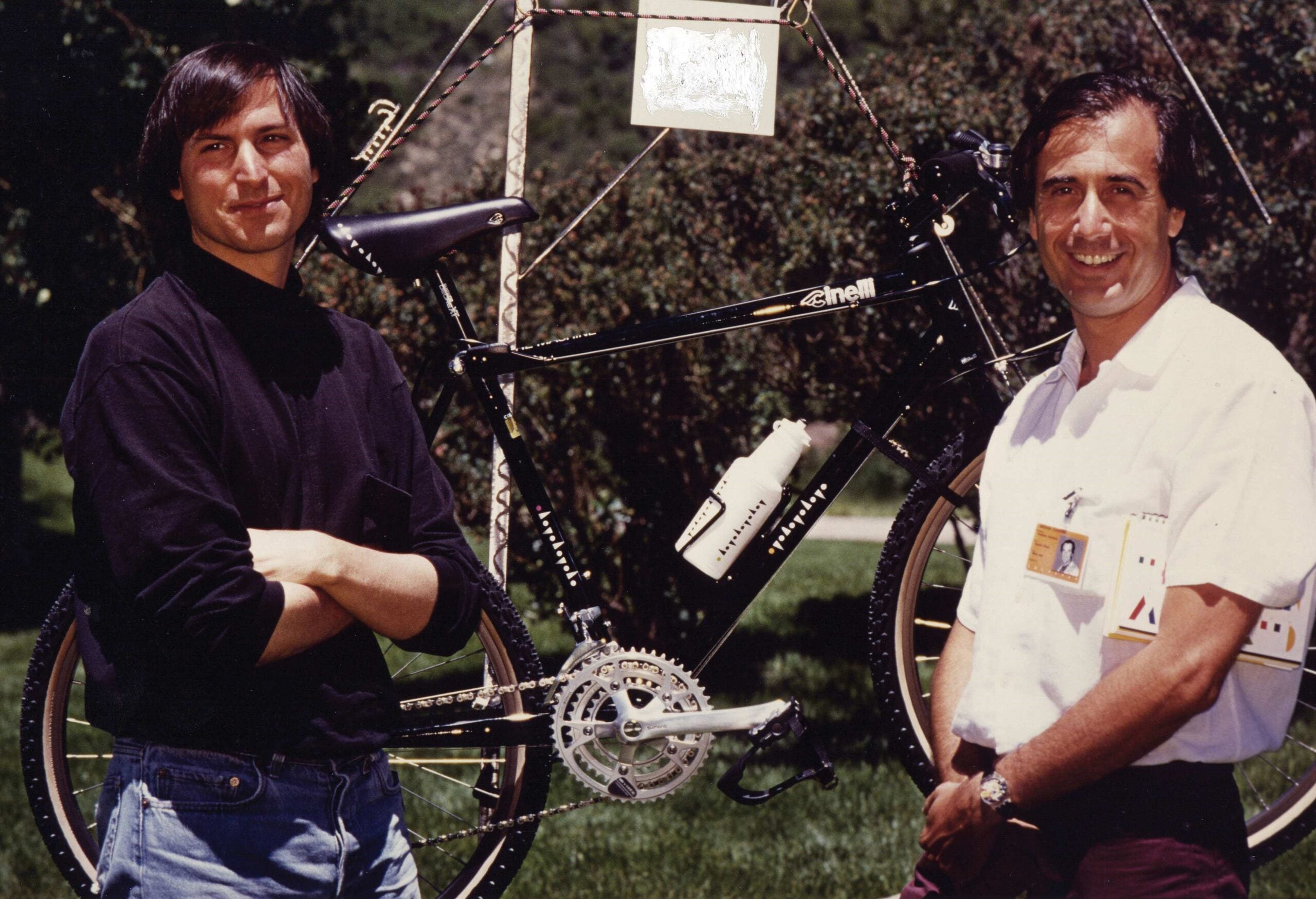
Antonio Colombo, the Italian entrepreneur behind Columbus and Cinelli, has published a memoir titled "A.C. Confidential. La mia vita tra arte, bicicletta e design" (Ediciclo Editore, 2026, co-written with Giacomo Pellizzari). The book traces his family's engineering legacy—his father Angelo Luigi Colombo supplied steel tubes to Bauhaus designer Marcel Breuer in 1933—and Colombo's own career fusing technical precision with artistic vision. He acquired Cinelli in 1978, collaborated with artists like Keith Haring, Alessandro Mendini, and Barry McGee, and introduced groundbreaking bicycle models including the Rampichino mountain bike (1985) and the Laser, which won the Compasso d'Oro design award in 1991. The narrative also covers his friendships with artists Mario Schifano (who designed Tour de France jerseys) and his role in the Red Hook Criterium fixed-gear race.
The Burlington Magazine - n°1478 vol CLXVIII - May 2026

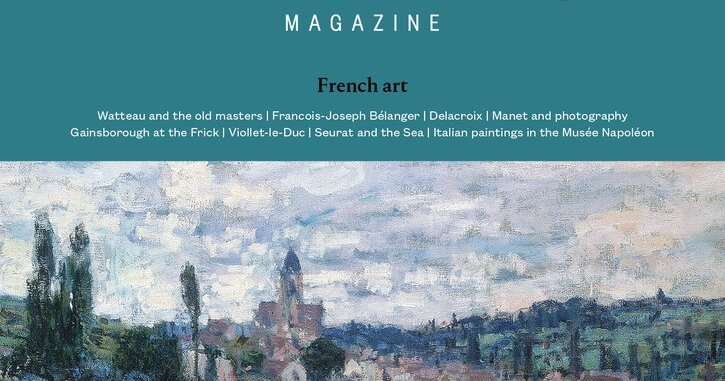
The May 2026 issue of The Burlington Magazine (n°1478, vol. CLXVIII) presents a rich array of scholarly articles, exhibition reviews, and book reviews covering European art from the medieval period to the 20th century. Highlights include Laure Boyer's study of two photographs of Victorine Meurent linked to Manet's 'Le Déjeuner sur l'herbe' and 'Olympia', Axel Moulinier's analysis of Watteau's copies after old masters, and Richard Thomson's essay on a century of Monet in print. Exhibition reviews cover shows on Monet's Étretat coast, Orazio Gentileschi, Cornelius Jonson van Ceulen, Gainsborough, Seurat, Italian Symbolism, and Iliazd. Book reviews range from medieval art and Pietro Bellotti to Helene Schjerfbeck, Roberto Matta, and contemporary jewelry at the Dallas Museum of Art.

I Turned My TV Into a Rotating Art Gallery Using Free Museum Downloads

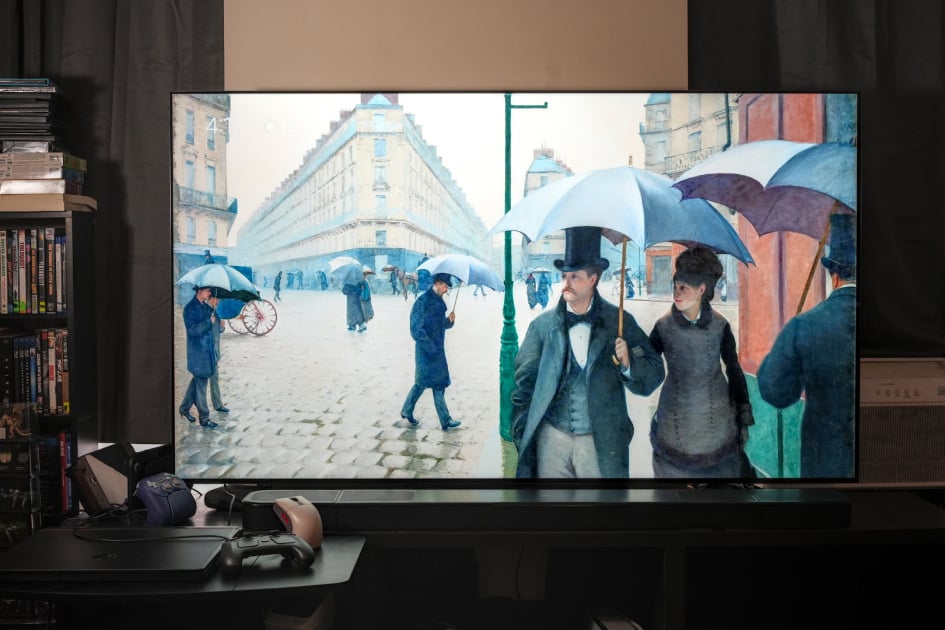
The article provides a guide on how to turn a TV into a rotating art gallery by downloading high-resolution, public-domain images from museum digital collections. It explains the need to filter for Open Access works to avoid copyright issues and recommends several museums with extensive free collections, including the Art Institute of Chicago and the Getty Museum.

‘It’s about processing’: the artist who spent three months recreating the most poignant moments with her ex

Photographer Diana Markosian has created a new project titled "Replaced," in which she spent three months recreating intimate moments from her past relationship with an ex-partner. To document the experience of falling in and out of love, she hired an actor to play her ex and traveled with him to locations they once visited together, including Miami, Paris, Naples, Capri, and Nice. The series blurs documentary and fiction, using staged reenactments to process grief, heartbreak, and healing.

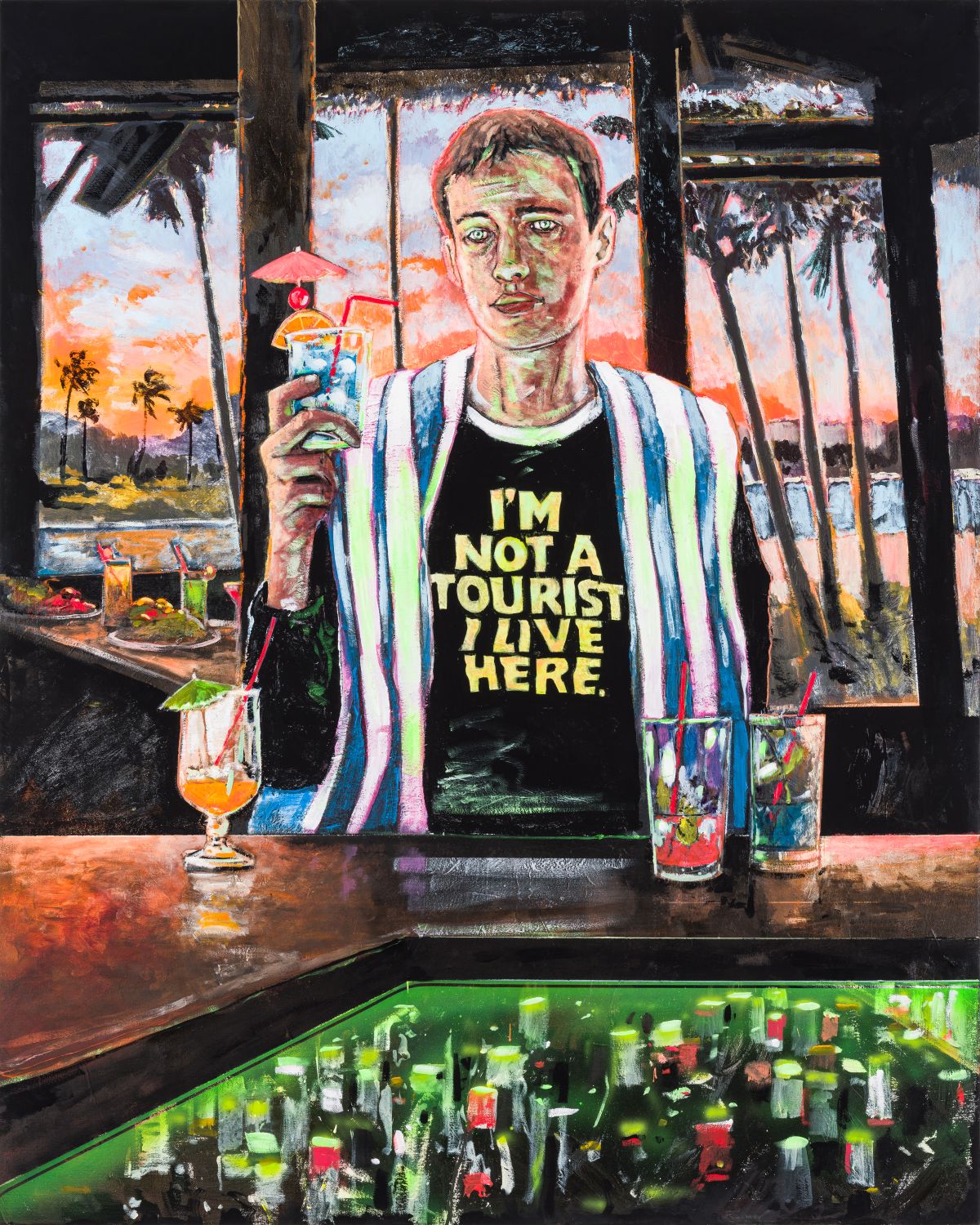
Anyone who never feels uncomfortable as a tourist is not a good tourist

"Wer sich als Tourist nie unbehaglich fühlt, ist kein guter Tourist"

American painter Hernan Bas has created a new series of paintings inspired by Venice and its tourists, drawing from his long-standing relationship with the city. His first encounter with Venice came through an invitation to exhibit at Bruna Aickelin's renowned gallery Il Capricorno, and he has since shown there multiple times, considering Aickelin his Italian connection.

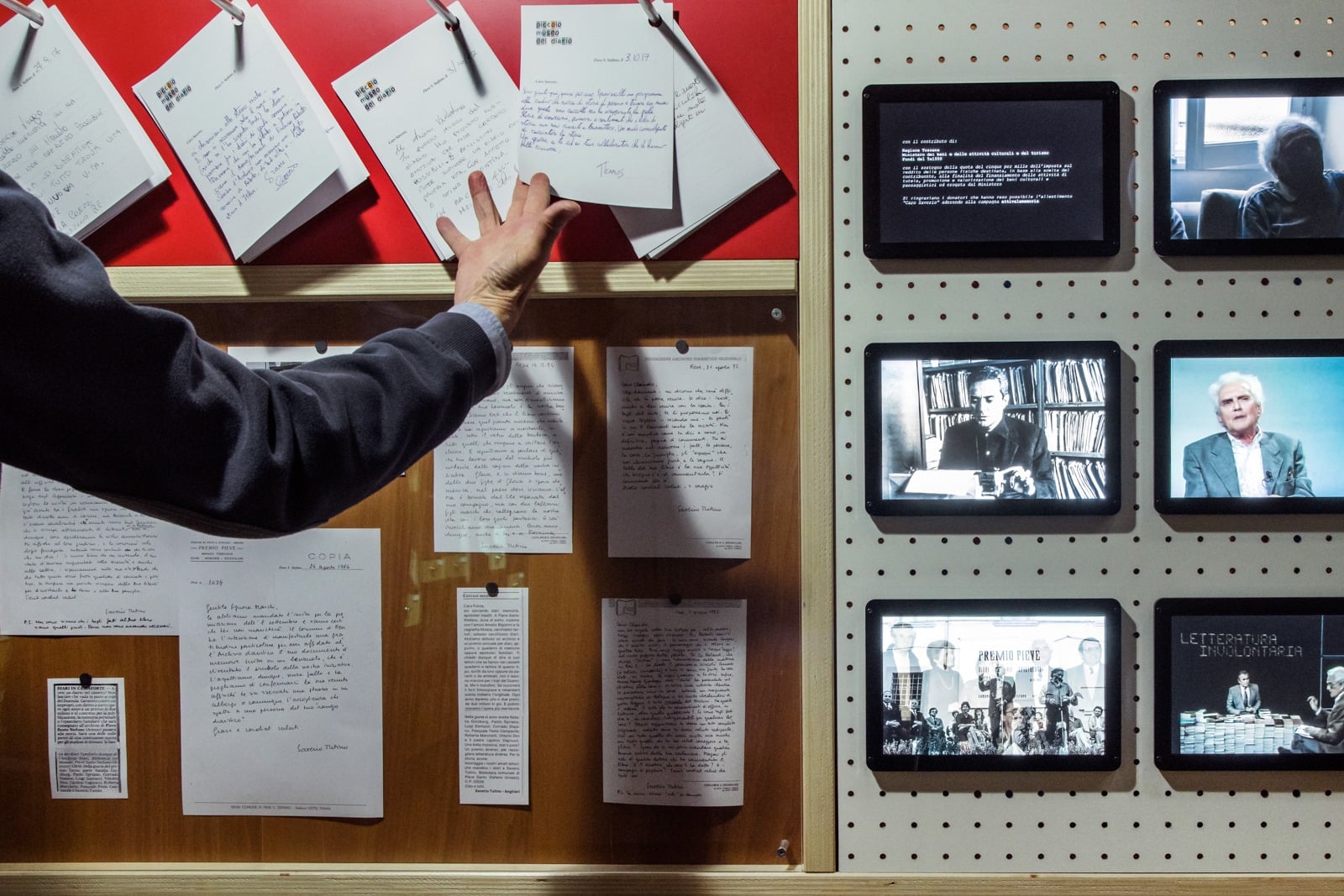
List of small Italian museums dedicated to writing. Among diaries, typewriters and memories

Lista dei piccoli musei d’Italia dedicati alla scrittura. Tra diari, macchine da scrivere e memorie

The article highlights the phenomenon of cultural overbooking, where major museums like the Louvre, Vatican Museums, and British Museum attract millions of visitors, turning art appreciation into a physical endurance test. It then pivots to a series of small, specialized museums across Italy dedicated to writing, diaries, and memory, offering a quieter, more intimate alternative. Featured institutions include the Piccolo Museo del Diario in Pieve Santo Stefano, which houses over 10,000 personal diaries and letters, and the Museo della Lettera d’Amore in Torrevecchia Teatina, with 25,000 love letters. Other stops include the Parco Poesia Pascoli in San Mauro Pascoli, dedicated to the poet Giovanni Pascoli.

Tourism and Accessibility: Travel is for Everyone. A New Issue of the Pax Newsletter is Coming, Subscribe for Free

Turismo e accessibilità: il viaggio è per tutti. È in arrivo un nuovo numero della newsletter Pax, abbonarsi è gratis

The article announces an upcoming issue of Pax, a newsletter by Artribune focused on cultural tourism. The new issue, arriving Friday, May 29, explores accessibility in travel and cultural tourism, featuring an interview with Anna Rizzo, author of "I paesi invisibili" (2022), and highlighting organizations like Traveleyes and NoisyVision, the latter founded in 2011 by Dario Sorgato to make nature exploration accessible to people with sensory disabilities. It also includes a map for outdoor leisure combining art, recreation, and nature at Italian villa parks, museums, and art centers, along with curated itineraries, trekking updates, cultural initiatives, and hospitality projects—including one by Michelangelo Pistoletto.

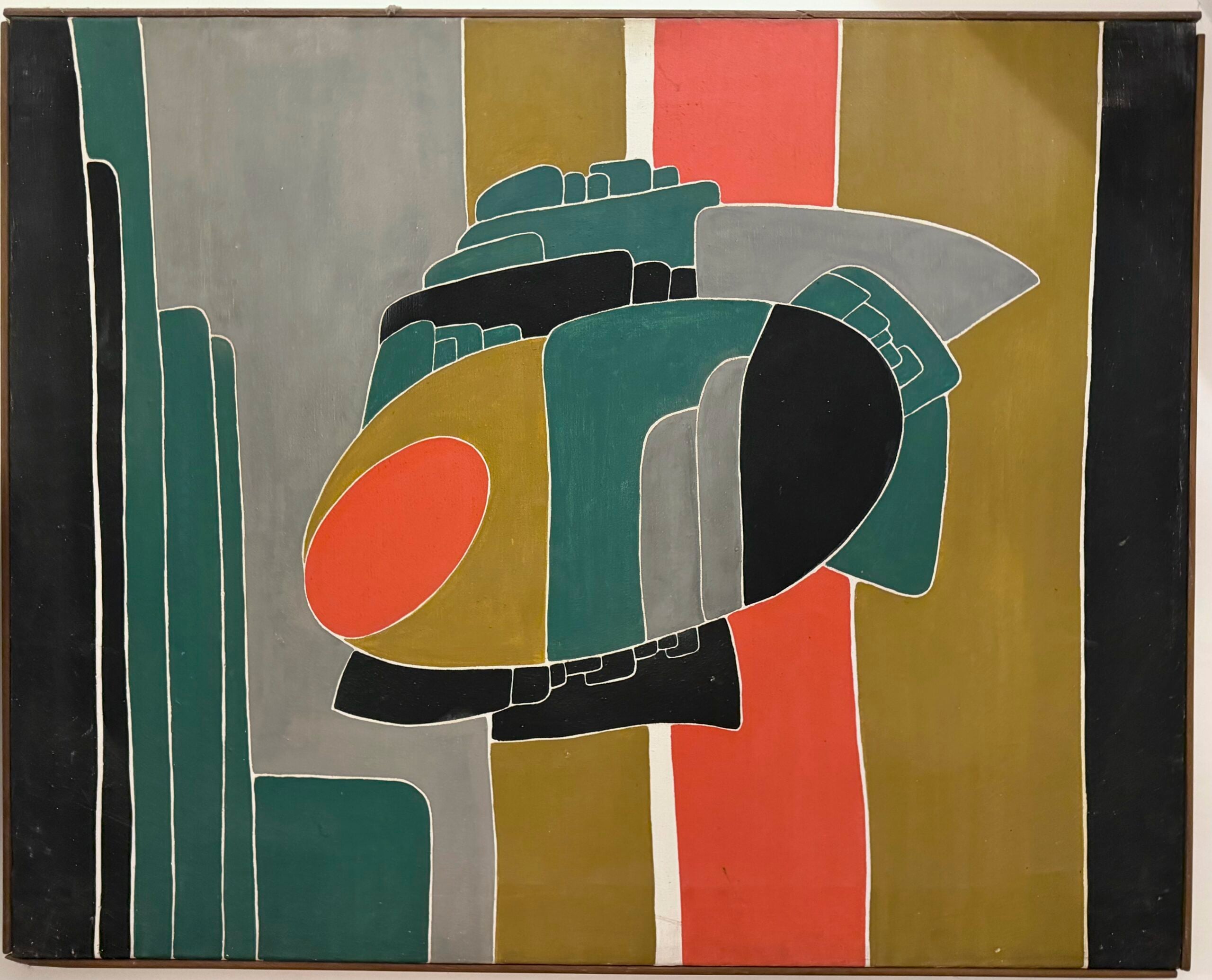
The Forgotten of Art: The Story of Artist Valeria Alberti

I dimenticati dell’arte. La storia dell’artista Valeria Alberti

Valeria Alberti (1930-2011), a courageous, rebellious, and nonconformist Italian artist, had a brief but intense career before disappearing from the art world. Recent research by scholar Manuel Barrese reconstructs her trajectory as the only woman in a circle of artists and intellectuals around poet Emilio Villa and the Galleria Appia Antica. Alberti debuted in 1957 alongside Alberto Sartoris, collaborated with ceramist Mario Molli, and created painted panels for the transatlantic liners Leonardo Da Vinci and Michelangelo. She exhibited at Galleria Ferro di Cavallo and Galleria Azimuth, and received Piero Manzoni's Certificate of Authenticity No. 26 in 1961. Her later work included geometric metal sculptures, but she ultimately vanished from the art scene.

The Finale Cut: Lucio Fontana e la sua arte al cinema

A new documentary titled "The Final Cut" explores the life and artistic journey of Lucio Fontana, the Italian-Argentine artist famous for his slashed canvases (Concetti Spaziali). Produced by Good Day Films and Nexo Studios, directed by Andrea Bettinetti and narrated by Miriam Leone, the film will screen in Italian cinemas on May 25–27 as part of the "La Grande Arte al Cinema" season. It features archival footage, interviews with artists such as Doug Wheeler, Antony Gormley, Carsten Höller, Alfredo Jaar, Michelangelo Pistoletto, Heinz Mack, and scholars Luca Massimo Barbero and Daniela Alejandra Sbaraglia, highlighting Fontana's revolutionary approach and his first immersive installation, "Ambiente Spaziale a luce nera" (1949).

7 new art and culture books in bookstores. Maps of the present: between art, work, memory and forms of perception

7 nuovi libri d’arte e cultura in libreria. Mappe del presente: tra arte, lavoro, memoria e forme della percezione

This article from Artribune presents a curated selection of seven new art and culture books recently released in Italy. The featured titles range from a theoretical lexicon for 21st-century arts edited by Nicolas Martino, which redefines key terms like 'author,' 'AI,' and 'care,' to a poetic pop-up book by Japanese designer Katsumi Komagata titled 'Piccolo Albero,' which uses paper engineering to narrate the cycle of life. Other works explore themes of labor, memory, domestic space (Giorgio Morandi), inner labyrinths (Andrea Bocconi), and direct testimony from Gaza, all aiming to provide new frameworks for understanding a fractured present.

Provincia Cosmica. Interview with Giuseppe Stampone, the artist who chose Gran Sasso as his home

Provincia Cosmica. Intervista a Giuseppe Stampone, l’artista che ha scelto il Gran Sasso come casa

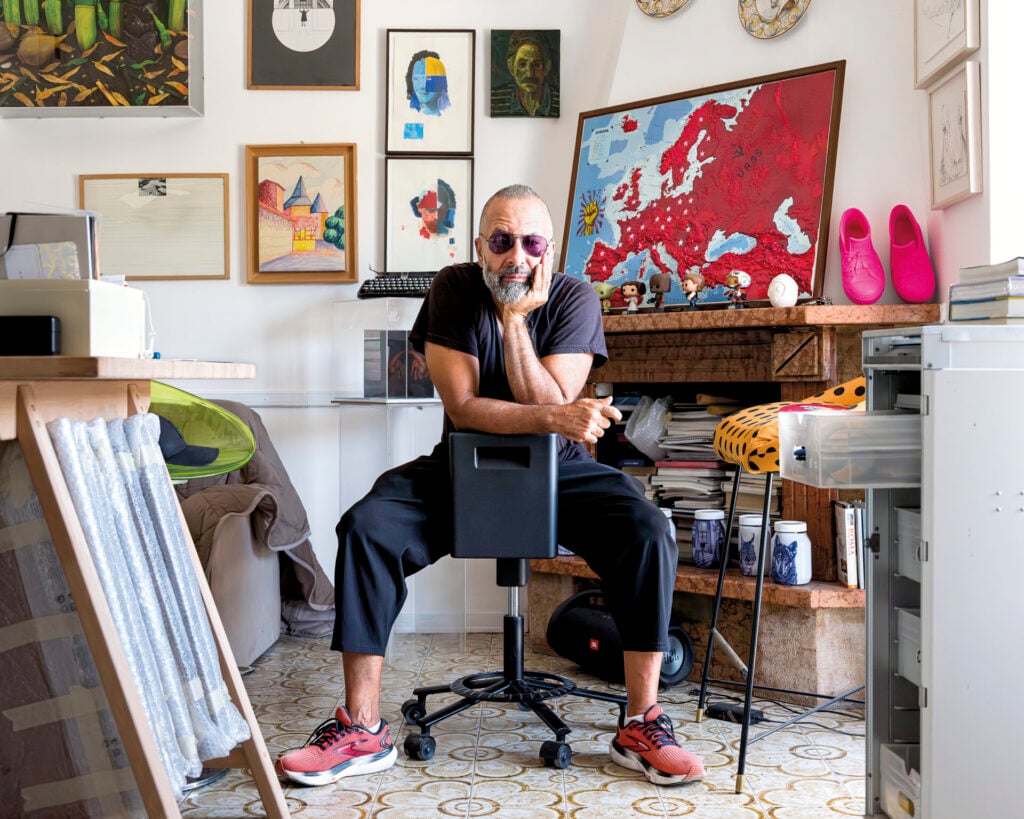
Italian contemporary artist Giuseppe Stampone, born in Cluses in 1974, has returned to his native Abruzzo after years living in New York, Rome, and Brussels. Following the loss of his parents, he established his studio in the province of Teramo, where he is restoring a farmhouse under the Gran Sasso mountain to house the Archivio Giuseppe Stampone-Maria Crispal and an artist residency called Abruzzo Mon Amour. Stampone won the PAC2021 prize for his project "La natura delle cose," which explores his bond with the region and will create an archive dedicated to the flora and fauna of the Monti della Laga, Parco Nazionale d’Abruzzo, and Gran Sasso areas.

Art and politics: to take a stand or not? Nine artists and curators respond

Arte e politica: bisogna esporsi o no? Rispondono in 9 tra artisti e curatori

Nove tra artisti e curatori italiani rispondono alla domanda se l'arte debba esporsi politicamente, in un articolo pubblicato su Artribune. Marco Trulli, responsabile Cultura Arci e curatore, sostiene che l'arte non possa prescindere dal contesto storico e geopolitico, e che il mondo dell'arte debba mettere in discussione le connessioni tra istituzioni culturali, guerre e violenze sistemiche. Gabi Scardi, curatrice, rifiuta la categoria di 'arte politica' e invita gli artisti ad agire politicamente, citando esempi di padiglioni nazionali alla Biennale di Venezia (Turchia 2017, Israele 2015) come modelli di critica radicale dall'interno. Un altro contributo, legato al progetto 'Francesco 2026' per il Padiglione Internet a Venezia, propone una regola etica: l'arte deve minimizzare il danno alle persone più vulnerabili.

This unpublished comic tries to tell us what the Biennale of the future will be like

Questo fumetto inedito prova raccontarci come sarà la Biennale del futuro

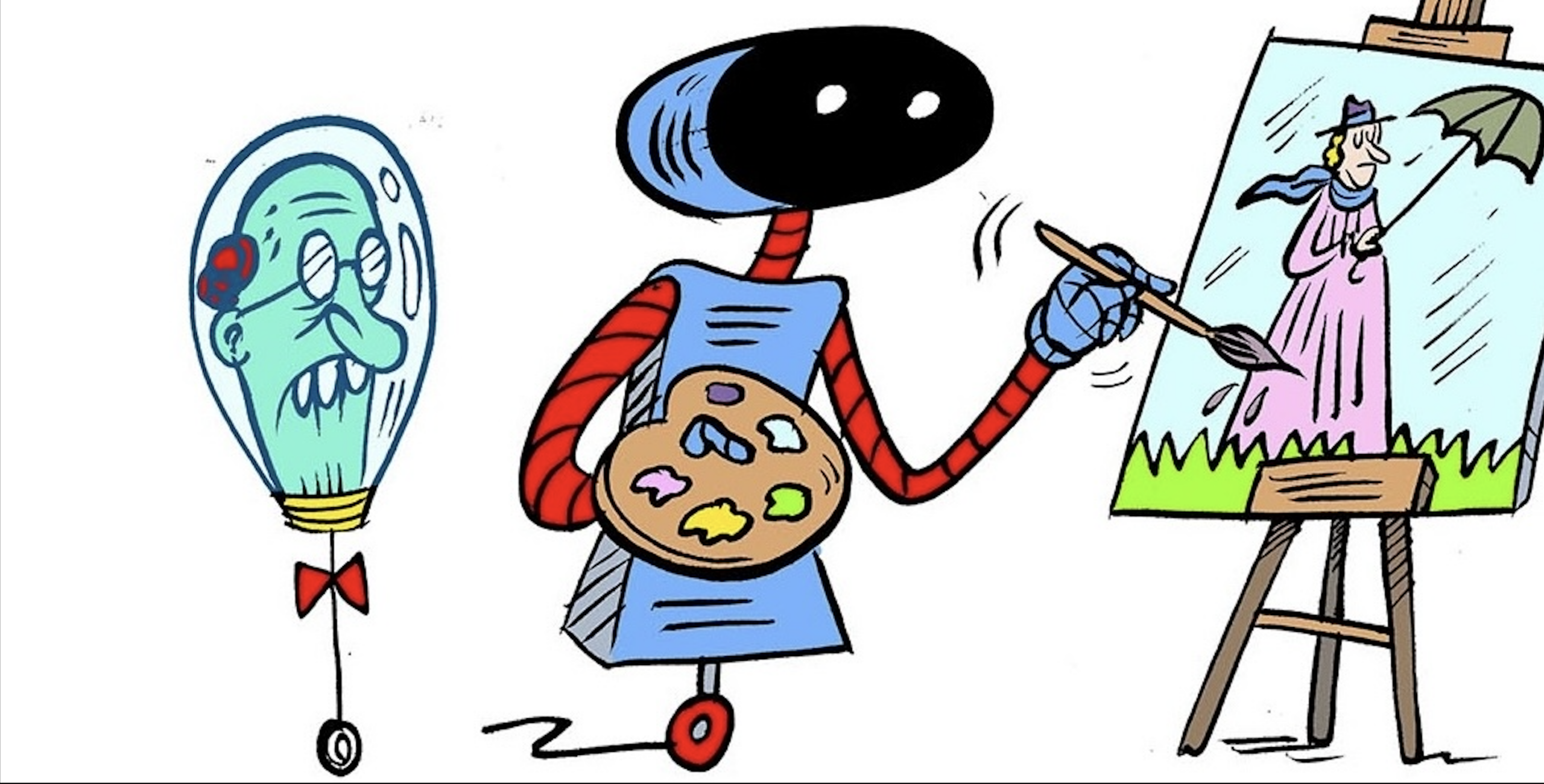
Hurricane (Ivan Manuppelli), a leading figure in Italian underground comics, creates an original comic titled "Biennale 2126" for Artribune, imagining what the Venice Biennale might look like in the future. In an accompanying interview, he discusses his satirical approach, the enduring relevance of underground comics, and the importance of critiquing power through art.

How a Remote California Artists’ Retreat Inspired Vhernier’s Latest Ring Collection

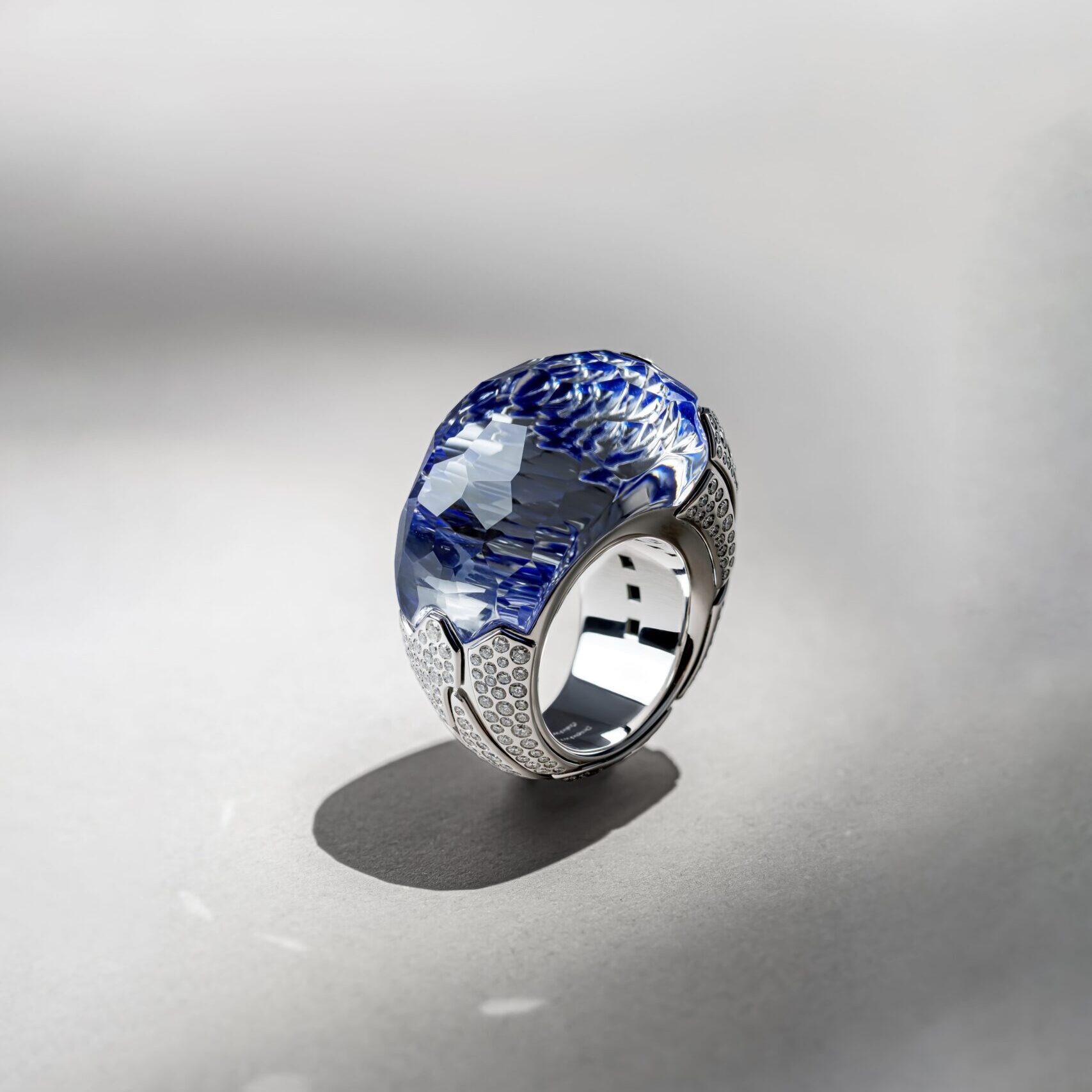
Italian jewelry maison Vhernier has collaborated with artist Pae White to create a 10-design limited-edition ring collection inspired by White's childhood memories of Sea Ranch, a remote artists' retreat in Sonoma County, California. The collection translates the architecture of crustaceans and abalone into precious materials, using sapphires, diamonds, and rock crystal set in white or rose gold, with only two versions of each design produced.

Dolce Vita is Over

Dolce Vita war gestern

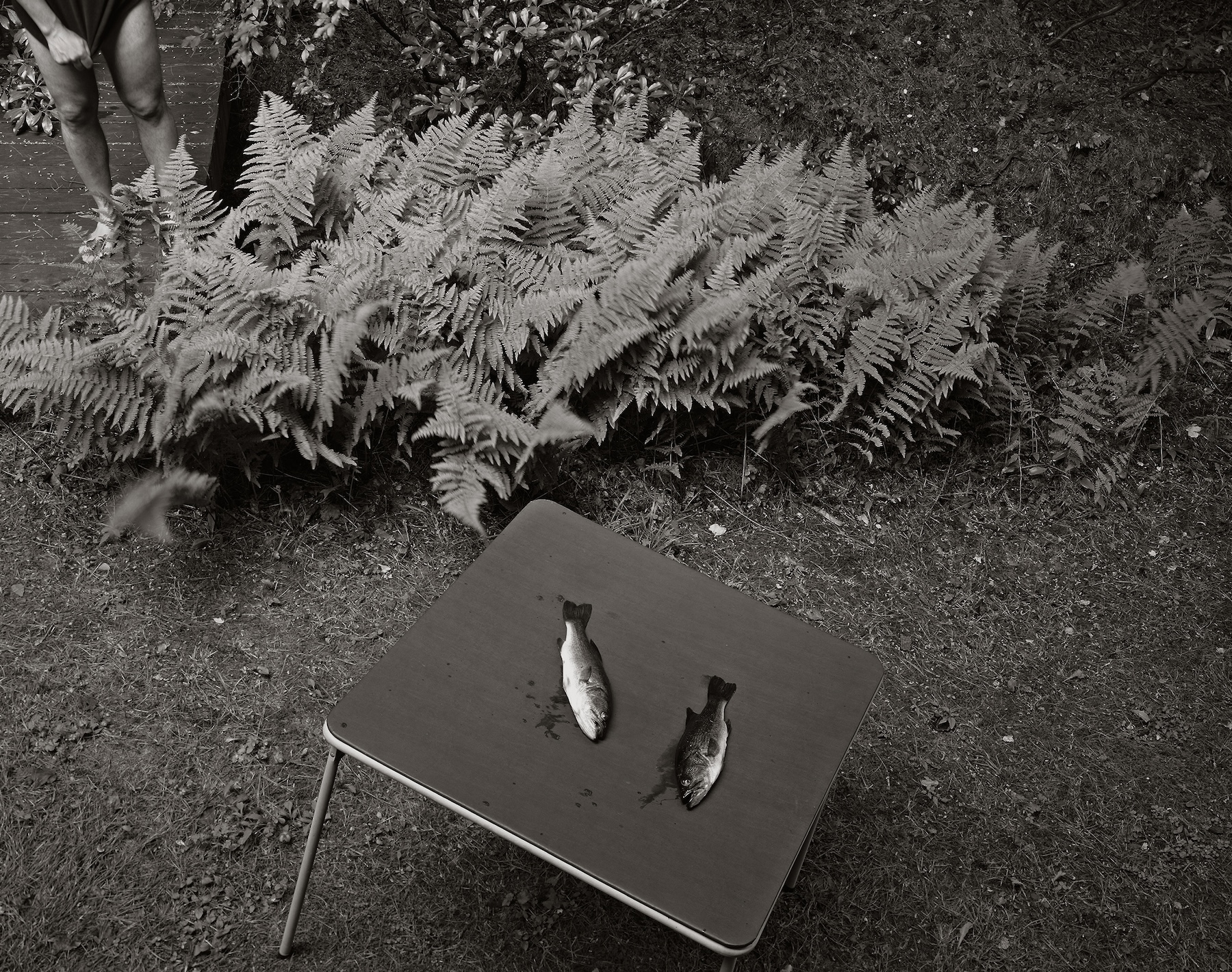
Andrea Modica's new photobook "Italian Story" collects four decades of photographs taken in Italy, beginning with her first trip there in the late 1980s. Born in 1960 to a family with roots in Sicily and Naples, Modica received a Fulbright scholarship to travel to Sicily and photograph the origins of the Catholic imagery, gender roles, and family structures she experienced growing up in New York. The book, however, is not a documentary of her heritage; instead, it presents dreamlike, surreal images—motionless bodies in water, dead fish, figures behind mosquito nets, Madonna statues—that resist clear narrative or identity politics. Modica works with an 8x10 large-format analog camera and prints using the historic platinum-palladium process, giving the images a timeless, collaborative quality.

Stitches in time: the artist chronicling the DRC’s blood-soaked history in tapestry

Lucie Kamusekera, an 82-year-old artist in Goma, Democratic Republic of the Congo, creates embroidered tapestries on tobacco sacks that chronicle the country's violent history. Born in 1944 and taught sewing by Italian nuns, she began documenting contemporary conflicts after witnessing a military truck filled with corpses. Her more than 70 works depict events from the colonial Belgian Congo era to the 1961 assassination of Patrice Lumumba and the second Congo war, as well as personal tragedies including her husband's murder by rebels. Despite ongoing danger from rebel offensives, she continues to stitch from her home studio, training her children and great-granddaughter to carry on her work.

Artribune Podcast: l’artista Vincenzo Schillaci parla nel suo Monologhi al Telefono

The latest episode of the Artribune Podcast features artist Vincenzo Schillaci (born 1984 in Palermo), recorded via telephone. Schillaci discusses his evolving artistic practice, where painting is an ongoing process of layering and erasure. His work spans painted surfaces, works on paper, and bronze interventions, forming an open system in which the artwork continuously transforms, challenging the boundaries between gesture, material, and form. The episode highlights his recent series inspired by Aristotle's concept of phantasma, and his exploration of materials like electrodeposited copper and bronze to capture different states of the image.

Two photographers tried to tell Tuscany beyond the usual clichés

Due fotografi hanno provato a raccontare la Toscana oltre i soliti cliché

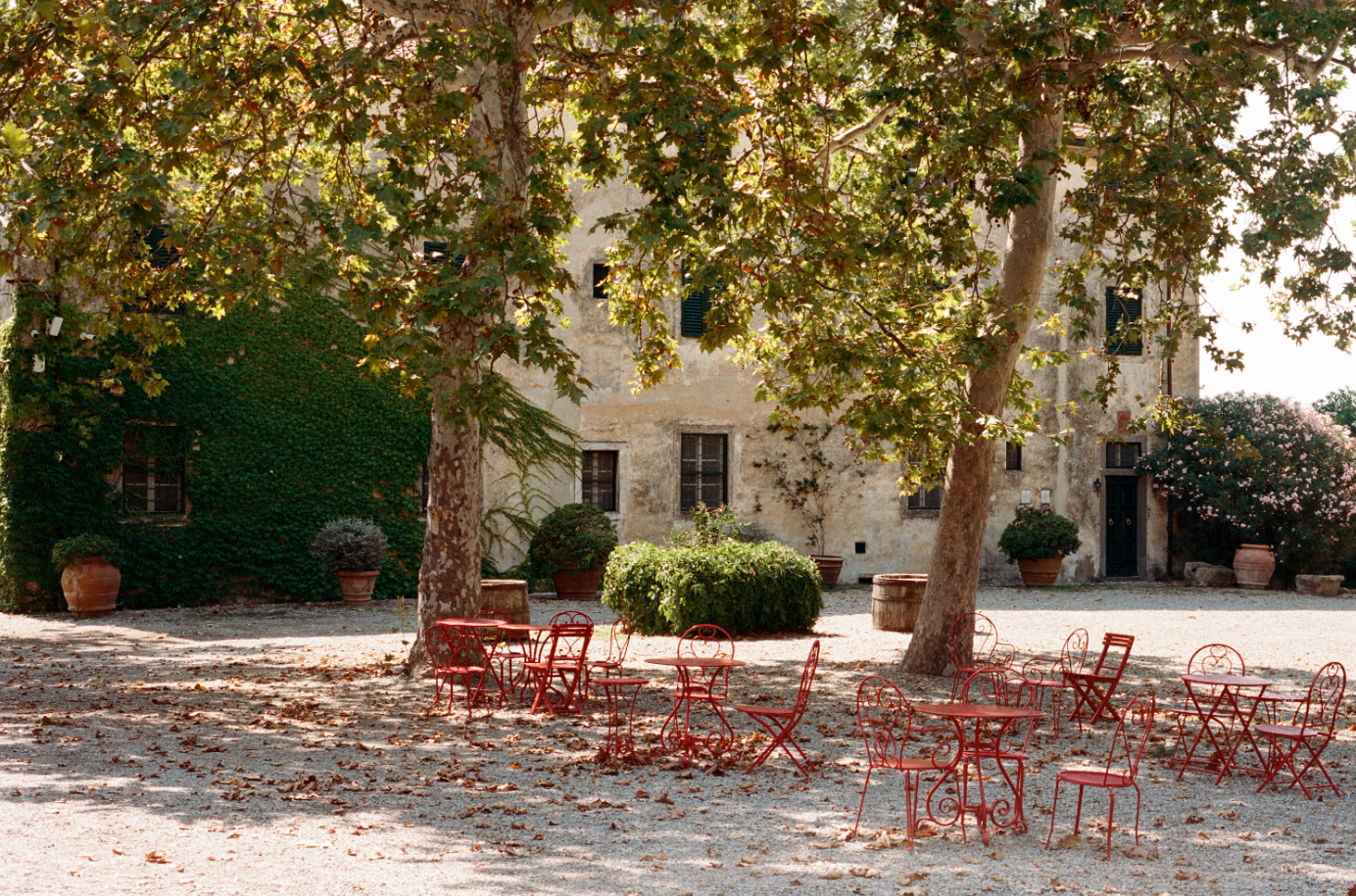
The article profiles photographers Gioconda Rafanelli and August Kaciuruba, who are contributing to the "How Italy Feels" project curated by Marina Serena Cacciapuoti and Cesare Cacciapuoti of Italy Segreta. The project involves twenty local photographers capturing Italy beyond stereotypes. In the Tuscany chapter, Rafanelli and Kaciuruba present a lived, off-duty vision of the region, blending fashion, architecture, and cinematic influences. They discuss their collaborative process, their shared gaze, and how their work shifts between the fast pace of Milan and the slower rhythms of Tuscany, drawing inspiration from filmmakers like Wong Kar-wai, Stanley Kubrick, Luchino Visconti, and Michelangelo Antonioni.

The Paradox of Contemporary Art: The World Is Violent, but the Works Are Correct and Inoffensive

Il paradosso dell’arte contemporanea: il mondo è violento, ma le opere sono corrette e inoffensive

The article examines a paradox in contemporary art: as the world grows more violent and chaotic, art has become increasingly 'correct,' morally irreproachable, and inoffensive. The author argues that over the past fifteen years, artworks have been judged primarily by their moral and identity credentials, with curators acting as moral gatekeepers and censors. This shift coincides with a period when geopolitics, history, and public behavior have spiraled out of control, creating a strange compensatory dynamic where art is expected to be perfectly controlled and polite while reality grows brutal.

How the GDR apron became Italian luxury

Wie die DDR-Schürze zum Italo-Luxus wurde

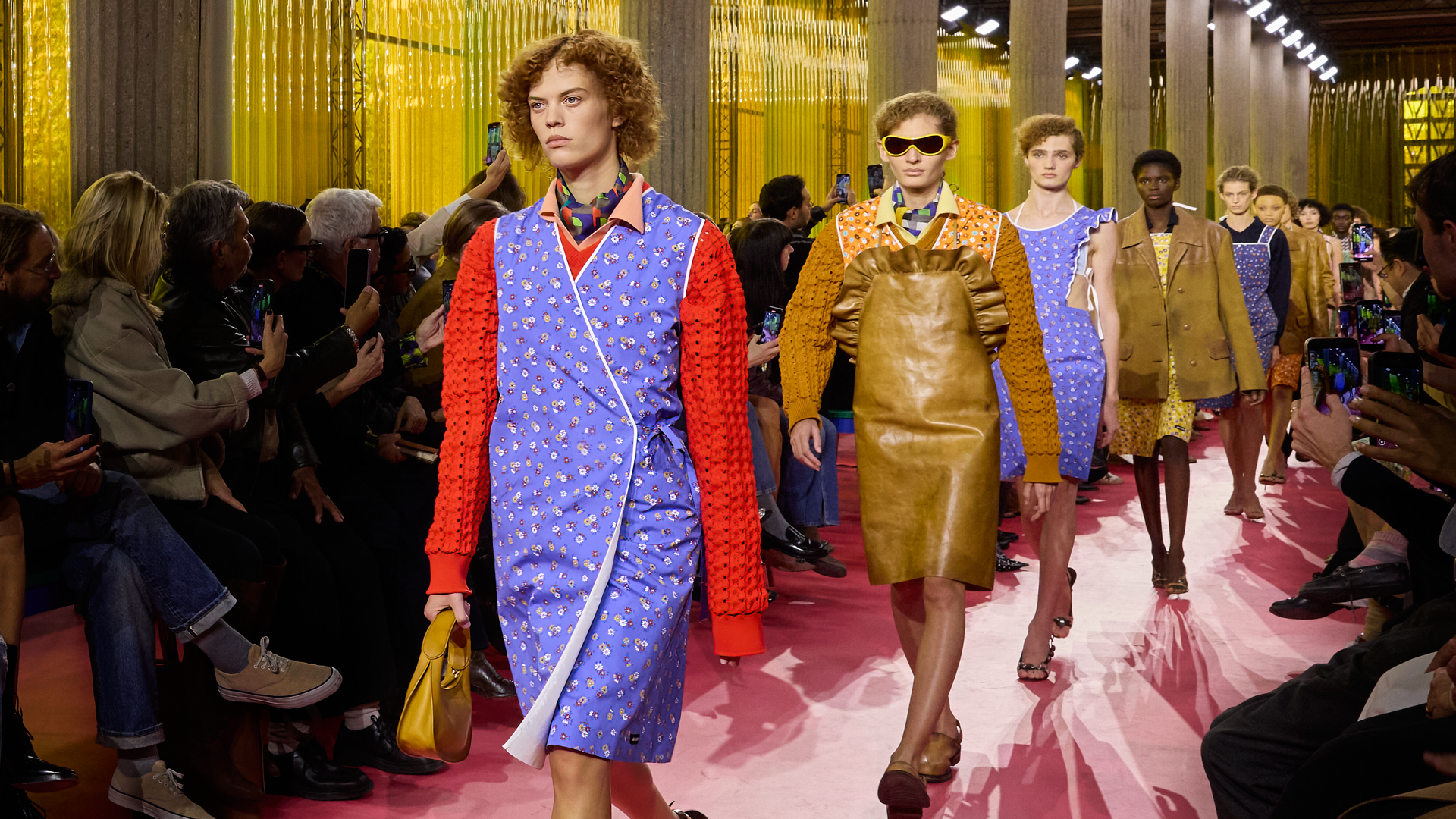
Italian luxury label Miu Miu has released dresses for summer 2026 that resemble 1980s East German kitchen aprons, with prices reaching up to €12,000 for crystal-embroidered versions. The collection debuted on the Paris runway in October, where actress Sandra Hüller opened the show in robust workwear, evoking factory workers from the former GDR. Designer Miuccia Prada, a former member of the Italian Communist Party, drew inspiration from Helga Paris's 1984 photo series "Frauen bei der Arbeit" (Women at Work), which documented female laborers in East Berlin's VEB Treffmodelle textile factory.

On the Hunt for a Memphis Group-Style Lamp

The article follows a search for a lamp that visually mimics the distinctive style of the Memphis Group, the influential 1980s Italian design collective known for its bold, postmodern aesthetic. The hunt focuses on finding an affordable, Memphis-style light fixture rather than an authentic vintage piece from the group itself.

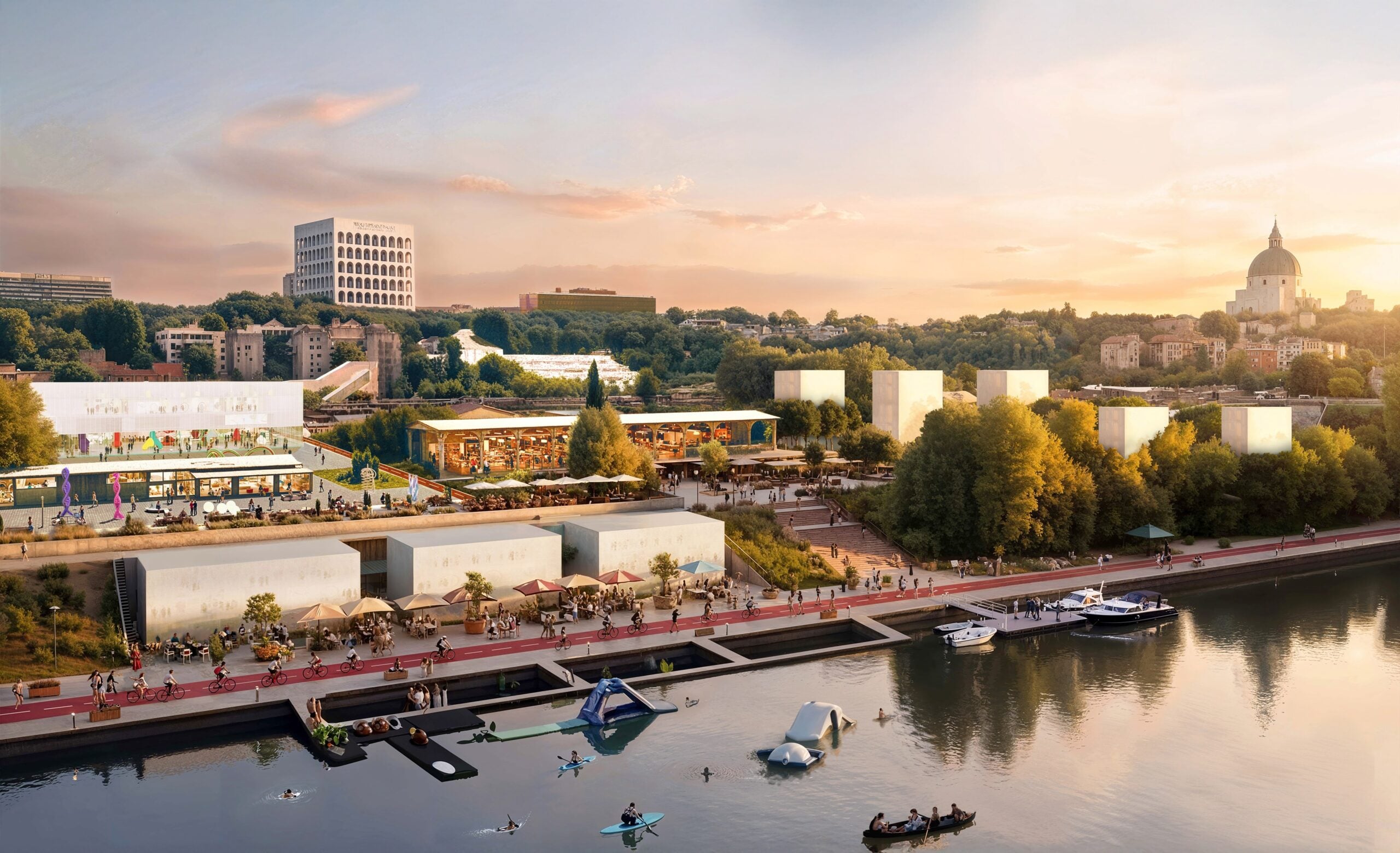
Two Major Architecture Firms Aim to Revolutionize Rome Over the Next 25 Years

Due grandi studi di architettura puntano a rivoluzionare Roma nei prossimi 25 anni

A multidisciplinary team led by Italian architecture and urban planning firm IT'S and Dutch firm OMA has won the international ideas competition "Vision for Rome," promoted by the Fondazione Roma REgeneration. Their project, "Roma Continua," was presented at the Auditorium della Tecnica di Confindustria during the second ROMA REgeneration FORUM. The proposal aims to rethink Rome over the next 25 years through a paradigm shift in urban, social, and cultural planning, envisioning the city as a living ecosystem. It is based on five guiding principles—care, beauty, knowledge, movement, reuse, and grafting—and includes five green corridors anchored to the Tiber River, "Fori dell'innovazione" (innovation forums), and a continuous mobility network. The project also seeks to reduce tourist pressure on the historic center by creating new cultural itineraries and sustainable transport links.

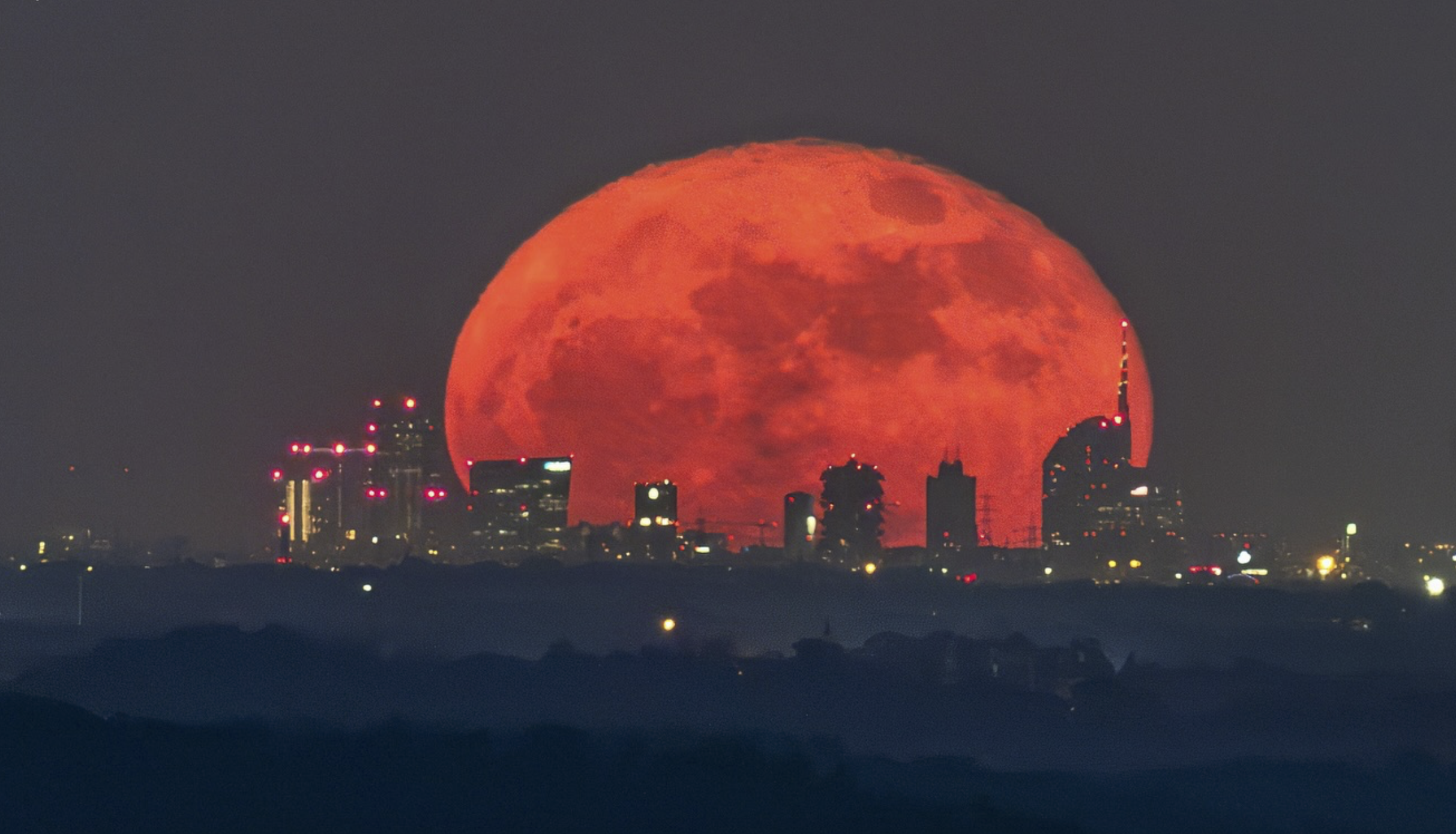
Photographer Valerio Minato strikes again. The extraordinary shot of the red moon aligned with the Milan skyline: 'I waited for 5 years'

Il fotografo Valerio Minato colpisce ancora. Lo straordinario scatto della luna rossa allineata con lo skyline di Milano: “ho atteso per 5 anni”

Italian photographer Valerio Minato captured a striking image on May 2, 2026, showing a giant red moon aligned with Milan's skyline, including the Porta Garibaldi skyscrapers and the Duomo with its Madonnina. The photograph, which went viral, was the result of a five-year pursuit involving astronomical calculations, multiple location scouting across northwestern Italy, and precise timing to align the moon with the city's landmarks. A Ryanair Boeing 737-800 crossing the lunar disk added an unexpected cinematic element.

In che modo la rigenerazione sta provando a cambiare l’Italia? Risponde la newsletter Render

Artribune's newsletter "Render" is set to release its 57th issue on May 11, featuring stories on urban regeneration projects across Italy. Highlights include a new library under construction in Latisana near the train station, a square-shaped island in the Venice lagoon transformed into an exhibition space after decades of abandonment, participatory tactical urbanism initiatives in Torre Annunziata funded by a Ministry of Social Policies and Labor grant, and a post-war complex in Rome poised to become a cultural hub. The issue will also profile the Peruvian architecture duo Barclay & Crousse ahead of their exhibition at the Politecnico di Milano and include a reflection on contemporary green spaces inspired by a visit to a private English park.

The first of May starts a new issue of Pax. Previews of the newsletter on cultural tourism (subscribe)

Il primo maggio parte una nuova uscita di Pax. Le anticipazioni della newsletter sul turismo culturale (abbonatevi)

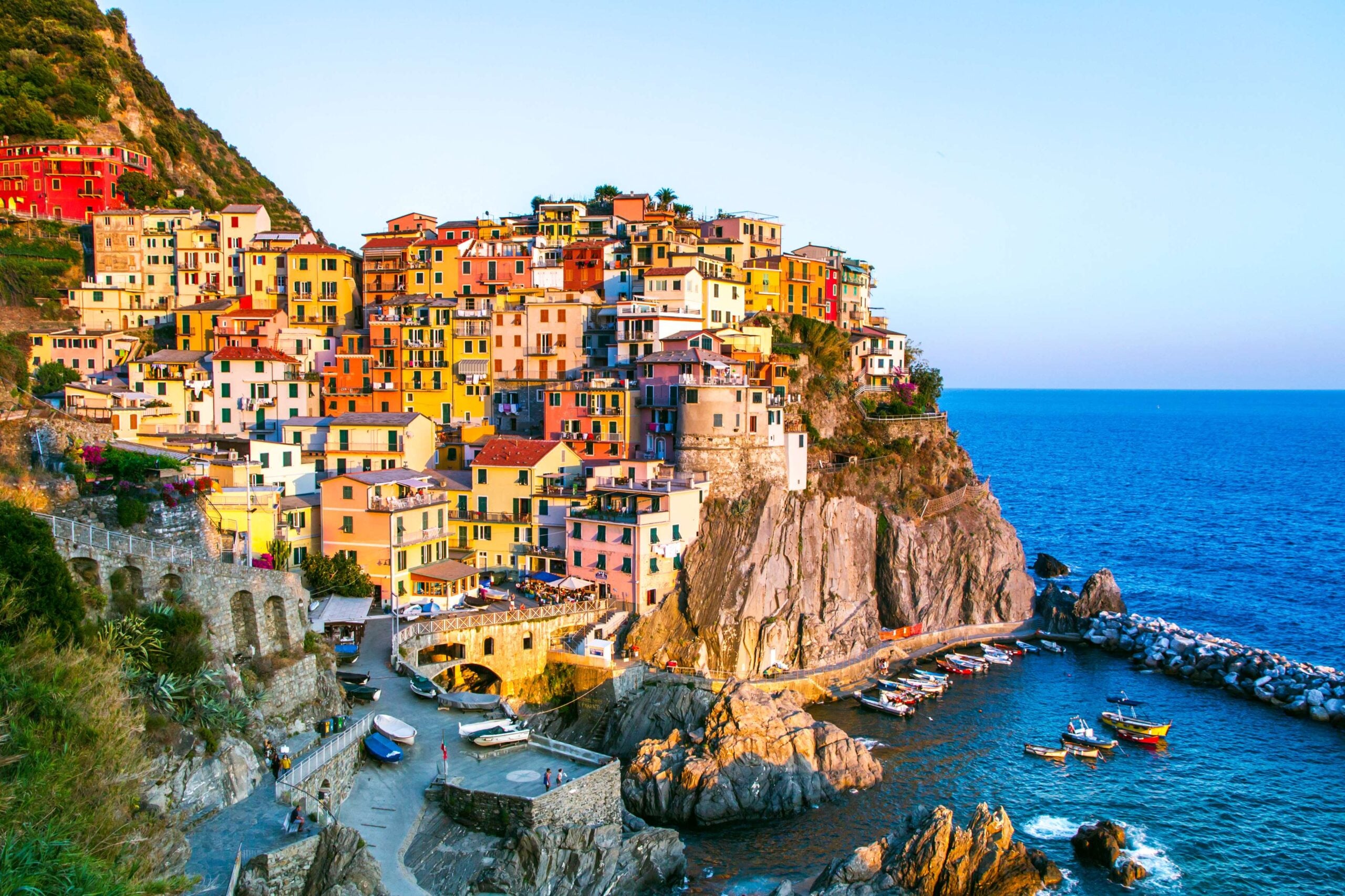
The article previews the upcoming May 1st issue of Pax, a newsletter by Artribune focused on cultural tourism. It highlights a feature on Italy's colorful villages, explaining how bright colors historically aided sailors and fishermen, and how white facades served hygienic purposes. The issue also covers off-the-beaten-path destinations like Bolsena, which recently opened a contemporary art space in Palazzo Cozza Caposavi, and explores slow tourism practices such as barefooting, discussed with its founder Andrea Bianchi. Additional content includes a roundup of cultural initiatives from Berlin to Naples, Budapest's Citadella reopening, and the Sussex forest's Winnie-the-Pooh centenary.

Libri d’arte. 7 novità in libreria tra saggi, racconti e fotografie

This article from Artribune presents seven new art book releases in Italy, all united by a common theme of bringing marginalized subjects back into focus. Featured titles include Johnny L. Bertolio's "L'ha scritto lei, ma…" which examines why female authors are excluded from Italian school curricula, and Carla Rossi's "Oltre i margini," a rigorous study of European female miniaturists from the Middle Ages to the Renaissance. Other works address queer representation in museums, children's voices on Gaza, photographic portraiture by Lorenzo Cicconi Massi, a collective volume on the Bertolucci family, and a theatrical project by Kepler-452 set in the central Mediterranean.

Provincia Cosmica. A Foggia per scoprire la fotografia sociologica di Maria Palmieri

Maria Palmieri (Foggia, 1986) is a photographer who uses her camera as a tool for observation, understanding, and social improvement. After studying law, she turned to visual arts, blending reportage with vernacular photography to uncover truth amid the 'noisy horror' of contemporary life. In an interview with Artribune, she discusses her sociological approach to photography, her return to her hometown of Foggia, and her ongoing documentation of the region's fragilities, including the largest migrant ghetto in Europe.

Exploring Shekhawati: Rajasthan’s open-air art gallery of frescoed havelis

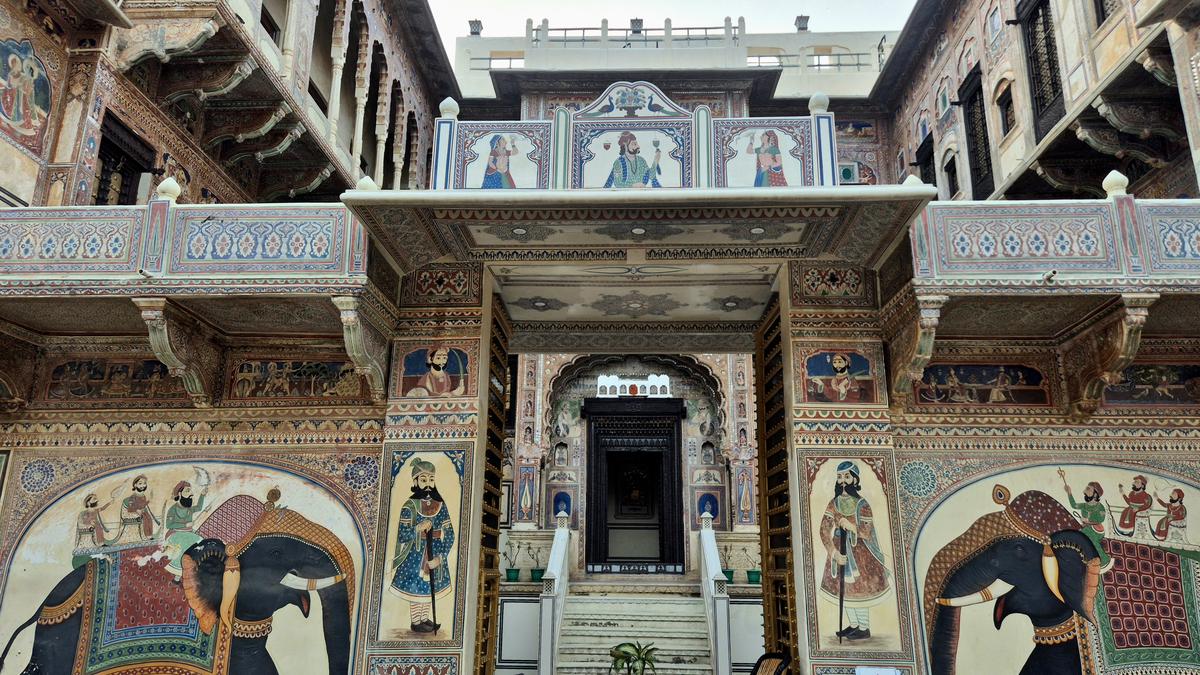
The article explores the Shekhawati region of northern Rajasthan, India, known as the world's largest open-air art gallery. It focuses on the 18th–20th century merchant havelis (mansions) hand-painted with intricate frescoes, many of which are now being restored as heritage hotels. The author recounts a personal stay at Malji Ka Kamra, a restored haveli in Mandawa, describing its blend of Italianate and Rajput architecture and the overwhelming frescoes covering every surface, depicting portraits, floral motifs, and scenes of daily life.

Le dimore storiche sono il più vasto e straordinario museo diffuso d’Italia. Una giornata per celebrarle

On Sunday, May 24, 2026, Italian historic homes will open their doors free to the public as part of the 16th National Day promoted by ADSI – Associazione Dimore Storiche Italiane. The 2025 edition involved over 500 properties and more than 250,000 visitors, highlighting the widespread cultural heritage across Italy. The article argues that this event is not merely cultural or tourist-oriented but raises broader questions about the future of Italy's fragile territories and the need for a cohesive national strategy for territorial rebalancing.

The Biennale and the Weight of Flags. What Is the Point of National Pavilions?

La Biennale e il peso delle bandiere. Che senso hanno i padiglioni nazionali?

The article examines the inherent contradiction within the Venice Biennale: its historical structure of national pavilions, a legacy of 19th-century world fairs and state-sponsored art, clashes with the transnational, post-identity vision of the international exhibition curated by Koyo Kouoh. The return of the Russia Pavilion amid geopolitical conflict and the international show titled "In Minor Keys," which rejects national belonging as an interpretive criterion, highlight this tension. The piece also addresses the controversy over the lack of Italian artists in the main exhibition, questioning whether a Biennale hosted in Italy should guarantee national representation.