filter_list Showing 61 results for "Memory" close Clear
search
dashboard All 1278 museum exhibitions 936article local 81article culture 61article news 50person people 48rate_review review 33trending_up market 23article policy 21candle obituary 16gavel restitution 8article events 1
date_range Range Today This Week This Month All
Subscribe

contemporary frames

Artist Harry Gould Harvey IV and others are reclaiming the frame as an integral part of the artwork, using found wood and elaborate designs to embed narrative, memory, and place. Harvey, represented by P.P.O.W., began making frames from a fallen black walnut tree, while artists like Jenna Rothstein create ceramic frames with spiky thorns. The New Museum Los Gatos recently honored Holly Lane, a pioneer who milled Renaissance-style frames in the 1980s, challenging the minimalist norm.
Art as Memorial in Lotusland

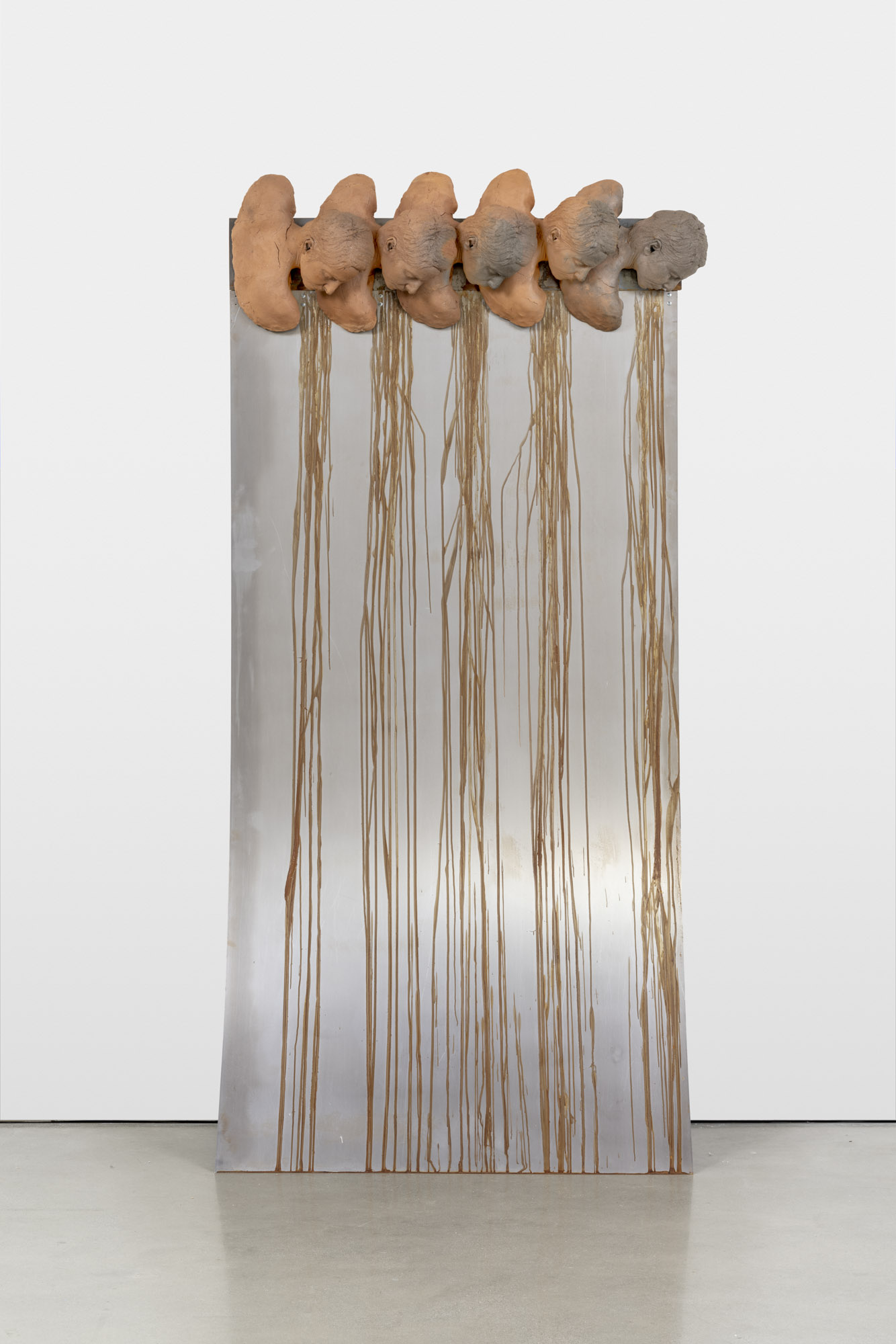
The article "Art as Memorial in Lotusland" by Aleina Grace Edwards appears in the February 2026 issue of Contemporary Art Review LA (CARLA). It is part of a larger issue exploring themes like scent in art, tarot, social urgencies in curation, and video art, positioning it within a critical discussion of contemporary art practices in Los Angeles.

I thought my cuckoo clock was amazing, but it’s got nothing on my statue of Bert the cheery chef | Adrian Chiles

Adrian Chiles, a writer and broadcaster, recounts his acquisition of a whimsical figurine of a cheerful chef, which he named Bert after the reclamation yard owner from whom he bought it in the Black Country. He describes the personal joy and daily lift the statue brings him, contrasting it with a cuckoo clock whose novelty eventually wore off. Chiles details the statue's charming, slightly worn appearance and its role as a conversation piece, particularly due to the West Midlands slang word "bostin'" written on its menu board.

jfk posthumous presidential portrait love story

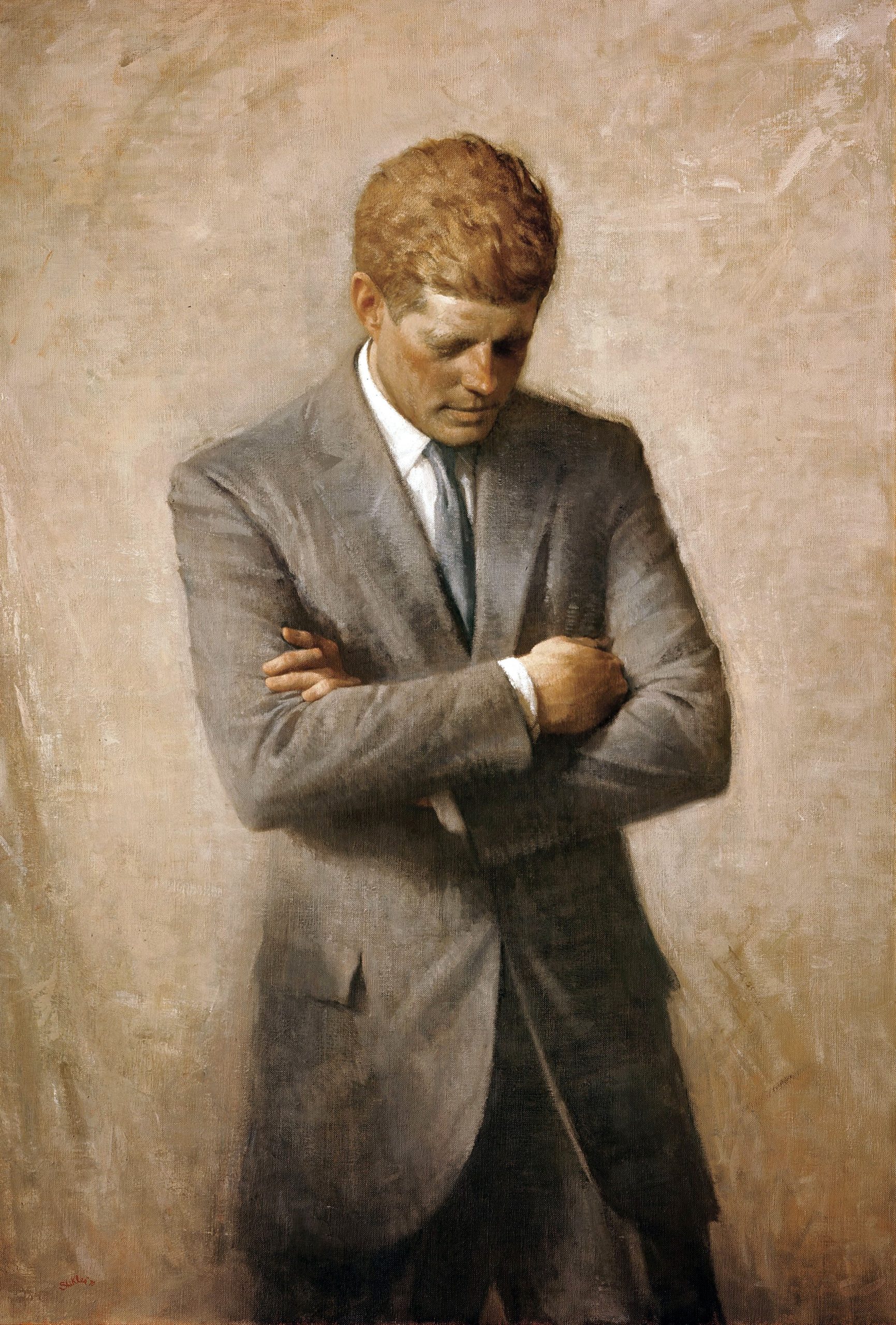
The FX series 'Love Story' has brought renewed attention to Aaron Shikler’s 1970 posthumous presidential portrait of John F. Kennedy. A dramatic scene in the show features Naomi Watts, portraying Jacqueline Kennedy Onassis, dancing with the portrait, highlighting the painting's enduring place in the American cultural psyche. The artwork is notable for its departure from traditional presidential portraiture, depicting Kennedy in a somber, meditative pose with his head bowed and arms crossed.

wuthering heights art history

The article explores how Emily Brontë's novel *Wuthering Heights* has inspired visual artists across different eras. It details specific works by English artist Edna Clarke Hall, who created hundreds of sketches and watercolors reflecting her personal connection to the story's themes of isolation and turmoil, and by Polish-French modernist Balthus, who produced a series of ink illustrations focusing on the childhood trauma of the protagonists.

hans holbein tudor legacy

A new biography by art historian Elizabeth Goldring, titled "Holbein: Renaissance Master," traces the journey of German painter Hans Holbein the Younger from his humble beginnings in Augsburg to becoming the official painter of King Henry VIII in Tudor England. The book, already released in the U.K. and hitting U.S. bookshops on January 6, examines how Holbein's portraits—including the iconic image of Henry VIII and rival courtiers Thomas More and Thomas Cromwell—defined the visual legacy of the Tudor dynasty. Goldring highlights Holbein's ability to confer power through paint, with his works still shaping global perceptions of the Tudors centuries later.

peter hujar day biopic ira sachs

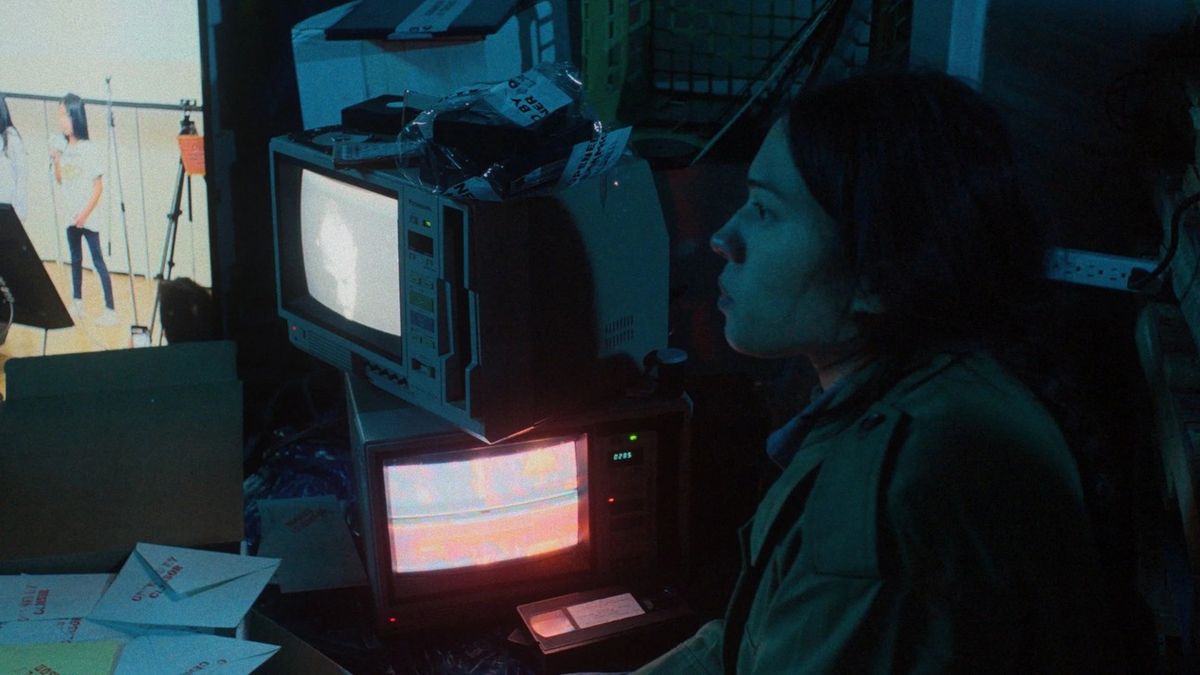
Filmmaker Ira Sachs has released a new film titled *Peter Hujar's Day*, based on a 1974 audio recording and subsequent book by writer Linda Rosenkrantz. The film captures a single day in the life of photographer Peter Hujar, who died of AIDS-related complications in 1987, as he recounts mundane details and artistic anxieties to Rosenkrantz. Starring Ben Whishaw as Hujar and Rebecca Hall as Rosenkrantz, the movie adapts a transcript Rosenkrantz rediscovered and published in 2021. Sachs describes the project as an exploration of portraiture, light, and emotion, contrasting with his earlier, more turbulent film *Passages*.

On Paranoid Time

Film Notes has published Qingyuan Deng's essay exploring the intersection of Lacan's concept of retroactive meaning and Eve Kosofsky Sedgwick's distinction between paranoid and reparative reading, as applied to recent artists' films and moving-image installations. The essay examines how works like Alison Nguyen's installation "Perforation, Ellipse" at New York's Storefront for Art and Architecture use cinematic techniques—such as perforations, splices, and missing scenes—to hold the temporal gap between an event and its belated political comprehension, focusing on the censorship of Vietnamese bolero songs after the American War.

Sift Through the Hundreds of Pacifiers, Graphic Tees, and Spoons in This NYC Couple’s Collection

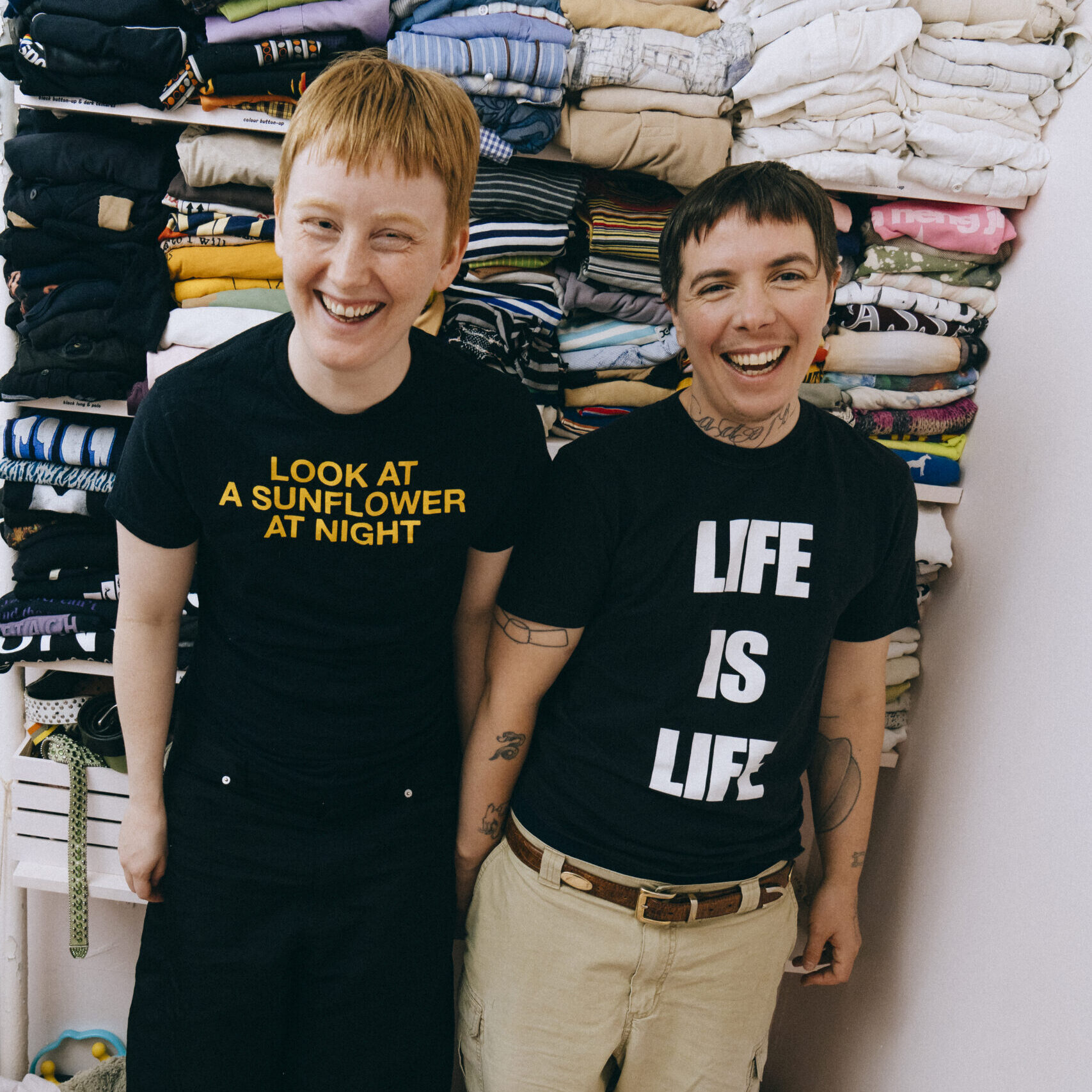
Multidisciplinary artists Bobbi Salvör Menuez and quori theodor, a couple living in New York City, have built an extensive collection of everyday objects including T-shirts, cassette tapes, spoons, pacifiers, and playing cards sourced from sidewalks, thrift stores, and shoot sets. Their collecting practice is intuitive and deeply personal, driven by nostalgia, childhood memories, and their bond with each other, treating each object as a talisman or treasure rather than a financial investment.

architecture hamptons barns

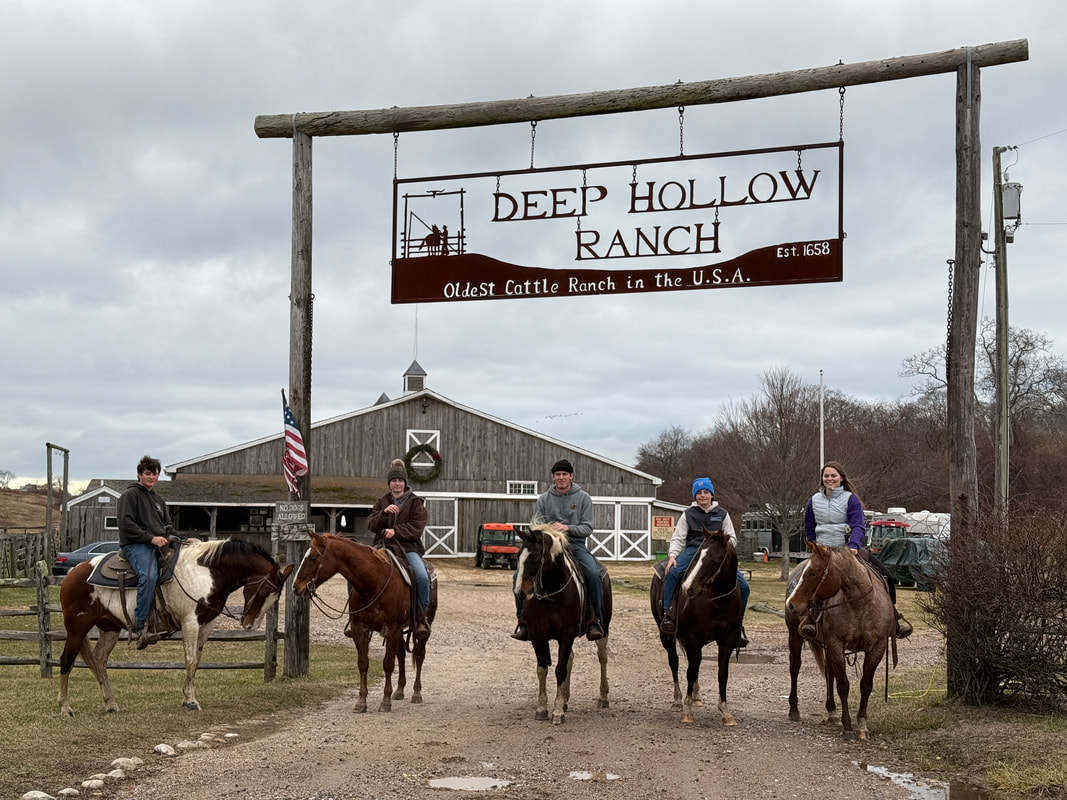
The article explores the architectural and cultural significance of barns in the Hamptons, tracing their evolution from medieval agricultural structures to modern design icons. It highlights how the barn typology has been adapted in local buildings, including the Parrish Art Museum designed by Herzog & de Meuron, and features four case studies of historic barns, such as the Sayre Barn in Southampton, which was converted into an antique store and later donated to a museum.

Isabel Nolan’s Work Challenges Everything We Think We Know About Creativity

Artist Isabel Nolan recently discovered she has aphantasia, a rare neurological condition that prevents her from visualizing mental images. Despite this, Nolan has built a successful career creating abstract sculptures, drawings, and tapestries, and her work is featured in the Irish Pavilion at the Venice Biennale. Her exhibition, "Dreamshook," explores themes of imagination versus reality and draws inspiration from late medieval history and the printer Aldo Manuzio.

A brush with... Andrew Cranston—podcast

This episode of 'A brush with...' podcast features Scottish painter Andrew Cranston, born in 1969 in Hawick. Cranston discusses how his work draws on personal experiences—childhood memories, family recollections, and recent rituals—filtered through the painting process. His pictures are rich with references to art history, cinema, poetry, and television, and he often paints on the covers of old hardback books. The conversation covers his influences (Pieter Bruegel the Elder, Paul Klee, Pierre Bonnard, Winifred Nicholson, writers Hugh MacDiarmid and Elizabeth Bishop, filmmakers Nicholas Roeg and Dennis Potter), his studio life, and his answer to 'what is art for?' The episode is sponsored by Bloomberg Connects.

Out of the wrapper and into the gallery: the art of chocolate

Artist Anya Gallaccio discusses her use of chocolate as an art material, tracing her first experiments in 1992 at Rodolphe Janssen gallery in Brussels, where she commissioned chocolate guns, and her 1994 solo show "Brown on White" at Galerie Krinzinger in Vienna, where she painted gallery walls with melted couverture chocolate. The work invited visceral audience reactions, including licking the walls, and engaged with themes of desire, decay, and the colonial and class histories of chocolate consumption.

How to Feel Confident Visiting an Art Gallery, According to Gallerist Hannah Traore

Gallerist Hannah Traore offers advice on how to feel confident visiting commercial art galleries, addressing common anxieties like intimidation, unclear etiquette, and perceptions of elitism. The article follows a group of newcomers who visited galleries in New York and reported their experiences, which Traore then responds to with practical tips for making gallery visits more approachable and inclusive.

25 of 2025: 5 Groundbreaking Fiber Artists You Need to Know

Artnet News profiles five groundbreaking fiber artists as part of its "25 of 2025" series, highlighting Diedrick Brackens and Melissa Joseph among them. Brackens, born in 1989, has seen his textile works exhibited at major institutions including the Museum of Modern Art, the National Gallery of Art, and LACMA, with a solo show "the shape of survival" at the SCAD Museum of Art and a U.K. debut at the Holburne Museum in 2025. Melissa Joseph, who only began working with felt in 2020, has rapidly gained attention through solo exhibitions and major public commissions, including a 2024 installation at Rockefeller Center and the 2025 UOVO Prize-winning work "Tender" at the Brooklyn Museum.

Sur Arte Radio et dans une expo, l’enquête d’Adrianna Wallis sur les traces de sa grand-mère peintre spoliée par les nazis

Artist Adrianna Wallis (born 1981) discovers that her paternal grandmother, painter Diane Esmond (1910–1981), was a victim of Nazi looting during World War II. After being contacted by historians Patricia Helletzgruber and Sophie Juliard, Wallis learns that much of Esmond's work was systematically destroyed by the ERR, the Nazi organization responsible for art theft in occupied countries. This revelation sparks a personal investigation that becomes a podcast for Arte Radio titled "Il restera la gravité," blending documentary, autobiographical inquiry, and sound installation. Wallis delves into archives, examining microfilms and lists that detail 46 of Esmond's paintings—each methodically described and declared destroyed, such as "Woman in blue evening dress: annihilated."

Vanités contemporaines

The article explores the enduring relevance of still life and vanitas in contemporary art, tracing their evolution from the biblical proclamation "Vanity of vanities; all is vanity" through modern masters like Paul Cézanne, Pablo Picasso, and Giorgio Morandi to contemporary practitioners such as Claudio Parmiggiani. It highlights how artists continue to use everyday objects—compotes, skulls, pitchers, apples—as vehicles for formal experimentation and philosophical reflection, with still life serving as a minimalist device that allows infinite plastic research.

Mummy, is this a video game? The dangers of showing kids art on a screen

A parent takes their toddler to Frameless, an immersive digital art experience in London, where works by Hieronymus Bosch, Claude Monet, and Georges Seurat are projected onto walls, ceilings, and floors. The child reacts with mixed engagement—enjoying some moments but feeling overwhelmed by the frenetic, screen-based environment—while the author reflects on the tension between traditional static art and animated digital reproductions.

These Are the 44 Best Art Museums in the U.S. Right Now

Time Out has published a list of the 44 best art museums in the U.S., ranking institutions like the Museum of Modern Art (MoMA), the Whitney Museum of American Art, and the Metropolitan Museum of Art (The Met) at the top. The article highlights each museum's collection highlights, architectural features, and visitor tips, with prices and recommendations for immersive experiences.

Required Reading

This week's Required Reading from Hyperallergic features a photo by Saber Nuraldin, a finalist for the World Press Photo of the Year, depicting Palestinians climbing an aid truck in Gaza during famine caused by Israel's blockade. The article also includes Elena Megalos's essay on the American Museum of Natural History as a site of motherhood, and reports on Meenu Batra, a legal interpreter arrested by ICE, and the New York Times blocking the Internet Archive from crawling its site.

the hunt paris catacombs sculptures

The article uncovers the story of three secret sculptures carved by François Décure, a quarryman in the Catacombs of Paris during the late 18th century. Décure, a veteran of the Seven Years' War, used his lunch breaks and spare time to chisel detailed stone models of buildings he remembered from his imprisonment on the island of Menorca, including a fortress called Port Mahon. He died tragically when a staircase he was working on collapsed, but his sculptures survived, were restored in 1854, and remain a highlight of guided tours through the catacombs.

art kenturah davis los angeles artist studio

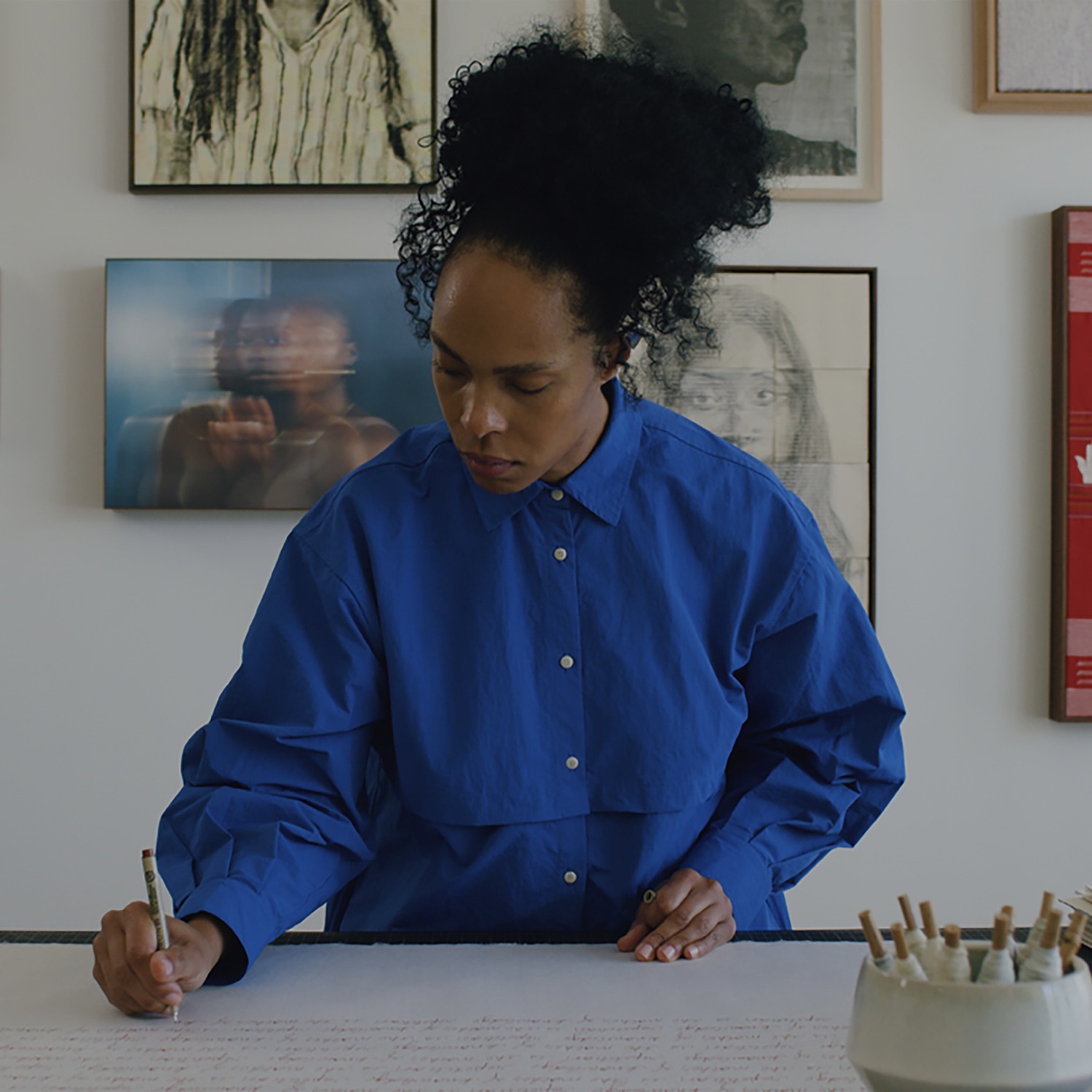
Kenturah Davis, a Los Angeles- and Accra-based artist known for large-scale drawings and carbon pencil rubbings that incorporate text, lost her Altadena home and studio in the Eaton fire last year. In response, she helped organize “Ode to ‘Dena,” a group show at the California African American Museum honoring the neighborhood, and is now launching Rest Stops, a restorative public art project and community garden aiming to establish 10 green spaces by 2027. She has also taken up pottery classes and rebuilt her studio practice in a new Altadena sanctuary.

design art precious okoyomon garden

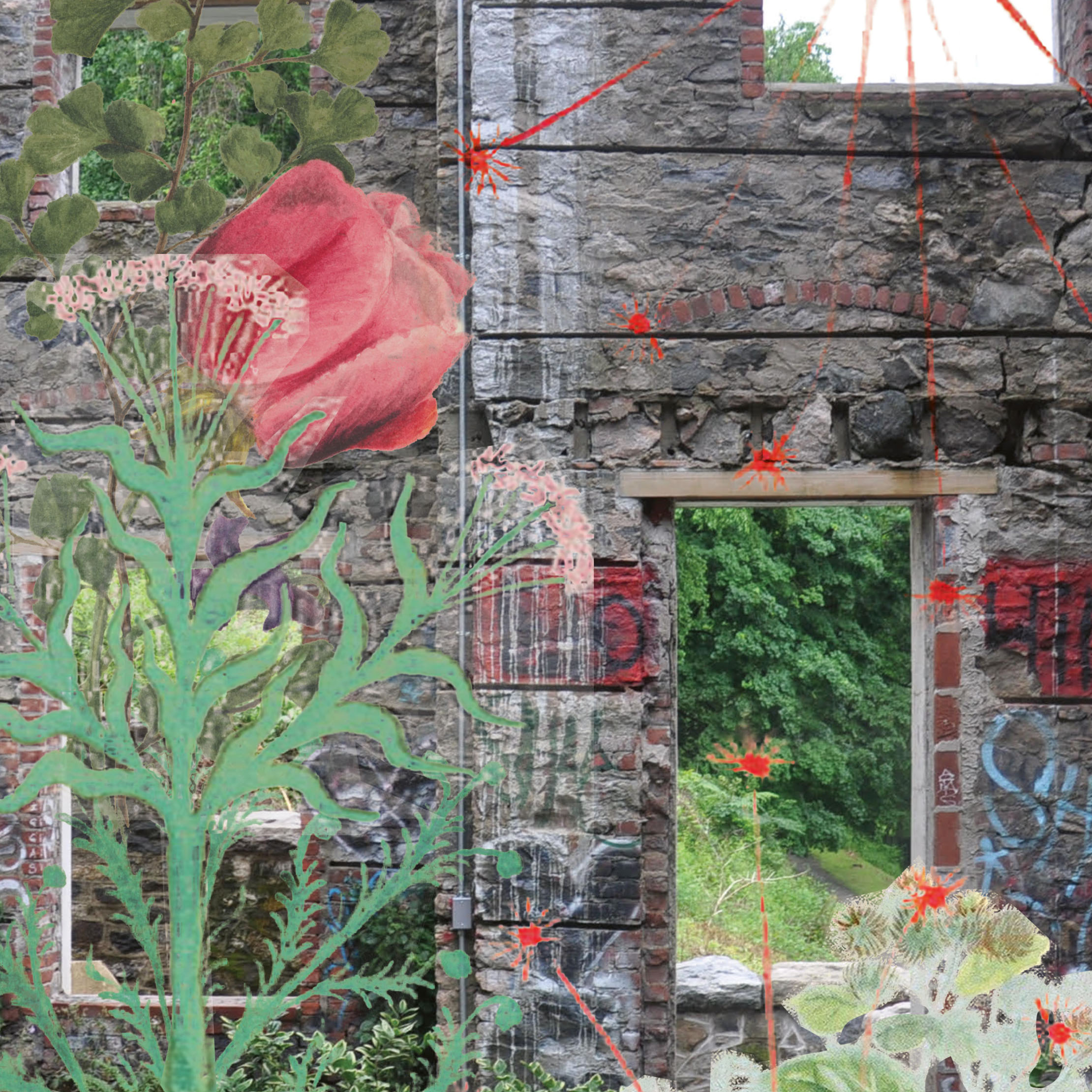
Precious Okoyomon, editor of CULTURED at Home gardens, selects five unconventional natural landscapes that thrive against difficult odds. These include Dumbarton Oaks in Washington DC with its ancient wisteria, the radioactive waste site Dead Horse Bay in Brooklyn where invasive species bloom, the childhood haven Glen Helen Nature Preserve in Ohio, the Persian-inspired Untermyer Gardens in Yonkers, and Derek Jarman's seaside garden beside a nuclear plant in Dungeness, UK. Each location is described through Okoyomon's personal reflections, illustrated by Erin Knutson.

GEORGE FEBRES: TRADUCCIÓN, IRONÍA Y LIBERACIÓN. UN ARTISTA ECUATORIANO EN LA DIÁSPORA

George Febres (Guayaquil, 1943 – New Orleans, 1996) was an Ecuadorian artist whose work blended pop art, neo-surrealism, and Southern U.S. culture, shaped by his experience as a migrant and queer individual. The article traces his life from a privileged but unstable childhood in Ecuador to his migration to the United States, where he was drafted during the Vietnam War and eventually settled in New Orleans. Febres used bilingualism and ironic appropriation of tropical imagery to create a hybrid, irreverent body of work that challenges the official historiography of Ecuadorian art.

The Interview: Kei Ishikawa

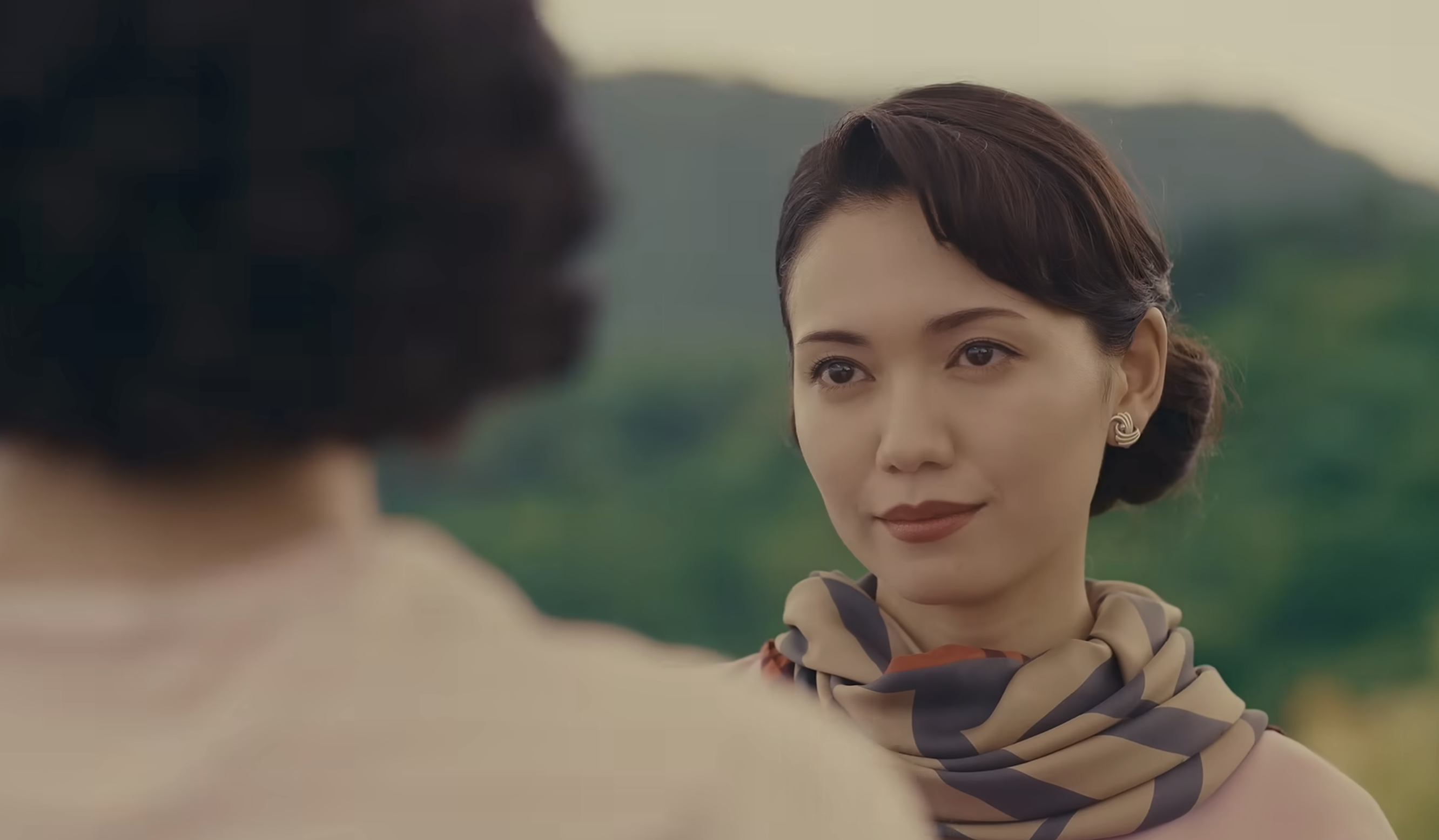
Filmmaker Kei Ishikawa has adapted Kazuo Ishiguro's debut novel, 'A Pale View of Hills,' into a feature film, with Ishiguro serving as executive producer. The film expands the novel's dual-timeline narrative, set in post-war Nagasaki and 1980s England, and introduces a decisive narrative closure not found in the original text. It features performances from leading Japanese actors and meticulous period detail.

Gangnam styles: South Korea’s brutalist gems – in pictures

Photographer Paul Tulett has captured the stark, concrete landscapes of South Korea in his new book, *Brutalist Korea*, published by Prestel. The photo series highlights a range of architectural landmarks, from Tadao Ando’s minimalist Jeju Glass House and Zaha Hadid’s futuristic Dongdaemun Design Plaza to the playful geometry of the Paju Kindergarten. Tulett’s work documents how the raw, monumental aesthetic of Brutalism has evolved from the country’s postwar industrialization into a sophisticated tool for modern urban experimentation.

hieronymus bosch garden of earthly delights why important

The article examines Hieronymus Bosch's masterpiece "The Garden of Earthly Delights" (c. 1490–1510), explaining that while modern viewers often call it surreal, the term is an anachronism; the painting reflects a medieval worldview where damnation and divine order were accepted realities. It describes the triptych's structure, its likely commission by Engelbert II, Count of Nassau, and its narrative flow from grisaille exterior to vivid interior panels depicting Eden and hell. The piece also notes how 20th-century Surrealists like André Breton and Salvador Dalí claimed Bosch as a precursor, with Dalí directly borrowing motifs from the painting.

salvador dali mustache origin

Salvador Dalí's iconic mustache, voted the Most Famous Mustache of All Time in a 2010 Telegraph survey, originated in the 1940s after he initially sported a more subdued "Menjou" style in the 1930s. The artist developed his flamboyant upturned mustache, first appearing in his painting *Soft Self-Portrait with Grilled Bacon* (1941), and maintained it with meticulous daily grooming using date-based wax. Dalí treated the mustache as a personal logo and creative symbol, even co-authoring a 1954 book with photographer Philippe Halsman titled *Dalí's Mustache*, featuring 28 surreal photographs.

artist mother interview mothers day balance

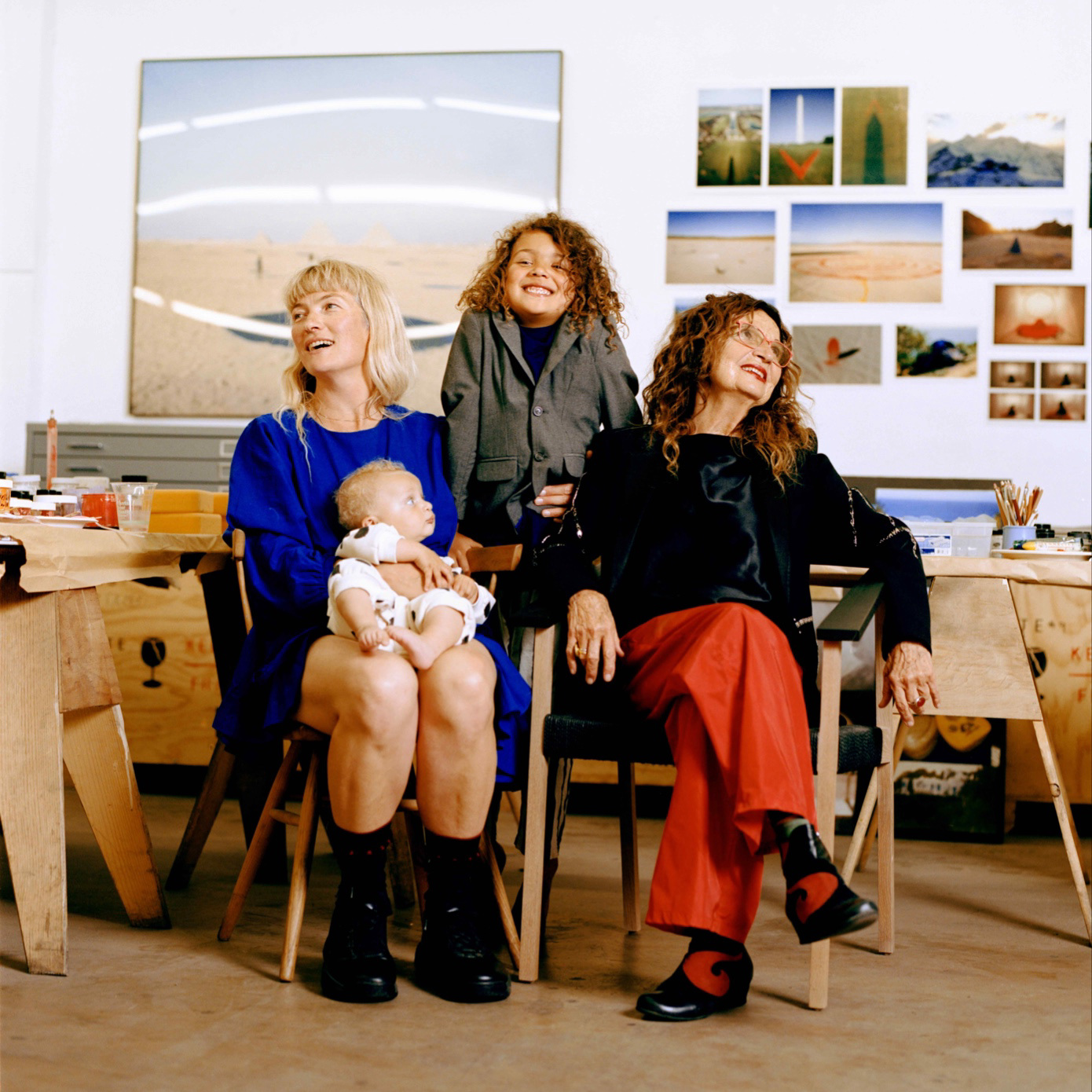
Cultured magazine interviewed five artist-mothers—including Lita Albuquerque, Sheree Hovsepian, and Catherine Opie—ahead of Mother’s Day to explore how motherhood and artistic practice intersect. The artists describe how raising children has made them more efficient, intuitive, and present in their studios, while their art has deepened their capacity for love and patience as parents. Specific examples include Hovsepian turning to photograms during limited childcare hours and Opie creating intimate portraits of her son.

‘It’s about processing’: the artist who spent three months recreating the most poignant moments with her ex

Photographer Diana Markosian has created a new project titled "Replaced," in which she spent three months recreating intimate moments from her past relationship with an ex-partner. To document the experience of falling in and out of love, she hired an actor to play her ex and traveled with him to locations they once visited together, including Miami, Paris, Naples, Capri, and Nice. The series blurs documentary and fiction, using staged reenactments to process grief, heartbreak, and healing.