filter_list Showing 52 results for "PA" close Clear
dashboard All 1038 museum exhibitions 555article local 162article news 105trending_up market 61article culture 52person people 32rate_review review 24article policy 23candle obituary 16gavel restitution 8
date_range Range Today This Week This Month All
Subscribe

There will be mud! Could my child (and buggy) survive a day at a sculpture park?

A parent takes their toddler to Yorkshire Sculpture Park (YSP) in West Yorkshire, UK, during a rainy February day. Despite the mud and drizzle, the child engages with outdoor artworks by Barbara Hepworth, Henry Moore, Bharti Kher, Sol LeWitt, Vanessa da Silva, and Damien Hirst, treating the sculptures as playgrounds and objects of discovery. The park offers free activity packs, a Hidden Forest designed for under-fives, and a family-friendly environment that encourages children to explore art and nature without the constraints of indoor galleries.

‘It’s not much but, at the same time, it’s very much’: the enduring impact of Sade’s style

The article discusses the enduring style of Sade Adu, frontwoman of the British group Sade, following the band's announcement of their induction into the 2026 Rock and Roll Hall of Fame. It highlights how Adu's signature look—scraped-back hair, red lipstick, hoop earrings, and simple black dresses or denim—has become iconic and influential, with her outfits featured in exhibitions like V&A East's 'The Music is Black' and referenced by celebrities such as Drake. The piece traces the origins of her style to her fashion design studies at Saint Martin's School of Art and her early work with designer Fiona Dealey.

Martin Schongauer in 2 Minutes

Martin Schongauer en 2 minutes

Martin Schongauer (c. 1445–1491), the Alsatian painter, draftsman, and engraver, is celebrated as the greatest German copperplate engraver before Albrecht Dürer and one of the first artists to achieve pan-European fame in his lifetime. The article outlines his life and career, from his early training in his father's goldsmith workshop in Colmar to his studies at the University of Leipzig and travels through Flanders, where he absorbed the influence of Rogier van der Weyden and Dirk Bouts. It highlights his 116 copper engravings, signed with the monogram 'M+S', which elevated engraving to a high art and circulated from Spain to Bohemia, inspiring Dürer and the young Michelangelo. Key works discussed include the painting 'La Vierge au buisson de roses' (1473) and the engraving 'La Tentation de saint Antoine' (c. 1470–1475).

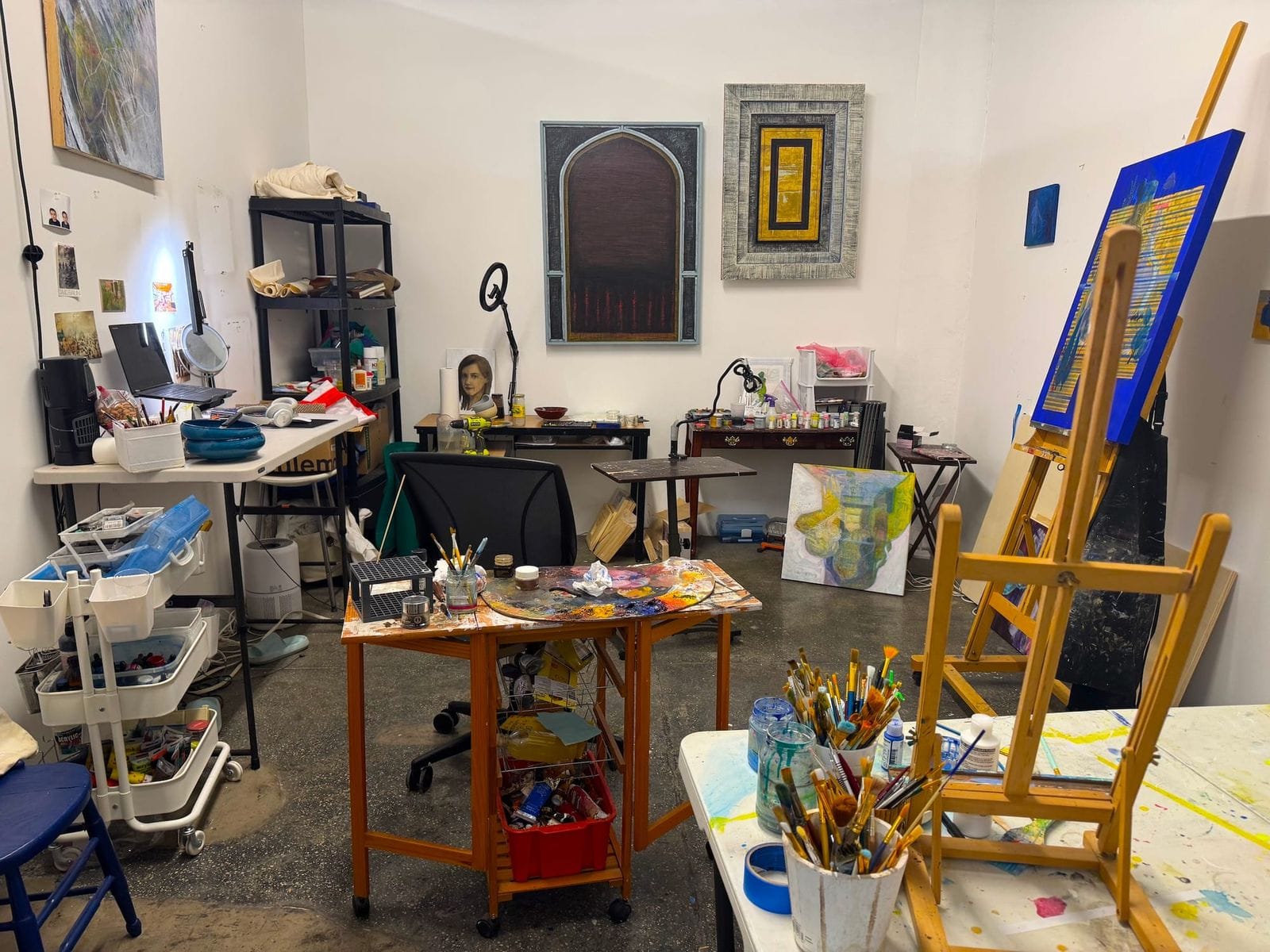
A View From the Easel

New Jersey-based artist Hadieh Afshani is featured in the 334th installment of Hyperallergic's 'A View From the Easel' series, which profiles artists in their workspaces. Afshani describes her studio practice at Mana Contemporary in Jersey City, where she balances her art with caring for her baby, working around his feeding and sleeping rhythms. She emphasizes the importance of natural light, a sink for fluid processes, and the supportive community of fellow artists and mothers.

"There are no minor or feminine arts." Domitilla Dardi explains this in her new book

“Non esistono arti minori o femminili”. Ce lo spiega Domitilla Dardi nel suo nuovo libro

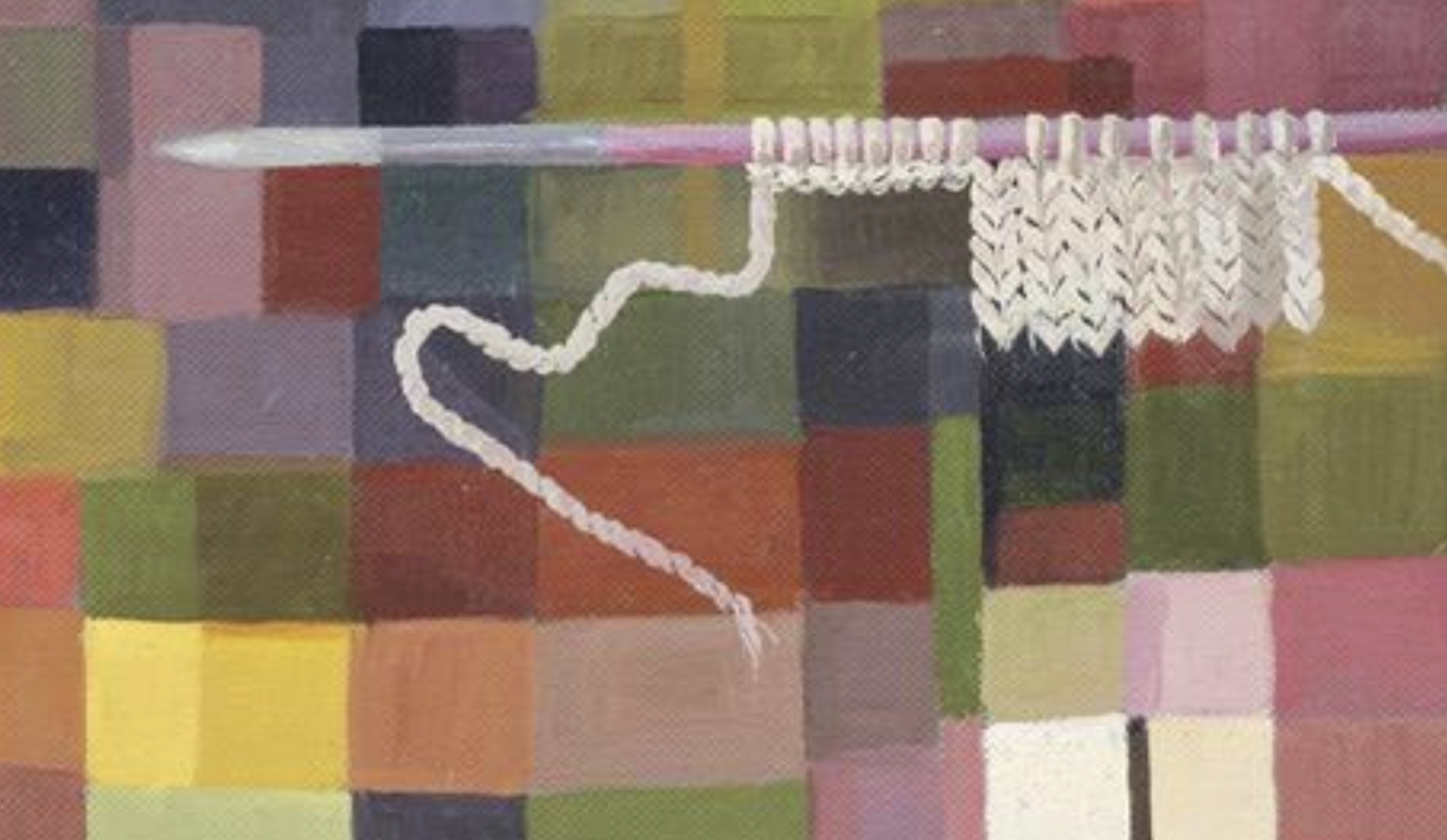
Domitilla Dardi's new book "Cucire Universi" (published by Einaudi) presents a counter-history of design, focusing on techniques traditionally dismissed as "feminine" and "minor"—such as sewing, ceramics, cooking, and knitting. The book argues that these practices have been systematically undervalued by official art histories, yet have contributed significantly to technologically advanced research fields. Dardi uses real historical figures like Emily Dickinson to illustrate how women's creative and scientific talents were channeled into these marginalized domains, and she calls for overcoming the dualistic view that separates art from craft.

Vincenzo Trione's new book aims to redefine the concept of the avant-garde (reviews by his students)

Il nuovo libro di Vincenzo Trione vuole ridefinire il concetto di avanguardia (le recensioni dei suoi allievi)

On March 9, 2026, at IULM University in Milan, Vincenzo Trione presented his new book *Rifare il mondo. Le età dell’avanguardia* (Einaudi, 2025). The event was part of the cultural program *Leonardo alla IULM*, which also featured pages from the Codex Atlanticus on loan from the Biblioteca Ambrosiana. Trione, a professor at IULM, discussed the book with four of his students: Anna Luigia De Simone, Vincenzo Di Rosa, Anna Calise, and Alessia Scaparra Seneca. The talk, titled "Nessuna parola caratterizza l’arte contemporanea più di avanguardia," explored the concept of the avant-garde, its historical legacy, and its contemporary reactivation through movements, manifestos, collectives, and cultural phenomena.

In Spain, art becomes popular thanks to this expert influencer. We interviewed him

In Spagna l’arte diventa popolare grazie a questo esperto influencer. Lo abbiamo intervistato

Miguel Ángel Cajigal, known as 'El Barroquista,' is a Spanish art historian and popularizer who has brought art history to prime-time television, radio, and social media. In an interview with Artribune, he discusses his books, including 'Otra historia del arte' (2021), his approach to making art accessible without dumbing it down, and his critique of the cult of the individual genius in art historiography. He emphasizes the collective nature of art production and reception, challenging the traditional focus on masterpieces and authorship.

Long Live the King?

Sam Jacob's essay in ArtReview uses the upcoming Baz Luhrmann film 'EPIC: Elvis Presley in Concert' (2026) as a springboard to explore the cultural and technical implications of digital restoration. The film, a spinoff from Luhrmann's 2022 Elvis biopic, draws on 59 hours of previously unseen footage from Elvis Presley's 1970 and 1972 Las Vegas performances, recovered from Warner's Kansas salt-mine archive. Using Peter Jackson's Park Road Post technology—including Machine Assisted Learning (MAL) for demixing audio and video—the damaged, fragmented material has been digitally scanned, reconstructed, and enhanced to 4k resolution with 12-channel sound, presented in IMAX cinemas.

Without Consciousness, No Creativity

"Ohne Bewusstsein keine Kreativität"

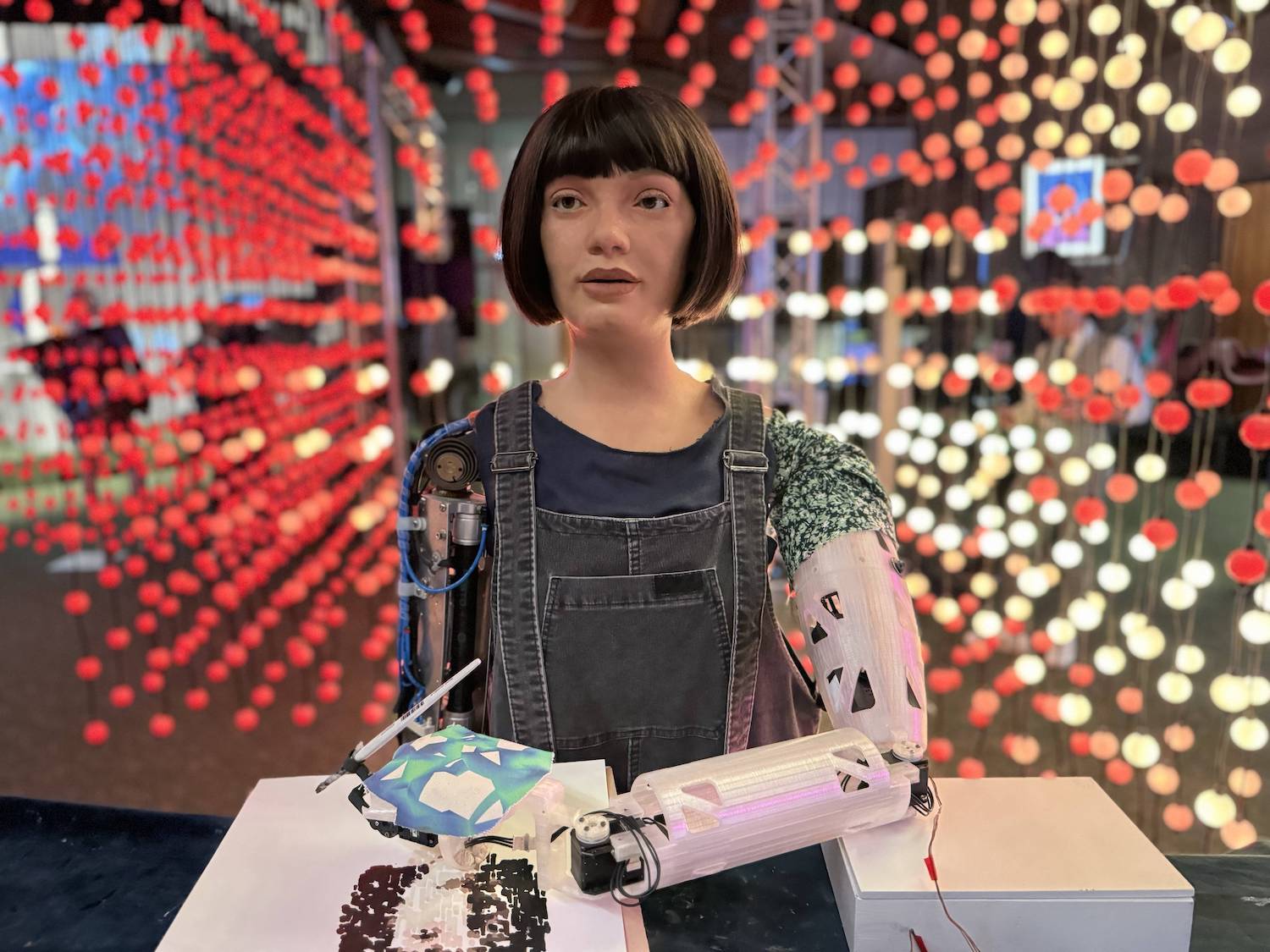
Matthias Hornschuh, a speaker at the German Creative Economy Summit in Hamburg, discusses artificial intelligence and its impact on art and creativity in an interview with Monopol. He argues that AI systems lack intentionality and true creativity, describing them as "probability-based imitation" rather than genuine creative tools. Hornschuh warns against the hype surrounding AI, noting that efficiency gains are often overstated and that users can become trapped in unproductive interactions with these systems.

‘The pictures are evil!’ The great art-quake of 1910

The article reviews David Boyd Haycock's slim new book 'Art-Quake, 1910,' which examines the explosive 1910 exhibition 'Manet and the Post-Impressionists' at London's Grafton Galleries. The show introduced British audiences to revolutionary artists like Cézanne, van Gogh, Gauguin, Matisse, and Picasso, provoking outrage from critics and the public, who called the works 'evil,' 'hysterical,' and a threat to civilization. The book is part of a series from Old Street publishing that also includes titles on the Degenerate Art exhibition and the Cultural Revolution.

Einatmen – Ausatmen

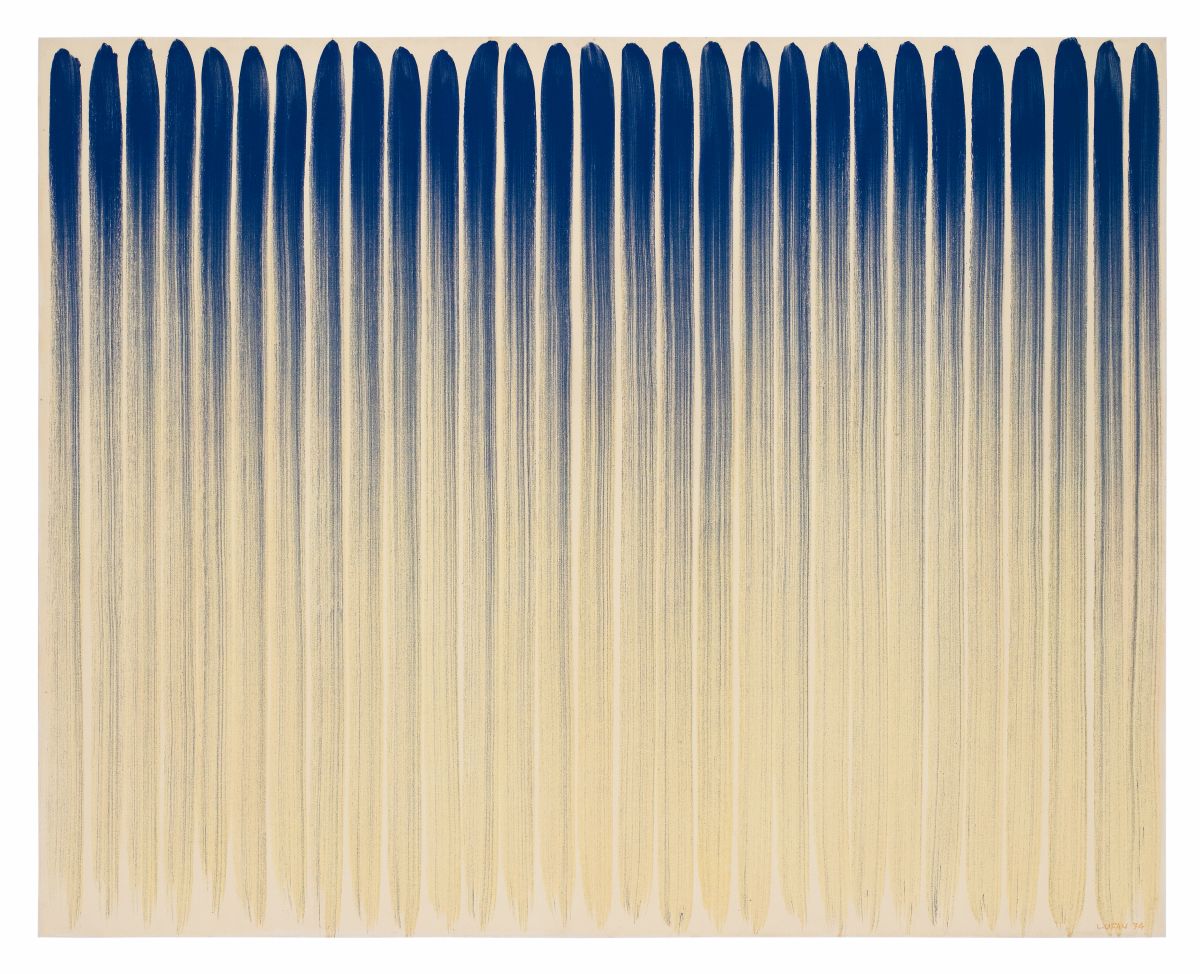
Lee Ufan, the renowned Korean artist known for his meditative single brushstroke paintings, is the subject of a feature article in Monopol. The piece visits his home in Kamakura, Japan, where he lives and works in a simple wooden cube house, reflecting the minimalist philosophy that defines his art. The article explores how Lee finds the entire universe in a single brushstroke, and how the art world is increasingly captivated by his serene, contemplative works.

« Le monde entier semble s’être mis en mouvement, animé par une soif d’expériences culturelles »

The article explores the transformation of cultural travel for artists and art lovers, contrasting the arduous, unknown journeys of historical figures like Eugène Delacroix, Paul Gauguin, and Ella Maillart with today's accessible, curated experiences. It describes how contemporary artists such as Ólafur Elíasson, JR, and Marina Abramović now use travel itself as a medium, creating works that engage with climate change, social issues, and presence. Destinations like the Venice Biennale, AlUla in Saudi Arabia, Naoshima in Japan, and Le Voyage à Nantes are highlighted as hubs where art and travel merge into immersive, sensory experiences.

Contrast Reigns in Austn Fischer’s Conspicuous Black-and-White Photos

Austn Fischer, a Wisconsin-born, London-based photographer, creates black-and-white images that explore fashion as performance and identity. His work features striking contrasts, such as lace ruffs paired with athletic wear, and he has collaborated with clients like The New Statesman and Crack Magazine, photographing subjects including Ai Weiwei and David Byrne. Fischer describes his process as working backwards, arranging scenes intuitively and later reflecting on their personal significance, especially regarding his sexuality and masculinity.

An Art Historian’s Riotous Novel Melds Medieval Art with Monica Lewinsky

Julia Langbein's new novel *Dear Monica Lewinsky*, published by Doubleday, follows translator Jean Dornan as she revisits a traumatic relationship with a professor from her youth, set against the backdrop of the 1998 Monica Lewinsky scandal. The story interweaves medieval art, particularly the 13th-century *Golden Legend*, with Lewinsky's public shaming, as Jean prays to Lewinsky for guidance and is visited by a haloed version of her. Langbein, an art historian with a PhD from the University of Chicago, draws on her expertise to explore themes of humiliation, self-estrangement, and collective experience.

The Poet of Light. Interview with Lighting Designer Davide Groppi

Il poeta della luce. Intervista al lighting designer Davide Groppi

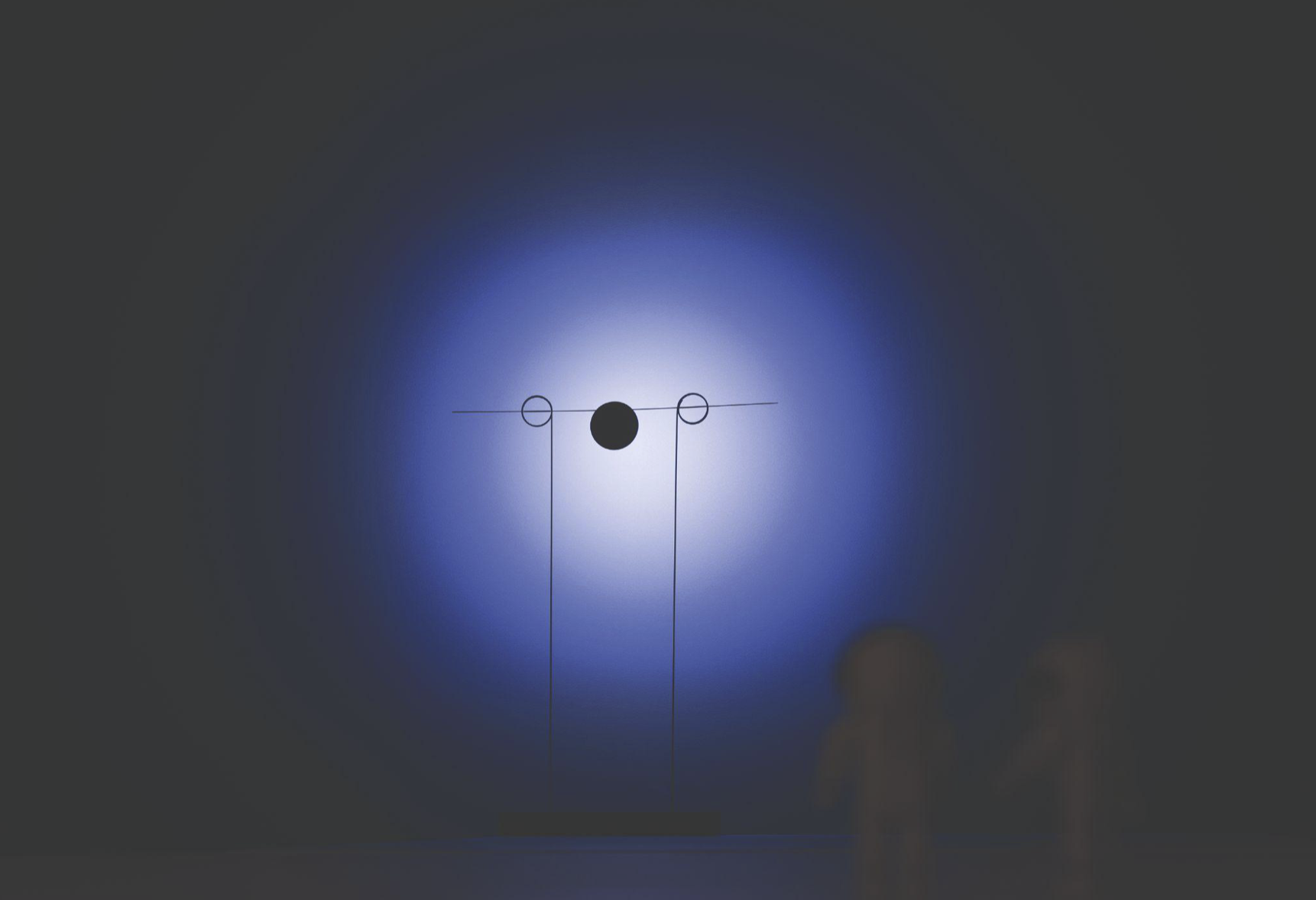
Lighting designer Davide Groppi (born 1963 in Piacenza) is the subject of a rare retrospective exhibition titled "Un'ora di luce" (An Hour of Light), on view until May 26 at the Volumnia gallery in Piacenza, curated by Marco Sammicheli. The show, held in a deconsecrated late-16th-century church, traces Groppi's nearly 40-year career through products, prototypes, and personal artistic research, including his iconic lamp "Nulla" (2010), which won the first of his three Compasso d'Oro awards. In an interview, Groppi discusses the exhibition's themes of lightness, cosmic references, and his philosophy of subtraction in design.

‘It’s a huge, futuristic space with massive skylights’: Ali Zolghadri’s best phone picture

Ali Zolghadri, a Tehran-born fine art photographer, captured a composite image of the central atrium of the Iran Mall in Tehran—the world's largest shopping mall—which was shortlisted in the creative category of the 2026 Sony World Photography Awards. The photograph, taken four months before the US and Israel launched their war on Iran, depicts the mall's futuristic architecture with sweeping curved lines, metallic surfaces, and massive skylights, and includes a lone passerby to emphasize scale. Zolghadri emphasizes that his process involves manual editing in Photoshop without AI, blending three frames and removing unnecessary elements to construct meaning.

In love with trees, sculptor Lélia Demoisy elevates nature through hybridization

Amoureuse des arbres, la sculptrice Lélia Demoisy sublime la nature par l’hybridation

Lélia Demoisy, a French sculptor born in 1991, creates hybrid works that blend wood with animal elements, such as a yew wood sculpture covered in fox fur or a suspended skeleton made from naturally curved thuya branches. She lives in a small village in the Yvelines region, where she works with wood and metal herself, often sourcing materials locally, and recently participated in the Maif pour le vivant committee as the only artist on the jury.

Required Reading

This week's Required Reading from Hyperallergic features a photo by Saber Nuraldin, a finalist for the World Press Photo of the Year, depicting Palestinians climbing an aid truck in Gaza during famine caused by Israel's blockade. The article also includes Elena Megalos's essay on the American Museum of Natural History as a site of motherhood, and reports on Meenu Batra, a legal interpreter arrested by ICE, and the New York Times blocking the Internet Archive from crawling its site.

Writer Thomas Clerc casts a tender fictional gaze on Montmartre's 'daubs'

L’écrivain Thomas Clerc pose, à travers une fiction, un regard tendre sur les « croûtes » de Montmartre

French writer and essayist Thomas Clerc has published a new fiction titled "Croûtes" as the fifteenth volume in the "Fléchette" collection by éditions sun/sun. The book draws inspiration from a single autochrome image taken from the Musée Albert-Kahn's "Archives de la planète" (1909–1931), specifically a one-minute film shot in March 1927 at the Foire aux croûtes in Montmartre, Paris. Clerc's narrative tenderly and humorously explores the life of an amateur painter and the infinite possibilities of so-called "croûtes"—a French slang term for amateurish or kitsch paintings that exist outside institutional recognition.

Beyond the Needle: Chilean Artist Felipe Abel on Chiaroscuro, Symbolism, and the Evolution of Modern Tattooing

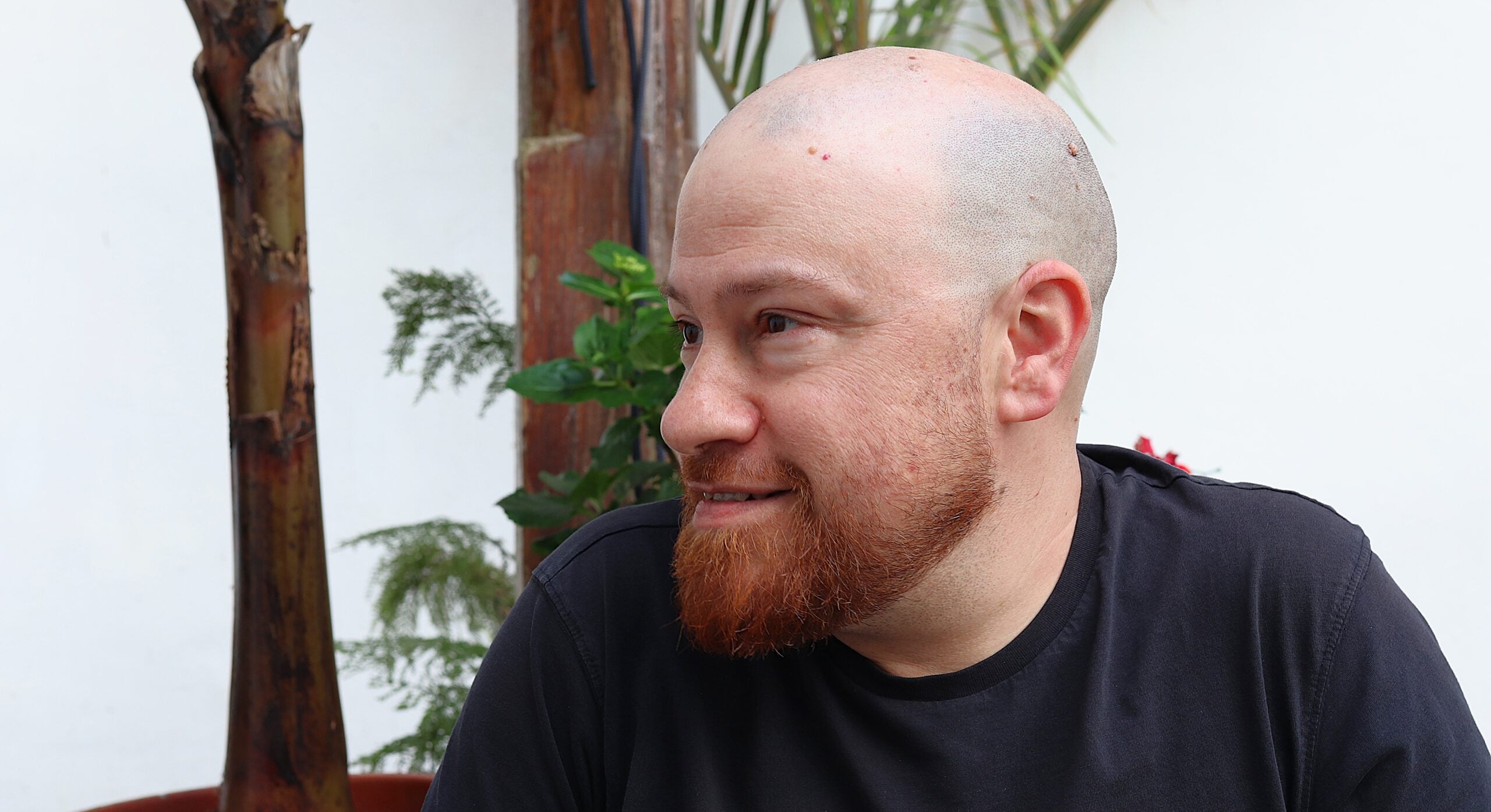
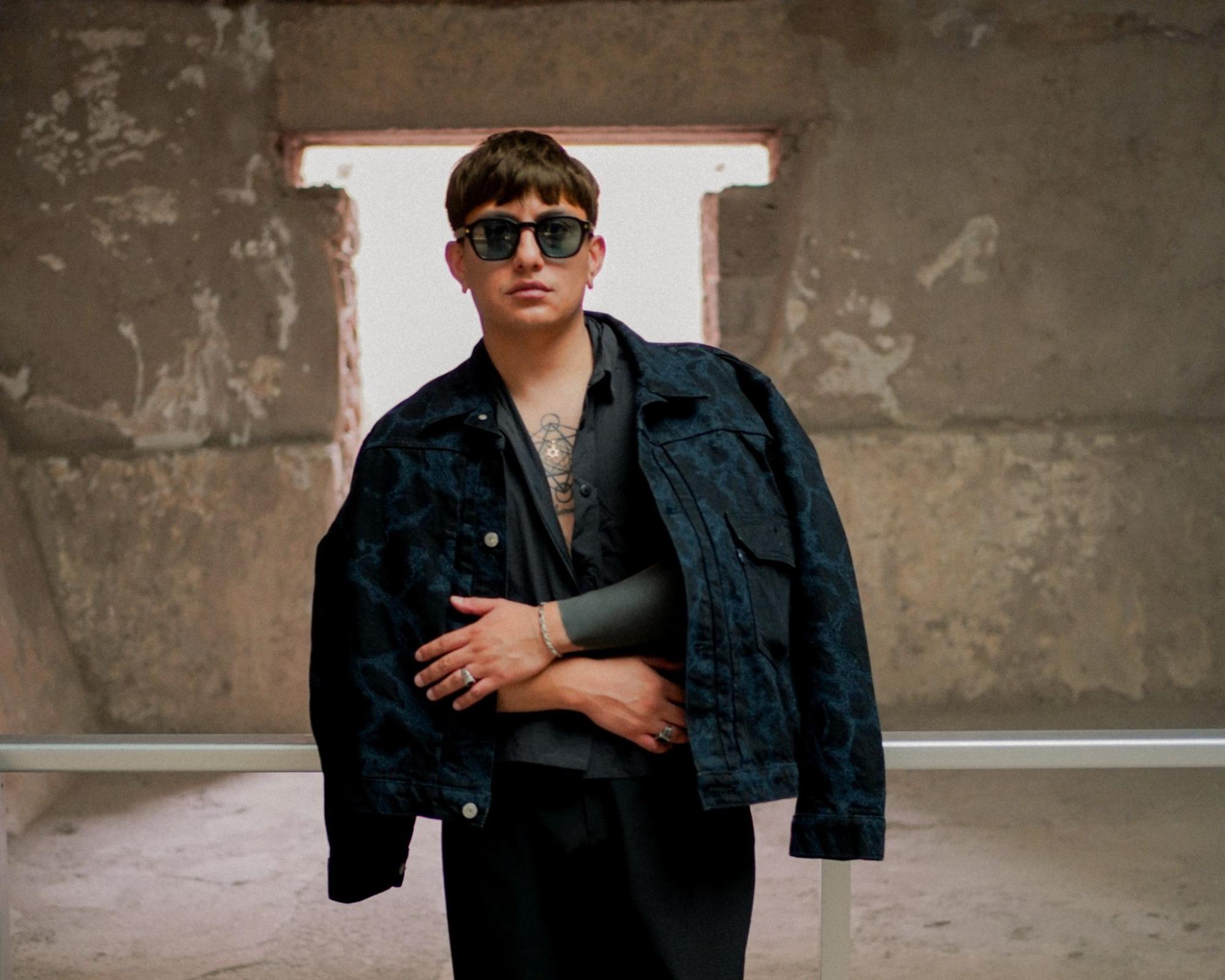
Chilean tattoo artist Felipe Abel (born Felipe Arriagada), who has a background in graphic design and a decade of experience in black-and-grey micro-realism, is preparing to join Noble Art Studio in Brooklyn. He is also developing a new series of oil paintings focused on mythology, theology, and esotericism, expected to debut in a formal exhibition around 2027. Abel, who has held guest spots in over 20 cities across 10 countries including studios like Sasha Tattooing in Paris and The White Whale in Milan, uses chiaroscuro and a recurring floating orb motif in his work, drawing influence from photographer Sebastião Salgado and painter Guillermo Lorca.

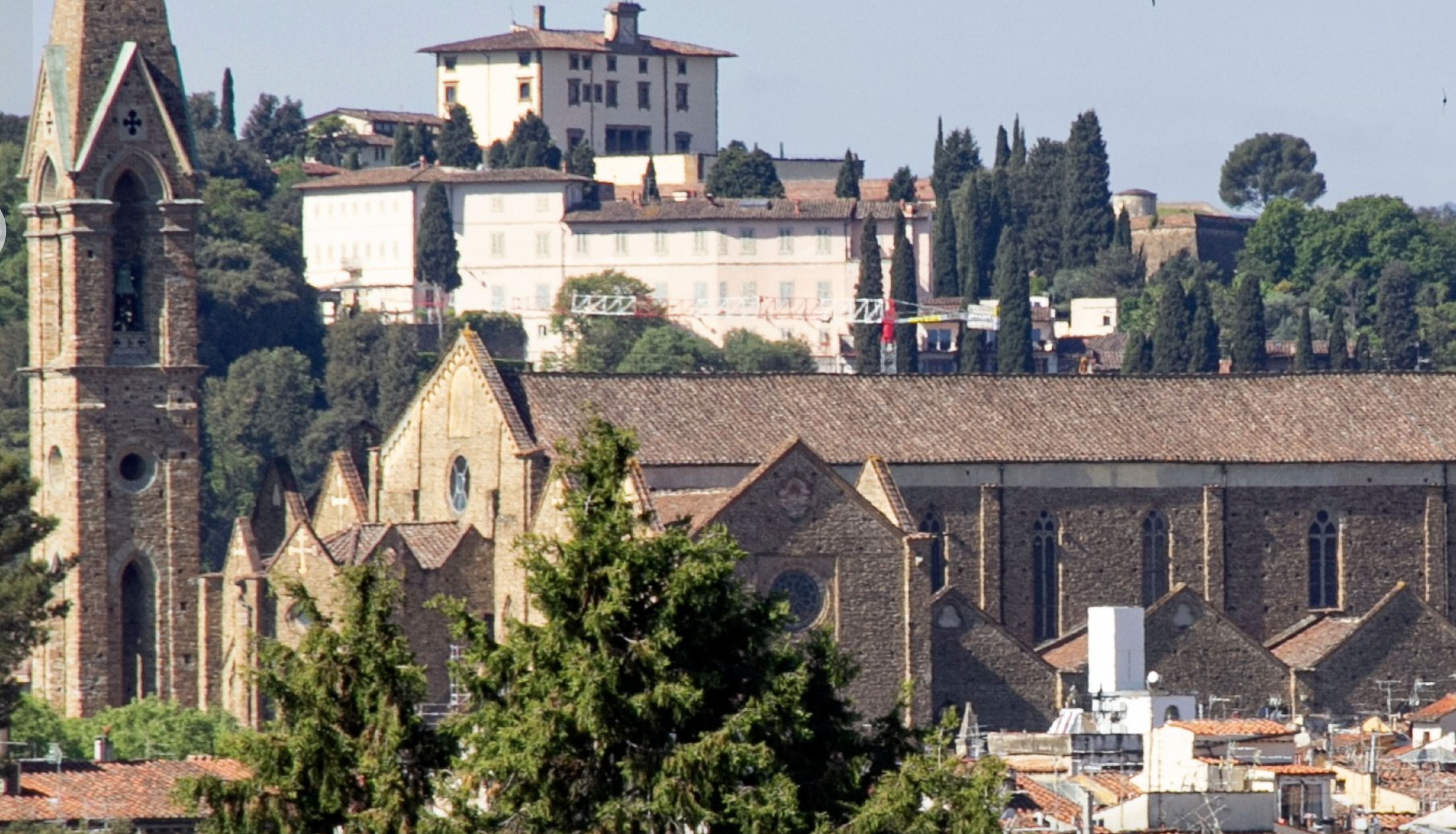
Scandal in Florence's Skyline? After the Black Cube and the White Cylinder, the Prism That Impales Santa Croce Appears

Scandalo nello skyline di Firenze? Dopo il cubo nero e il cilindro bianco spunta il prisma che impalla Santa Croce

A cylindrical antenna installed by the telecom company Iliad in Florence has sparked controversy after it was reported that, from certain angles, it visually overlaps with iconic landmarks such as Brunelleschi's Dome and Giotto's Campanile. The article traces a pattern of periodic scandals in Florence, including a previous uproar over the so-called "Cubo Nero" (a new building replacing a decaying theater), and notes that the antenna has actually been in place since 2023 without earlier outcry. Local artist Giacomo Costa recently photographed another white prismatic antenna in Via Ghibellina, within the UNESCO zone, that obstructs the view of Santa Croce, fueling further debate.

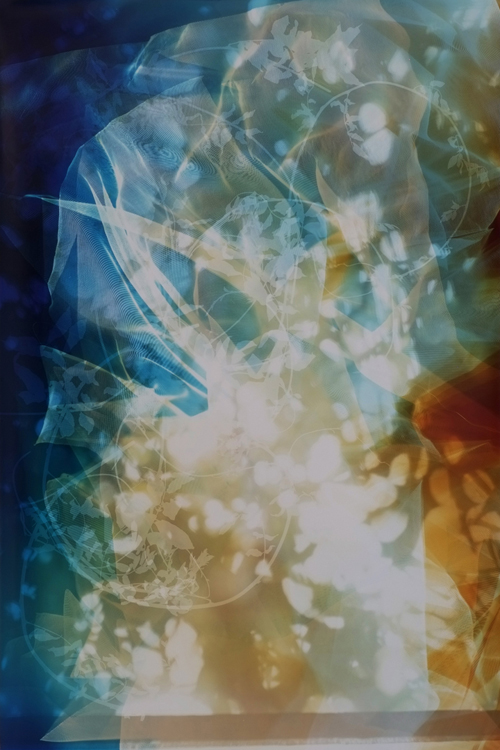
Why Contemporary Photographers Are Rejecting the Camera

Contemporary photographers are increasingly rejecting traditional cameras in favor of alternative, camera-less techniques such as photograms, cyanotypes, and chemigrams. These artists draw inspiration from early scientific experiments with light-sensitive materials, like those of Johann Heinrich Schulze and Thomas Wedgwood, who created temporary images using silver nitrate and sunlight before photography was formally invented.

An Interactive Archive Celebrates the Wide Ranging Projects Inviting ‘Unruly Play’

Amsterdam-based studio Imagination of Things, co-founded by Vitor Freire and Monique Grimord, has launched "Unruly Play," an interactive digital archive featuring 169 artworks, designs, games, and participatory projects. The repository includes notable works such as Rael San Fratello's "Teeter-Totter Wall" and the Wind Phone project, alongside a 12-foot puppet that travels the world. The archive is searchable by theme or through a shuffle feature, aiming to showcase projects that invite surprise, camaraderie, and unexpected encounters with imagination and joy.

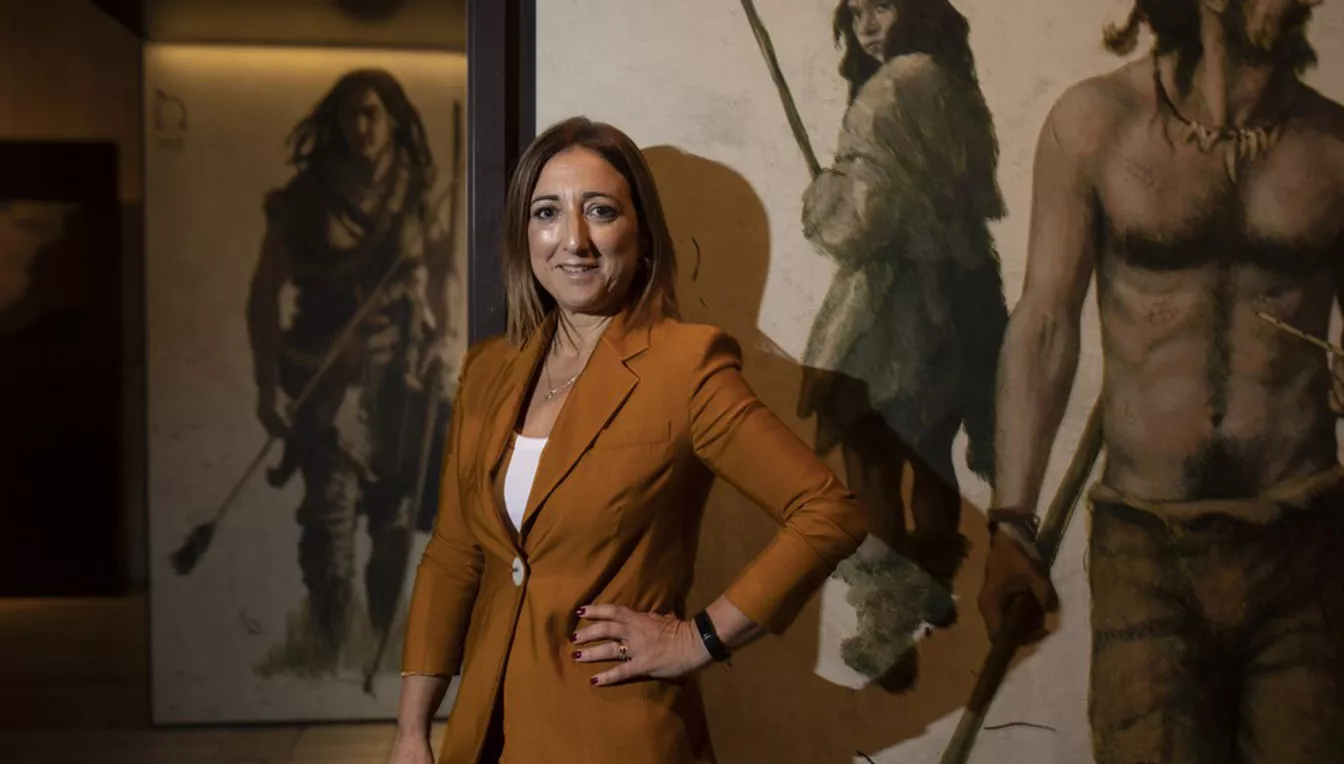
“La preistoria non è stata solo violenza, ma anche cura”. Intervista all’archeologa femminista Marga Sánchez Romero

Marga Sánchez Romero, a professor of Prehistory at the University of Granada and a leading voice in feminist archaeology in Spain, argues in an interview that prehistory has been misrepresented as a sequence of violence and hierarchies. She emphasizes that new questions are reshaping our understanding of the past, highlighting that care, cooperation, and solidarity were as crucial as conflict in human evolution. The conversation covers biases in archaeological interpretation, the famous Viking tomb of Birka, the origins of inequality, and the role of museums in creating more inclusive narratives.

Michelangelo and Rodin: Finding the Living Spirit in Stone

The New York Times article examines the artistic kinship between Michelangelo and Auguste Rodin, focusing on how both sculptors sought to animate stone with a sense of living spirit and emotional intensity. It explores their shared techniques, such as leaving surfaces unfinished to suggest movement and inner life, and highlights key works including Michelangelo's "Slaves" and Rodin's "The Gates of Hell."

In the Studio with Jevon Brown

Artist Jevon Brown, a Miamian of Bahamian, Jamaican, and Black Southern descent, discusses his multidisciplinary practice in an interview conducted in his Miami Beach apartment and studio. Brown works across textiles, silkscreen printing, fashion, and photography to explore cultural identity, belonging, queerness, and history. He describes how memories of Miami sunsets, family members like his uncle (a sneakerhead and hat collector), and ancestral references inform his creative process. Key works discussed include the "HAIREtage" series (2025), which uses materials like burlap and raffia to connect contemporary streetwear culture with African and Caribbean spirituality, and his inclusion in the exhibition "Material, Material World" at David Castillo Gallery.

Forgers, One-Way Mirrors of the Art Market

Les faussaires, miroirs sans tain du marché de l’art

Anthropologist Monique Jeudy-Ballini has published a new book, "Peintres de l’ombre. Les faussaires à l’œuvre," in which she examines art forgers through an ethnographic lens. Drawing on autobiographical accounts, published interviews, and expert writings—including those of notorious forgers Wolfgang Beltracchi, Eric Hebborn, and Guy Ribes—she explores the motivations and practices of these clandestine figures, arguing that their work involves not only technical skill but also the creation of elaborate narratives and pedigrees for their forgeries. The book is part of the Ethnologiques series edited by Philippe Descola and published by Éditions Mimésis.

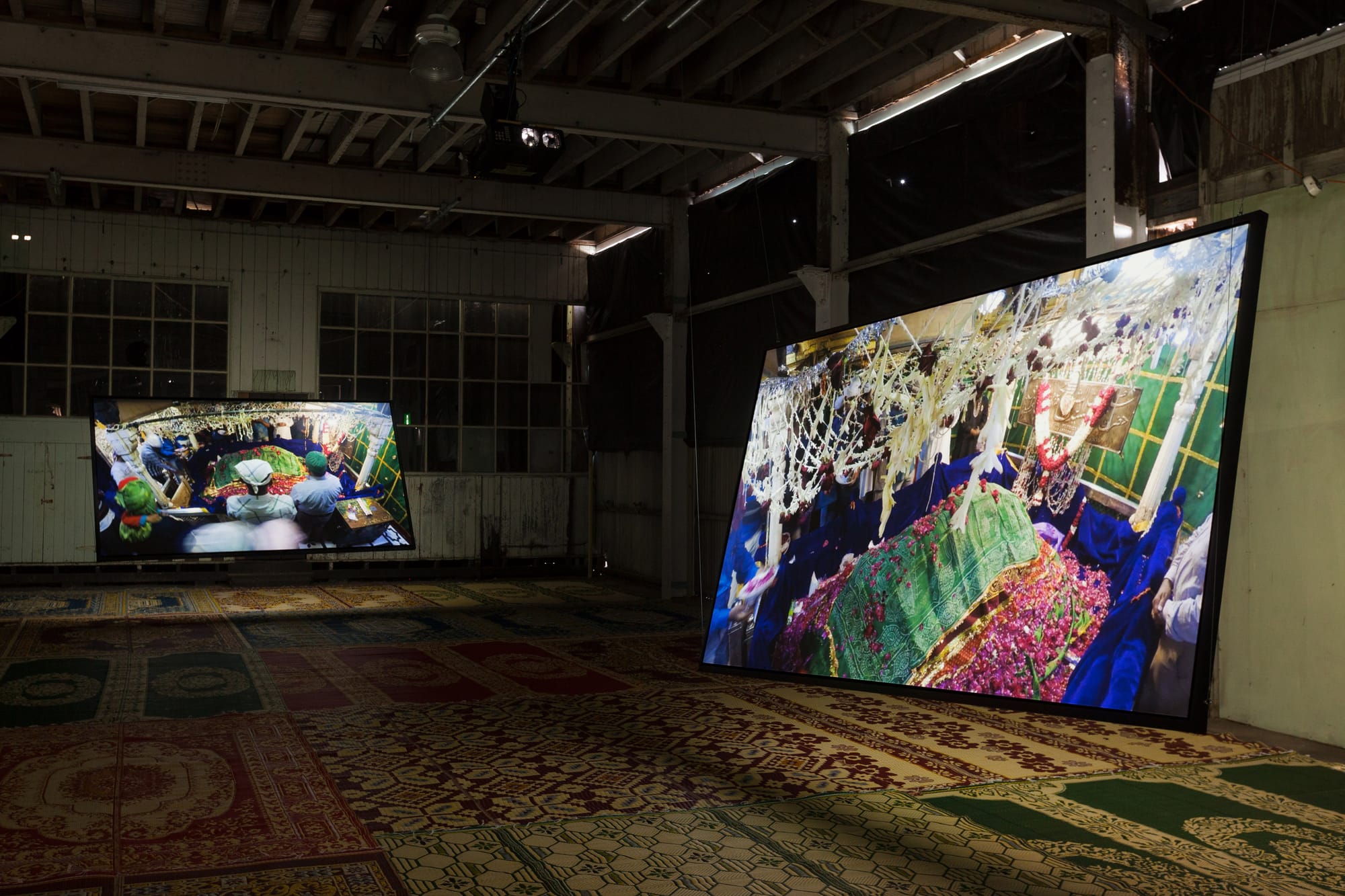
Khaled Sabsabi: Splintered Worlds

Khaled Sabsabi, a Lebanese Australian artist, explores the intersection of spirituality and perception through video and mixed-media installations rooted in Sufism. His work, such as the 18-minute video *Lefke Morning* (2012–18), captures the Naqshbandi-Haqqani Sufi Order's dawn meditations, using blurred imagery and soundscapes to challenge Islamophobic media tropes and evoke a sense of unity. Sabsabi's practice also draws on hip-hop, which he performed as "Peacefender" in the 1980s, using music to address social issues and support marginalized communities in Western Sydney.

Creating Variety in Contemporary Rome: The Story of the Conventicola degli Ultramoderni on Sky Arte

Fare varietà nella Roma contemporanea: la storia della Conventicola degli Ultramoderni su Sky Arte

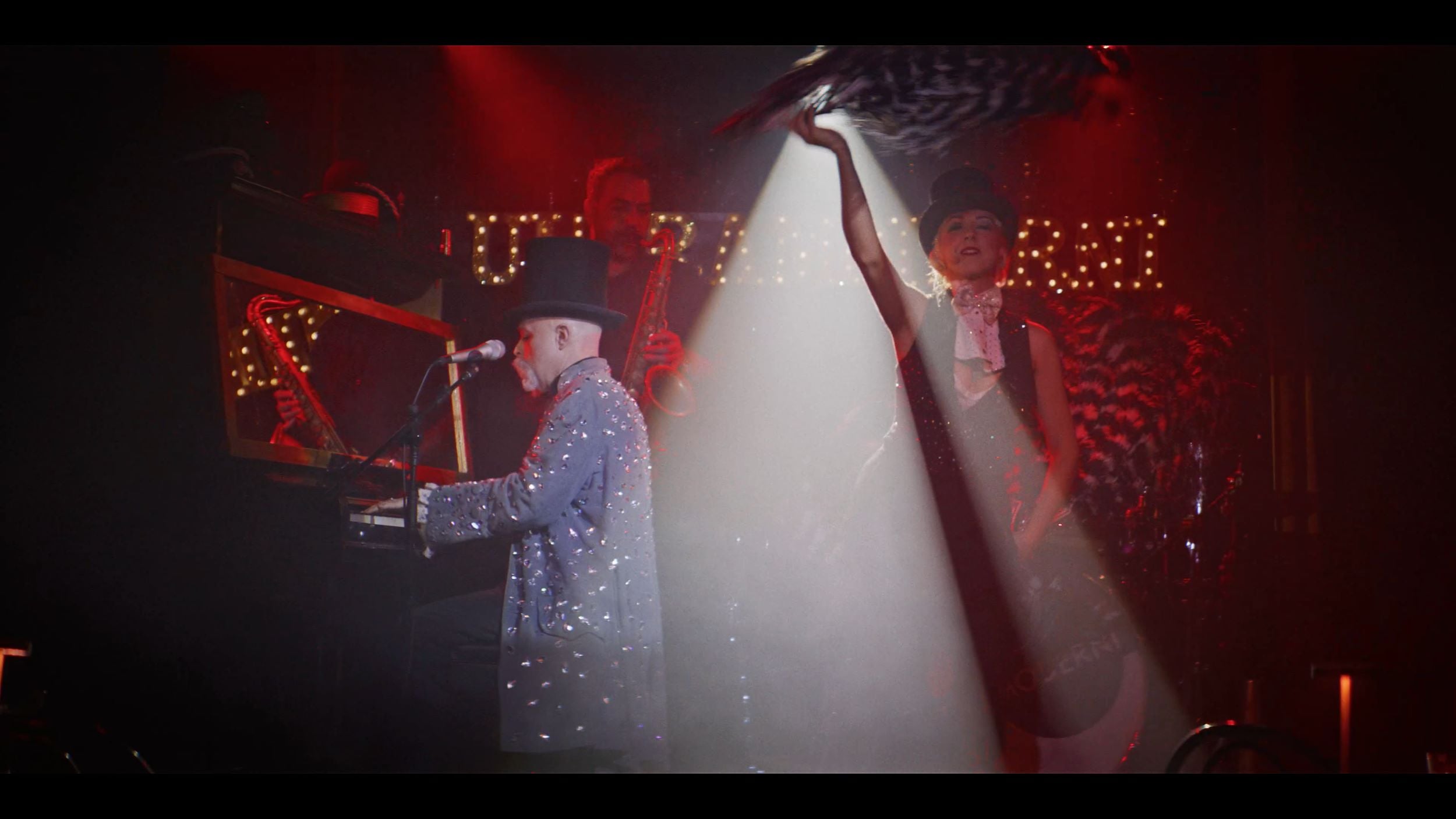
On Sunday, May 3, Sky Arte will premiere the documentary "Ultramoderni," which chronicles the rise of the Conventicola degli Ultramoderni, a unique artistic collective in Rome. Founded by Sior Mirkaccio and Madame de Freitas, who met in 2011, the group operates from a small hidden venue in the San Lorenzo district, blending music, cabaret, burlesque, and contemporary variety shows with a retro-futuristic aesthetic. The documentary, filmed in their Roman space, features interviews with the duo and excerpts from their performances, tracing how they built a diverse community of enthusiasts around their reinvention of past traditions.

Artist draws Jiangnan scenery with both hands simultaneously

A talented artist has demonstrated an extraordinary technique by drawing an intricate Jiangnan water town scene using both hands simultaneously. The performance was captured and shared by the People's Daily App, with production credits to Zhu Yurou and intern Zhang Jingxuan, and web editing by Zhang Kaiwei and Hongyu.