filter_list Showing 32 results for "Raum" close Clear
search
dashboard All 410 museum exhibitions 252article culture 32rate_review review 29article news 27article local 25candle obituary 16person people 12trending_up market 10article policy 5gavel restitution 2
date_range Range Today This Week This Month All
Subscribe

7 yayoi kusama works to know

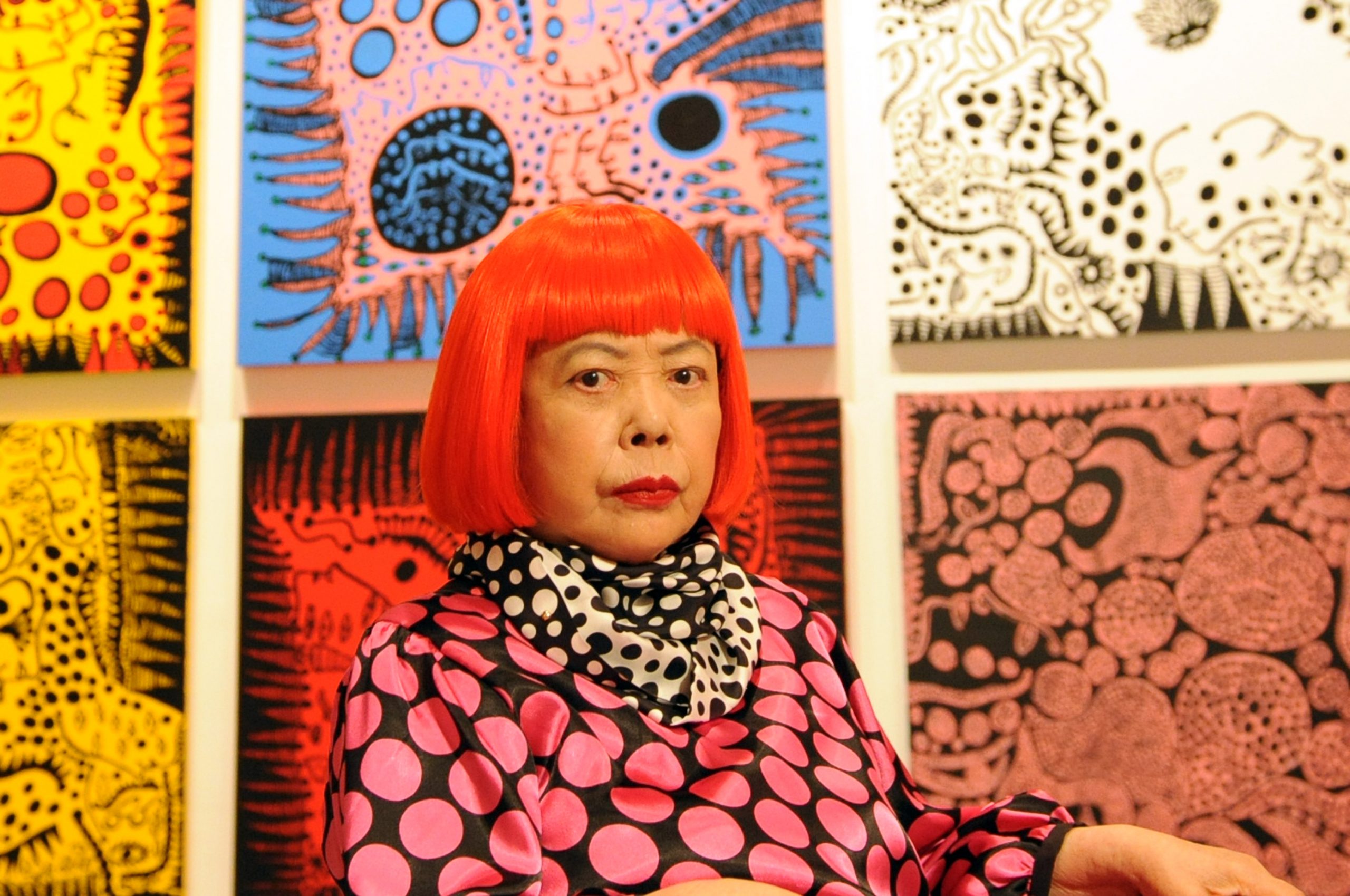
Artnet News profiles seven key works by Yayoi Kusama, tracing her career from the 1960s to the present. The article highlights her iconic pieces such as *Narcissus Garden* (1966), a guerrilla installation at the Venice Biennale where she sold mirrored spheres, and *Death of a Nerve* (1976), a soft sculpture reflecting her emotional struggles after returning to Japan. It also notes her early life, including her traumatic childhood, move to New York, and friendships with artists like Georgia O'Keeffe and Joseph Cornell.
wuthering heights art history

The article explores how Emily Brontë's novel *Wuthering Heights* has inspired visual artists across different eras. It details specific works by English artist Edna Clarke Hall, who created hundreds of sketches and watercolors reflecting her personal connection to the story's themes of isolation and turmoil, and by Polish-French modernist Balthus, who produced a series of ink illustrations focusing on the childhood trauma of the protagonists.

On Paranoid Time

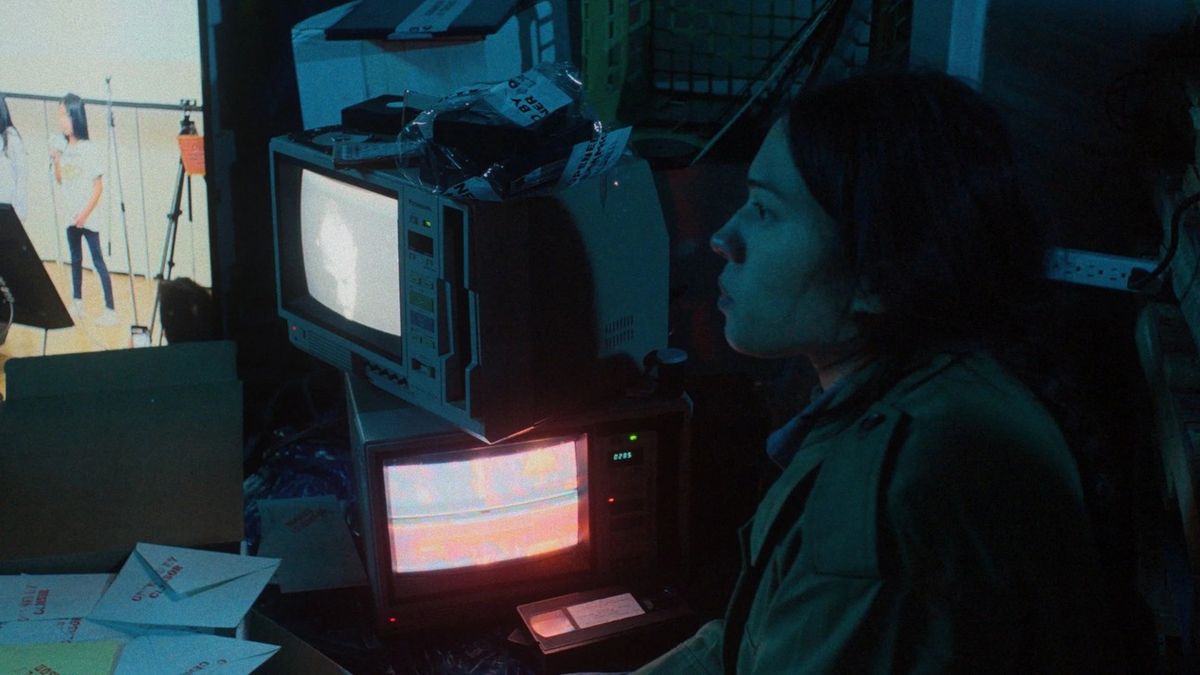
Film Notes has published Qingyuan Deng's essay exploring the intersection of Lacan's concept of retroactive meaning and Eve Kosofsky Sedgwick's distinction between paranoid and reparative reading, as applied to recent artists' films and moving-image installations. The essay examines how works like Alison Nguyen's installation "Perforation, Ellipse" at New York's Storefront for Art and Architecture use cinematic techniques—such as perforations, splices, and missing scenes—to hold the temporal gap between an event and its belated political comprehension, focusing on the censorship of Vietnamese bolero songs after the American War.

Korean artists are taking the world by storm—but why does their work resonate so widely?

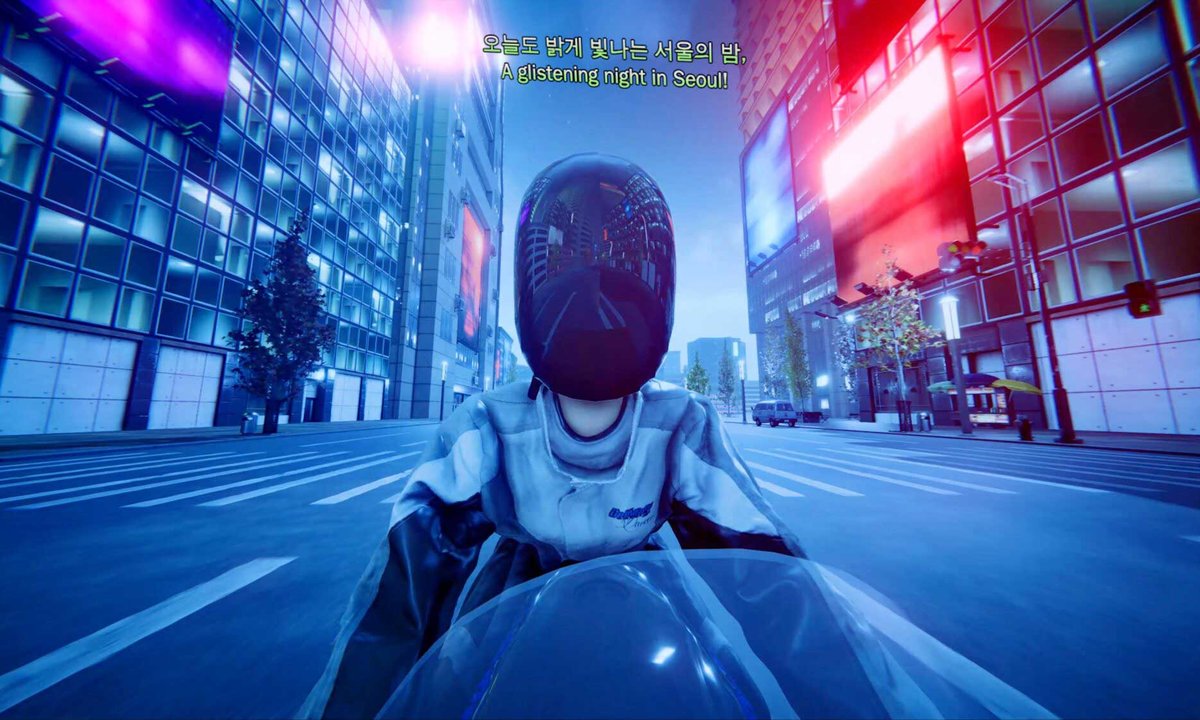
Korean artists are gaining unprecedented global recognition, with figures like Haegue Yang, Do Ho Suh, Lee Bul, and Mire Lee leading a shift from traditional Dansaekhwa abstraction to more conceptual and contemporary practices. The article highlights how K-pop and Korean soap operas have boosted cultural awareness, drawing new audiences to events like Frieze Seoul and prompting major international galleries such as White Cube, Perrotin, and Pace to open in Seoul. Curators and scholars note that Korean art now engages deeply with globalization, historical trauma, and sociopolitical change, facilitated by biennials in Gwangju, Busan, and Seoul, as well as a surge in art institutions.

Sur Arte Radio et dans une expo, l’enquête d’Adrianna Wallis sur les traces de sa grand-mère peintre spoliée par les nazis

Artist Adrianna Wallis (born 1981) discovers that her paternal grandmother, painter Diane Esmond (1910–1981), was a victim of Nazi looting during World War II. After being contacted by historians Patricia Helletzgruber and Sophie Juliard, Wallis learns that much of Esmond's work was systematically destroyed by the ERR, the Nazi organization responsible for art theft in occupied countries. This revelation sparks a personal investigation that becomes a podcast for Arte Radio titled "Il restera la gravité," blending documentary, autobiographical inquiry, and sound installation. Wallis delves into archives, examining microfilms and lists that detail 46 of Esmond's paintings—each methodically described and declared destroyed, such as "Woman in blue evening dress: annihilated."

The Future of Museums Is a Dance Floor

Museums and art institutions are increasingly incorporating nightlife and rave culture into their programming, treating the dance floor as a site of cultural and political significance. Exhibitions like Steve McQueen's 2024 Dia Beacon show, the 2018 'Elements of Vogue' in Madrid, the Swiss National Museum's 2025 'Techno' exhibition, and the author's own 2025 curatorial project 'Rave into the Future: Art in Motion' at the Asian Art Museum demonstrate this institutional turn.

literature salman rushdie laurie anderson the satanic verses

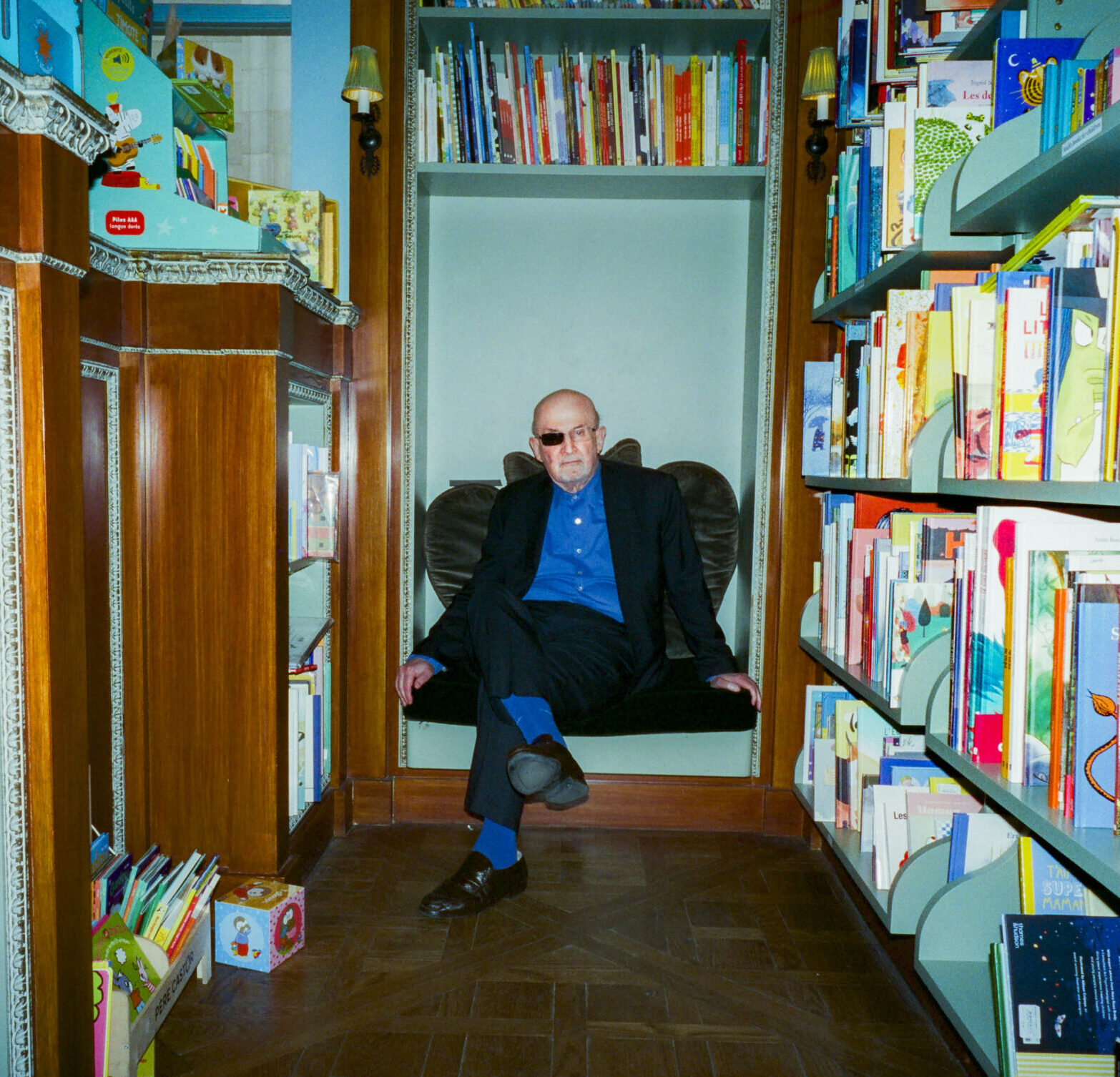
Salman Rushdie and Laurie Anderson, two legendary New York-based artists, engage in an intimate conversation published by Cultured magazine. Rushdie discusses his recent appearance at the Sundance Film Festival for the documentary "Knife," which adapts his memoir about surviving a 2022 stabbing attack, and his travels to literary festivals in New Orleans and Tucson. Anderson shares anecdotes about her own touring show "Republic of Love" with the band Sexmob, and the pair trade lighthearted observations about movie theaters, desert landscapes, and aliens.

‘Writing is exactly like love – you need to do it in the dark’: novelist Leila Slimani on why literature is erotic

French-Moroccan novelist Leïla Slimani discusses her residency at Madrid's Museo del Prado, where she draws inspiration from Francisco Goya's Black Paintings for her writing. She reflects on her career, including winning the Prix Goncourt for her novel *Lullaby*, her appointment by French President Emmanuel Macron as a representative for Francophone culture, and the personal trauma of her father's imprisonment that fueled her early writing. The article explores her views on literature, painting, and the erotic nature of writing.

An Art Historian’s Riotous Novel Melds Medieval Art with Monica Lewinsky

Julia Langbein's new novel *Dear Monica Lewinsky*, published by Doubleday, follows translator Jean Dornan as she revisits a traumatic relationship with a professor from her youth, set against the backdrop of the 1998 Monica Lewinsky scandal. The story interweaves medieval art, particularly the 13th-century *Golden Legend*, with Lewinsky's public shaming, as Jean prays to Lewinsky for guidance and is visited by a haloed version of her. Langbein, an art historian with a PhD from the University of Chicago, draws on her expertise to explore themes of humiliation, self-estrangement, and collective experience.

art fashion luc tuymans yohji yamamoto

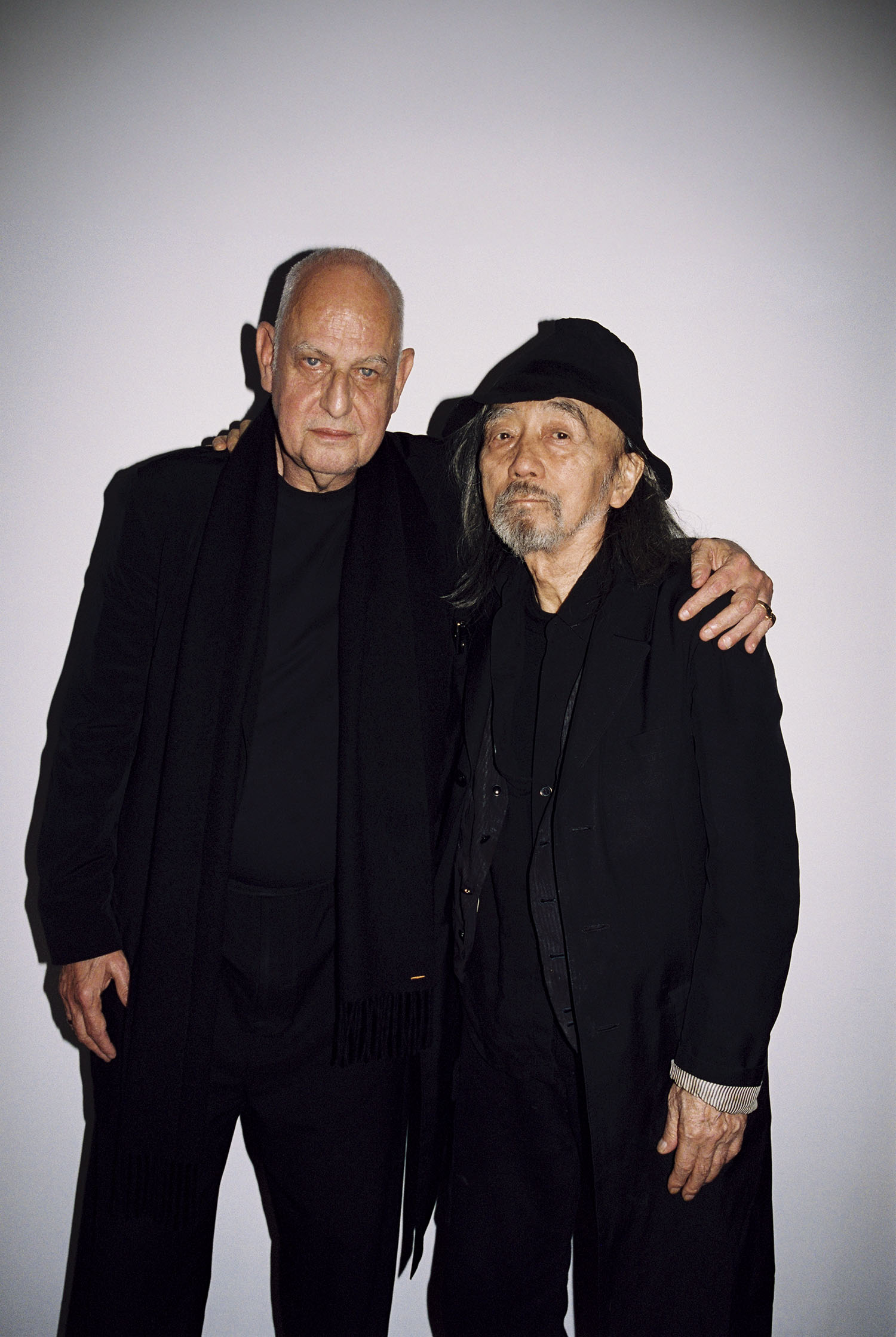
Luc Tuymans and Yohji Yamamoto, two towering figures in visual art and fashion, sat for a rare conversation in Paris moderated by critic Donatien Grau. The dialogue, initiated by CULTURED magazine, took place after Yamamoto's Fall/Winter 2025–26 menswear show, which Tuymans and his wife, artist Carla Arocha, attended. The discussion explored their shared experiences of anger rooted in wartime trauma—Yamamoto's father died in WWII, and Tuymans grew up amid familial conflict over wartime allegiances—and how they transform that anger into creative brilliance.

eureka max ernst grattage technique

The article explores how German Surrealist Max Ernst developed the techniques of frottage and grattage in the mid-1920s. Frottage—rubbing paper over textured surfaces like floorboards, leaves, and netting—allowed Ernst to create spontaneous, unconscious imagery, culminating in his 1926 publication *Natural History*. He later adapted the method to canvas as grattage, scraping layers of paint over textured materials to reveal abstract forms, drawing on influences from Leonardo da Vinci and memories of his childhood in the Rhineland.

Comment | In worrying times for politics and the environment, art can still provide hope

In a reflective essay for 2026, the author draws on conversations with artists Luc Tuymans and Olafur Eliasson from the "A brush with…" podcast to explore art's capacity to offer hope amid political and environmental crises. Eliasson discusses his climate-focused works like the glacier melt series "1999/2019" and his despair after COP30, emphasizing action over hope, while Tuymans addresses political trauma through his exhibition at David Zwirner, including a riff on Géricault's "The Raft of the Medusa" that compares the United States to a fruit basket.

Order and chaos in contemporary Israeli art

Basia Monka profiles three contemporary Israeli artists—Ariel Hacohen, Jessica Moritz, and others—who, despite diverse backgrounds and mediums, share a common drive to explore order and chaos through repetition in their work. Hacohen, a 2024 Rappaport Prize laureate, uses photography, video, and sculpture to blend archaeology, history, and memory, with current exhibitions at the Haifa Museum of Art and Tel Aviv Museum of Art. The article presents each artist's answers to three questions about inspiration, the definition of art, and what makes their work unique.

Pakistani artist Shahzia Sikander navigates her country’s complex past—a new monograph tells her story

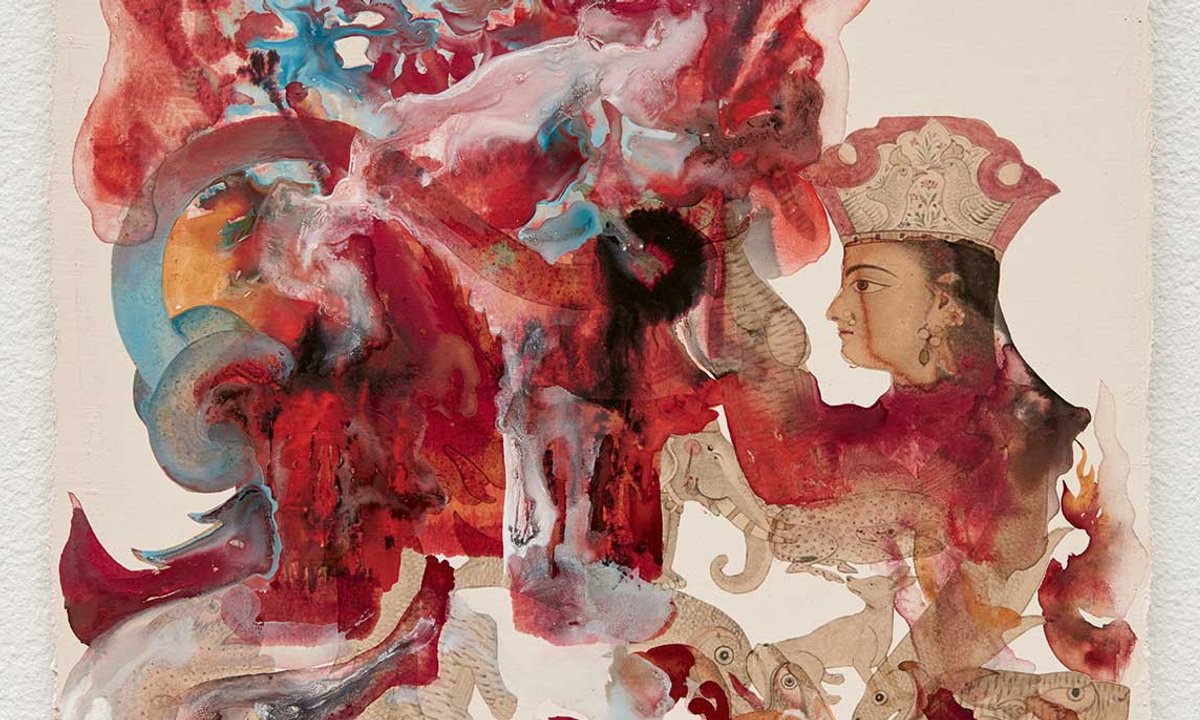
Shahzia Sikander, a Pakistani artist born in Lahore after the Partition of India, is the subject of a new monograph by art historian Jason Rosenfeld. The article traces her rise from the National College of Arts (NCA) in Lahore, where she studied contemporary miniature painting—a genre uniquely associated with Pakistan—to international prominence. It highlights her graduate thesis, *The Scroll* (1989-90), which used the traditional Indo-Persian miniature form to critique General Zia ul Haq's military dictatorship, and positions her alongside Imran Qureshi as one of the best-known living artists of Pakistani origin.

The Museum Breathing Life Into New York's Downtown Performance Scene

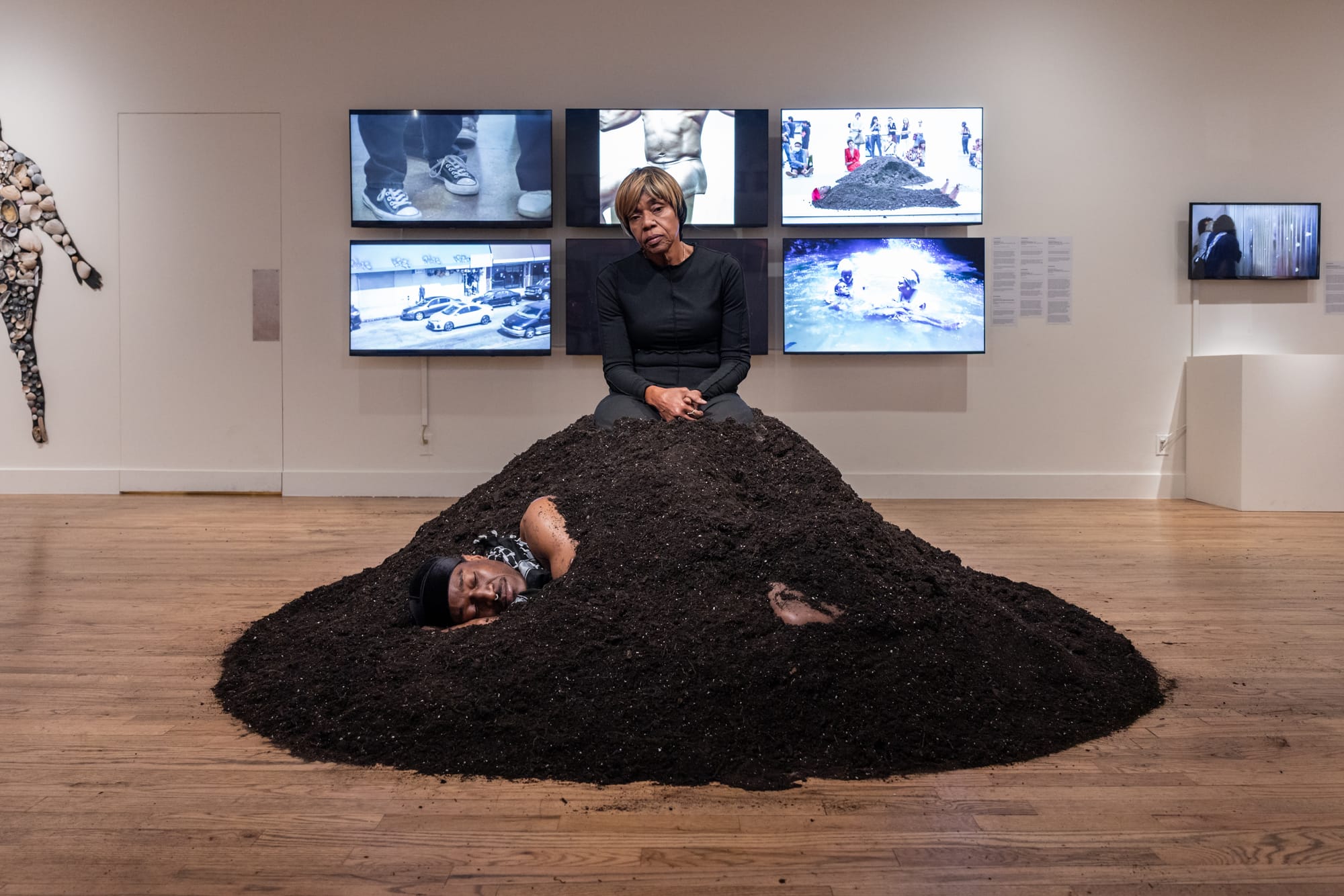
The Leslie-Lohman Museum of Art in SoHo has emerged as a vital hub for New York’s downtown performance scene through its intergenerational exhibition, "Sacred and Profane." Featuring a collaborative residency between poet Pamela Sneed and performance artist Carlos Martiel, the programming centers on themes of Black maternal grief, queer identity, and the exhumation of suppressed histories. Recent performances included Martiel’s "No Resurrection," a ritualistic piece involving his mother and a mound of earth, and Sneed’s readings that address the collective trauma and "urgent care" status of the LGBTQ+ community.

A Delightful Short Film Highlights the Remarkable Self-Taught Art of George Voronovsky

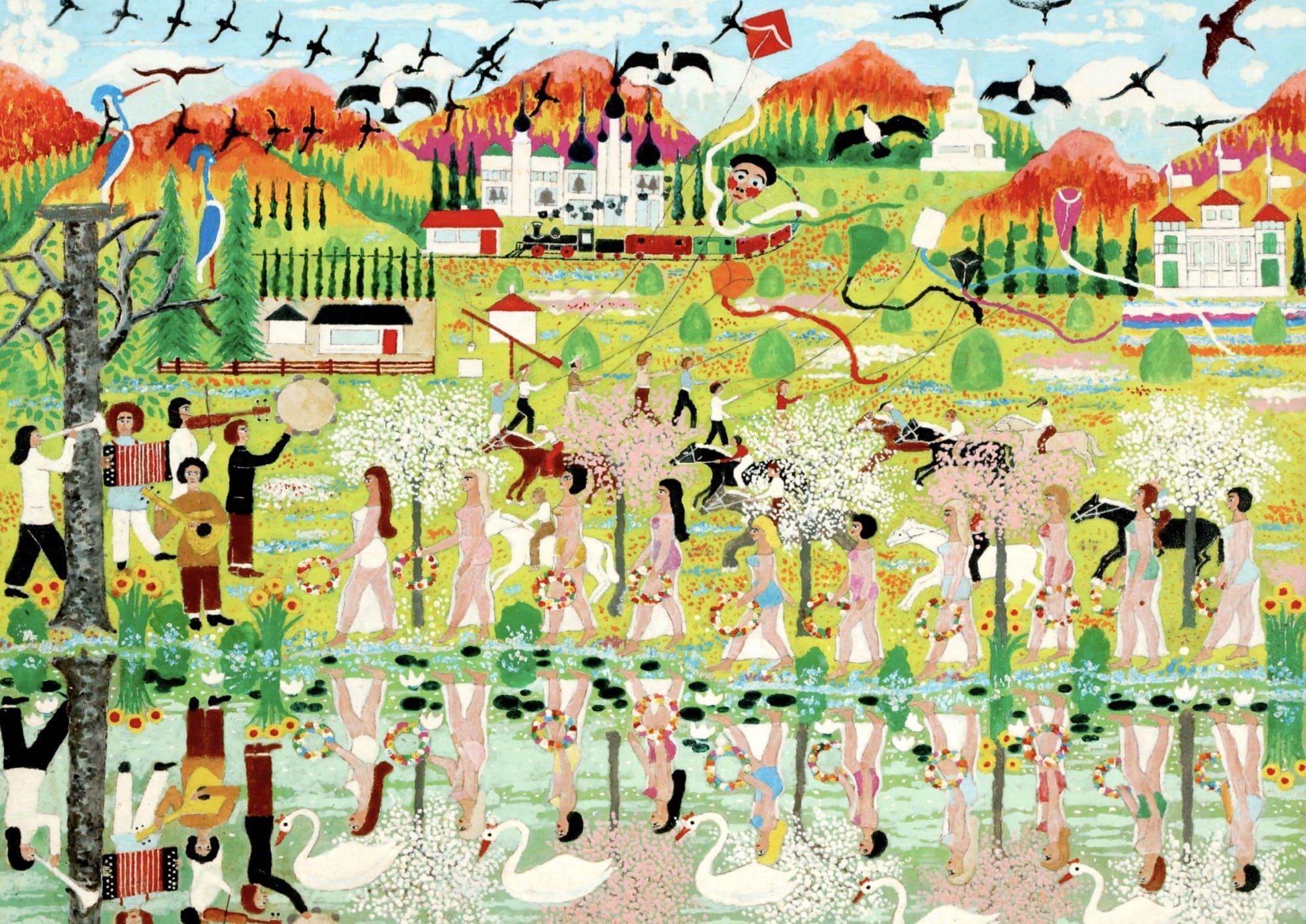
Ukrainian-born artist Jonko “George” Voronovsky transformed his modest retirement room at Miami’s Colony Hotel into a dense, vibrant sanctuary of over 5,000 artworks. After surviving the horrors of the Russian Revolution, Nazi labor camps, and permanent separation from his family, Voronovsky immigrated to the U.S. and spent his final years creating "memoryscapes." These works, crafted from found materials like pizza boxes and soda cans, depicted idyllic, colorful scenes of his youth in Ukraine, contrasting sharply with the trauma of his past.

"Gesundheitseffekt der Künste auf biologischer Ebene"

A roundup of art news covers multiple stories: Stefan Trinks criticizes Berlin's 'MuseumsMeileMitte' as a symptom of urban and cultural misdevelopment, where museums are co-opted by real estate marketing. At the Venice Biennale, the German Pavilion by Henrike Naumann and Sung Tieu explores East German identity and post-reunification trauma, while Patti Smith performed a 'sonic prayer' at the Vatican Pavilion curated by Hans Ulrich Obrist and Ben Vickers. A study from University College London suggests regular arts engagement may slow biological aging.

Did This Photographer’s Provocative Work Inspire a Key Plot Point in The Drama?

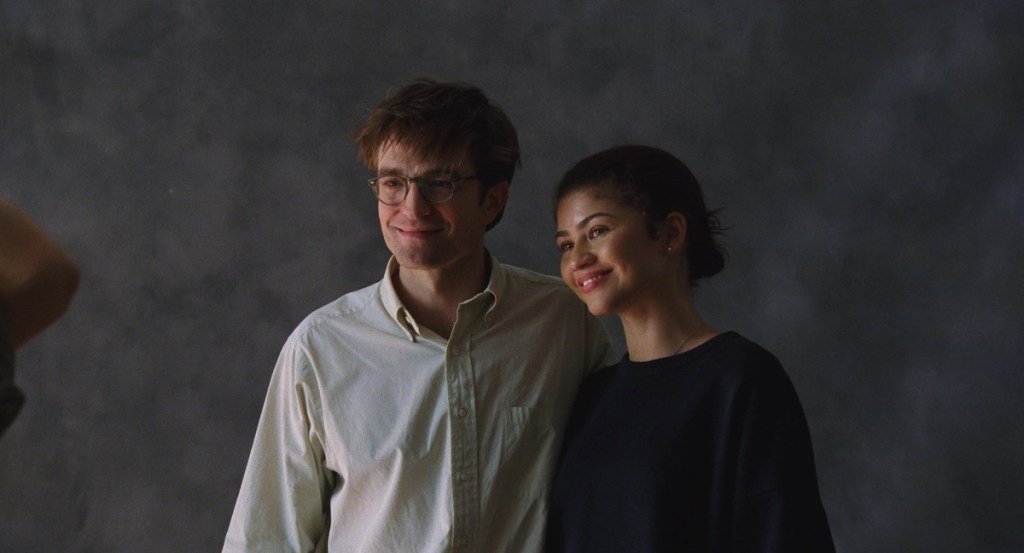
The new film *The Drama*, directed by Kristoffer Borgli and starring Zendaya and Robert Pattinson, features a central plot point involving a fictional photobook titled *Brainrot*. In the movie, Pattinson’s character, a museum curator, becomes obsessed with the book's provocative imagery of young women with firearms after learning of his fiancée’s past violent intentions. While *Brainrot* is a fictional creation, its aesthetic and subject matter draw significant parallels to Lindsay McCrum’s 2011 photography book, *Chicks with Guns*, which documented the diverse demographics of female gun owners in America.

Nikita Kadan Questions Whether War Ever Ends

Ukrainian artist Nikita Kadan, in an interview with Frieze, reflects on his practice and the ongoing psychological and physical toll of war, questioning whether conflict ever truly ends. He discusses his recent works, which grapple with the persistent state of war in Ukraine, the transformation of urban spaces, and the collective trauma that outlasts active hostilities.

Arts of Africa

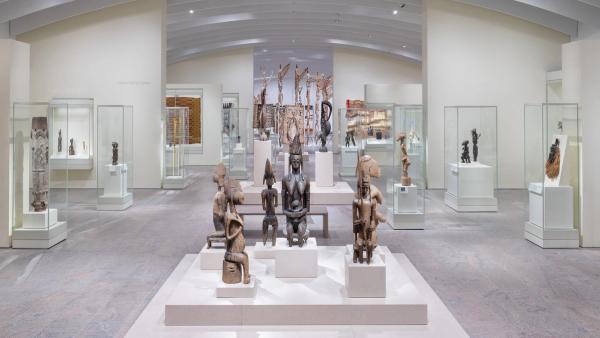
This article explores the deep history and cultural significance of Africa's artistic traditions, focusing on the continent as the cradle of human creativity. It traces the development of diverse cultures south of the Sahara over 160,000 years, highlighting how artists and workshops translated worldviews into enduring creations. The text also examines Africa's Atlantic Coast engagement from 1445 onward, detailing early European contact, trade agreements along the Gold Coast, and the forced exodus of captives during the transatlantic slave trade, which deprived the region of its productive youth.

Artists Grapple With Cesar Chávez’s Legacy After Abuse Allegations

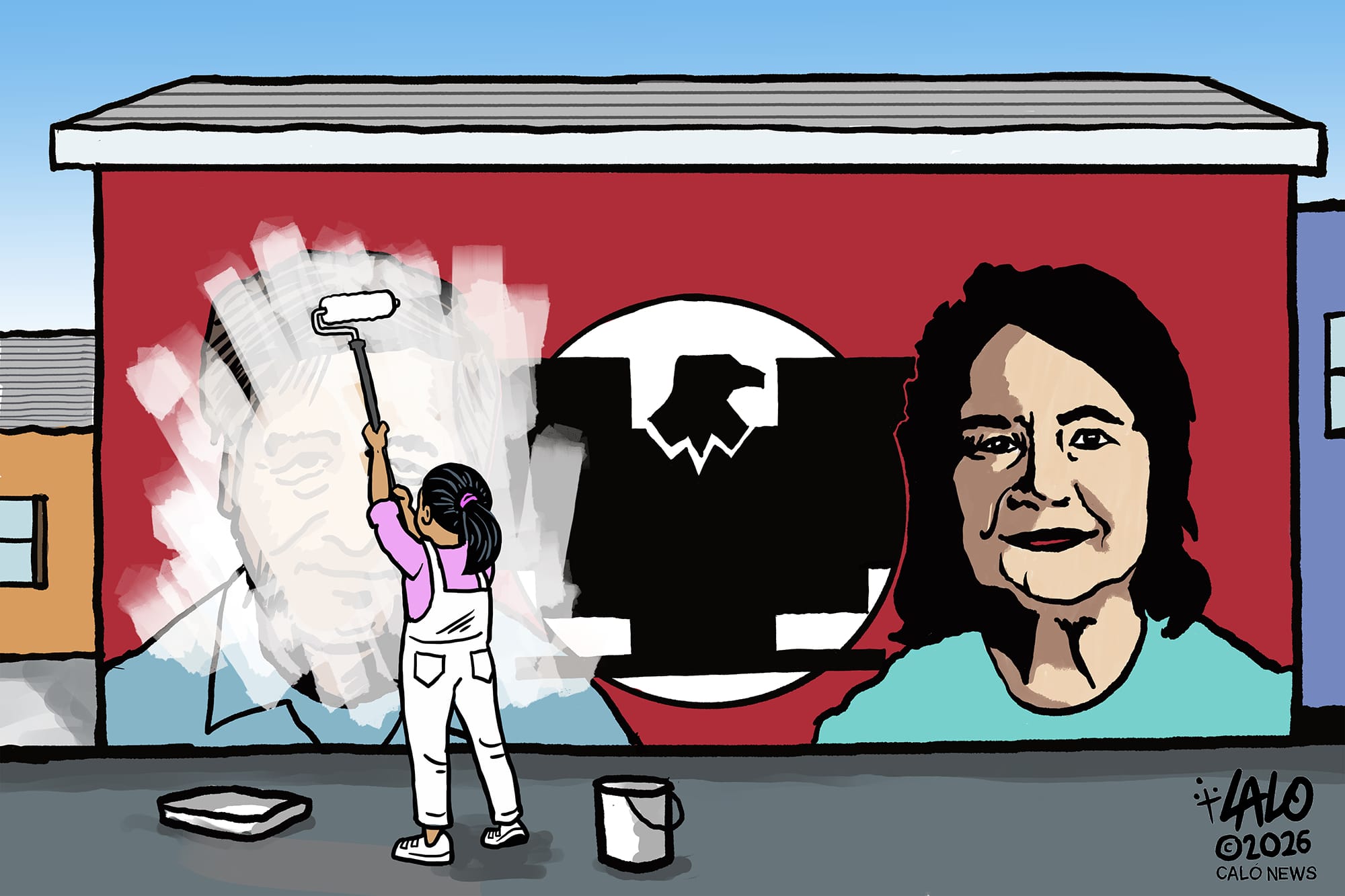
Latine artists and cultural institutions across California are confronting the legacy of labor leader Cesar Chávez following allegations of his sexual abuse. Murals are being removed or replaced, artists are withdrawing work featuring him, and institutions are canceling events, as the community processes a profound collective trauma tied to a figure central to their identity and activism.

Navajo Nation: the fight for cultural survival – photo essay

The Navajo Nation is currently navigating a complex struggle to preserve its cultural heritage against the lingering effects of colonial-era boarding schools and the modern pressures of social media and urbanization. While elders like Virginia Brown recount the trauma of forced assimilation and language suppression, a new generation is grappling with a decline in Navajo fluency, which UNESCO now classifies as a vulnerable language. Despite these hurdles, community members are utilizing local schools and traditional practices to reclaim their identity.

The 10 Best Venice Films

Die 10 besten Venedig-Filme

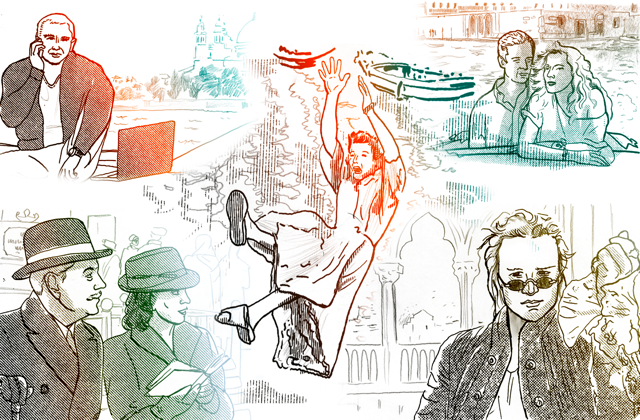
Monopol magazine has published a ranking of the ten best films set in Venice, timed to coincide with the opening of the Venice Art Biennale. The list includes titles such as Steven Spielberg's "Indiana Jones and the Last Crusade" (1989), Joseph L. Mankiewicz's "The Honey Pot" (1967), and Kenneth Branagh's "A Haunting in Venice" (2023), highlighting how the lagoon city serves as a central character in action films, comedies, and love dramas.

Rika Nakajima: A New Book of the Dead, Part 3

連載 中島りか 新しい死者の書 第三回

Japanese artist Rika Nakajima reflects on the trial of Tetsuya Yamagami, who assassinated former Prime Minister Shinzo Abe in 2022, weaving together her own experience running the project space "Datsuisho – (a) place to be naked" in Tokyo's Yanaka district. As the space faced demolition in late 2025, Nakajima draws parallels between the trial's timing and the closure of her venue, recalling earlier events at the space that discussed the state funeral controversy and the cult issues exposed by the assassination. She describes attending the trial in Nara, observing Yamagami's demeanor, and connecting the case to broader themes of political aesthetics, fascism, and the theatricality of the judicial system.

Stitches in time: the artist chronicling the DRC’s blood-soaked history in tapestry

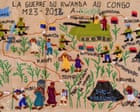
Lucie Kamusekera, an 82-year-old artist in Goma, Democratic Republic of the Congo, creates embroidered tapestries on tobacco sacks that chronicle the country's violent history. Born in 1944 and taught sewing by Italian nuns, she began documenting contemporary conflicts after witnessing a military truck filled with corpses. Her more than 70 works depict events from the colonial Belgian Congo era to the 1961 assassination of Patrice Lumumba and the second Congo war, as well as personal tragedies including her husband's murder by rebels. Despite ongoing danger from rebel offensives, she continues to stitch from her home studio, training her children and great-granddaughter to carry on her work.

literature wayne koestenbaum books my lover the rabbi

Wayne Koestenbaum, a leading figure in New York's queer and literary scenes since the 1980s, is releasing his first novel in nearly two decades, *My Lover, the Rabbi*, in March. The 464-page book centers on an unnamed narrator's psychosexual affair with an aging rabbi, exploring themes of desire, repulsion, internalized homophobia, and the lingering aftermath of the Holocaust. Koestenbaum, known for his confessional prose and genre-straddling criticism—including his 1993 book *The Queen's Throat*—discusses the novel's intellectual filth, the conflation of desire and disgust, and his literary role models such as Samuel Delany and Jean Genet.

film mohamad abdouni michael bailey gates cold cuts

Lebanese photographer, filmmaker, and Cold Cuts magazine creative director Mohamad Abdouni has released a new documentary titled "Treat Me Like Your Mother," which documents the lives of trans women in Lebanon. The film, drawn from an Arabic expression asking for mercy, reframes motherhood as an ethical position rooted in responsibility for the trans community. Rather than extracting trauma, Abdouni allows the women to tell their own histories in personal, nonlinear, and surprising forms. The documentary evolved from a book project featuring oral histories of ten women, and the film centers Abdouni's own reflections on what these women represented to him growing up. In a dialogue with photographer Michael Bailey-Gates for CULTURED, Abdouni discusses the importance of letting trans women define the terms of their own visibility.

film ronan day lewis anemone interview

Ronan Day-Lewis, son of legendary actor Daniel Day-Lewis, has directed his debut feature film *Anemone*, which premiered at the New York Film Festival. The film stars Daniel Day-Lewis as a traumatized veteran living in self-exile in Northern England after the Irish Troubles, whose estranged brother arrives to trigger a reckoning filled with magic realism. Ronan, who also works as a painter, describes the film as being about brotherhood and the silence within it, developed over five years of collaboration between father and son. A concurrent exhibition of his paintings is on view at Megan Mulrooney gallery in Los Angeles.

design davone tines julie dash film charleston

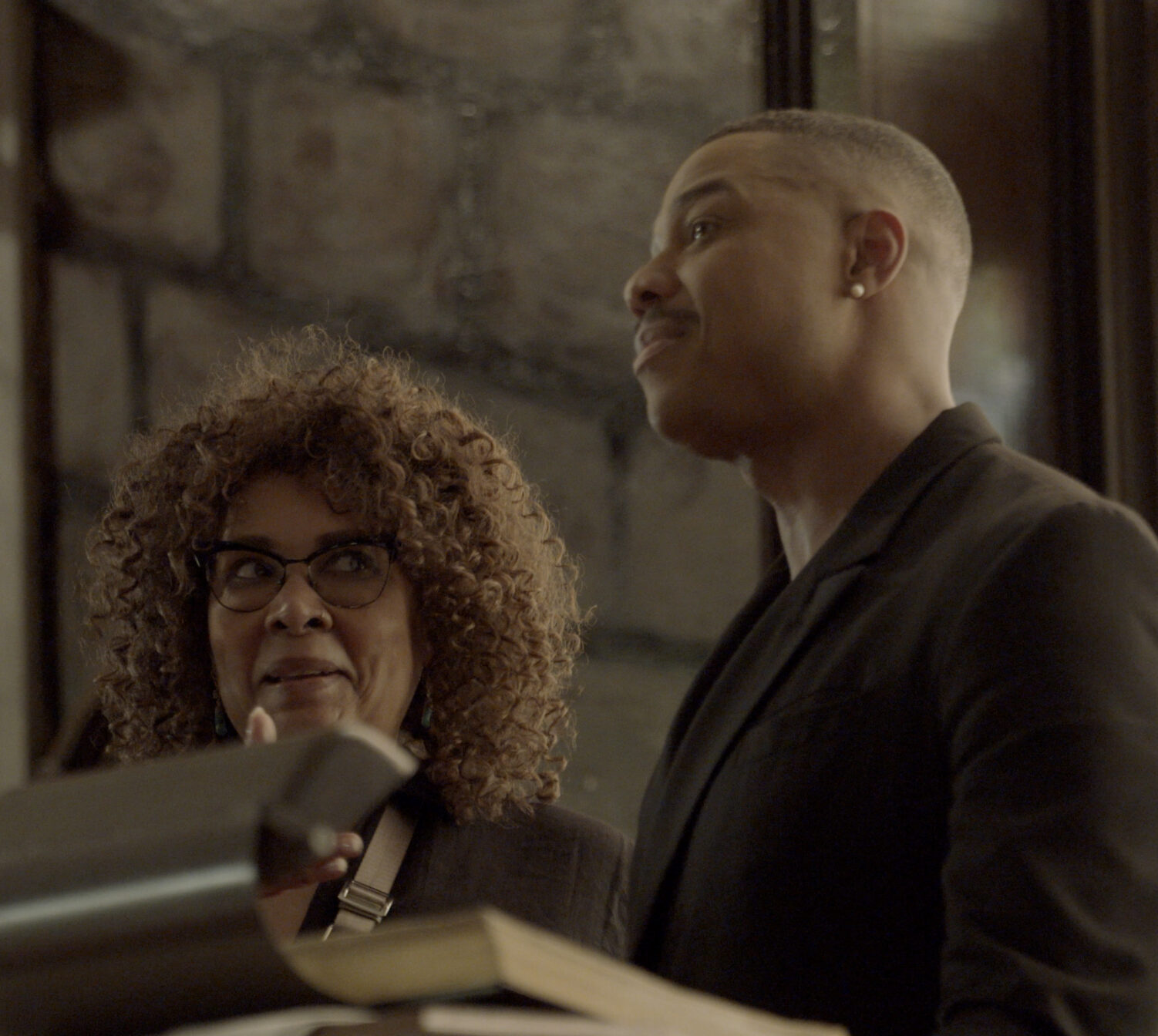
Opera singer Davóne Tines and filmmaker Julie Dash collaborated on the short film "HOMEGOING," commemorating the 10-year anniversary of the 2015 mass shooting at Mother Emanuel AME Church in Charleston, South Carolina. The film was created as part of the exhibition "MONUMENTS" at The Brick and MOCA in Los Angeles, curated by Hamza Walker, which interrogates American identity through historical relics. Tines and Dash discuss their shared Southern roots, the role of ritual in healing, and the emotional process of filming inside the historic church.

design ralph lauren home naiomi tyler glasses navajo

Siblings Naiomi and Tyler Glasses, Diné weavers from a seven-generation lineage, have collaborated with Ralph Lauren on the Canyon Road Collection, a home goods line featuring traditional Navajo motifs like eye-dazzler diamonds and Spider Woman crosses. The collection, which includes bedding and dishware, marks Naiomi's second artist-in-residence partnership with the brand and aims to translate Indigenous craftsmanship into contemporary design.