filter_list Showing 12 results for "SLAM" close Clear
search
dashboard All 173 museum exhibitions 78article news 36trending_up market 17article culture 12article local 12article policy 7person people 5gavel restitution 4article event 1rate_review review 1
date_range Range Today This Week This Month All
Subscribe

art world acronyms

The article provides a comprehensive guide to essential acronyms used in the art world, explaining what each abbreviation stands for and its significance. It covers organizations like AAM (American Alliance of Museums), AAMD (Association of Art Museum Directors), and ADAA (Art Dealers Association of America), as well as art fairs such as ABMB (Art Basel Miami Beach) and ARCO (Arte Contemporáneo in Madrid). It also includes advisories like AIG (Art Intelligence Global), historical galleries like AIR (Artists in Residence), and defunct fairs like FIAC (Foire Internationale d'Art Contemporain), offering context on their origins and current relevance.
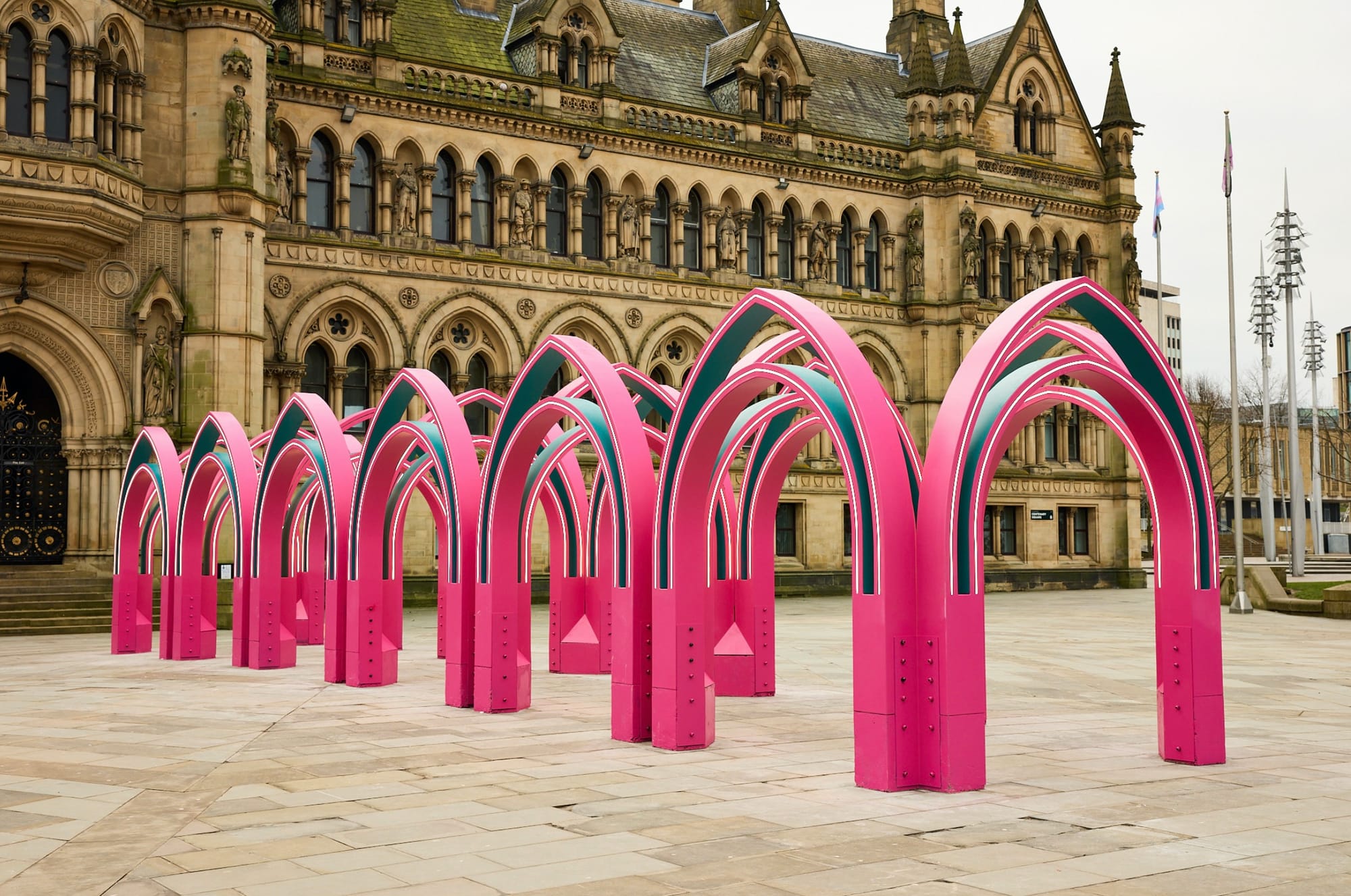
Artists Set Islamic Futurism Into Motion

A growing movement of artists is exploring Islamic Futurism, a framework that draws from Islamic philosophy, visual traditions, and speculative practices to imagine Muslim futures. Artists like Zarah Hussain, Ibrahim El-Salahi, and Soraya Syed are working across mediums—including light installation, digital animation, painting, and classical calligraphy—to reinterpret historical forms for contemporary and future contexts.

the secret islamic devotional art that depicts muhammad

The article explores the little-known tradition of figurative Islamic art depicting the prophet Muhammad, which has existed since at least the 13th century in Persian and Turkish cultures. It notes that while a ban on such imagery is widely observed in Arab countries, no explicit prohibition appears in the Quran, and devotional images—often in miniature form—have been created by Muslims for personal and religious use. Examples include a mural in Tehran and a work at the Metropolitan Museum of Art. Scholars like John Esposito, Omid Safi, and Christiane Gruber are quoted to contextualize this tradition in the wake of the Charlie Hebdo attacks, which reignited debate over depictions of Muhammad.

Khaled Sabsabi: Splintered Worlds

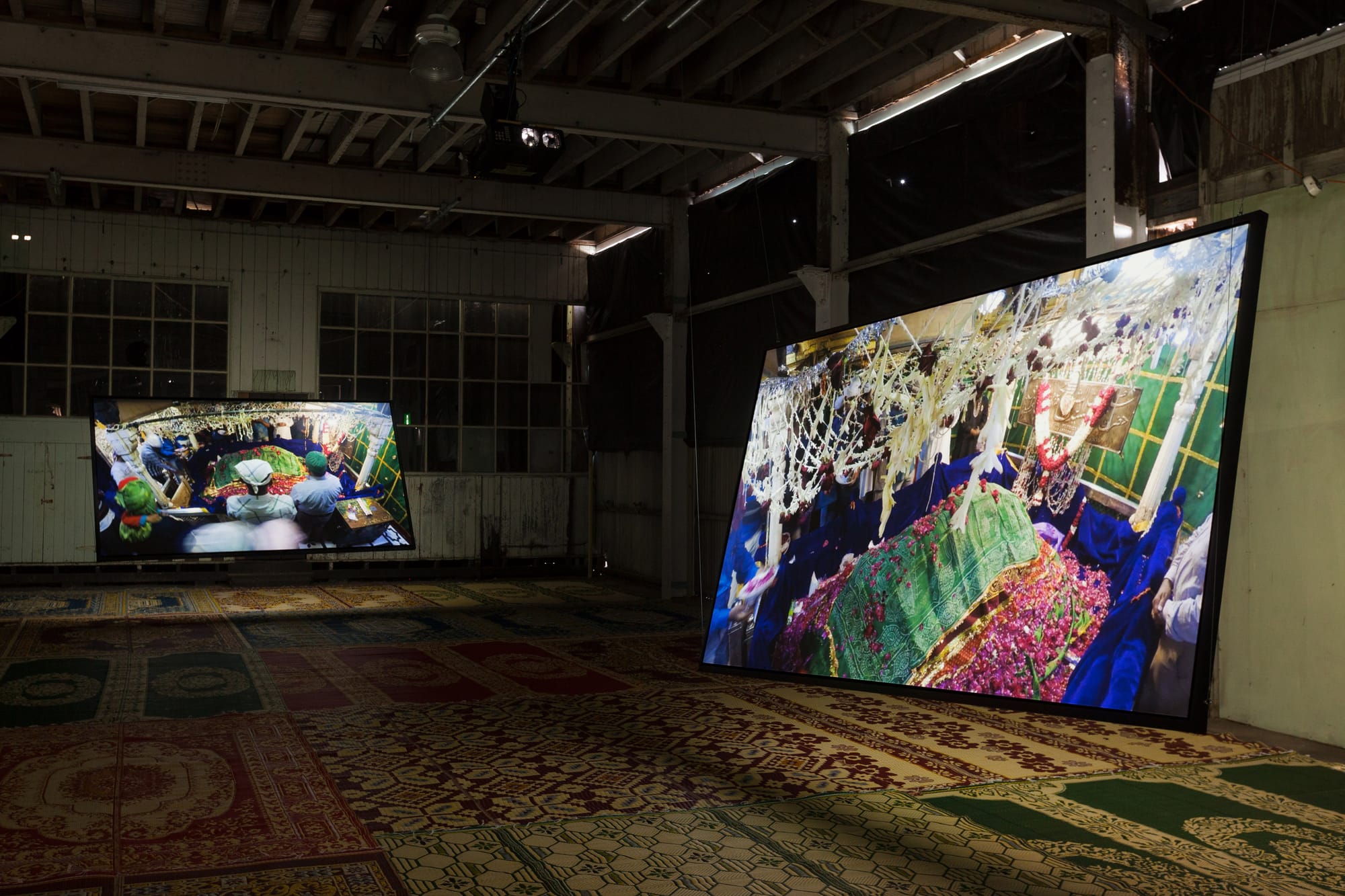
Khaled Sabsabi, a Lebanese Australian artist, explores the intersection of spirituality and perception through video and mixed-media installations rooted in Sufism. His work, such as the 18-minute video *Lefke Morning* (2012–18), captures the Naqshbandi-Haqqani Sufi Order's dawn meditations, using blurred imagery and soundscapes to challenge Islamophobic media tropes and evoke a sense of unity. Sabsabi's practice also draws on hip-hop, which he performed as "Peacefender" in the 1980s, using music to address social issues and support marginalized communities in Western Sydney.

Pakistani artist Shahzia Sikander navigates her country’s complex past—a new monograph tells her story

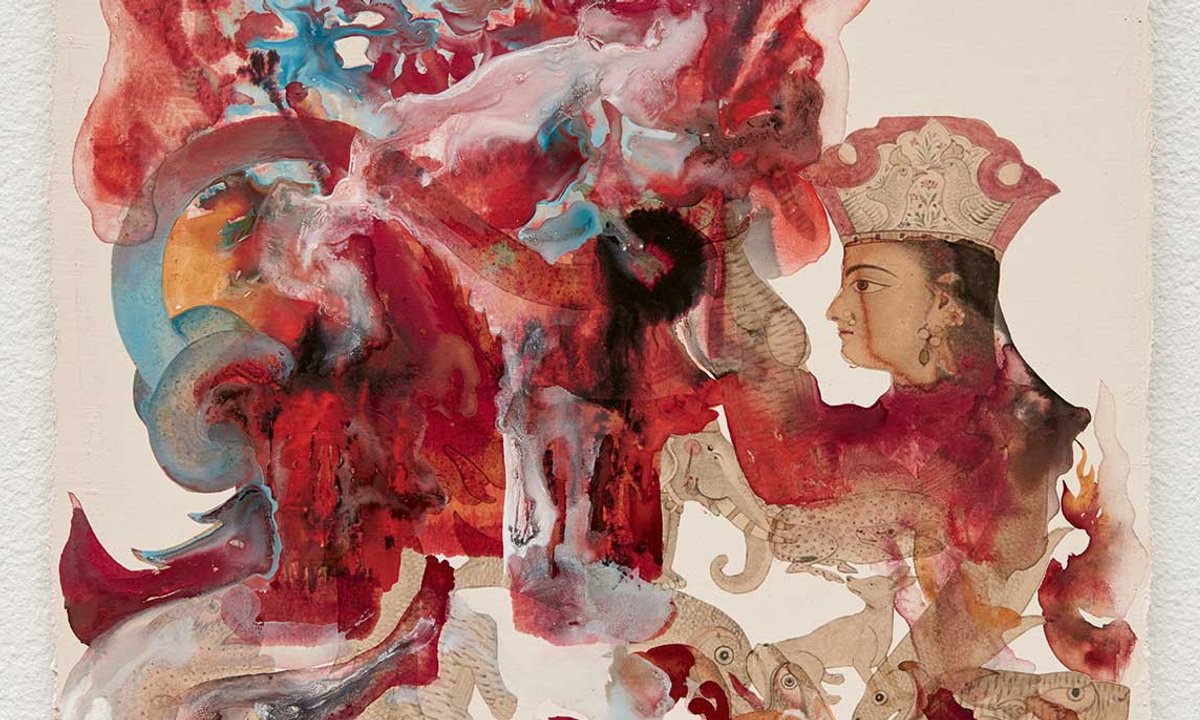
Shahzia Sikander, a Pakistani artist born in Lahore after the Partition of India, is the subject of a new monograph by art historian Jason Rosenfeld. The article traces her rise from the National College of Arts (NCA) in Lahore, where she studied contemporary miniature painting—a genre uniquely associated with Pakistan—to international prominence. It highlights her graduate thesis, *The Scroll* (1989-90), which used the traditional Indo-Persian miniature form to critique General Zia ul Haq's military dictatorship, and positions her alongside Imran Qureshi as one of the best-known living artists of Pakistani origin.

Profile of a ruler: how Sheikh Sultan shaped Sharjah’s art scene

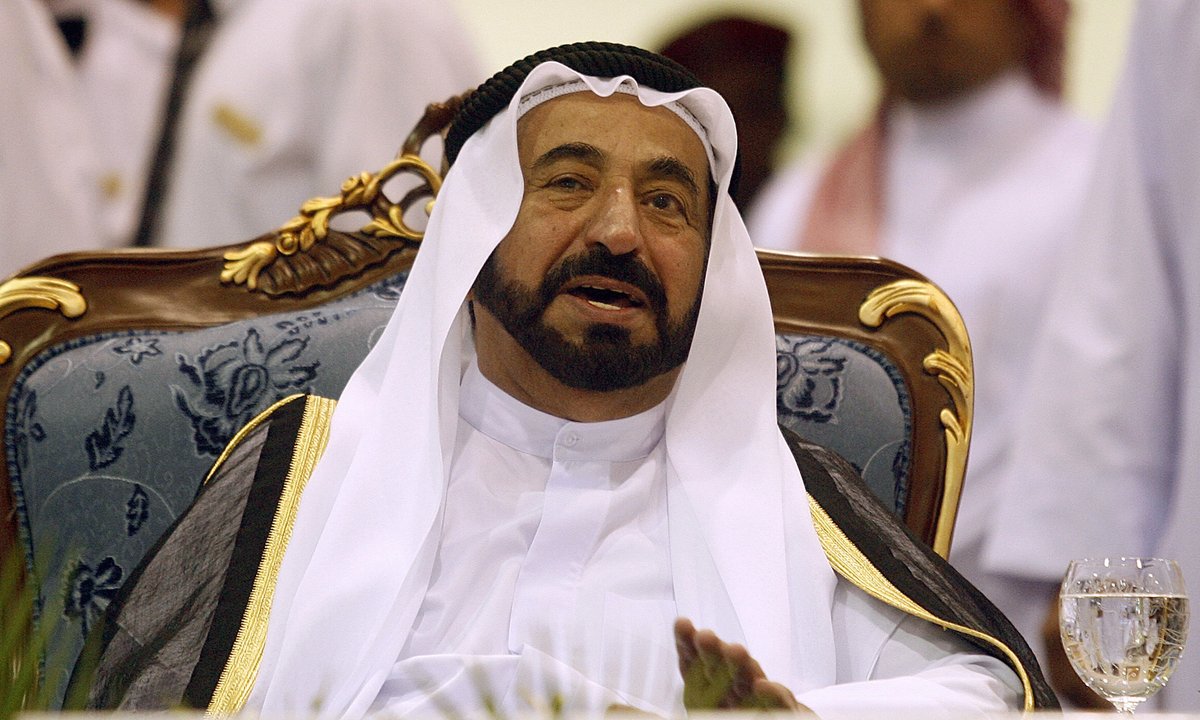
Sheikh Sultan bin Muhammad Al-Qasimi, the ruler of Sharjah since 1972, has transformed the emirate into a major cultural hub in the Gulf through sustained investment in art, education, and heritage. Under his leadership, Sharjah now boasts 23 archaeological sites, 20 museums, 10 universities, three biennials, and institutions like the Sharjah Biennial and Sharjah Art Foundation, run by his daughter Sheikha Hoor Al Qasimi. His vision prioritized arts and culture over commercial development, fostering a community-focused environment distinct from neighboring Dubai.

Australia’s best photos of the month – March 2026

The article presents a collection of notable Australian cultural events and announcements from March 2026. It highlights the addition of the viral 'Succulent Chinese Meal' speech to the National Film and Sound Archive, a profile of 'Squid Game' composer Jung Jae-il, pianist Jayson Gillham's announced tour with a Palestinian-Jordanian musician ahead of a court case, and Kylie Minogue's scheduled performance at the AFL Grand Final.

on art history in times of war gaza islamic nasser rabbat

This essay by Nasser Rabbat reflects on the persistence and precarity of writing art history in times of war, specifically focusing on the field of Islamic art and architectural history. Rabbat draws a parallel to Gabriel García Márquez's novel *Love in the Time of Cholera* to frame his discussion, arguing that war is not a passing crisis but a persistent condition for the Islamic world. He traces how colonial conquests, postcolonial conflicts, and the ongoing Israeli genocide against Gaza have shaped the formation and theoretical orientation of Islamic art history as a Western scholarly endeavor, beginning with Napoleon's invasion of Egypt in 1798 and continuing through the "War on Terror."

“Those Who Tell You What to Wear Today Will Tell You What to Think Tomorrow”: Revisiting International Women’s Day 1979 in Iran

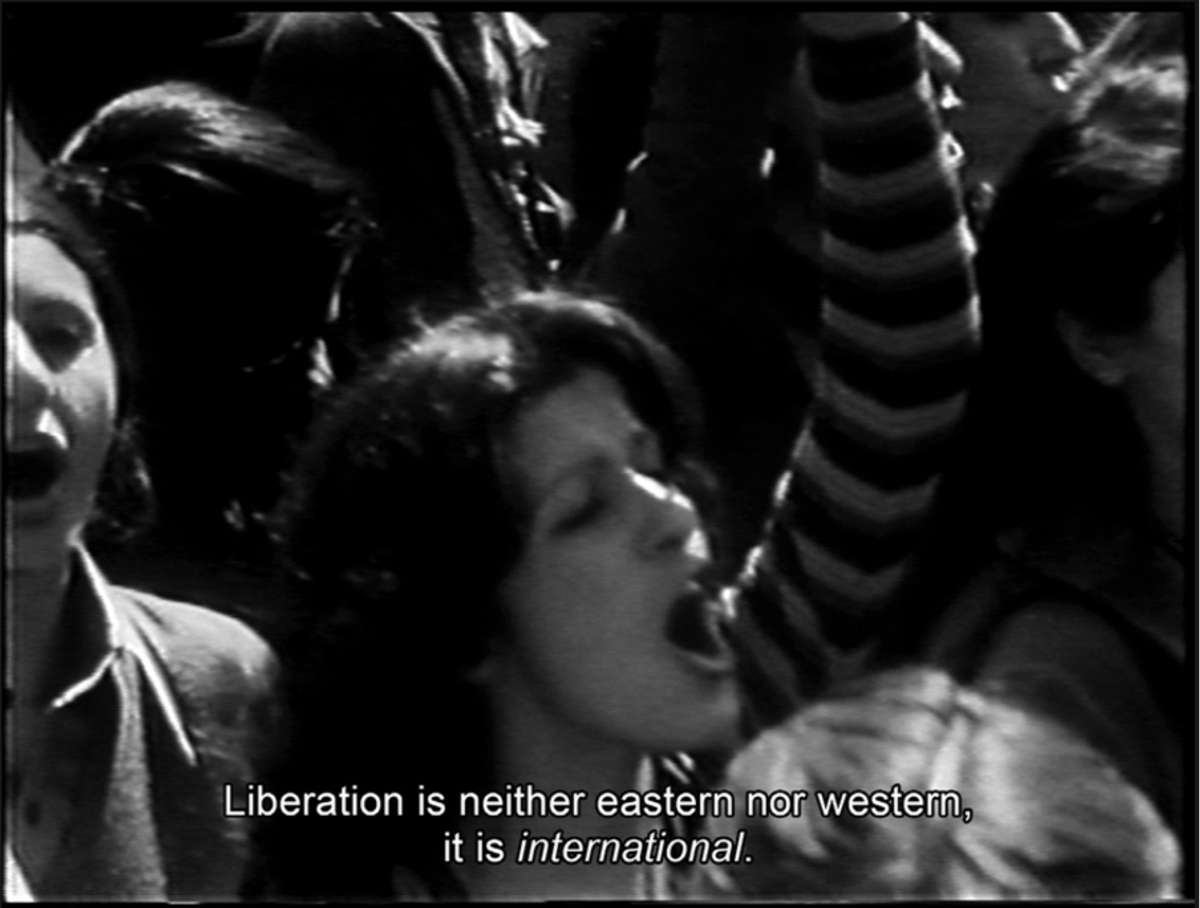
The article revisits the six-day nationwide women's protests in Iran that began on International Women's Day, March 8, 1979. Thousands of women marched in Tehran and other major cities in response to Ayatollah Ruhollah Khomeini's declaration mandating the hijab in public ministries, marking the first mass organized resistance against the compulsory hijab and the rising Islamic Republic.

Holy ground: why Persian carpets played an important symbolic role in the funeral of Pope Francis

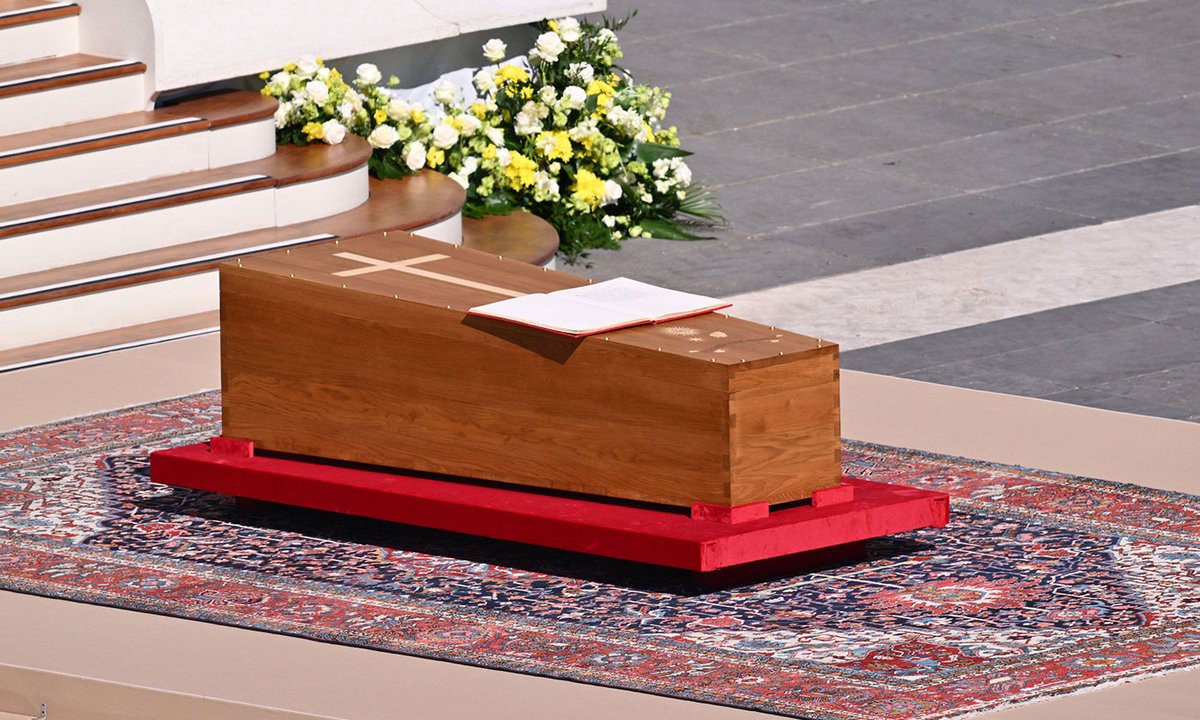
Persian carpets from northwest Iran were used in the funeral proceedings of Pope Francis, placed beneath his casket in St. Peter's Basilica and later in St. Peter's Square. The article traces this tradition back over 600 years, explaining how carpets from Islamic lands—first Anatolia, then Iran, Egypt, and the Levant—were depicted in Renaissance religious paintings as markers of sacred space, appearing at the feet of the Virgin Mary and other holy figures.

Comment | Art and science rely on freedom of thought—and on each other

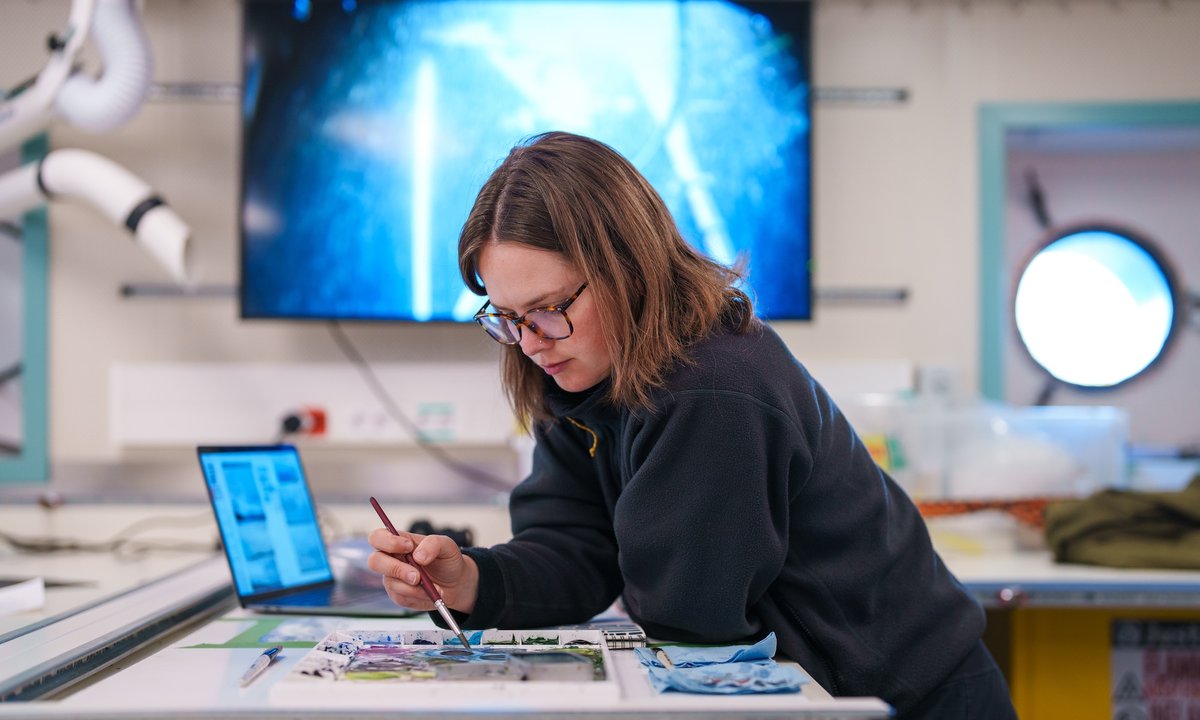
The article argues that art and science are deeply interconnected, both relying on freedom of thought and cross-disciplinary collaboration. It cites examples like birds' colorful feathers being explained by a study supported by Schmidt Sciences, which found that birds use a layer of white and black feathers to accentuate color—a technique painters have used for centuries. The piece highlights the Artist-at-Sea programme aboard the Schmidt Ocean Institute's research vessel Falkor (too), where artists like Constance Sartor and Jill Pelto collaborate with scientists to communicate marine science to broader audiences. The author, who works with scientists and is married to one, emphasizes that both disciplines pursue truth through different but complementary methods, from Leonardo da Vinci's anatomical studies to medieval Islamic tilework and Alexander von Humboldt's naturalist drawings.

Rain, insomnia and finding a model: how Morocco challenged and changed Matisse

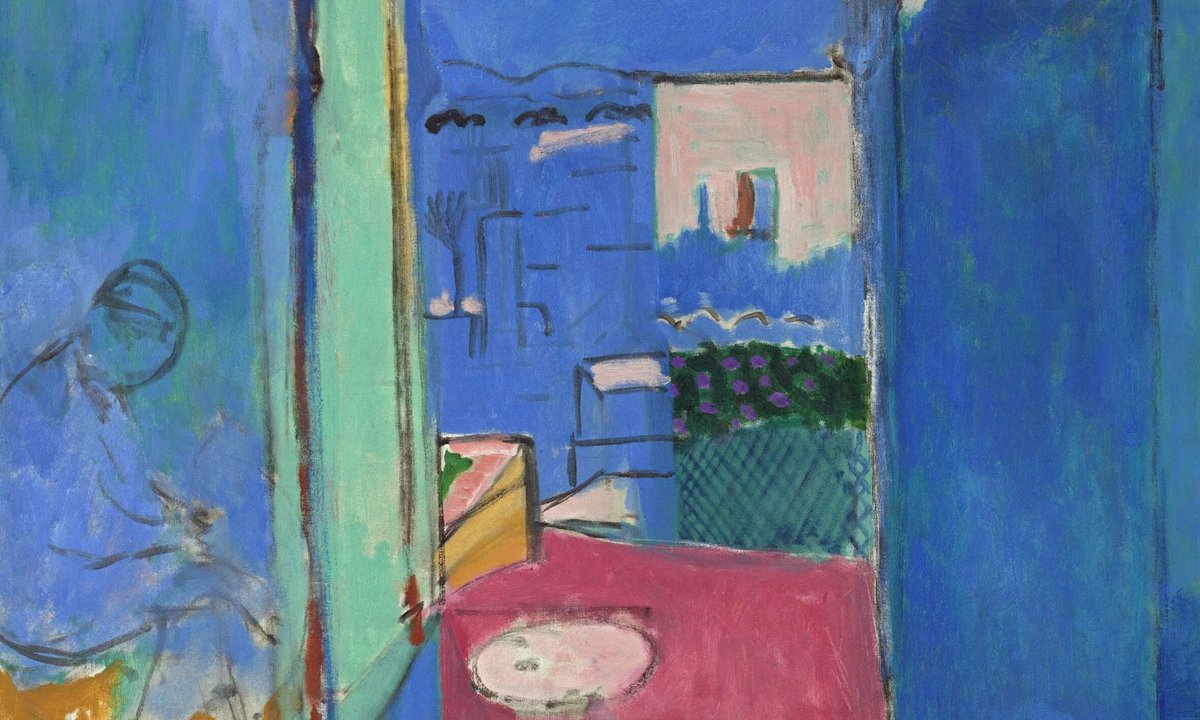
Henri Matisse made two pivotal trips to Tangier, Morocco, in 1912-1913, documented in Jeff Koehler's new book *Matisse in Morocco: A Journey of Light and Colour*. At a low point in his career—having lost patrons and critical support after his Fauve period—Matisse sought new inspiration, producing over 20 paintings despite challenges like rain, insomnia, and difficulty finding models. Commissions from Russian collectors Sergei Shchukin and Ivan Morozov helped fund the trips, and Matisse worked at the Villa Brooks estate, creating works such as *Moroccan Landscape (Acanthus)* (1912) and *The Palm* (1912). The article also highlights Matisse's discovery of fingerprints on *View of the Bay of Tangier* (1912-13) and his reliance on a Moroccan model named Zorah.