filter_list Showing 11 results for "Sim" close Clear
search
dashboard All 135 museum exhibitions 84article news 13trending_up market 11article culture 11article local 7article policy 5rate_review review 1candle obituary 1person people 1gavel restitution 1
date_range Range Today This Week This Month All
Subscribe

‘This is mine, I own it’: how Tracey Emin and Frida Kahlo inspired me to make meaning out of pain

The article is a personal essay by a writer who, after undergoing a colectomy in 2023, found inspiration in Tracey Emin's unflinching self-portraiture following her 2020 cancer diagnosis. The author describes taking her own post-surgery photographs, echoing Emin's mantra "This is mine, I own it," and reflects on Emin's current work, including the Tate Modern exhibition and paintings like "I watched Myself die and come alive" (2023) and "Barbed Wire Stitches" (2024). The essay also connects Emin's approach to that of Frida Kahlo, whose retrospective is upcoming at Tate.
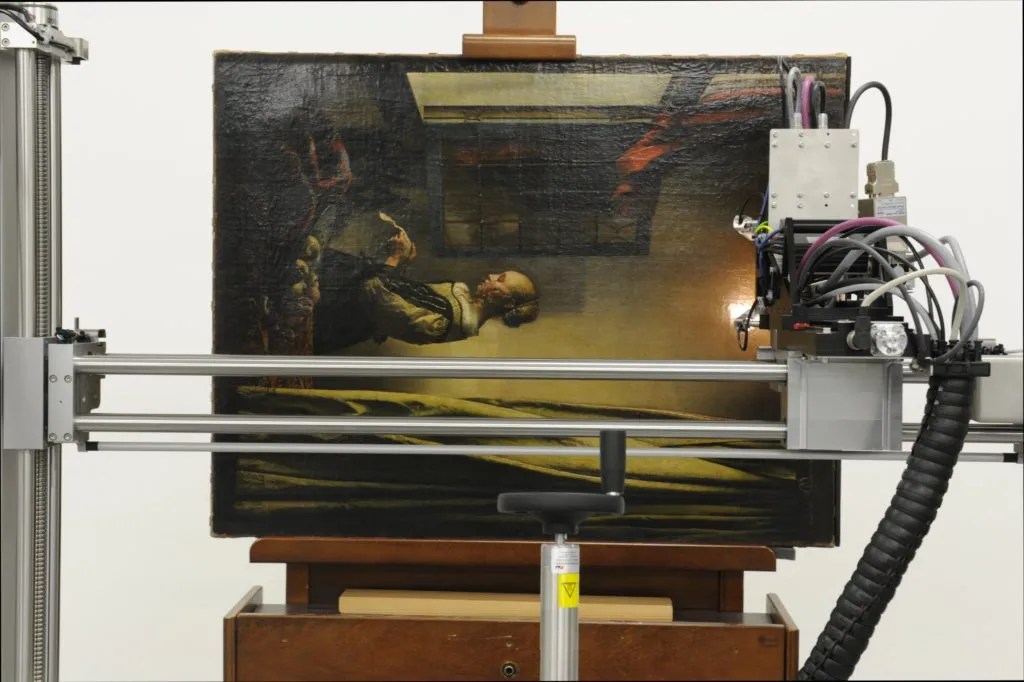
One Erased Vermeer, Two Books, and No Consensus

Two new books examine the legacy of Johannes Vermeer from contrasting angles. Ruth Bernard Yeazell's "Vermeer's Afterlives" (Princeton University Press) explores how the artist's open-ended, figureless interiors have inspired later creators, from painter George Deem to novelist Tracy Chevalier. Andrew Graham-Dixon's "Vermeer: A Life Lost and Found" restores the historical and religious context of 17th-century Delft, arguing that modern readings have overlooked the original meanings of Vermeer's works.

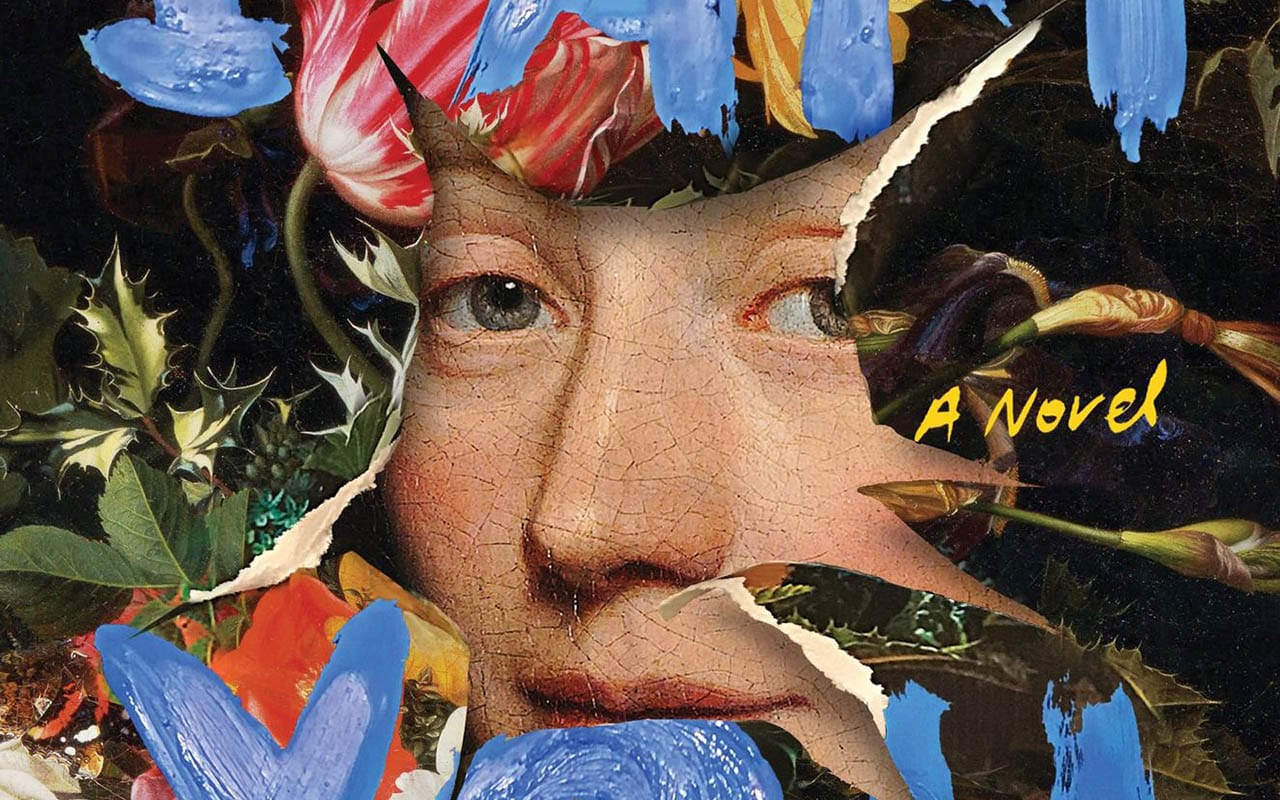
The Painted Book Cover Is Back

The article reports on a growing trend in book cover design: the use of painted, figurative artwork instead of stock photos or digital renderings. Publishers are increasingly licensing paintings by artists from Hilma af Klint to Shannon Cartier Lucy, seeing them as a way to signal cultural authority and intellectual rigor. The trend is discussed through examples like Victoria Redel's *I Am You* (2025) and Kyung-Ran Jo's *Blowfish* (2025), with insights from LiteraryHub Managing Editor Emily Temple and Astra House publisher Benjamin Schrank.

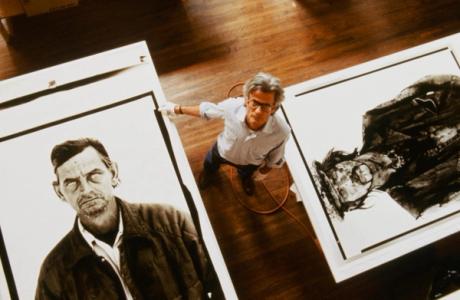
New Richard Avedon documentary chronicles how he shaped the evolution of photography

Imagine Documentaries, the nonfiction arm of Ron Howard and Brian Grazer's Imagine Entertainment, premiered a new documentary about photographer Richard Avedon at the Cannes Film Festival on May 17. The film, co-produced by the Richard Avedon Foundation, draws heavily from archival interviews conducted by Helen Whitney for the PBS series *American Masters*, supplemented by new interviews with Avedon's son John, muse Lauren Hutton, Isabella Rossellini, Twyla Tharp, and former *New Yorker* colleagues Tina Brown and John Lahr. The documentary explores Avedon's career, his technique of building rapport with subjects, and his iconic images such as *Dovima with Elephants*, which dealer Larry Gagosian notes sold for $2 million.

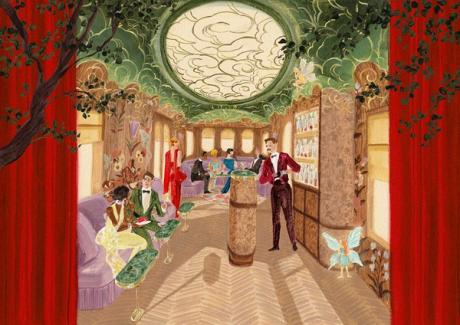
'A work of conceptual art': Belmond launches new Art Deco-inspired train dining car

On 15 May, Belmond's British Pullman will debut a new private dining car named Celia, originally built in 1932. The carriage's interior has been designed by film director Baz Luhrmann and his wife, production designer Catherine Martin, who created an Art Deco-inspired aesthetic featuring burl veneers, marquetry, stained glass, and their signature rich red. The couple invented a backstory for the car's namesake, a fictional 1930s Shakespearean actress, aiming to immerse guests in a narrative experience reminiscent of A Midsummer Night's Dream. This follows Belmond's previous collaborations with Wes Anderson and artist JR, as part of its strategy under LVMH ownership to commission high-profile creative figures for its heritage trains.

Being a Street Photographer. Interview with Simone Morelli, the Artist of Slowness

Essere street photographer. Intervista a Simone Morelli, l’artista della lentezza

Simone Morelli, a street photographer born in Rome in 1987, discusses his slow, analog approach to photography in an interview with Artribune. He began after receiving a Praktica film camera as a gift in Sweden in 2012, and was captivated by the process of shooting and printing on film. Morelli describes his method as instinctive yet deliberate, often working on long-term projects that build a coherent visual narrative rather than seeking single 'beautiful' images. He cites Josef Koudelka as a key influence and emphasizes the importance of patience and reflection in an era dominated by fast, digital imagery.

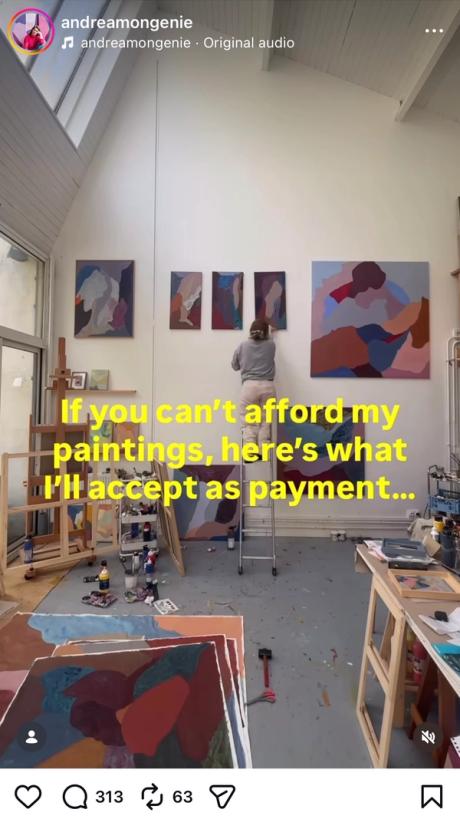
Art bartering: artists start viral social media trend to fight cost of living crisis

Artists worldwide are using social media platforms like Instagram and TikTok to barter their artwork for goods and services instead of money, in a viral trend responding to the cost of living crisis. Participants trade paintings for items such as handmade clothes, jewelry, tattoos, accommodation, meals, and professional services like video editing or framing, with some simply inviting offers. Artists like Lin Snow, Oli Fowler, and Andrea Mongenie cite economic pressures and anti-capitalist motivations, viewing bartering as a way to build community and bypass financial systems that leave creatives struggling.

Man Can’t Tell if Friend’s Art Show Surrealist or Bad

Local man Brian Jacobs attends a friend's high-profile surrealist art show in New York but cannot determine whether the works are genuinely surrealist or simply poorly executed. He describes a painting of a five-eyed fisherman holding a melting bowling ball as looking like it was painted by a first grader. The artist, Gavin McCloud, interprets Jacobs's bewildered reactions as impressed awe and plans to gift him the melting bowling ball painting. Gallery owner Christine Morgan admits she sometimes hosts derivative work from donors' children in exchange for large checks, and advises artists to claim ambiguity as the real art if questioned.

10 Artists to Follow if You Like Iris van Herpen

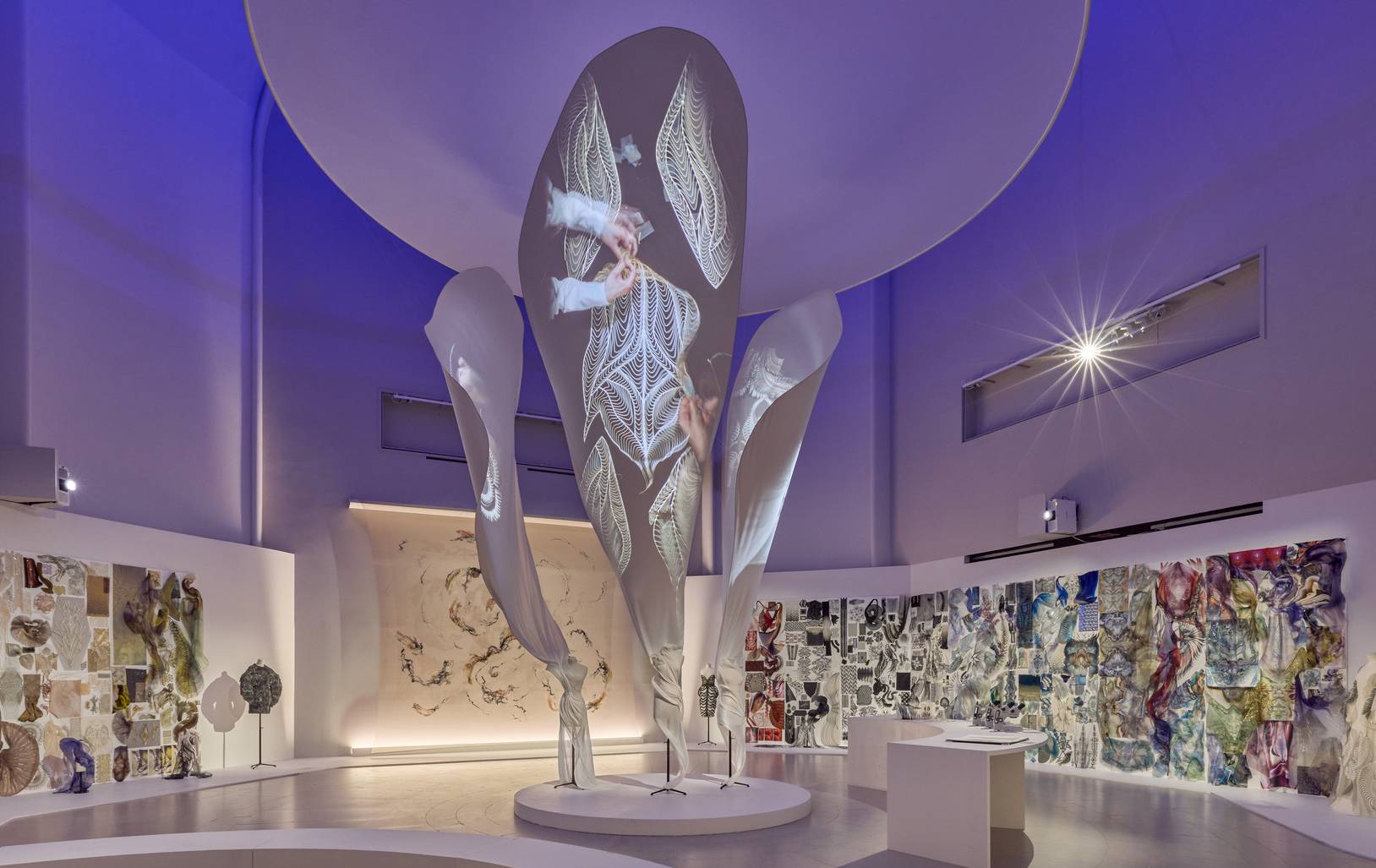
Artsy Editorial profiles 10 contemporary artists whose work aligns with the visionary, technology-driven approach of fashion designer Iris van Herpen. The article highlights van Herpen's career milestones, including her 2011 invitation to join the Chambre Syndicale de la Haute Couture, and her ongoing fusion of traditional craftsmanship with cutting-edge technology to create wearable art. It then presents a curated list of artists who similarly explore themes of organic form, digital fabrication, and the intersection of art and fashion.

Two Major Architecture Firms Aim to Revolutionize Rome Over the Next 25 Years

Due grandi studi di architettura puntano a rivoluzionare Roma nei prossimi 25 anni

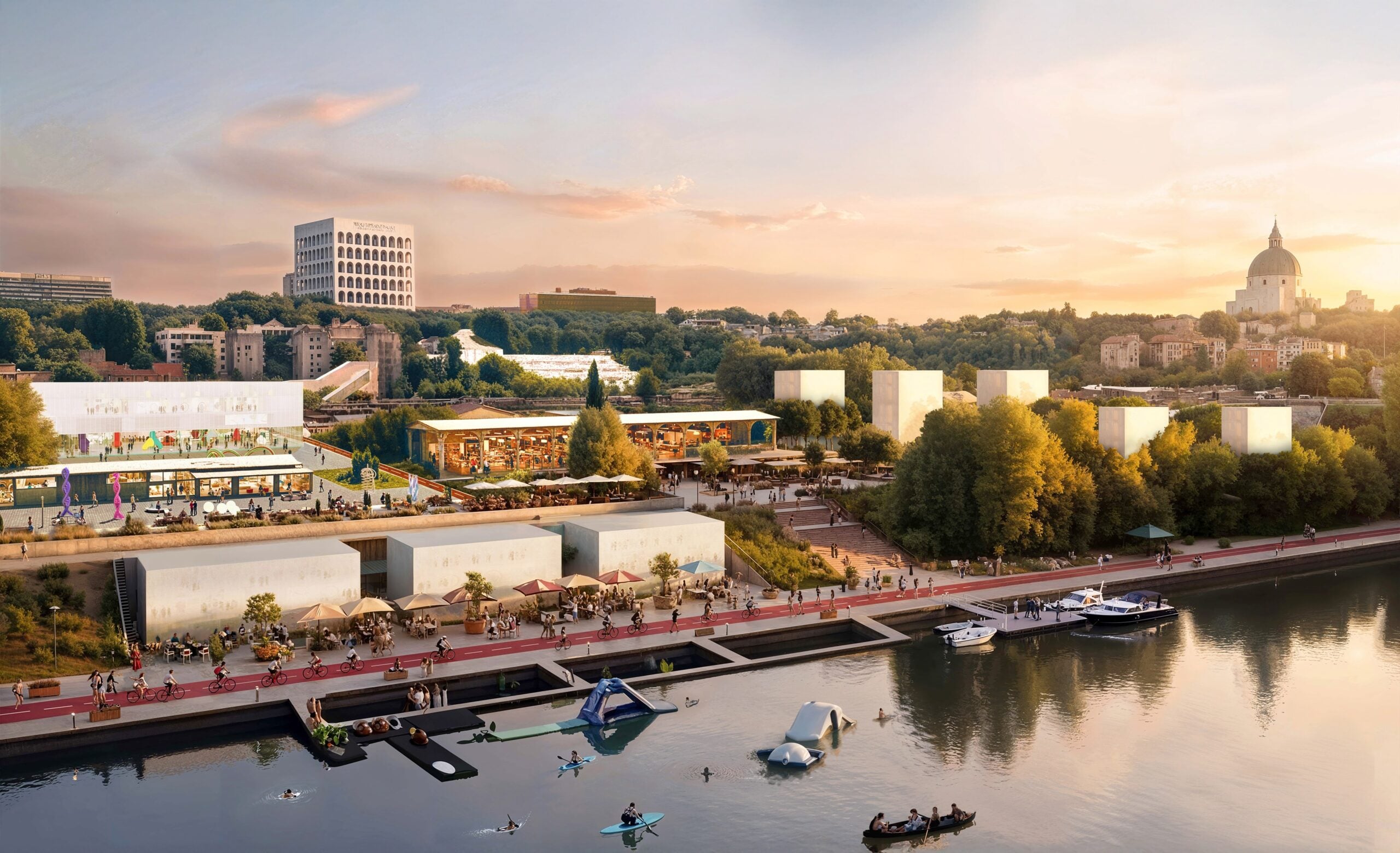
A multidisciplinary team led by Italian architecture and urban planning firm IT'S and Dutch firm OMA has won the international ideas competition "Vision for Rome," promoted by the Fondazione Roma REgeneration. Their project, "Roma Continua," was presented at the Auditorium della Tecnica di Confindustria during the second ROMA REgeneration FORUM. The proposal aims to rethink Rome over the next 25 years through a paradigm shift in urban, social, and cultural planning, envisioning the city as a living ecosystem. It is based on five guiding principles—care, beauty, knowledge, movement, reuse, and grafting—and includes five green corridors anchored to the Tiber River, "Fori dell'innovazione" (innovation forums), and a continuous mobility network. The project also seeks to reduce tourist pressure on the historic center by creating new cultural itineraries and sustainable transport links.

The Biennale and the Weight of Flags. What Is the Point of National Pavilions?

La Biennale e il peso delle bandiere. Che senso hanno i padiglioni nazionali?

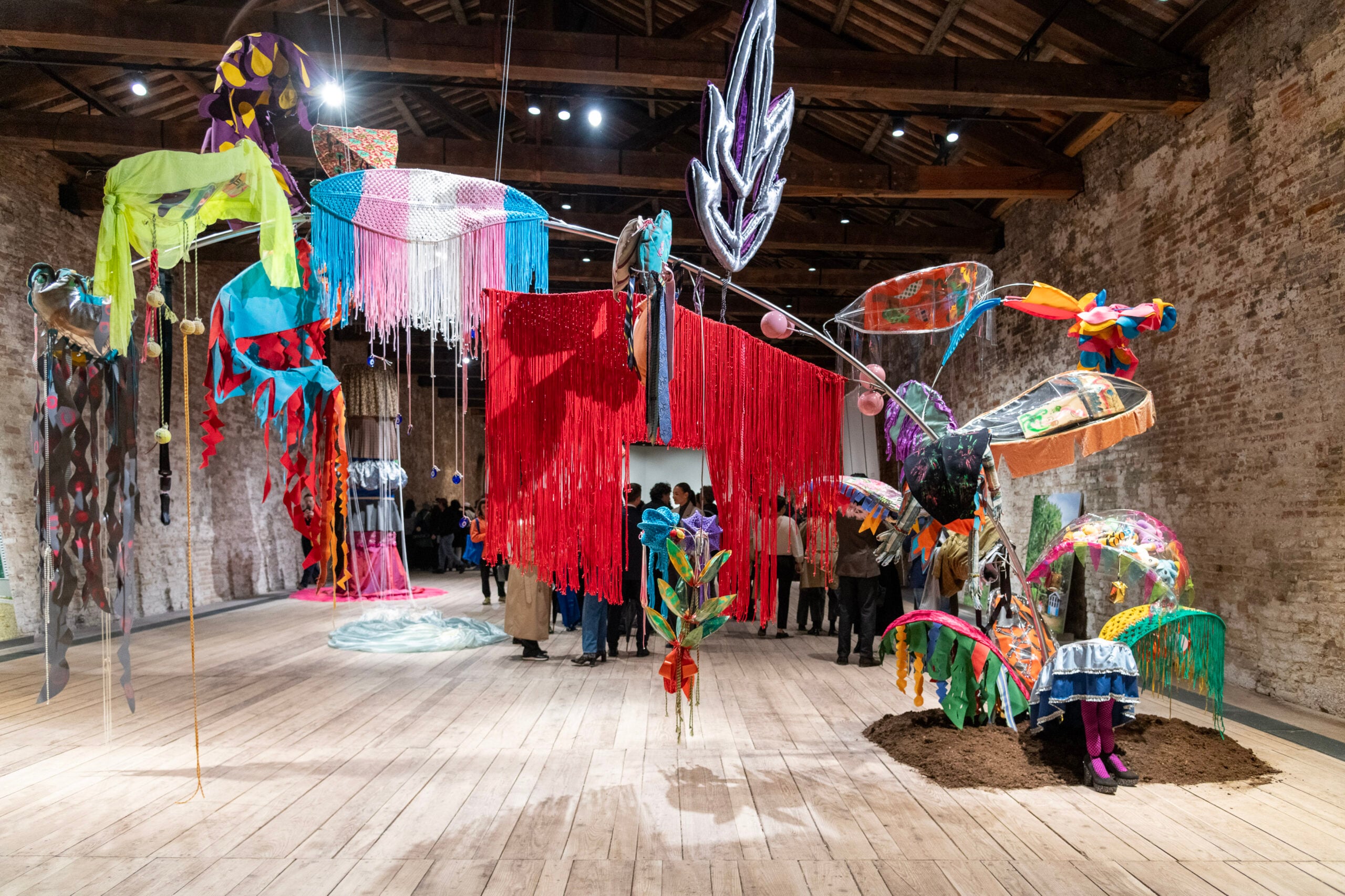
The article examines the inherent contradiction within the Venice Biennale: its historical structure of national pavilions, a legacy of 19th-century world fairs and state-sponsored art, clashes with the transnational, post-identity vision of the international exhibition curated by Koyo Kouoh. The return of the Russia Pavilion amid geopolitical conflict and the international show titled "In Minor Keys," which rejects national belonging as an interpretive criterion, highlight this tension. The piece also addresses the controversy over the lack of Italian artists in the main exhibition, questioning whether a Biennale hosted in Italy should guarantee national representation.