filter_list Showing 36 results for "Structures" close Clear
search
dashboard All 385 museum exhibitions 206article news 50article culture 36article local 17trending_up market 17person people 16candle obituary 14rate_review review 14article policy 13article events 1gavel restitution 1
date_range Range Today This Week This Month All
Subscribe

vet sothebys gagosian book history art market 1234777759

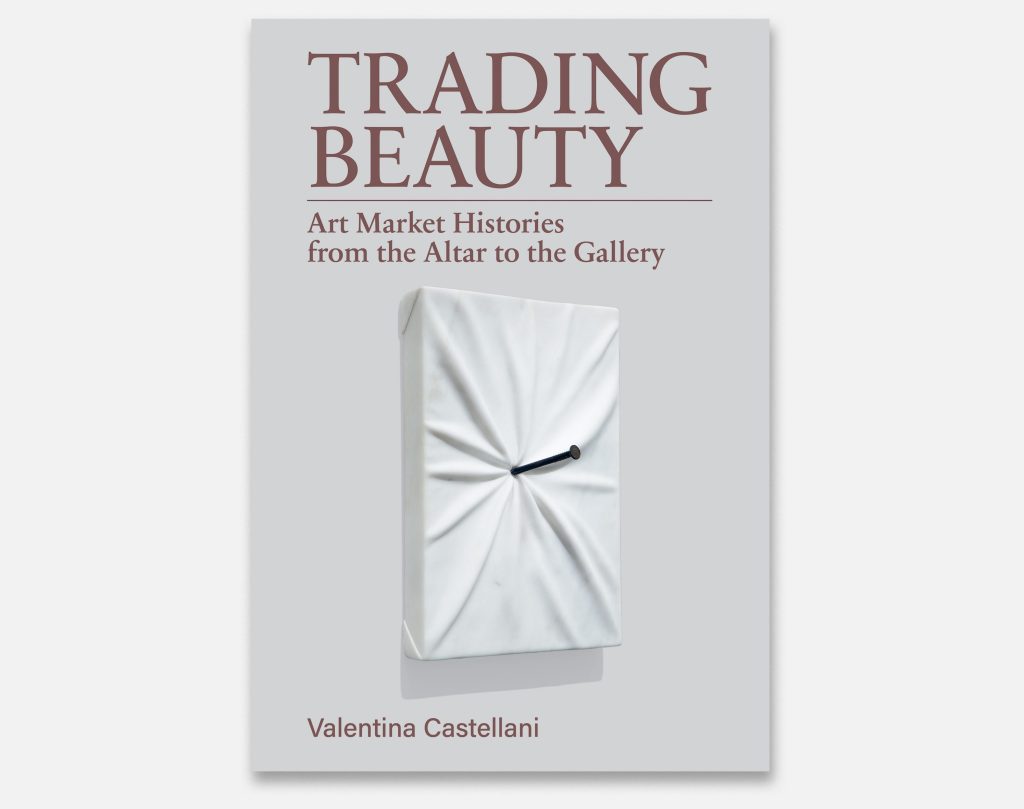
Valentina Castellani, a veteran of Sotheby’s and Gagosian, is releasing a new book titled 'Trading Beauty: Art Market Histories from the Altar to the Gallery'. The publication aims to fill a pedagogical gap Castellani discovered while teaching at New York University, providing a comprehensive chronological overview of the art market from the Renaissance to the post-pandemic era. Published by Gagosian and distributed by Rizzoli, the book features a cover by Maurizio Cattelan and an introduction by Massimiliano Gioni.
10 young female artists feminism 753911

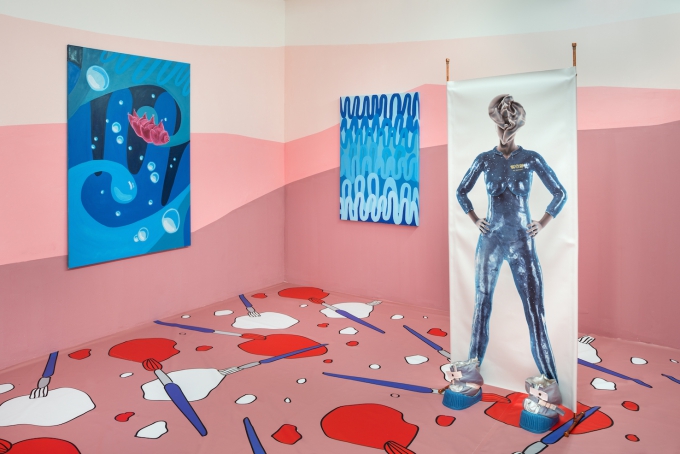
The article profiles ten young female artists who are using their work to explore and assert feminist perspectives in the face of contemporary misogyny, particularly referencing the US president-elect's rhetoric. Featured artists include Emma Sulkowicz, known for her durational performance 'Carry That Weight' protesting campus rape culture, and Sarah Maple, a British artist whose multimedia works tackle identity and gender with provocative humor. The piece highlights how these artists address themes such as sexual violence, gender fluidity, and the reclaiming of femininity through mediums ranging from performance and video to painting and photography.

2025 Art21 at the Movies

2025 Art21 at the Movies

On October 8 and 10, 2025, Art21 hosted its second 'Art21 at the Movies' event in New York. The two-day program featured film premieres, artist talks, and screenings at venues including the Metrograph and the Museum of Modern Art. It highlighted artists from the 'Art in the Twenty-First Century' series and included discussions with filmmakers and curators.

Harnessing the winds of societal change: how art dealers have been able to shape taste for centuries

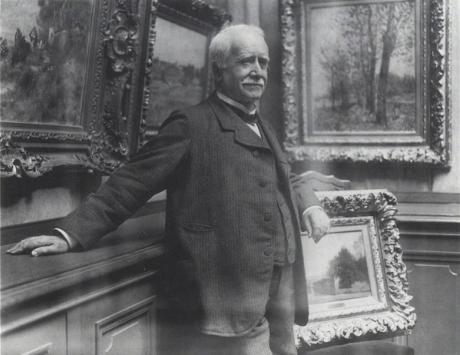
Valentina Castellani, a former Gagosian director, has authored a new book titled *Trading Beauty: Art Market Histories from the Altar to the Gallery* (out 1 May). The book traces how art dealers have historically leveraged societal changes—political, economic, and social—to reshape taste and market structures. Castellani begins in the Middle Ages, when art was made only on commission for patrons like the Catholic church and monarchies, and moves through key shifts such as the Dutch Republic's first open art market in the 17th century, which gave rise to the professional art dealer. She highlights dealers like Paul Durand-Ruel, Joseph Duveen, and Leo Castelli who capitalized on anti-establishment energy, new wealth, and post-war consumer culture to bring avant-garde art to the forefront.

lorde man of the year video walter de maria 2652372

Lorde's new single "Man of the Year" from her upcoming album *Virgin* (released June 27) features a music video that visually references Walter De Maria's *New York Earth Room* (1977), a minimalist installation of 280,000 pounds of soil filling a SoHo loft. The video shows Lorde stripping, taping her breasts, and rolling in dirt, while the song's lyrics explore her fluid gender identity. Lorde also cites Italian artist Lucio Fontana and includes an X-ray cover image by photographer Heji Shin.

On Paranoid Time

Film Notes has published Qingyuan Deng's essay exploring the intersection of Lacan's concept of retroactive meaning and Eve Kosofsky Sedgwick's distinction between paranoid and reparative reading, as applied to recent artists' films and moving-image installations. The essay examines how works like Alison Nguyen's installation "Perforation, Ellipse" at New York's Storefront for Art and Architecture use cinematic techniques—such as perforations, splices, and missing scenes—to hold the temporal gap between an event and its belated political comprehension, focusing on the censorship of Vietnamese bolero songs after the American War.

architecture hamptons barns

The article explores the architectural and cultural significance of barns in the Hamptons, tracing their evolution from medieval agricultural structures to modern design icons. It highlights how the barn typology has been adapted in local buildings, including the Parrish Art Museum designed by Herzog & de Meuron, and features four case studies of historic barns, such as the Sayre Barn in Southampton, which was converted into an antique store and later donated to a museum.

‘The good, the bad and the ugly’: a short history of how artists depict the female body

Art historian Amy Dempsey has published a new book, 'The Female Body in Art,' which examines the historical representation of women in Western art. The book moves from Renaissance archetypes to contemporary works, focusing on a celebratory selection of artists and images rather than critiquing the often problematic history of the female nude.

8 standout art books to gift and keep this season 2717083

The article highlights eight standout art books recommended for gifting this season, covering a range of topics from architectural deep dives and contemporary art to fashion histories and experimental catalogs. Featured titles include "All of Us Stars: Bobby Busnach," a photo book capturing the gritty glamour of 1970s Upper West Side nightlife, and "Christopher Wool: See Stop Run," an exhibition catalog documenting Wool's unconventional 2024 show in a Manhattan office tower. Other books span monographs, boundary-pushing catalogs, and fashion histories, each offering unique perspectives on visual culture.

Fever Pitch: On Bourgeois Coldness by Henrike Kohpeiß

The article is a critical essay analyzing Henrike Kohpeiß's new book, 'Bourgeois Coldness,' which examines the concept of coldness as an affective strategy of the bourgeois subject. Kohpeiß traces this subjectivity from its mythological roots in Homer's Odyssey to its modern manifestations, arguing that it is forged in and sustained by structures of racial exploitation and colonial power, despite claims of abolition.

art world gallery dinner politics parties

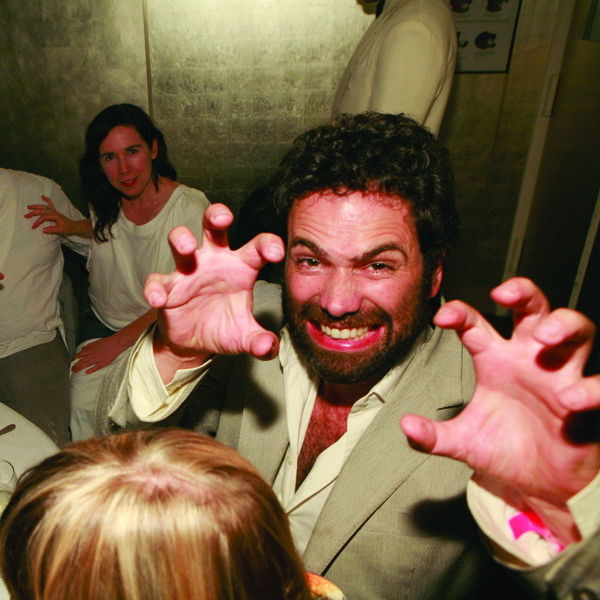
Art-world insiders share their best and worst experiences at gallery dinners, from seating disasters and VIP-only food queues to intimate gatherings and haunted-house Halloween parties. Contributors include collectors, artists, curators, writers, and gallerists who recount memorable evenings hosted by figures like Jose Martos and White Cube, revealing the social dynamics that define these events.

Painting Has Entered Its Performance Era

The rise of short-form video platforms like Instagram and TikTok has transformed painting from a static medium into a performative spectacle. To compete with algorithmic preferences for transformation and speed, artists are adopting specific visual grammars such as the "art reveal"—where a canvas is dramatically flipped toward the camera—and "speed painting," which turns the creation process into a high-stakes live event. These trends emphasize the labor and human presence behind the work, often utilizing emotional storytelling and direct engagement to build dedicated fanbases outside traditional gallery structures.

What Made Marcel Duchamp’s Readymades So Revolutionary?

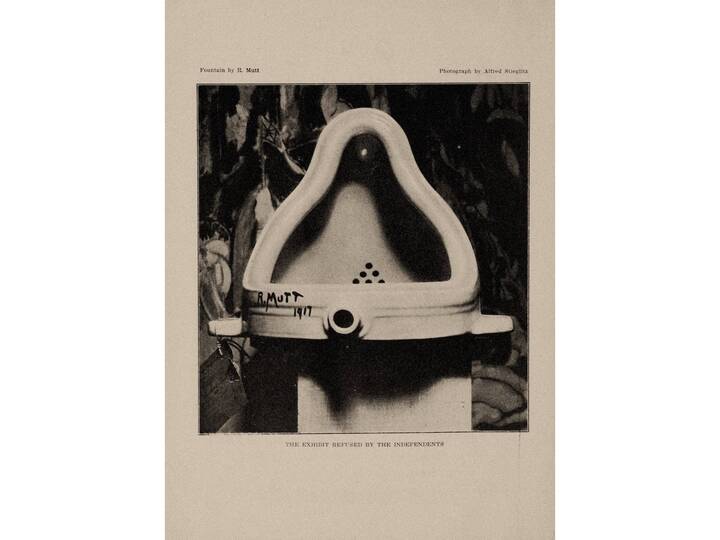
Marcel Duchamp transformed the trajectory of 20th-century art by introducing the 'Readymade,' a concept where mass-produced, everyday objects are elevated to the status of art through the artist's selection rather than manual craft. Beginning with a bicycle wheel in 1913 and a bottle rack in 1914, Duchamp eventually formalized the term during a 1915 stay in New York, where the city's industrial modernity and lack of rigid class structures inspired him to challenge traditional definitions of creativity.

Meet the Gallerists Trading White Cubes for Unconventional Architecture

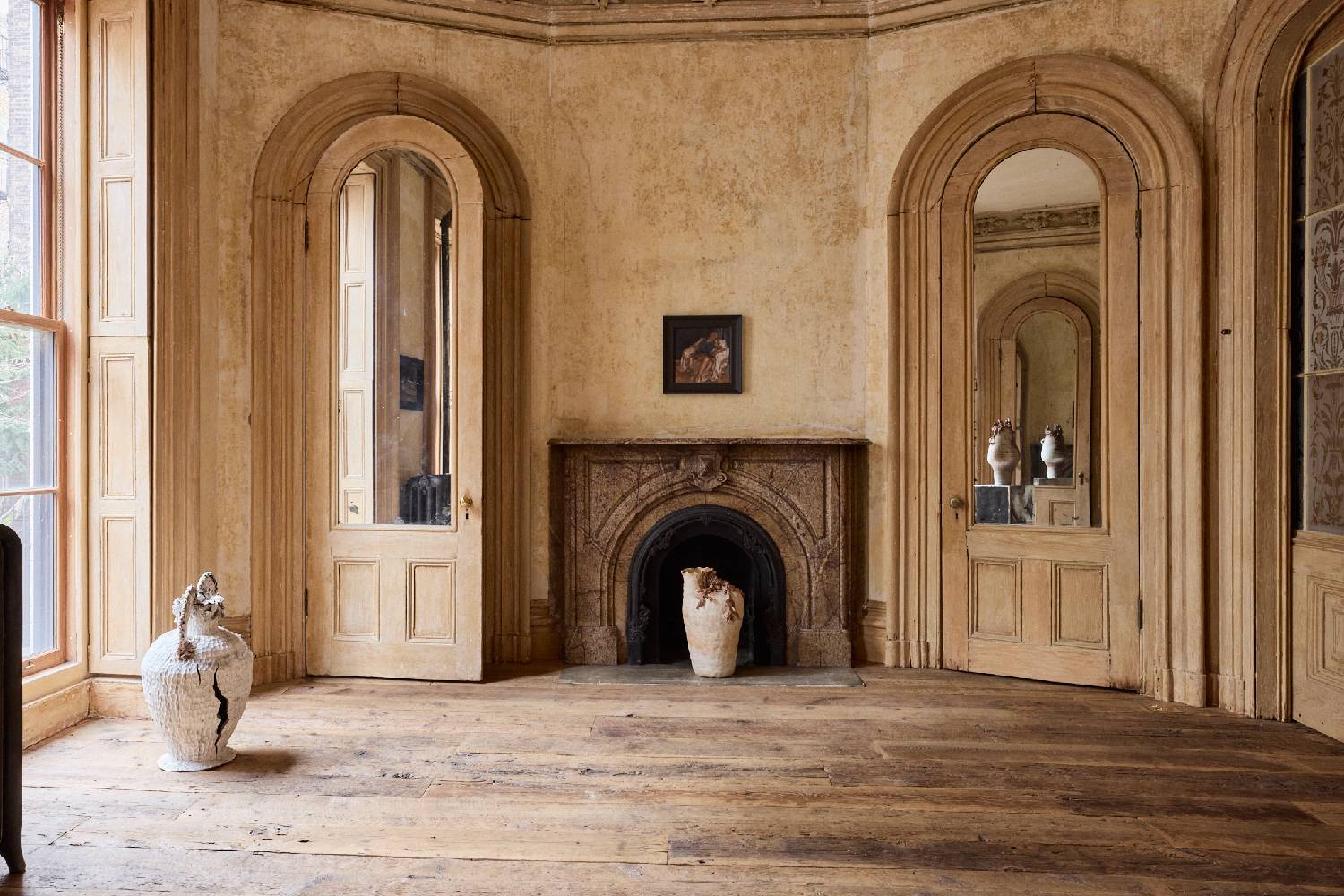
A growing number of gallerists are moving away from the traditional 'white cube' gallery model, opting instead for spaces with unconventional architecture and distinct character. These include locations in repurposed industrial buildings, historic structures, and uniquely designed new constructions that actively shape the visitor's experience of the art.

Ida Ekblad’s Experimental Space Where Artists Come to Play

Artist Ida Ekblad has converted a 1960s Brutalist villa in Oslo into a dynamic, non-commercial studio and project space named 'Villa Ekblad.' The space serves as her primary studio but is also designed to host spontaneous collaborations, workshops, and experimental projects with other artists, functioning as a creative laboratory removed from market pressures.

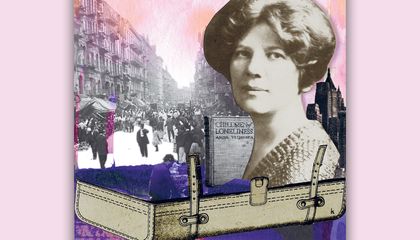
‘The Queen of the Ghetto’ Gave New York’s Immigrant Community a Voice. A Century Later, It’s Re-emerging

Anzia Yezierska, a Polish-Jewish immigrant who arrived in New York in 1890, defied traditional gender expectations to become a leading literary voice of the 1920s. Dubbed the 'Queen of the Ghetto,' she documented the raw struggles of immigrant women on the Lower East Side using a unique 'immigrant English' style that captured Yiddish idioms. After escaping a restrictive marriage and pursuing an education at Columbia University, she channeled her personal frustrations into stories of poverty, ambition, and the psychological toll of assimilation.

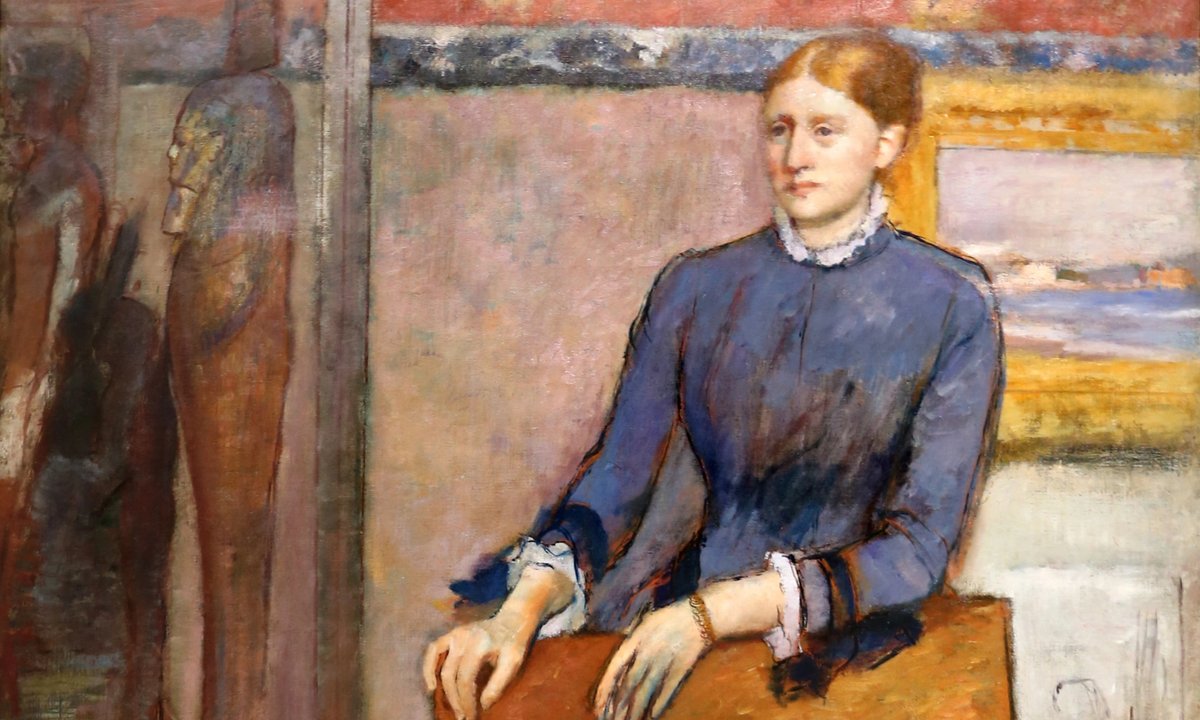
Artists agonise over when a work is finished—but should we viewers care?

The article explores the perennial struggle artists face in determining when a work is complete, a process often fraught with the risk of overworking or 'wrecking' a piece. Drawing on insights from Howard Hodgkin and David Sylvester, it examines how artists like Degas, Matisse, and Cézanne navigated the boundary between a finished object and a work-in-progress, sometimes intentionally leaving canvases 'open' or 'fragmentarily complete' to preserve their emotional and visual immediacy.

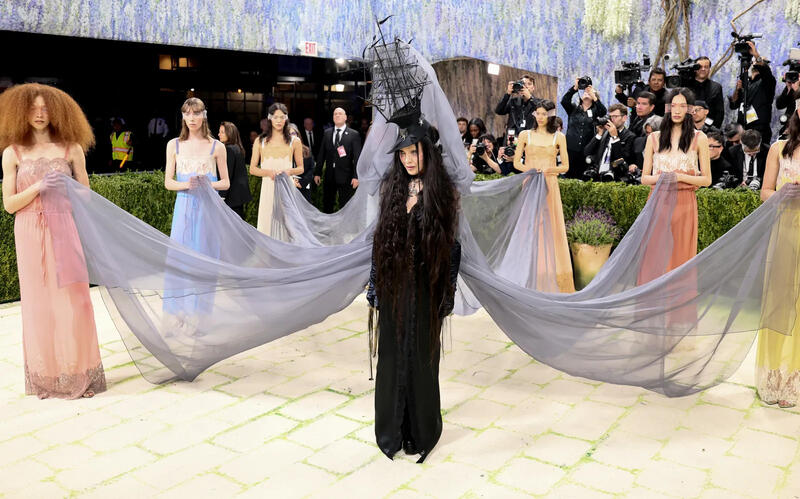
WHEN FASHION MEETS ART QUOTES BODIES AND POWER AT THE MET GALA

The 2026 Met Gala took place on the first Monday of May, opening the Costume Institute's spring exhibition 'Costume Art' at the Metropolitan Museum of Art. The dress code 'Fashion is Art' prompted celebrities to treat the body as a canvas, with attendees like Hunter Schafer, Madonna, Rachel Zegler, Angela Bassett, Kendall Jenner, Troye Sivan, and Emma Chamberlain referencing specific artworks—from Gustav Klimt's *Mada Primavesi* to the *Winged Victory of Samothrace*—and historical fashion pieces.

Same is More: Parisian Architecture à l’identique by Octave Perrault

Paris is undergoing a wave of architectural preservation and renovation that prioritizes the "à l’identique" (identical) approach, most notably seen in the reconstruction of Notre-Dame Cathedral following its 2019 fire. This trend extends to other major cultural landmarks, including the renovation of the Bourse de Commerce by Tadao Ando and the upcoming multi-year closure of the Centre Pompidou for technical upgrades. The author uses the critical lens of 19th-century writer Joris-Karl Huysmans to question whether this obsession with restoring buildings to a previous state stifles contemporary architectural evolution.

In new play, Norval Morrisseau forgery scandal prompts questions about authenticity and Indigenous identity

A new play by Ojibway playwright Drew Hayden Taylor, *The Undeniable Accusations of Red Cadmium Light*, dramatizes the massive Norval Morrisseau art forgery scandal in Canada. The story follows an Indigenous art expert named Nazhi, her adopted daughter Beverly, and a journalist whose investigation into Morrisseau forgeries unravels Nazhi’s own identity and status. The play uses Morrisseau’s iconic imagery and the forensic analysis of paint colors to explore the blurred lines between authentic and fake, both in art and in personal identity. It concluded its run at Vancouver’s Firehall Arts Centre on 3 May.

From men on dog leads to public breast-fondling, Valie Export’s art demanded a total feminist revolution

Valie Export, the pioneering Austrian feminist artist known for her provocative and confrontational performances from the 1960s onward, is the subject of a reflective essay by writer and academic Hettie Judah. The article revisits Export's radical works such as *Hyperbulia* (1973), where she crawled naked through electrified wires; *From the Portfolio of Doggedness* (1968), in which she led a man on a dog lead through Vienna; and *Action Pants: Genital Panic* (1969), where she walked through a cinema with exposed genitals. Judah draws on her own interviews with Export, who died in 2023, and discusses the artist's manifesto demanding that women use art to reshape consciousness and achieve liberation.

The Contradictory Museum

Eugenio Viola, former artistic director of the Bogotá Museum of Modern Art (MAMBO), argues that museums must evolve from authoritative cultural temples into critical civic spaces. He contends that in polarized societies marked by inequality and contested histories, museums are essential infrastructures for hosting discomfort, divergent memories, and unresolved tensions, fostering collective dialogue and visibility for excluded narratives.

Monuments & Weapons: How Public Space Prepares Us for War Without Us Even Realizing It

Monumenti&armi. Così lo spazio pubblico ci prepara alla guerra senza che neppure ce ne rendiamo conto

Public squares and urban spaces are densely populated with war-related monuments that condition society to accept conflict as a historical inevitability. A study by Philadelphia’s Monument Lab reveals that nearly 60% of U.S. monuments focus on war themes, outnumbering themes of peace thirteen-fold, while Italy maintains over 12,000 memorials dedicated solely to World War I. These structures often prioritize military hierarchy and territorial conquest over themes of care, gender equality, or social diversity.

Learning is something aesthetic and emotional. Marco Dallari says so in his latest book (and in this interview)

L’apprendimento è qualcosa di estetico e di emotivo. Lo dice Marco Dallari nel suo ultimo libro (e in questa intervista)

Italian pedagogist Marco Dallari discusses his latest book, "La bellezza di Sophia" (2026), which explores the intrinsic human drive for knowledge as an aesthetic and emotional necessity rather than a pragmatic survival tool. Drawing on Freudian concepts and the work of Alessandra Risso, Dallari argues that the desire to learn is a primal impulse that should be nurtured through beauty and curiosity rather than stifled by rigid institutional structures.

huge persepolis destruction 2718329

The article recounts the Sack of Persepolis in 330 B.C.E., when Alexander the Great and his Macedonian forces pillaged and destroyed the Achaemenid capital. It describes Persepolis as a marvel of ancient architecture, including the 31-acre limestone terrace, the Apadana hall with 36 columns, and the palace of Xerxes I. Ancient sources like Diodorus of Sicily and Plutarch offer conflicting accounts of the destruction—whether it was spontaneous, premeditated, or fueled by alcohol—while modern historians view it as a political act of retribution for Xerxes' attack on Athens.

culture harmonia rosales ingrid best interview

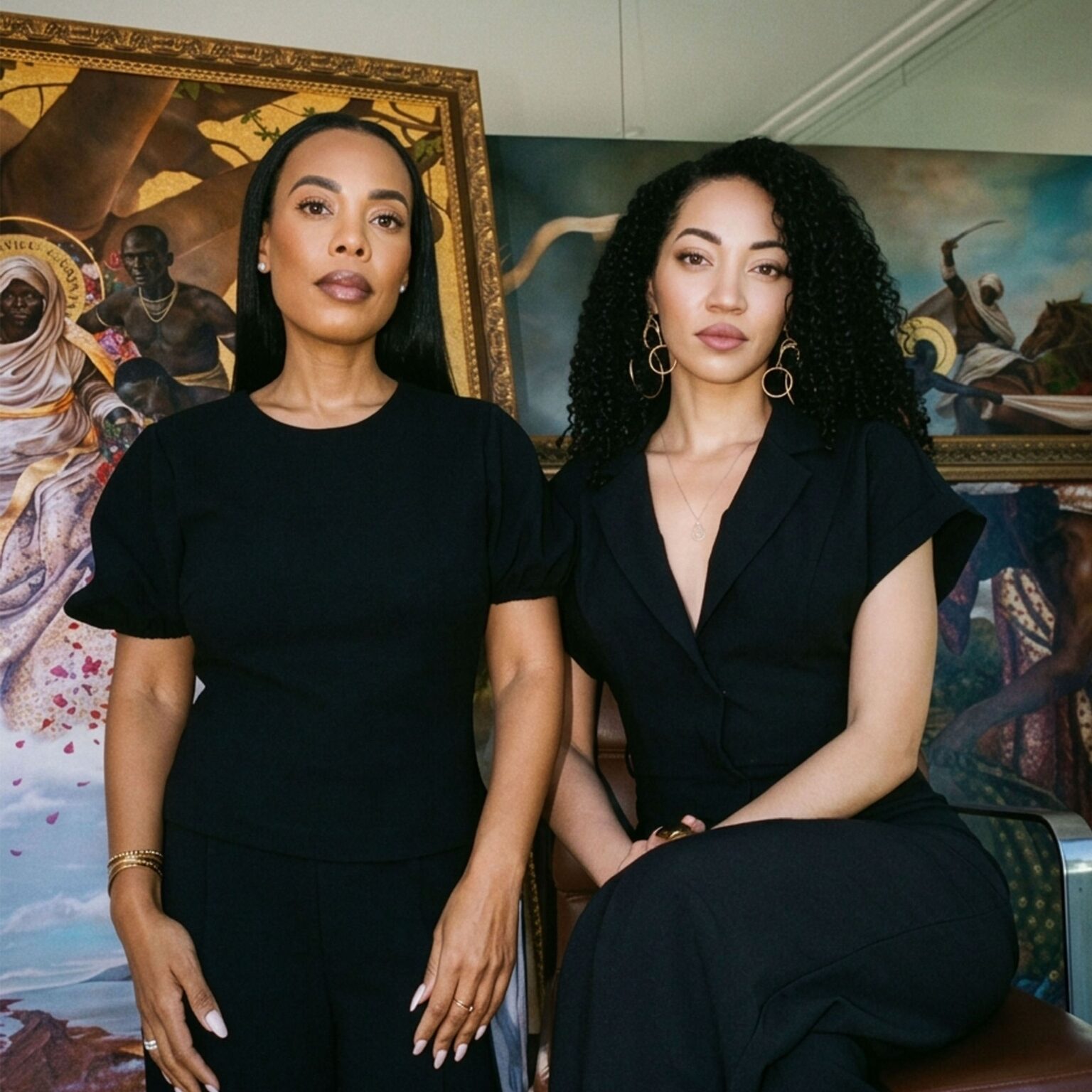
Harmonia Rosales, an Afro-Cuban artist known for reimagining Renaissance and baroque iconography with Black bodies, and Ingrid Best, an Afro-Latina wine entrepreneur and art collector, discuss their friendship and mutual support in an interview for Cultured. They first connected at Rosales’s 2022 show at UTA in Los Angeles, where Best was part of a collective that purchased Rosales’s work, including the piece *Strangler Fig: Adam and Eve*. Rosales later became the first artist to invest in Best’s wine business, IBEST Wines, which sources from underrepresented regions. Their conversation covers ownership, community, and creating structures that sustain women’s legacies beyond mere representation.

Social Malpractice in the Age of Cultural Compliance

Artist Ed Woodham reflects on the evolution and co-option of socially engaged art, using his own projects like 'The Keepers' protests and the Art in Odd Places initiative as examples. He describes a troubling trend where the language and strategies of social practice art, once used to challenge systems, are now being adopted by developers, corporations, and institutions for branding, place-making, and community engagement initiatives that often operate within the very economic structures driving displacement and eroding public space.

Zurich: Peripheral Presence. by Tibor Bielicky and Ellena Ehrl

Zurich’s urban landscape is defined by functionalist structures from the 1990s and early 2000s that serve as the 'understated backdrop' to daily life. These buildings, including the Signal Box by Gigon Guyer and the Telecap 2000 by Hans Ulrich Imesch, act as navigational markers at the city’s geographic choke points. Despite their significance in shaping the city's rhythm and internal choreography, many of these structures are now reaching the end of their first lifecycle and face the threat of demolition due to real estate speculation.

“Yellow Letters”: arte e politica, libertà e censura nel nuovo film di İlker Çatak

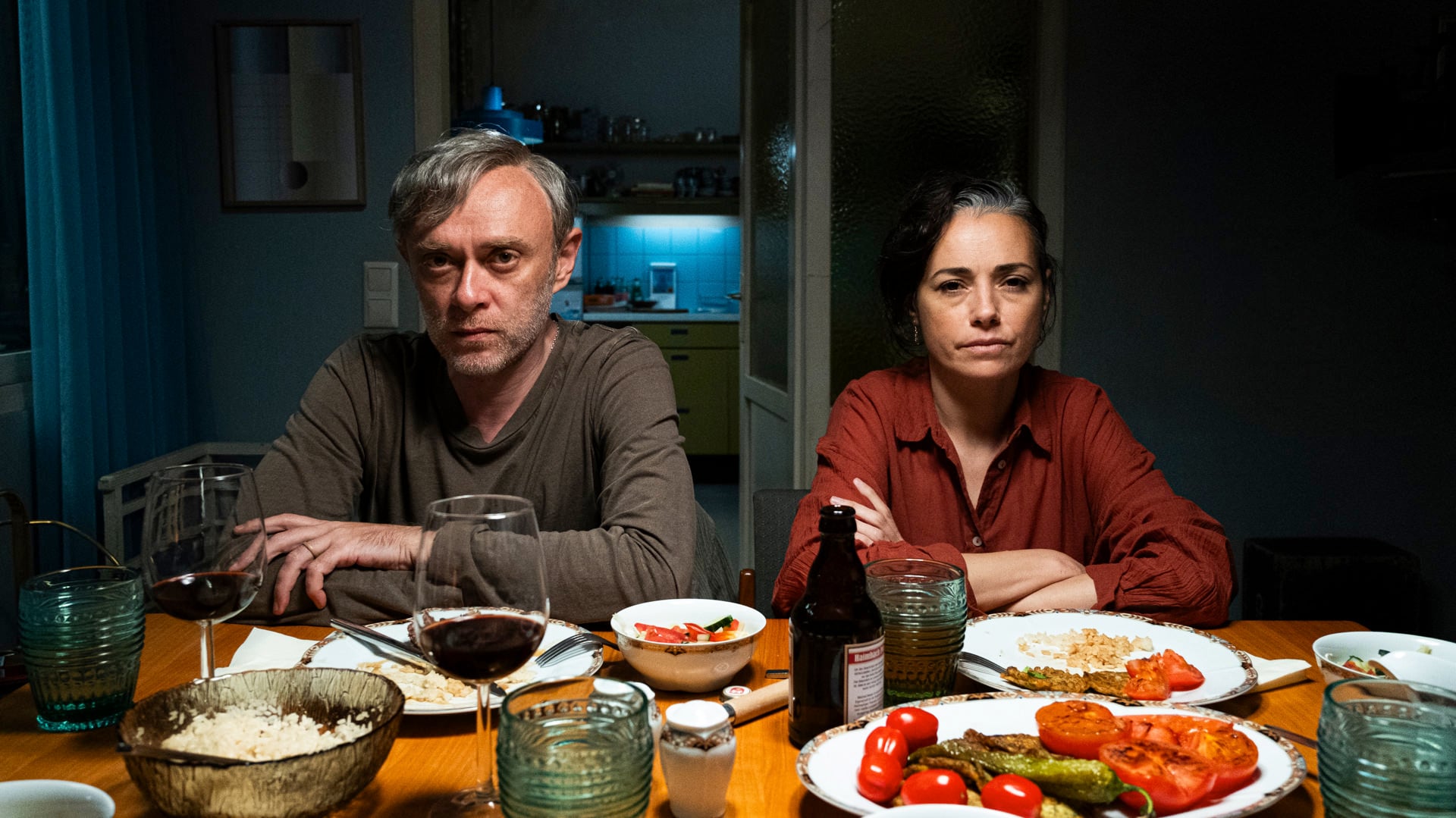
Ilker Çatak's fifth film, "Yellow Letters," premieres on April 30, 2026, distributed by Lucky Red. The story follows Derya and Aziz, a Turkish artist couple whose lives unravel after Aziz, a professor at Ankara University, receives a "yellow letter" terminating his employment. The film, inspired by post-2016 coup purges in Turkey, shifts to Berlin and Hamburg, where the director deliberately avoids mimicking Turkish locations, instead using explicit captions like "Berlin as Ankara" to create a Brechtian alienation effect. Çatak explores how arbitrary state repression fractures personal relationships and moral boundaries, drawing on interviews with artists who faced unjust dismissals.

Collapse Finance, Part 2: Longevity Capitalism—Life as an Asset Class

The essay explores the emergence of "longevity capitalism," a financial and biopolitical regime where biological duration and life expectancy are treated as assets for capital accumulation. As traditional welfare systems and collective pension schemes collapse, the uncertainty of human lifespan has been transformed into a speculative frontier, with retirement security increasingly tied to volatile private equity and cryptocurrency markets.