filter_list Showing 31 results for "Sol" close Clear
dashboard All 282 museum exhibitions 175article news 31trending_up market 26article local 21article culture 9person people 5gavel restitution 4candle obituary 4rate_review review 4article policy 3
date_range Range Today This Week This Month All
Subscribe

Legal Dispute Threatens Auction of Titanic Artifacts, Vaillancourt Fountain Catches Fire During Demolition, and More: Morning Links for May 7, 2026

A legal dispute has erupted over the planned auction of nearly 100 artifacts recovered from the Titanic shipwreck in 1987. The R.M.S. Titanic, the private company that owns salvage rights, seeks to sell the items, but the French government—which co-sponsored the expedition—granted title under the condition they not be sold. The U.S. National Oceanic and Atmospheric Administration also opposes the sale, arguing it violates a prior legal ruling. A judge has rejected the company’s attempt to keep the auction confidential. Separately, San Francisco’s Vaillancourt Fountain caught fire during demolition on May 6, 2026, when a torch ignited rubber tubing inside the Brutalist sculpture by Armand Vaillancourt; the fire was quickly contained with no injuries. Other news includes the death of Beat Generation artist George Herms at 90, a French bill to facilitate colonial-era art restitution, and a rare opportunity to view Gustav Klimt’s ceiling paintings at Vienna’s Burgtheater during renovation.
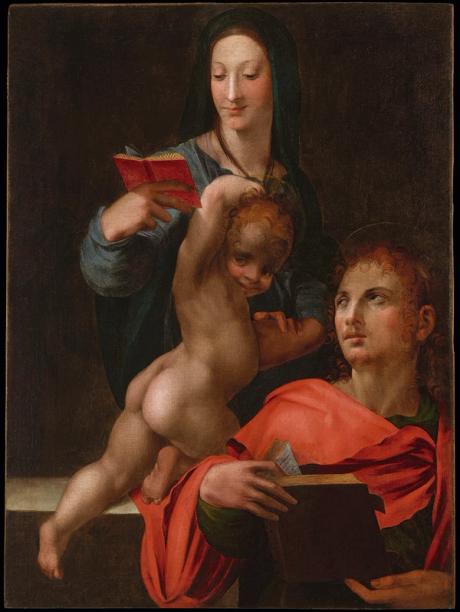

Museum acquisitions round-up: a rediscovered work by Rosso Fiorentino, a circular painting by Salman Toor and 16th-century gold goblet

The Art Newspaper reports on three notable museum acquisitions: a rediscovered Renaissance painting by Rosso Fiorentino acquired by the Metropolitan Museum of Art, a 16th-century silver gilt goblet by Hans Rappolt I acquired by the Siegerland Museum, and a circular painting by Salman Toor donated to the National Gallery of Art. The Rosso Fiorentino work, 'Madonna and Child with Saint John the Evangelist' (1512/13), was thought lost for centuries and was identified after cleaning revealed a hidden figure. The goblet, made around 1581, is a rare example of Nuremberg goldsmithing and was supported by a €75,000 donation from the German Federal Cultural Foundation. The Toor painting, 'Wandering Beggars' (2022), is the first by the artist to enter the NGA's collection, donated by the Bronzini-Vender family.

Numerous Venice Biennale Pavilions and Artists Go on Strike in Protest over Israel’s Participation

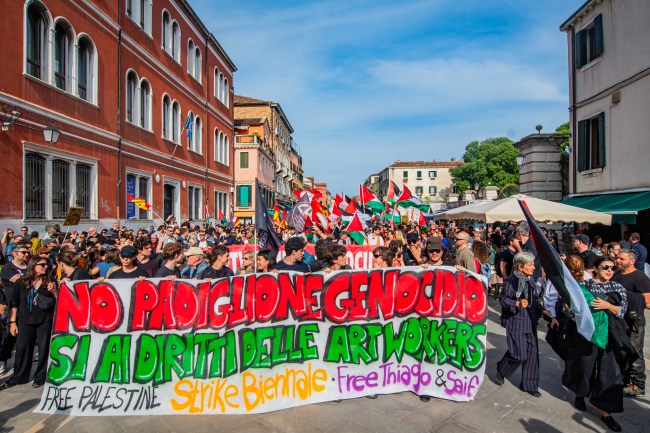
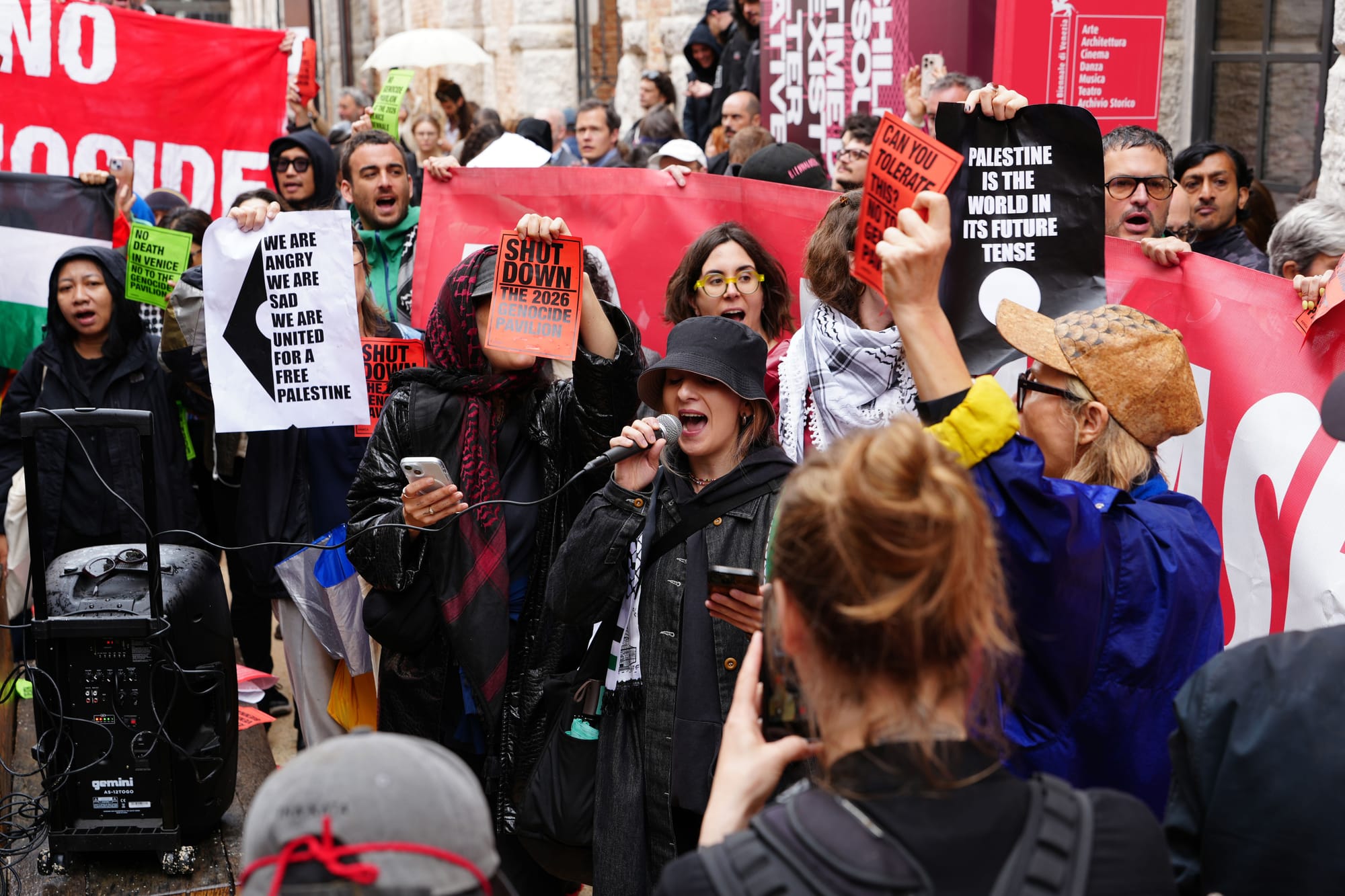
Thousands of protesters marched through Venice on the eve of the Venice Biennale's public opening, organized by Art Not Genocide Alliance (ANGA), to demand Israel's exclusion from the event. At least 18 national pavilions—including Austria, Belgium, France, Great Britain, and Ukraine—participated in a 24-hour strike, shutting down completely or partially. Protesters chanted slogans, waved Palestinian flags, and carried banners reading "no genocide pavilions," while ANGA released a statement with 236 signatories calling for Israel's removal, citing the humanitarian crisis in Gaza.

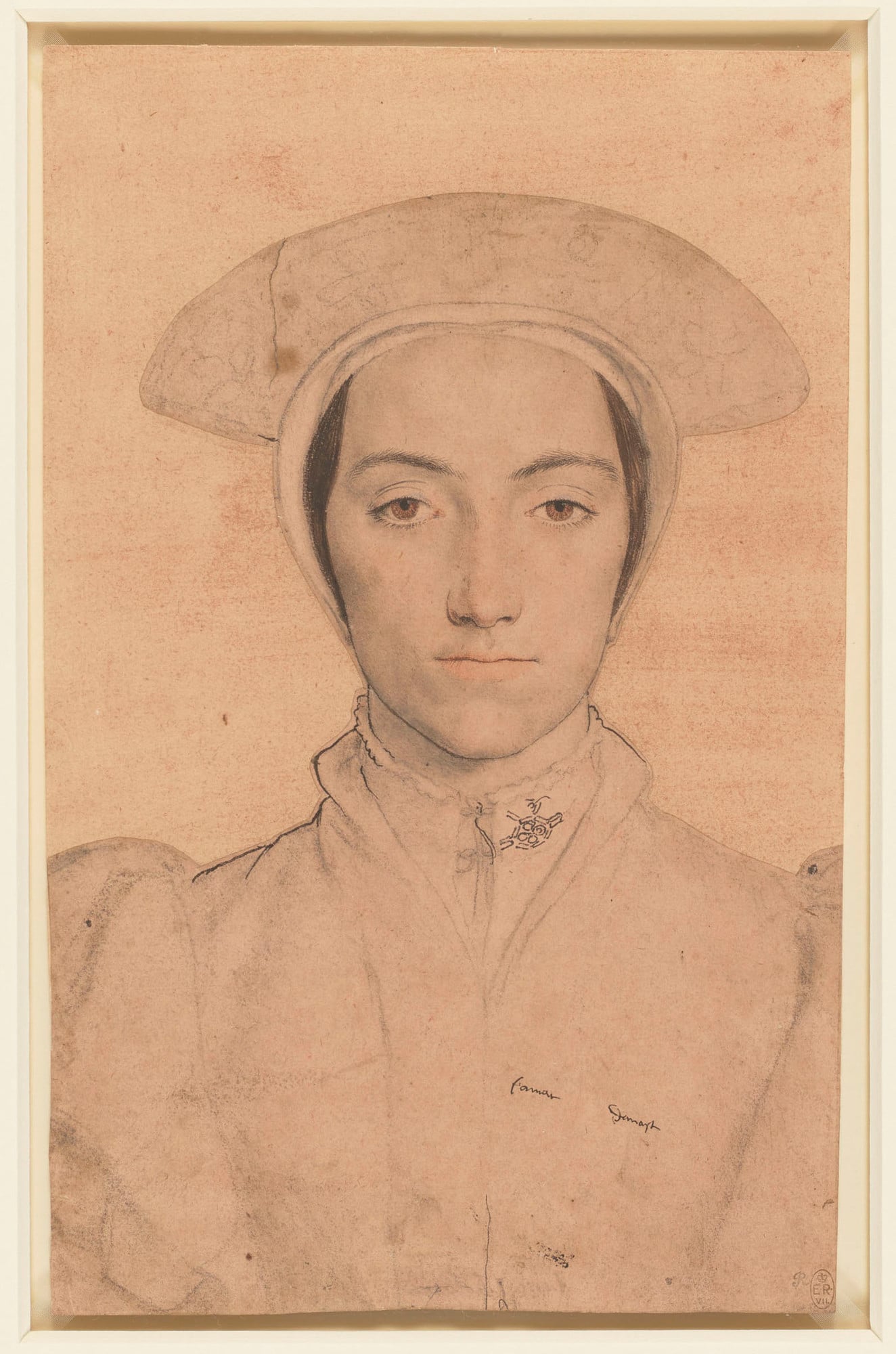
AI Helps UK Researchers Identify Unknown Subject in Hans Holbein Drawing as Anne Boleyn

Researchers Karen L. Davies and Hassan Ugail used artificial intelligence facial recognition to analyze two Hans Holbein drawings from the Royal Collection Trust. Their study, published in npj Heritage Science, suggests that a portrait previously labeled as Anne Boleyn actually depicts her mother, Elizabeth Howard, while a drawing cataloged as an unidentified woman is the true likeness of Anne Boleyn. The findings challenge long-held identifications based on 18th-century inscriptions and align more closely with contemporary descriptions of Boleyn as slender with dark hair.

Chanel and Guggenheim Launch Transatlantic Curatorial Fellowship

Chanel and the Solomon R. Guggenheim Foundation have announced a new transatlantic curatorial fellowship, set to launch in 2027. The Chanel Culture Fund Fellowship is a one-year program for MA- and PhD-level scholars, who will begin at the Guggenheim Museum in New York before moving to the Peggy Guggenheim Collection in Venice. The announcement coincides with the start of the Venice Biennale, and the open call for fellows will begin this fall. The fellowship includes a stipend and travel support, and is designed to complement the Peggy Guggenheim Collection's existing International Fellowship.

A.I. Identifies Holbein Drawing as Possible Portrait of Anne Boleyn

Researchers at the University of Bradford have used artificial intelligence to analyze preparatory drawings by Hans Holbein the Younger in the Royal Collection at Windsor Castle. The AI model, which previously identified a forgotten Raphael painting, suggests that a drawing long believed to depict Anne Boleyn actually shows her mother, Elizabeth Howard, while another drawing labeled "Unidentified Woman" likely portrays Anne Boleyn herself. The findings, published in Heritage Science, are based on biometric analysis of facial features, bone architecture, and proportional relationships, offering quantifiable evidence to resolve long-standing scholarly uncertainty about the sitters' identities.

Art and politics clash at Venice Biennale, as world conflicts upstage exhibition's opening

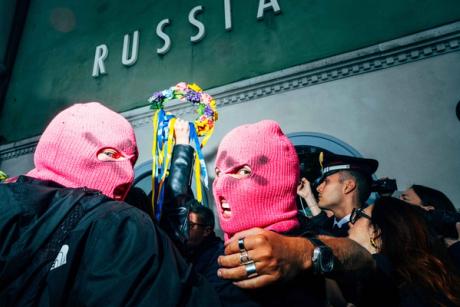
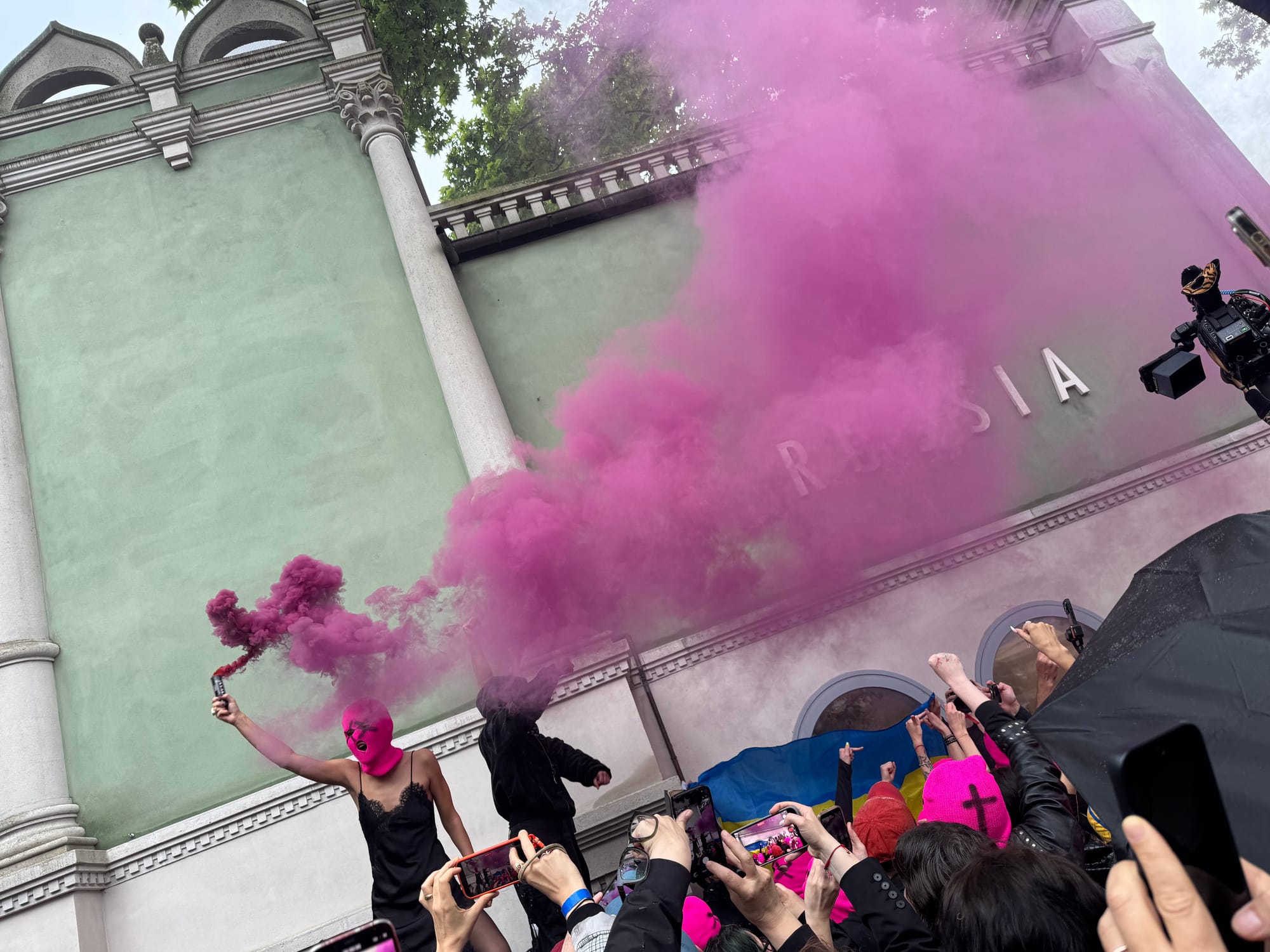
The 61st Venice Biennale, the world's most prestigious art exhibition, opens under unprecedented turmoil. For the first time, its vision was shaped by the late Cameroonian curator Koyo Kouoh, who centered artists from Africa and its diaspora. However, political conflicts over Russia and Israel have overshadowed the art. All five jurors resigned after the Italian culture minister investigated their decision to withhold prizes from Russia and Israel over alleged crimes against humanity. Protests erupted at the Russian pavilion, with Pussy Riot activists denouncing Russia's participation, while the Israeli pavilion artist threatened legal action over the jury's snub. The Biennale will proceed without a jury, with visitors voting for two awards, and the fate of the Golden Lion remains uncertain.

The Holy See Pavilion asks Venice Biennale Visitors to Slow Down and Listen, and Other News.

The Holy See's pavilion at the 61st Venice Biennale presents "The Ear is the Eye of the Soul," a multi-sensory exhibition centered on deep listening and inspired by Hildegard von Bingen, curated by Hans Ulrich Obrist and Ben Vickers with Soundwalk Collective, featuring new commissions by 24 artists including Patti Smith, Brian Eno, FKA twigs, and Dev Hynes across two Venetian sites. Separately, Chanel and the Solomon R. Guggenheim Foundation have launched the Chanel Culture Fund Fellowship, a transatlantic curatorial program for postgraduate scholars at the Guggenheim Museum in New York and the Peggy Guggenheim Collection in Venice. In other news, a father-daughter duo from New Jersey pleaded guilty to a $2 million counterfeit art scheme involving forged works attributed to Andy Warhol, Banksy, and others; Vienna's Burgtheater is offering guided scaffolding tours of Gustav Klimt's early ceiling paintings during restoration; and the sixth edition of the Head Hi Lamp Show opens in New York.

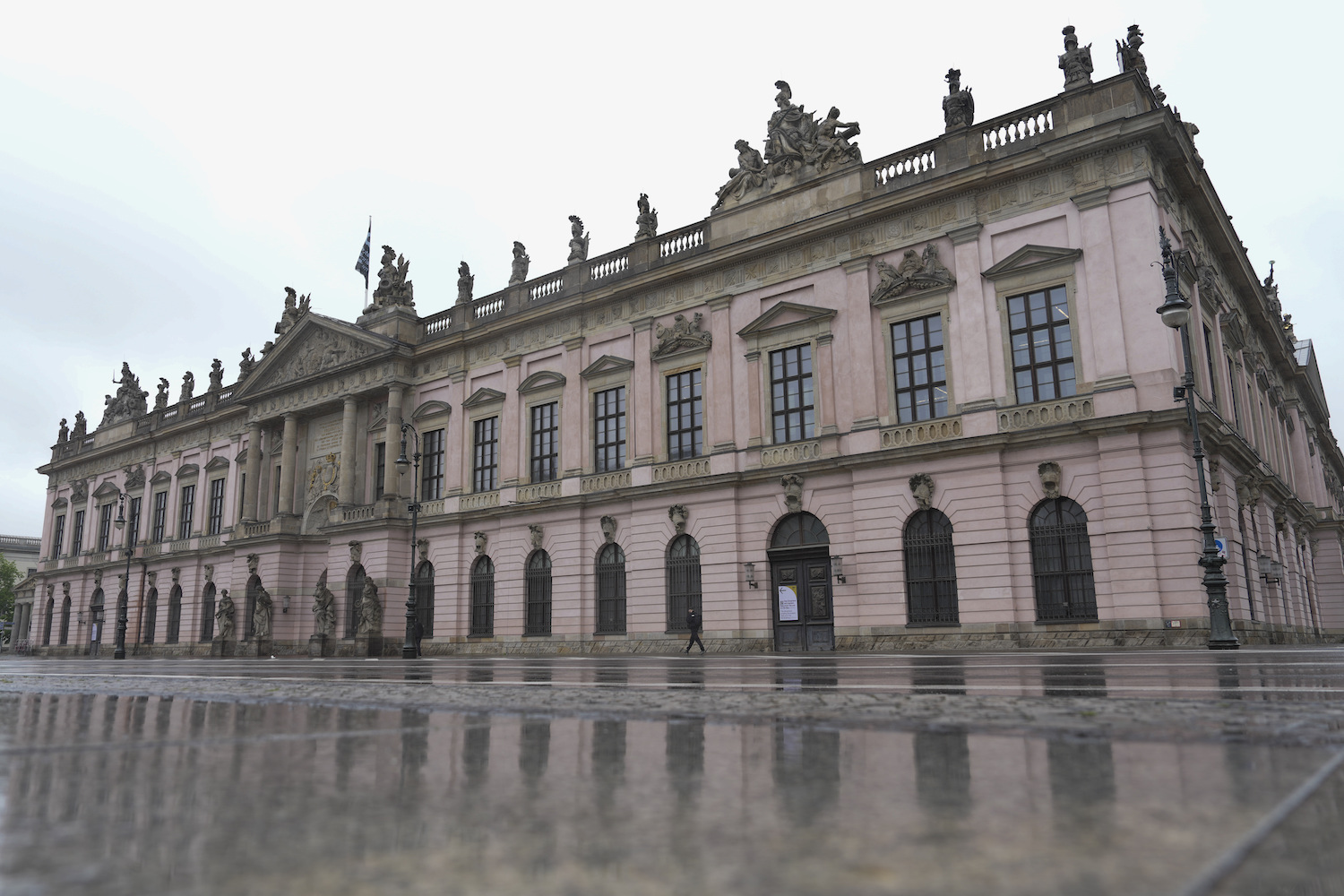
DHM main building likely closed until 2031

DHM-Hauptbau wohl bis 2031 dicht

The German Historical Museum (DHM) in Berlin will remain without its main building, the Zeughaus on Unter den Linden, until at least 2031 due to further delays in its renovation. Museum director Raphael Gross announced that a binding timeline from the property owner and the federal construction authority is not expected until 2027, and a reopening before 2031 is unrealistic. In the meantime, the museum is using its modern Pei-Bau wing to host a new exhibition titled "Objekte. Geschichte. Geschichten," featuring around 200 highlights from its collection of one million objects, including a samurai armor once gifted to Adolf Hitler and objects from a refugee shelter.

In Protest of Israeli Pavilion, Activists and Unions Plan Strike on Venice Biennale’s Opening Day

The Art Not Genocide Alliance (ANGA) has announced a 24-hour strike and rally on May 8, the day before the 2026 Venice Biennale opens to the public, in protest of the Israeli Pavilion. ANGA, formed in opposition to Israel's inclusion in the 2024 Biennale, refers to the current Israeli presentation—featuring Haifa-based artist Belu-Simion Fainaru—as the "Genocide Pavilion." Over 200 artists, curators, and culture workers have signed an open letter demanding Israel's exclusion, and a separate action called Solidarity Drone Chorus involved 60 artists. ANGA is collaborating with local labor and culture organizations including Biennalocene, Vogliamo Tutt'altro, S.a.L.E. Docks, and Mi Riconosci.

Dark clouds, protests and resignations dampen start of 61st Venice Biennale

The 61st Venice Biennale opened under grey skies and rain, with political tensions overshadowing the art world's premier event. The Russian pavilion, absent for two editions due to the Ukraine war, reappeared with a party atmosphere, though the Italian ministry of culture confirmed it would not be open to the public. The Ukrainian culture minister called Russia's symbolic presence powerful. The Iranian pavilion withdrew without explanation, and a protest by 60 artists from the In Minor Keys show marched through the Giardini humming in solidarity against Israel's participation. Over 200 artists, including Lubaina Himid and Alfredo Jaar, signed an open letter demanding the Israeli pavilion's cancellation. The event also proceeded without its curator, Koyo Kouoh, who died in May 2025; her curatorial team delivered the exhibition following her plans.

Ahead of the Met Gala, an Up-Close Look at “Costume Art”

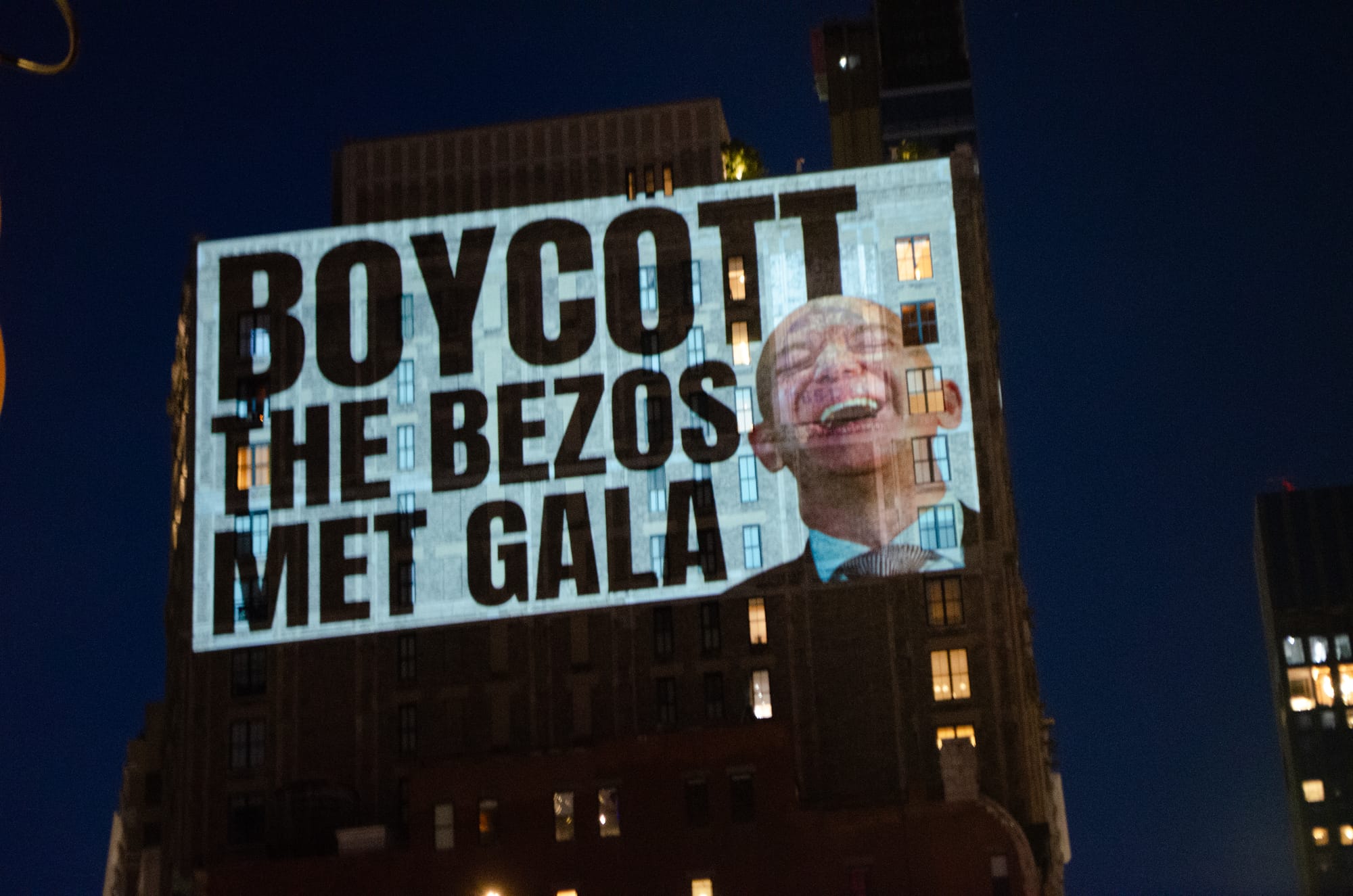
Met Gala Boycott Message Projected on Bezos’s Manhattan Penthouse

On May 3, 2026, the activist group Everyone Hates Elon projected messages condemning Jeff Bezos and Amazon onto Bezos's luxury penthouse in Manhattan's Madison Square Park, ahead of the Met Gala on May 4. The projections included a video testimony from Amazon warehouse worker Mary Hill, who called for honoring workers instead of billionaires, and slogans such as 'Boycott The Bezos Met Gala.' The group also projected onto the Chrysler and Empire State buildings. This action follows earlier protests, including littering the Met with fake urine bottles and wheatpasting posters across the city, all targeting Bezos's role as an honorary co-chair of the gala.

Historic Strike Disrupts Biennale as Thousands March in Venice

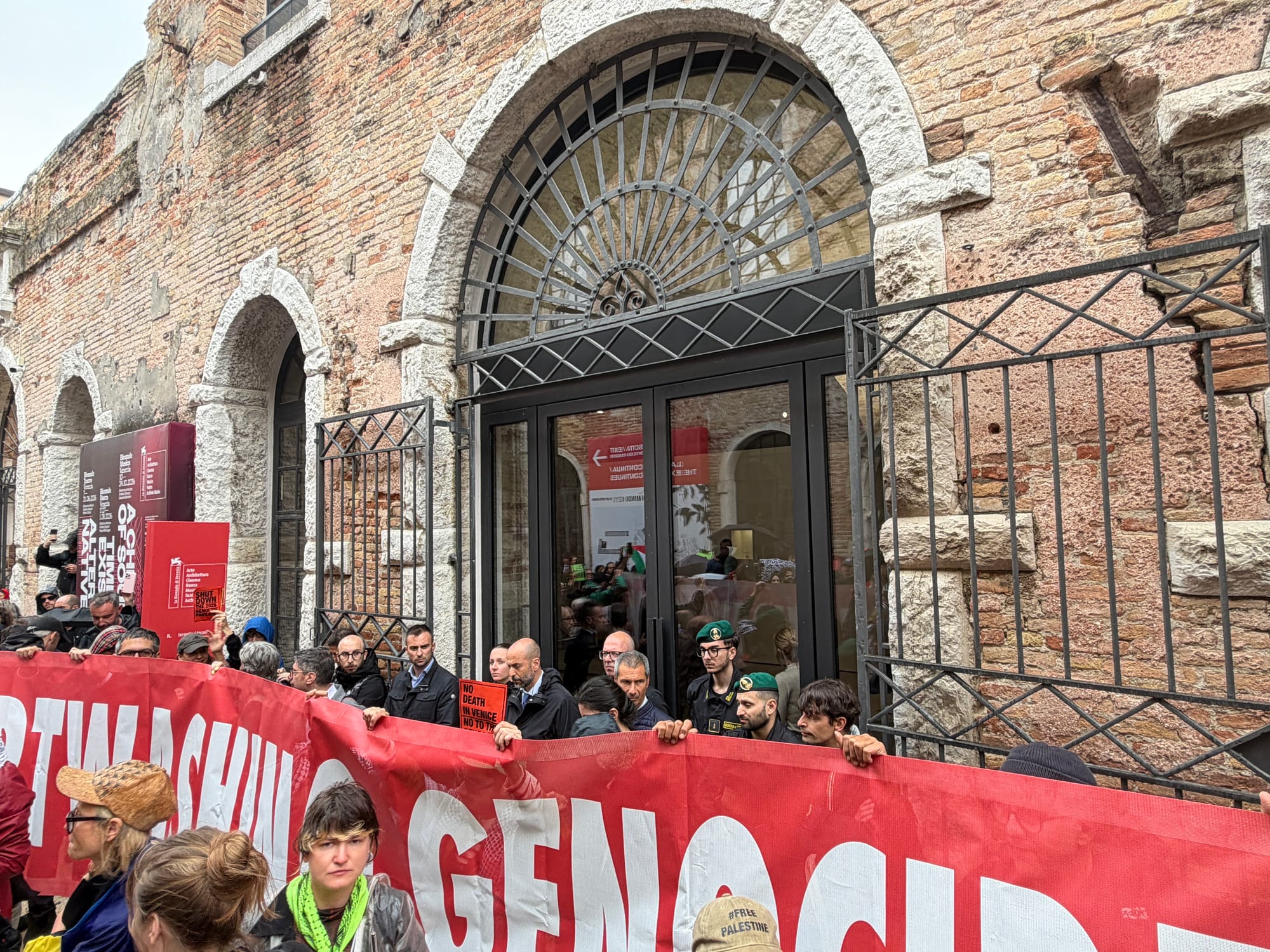
On May 8, 2026, artists and cultural workers staged the first strike in the 131-year history of the Venice Biennale, disrupting the pre-opening of the international exhibition. At least 27 of the 100 national pavilions were partially or fully shut down, and thousands marched through Venice to the Arsenale, which was barricaded by Italian riot police. The strike, organized by the Art Not Genocide Alliance (ANGA) and local activist groups, was a 24-hour action for Palestine and workers' rights, with some artists altering or draping their works in the main exhibition, "In Minor Keys."

Seen in Venice, Bought in Venice

"In Venedig gesehen, in Venedig gekauft"

The article reports on multiple developments surrounding the Venice Biennale. Iran has withdrawn from the Biennale, citing political and economic crises, with logistical challenges such as no flights or postal service making participation nearly impossible. Artist Anish Kapoor has called for the exclusion of the United States from the Biennale, criticizing its "abhorrent policy of hate" and "ongoing warmongering." A memorial installation by Derrick Adams for the late curator Koyo Kouoh, who was set to lead the main exhibition, will be displayed near the Arsenale. Additionally, the Biennale faces a funding cut from the EU due to Russia's continued participation despite the Ukraine war, leading to the resignation of the jury and the culture minister's withdrawal.

Lithuanian, Latvian, and Estonian Pavilions Stage Pro-Ukraine Procession During Venice Biennale

On May 6, 2026, the Lithuanian, Latvian, and Estonian pavilions at the Venice Biennale organized a procession in solidarity with Ukraine, walking approximately one and a half miles from the Lithuanian Pavilion in the Fucina del Futuro to the Estonian pavilion. The action honored Ukrainian cultural workers creating under war conditions and those who have died. It is one of several political protests at the contentious 2026 Biennale, including demonstrations by Pussy Riot and FEMEN at the Russian pavilion, a "Solidarity Drone Chorus" opposing Israel's inclusion, and a planned 24-hour strike by the Art Not Genocide Alliance.

The Biennale Isn’t a Court. Tell That to the Protesters.

Pietrangelo Buttafuoco, president of the Venice Biennale, defended the decision to allow Russia to reopen its pavilion for the first time since its 2022 invasion of Ukraine, stating that the Biennale is "not a court; it is a garden of peace." The move has sparked widespread backlash, including threats to pull €2.3 million in EU funding. Protests have erupted on the ground, with Pussy Riot and FEMEN staging a theatrical demonstration outside the Russian Pavilion, setting off smoke flares and chanting slogans. Separately, around 60 artists performed a "Solidarity Drone Chorus" to protest Israel's participation, and the Art Not Genocide Alliance has called for a 24-hour strike and rallies across Venice. The Russian Pavilion will be open only during press preview days due to EU sanctions, with video projections visible from outside for the rest of the Biennale's run.

Dozens of Venice Biennale Artists Stage ‘Drone’ Perfomance in Protest of Israel’s Participation

On the opening day of the Venice Biennale, around 60 artists and dozens of other participants staged a protest titled “Solidarity Drone Chorus” at the Giardini entrance, humming a viral song by Gazan composer Ahmed “Muin” Abu Amsha to sonically occupy the space. The action, organized by artists in the main exhibition over several months, protested Israel’s participation in the Biennale and expressed support for Palestine, with participants wearing T-shirts bearing the names and artworks of Gazan and Palestinian artists, many of whom have been killed. The protest follows an open letter from the Art Not Genocide Alliance demanding Israel’s exclusion.

Major protests take place at Venice Biennale previews

Major protests erupted during the preview days of the Venice Biennale, with multiple demonstrations targeting the Israeli and Russian pavilions. On Wednesday, the Art Not Genocide Alliance (ANGA) held a large protest outside the temporary Israeli pavilion in the Arsenale, attended by over 200 people calling for its closure. Separately, the Solidarity Drone Chorus performed a sound composition by Gazan artist Ahmed Muin, with 60 artists wearing T-shirts bearing names of artists from Gaza. Meanwhile, Pussy Riot and FEMEN protested Russian participation, forcing the Russian pavilion to shut its doors. These actions follow the resignation of the entire Golden Lion jury days before the opening, after they stated they would not consider pavilions from countries whose leaders are charged with crimes against humanity by the ICC—widely seen as a reference to Russia and Israel.

An Unprecedented 24-Hour Strike Could Upend the Venice Biennale

An unprecedented 24-hour strike is set to interrupt the Venice Biennale's opening week on Friday, May 8, in protest of Israel's participation in the global art event. The action, organized by the activist group Art Not Genocide Alliance (ANGA), follows a letter signed by over 230 Biennale participants demanding Israel's exclusion. The strike has exposed divisions among participants, with some artists and pavilion teams weighing solidarity against the rare opportunity to platform their own political messages. The Slovenian pavilion, represented by Nika Grabar of the Nonument Group, has committed to the strike, while others like Ecuador's Tawna Collective remain undecided, balancing protest with their mission to highlight ecological crises in the Amazon.

Several Venice Biennale pavilions shut in protest over inclusion of Israel

Several national pavilions at the 2026 Venice Biennale shut down during the final preview day in a strike organized by the Art Not Genocide Alliance (Anga) protesting Israel's inclusion due to its war in Gaza. Pavilions from Belgium, the Netherlands, Austria, Japan, Macedonia, and Korea closed entirely, while others like Britain, Spain, France, Egypt, Finland, and Luxembourg partially closed or reopened later. Artists in the main exhibition added Palestinian flags and posters reading "Palestine is the future of the world." The Israeli pavilion was closed for a private event, and earlier in the week Pussy Riot staged a protest at the Russian pavilion.

Venice Biennale opening marked by protests

The 2026 Venice Biennale opened for professionals on Tuesday amid a series of protests, with more planned throughout the week. Around 60 artists from the exhibition "In Minor Keys" gathered at the Giardini for a collective action called "Solidarity Drone Chorus," inspired by Gazan composer Ahmed Muin's "Drone Song," to draw attention to genocide and war in Palestine. The Art Not Genocide Alliance (ANGA) organized a 24-hour strike for Friday 8 May, protesting Israel's participation. Pussy Riot staged a protest outside the Russian pavilion, and the Latvian pavilion launched a campaign against Russia's involvement. The protests follow a highly politicized lead-up, including calls for boycotts of the Russian, Israeli, and US pavilions, EU funding cuts over Russia's participation, and the resignation of the Biennale jury.

Strike Rocks Venice Biennale Ahead of Public Opening as Pavilions Close

Thousands of protesters marched through Venice to demonstrate against Israel's presence at the Venice Biennale, leading many national pavilions to close in solidarity. Pavilions from Austria, Belgium, Egypt, Japan, the Netherlands, South Korea, and over a dozen other countries shut fully or partially, with some displaying signs reading "We Stand with Palestine." The Israeli pavilion remained closed for its exhibition opening, and armed police clashed with protesters. The main exhibition, curated by Koyo Kouoh, stayed open initially but the Arsenale closed by late afternoon with riot police outside. The 24-hour strike, organized by Art Not Genocide Alliance (ANGA) and Italian activist groups, was described as the largest protest in Biennale history.

Hundreds Protest Israel’s “Genocide Pavilion” at Venice Biennale

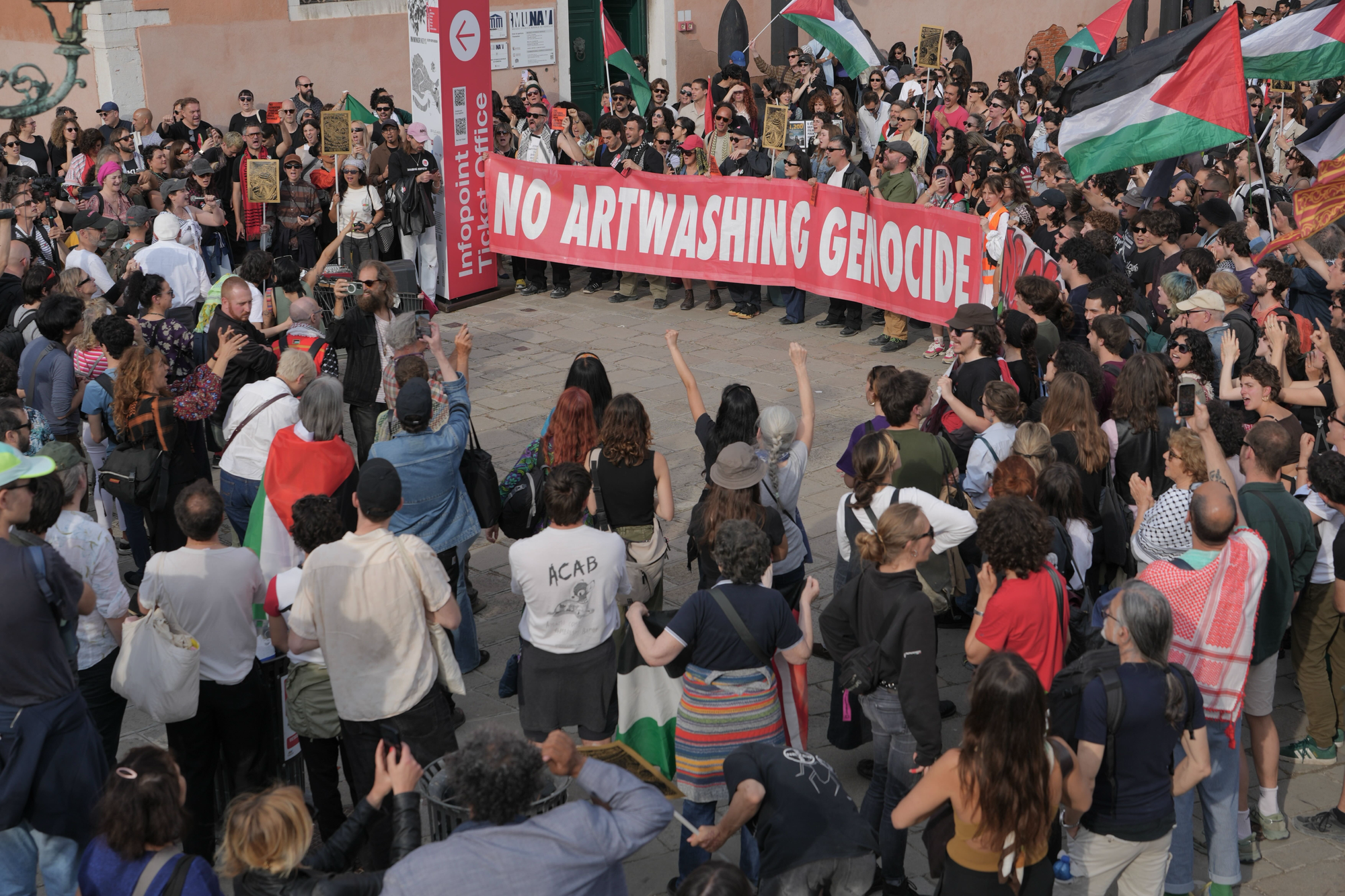
On May 6, 2026, the first day of previews at the Venice Biennale, hundreds of pro-Palestine activists led by the Art Not Genocide Alliance (ANGA) blocked the entrance to the Israeli pavilion, demanding its immediate closure. Protesters waved Palestine flags and banners reading "No Artwashing Genocide" and "No Genocide Pavilion at Biennale," chanting accusations of genocide against Israel. The demonstration temporarily shut down access to Belu-Simion Fainaru's exhibition "Rose of Nothingness" for about half an hour. The protest followed a letter signed by over 200 artists urging the Biennale to exclude Israel, which instead moved the pavilion to an alternative location in the Arsenale due to renovations. Separately, Pussy Riot and FEMEN rallied outside the Russian pavilion, which will only open during preview days due to sanctions. Venice cultural workers plan a 24-hour strike on May 8 in solidarity with Palestinians, potentially disrupting the Biennale's schedule.

Israel’s Artist Said to Have Threatened Legal Action Before Venice Biennale Jury Resignation

Belu-Simion Fainaru, the artist representing Israel at the 2024 Venice Biennale, allegedly threatened legal action against Biennale officials, accusing them of “racial discrimination” and “antisemitism” after the international prize jury announced it would exclude countries whose leaders are charged with crimes against humanity—effectively barring Israel and Russia from awards. The jury, handpicked by late artistic director Koyo Kouoh, resigned en masse on April 30, citing their earlier statement of intent. Fainaru had previously opposed calls to exclude Israel over its military actions in Gaza, arguing for dialogue over boycotts.

Protests and Shutdowns Engulf 61st Venice Biennale Opening

The 61st Venice Biennale preview week, opening to press and professionals ahead of its May 9 public launch, has been engulfed by protests and institutional crises. On May 5, around 60 artists from Koyo Kouoh's exhibition “In Minor Keys” staged a Solidarity Drone Chorus outside the Giardini, drawing on Gazan composer Ahmed Muin's Drone Song (2025) to highlight victims of warfare. On May 6, the Art Not Genocide Alliance (ANGA) organized protests outside Israel's pavilion at the Arsenale, leading to a security-enforced closure, while Pussy Riot and FEMEN demonstrated outside the Russian pavilion. The jury resigned on April 30 after controversy over award eligibility tied to ICC arrest warrants, prompting the Biennale to scrap Golden Lions and transfer prize voting to the public. Iran withdrew its pavilion on May 4, and Russia's will close on May 9, with only exterior video projections remaining. ANGA and Italian unions have announced a 24-hour strike on May 8.

Israeli Pavilion Artist Made Legal Threats Before Venice Biennale Jury Resigned

New reports reveal that Israeli Pavilion artist Belu-Simion Fainaru issued legal threats against the Venice Biennale, alleging antisemitism and discrimination after the awards jury decided to exclude Israel and Russia from consideration due to human rights charges. The jury, which included Elvira Dyangani Ose, Zoe Butt, Marta Kuzma, Giovanna Zapperi, and Solange Farkas, initially stated on April 22 it would not consider nations whose leaders are charged with crimes against humanity by the International Criminal Court. Fainaru filed legal warnings with the Biennale, the Italian Ministry of Culture, and the Prime Minister's office. The jury abruptly resigned eight days later, leading the Biennale to scrap the Golden Lion awards and institute "Visitor Lions" decided by public vote. Reports indicate the Biennale's legal department warned jurors could be personally liable for damages, and Italian Culture Minister Alessandro Giuli promised to promote Fainaru's work.

Under pressure, the Venice Biennale jury resigns and is replaced by a public vote

Sous pression, le jury de la Biennale de Venise démissionne et est remplacé par un vote du public

On April 30, just days before the Venice Biennale's public opening on May 9, the entire international jury responsible for awarding the Golden and Silver Lions resigned. The jury—comprising Solange Farkas, Zoe Butt, Elvira Dyangani Ose, Marta Kuzma, and Giovanna Zapperi—had been caught in a escalating controversy after Biennale president Pietrangelo Buttafuoco reinstated Russia, which had been excluded since the 2022 invasion of Ukraine. The European Union threatened to suspend or cancel its €2 million subsidy if Russia remained included. The jury attempted to exclude countries whose leaders face International Criminal Court arrest warrants, effectively targeting Russia and Israel, but ultimately resigned under pressure from both external diplomatic turmoil and internal institutional opposition to any discrimination between pavilions.

From Minor Keys to Uproar: The Crisis of the Venice Biennale

DE LAS MINOR KEYS AL ESTRUENDO: LA CRISIS DE LA BIENAL DE VENECIA

The 61st Venice Biennale is engulfed in a structural crisis, marked by geopolitical tensions over the inclusion of Russia (amid its invasion of Ukraine) and Israel (amid the Gaza genocide). The Biennale Foundation, led by Pietrangelo Buttafuoco, defended their participation on legalistic grounds, sparking outrage from over 200 artists, curators, and cultural workers who demanded Israel's exclusion, aligning with Art Not Genocide Alliance (ANGA). The international jury, chaired by Solange Farkas and including Zoe Butt, Elvira Dyangani Ose, Marta Kuzma, and Giovanna Zapperi, resigned collectively on April 30 after deciding not to award prizes to countries whose leaders face International Criminal Court arrest warrants. This led to the cancellation of the traditional Golden and Silver Lions, replaced by audience-voted "Visitor Lions," with awards deferred until November. The European Commission suspended a €2 million subsidy over Russia's participation, and Italian Culture Minister Alessandro Giuli notably skipped the May 9 opening.

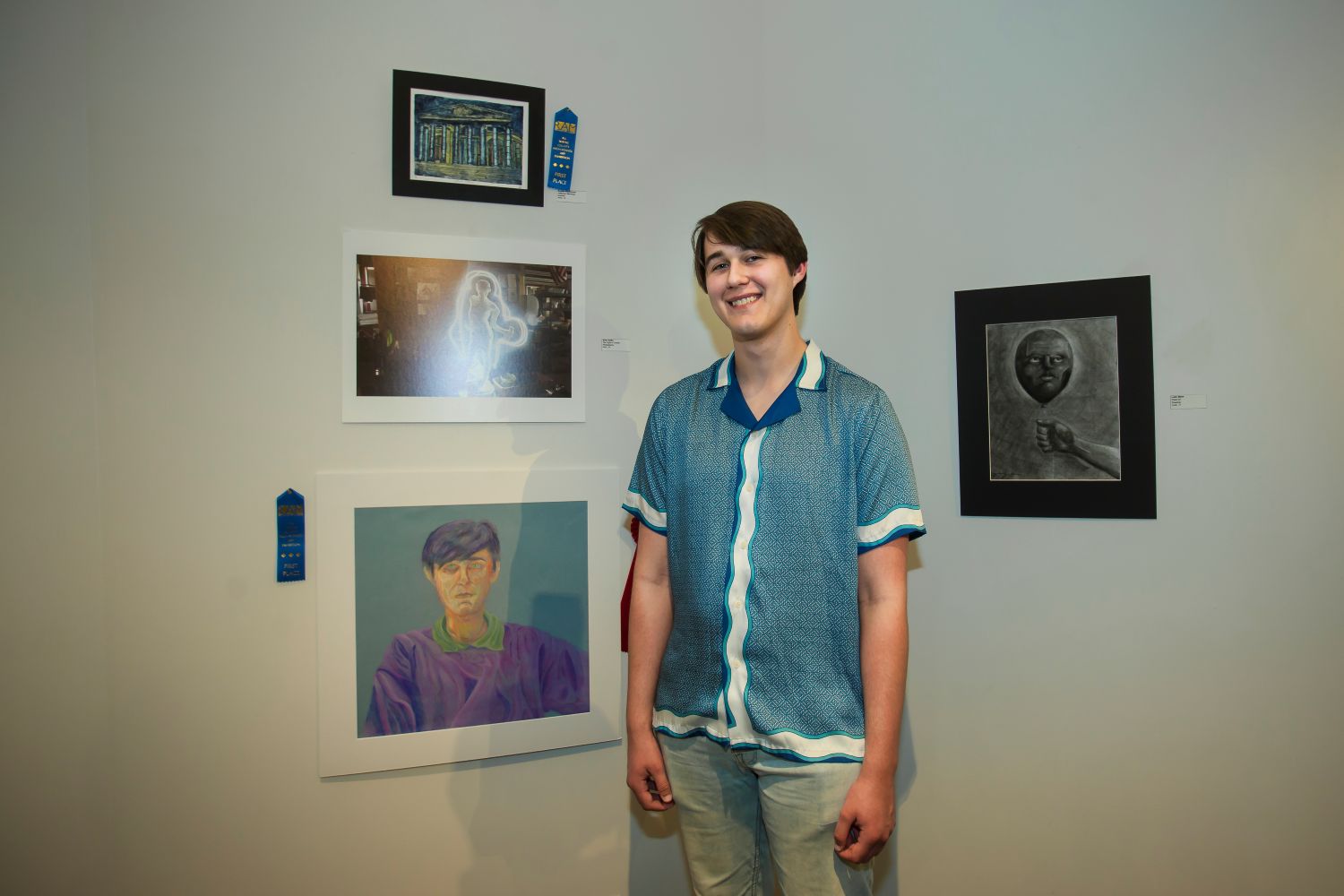
Student artists shine in RAM exhibition