filter_list Showing 37 results for "10" close Clear
search
dashboard All 3270 museum exhibitions 1442trending_up market 584article local 388article news 353article culture 188person people 105article policy 99gavel restitution 39rate_review review 37candle obituary 31article event 3article museum 1
date_range Range Today This Week This Month All
Subscribe

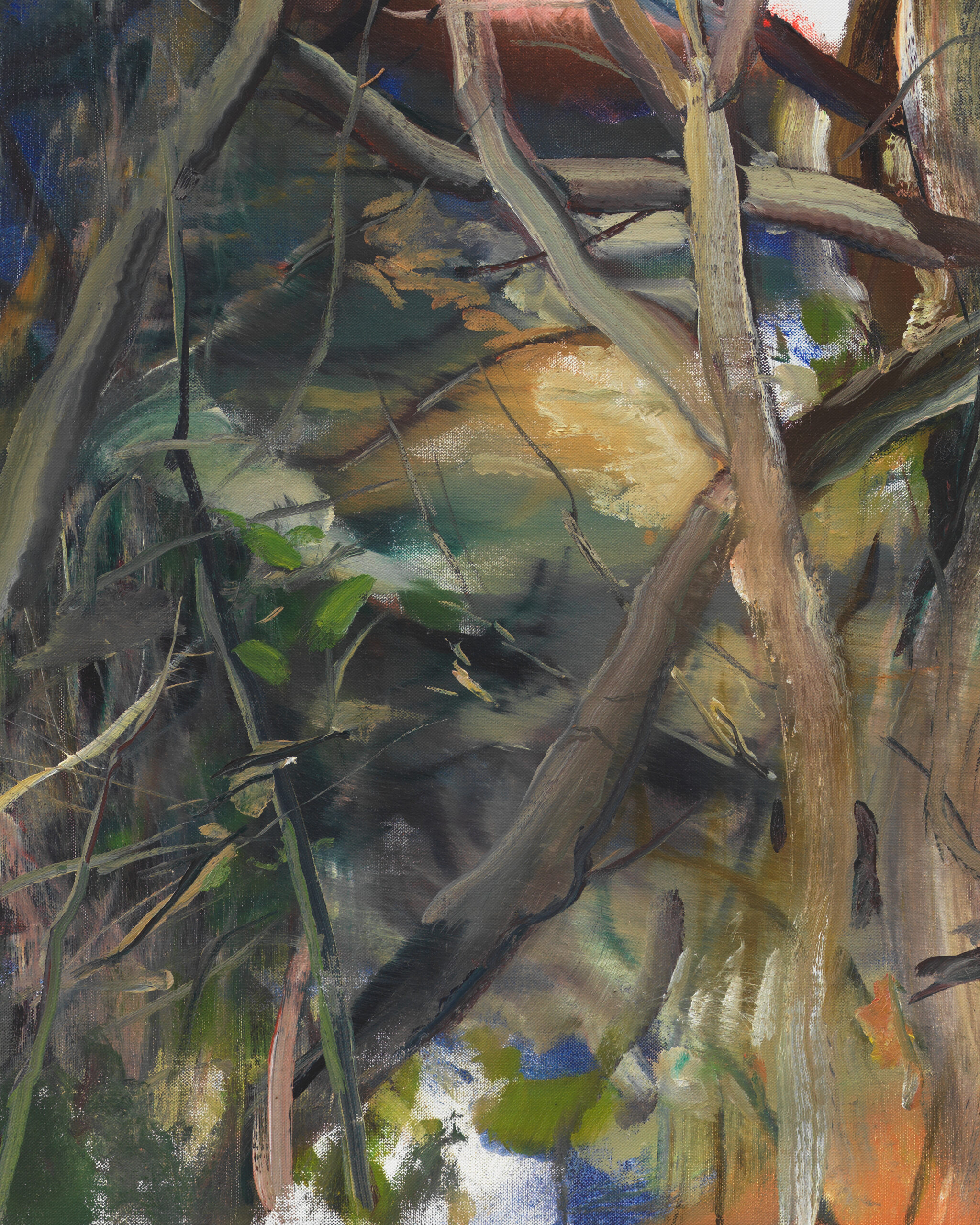
Wilhelm Sasnal review – his wild juxtapositions are almost obscene

Polish artist Wilhelm Sasnal's new exhibition at Sadie Coles HQ in London presents a disorienting array of paintings. The works juxtapose disparate and often disturbing images, including a grotesque depiction of the Oval Office, portraits of his family, album art for the industrial band Throbbing Gristle, and a forest scene linked to the Holocaust, creating a deliberate sense of fragmentation and broken connections.
10 Art Books for Your Spring Reading List

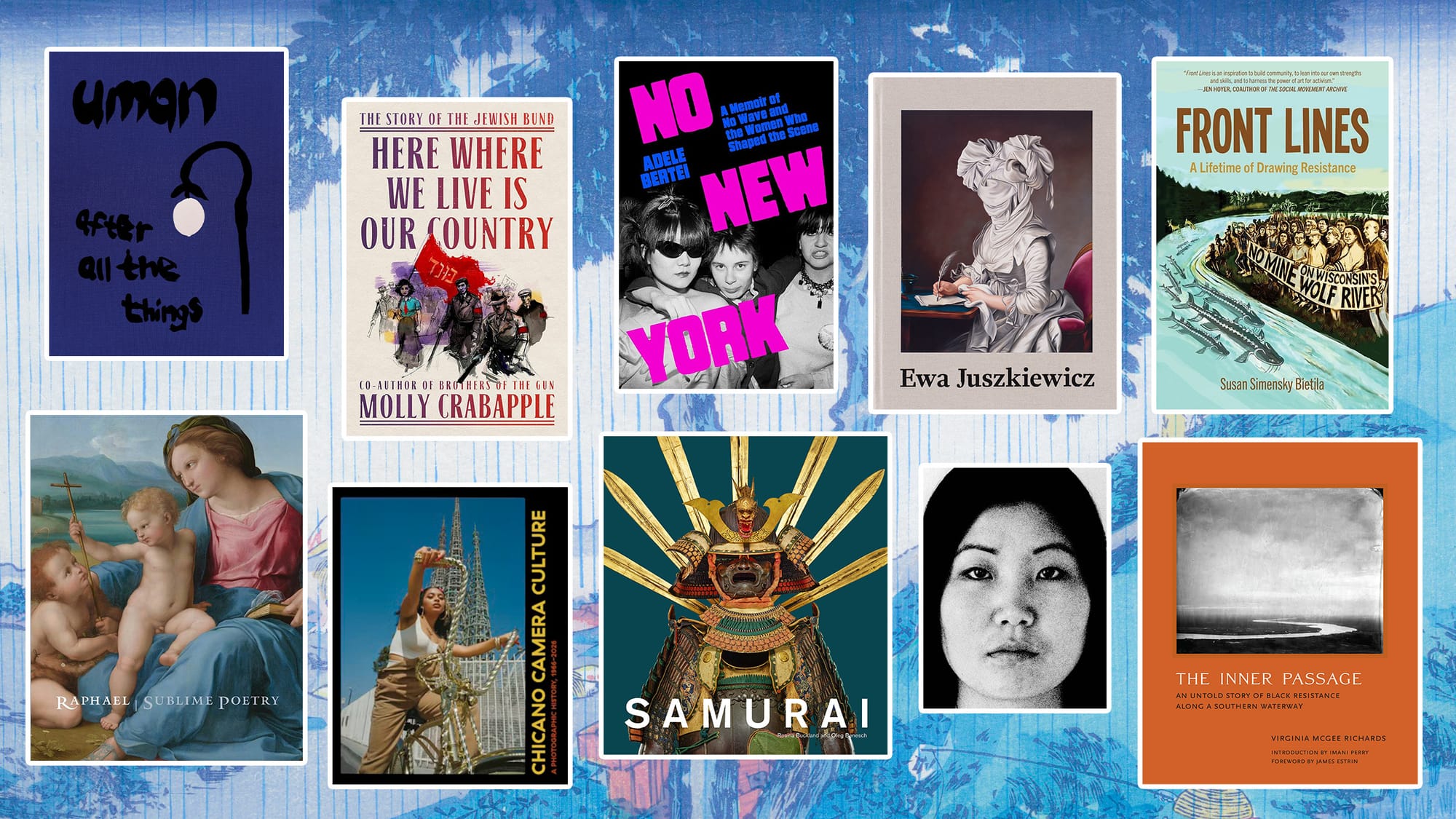
Hyperallergic has published a curated list of ten art books recommended for spring reading. The selection emphasizes historical retellings through an artistic lens, featuring works such as a memoir by activist-artist Susan Simensky Bietila, a chronicle of the Jewish Bund by Molly Crabapple, and the first major catalog on artist Theresa Hak Kyung Cha in 25 years. The list also includes exhibition catalogs like "Chicano Camera Culture" and a monograph on painter Ewa Juszkiewicz.

What You Should Definitely Avoid in Venice

Was man in Venedig unbedingt vermeiden sollte

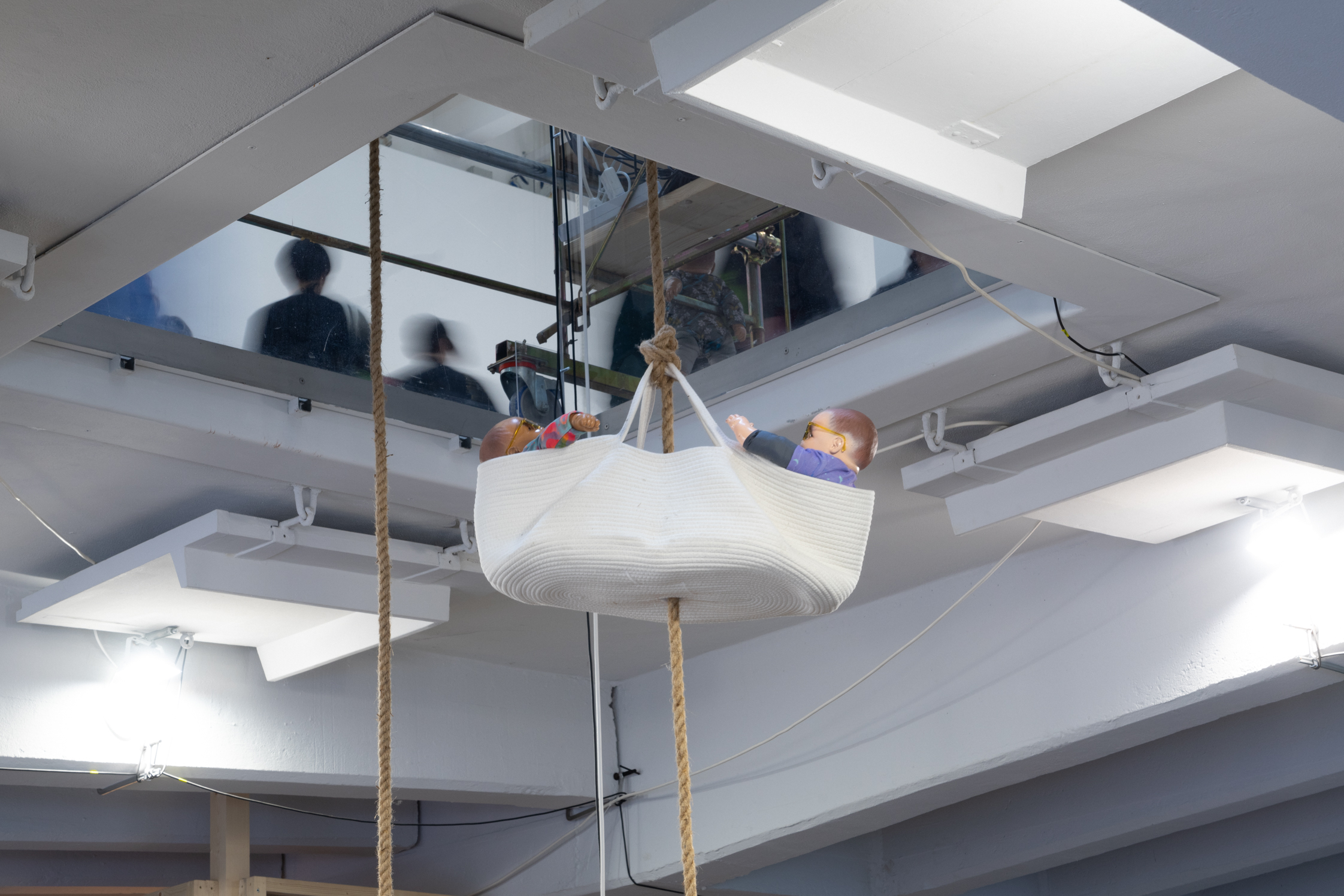
The article humorously critiques the Venice Biennale, highlighting several disappointments. It describes a Japanese pavilion installation by Ei Arakawa-Nash featuring baby dolls for diaper-changing, which a critic dismisses as a male artist over-romanticizing parenthood. Other flops include long queues for the German and Austrian pavilions, underwhelming main exhibition "In Minor Keys," and annoying self-promotional performers outside venues. The piece also laments the presence of loud American collectors and donors who dominate the event.

Are We Too Reverent of Marcel Duchamp?

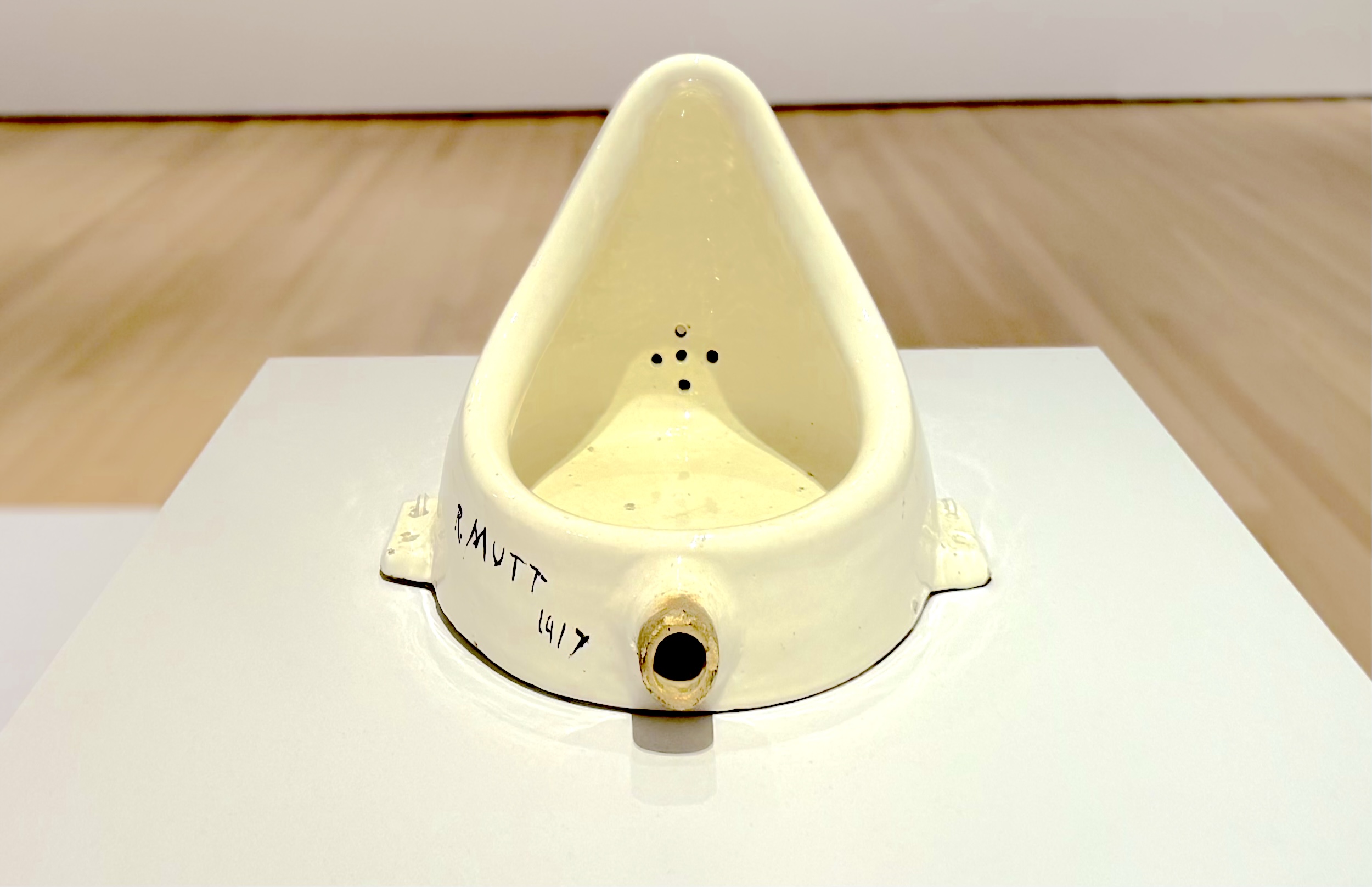
The Museum of Modern Art has launched a major retrospective of Marcel Duchamp, co-organized with the Philadelphia Museum of Art. The exhibition tracks the artist's evolution from his early Cubist experiments and the scandal of 'Nude Descending a Staircase' to his radical invention of the readymade, exemplified by the infamous urinal, 'Fountain'. The show presents a comprehensive look at 'The Duch' through a reverential, church-like atmosphere, concluding with his later years as a dapper, enigmatic figure of the avant-garde.

what are the 10 best works of art in new york museums let the debate begin

Artnet News critic Christian Viveros-Fauné has published a personal list of the ten best works of art in New York museums, sparking debate among readers. The selection includes iconic pieces such as Giovanni Bellini's *St. Francis in the Desert* at the Frick Collection, Gerhard Richter's *October 18, 1977* at MoMA, Paul Cézanne's *The Card Players* at the Metropolitan Museum of Art, James Rosenquist's *F-111* at MoMA, Diego Velázquez's *Juan de Pareja* at the Met, and Pablo Picasso's *Les Demoiselles d'Avignon* at MoMA, among others.

Zarina Brought the World to New York

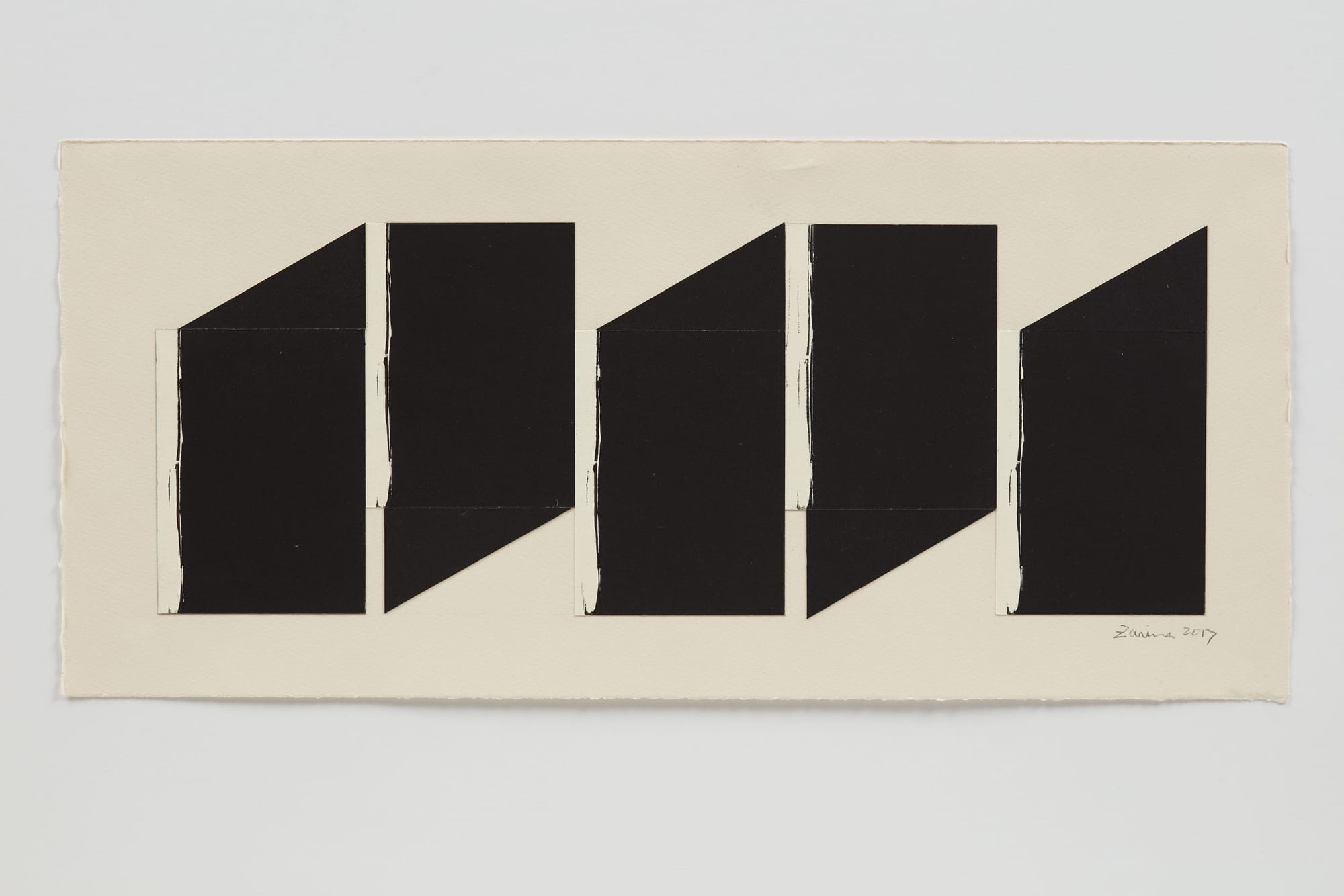
The article reviews the exhibition "Beyond the Stars" at Luhring Augustine Gallery, showcasing the work of artist Zarina Hashmi (known as Zarina). It highlights her spare, post-minimalist prints and sculptures that explore themes of mapping, home, and migration, rooted in her peripatetic life from pre-Partition India to New York. The show features 32 works that demonstrate her unique visual language, embedded in Urdu, South Asian histories, and mysticisms.

The Big Review | Venice Biennale 2026: In Minor Keys ★★★½

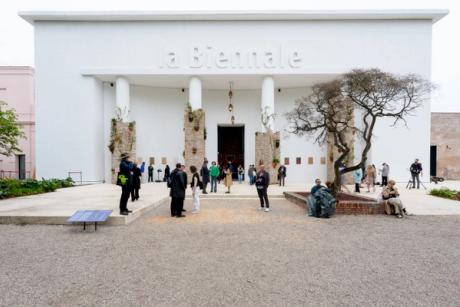
The Venice Biennale 2026, titled "In Minor Keys," was curated posthumously following the death of artistic director Koyo Kouoh in May 2025. A team of five curators and advisors—Gabe Beckhurst Feijoo, Marie Hélène Pereira, Rasha Salti, Siddhartha Mitter, and Rory Tsapayi—executed her vision across the Giardini and Arsenale venues. The exhibition features 110 artists, with a strong emphasis on new commissions, and is structured around themes of procession, resistance, and joy. Key works include Big Chief Demond Melancon's "Amistad Takeover" (2026), Nick Cave's "Amalgam (Origin)" (2025), and Otobong Nkanga's rewilded columns at the Central Pavilion.

carol bove guggenheim museum retrospective review

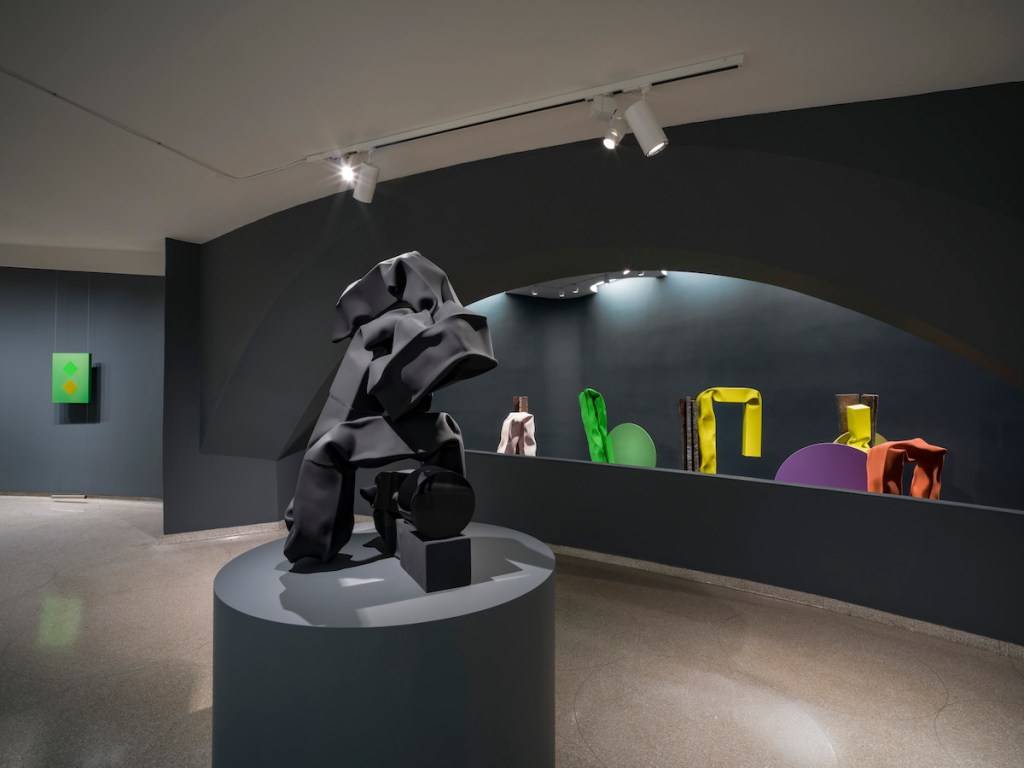
The Solomon R. Guggenheim Museum has launched a major retrospective of Carol Bove, filling the iconic Frank Lloyd Wright rotunda with approximately 100 works spanning her career. The exhibition showcases Bove’s evolution from her early assemblages of driftwood, peacock feathers, and vintage books to her more recent large-scale, brightly colored steel sculptures. A defining feature of the show is Bove’s inclusion of "para-artworks"—pieces by other artists such as Lionel Ziprin, Agnes Martin, and Arnaldo Pomodoro—integrated into her own installations to highlight the influences and histories that inform her practice.

25th Biennale of Sydney Review: From the Margins

The 25th Biennale of Sydney, titled "Rememory" and curated by Hoor Al Qasimi, features 143 works by 83 artists and collectives from 37 countries across five venues. The exhibition explores marginalized, fragmented, and repressed histories, drawing on Toni Morrison's concept of 'rememory' as a space between remembering and forgetting. Key works include Tuan Andrew Nguyen's film on Vietnam War trauma, Basel Abbas and Ruanne Abou-Rahme's immersive installation on Palestinian displacement, Khalid Albaih's photographs of Sudan, and Massinissa Selmani's drawings on Algerian socialist building projects.

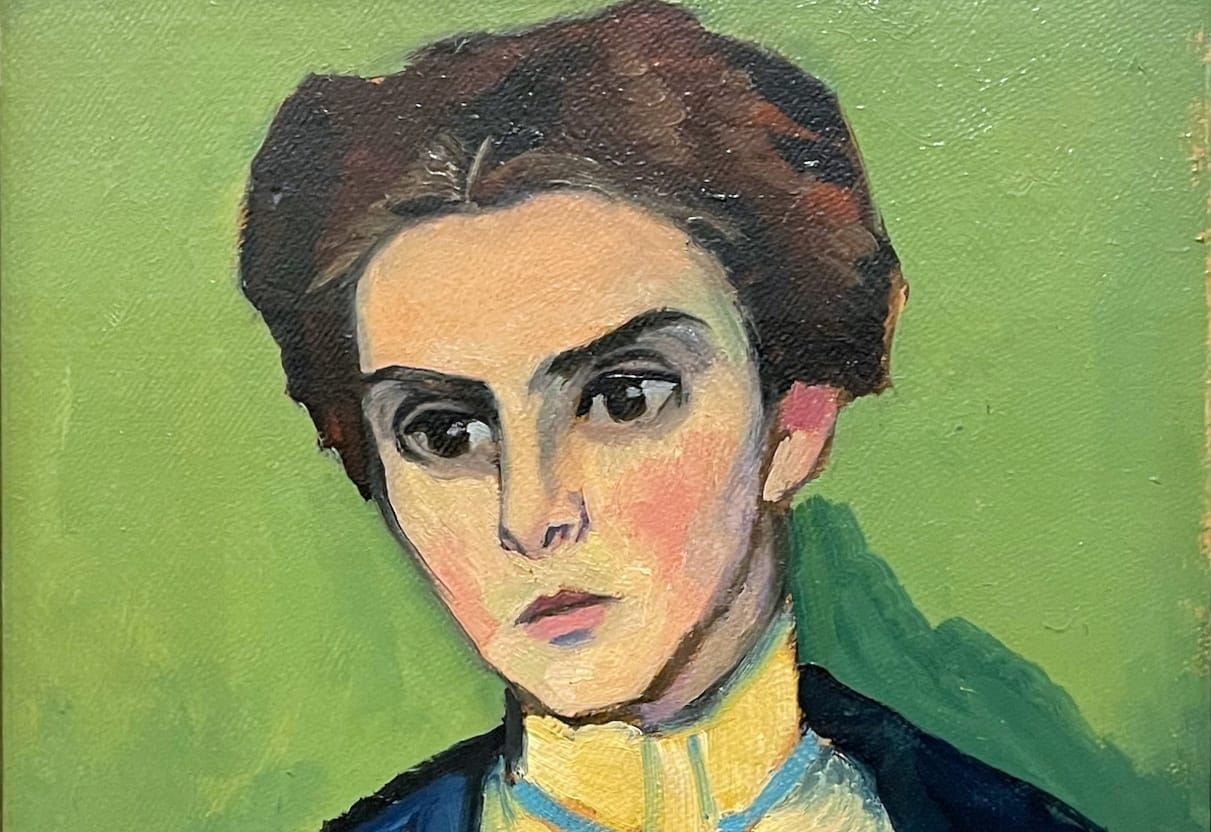
It’s Gabriele Münter’s World, We’re Just Living in It

The Solomon R. Guggenheim Museum is hosting "Contours of a World," a retrospective dedicated to Gabriele Münter, a co-founder of the Blue Rider group. The exhibition moves beyond the shadow of her long-time partner Wassily Kandinsky, showcasing her distinct approach to German Expressionism through photography, intimate domestic scenes, and vibrant landscapes. Unlike her contemporaries who leaned toward total abstraction, Münter utilized bold outlines and layered compositions to create a dynamic, phenomenological experience of seeing.

Yu Ji’s Democratic Play

Yu Ji's solo exhibition at PPOW, New York, titled "Origin of the Tiger," presents sculptures and collages created after a residency she organized in Phnom Penh that offered art education to children. The show features works like reed mats with snail shells, a Sony Trinitron looping video, collaged drawings incorporating Cambodian children's art, and composite sculptures such as chairs with concrete knee casts and a figure inspired by a misattributed sixth-century Krishna statue. The exhibition draws on a Khmer folktale about transformation and includes audio of children reciting the story, though the children appear more as muses than collaborators.

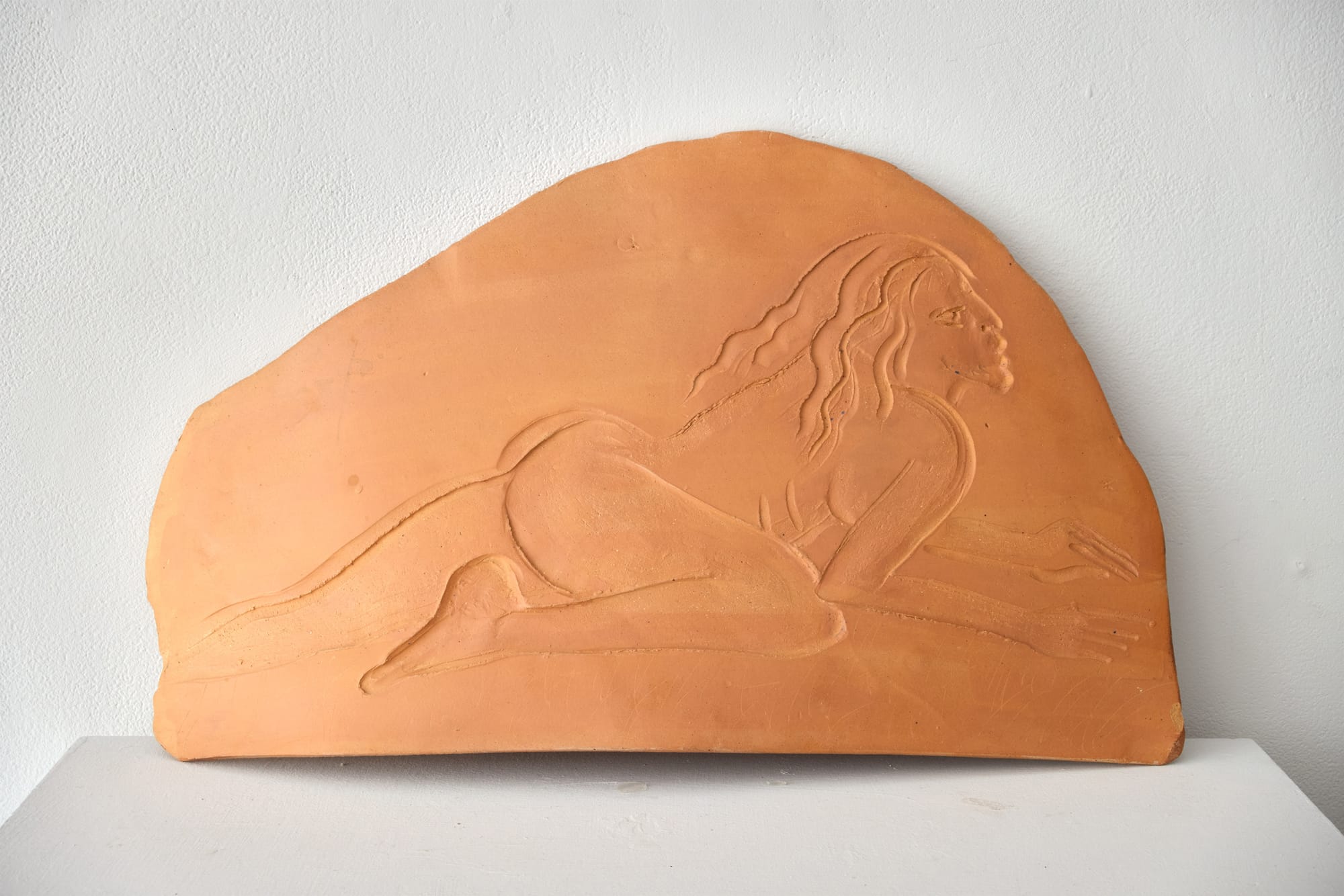
Mary Frank Creates Her Own Pantheon

Mary Frank, an artist in her early 90s known for mythologically rooted sculpture and works on paper, is the subject of a focused exhibition at Steven Harvey Fine Art Projects in New York. Curated by Steven Harvey, the show presents 11 sculptures in wood, bronze, and ceramic from 1958 to 1985, alongside five works on paper, including a monotype and an oil-on-paper piece. Frank’s work, influenced by her study with Martha Graham, centers on self-sustaining female figures that embody agency, tenderness, and survival, often rendered in ceramic slabs or carved wood.

art doron langberg paintings israel

The article reviews Doron Langberg's exhibition "Landscapes" at Jeffrey Deitch in New York, featuring large-scale oil-on-linen paintings that reflect on the artist's identity as a Jewish Israeli painter after October 7, 2023, and the subsequent conflict in Gaza. The works depict three personally significant locations: Yokneam in Israel, Drohobych in Ukraine (where the artist's father survived the Holocaust), and a queer beach community on Fire Island. Langberg's accompanying statement asserts that Palestinians deserve justice and liberation, framing painting as a means to confront atrocity.

What’s Left to Learn from Marcel Duchamp?

The article examines Marcel Duchamp's enduring influence on contemporary art, focusing on his readymades such as "Fountain" (1917) and "Bicycle Wheel" (1913/1951). It notes that a major survey co-organized by the Museum of Modern Art and the Philadelphia Museum of Art, 70 years after Duchamp predicted his true public would emerge in 50 to 100 years, reaffirms his status as the most influential artist of the past century. The piece discusses how Duchamp's practice of selecting and presenting ordinary objects as art—from a urinal to a snow shovel—once shocked the art world but now seems quaint compared to later works like Maurizio Cattelan's taped banana.

Column: The new LACMA is sleek, splotchy, powerful, jarring, monotonous, appealing and absurd

The Los Angeles County Museum of Art (LACMA) is nearing completion of its new Brutalist building designed by Swiss architect Peter Zumthor, known as the David Geffen Galleries. Museum members will get a sneak peek at the empty interior spaces starting July 3, though the fully finished project with art installed won't open until April 2026. The poured-in-place concrete structure spans 347,500 square feet, including 110,000 square feet of exhibition space across 90 galleries, elevated 30 feet above ground on seven massive piers crossing Wilshire Boulevard. The article offers a critical preview of the building's aesthetics, noting the overwhelming monotony of concrete across floors, walls, and ceilings, while acknowledging some appealing views and powerful visual impact.

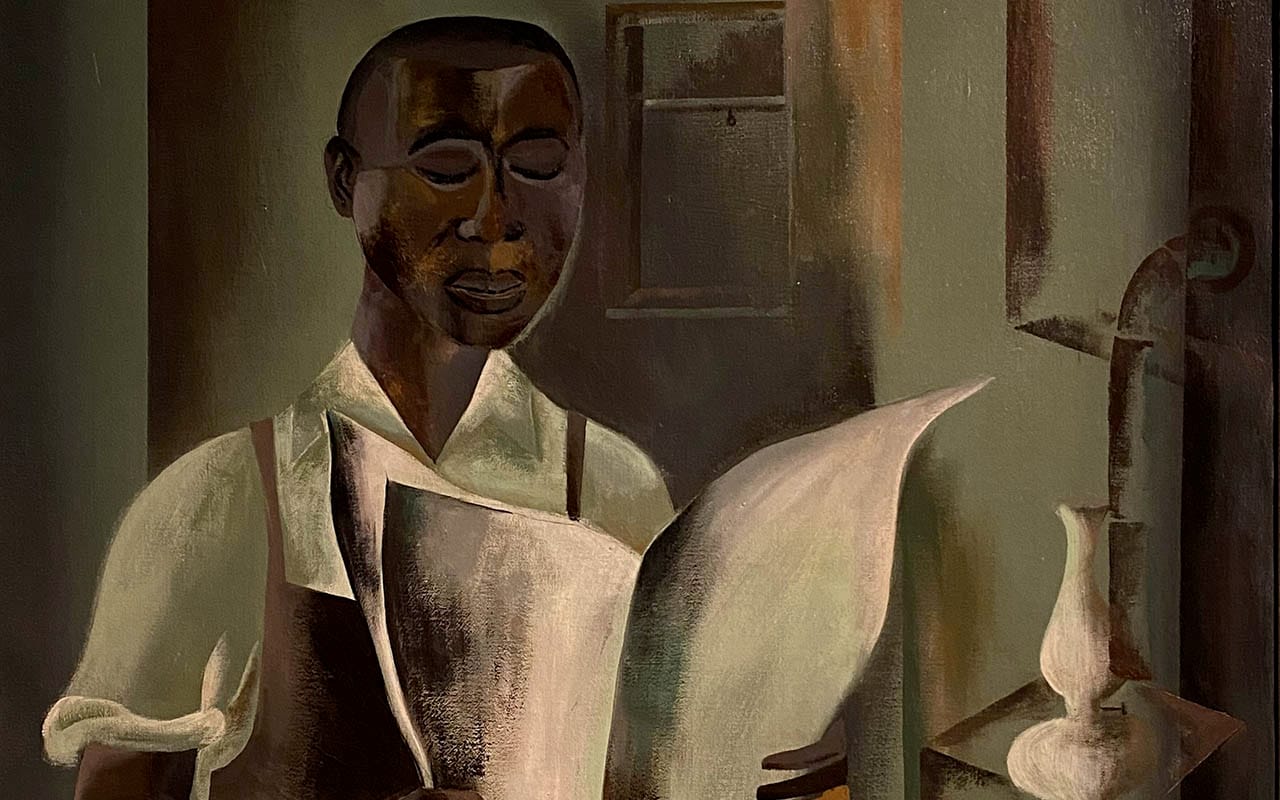
The Black American Artists Who Dazzled Post-War Paris

An exhibition titled "Paris in Black: Internationalism and the Black Renaissance" at the DuSable Black History Museum and Education Center in Chicago celebrates the Black American artists, writers, and performers who moved to Paris after World War II to escape American racism. Curated by Danny Dunson, the show features over 100 artworks from the museum's permanent collection, including paintings by Archibald J. Motley Jr., sculptures by Richmond Barthé, Augusta Savage, and William Artis, and ephemera related to Josephine Baker. It traces the global influence of the Harlem Renaissance and the cross-pollination between Paris and U.S. cities like Chicago.

Ruminations on Rashid Johnson’s “A Poem for Deep Thinkers”

The article is a reflective review of Rashid Johnson's exhibition "A Poem for Deep Thinkers" at the Modern Art Museum of Fort Worth. The author describes standing before Johnson's work "Falling Man" (2016), a piece incorporating broken mirrors, burned wood, and personal objects like a copy of Harry Haywood's "Black Bolshevik" and shea butter, which prompts meditations on visibility, identity, and Frantz Fanon's "Black Skin, White Masks." The review also examines Johnson's large-scale installation "Antoine's Organ" (2016/2026), which fills a gallery typically reserved for Ellsworth Kelly's minimalist canvases, transforming the space with scaffolding, plants, books, and video monitors.

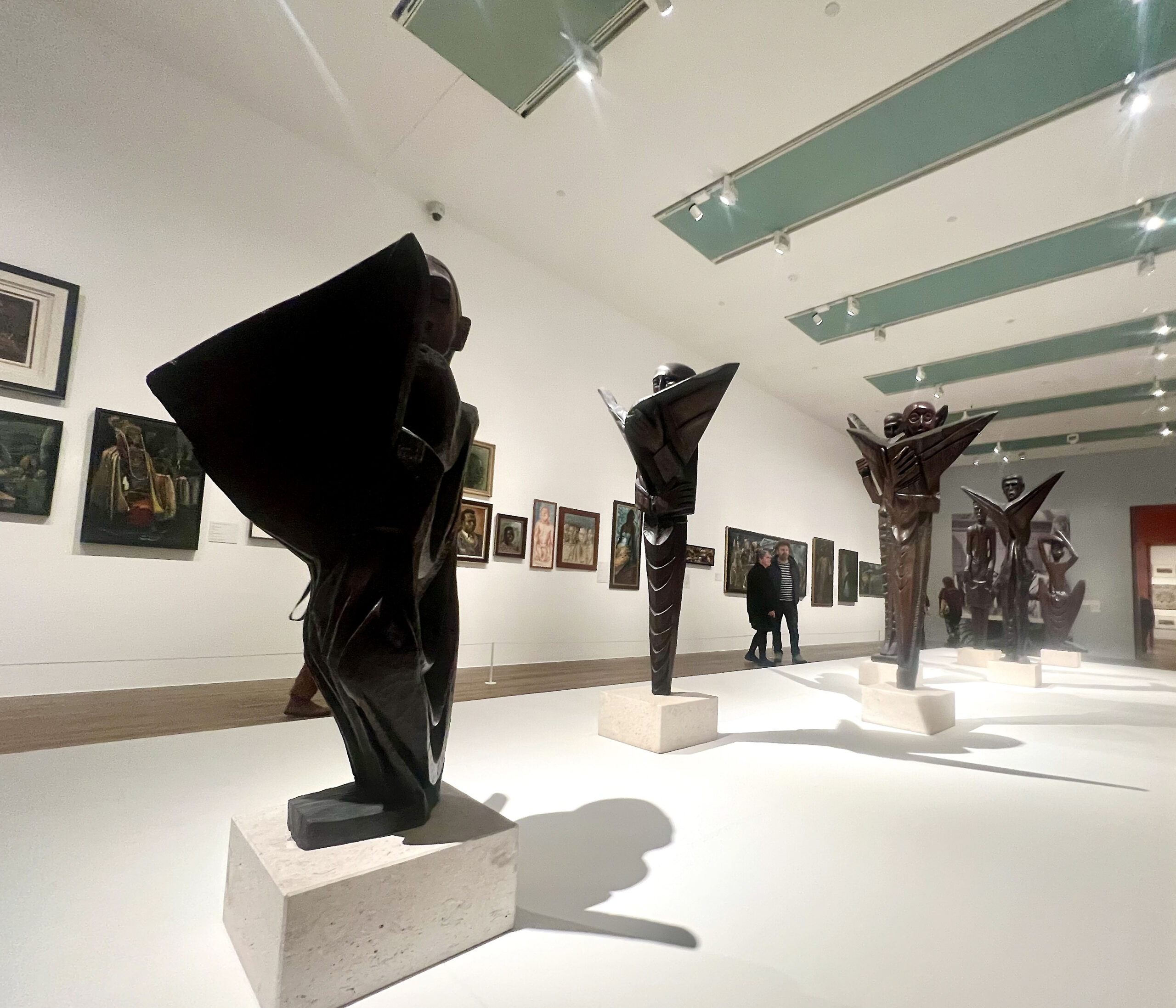
Post-Mortemism: An Autopsy of “Nigerian Modernism: Art and Independence” at Tate Modern.

A critical essay by Ayọ̀ Akínwándé performs a forensic 'autopsy' of the Tate Modern exhibition 'Nigerian Modernism: Art and Independence.' The review dissects the show's structure, arguing it fails in its curatorial framework by isolating Nigerian artists within a regional category, using ethnographic display methods, relying on incomplete research, and excluding key artists and historical context.

‘Transcription’ by Ben Lerner Review: No Phones

Ben Lerner’s latest novel, Transcription, marks a departure from his previous sprawling autofiction like The Topeka School, opting instead for a spare, three-part structure set during the COVID-19 pandemic. The narrative unfolds through three pivotal conversations involving the protagonist, his aging mentor Thomas, a curator, and Thomas’s son Max. Central to the plot is the protagonist’s failure to record a final interview with Thomas due to a broken phone, forcing a reliance on fallible memory and reconstruction.

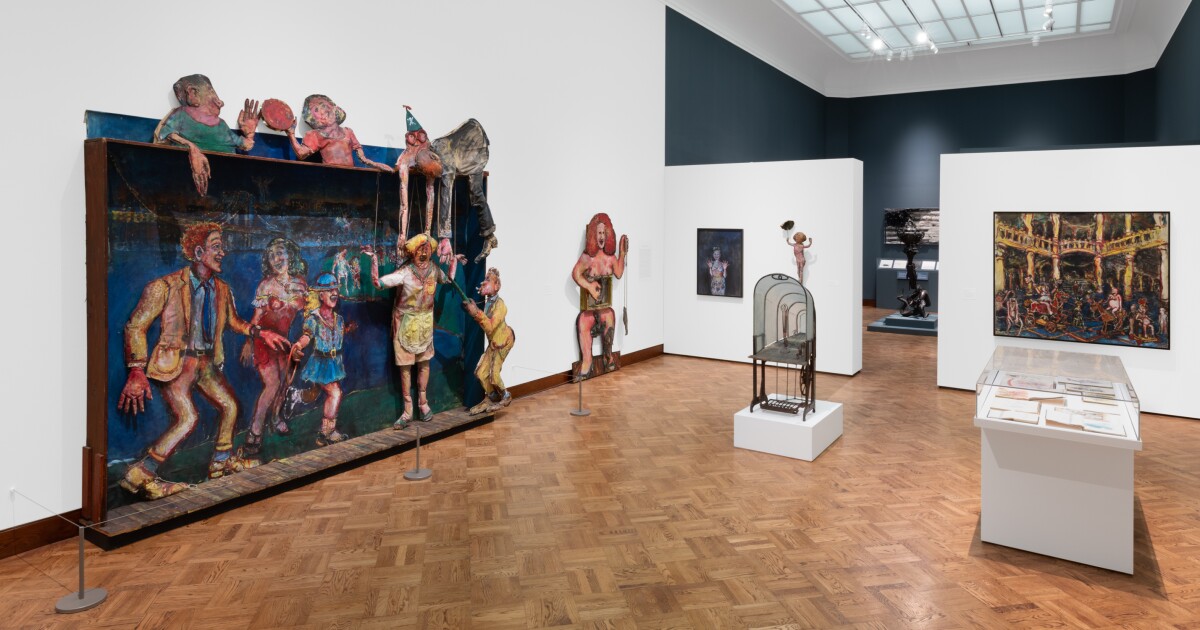
Review: June Leaf retrospective at Oberlin College is a revelation

The Allen Memorial Art Museum at Oberlin College is hosting a major retrospective of the late American artist June Leaf, featuring over 100 works spanning 75 years. The exhibition, which originated at the Addison Gallery of American Art, showcases Leaf’s unique figurative style and her roots in Chicago’s "Monster Roster" group. The show aims to provide art historical justice to an artist who often worked in the shadow of her husband, the legendary photographer Robert Frank.

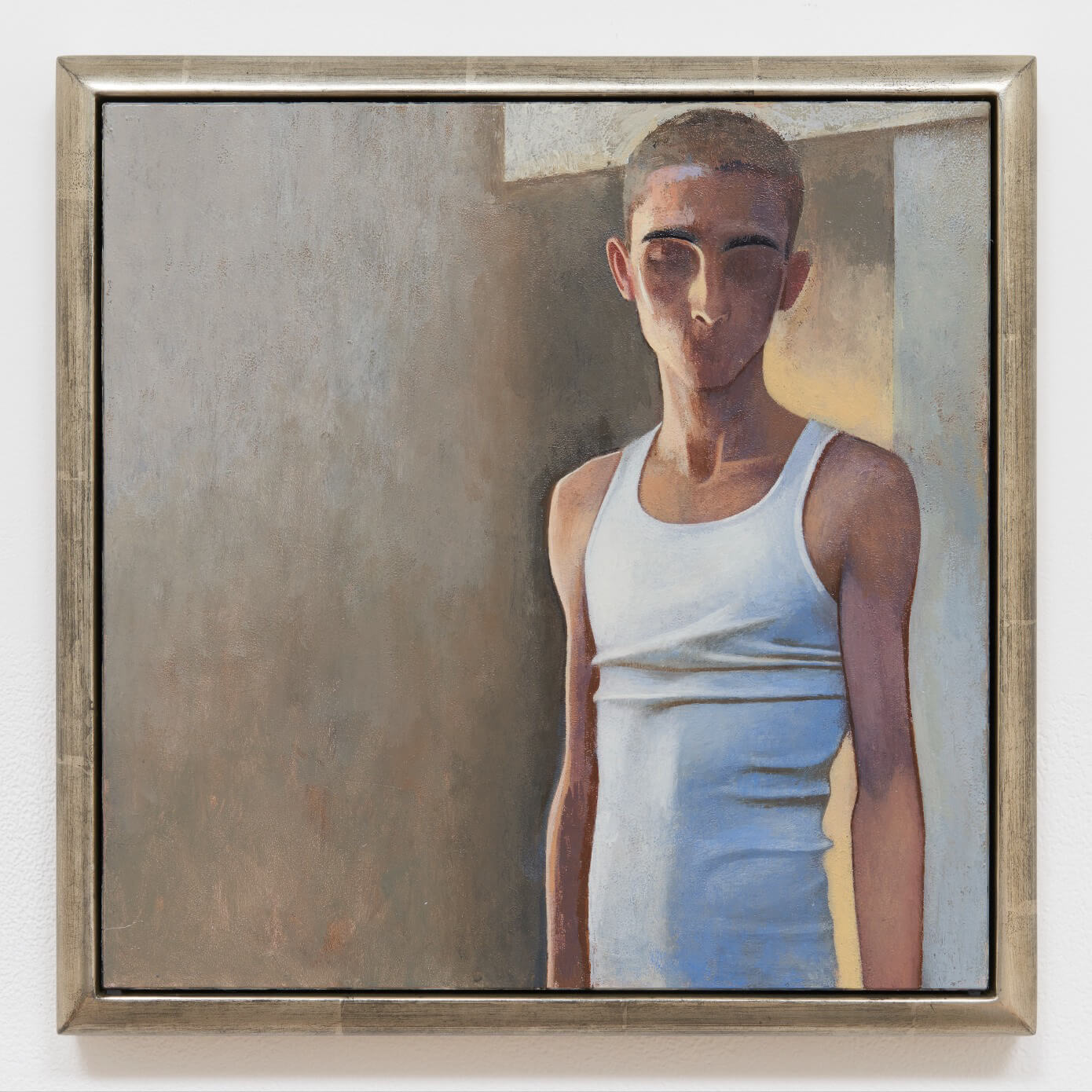
summer group shows julien nguyen kyoko idetsu reviews

The article reviews two summer group shows in New York. At 56 Henry, "Small Format Painting," curated by painter Josh Smith and actor/former gallerist Leo Fitzpatrick, features 34 artists working on identical 10x8 inch canvases, including blue-chip names like Nate Lowman and emerging talents. At Matthew Marks Gallery, Julien Nguyen presents a solo show of compact oil-on-copper paintings, inspired by Rembrandt's techniques and featuring his muse Nikos.

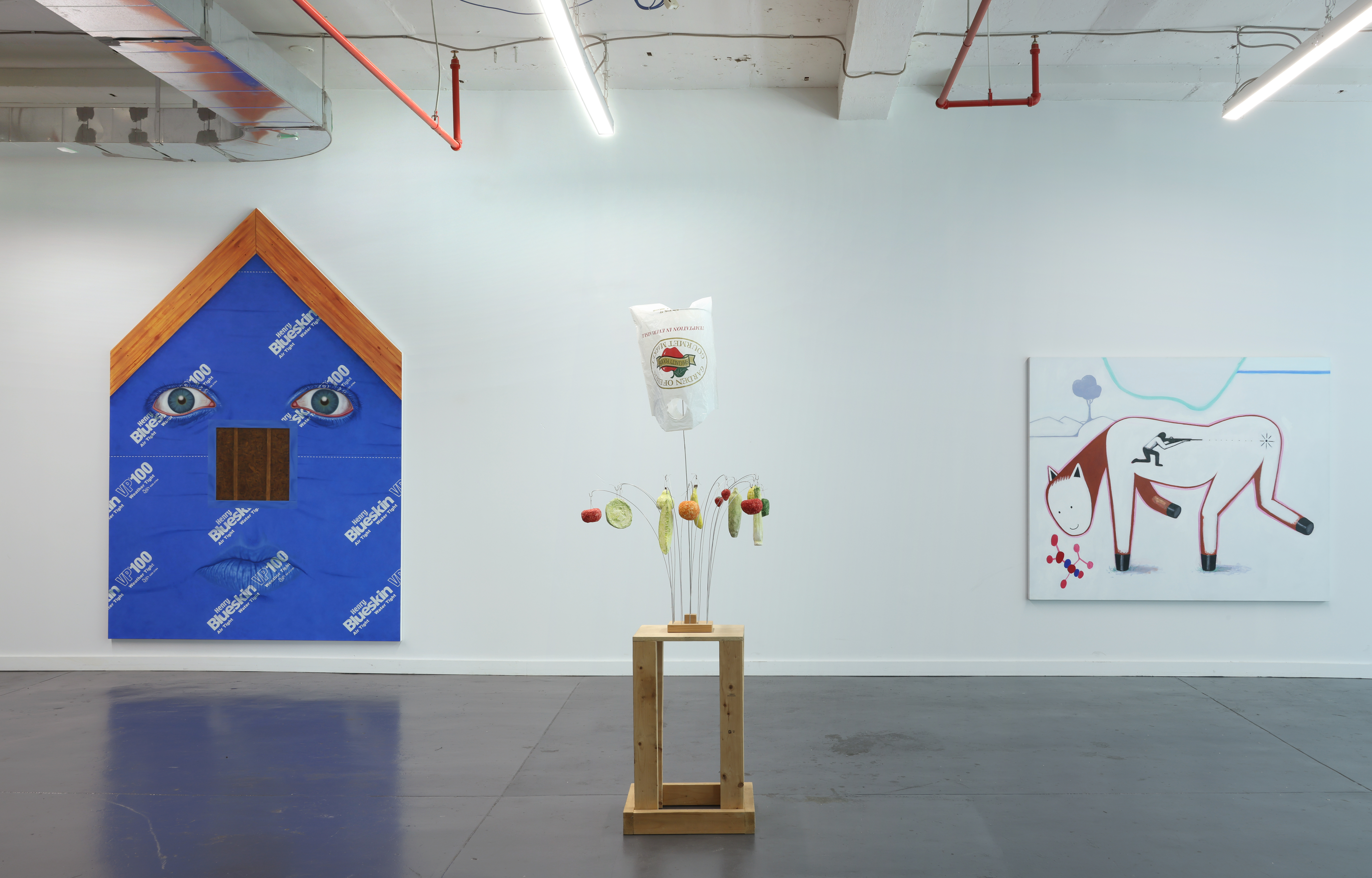
WeWork (oralmoral)

The article reviews "WeWork (oralmoral)," a temporary exhibition at The Gallery in Crown Heights, Brooklyn, curated by artist-turned-curator Florian Meisenberg. The show transforms a former office space into a free-form, non-hierarchical environment where works by over a dozen artists are placed unpredictably—in trash bins, closets, ventilation shafts, and on whiteboards left by the previous tenant. Artists span three generations, from Post-Minimal figures like B. Wurtz and David Humphrey to younger digital-savvy artists such as Lucas Blalock and Anna K.E., whose sound piece "Tamada" greets visitors. The exhibition runs from April 10 to May 18, 2026.

The Many Forms of Marcel Duchamp

The New Yorker's Hilton Als reviews "Marcel Duchamp," a major retrospective at the Museum of Modern Art (MoMA) in New York, running through August 22, 2026. Curated by Matthew Affron, Michelle Kuo, and Ann Temkin, it is the first North American retrospective of Duchamp's work since 1973, organized in collaboration with the Philadelphia Museum of Art. The exhibition spans MoMA's entire sixth floor, showcasing Duchamp's shape-shifting practice—from iconic works like "Nude Descending a Staircase (No. 2)" (1912) and "Bicycle Wheel" (1951) to his readymades and conceptual pieces—emphasizing his rejection of commodification and embrace of intellectual freedom, play, and queer sensibilities.

The Big Review | The Woman Question 1550-2025 ★★★★½

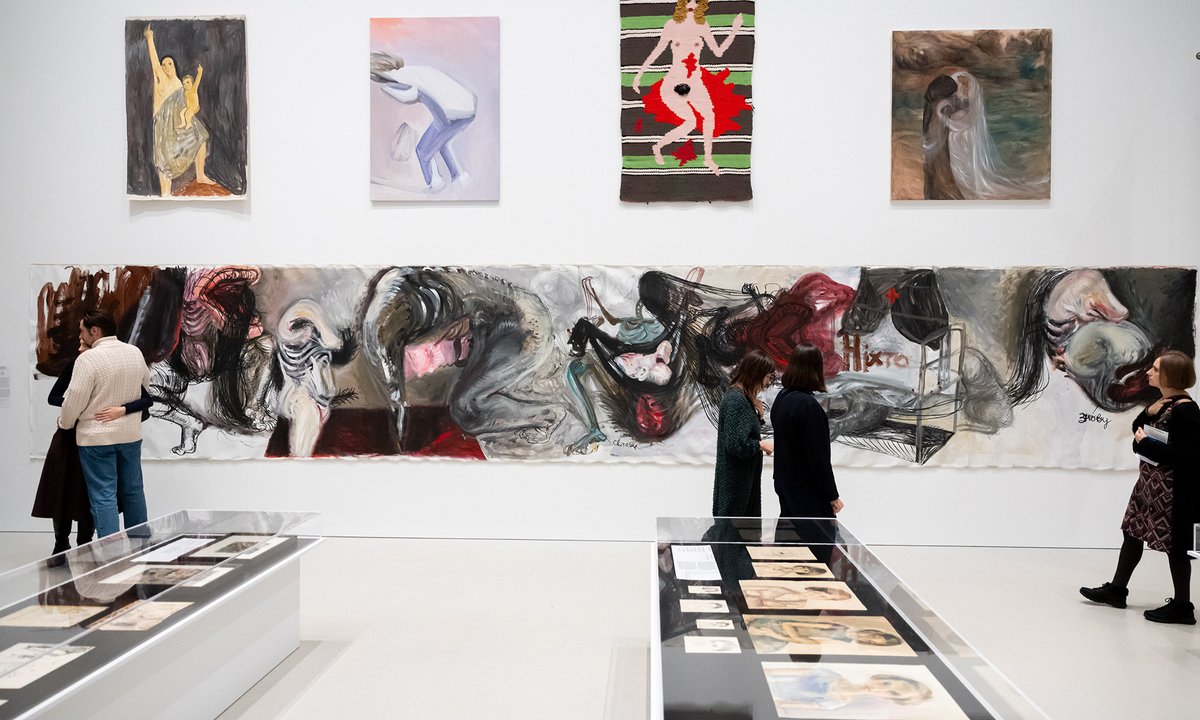
The Museum of Modern Art in Warsaw has launched "The Woman Question 1550-2025," a massive survey featuring nearly 200 works by 140 women artists spanning five centuries. Curated by Alison M. Gingeras, the exhibition uses the medieval concept of "la querelle des femmes" to explore how women have asserted their status as "citizen artists" against patriarchal structures. The show juxtaposes historical masterpieces by figures like Artemisia Gentileschi and Sofonisba Anguissola with contemporary provocations by Miriam Cahn and Lubaina Himid, focusing heavily on figurative painting and sculpture.

Read the Room: Dallas Museum of Art’s “International Surrealism” Misses the Mark

The Dallas Museum of Art's exhibition "International Surrealism" is critiqued as a missed opportunity during the centennial of the surrealist movement. The author argues that while the show presents a broad survey of mixed-media works from around the world, divided into six thematic subgroups, it lacks the political urgency and revolutionary context that defined surrealism's origins in 1925. The exhibition, initially curated by Matthew Gale from the Tate Modern collection and presented locally by Sue Canterbury, is described as whimsical and decorous, reducing the movement's subversive power to quirky categories and gift-shop fodder.

The Big Review | Jacques-Louis David at the Musée du Louvre, Paris ★★★★★

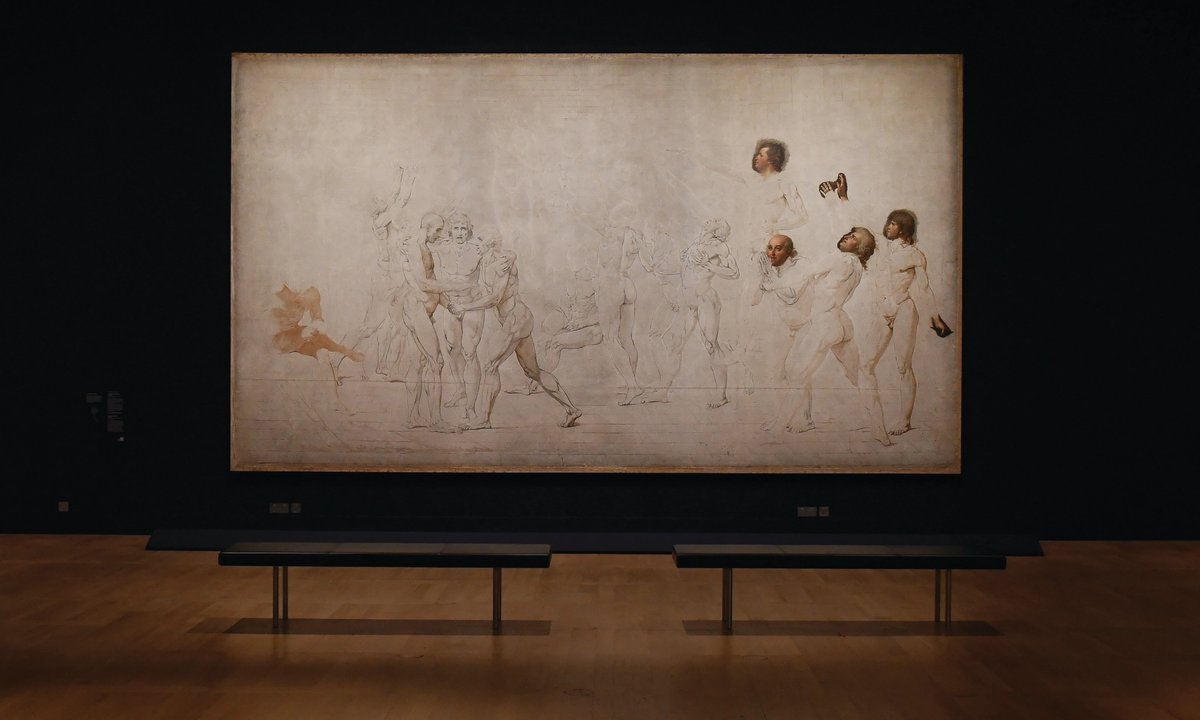
The Musée du Louvre in Paris has opened a major retrospective of Jacques-Louis David (1748-1825), the greatest Neoclassical artist, marking his biggest survey in nearly four decades. The exhibition, mounted for the 200th anniversary of his death, comprises just over 100 works, including strategic loans from France and eight other countries, and complements the Louvre's own holdings. The show aims to redefine David beyond the Neoclassical label, presenting him instead as both a "realist" and an "idealist," and is compared to blockbusters like the Rijksmuseum's Vermeer show.

“Feeling Color” at The Modern Art Museum of Fort Worth

The article reviews "Feeling Color: Aubrey Williams and Frank Bowling" at the Modern Art Museum of Fort Worth, an exhibition that pairs works by two artists from Guyana who worked in London in the late 20th century. Both explore abstraction, materials, and sociopolitical themes, with Bowling's color field paintings and Williams' geometric, Pre-Columbian-inspired works displayed in alternating galleries. The reviewer describes the show as dense and vibrant, noting the sensory experience of the paintings and the subtle dialogue between the artists.

Review: “Toshiko Takaezu: Worlds Within” at the Museum of Fine Arts, Houston

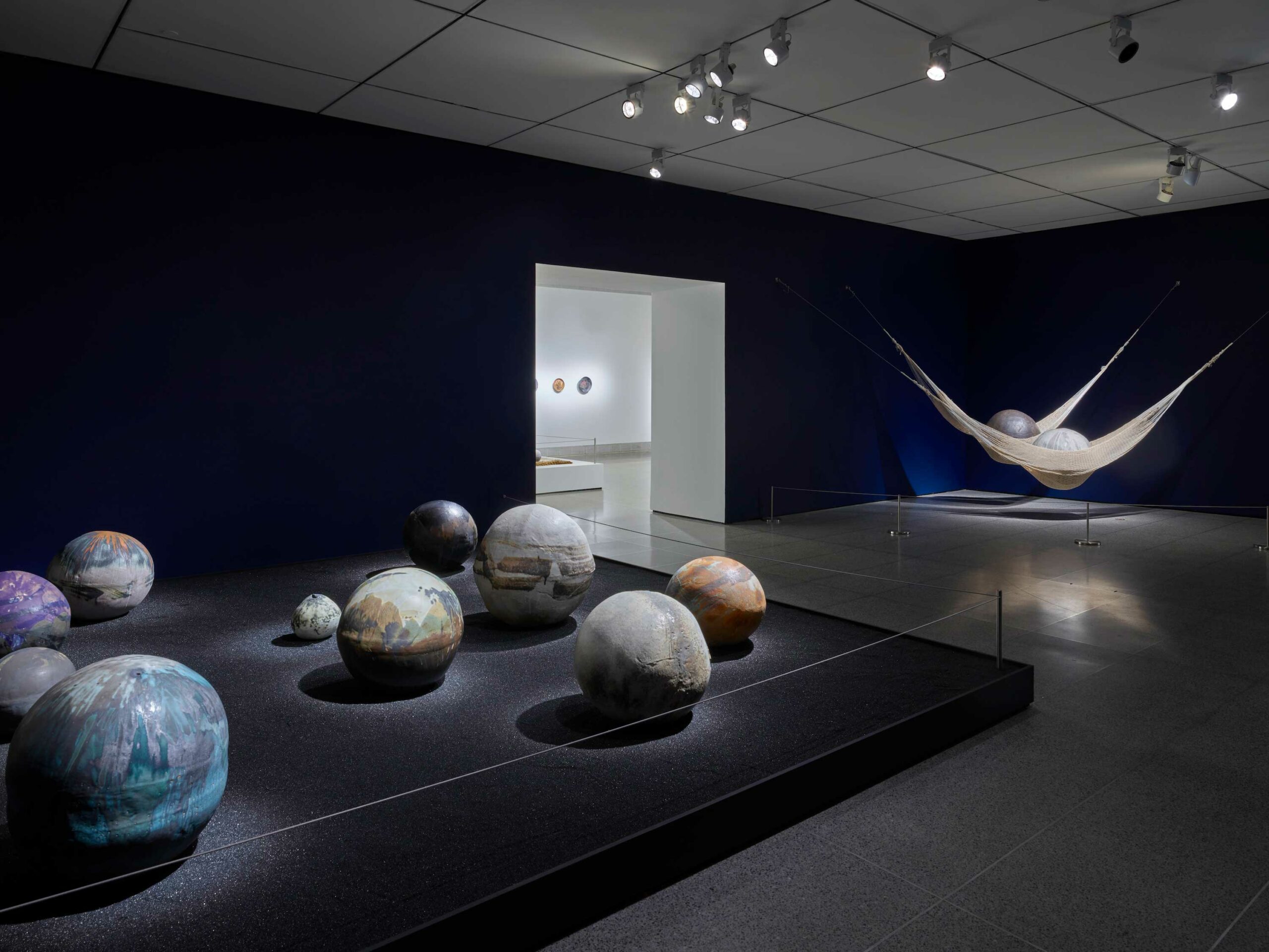
The article reviews "Toshiko Takaezu: Worlds Within" at the Museum of Fine Arts, Houston, the artist's first nationally touring retrospective in 20 years. Organized by the Isamu Noguchi Foundation and Garden Museum, the exhibition features some 100 artworks from the 1950s until her death in 2011, including large-scale ceramics, weavings, and paintings. It traces Takaezu's journey from her childhood on a Maui watercress plantation to her transformative studies at Cranbrook Academy of Art and a pivotal trip to Japan, where she studied Zen Buddhism and worked under various ceramicists.

Haegue Yang’s Constellations for a Divided Korea

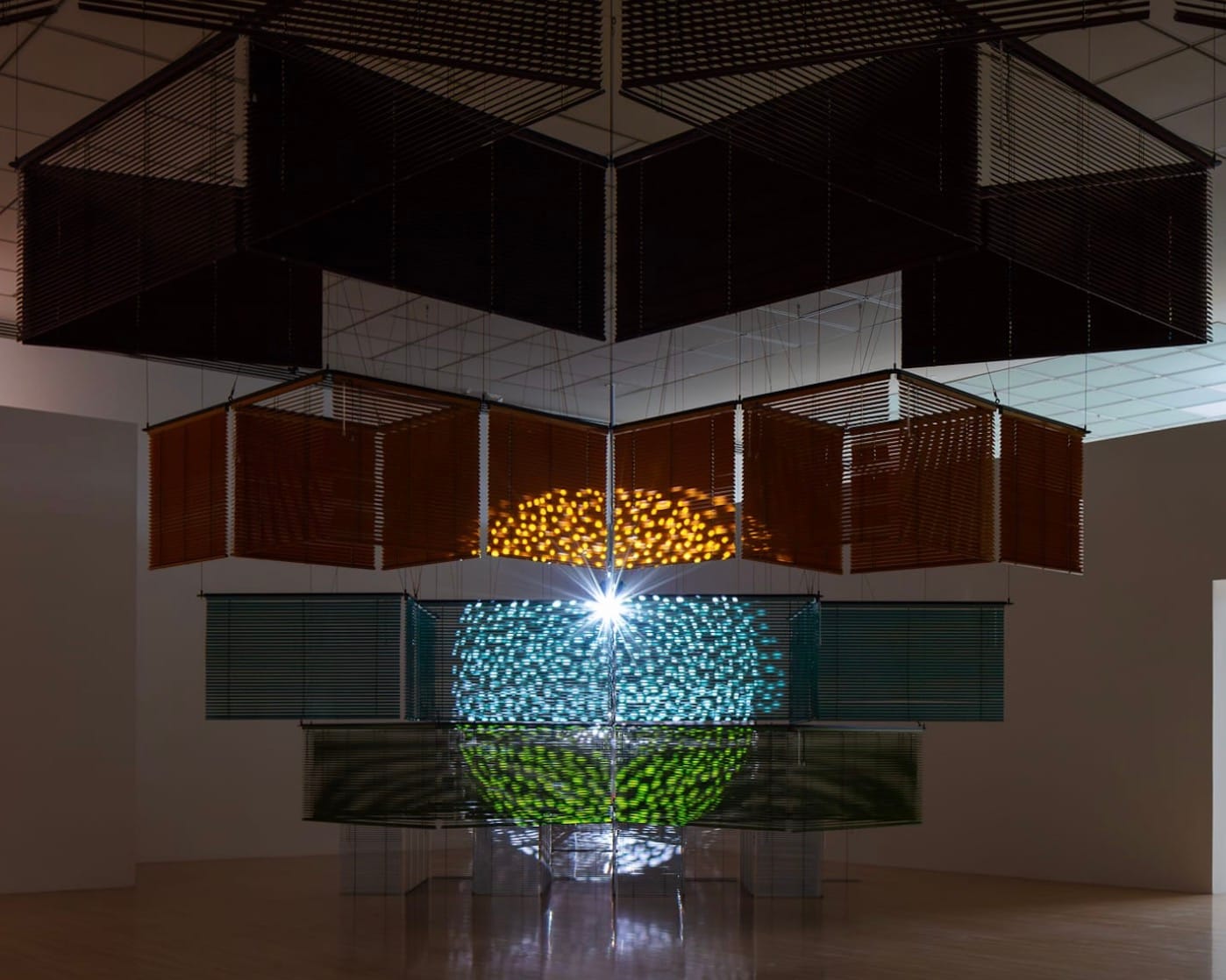
Haegue Yang's exhibition "Star-Crossed Rendezvous" at the Museum of Contemporary Art in Los Angeles features two large-scale Venetian blind installations that explore themes of division, exile, and reunification. The works draw on the arbitrary 1945 division of Korea by U.S. military officers and the life of composer Isang Yun, who was tortured and imprisoned by South Korean authorities. One installation mirrors and inverts a cube of white blinds inspired by Sol LeWitt, while the other uses colored blinds, projections, and Yun's "Double Concerto" to create a fragmented, shadow-filled meditation on longing and separation.

internet personality mackenzie thomas performance review

Internet personality MacKenzie Thomas staged a four-hour durational performance titled "I Said What I Said" in New York, where she read aloud every post she made on X over the past year, interspersed with personal essays. The performance, which sold out both New York showings, will travel to Los Angeles at Heavy Manners. Thomas recounted intimate details of her life, including a breakup, her dog's death, health struggles, and family dynamics, while notably omitting her success as an influencer with half a million followers.