filter_list Showing 19 results for "Display" close Clear
dashboard All 1422 museum exhibitions 728article local 343article news 147trending_up market 59article policy 37gavel restitution 37article culture 35rate_review review 19person people 9candle obituary 6article museum 1article event 1
date_range Range Today This Week This Month All
Subscribe

lorna simpson met museum painting survey review 1234743323

Lorna Simpson's paintings are the subject of a new survey exhibition at the Metropolitan Museum of Art in New York, titled "Source Notes," on view through November 2. The show features over 20 paintings created between 2014 and 2024, marking the first exhibition to survey Simpson's output in this medium. Curated by Lauren Rosati, the exhibition aims to provide an overview of her painterly practice while connecting it to her collage work, with two vitrines displaying her collages to illustrate the fluidity between the two practices. Simpson, best known for her photography from the 1980s, debuted her paintings at the 2015 Venice Biennale organized by the late curator Okwui Enwezor.

stephen shore early work mack 1234750750

The article reviews Stephen Shore's book *Early Work*, which collects photographs he took between the ages of 13 and 18, from 1960 to 1965. Despite his youth, the images display remarkable sophistication, a feat Shore attributes to an atypical childhood that included early access to cameras and a copy of Walker Evans's *American Photographs*. The book includes a "pre-history" essay in which Shore reflects on his formative influences, including time spent at Andy Warhol's Factory and a friendship with headmaster William Dexter, who deepened his interest in photography. The earliest image in the book is a portrait of Dexter taking a photograph, which Shore describes as a metanarrative of a photographer photographing a photographer.

cubism at the met modern art that looks tragically antique 157075

The Metropolitan Museum of Art's current "Cubism" exhibition showcases masterpieces from the Leonard A. Lauder Cubist Collection, featuring works by Pablo Picasso, Georges Braque, Juan Gris, and Fernand Léger. The show spans six galleries and presents some of the finest examples of Cubist art, including iconic pieces like Braque's *The Castle of La Roche-Guyon* (1909) and Picasso's *The Oil Mill* (1909). The exhibition is essentially a curated display of Lauder's promised gift to the Met, highlighting the "Four Horsemen" of Cubism while omitting the broader context of the movement's other pioneers, such as the Salon Cubists.

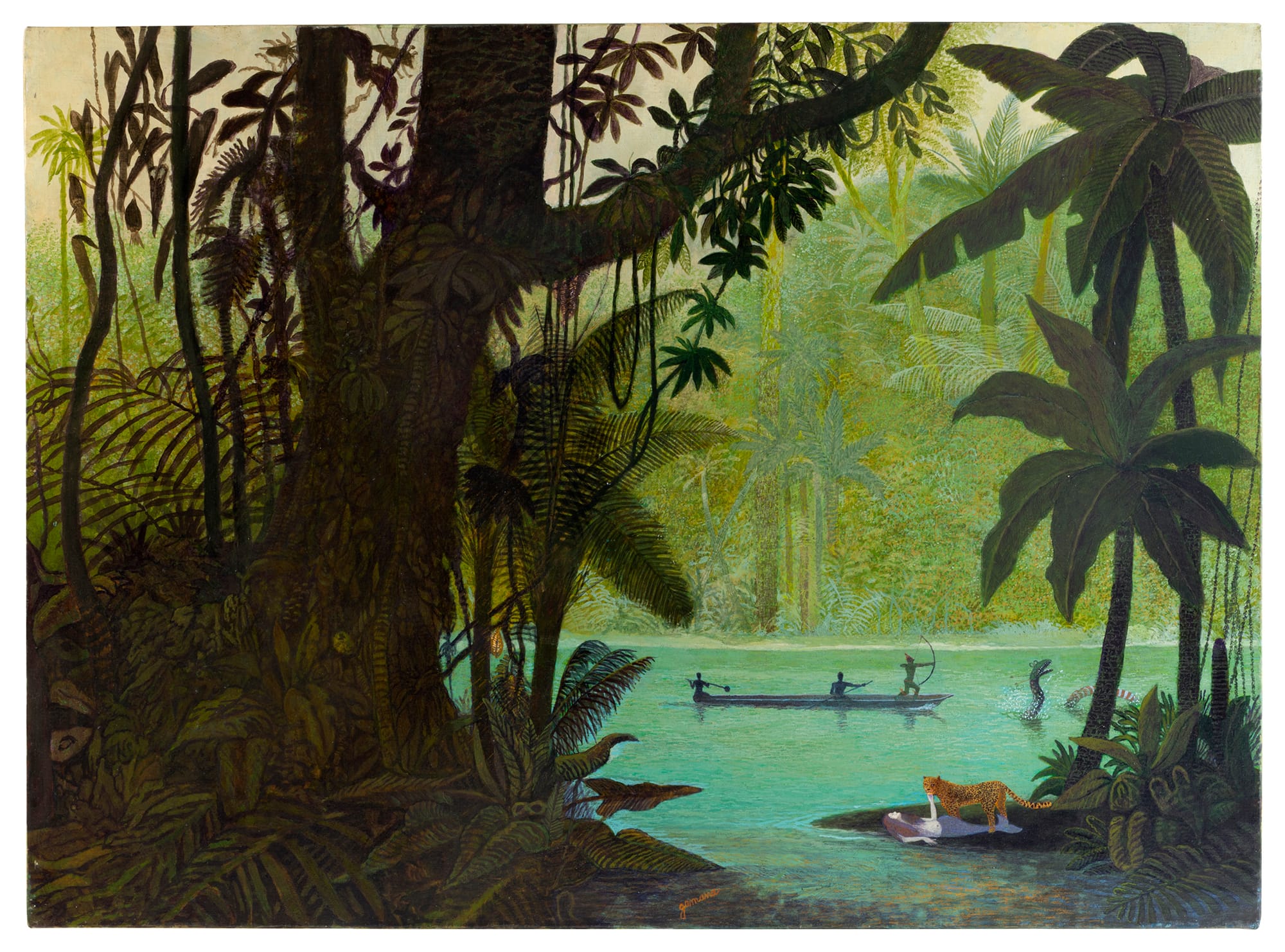
Édouard Glissant’s Museum-as-Archipelago

The article reviews the exhibition "The Earth, the Fire, the Water, and the Winds: For a Museum of Errantry with Édouard Glissant" at the Center for Art, Research and Alliances (CARA) in New York, the first U.S. showing of works from the personal collection of Martinician philosopher and writer Édouard Glissant. Curated from his archive, the exhibition features artists such as Roberto Matta, Wifredo Lam, Etel Adnan, Irving Petlin, Antonio Seguí, Öyvind Fahlström, Jack Whitten, and Mel Edwards, reflecting Glissant's friendships and intellectual exchanges across Europe, Africa, and the Americas. Highlights include Antonio Seguí's large pastel works from his Titanic series.

The Met’s Costume Institute Needs an Art History Lesson

The Metropolitan Museum of Art's Costume Institute spring exhibition, "Costume Art," pairs fashion with artworks from the Met's collection, including ancient Greek statues and Andy Warhol screenprints, alongside garments by designers from Charles James to CFGNY. Curator Andrew Bolton aims to suggest that fashion can expand understanding of art, but the show's juxtapositions often feel vague and sloppy, with only occasional resonant pairings like a Jean Paul Gaultier shirt and Joe Brainard drawing linked by queer artist lineage.

Handpicked review – delightful dancing dahlias and petals so pillowy you can feel them

The Guardian reviews "Handpicked," an exhibition at Kettle's Yard in Cambridge that brings together over 40 artists from the 20th century to the present, all sharing a floral passion. The show features works by Rory McEwen, Vanessa Bell, Cedric Morris, Christopher Wood, Tirzah Garwood, Celia Paul, Gluck, and Caroline Walker, among others, displayed on white and leaf-green walls inspired by the fresh flowers and floral paintings in the neighboring house. The review highlights specific pieces, such as McEwen's exquisite tulip watercolor and Garwood's poignant painting from the last year of her life, noting the technical variety and emotional depth across the exhibition.

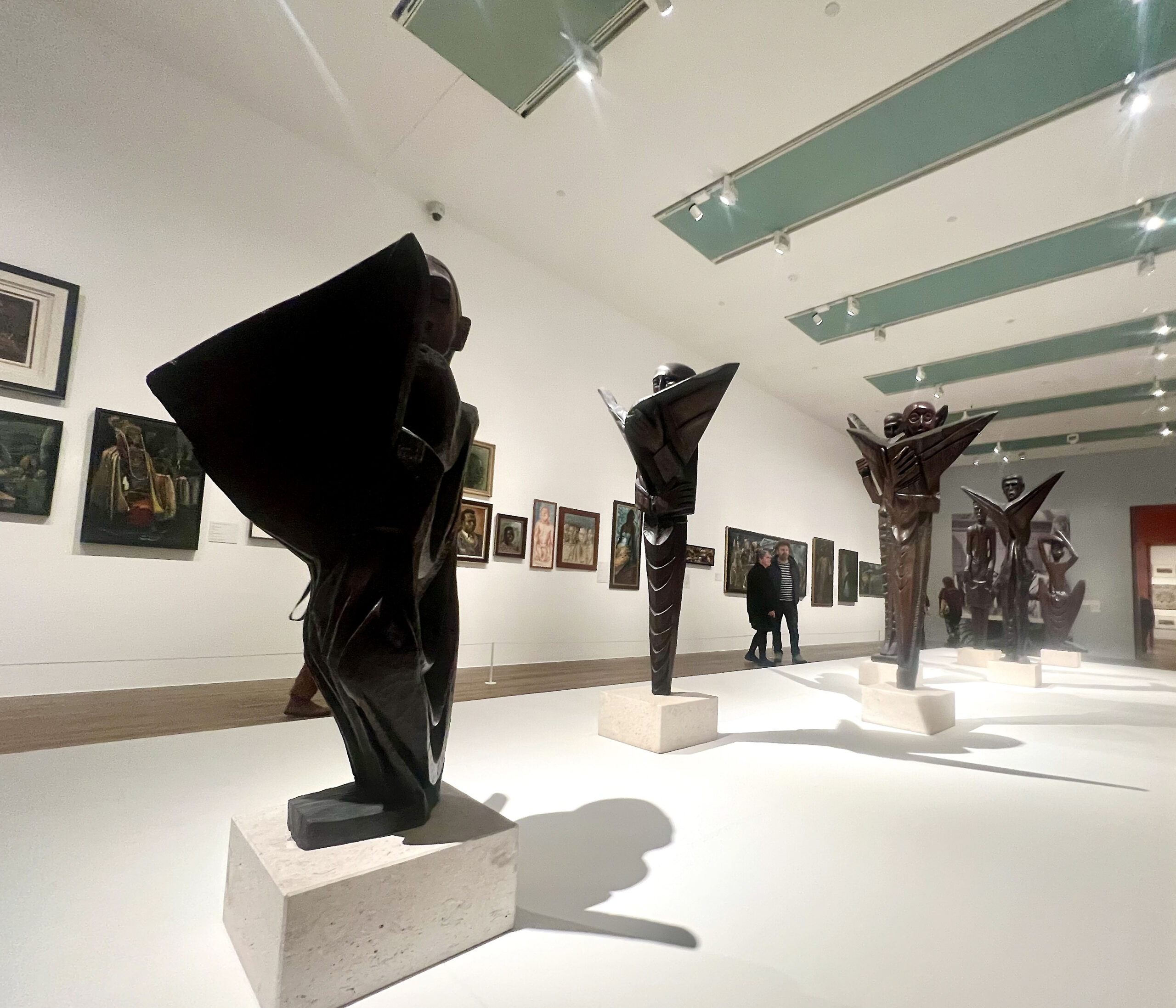
Post-Mortemism: An Autopsy of “Nigerian Modernism: Art and Independence” at Tate Modern.

A critical essay by Ayọ̀ Akínwándé performs a forensic 'autopsy' of the Tate Modern exhibition 'Nigerian Modernism: Art and Independence.' The review dissects the show's structure, arguing it fails in its curatorial framework by isolating Nigerian artists within a regional category, using ethnographic display methods, relying on incomplete research, and excluding key artists and historical context.

“Feeling Color” at The Modern Art Museum of Fort Worth

The article reviews "Feeling Color: Aubrey Williams and Frank Bowling" at the Modern Art Museum of Fort Worth, an exhibition that pairs works by two artists from Guyana who worked in London in the late 20th century. Both explore abstraction, materials, and sociopolitical themes, with Bowling's color field paintings and Williams' geometric, Pre-Columbian-inspired works displayed in alternating galleries. The reviewer describes the show as dense and vibrant, noting the sensory experience of the paintings and the subtle dialogue between the artists.

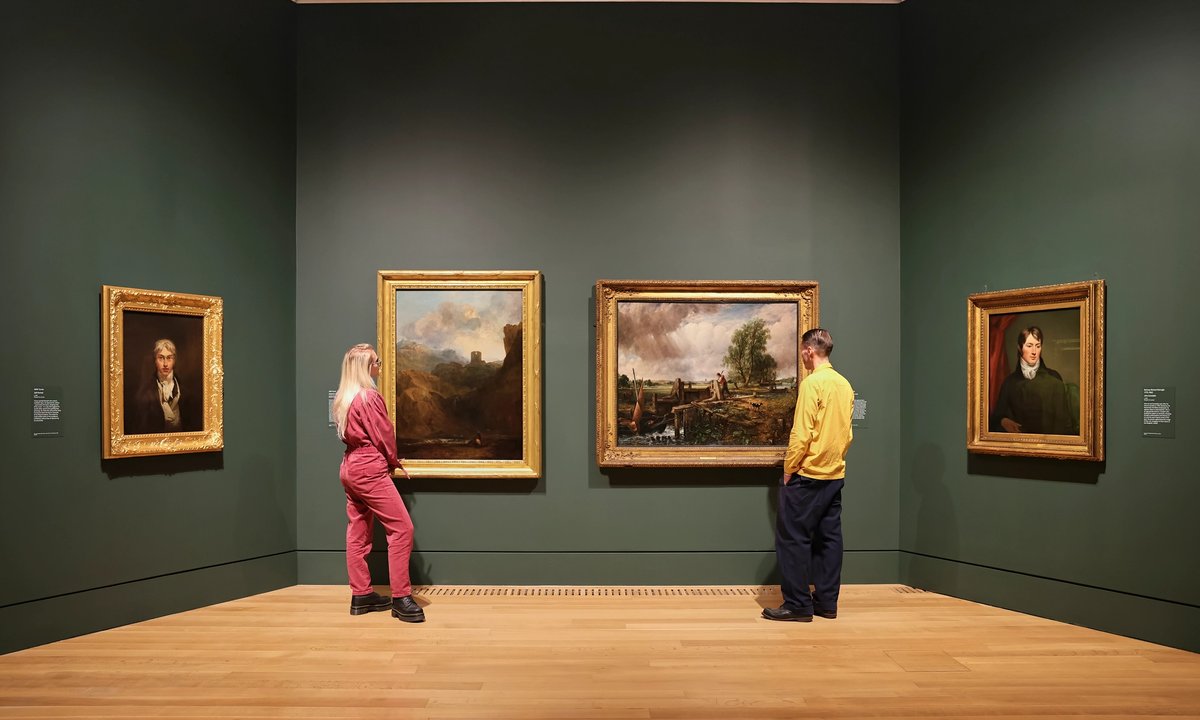
Comment | Turner gets all the kudos, but it was Constable who was the truly radical painter

A commentary argues that John Constable, not J.M.W. Turner, was the truly radical painter, despite Turner receiving far greater public recognition through a museum, a prize, and a place on the £20 note. The article highlights a new exhibition, "Turner and Constable," opening at Tate Britain (until 12 April 2026), which recreates their 1831 Royal Academy display and contrasts Constable's English pastoral scenes with Turner's dramatic, un-British visions. It contends that Constable's full-size oil sketches, such as those at the Victoria and Albert Museum, had a deeper and more lasting effect on modern painting than Turner's work.

What Do Danh Vo’s Curated Collections Add Up To?

The article reviews the exhibition 'Danh Vo: Untitled' at the Pirelli HangarBicocca in Milan, which presents a collection of objects curated and arranged by the artist. The show features a diverse array of items, including a 17th-century Flemish painting, a meteorite, a taxidermied peacock, and personal memorabilia, all displayed without explanatory labels in a large, warehouse-like space.

Artistic discs

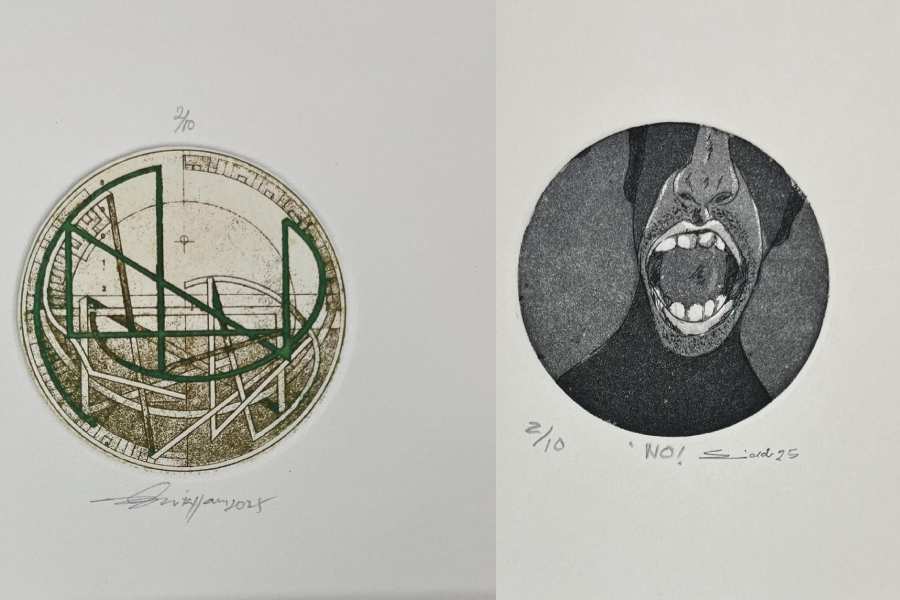
Kolkata Ink Studio presented a group exhibition of graphic art at Gallery Charubasona, featuring 18 artists who each contributed two disc-shaped copperplates and matching prints. The works ranged from Manik Kumar Ghosh's clever double-disc brassiere to Partha Pratim Deb's absurd clownish figures, Laxma Goud's restrained goddess imagery, and Rm. Palaniappan's three-dimensional illusions. Other highlights included Siddhartha Ghosh's identity-less human figures, Sukla Poddar's environmental themes, and Swapnesh Vaigankar's archaeological inspirations. The exhibition was described as neat but lacking in challenge, with most works in monochrome and only faint touches of color.

How Delilah Montoya’s art confronts ICE detention abuses

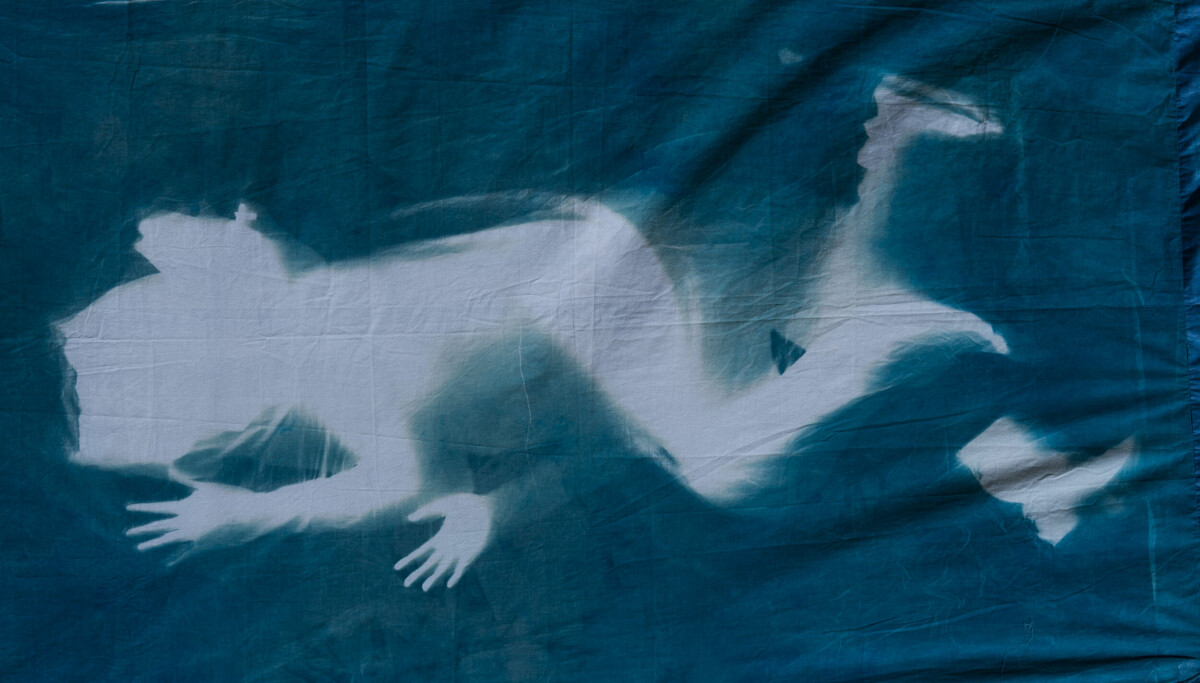
The Albuquerque Museum is hosting a retrospective of Chicana artist Delilah Montoya, titled "Delilah Montoya: Activating Chicana Resistance." The exhibition's centerpiece is "Detention Nation," an immersive installation created in collaboration with the Sin Huellas Artist Collective that simulates the conditions of ICE detention centers. The work features cyanotype images of detainees on prison cots, chain-link fencing, and displays of meager government-issued personal items alongside the official National Detainee Handbook.

The Big Review | Caravaggio 2025 at Palazzo Barberini, Rome ★★★

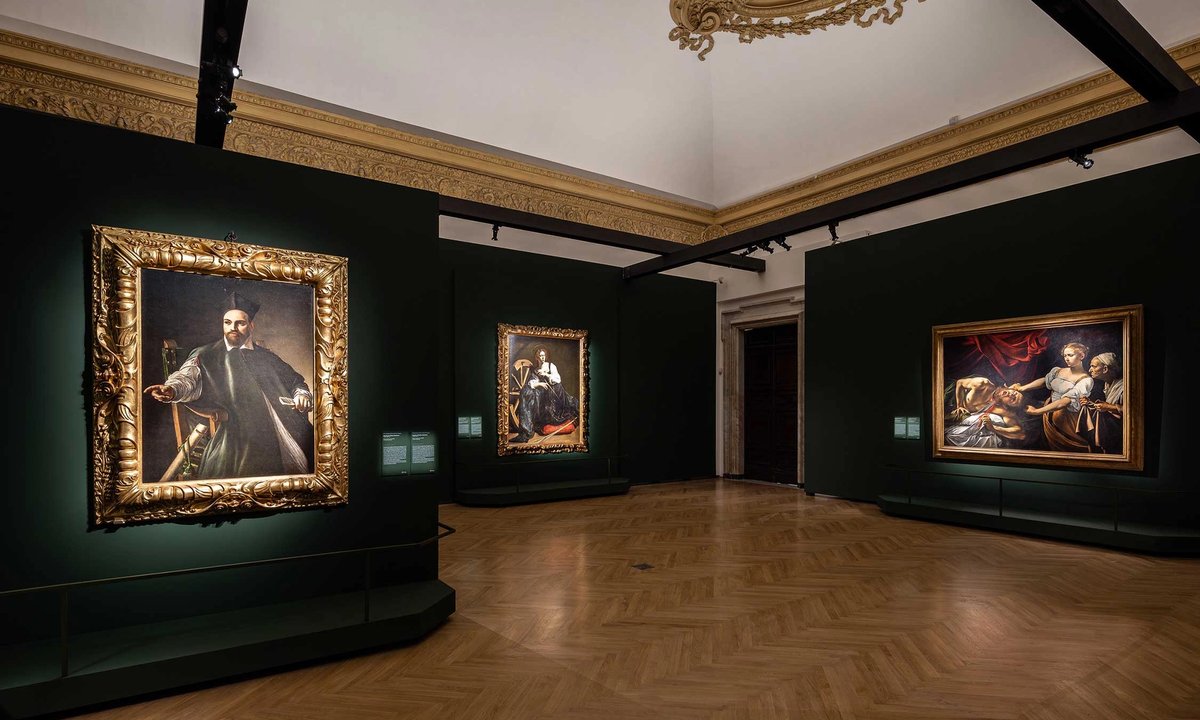
The article reviews the "Caravaggio 2025" exhibition at Palazzo Barberini in Rome, which brings together 24 paintings by the Baroque master Michelangelo Merisi da Caravaggio. Curated by Francesca Cappelletti, Maria Cristina Terzaghi, and Thomas Clement Salomon, the show is accompanied by a heavy marketing campaign tied to the Catholic Church's Jubilee year. The review notes that while any gathering of Caravaggio's works guarantees a beautiful experience, the exhibition's title and scope remain unclear, and the curatorial approach—divided into four thematic sections—feels disjointed. Highlights include the reunion of three paintings from Cardinal Francesco Maria del Monte's collection and the public display of the recently identified portrait of Maffeo Barberini.

Inside LACMA’s Eye-Popping New Home, How Do You Find the Art?

The Los Angeles County Museum of Art (LACMA) has opened its new David Geffen Galleries building, a major architectural project designed to be a glamorous cultural beacon. The building itself is a striking landmark, but the exhibition spaces within present significant challenges for the display of art, creating a complex, maze-like environment for visitors.

The tiniest event can tear a hole. Sara MacKillop by Margaret Kross

Sara MacKillop's exhibition "The Cutaway View" at Good Weather in Chicago presents sculptures made from humble analog materials like blank wall calendars, empty shopping bags, and gift wrapping. The London-based artist alters these objects with minimal interventions—such as surgically cut holes in shopping bags to accommodate vinyl records—drawing attention to the ephemera and texture of retail culture. Her series "Calendar Houses" (2021–ongoing) uses archive boxes and wall calendars to create miniature modernist dwellings that critique systems of order and self-optimization.

Comment | Digital art today has a narcissism problem

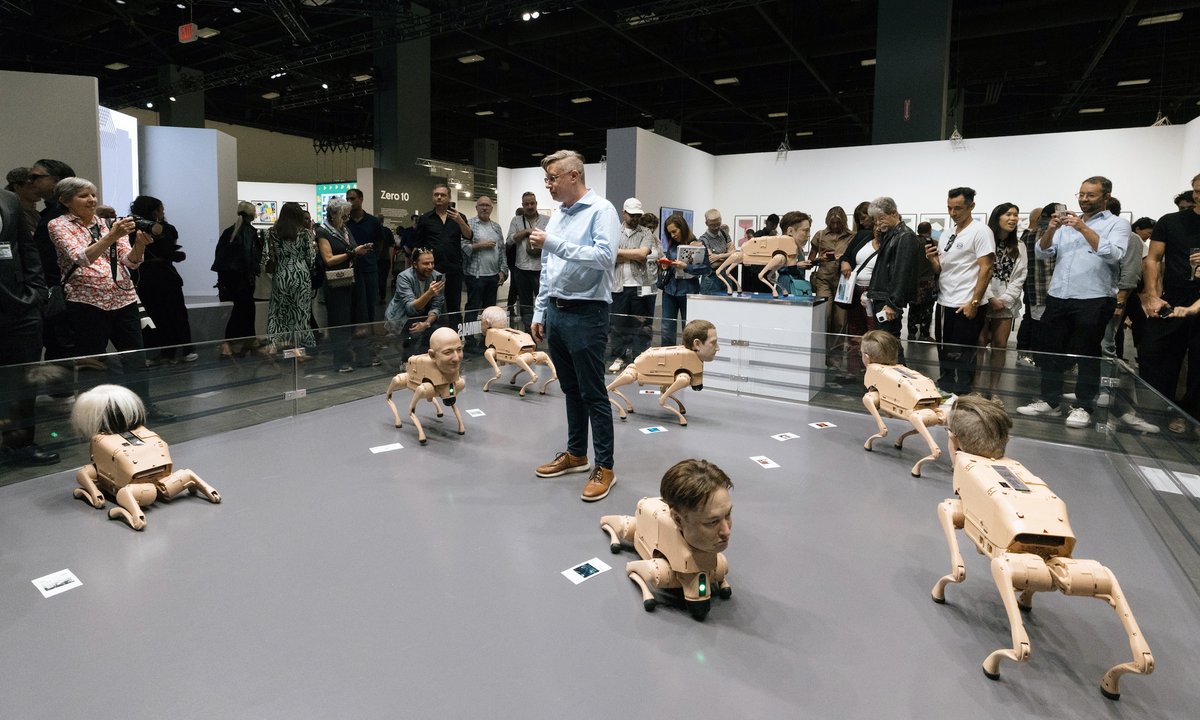
Art Basel Miami Beach's new digital art section, Zero 10, featured a heavily subsidized presentation curated by Eli Scheinman, bypassing the fair's usual selection process. The centerpiece was Beeple's installation "Regular Animals" (2025), which displayed dog-like robots with humanoid masks of figures including Kim Jong-un, Elon Musk, and Beeple himself, which critics argue lacks substantive critique and relies on shallow satire.

When the story has already been told -- ‘Gordon Parks: The South in Color’ at Jackson Fine Art

Gordon Parks: The South in Color, curated by Dawoud Bey, is on view at Jackson Fine Art in Atlanta through June 13. The exhibition celebrates the 20th anniversary of The Gordon Parks Foundation and the 70th anniversary of Parks’ 1956 Life magazine feature on segregation in the South. The show presents a broader selection of Parks’ photographs than the original magazine spread, including iconic works like In-Home Barbershop, Shady Grove, Alabama, 1956. The article, written by a photographer and writer for ArtsATL, reflects on the experience of seeing Parks’ work in person and contrasts the gallery presentation with the editorial framing of the Life feature.

Exhibition review: Relic at 28 Broad Street - Nottingham Culture

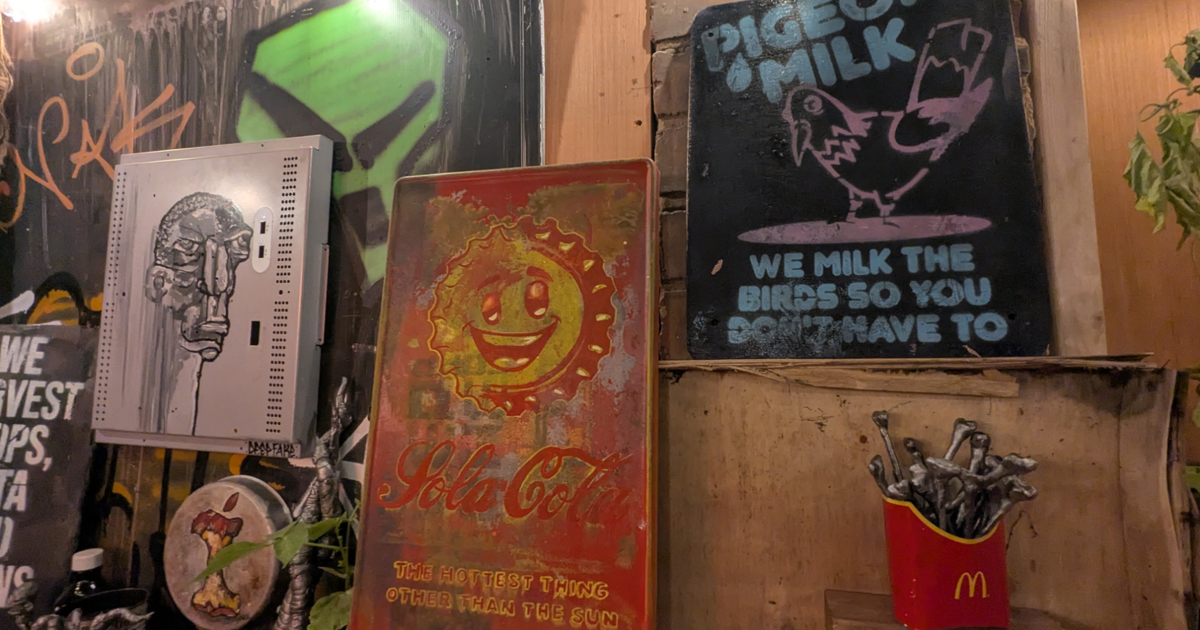
An immersive pop-up exhibition titled 'Relic' is on display at 28 Broad Street in Nottingham City Centre, led by local street artist Kid30 and featuring collaborators Detail, Ging, Boaster, Grim Finga, Dizzy Ink, Lambhorse, and 2 Foot. The exhibition transforms a partially renovated building into a dystopian 'museum of found objects from the after years 2035-2055,' combining sculpture, audio production, and parody to critique consumer culture and envision a bleak future. Highlights include a pirate radio soundtrack, a model village by Roadman Rails, and satirical reimaginings of brands like Apple, Netflix, and Coca-Cola.

Zurbarán at the National Gallery is more agony than ecstasy

The article reviews the exhibition 'Zurbarán' at the National Gallery in London, arguing that the show fails to capture the spiritual intensity and emotional power of the Spanish Baroque painter's work. It criticizes the curatorial choices, suggesting the display feels flat and lacks the ecstatic religious fervor that defines Zurbarán's best paintings, leaving viewers with a sense of agony rather than transcendence.