filter_list Showing 51 results for "Display" close Clear
search
dashboard All 1798 museum exhibitions 943article local 430article news 155trending_up market 71article culture 51gavel restitution 46article policy 44rate_review review 30person people 19candle obituary 7article museum 1article event 1
date_range Range Today This Week This Month All
Subscribe

los angeles frieze art world jeffrey epstein tod lippy

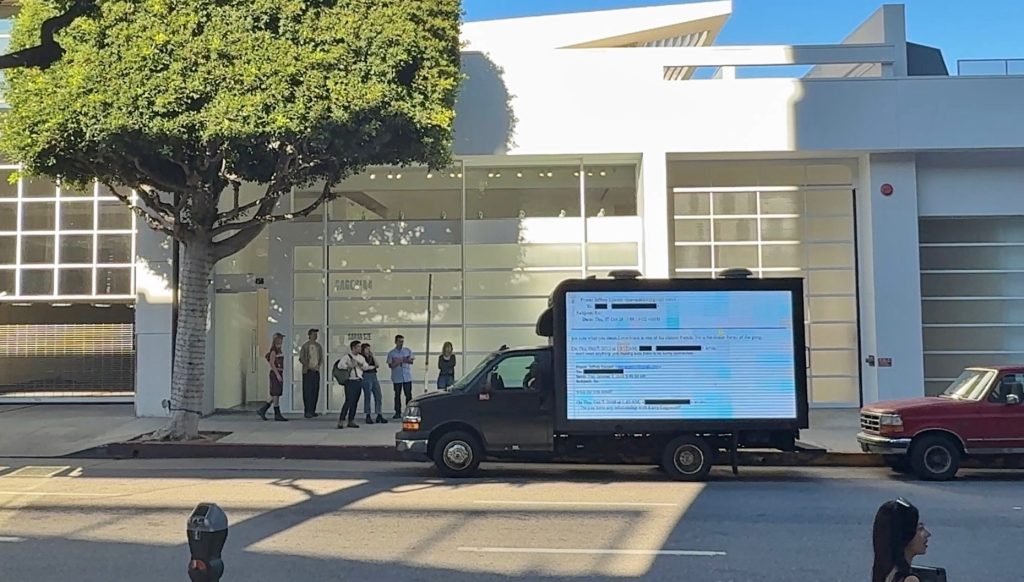
Artist Tod Lippy is launching a mobile protest piece titled "All Of the Gang" during Frieze Los Angeles, featuring an LED truck that displays emails and documents linking prominent art world figures to Jeffrey Epstein. The project highlights correspondence and associations involving major industry names like Larry Gagosian, Leon Black, and David A. Ross, aiming to confront the public with the industry's perceived complicity and lack of accountability.


labubu art history

An ancient bronze artifact at China's Luoyang Museum has gone viral for its striking resemblance to Labubu, a wildly popular collectible toy created by Hong Kong artist Kasing Lung in 2015. The artifact, an Eastern Zhou Dynasty ceremonial danglu used as horse armor, dates to the Spring and Autumn period (770–476 B.C.E.) and is on display until August. Meanwhile, some internet users have drawn comparisons between Labubu and the Mesopotamian demon Pazuzu, sparking baseless conspiracy theories and TikTok warnings from overly devout Christians.

Monet and Van Gogh Masterpieces Hit the Shampoo Aisle

Beauty brand Dove has launched a limited-edition haircare collection called "The Art of Repair" featuring iconic artworks by Claude Monet, Mary Cassatt, and Vincent van Gogh on its product packaging. The shampoo, conditioner, and serum bottles display images of Monet's *The Japanese Footbridge*, Cassatt's *The Loge*, and Van Gogh's *Roses*, drawing a parallel between art conservation and hair repair. The collection is exclusively available at Walmart.

art bites dan flavin airily dog

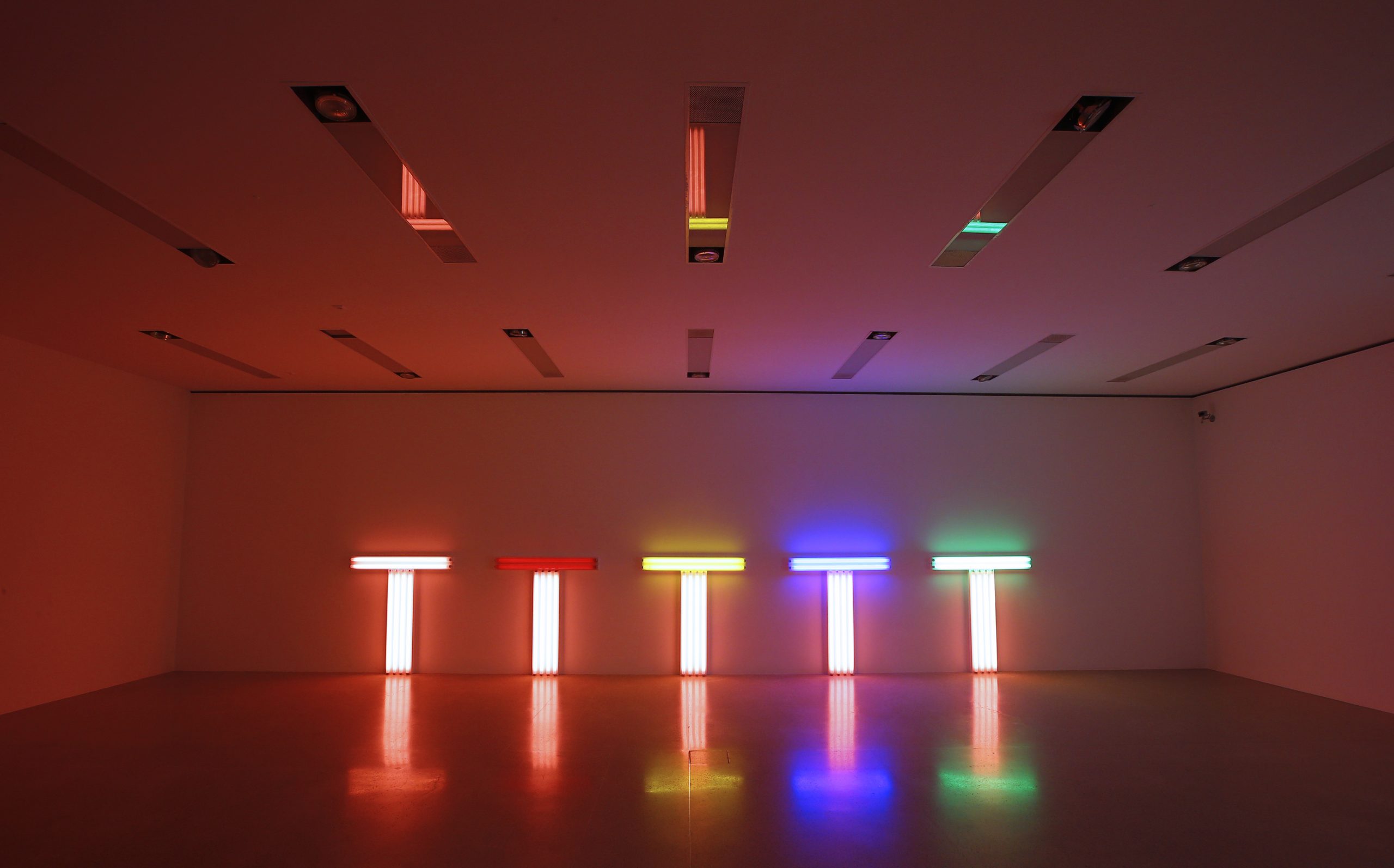
Dan Flavin, the renowned Minimalist artist known for his fluorescent light installations, created two artworks dedicated to his golden retriever Airily, who was a champion show dog. The works, titled "untitled (to my dear bitch, Airily)" (1981) and "untitled (to my dear bitch, Airily) 2" (1984), are discussed in the context of Flavin's practice of dedicating pieces to people and pets. The second work, held by Kunstmuseum Basel, was displayed at the Pulitzer Arts Foundation in 2008 and at Dia Bridgehampton in 1985.

No Attitude, Nowhere: Conviction, Zero Meaning

Keine Haltung, nirgends Gesinnung, null Bedeutung

The article critiques the current state of the art world and broader culture, arguing that right-wing calls for depoliticized art are intensifying while the progressive art establishment silently tolerates a culture war that restricts free expression. It uses the 2025 Met Gala as a prime example, describing the event as a heartless display of wealth and power aligned with Trump-era capitalism, where celebrities and artists perform progressive values while participating in a spectacle sponsored by anti-union figures like Jeff Bezos. The author draws on Hannah Arendt's ethics lectures to suggest that moral norms have collapsed overnight, and that the commercial art world now legitimizes anti-democratic tendencies through its silence.

Can Art Feel?

Hyperallergic's newsletter explores the question of whether artworks can possess personhood, drawing on Lisa Siraganian's essay that references the 2010 Citizens United Supreme Court decision and Pierre Huyghe's uncanny human statues. Other featured pieces include Ed Simon's review of Elizabeth Goldring's new book on Hans Holbein the Younger, Michael Glover's introduction to George Stubbs's equine portraits at the National Gallery in London, and news of a historic $116M gift to the National Gallery of Art for an artwork lending program. The newsletter also covers Byron Kim's exhibition at James Cohan Gallery, the new V&A East museum in London, and obituaries for Desmond Morris, James Hayward, and Flo Oy Wong.

can brainrot be art beeple thinks so

Digital artist Mike Winkelmann, known as Beeple, joined Ben Davis on the Artnet News podcast "The Art Angle" to discuss his work and the evolving perception of digital art. Beeple first gained global attention in 2021 when his NFT artwork "Everydays, The First 5,000 Days" sold for $69 million at Christie's, making him a symbol of the NFT boom. Since then, he has continued to experiment with new media, including interactive video sculptures shown at LACMA and robot dogs with human heads displayed at Art Basel Miami Beach 2025.

v joy simmons collection tour baldwin hills home

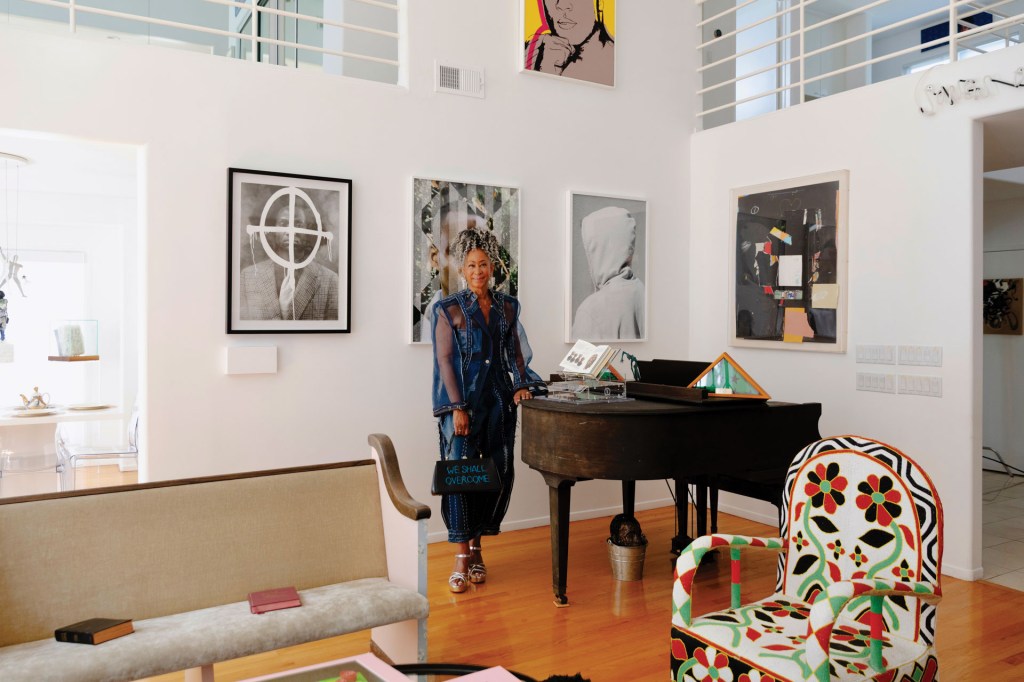
V. Joy Simmons, a Los Angeles-based physician and longtime art collector, opened her Baldwin Hills home to ARTnews for a tour of her extensive collection. The house features over 150 objects, including stained-glass windows by Varnette Honeywood and Joyce Dudnick, a site-specific column installation by Lauren Halsey, and works by Elizabeth Catlett, Romare Bearden, Kerry James Marshall, Mark Bradford, Kehinde Wiley, and Carrie Mae Weems, among many others. Simmons began collecting in the 1970s with a $50 lithograph by Catlett and has since built a collection that spans generations of Black artists, often juxtaposing older and younger artists in her displays.

Rocked on their heels: how exhibitions can change the course of artists’ lives

Alyce Mahon's new book, *Dorothea Tanning: A Surrealist World*, explores how the 1936 MoMA exhibition *Fantastic Art, Dada, Surrealism* profoundly transformed the young artist Dorothea Tanning, who described being "rocked on my run-over heels" by the experience. The article also recounts similar life-changing exhibition encounters for contemporary artists Lorna Simpson and Hurvin Anderson, as discussed on *The Week in Art* and *A brush with…* podcasts, highlighting how specific shows shaped their artistic trajectories.

burton the meeting on the turret stairs

The article explores Frederic William Burton's iconic Victorian watercolor *Hellelil and Hildebrand, the Meeting on the Turret Stairs* (1864), held at the National Gallery of Ireland. It recounts the tragic medieval Danish ballad that inspired the painting, in which the noblewoman Hellelil and her guard Heldebrand are doomed lovers. Burton, an Irish painter influenced by the Pre-Raphaelite Brotherhood, worked exclusively in watercolor and gouache, making this delicate piece a technical marvel. The museum displays it only one hour twice weekly to protect it from light damage.

art bites andy warhol perfume scents

This article explores Andy Warhol's lifelong passion for perfume, detailing how the Pop Art icon collected and wore fragrances, created his own scent called "You're In / Eau d'Andy" in 1967, and produced screen-prints of Chanel No. 5 bottles as part of his "Ads" series in 1985. It notes that the Andy Warhol Museum in Pittsburgh holds his half-used bottles, referred to as his "Permanent Smell Collection," and that his love of scent was tied to his Catholic upbringing and work as a window display designer.

who was j m w turner why so important british artist

This article profiles British painter Joseph Mallord William Turner (1775–1851), detailing his rise from a barber's son to one of Britain's most famous artists. It covers his early training at the Royal Academy Schools, his mastery of watercolor and oil, and his prolific output of over 500 oil paintings and thousands of works on paper. Key works discussed include *Jedburgh Abbey* (c. 1832), *Fishermen at Sea* (1796), and *The Battle of Trafalgar* (1822), the latter of which sparked controversy for historical inaccuracies. The piece notes that for his 250th birthday, international institutions are celebrating his legacy.

7 art history facts

Frieze Week in New York has arrived, drawing tens of thousands of visitors to The Shed for displays from over 65 international galleries. The article offers a collection of art historical trivia to help attendees impress peers, including tales of a potentially fake Picasso gifted to Robin Williams by Disney, Piet Mondrian's fondness for Disney's *Snow White and the Seven Dwarfs*, and a legend that Raphael's pupil Giulio Romano created erotic frescos in the Vatican's Sala di Constantino out of anger over delayed payment from Pope Clement VII.

There Has Never Been an Apolitical Venice Biennale

The Venice Biennale, with its national pavilion structure, has always been a platform for political expression and soft power, a reality evident from its early 20th-century origins. Contemporary critic Arturo Lancellotti's 1909 review of the German and British pavilions was steeped in geopolitical context, revealing how national artistic displays were interpreted through the lens of imperial power and military alliances.

art samsung frame tv cultured collection

Cultured magazine has partnered with Samsung to launch a "CULTURED Collection" on the Samsung Art Store, available exclusively to owners of Samsung's The Frame and QLED TVs. Starting in October, 60 artworks by contemporary artists including Adam Pendleton, Dominique Fung, Oscar yi Hou, Chris Martin, and Emma Webster will be displayed in the TV's art mode. A temporary pop-up gallery, the Samsung Art Store Gallery, will open to the public on Oct. 9–10 at 545 W 23rd St in New York, offering a preview of the collection.

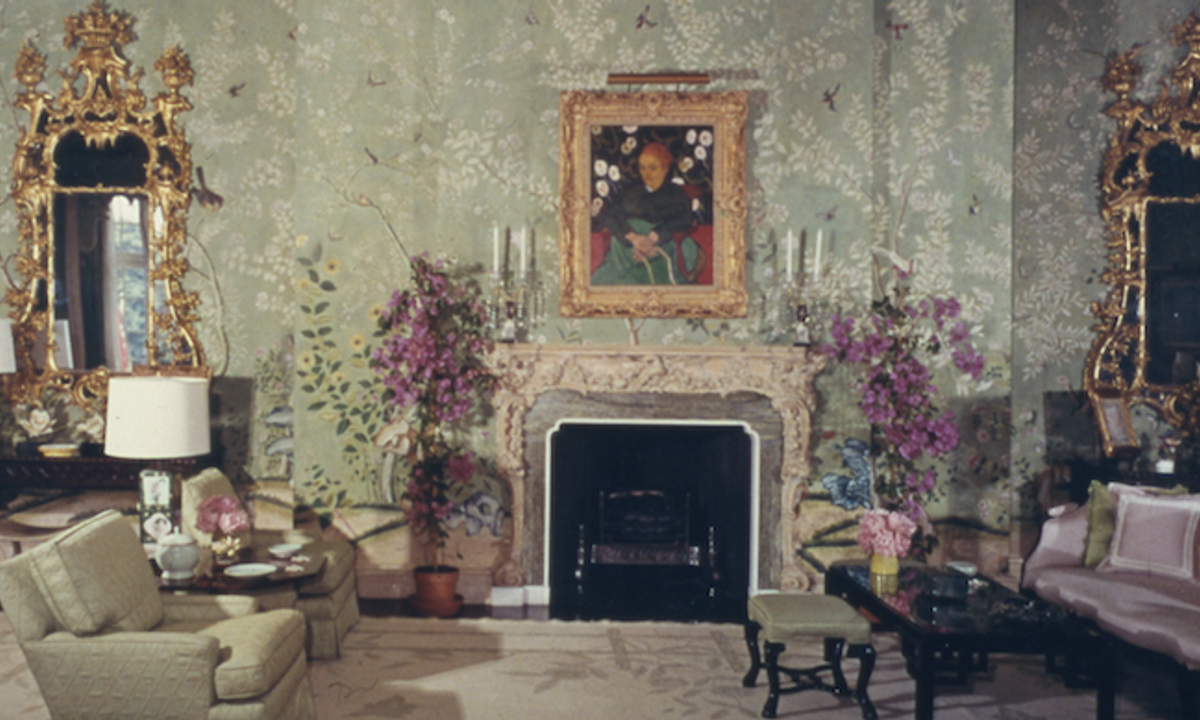
Two US ambassadors have displayed Van Goghs in their London residence—but Donald Trump's pick for the job seems unlikely to follow suit

Two former U.S. ambassadors to the UK, John Hay Whitney (1957-61) and Walter Annenberg (1969-74), displayed Van Gogh masterpieces from their personal collections in Winfield House, the official residence in London's Regent's Park. Whitney hung Van Gogh's *Self-portrait* (September 1889) above the mantelpiece in the family dining room, while the Annenbergs placed *La Berceuse* (February 1889) and *Olive Trees* (November 1889) in the green room, alongside works by Gauguin, Degas, Cézanne, Monet, and Renoir. Both ambassadors later donated their Van Goghs to major U.S. museums—Whitney's to the National Gallery of Art in Washington, D.C., and the Annenbergs' to the Metropolitan Museum of Art in New York.

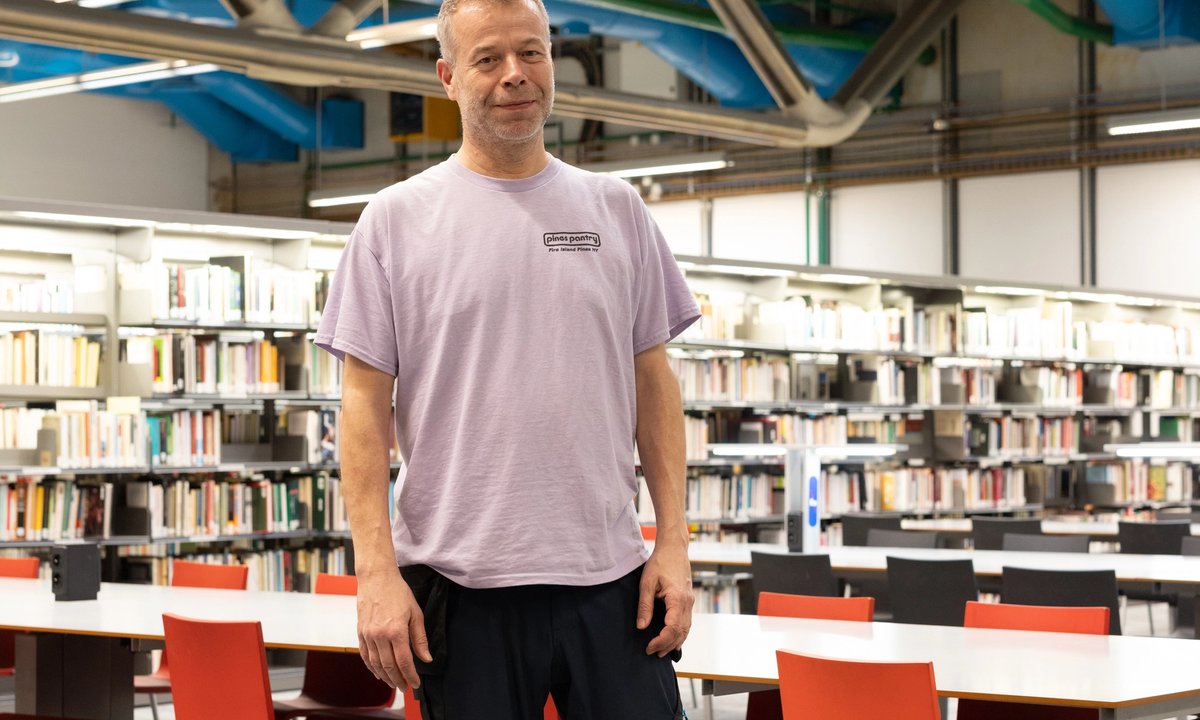
A brush with… Wolfgang Tillmans—podcast

The article is a podcast transcript featuring an in-depth conversation with Wolfgang Tillmans, the influential German photographer born in 1968. It covers his four-decade career, his experimental approach to photography—spanning portraiture, still life, landscape, political subjects, and abstraction—and his innovative installation methods that respond to specific exhibition spaces. Tillmans discusses early influences like Kurt Schwitters, Francisco de Zurbarán, Isa Genzken, Laurie Anderson, and Jiddu Krishnamurti, and reflects on his expanding practice into video, text, sound, and music. The piece also lists current and upcoming exhibitions, including a solo show at Maureen Paley in London and his participation in the 36th Bienal São Paulo.

Opinion: In galleries across Canada, too much art is being hidden away

Don LePan, a novelist, book publisher, and painter, argues that public art galleries across Canada are failing to display their permanent collections, using the MacKenzie Art Gallery in Regina as a prime example. During a visit in early March, LePan found that none of the gallery's extensive permanent collection—which includes works by Group of Seven artists, European masters like Picasso and Gauguin, and modernists such as Agnes Martin—was on view. Instead, the entire exhibition space was devoted to three special shows: a photographic and conceptual art exhibition by Plains Cree artist Joi T. Arcand, a selection of works by 2025 Governor General’s Awards in Visual and Media Arts recipients, and an Indigenous art exhibition. LePan praises these exhibits but criticizes the gallery's decision to completely exclude its permanent collection.

Stühle, die zum Reden zwingen

The article examines a peculiar three-seat sofa called the "Indiscret" on display in the Louvre, designed in 19th-century France under Napoleon III to force conversation among sitters. This "Conversation Chair" reflects an era when furniture was deliberately crafted to create social intimacy and control guest behavior, in stark contrast to modern public seating that often discourages lingering through hostile architecture.

sylvester stallones palm beach house has works by warhol condo botero and many other contemporary art stars

Sylvester Stallone and Jennifer Flavin's Palm Beach home, featured in a Veranda profile, showcases their extensive contemporary art collection. The house includes works by Andy Warhol, George Condo, Damien Hirst, Bridget Riley, Fernando Botero, Rashid Johnson, Sterling Ruby, and LeRoy Neiman, among others. Stallone, who began collecting at age 16, treats the home as a constantly rotating gallery, with a long hallway kept blank for changing displays and a dining room anchored by a Hirst mosaic and Condo abstract. The collection is integrated into daily life, with art hanging in the screening room, entry, and even near the gym.

Meet the London Perfumer Building a Collection Around Humor and Instinct

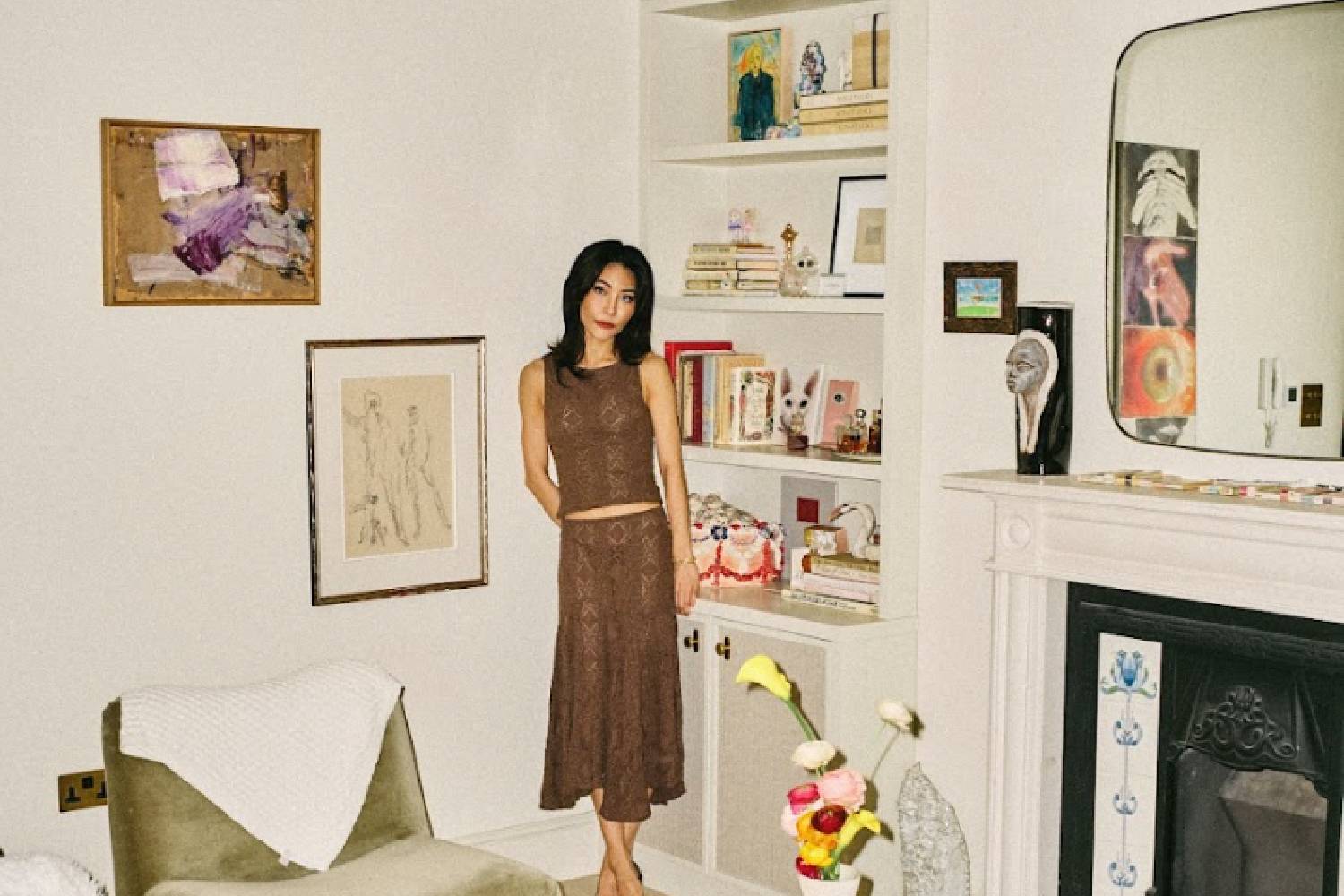
Cherry Cheng, a London-based perfumer, has curated a personal art collection in her Notting Hill flat that reflects her instinctive and humorous approach to collecting. The collection features works by artists such as Beau Gabriel, Miranda Keyes, Sarah Pucci, Juliette Teste, Araki Nobuyoshi, Katrien de Blauwer, Lucile Littot, Leo Costelloe, Sebastian Espejo, and Joline Kwakkenbos, displayed throughout her home like a diary of her tastes.

Meet the Psychologist Who Reads People Through the Art They Live With

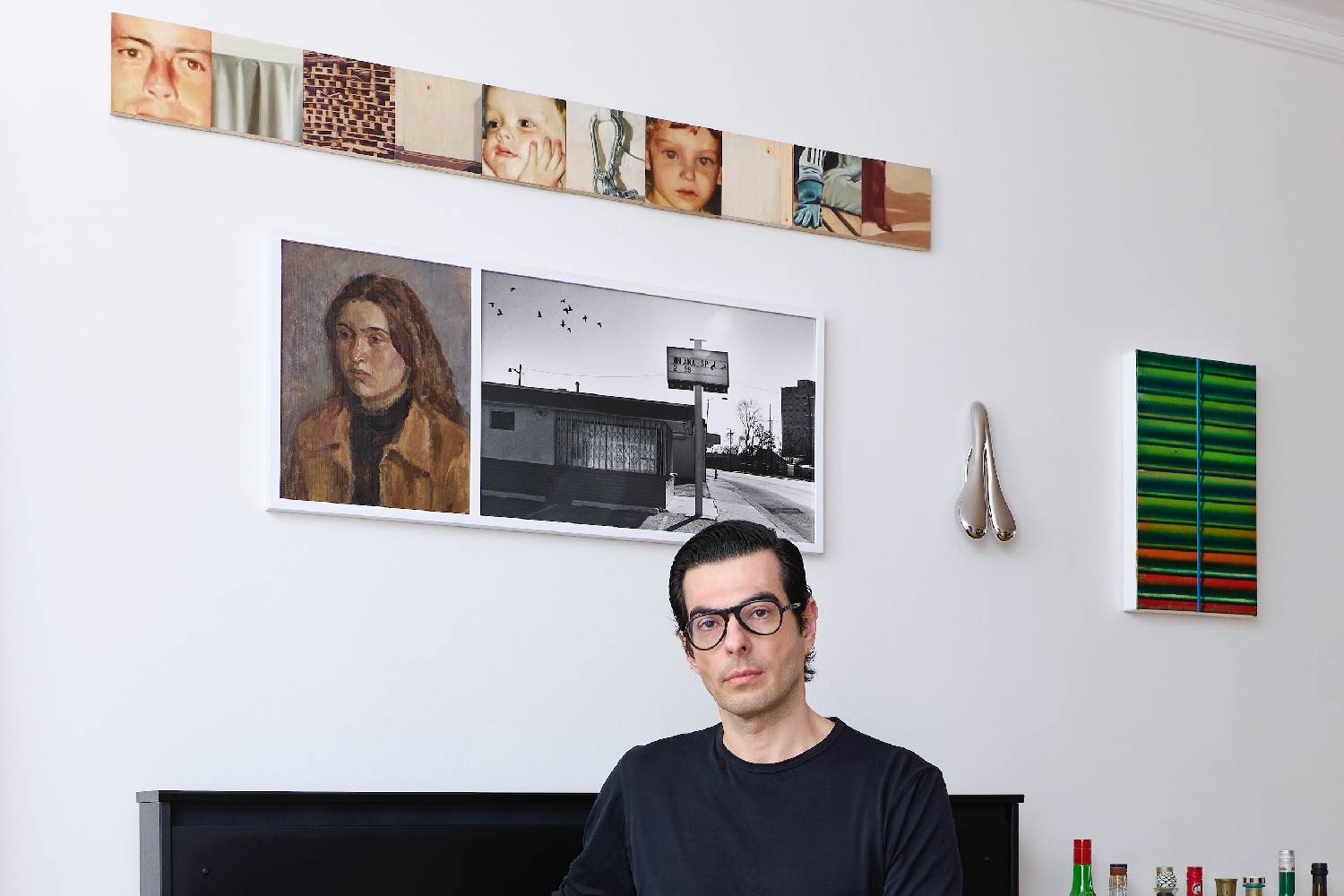
Dr. Dimitrios Tsivrikos, an academic psychologist at University College London, describes how he reads people's personalities and emotional states through the art they choose to display in their homes. In an interview with Artsy, he explains that the visual and emotional enrichment of one's environment—whether through expensive artworks or simple posters—reveals deeper psychological insights about the individual.

art collector questionnaire negotiations acquisition

CULTURED magazine asked art collectors to share their strangest negotiation experiences with artists or dealers. Responses range from a late-night studio sale in a dark East Atlanta alleyway to accidentally bidding on a second impression of a Picasso etching at auction. Other tales include haggling over a borrowed frame after a Christie's purchase, a dealer insisting the artwork be displayed in a specific room, and acquiring a Rick Lowe painting sight unseen from Gagosian after seeing it at the Venice Biennale. The survey reveals the quirky, human side of art transactions often hidden behind market mythology.

reframing the frame

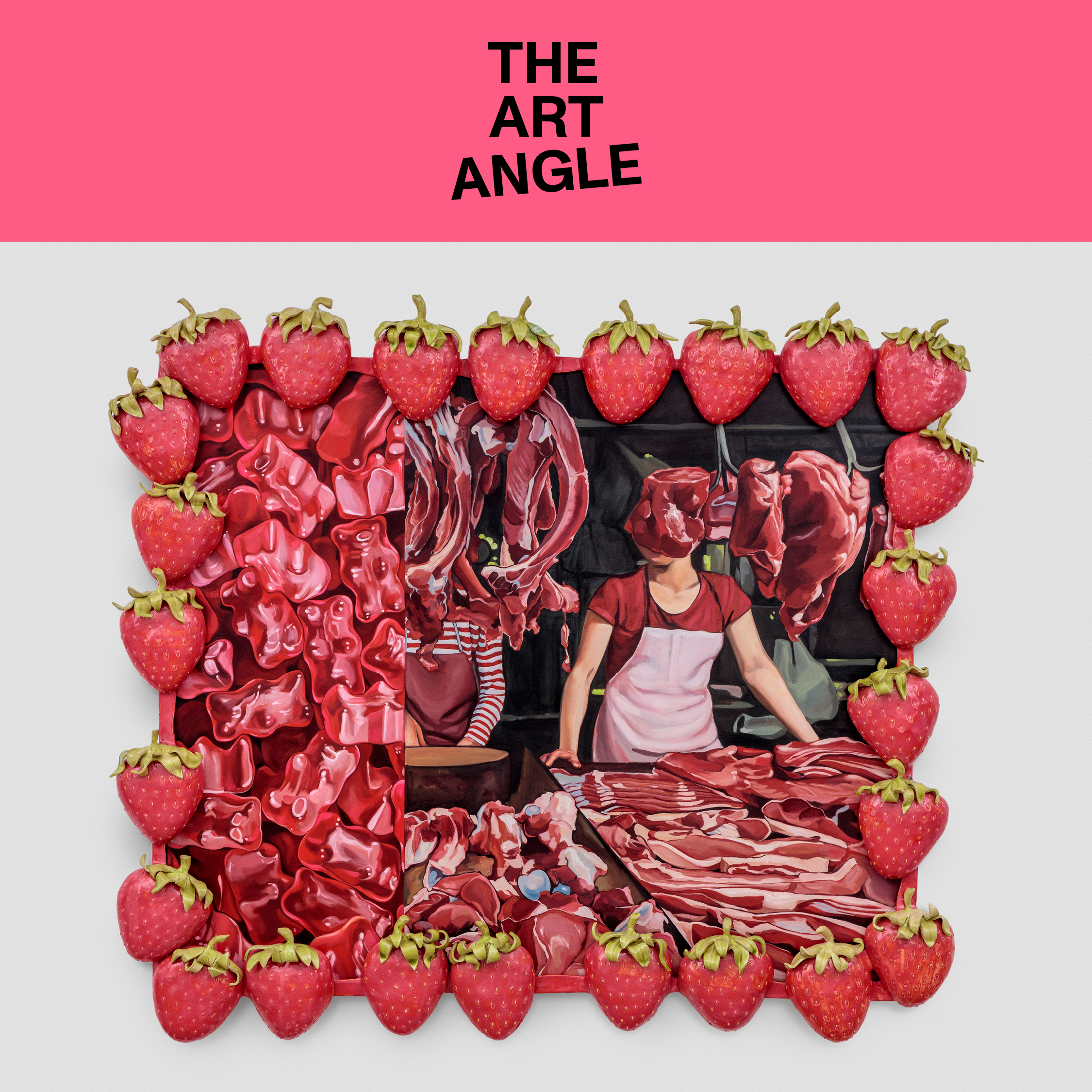
Artnet News revisits the trend of inventive, sculptural frames in contemporary painting, originally explored in Katie White's essay "Bordercore." The article features a podcast conversation between White and editor Ben Davis, examining how artists like Stephanie Temma Hier use frames as surreal, symbolic extensions of their work, moving beyond traditional containment to comment on and disrupt the artwork's boundaries.

jeffrey deitchs coney art walls exploits artists real estate ploy

Jeffrey Deitch, former dealer and ex-director of MOCA LA, has partnered with property developer Thor Equities to create "Coney Art Walls," a summertime display of street art murals on concrete slabs in Coney Island, New York. Located on a vacant lot at 1320 Bowery Street owned by Thor Equities, the project features works by over a dozen artists including Lady Pink, Daze, Lee Quiñones, Swoon, and Mister Cartoon, and shares space with Smorgasburg, a food and drink pop-up village. The article criticizes the venture as a real estate marketing ploy rather than a genuine art exhibition.

the art angle art frames

Artnet News published a podcast episode featuring writer and editor Katie White, who discusses her article "Bordercore: Why Frames Became the New Frontier in Contemporary Art." White explores how contemporary artists are reimagining picture frames as surreal, sculptural, and symbolic elements that actively comment on, disrupt, or extend the artwork beyond its traditional boundaries. She cites examples like Stephanie Temma Hier's 2021 work "Sparks and Tremors," which combines oil on linen with glazed stoneware sculpture, and notes that statement frames are increasingly appearing at art fairs and exhibitions after a long period of frameless display.

who was joan shogren computer art

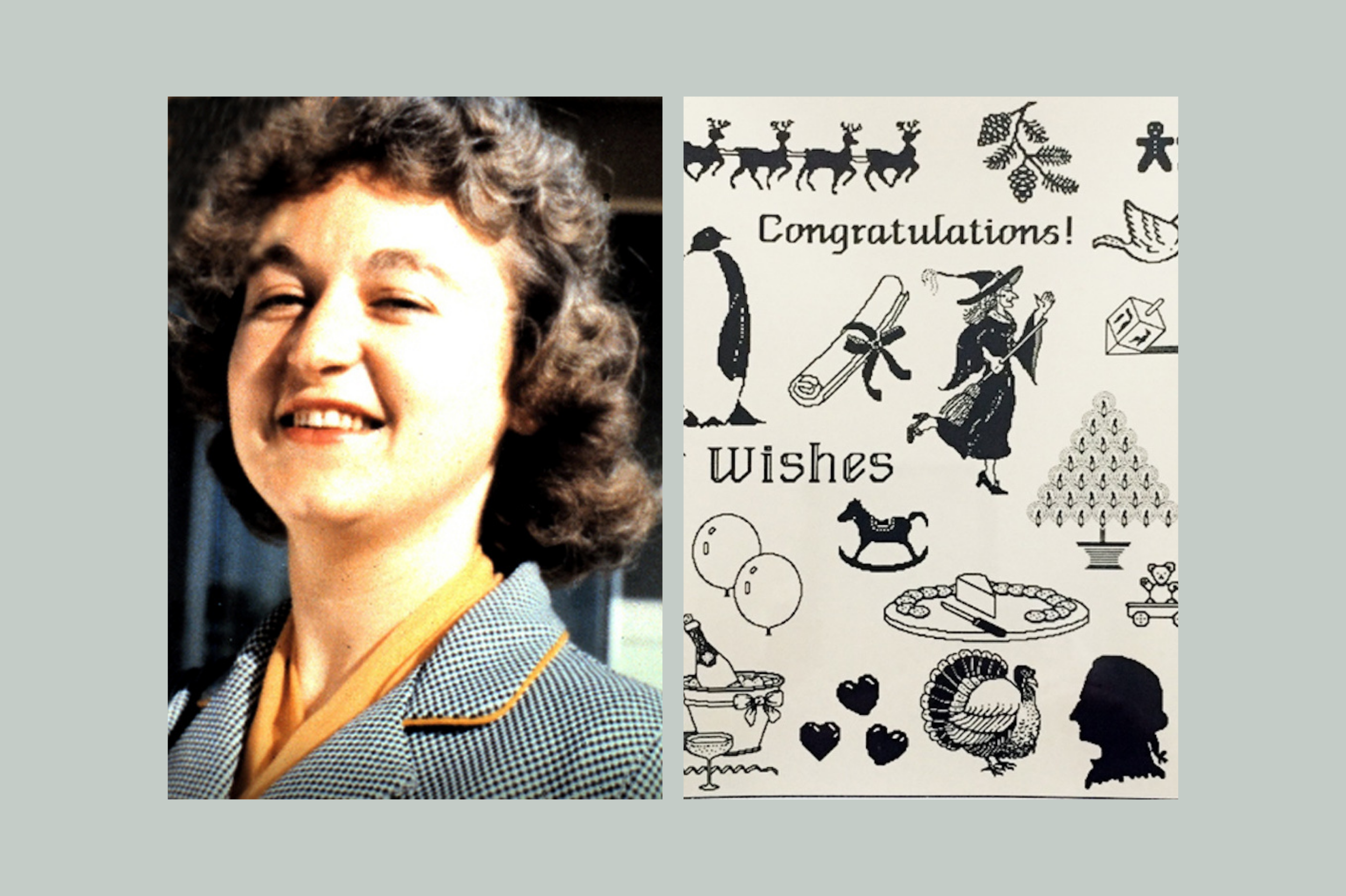
Joan Shogren, a chemistry graduate from San José State University (SJSU) in the early 1950s, created some of the world's first computer-generated art in 1963 while working as a secretary in the chemistry department. Collaborating with graduate student Jim Larson and assistant professor Ralph Fessenden, she developed a theory that computers could create art if given "rules" of proportion, balance, and center of interest. Fessenden translated her "laws of art" into code on an IBM 1620 computer, producing artworks that were printed as number arrays and later hand-colored by artist Marvin Coon. Shogren exhibited these works in May 1963 at the campus bookstore, recognized as the first public display of computer art. Two decades later, she was commissioned by software company T/Maker to create the first clip art, "ClickArt," released in 1984 for Macintosh computers, designed pixel by pixel.

I Turned My TV Into a Rotating Art Gallery Using Free Museum Downloads

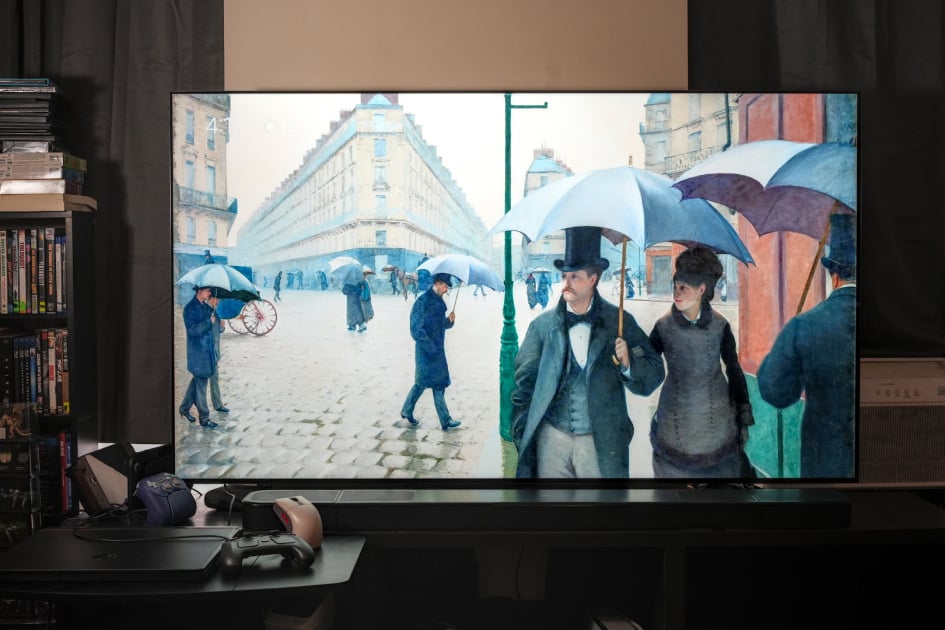
The article provides a guide on how to turn a TV into a rotating art gallery by downloading high-resolution, public-domain images from museum digital collections. It explains the need to filter for Open Access works to avoid copyright issues and recommends several museums with extensive free collections, including the Art Institute of Chicago and the Getty Museum.

Right bank, Left bank: A walk through the sites of “Black Paris”

The article explores the sites of "Black Paris" through a walking tour of locations significant to Black artists and musicians in postwar Paris. It highlights jazz clubs like the Blue Note and Chez Haynes, galleries such as Galerie Huit and Galerie Intemporel, and museums including the Louvre and the Musée de l'Homme, where artists like Gordon Parks, Herbert Gentry, Bob Thompson, and Ernest Mancova found inspiration and community. The tour also examines the film "Harlem-sur-Seine" and the exhibition "Paris Noir," which document these cultural hubs.

artist sarah meyohas architect ben dobbin dalmore

Artist Sarah Meyohas and architect Ben Dobbin, lead of Foster + Partners' San Francisco office, discuss their creative processes in a conversation published by Cultured. Meyohas, known for her conceptual work exploring technology across film, cryptocurrency, and holograms, recently installed a serpentine wall at Desert X and served as an executive producer on the Oscar-winning film *The Brutalist*. Dobbin, whose portfolio includes Apple Park and Vivaldi Towers, collaborated with The Dalmore distillery on the third Luminary series masterpiece, creating a sculptural display for two rare 52-year-aged whisky bottles, one auctioned at Sotheby's. The pair compare notes on designing spaces that shape human experience, from Meyohas's Bell Labs-inspired film *Cloud of Petals* to Dobbin's intimate restaurants in Tuscany.