filter_list Showing 23 results for "Life" close Clear
search
dashboard All 786 museum exhibitions 461article local 133article culture 77article news 31trending_up market 25rate_review review 23candle obituary 19person people 13article policy 3gavel restitution 1
date_range Range Today This Week This Month All
Subscribe

The 2026 Venice Biennale Is Quintessential Biennial Art

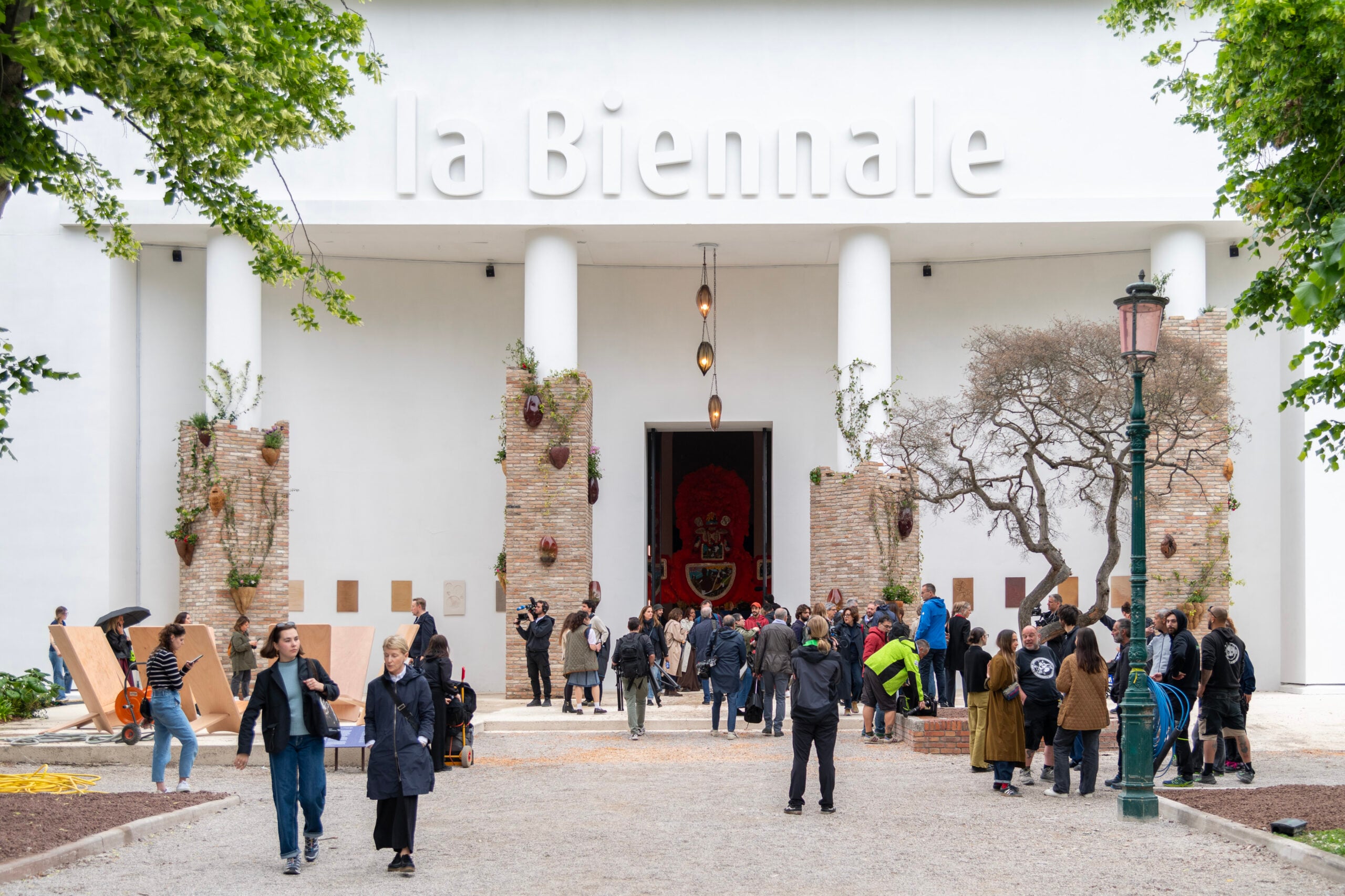
The 61st Venice Biennale, titled "In Minor Keys" and curated by the late Swiss-Cameroonian curator Koyo Kouoh, opened in 2026. The main exhibition at the Arsenale and Giardini features works by artists such as Éric Baudelaire, Maria Magdalena Campos Pons, Mohammed Z. Rahman, Sohrab Hura, and Rose Salane, among others. The exhibition centers on themes of mourning, colonial history, slavery, and healing, with works like Baudelaire's video installation linking the flower trade to the transatlantic slave trade, and a tribute section honoring artists Beverly Buchanan and Issa Samb.
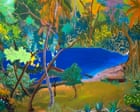
Hulda Guzmán review – lizards and ghosts gather for an art freakout in the rainforest

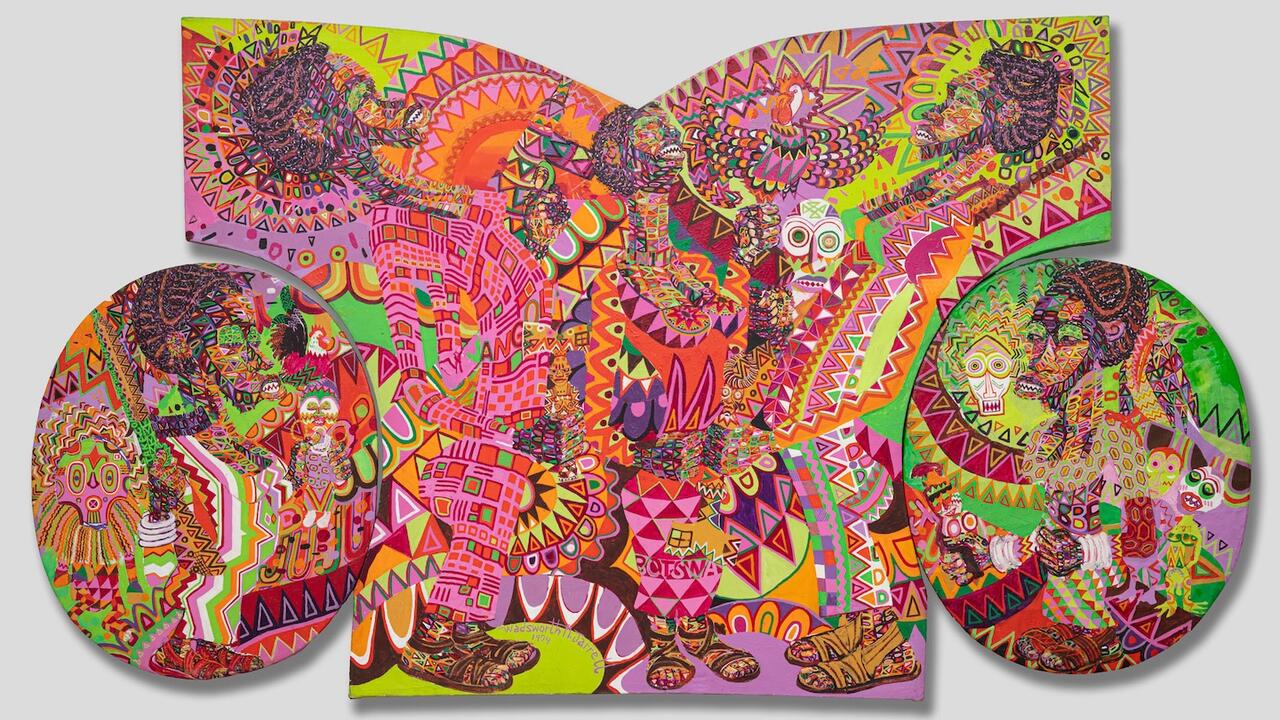
Hulda Guzmán's first institutional exhibition in Europe, "Please Awake – Asked Nature Kindly," is on view at Turner Contemporary in Margate, UK. The show features the Dominican artist's ultra-colorful, psychedelic jungle paintings that blend art historical references—from Japanese ukiyo-e prints to pointillism and symbolism—with personal mythology, demons, spirits, and lush tropical landscapes. The works are drawn from her life in the Dominican rainforest, where she lives and works in a studio built by her architect father.

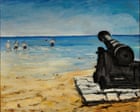
Winston Churchill: The Painter review – We will daub them on the beaches

The Guardian reviews "Winston Churchill: The Painter," an exhibition of nearly 60 paintings by the former British prime minister, curated by Xavier Bray and Lucy Davis. The show assembles works from across the UK and private collections, depicting scenes from Churchill's travels, stately homes, and leisure moments, painted as an amateur Sunday painter for stress relief rather than artistic acclaim. The review notes Churchill's use of techniques borrowed from Walter Sickert, including projectors and monochrome underlayers, and describes his style as charmingly amateurish with a vivacity in seascapes but weakness in figures and architectural luminosity.

Zineb Sedira review: A chic ode to revolutionary cinema, brainy boozers – and exceptional berets

Zineb Sedira's exhibition at Tate Britain presents a cinematic and sculptural homage to La Cinémathèque Algérienne, the Algerian film archive founded in 1965 that became a hub for leftist African filmmakers. The show recreates a 1970s Algerian cafe in Paris, complete with a jukebox, books on revolutionary cinema, and a model movie theater screening a documentary about the archive's director, Boudjemaâ Karèche. Sedira, born in Paris to Algerian parents and based in London, weaves personal and political narratives to explore identity, diaspora, and the role of art in social change.

Anni Albers Wasn’t Afraid to Start From Zero

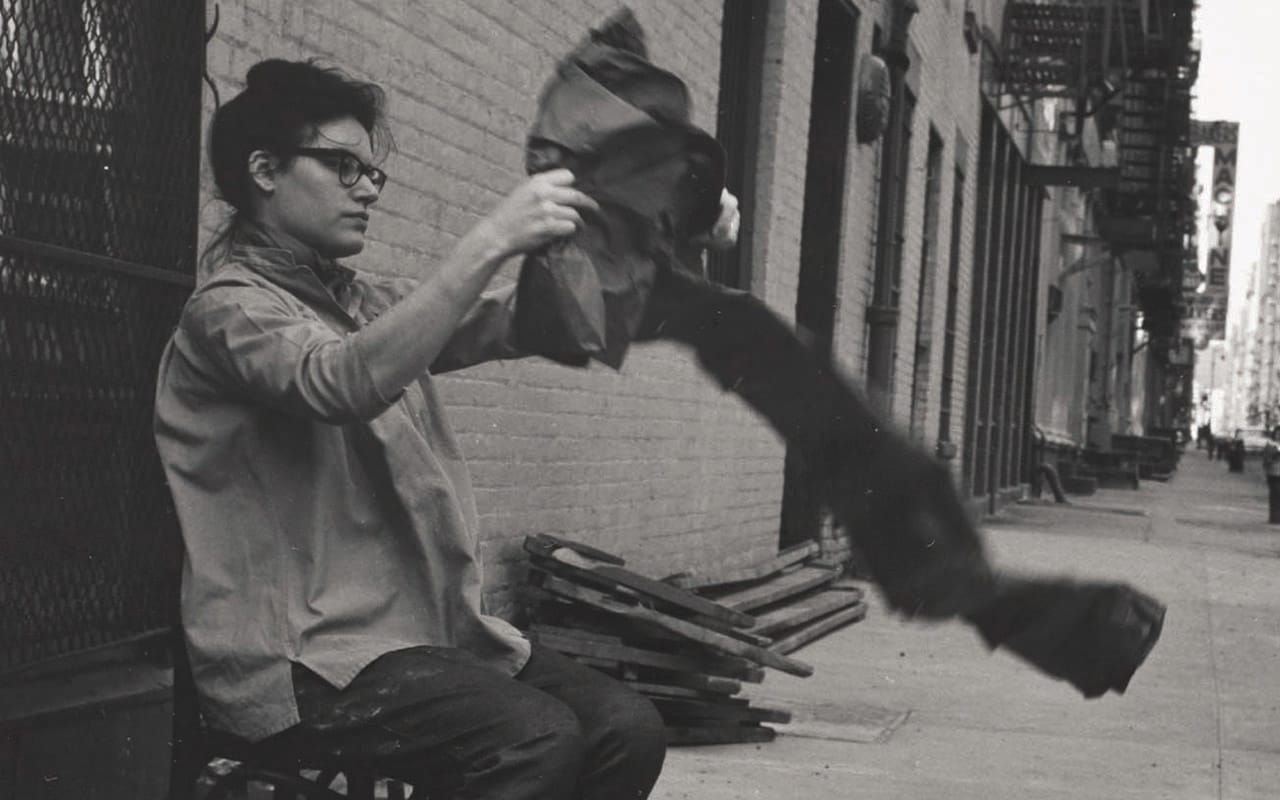
Nicholas Fox Weber's new biography, *Anni Albers: A Life*, draws on his nearly 25-year friendship with the artist to offer an intimate, nuanced portrait of the pioneering textile artist. The book traces Albers's journey from her birth in Berlin in 1899, through her studies and teaching at the Bauhaus and Black Mountain College, her escape from Nazi Germany in 1933, and her later years in Connecticut. Weber, who serves as executive director of the Josef & Anni Albers Foundation, fills the biography with lively anecdotes—from her love of Kentucky Fried Chicken to her sharp wit—while correcting the "stock stories" she often repeated, revealing her personality and artistic dedication with rare depth.

The Carnegie International Looks Back at Itself

The 58th Carnegie International at the Carnegie Museum of Art in Pittsburgh looks back at its own 130-year history, featuring a gallery dedicated to past iterations. The exhibition includes Chris Ofili's "The Adoration of Captain Shit and the Legend of the Black Stars" (1998), which was originally shown in the 53rd International in 1999, the same year Ofili's more notorious "The Holy Virgin Mary" sparked controversy at the Brooklyn Museum. The article reviews how the current iteration captures the excitement of earlier exhibitions while providing commentary on authoritarianism and militarism.

Is This What “Made in America” Looks Like?

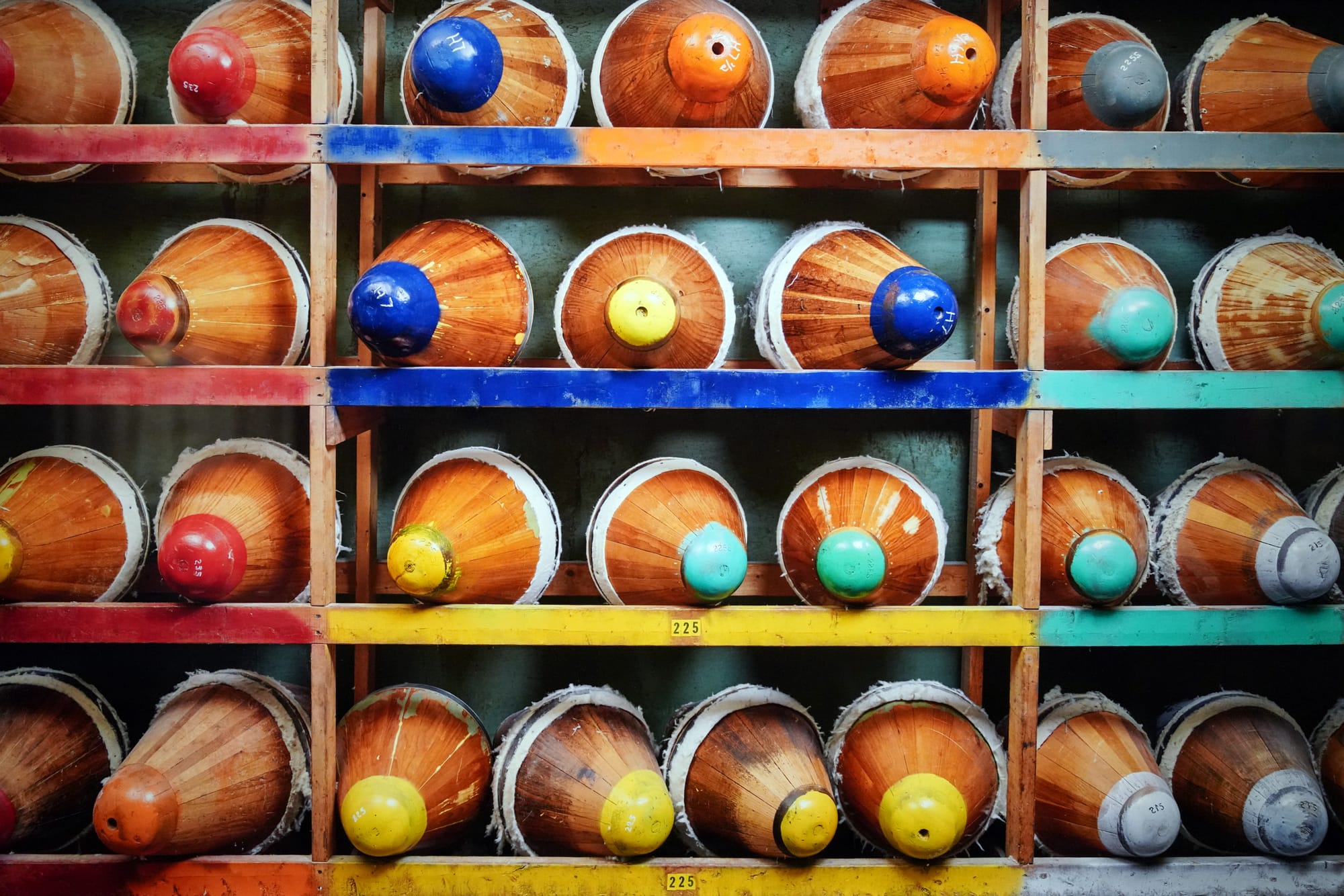
Christopher Payne's exhibition "Made in America: The Industrial Photography of Christopher Payne" at the Cooper Hewitt, Smithsonian Design Museum showcases 72 large-format photographs documenting active American factories and manufacturing processes. The trained architect turned photographer spent a decade visiting dozens of production sites across the United States, from the New York Times printing plant in Queens to the Bollman Hat Company in Pennsylvania, capturing workers' craftsmanship and the intricate steps involved in making everything from Peeps candies to jet engines. The exhibition is organized into three sections—traditional handcraft, large-scale production, and cutting-edge technologies—and coincides with the Smithsonian's celebration of the nation's 250th anniversary.

The Enigma of Alison Knowles

Lauren Moya Ford reviews the only book dedicated to Fluxus artist Alison Knowles, who died six months ago. The book, "Performing Chance: The Art of Alison Knowles In/Out of Fluxus" by Nicole L. Woods (2026), attempts to illuminate Knowles's life and work, but Ford notes that much of her personal life remains mysterious despite the author's efforts. The article is part of a broader books newsletter that also features new tomes on Hans Holbein’s portraits, Jan Staller’s photographs of Manhattan construction sites, and a discussion of a Black Panther family album at the Studio Museum in Harlem.

Blank Spaces. Sung Tieu by Sarah Johanna Theurer

Sung Tieu's installations, characterized by austere, bureaucratic surfaces, explore the hidden architectures of power embedded in everyday systems. The article examines her series of works that deconstruct administrative forms used in asylum procedures, reducing them to blank spaces and quantified grids to expose how institutional power operates through seemingly neutral documents. Her exhibition "In Cold Print" at Nottingham Contemporary physically manifests these themes by using steel fences to control viewer movement, drawing direct parallels between minimalist sculpture and the dehumanizing design of border controls.

Between Tropes and Treats at NADA New York

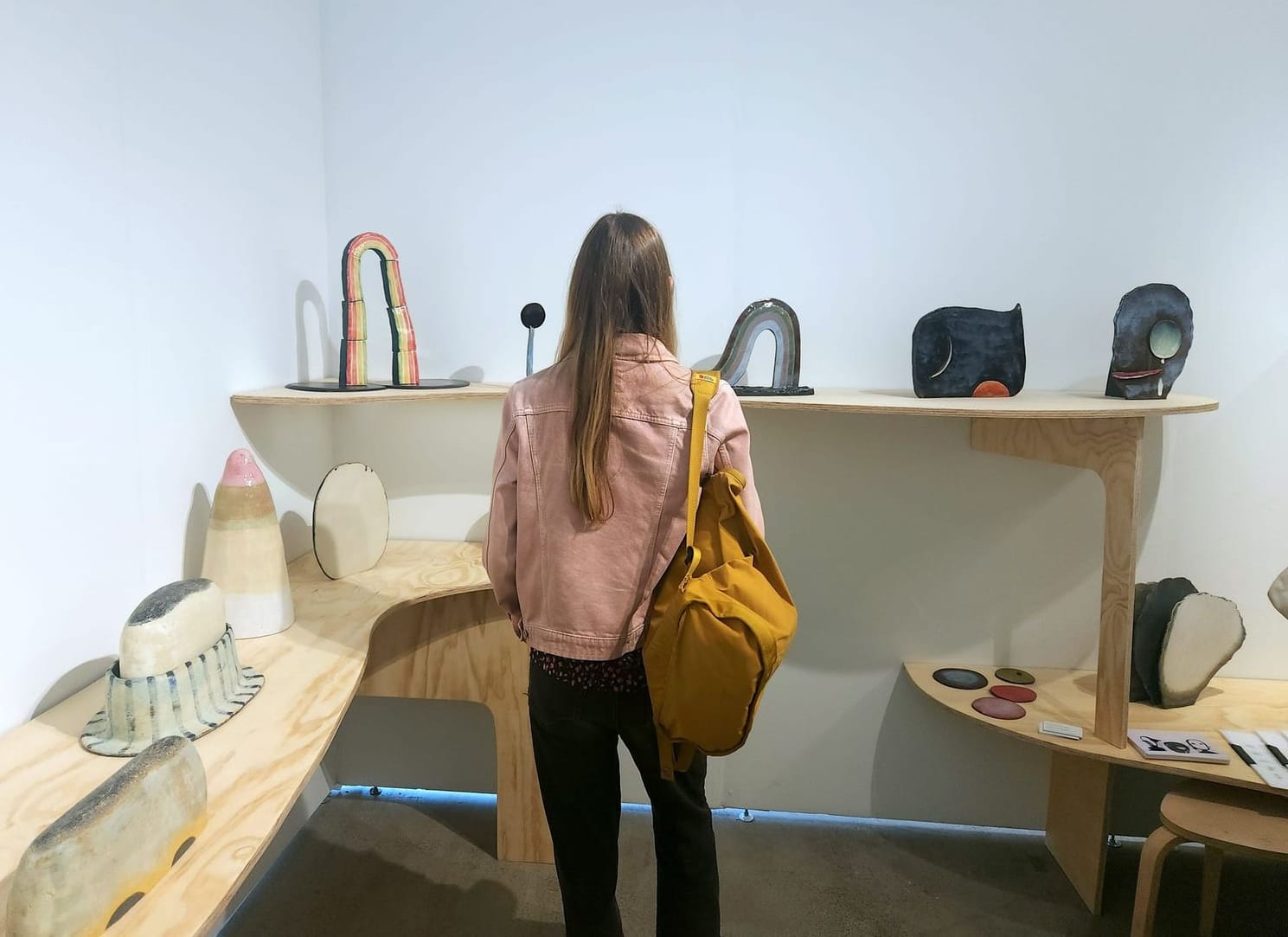
The 12th annual New Art Dealers Alliance (NADA) fair opened at the Starrett-Lehigh Building in Manhattan, featuring a wide array of contemporary works. Critic Rhea Nayyar notes that while many booths felt interchangeable due to prevalent trends like zany sculptures, shiny materials, and kitschy vibrancy, several standout pieces offered genuine engagement. Highlights include Elena Roznovan's maternal ephemera embedded in concrete with bondage tape, Kelly Tapia-Chuning's deconstructed serapes addressing colonial violence, and Niniko Morbedadze's folkloric illustrations.

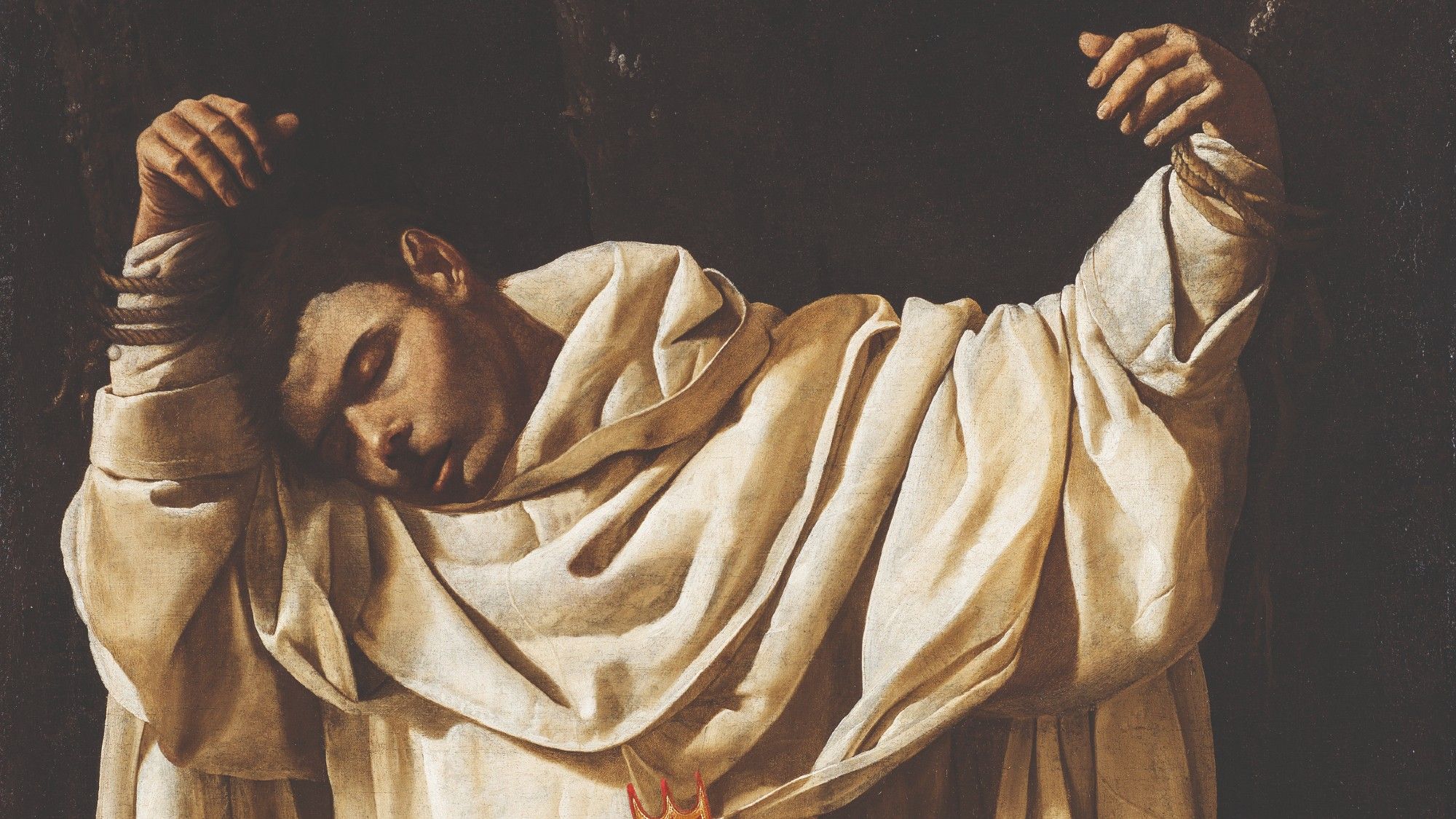
Zurbarán: a ‘magnificently choreographed’ showing of the Spanish ‘genius’

The article reviews the first-ever British exhibition dedicated to Spanish Baroque painter Francisco de Zurbarán, held at the National Gallery in London. The show brings together 40 works from collections spanning Seville to San Diego, featuring his hyper-real religious paintings and radiant still lifes, described as a 'magnificently choreographed' trawl through his oeuvre. Critics praise the exhibition for its dramatic lighting and revelatory presentation, though some note uneven quality in his later works.

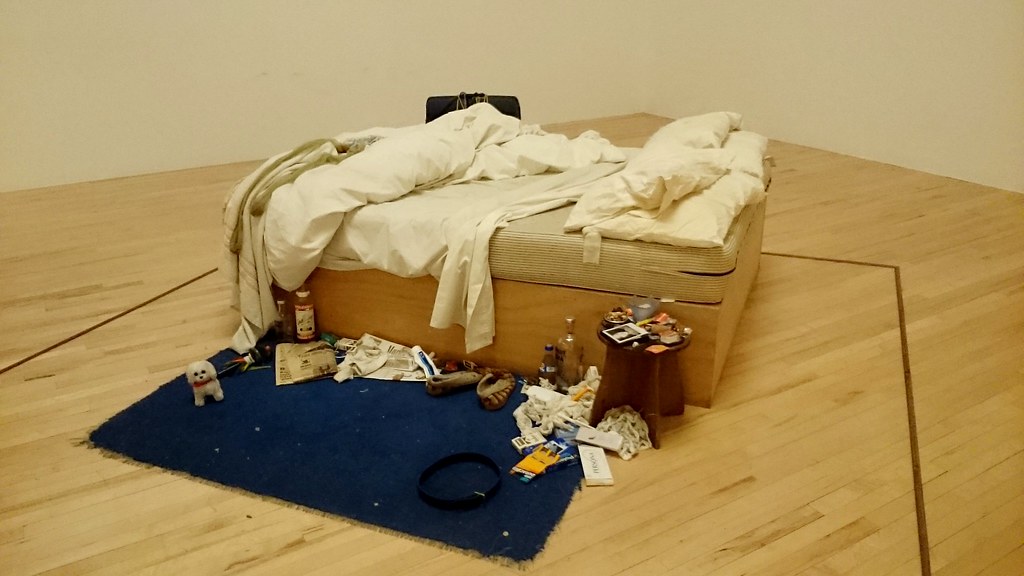
What I learned from Tracey Emin about regeneration

The article reviews Tracey Emin's exhibition "A Second Life" at Tate Modern, describing the author's initial lack of aesthetic connection to the artworks—finding the paintings derivative and neon signs tacky—but ultimately being moved by the exhibition's emotional force and the artist's refusal to disguise pain, humiliation, and grief. The author notes the crowded galleries, the predominantly female audience responding with visceral emotion, and highlights the film "How It Feels" as the most impactful piece, in which Emin discusses her traumatic abortion and its effect on her self-perception.

Zurbarán at the National Gallery is more agony than ecstasy

The article reviews the exhibition 'Zurbarán' at the National Gallery in London, arguing that the show fails to capture the spiritual intensity and emotional power of the Spanish Baroque painter's work. It criticizes the curatorial choices, suggesting the display feels flat and lacks the ecstatic religious fervor that defines Zurbarán's best paintings, leaving viewers with a sense of agony rather than transcendence.

Did Zurbarán Believe What He Painted?

An exhibition of Francisco de Zurbarán's 17th-century religious paintings at London's National Gallery prompts a critic to question whether the artist's personal faith influenced his artistic skill. The show features monumental works from Spanish churches and monasteries, displayed dramatically against black walls, including crucifixion scenes, monks, and saints. The critic notes that no personal records of Zurbarán survive—only contracts—leaving his beliefs unknown, and compares him to Agnolo Bronzino, who painted pious scenes but wrote obscene verses. A small painting of a crucified Christ with a painter, possibly a self-portrait of Bronzino, is presented as ambiguous evidence of faith.

"She's Like the Wind"

The article reviews "She's Like the Wind," an annual all-female group exhibition at Deep Space gallery in Jersey City, featuring works by artists Delilah Ray Miske, Leigh Cunningham, and SarahGrace. Miske's painting "Lemon Lime Toe of God" shows only a woman's leg and foot, while Cunningham's oil paintings present figures as blurred forms seen through a translucent curtain, and SarahGrace's textile works depict headless female nudes with suggestive titles like "Provoke" and "Dominate." The show marks a departure from the gallery's typically family-friendly, sex-averse programming.

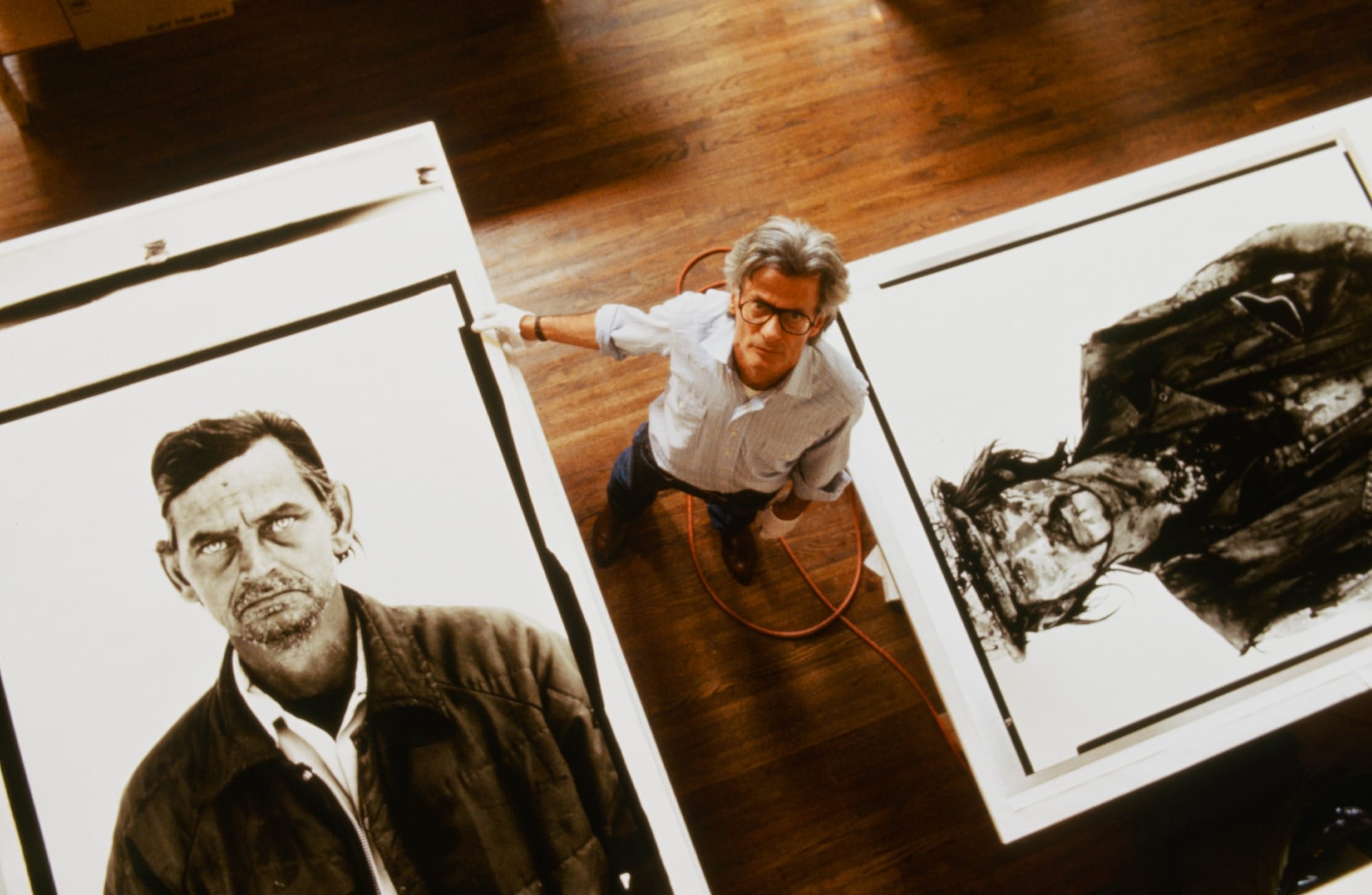
A New Richard Avedon Documentary Lets Him Down

A new documentary titled "Avedon" (2026), directed by Ron Howard, premiered at the Cannes Film Festival. The film offers a conventional tour of the life of famed photographer Richard Avedon, relying on talking-head interviews and behind-the-scenes anecdotes rather than delving into the artistic process or the deeper implications of his work. The review criticizes Howard's approach as hackwork, noting that the documentary misses opportunities to explore Avedon's insights on image culture, his influence on cinema, and the technical evolution of his photography.

The Mysterious Life of Fluxus Dame Alison Knowles

A new book, "Performing Chance: The Art of Alison Knowles In/Out of Fluxus" by art historian Nicole L. Woods, is the first major study of the late Fluxus artist Alison Knowles, who died last fall at age 92. The book focuses on the first two decades of her career (1958–1975), analyzing key works such as her 1962 performance "Proposition #2: Make a Salad" at London's Institute of Contemporary Arts, and her shift from painting to experimental, ephemeral art after being exiled to a basement by Josef Albers at Syracuse University.

How to Have the Perfect Day at Frieze New York 2026

Andrew Durbin reviews the national pavilions at Frieze New York 2026, contrasting a vacuous US presentation with incisive and moving installations from Britain and Germany. The review highlights the disparity in conceptual depth and emotional resonance among the three pavilions, with the US offering little meaning while the British and German contributions engage seriously with contemporary issues.

What is the international exhibition of the Venice Biennale like? Review of "In minor keys" by Koyo Kouoh

Com’è la mostra internazionale della Biennale di Venezia? Recensione di “In minor keys” di Koyo Kouoh

The 2026 Venice Biennale, titled "In minor keys" and curated by the late Koyo Kouoh, opens to the public on May 9 amid controversies including the absence of the president's name in the colophon at the Arsenale entrance. The exhibition, organized by Kouoh's team (Rory Tsapayi, Siddharta Mitter, Marie Helene Pereira, Gabe Beckhurst Feijoo, and Rasha Salty), unfolds across the Giardini and the Arsenale's Corderie, featuring works that balance strength and beauty with a harmonious mix of voices and themes. The Giardini section is particularly compelling, with a non-linear, polycentric layout that feels like a living organism, while the Arsenale offers further depth.

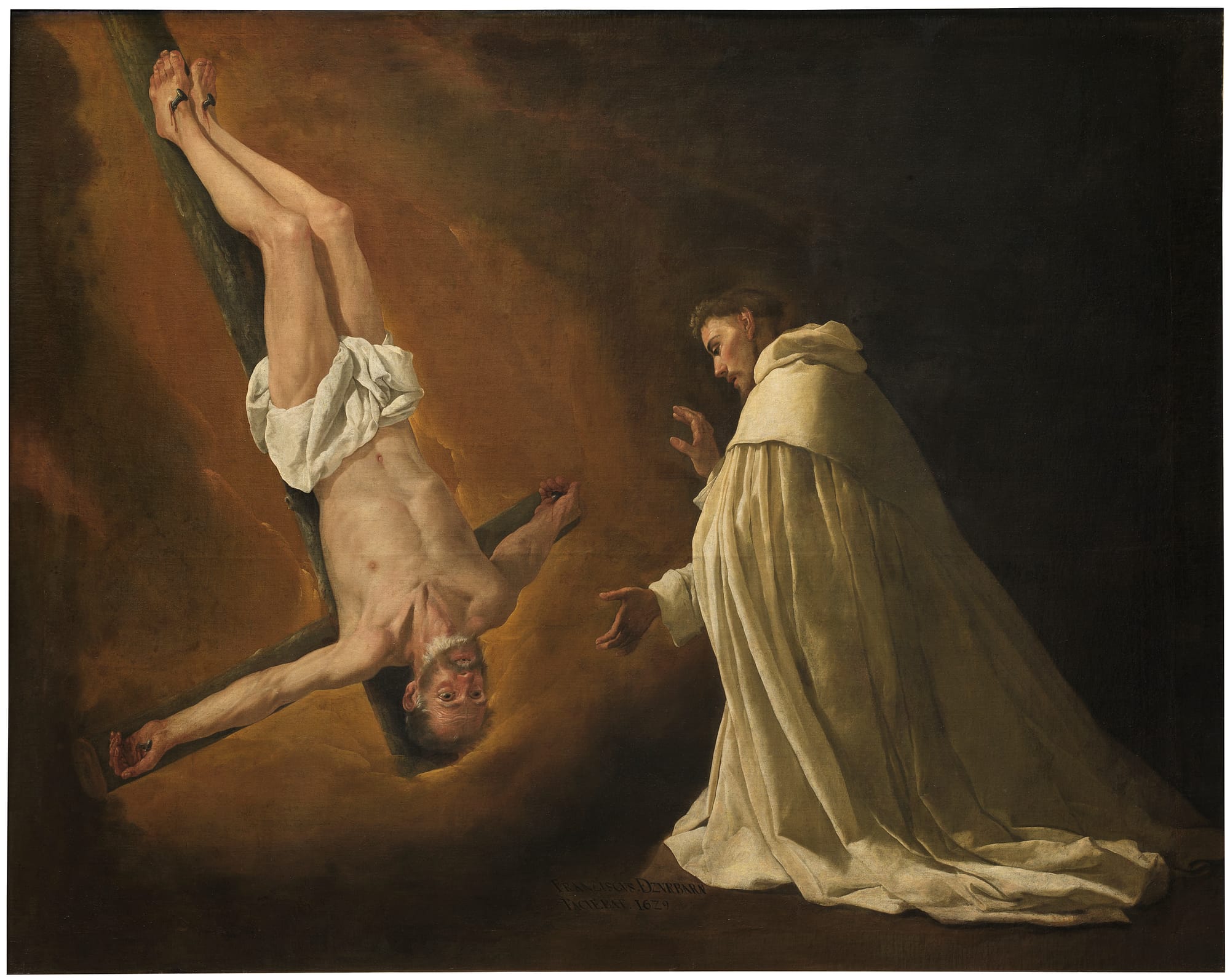
Zurbarán review: Even the godless will be enraptured by this drama

The article reviews a major exhibition of 17th-century Spanish painter Francisco de Zurbarán, highlighting his dramatic religious works such as a stark crucifixion, a depiction of St. Peter crucified upside down, and a series of saintly princesses. It notes the exhibition's effective hanging, the artist's use of vivid color and theatrical lighting, and includes recently attributed works like a mysterious giant head. The review emphasizes the blend of high drama, emotion, and Catholic piety in Zurbarán's paintings, as well as his still lifes that rival those of Velázquez.

For Ceija Stojka, Memory Is Survival

The article reviews the exhibition "Ceija Stojka: Making Visible" at the Drawing Center in New York, showcasing over 50 paintings and drawings by the late Romani-Austrian artist. Stojka, a child survivor of the Holocaust, documented both the atrocities she endured and the tender, everyday beauty of Romani life, using acrylic, sand, and paper to convey memories of her family's traveling wagon and natural landscapes. The show highlights her self-taught practice and outsider perspective, featuring works from the 1990s alongside her memoirs, which were posthumously translated in 2022.

Rome and its visions in contemporary photography: from Carbone to De Angelis, to Hervé Gloaguen

Roma e le sue visioni nella fotografia contemporanea: da Carbone a De Angelis, fino a Hervé Gloaguen

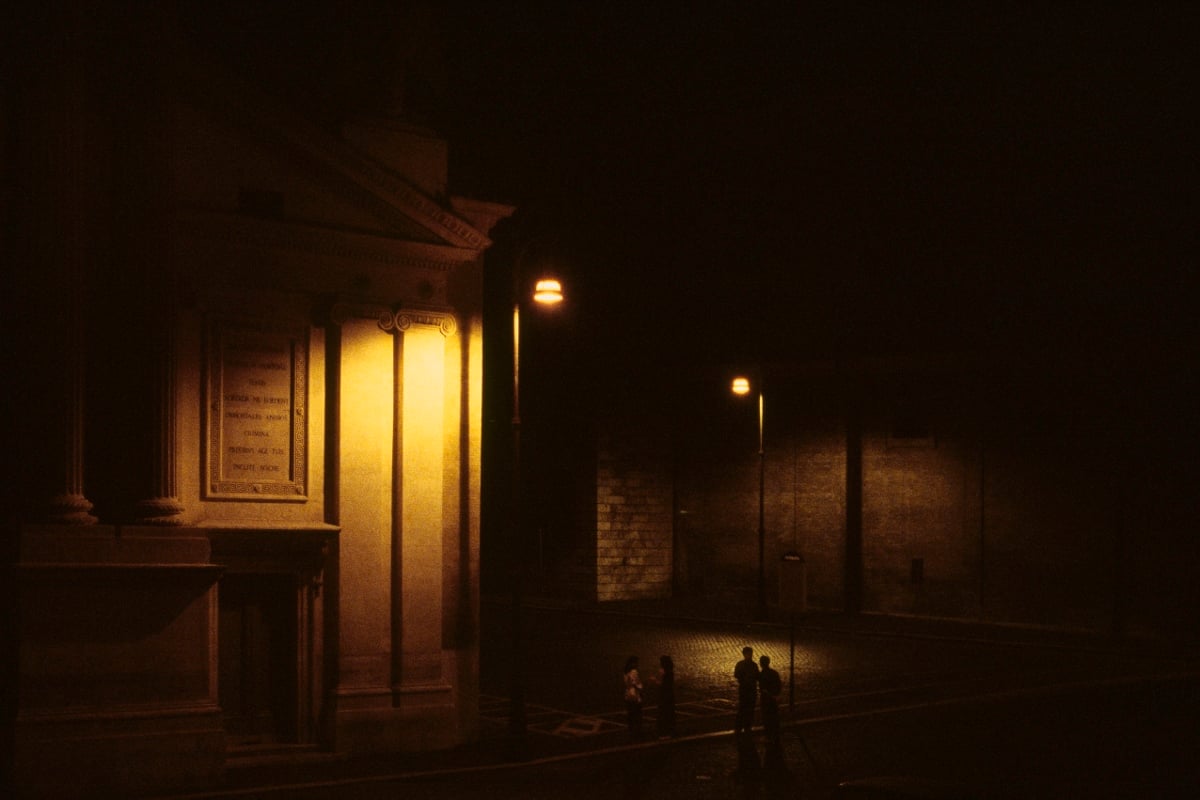
The article critiques a recent trend in contemporary photography of Rome, exemplified by a 2020 exhibition at the Mattatoio (Nuove produzioni 2020 per la collezione Roma) that presented black-and-white images reducing the urban landscape to a dark, lifeless mass. The author contrasts this with a personal photograph of a horse taken during the Covid-19 pandemic, which captures Rome's periphery with warmth and specificity, and praises the 2024 exhibition "Roma 1975, città, volti e storie dell'anno giubilare" featuring photojournalist Fabio De Angelis's rediscovered work as a vital counterpoint.

Ghosts in a Postcard Idyll

Geister im Postkartenidyll

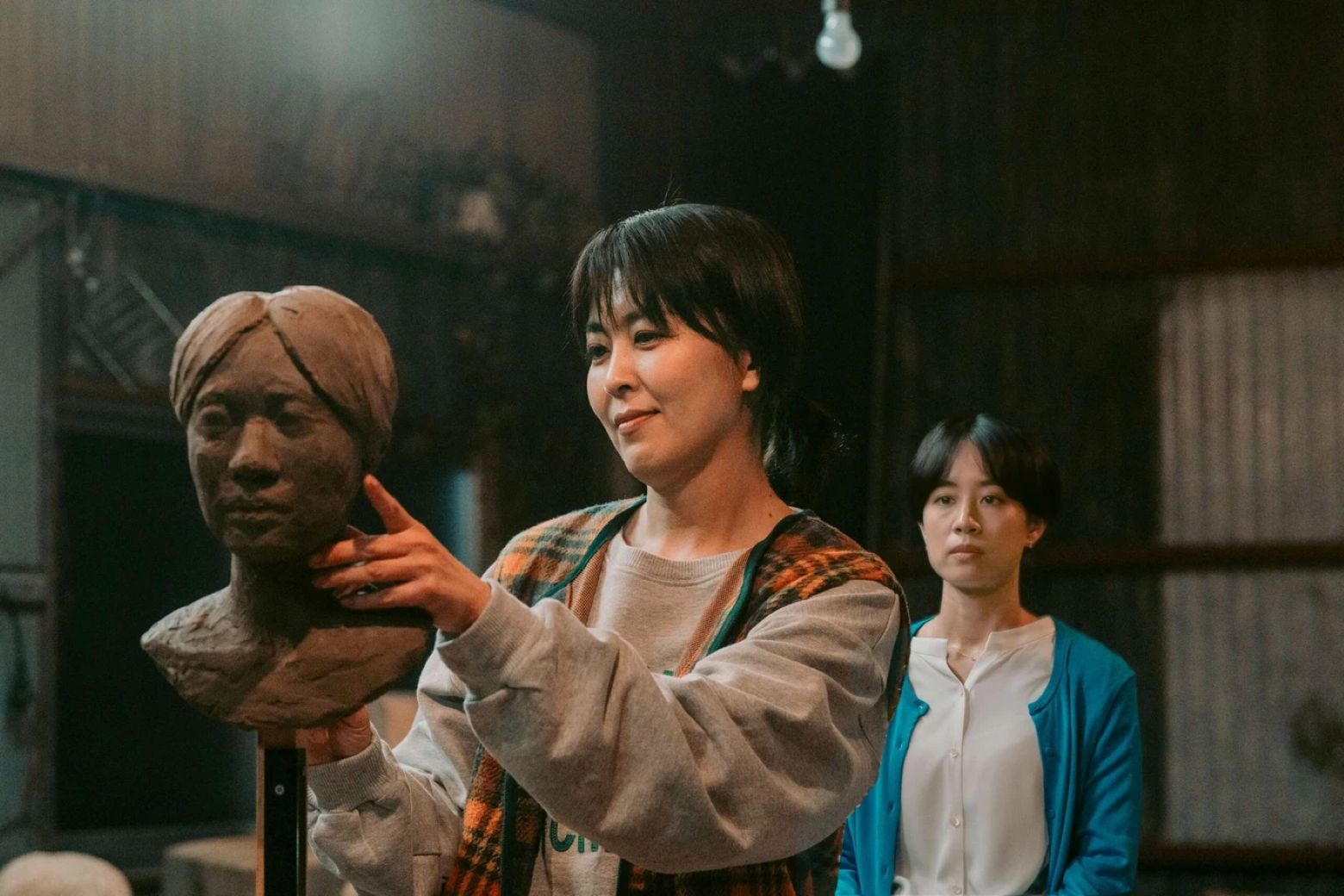
Kôji Fukada's film "Nagi Notes" premieres in competition at the Cannes Film Festival, following Yoriko (Takako Matsu), a sculptor and farmer living a quiet, self-sufficient life in the rural Japanese town of Nagi. Her routine is disrupted when her old friend Yuri (Shizuka Ishibashi), an architect, arrives to model for a sculpture, stirring buried emotions and past conflicts. The film explores the slow, delicate process of creating art and the psychological tensions between the two women, set against the backdrop of Nagi's idyllic but symbolically flat landscape.